Laws From The Victorian Era That Controlled What Ordinary People Could Wear
Picture walking down a busy street where every passerby’s outfit follows an invisible rulebook written decades ago. Your hat, your sleeves, even the fabric touching your skin — all dictated by laws that could land you in jail for the wrong choice. This wasn’t some dystopian fantasy. This was everyday life for ordinary people during the Victorian era, when governments across Europe and America decided that regulating clothing was just as important as regulating commerce or crime.
The Victorian obsession with moral order extended far beyond drawing room etiquette and Sunday sermons. It reached into wardrobes, tailor shops, and even bedroom drawers, creating a web of regulations that touched every social class. These weren’t just suggestions or social customs — they were actual laws with real penalties, enforced by police and magistrates who took fabric choices as seriously as theft or public disorder.
Sumptuary Laws Restricting Luxurious Fabrics

The government banned silk, velvet, and imported lace for anyone below a certain income threshold. You had to prove your wealth through tax records to wear anything that shimmered.
These laws hit hardest during wedding season. Brides from working families faced fines for wearing silk dresses that had been family heirlooms. The fabric police (yes, that was an actual job) would inspect wedding parties and issue citations on what should have been the happiest day of someone’s life.
Mourning Dress Duration Requirements
When someone died, the law didn’t just expect you to grieve — it told you exactly how long to wear black, and what kind of black was acceptable at each stage (because apparently there were wrong ways to mourn, and the government needed to correct them). Widows faced the strictest regulations: two years of deep black crepe, followed by eighteen months of lighter mourning fabrics, then six months of half-mourning in gray or purple.
And this wasn’t just social pressure — these were actual statutes with enforcement mechanisms.
The absurdity reached peak bureaucracy when officials began measuring the dullness of fabric to ensure it wasn’t too shiny for the mourning period (shiny suggested you weren’t sad enough, which was somehow a legal matter). Store owners had to stock government-approved mourning fabrics and could face prosecution for selling the wrong shade of black to someone whose grief timeline didn’t match their purchase. So not only were you dealing with loss, but you were also navigating a legal minefield every time you got dressed.
Working-Class Color Restrictions

There’s something deeply unsettling about a world where brightness itself becomes a privilege — where the simple act of wearing yellow or red marks you as someone who has forgotten their place in society’s carefully constructed hierarchy. The Victorian authorities understood that color carries power, that it signals hope and joy and defiance, which is exactly why they worked so hard to drain it from the lives of ordinary people.
Working families learned to navigate this landscape like sailors reading dangerous waters, always aware that the wrong shade could bring unwanted attention from those who believed that drabness was not just appropriate for the poor, but morally necessary. A factory worker’s daughter might spend weeks saving for a bright ribbon, only to wear it hidden beneath her collar — a small rebellion that had to remain invisible.
Hat Requirements for Different Social Classes

Poor men couldn’t wear top hats. Rich men had to wear top hats in certain public spaces. The middle class got stuck with bowler hats and endless anxiety about whether their choice suggested they were reaching above their station.
The hat laws created an entire secondary economy of hat rentals for special occasions. Men would borrow appropriate headwear for court appearances, job interviews, or church services, then return it like a library book. Getting caught in the wrong hat could cost you more than most people earned in a week.
Sunday Dress Codes Enforced by Law

Sunday clothing laws went beyond religious custom into actual legal territory. You couldn’t attend church in everyday work clothes, but you also couldn’t dress too elaborately for regular Sunday services.
The authorities appointed church wardens to monitor congregation attire and report violations. These officials carried actual legal authority to fine parishioners whose Sunday outfits violated the dress codes. So your relationship with God apparently required government oversight of your wardrobe choices.
Restrictions on Imported Textiles
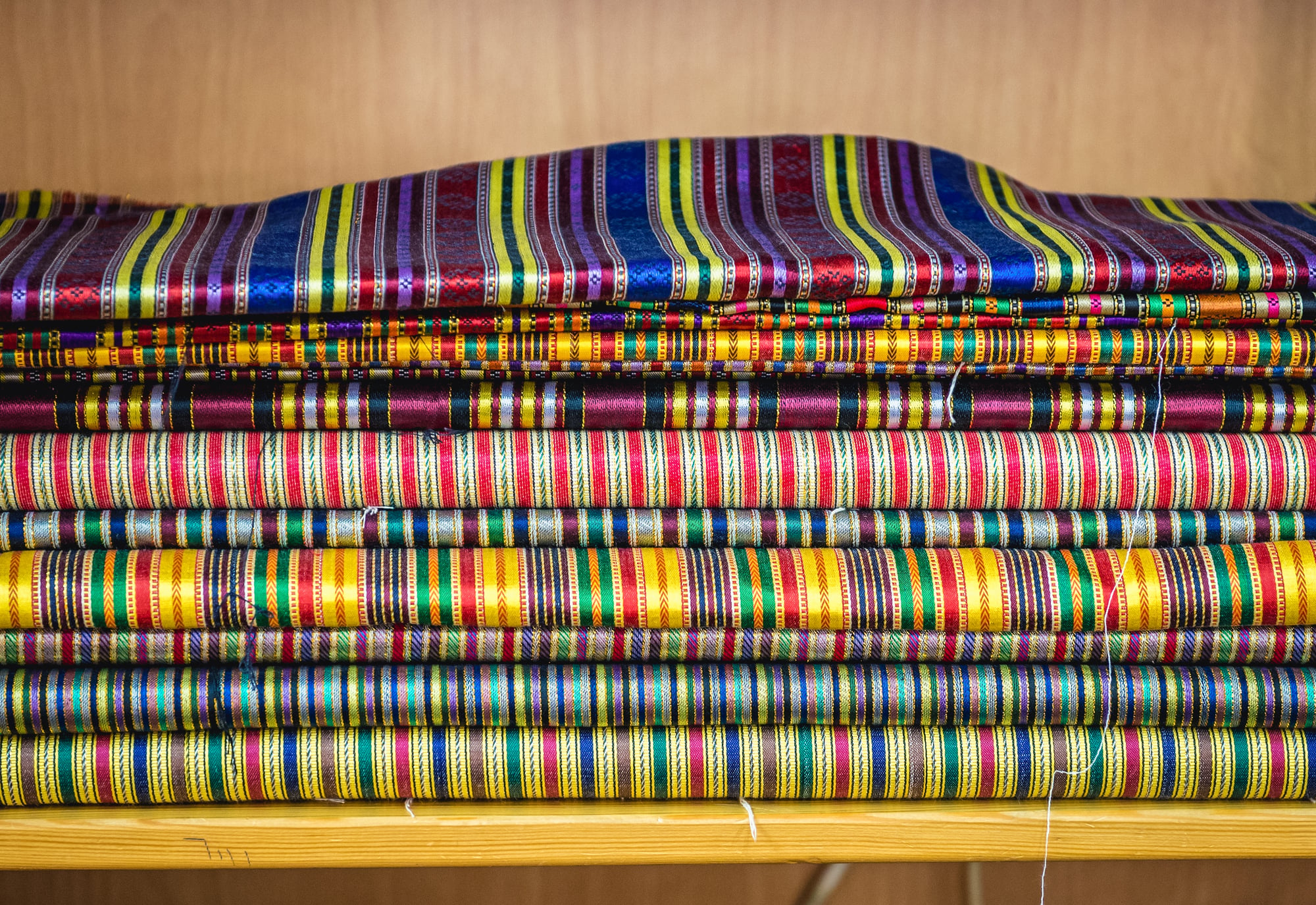
The Victorian era actually saw massive importation and consumption of Indian cotton, French silk, and Chinese textiles, which became central to British fashion and domestic life. No documented laws banned these fabrics based on moral concerns; rather, they were highly desired luxury imports that fueled British trade and industry.
But the real impact fell on ordinary families who had saved for months to afford something beautiful, only to discover that beauty itself had been deemed foreign and therefore dangerous. A woman might travel to the textile district with careful plans and precious coins, then return home empty-handed because every fabric that caught her eye originated from somewhere the government deemed morally suspect. And so the empire that built its wealth on global trade simultaneously told its citizens that the world’s offerings were too sophisticated for their simple British souls.
Workplace Uniform Mandates

Factory owners worked with government officials to establish mandatory clothing standards for workers. Specific colors meant specific job roles, and wearing the wrong outfit to work meant you couldn’t work that day.
These weren’t safety requirements — they were social control mechanisms disguised as workplace efficiency. A skilled craftsman demoted to basic labor had to surrender his higher-status work clothes and accept the humiliation of lower-class fabric choices. The uniform laws made every workplace a visible hierarchy where your outfit announced your worth to everyone around you.
Restrictions on Evening Wear Colors

While Victorian society maintained strict social conventions about appropriate colors for different classes and occasions, no government-appointed ‘color police’ existed to patrol formal gatherings or enforce chromatic class systems. Color restrictions were enforced through social convention and peer judgment, not legal authority.
The enforcement created scenes that would be laughable if they weren’t so cruel: families arriving at community celebrations only to be turned away because someone’s carefully chosen outfit violated the chromatic class system. And so working people learned to celebrate life’s milestones in a narrow palette of approved colors, while the wealthy claimed the entire spectrum as their birthright. But perhaps most telling was how quickly people internalized these restrictions, policing their own choices until the law became unnecessary — the perfect authoritarian achievement.
Children’s Clothing Regulations

Parents faced legal penalties for dressing children above their family’s social station. School inspectors checked student clothing and sent home kids whose outfits suggested their parents had ambitions beyond their assigned class.
The children’s clothing laws reveal how deeply the Victorian system wanted to embed social hierarchy into developing minds. A child learned early that their dreams had to match their outfit, and their outfit had to match their father’s occupation. Social mobility became literally unthinkable when it was also unwearable.
Women’s Sleeve Length Requirements

Victorian society maintained strict social conventions regarding women’s sleeve length and arm coverage, but no government enforcement mechanism existed, no appointed officials measured clothing, and no ‘sleeve inspectors’ issued citations for violations. These were social expectations enforced through peer pressure and social ostracism, not legal apparatus: church sleeves, market sleeves, formal dinner sleeves, each with precise measurements that varied based on the woman’s age, marital status, and family income.
But the real cruelty lived in the seasonal transitions, when women had to navigate changing weather while maintaining legal compliance — suffering through hot summer days in long sleeves because their social position didn’t grant them the privilege of showing their forearms, or attending winter events with inadequate coverage because their class wasn’t permitted the warming comfort of full-length fabric. So women’s comfort became secondary to society’s need to control their visibility, and the measuring tape became an instrument of oppression disguised as moral guidance.
Footwear Restrictions by Profession
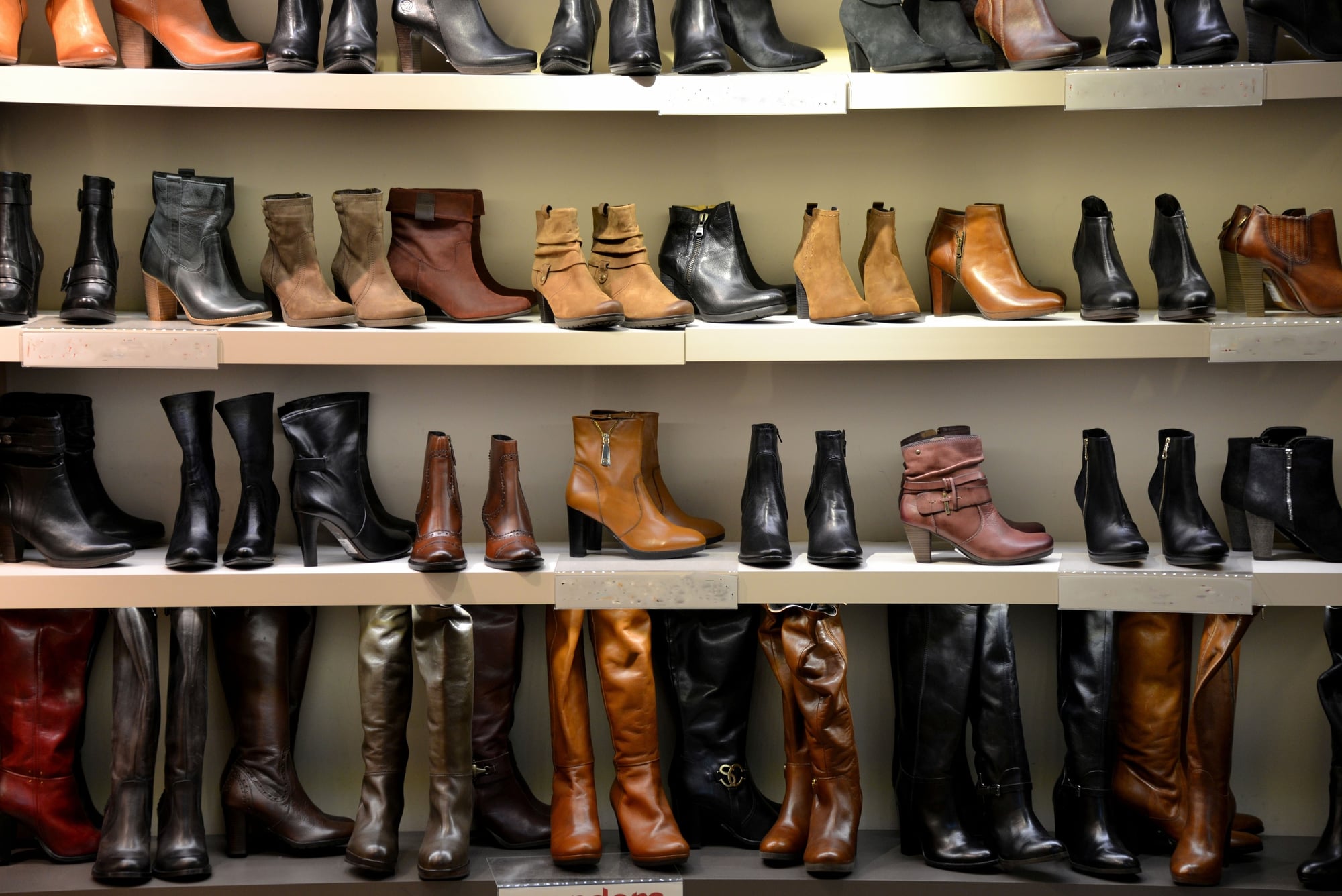
Cobblers couldn’t wear the finest shoes they made. Teachers had to wear specific heel heights. Even clergy faced restrictions on leather quality and shoe ornamentation.
The footwear laws created the strange sight of master craftsmen walking in inferior versions of their own work while customers strutted past in the beautiful shoes those same artisans had created but were forbidden to wear. The message was clear: your hands might create beauty, but your feet had better remember their place.
Fabric Quality Regulations for Servants

Domestic workers faced detailed regulations about the texture, weight, and appearance of their clothing. Employers had legal obligations to ensure their staff didn’t dress above or below specific standards.
The servant clothing laws turned every wealthy household into a miniature police state where the lady of the house became responsible for monitoring her staff’s fabric choices. Maids who inherited better clothing from previous positions had to surrender it or face dismissal and legal consequences.
Public Mourning Display Requirements

Beyond personal mourning clothes, the law required public displays of grief through specific clothing during national mourning periods. Citizens had to own appropriate mourning attire or face penalties for insufficient patriotic sorrow.
When royalty died, clothing stores would sell out of black fabric within hours, leaving latecomers scrambling to avoid legal consequences for their inadequate grief wardrobes. The government essentially mandated that personal finances accommodate national emotional performance, regardless of individual circumstances or actual feelings about the deceased monarch.
Seasonal Clothing Transition Laws

The government set official dates for switching between winter and summer clothing, regardless of actual weather conditions. Wearing summer fabrics too early or winter clothes too late resulted in fines.
These laws created absurd situations where people shivered through cold spring days in mandatory lightweight fabrics or sweated through warm autumn afternoons in required heavy woolens. Weather became less important than legal compliance, and comfort became subordinate to bureaucratic scheduling.
Religious Denomination Dress Codes

Different Christian denominations faced specific clothing requirements that helped authorities identify religious affiliation at a glance. Catholics, Protestants, and various Protestant sects each had mandated visual markers.
The religious clothing laws turned personal faith into public performance, forcing believers to wear their spiritual identity whether they wanted visibility or not. Religious minorities faced particular scrutiny, as their required clothing made them easily identifiable targets for discrimination and harassment.
Marriage Status Clothing Indicators

Single, married, and widowed women had to wear specific indicators of their marital status. Unmarried women over certain ages faced additional clothing restrictions designed to discourage spinsterhood.
The marital status laws turned every public appearance into an announcement of a woman’s romantic availability and social value. A woman’s clothing became a permanent advertisement of her relationship to men, enforced by legal requirement rather than personal choice.
The Fabric of Control
These Victorian clothing laws weren’t really about fabric or fashion — they were about power, control, and maintaining a social order that benefited those who made the rules. Every thread regulation and color restriction served to remind ordinary people that even their most basic choices belonged to someone else. The measuring tapes and fabric inspectors, the seasonal mandates and mourning requirements — all of it created a society where getting dressed each morning meant navigating a legal obstacle course designed to keep everyone in their designated place.
What’s perhaps most remarkable is how completely these laws were eventually abandoned, revealing them for what they always were: arbitrary exercises in social control rather than necessary regulations. The Victorian era’s clothing laws remind us that authoritarian impulses often hide behind concerns about propriety and order, and that sometimes the most effective resistance comes from the simple act of wearing exactly what makes you feel human.
More from Go2Tutors!

- The Romanov Crown Jewels and Their Tragic Fate
- 13 Historical Mysteries That Science Still Can’t Solve
- Famous Hoaxes That Fooled the World for Years
- 15 Child Stars with Tragic Adult Lives
- 16 Famous Jewelry Pieces in History
Like Go2Tutors’s content? Follow us on MSN.



