28 Old Board Games Collectors Hunt Down
Most old board games end up in donation bins with a missing die and a box lid held together by tape. A few turn out to be worth more than the card table they were played on.
The difference usually comes down to a printing date, a publisher’s name in the corner of the box, or whether every last token survived decades of family game nights.
Lizzie Magie’s Landlord’s Game
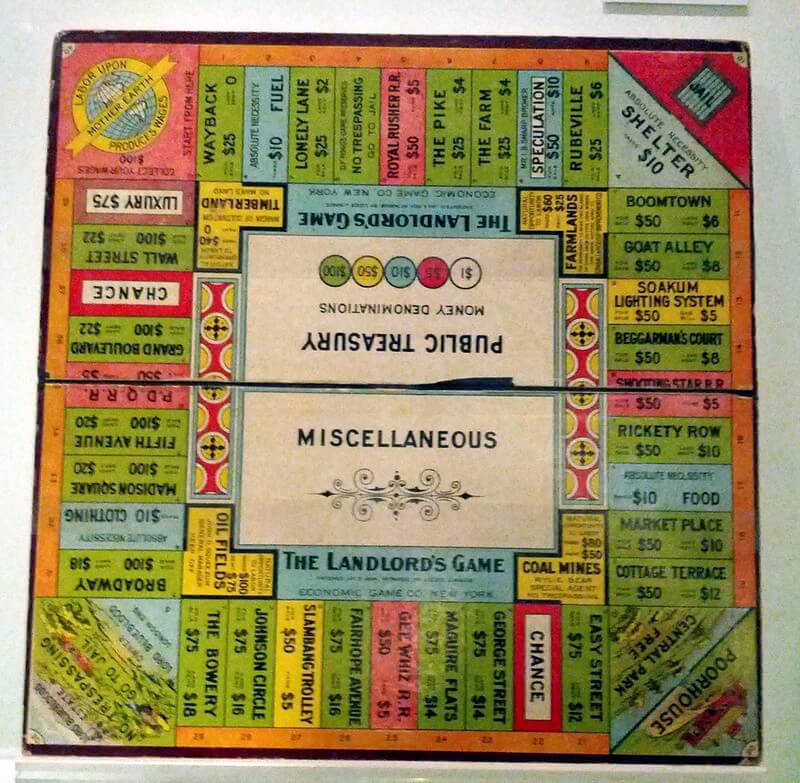
Elizabeth Magie patented The Landlord’s Game in 1904 to show how land monopolies enriched owners and squeezed tenants, and her design laid the groundwork for the property game Parker Brothers later sold as Monopoly. Early printed editions, including a 1906 version from the Economic Game Company of New York, are extremely scarce, and many surviving boards were homemade copies passed among friends, Quaker families in Atlantic City and college students.
A genuine early printed set can bring several thousand dollars, though water stains, missing deeds and replaced pieces cut into that figure quickly. Collectors savor the irony that a game built to criticize landlords became the template for one that rewards them.
Charles Darrow’s Early Monopoly Sets
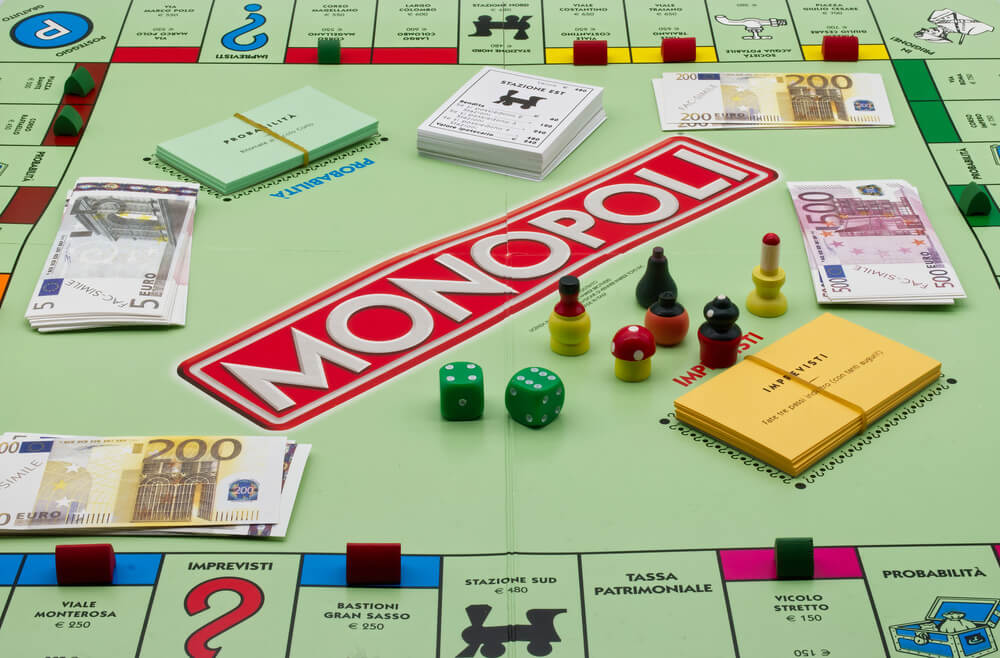
Before Parker Brothers bought the rights in 1935, Charles Darrow made and sold Monopoly sets himself in Philadelphia, including hand-colored boards drawn on oilcloth. A circular oilcloth set he made around 1933 sold at Sotheby’s in December 2010 for 146,500 dollars, and the buyer was The Strong National Museum of Play in Rochester, New York.
Darrow’s later cardboard sets, sold in long white boxes and smaller black ones, also draw serious interest from collectors who know the history. Those sets typically sell in the thousands only when the board, money, cards, houses and hotels are all present and the box has not split along its corners.
Mansion of Happiness From 1843
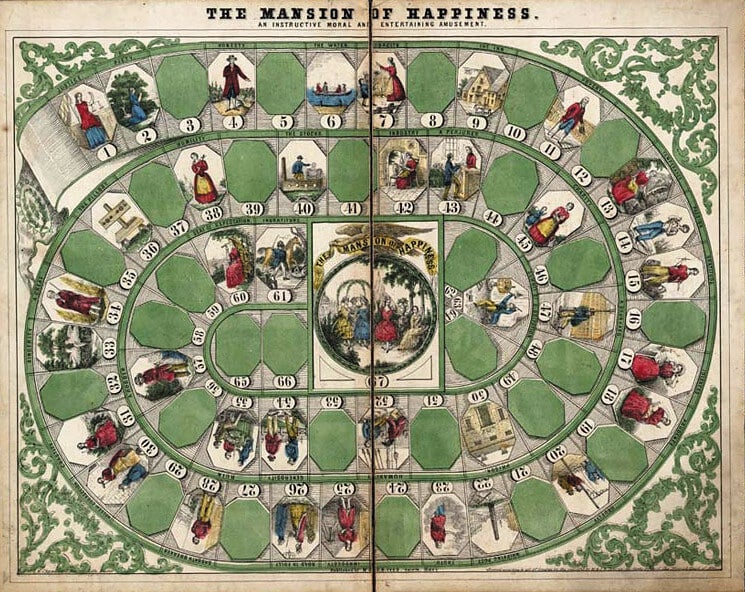
W. and S.B. Ives of Salem, Massachusetts, published The Mansion of Happiness in 1843, and it is often cited as the first board game manufactured in the United States. Players moved along a spiral track where virtues such as honesty and charity carried them forward, while vices like idleness and cruelty sent them backward or into the stocks.
Surviving copies of the original edition are rare, and complete sets can sell for a few thousand dollars at specialist auctions, with tears, foxing and faded hand coloring pulling prices down. Parker Brothers later issued its own version, so collectors check the publisher’s name before getting excited.
Milton Bradley’s Checkered Game of Life
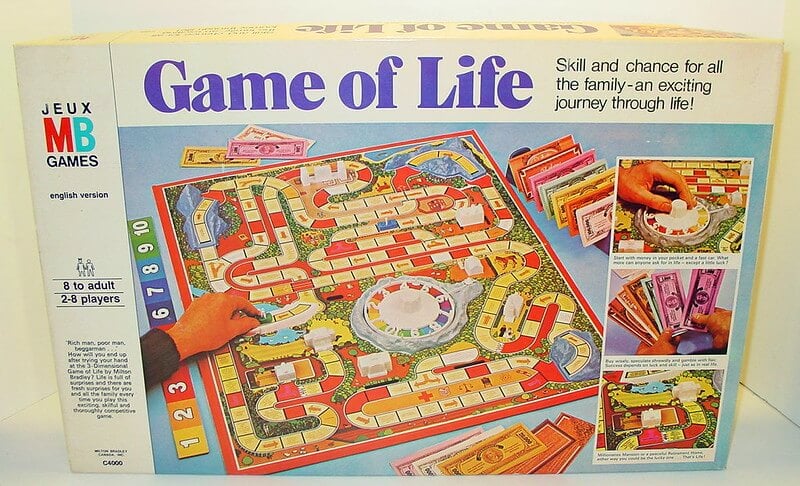
A young lithographer named Milton Bradley was working in Springfield, Massachusetts, when he released The Checkered Game of Life in 1860, and its success launched the company that still carries his name. The board was laid out like a checkerboard, with squares such as Honesty, Bravery and Industry steering players toward Happy Old Age.
Because dice carried a whiff of gambling at the time, the game used a spinning teetotum to set the moves. Original 1860s copies are hard to find, and prices range from a few hundred dollars to more than 2,000 dollars depending on whether the board is intact and the teetotum survived.
McLoughlin Brothers Lithographed Games
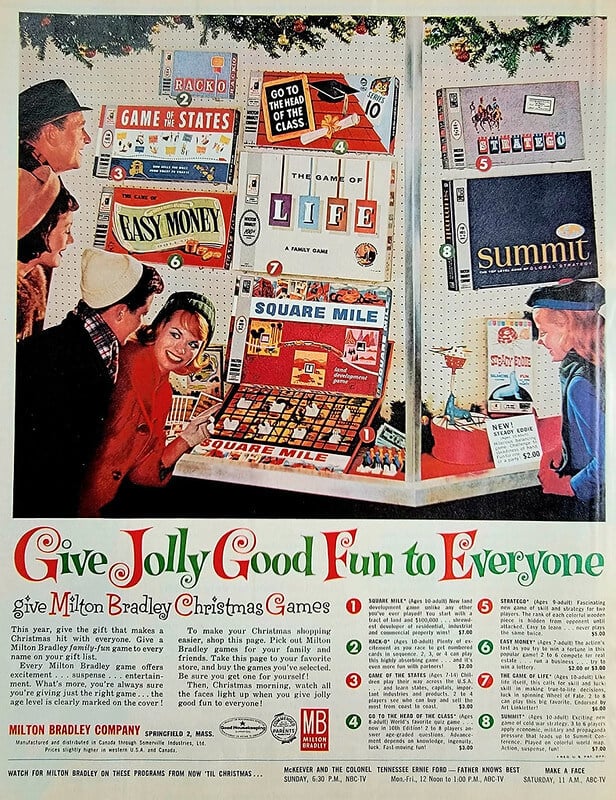
New York’s McLoughlin Brothers printed some of the most richly colored games of the late 1800s, and Milton Bradley bought the firm in 1920. Titles such as The Game of the District Messenger Boy from 1886 and Round the World with Nellie Bly from 1890 used chromolithography that still looks bright when boxes have been stored away from sunlight.
Ordinary McLoughlin games often sell for a few hundred dollars, while scarce titles with crisp box art reach several thousand. Collectors pay close attention to fading, edge wear and missing playing pieces, since the lithography itself is what carries most of the value.
Uncle Wiggily and His Rabbit Tokens
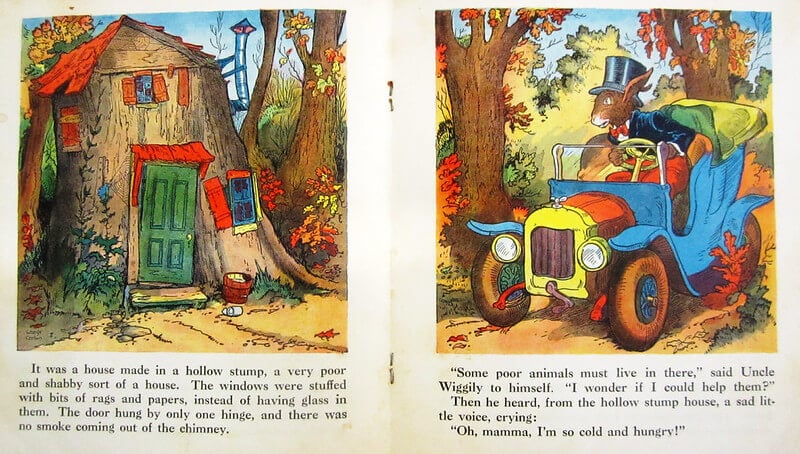
The Uncle Wiggily game arrived from Milton Bradley in 1916, built around the elderly rabbit gentleman from Howard R. Garis’s newspaper bedtime stories. Players race their rabbit pieces along a winding path to Dr. Possum’s house while dodging the Skillery Scallery Alligator and other villains drawn from the books.
Later editions are common and cheap, but early versions with the original artwork and complete card decks sell for 50 to 200 dollars, sometimes more in sharp condition. The game stayed in print for decades, which is exactly why collectors focus on the first editions and the box art that went with them.
Scrabble’s Hand-Assembled Early Sets
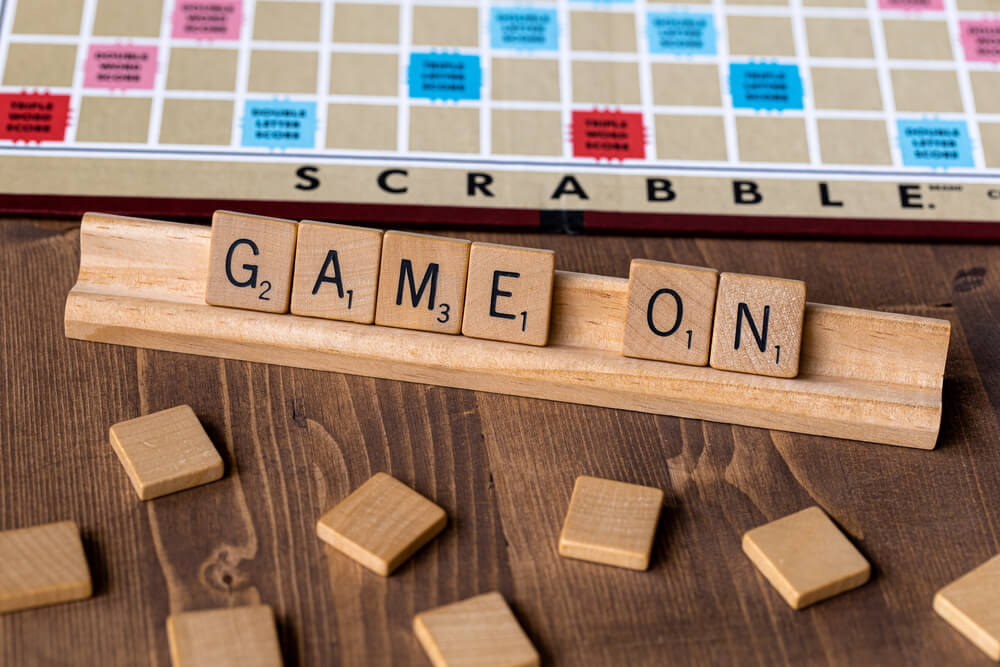
Architect Alfred Mosher Butts invented the game during the Depression under names including Lexiko and Criss-Crosswords, but it was James Brunot who began selling it as Scrabble in 1948. Brunot and his wife assembled early sets by hand in a converted schoolhouse in Dodgingtown, Connecticut, before demand grew far beyond what they could produce.
Sets marked with the Production and Marketing Company name and fitted with wooden tiles are the ones collectors want. Values typically run from about 100 to 400 dollars, depending on whether all 100 tiles, the racks and the rule sheet are still in the box.
Cluedo and the First Clue Boxes
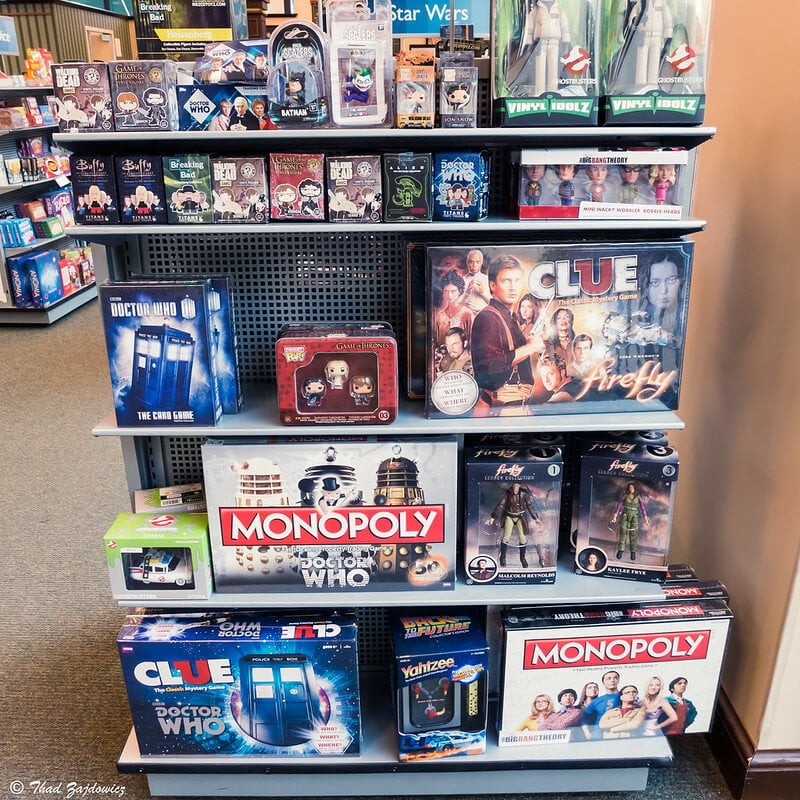
Anthony E. Pratt, a solicitor’s clerk from Birmingham, England, devised the murder mystery game that Waddingtons released as Cluedo in 1949, the same year Parker Brothers brought it to America as Clue. The victim was Dr. Black in Britain and Mr. Boddy in the United States, one of several small differences collectors use to identify editions.
First editions with the original weapons, cards and detective notepads sell for a few hundred dollars when complete. Sets missing the tiny metal weapons, which vanished from countless households, are worth far less, and a used-up notepad also costs points with serious buyers.
Candy Land From a Polio Ward
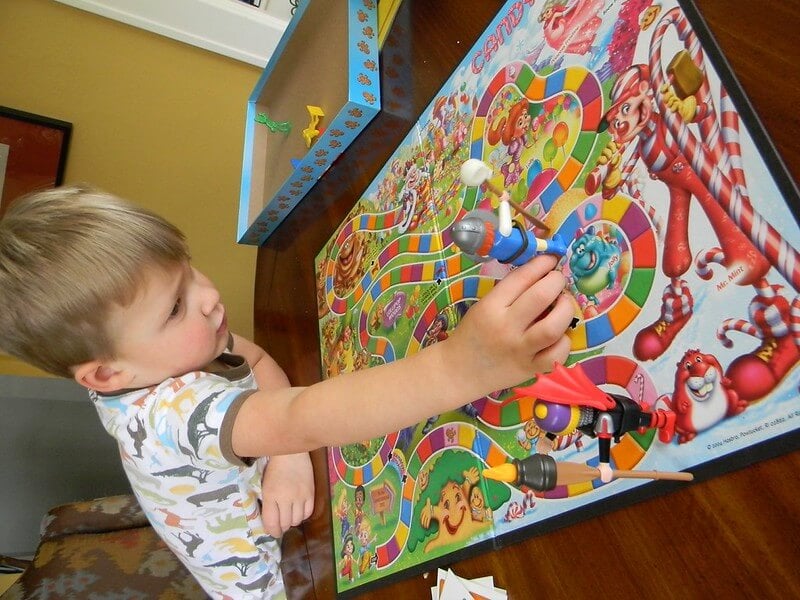
Eleanor Abbott, a retired schoolteacher, designed Candy Land while recovering from polio in San Diego, and Milton Bradley published it in 1949. The game asked nothing of players beyond recognizing colors, which made it perfect for young children confined to hospital wards during the polio epidemics of that era.
First edition sets with the original board artwork and color cards usually sell for about 100 to 300 dollars. Creased boards and missing gingerbread pawns are common problems, because these games were played hard by small hands and rarely put away carefully.
Risk and Its French Ancestor
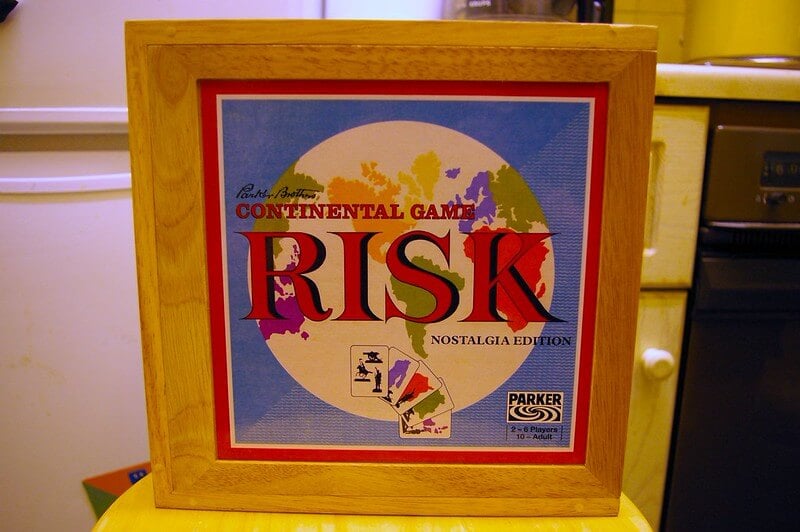
French filmmaker Albert Lamorisse created La Conquete du Monde, published by Miro in France in 1957, and Parker Brothers adapted it as Risk in 1959. The earliest American editions used small wooden cubes and numerals instead of the plastic soldiers later generations remember.
Those wooden-piece sets often sell for 50 to 200 dollars, and an original French edition can go higher among serious collectors. Boards with faded continents, warped boxes or incomplete piece counts sell for much less, so buyers usually ask for photos of every bag before paying.
Diplomacy’s 500 Self-Published Copies
Allan Calhamer conceived Diplomacy at Harvard in the 1950s, and after several game publishers turned it down, he paid to produce 500 copies in 1959 and sold them by mail for 6.95 dollars each. The game, set in Europe on the eve of the First World War, rewards negotiation and betrayal far more than luck.
President John F. Kennedy and Henry Kissinger were reported to be fans. Copies from that first private run are rare and sought after, and their value depends heavily on whether the map board, wooden pieces and rule booklet all survived together.
Tactics and the Birth of Avalon Hill
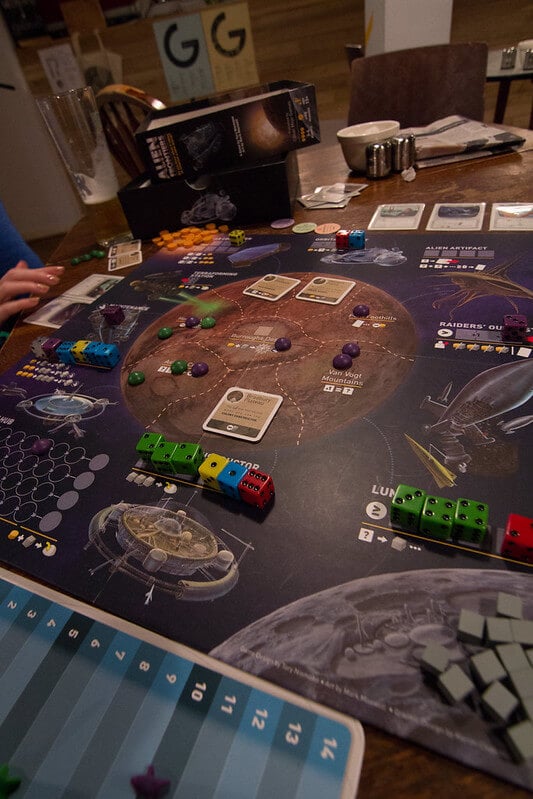
Charles S. Roberts self-published Tactics in 1954, a military strategy game played on a gridded map with cardboard counters, and it is widely regarded as the first commercial board wargame. Its modest success led Roberts to found Avalon Hill in Baltimore in 1958, which went on to dominate the hobby for decades.
Original 1954 copies are scarce and can sell for several hundred dollars or more. Missing counters are the usual problem, since the small cardboard pieces were easy to lose, and an unpunched sheet of counters adds a lot to the price.
Acquire and the 3M Bookshelf Line
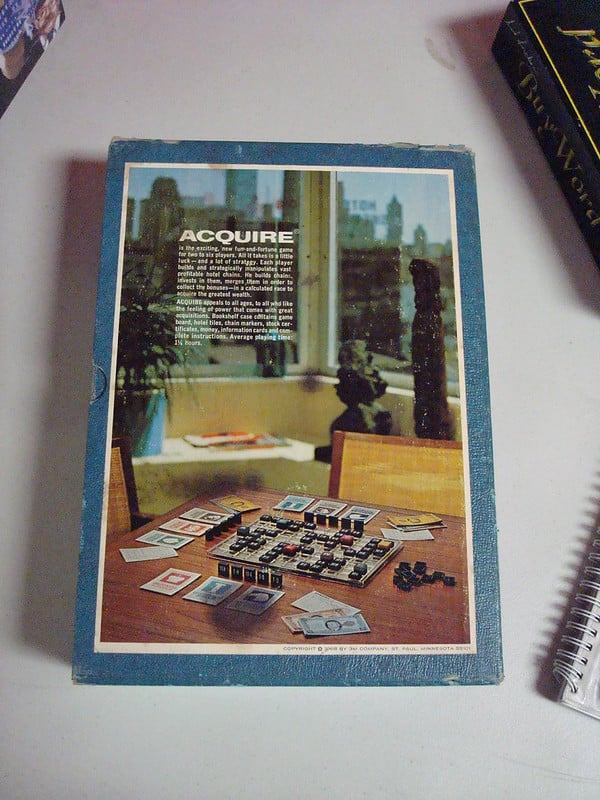
Sid Sackson’s hotel-chain investment game Acquire appeared in 1964 as part of the 3M bookshelf game series, whose boxes were designed to look like hardcover books on a shelf. The line also included titles such as Feudal and Stocks and Bonds, aimed squarely at adults rather than children.
Early Acquire editions with the original plastic tiles and hotel markers typically sell for 50 to 150 dollars. Collectors look for crisp slipcase covers, since the bookshelf boxes often split at the spine, and tile counts matter because one missing tile ruins a game.
Careers and Its Secret Formula
Sociologist James Cooke Brown designed Careers, which Parker Brothers published in 1955. Before play begins, each player secretly sets a personal success formula combining money, fame and happiness, an idea that was unusual for a mass-market game of the period.
Brown later spent decades on Loglan, a constructed language intended to test ideas about how language shapes thought. First editions in good shape sell for about 40 to 120 dollars, with value depending on complete card decks and whether the formula pads have been used.
Sorry From a 1929 English Patent
An inventor from Southend-on-Sea, England, patented the game that became Sorry in 1929, and Parker Brothers acquired the American rights and released it in 1934, when the country was still deep in the Depression and cheap home entertainment sold well. The game borrowed from the Indian cross-and-circle game pachisi but replaced dice with a deck of numbered cards.
Early American editions came with wooden pawns, which collectors prefer over later plastic ones. Prices for 1930s sets usually range from 40 to 150 dollars, with complete card decks, intact pawns and sound box corners making the biggest difference.
Mouse Trap’s Rickety Contraption
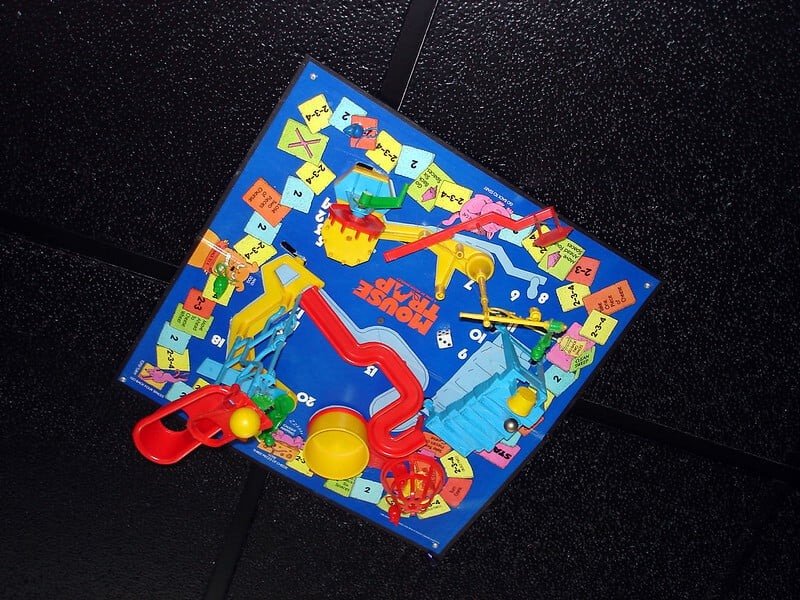
Ideal Toy Company released Mouse Trap in 1963, designed by the Chicago firm of Marvin Glass and Associates. Players gradually build a chain-reaction machine inspired by the cartoon contraptions of Rube Goldberg, with a crank, a boot, a marble and a diving figure all leading to a falling cage.
Original 1963 sets are hard to find complete because so many small plastic parts went missing. A full set with an intact box sells for about 100 to 300 dollars, and broken plastic or a missing cage drops the price sharply.
Mystery Date and Its Plastic Door
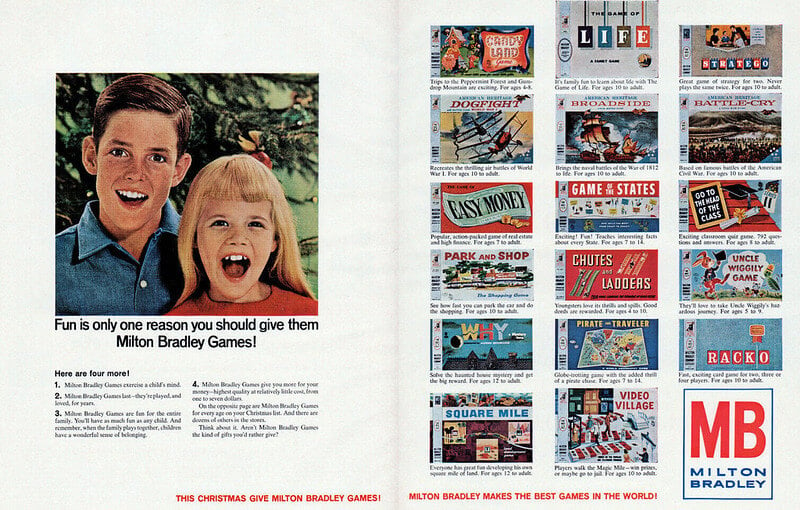
Mystery Date reached stores in 1965 from Milton Bradley, and its central feature was a small plastic door that players opened to reveal which date awaited them. Matching an outfit to the right date won the game, while opening the door to the scruffy dud ended the hopes of the round.
The game has become a pop culture touchstone and has been reissued, which makes original 1965 sets the ones collectors chase. Complete originals sell for roughly 100 to 300 dollars, depending on the working door mechanism and the presence of every outfit card.
Green Ghost Glows in the Dark
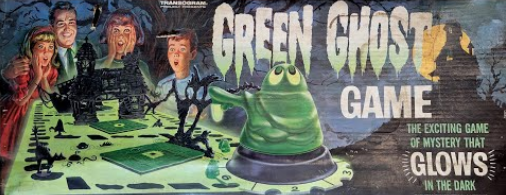
Transogram released Green Ghost in 1965, billing it as the first glow-in-the-dark board game, and it was meant to be played with the lights off. The board stood on legs above a box base, with trapdoors that hid colored bats, snakes and other spooky items underneath.
A glowing ghost figure served as the spinner in the center of the board. Complete sets with all the hidden items, legs and the ghost often sell for 200 to 500 dollars, while a cracked ghost or missing trapdoor pieces cut that value considerably.
Twister’s Television Debut
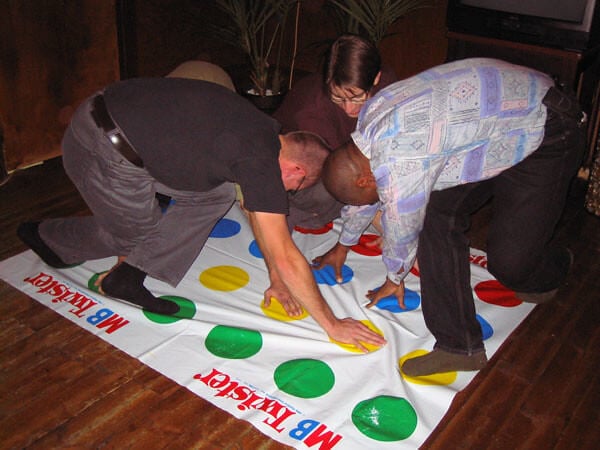
Twister came out from Milton Bradley in 1966, designed by Charles Foley and Neil Rabens for a company led by Reynolds Guyer. Sales took off after Johnny Carson played it with actress Eva Gabor on The Tonight Show that year, and the game became a fixture of living rooms across the country.
A 1966 first edition with its original box and spinner usually sells for about 50 to 100 dollars, which is modest but reliable. The plastic mat tends to crack and stain, so clean examples are the ones that sell quickly.
Voice of the Mummy’s Built-In Record Player
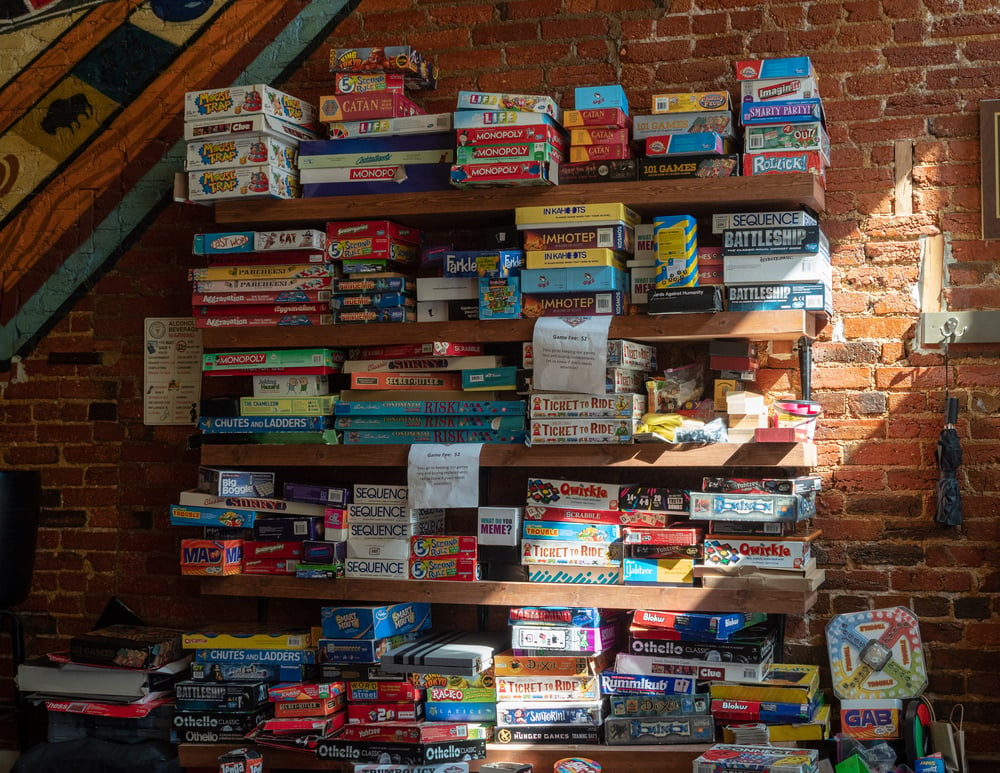
Voice of the Mummy arrived in 1971 from Milton Bradley with a battery-powered record player hidden inside a plastic sarcophagus. When players activated it, a small disc played spoken instructions from the mummy, which made the game feel remarkably modern at the time.
Working sets with the record, the gem pieces and the pyramid board typically sell for about 150 to 400 dollars. A dead motor or a scratched disc makes a large difference, so sellers who can show the mummy speaking on video usually get the best prices.
Masterpiece and Its Museum Paintings

Parker Brothers released Masterpiece in 1970, an art auction game in which players bid on paintings and try to avoid buying forgeries. The cards reproduced real works from the collection of the Art Institute of Chicago, including paintings by artists such as Grant Wood and Pierre-Auguste Renoir.
The 1970 edition typically sells for 30 to 100 dollars, with prices higher for sets that include every painting card and the play money. Faded or bent painting cards lower the value, since the artwork reproductions are the main draw for collectors.
Which Witch and the Haunted House
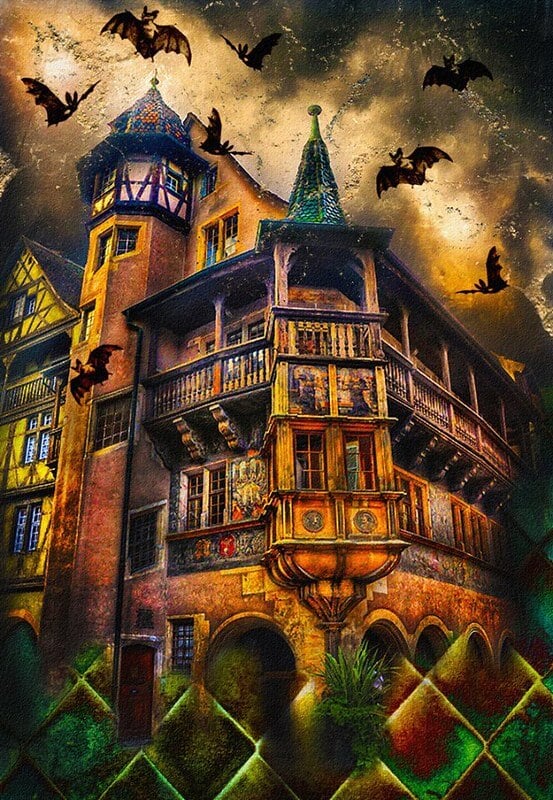
Which Witch, a 1970 Milton Bradley release, was played inside a three-dimensional haunted house built from cardboard rooms. A steel marble dropped down a chimney could knock player pieces out of the way, and landing in the wrong room might turn a player into a mouse.
Complete sets with every room, the chimney and all the spell cards often sell for 100 to 300 dollars. Assembled houses that sat in attics for decades often have torn tabs and crushed walls, which pull prices down quickly.
William Fuld’s Talking Boards
The Kennard Novelty Company began selling Ouija boards in 1890, and businessman William Fuld later took over production and built the brand before Parker Brothers bought the rights in 1966. Early boards were made of wood with printed lettering and came with a heart-shaped pointer.
Kennard and early Fuld boards sell for a few hundred dollars and sometimes several thousand, while later cardboard Parker Brothers editions are inexpensive. Worn lettering, cracks and a missing pointer all reduce value, and collectors examine the maker’s markings carefully to separate early boards from reproductions.
Barbie’s Queen of the Prom
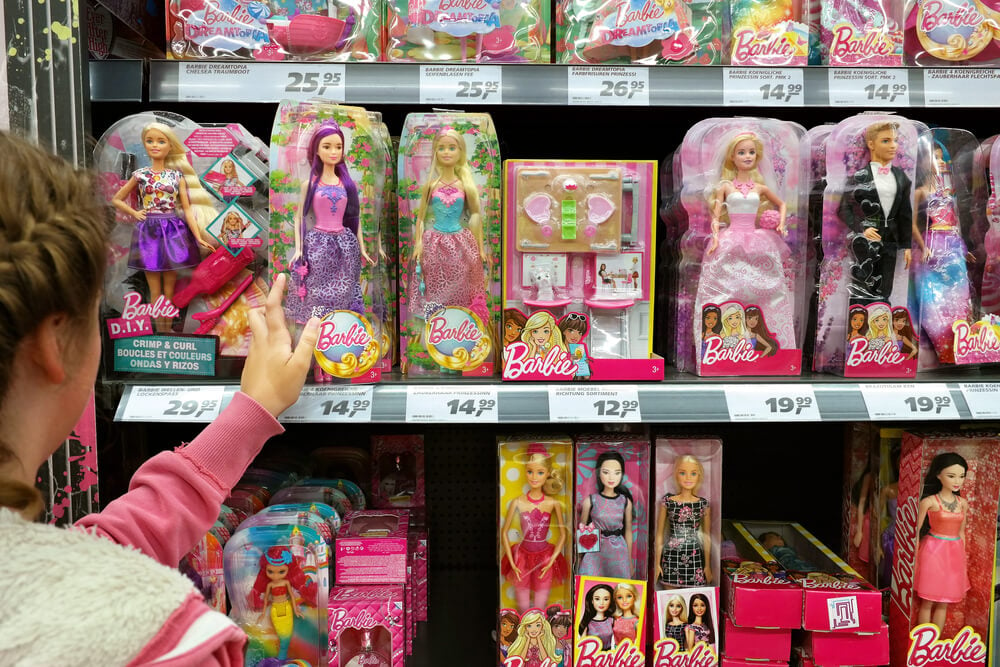
Mattel released Barbie Queen of the Prom in 1960, one of the earliest board games built around the doll that had debuted a year before. Players competed to get a boyfriend, a dress and a club presidency before the prom, a plot that now reads as a time capsule of its era.
Complete 1960 sets usually sell for 50 to 200 dollars. Values depend on all the cards and pawns being present, and a bright, unfaded box lid with Barbie’s original artwork makes the biggest difference.
Dark Tower’s Electronic Fortress

Released by Milton Bradley in 1981, Dark Tower was a fantasy game built around a battery-powered tower that handled combat, tracked supplies and played sound effects. Orson Welles appeared in its television commercial, but the game had a short run after two inventors sued Milton Bradley claiming the idea was theirs.
Working copies with the tower, the board and every piece typically sell for 300 to 800 dollars or more. A tower that no longer powers on or has corroded battery contacts loses much of its value, so testing is essential before buying.
HeroQuest From 1989
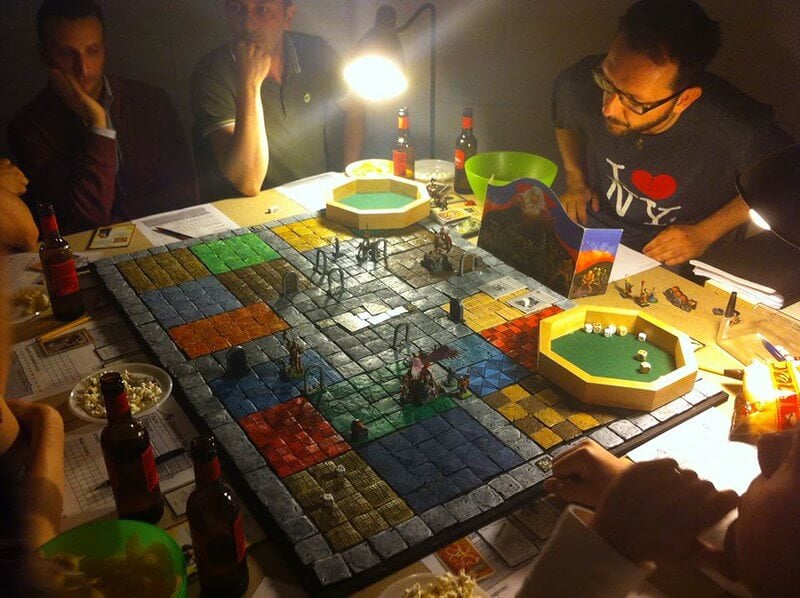
Milton Bradley and the British company Games Workshop released HeroQuest in 1989, a fantasy dungeon game designed by Stephen Baker. Its box held dozens of plastic miniatures plus furniture pieces such as tables, bookcases and treasure chests that brought each room to life.
Complete original sets often sell for 150 to 400 dollars, with expansions adding more. Hasbro reissued HeroQuest in 2021 after a crowdfunding campaign, but collectors still prize the original edition, especially when the miniatures are unpainted and the cardboard tiles remain unpunched.
Stratego’s Wooden Pieces
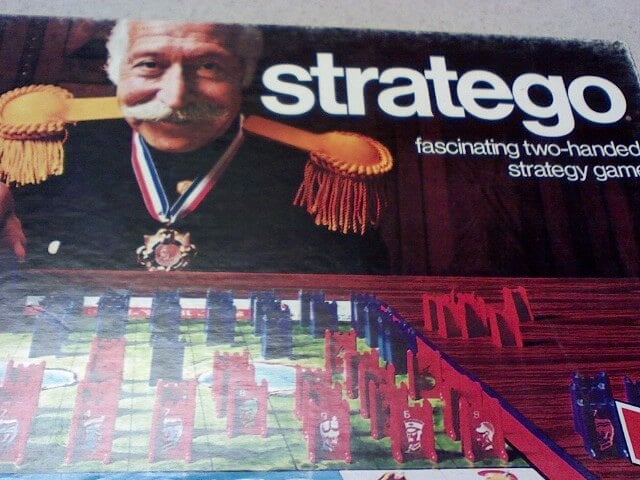
The Dutch company Jumbo began publishing Stratego in 1946, building on an earlier French game called L’Attaque, and Milton Bradley brought it to the United States in 1961. Players arrange hidden pieces of rank, then probe each other’s lines to find the flag.
Early American editions with wooden pieces are the ones collectors seek, since later sets switched to plastic. Prices usually run 50 to 150 dollars, depending on complete piece counts, intact labels on every block and a box that has not split apart.
Haunted Mansion Game From 1972
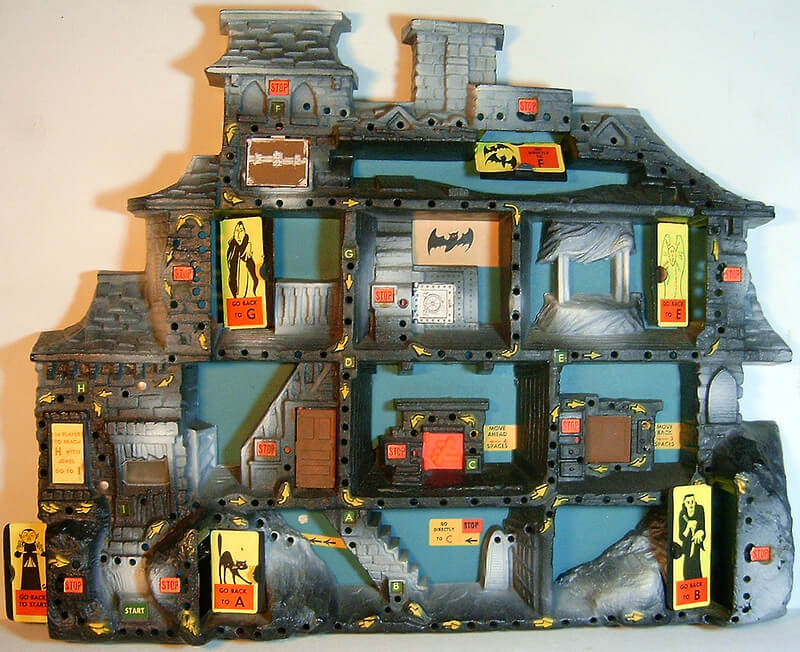
Lakeside Games released a Haunted Mansion board game in 1972, based on the Disneyland attraction that opened in 1969. The board followed the ride’s path through ghostly rooms, and its artwork drew directly from the attraction’s look.
Theme park collectors and board game collectors both chase it, which keeps demand steady even in slow markets, and Disney memorabilia buyers often outbid everyone else. Complete sets usually sell for 100 to 300 dollars, with value depending on the board’s condition and whether all the pieces are still in the box.
Cardboard Holds On to More Than Rules
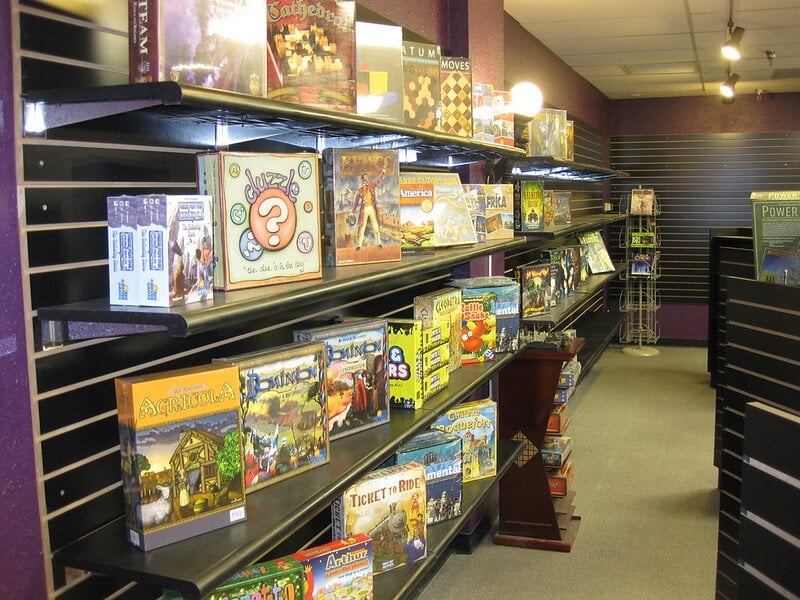
Most of these games were made to be played to pieces, which is why intact copies are so scarce. A missing token or a split box corner reflects a family that used the game exactly as intended.
That everyday use is also what makes a complete, well-preserved set feel like a minor miracle decades later.
Collectors are rarely just buying cardboard and plastic. They are buying a glimpse of what entertained people, what values were taught at the kitchen table and what passed for excitement on a rainy afternoon.
A game that once cost a few dollars at a department store can now carry the weight of an entire era.
More from Go2Tutors!

- The Romanov Crown Jewels and Their Tragic Fate
- 13 Historical Mysteries That Science Still Can’t Solve
- Famous Hoaxes That Fooled the World for Years
- 15 Child Stars with Tragic Adult Lives
- 16 Famous Jewelry Pieces in History
Like Go2Tutors’s content? Follow us on MSN.