20 Forensic Reconstructions That Revealed What Famous Historical Figures Really Looked Like
Portraits flatter, coins idealize and statues were often carved by people who never met the subject. A skull has no such agenda, which is why forensic artists keep returning to the bones of the famous.
Working from muscle depth tables, CT scans and sometimes DNA, specialists have rebuilt faces that had been known only through legend. Some results confirmed old paintings, while others quietly overturned centuries of assumptions.
Richard III Rebuilt After the Leicester Car Park Dig
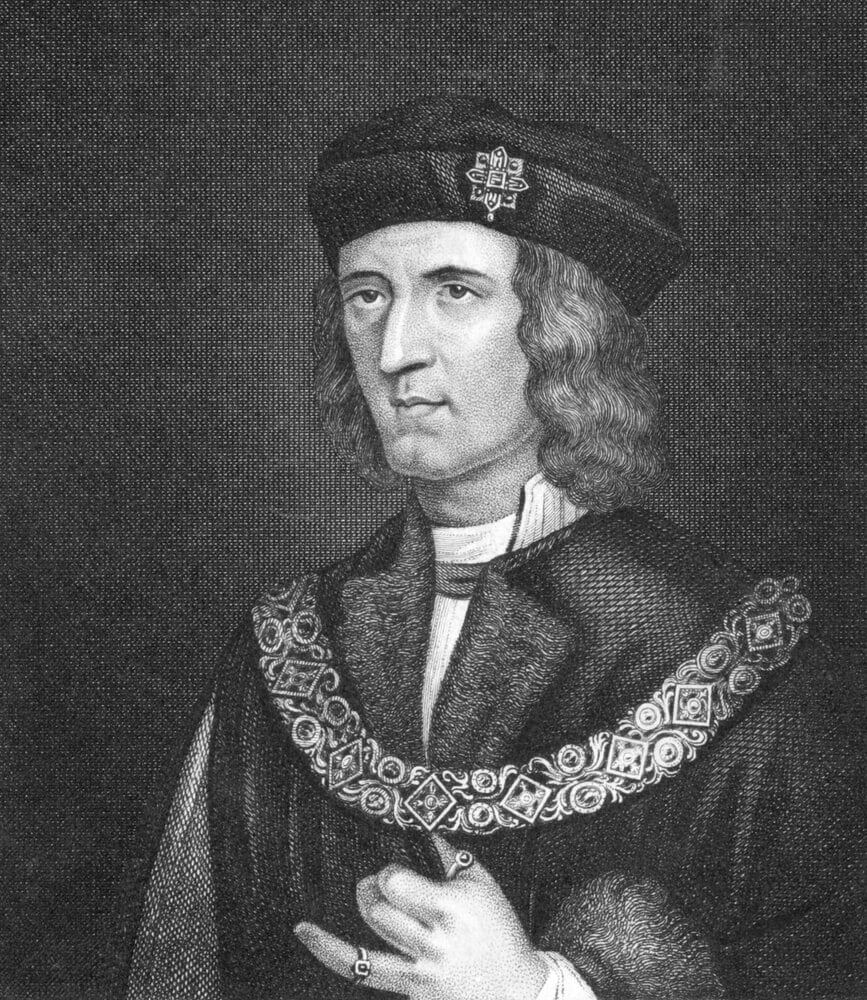
When archaeologists found the remains of Richard III beneath a Leicester car park in 2012, the skeleton showed a severely curved spine, confirming contemporary reports of uneven shoulders. The Richard III Society then commissioned a reconstruction led by Caroline Wilkinson, at the time based at the University of Dundee.
Unveiled in February 2013, the head showed a fairly young, thoughtful-looking man rather than the scowling villain made famous by Shakespeare. Later genetic analysis suggested he probably had blue eyes and, at least as a child, fair hair.
Those findings nudged the likeness closer to some of the earliest surviving painted portraits of the king.
Tutankhamun Sculpted Three Times Over
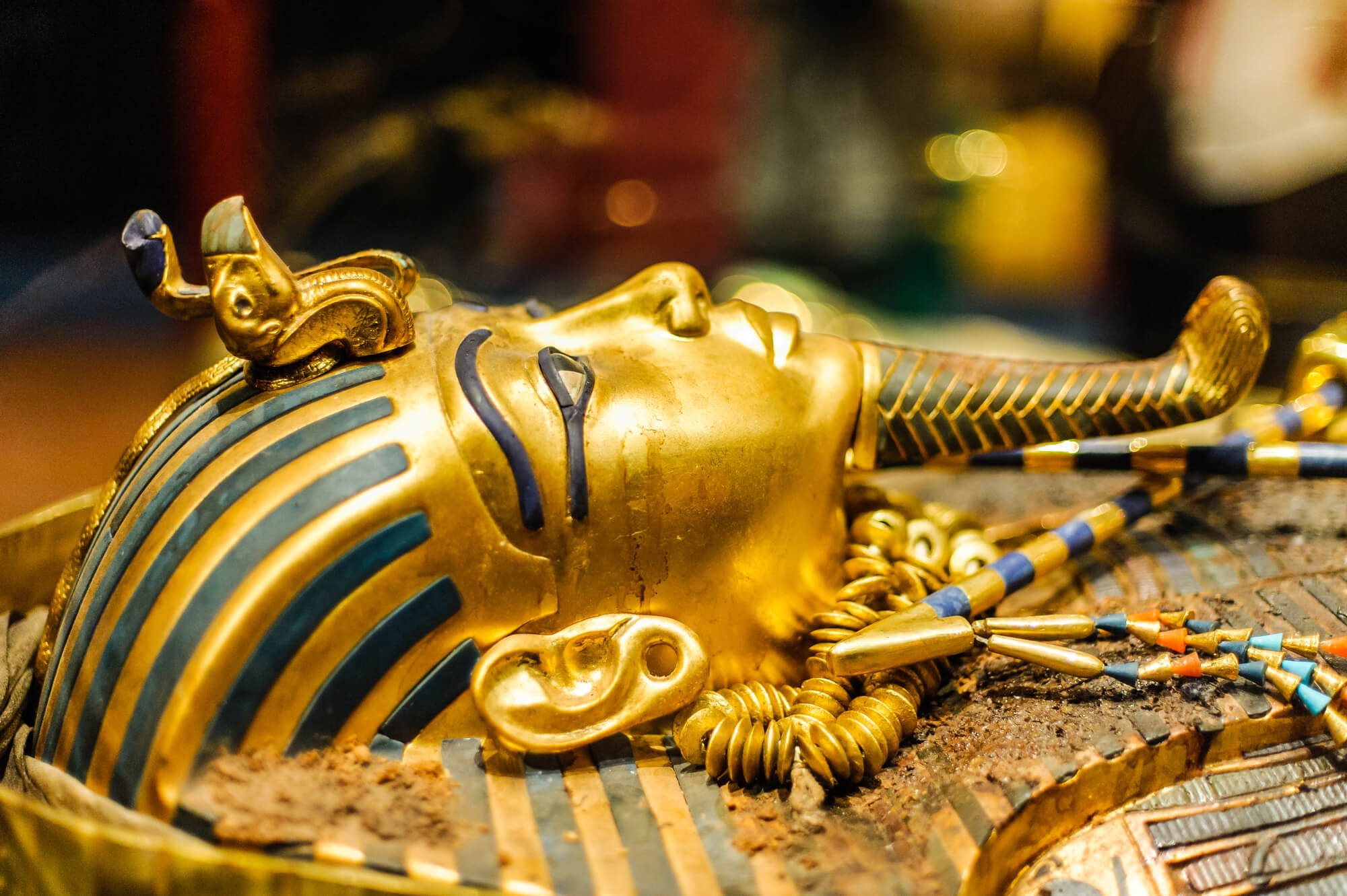
In 2005, the Egyptian government allowed three separate teams from Egypt, France and the United States to build faces for Tutankhamun using CT scans of his mummy. The American team was not told whose skull it was working on, a deliberate step to keep expectations out of the process.
All three versions came out broadly similar in proportions, with a receding chin, a long skull and a prominent overbite. The French model, sculpted by Elisabeth Daynes, became the best known after appearing in National Geographic.
Debate over the skin tone chosen for that bust continued well after the unveiling.
Ramesses II Shown at Middle Age
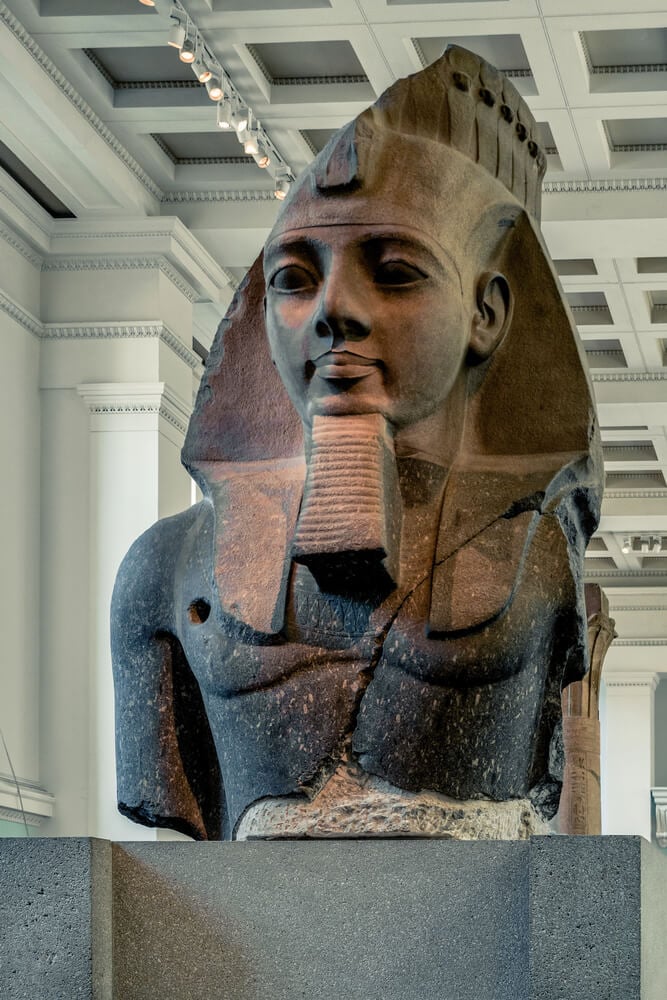
Ramesses II ruled Egypt for about 66 years and lived to roughly 90, so most people picture him as either a colossal statue or a shriveled mummy. In 2022, radiologist Sahar Saleem of Cairo University and Caroline Wilkinson of Liverpool John Moores University used CT scans of his mummy to reconstruct his face at around 45.
The result showed a man with a strong jaw, a long nose and a direct, confident look. The team also produced an older version to reflect his appearance near death.
Saleem described the aim as giving viewers a sense of the living pharaoh rather than the preserved body.
Philip II of Macedon and the Wounded Eye
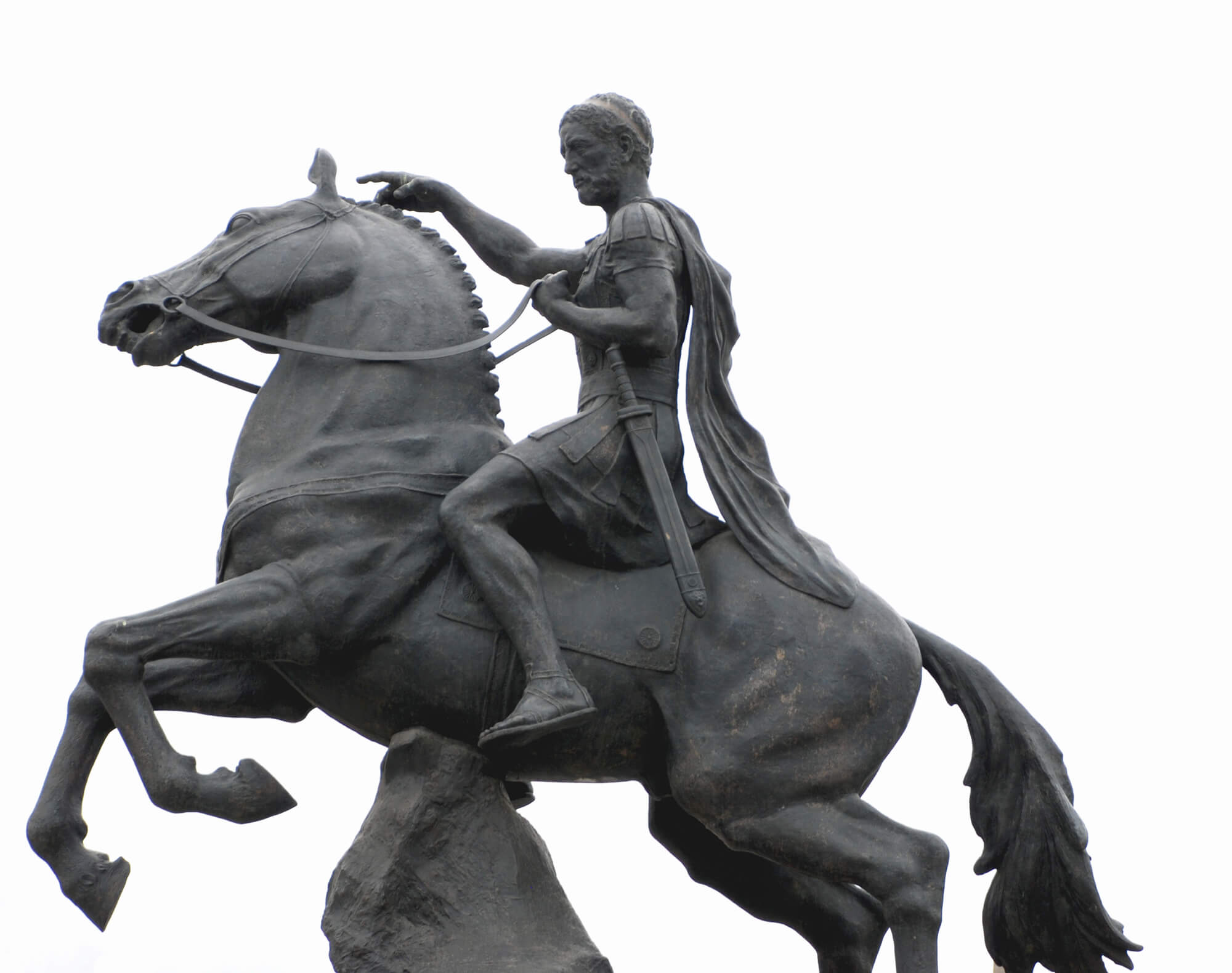
Historians recorded that Philip II, father of Alexander the Great, lost an eye to an arrow during the siege of Methone in 354 BC. When a skull from Tomb II at Vergina was studied in the early 1980s, a team from the University of Manchester led by John Prag and medical artist Richard Neave found damage near the right eye socket.
Their reconstruction, published in 1984, showed a scarred face consistent with that injury. The identification remains debated, since some scholars argue the tomb belonged to Philip III Arrhidaeus.
Even so, the scarred bronze-colored head became one of the most widely reproduced faces in ancient history.
King Midas and His Father in the Great Tumulus
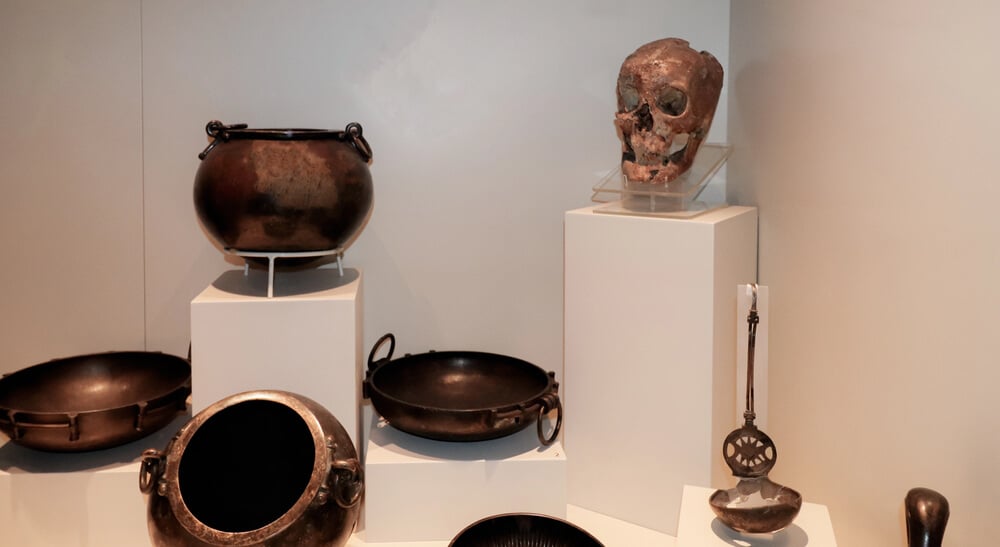
University of Pennsylvania archaeologist Rodney Young tunneled in 1957 into the enormous burial mound at Gordion in modern Turkey and found a wooden chamber containing the skeleton of an older man surrounded by bronze vessels. The mound was long nicknamed the tomb of Midas, though many specialists now think it held his father, Gordias.
Using a cast of the skull, John Prag and Richard Neave in Manchester built up the face in clay layer by layer. The finished head showed an elderly, heavy-featured man with no trace of the donkey ears of Greek myth.
The chamber itself is considered one of the oldest standing wooden buildings anywhere.
Timur and the Tomb Opened in 1941
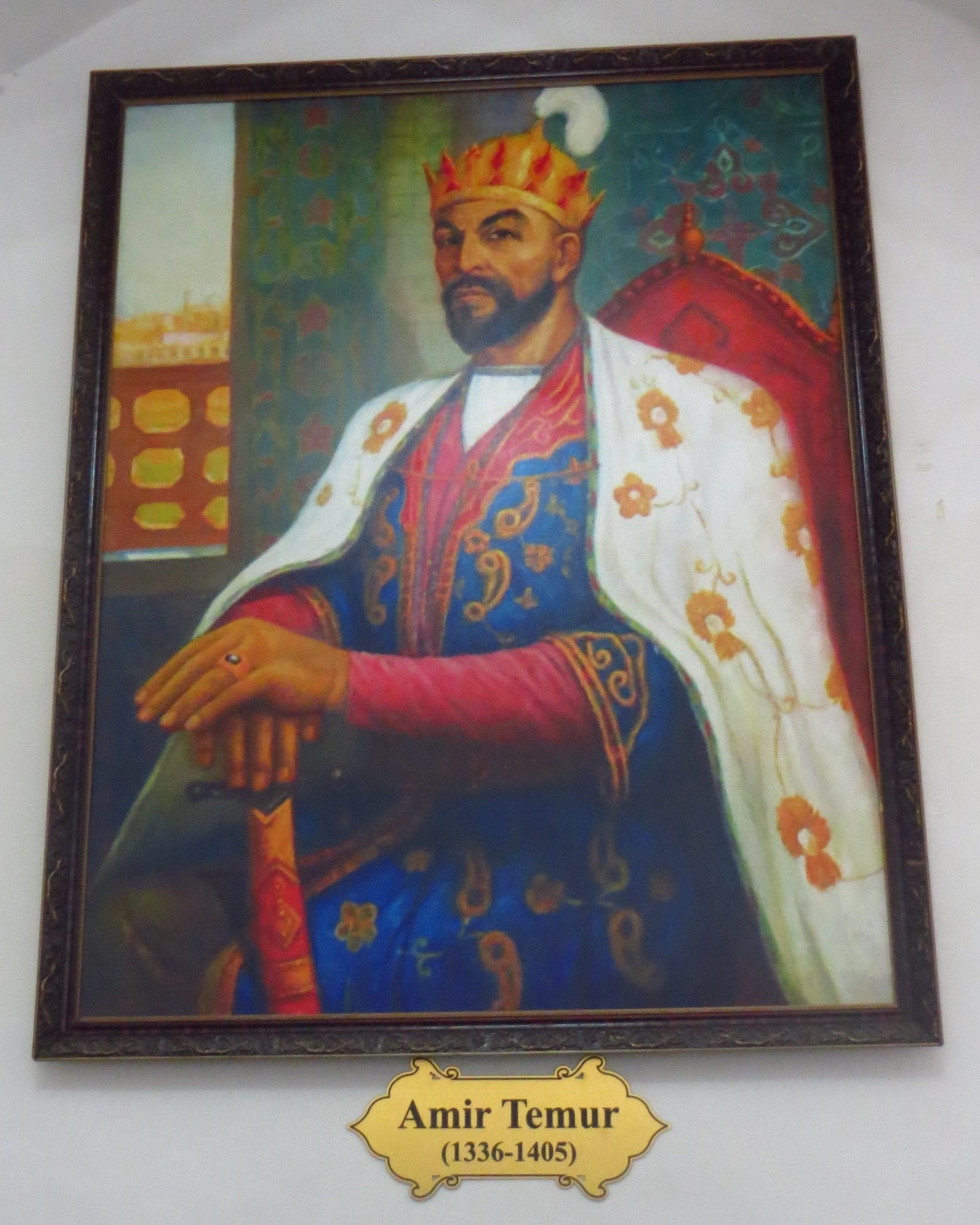
Soviet anthropologist Mikhail Gerasimov, a pioneer of rebuilding faces from skulls, opened the tomb of the conqueror Timur in Samarkand in June 1941. The skeleton confirmed that Timur had been lame, with injuries to his right leg that matched his nickname, Timur the Lame.
Gerasimov then modeled a stern face with strong cheekbones and remnants of reddish hair preserved in the tomb. Local legend held that disturbing the grave would bring war, and Germany invaded the Soviet Union days later.
Timur was reburied with full ceremony in 1942, a coincidence that has kept the curse story alive ever since.
Ivan the Terrible Examined in the Kremlin
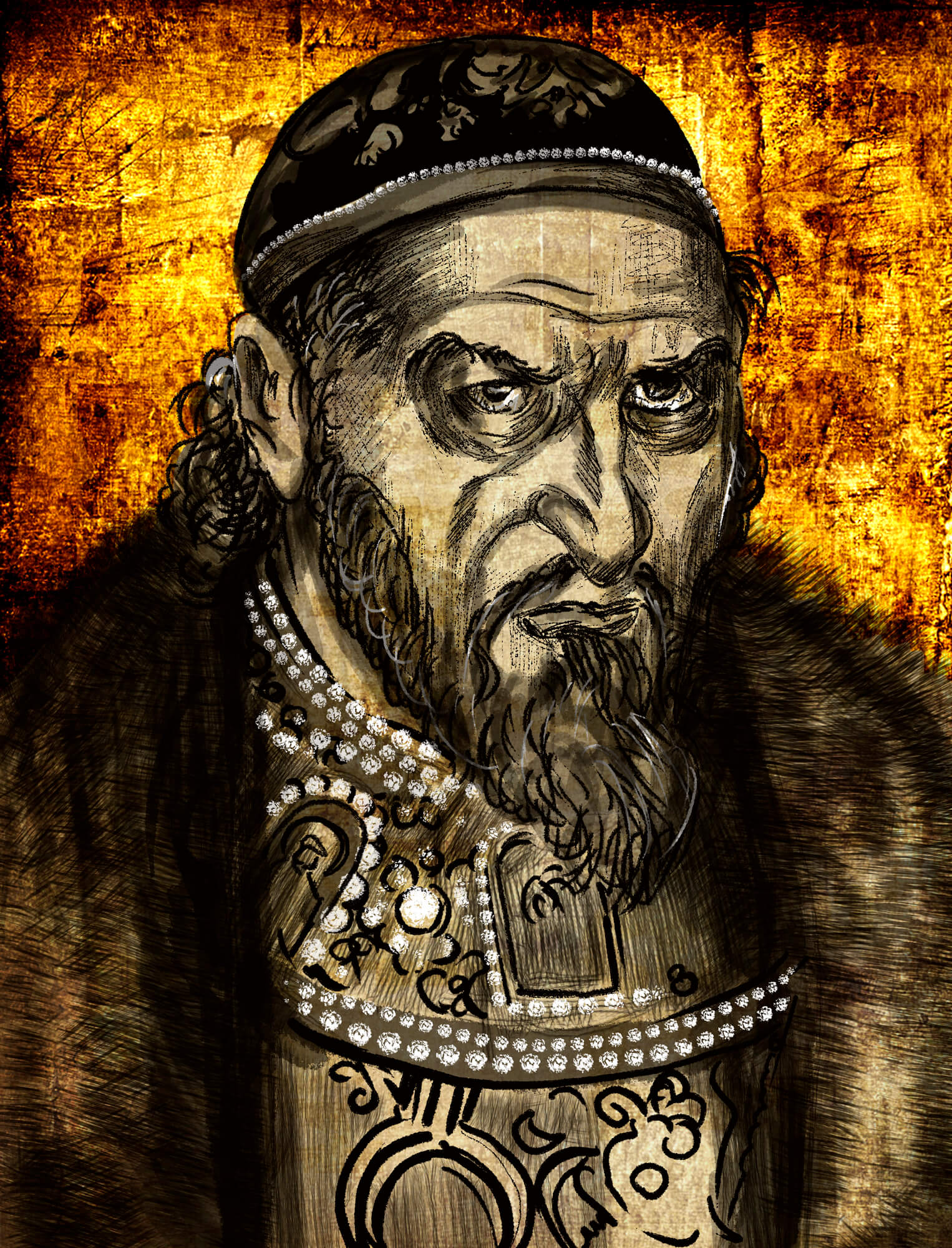
During the 1960s, Soviet researchers opened tombs in the Archangel Cathedral of the Moscow Kremlin, including that of Ivan the Terrible. Gerasimov, again working from the skull, produced a sculpted head showing a heavy, hard-featured man with a thick neck and a prominent brow.
The skeleton showed severe bony growths along the spine, which likely caused Ivan considerable pain in his later years. That discomfort has often been linked, cautiously, to the rages recorded by his contemporaries.
The resulting bust offered a harsher and far less idealized image than the icons and later paintings of the tsar.
Copernicus Found Under a Cathedral Floor
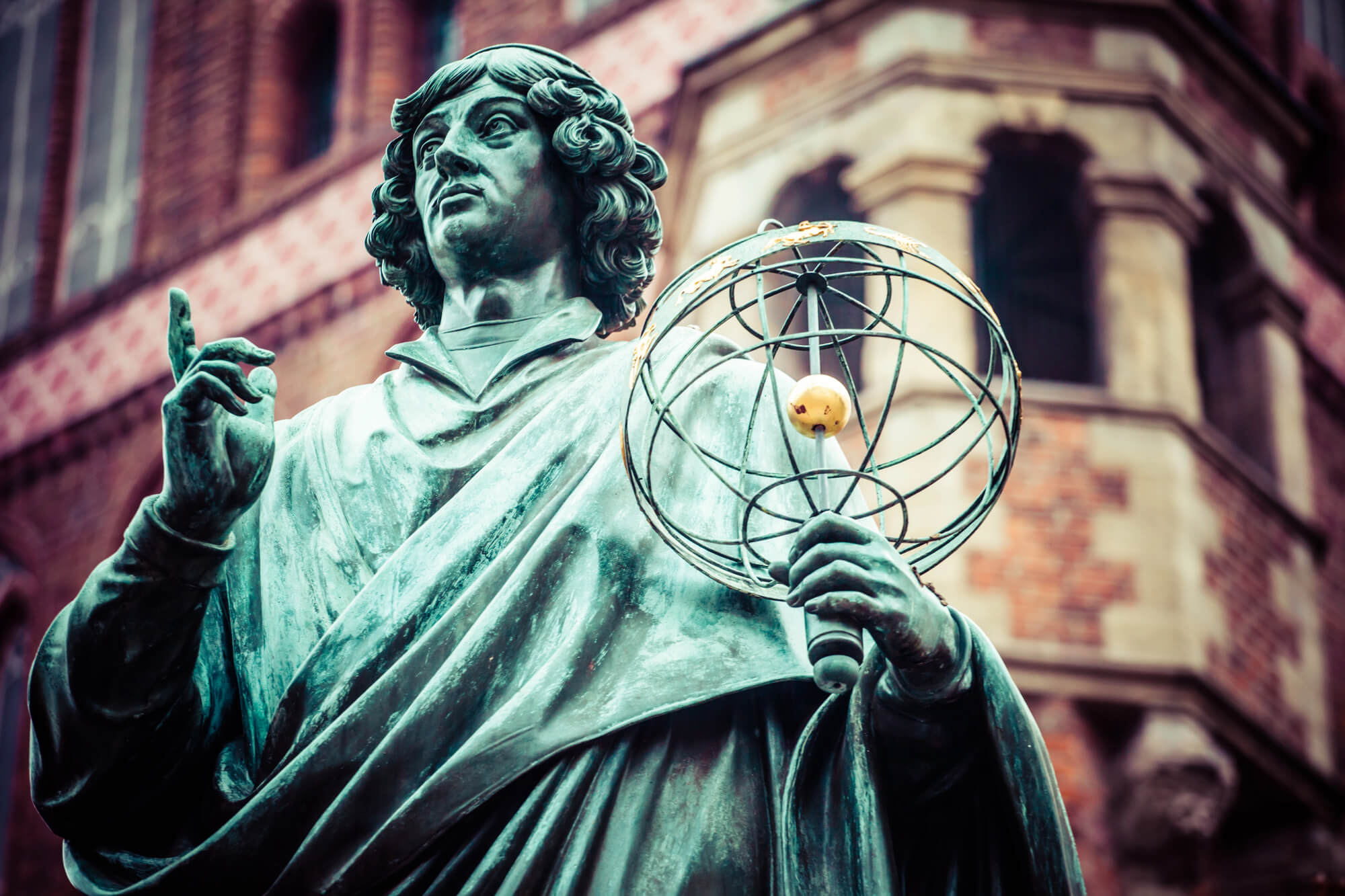
For centuries, nobody knew exactly where Nicolaus Copernicus lay inside Frombork Cathedral in northern Poland. In 2005, archaeologist Jerzy Gassowski found a skull belonging to a man of about 70, and the central forensic laboratory of the Polish police rebuilt the face.
The model showed a broken nose and a scar above the left eye, details that echoed a known portrait of the astronomer. In 2008, DNA from the remains was matched to hairs found in a book Copernicus had owned, now held in Sweden.
He was reburied at the cathedral with honors in 2010, nearly five centuries after his death.
Johann Sebastian Bach Without the Wig
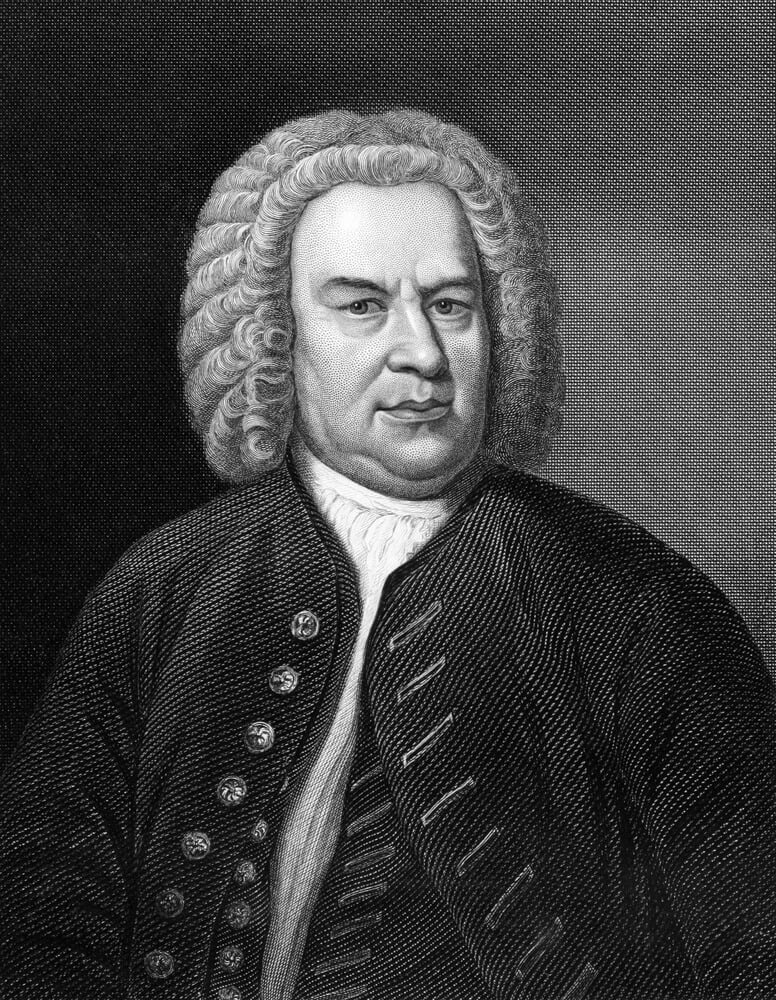
Bach is usually imagined in a formal wig and a stiff expression, largely thanks to a single well-known portrait. In 2008, Caroline Wilkinson rebuilt his face using data from a bronze cast of a skull linked to the composer, which had been exhumed in Leipzig in 1894.
The reconstruction showed a broad, fleshy face with a strong jaw and heavy brows. It went on display at the Bachhaus museum in Eisenach, the town where he was born.
Viewers noted that the composer looked more like a sturdy provincial official than the remote figure of the paintings.
Robert the Bruce Shown Two Ways
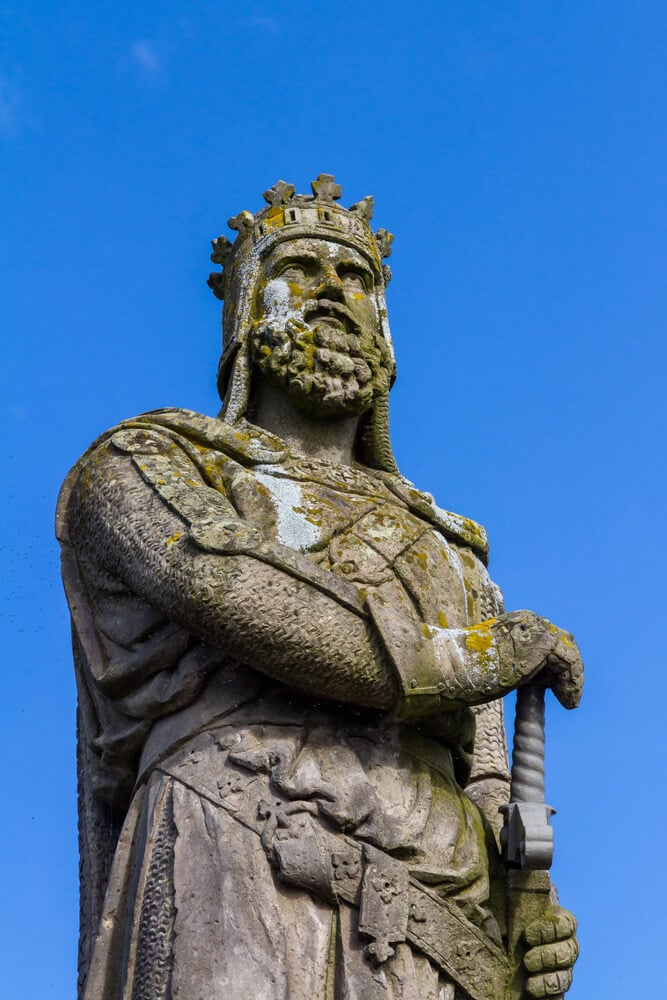
In 2016, historians at the University of Glasgow joined forces with Liverpool John Moores University to rebuild the face of Robert the Bruce, the Scottish king who won at Bannockburn. The work relied on a cast of a skull taken when a royal grave in Dunfermline Abbey was opened in 1819.
The team produced one version with smooth skin and another showing possible signs of leprosy, a disease some sources claim affected him. Researchers stressed that the leprosy question remains unresolved.
The finished face showed a powerfully built man, which fits a warrior who fought at the front of his armies.
Henri IV and the Contested Head
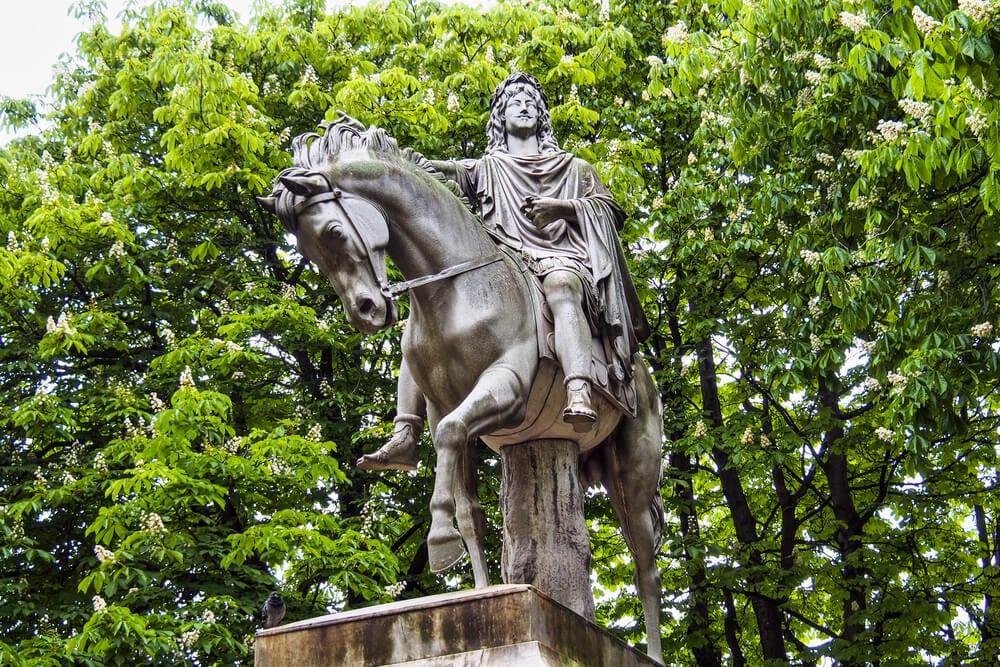
A mummified head long claimed to be that of Henri IV of France resurfaced in private hands and was examined by a team led by forensic scientist Philippe Charlier in 2010. They reported a healed lesion near the nose and a pierced ear, both matching descriptions of the king.
In 2013, 3D artist Philippe Froesch produced a digital reconstruction showing a bearded, weathered face with a strong nose. Later genetic studies challenged the identification, and the matter is still argued among specialists.
Whatever the truth, the image offered a vivid picture of how a 16th-century French monarch might have appeared.
Saint Nicholas and His Broken Nose
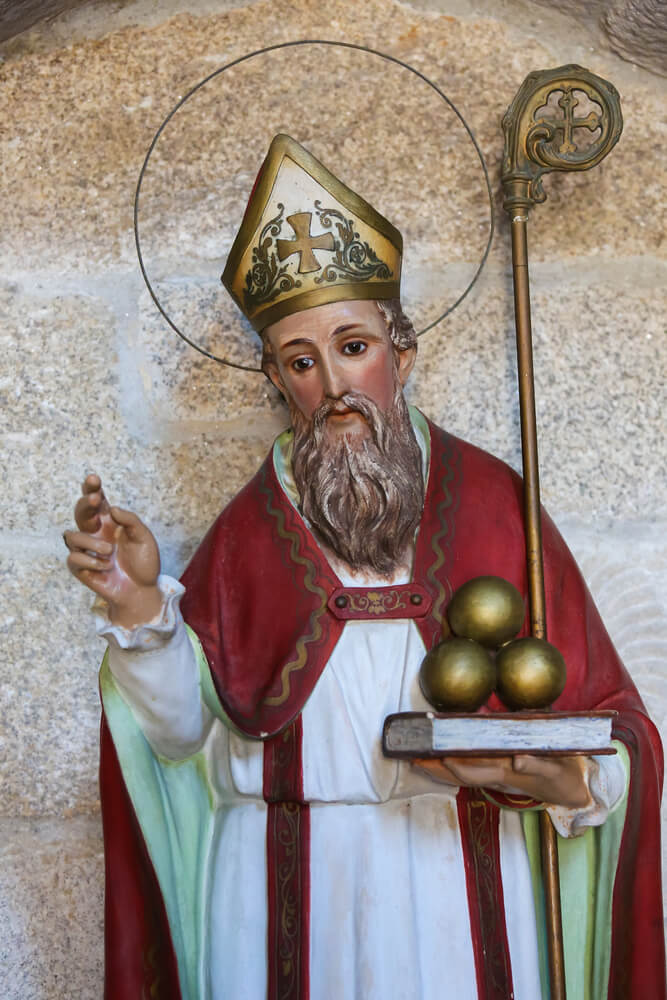
The remains of Saint Nicholas, the fourth-century bishop behind the Santa Claus legend, rest in Bari, Italy. During restoration work in the 1950s, anatomist Luigi Martino took detailed measurements and X-rays of the skull.
In 2014, Caroline Wilkinson used those records to create a digital reconstruction, released in time for Christmas. It showed a man with a heavy jaw and a badly broken nose that had healed unevenly.
Some commentators linked the injury to reports that Nicholas was persecuted for his faith, though that connection cannot be proven. There was no white beard in sight.
Saint Anthony of Padua Rendered in 3D
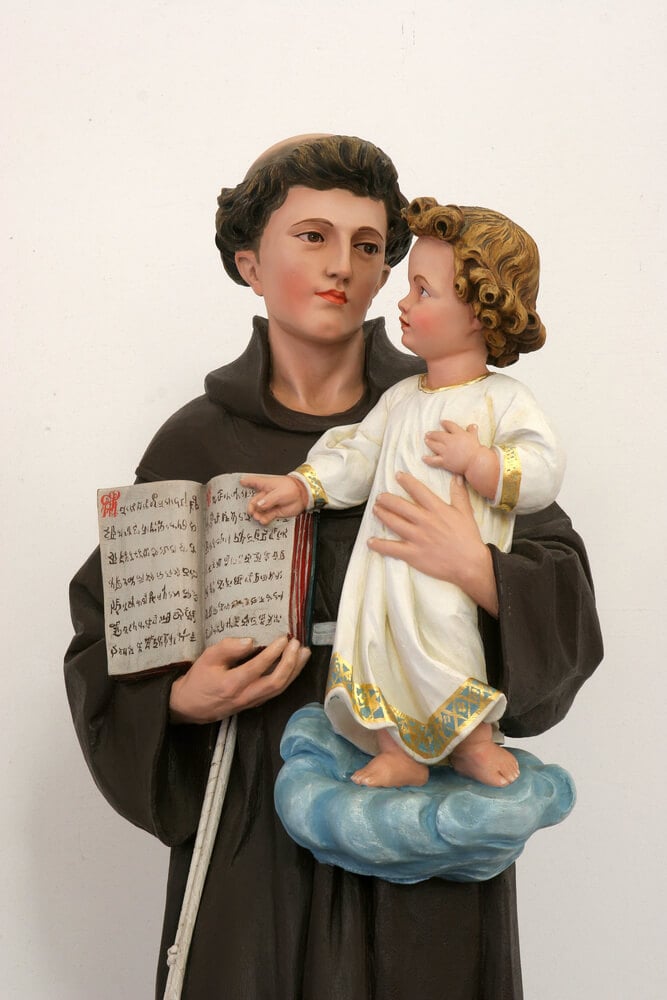
Saint Anthony of Padua, a 13th-century Franciscan preacher, is among the most popular saints in the Catholic world. In 2014, a team working with the University of Padua released a 3D reconstruction produced by Brazilian designer Cicero Moraes, based on data gathered from the skull.
The face was gentle and round, with a wide jaw and a calm expression. Researchers noted that it fit descriptions of a man who suffered from illness and swelling in his final years.
The image was shown at the basilica in Padua, where pilgrims had previously relied on paintings for their picture of the saint.
Mary Magdalene Relic Skull in Provence
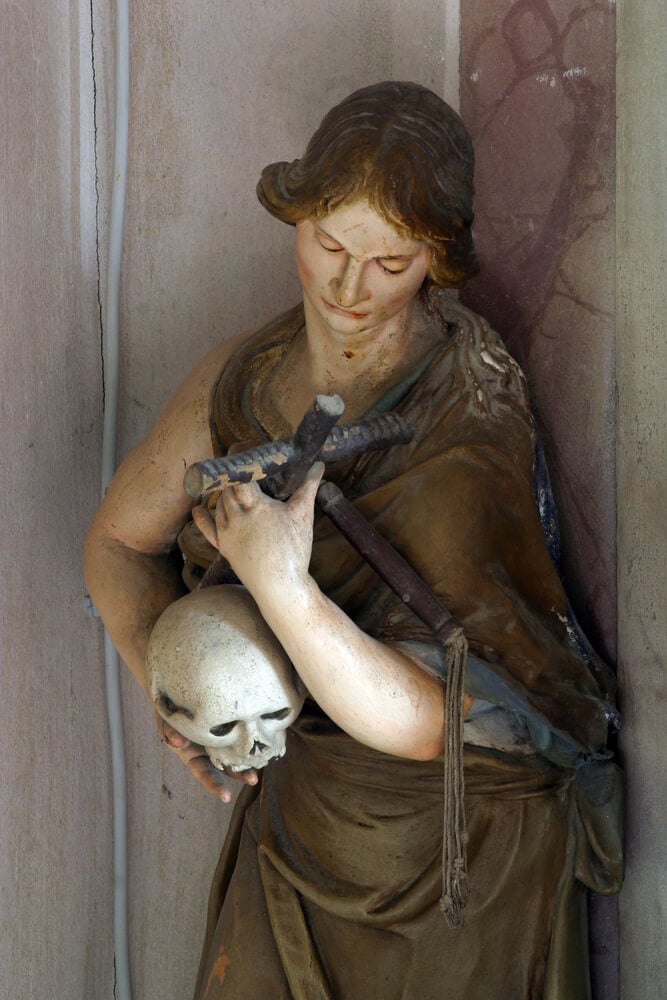
A skull kept for centuries in the basilica of Saint-Maximin-la-Sainte-Baume in southern France has long been venerated as that of Mary Magdalene. In 2017, Philippe Charlier and Philippe Froesch used photographs of the relic, which is sealed in a reliquary, to produce a digital face.
The reconstruction showed a woman of around 50 with Mediterranean features. The researchers were careful to say that science cannot prove the skull actually belonged to Mary Magdalene.
Still, the project gave a face to a relic that had drawn pilgrims to the town since the Middle Ages.
Dante Loses Some of His Famous Scowl
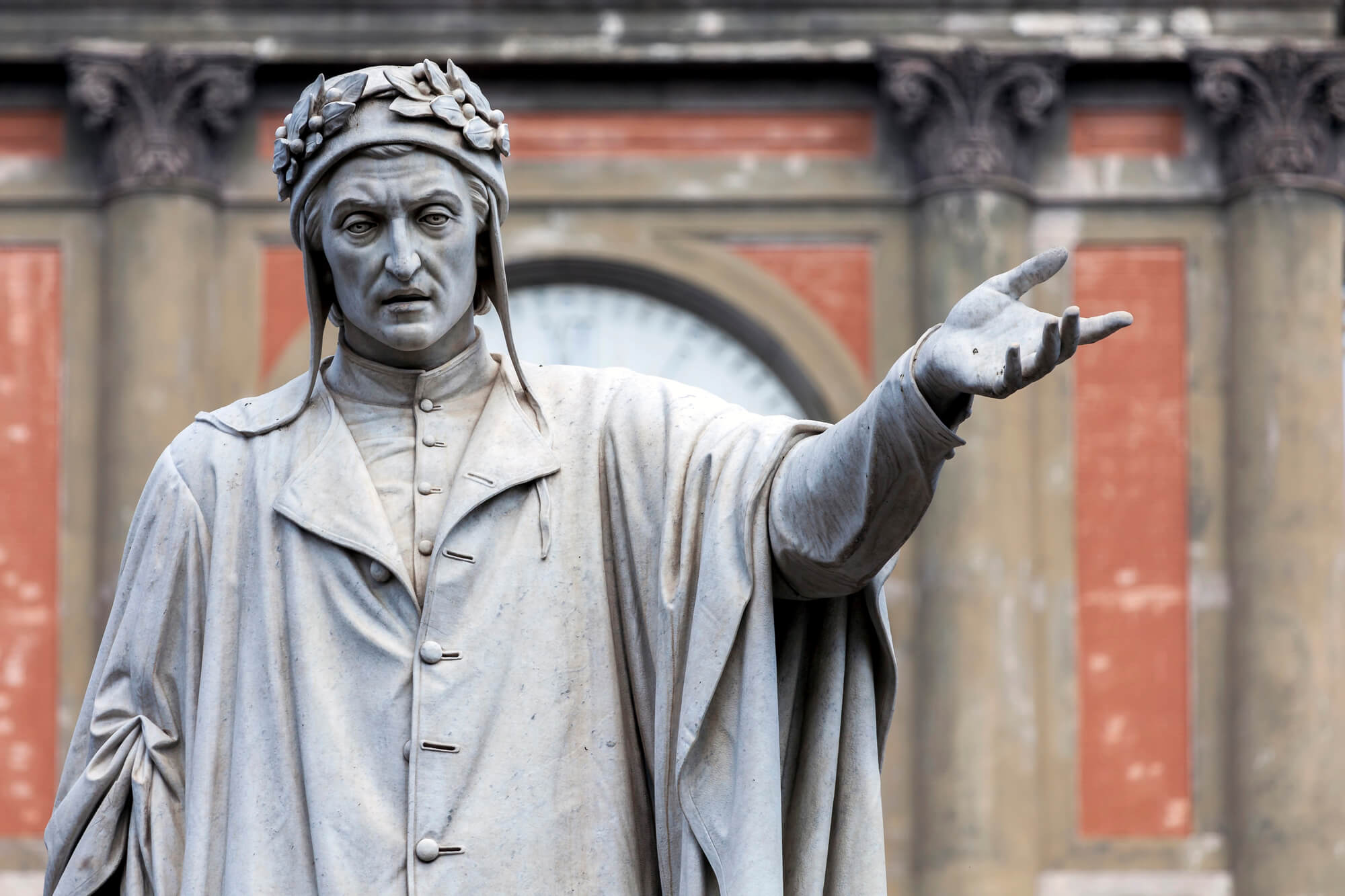
Dante Alighieri is almost always shown in profile with a sharply hooked nose and a severe frown. In 2007, researchers at the University of Bologna worked from measurements of his skull, taken during a 1921 examination of his remains in Ravenna, to rebuild his face.
The resulting head had a softer look than the famous portraits, although it kept a pronounced nose. Anthropologist Giorgio Gruppioni suggested that the grim image came partly from a posthumous mask and artistic tradition.
The poet emerged looking less forbidding than generations of schoolbooks had suggested.
Otzi the Iceman Given Brown Eyes
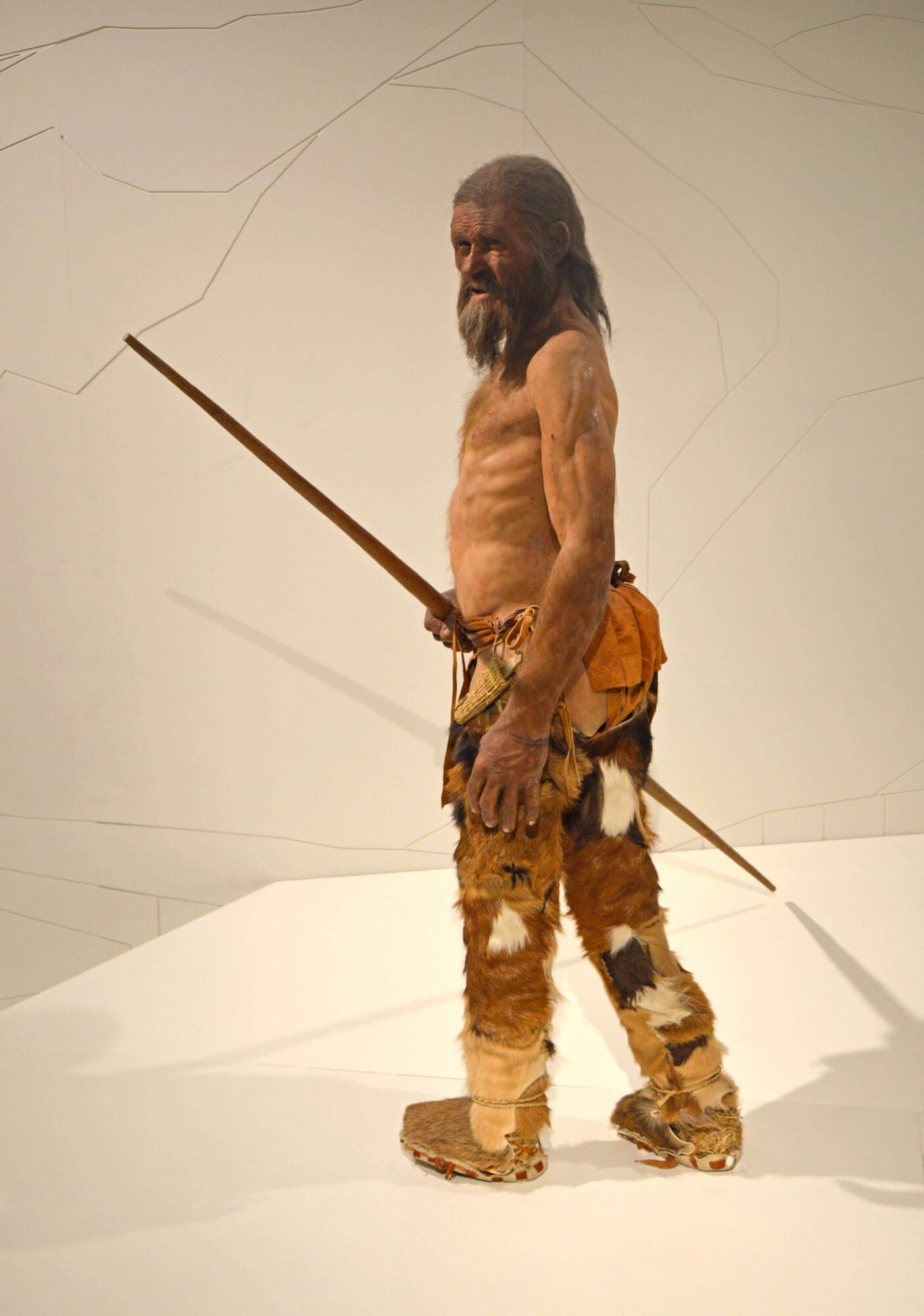
Otzi was discovered by hikers in the Otztal Alps in 1991, a Copper Age man who died about 5,300 years ago. In 2011, Dutch twin artists Alfons and Adrie Kennis created a lifelike model for the South Tyrol Museum of Archaeology in Bolzano.
They gave him deep-set brown eyes, a weathered face and a lean frame, informed by scientific studies of his body. The model looked older than his estimated age of around 45, reflecting a hard outdoor life.
Genetic work later suggested he had darker skin than earlier images showed, prompting renewed debate about how he should be depicted.
Cheddar Man and a Surprise From DNA

Found in Gough’s Cave in Somerset in 1903, Cheddar Man is one of the oldest nearly complete skeletons discovered in Britain, dating back around 10,000 years. In 2018, researchers at the Natural History Museum in London and University College London extracted DNA that pointed to dark skin and blue eyes.
The Kennis brothers then built a model reflecting those findings, with dark curly hair and a lean face. The image contradicted long-held assumptions that early Britons were pale.
Scientists noted that genetic predictions of skin color carry uncertainty, but the results reshaped public ideas about ancient Britain.
Julius Caesar Built From a Marble Bust
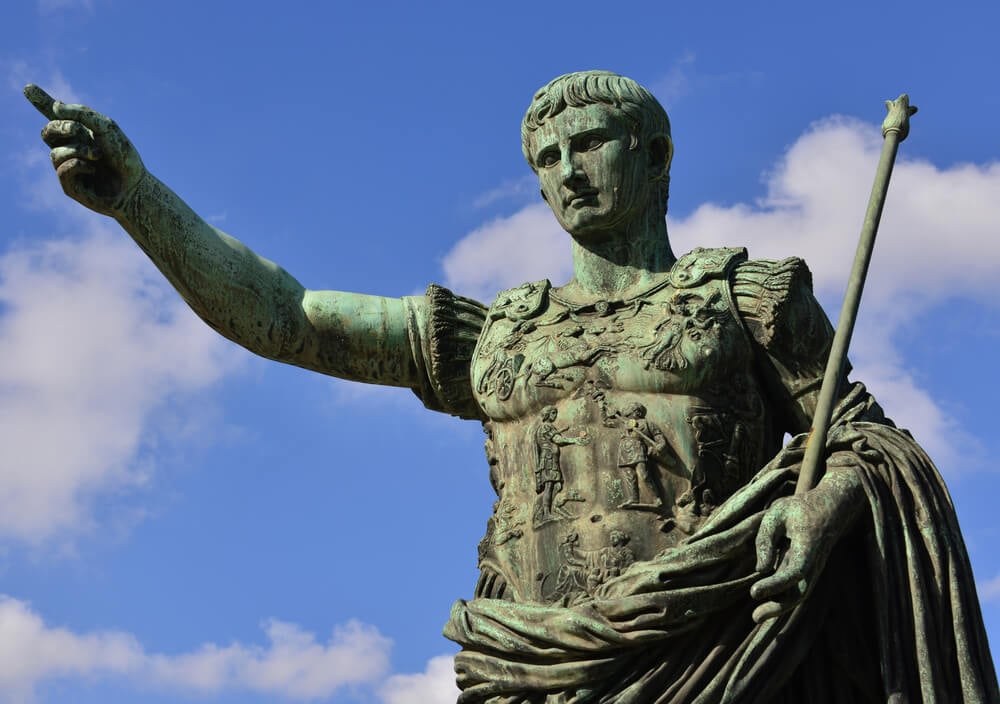
Caesar’s body was cremated, so there is no skull to work from. In 2018, the National Museum of Antiquities in Leiden in the Netherlands commissioned a reconstruction based on the Tusculum bust, one of the few portraits thought to have been made during his lifetime.
Physical anthropologist Maja d’Hollosy used measurements from the marble and a 3D scan to create the head. It revealed an unusually broad cranium, which researchers suggested may have resulted from a difficult birth.
Unlike marble busts, the model showed weathered skin, visible lines and a slightly bulging skull.
The Lady of Cao in Lima
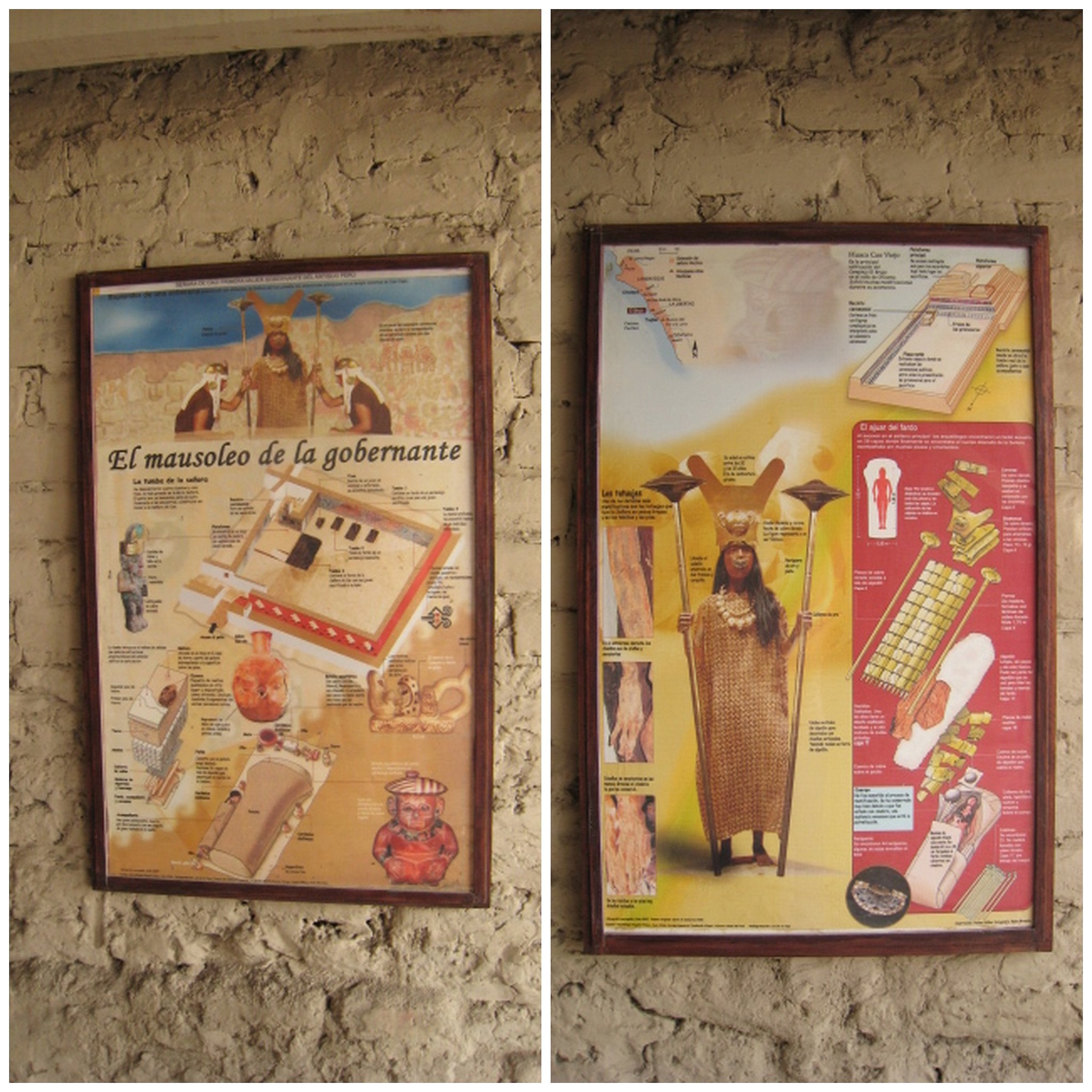
Archaeologists at the El Brujo complex on the northern coast of Peru found the mummified body of a Moche woman in 2006, roughly 1,700 years after her death. Buried with weapons and symbols of power, she is believed to have been a ruler, which was unusual for her time and culture.
Her arms and hands were covered in tattoos of spiders, snakes and other creatures. In 2017, a reconstruction created with 3D scanning and printing was unveiled in Lima after roughly ten months of work.
Peruvian officials noted how closely her features resembled those of people still living in the region.
Nefertiti and the Younger Lady Mummy
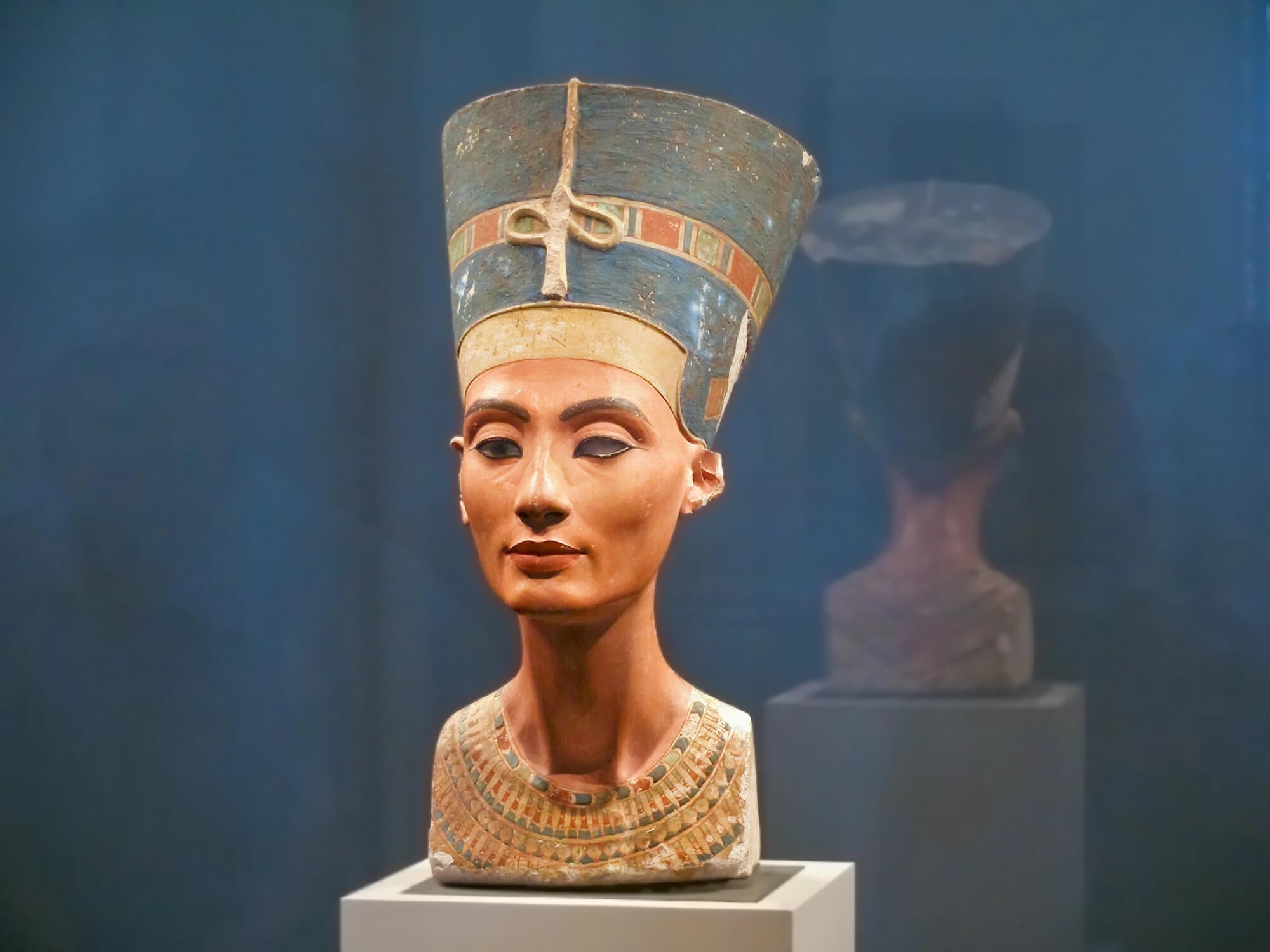
A bust by Elisabeth Daynes was unveiled in 2018 for a documentary, based on scans of a mummy found in tomb KV35 in the Valley of the Kings. This mummy, known as the Younger Lady, has been proposed by some researchers as Nefertiti, though many Egyptologists doubt that identification.
The finished face showed a woman with high cheekbones and a long neck, reminiscent of the famous painted bust in Berlin. Critics questioned the skin tone chosen for the reconstruction, and the debate drew wide press attention.
The episode showed how much artistic decisions can shape even the most scientific reconstruction.
Faces Built From Bone and Doubt
Every reconstruction sits on top of an argument. Tissue depths come from averages, eye color and hair are often educated guesses, and identifications can change when a new DNA test arrives.
The skull fixes the frame, but the artist fills in much of what viewers actually recognize. That uncertainty is also what makes these faces valuable.
They remove the flattery of court painters and the stiffness of official sculpture, replacing both with something closer to an ordinary person. Seeing a famous name with a broken nose or a crooked spine makes history feel less like legend and more like biography.
More from Go2Tutors!

- The Romanov Crown Jewels and Their Tragic Fate
- 13 Historical Mysteries That Science Still Can’t Solve
- Famous Hoaxes That Fooled the World for Years
- 15 Child Stars with Tragic Adult Lives
- 16 Famous Jewelry Pieces in History
Like Go2Tutors’s content? Follow us on MSN.