28 Old-Fashioned Hobbies Making a Comeback
For a while, the pastimes of grandparents looked headed for the museum. Knitting needles sat in drawers, stamp albums gathered dust, and film cameras ended up at yard sales for a few dollars.
Then something shifted. Screens got more exhausting, and slow, hands-on hobbies began looking less like relics and more like relief.
Knitting
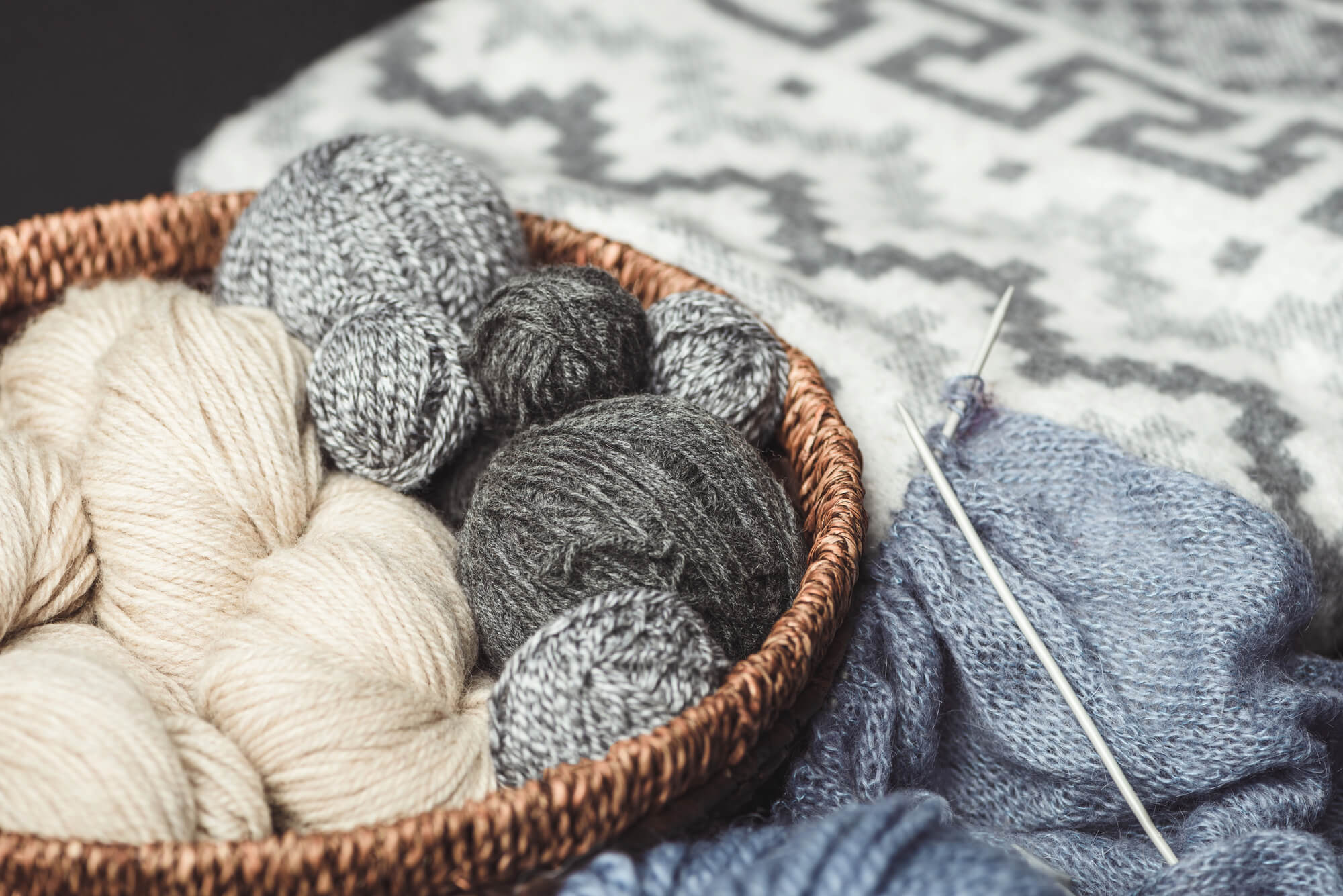
Knitting surged again during the long months at home in 2020, and the interest never fully faded. Yarn shops reported new customers who had never held needles, and online tutorials made the basics easier to learn than ever.
The craft has a long history of public purpose. During World War I, the American Red Cross ran a campaign urging civilians to knit socks, sweaters and scarves for soldiers overseas.
Today the motivation is quieter. Knitters describe the repetitive motion as calming, and a finished sweater carries hours of work in a way no store purchase can match.
Crochet
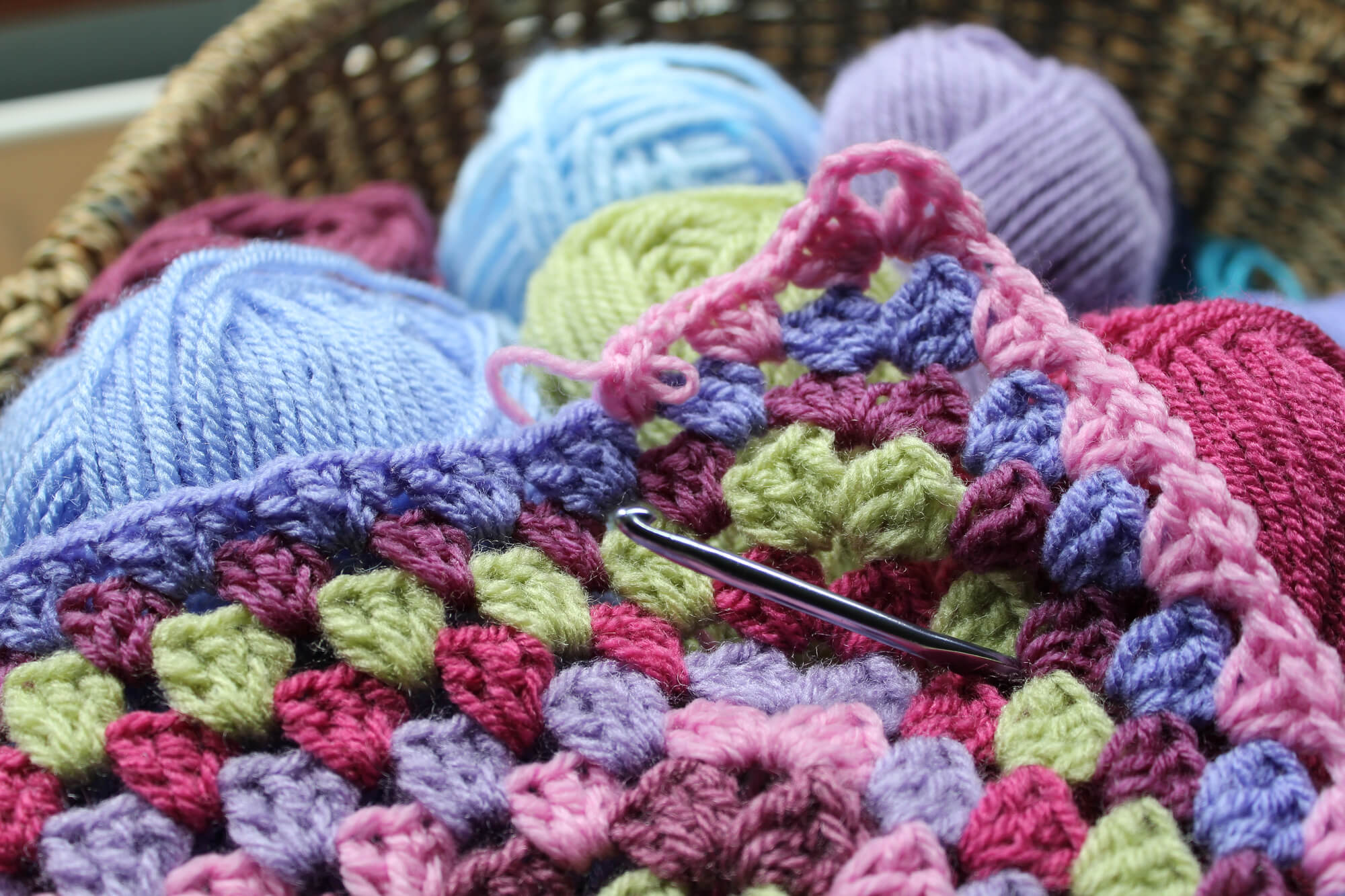
Crochet found a younger audience through social media, where granny square cardigans, bucket hats and tiny stuffed animals drew millions of views. Its revival has an unusual twist.
No machine has ever been built that can fully replicate crochet stitches, so every crocheted item on a store shelf was made by human hands somewhere. That fact surprises many new hobbyists.
The craft needs only a single hook and some yarn, which keeps the cost of entry low. Many beginners learn the basic stitches in an afternoon and finish their first small project within a week.
Sourdough Baking
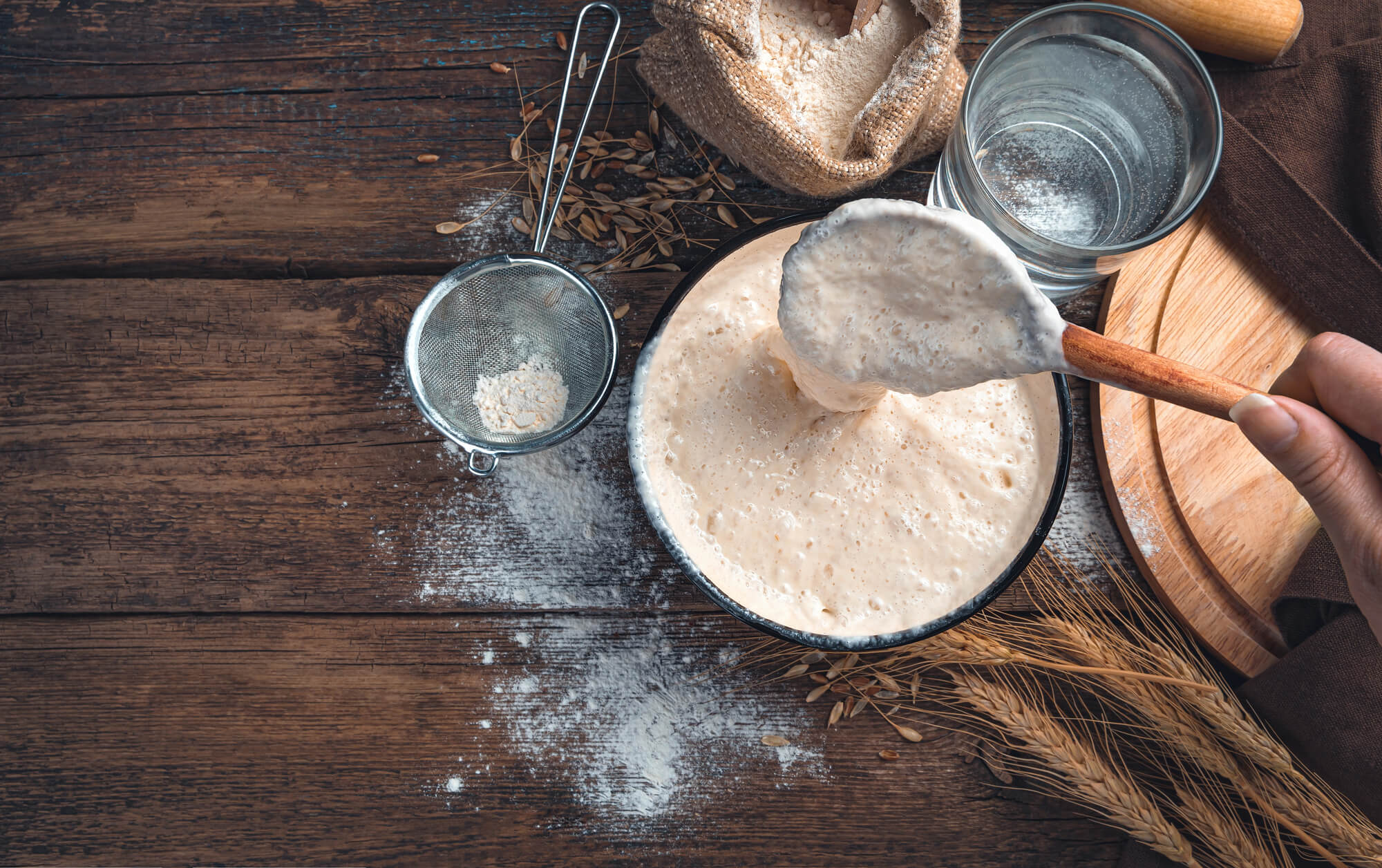
Sourdough baking exploded in 2020, when yeast disappeared from grocery shelves and home bakers turned to wild fermentation instead. A sourdough culture is simply flour and water left to collect wild yeast and bacteria, then fed regularly to keep it alive.
Some cultures last for generations. Boudin Bakery in San Francisco says it has kept the same mother dough going since 1849.
Home bakers often name their cultures and share portions with friends. The process demands patience and attention, and the reward is a crackling loaf with a tang that commercial bread rarely matches.
Home Canning
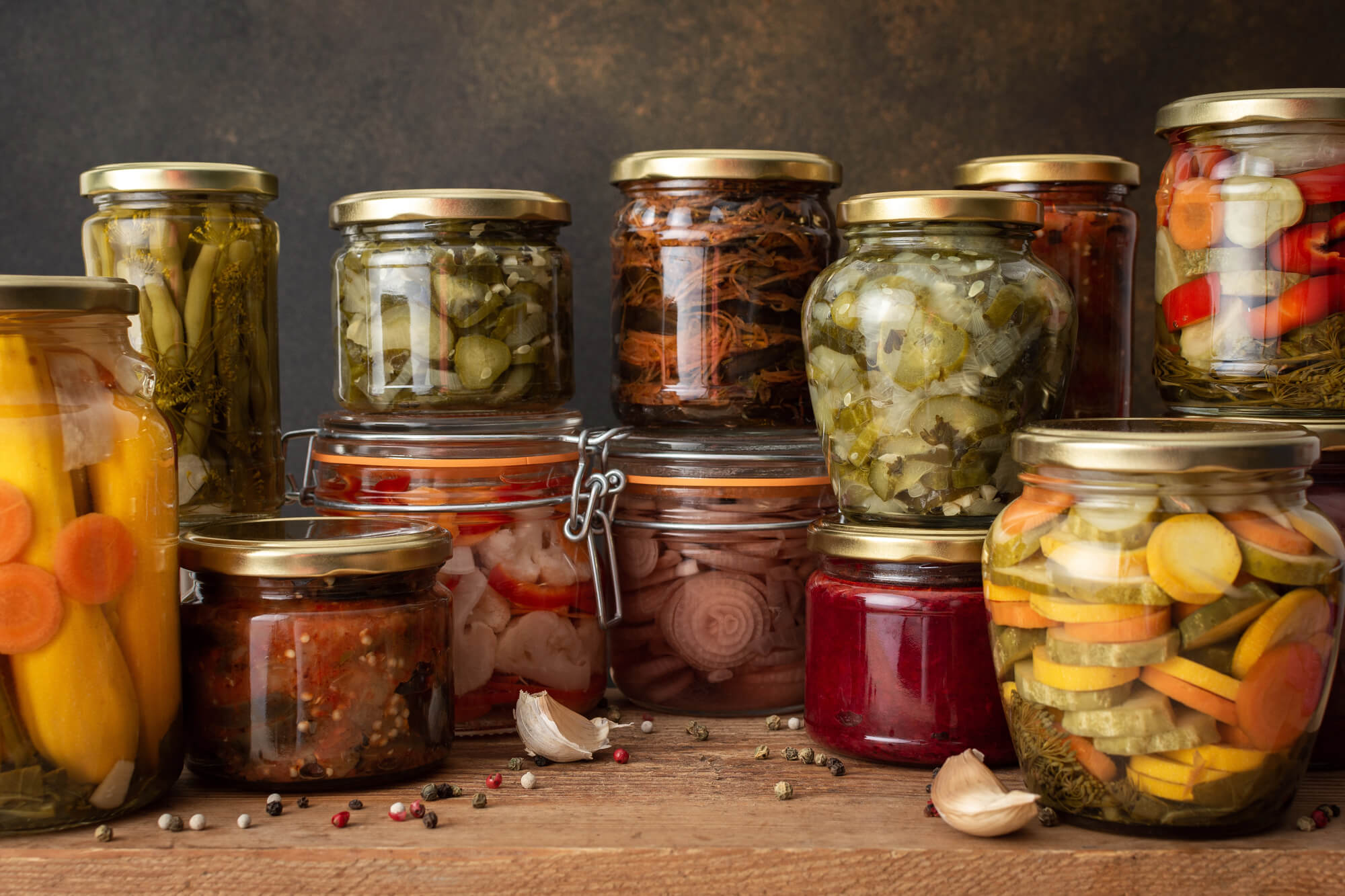
Home canning has returned as gardeners and budget-minded cooks look for ways to preserve summer produce. Glass Mason jars, named for John Landis Mason, who patented his screw-top design in 1858, remain the standard equipment.
Canners use water bath methods for high-acid foods such as jams, pickles and tomatoes, and pressure canners for low-acid vegetables and meats. Following tested recipes from sources such as the USDA matters for safety.
Rows of filled jars on a pantry shelf offer a satisfying visual record of work done, and opening a jar of peaches in January feels like a small reward.
Birdwatching

Birdwatching drew a wave of new fans during the pandemic, when people spent more time near home and began paying attention to backyard visitors. The Audubon Society’s Christmas Bird Count has run since 1900, making it one of the longest-running citizen science projects in the world.
Free tools such as the Merlin app from the Cornell Lab of Ornithology now identify birds by their songs, which has lowered the barrier for beginners. Binoculars and a field guide remain the basic kit.
Many birders keep a life list, recording every species they have seen, and some spend decades filling it.
Stamp Collecting
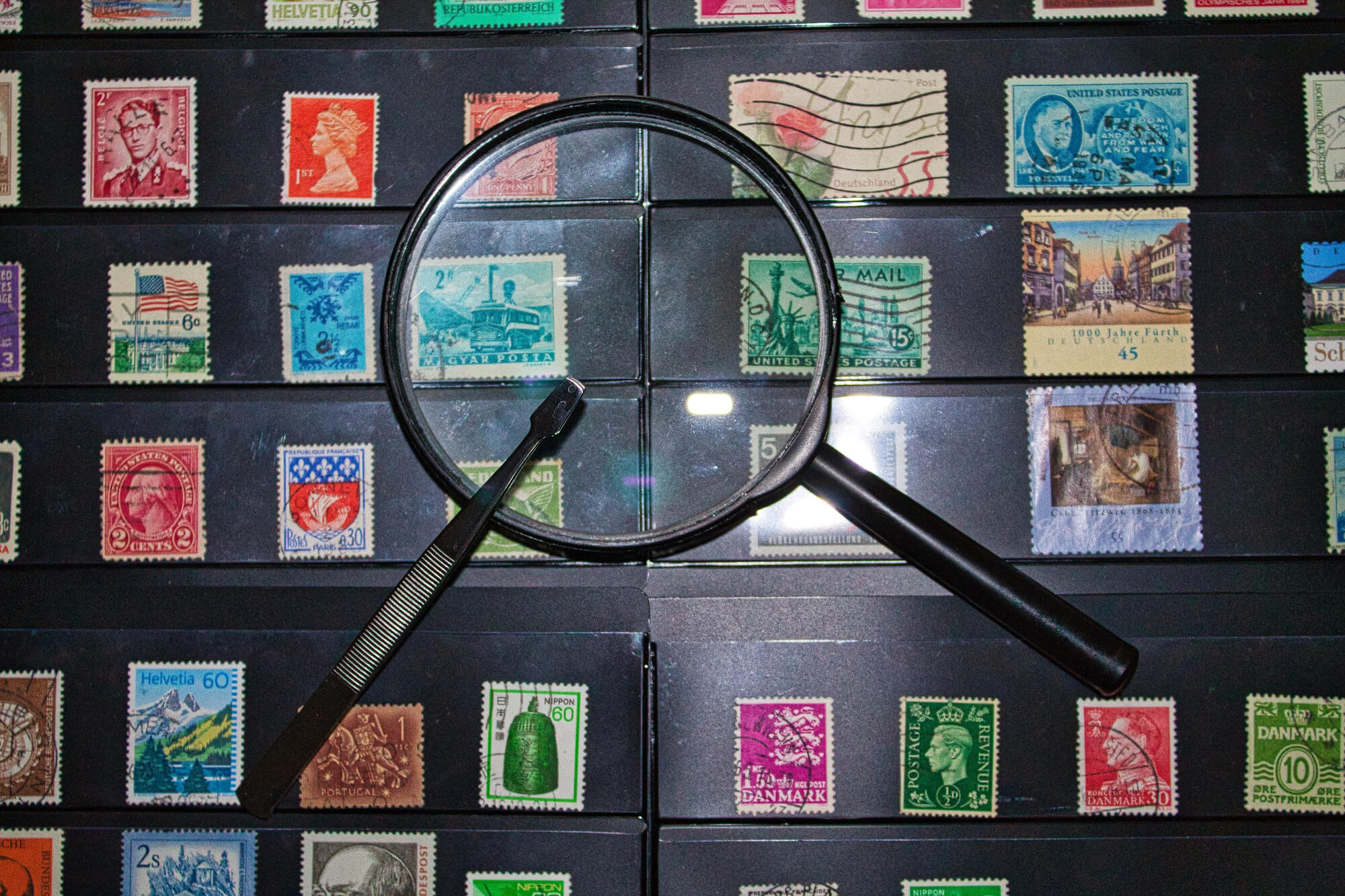
Stamp collecting, once among the most popular hobbies in America, has drawn renewed interest from collectors drawn to history, design and the thrill of the hunt. The first adhesive postage stamp, Britain’s Penny Black, appeared in 1840.
Franklin D. Roosevelt was a devoted collector who reportedly worked on his albums to relax during the pressures of the presidency. Today collectors buy mixed lots online, trade with others and focus on themes such as birds, space or specific countries.
Prices range from pennies to fortunes, but most hobbyists collect for enjoyment rather than investment.
Letter Writing and Pen Pals

Handwritten letters have gained new appeal as a break from instant messaging. Pen pal programs connect people across states and countries, and stationery shops report steady interest in fine paper, wax seals and fountain pens.
The United States Postal Service promotes National Card and Letter Writing Month every April. Letter writers say the slower pace is the point.
A letter takes time to write and time to arrive, which gives it weight that a text message lacks. Many people save letters for decades, while few save digital messages for more than a few weeks.
Film Photography

Film photography has made a strong return, especially among younger photographers who grew up with phone cameras. Thrift store and online prices for old film cameras have climbed, and film itself has become more expensive as demand rises.
Pentax released a new film camera, the Pentax 17, in 2024, a rare event in an industry that had mostly stopped making them. Photographers say film forces slower, more careful shooting, since each frame costs money.
Waiting for prints to come back from the lab brings back an anticipation that instant digital images removed.
Vinyl Records

Vinyl records have returned from near extinction to become a major part of music sales. In 2022, vinyl albums outsold CDs in the United States by units for the first time since the 1980s, according to the Recording Industry Association of America.
Collectors enjoy the large cover art, the ritual of placing the needle and the warm sound many prefer. Record stores have reopened in towns that lost them years ago.
Many buyers also own streaming accounts, using vinyl for focused listening and streaming for everything else.
Quilting
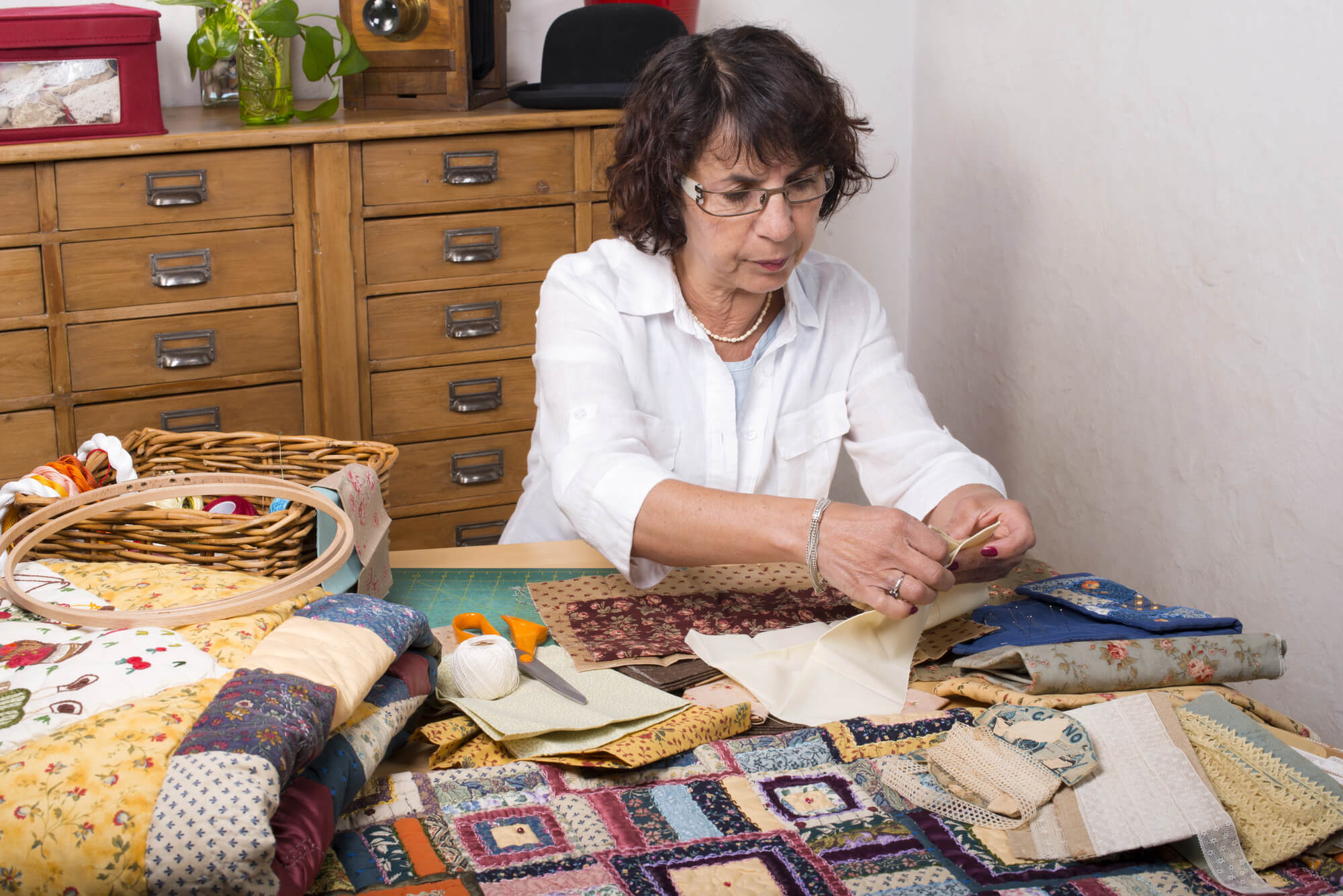
Quilting has drawn new fans through modern designs and social media, while traditional patterns remain beloved. The quilts of Gee’s Bend, Alabama, made by generations of Black women in a small rural community, gained national attention through museum exhibitions in the early 2000s and inspired many quilters.
Modern quilters often use bold colors and minimalist layouts. Quilting groups meet in churches, libraries and fabric shops, keeping the social side of the craft alive.
A finished quilt can take months, and many become family heirlooms passed between generations.
Hand Embroidery
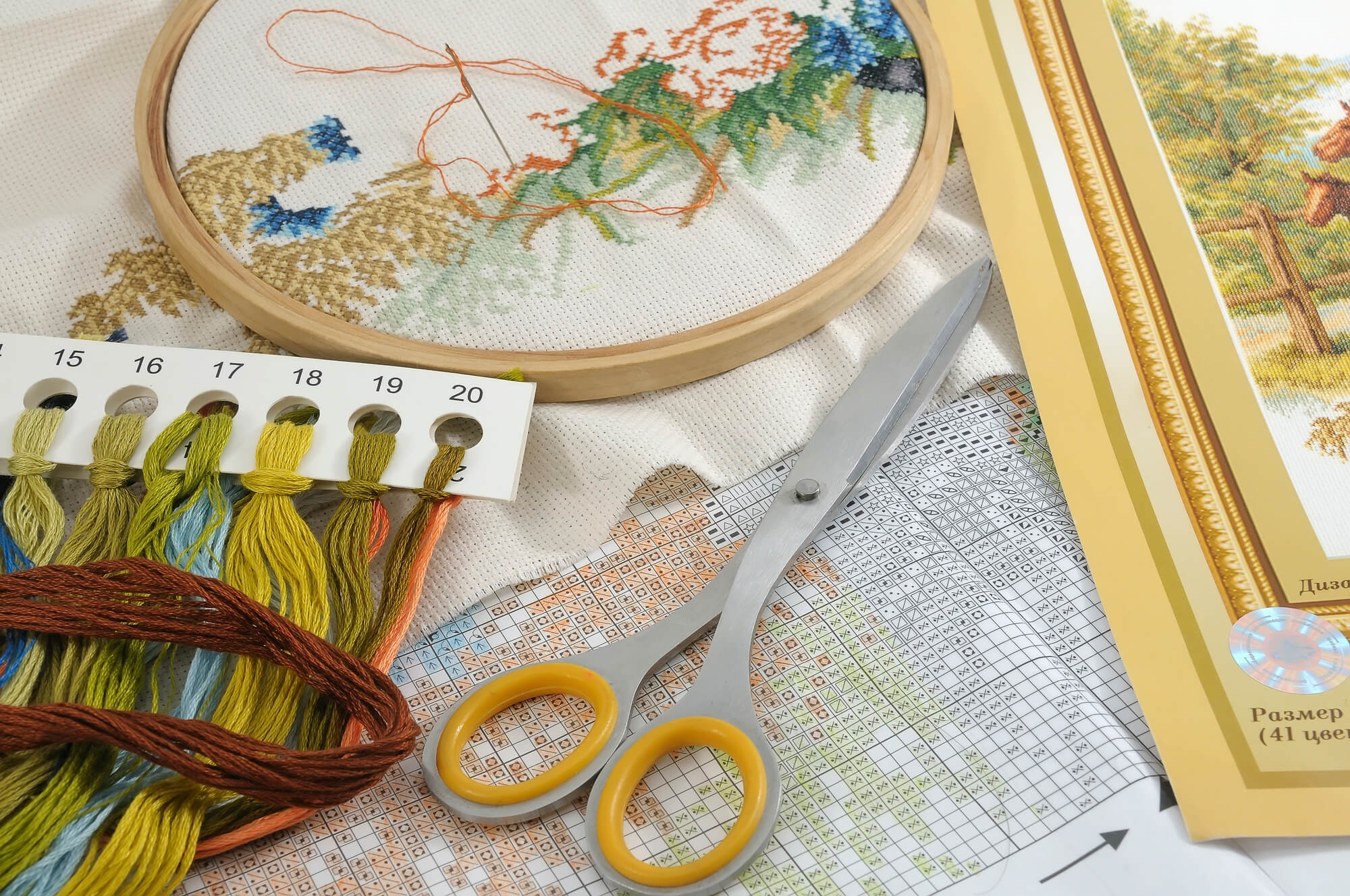
Hand embroidery has returned through modern designs, with stitchers creating botanical motifs, witty phrases and detailed portraits. Many artists display finished pieces right in the wooden hoop, which doubles as a frame.
Kits for beginners are widely sold, and online tutorials explain stitches such as the satin stitch and French knot. The materials are cheap and portable, making it easy to stitch on a commute or while watching television.
Embroidery also allows people to personalize clothing, adding flowers or initials to jackets and jeans. Visible stitching over a worn knee or frayed cuff has become a small badge of pride rather than something to hide.
Counted Cross-Stitch

Cross-stitch has moved beyond traditional samplers into modern patterns featuring pop culture references, humor and bold graphics. The craft has deep roots.
In the eighteenth and nineteenth centuries, young girls stitched samplers to practice letters and numbers, and many survive in museums today. Modern cross-stitchers follow printed charts and count stitches on a grid of fabric called Aida cloth.
The work is repetitive and meditative. A finished piece can be framed or turned into a pillow, and many stitchers trade patterns online.
A single large chart can contain tens of thousands of individual stitches, which explains why some projects stay on the hoop for years.
Sewing Clothes at Home
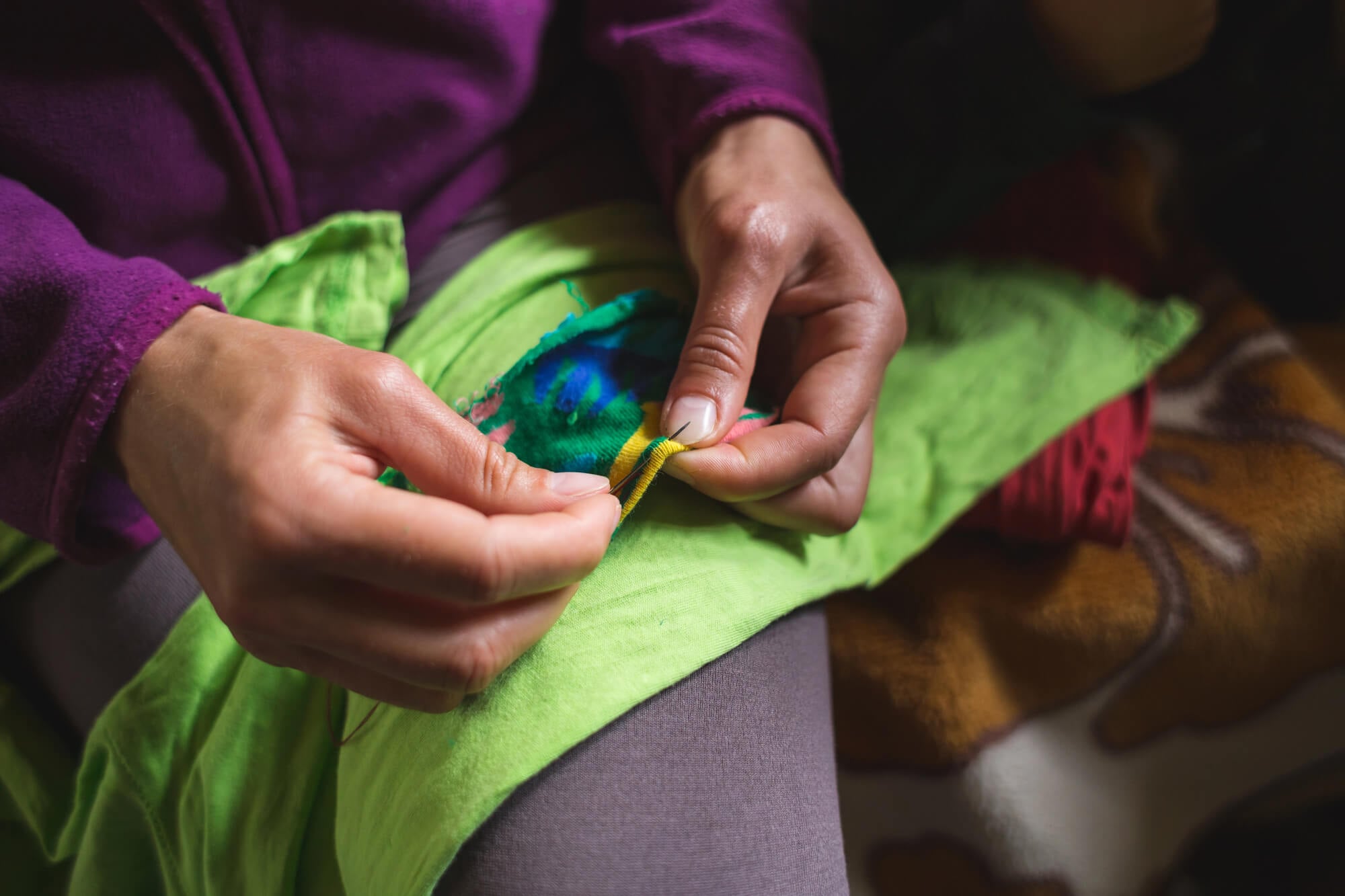
Home sewing has returned as people look for clothes that fit well and last longer than fast fashion. Independent pattern companies offer modern designs, and online communities share tips and fitting advice.
Television shows such as The Great British Sewing Bee have drawn new interest in garment making. Sewists say the satisfaction of wearing something handmade is hard to beat.
Thrift stores supply vintage machines and fabric, keeping costs down. Many new sewists begin with simple tote bags and skirts before moving on to dresses and jackets.
Vegetable Gardening
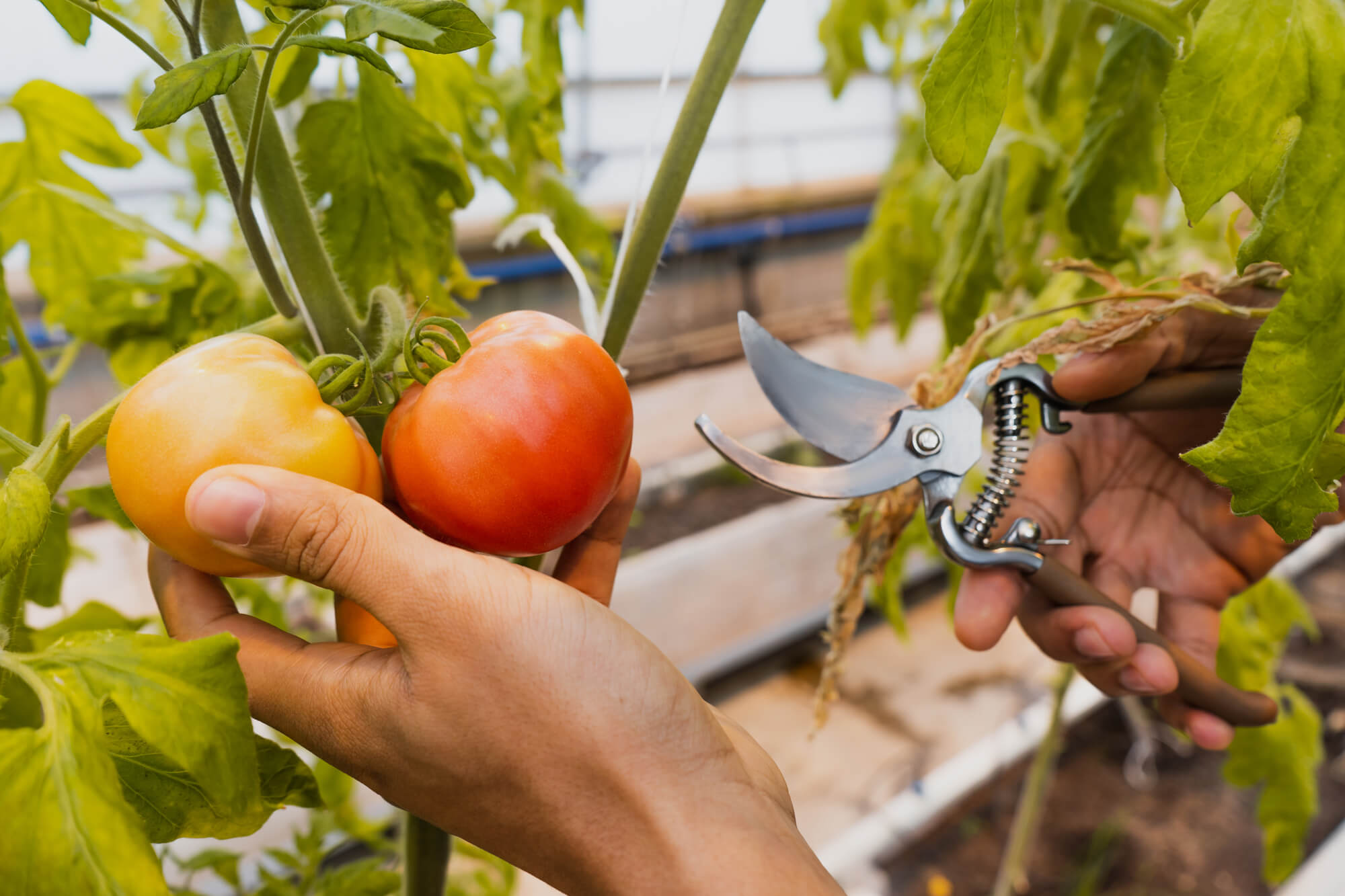
Vegetable gardening has surged as people look to grow their own food and spend more time outdoors. The movement echoes World War II victory gardens, which by commonly cited estimates produced a large share of the fresh vegetables Americans ate during the war.
Seed companies reported shortages in 2020 as demand jumped. Gardeners grow tomatoes, peppers, herbs and beans in backyards, containers and community plots.
The work is physical and rewarding. A ripe tomato picked straight from the vine tastes nothing like one shipped across the country.
Backyard Beekeeping
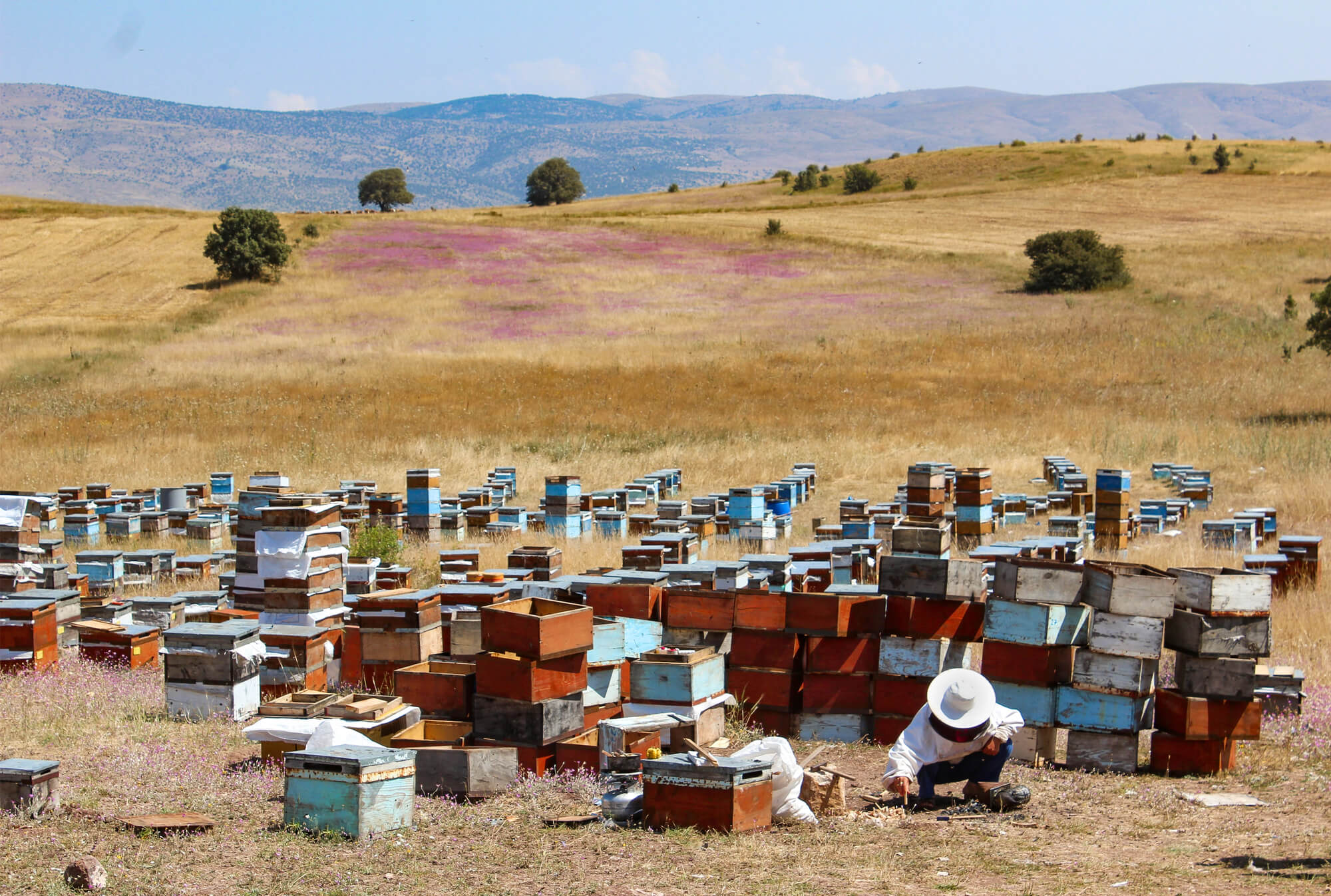
Backyard beekeeping has grown as people learn about the importance of pollinators. Many cities now allow hives in residential areas, sometimes with permits.
In 2009, the White House added a beehive to its grounds, and it produced honey for official events. Beekeepers need protective gear, hives and a basic understanding of bee behavior.
Local beekeeping clubs offer classes and mentorship. A single healthy hive can produce dozens of pounds of honey in a good year.
The work also helps local gardens and flowers thrive. Honey from city hives often tastes noticeably different from rural honey, since urban bees forage on street trees, window boxes and park plantings.
Wild Foraging
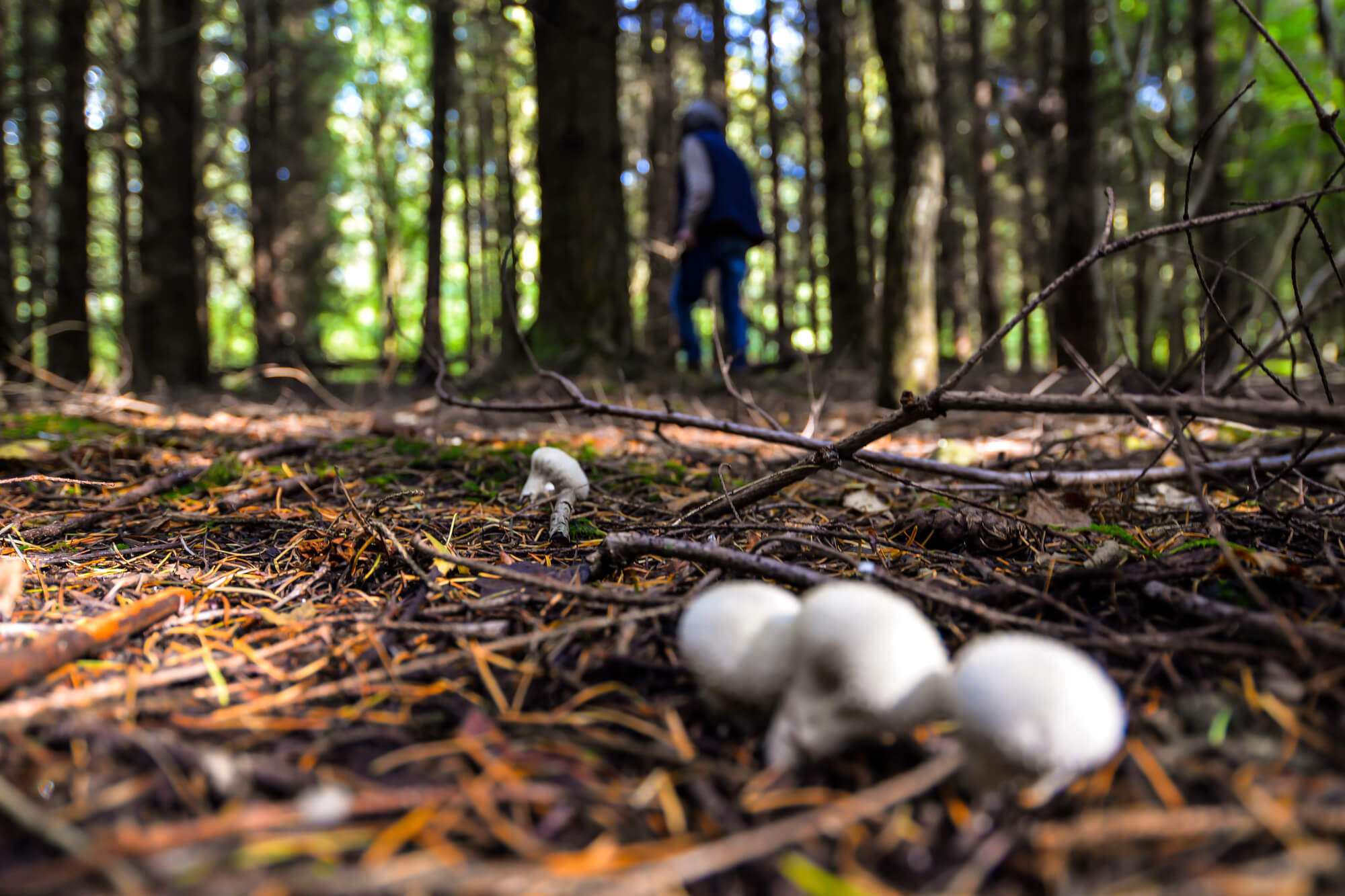
Foraging for wild foods has returned as people seek a connection to the land and to traditional knowledge. Foragers gather mushrooms, berries, ramps, nettles and wild greens.
Safety matters a great deal, since some wild mushrooms are deadly and look similar to edible ones. Groups such as the North American Mycological Association and local clubs offer forays led by experts.
Foragers learn to identify plants by their features and seasons. Many also practice careful harvesting, taking only a little from each patch so plants can regrow.
Spoon Carving and Whittling
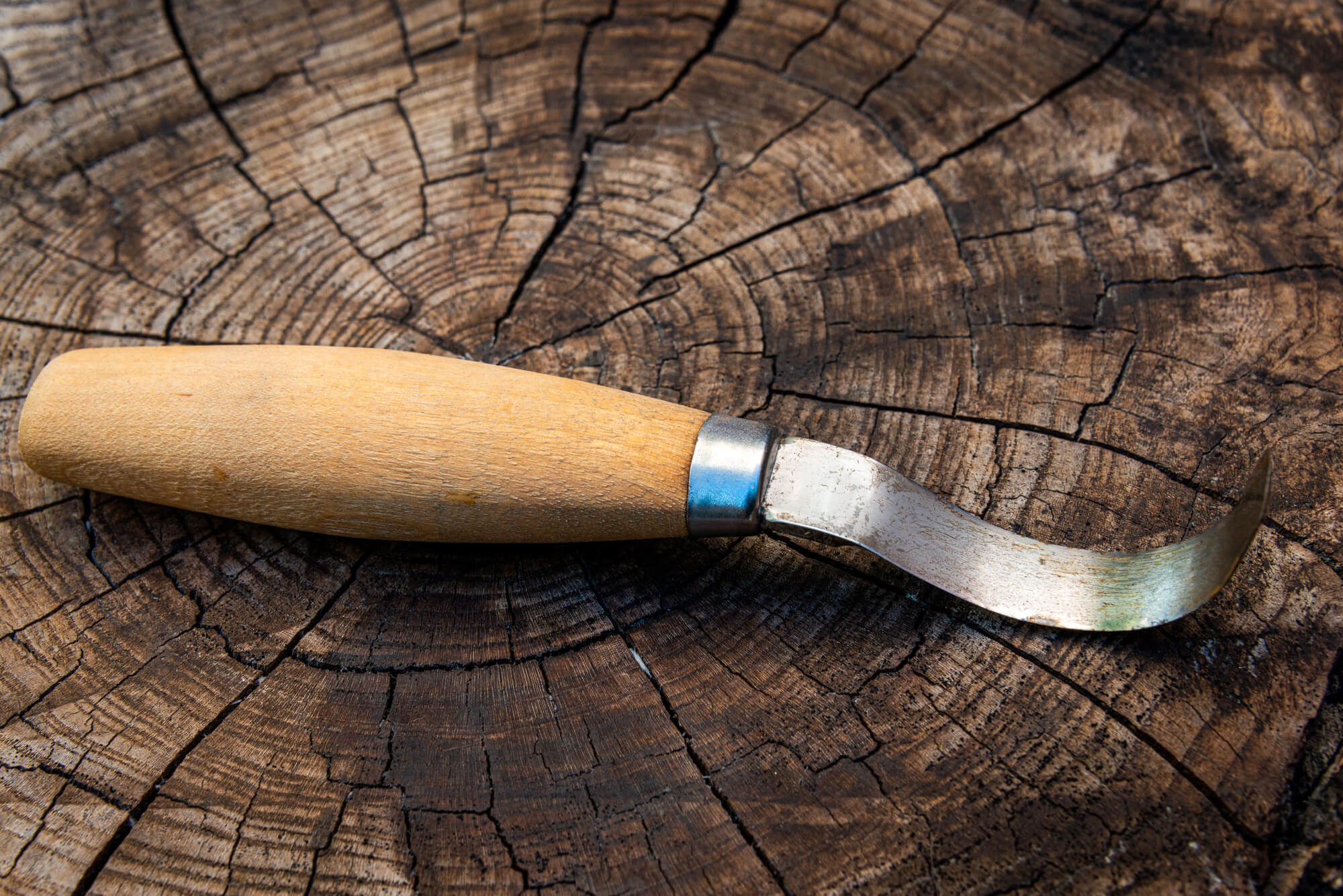
Whittling and green woodworking have gained new fans, particularly through spoon carving. Carvers use fresh, unseasoned wood such as birch or cherry, which is soft enough to cut with simple hand tools.
A sloyd knife and a hook knife are the basic equipment. The term sloyd comes from a Scandinavian system of handcraft education.
Carvers say the work is calming and absorbing. Spoon carving gatherings draw hundreds of people in some places, and a finished spoon is both useful and beautiful.
Most carvers admit their first few spoons came out lopsided, thick and better suited to a drawer than a dinner table.
Jigsaw Puzzles

Jigsaw puzzles became so popular during 2020 that many stores sold out. The hobby dates to the 1760s, when London mapmaker John Spilsbury mounted maps on wood and cut them into pieces as a geography lesson.
Today puzzles range from simple scenes to fiendishly difficult designs with thousands of pieces. Puzzle swaps and clubs let people trade finished puzzles.
Many people enjoy the quiet focus and the satisfaction of fitting the final piece. Some families leave a puzzle out on a table for weeks, with everyone adding pieces as they pass.
Tabletop Board Games

Board games have enjoyed a remarkable revival, fueled by modern designs and board game cafes that let people try games before buying. Catan, first published in Germany in 1995, helped spark interest in strategy games beyond classic family titles.
Game nights have become a regular social event in many households. Board game cafes charge a small fee for access to hundreds of games.
The hobby offers face-to-face interaction that screens cannot match. Many players collect games, building shelves that rival a small library.
Cooperative games, in which players work together against the board, have drawn in families who never enjoyed the cutthroat side of classic titles.
Chess

Chess saw a sharp rise in interest after the Netflix series The Queen’s Gambit premiered in October 2020. Sales of chess sets jumped, and online chess sites reported millions of new players.
Chess clubs and school programs have grown as well. The game rewards study and patience, and players can improve for a lifetime.
Online platforms make it easy to find opponents at any skill level. Many players also enjoy the history and famous matches, studying games played by masters from earlier centuries.
Many local libraries now lend chess sets and host weekly club nights, so the cost of joining in is close to nothing.
Calligraphy and Hand Lettering
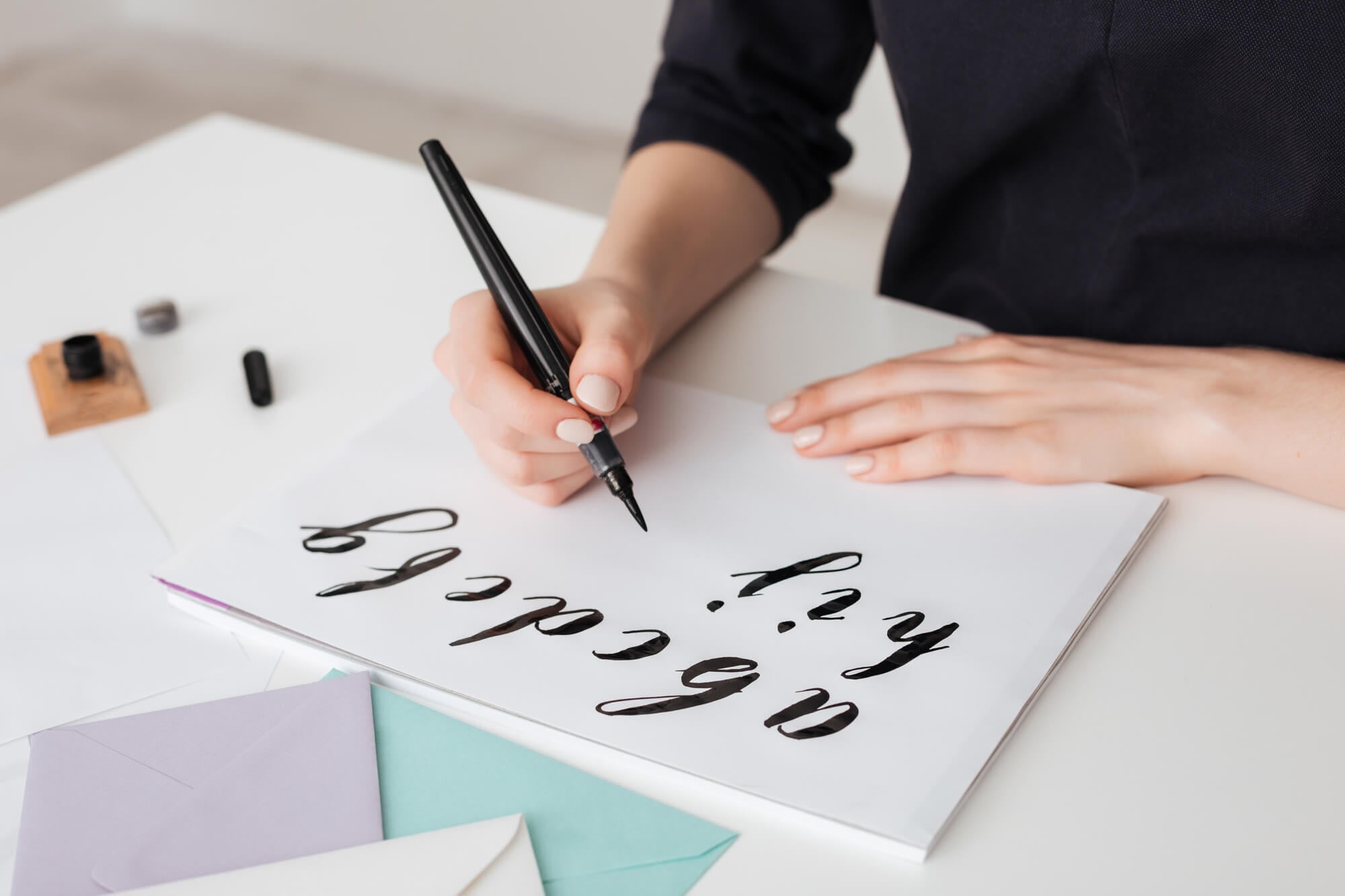
Calligraphy and hand le+9+ttering have returned as people seek a creative outlet and a break from typing. Many enthusiasts study historical styles such as Spencerian script, an American handwriting system from the nineteenth century, or the Palmer Method once taught in schools.
Brush pens and nibs make it easy to begin. Lettering artists create wedding invitations, signs and personal journals.
Online tutorials and practice sheets help beginners improve. The hobby rewards steady practice, and handwriting improves noticeably within weeks of regular effort.
For many adults, it is the first time since grade school that anyone has thought seriously about how their letters look.
Paper Journaling

Paper journaling has returned through methods like the bullet journal, a planning system created by designer Ryder Carroll and shared widely around 2013. Journalers use notebooks to track habits, plan schedules and record thoughts.
Many add sketches, stickers and washi tape. The practice offers a break from digital apps and a place to reflect.
Journals become personal records of daily life. Some people keep journals for years, filling shelves with notebooks that capture the details of their lives.
Paper journals also avoid the problem of digital files stranded on old devices or abandoned apps, since a notebook needs no password to open decades later.
Model Railroading
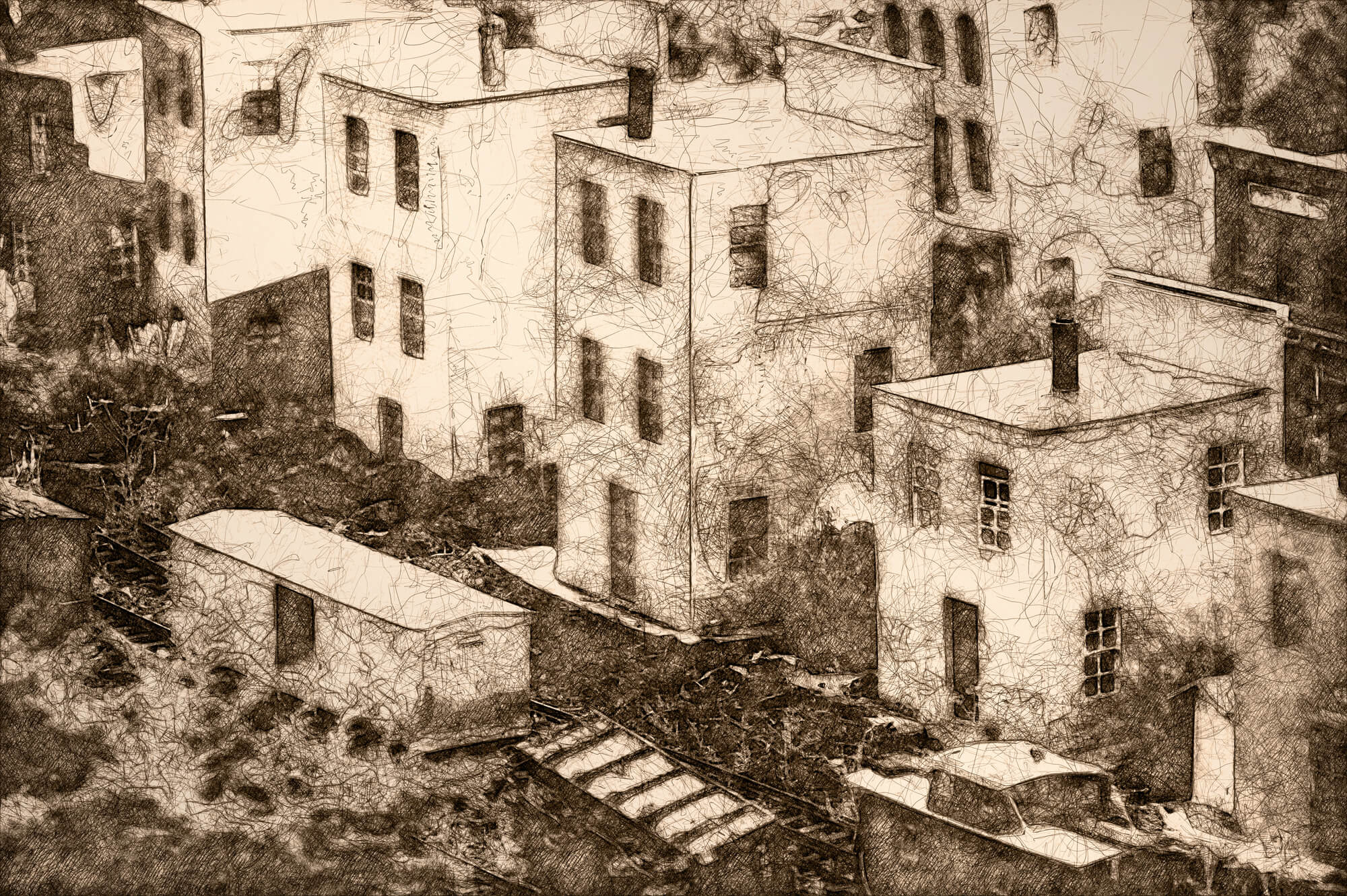
Model trains have drawn new interest from adults who grew up with them and younger hobbyists drawn to detailed layouts. Lionel, founded in 1900 by Joshua Lionel Cowen, remains one of the best-known names in toy trains.
Hobbyists build detailed landscapes with tiny buildings, trees and figures. Some layouts fill entire basements.
Model railroad clubs share space and expertise, and train shows draw large crowds. The hobby combines carpentry, electronics and art, which keeps enthusiasts busy for decades.
Popular scales such as HO, roughly 1 to 87, let hobbyists fit surprisingly realistic towns onto a single sheet of plywood.
Amateur Ham Radio
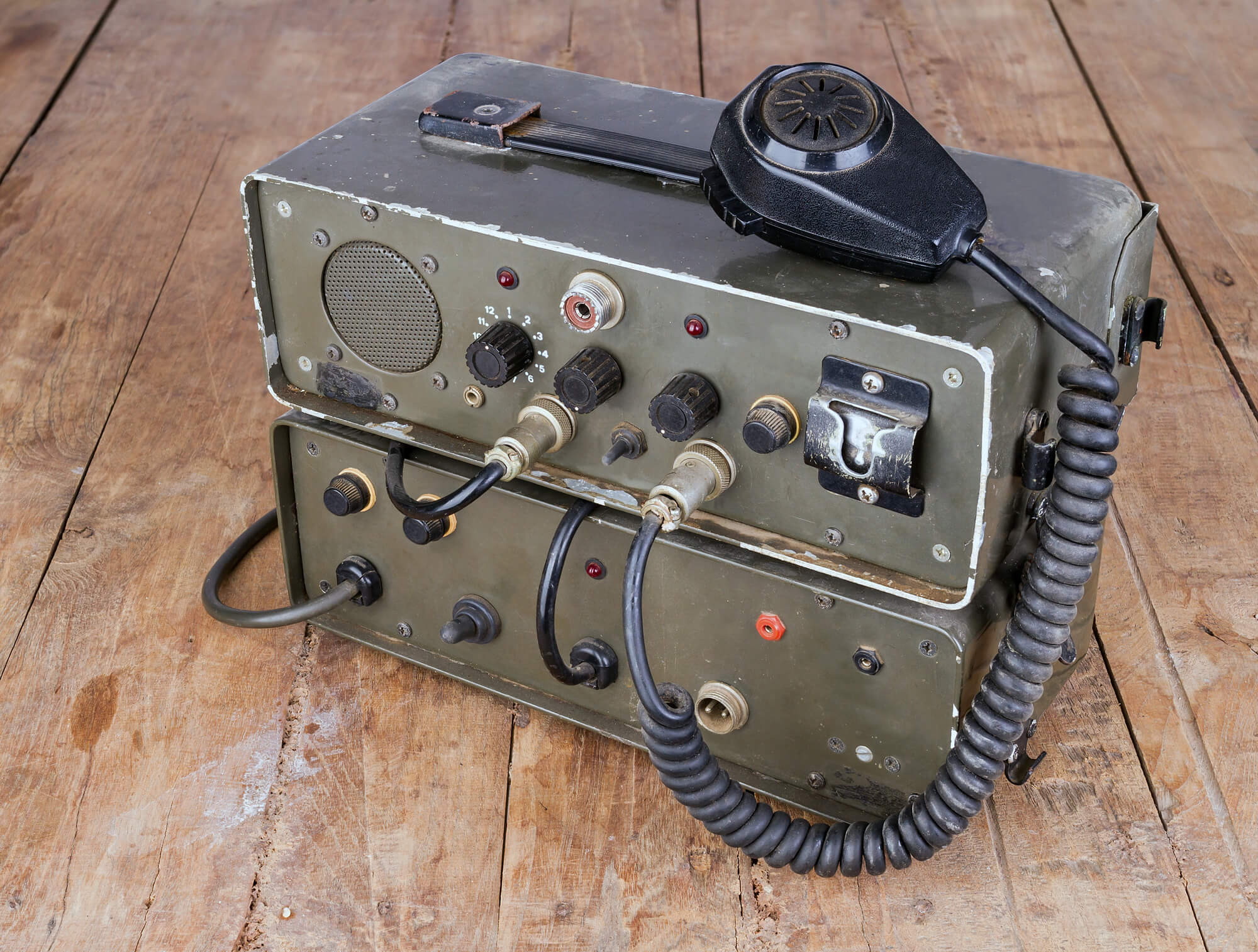
Amateur radio, often called ham radio, has gained new licensees as people look for communication methods that work during emergencies. The Federal Communications Commission issues licenses after a test, and Morse code has not been required since 2007.
The American Radio Relay League organizes Field Day each June, when operators set up stations outdoors and contact others around the country. Ham operators often assist during disasters when other networks fail.
The hobby combines technical skill with the excitement of talking to people far away. Operators have even spoken with astronauts aboard the International Space Station through scheduled school contacts.
Roller Skating

Roller skating made a strong comeback in 2020, when quad skates sold out and videos of skaters dancing went viral. Outdoor skating in parks and parking lots became popular as people looked for safe ways to exercise.
Roller rinks, many of which had closed, saw renewed interest. The hobby offers exercise, fun and a sense of nostalgia.
Many skaters learn dance moves and tricks. Skate shops and online communities help beginners choose gear and learn the basics.
Many adult skaters say the hardest part of returning was relearning how to fall safely, a skill that came naturally at age ten.
Manual Typewriters
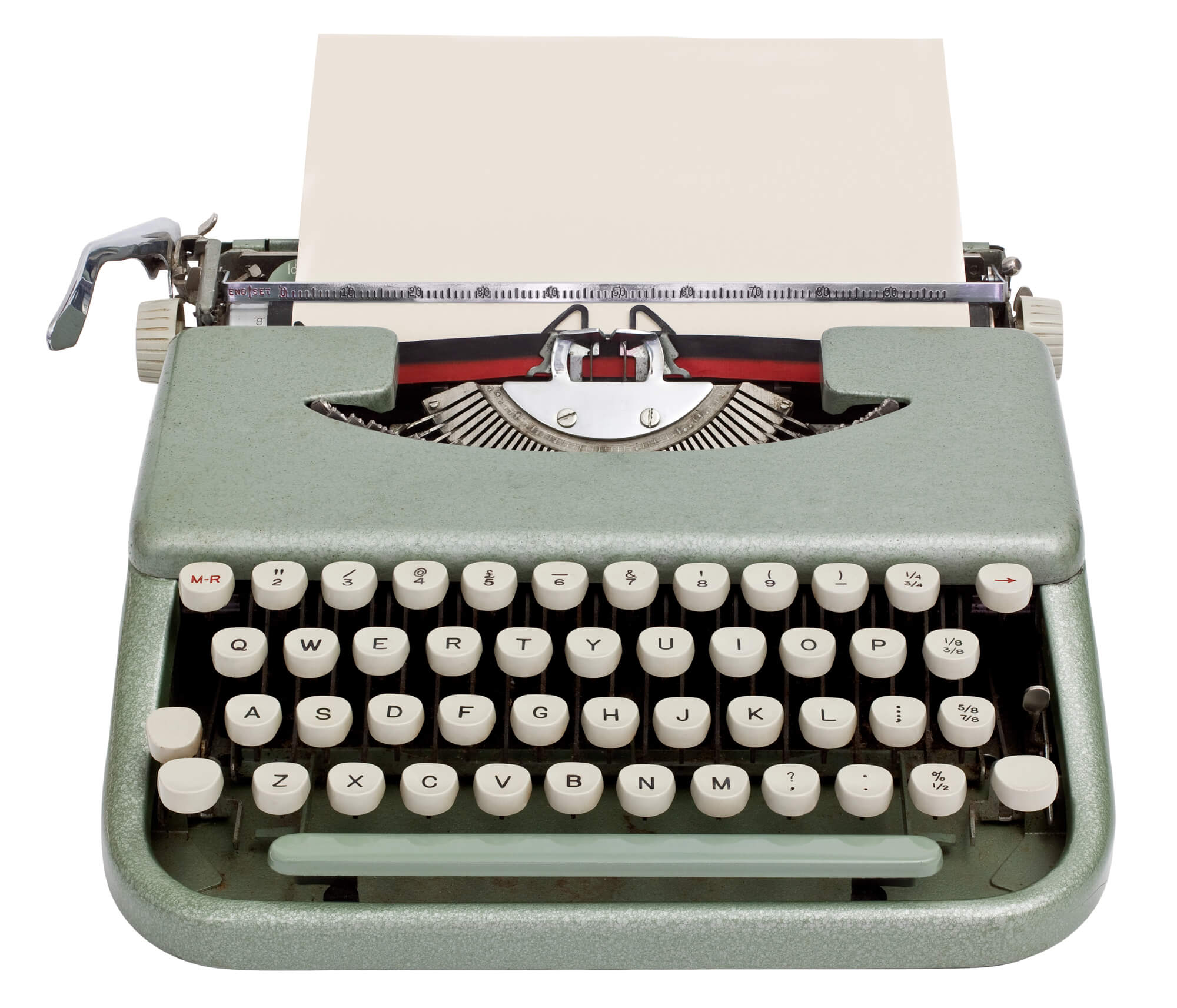
Manual typewriters have found new fans among writers and collectors who enjoy their mechanical feel and distraction-free writing. Repair shops have reported more business as people restore old machines.
Actor Tom Hanks is a well-known typewriter collector, and he even released a typewriter app called Hanx Writer in 2014. Typewriters require no electricity or internet.
Many owners enjoy the sound of the keys and the physical act of typing. Some write letters on them, while others use them for poetry and journaling.
Some poets set up machines in parks and farmers markets, typing short custom poems on request for passersby.
Pressed Flowers
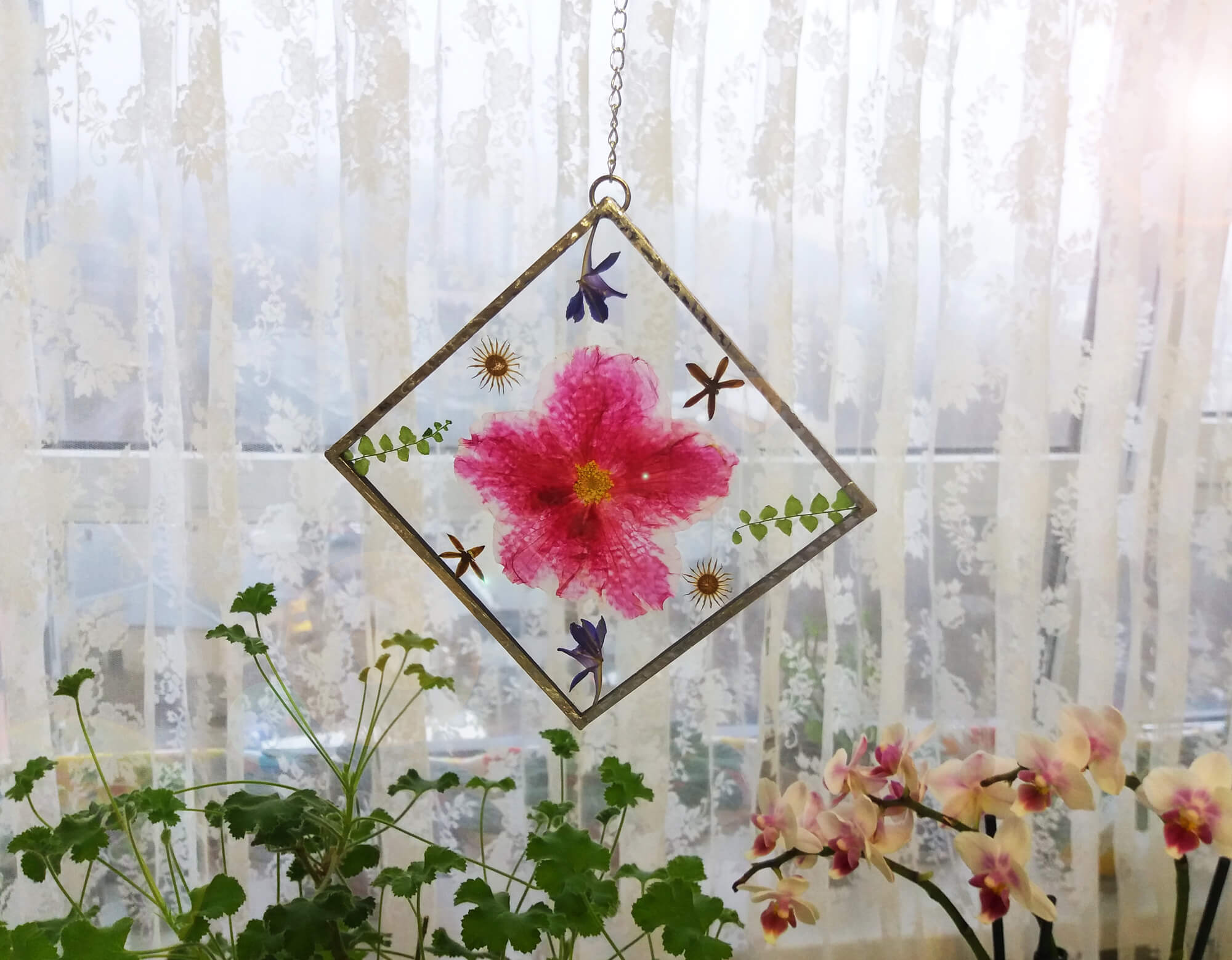
Pressing flowers has returned as a way to preserve memories and create art. The practice was popular in the Victorian era, when flower presses and albums were common in homes.
Today, people press flowers from gardens, walks and weddings, then use them in frames, cards and resin jewelry. Botanists have long pressed plants for scientific collections called herbaria.
The hobby requires only a heavy book or a simple press. Many people enjoy the slow process and the beauty of the finished pieces.
Flowers usually need one to three weeks in a press to dry fully, and thin petals such as pansies hold their color better than thick, fleshy blooms.
Hand Bookbinding
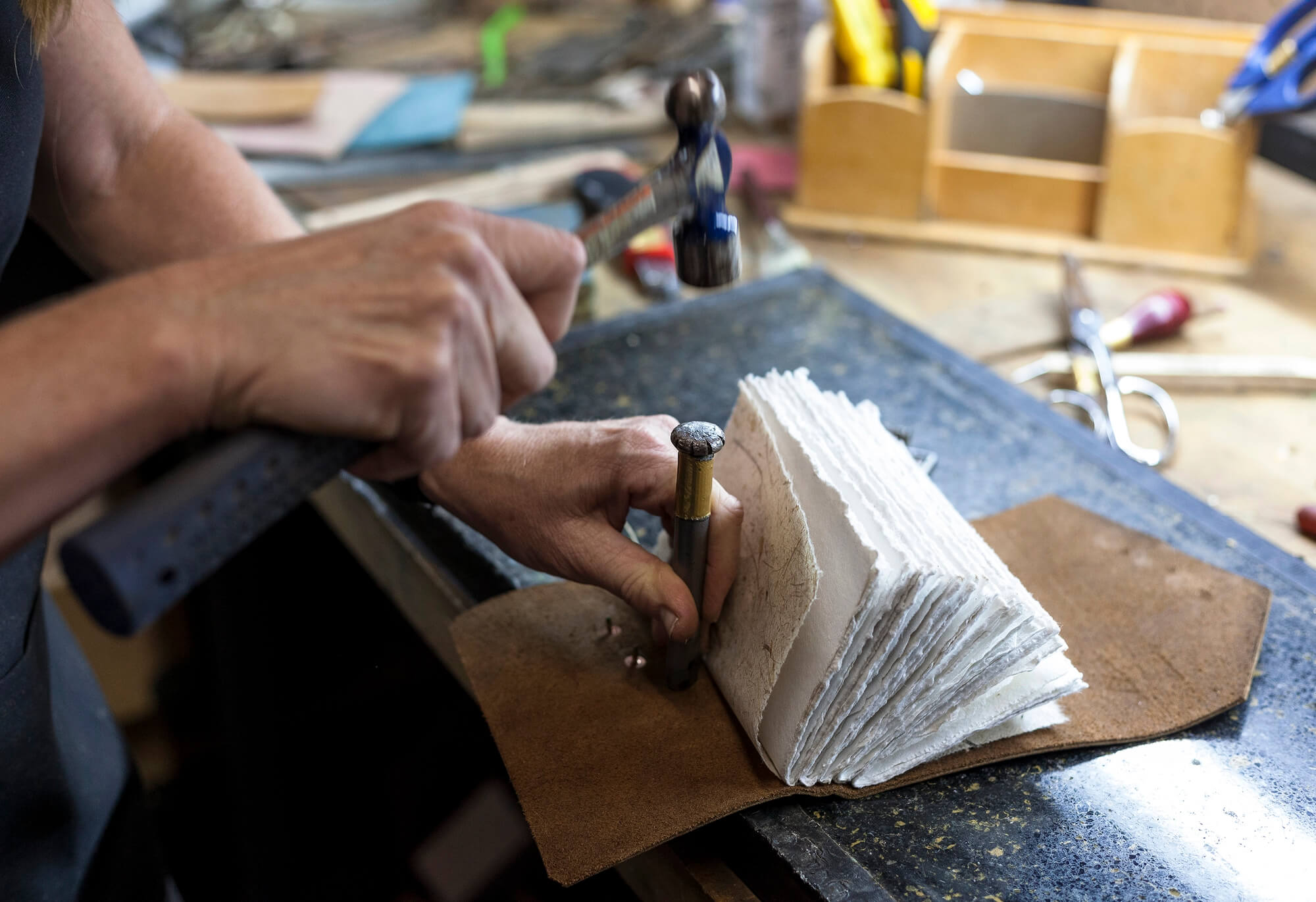
Bookbinding has gained new interest among crafters who want to make journals, sketchbooks and gifts. Binders learn techniques such as the Coptic stitch, an exposed spine binding with roots in early Egyptian Christian bookmaking.
Basic tools include an awl, needle, thread and paper. Classes are offered at community art centers and online.
A handmade book can be simple or elaborate. Many binders enjoy the combination of precision and creativity, and a finished book makes a meaningful gift.
Some binders reuse covers from damaged thrift store books, giving old cloth bindings a second life around fresh blank pages.
Slow Hands in a Fast Decade

These hobbies share a common thread. They take time, they reward patience, and they produce something real at the end.
In an age of instant everything, that slowness has become the appeal. Many people who picked up these hobbies during difficult years kept them.
They found community, focus and a sense of accomplishment. The comeback suggests that old-fashioned pastimes were never really obsolete, just waiting for people to need them again.
More from Go2Tutors!

- The Romanov Crown Jewels and Their Tragic Fate
- 13 Historical Mysteries That Science Still Can’t Solve
- Famous Hoaxes That Fooled the World for Years
- 15 Child Stars with Tragic Adult Lives
- 16 Famous Jewelry Pieces in History
Like Go2Tutors’s content? Follow us on MSN.