Theme Park Rides That Are Now Closed
Theme parks hold a strange kind of nostalgia. You remember the rides from your childhood, the ones that terrified you or made you laugh until your stomach hurt.
But when you go back years later, some of them aren’t there anymore. The space gets repurposed, filled with something newer and shinier.
Sometimes you understand why they closed. Other times, you just wish you could ride them one more time.
The Original Journey Into Imagination
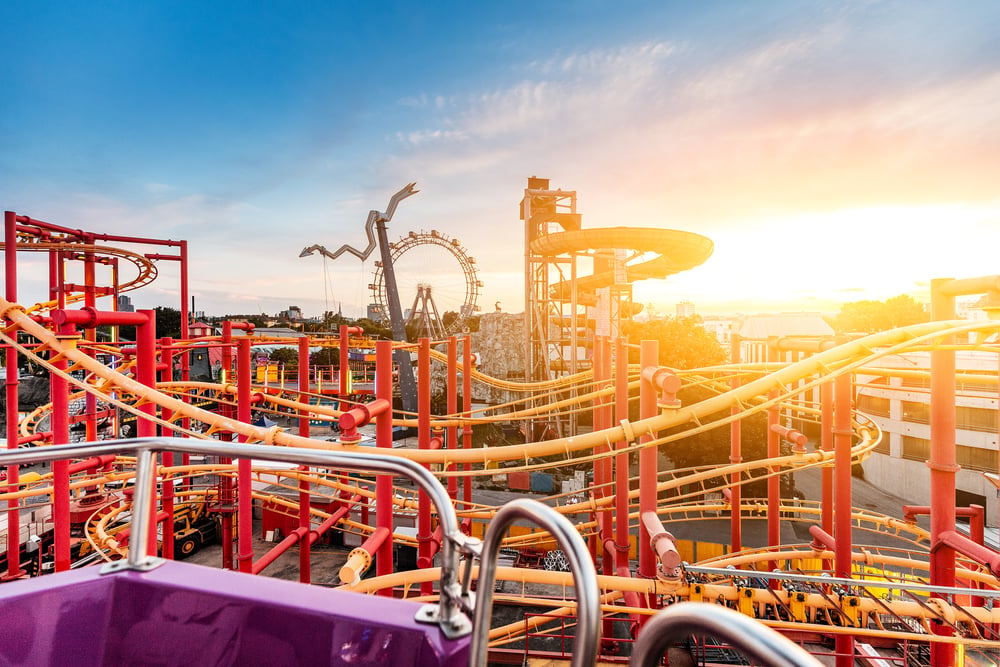
Before Figment became what he is today at Epcot, the original Journey Into Imagination offered something different. The ride opened in 1983 and featured Dreamfinder, a red-bearded inventor who piloted a steampunk-style flying machine called the Dream Mobile.
He and Figment took you through scenes exploring different aspects of creativity and imagination. The ride closed in 1998.
Disney replaced it with a version that removed Dreamfinder entirely and made Figment a minor character. Guests hated it.
A third version brought Figment back as the main character, but Dreamfinder never returned. People who rode the original still talk about it with a kind of reverence that’s rare in theme park conversations.
ExtraTERRORestrial Alien Encounter
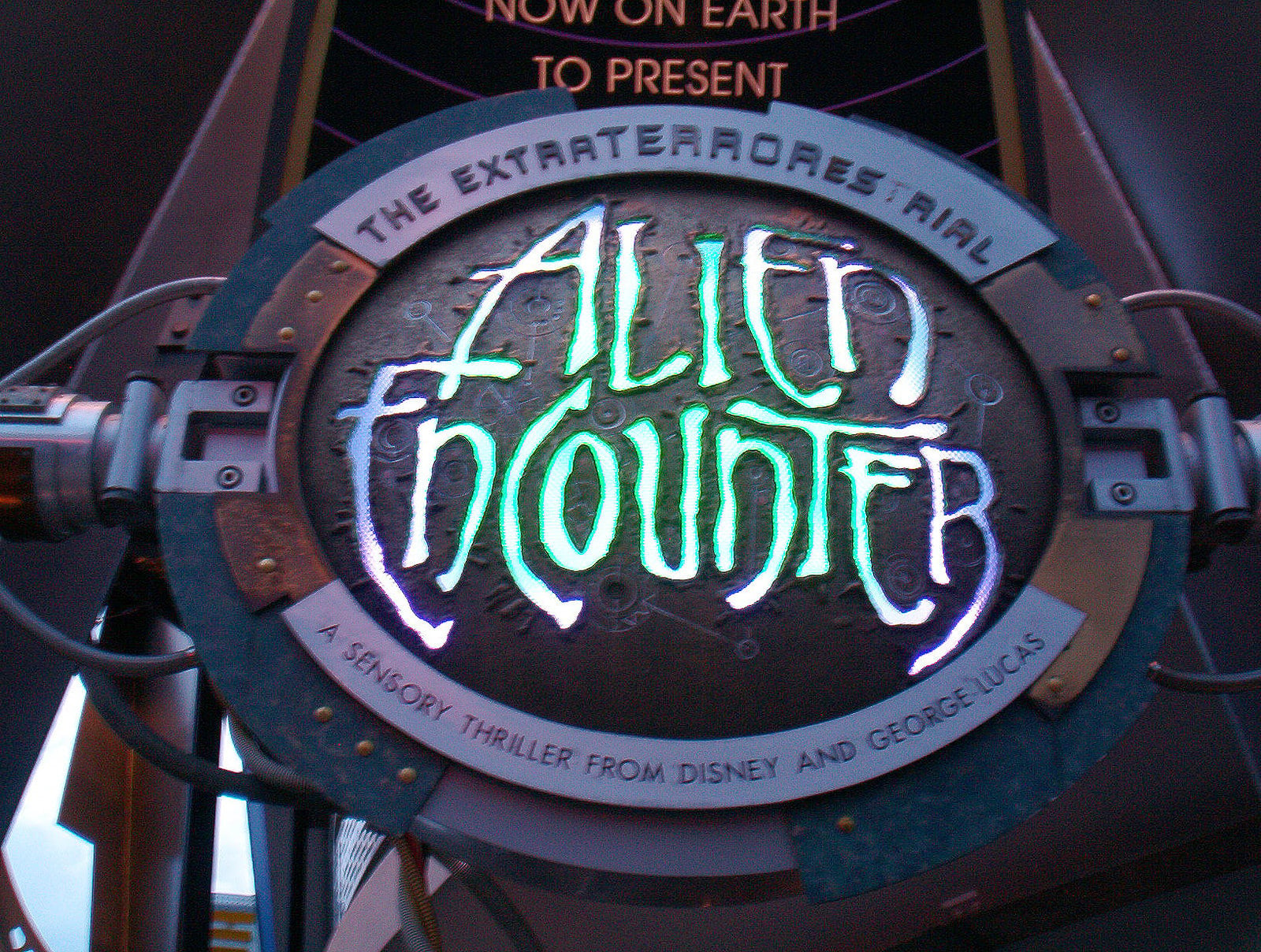
Disney doesn’t do horror well, and Alien Encounter proved exactly why. The attraction opened at Magic Kingdom in 1995, replacing Mission to Mars.
The experience put you in a theater-in-the-round seating arrangement where you’d be restrained by shoulder harnesses. The lights would go out, and an alien creature would supposedly escape into the theater.
What happened next scared children so badly that parents complained constantly. You’d feel warm breath on your neck, something wet splattered on you, and the creature’s growls filled the dark theater.
Cast members dealt with crying kids and angry parents daily. Disney eventually closed it in 2003 and replaced it with Stitch’s Great Escape, which was somehow even less popular than the ride it replaced.
Kongfrontation
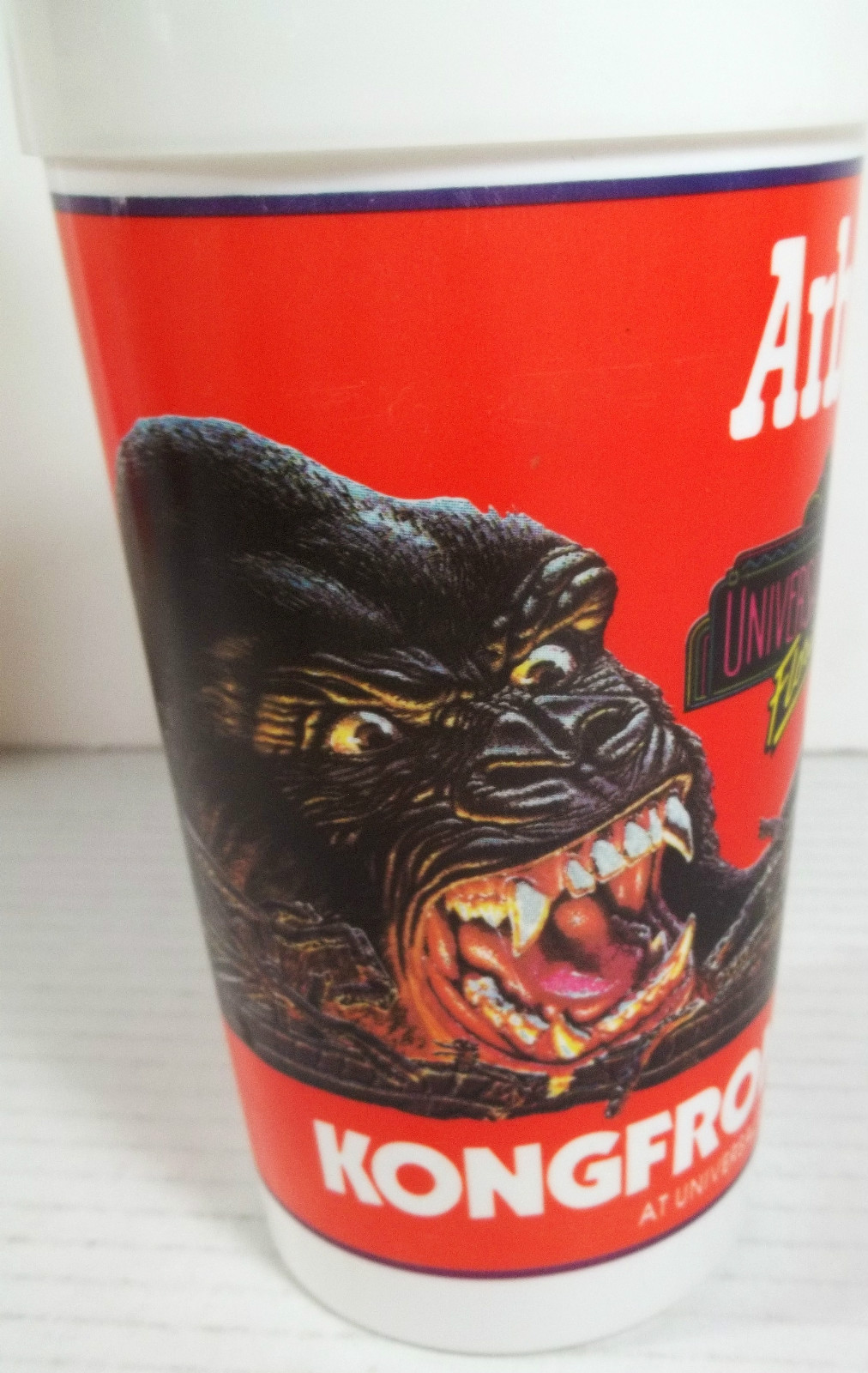
Universal Studios Florida opened with Kongfrontation in 1990, and it was ambitious. The ride put you on a tram traveling through New York City during a King Kong attack.
An enormous animatronic Kong would grab your tram car, shake it, and bring you face-to-face with his mechanical jaws and breath that smelled surprisingly realistic. The maintenance costs killed it.
Kong was massive, and keeping him functioning properly cost a fortune. The ride closed in 2002 to make way for Revenge of the Mummy.
You can still find pieces of Kong’s story in the queue area if you look carefully. The attention to detail in that attraction set a standard that Universal still tries to match today.
The Skyway
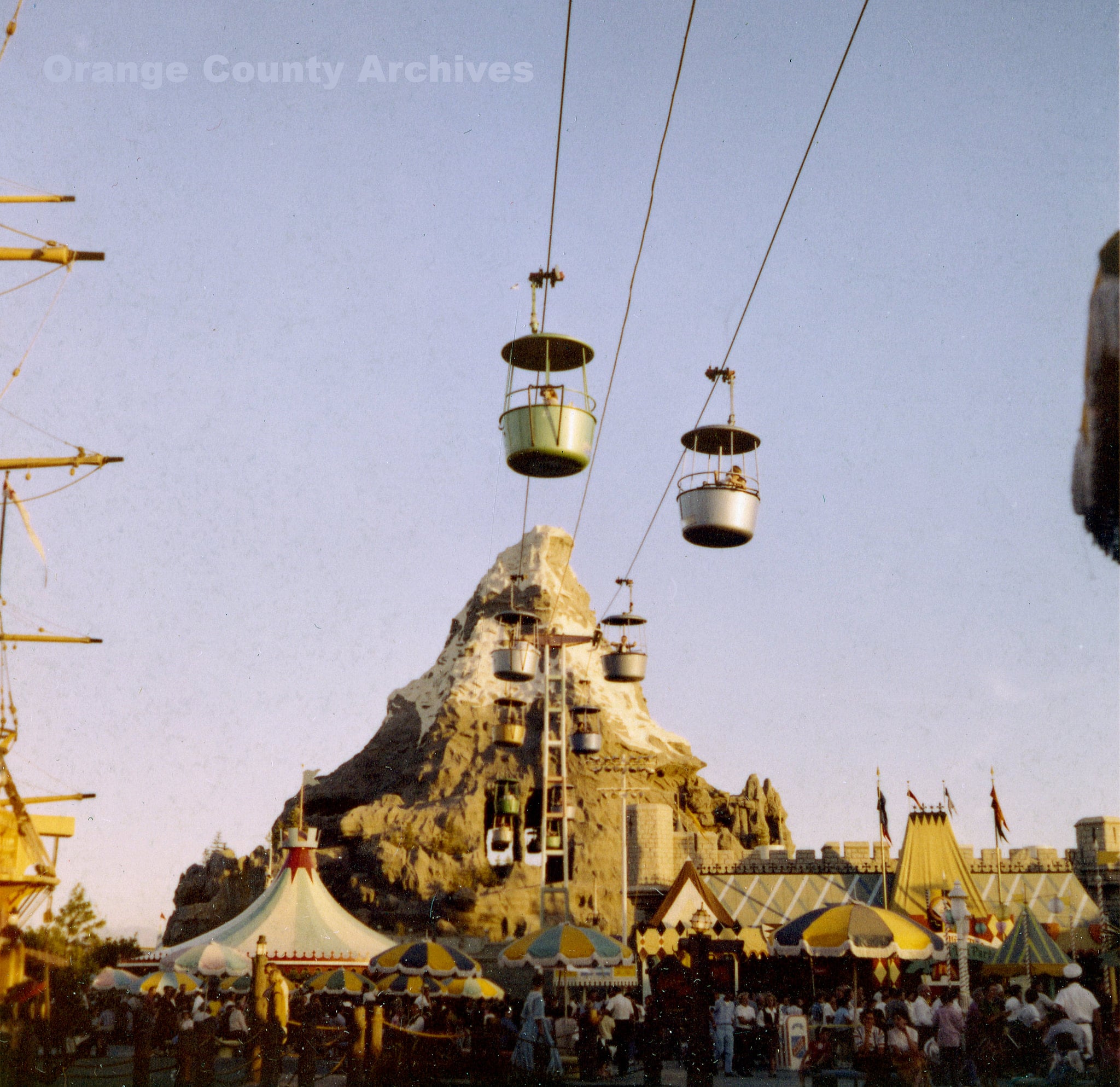
Several Disney parks featured the Skyway, a gondola system that transported guests across the park while giving them an aerial view. Magic Kingdom’s version ran from Fantasyland to Tomorrowland from 1971 to 1999.
Disneyland operated from 1956 to 1994. The closures came down to practicality and safety concerns.
The gondolas couldn’t accommodate wheelchairs or mobility devices. The stations took up valuable real estate that could be used for attractions with higher capacity.
After incidents at other parks involving guests dropping items or worse, Disney decided the risk wasn’t worth it. The Tomorrowland station became a bathroom.
The Fantasyland station sat empty for years before being absorbed into the Fantasyland expansion.
Back to the Future: The Ride
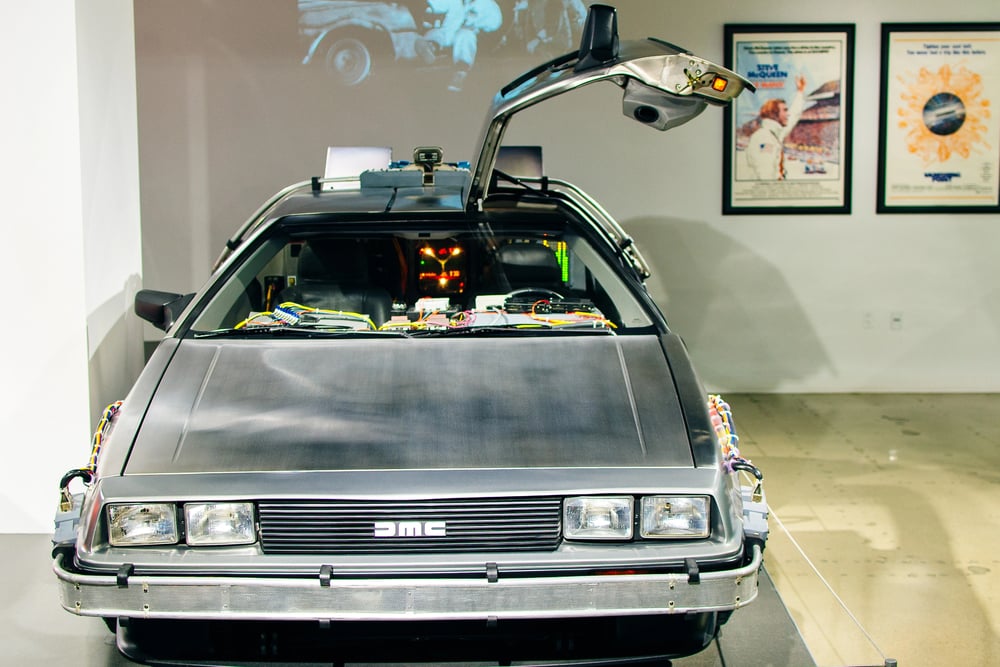
Universal Studios built an entire area around Back to the Future when it opened in 1991. The ride itself used massive dome screens and motion simulators to make you feel like you were flying through time in a DeLorean.
The effects felt cutting-edge at the time, and the queue entertained you with Doc Brown’s inventions and video messages. The Simpsons took over the space in 2008.
The ride technology had aged, and Universal needed to refresh the attraction with a more current intellectual property. The Simpsons Ride uses the same basic ride system but with updated projections and effects.
You can still see hints of the old attraction if you know where to look in the building structure.
20,000 Leagues Under the Sea
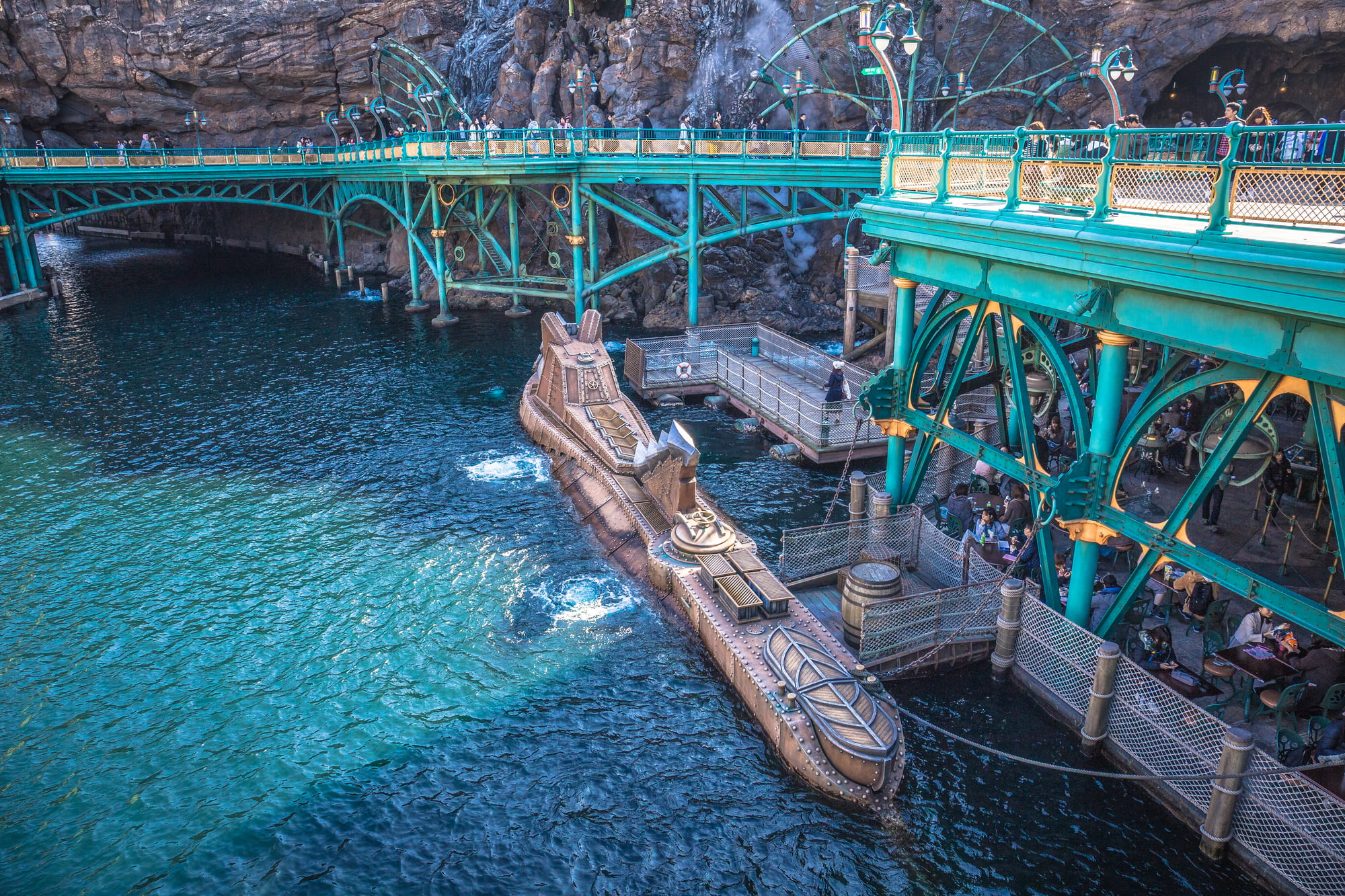
Disney’s Submarine Voyage opened at Magic Kingdom in 1971, inspired by the Jules Verne story. You’d board actual submarines that descended into a lagoon filled with underwater scenes.
Mermaids, sea creatures, and the ruins of Atlantis passed by your porthole windows as Captain Nemo’s voice narrated your journey. The attraction closed in 1994, and the lagoon sat empty for years.
Maintaining the submarines and keeping the underwater scenes working proved too expensive. The chemicals needed to keep the water clear enough for visibility created environmental concerns.
Disney filled in part of the lagoon and eventually built a meet-and-greet area and part of the Fantasyland expansion on the site.
The Twilight Zone Tower of Terror at Disney California Adventure
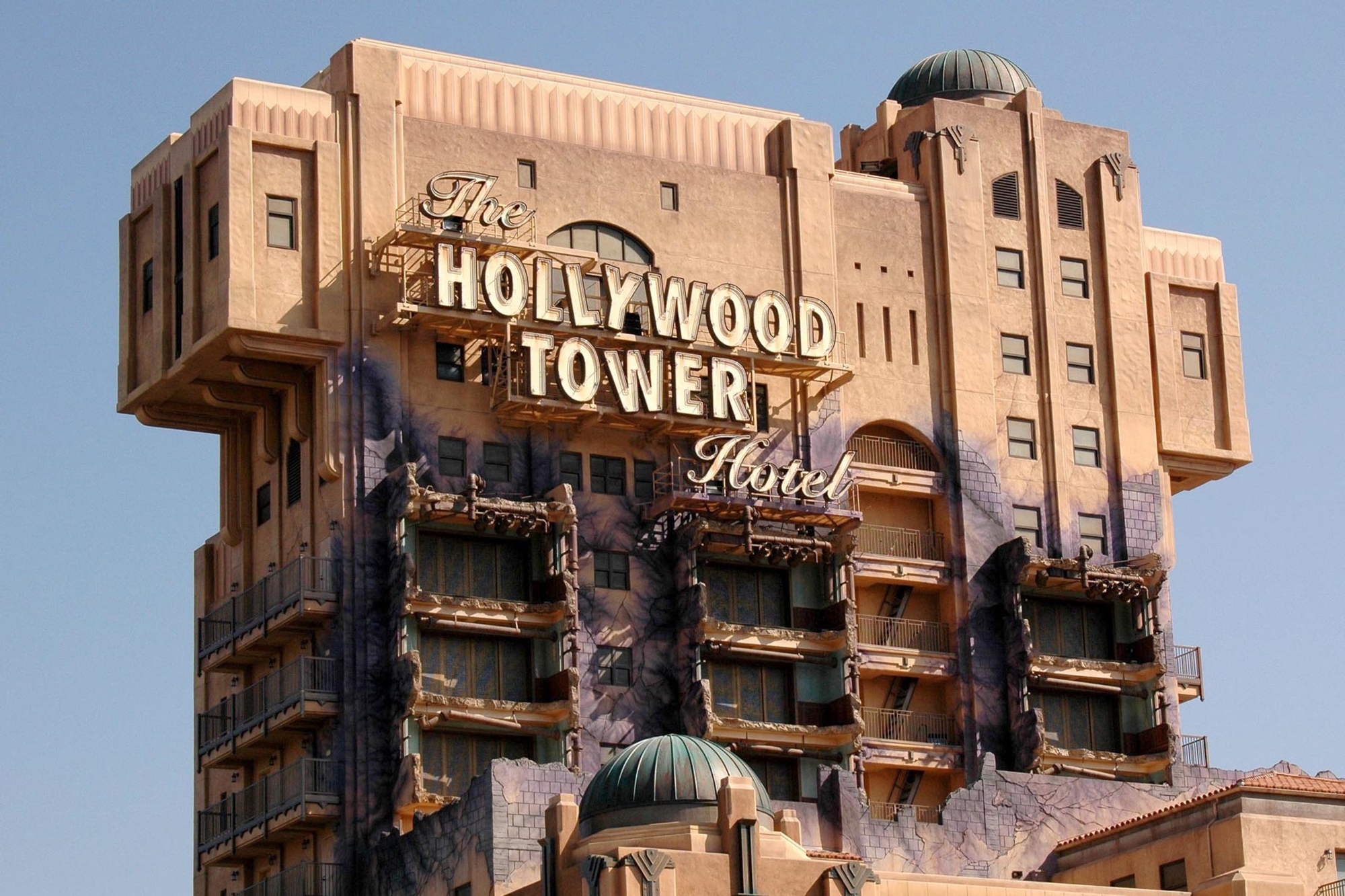
Not all versions of Tower of Terror survived. The California version operated from 2004 to 2017 before Disney converted it into Guardians of the Galaxy – Mission: Breakout.
The ride experience was nearly identical to Florida’s version—you’d enter the Hollywood Tower Hotel and experience a haunted elevator that would drop you repeatedly while showing you scenes from the Twilight Zone.
Disney made the change to align with the Marvel Cinematic Universe, which they couldn’t fully integrate into Florida parks due to existing licensing agreements with Universal. Fans of the original theme still mourn its loss.
The new version is popular, but it doesn’t have the same atmospheric storytelling that made Tower of Terror special. The exterior now looks like a retro-futuristic fortress that clashes with the surrounding architecture.
Horizons
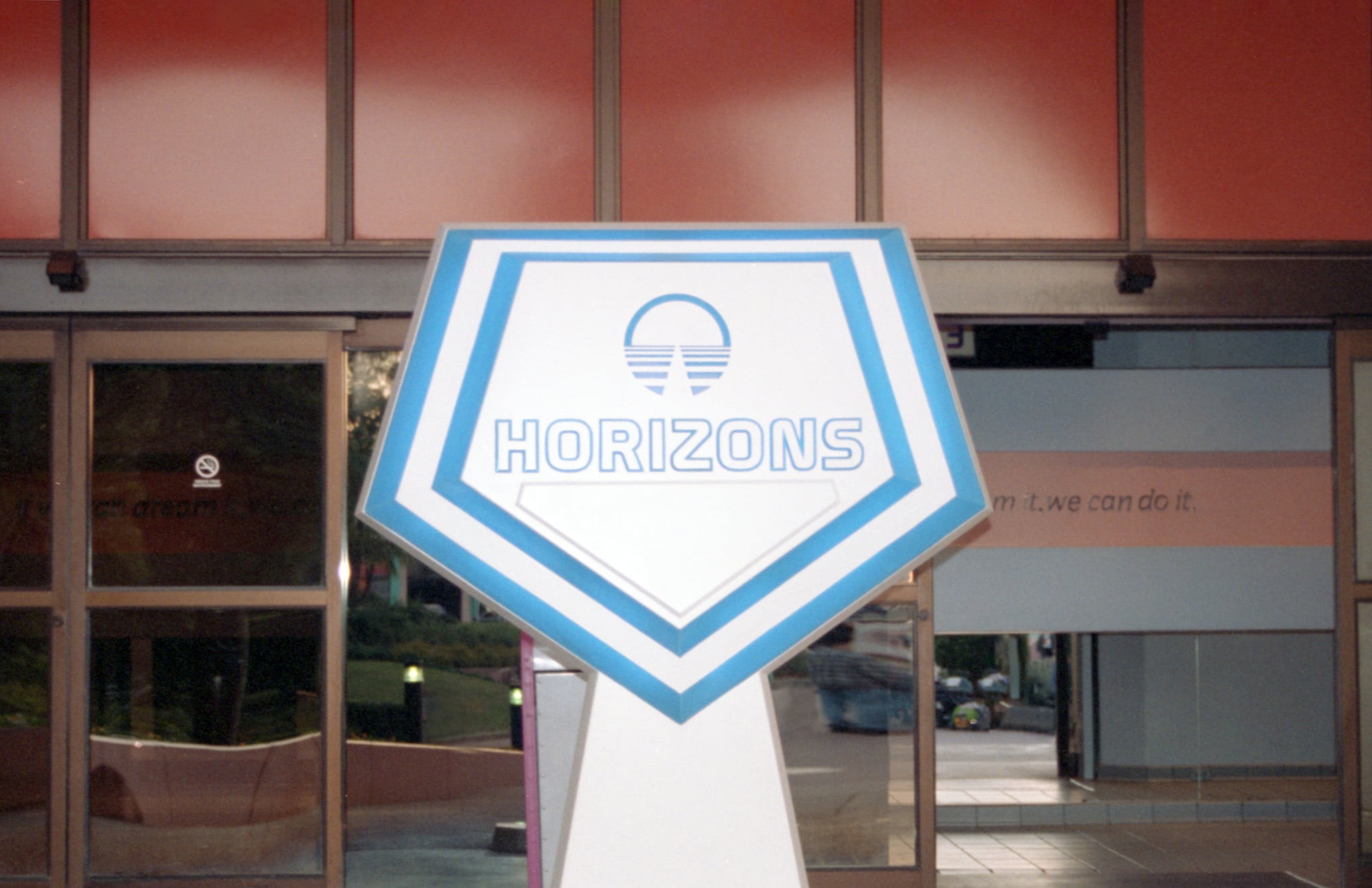
Epcot’s Horizons opened in 1983 as a sequel to the Carousel of Progress from Magic Kingdom. The ride showed you potential futures for human civilization, including living in space colonies, underwater cities, and desert farming communities.
The dark ride moved slowly through detailed scenes while an optimistic narrator explained each scenario. The attraction closed in 1999 to make room for Mission: SPACE.
General Electric had sponsored Horizons, and when they pulled their funding, Disney couldn’t justify the operating costs without a corporate partner. The demolition of the building revealed how much structural damage the ride had suffered over the years.
People who remember Horizons talk about it with a special kind of sadness, as if something genuinely hopeful disappeared from the parks.
The Great Movie Ride
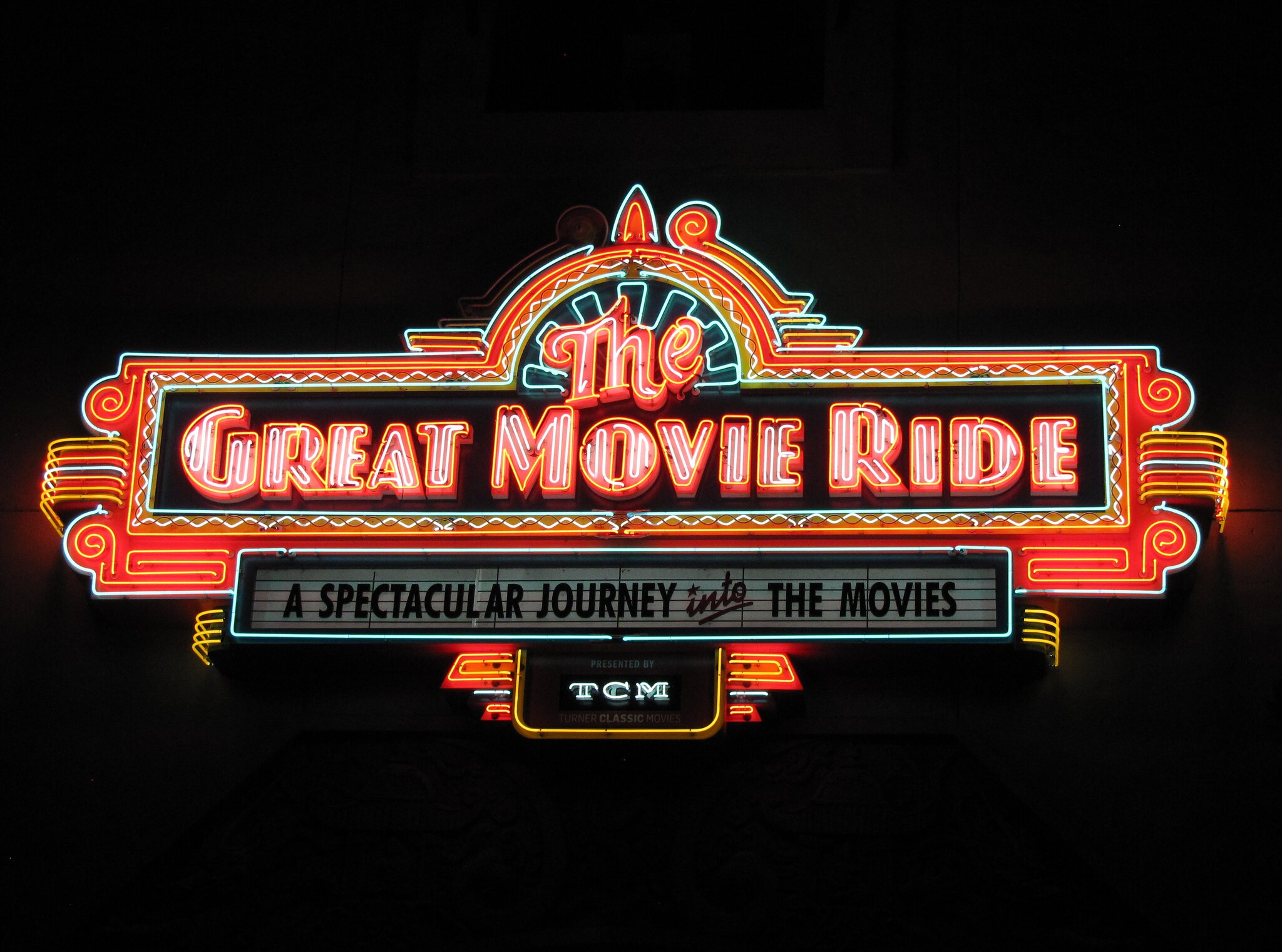
The centerpiece of Disney’s Hollywood Studios from its opening day in 1989 until 2017, The Great Movie Ride took you through recreations of famous film scenes. Live actors would board your tram car and act out scenarios as gangsters or cowboys depending on which track you ended up on.
Audio-animatronic figures populated scenes from Casablanca, The Wizard of Oz, Alien, and Raiders of the Lost Ark. Mickey and Minnie’s Runaway Railway replaced it in 2020.
The new ride uses trackless technology and projection mapping instead of physical sets and animatronics. It’s entertaining, but it doesn’t have the same grandeur as traveling through film history.
The Great Movie Ride felt like a love letter to cinema. The replacement feels like a cartoon made into a theme park attraction, which is exactly what it is.
Disaster!
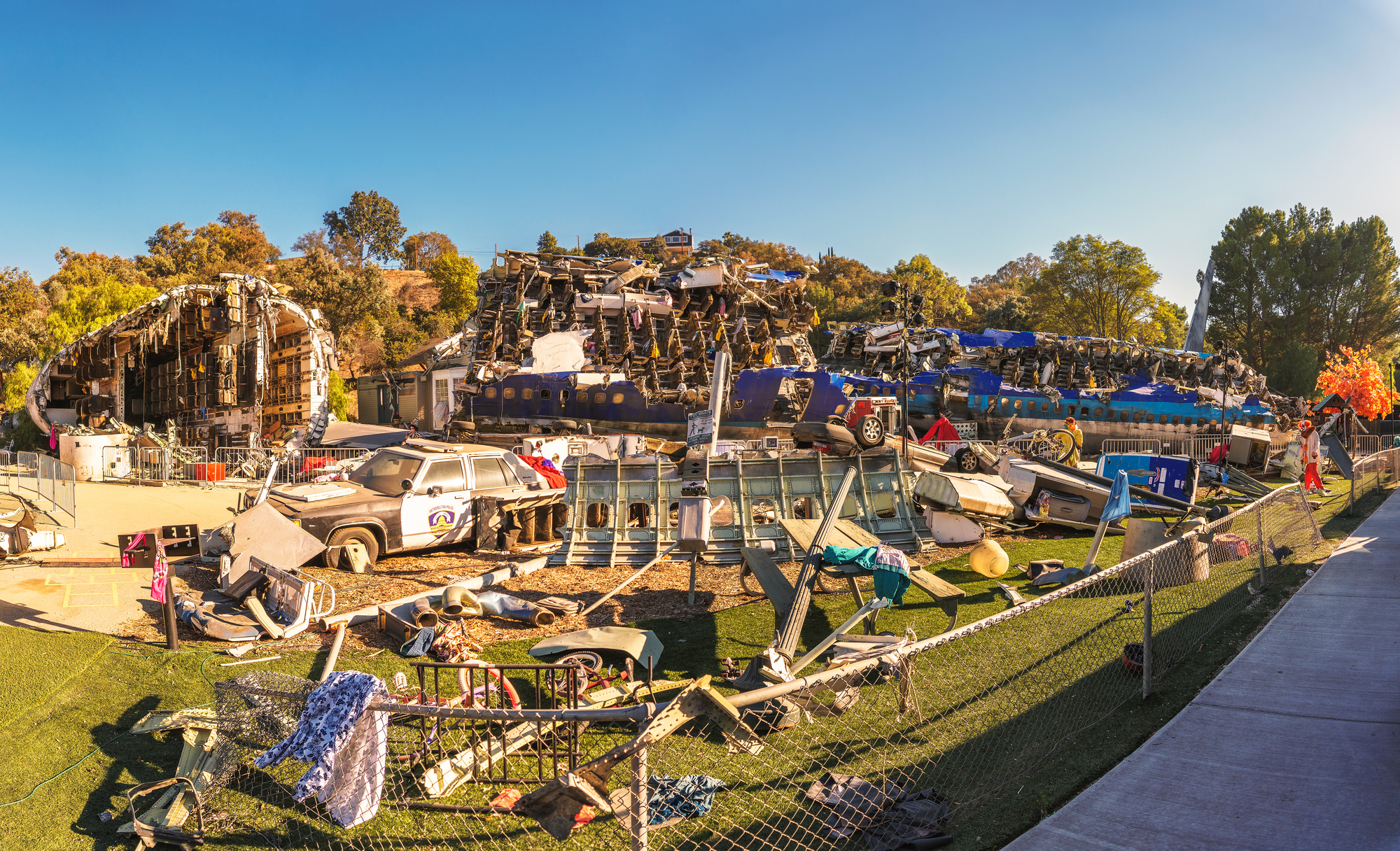
Universal Studios Florida’s disaster attraction went through several versions. It started as Earthquake: The Big One in 1990, became Earthquake in 1996, and finally transformed into Disaster! in 2008.
The experience put you on a subway train in San Francisco during a massive earthquake. The floor would crack open, a tanker truck would explode, a flood would rush through the station, and the ceiling would collapse.
Fast & Furious: Supercharged took over the space in 2018. The new ride uses mostly screens instead of practical effects, and it’s widely considered one of Universal’s weakest attractions.
The old earthquake show had problems—it was dated, the pre-show dragged on too long, and the story didn’t make much sense. But the practical effects impressed you every time.
The new version impresses nobody.
If You Had Wings
This Tomorrowland attraction opened at Magic Kingdom in 1972 as a sponsor showcase for Eastern Airlines. The ride took you on a journey around the world, highlighting destinations that Eastern serviced.
Unlike most dark rides, If You Had Wings was a continuously loading Omnimover system, which meant short wait times even on busy days. Eastern Airlines went bankrupt in 1989, and the ride closed.
Disney tried to keep it running with different sponsors and themes, calling it Delta Dreamflight and then Take Flight. Eventually, they gave up and demolished it in 1998 to build Buzz Lightyear’s Space Ranger Spin.
The original ride had a specific charm that came from its 1970s optimism about air travel and exploring the world. The replacements never captured that feeling.
The Studio Backlot Tour
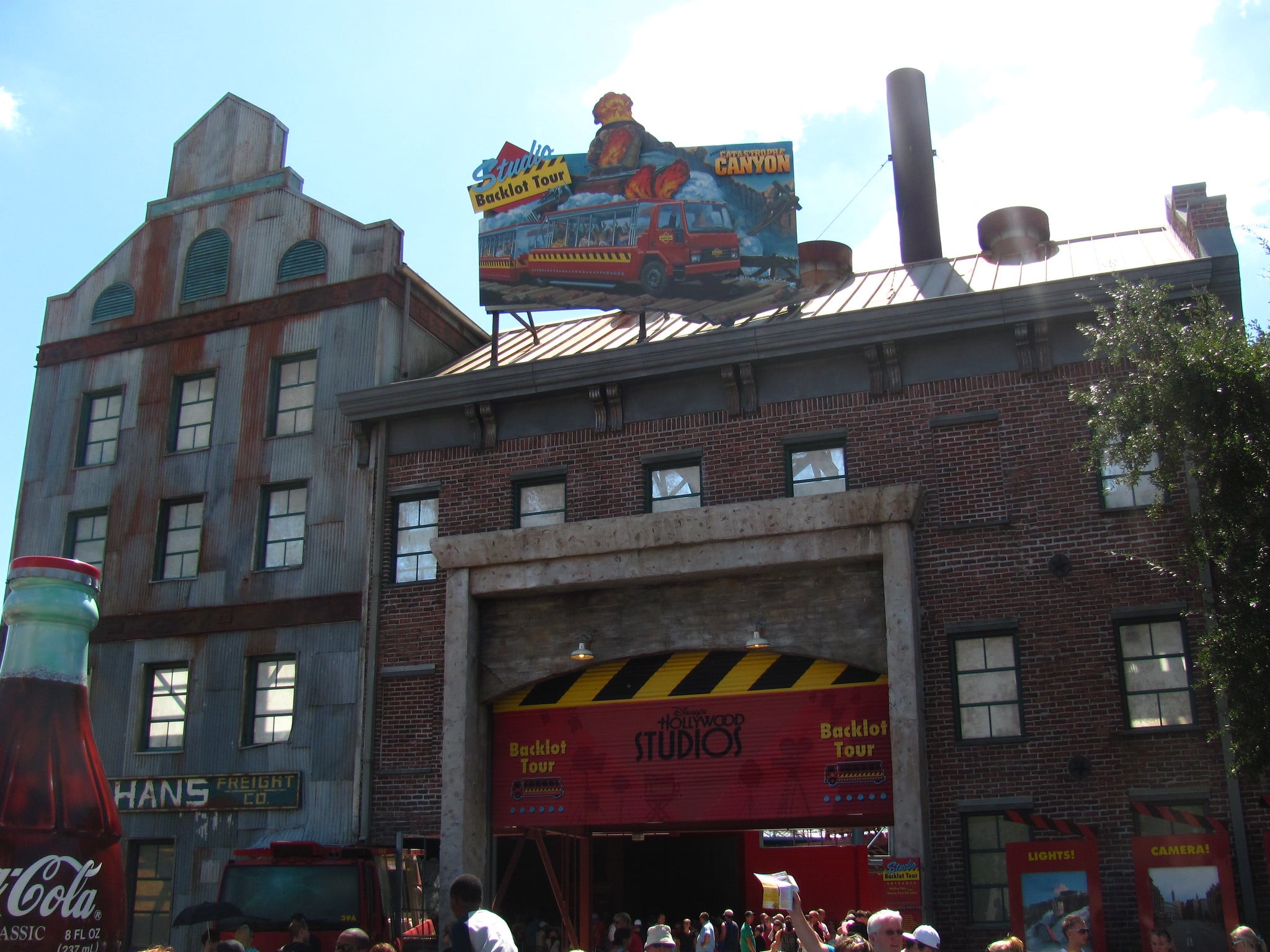
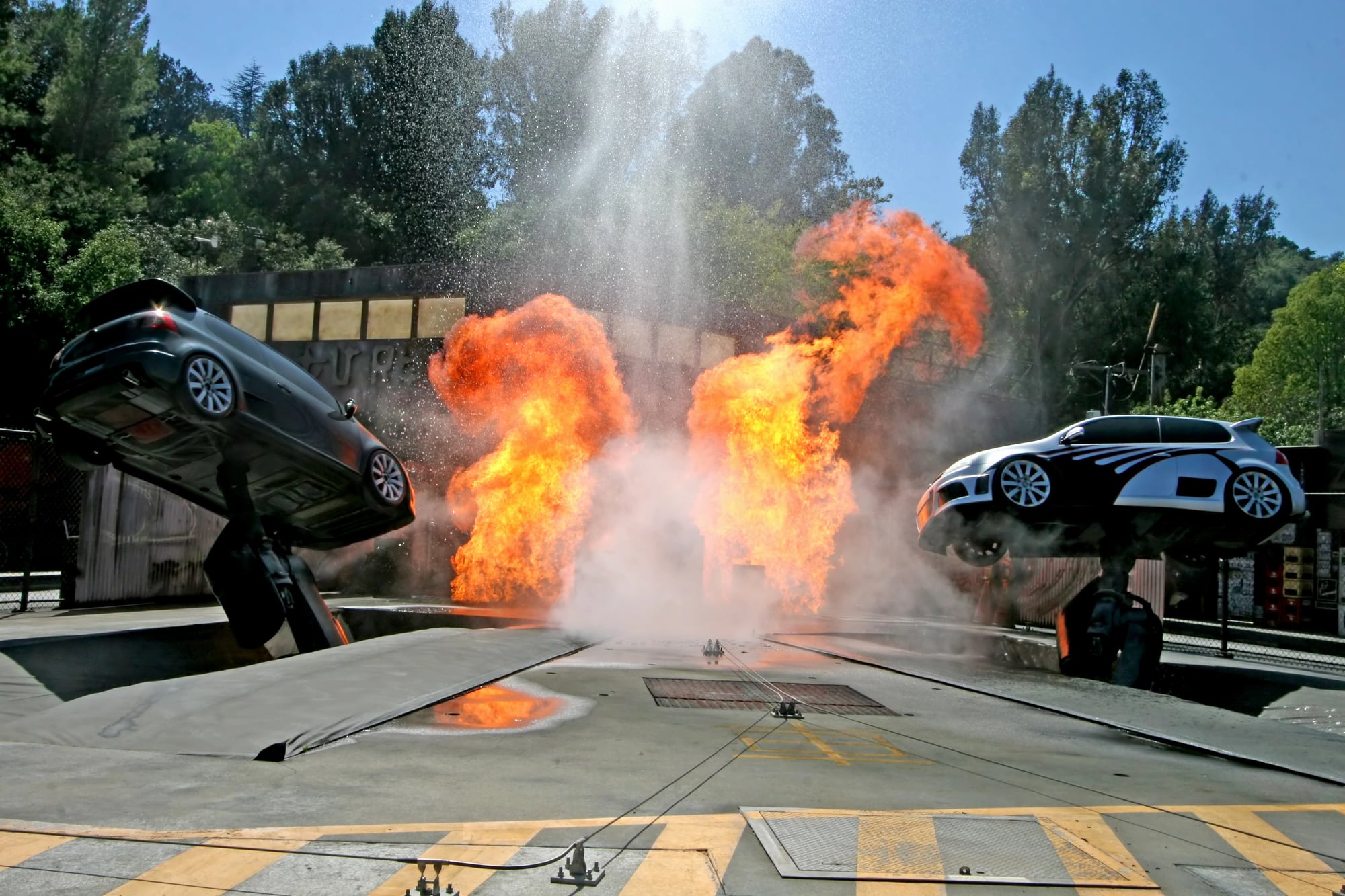
Disney’s Hollywood Studios used to actually show you how movies were made. The Studio Backlot Tour took you behind the scenes with a tram ride through active production areas, special effects demonstrations, and Catastrophe Canyon, where you’d experience an earthquake, oil tanker fire, and flash flood.
The tour closed in 2014 to make room for Star Wars: Galaxy’s Edge. As Disney stopped using the Florida property for actual production work, the tour became less authentic.
You were no longer seeing real movie sets or working soundstages. The special effects demonstrations remained entertaining, but the overall experience felt hollow.
Catastrophe Canyon was genuinely thrilling though, and nothing in the new Star Wars land replicates that kind of physical spectacle.
Dueling Dragons
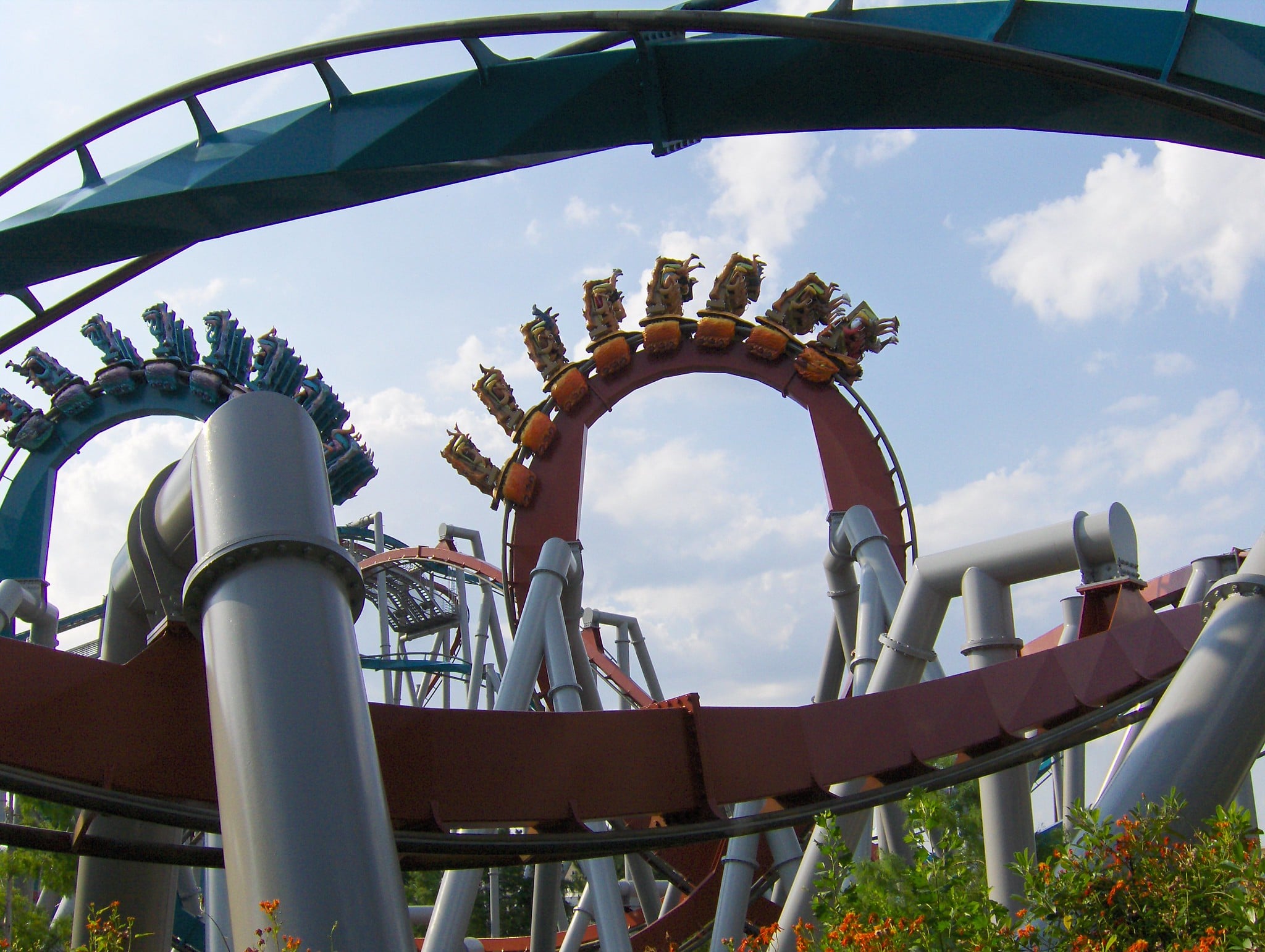
Islands of Adventure opened this inverted roller coaster in 1999 as part of the Lost Continent area. Two dragons—one fire, one ice—would race each other on separate tracks that intertwined and came within inches of colliding.
The ride was intense, and the near-miss moments created a thrill that few coasters matched. The dragons stopped dueling in 2011 after several incidents where riders were injured by objects thrown or dropped from the other train.
Universal modified the dispatch timing so the trains would never come close to each other, which defeated the entire purpose. In 2017, they rethemed it to Dragon Challenge to tie into the Wizarding World of Harry Potter, then closed it completely in 2017 to build Hagrid’s Magical Creatures Motorbike Adventure.
The new coaster is excellent, but it’s not the same as watching two trains come screaming toward each other at 60 miles per hour.
Maelstrom
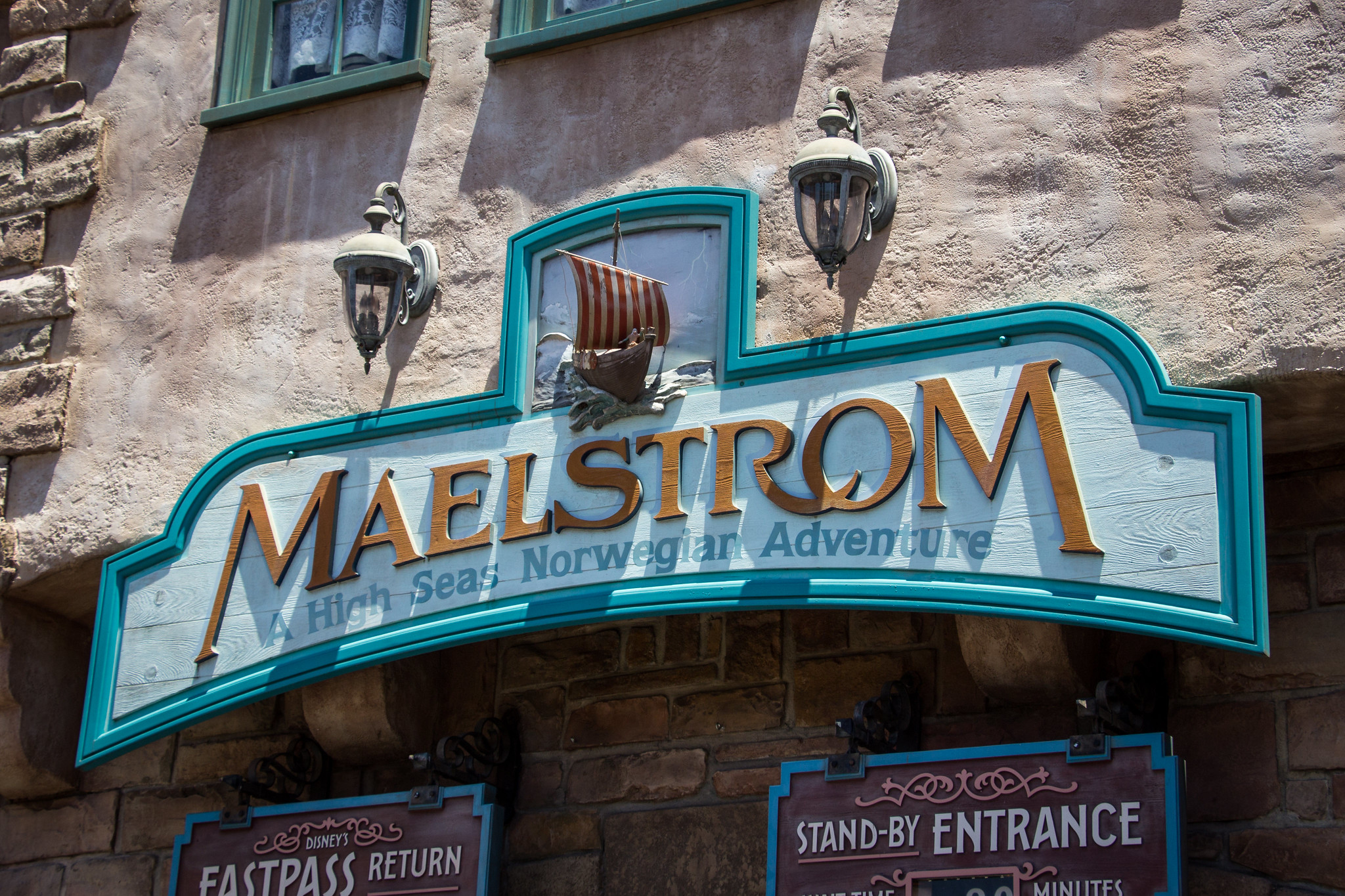
Backward motion scared little kids when the boats dipped into dark caves where trolls glared from shadowy corners. Lasting under five minutes, the journey still managed to feel full of quirks and odd charm.
Scenes flashed by – Viking ships slicing icy waters, polar bears on frozen coasts, oil platforms rising from stormy seas – all stitched together without much logic but plenty of color. A short film wrapped things up, droning on about traditions most found dull.
From 1988 until 2014, Norway’s corner of Epcot spun this peculiar tale before replacing it entirely. Frozen Ever After took its place by 2016 – sure, that works on paper, yet wipes out what World Showcase once stood for.
Meant to mirror real Norway, not a cartoon version dreamed up in Burbank. Crowds line up now more than ever, true, though they’re queuing for just another royal fantasy ride.
Maelstrom had flaws, granted, still felt odd in the best way, even slipped in tales of trolls and sea monsters from old Norse lore.
When Parks Turn Into Museums
Not every old thing stays. When a ride shuts down, it is often because fewer people come, repairs cost too much, yet the feeling it gives feels distant now.
Tech might feel outdated. The story behind it may no longer echo around today’s crowd.
Or simply, its place in the park has faded over time. Still around are echoes – flickering clips uploaded by those trying to hold on.
Watching decades-old footage lets you sit through Horizons start to finish, even if the ride itself is gone. The first version of Journey Into Imagination? Gone too – but sketches, tales, and voices keep Dreamfinder breathing.
Places built for wonder shift without warning. Rides vanish one day, then live on as half-remembered moments tangled up with myth.
More from Go2Tutors!

- The Romanov Crown Jewels and Their Tragic Fate
- 13 Historical Mysteries That Science Still Can’t Solve
- Famous Hoaxes That Fooled the World for Years
- 15 Child Stars with Tragic Adult Lives
- 16 Famous Jewelry Pieces in History
Like Go2Tutors’s content? Follow us on MSN.



