25 Times an Anonymous Tip Exposed a Cover-Up That Had Lasted Decades
There’s a particular kind of courage required to pick up the phone and call a reporter — especially when the secret you’re carrying has been buried for years, sometimes by institutions with enormous power to keep it that way. The person on the other end of that call is usually nervous, often speaking in code, and almost always aware that what they’re about to say could change everything.
Sometimes nothing comes of it. But sometimes a single tip tears open a story that reshapes history.
These are the cases where someone decided the silence had gone on long enough. The cover-ups varied — political, corporate, military, religious — but the pattern was consistent: an institution closed ranks, documents were hidden, and years passed before a reporter got a phone call that changed everything.
Deep Throat and the Watergate Break-In
For more than two years, W. Mark Felt, the Associate Director of the FBI, met Washington Post reporters Bob Woodward and Carl Bernstein in underground parking garages in the early hours of the morning, feeding them information about the Nixon administration’s efforts to cover up its involvement in the 1972 Watergate break-in. Felt’s identity wasn’t publicly confirmed until 2005, more than three decades after the scandal forced Richard Nixon to resign the presidency in August 1974.
The entire apparatus of presidential power had been brought down partly through a source who would only meet in the dark.
The Pentagon Papers and the Vietnam Deception
Daniel Ellsberg was a RAND Corporation analyst who had helped compile a classified 7,000-page Defense Department study on U.S. involvement in Vietnam. What it revealed was staggering: successive administrations had systematically lied to the public and to Congress about the war’s progress and prospects.
In 1971, Ellsberg leaked the documents to Neil Sheehan at the New York Times. The Nixon administration sought to block publication through the courts, but the Supreme Court ruled against the government.
The papers documented deceptions spanning four presidential administrations going back to Truman.
The Boston Globe Spotlight Investigation
The Boston Globe’s Spotlight team spent much of 2001 investigating a tip that had come, in part, from a lawyer familiar with sealed court documents: that the Archdiocese of Boston had not simply failed to act on abuse allegations against priest John Geoghan, but had actively moved him from parish to parish to protect him. What the reporters found was far larger than one priest.
The church had systematically shielded dozens of abusive clergy across Greater Boston for decades. The first story ran in January 2002.
It won the Pulitzer Prize for Public Service, and it triggered similar investigations worldwide.
My Lai and Ron Ridenhour’s Letters
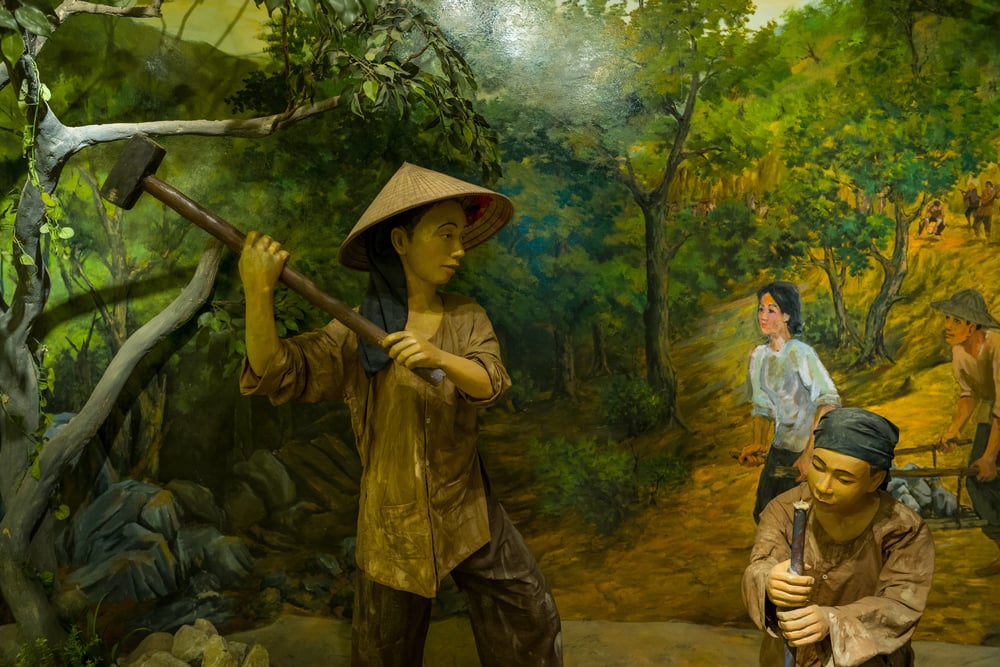
In 1968, U.S. Army troops under Lieutenant William Calley killed hundreds of unarmed Vietnamese civilians, including children, in the village of My Lai. Military leadership attempted to bury the story.
It was a soldier named Ron Ridenhour who broke it open — not by going to the press first, but by writing detailed letters to 30 members of Congress and government officials in 1969. When the military still failed to act, journalist Seymour Hersh pursued the story independently and broke it through Dispatch News Service in late 1969, with major outlets nationwide picking it up immediately.
The massacre had been hidden for more than a year. Hersh received the Pulitzer Prize for International Reporting in 1970.
The Tuskegee Syphilis Study
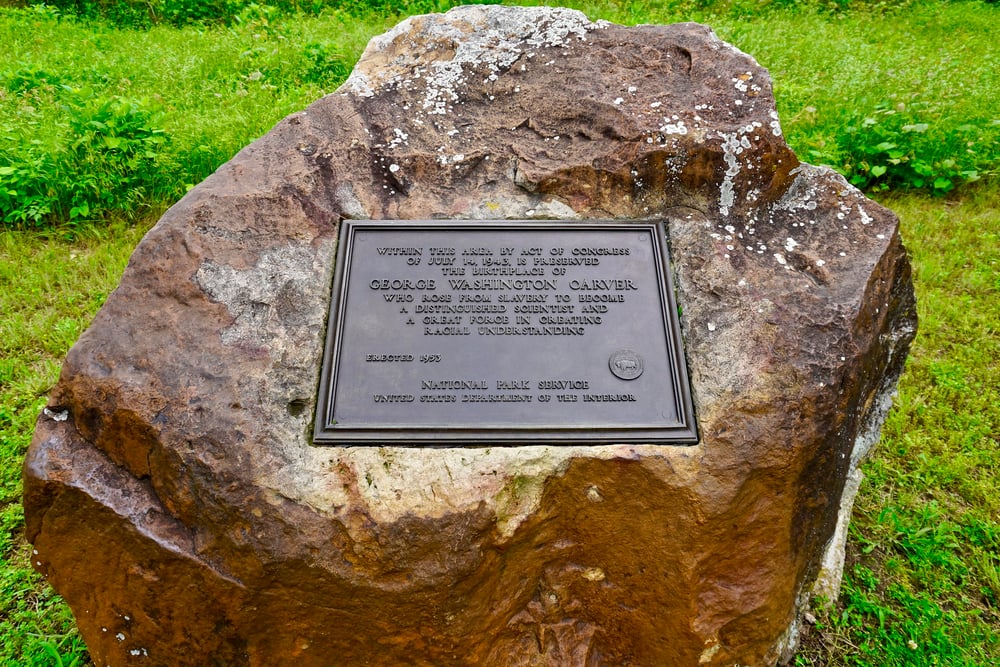
For 40 years, from 1932 to 1972, the U.S. Public Health Service conducted an experiment on 399 Black men in Alabama who had syphilis. The men were told they were receiving treatment for “bad blood.”
They weren’t. Researchers withheld penicillin even after it became the standard cure, wanting to observe the disease’s progression untreated.
The cover-up was exposed not by a document leak but by a tip: Peter Buxtun, a Public Health Service employee who had raised internal objections for years and was ignored, eventually gave documents to journalist Jean Heller of the Associated Press. Her story ran in July 1972, ending the study almost immediately.
Operation Paperclip and the Nazi Scientists
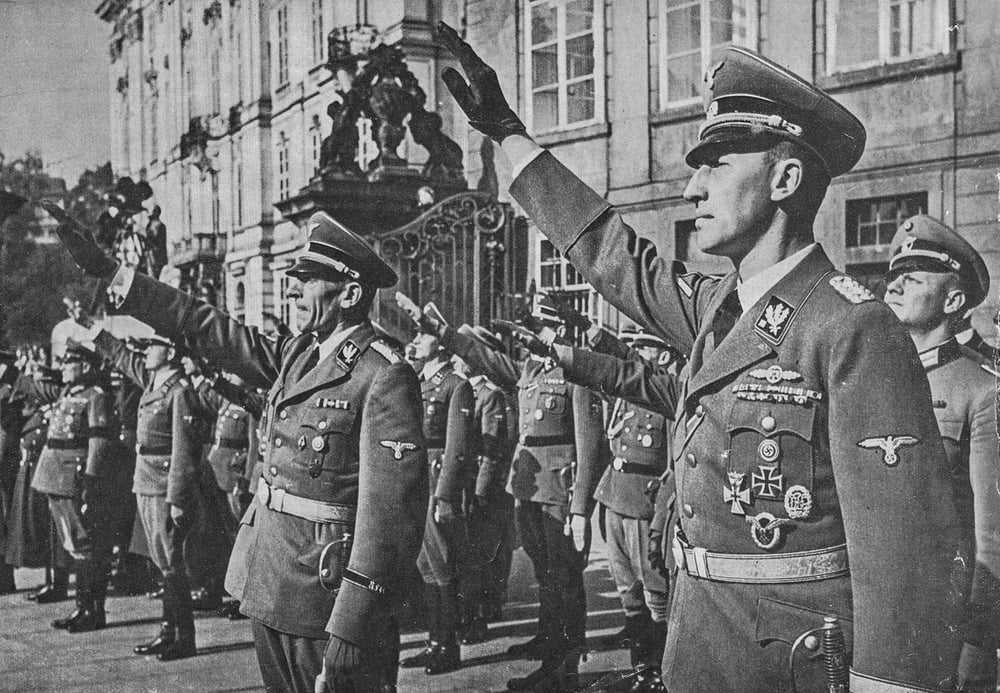
After World War II, the U.S. government quietly recruited more than 1,600 German scientists, engineers, and technicians — including some with direct ties to the Nazi regime and its concentration camp programs — under a classified program called Operation Paperclip. The records were altered, and their histories were sanitized to allow their entry into the United States.
The cover-up held for decades until declassified documents and persistent investigative reporting in the 1980s brought the program into public view. Journalist Linda Hunt spent years pursuing the story before publishing her comprehensive account in 1991.
The Thalidomide Cover-Up
In the late 1950s, the drug thalidomide was prescribed across Europe and beyond to treat morning sickness in pregnant women. The manufacturer, Chemie Grünenthal, had ignored early warning signs that the drug caused severe birth defects.
In the United Kingdom, the Sunday Times pursued the story for years after Frances Kelsey at the FDA had blocked the drug’s approval in the U.S. — a decision made partly based on safety doubts. The British legal battles, which saw Grünenthal invoke court injunctions to suppress coverage for more than a decade, ultimately ended in 1972 when reporting resumed and public pressure forced a settlement for victims.
Edward Snowden and the NSA Surveillance Programme
In 2013, former NSA contractor Edward Snowden contacted journalist Glenn Greenwald and filmmaker Laura Poitras, giving them a cache of classified documents that revealed the U.S. government was collecting phone records on ordinary Americans on a vast scale, monitoring internet communications globally, and running surveillance operations against allied governments. The programme had operated in total secrecy.
The Guardian and the Washington Post shared the Pulitzer Prize for Public Service in 2014 for their reporting. Snowden remains in exile in Russia.
The Abu Ghraib Prison Photographs
In early 2004, a tip — including photographic evidence — reached CBS News and Seymour Hersh at The New Yorker about the systematic abuse of Iraqi prisoners at Abu Ghraib by U.S. military personnel. The images showed prisoners in degrading and painful positions, and internal Army reports had flagged serious concerns that were being suppressed.
CBS held the story for two weeks at military request before broadcasting it in April 2004. The revelations triggered international outrage and multiple investigations, exposing a pattern of abuse the military had been attempting to contain internally.
Enron’s Accounting Fraud
Sherron Watkins was a vice president at Enron who wrote an anonymous memo to CEO Kenneth Lay in August 2001, warning that the company’s accounting practices would implode and take the company down with them. When the memo eventually reached Congress and the press, it helped unravel one of the largest corporate fraud cases in American history.
Enron had been disguising massive debt through special purpose entities for years, with the knowledge of its auditors at Arthur Andersen. The company filed for bankruptcy in December 2001.
Watkins later testified before Congress and was named one of Time magazine’s Persons of the Year.
The Ford Pinto Fuel Tank Defect
Internal Ford Motor Company documents obtained by investigative journalist Mark Dowie in the mid-1970s revealed that the company knew its Pinto model had a dangerously positioned fuel tank that ruptured in rear-end collisions — and that company analysts had calculated it was cheaper to pay out injury and death settlements than to fix the design. Dowie published the story in Mother Jones in 1977.
Ford had been aware of the defect since before the car’s 1971 launch. The story remains one of the most cited examples of a corporation placing a dollar value on human life.
The Love Canal Chemical Contamination
In the late 1970s, residents of Lois Gibbs’s neighbourhood near Niagara Falls, New York, began noticing alarming rates of illness, miscarriage, and birth defects. Gibbs, a housewife, began connecting the dots after discovering her neighbourhood sat atop a former chemical dump — the Love Canal — that had been covered over and used as the foundation for a school and residential area.
She organised residents and went to the press. Investigative reporting revealed that Hooker Chemical Company had knowingly dumped more than 21,000 tons of chemical waste there and that officials had been aware of potential contamination for years.
In 1980, President Carter declared a federal emergency and Congress passed the Superfund Act.
The Church Committee and CIA Domestic Spying
In 1974, journalist Seymour Hersh reported in the New York Times that the CIA had conducted a massive, illegal domestic intelligence operation against anti-war activists and other American citizens — a direct violation of the agency’s charter. The story prompted the Senate to form the Church Committee, which uncovered a far broader picture: illegal mail opening programmes, assassination plots against foreign leaders, infiltration of civil rights organisations, and domestic surveillance running back decades.
The CIA had internally referred to the domestic operation as the “Family Jewels.”
Karen Silkwood and the Nuclear Plant Contamination
Karen Silkwood was a chemical technician at a Kerr-McGee plutonium plant in Oklahoma who had become convinced the company was covering up serious safety violations. In 1974, she was on her way to meet a New York Times reporter, David Burnham, with documents she said would prove her claims, when she was killed in a car accident.
The documents were never found. Her story, including evidence that she had been contaminated with plutonium under circumstances that raised serious questions, eventually became a landmark case in nuclear safety journalism and inspired congressional hearings on industry regulation.
The Iran-Contra Affair
The deal was being actively hidden from Congress: the Reagan administration had secretly sold weapons to Iran — subject to an arms embargo — and used the proceeds to fund Nicaraguan Contra rebels, circumventing a congressional ban. The story first broke in a small Lebanese newspaper in October 1986.
Journalists at the Associated Press and the Miami Herald had been working on parts of the puzzle. When the pieces came together, the revelations exposed a shadow foreign policy operation that had been running for years, leading to criminal charges against several administration officials, including National Security Advisor John Poindexter and aide Oliver North.
The BCCI Banking Scandal
The Bank of Credit and Commerce International was described, upon its collapse in 1991, as the largest bank fraud in history. It had been laundering money for drug cartels and terrorist organisations, bribing officials across dozens of countries, and evading regulators on multiple continents for nearly two decades.
Journalist Jack Blum, who had been investigating on behalf of a Senate subcommittee, brought the evidence to the bank’s regulators and the press. The Financial Times and Time magazine played key roles in unravelling the story.
When the bank was finally shut down, it left a $20 billion shortfall affecting depositors in 72 countries.
The Gulf of Tonkin Second Incident
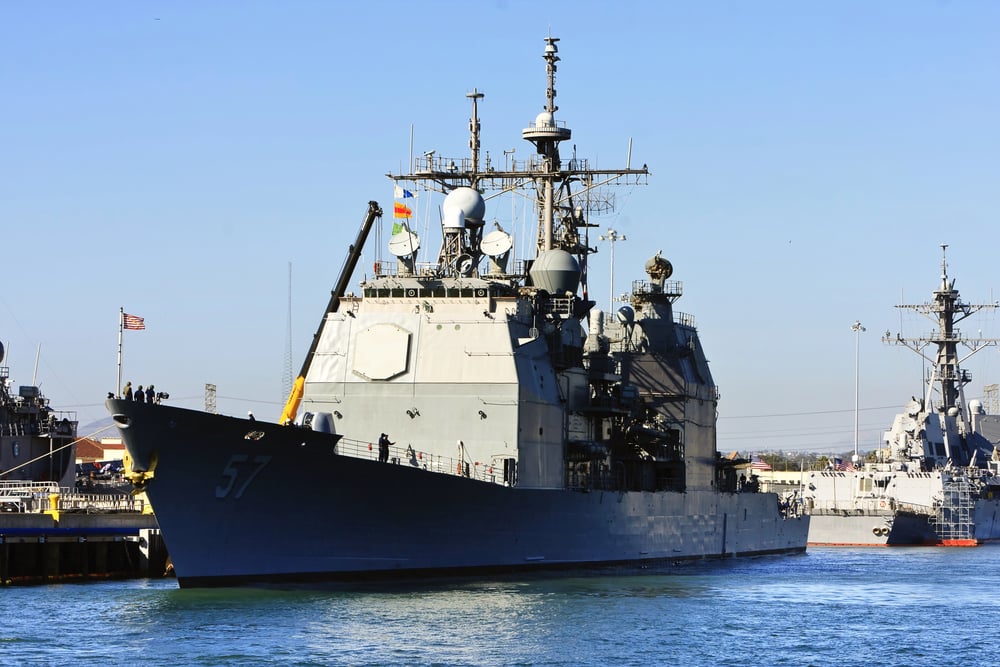
President Lyndon Johnson used reported attacks by North Vietnamese vessels on U.S. Navy ships in the Gulf of Tonkin in August 1964 to push through the resolution that massively escalated American involvement in Vietnam. The first incident was real.
The second was not. Internal doubts within the U.S. government were suppressed.
The truth about the fabricated second attack emerged gradually through leaked documents, war correspondent reporting, and ultimately the Pentagon Papers. By then, the false pretext had already committed the United States to a war that lasted another decade.
The Savings and Loan Crisis
In the late 1980s, more than 1,000 savings and loan institutions in the United States failed as a result of fraud, deregulation, and reckless lending that regulators had been slow — or unwilling — to act on. Journalist William Black, then working as a bank regulator, and reporters at the Wall Street Journal and American Banker worked with inside sources to expose how the industry’s collapse had been enabled and obscured.
The eventual federal bailout cost taxpayers an estimated $132 billion, making it one of the most expensive financial cover-ups in American history.
The Windrush Scandal in Britain
For years, Caribbean migrants who had come to Britain legally under the Windrush generation were being wrongly detained, denied healthcare, and deported by the Home Office. The government had quietly destroyed landing cards that would have proved their right to remain — records that had been kept since the 1950s.
The Guardian’s Amelia Gentleman received tip-offs and pursued the story through 2017 and 2018, interviewing dozens of people who had been ruined by the policy. Her reporting forced a parliamentary inquiry, the resignation of the Home Secretary, and a national reckoning about immigration enforcement.
The Hillsborough Disaster Cover-Up
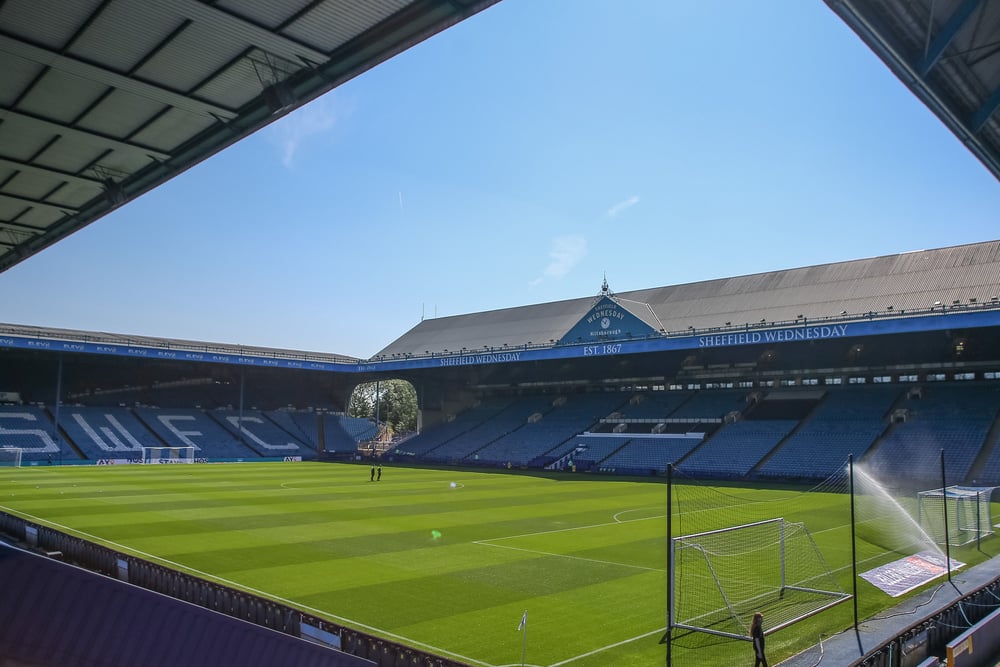
Ninety-seven Liverpool football supporters died in a crush at Hillsborough Stadium in Sheffield in April 1989. In the years that followed, South Yorkshire Police engaged in a systematic effort to shift blame onto supporters, altering witness statements and leaking false stories to the press.
It took over two decades of campaigning by survivors and families, combined with the work of journalists and an independent panel given access to 450,000 documents, before the truth was fully established. A 2016 inquest jury found the deaths were unlawful and that police behaviour had contributed to the disaster.
The Irish Industrial Schools Abuse
The Ryan Report, published in Ireland in 2009, documented decades of physical and emotional abuse of children in institutions run by Catholic religious orders and funded by the Irish state. The scale of what had happened — and the lengths to which the Church and state had gone to suppress it — only came to light after survivors began speaking out and journalists, including those at RTÉ’s States of Fear documentary in 1999, pursued the story with determination.
That documentary, produced by Mary Raftery after years of tip-offs from survivors, is widely credited with forcing the government to establish the inquiry that led to the Ryan Report.
The Robben Island Conditions Under Apartheid
During the apartheid era, the South African government maintained that prisoners on Robben Island, including Nelson Mandela, were held under acceptable conditions. Journalists and international observers who raised questions were denied access.
The true conditions — hard labour, brutal treatment, and deliberate degradation — were documented through smuggled letters and accounts from released prisoners, many of which reached sympathetic journalists abroad. When Mandela walked free in 1990 after 27 years, the gap between the official narrative and reality was impossible to ignore.
The Heparin Contamination in 2008

The blood-thinning drug heparin was found to have been contaminated with a counterfeit ingredient — oversulfated chondroitin sulfate — that had caused dozens of deaths in the United States. The contamination originated in Chinese manufacturing facilities.
Investigative journalists and congressional investigators worked with whistleblowers inside the pharmaceutical industry who had flagged quality concerns that had been dismissed. The episode exposed serious gaps in the oversight of global pharmaceutical supply chains that regulators had been reluctant to acknowledge publicly.
Harvey Weinstein and the Hollywood Silence
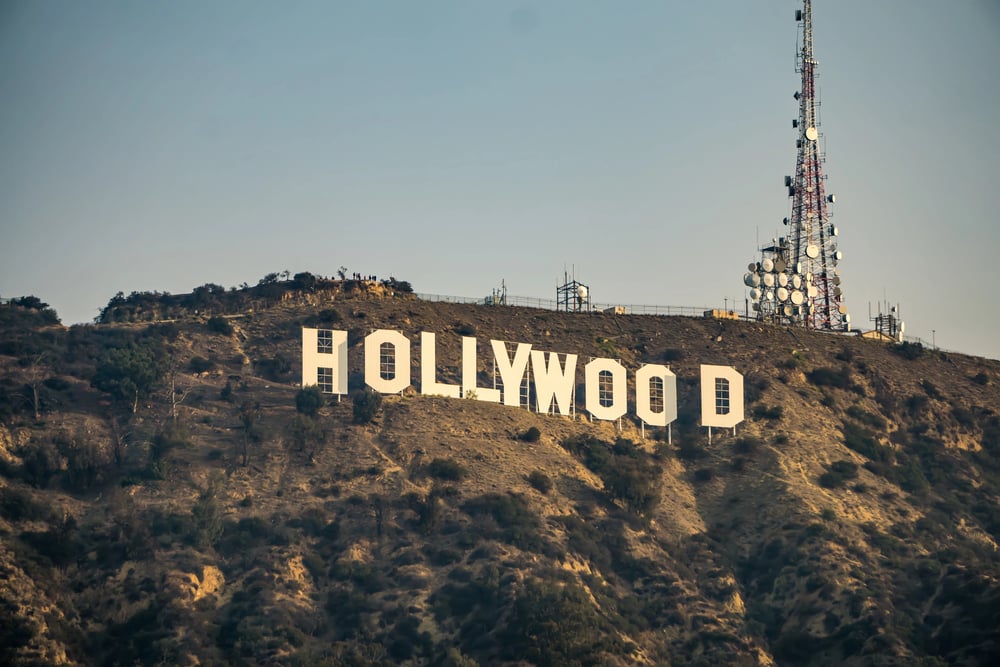
Reporters at the New York Times and The New Yorker had been hearing versions of the same story for years — that powerful producer Harvey Weinstein had been preying on women in the film industry and using legal agreements and institutional pressure to ensure silence. Jodi Kantor and Megan Twohey at the Times, and Ronan Farrow at The New Yorker, spent months working sources who had been afraid to speak publicly.
Their stories, published in October 2017, revealed a pattern of conduct spanning decades and protected by a network of lawyers, NDAs, and willing institutional silence. The reporting became the catalyst for the #MeToo movement.
When the Phone Finally Rings
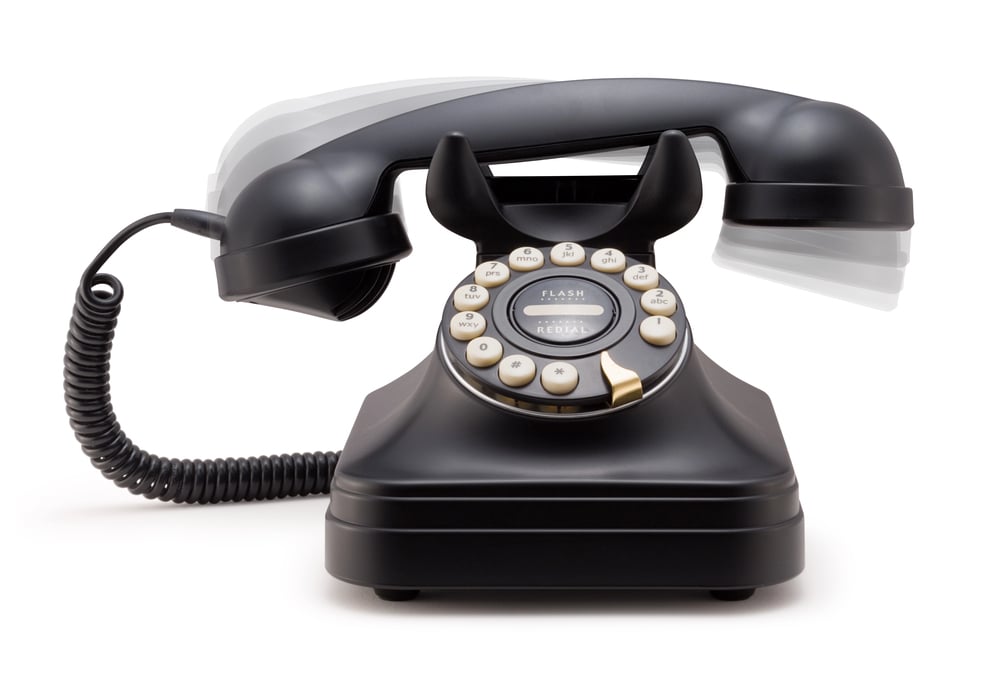
The people who make these calls rarely do so lightly. They weigh the risk of exposure against the weight of what they know, and often they sit with that knowledge for years before deciding the silence has become its own kind of harm.
What these cases share isn’t just institutional wrongdoing — it’s the specific moment when one person decided the story was too important to stay buried.
Journalism doesn’t expose cover-ups through omniscience. It does it through the willingness of at least one person on the inside to pick up a phone.
The reporters who received these calls then had to do the work — verify, corroborate, fight legal challenges, and publish in the face of denial. But none of it starts without the tip.
And the tip is almost always driven by someone who simply couldn’t stay quiet any longer.
More from Go2Tutors!

- The Romanov Crown Jewels and Their Tragic Fate
- 13 Historical Mysteries That Science Still Can’t Solve
- Famous Hoaxes That Fooled the World for Years
- 15 Child Stars with Tragic Adult Lives
- 16 Famous Jewelry Pieces in History
Like Go2Tutors’s content? Follow us on MSN.



