25 Household Chores Kids No Longer Do
Every generation insists the one after it has it easy, and on the subject of housework, the older crowd has a point. Plenty of jobs once handed to children every Saturday morning have simply ceased to exist.
Some vanished because of appliances, some because of technology and some because the things that needed tending are gone from most homes. A few of them are worth remembering, if only to explain why grandparents still fold a dish towel a certain way.
Beating Rugs on the Clothesline
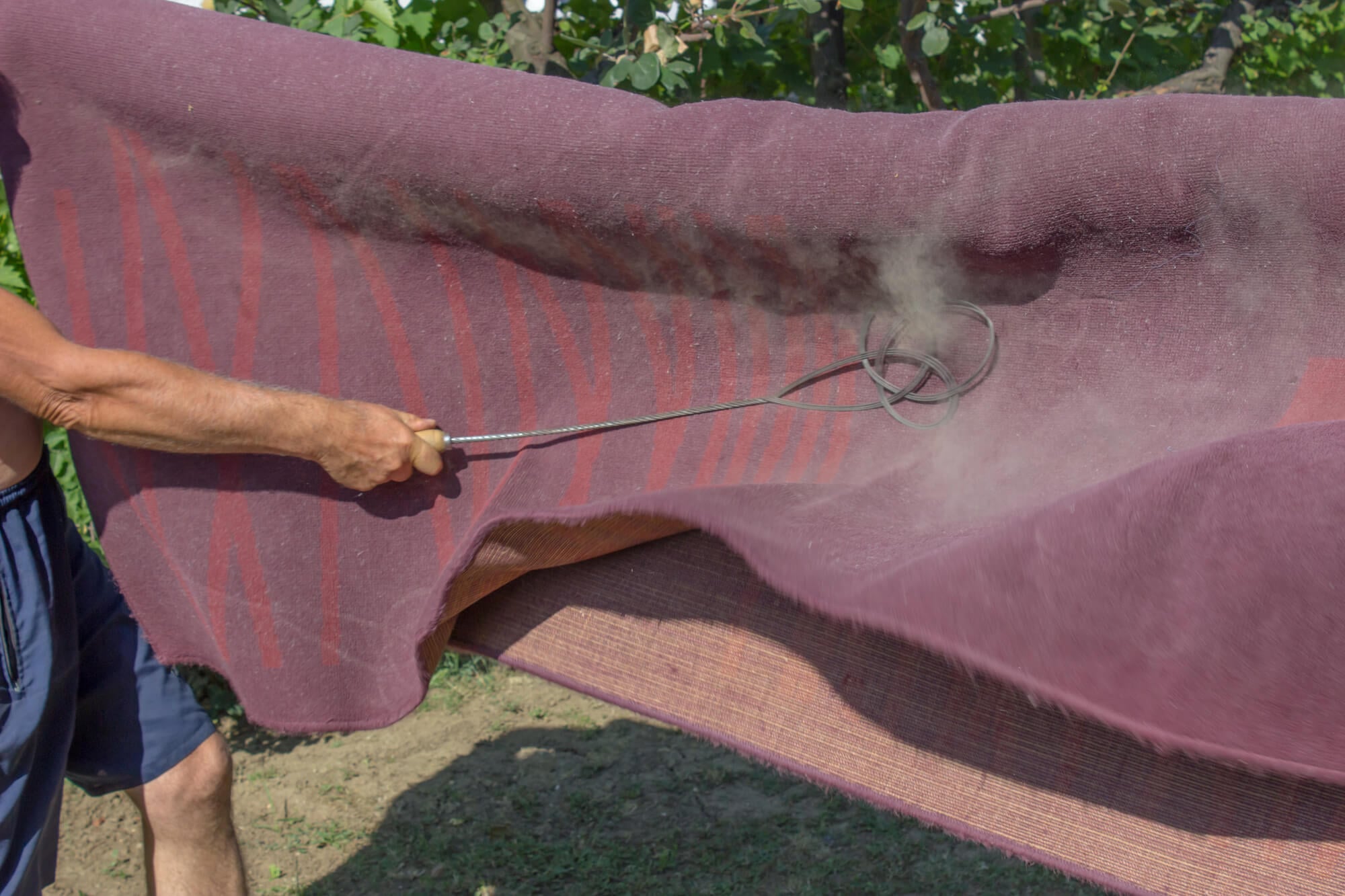
Spring cleaning once meant dragging the area rugs outside, draping them over a clothesline or porch rail and whacking them with a rug beater. The beater was usually a wire or woven rattan paddle shaped like an oversized pretzel. Kids were handed the job because it took energy and little skill. Clouds of dust flew out with each blow, and the work could go on for an hour per rug. Vacuum cleaners gradually made the chore unnecessary. Rug beaters now hang in antique shops as decor, and most younger people have no idea what they were for.
Hanging Laundry on the Line
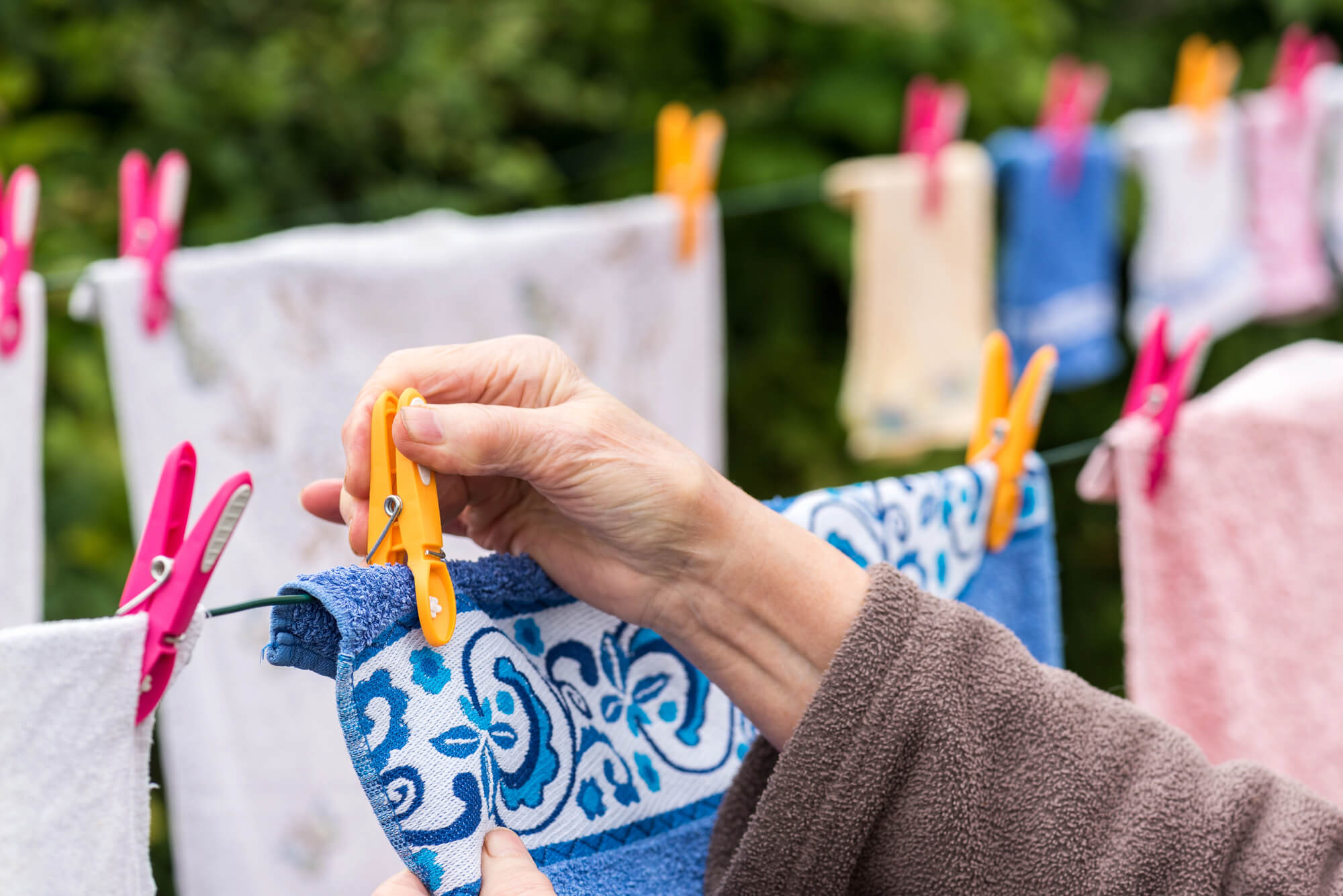
Before electric clothes dryers became standard, kids helped hang wet laundry on outdoor clotheslines. A bag of wooden clothespins hung from the line, and families had their own system for what went where. Sheets often went on the outer lines, while underwear was hidden on the inside lines away from the neighbors. Kids also brought the laundry in when rain threatened, racing the clouds. Clothes dried stiff but smelled of fresh air. Many homeowners associations now ban outdoor clotheslines, and most kids have never pinned up a sheet in a stiff breeze.
Sprinkling Clothes Before Ironing
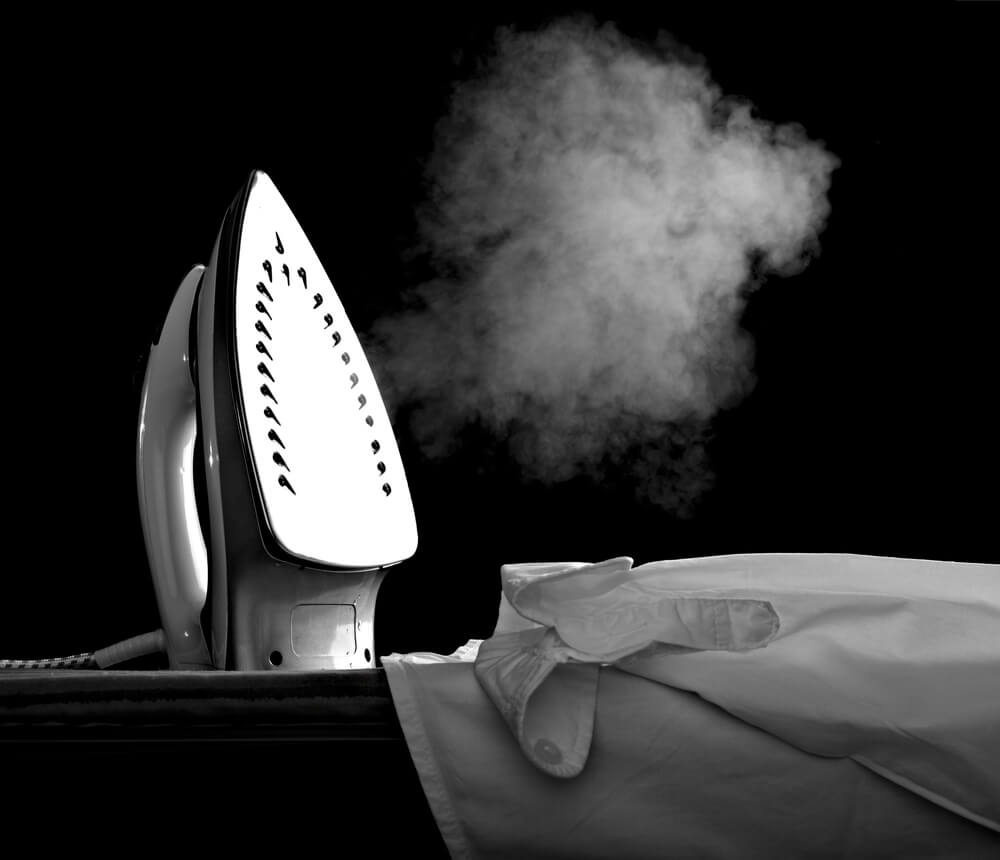
Ironing day once required sprinkling cotton clothes with water before pressing them. Many households kept a sprinkler bottle, often a glass soda bottle fitted with a perforated cap. Kids sprinkled shirts, pillowcases and tablecloths, then rolled them tightly so the moisture spread evenly. Some families stored the rolled bundles in the refrigerator overnight to keep them from souring. Steam irons and wrinkle-resistant fabrics ended the practice. Few people under fifty know that the odd-looking bottle caps sometimes found in antique stores were made for this job.
Feeding the Wringer Washer
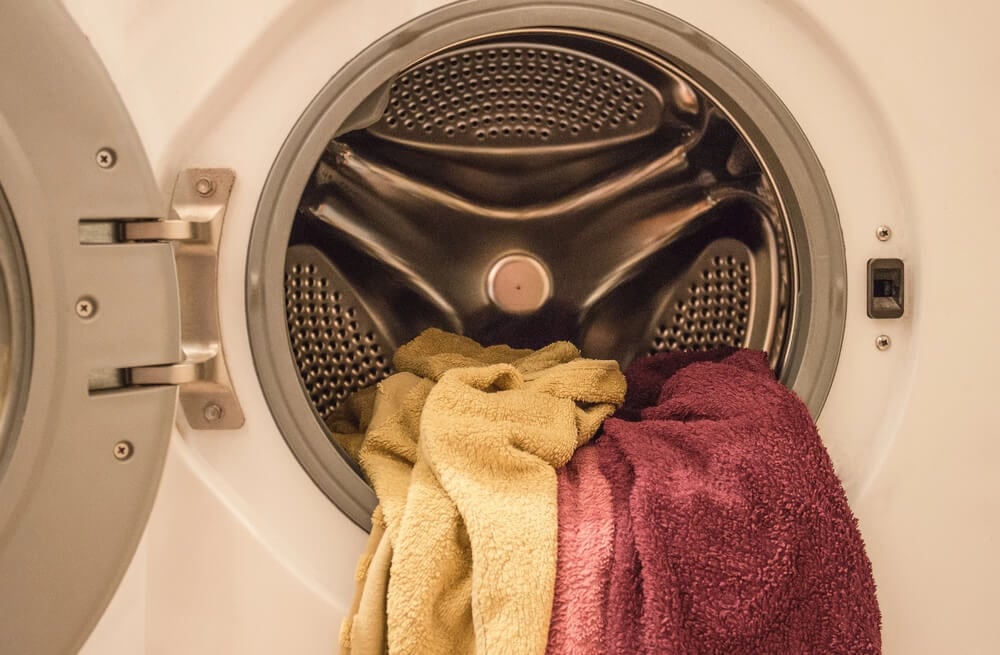
Wringer washing machines, made by companies such as Maytag, had two rollers mounted on top that squeezed water out of clothes before hanging them. Kids fed wet clothes through the rollers while an adult cranked or ran the motor. It was dangerous work. Fingers, hands and even long hair could get caught, causing serious injuries. The expression put through the wringer comes from the experience of being squeezed by those rollers. Automatic washing machines with spin cycles replaced wringers, though some Amish and rural households still use them today.
Defrosting the Freezer
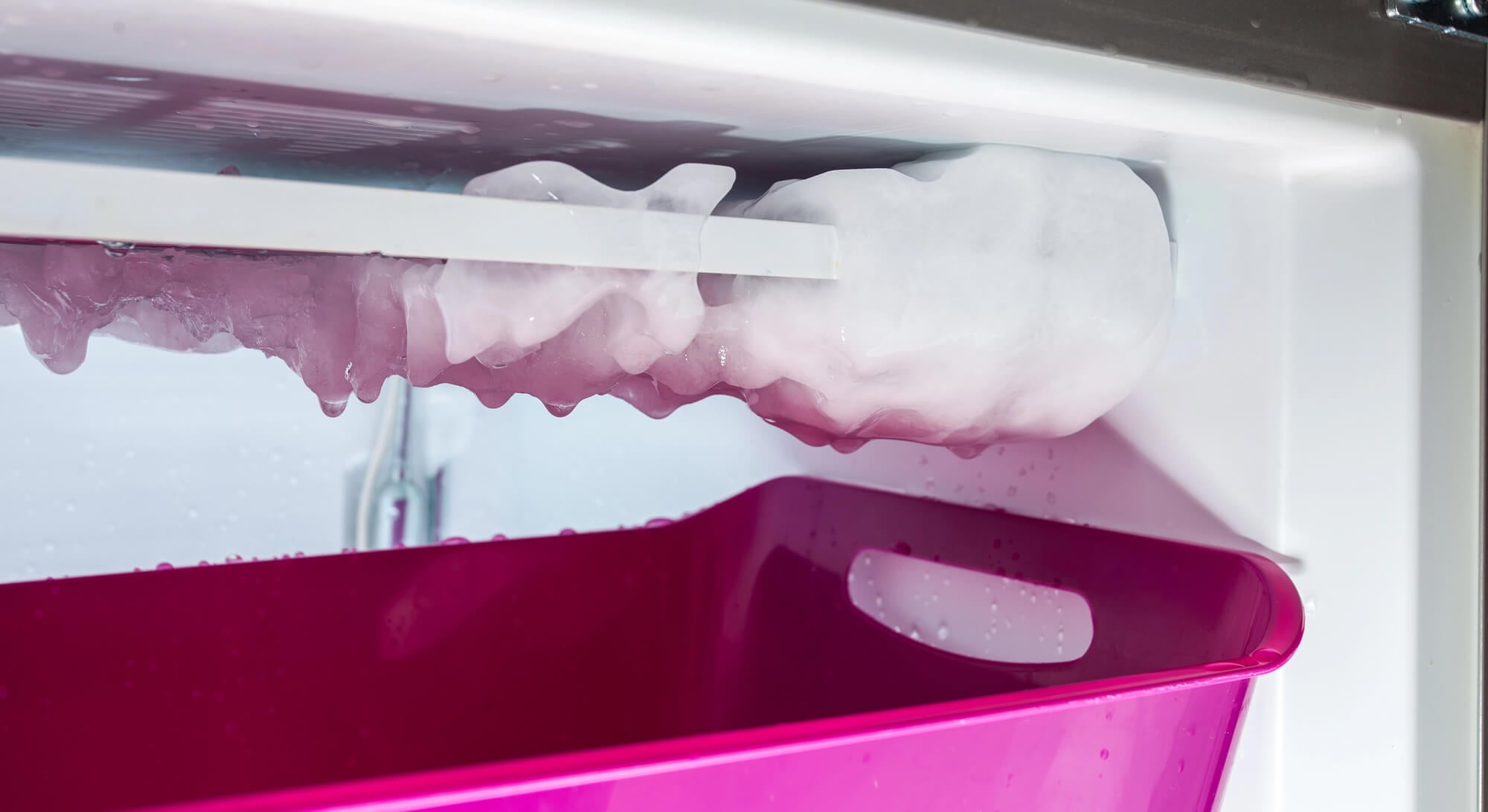
Before frost-free refrigerators became common, freezers built up thick layers of ice that had to be removed every few weeks or months. Families emptied the freezer, set pans of hot water inside and waited for the ice to loosen. Kids scraped away chunks with spatulas and mopped up water from the floor. The job took hours and made a mess. Some people chipped at the ice with knives, sometimes puncturing the coolant lines. Frost-free models spread through the 1970s and 1980s, and the chore became a memory for most households.
Filling Metal Ice Cube Trays
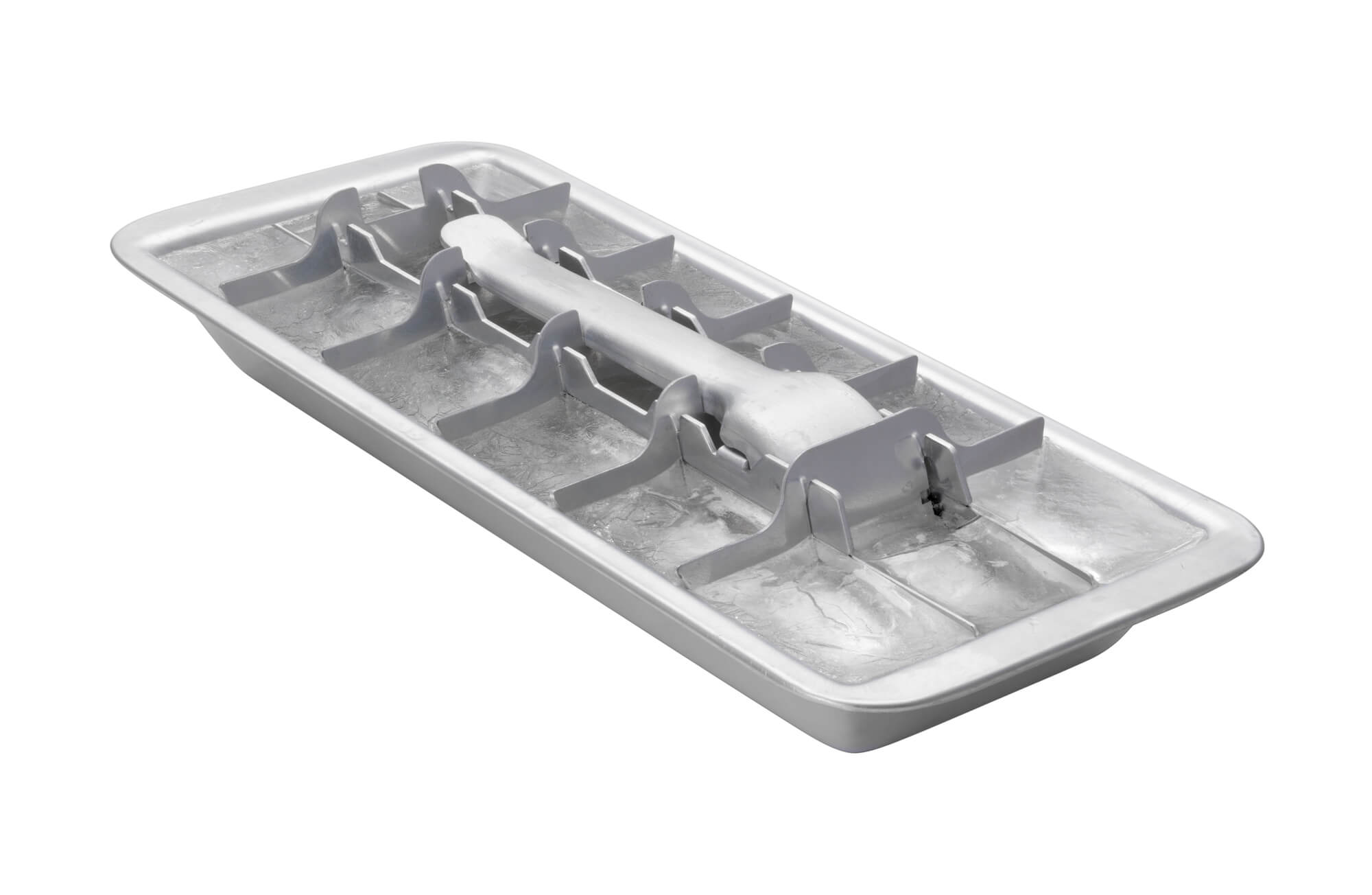
Metal ice cube trays with a lever on top were once standard in American freezers. Kids filled them at the sink, carried them carefully to the freezer and tried not to spill. Pulling the lever cracked the ice loose, though it often stuck, and frozen fingers stuck to the metal as well. Later, plastic trays replaced metal ones, and kids twisted them to release the cubes. Many modern refrigerators have automatic ice makers, so the job of refilling trays has disappeared. Leaving an empty tray in the freezer was once a common cause of family arguments.
Waxing the Kitchen Floor
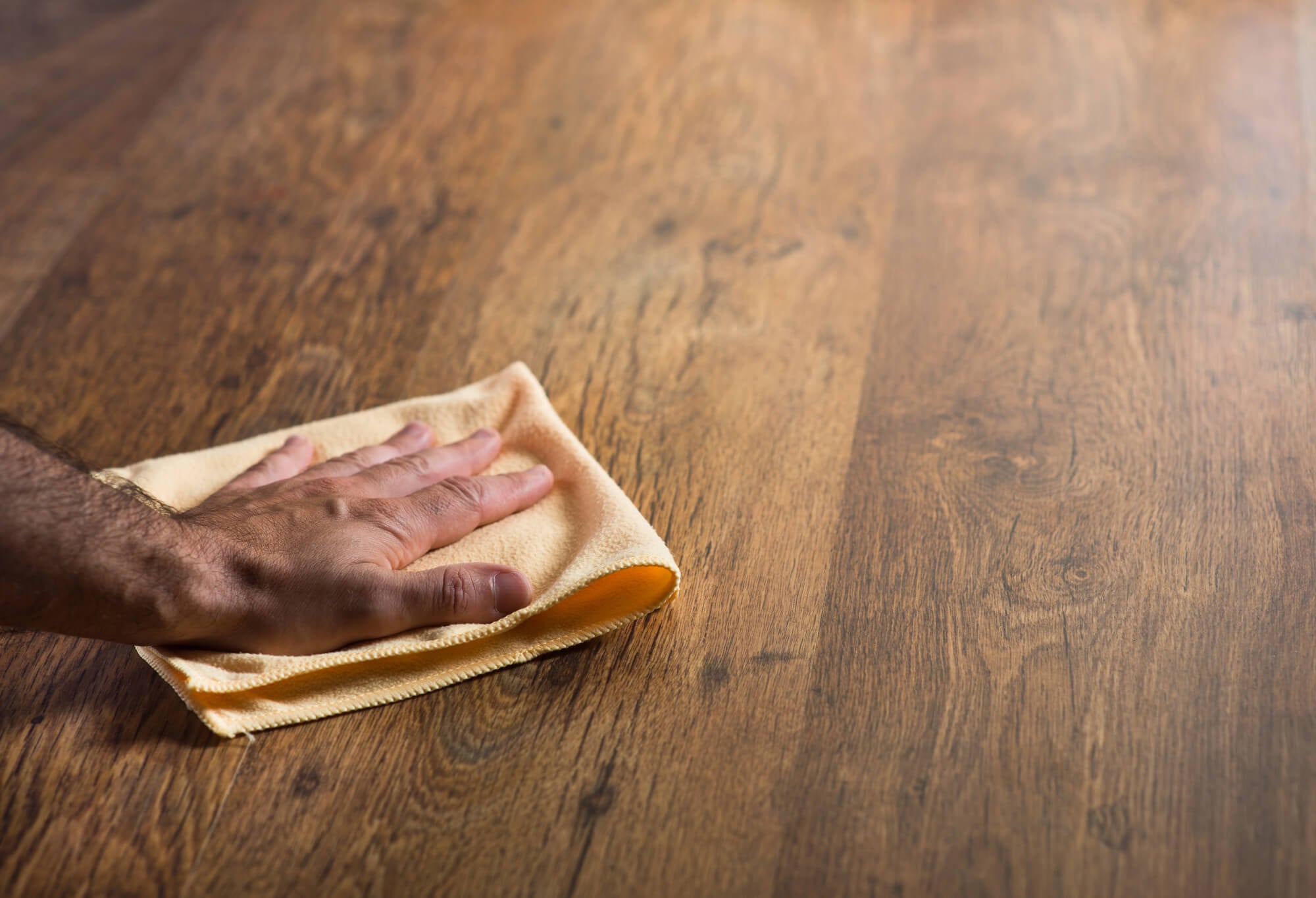
Linoleum and wood floors once needed regular waxing to keep them shiny and protected. Kids helped by clearing furniture and applying paste wax, then buffing it by hand or with an electric polisher. S.C. Johnson, founded in 1886, built its business on floor wax. The job could take an entire Saturday. No-wax vinyl flooring, which became popular in the 1970s and 1980s, ended the need for waxing. Today, most floors need only a damp mop. The sight of kids sliding across a freshly waxed floor in socks has become rare.
Shelling Peas and Snapping Beans

Summer once meant sitting on the porch shelling peas and snapping green beans for dinner or canning. Kids split pea pods with a thumbnail and dropped the peas into a bowl, while snapping the ends off beans and breaking them into pieces. The work was slow but social, often done with grandparents and siblings. Frozen and canned vegetables made the chore unnecessary for most families. Farmers markets still sell fresh peas in the pod, but few kids spend summer afternoons shelling them. The sound of beans snapping is a strong memory for many older adults.
Bringing in the Milk Bottles

Milkmen once delivered glass bottles of milk to homes, leaving them in an insulated milk box on the porch. Kids brought the bottles inside before the milk got warm or froze, and rinsed the empties for the milkman to collect. In cold weather, frozen milk sometimes pushed the cardboard cap up out of the bottle. Home milk delivery declined after World War II, as refrigerators improved and supermarkets grew. A few dairies still deliver, but the milk box on the porch is mostly gone. Some survive as planters or decorations.
Returning Bottles for Deposit

Glass soda and beer bottles once carried deposits, and kids collected empties to return for a few cents each. Many children earned candy money by gathering bottles from ditches, parks and neighbors’ garages. Bottlers washed and refilled the glass bottles many times. Plastic bottles and aluminum cans replaced most glass bottles, and refillable systems disappeared. Some states still have bottle deposit laws, such as Michigan’s 10-cent deposit, but kids rarely collect bottles for spending money. The chore once taught many children their first lesson in earning money.
Adjusting the TV Antenna
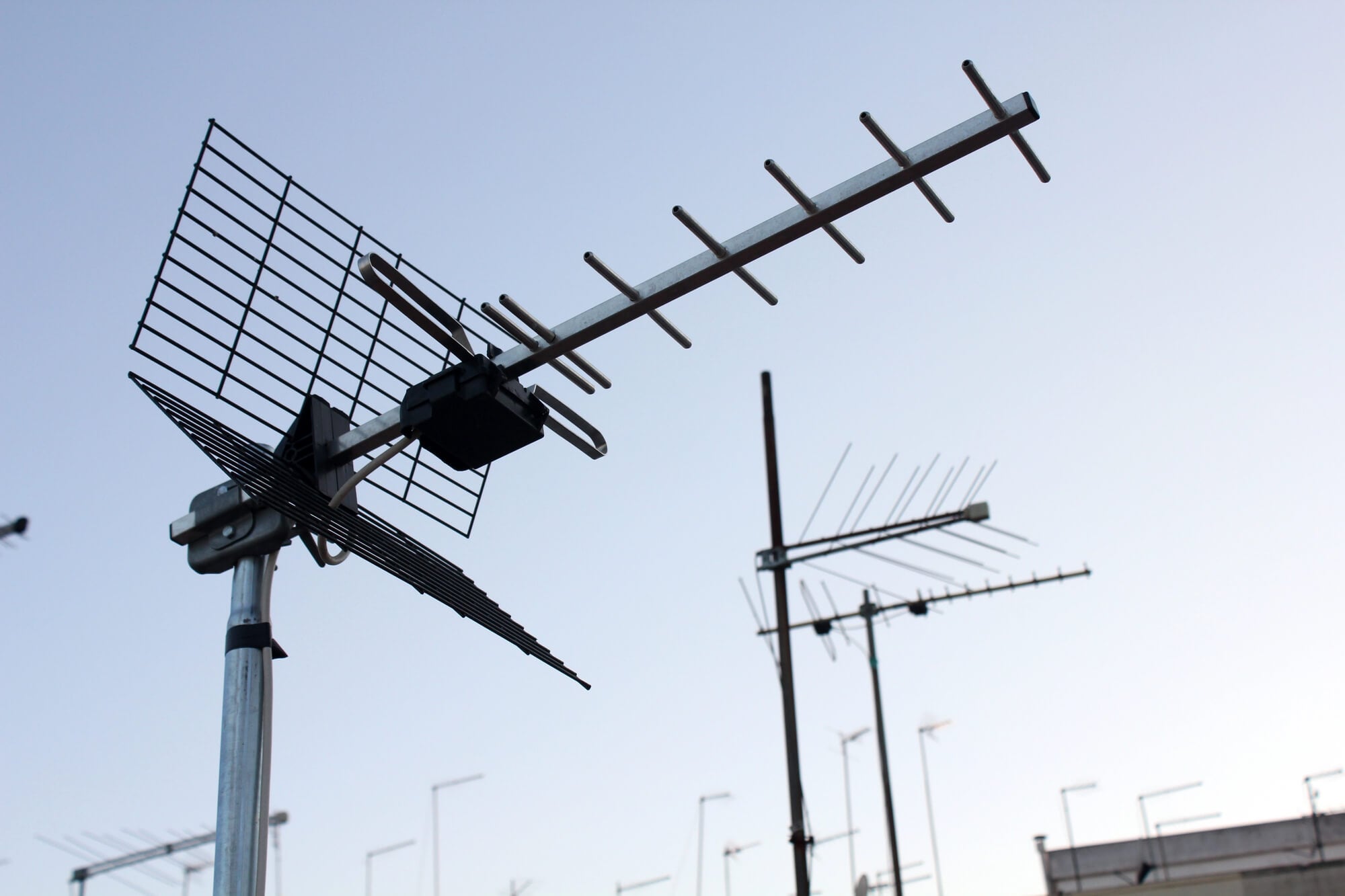
Before cable and streaming, getting a clear picture often meant adjusting the antenna. Kids stood by the television moving rabbit ears or wrapping them in aluminum foil while someone called out whether the picture improved. Rooftop antennas sometimes had rotors controlled by a box near the television. When the picture was perfect, kids were told to stand still, becoming a human antenna. Cable television, satellite and streaming ended the chore. Some people still use antennas for free broadcast channels, but digital signals made the fiddling much rarer.
Rewinding VHS Tapes

Video rental stores asked customers to rewind tapes before returning them, and many tapes carried stickers reading Be Kind Rewind. Kids rewound tapes before trips to the video store, often using a separate rewinder shaped like a car. Some stores charged a fee for unrewound tapes. DVDs, which did not need rewinding, began replacing VHS in the late 1990s. Streaming ended video rentals for most families. The last Blockbuster store, in Bend, Oregon, remains open as a tourist attraction, but rewinding tapes has become a forgotten chore.
Taking Phone Messages

Kids in households with a single wall phone served as the family switchboard. A notepad and pencil sat beside the phone, and whoever answered was expected to write down the caller’s name, number and reason for calling. Messages were often garbled, misspelled or forgotten entirely, which caused real trouble when the caller was a boss or a doctor. Coiled cords stretched across kitchens as people paced and talked, and teenagers dragged the receiver into closets for privacy. Answering machines arrived in many homes in the 1980s, then voicemail and cell phones finished the job. Many kids today have never answered a landline.
Mailing the Monthly Bills

Paying bills once meant writing checks at the kitchen table, stuffing envelopes and licking stamps. Kids were often recruited to seal the envelopes and stick on the stamps, which left a distinct taste of glue behind. The Postal Service began moving toward self-adhesive stamps in the 1990s, which ended the licking, and online banking and automatic payments ended most of the rest. Watching a parent balance a checkbook also gave kids an early look at what electricity, gas and the mortgage actually cost. Many young adults today have never written a paper check, and some have never bought a single stamp.
Polishing Shoes for Sunday
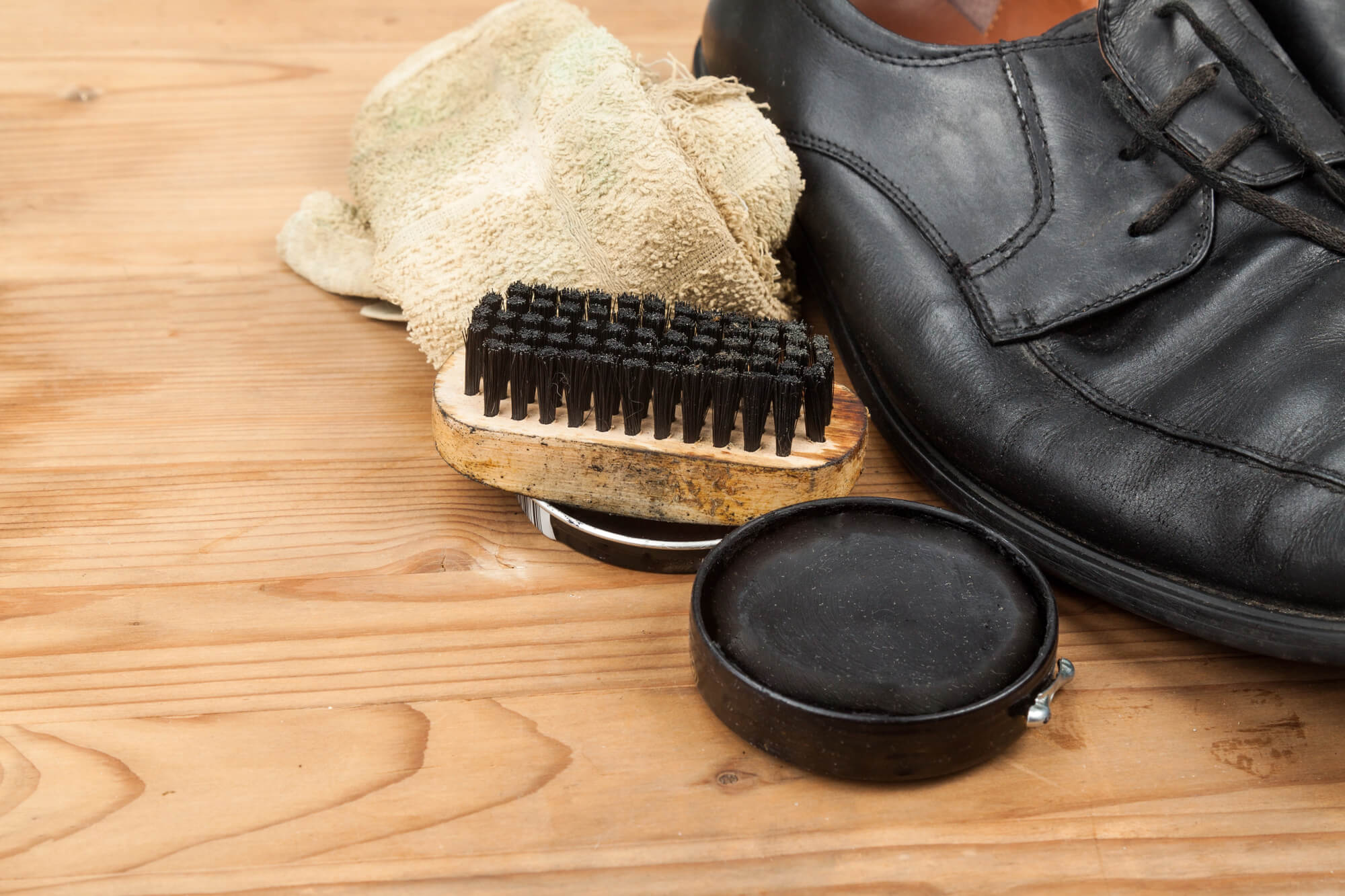
Saturday night in many homes meant polishing shoes for church the next morning. Kids spread newspaper on the floor, dabbed polish onto a rag and worked it into the leather, then buffed until the toes shone. Kiwi, first made in Sydney, Australia, in 1906, became one of the best-known polish brands in American homes, and its round tins sat in countless shoe-shine boxes. Fathers often passed down the technique to sons, including the trick of a final pass with a nylon stocking. Sneakers and casual shoes made the ritual unnecessary for most families. The smell of polish still brings back Saturday nights for many adults.
Polishing the Family Silver
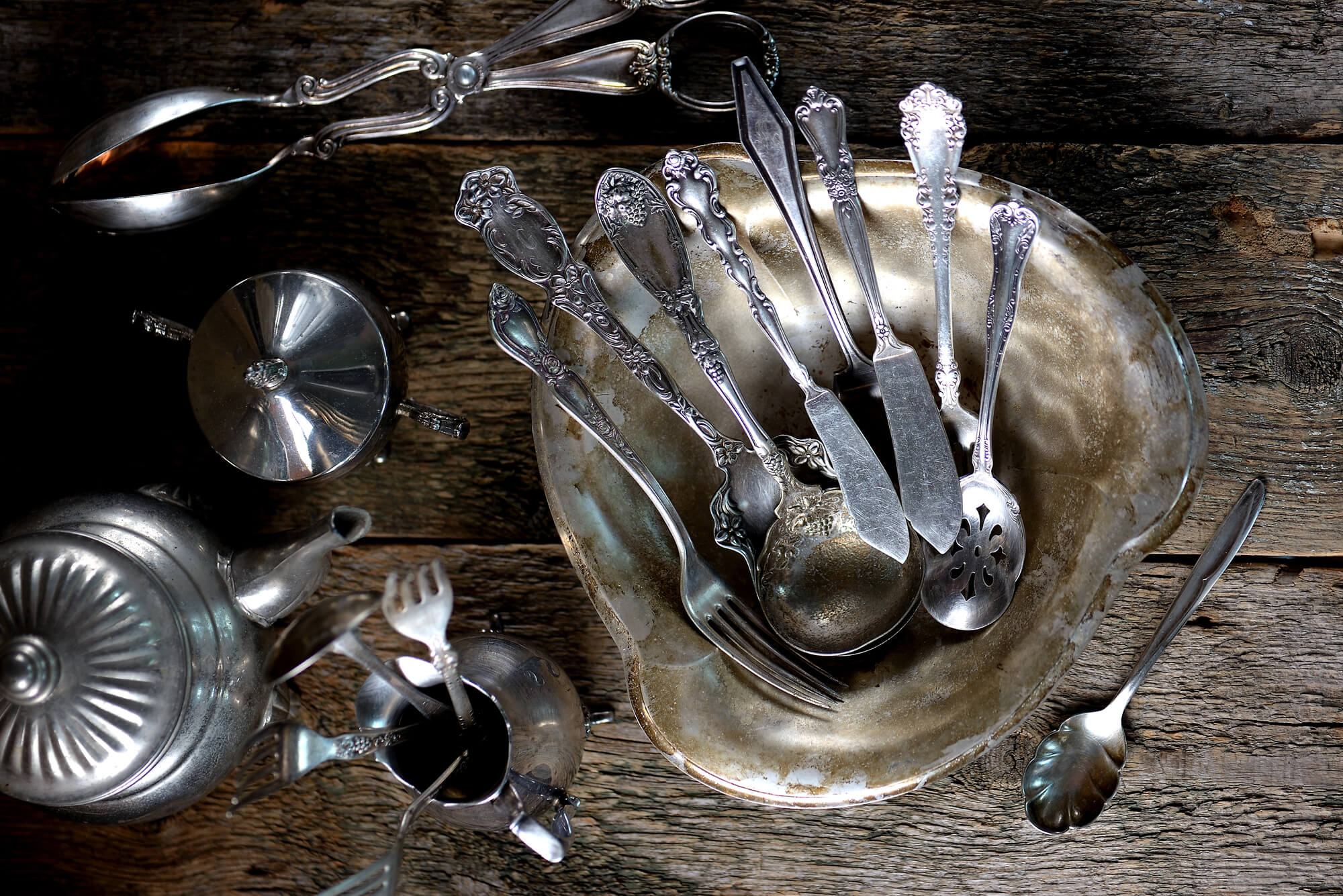
Sterling flatware, candlesticks and serving trays tarnished quickly, so families with good silver needed to polish it regularly. Kids rubbed a pink or gray paste onto each piece with a soft cloth, then buffed it until it gleamed. The work left fingers black and the kitchen smelling faintly chemical, and it usually happened before Thanksgiving, Christmas and Easter dinners. Stainless steel flatware replaced silver for daily use after World War II, and many families eventually stopped bringing out the silver at all. Inherited sets now sit in felt-lined drawers, often untouched for years, and some heirs sell them for the metal value alone.
Darning Socks
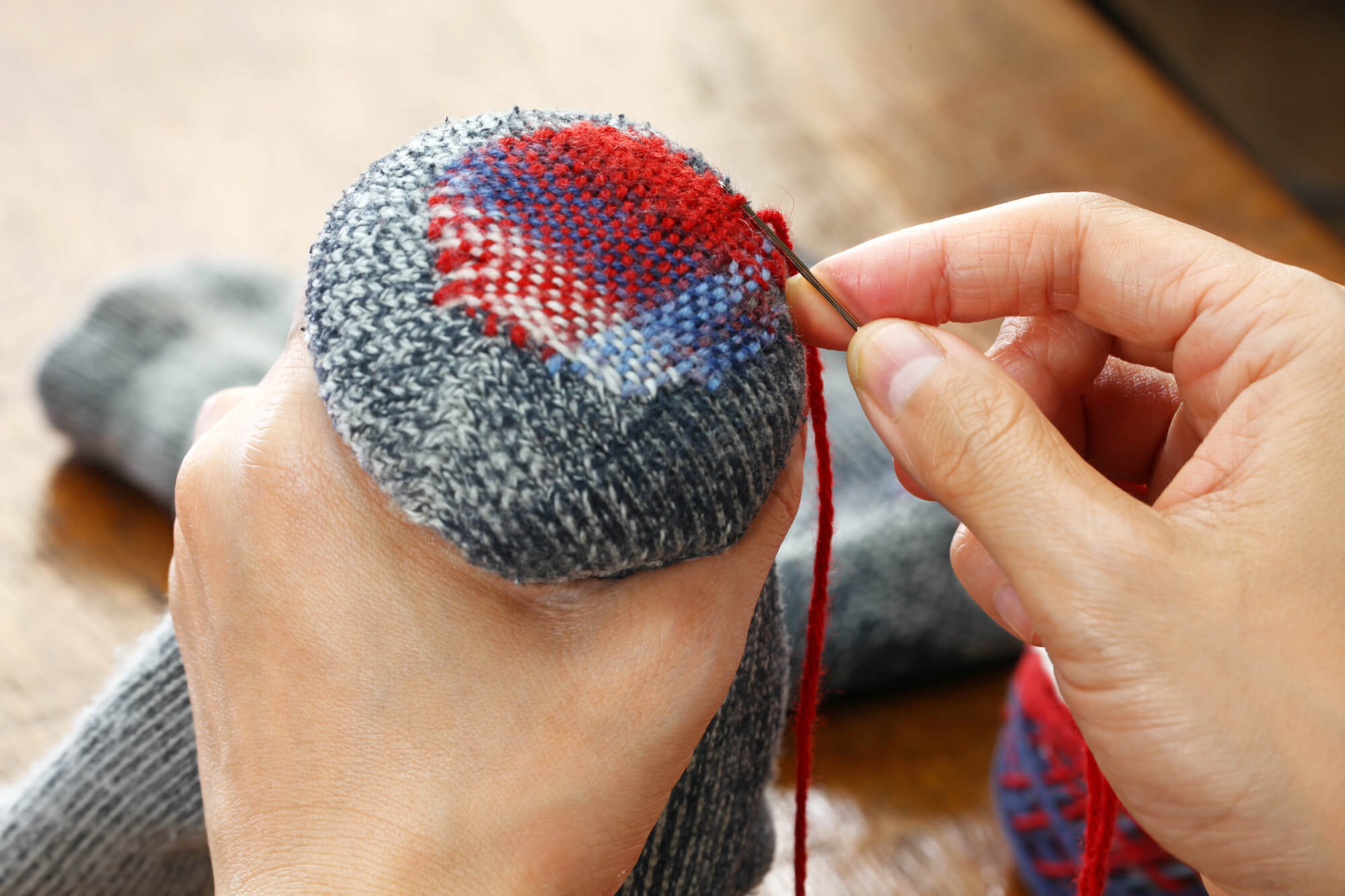
Darning socks once meant reweaving worn heels and toes with a needle and yarn. Kids learned to stretch the sock over a wooden darning egg or darning mushroom, which held the fabric taut, then weave thread back and forth across the worn spot in a small grid. A careful darn could add months of wear to a pair of wool socks. As socks became cheap and plentiful, the chore disappeared, and most worn socks now go straight into the trash. Darning eggs turn up in antique shops, puzzling younger shoppers. Some crafters have revived the skill as visible mending, but kids rarely learn it at home.
Burning the Trash

Many rural and suburban families once burned household trash in a backyard barrel. Kids carried out the wastebasket, dumped it in and lit the fire, then watched to make sure sparks did not drift into dry grass. Some homes had small brick or concrete incinerators instead of a barrel. The smoke smelled of burning paper and plastic, and the ash pile grew all year. As curbside trash pickup spread and air quality rules tightened, many communities banned open burning. Some rural areas still allow it with restrictions, but the weekly chore of tending the burn barrel has disappeared from most childhoods.
Hauling Coal and Ashes
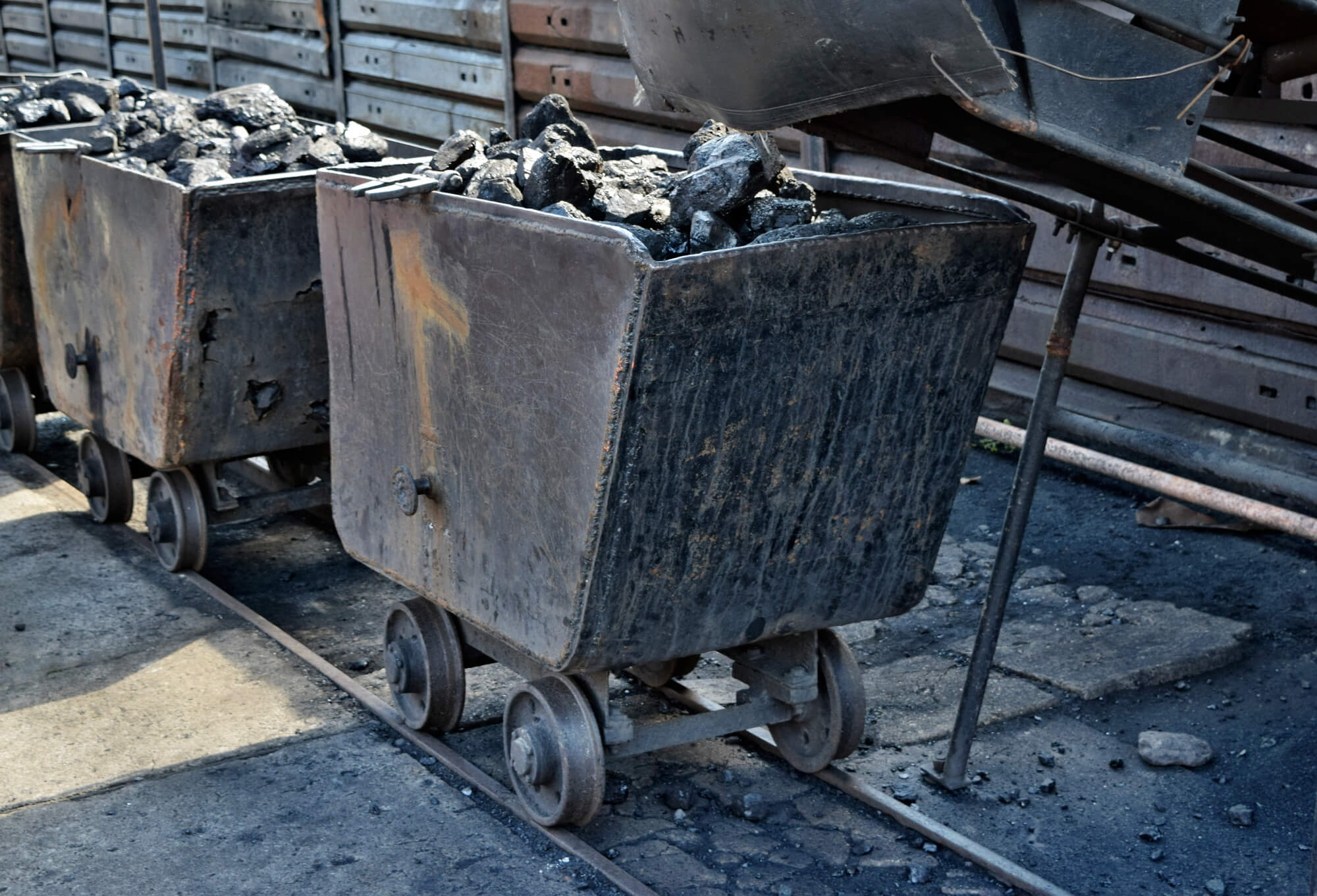
Homes heated by coal furnaces required daily attention, and kids often helped. A delivery truck sent coal rattling down a metal chute into a basement bin, and someone had to shovel it into the furnace morning and night. At bedtime, the fire was banked, covered with ash and coal so it would smolder until morning. Ashes had to be hauled out in metal buckets, and many families spread them on icy sidewalks for traction. Oil, gas and electric heat replaced coal in most homes in the decades after World War II. Small iron coal chute doors still appear on the foundations of older houses.
Swapping Storm Windows and Screens

Twice a year, families swapped storm windows and screens on every window in the house. In the fall, kids helped carry heavy wooden storm windows from the garage or basement, hand them up a ladder and hold them while a parent hooked them in place. In spring, the process reversed, and screens went back up to let in breezes without letting in bugs. Each storm window was usually numbered to match a specific opening, since old houses had few windows of identical size. Aluminum combination windows with built-in storms and screens ended the routine. Many old wooden storms now become picture frames and garden decor.
Winding the Clocks

Mechanical clocks needed regular winding, and many kids were assigned the job. Mantel clocks and tall case clocks often ran for eight days on a single winding, so households wound them on the same day every week, frequently Sunday. A small key fit into the clock face, and turning it too far risked damaging the spring. Wind-up alarm clocks needed nightly attention, and forgetting meant oversleeping. Electric clocks spread through American homes in the mid-twentieth century, and battery quartz clocks finished off most of the rest. The steady ticking of a wound clock was once part of the background sound of nearly every home.
Washing Windows With Newspaper
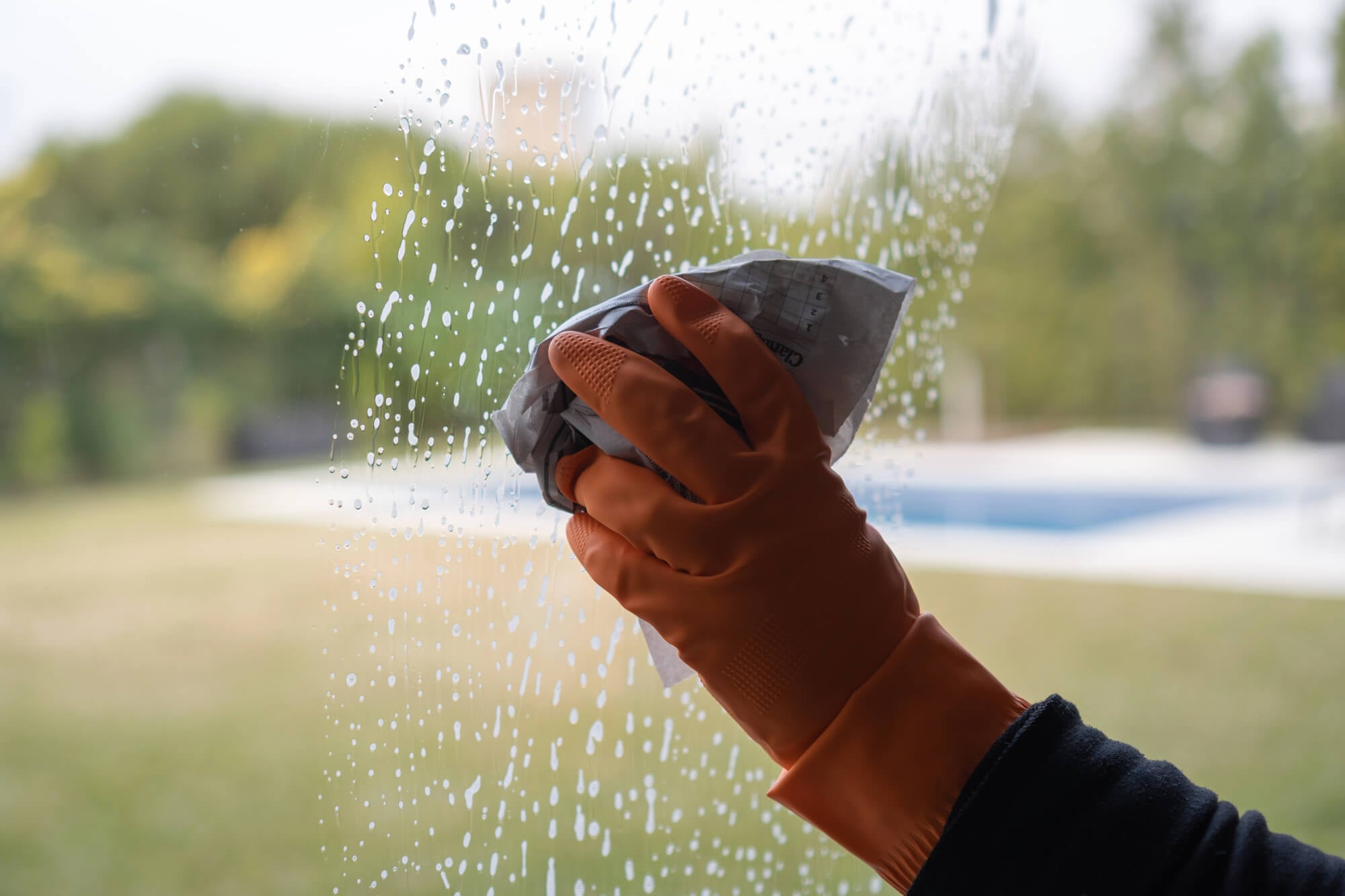
Window washing once relied on a bucket of water mixed with white vinegar and a stack of old newspapers. Kids wiped the glass with the vinegar solution, then crumpled sheets of newspaper and rubbed the windows dry. The dense paper left glass streak-free and lint-free in a way cloth towels often could not. The job came with ink-stained hands and a sharp vinegar smell. As home newspaper subscriptions declined, few households had a pile of papers on hand, and spray cleaners with paper towels took over. Professional window washers still swear by squeegees, but the newspaper method has mostly faded from family chore lists.
Folding Cloth Diapers

Families with babies once washed and folded stacks of cloth diapers every few days, and older siblings were often drafted to help. The diapers were large rectangles of cotton that had to be folded into a specific shape and fastened with safety pins topped with plastic animal heads. Soiled diapers soaked in a covered pail before washing. Procter and Gamble introduced Pampers in 1961, and disposable diapers gradually became the norm over the following decades. Diaper delivery services that once picked up and dropped off cloth diapers mostly closed. Some modern families use cloth again, but with snaps and fitted covers rather than pins.
Drying Dishes by Hand

After dinner in many homes, one child washed while another stood beside the sink with a dish towel and dried. The pairing was often assigned by age or by turns, and it produced as many arguments as clean plates. Dishes went into the cupboard still warm, and the towel was hung over the oven door handle to dry. Automatic dishwashers existed for decades before they became common, but they spread steadily through American kitchens from the 1970s onward. Most families now load a machine and walk away. Some still wash pots by hand, but the nightly washer and dryer partnership has largely faded.
Pushing a Reel Mower
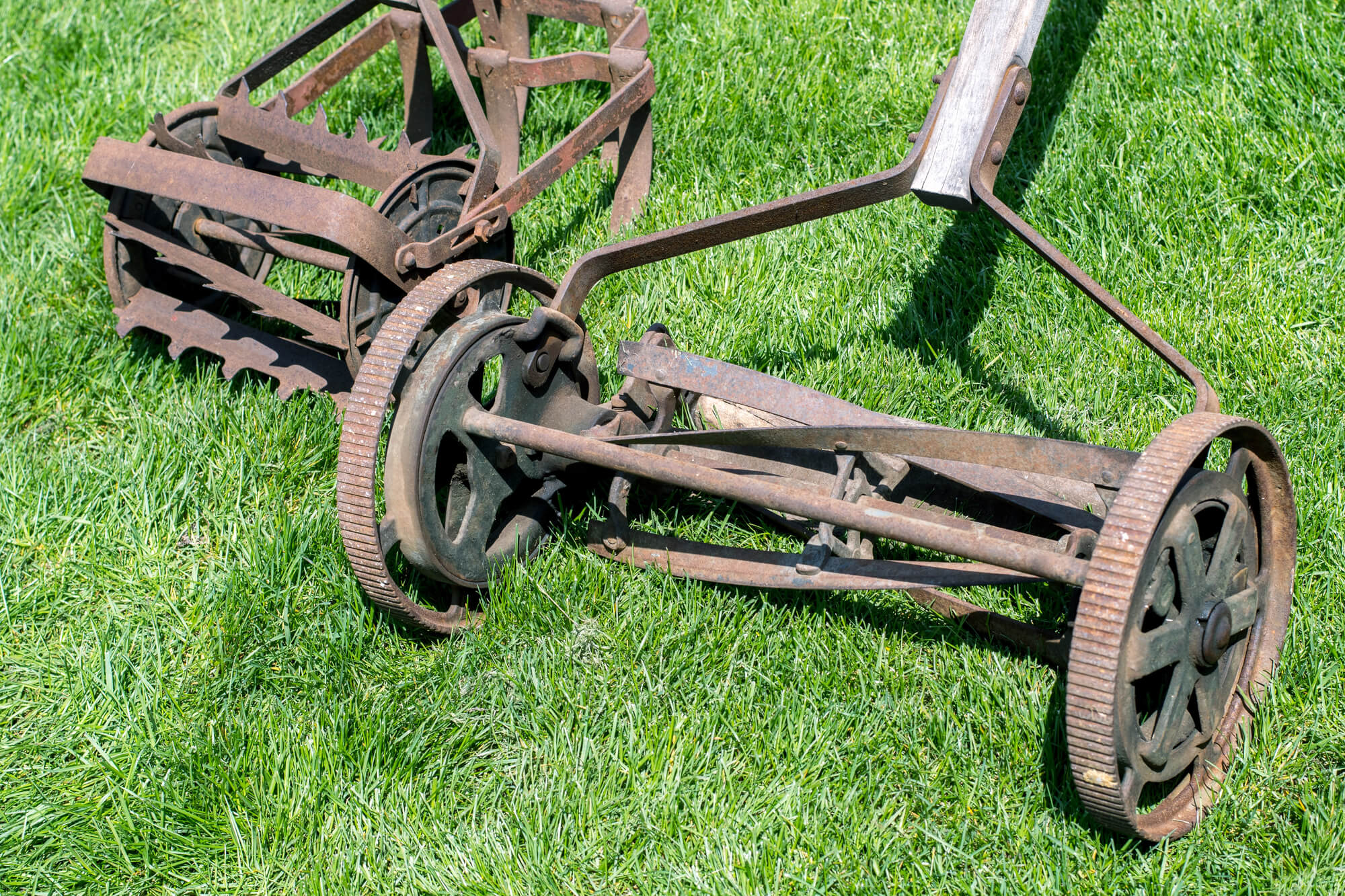
Lawn mowing once meant pushing a manual reel mower, a set of curved blades that spun against a fixed bar as the wheels turned. The mower cut grass with a scissor action and made a soft whirring sound rather than a roar. Kids pushed it across the yard on summer Saturdays, often for an allowance. Tall grass and twigs jammed the blades, and dull blades left the lawn ragged. Gas-powered rotary mowers became common after World War II and took over most suburban lawns. Reel mowers are still sold to people who want quiet, low-maintenance lawn care, but few kids today have pushed one.
Chore Charts Written in Disappearing Ink

Most of these chores vanished for good reasons. Appliances and technology freed families from hours of repetitive work. Few people miss defrosting freezers or hauling coal.
Yet the chores also taught skills and responsibility. Kids learned to care for things, fix things and contribute to the household. The challenge for modern families is finding new ways to teach the same lessons without the old tasks.
More from Go2Tutors!

- The Romanov Crown Jewels and Their Tragic Fate
- 13 Historical Mysteries That Science Still Can’t Solve
- Famous Hoaxes That Fooled the World for Years
- 15 Child Stars with Tragic Adult Lives
- 16 Famous Jewelry Pieces in History
Like Go2Tutors’s content? Follow us on MSN.