22 Beanie Babies Still Worth Real Money
In the late 1990s, grown adults lined up outside gift shops before opening, stored small plush animals in acrylic cases and talked seriously about funding college with them. Then the bubble burst, and millions of Beanie Babies ended up in garage sale bins for a quarter.
The crash was real, and most of those bean bag animals are still worth very little. A small group of early versions, odd variations and limited releases, however, continues to sell for real money when the details line up.
Princess the Bear

Ty released Princess, a deep purple bear with a white rose on her chest, in late 1997 after the death of Diana, Princess of Wales, with profits going to her memorial fund. She became the most hyped Beanie Baby of all, and listings asking tens of thousands of dollars still circulate online.
Those prices almost never turn into real sales. Early versions made in Indonesia with certain pellet types do sell for more than common ones, typically 50 to a few hundred dollars.
Creased hang tags, faded fabric and missing tag protectors pull the price back toward pocket change.
Royal Blue Peanut the Elephant
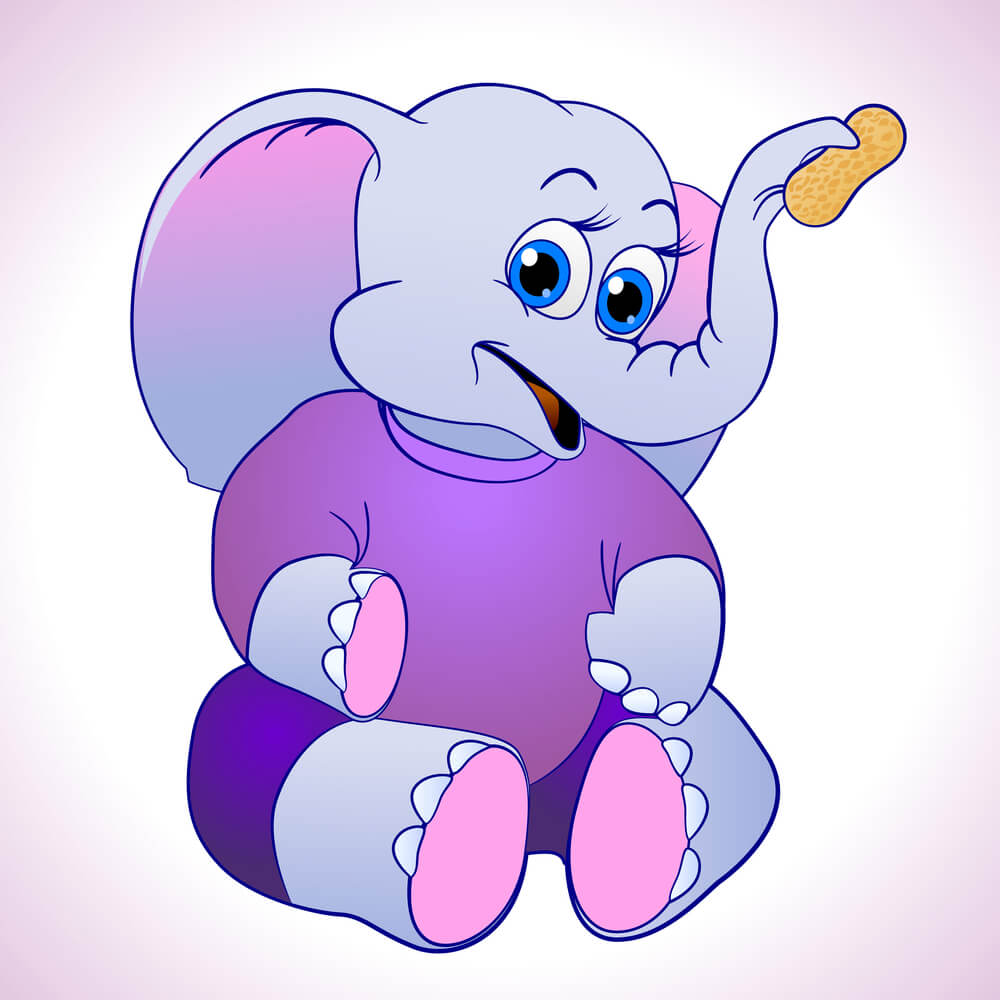
Peanut the Elephant was first produced in 1995 in a deep royal blue before Ty switched to the familiar light blue. The darker version was made only briefly, which makes it one of the genuinely scarce early Beanie Babies.
Authenticated royal blue Peanuts in strong condition often sell for 1,000 to 3,000 dollars or more. Fakes are common, and sun-faded or dyed light blue elephants are sometimes passed off as the real thing.
Collectors check tag generation, fabric shade and stitching, and they usually insist on professional authentication.
Magenta Patti the Platypus
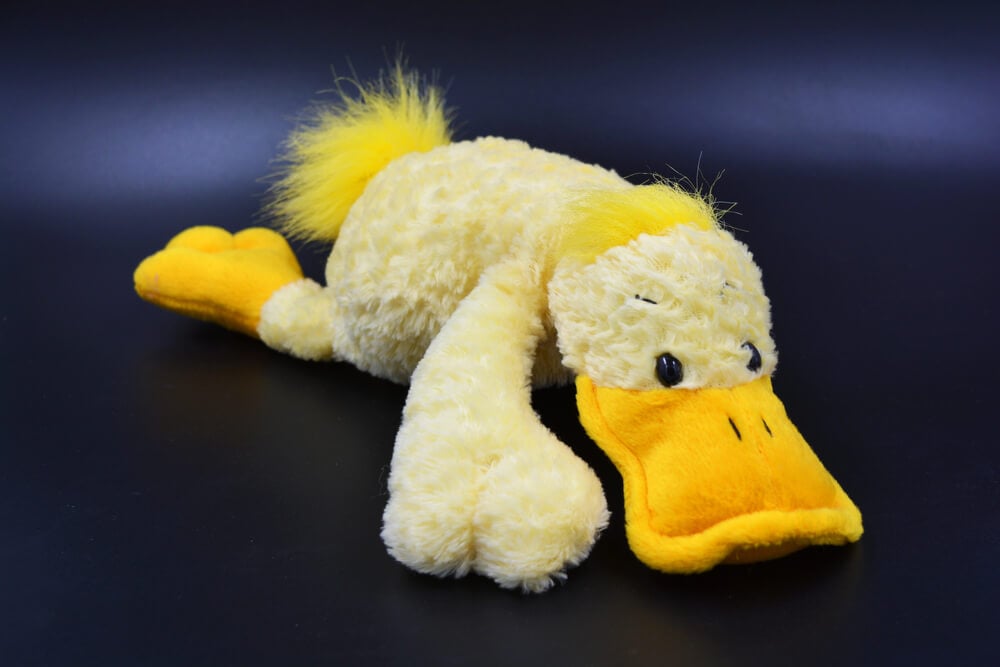
Patti the Platypus was one of the original nine Beanie Babies introduced in 1993, and her first production run came in a deep magenta, sometimes called raspberry, before Ty changed her to a lighter purple. The early color paired with a first-generation hang tag is the version collectors want.
Those examples often sell for several hundred dollars in excellent condition. Later purple Pattis are common and worth only a few dollars.
Tag condition matters as much as the plush itself, and a missing heart tag can erase most of the value.
The Original Nine With First-Generation Tags
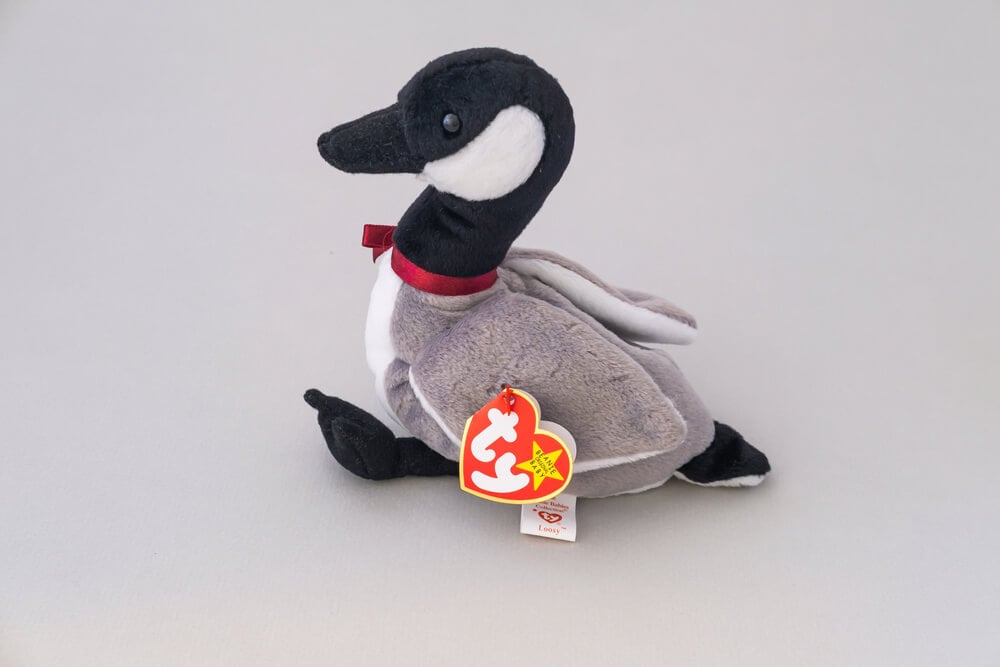
Ty Warner introduced the first Beanie Babies at a toy fair in 1993, and the original nine included Legs the Frog, Squealer the Pig, Chocolate the Moose, Flash the Dolphin and Splash the Whale, along with four others that later developed famous variations of their own. The earliest versions carry a single-sided heart-shaped hang tag known as a first-generation tag.
Those tags are the key to value, since the same animals stayed in production for years with later tags. Pieces with crisp first-generation tags often sell for 100 to several hundred dollars, while bent, torn or missing tags drop them to modest prices.
Spot the Dog Without a Spot
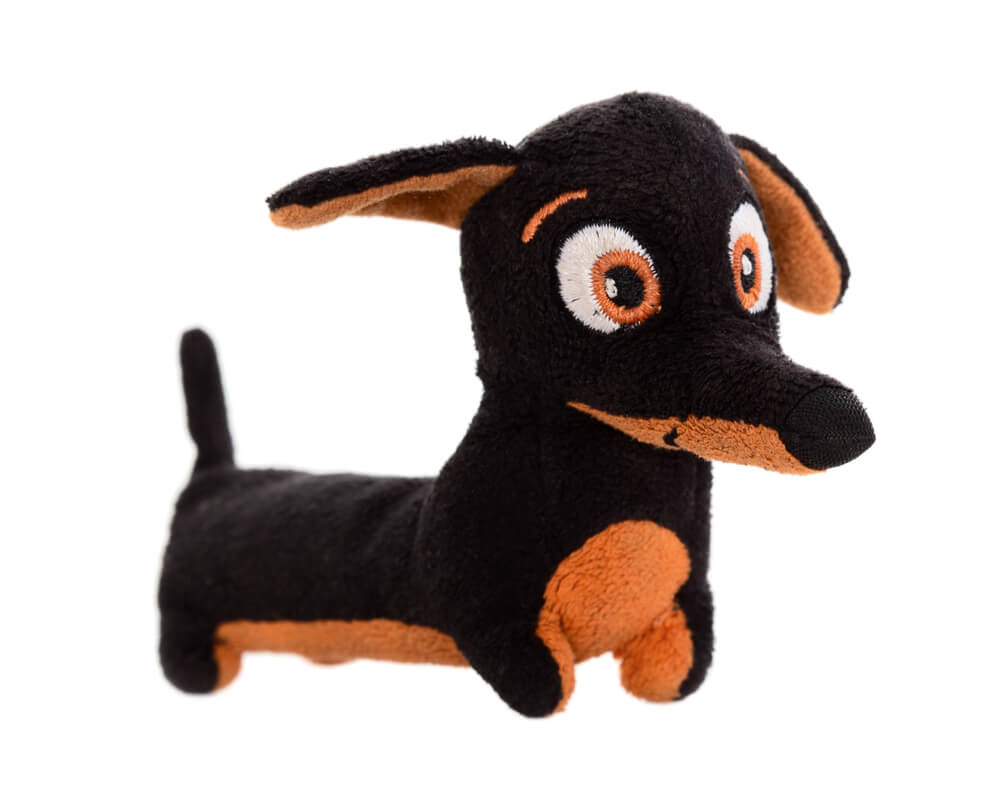
Spot the Dog was one of the original nine, and the earliest version had no black spot on its back, which made the name a bit puzzling. Ty added the spot in 1994, and the spotless version became a recognized early variation.
Authentic spotless Spots with early tags often sell for several hundred to over a thousand dollars, depending on condition. Fakes exist, so collectors check fabric, stitching and tag details carefully.
Missing or damaged tags reduce value significantly, and later spotted versions are worth only a few dollars.
Brownie the Bear

Cubbie the Bear began life with a different name. The earliest version carried a hang tag reading Brownie, and Ty soon renamed the bear Cubbie.
Brownie-tagged bears are rare and often sell for several hundred to over a thousand dollars, depending on tag condition. The plush itself looks like any other brown bear, so the tag carries almost all the value.
Collectors check for authentic first-generation tags, since reproduction tags and swapped tags are known problems. Cubbie later became a promotional giveaway at Chicago Cubs games, which keeps that version plentiful.
Nana the Monkey
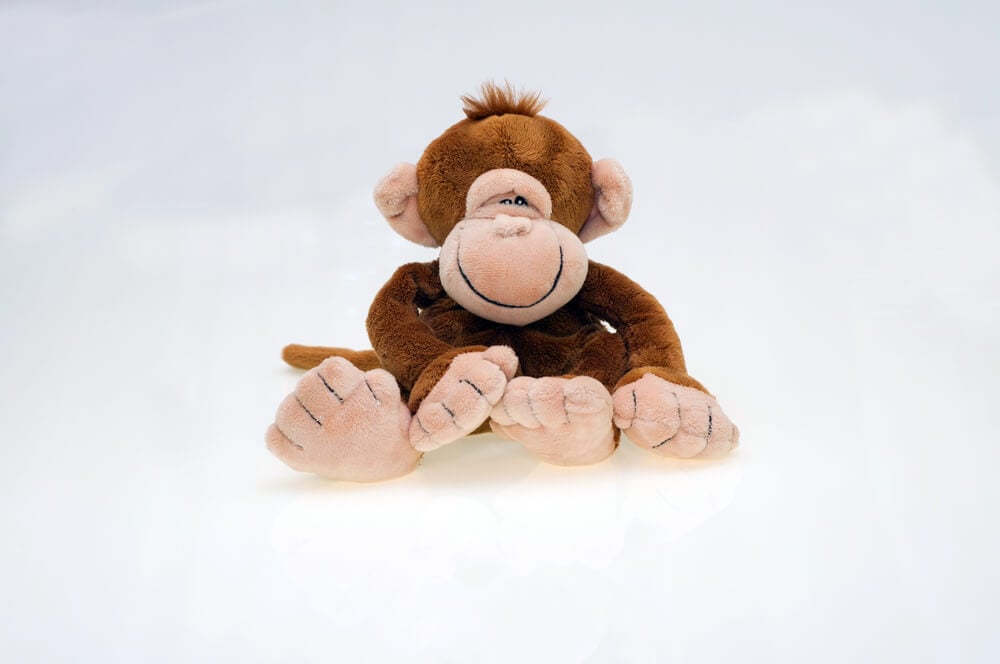
Bongo the Monkey was first released with a hang tag reading Nana, before Ty changed the name. The Nana version was made only briefly, which makes it one of the scarce early name variations.
Authentic Nana-tagged monkeys often sell for several hundred to over a thousand dollars, depending on condition. Because the plush matches later Bongos, collectors scrutinize tags carefully for signs of tampering.
Bongo itself went through tail color variations, and those later versions sell for modest prices, so the tag decides almost everything.
Wingless Quackers the Duck
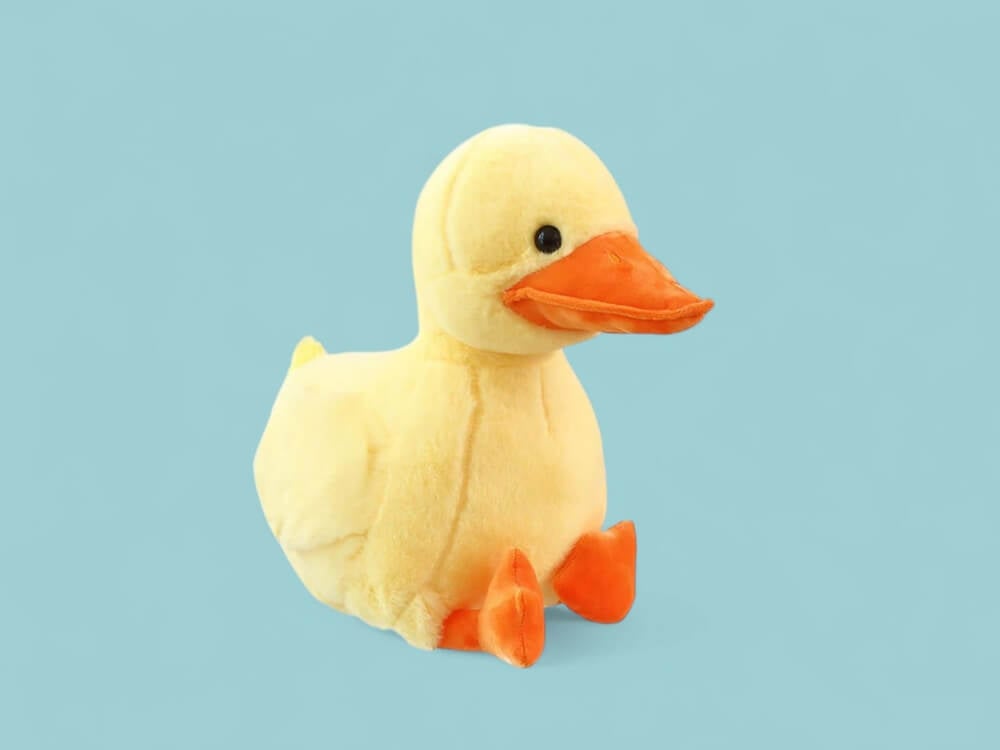
Quackers the Duck first appeared in 1994 without wings, and the early tag spelled his name Quacker, without the final s. Ty soon added a pair of yellow wings and corrected the name, making the wingless version one of the most recognizable early variations in the entire line.
Authentic wingless examples with early tags often sell for several hundred dollars or more, depending on condition. The winged version that followed is common and inexpensive.
Collectors check the side seams for signs of removed stitching, since some sellers clip the wings off later ducks to fake the rarer version.
Humphrey the Camel
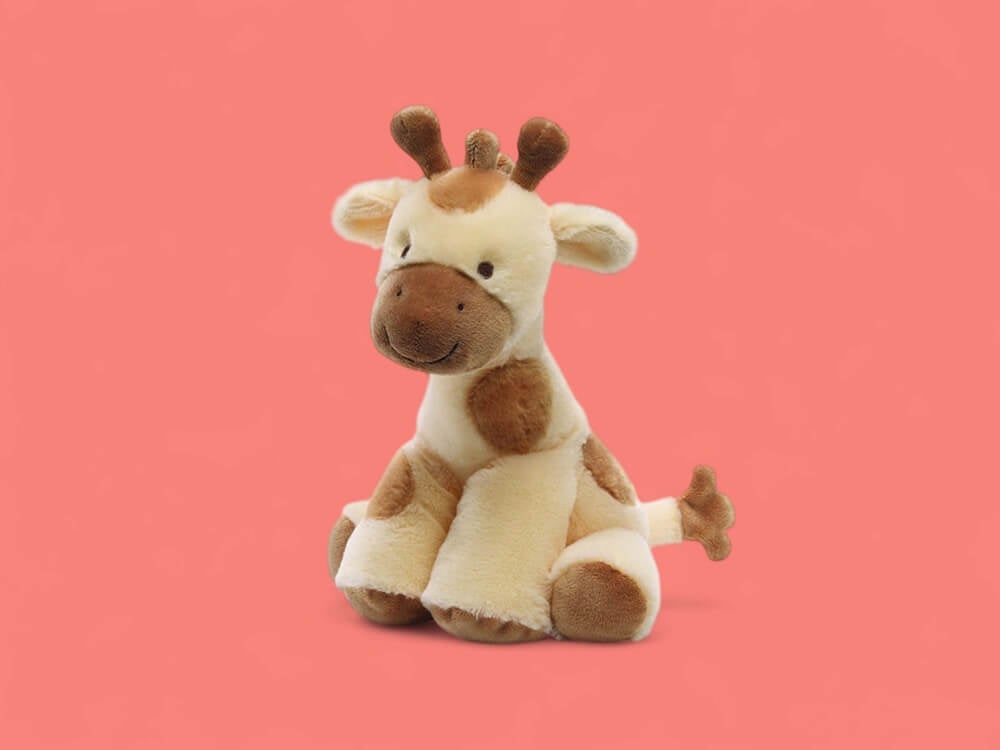
Humphrey the Camel was retired in 1995, making him one of the earliest Beanie Babies to leave production, well before most collectors were paying attention. His short run and early tags make him more valuable than nearly all later releases, and the tan camel with a single soft hump is easy to recognize at a garage sale.
Examples with early tags in excellent condition often sell for several hundred dollars. Faded fabric, missing tags and worn plush reduce value.
Because he retired before the craze peaked, fewer Humphreys were saved in tag protectors, and that scarcity still shows in prices.
Old-Face Teddy Bears

Before 1995, Ty’s Teddy bears had a different face design with wider-set eyes and a pointier snout, now known among collectors as old-face Teddies. They came in six colors, including brown, cranberry, jade, magenta, teal and violet, each with a matching ribbon.
Ty updated the design to the rounder new-face version in 1995, and the old-face bears became scarce almost overnight. Examples with early tags often sell for several hundred dollars, and rarer colors can bring more.
Faded fabric and missing tags reduce value, and collectors compare face shapes side by side to confirm the early design.
Billionaire Bears Given to Employees
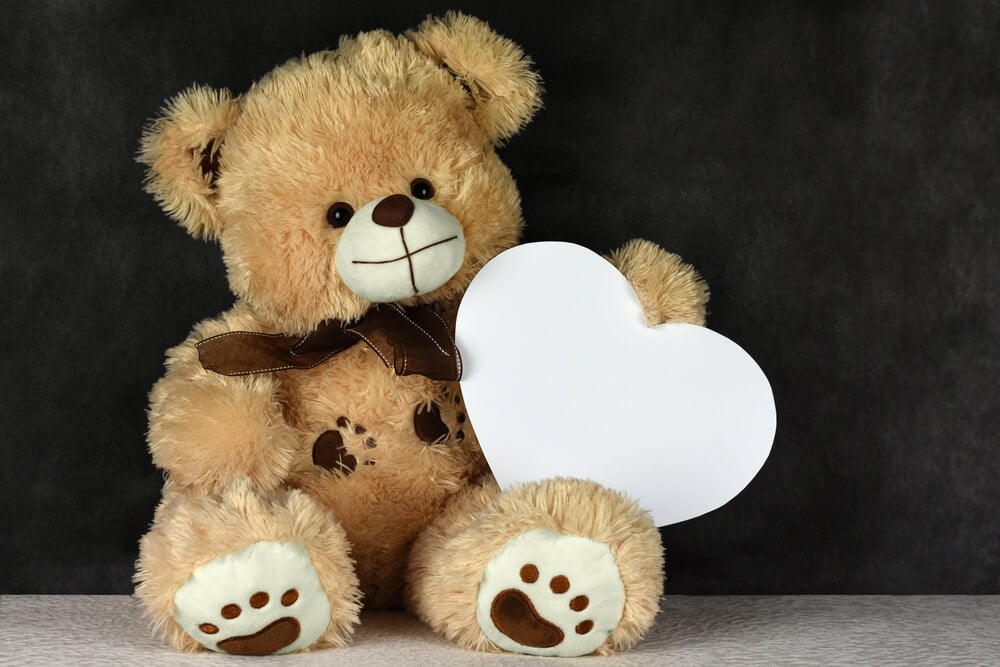
Ty Warner handed out special Billionaire Bears to Ty employees as gifts of appreciation beginning in the late 1990s, reportedly to celebrate the company’s soaring sales. The bears were never sold to the public, and each one carried a special tag, sometimes signed.
Production was tiny, which makes them among the hardest Ty pieces to find. Authentic examples often sell for several thousand dollars, depending on condition and documentation.
Fakes are a real concern, so collectors look for provenance, such as a clear link to a former employee. Damaged tags or missing paperwork can reduce value significantly.
Garcia the Tie-Dye Bear
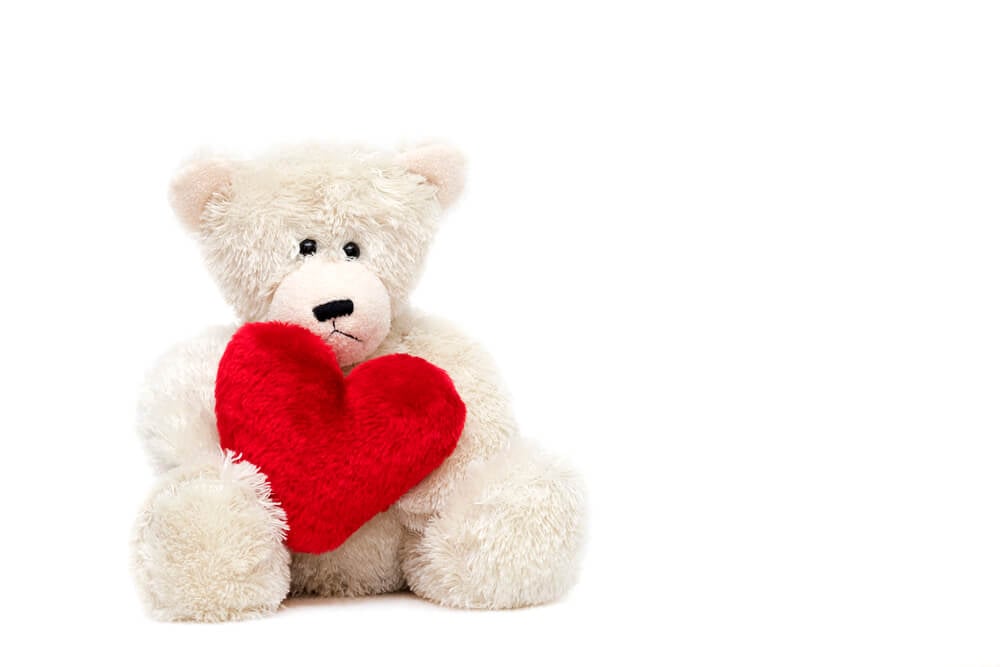
Garcia, a tie-dyed bear named for the late Grateful Dead guitarist, was released in 1996 and retired in 1997 amid reported concerns over the use of the musician’s name. Ty later used a similar tie-dye pattern for Peace, a bear with an embroidered peace sign, which is far more common.
Garcia examples with early tags often sell for 100 to several hundred dollars, depending on condition. Each tie-dye pattern is slightly different, and bright, unfaded colors bring the best prices.
Missing tags and sun-faded fabric reduce value, as does the musty smell common to attic storage.
Britannia the Bear
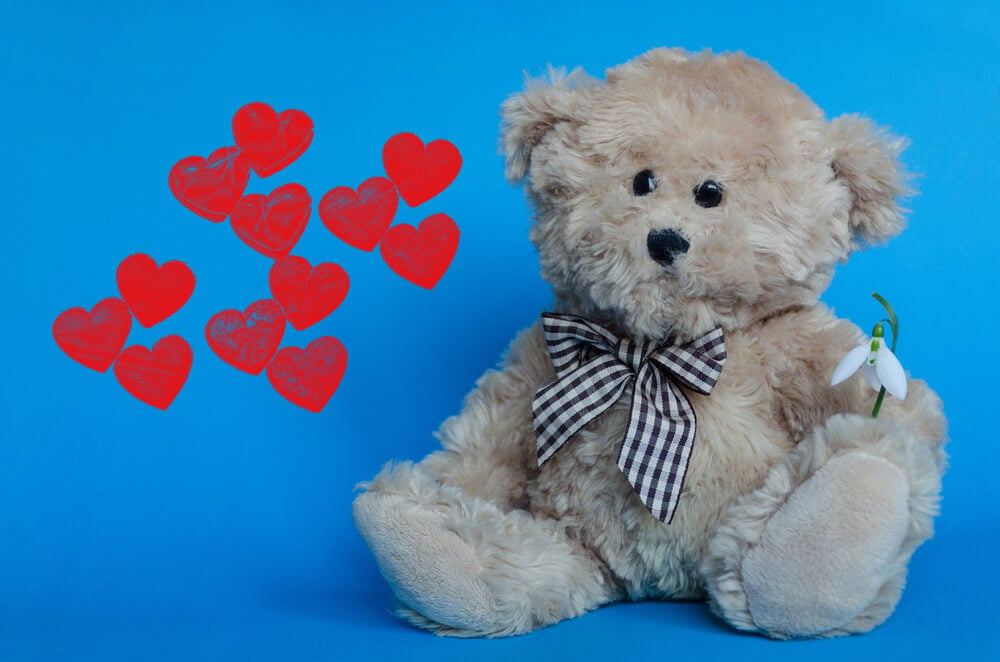
Britannia, a brown bear with a British flag on her chest, was released in 1997 as an exclusive for the United Kingdom. Because she was sold only through British retailers, few reached American collectors at the height of the craze, and plenty of Americans paid steep markups to import one.
Today, examples with early tags often sell for 100 to several hundred dollars, depending on condition. Collectors check the flag closely, since several versions exist and the details affect price.
Missing tags, loose stitching and faded fabric reduce value, and fakes made overseas are a known problem.
Maple the Bear and the Pride Tag
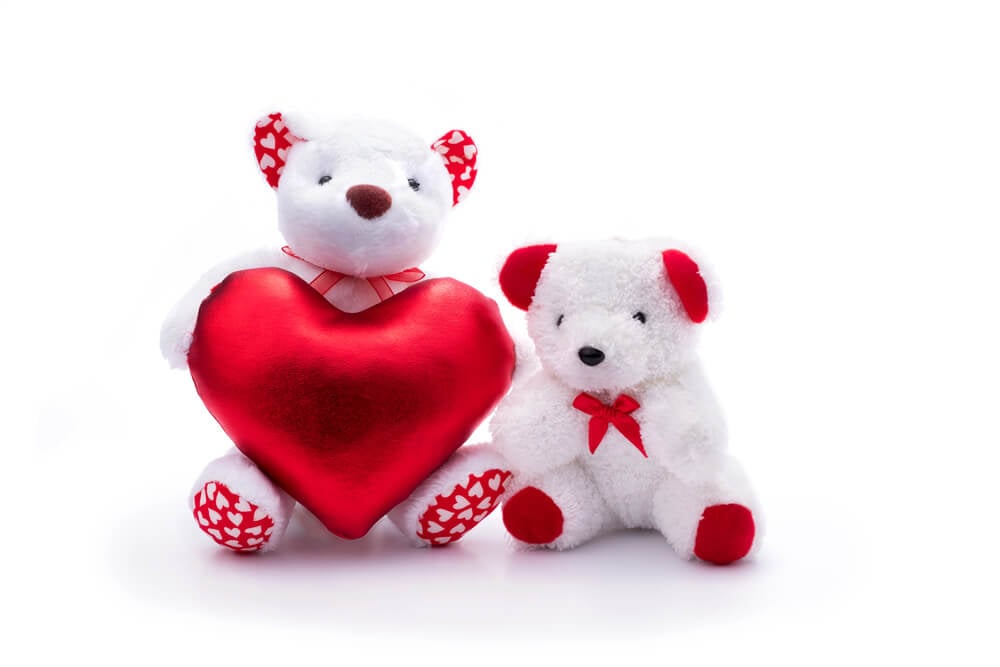
Maple, a white bear with a Canadian flag on his chest, was released in 1997 as an exclusive for Canada. Some early examples carry a sewn-in tush tag reading Pride, which was the bear’s original planned name before Ty settled on Maple.
Those Pride-tagged bears are the most valuable version, often selling for several hundred dollars or more in excellent condition. Standard Maples sell for much less.
Collectors check tags carefully, since the Pride tush tag is the key to value. White plush also shows dirt and yellowing easily, which can sharply lower the price.
Derby With a Fine Mane
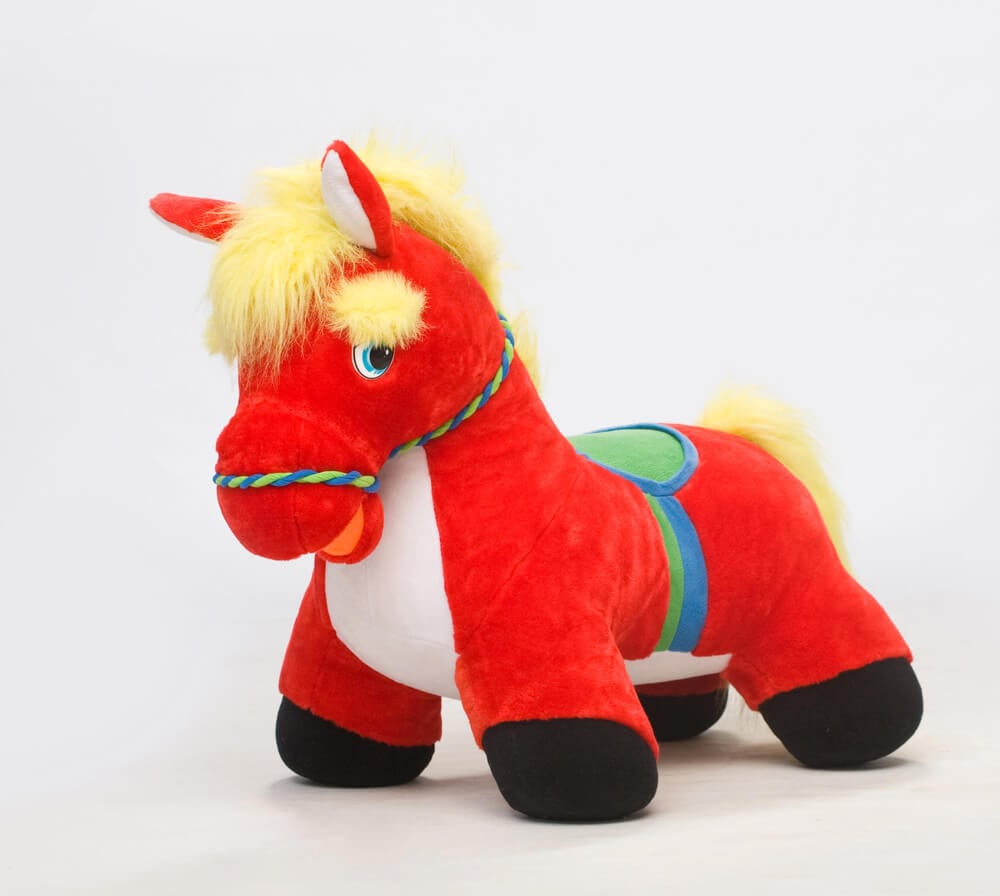
Derby the Horse was first released in 1995 with a mane and tail made of fine, thin yarn, which Ty later changed to a thicker, coarser yarn. The fine-mane version had a short run and is considered one of the scarcer horse variations, often selling for several hundred dollars or more, depending on condition.
Collectors check yarn texture and tag generation to confirm the early version. Matted yarn, missing tags and worn plush reduce value.
Later coarse-mane Derbys, including versions with a white star on the forehead, are common and inexpensive.
Inch the Inchworm With Felt Antennae
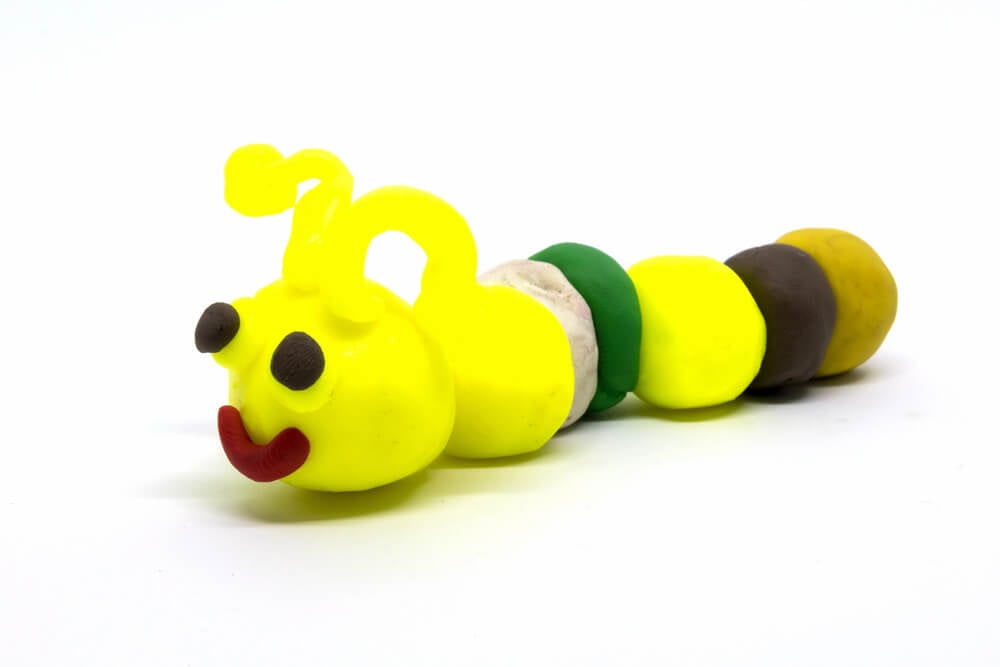
Inch the Inchworm, a rainbow-striped bug, was first released with small felt antennae, which Ty later replaced with black yarn antennae. The felt version is the early variation collectors seek, and examples often sell for 100 to several hundred dollars, depending on condition.
Collectors check antennae material carefully and confirm the tag generation matches the early production period. Missing tags and frayed or torn felt reduce value.
The yarn-antennae version is common and inexpensive, so the difference between a few dollars and a few hundred comes down to two tiny pieces of fabric.
Orange Digger the Crab
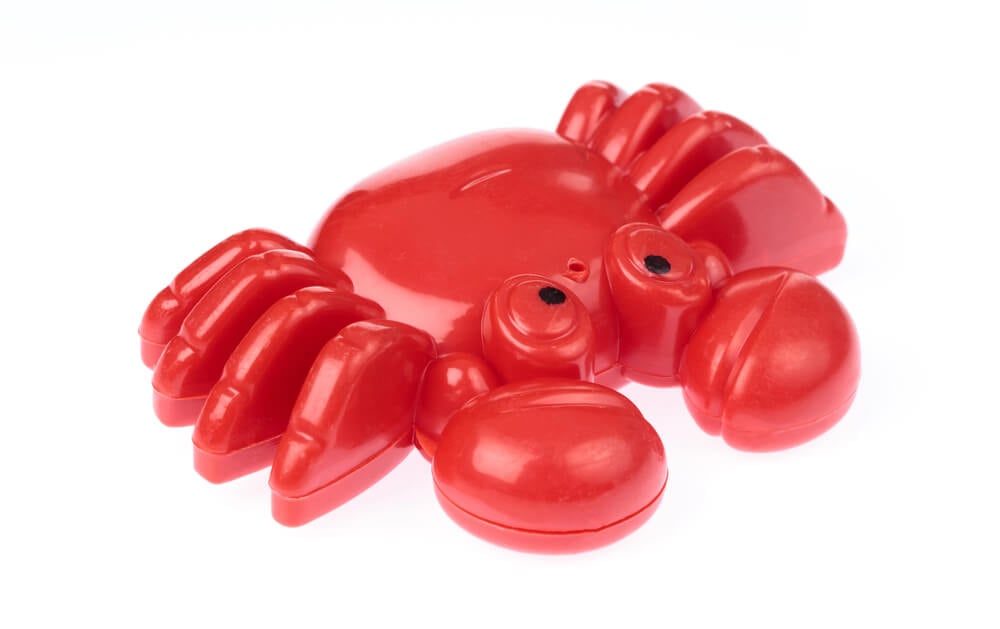
Digger the Crab was first released in a bright orange in 1994, before Ty switched the fabric to red. The orange version is the early variation collectors seek, and examples with early tags often sell for several hundred dollars, depending on condition.
Collectors check fabric color in natural light and confirm the tag generation, since a faded red crab can look orange under some lighting. Sun damage and missing tags reduce value.
The red version is far more common and less valuable, which makes careful comparison worthwhile before listing a crab for sale.
All-Black Zip the Cat
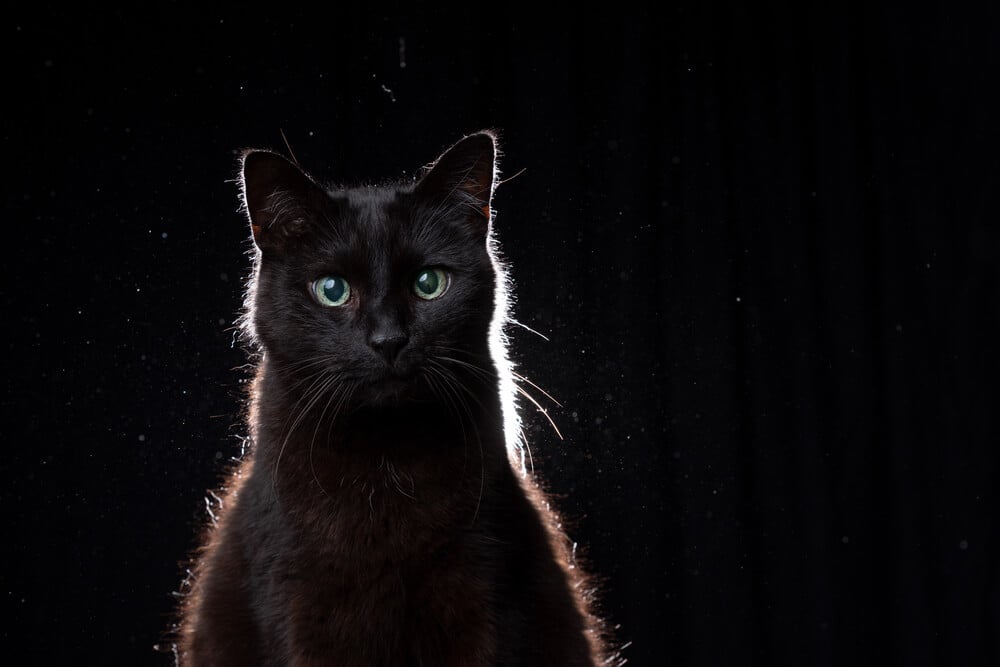
Zip the Cat went through several looks in just a few years, with Ty adding and removing white markings on the face, belly and paws. The version with no white markings at all is the scarcest and often sells for several hundred dollars or more, depending on condition.
Collectors check for the absence of any white fabric and confirm the tag generation. Missing tags and faded fabric reduce value, and black plush shows fading quickly.
Later versions with white paws are common, and they turn up constantly at thrift stores.
Tabasco the Bull
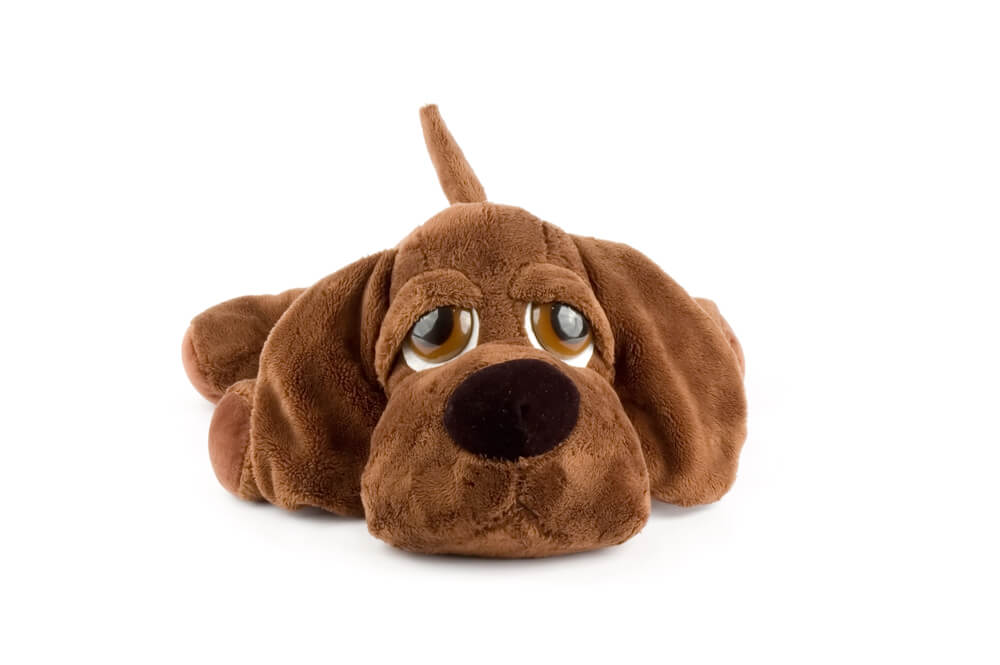
Tabasco the Bull was released in 1995 and retired in 1997, reportedly over trademark concerns with the hot sauce of the same name. Ty replaced him with Snort, a nearly identical red bull with cream-colored feet instead of red ones.
That small swap makes Tabasco easy to identify. Examples with early tags often sell for 100 to several hundred dollars, depending on condition.
Missing tags and faded fabric reduce value. Snort is far more common, and some sellers mislabel him as Tabasco, so a quick look at the feet settles the question.
Lefty and Righty
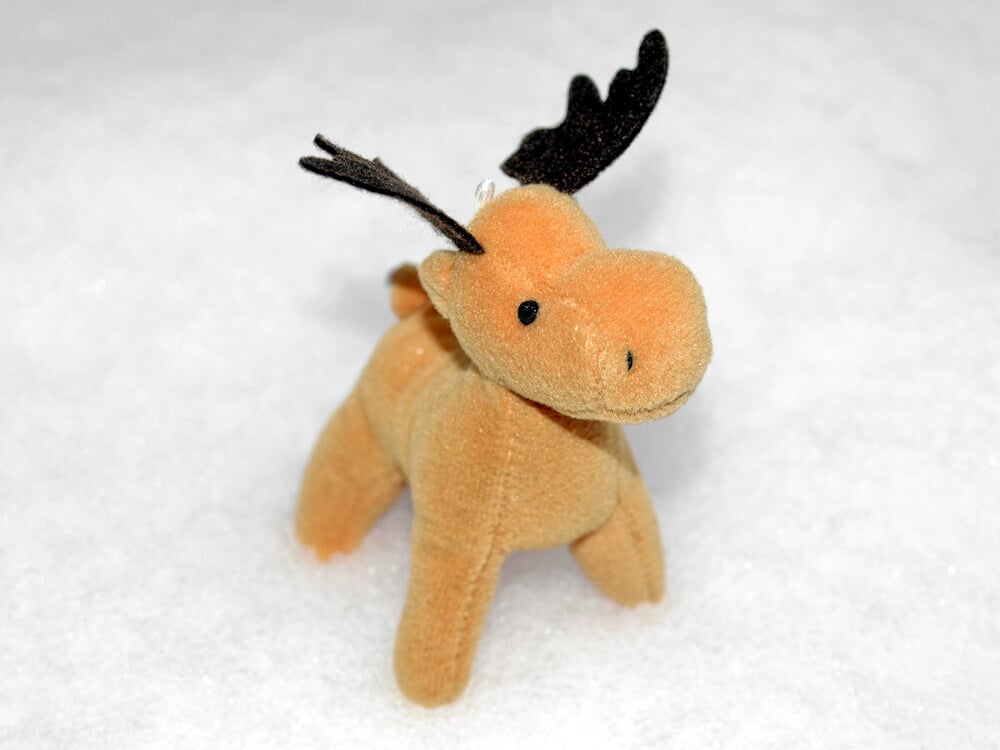
Lefty the Donkey and Righty the Elephant were released in 1996, each with an American flag patch, timed to that year’s presidential election. The political pair were retired the following year, and many collectors bought them together.
Examples with early tags often sell for 100 to several hundred dollars, depending on condition. Matched pairs with crisp tags bring the most.
Missing tags, faded flags and worn plush reduce value. The small flag patches fade easily in sunlight, so pairs kept out of the light bring a noticeable premium.
Lucky the Ladybug With Felt Spots
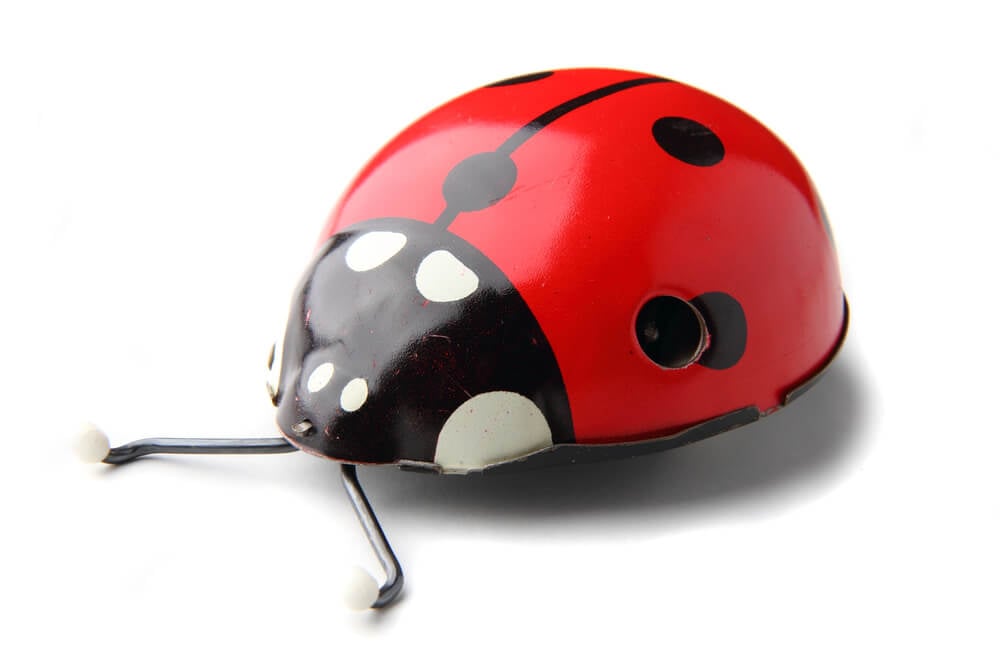
Lucky the Ladybug was first released with glued-on felt spots, a cheap shortcut that left many early ladybugs patchy as the spots peeled off over time. Ty later switched to spots printed directly on the fabric, which held up far better.
The felt-spot version is the early variation collectors seek, and examples with all spots intact often sell for 100 to several hundred dollars, depending on condition. Missing spots reduce value significantly.
Collectors check spot count, glue residue and tag generation before buying, since lost spots cannot be convincingly replaced.
Pinchers With a Punchers Tag
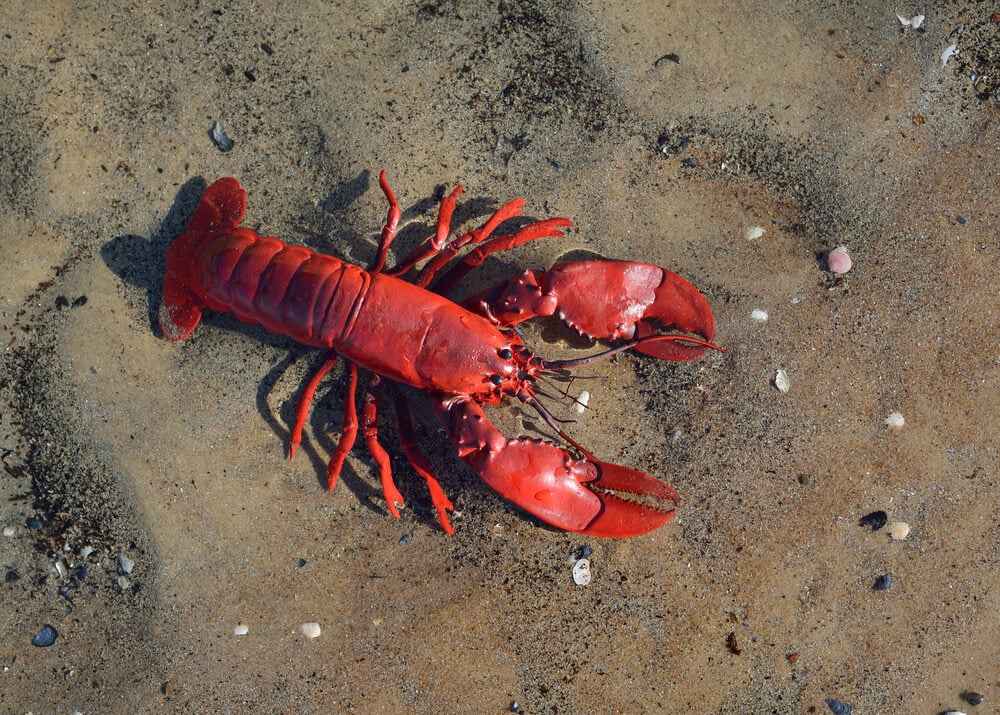
Pinchers the Lobster was one of the original nine, and some early hang tags misspelled his name as Punchers. The misspelled tag appeared on a small number of lobsters before the error was caught.
That version is rare and often sells for several hundred dollars or more, depending on condition. Collectors check tag authenticity carefully, since reproductions and swapped tags exist.
Missing or damaged tags reduce value significantly. The red lobster itself looks identical to later versions, so the tag carries nearly all of the value.
Bean Bags and the Limits of Hype
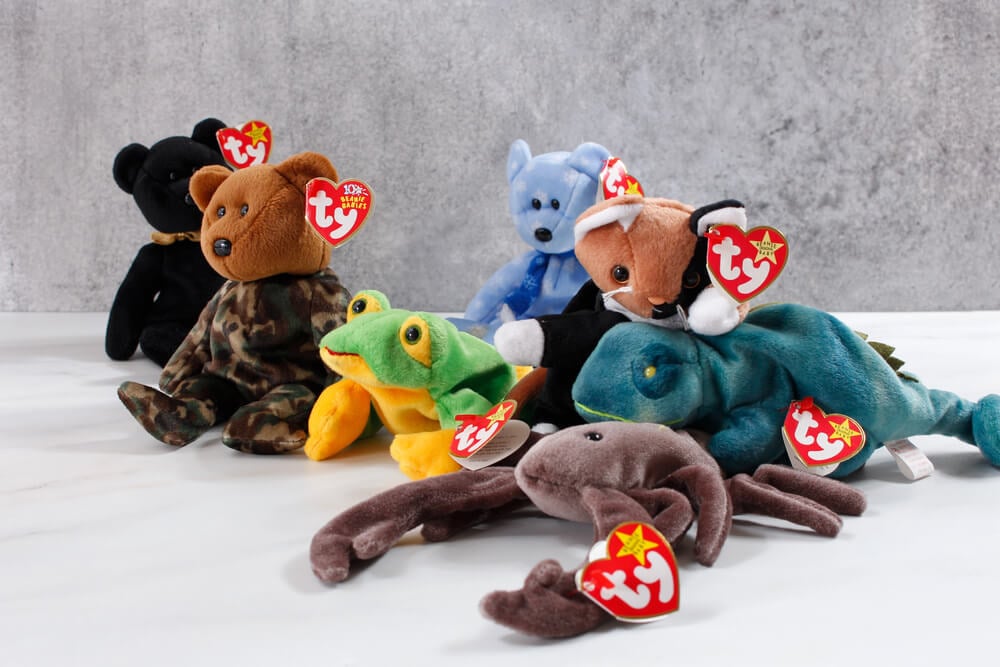
Beanie Babies became a lesson in how scarcity can be manufactured and how quickly demand can disappear. Ty retired animals on purpose, and collectors treated each retirement as a signal to buy.
Prices soared on speculation rather than actual rarity. When the frenzy ended, most of those prices collapsed.
The animals that still sell are the ones with genuine scarcity, such as early variations and limited releases. Tags matter more than the plush itself, and condition makes a large difference.
Inflated online asking prices rarely reflect real sales. The real value lies in the details most people never noticed.
More from Go2Tutors!

- The Romanov Crown Jewels and Their Tragic Fate
- 13 Historical Mysteries That Science Still Can’t Solve
- Famous Hoaxes That Fooled the World for Years
- 15 Child Stars with Tragic Adult Lives
- 16 Famous Jewelry Pieces in History
Like Go2Tutors’s content? Follow us on MSN.