16 Things You Didn’t Know About the Past Presidential First Ladies
The role of First Lady comes with no official job description, no salary, and no clearly defined boundaries. Yet for over two centuries, these women have shaped American culture, politics, and society in ways that often go unrecognized.
Behind the public ceremonies and state dinners, each brought her own personality, ambitions, and sometimes rebellious spirit to the White House. Some broke rules that hadn’t even been written yet. Others quietly revolutionized what it meant to be a woman in American public life.
Martha Washington

Martha Washington never wanted to be First Lady. She called her role a “chief state prisoner” and felt trapped by the endless public obligations.
The woman who helped establish every precedent for future First Ladies actually resented the position deeply. She missed her private life at Mount Vernon and complained bitterly in letters about the formal protocols surrounding her every move.
Abigail Adams

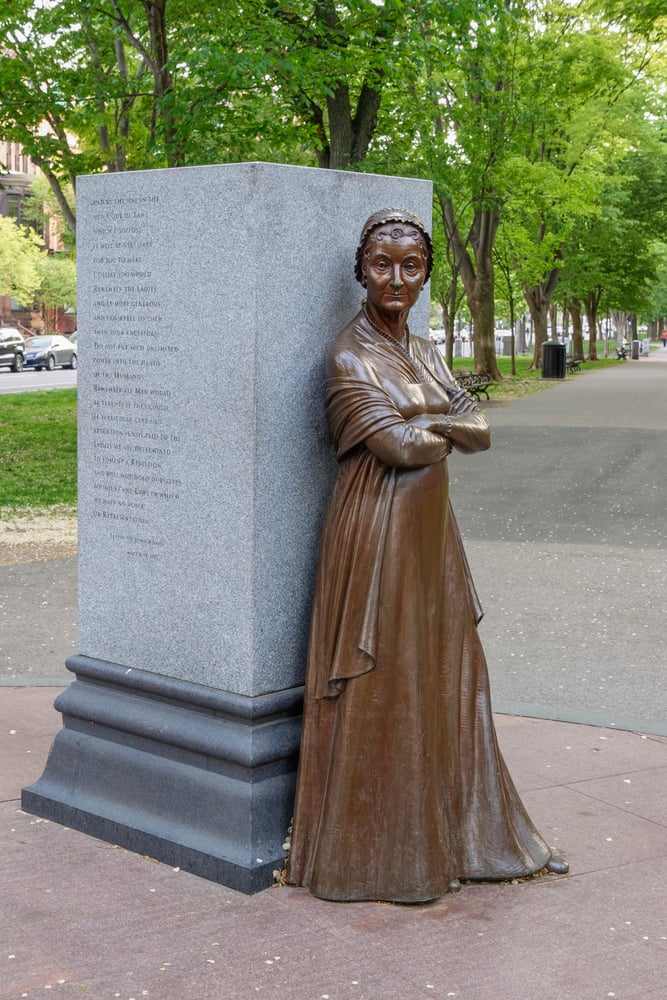
The woman behind “remember the ladies” was far more radical than history books suggest (and far more direct than her famous diplomatic husband ever was when it came to stating exactly what she thought). And yet she ran the family farm, managed all finances, raised four children essentially as a single mother while John traveled for months on diplomatic missions, and still found time to write over 2,000 letters that historians now consider some of the finest political commentary of the era — which is saying something, given that she was competing with the likes of Jefferson and Hamilton for sharp political insight.
But here’s what most people miss entirely: she was also one of the first Americans to argue that political parties would destroy the country.
Dolley Madison
Dolley Madison saved more than just George Washington’s portrait from the British. She also rescued state papers, important documents, and White House furnishings.
But the portrait gets all the attention. She had about two hours to evacuate before British troops arrived, and she spent that time methodically preserving American history rather than just grabbing personal belongings.
Elizabeth Monroe
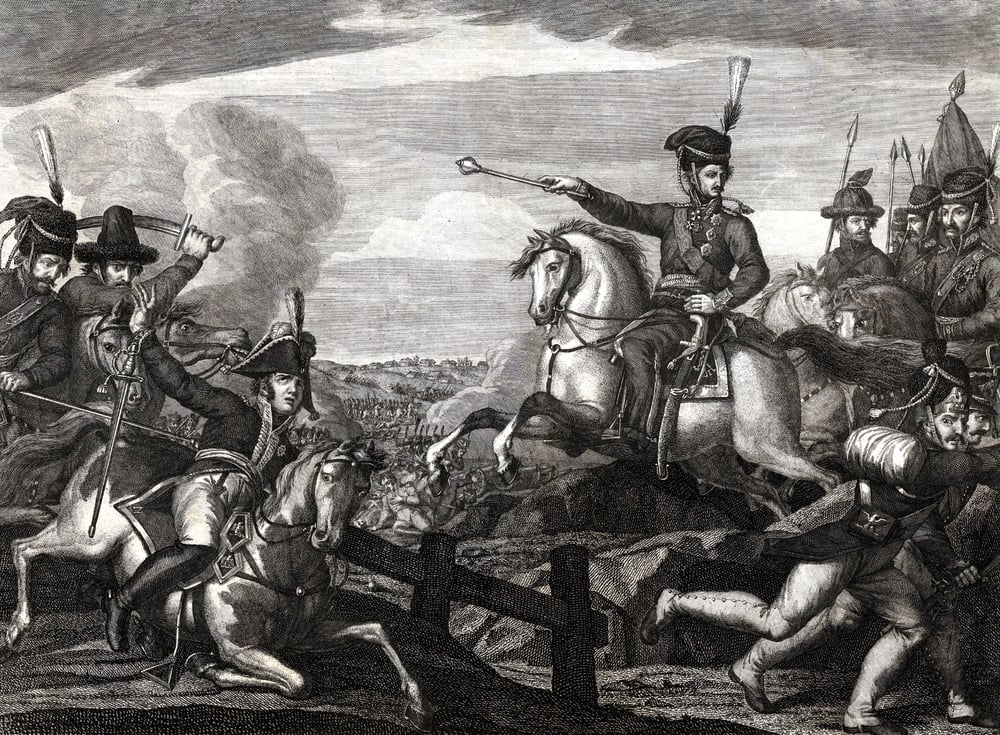
Elizabeth Monroe lived through the French Revolution as an American diplomat’s wife in Paris, and those years left her with a quietly radical perspective on what women could accomplish when pushed to extremes. She had watched French women become political forces during the Terror, had seen them organize, protest, and reshape society in ways that American women hadn’t yet imagined.
When she returned to become First Lady, she brought a European formality that annoyed Washington society — but also a steely independence that came from watching a world turned upside down. Monroe refused to make social calls, ignored the established customs of Washington wives, and ran the White House exactly as she pleased. She had survived revolution; she wasn’t about to be intimidated by social expectations.
Louisa Adams
Born in London to an American father and British mother, Louisa Adams remains the only First Lady born outside the United States. She spoke French fluently, played the harp beautifully, and wrote poetry that was actually good.
Her husband John Quincy Adams was notoriously difficult to live with, and she suffered multiple miscarriages that left her frequently depressed.
Rachel Jackson
Rachel Jackson died before her husband’s inauguration, but the attacks on her character during the 1828 campaign were so vicious that Andrew Jackson blamed his political enemies for her death. The controversy centered on her previous marriage and divorce, which opponents used to paint her as an adulteress.
Jackson spent the rest of his presidency seething about the treatment his wife had received from the press and political establishment.
Hannah Van Buren
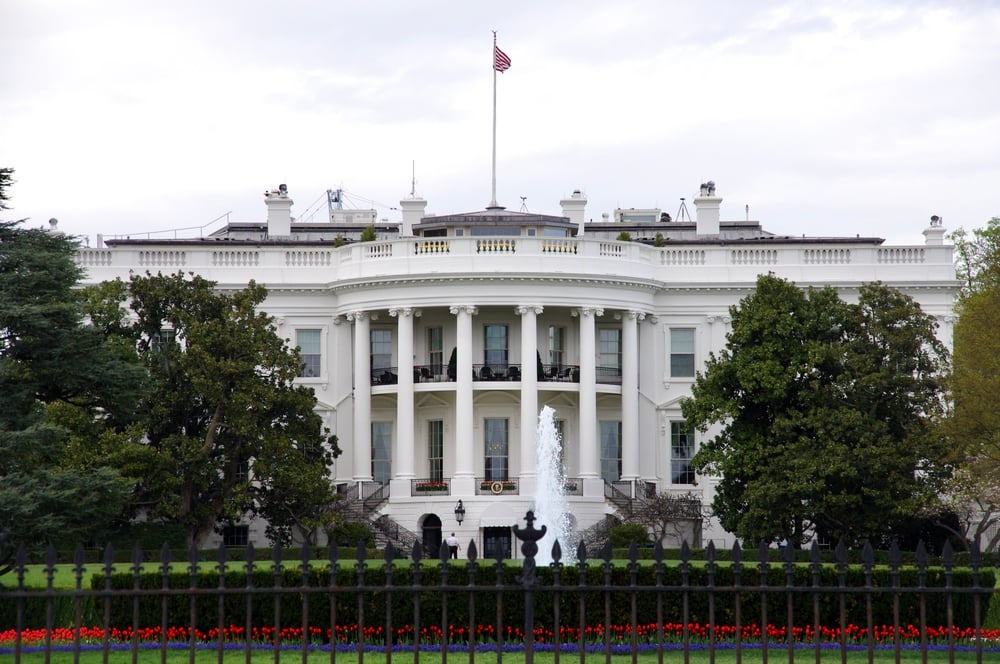
Hannah Van Buren died 18 years before her husband became president, making Martin Van Buren the only president to serve his entire term as a widower. She never lived to see the White House, never experienced the role of First Lady, and yet her absence shaped Van Buren’s presidency in unexpected ways.
Without a wife to help navigate Washington’s intricate social politics, Van Buren relied heavily on his daughter-in-law Angelica, who stepped into the role with enthusiasm — and who happened to be related to Alexander Hamilton, which created some interesting political dynamics.
Anna Harrison
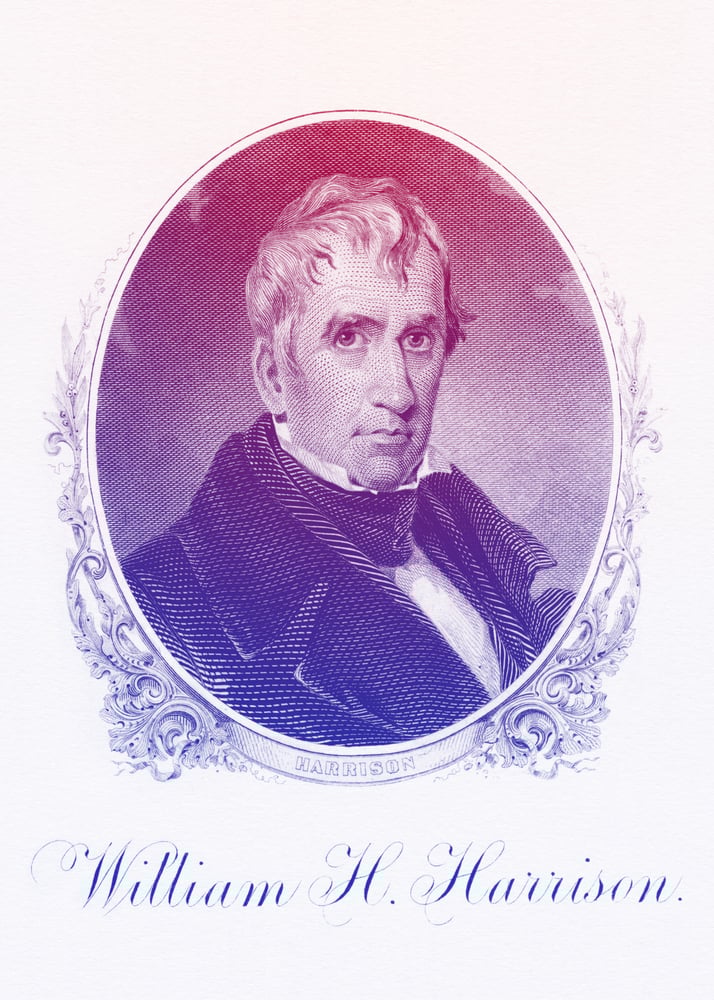
Anna Harrison holds the distinction of being the First Lady for the shortest period in American history — exactly 31 days. Her husband William Henry Harrison died of pneumonia after delivering the longest inaugural address in presidential history during a cold, wet day in March.
She never even made it to Washington, staying home in Ohio while planning her eventual move to the capital.
Letitia Tyler
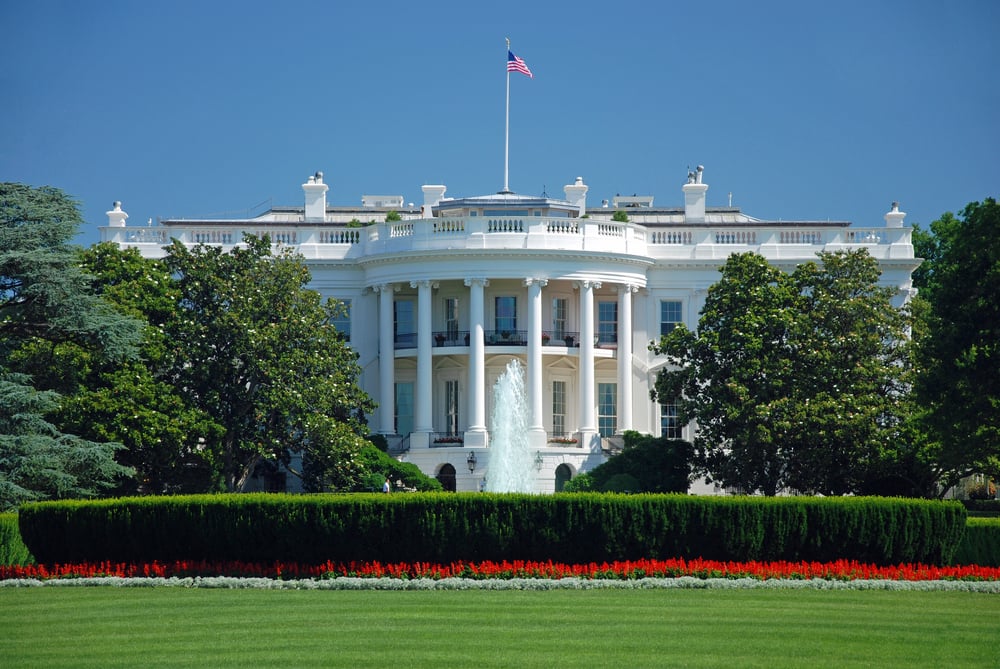
Letitia Tyler suffered a stroke in 1839 that left her partially paralyzed, and she spent most of her time as First Lady confined to the family quarters of the White House. She made only one public appearance during her husband’s presidency — at the wedding of her daughter Elizabeth.
The rest of the time, she managed White House social functions from her wheelchair, directing events she couldn’t attend and receiving visitors in her private rooms.
Julia Tyler
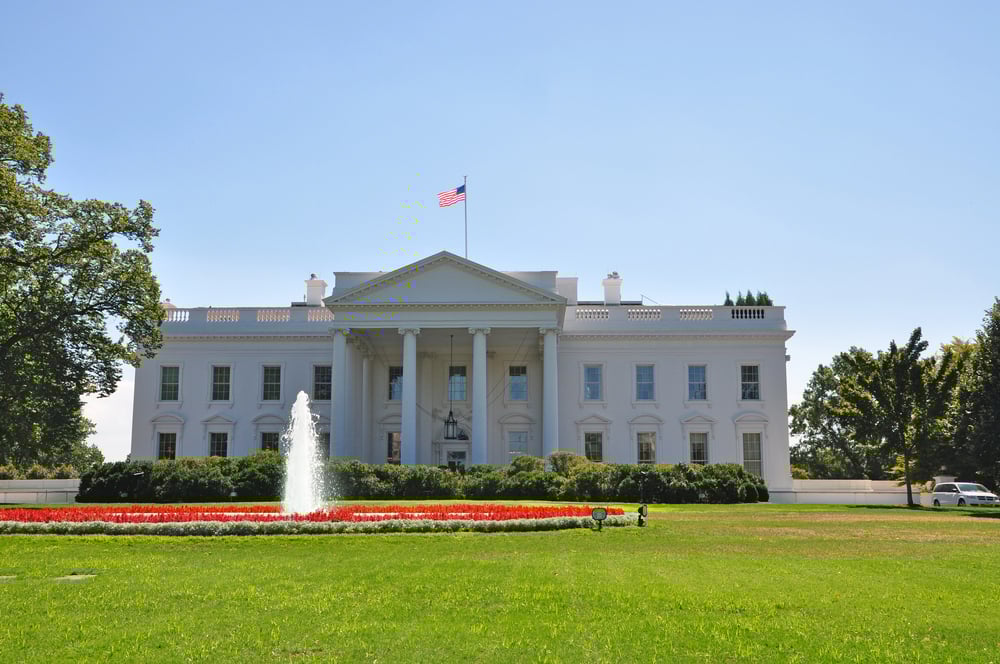
Julia Tyler was 30 years younger than her husband and brought a youthful energy to the White House that scandalized Washington society (though you have to admit that a woman who hired her own press agent and posed for advertising endorsements was ahead of her time in understanding how media attention actually worked). But the age difference everyone gossiped about wasn’t the most interesting thing about her: she was also a fierce advocate for Texas annexation, actively lobbied Congress on political issues, and basically treated the role of First Lady as if it came with real political power rather than just ceremonial duties.
And she got results — Texas was annexed during Tyler’s presidency, and Julia’s behind-the-scenes political work played a larger role than most historians acknowledge. So she was either the most politically effective First Lady of the 19th century or the most inappropriately involved, depending on your perspective.
Sarah Polk

Sarah Polk banned dancing and alcohol at White House functions. She was deeply religious and believed such activities were inappropriate for the president’s residence.
This made White House parties notably dull by Washington standards, but Polk didn’t care. She was more interested in politics than entertaining and often served as her husband’s closest political advisor.
Margaret Taylor
Margaret Taylor was so private that no confirmed photograph of her exists today. She avoided public appearances, refused to pose for portraits, and spent most of her time in the family quarters with her daughter.
When people ask why she stayed hidden, the answer is simple: she didn’t want to be First Lady and made no effort to pretend otherwise.
Abigail Fillmore

Abigail Fillmore created the first White House library because she was appalled to discover that the president’s residence didn’t have a single book (which tells you something about the intellectual priorities of previous administrations, though to be fair, most presidents before Fillmore weren’t exactly known for their literary interests). She convinced Congress to appropriate $2,000 for books and personally selected every volume, focusing on American history, classic literature, and reference works rather than the light novels that were popular at the time.
The library became her retreat from White House social obligations, and she often spent hours there reading while avoiding the endless stream of visitors and ceremonial duties that came with being First Lady. Turns out a woman who had worked as a schoolteacher before marriage knew exactly what kind of books a president should have access to.
Jane Pierce
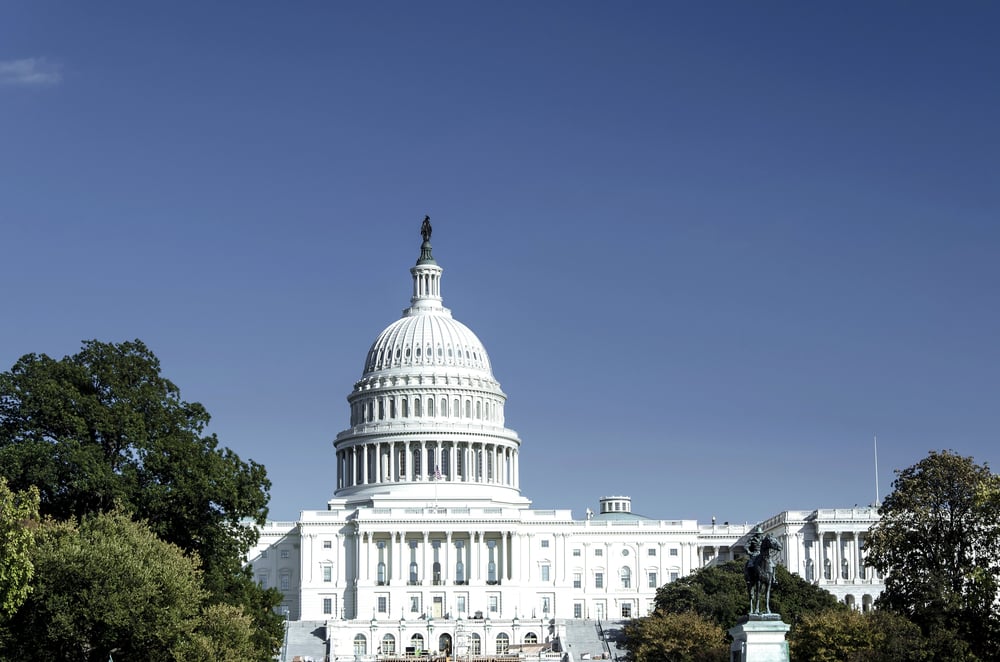
Jane Pierce fainted when she learned her husband had won the presidency. She had hoped Zachary Taylor would win and spent the entire campaign praying for Franklin’s defeat.
The death of their 11-year-old son in a train accident just two months before the inauguration sent her into a depression that lasted throughout Pierce’s presidency.
Harriet Lane

Harriet Lane was James Buchanan’s niece, not his wife — Buchanan was the only bachelor president. She was 27 when she became the White House hostess and had already spent several years in London as part of Buchanan’s diplomatic household.
Lane was popular with Washington society and managed to maintain the White House’s social calendar even as the country headed toward civil war.
Mary Todd Lincoln
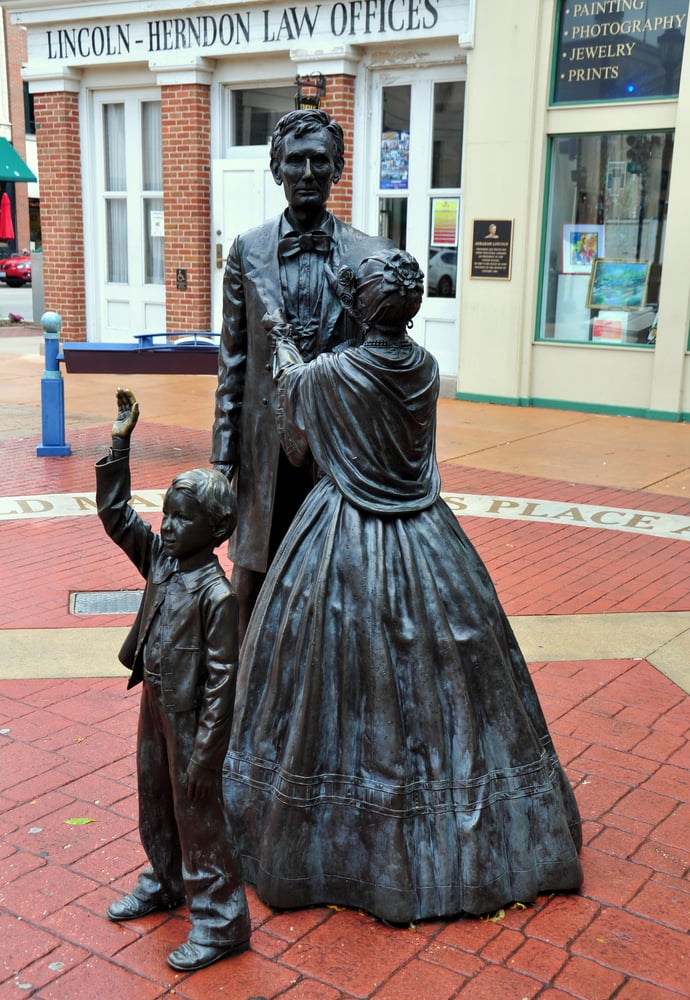
Mary Todd Lincoln held séances in the White House, trying to contact their deceased son Willie. She was fascinated by spiritualism and the occult, which provided her some comfort during the Civil War years.
Abraham Lincoln occasionally attended these sessions, though he remained skeptical. Mary’s interest in the supernatural was considered strange by Washington society, but it was her way of coping with grief and the enormous pressures of wartime.
The Legacy Lives On
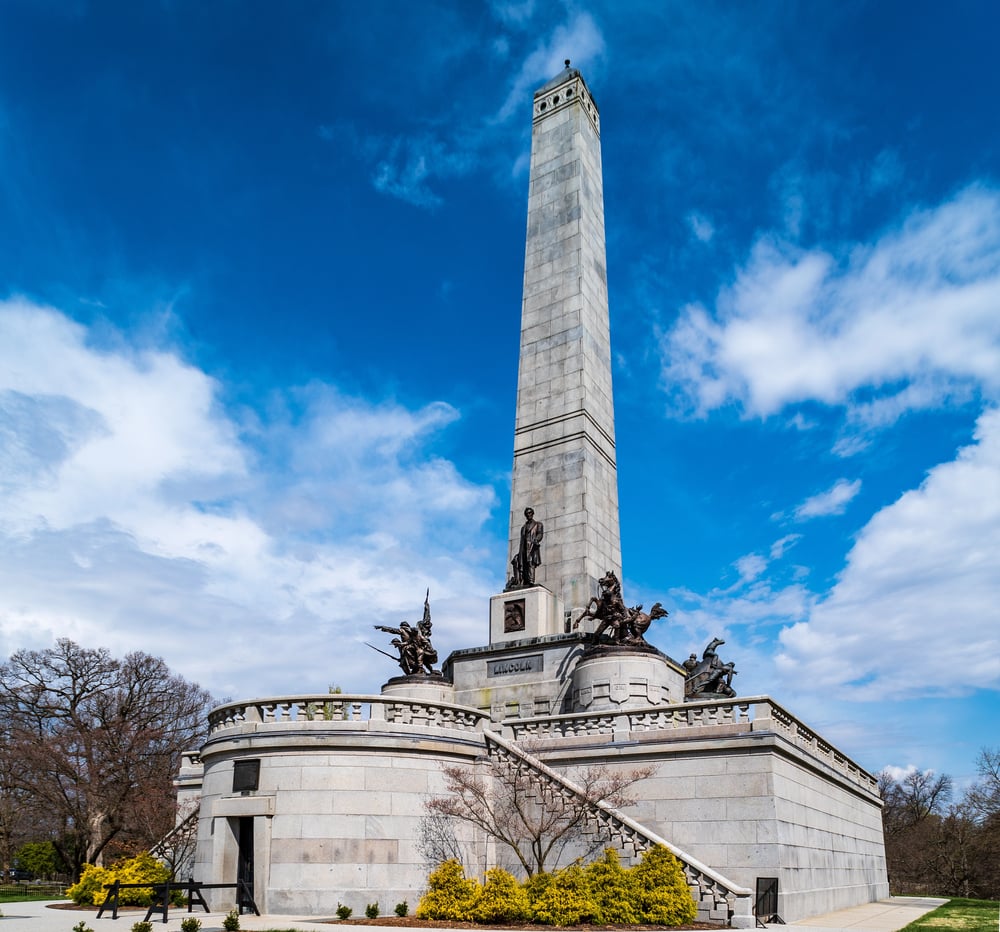
These women navigated an impossible role with no handbook, no precedent, and often no support from a political establishment that didn’t quite know what to do with them. Some retreated into privacy, others seized the spotlight, and a few quietly rewrote the rules entirely.
Their stories remind us that history is made not just by presidents and generals, but by the women who stood beside them — and sometimes ahead of them — shaping the country in ways both subtle and profound. Each one carved out her own version of what it meant to be America’s most visible woman, creating a legacy that continues to influence the role today.
More from Go2Tutors!

- The Romanov Crown Jewels and Their Tragic Fate
- 13 Historical Mysteries That Science Still Can’t Solve
- Famous Hoaxes That Fooled the World for Years
- 15 Child Stars with Tragic Adult Lives
- 16 Famous Jewelry Pieces in History
Like Go2Tutors’s content? Follow us on MSN.



