27 Famous Landmarks With Surprising Hidden Features
Millions of people photograph the same monuments every year, and most leave having seen only the front. The best-known buildings on Earth still keep rooms, flaws, carvings and machinery that almost nobody notices.
Some of these features were hidden on purpose. Others were simply overlooked for centuries, sitting in plain view until a restorer, a scanner or a curious visitor finally paid attention.
Liberty’s Torch Balcony, Closed Since 1916
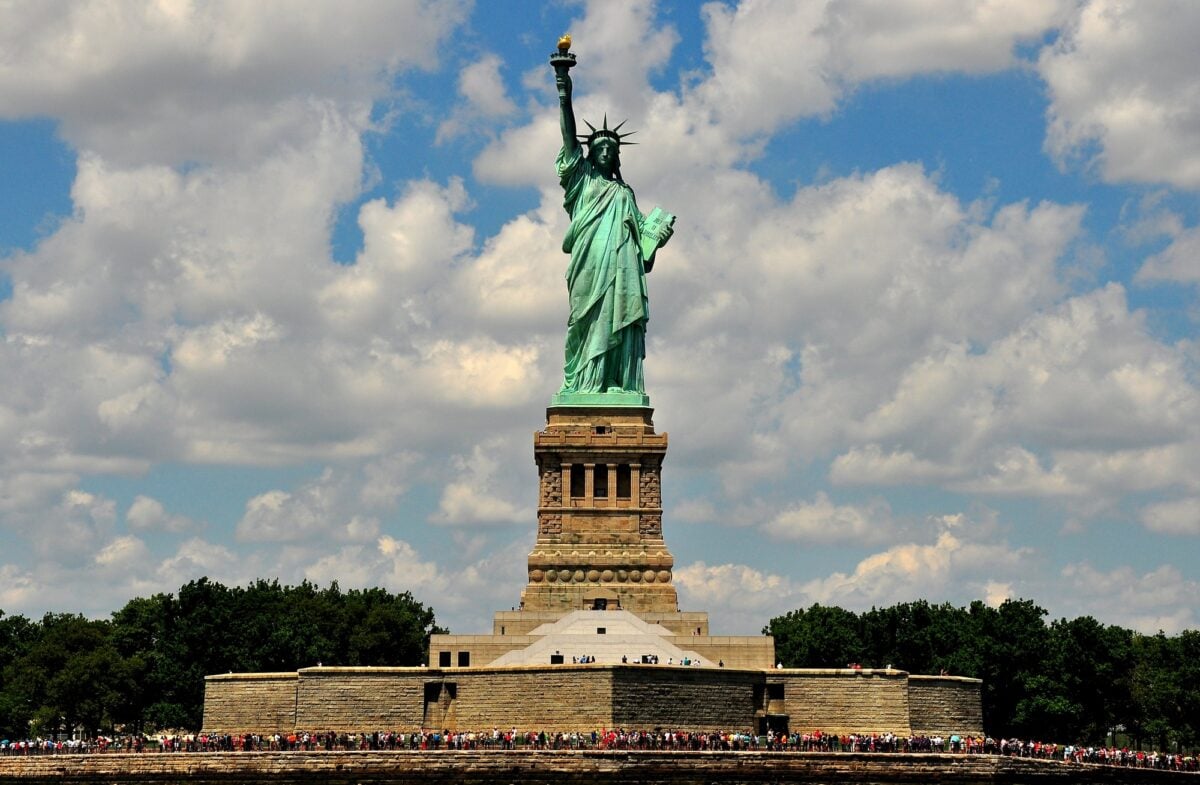
Liberty’s torch once had a public balcony, reached by a narrow ladder running up the raised arm. It closed to visitors after the Black Tom explosion of July 30, 1916, when German saboteurs blew up a munitions depot on the New Jersey waterfront and sent shrapnel into the statue. The balcony has stayed off limits ever since, although maintenance workers still climb the ladder.
The original torch was replaced in 1986 during the centennial restoration and now sits in the museum on Liberty Island, where visitors can finally stand face to face with the flame.
Gustave Eiffel’s Private Apartment Near the Summit
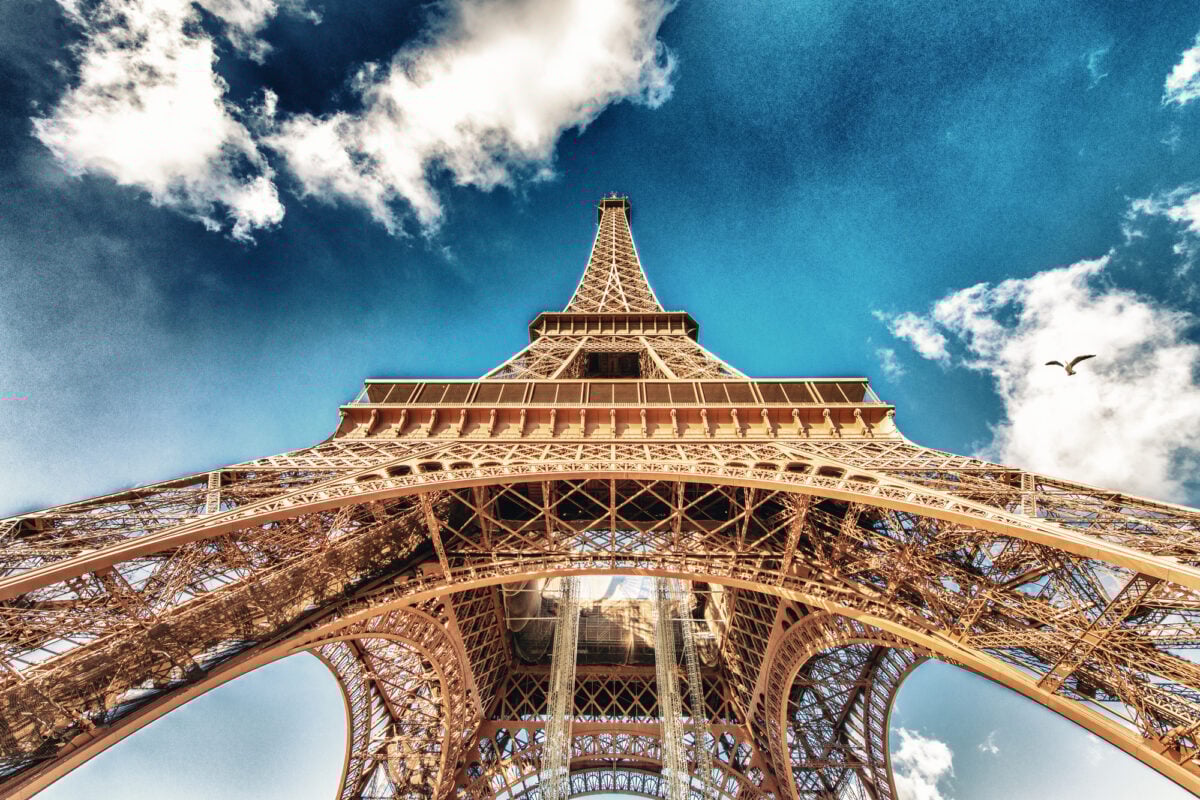
Near the top of the Eiffel Tower sits a small apartment that Gustave Eiffel kept for himself, furnished with patterned wallpaper, wooden cabinets and comfortable chairs. Parisians reportedly offered him large sums to rent it for a night, and he refused them all.
His most famous guest was Thomas Edison, who visited in September 1889 and presented Eiffel with one of his phonographs. Today the apartment can be viewed through its windows on the third level, where wax figures of Eiffel, his daughter Claire and Edison sit mid-conversation, frozen in the room as though the meeting never ended.
Mount Rushmore’s Hall of Records
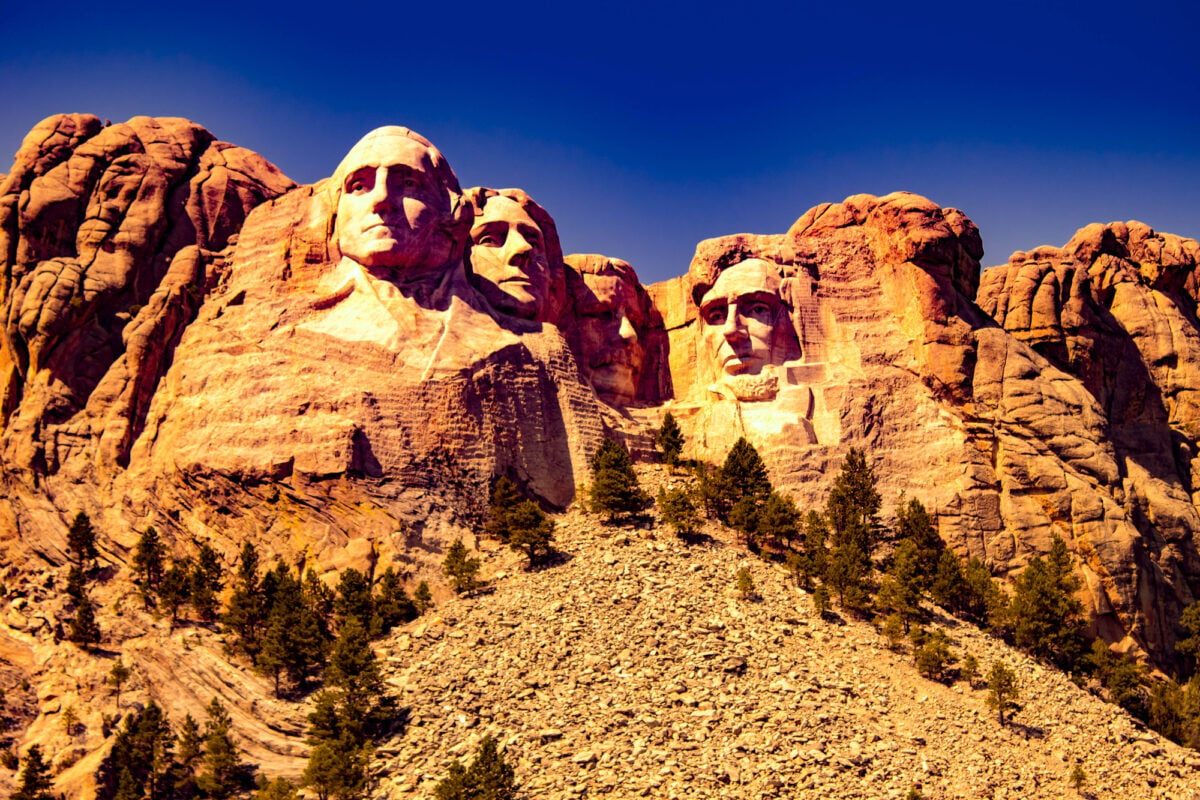
Behind the carved head of Abraham Lincoln, sculptor Gutzon Borglum began cutting a tunnel in 1938 for a grand Hall of Records that would explain the monument to future civilizations. Funding ran out, Borglum died in 1941, and the chamber was left as a rough passage about 70 feet deep.
In 1998, the National Park Service finally placed a small repository on the floor of the unfinished hall. It holds 16 porcelain enamel panels describing the carving and the four presidents, sealed in a teakwood box inside a titanium vault under a granite capstone. The public cannot visit it.
Old Pennies on Big Ben’s Pendulum
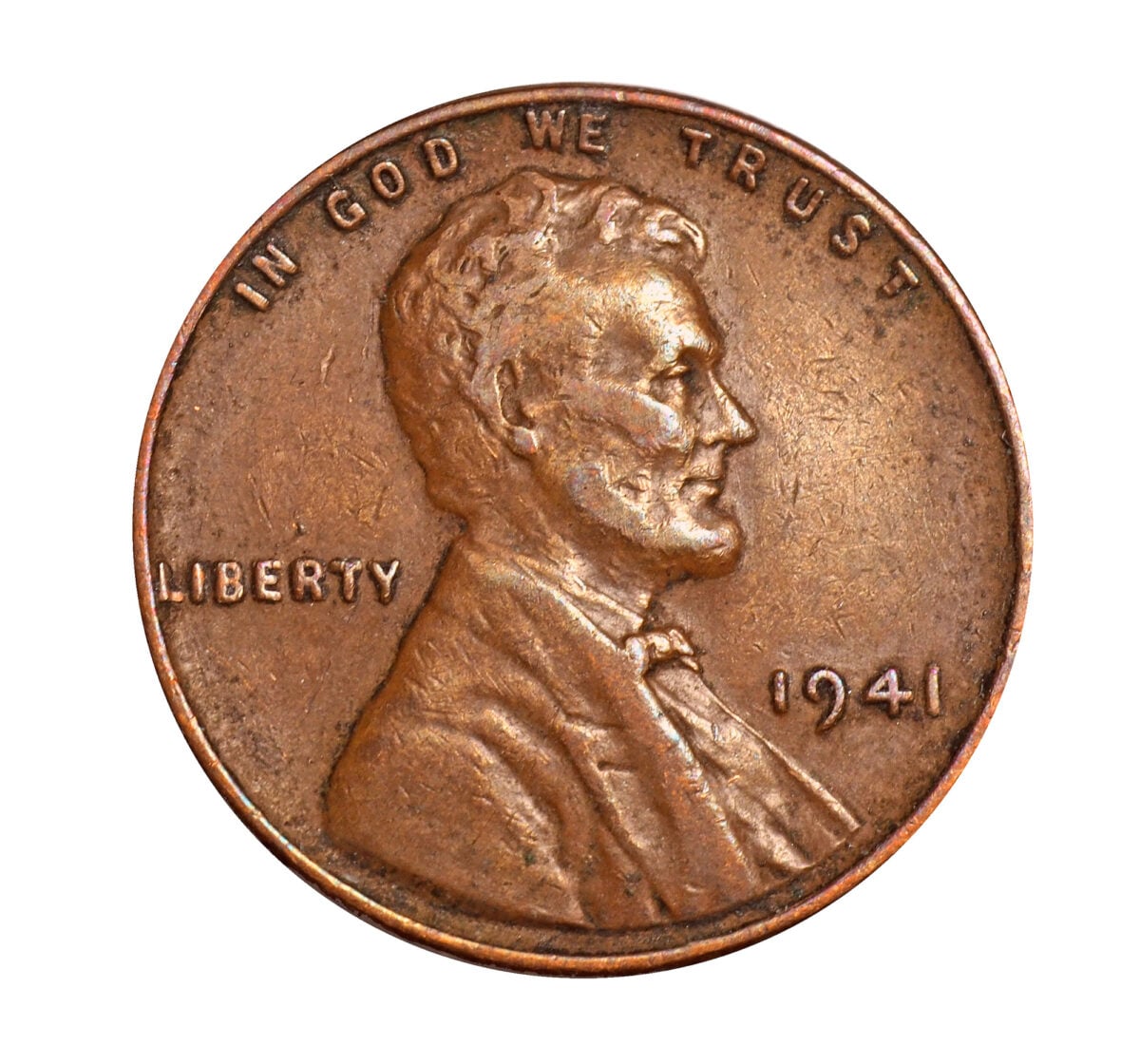
London’s Great Clock in the Elizabeth Tower, the structure most people call Big Ben, is still regulated with a surprisingly low-tech trick. A small stack of old penny coins sits on a ledge of the pendulum.
Adding a single penny shifts the pendulum’s center of mass slightly and makes the clock gain about two-fifths of a second per day, while removing one slows it down. Clockkeepers use this method to keep the clock accurate within a second or two.
During major restoration work, the pennies are removed and carefully recorded so the adjustment can be restored afterward.
Grand Central’s Dirty Rectangle
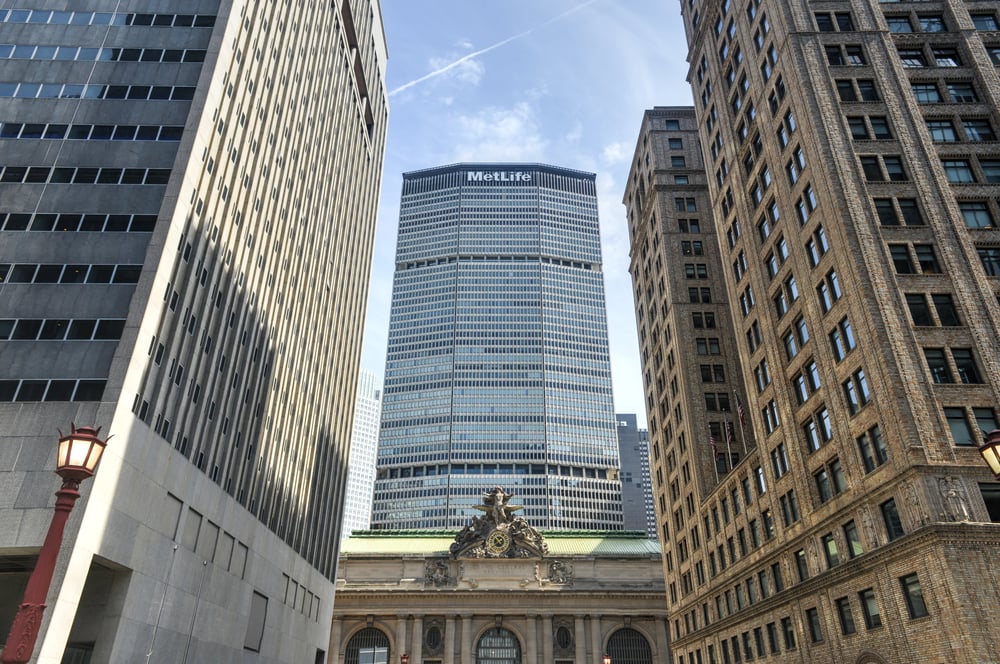
When the ceiling of Grand Central Terminal’s main concourse was restored in the 1990s, workers scrubbed away decades of grime to reveal the blue-green sky mural and its gold constellations. They deliberately left one small dark patch untouched near the northwest corner.
It shows how filthy the ceiling had become, mostly from tar and nicotine drifting up from generations of commuters. The mural hides another oddity as well, because the constellations are painted in reverse, as if seen from outside the celestial sphere.
Explanations range from a copying error to a deliberate choice showing the heavens from above.
Lincoln Memorial’s EUTURE Mistake

Carved into the north wall of the Lincoln Memorial is the text of Abraham Lincoln’s second inaugural address, cut into Indiana limestone. In the phrase about the future, the first letter of the word was mistakenly carved as an E instead of an F, producing EUTURE.
The engraver’s error was repaired by filling in the lower bar of the E, but the patch is still faintly visible, especially in raking light. Visitors often walk right past it while reading the far more famous Gettysburg Address on the opposite wall, which the carvers managed to get right.
Two Shades of Marble on the Washington Monument
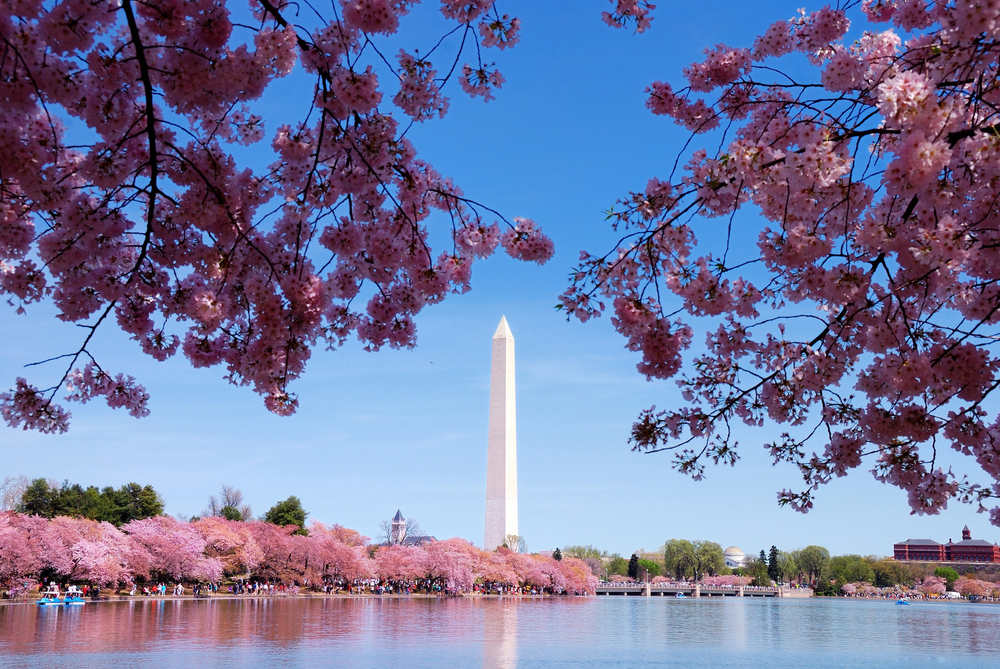
A clear change in color runs around the Washington Monument roughly 150 feet above the ground. Construction began in 1848 but stopped in 1854 because of funding problems, political infighting and then the Civil War. When work resumed in 1879, the builders could not match the original marble, so the upper section came from a different quarry.
The tip hides a second surprise, a small pyramid of aluminum installed in 1884, when the metal was so costly that it was considered a luxury material. It weighed about 100 ounces and doubled as part of a lightning protection system.
Taj Mahal’s Real Tombs Below the Floor

Those ornate marble cenotaphs visitors see inside the Taj Mahal’s main chamber are not where Mumtaz Mahal and Shah Jahan actually lie. Their real graves sit in a plainer crypt directly beneath, in keeping with Islamic tradition that discourages elaborate decoration on graves.
Shah Jahan’s cenotaph is also the one feature that breaks the building’s near-perfect symmetry. The complex was planned around the empress alone, and his tomb was added beside hers after his death in 1666, slightly larger and off-center, an asymmetry that countless visitors never notice.
Colosseum’s Underground Machinery

Beneath the arena floor of Rome’s Colosseum lies the hypogeum, a two-level network of tunnels, cages and ramps. Crews working below operated dozens of lifts and counterweighted trapdoors that could suddenly raise animals, gladiators or painted scenery into view, creating dramatic entrances for the crowd above.
The system existed as part of the original structure when the amphitheater opened in AD 80 under Titus. Today the arena floor is gone, which exposes these tunnels to anyone looking down from the stands.
After restoration work, parts of the hypogeum opened to guided visitors in 2021.
Great Pyramid’s Big Void

In 2017, the ScanPyramids project announced that it had used muon imaging, which tracks particles produced by cosmic rays, to detect a large empty space inside the Great Pyramid of Giza. The void sits above the Grand Gallery and is at least 30 meters long, though its purpose is still unknown. In 2023, the same team confirmed a separate corridor about nine meters long hidden behind the chevron stones on the north face and even threaded a small camera inside.
The pyramid is about 4,500 years old, and it is still giving up secrets to physics.
Empire State Building’s Airship Dock

Atop the Empire State Building, the Art Deco spire was designed as a mooring mast for passenger airships. Promoters imagined passengers stepping off by gangplank onto the building’s 103rd floor, then riding elevators to the street minutes after crossing the Atlantic.
The plan collided with reality almost immediately. Updrafts around the tower made it extremely dangerous to hold an airship in place, and only brief attempts were ever made, and a 1931 test showed just how violent the winds at that height could be.
The mast later became home to broadcast antennas, a far more practical use.
Chrysler Building’s Secret Spire
In the race to be the tallest building in the world, the Chrysler Building’s architect William Van Alen hid his trump card inside the structure. A stainless steel spire, about 185 feet tall, was assembled in secret within the building’s fire shaft. In October 1929, workers hoisted it through the top of the crown and bolted it in place in roughly 90 minutes.
The move pushed the Chrysler Building past 40 Wall Street, which had just claimed the title. The victory lasted less than a year before the Empire State Building surpassed it.
Golden Gate Bridge’s Arch Over Fort Point
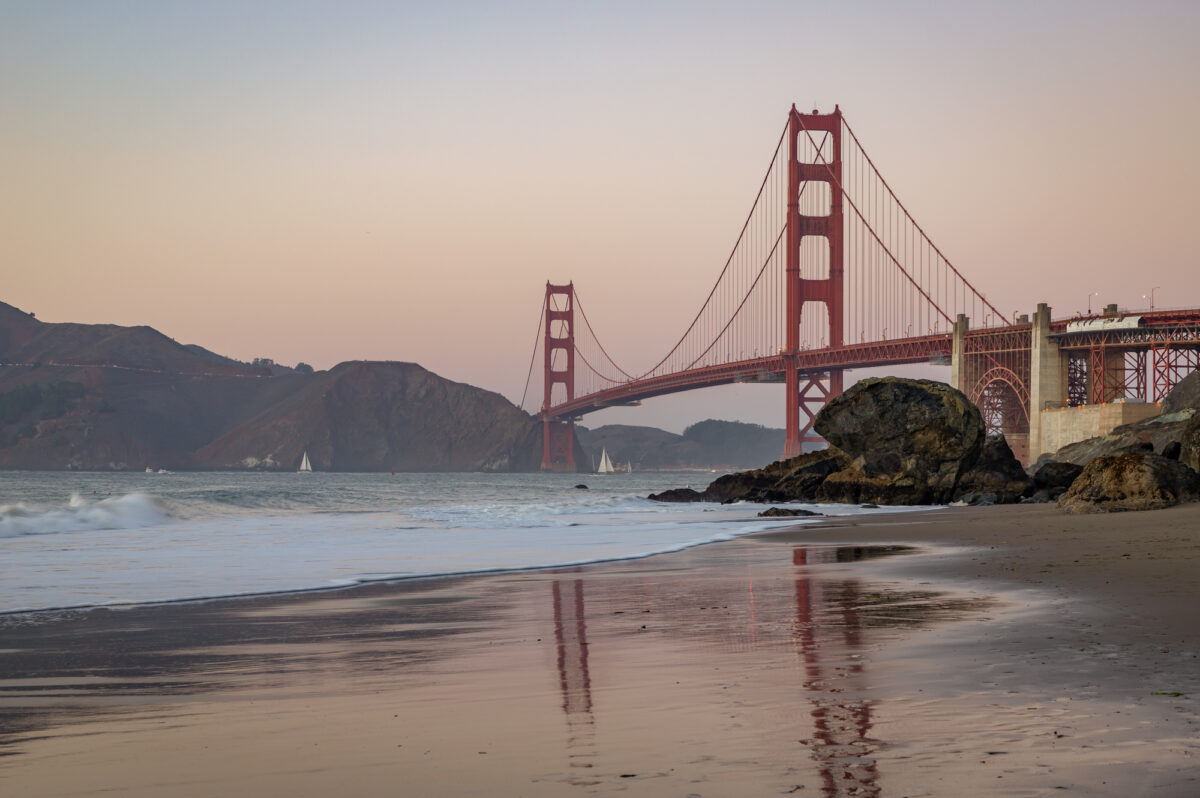
At the southern end of the Golden Gate Bridge, a steel arch spans over an old brick fort that most drivers never notice. Fort Point was built between 1853 and 1861 to guard the entrance to San Francisco Bay, and early plans for the bridge would have demolished it.
Chief engineer Joseph Strauss admired the masonry and designed the special arch so the fort could remain below. Today Fort Point is a national historic site, and visitors standing in its courtyard look straight up at the underside of the bridge roadway.
Brooklyn Bridge’s Cold War Stockpile
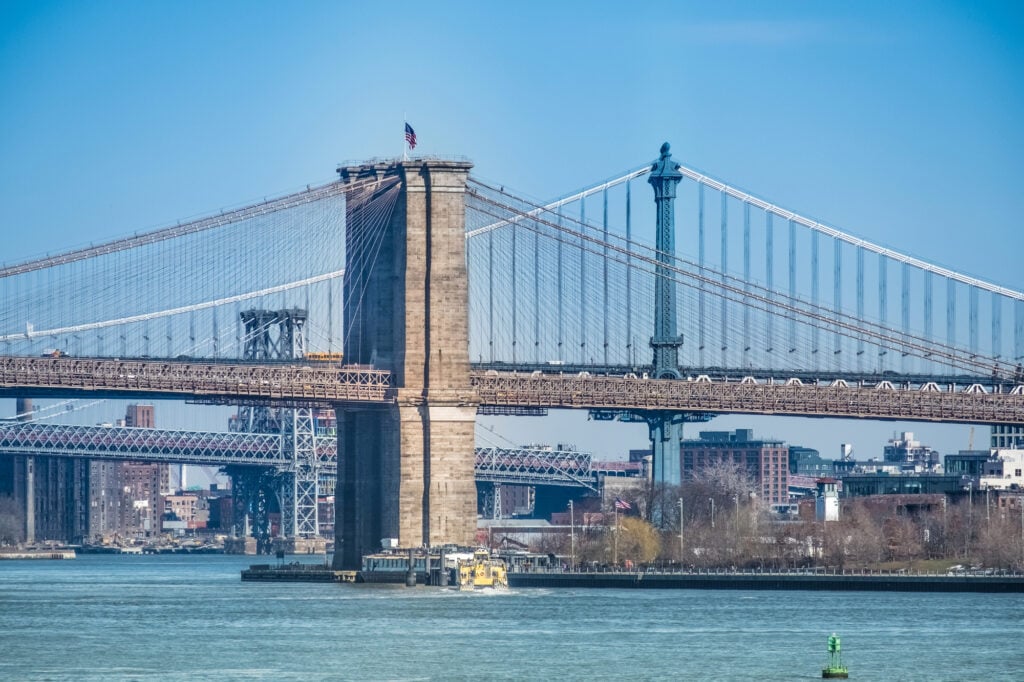
City workers doing a routine inspection inside the Manhattan anchorage of the Brooklyn Bridge in 2006 opened a vault and found a forgotten Cold War stockpile. It included water drums, medical supplies, paper blankets and thousands of tins of crackers, some stamped with 1957 and 1962, the year of the Cuban Missile Crisis.
The supplies were apparently set aside for a fallout shelter and then forgotten. The anchorages had held surprises before, since vaulted spaces inside them were once rented out and used to store wine in the years after the bridge opened in 1883.
Chapel Inside Christ the Redeemer

Christ the Redeemer in Rio de Janeiro hides a small Catholic chapel on its pedestal. The chapel, dedicated to the Virgin of Aparecida, patron saint of Brazil, was consecrated in 2006 to mark the statue’s 75th anniversary.
It seats only a handful of people, yet it hosts Masses, baptisms and even weddings, surely among the most memorable venues any couple could book. The statue itself is struck by lightning several times a year, and it has needed repeated repairs to the fingers and head, which is why it is fitted with lightning rods.
Magic Square on the Sagrada Familia
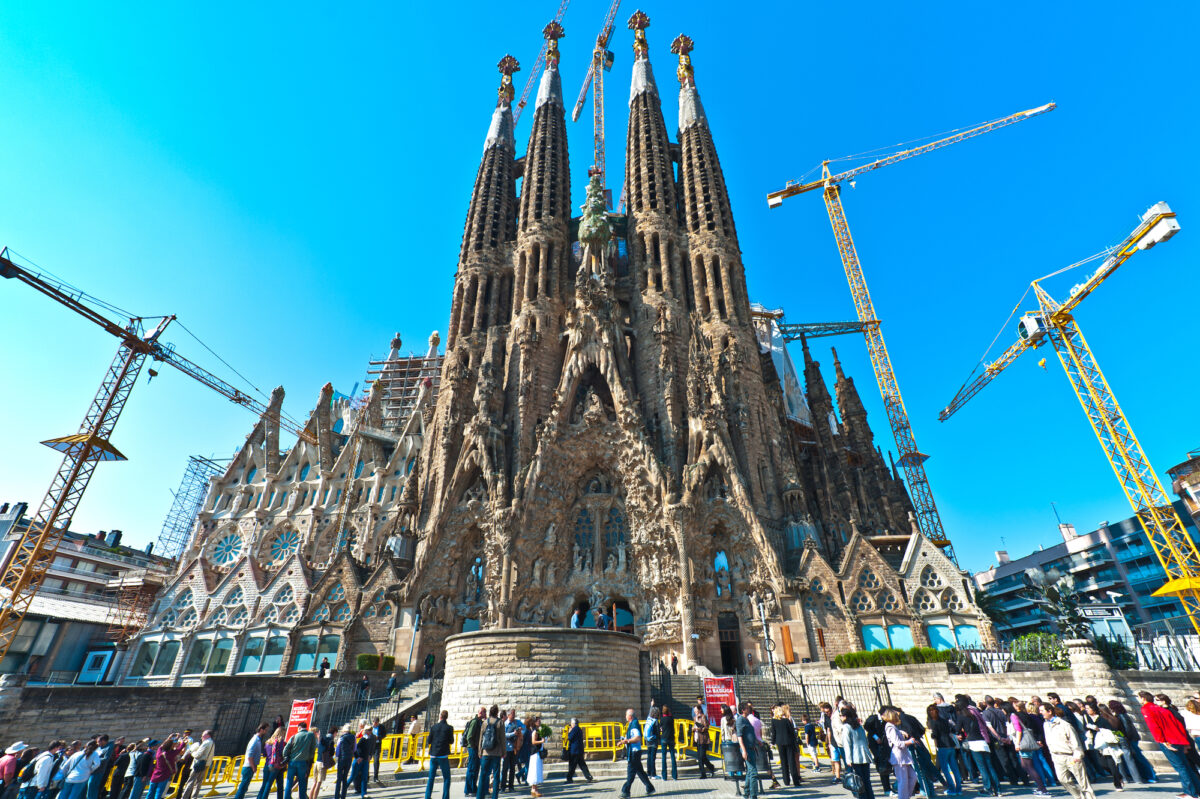
On the Passion facade of the Sagrada Familia in Barcelona, sculptor Josep Maria Subirachs added a 16-square grid of numbers near the scene of Judas’s kiss. Every row, column and diagonal adds up to 33, the age traditionally given for Jesus at the crucifixion. In fact, more than 300 combinations of four numbers within the grid reach the same total.
To make it work, Subirachs repeated two numbers and dropped two others, which purists note means it is not a classic magic square. Most visitors pass right by it while craning upward at the towers.
Point Zero Outside Notre-Dame
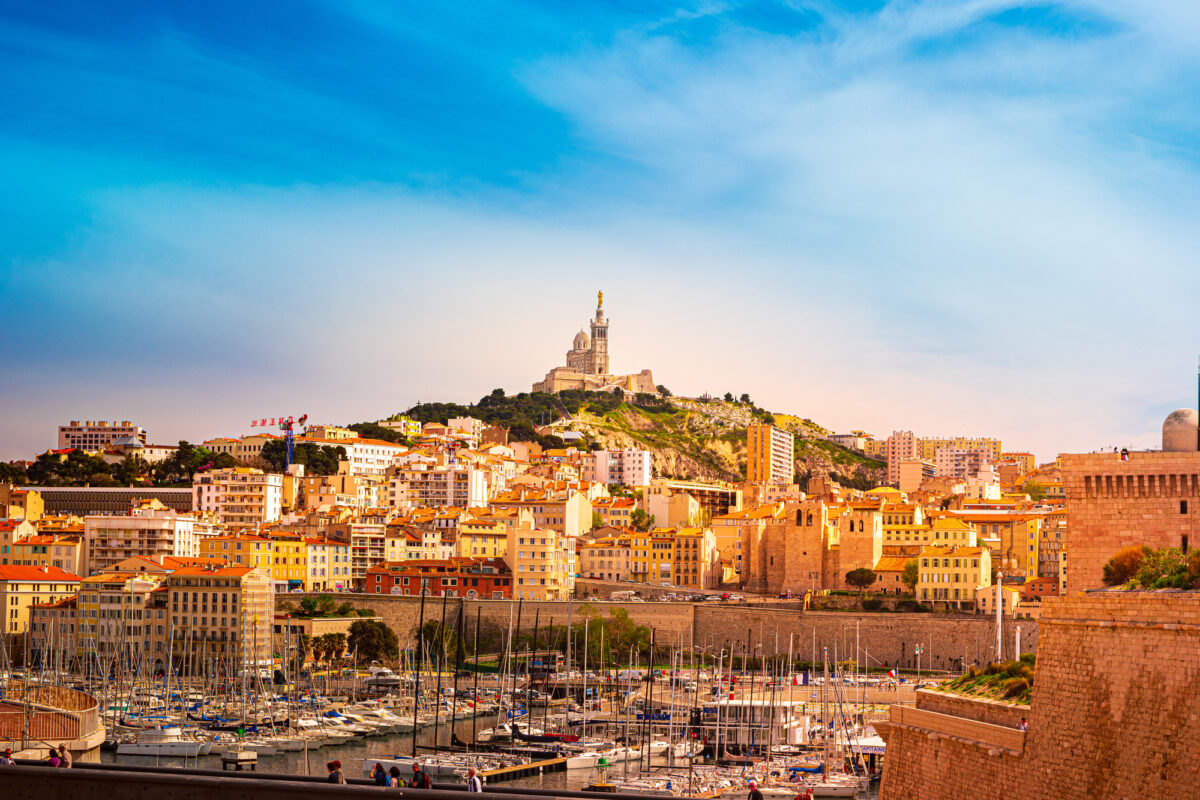
Set into the pavement of the square in front of Notre-Dame de Paris is a small bronze star inside a stone octagon. It marks Point Zero, the official location from which road distances to Paris are measured across France. The plaque was installed in 1924, although the tradition of measuring from the cathedral forecourt goes back much further.
A local superstition holds that anyone who steps on it will return to Paris someday. As a result, the marker is often surrounded by tourists hopping on it, oblivious to the cathedral looming directly behind them.
Parthenon Built Without Straight Lines
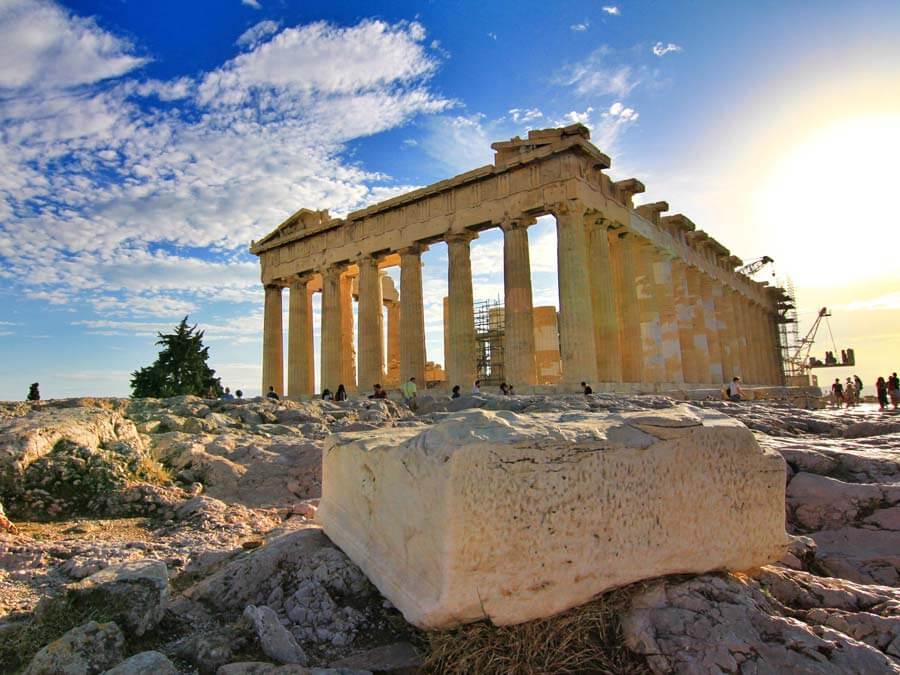
The Parthenon in Athens looks rigidly geometric, but almost nothing in it is actually straight. The platform bulges upward toward the center of each side by several centimeters, the columns swell slightly in the middle, and they lean inward so that, extended far enough, they would meet high in the sky.
Corner columns are thicker than the others. These refinements are thought to counter optical illusions that would otherwise make the building look sagging or top-heavy.
The result is a temple that appears perfectly straight precisely because its builders refused to build it straight.
Rain Drains Under the Pantheon’s Oculus
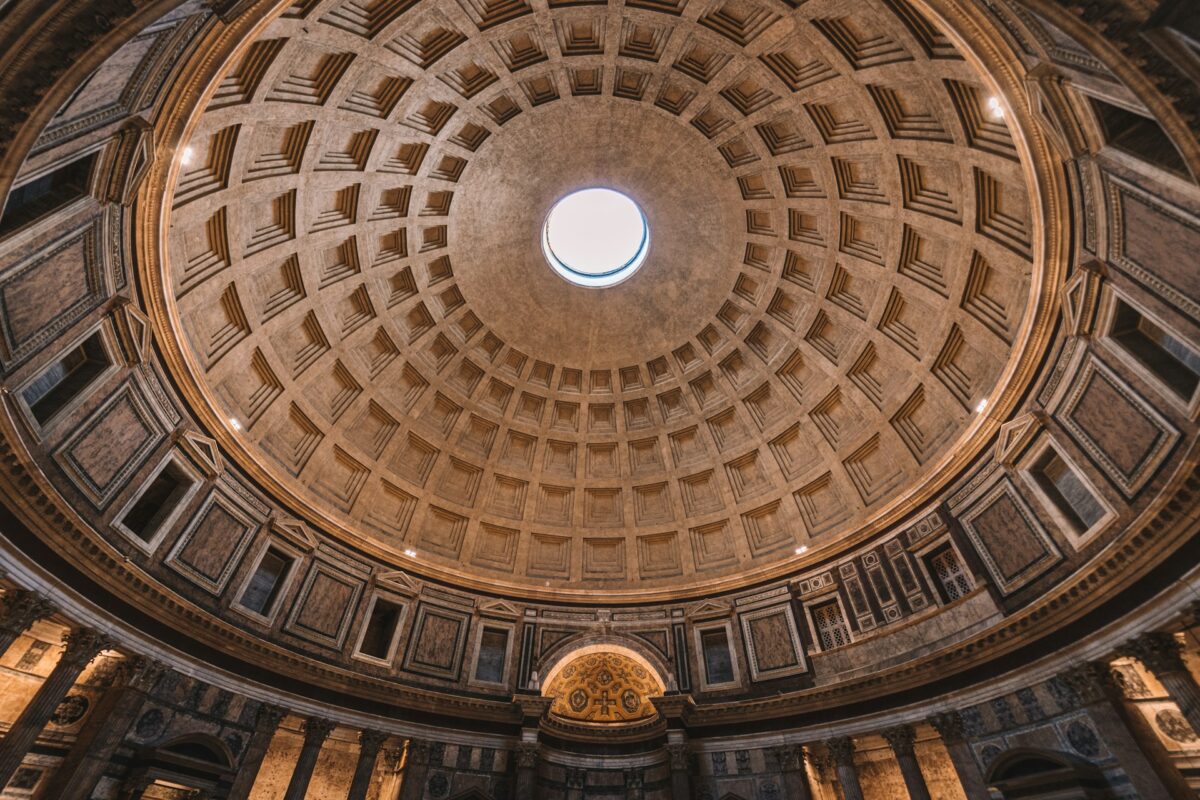
Rome’s Pantheon is open to the sky through the oculus, a round opening about 27 feet wide at the top of its concrete dome. That means it rains inside. Roman engineers anticipated this, and the marble floor is gently convex, sloping slightly toward the edges and toward a set of 22 small drains near the center.
Water that falls through the oculus runs off and disappears into ancient channels. The building has been in near constant use for almost 1,900 years, and its drainage system still works during Roman downpours.
Bronze Age Carvings on Stonehenge

In 1953, archaeologist Richard Atkinson noticed faint carvings of a dagger and several ax heads on one of Stonehenge’s giant sarsen stones, visible only in low evening light. They are thought to date from the Early Bronze Age, centuries after the stones were raised.
In 2012, a laser scanning survey found dozens more ax head carvings that had worn almost completely invisible to the eye. The carvings may have been prestige markings or offerings. Many visitors lean on the rope barrier all day without ever spotting them.
Artificial Grotto in Neuschwanstein
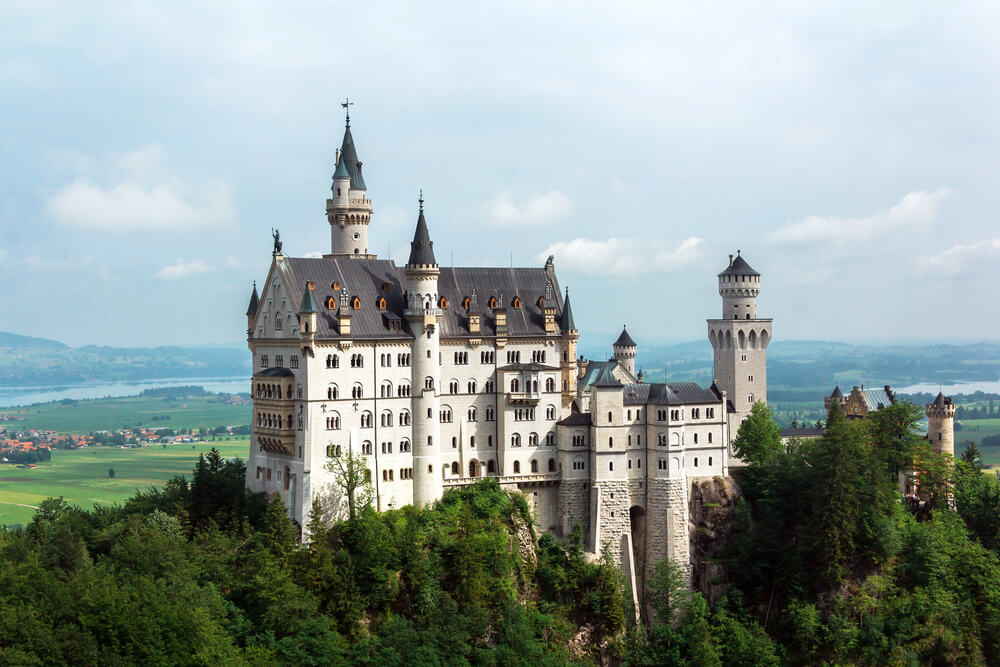
King Ludwig II of Bavaria built Neuschwanstein Castle as a romantic fantasy, but he hid several surprises inside it. Between the living room and the study sits an artificial cave, complete with fake stalactites, colored lighting and a small waterfall, modeled on a scene from Richard Wagner’s opera Tannhauser.
The castle was also far more modern than its fairy-tale exterior suggests. It had central heating, running water, flush toilets and an electric bell system for summoning servants.
Ludwig lived there only about 172 days before his death in 1886.
Bowling Lane Beneath the White House
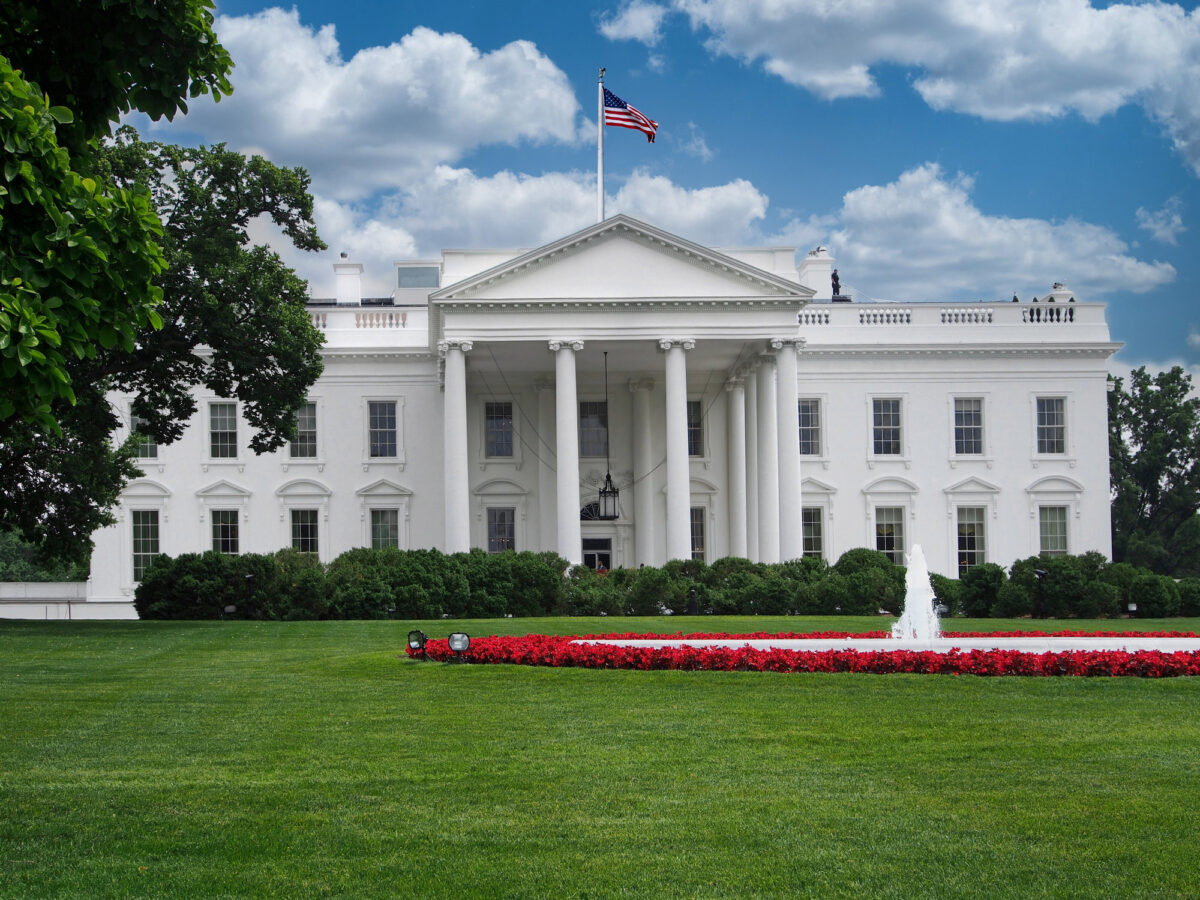
A single-lane bowling alley sits in a room beneath the North Portico of the White House. It was built in 1969 for Richard Nixon, a keen bowler, and later presidents and their families have used it on occasion. It was not the first alley at the White House.
Friends of Harry Truman paid for a two-lane alley in the West Wing in 1947, which was later moved to what is now the Eisenhower Executive Office Building. Staff members have been known to bowl there as well, making it one of the more relaxed corners of the executive mansion.
Empty Crypt Beneath the Capitol Rotunda
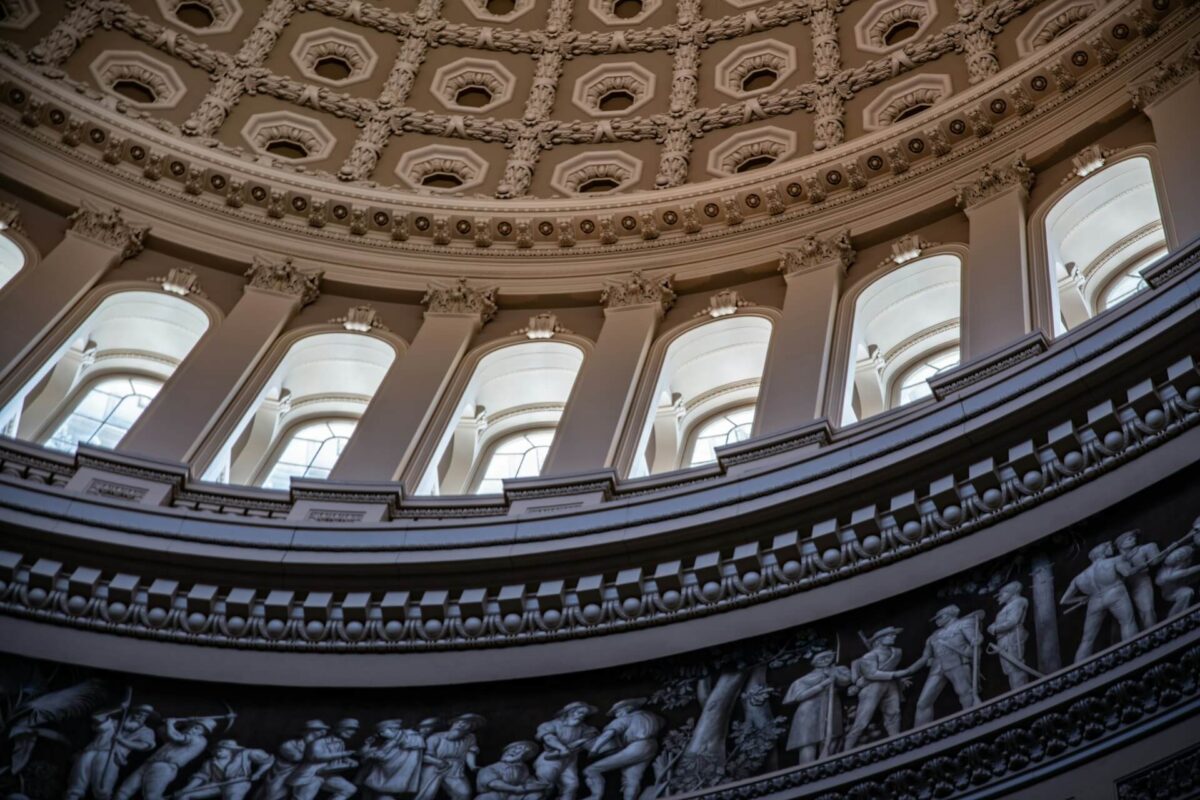
Directly beneath the Rotunda of the US Capitol lies the Crypt, a circular chamber of 40 sandstone columns that support the floor above. It was intended to hold a tomb for George Washington, with a view of it from the Rotunda through an opening in the floor.
His family declined, honoring his wish to be buried at Mount Vernon. The opening was eventually covered, and a star in the center of the floor now marks the point from which the streets of Washington, D.C. are laid out and numbered, a tomb that became a reference point instead.
Medieval Fortress Under the Louvre
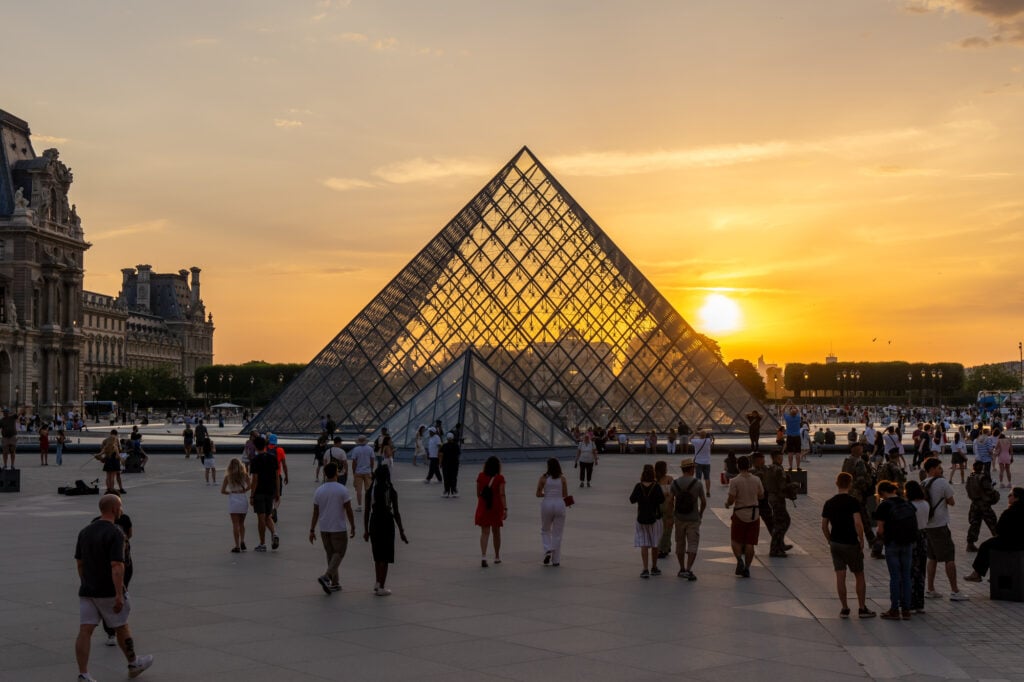
Before the Louvre became a palace and then a museum, it was a fortress built around 1190 by King Philip Augustus to guard Paris from the west. During the Grand Louvre renovation of the 1980s, archaeologists uncovered the moat walls and the base of the massive round keep.
These foundations are now on display in the basement of the Sully Wing, where visitors can walk along the dry moat. It is one of the few places in Paris where the medieval city is visible at full scale, and it is often completely quiet.
Tower Bridge’s Victorian Engine Rooms
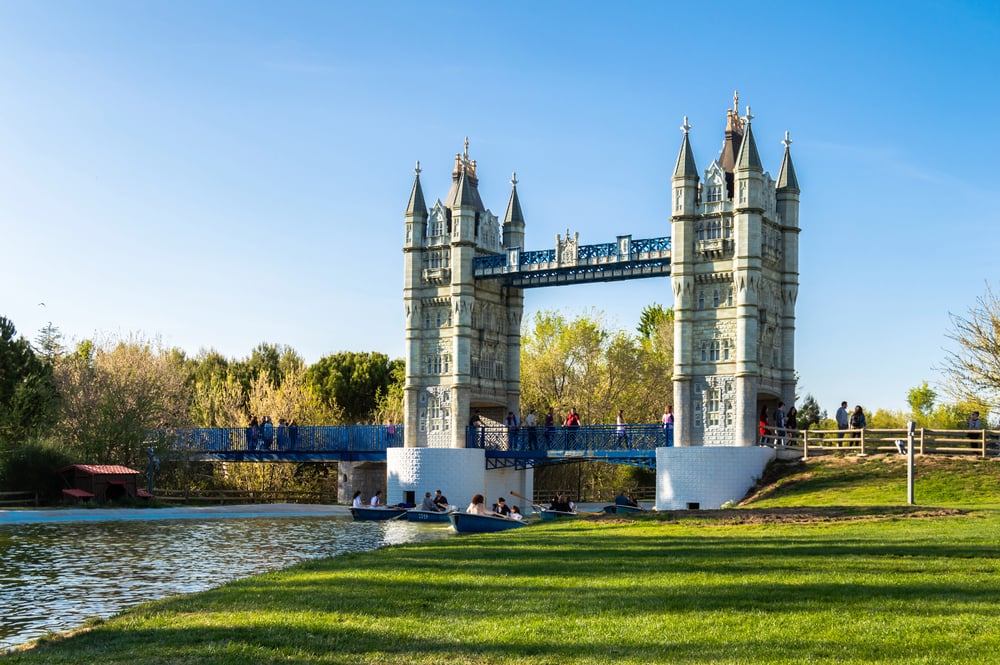
Tower Bridge in London opened in 1894 with its bascules lifted by an ingenious hydraulic system. Coal-fired steam engines pumped water into enormous accumulators, storing pressure that could be released to raise the roadway.
The steam system ran until 1976, when it was replaced with oil and electricity. The original engine rooms survive, complete with polished brass fittings, gleaming pistons and green paintwork, and they are open to visitors.
The bascules are still raised hundreds of times a year for passing ships, which are given priority over road traffic.
Egg-Shaped Trams Inside the Gateway Arch
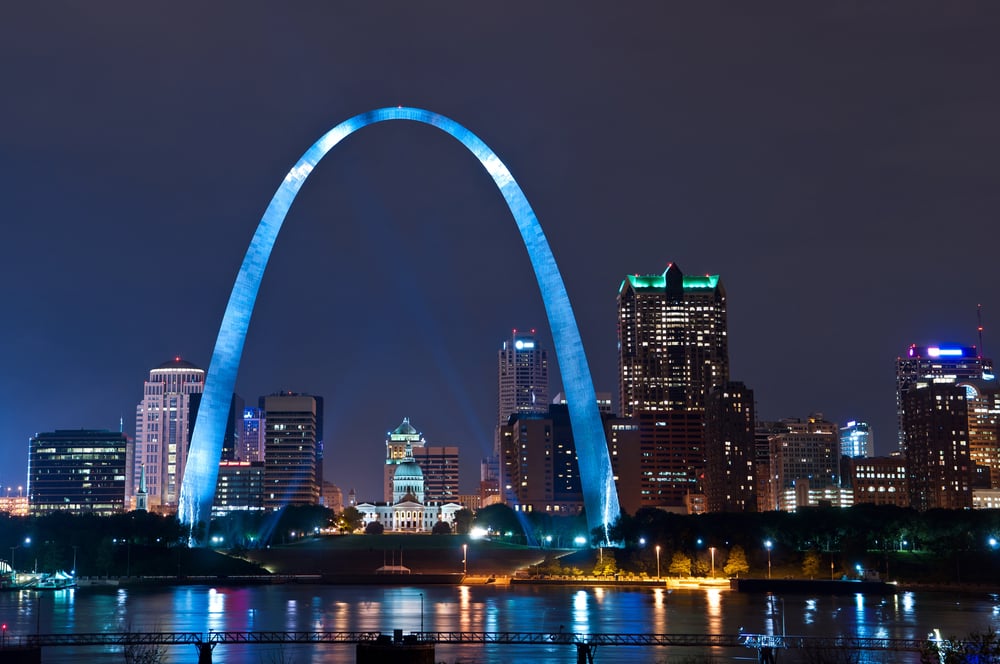
Completed in 1965, the Gateway Arch in St. Louis is 630 feet tall, and getting visitors to the top required an unusual solution. Inside each leg runs a tram of eight small capsules, each seating five people, that rotate as they climb so passengers stay upright on the curved path.
The ride to the observation deck takes about four minutes. The system was designed by a young engineer with no elevator experience after established companies turned the job down.
The capsules are cramped enough that claustrophobic visitors are warned before boarding.
Pyramid Hidden Inside El Castillo
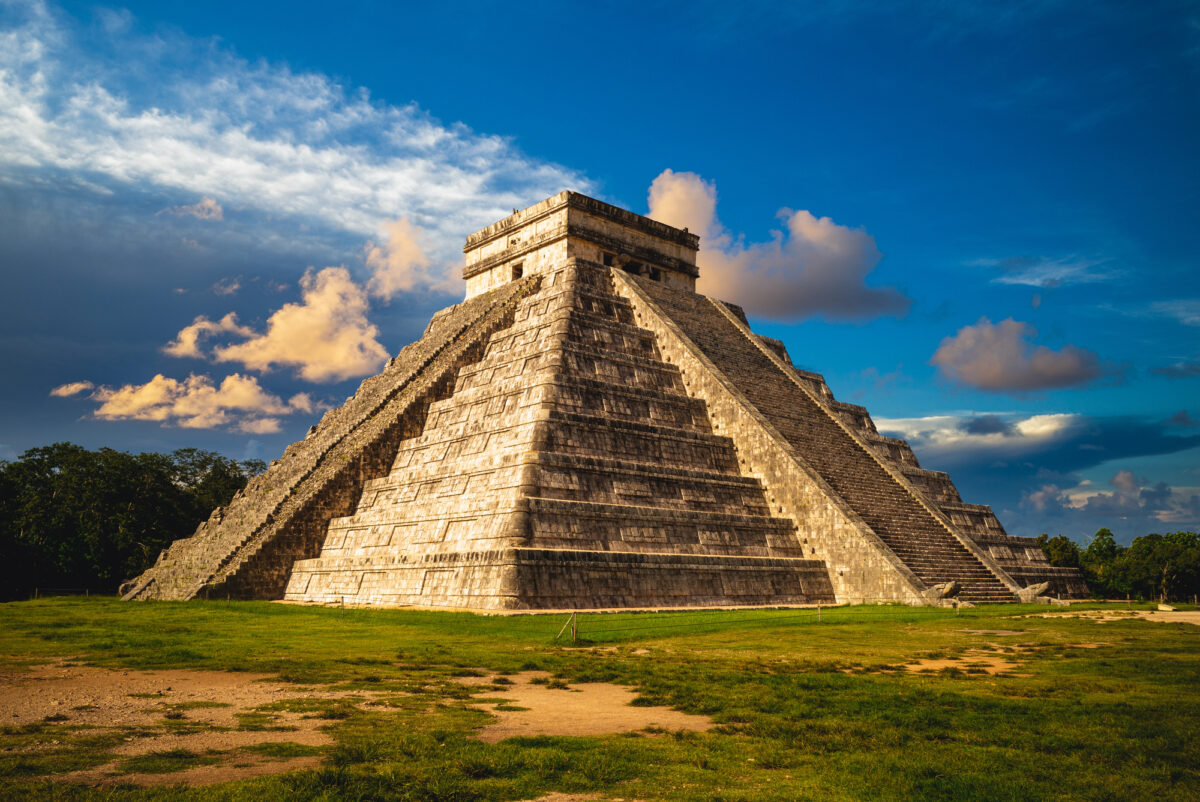
The stepped pyramid of El Castillo at Chichen Itza in Mexico contains an older, smaller pyramid within it. In the 1930s, excavators tunneled into the structure and found a temple at the top of the inner building, containing a chacmool figure and a red jaguar throne inlaid with jade. Later geophysical surveys suggested yet another, even earlier structure inside.
On the spring and autumn equinoxes, the setting sun casts a pattern of triangular shadows on the northern staircase that resembles a serpent sliding down to the carved head at its base.
Secrets Kept in Plain Sight
Hidden features rarely stay hidden because nobody could find them. More often they stay hidden because everyone assumes a famous building has already been fully seen.
A monument that appears on postcards stops being looked at closely. These overlooked details are also a reminder that landmarks were built by real people with budgets, deadlines and bad days.
A carver slipped, an engineer got creative, a king indulged a fantasy. The famous silhouettes are the headline, but the details carry the story.
More from Go2Tutors!

- The Romanov Crown Jewels and Their Tragic Fate
- 13 Historical Mysteries That Science Still Can’t Solve
- Famous Hoaxes That Fooled the World for Years
- 15 Child Stars with Tragic Adult Lives
- 16 Famous Jewelry Pieces in History
Like Go2Tutors’s content? Follow us on MSN.