16 Forests That Hide Archaeological Mysteries
Towering canopies and tangled undergrowth conceal some of the world’s most fascinating archaeological secrets. These wooded landscapes function as natural time capsules — preserving ancient civilizations, forgotten settlements, and mysterious structures that challenge our understanding of history.
Here is a list of 16 forests that conceal remarkable archaeological mysteries waiting to be fully understood.
Angkor Archaeological Park
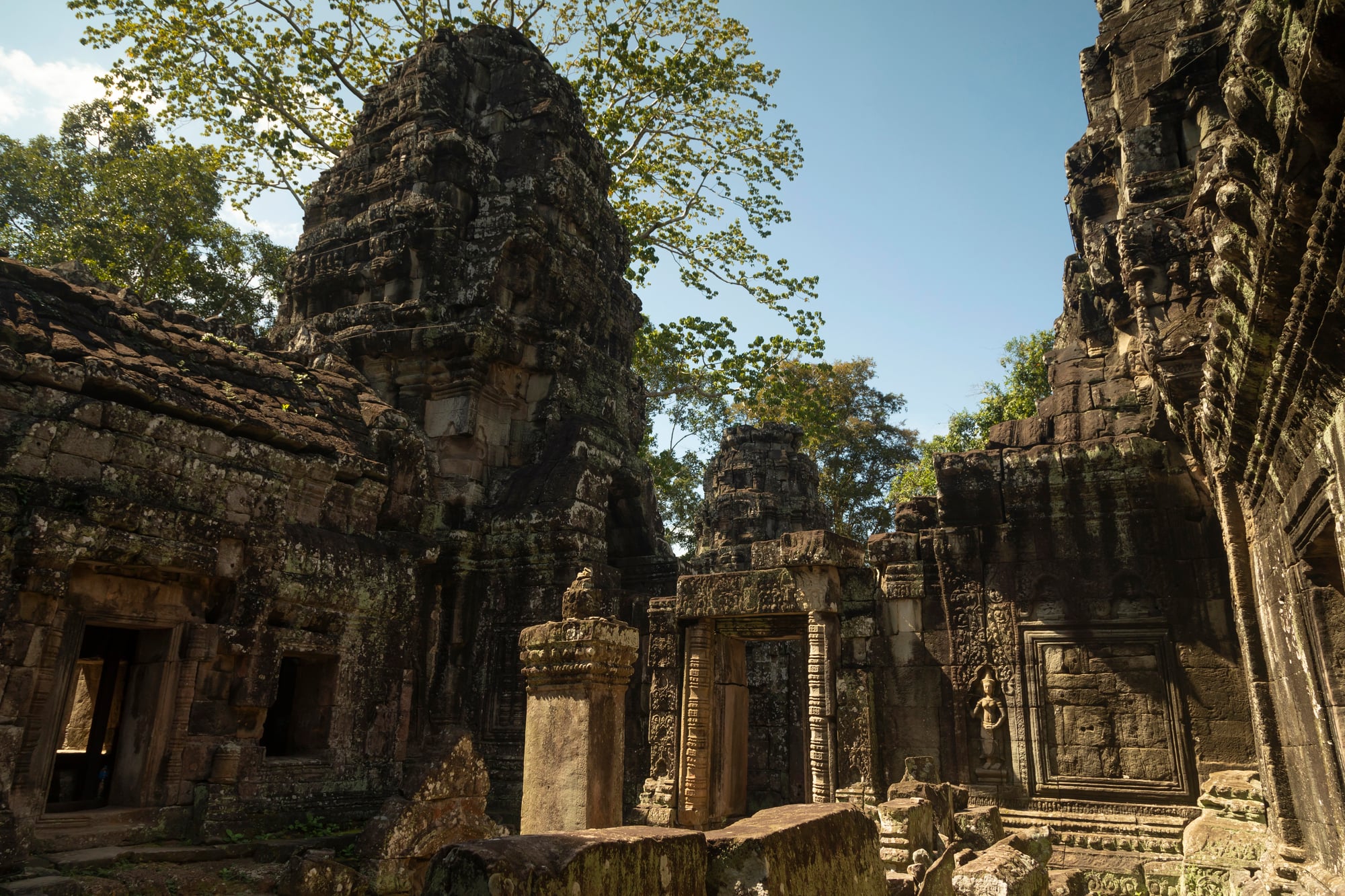
Cambodia’s dense jungle has consumed much of the ancient Khmer Empire, with temples and cities scattered across 150 square miles of forest. While Angkor Wat attracts most visitors, archaeologists keep discovering hidden temples, elaborate water management systems, and residential areas.
These findings reveal just how sophisticated this civilization was. The forest has protected and concealed these structures for centuries, though researchers now use ground-penetrating radar and satellite imagery to hunt for more treasures.
Black Forest
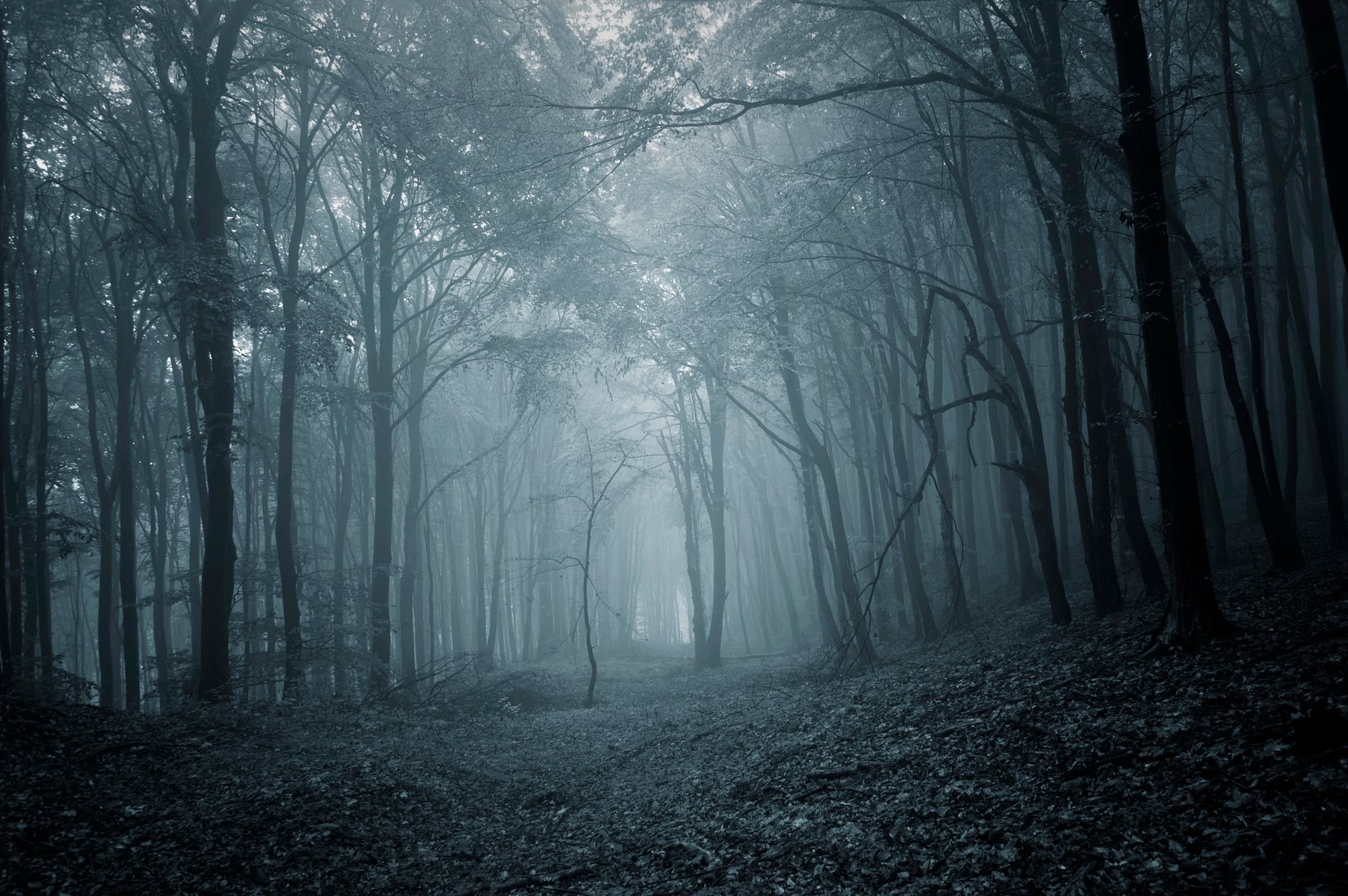
Germany’s Schwarzwald hides remnants of Roman settlements, medieval fortifications, and mysterious stone circles that predate written records. Archaeological surveys have recently uncovered evidence of ancient mining operations — plus Celtic ritual sites buried beneath centuries of dense pine growth.
The forest’s acidic soil preserves organic materials remarkably well, giving archaeologists rare glimpses into daily life from over 2,000 years ago.
Amazon Rainforest

The world’s largest tropical rainforest conceals entire civilizations that once supported millions of people across sophisticated urban networks. Satellite technology and LiDAR mapping have revealed massive earthworks, geometric patterns, and raised agricultural fields spanning thousands of square miles.
These discoveries completely contradict the old assumption that the Amazon was sparsely populated — instead showing complex societies that flourished here long before European contact.
Białowieża Forest

This ancient woodland spanning Poland and Belarus contains archaeological sites dating back 10,000 years — including Neolithic settlements and Bronze Age burial mounds. The forest’s protected status has kept these sites relatively undisturbed, allowing archaeologists to study them in their original context.
Excavations have uncovered evidence of early agricultural practices plus trade networks that connected this region to distant civilizations.
Sherwood Forest

Beyond its Robin Hood legends, England’s famous forest conceals genuine medieval settlements, ancient earthworks, and Roman-era sites. These reveal continuous human habitation spanning millennia.
Archaeological investigations have found remains of villages abandoned during the Black Death — along with evidence of prehistoric activity going back thousands of years. The forest’s sandy soil has preserved artifacts that would’ve decomposed elsewhere, creating an archaeological goldmine.
Olympic National Forest
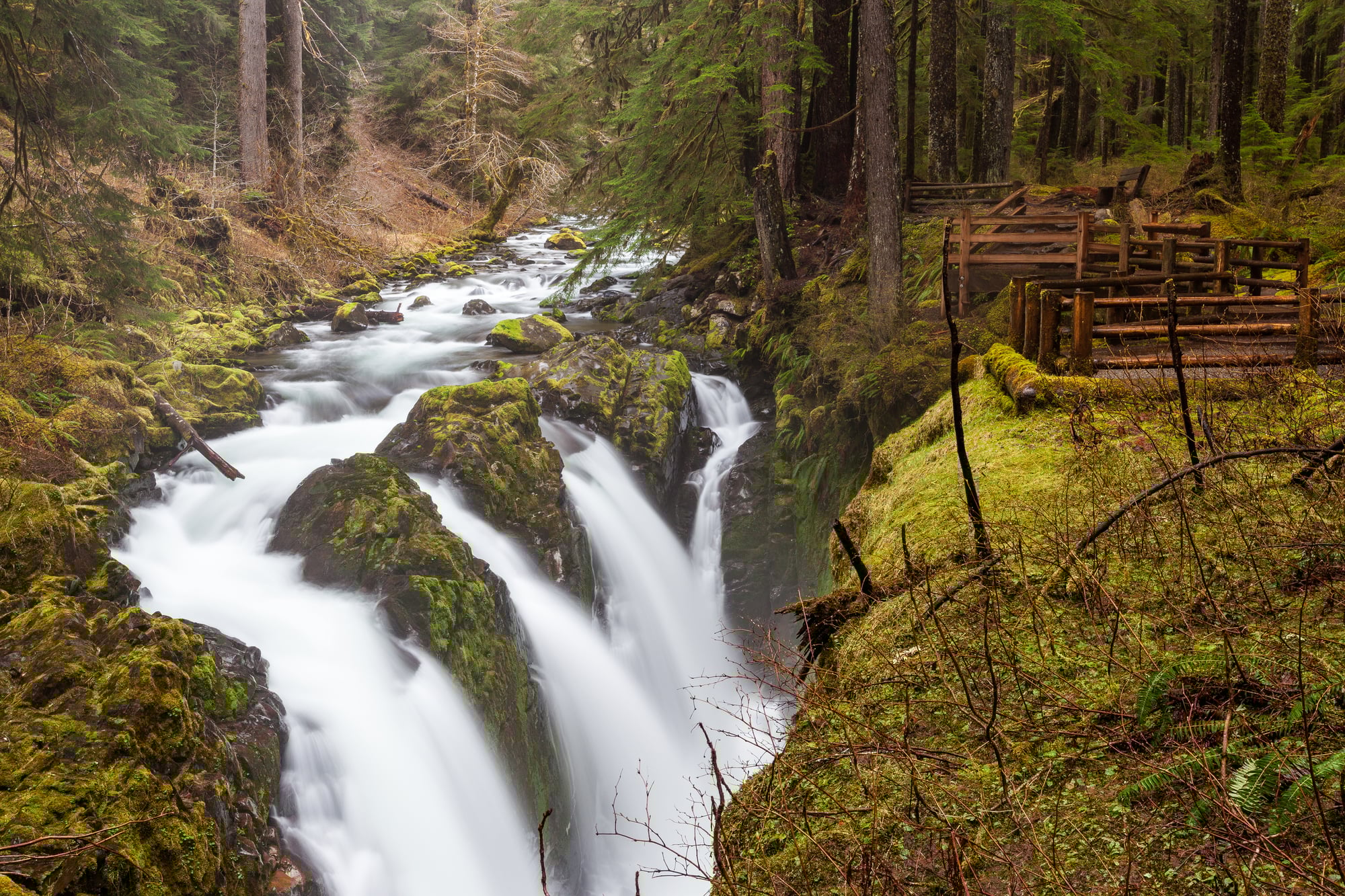
Washington State’s temperate rainforest protects Native American sites spanning over 8,000 years of continuous occupation. Ancient village sites, fishing stations, and ceremonial locations lie hidden beneath the moss-covered landscape — revealing sophisticated resource management practices.
Recent archaeological work has uncovered evidence of complex trade networks that connected Pacific Northwest tribes across vast distances.
Taman Negara
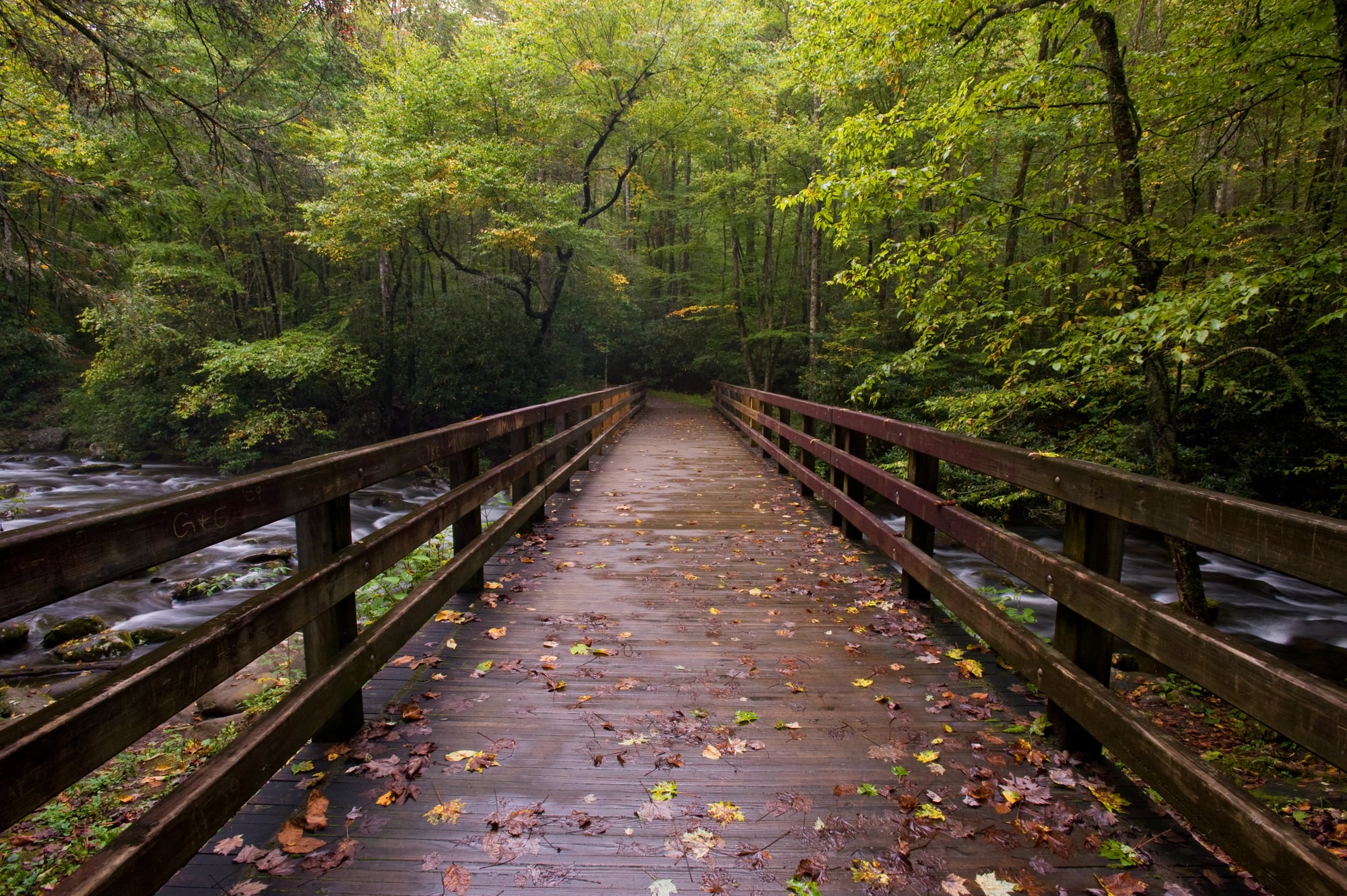
Malaysia’s oldest national park conceals archaeological evidence of human presence dating back 40,000 years. This makes it one of the world’s longest continuously inhabited regions.
The forest’s limestone caves contain ancient rock art, tool-making sites, and burial grounds — chronicling the development of Southeast Asian cultures. Ongoing research continues pushing back the timeline of human settlement in this biodiverse landscape.
Daintree Rainforest

Australia’s ancient rainforest holds archaeological sites documenting Aboriginal presence spanning at least 50,000 years. Rock shelters, tool-making locations, and sacred sites hide among the prehistoric vegetation — representing some of the world’s oldest continuous cultural traditions.
The forest’s unique preservation conditions have maintained organic artifacts that provide unprecedented insights into early human adaptation to tropical environments.
New Forest
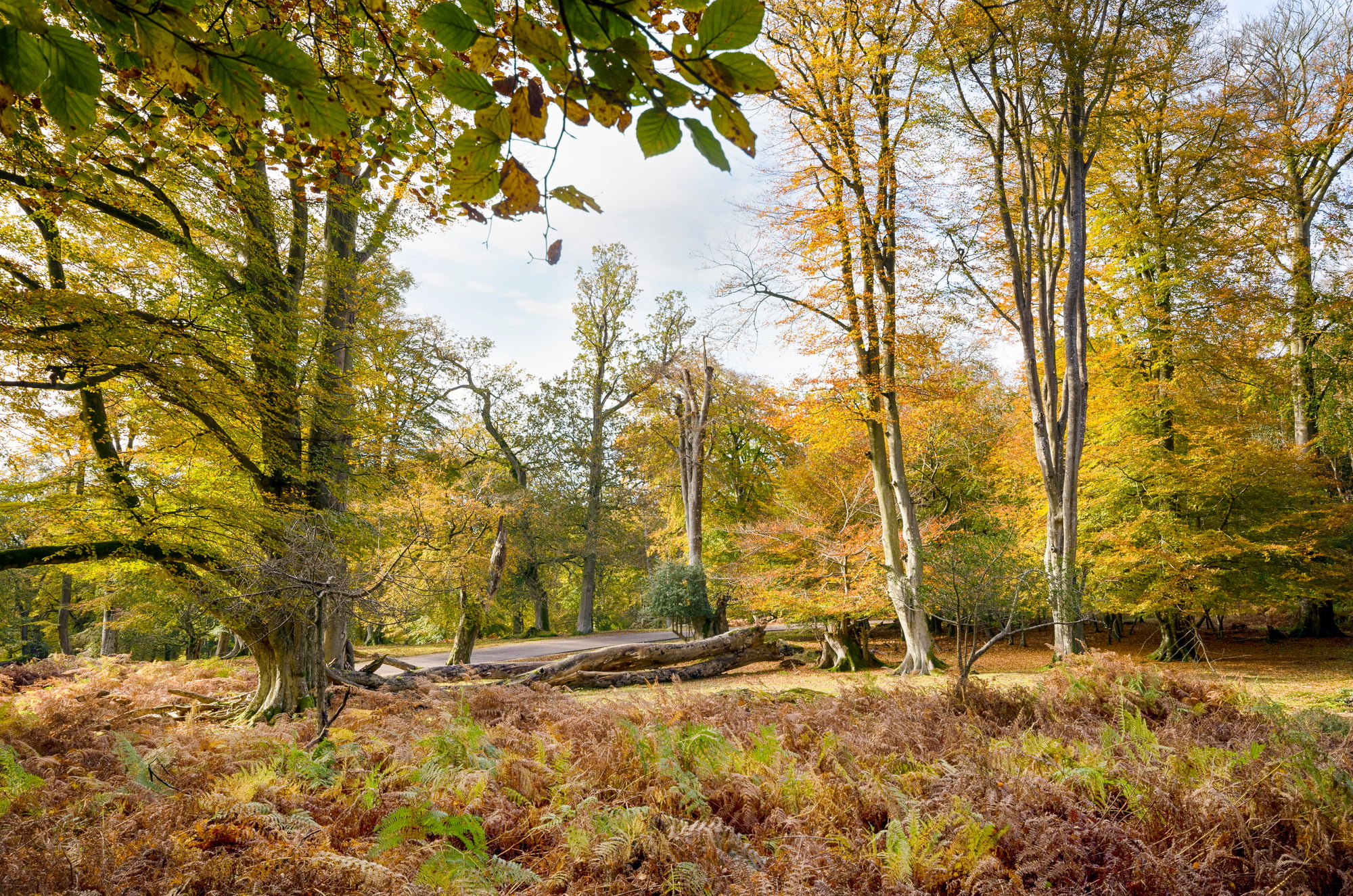
England’s royal hunting ground conceals a complex archaeological landscape — including Bronze Age burial mounds, Roman pottery kilns, and medieval settlements. Recent archaeological surveys using advanced ground-penetrating technology have revealed extensive historical activity hidden beneath the forest floor.
The area’s unique commoning system has actually helped preserve these sites by preventing intensive agriculture that might’ve destroyed them.
Hoia-Baciu Forest

Romania’s most mysterious woodland is known for unexplained phenomena, yet it also contains legitimate archaeological puzzles — including ancient artifacts and structures of unknown origin. Archaeological investigations have uncovered evidence of human activity dating back thousands of years, though the forest’s reputation for strange occurrences has sometimes overshadowed serious scientific research.
The site continues yielding artifacts that don’t fit neatly into established historical timelines.
Great Bear Rainforest
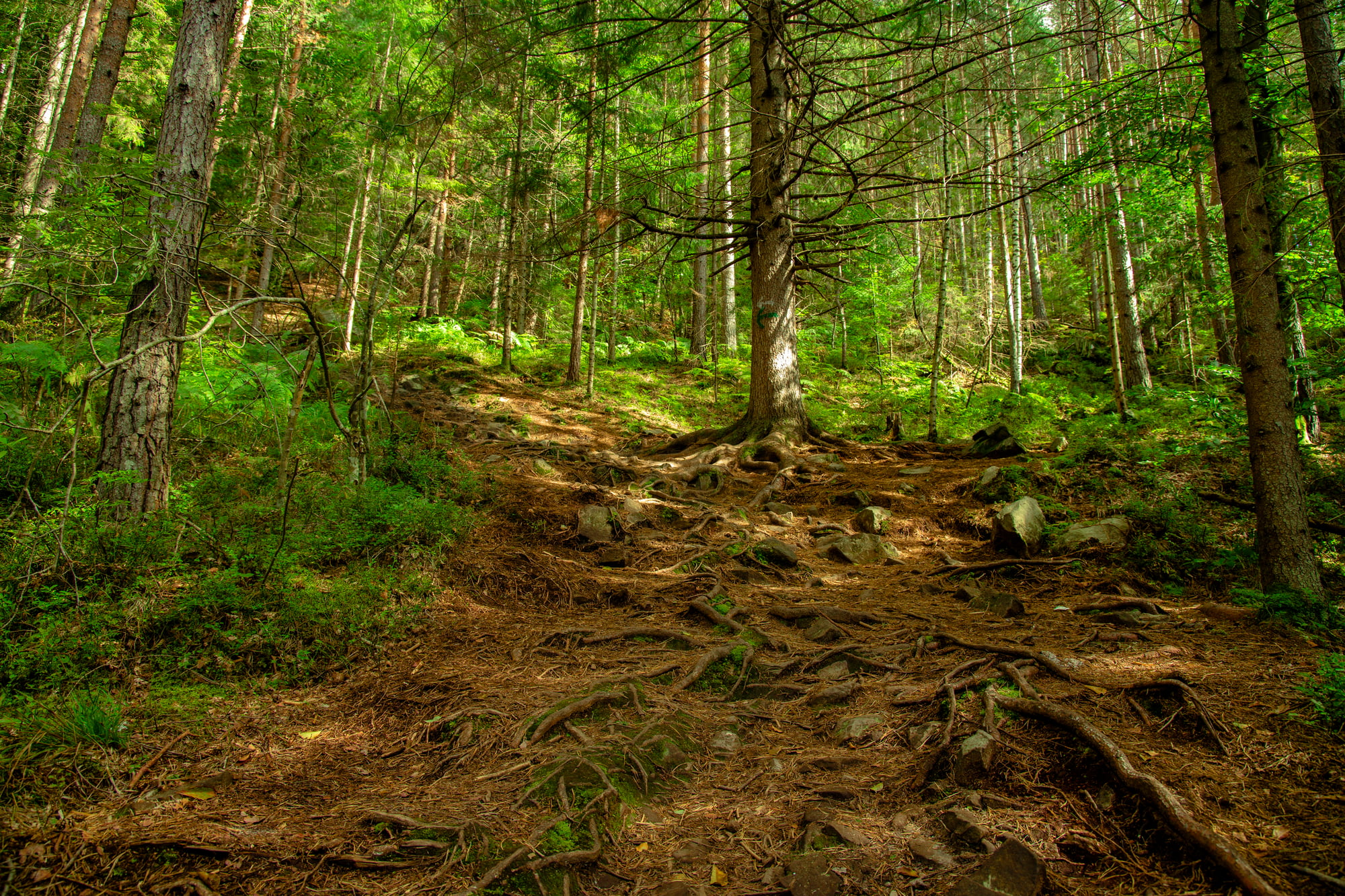
British Columbia’s coastal temperate rainforest protects thousands of First Nations archaeological sites. Ancient villages, fish traps, and ceremonial locations document sophisticated maritime cultures that thrived in this challenging environment for thousands of years.
The forest’s unique preservation conditions have maintained organic artifacts like wooden tools and basketry that rarely survive elsewhere.
Kakadu National Park

Northern Australia’s woodland and wetland landscape contains one of the world’s longest continuous archaeological records. Rock art sites dating back over 40,000 years chronicle the development of Aboriginal culture across millennia.
Forest areas conceal tool-making sites, seasonal camps, and burial locations, while recent archaeological work has revealed evidence of sophisticated environmental management practices that sustained large populations in this tropical landscape.
Monteverde Cloud Forest

Costa Rica’s misty highlands conceal pre-Columbian settlements and agricultural systems that supported substantial populations before European contact. Terraced agricultural fields, residential sites, and ceremonial centers hide beneath the cloud forest canopy.
The forest’s unique microclimate has preserved organic materials that provide insights into ancient agricultural practices and social organization.
Huelgoat Forest
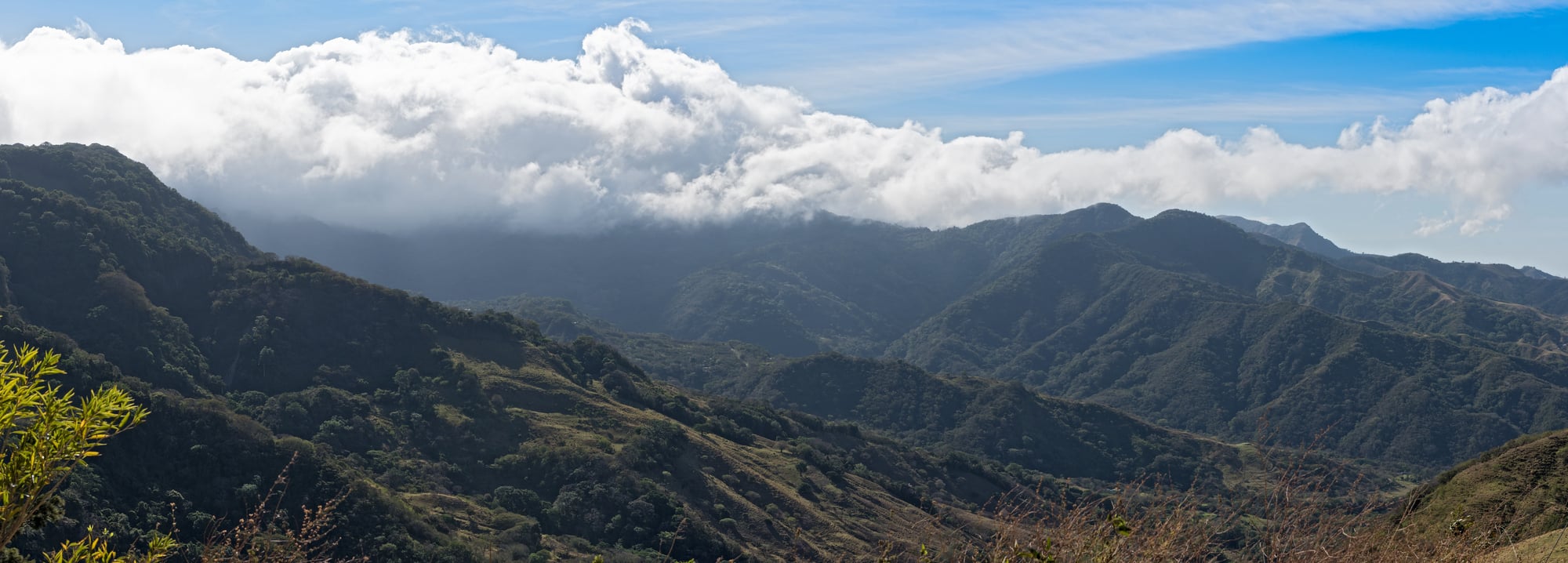
Brittany’s ancient woodland contains megalithic monuments, Celtic settlements, and mysterious stone formations that blend archaeology with local folklore. The forest’s granite boulder fields hide chambers, passages, and carved stones that may have served ritual purposes thousands of years ago.
Recent archaeological investigations have begun separating genuine ancient features from more recent additions, revealing the site’s true historical significance.
Tongass National Forest

Alaska’s temperate rainforest protects extensive Native American archaeological sites. Ancient villages, fish processing stations, and carved monuments document complex maritime cultures that adapted to one of North America’s most challenging environments.
The forest’s exceptional preservation conditions have maintained organic artifacts like wooden tools, baskets, and even ancient fish traps that demonstrate sophisticated resource management.
Congo Basin

Central Africa’s massive rainforest conceals archaeological evidence of early iron-working cultures, ancient trade routes, and sophisticated agricultural systems that supported large populations. Recent archaeological surveys have uncovered evidence of complex societies that developed independently in this forest environment, challenging assumptions about tropical Africa’s past.
The forest’s preservation conditions have maintained artifacts that provide new insights into African technological and social development.
Where Ancient Mysteries Meet Modern Discovery

These forested archaeological sites remind us that human history extends far beyond what appears on the surface. Advanced technologies like LiDAR, ground-penetrating radar, and satellite imagery are revolutionizing how archaeologists explore these hidden landscapes.
Each discovery reshapes our understanding of how humans adapted to forest environments and developed complex societies in some of the world’s most challenging landscapes. The forests that once concealed these mysteries now help preserve them for future generations to study and understand.
More from Go2Tutors!

- The Romanov Crown Jewels and Their Tragic Fate
- 13 Historical Mysteries That Science Still Can’t Solve
- Famous Hoaxes That Fooled the World for Years
- 15 Child Stars with Tragic Adult Lives
- 16 Famous Jewelry Pieces in History
Like Go2Tutors’s content? Follow us on MSN.