29 Retro Halloween Masks Collectors Hunt For
A Halloween mask was built to last one night, maybe two if the elastic held. Most ended up crushed in a toy box, left in a damp garage, or tossed out with the candy wrappers on November 1.
That short life is exactly why the survivors matter now. Rubber dries out, paper tears, and paint flakes, so a mask that made it through 50 or 100 Octobers in decent shape is a small miracle with a price tag to match.
German Papier-Mache Character Masks
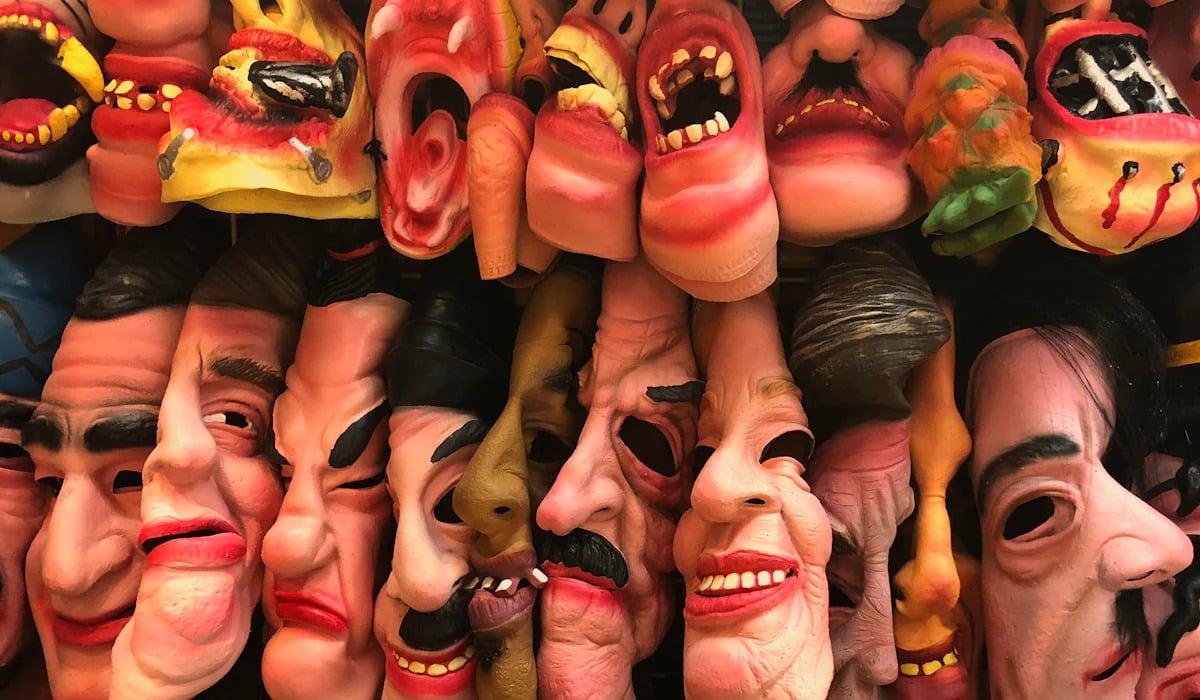
Long before latex took over, German workshops pressed layers of paper pulp into molds to make light, hand-painted faces for carnival and Halloween. The best examples date to the 1910s and 1920s and show grinning devils, goblins, clowns, and long-nosed witches with real artistry in the brushwork.
Many carry a faint “Germany” stamp inside. Collectors typically pay about 75 to 300 dollars, with the top of that range reserved for sharp paint and intact edges.
Water damage, crushed noses, and missing ties drag values down quickly, since papier-mache cannot be reshaped once it softens and collapses.
Painted Gauze Masks From Germany and Japan
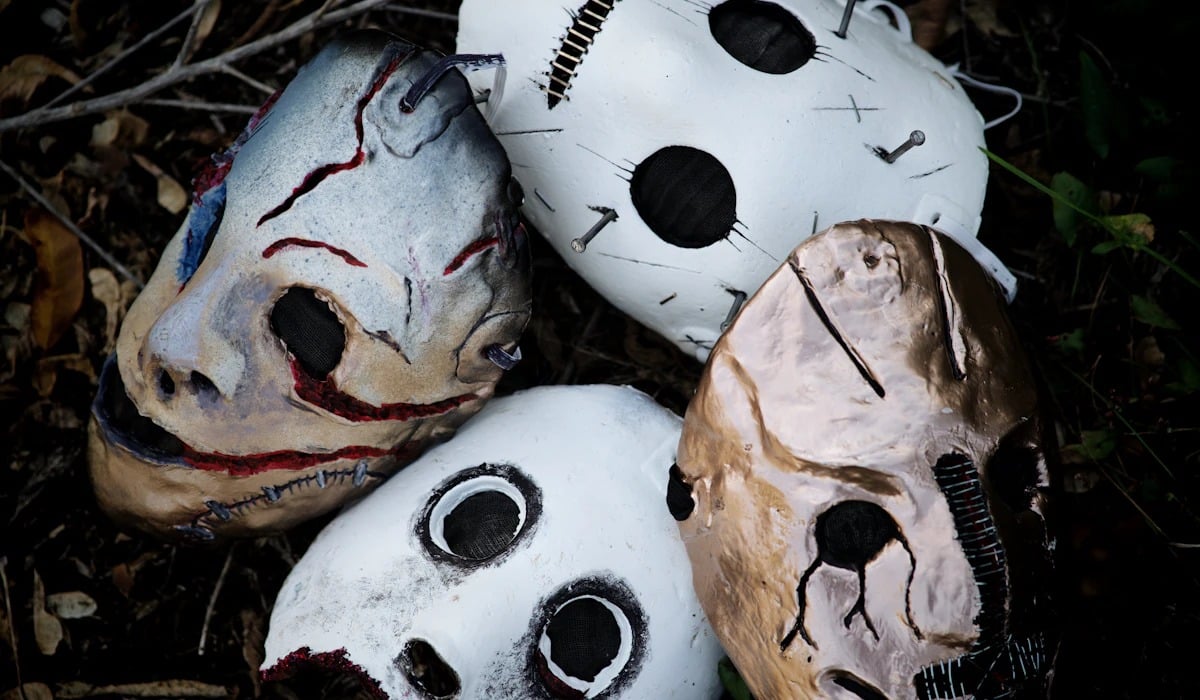
Stiffened gauze masks were cheap, flexible, and surprisingly expressive, which is why they filled dime store bins in the early twentieth century. Makers soaked loose-weave cloth in sizing, pressed it over a form, and painted on the features once it dried hard.
German examples tend to show finer painting, while later Japanese imports were brighter and simpler. Values usually land around 40 to 150 dollars.
The fabric is fragile, so tears around the eye openings, flattened features, and faded color are the usual problems, and a mask that still holds its full shape is the one buyers chase.
Wire Mesh Screen Masks
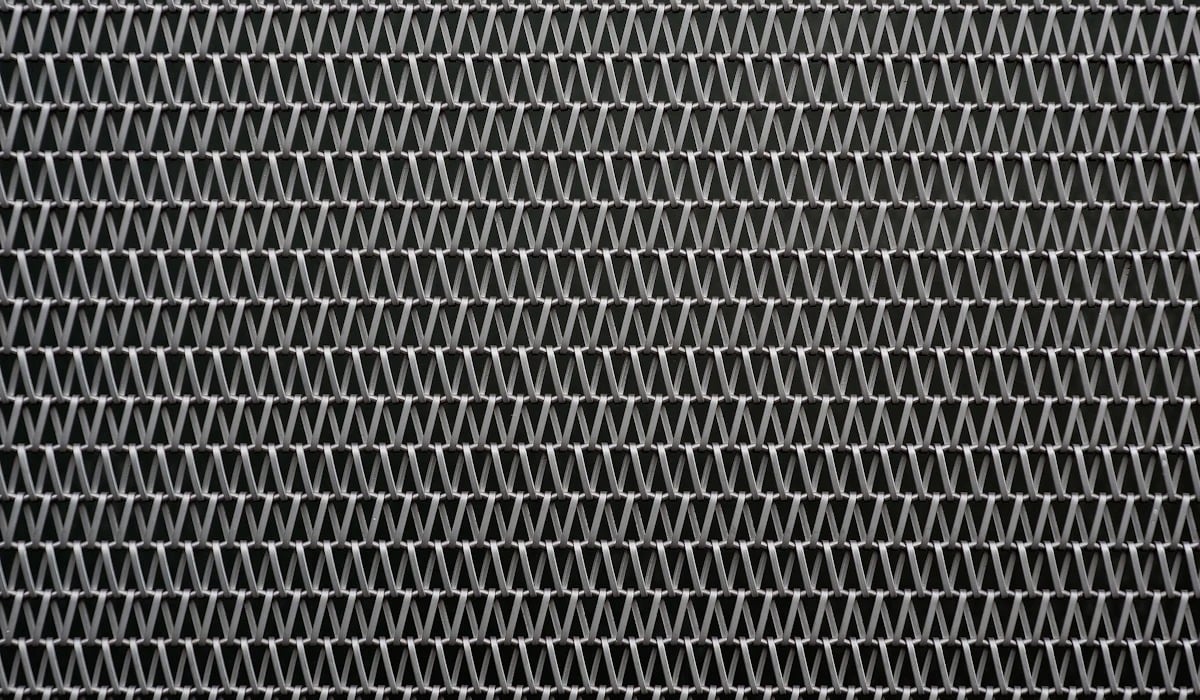
Painted wire mesh masks look like something from a fencing match that wandered into a haunted house. Fine metal screen was stamped into a face shape and then painted with features, which let the wearer see and breathe through the entire surface.
They were sold for Halloween and masquerade use through roughly the 1920s to the 1950s. Collectors often pay 50 to 200 dollars for clean examples.
Rust is the main enemy, followed by paint loss and bent mesh, and a mask with crisp painted eyes and a smooth, undented profile is far more desirable than a crumpled one.
Buckram Cloth Masks
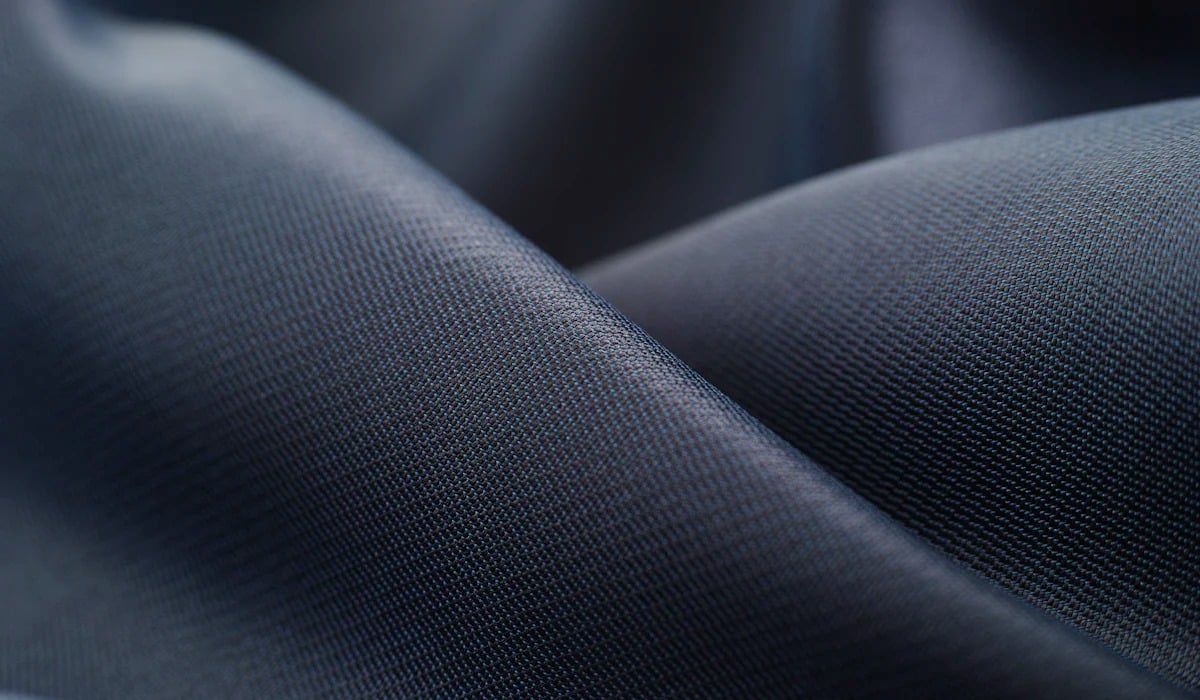
Buckram is a stiff, glue-treated cotton cloth, and for decades it was the go-to material for inexpensive party and Halloween masks. Molded buckram faces were painted, sometimes trimmed with fabric hair or mustaches, and sold for pennies at variety stores.
Simple domino styles survive in quantity, but full-face characters such as clowns, pirates, and old men are harder to locate. Prices typically run 25 to 100 dollars.
Mildew, crushing, and brittle elastic bands are common, and original trim that has not been replaced adds noticeably to appeal for anyone building a period display.
Celluloid Face Masks

Celluloid, an early plastic, allowed thin, glossy masks with sharply molded features, and many came from Japan before the Second World War. They are light enough to hold up with a string and have a delicate, almost porcelain look when the paint is intact.
The material is also notoriously flammable, which helps explain why so few survive. Good examples often trade around 60 to 200 dollars.
Cracks spread easily in old celluloid, and dents rarely pop back out, so condition is everything, along with how much of the original painted color remains on the cheeks and lips.
Topstone Rubber Monster Masks
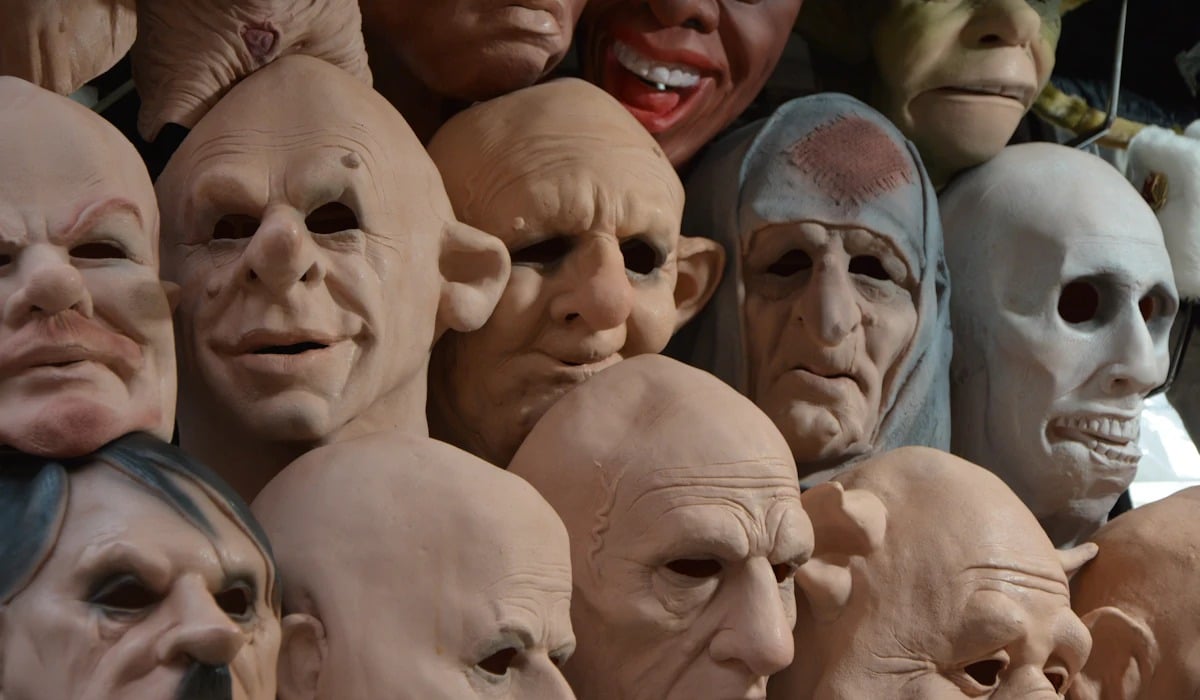
Topstone Rubber Toy Company of Danbury, Connecticut, made rubber masks that sold through dime stores and novelty shops from the middle of the twentieth century onward. Its monsters, witches, and ghouls were cheaper than Hollywood studio masks, which is exactly why so many kids owned one.
Collectors prize the company’s odder sculpts as much as its classic monsters. Typical prices run about 75 to 400 dollars depending on the character.
Rubber from this era often turns hard, sticky, or collapsed, and a mask that still holds its shape without cracking around the neck is the real find.
Universal Frankenstein Calendar Mask
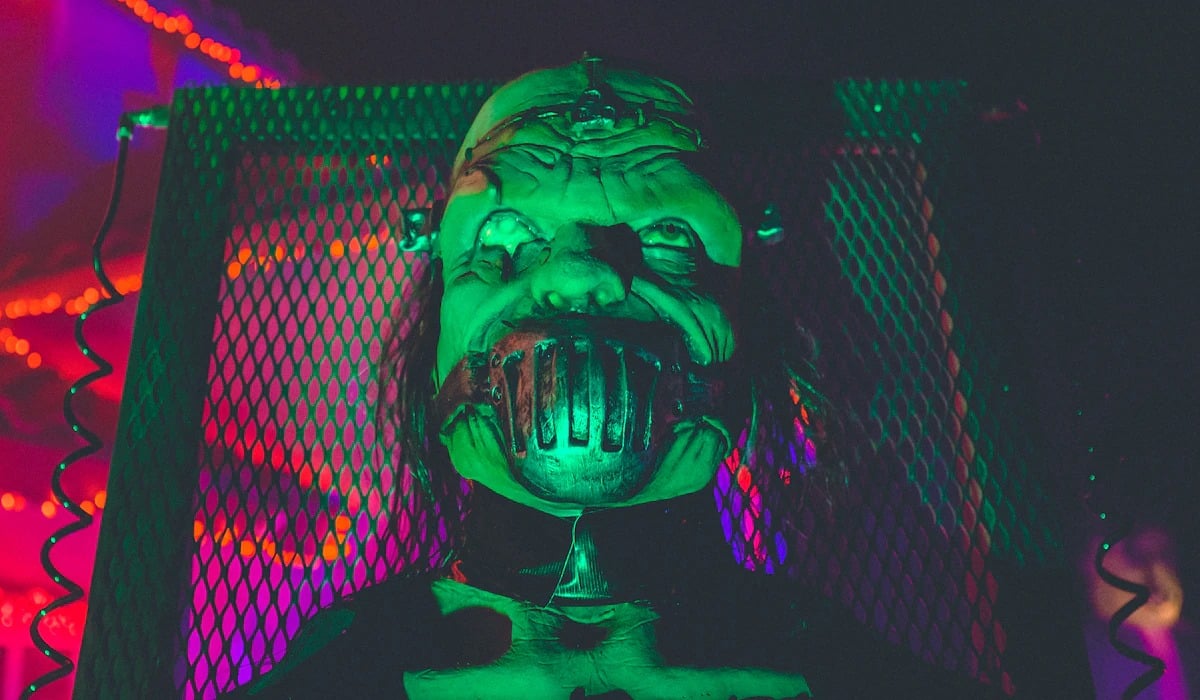
Don Post Studios licensed Universal’s monsters in the 1960s and produced a line of full-head latex masks that collectors now call the Calendar Masks. The Frankenstein Monster from that series, with its flat skull and heavy brow, is the one many fans picture first.
Vintage originals are scarce because latex from the period degrades. Collectors usually expect somewhere around 500 to 1,500 dollars for a solid example.
Brittle rubber, paint loss on the forehead, and a caved-in shape all cut that sharply, and later reissues are easily confused with first runs.
Wolf Man Calendar Mask With Real Hair

Real hair set the Wolf Man apart from the rest of the Universal line, and that hair makes the mask look striking while also making it hard to keep in good order. The sculpt follows Jack Pierce’s makeup for Lon Chaney Jr., with the snout and fangs that defined the 1941 film.
Hair shedding, glue failure, and matted fur are normal on survivors. Values often fall around 500 to 1,500 dollars.
A mask with full hair, sound rubber, and crisp painted teeth sits at the top of that range, while a bald or cracked one struggles to reach half.
Mummy Calendar Mask
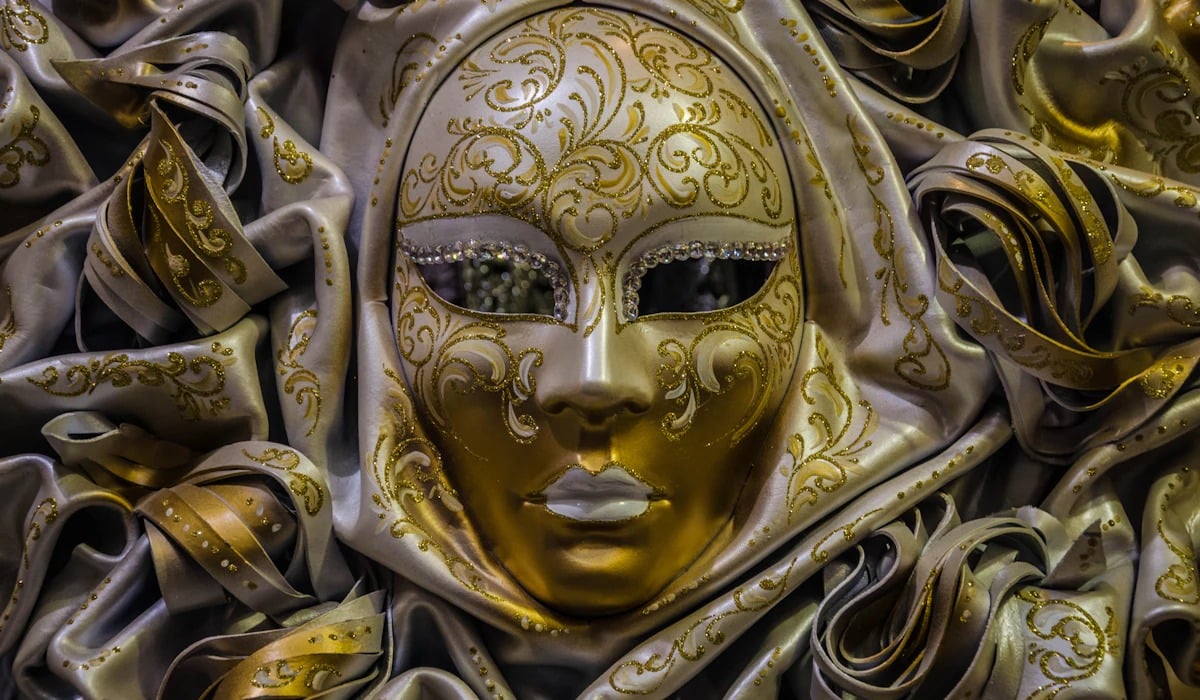
Don Post’s Universal series also included a Mummy mask that captured the wrapped, shriveled look of the studio’s 1930s and 1940s mummy films. Its fine bandage texture is one of the trickier sculpts in the line, and that detail is easy to lose when paint wears.
The Mummy is often considered the least flashy of the set, yet completists still need it. Prices typically range from about 400 to 1,200 dollars.
Dry rot, splitting along the bandage folds, and faded tan paint are the usual condition issues that buyers inspect closely before committing.
Creature Calendar Mask
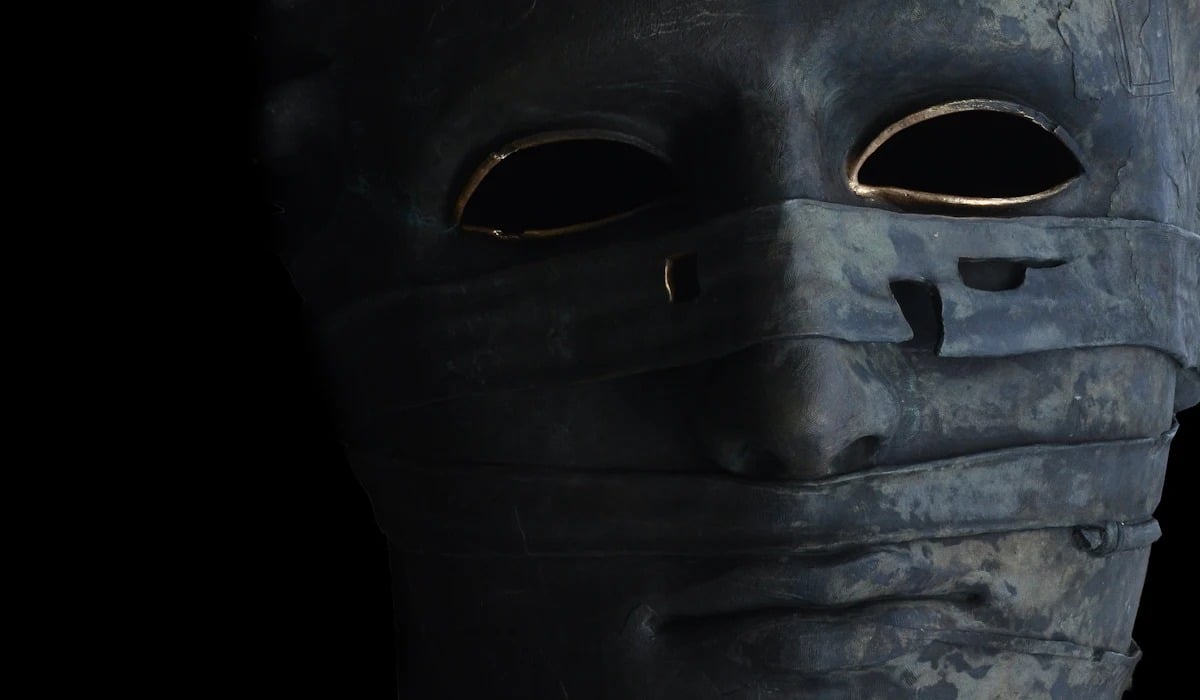
Universal’s 1954 gill-man, the Creature from the Black Lagoon, translated beautifully into latex thanks to its scales, fins, and wide, lipless mouth. Don Post’s version for the Universal series is one of the most recognizable in the group and among the more sought-after.
Its green paint scheme tends to fade or flake, and the fins can tear or droop over time. Values usually run around 600 to 1,800 dollars for strong examples.
Missing paint along the gills and warped fins pull prices down, and complete, well-stored pieces remain uncommon.
Phantom of the Opera Calendar Mask
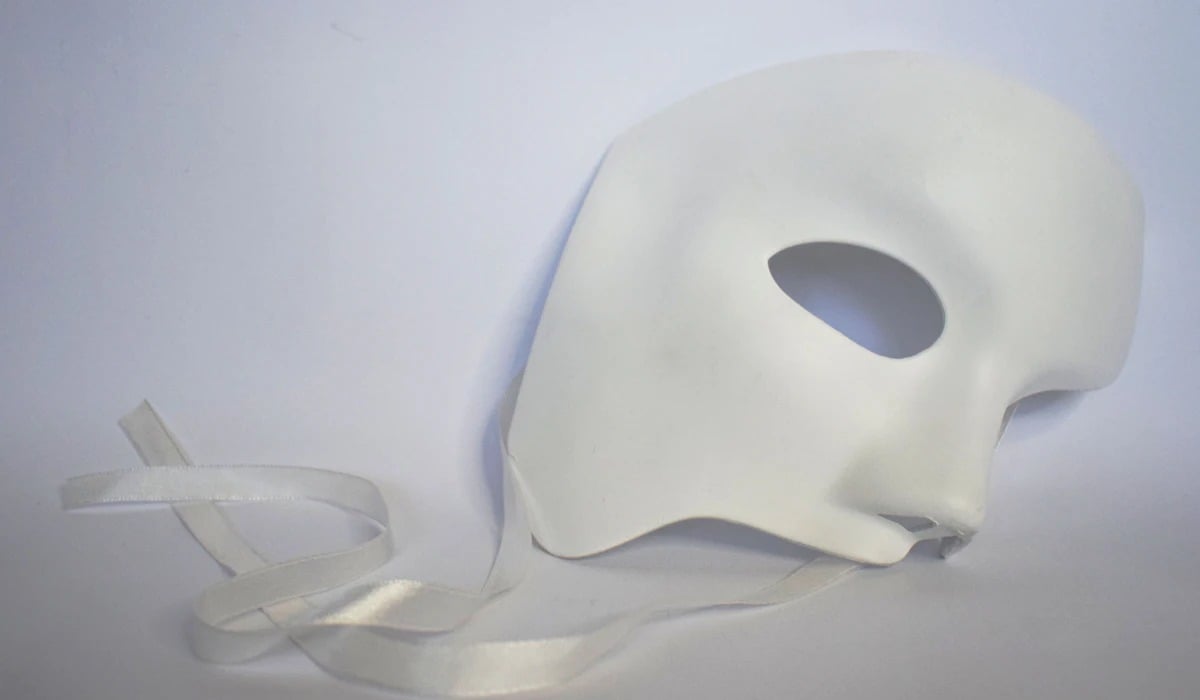
Lon Chaney’s 1925 role inspired the Phantom of the Opera mask, which recreates his skull-like makeup, with hollow cheeks and exposed teeth. It is one of the creepier faces in the Universal line, and it does not rely on hair or appliques, so survivors sometimes hold up better than the Wolf Man.
Even so, the thin areas around the eyes and nose are prone to tearing. Collectors often pay about 500 to 1,400 dollars.
Faded shading, splits, and old repairs lower the figure, and genuine 1960s examples should be compared carefully against later Don Post reissues.
Tor Johnson Latex Mask
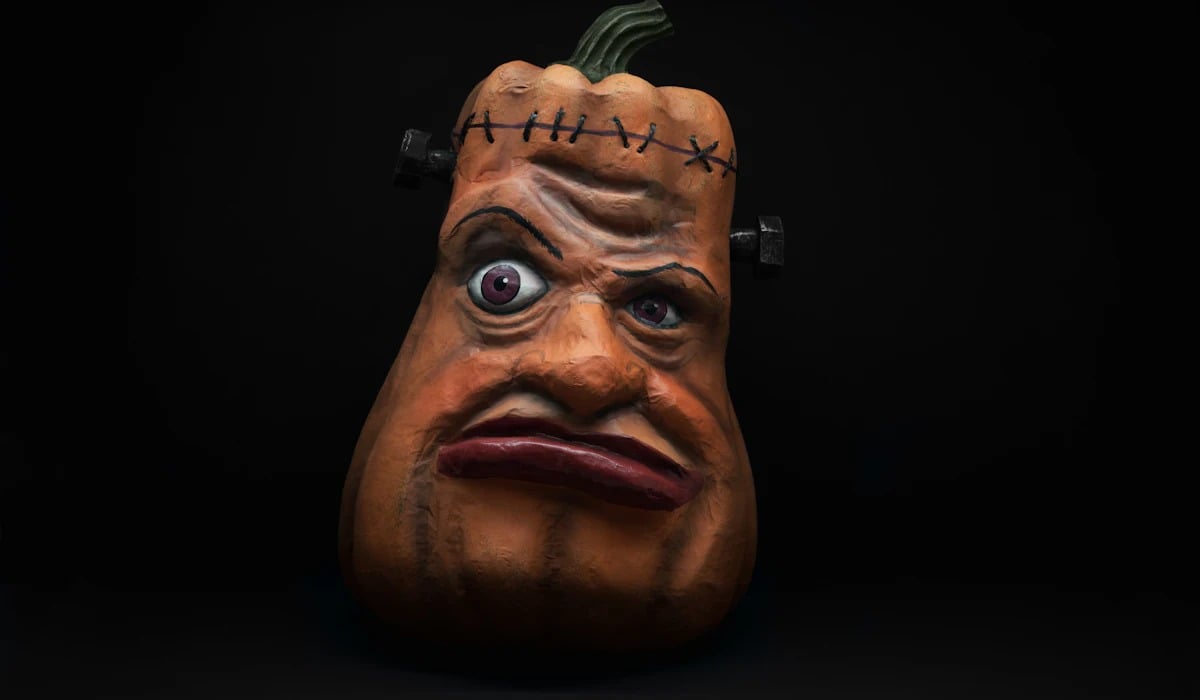
Tor Johnson, the Swedish wrestler turned actor from “Plan 9 From Outer Space,” ended up immortalized in latex. Don Post Studios produced a bald, heavy-browed Tor Johnson mask that became one of the company’s longest-running sellers, and Johnson is widely remembered for the mask almost as much as for his films.
Original vintage versions are distinguished from later reissues by construction and markings. Prices for older examples typically land around 200 to 700 dollars.
Flattened shape, crazed paint on the scalp, and brittle rubber are frequent issues, so buyers check carefully before paying up.
Masks From Monster Magazine Mail Order
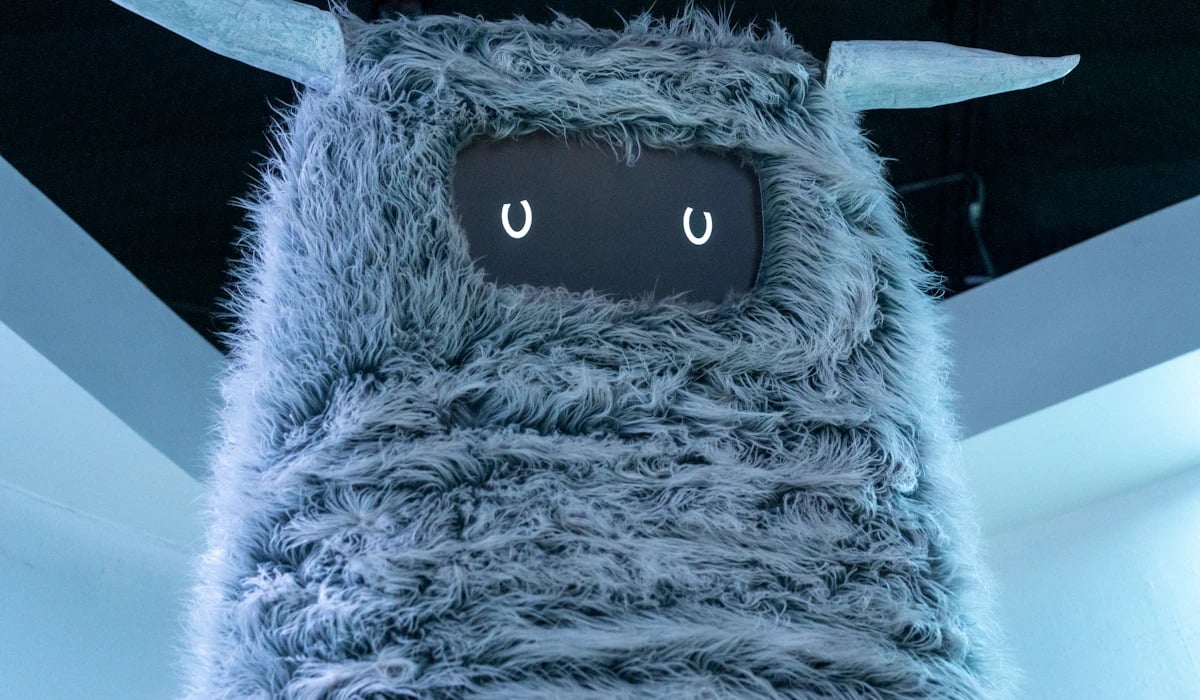
In the 1960s, monster-loving kids could order full-head masks straight from ads in “Famous Monsters of Filmland,” which ran pages of merchandise through its Captain Company mail-order arm. Those listings put Don Post and other makers in front of a national audience of young horror fans.
The ads themselves have become collectible, and masks that can be tied to that mail-order era carry extra nostalgia. Values depend entirely on the character and maker, often 200 to 1,000 dollars.
Original shipping boxes are rare, and any mask arriving with one in decent shape draws real attention.
Planet of the Apes Character Masks
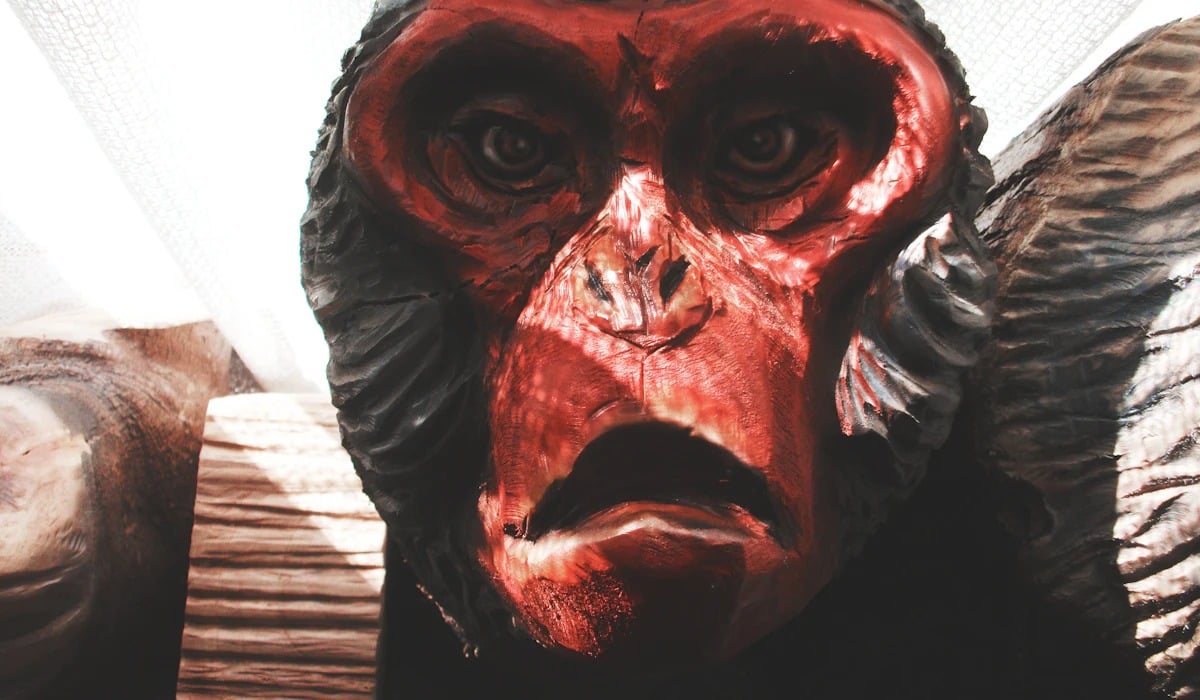
Licensed masks tied to “Planet of the Apes” came from Don Post Studios in the 1970s, including characters inspired by Cornelius, Dr. Zaius, and the gorilla soldiers.
They arrived during a wave of Apes merchandise that followed the films and the 1974 TV series. The sculpts reflect John Chambers’ Oscar-honored makeup, which helps explain their staying power.
Prices typically range from 150 to 600 dollars. Missing hair, cracking around the mouth, and faded flesh tones lower values, and an example with its original label or tag is noticeably easier to authenticate.
Darth Vader Helmet From 1977
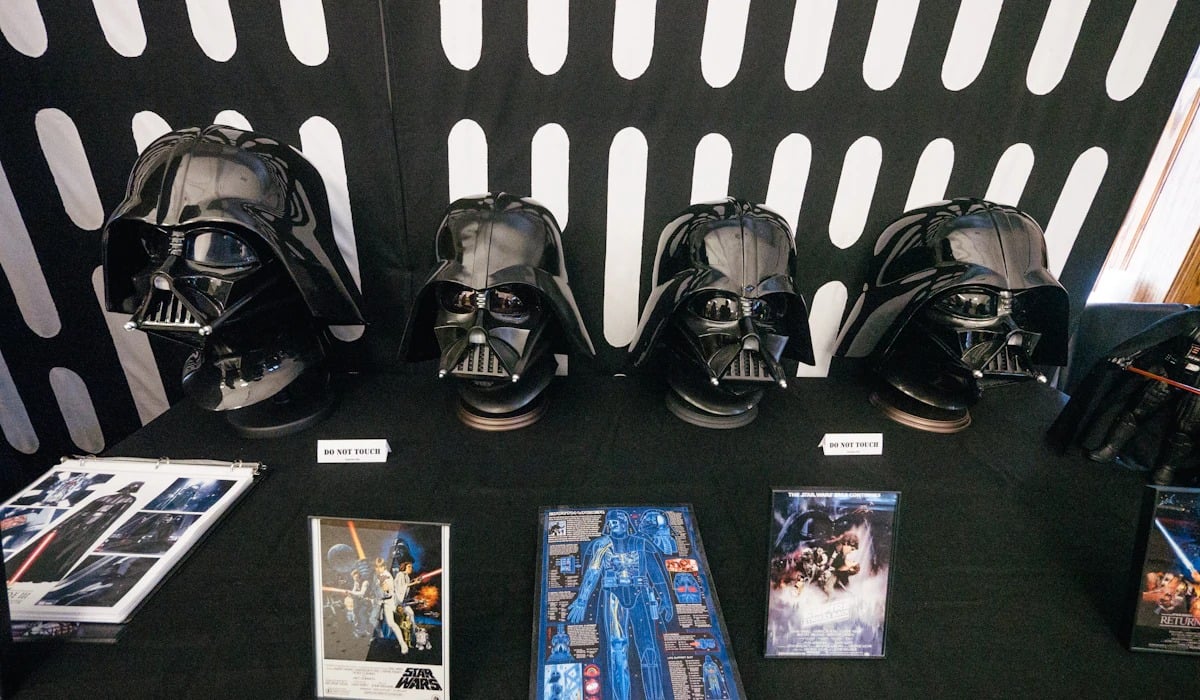
After “Star Wars” opened in 1977, Don Post Studios produced licensed Darth Vader helmets that became a staple for fans who wanted more than a thin plastic costume mask. Early helmets were sold as display and wearable pieces, and they have been reissued in various forms since.
First-generation versions carry the most interest, especially with original packaging. Collectors often pay about 150 to 600 dollars.
Scuffed gloss, cracked plastic, and missing boxes all drop the number, and later reissues are common enough that dating a helmet correctly matters a great deal.
Chewbacca Full-Head Mask
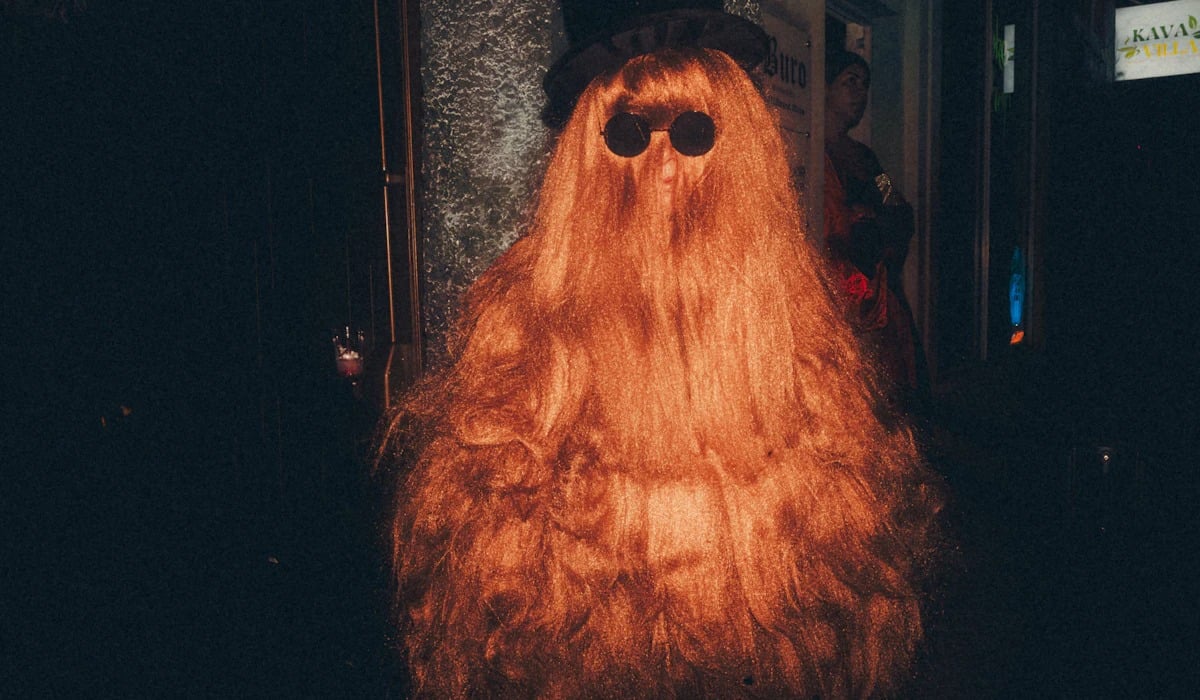
Chewbacca’s shaggy face was a natural fit for a full-head rubber mask with applied hair, and Don Post Studios made one under its Star Wars license in the late 1970s. The design attempted to capture the Wookiee’s expressive eyes and fanged mouth, though the result is softer than the film costume.
Many survivors have lost much of their hair or show glue staining. Values typically run 150 to 500 dollars.
Thinning hair, stiff rubber, and faded paint around the eyes are the main condition concerns, and complete examples with original tags are the most sought.
Stormtrooper Display Helmet

Stormtrooper helmets joined Don Post’s Star Wars line and became a popular display item for fans long before high-end replica helmets existed. Its white plastic shell and painted details are simple but instantly recognizable to anyone who grew up in the late 1970s.
The bright white finish shows yellowing and scratches easily. Prices commonly fall between 100 and 400 dollars.
Discoloration, chips in the black details, and broken mounting pieces lower desirability, while an early example with original packaging and clean paint stands out at shows and online.
Silver Shamrock Masks From Halloween III
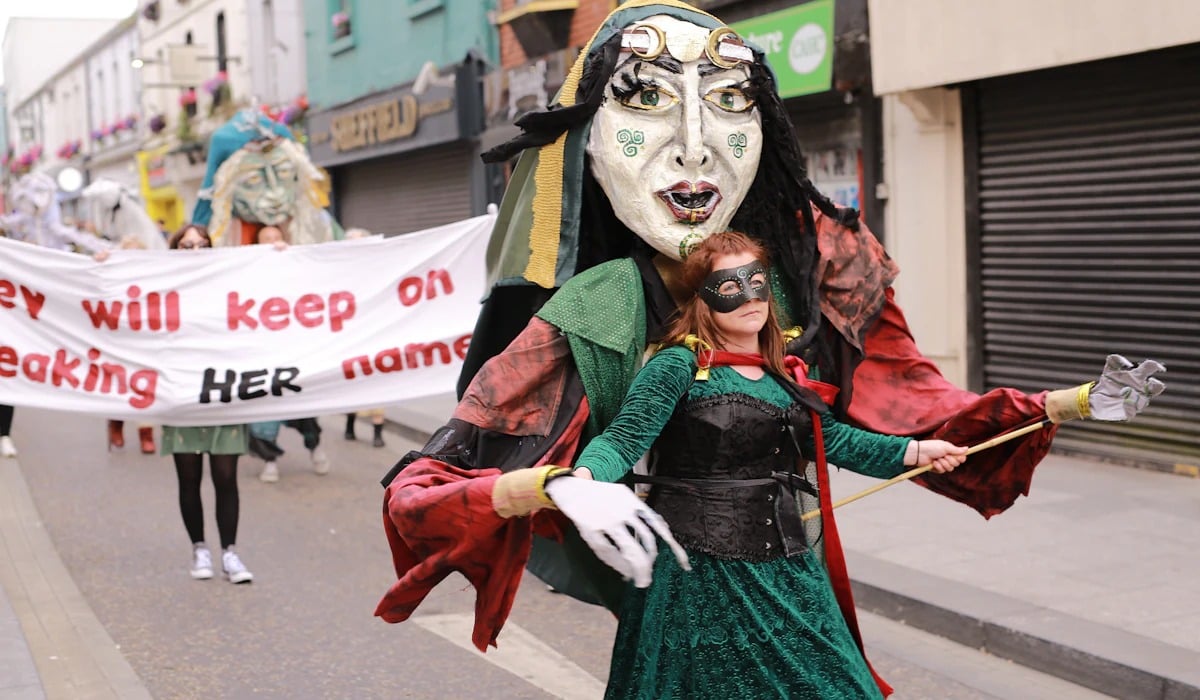
“Halloween III: Season of the Witch,” released in 1982, built its plot around three masks from the fictional Silver Shamrock Novelties company: a witch, a skull, and a jack-o’-lantern. Don Post Studios produced the masks seen on screen, and that connection makes vintage examples especially collectible.
The movie’s jingle and cult status have only boosted demand. Original screen-related pieces are rare, but later retail versions are easier to locate.
Values vary widely, typically from about 100 dollars for reproductions to several thousand for documented originals, with tears and paint loss lowering any price.
Cesar Vinyl Masks
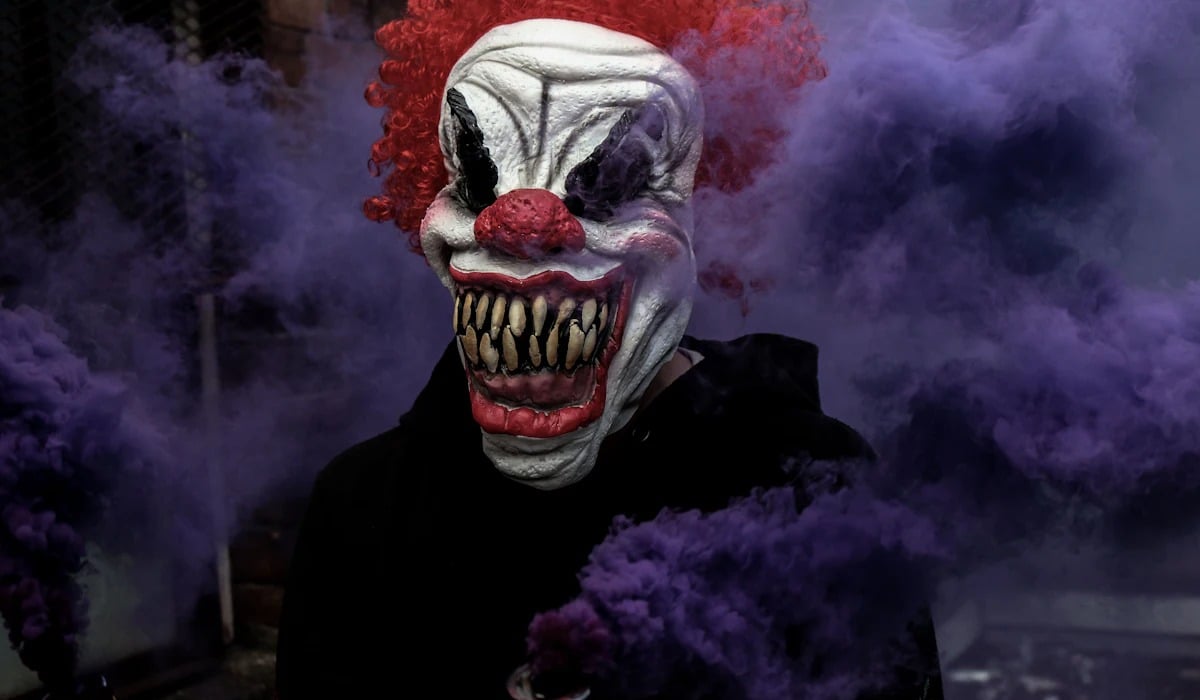
Cesar, a French maker, produced vinyl masks that reached the U.S. market in the 1970s, 1980s, and 1990s. Its masks were molded in thin, glossy vinyl rather than latex, which gave them a distinct look and made them more durable over time.
Cesar made monsters, clowns, old men, and licensed characters, and many survive with original labels. Prices typically range from 30 to 150 dollars.
Warping, scratches, and faded paint reduce value, while original store tags and an unused shape help a mask stand apart from the many loose survivors.
Alfred E. Neuman Novelty Masks
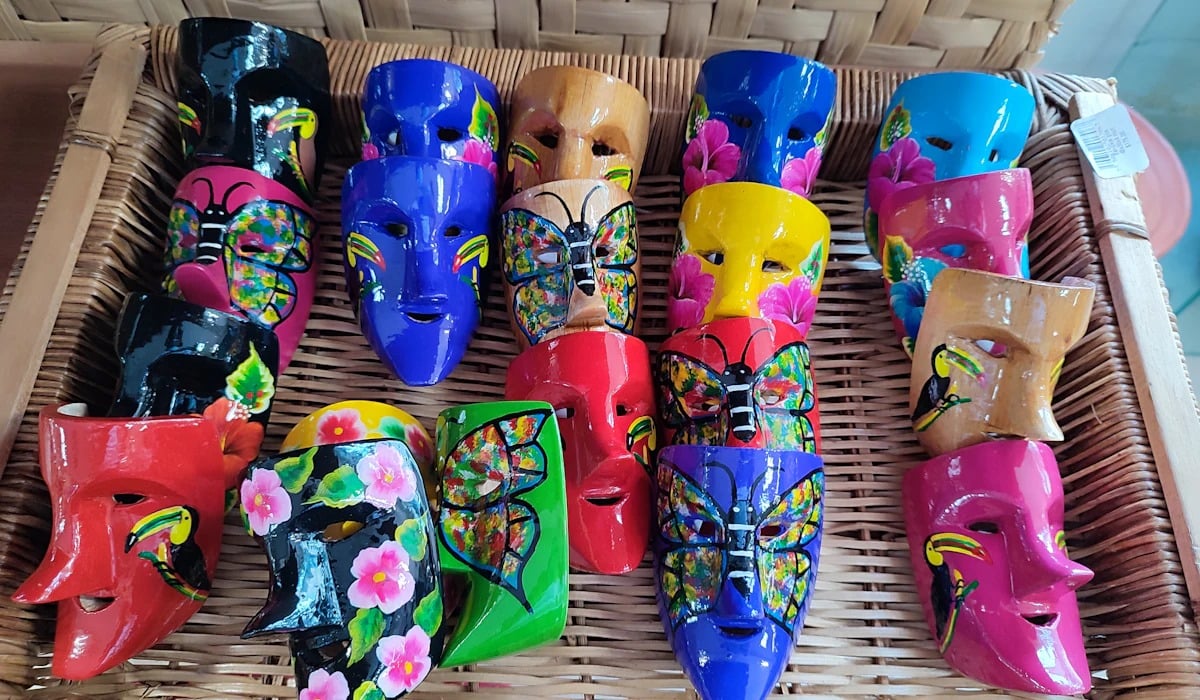
Mad magazine’s gap-toothed mascot, Alfred E. Neuman, was a natural candidate for a novelty mask, and several vintage rubber and vinyl versions have become crossover favorites.
They appeal to both mask collectors and Mad fans, which keeps demand steady. The cheerful, slightly vacant grin translates especially well in glossy vinyl.
Collectors often pay 40 to 200 dollars depending on condition and tags. Cracks around the eyes, scuffed paint on the freckles and teeth, and missing straps pull values down, and labeled examples bring the strongest prices.
Richard Nixon Rubber Masks
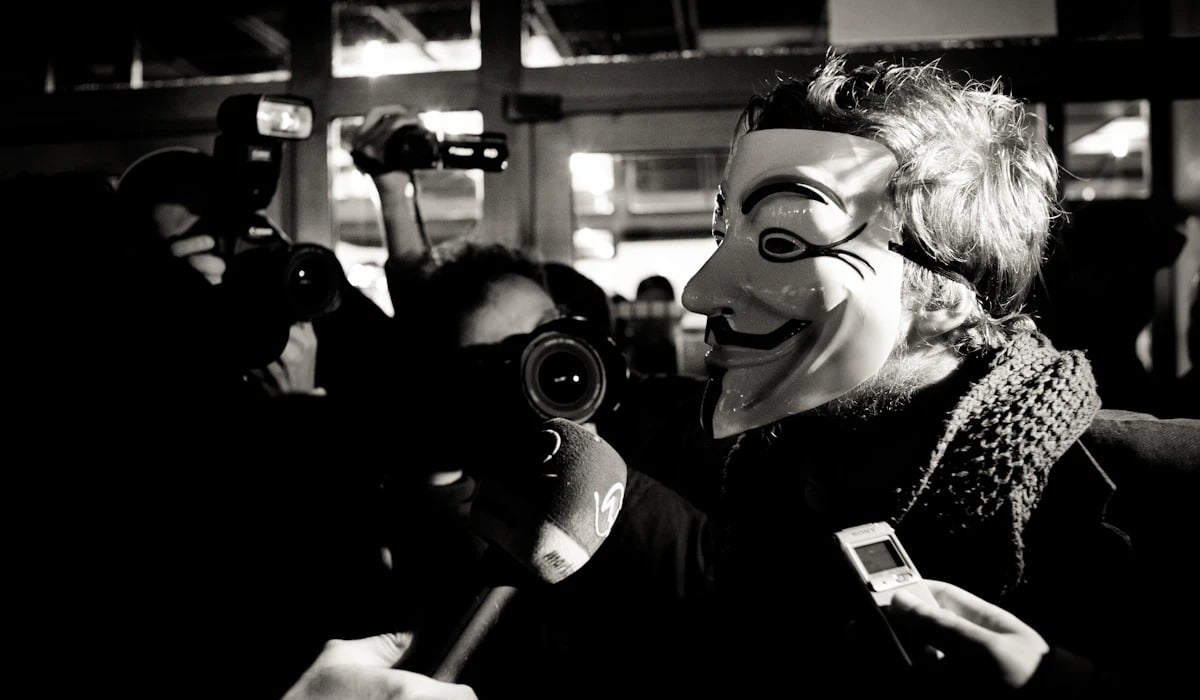
Political masks have been around for decades, but Richard Nixon became one of the most popular faces in rubber during the late 1960s and 1970s. His jowls and ski-slope nose were tailor-made for caricature, and Nixon masks turned up at Halloween parties, protests, and later in films such as “Point Break” in 1991.
Vintage 1970s examples carry more interest than later reissues. Prices usually range from 50 to 250 dollars.
Sticky latex, faded paint, and torn necklines are typical, and a mask with a readable maker’s mark is easier to date.
Yoda Latex Mask
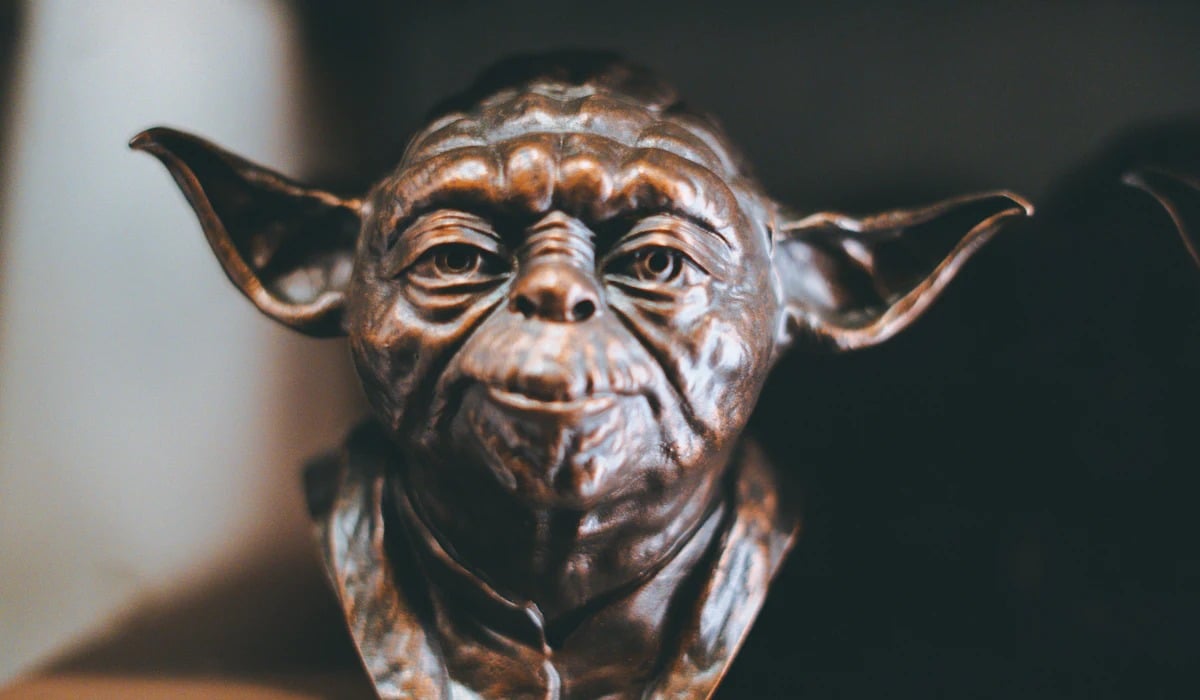
Yoda first appeared in “The Empire Strikes Back” in 1980, and Don Post Studios added a latex Yoda mask to its Star Wars line around that time. The green, wrinkled sculpt with oversized ears was a far cry from the menacing helmets that preceded it, which gave younger fans a gentler option.
Those big ears are also its weak point, since they tend to droop, crease, or split with age. Prices commonly sit around 100 to 400 dollars.
Faded green paint, sticky rubber, and missing tags all reduce appeal for serious buyers.
Ronald Reagan Rubber Masks
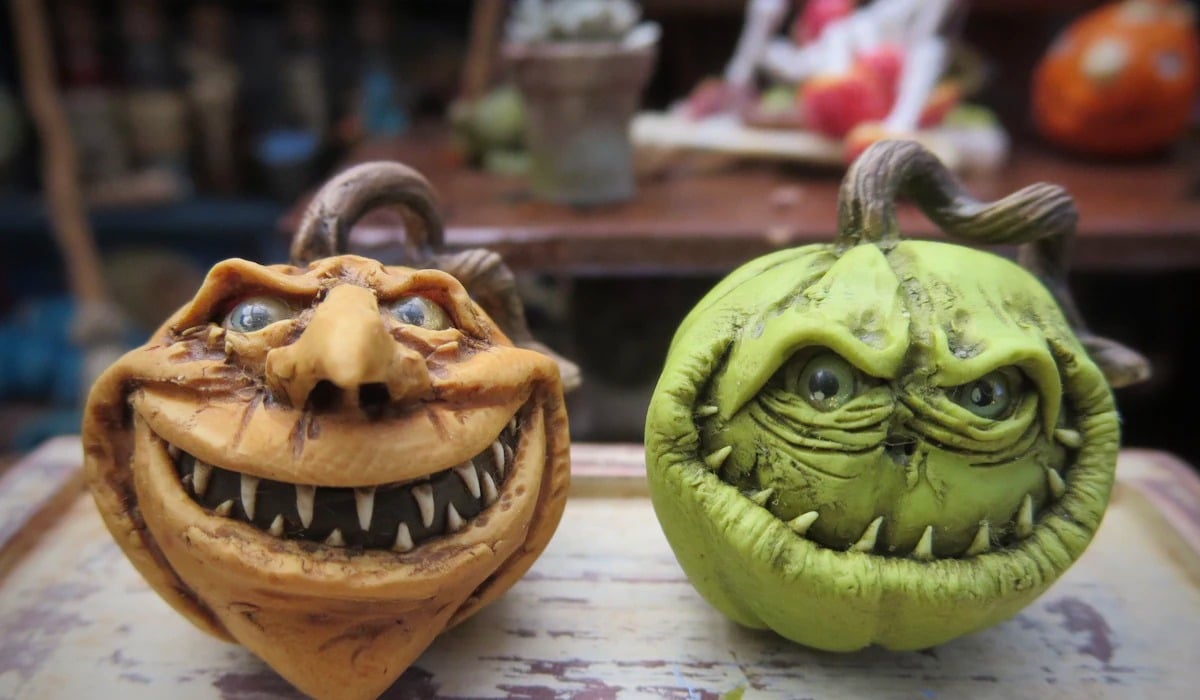
Ronald Reagan joined the long line of presidents rendered in rubber during the 1980s, when his grin and pompadour made him an easy subject for novelty mask makers. The mask gained a second life in 1991, when the bank robbers in “Point Break” wore ex-president faces, Reagan among them.
Vintage 1980s versions are separate from the many later copies made for movie fans. Values typically range from 40 to 200 dollars.
Dried-out latex, collapsed cheeks, and flaking hair paint are the usual flaws that keep prices modest.
Distortions Unlimited Latex Masks
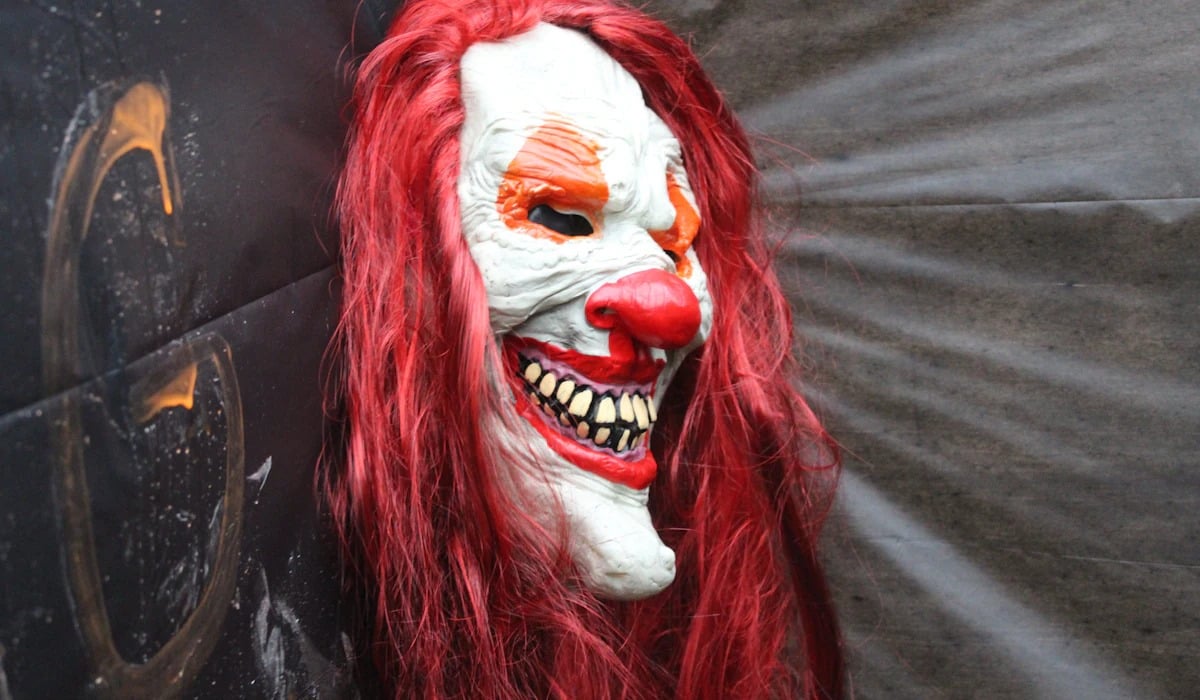
Distortions Unlimited, founded in Greeley, Colorado, by Ed Edmunds, became one of the best-known names in professional-grade Halloween masks and props from the late 1970s onward. Its masks were heavier, more detailed, and often more grotesque than mass-market options.
Early examples are now sought by collectors who remember seeing them in haunted attractions and specialty shops. Prices commonly range from 100 to 500 dollars.
Dry rot, cracked paint, and torn hair pieces affect value, and masks with their original tags or identifying markings are more desirable.
Jason Hockey Masks
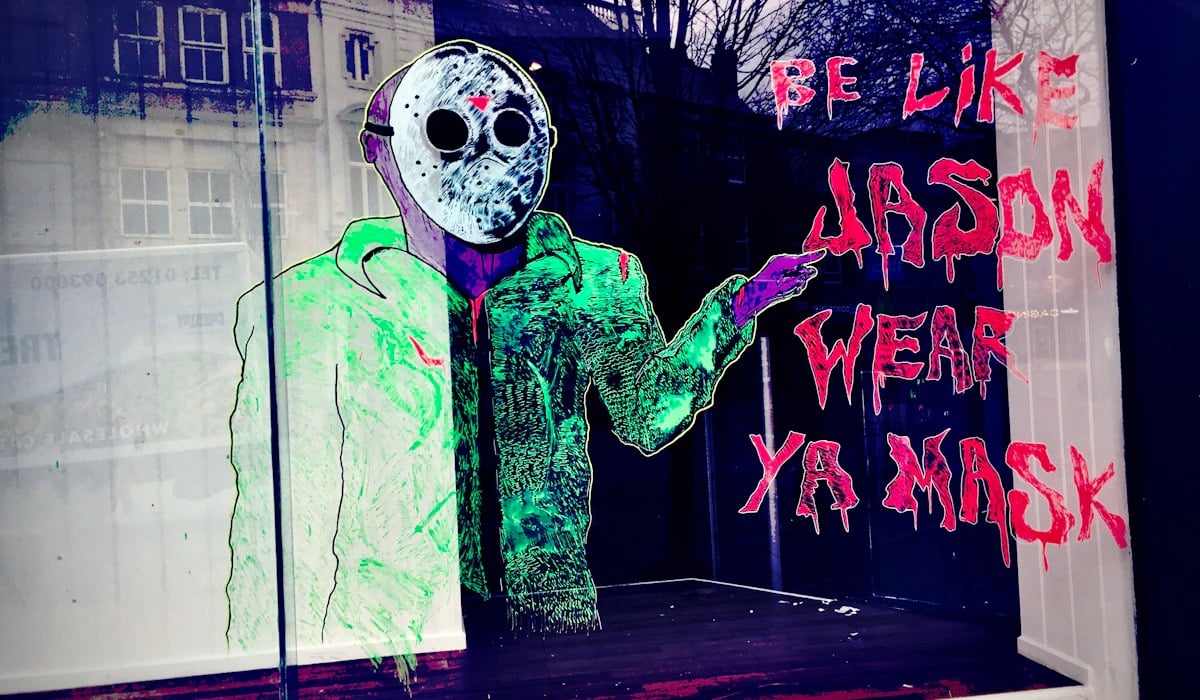
Jason Voorhees first wore his hockey mask in “Friday the 13th Part III” in 1982, and plastic replicas became a Halloween staple soon after. The white mask with red markings is simple enough to mass-produce and recognizable enough to remain popular for decades.
Early 1980s retail versions are now sought by horror collectors. Prices usually range from 25 to 200 dollars, with higher figures for early licensed pieces.
Scratches, yellowed plastic, and missing straps are common, and verified vintage licensing is what separates a collectible from a party store copy.
Freddy Krueger Masks
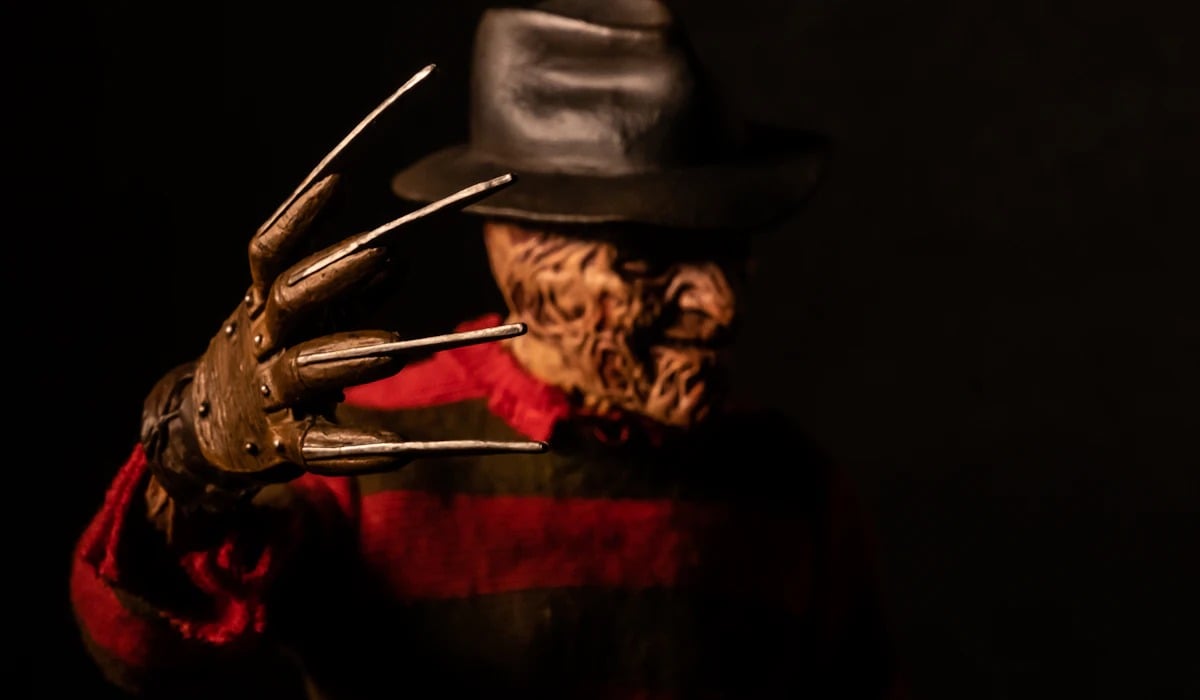
Freddy Krueger debuted in “A Nightmare on Elm Street” in 1984, and latex masks of his scarred face followed as the franchise grew. Late 1980s licensed versions, often sold alongside the fedora and bladed glove, are the ones collectors chase most.
The scarred texture is detailed enough to show off a sculptor’s skill. Prices typically fall between 50 and 300 dollars.
Paint loss on the scars, sticky rubber, and torn necklines lower value, and masks with original packaging or tags are worth considerably more than loose examples.
Rubie’s Early Rubber Masks
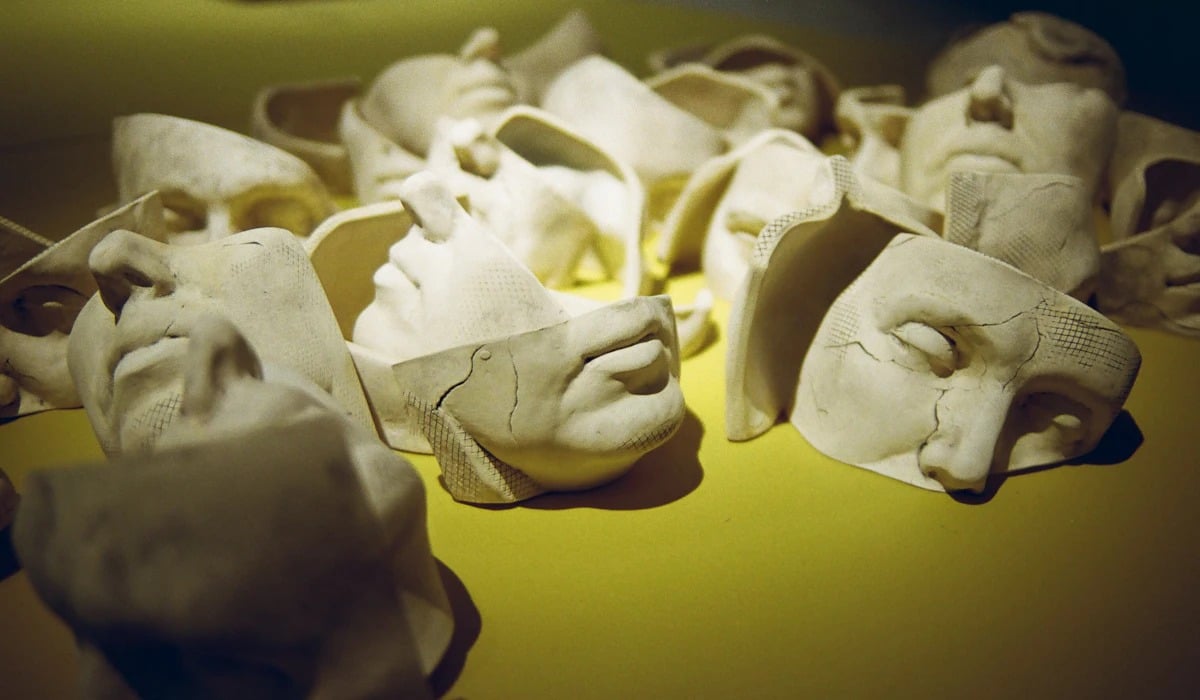
Rubie’s Costume Company was founded in Queens, New York, in 1951 by Rubin and Tillie Beige, and grew into one of the largest Halloween companies in the country. Its early masks are far less documented than its later licensed lines, which is part of the appeal for collectors who enjoy hunting obscure pieces.
Vintage Rubie’s rubber masks often turn up at estate sales. Prices typically range from 30 to 150 dollars.
Cracked rubber, faded paint, and missing labels lower value, and examples that can be dated through tags are especially welcome.
Full-Head Gorilla Masks
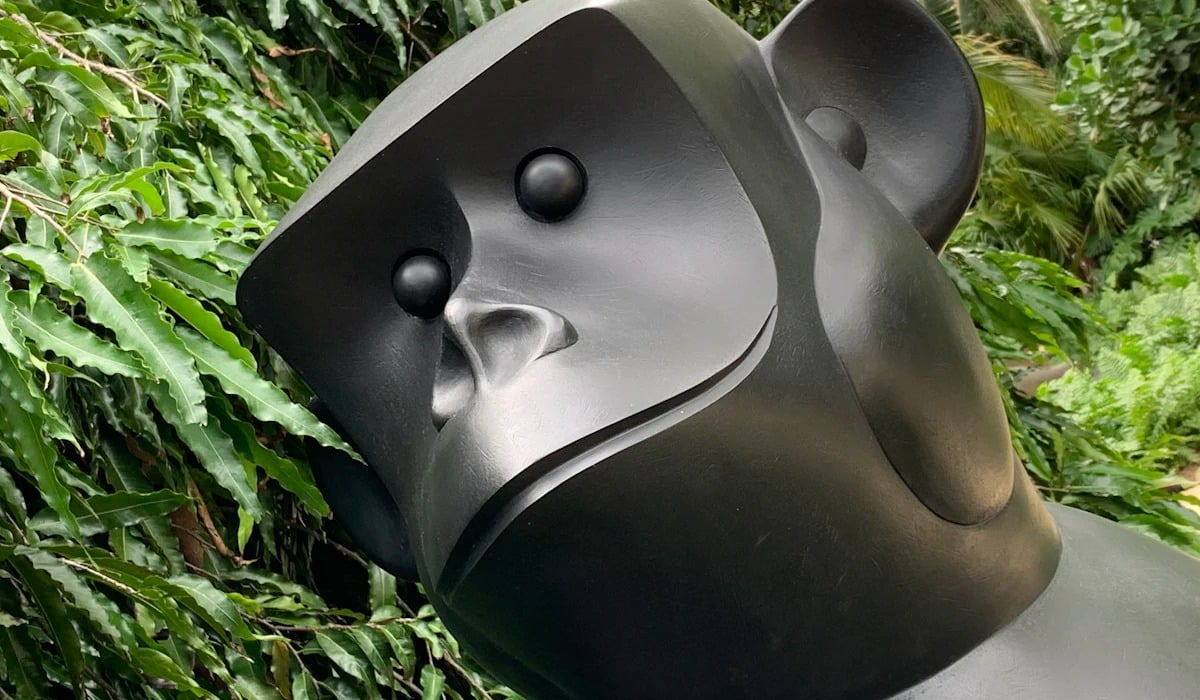
Gorilla masks have been a novelty staple for generations, appearing in comedy routines, magic acts, and Halloween parties alike, and stage performers kept them in steady demand. Vintage full-head versions with real or synthetic hair are prized by collectors who appreciate their exaggerated expressions and sturdy construction.
Several makers produced them, which makes identification part of the fun. Prices usually range from 50 to 300 dollars.
Shedding hair, dried-out latex, and mildew are the main issues, and a mask that still holds its shape with full hair coverage is the strongest find.
Fun World Ghostface Mask
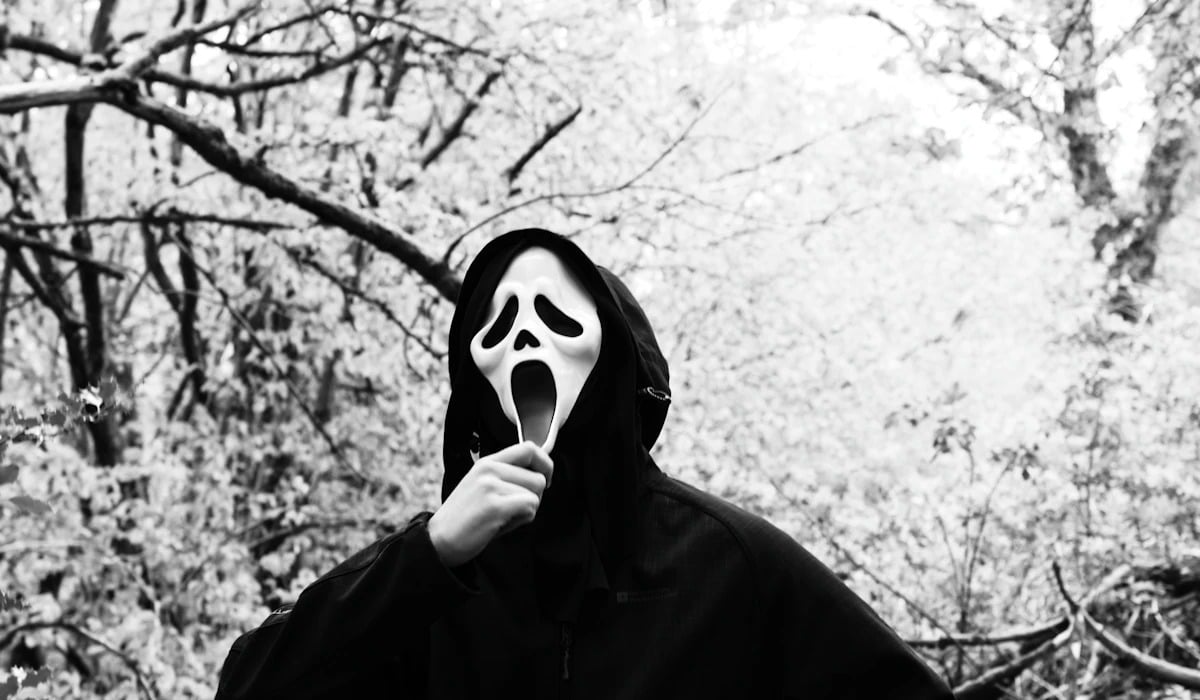
Fun World produced the Ghostface mask for “Scream,” released in 1996, and copies followed on store shelves afterward. Its drooping, elongated face became one of the most recognizable horror masks of the 1990s, and early versions are now collectible.
Licensed Fun World masks carry markings that help collectors separate them from later copies. Prices typically range from 25 to 150 dollars.
Scratched plastic, torn fabric hoods, and missing tags lower value, and early examples in unopened packaging bring the most interest.
Latex That Refuses to Last

Every mask on this list was made from something that wants to fall apart. Paper softens, gauze tears, wire rusts, and rubber slowly turns sticky or brittle no matter how carefully it is stored.
That built-in decay is what separates mask collecting from most other Halloween hobbies.
The faces themselves trace a clear line through popular culture, from carnival devils to Universal monsters, space villains, and slasher icons. Each generation chose the faces it wanted to wear, and collectors are now trying to hold on to them before time finishes the job.
A well-preserved mask is less about rarity than about survival.
MORE FROM GO2TUTORS!

- The Romanov Crown Jewels and Their Tragic Fate
- 13 Historical Mysteries That Science Still Can’t Solve
- Famous Hoaxes That Fooled the World for Years
- 15 Child Stars with Tragic Adult Lives
- 16 Famous Jewelry Pieces in History
Like Go2Tutors’s content? Follow us on MSN.