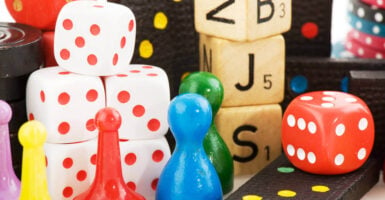
29 Board Games From Childhood Closets That Collectors Now Pay Real Money For
Every family closet has a stack of flattened boxes held together with brittle tape. Most of them are worth exactly what they cost at a yard sale, which is very little.
A few, though, carry names, dates and pieces that collectors hunt with real intensity. The difference usually comes down to three things: the edition, the completeness of the contents, and whether the box survived decades of rainy afternoons.
A game missing one card is a different object from a game with every token still bagged.
McLoughlin Brothers Lithographed Games
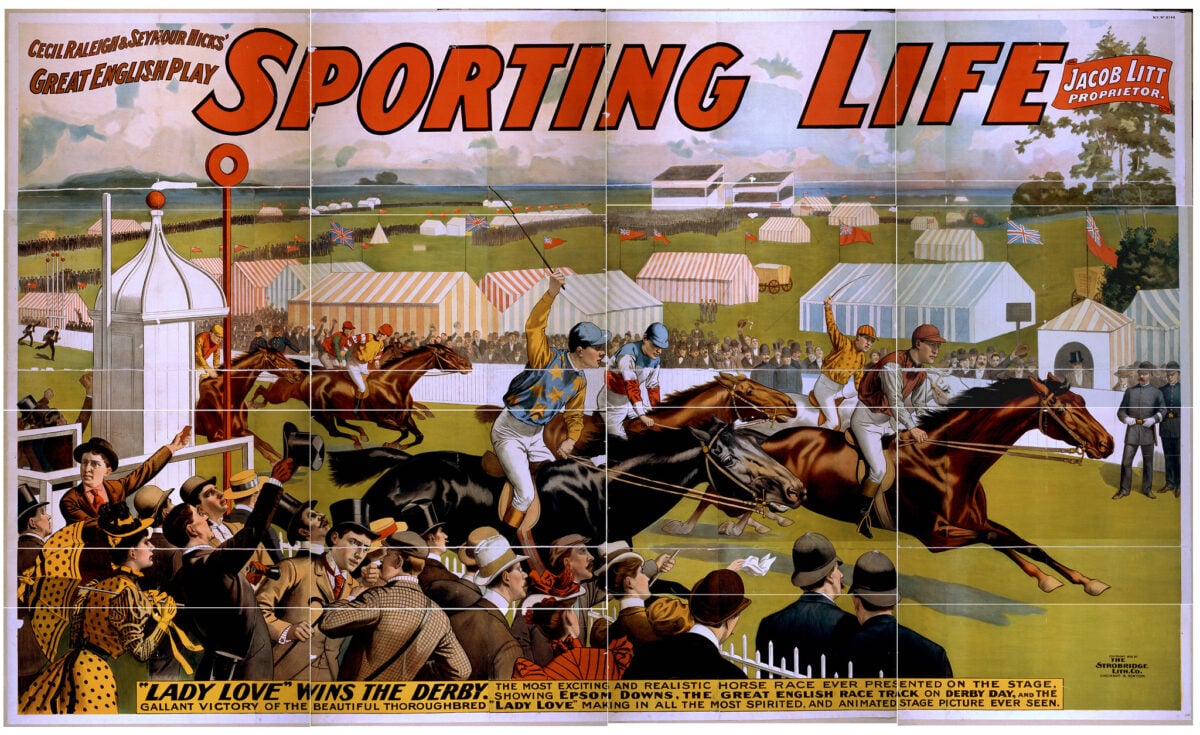
Before Milton Bradley and Parker Brothers dominated toy aisles, McLoughlin Brothers of New York printed some of the most beautiful games ever sold in America. The firm specialized in richly colored chromolithography, and its boxes from the late 1800s look more like framed prints than toys.
Milton Bradley bought the company in 1920, which ended its independent run. Collectors prize the box lids as much as the games inside, so a bright, unfaded lid with intact corners matters enormously.
Water stains, missing boards and trimmed edges pull prices down fast, while clean examples of scarce titles have brought well into four figures at specialist auctions.
Milton Bradley Uncle Wiggily Game
Uncle Wiggily Longears, the rabbit gentleman from Howard R. Garis’s newspaper stories, got his own Milton Bradley board game in 1916. The game stayed in print for decades, so plenty of later copies circulate at modest prices.
The early editions are the ones worth attention, with their older box art, rhyming instruction cards and lead or wooden rabbit pawns. Buyers look closely at whether the original rhyme cards survive, since those small cards were the first thing children lost.
A complete early set in a sound box goes for far more than a mid-century copy, while a battered later one rarely clears a few dollars.
Early Parker Brothers Monopoly Sets
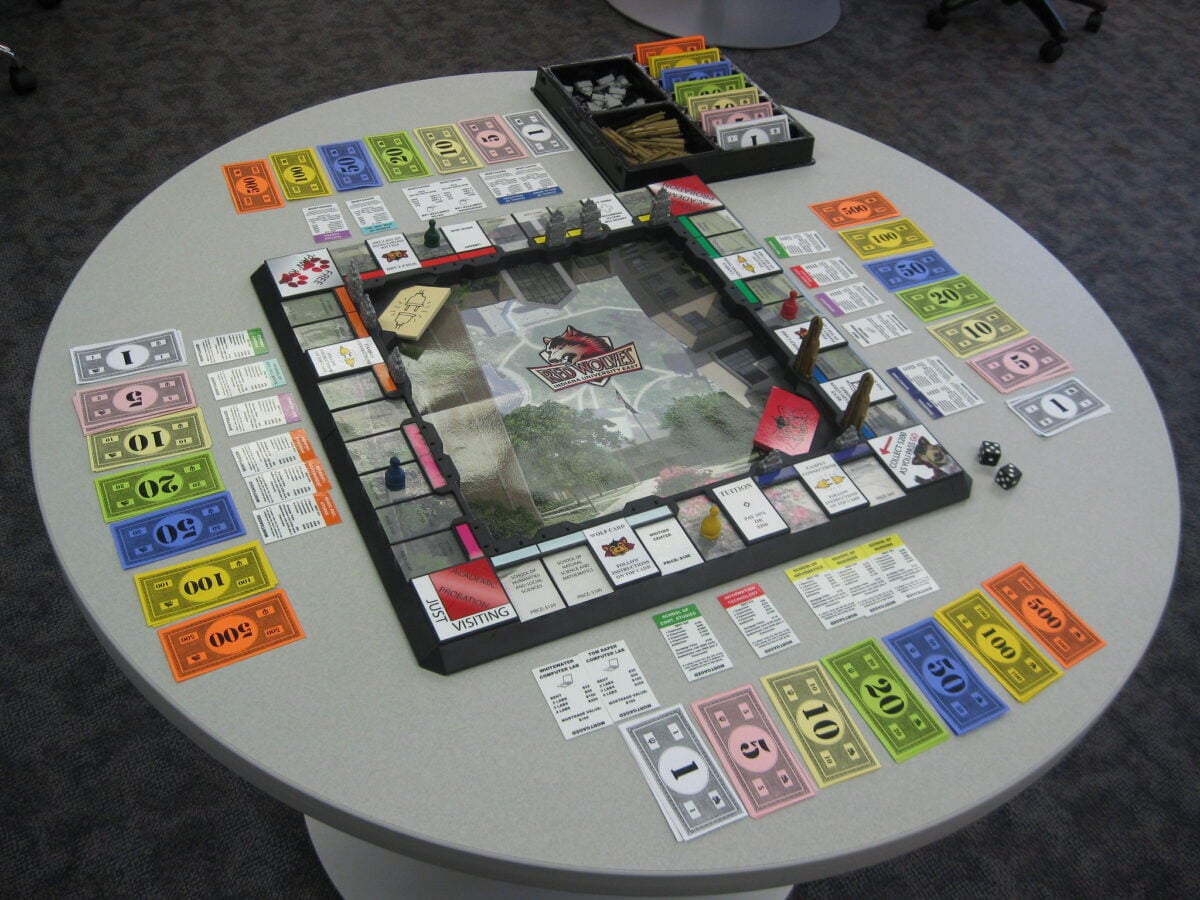
Monopoly entered Parker Brothers’ catalog in 1935, and the earliest sets are the ones that make collectors lean forward. Some came in small white boxes with a separate board, and the very first commercial versions trace back to Charles Darrow’s hand-assembled sets, which are museum pieces.
The game itself grew out of Elizabeth Magie’s Landlord’s Game, patented in 1904. For 1930s Parker Brothers editions, completeness drives value: the original wooden houses and hotels, embossed tokens and title deeds all need to be present.
Missing money is common and forgivable, but a crushed box or water damage can cut the price by more than half.
William Fuld Ouija Boards
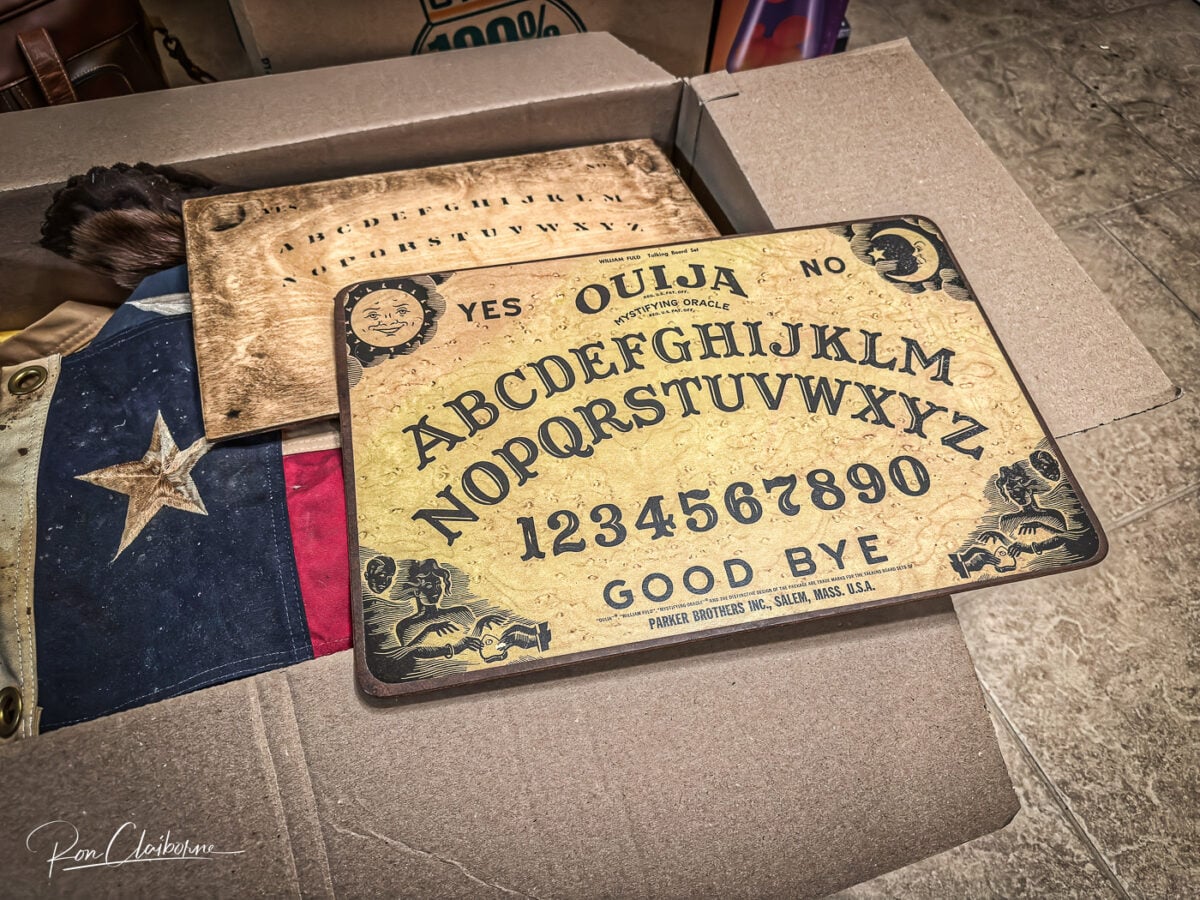
The talking board patented by the Kennard Novelty Company in 1891 became famous under William Fuld, whose name appears on boards made for decades before Parker Brothers bought the rights in 1966. Fuld-era boards, especially those with original planchettes and intact boxes, pull steady interest from collectors of both games and American folk history.
The printing style, the company address on the board and the planchette design help date a piece. Warping, scuffed lettering and replacement planchettes are the usual problems.
A clean Fuld board with its matching pointer sells for several times the price of a later Parker Brothers version from the 1970s.
First Edition Clue From 1949
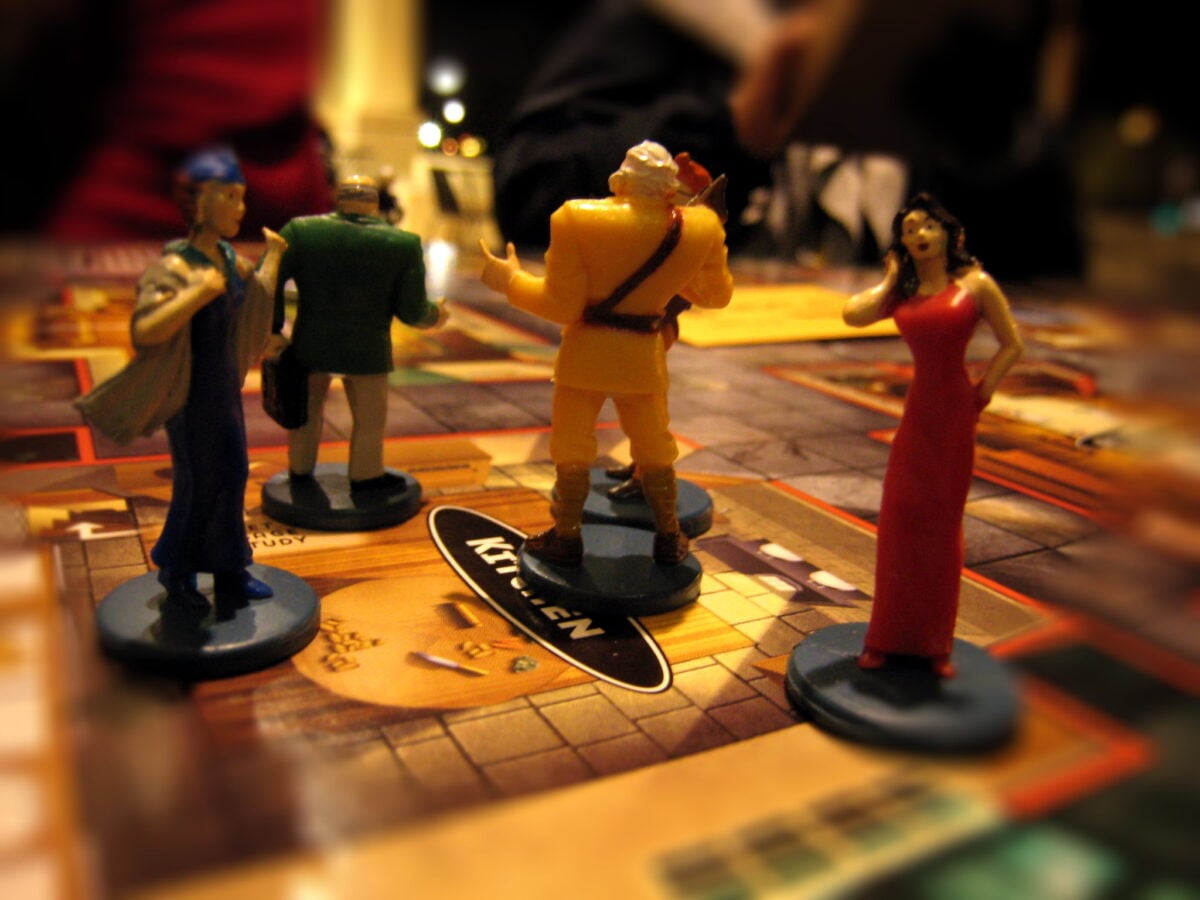
Anthony Pratt devised the murder mystery game that Waddingtons issued in Britain as Cluedo, and Parker Brothers brought it to the United States as Clue in 1949. First American editions feature a different box design and earlier artwork than the long-running versions most families remember.
Collectors check for the full set of metal weapons, the original suspect pawns, the detective notepad and the card deck. The notepads almost never survive unused, so a blank one is a real bonus.
Rubbed lids and missing weapons knock values down hard, while a complete 1949 set in good shape draws serious bids.
Early Scrabble With Wooden Tiles
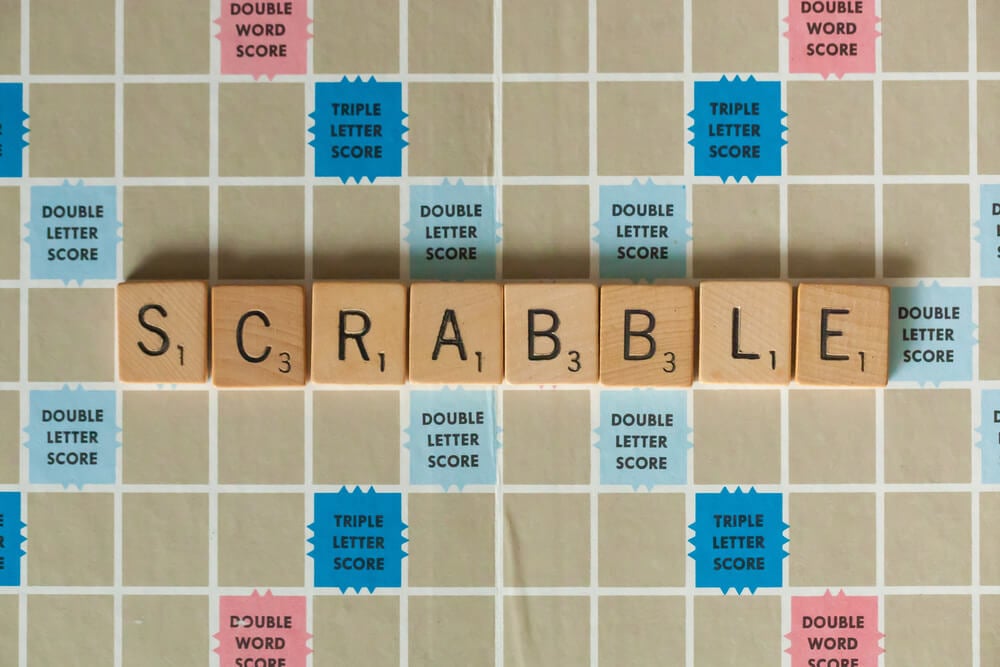
Scrabble began as Alfred Butts’s word game, and the version most people know took shape when James Brunot began producing it in Connecticut in 1948. Those early sets, assembled in small numbers before Selchow and Righter took over manufacturing, are the ones collectors want.
The game became a phenomenon in the early 1950s, when demand overwhelmed the small operation. Condition questions center on the tile count, the board’s folding edges and the box’s original labeling.
A set short two or three tiles loses much of its appeal. Genuine early Brunot boxes with every wooden tile present bring meaningful sums from word game collectors.
Candy Land From 1949
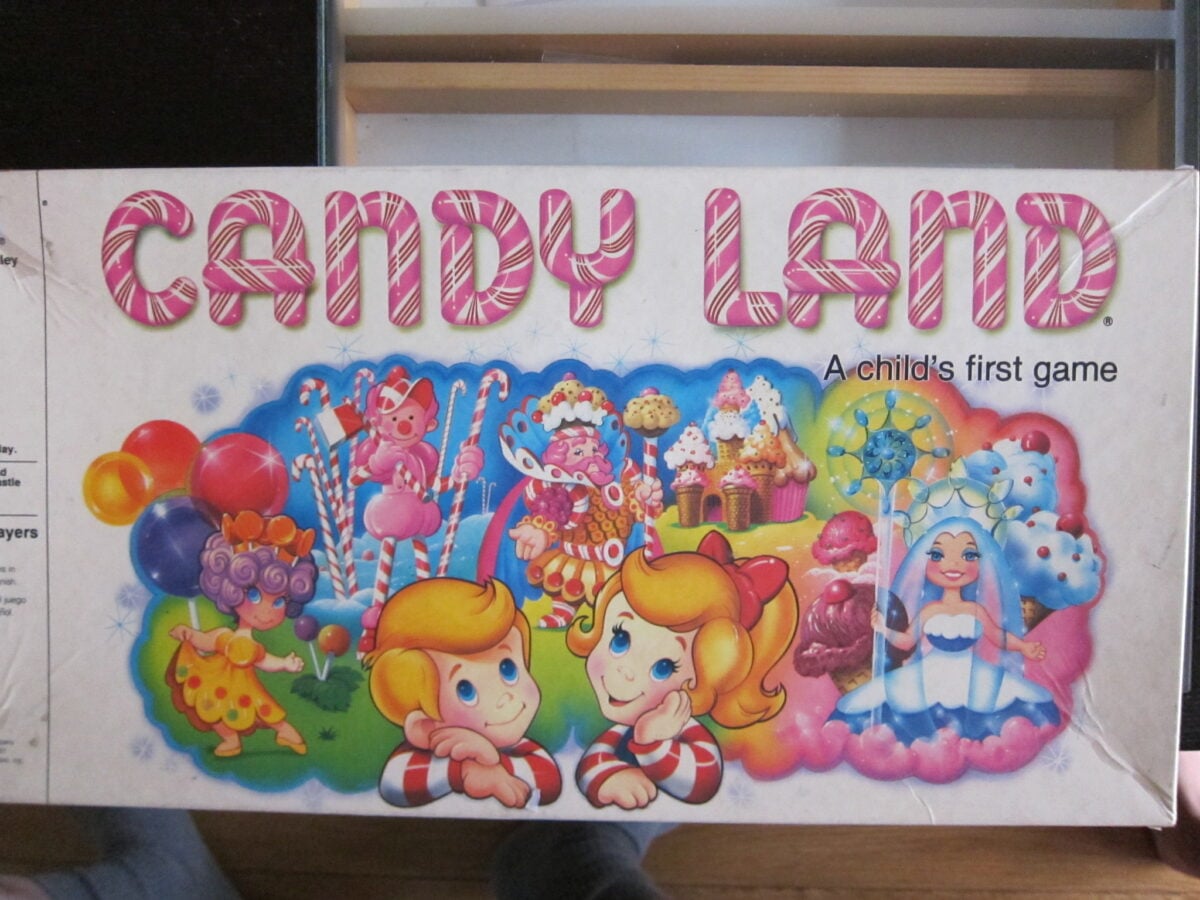
Eleanor Abbott designed Candy Land while recovering from polio in San Diego, and Milton Bradley published it in 1949. The first edition artwork differs from later printings, and the early boards have a softer, hand-drawn look that collectors recognize immediately.
Because the game was aimed at very young children, surviving first editions tend to be well chewed, torn or scribbled on. That makes clean, complete copies genuinely scarce.
The original card deck and pawns should all be present, and the box should keep its corners. A worn later copy has little value, but a sound 1949 edition is a different story entirely.
Risk With Wooden Army Pieces
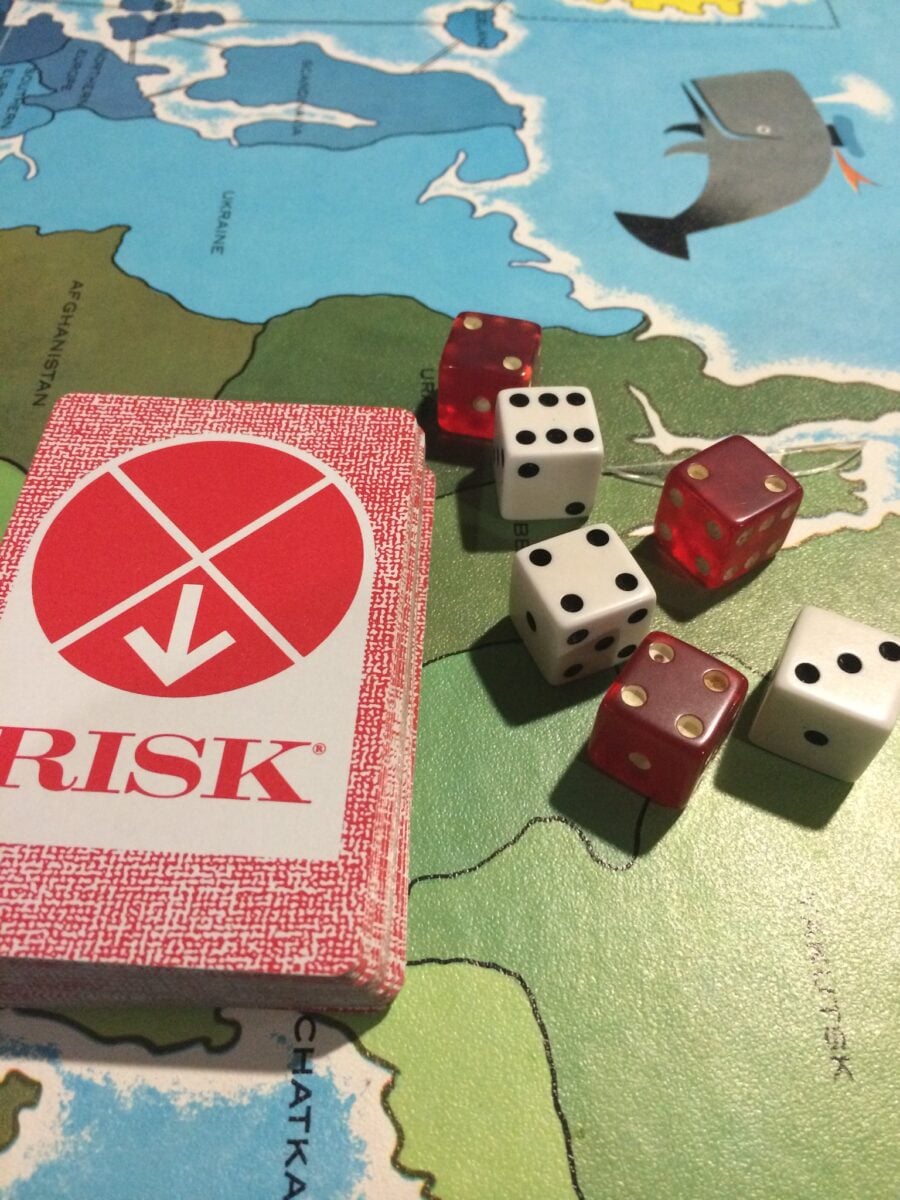
Risk was invented by French filmmaker Albert Lamorisse, whose version appeared in France in 1957 before Parker Brothers released it in America in 1959. Early American sets used small wooden cubes and bars instead of the plastic soldiers later generations remember.
The wooden pieces came in six colors, and a full count across every color is essential for top value. The original bookshelf-style box with its world map artwork is the other key detail.
Missing armies, a split board or a damaged lid all reduce desirability. Clean early editions sit well above the price of any modern reprint.
Allan Calhamer’s Original Diplomacy
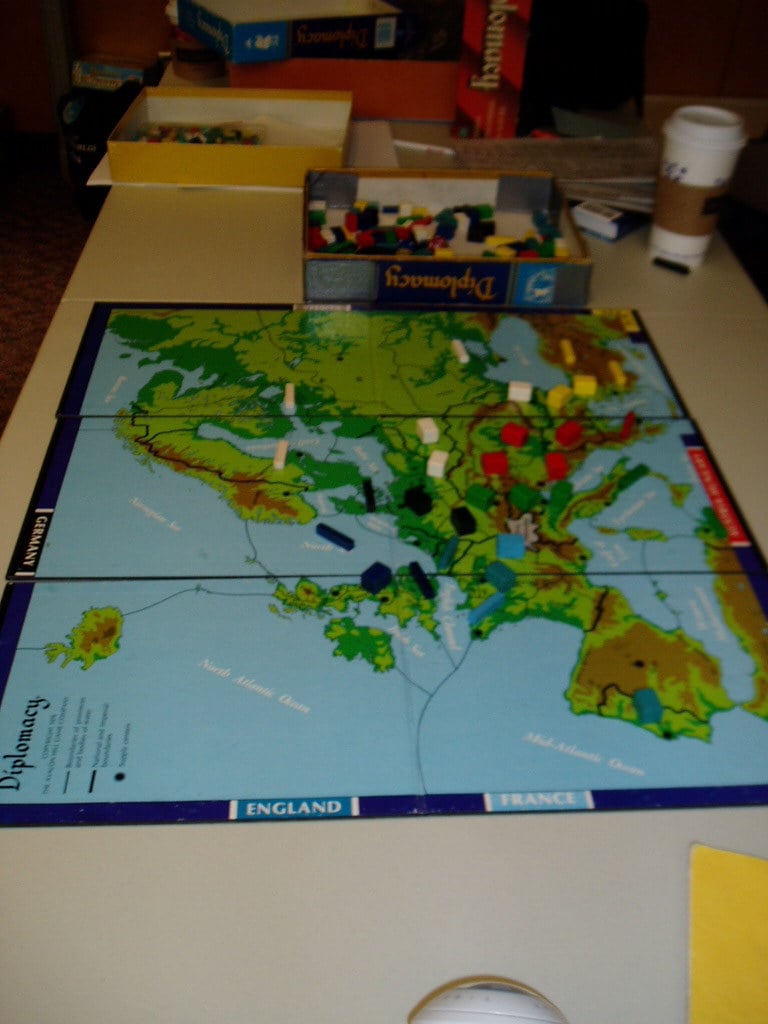
Allan Calhamer designed Diplomacy while studying at Harvard, and in 1959 he paid to print about 500 copies himself after major publishers passed. Those self-published sets are the rarest form of a game that later became a staple through Games Research and Avalon Hill.
A first printing is an event for serious strategy collectors. Even later Games Research boxes from the 1960s draw interest, especially with the original wooden blocks intact.
Collectors inspect the map board for fold wear and the rulebook for missing pages. A complete Calhamer-printed copy in decent shape is worth far more than every later edition combined.
Avalon Hill’s Gettysburg From 1958
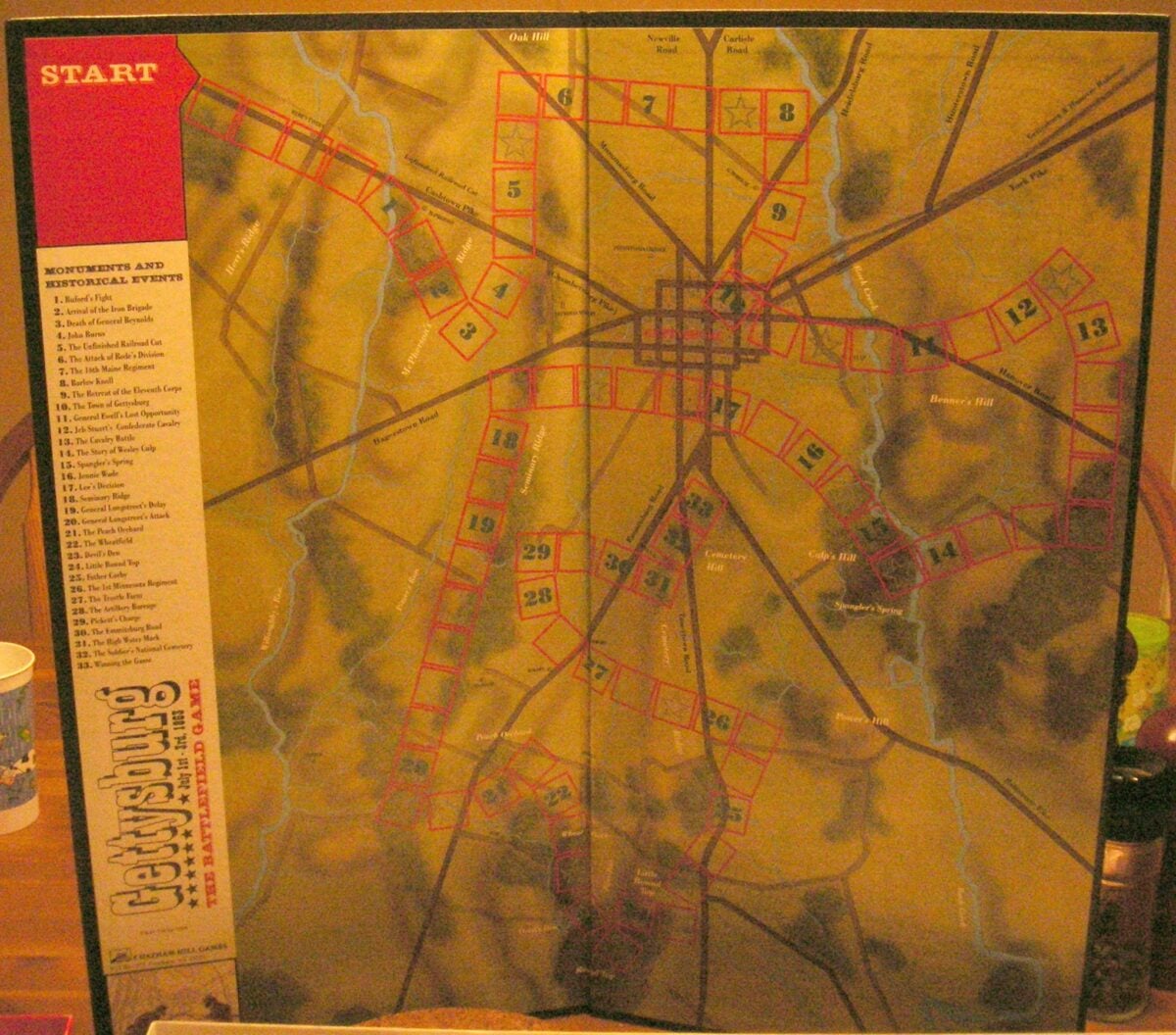
Charles S. Roberts founded Avalon Hill and released Gettysburg in 1958, alongside Tactics II, in what historians of the hobby treat as the birth of commercial wargaming. The original Gettysburg used a square grid rather than the hexagon maps that later became standard, and that makes the first edition easy to distinguish.
Collectors want the original counters unpunched or complete, along with the map and rules. Counters were often lost or trimmed, so a full set carries real weight.
Box wear is expected, but tears and water marks still hurt. First edition copies sell for a strong premium over the later revised versions.
Acquire in the 3M Bookshelf Format
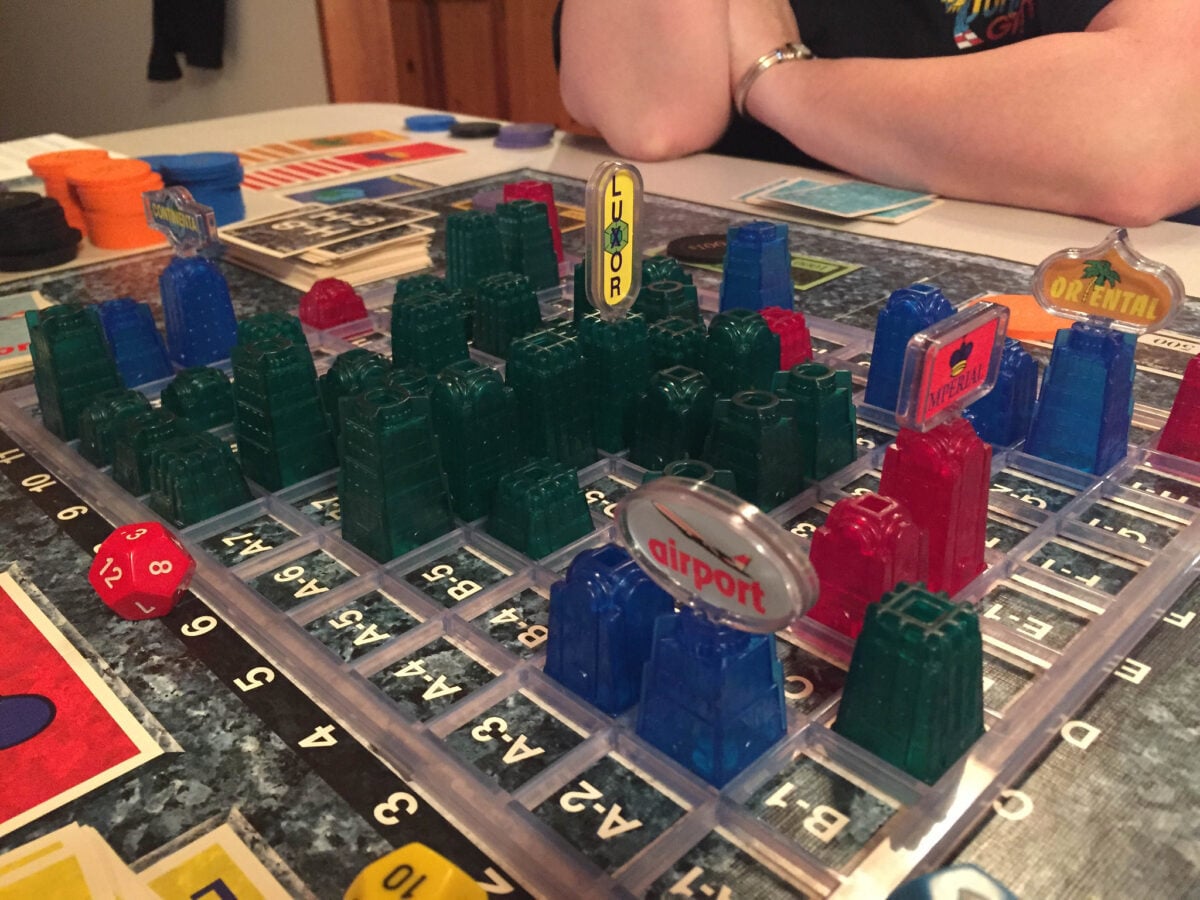
Sid Sackson’s hotel-merger game Acquire was published by 3M in 1964 as part of its bookshelf line, which packaged games in boxes designed to look like hardcover books. The early editions used a sleek presentation that matched a period when board games were being pitched to adults.
Collectors look for the complete set of tiles, the hotel chain markers, the stock certificates and the money. Stock certificates were often lost or scribbled on.
The bookshelf box itself can split along the spine, and that damage reduces value noticeably. A tidy, complete 3M copy attracts steady buyers among strategy game fans.
Barbie Queen of the Prom
Mattel published Barbie Queen of the Prom in 1960, making it one of the first board games built around the doll that had debuted only a year earlier. Players race to become prom queen by getting a date, a dress and a club presidency.
The period graphics and 1960 copyright date make the first edition easy to identify. Barbie collectors overlap with game collectors here, which widens the buyer pool considerably.
Completeness matters, since the small cards and movers vanish easily, and bright box color is prized. An unfaded, complete 1960 set values run well above later printings from the same decade.
The Game of Life From 1960
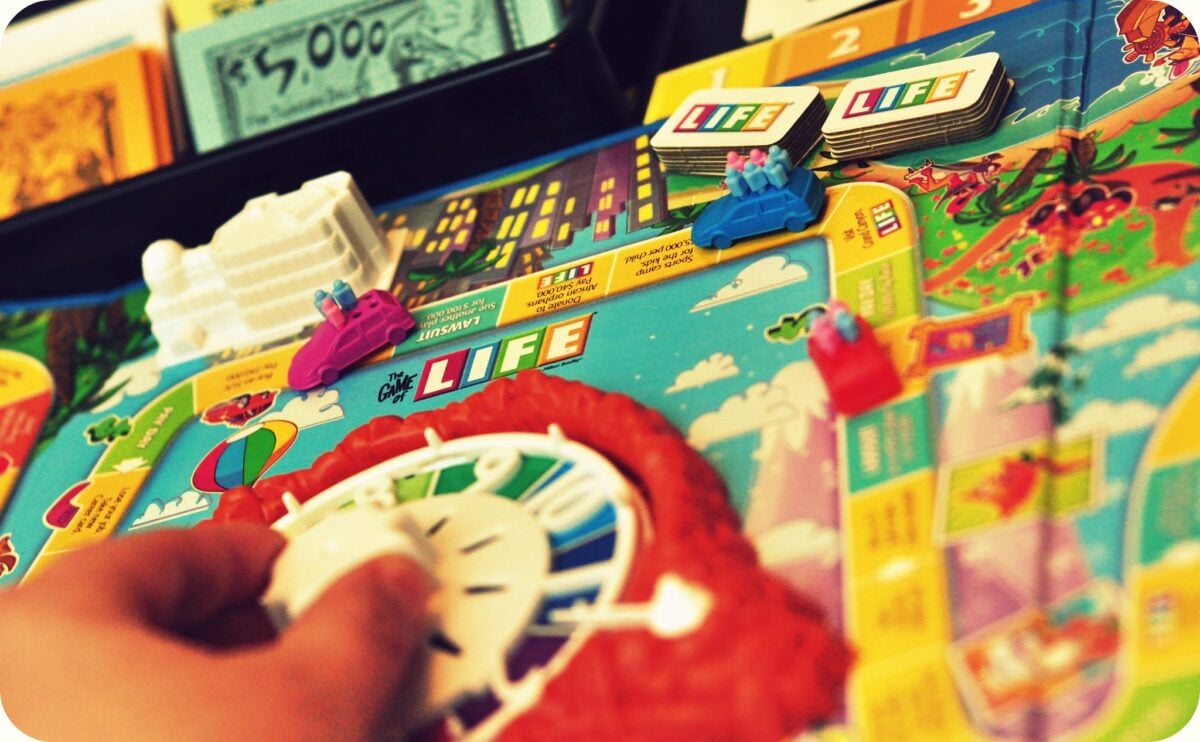
To celebrate its centennial in 1960, Milton Bradley released The Game of Life, reworking founder Milton Bradley’s 1860 Checkered Game of Life. Designed with Reuben Klamer and featuring Art Linkletter on the box, it introduced the spinning wheel and three-dimensional board that became famous.
First editions include Linkletter’s image and endorsement, which later versions dropped. The plastic buildings, cars and pegs must be present, and the play money often turns up short.
Cracked mountains, missing bridges and faded boxes all cut value. A strong, complete 1960 edition sells for a clear premium over the many later reissues.
Ideal’s Haunted House
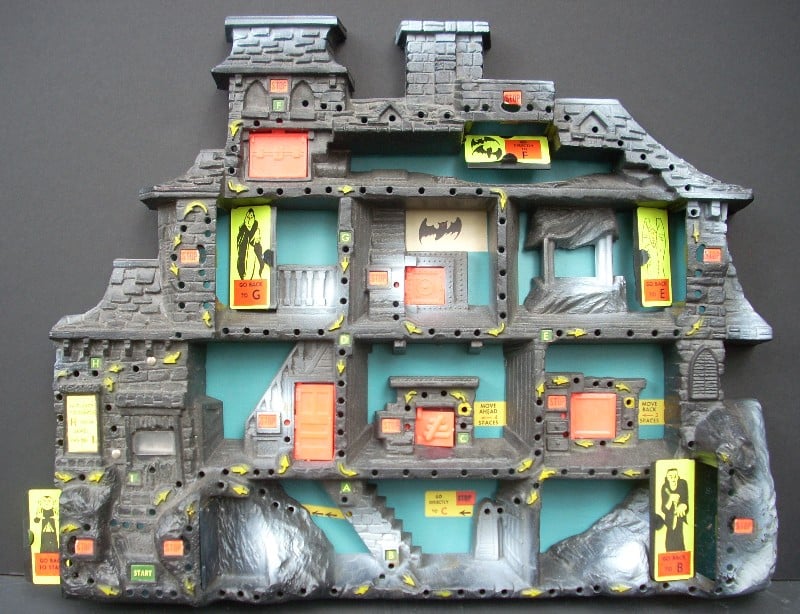
Ideal Toy Company produced Haunted House in 1962 as a three-dimensional plastic mansion, one of several ambitious action games the company built during that decade. The house itself serves as the playing field, with moving features that made it a showpiece for children in the early 1960s.
Complete copies are hard to assemble because the small plastic parts snap and disappear. Collectors check that every component works and that the cardboard house pieces are not torn.
Sun fading and brittle plastic are common concerns. Full, functioning sets draw competitive bidding from horror and monster game collectors.
Mouse Trap From 1963
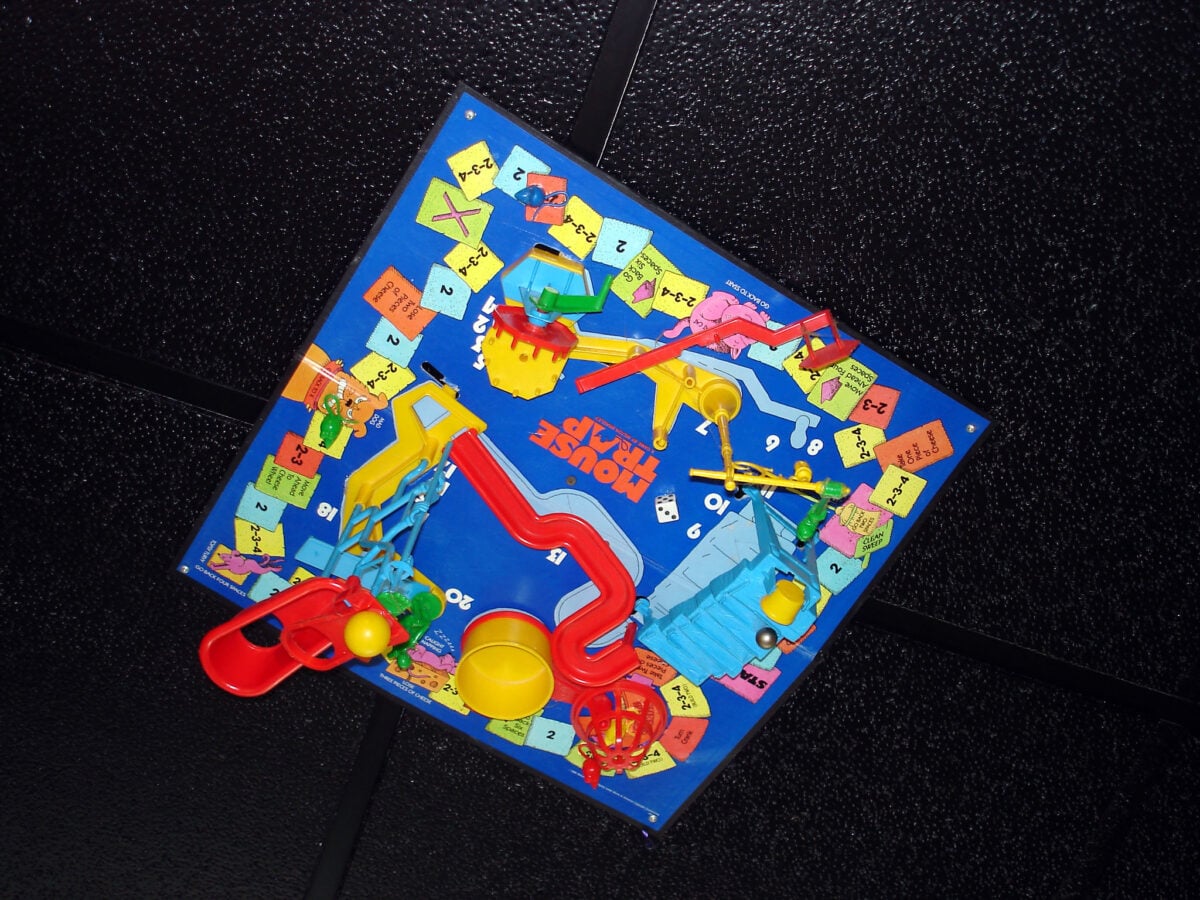
Mouse Trap came out of Marvin Glass and Associates and was published by Ideal in 1963, with players building a chain-reaction contraption inspired by the drawings of Rube Goldberg. The original version has a steel marble, a crank, a boot, a diving figure and a cage that drops onto a mouse.
Almost every family set lost at least one part, which is why a fully complete first edition matters. Collectors test the mechanism and count every piece before paying.
Broken stairs and a missing diver are the usual weak points. A full early set moves at a solid premium over later Milton Bradley and Hasbro versions.
Parker Brothers Stop Thief
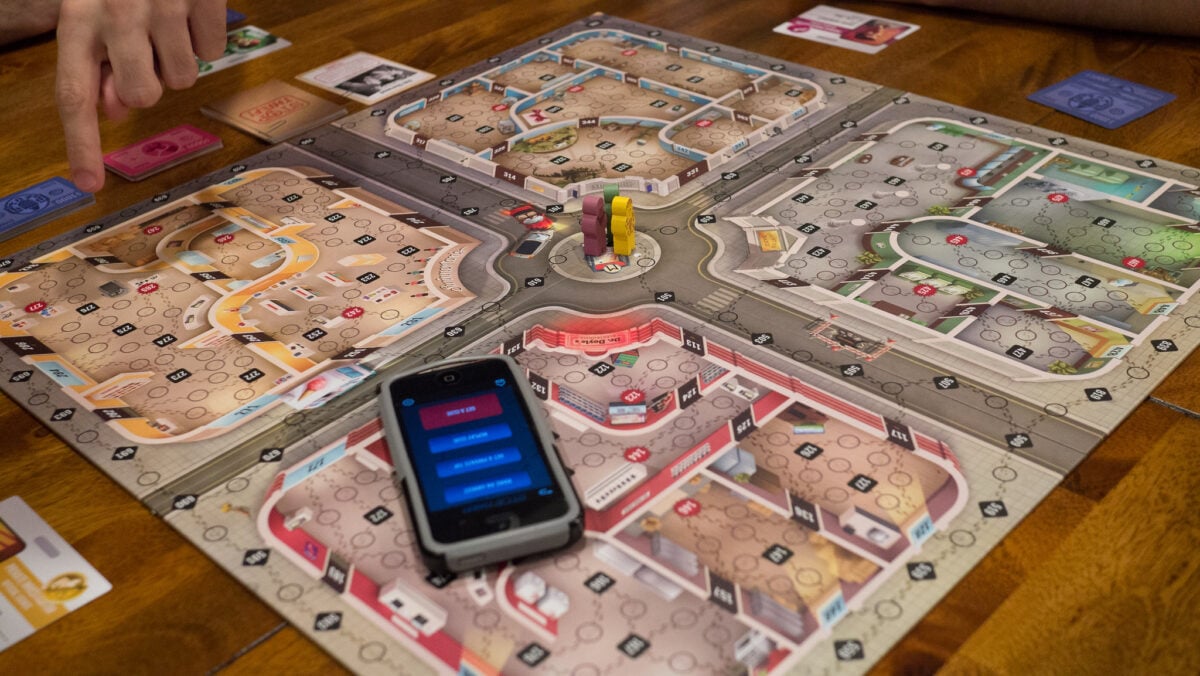
Stop Thief arrived from Parker Brothers in 1979 with a handheld electronic Crime Scanner that beeped out the hidden movements of an invisible thief. Players listened for clues such as footsteps, breaking glass and opening doors, then raced detectives across a city board to make the arrest.
The scanner is the main reason to buy, so collectors test it before anything else, and corroded battery contacts are the most common failure. Detective pawns, the reward cards and the thief tokens also need to be present.
A working, complete copy moves at several times the price of a set with a dead scanner.
Mystery Date From 1965
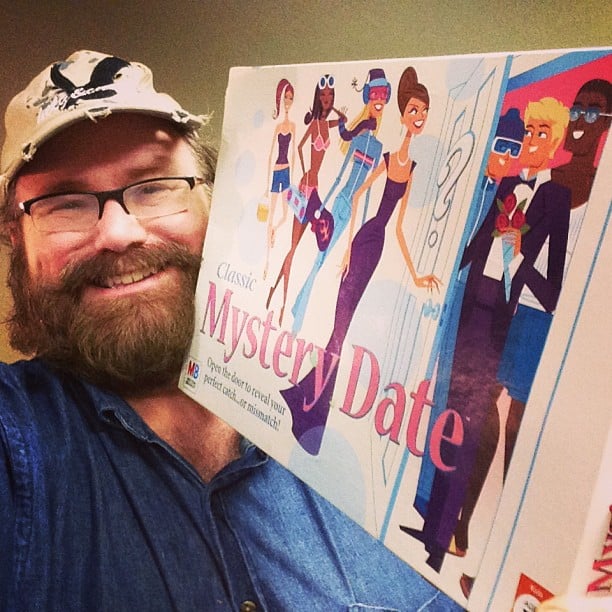
A plastic door in the center of the board made Mystery Date, released by Milton Bradley in 1965, unforgettable, since it revealed either a dream date or the infamous dud. The game became a pop culture reference point for a generation of girls, and that nostalgia keeps demand steady today.
The door mechanism is the heart of the set, so collectors check that it opens and turns properly. The date cards and outfit cards must be present and uncreased.
Faded boxes and broken doors are common. A complete first edition with a working door sells for several times the price of later reissues.
Transogram’s Green Ghost
Transogram released Green Ghost in 1965, and it was marketed as the first board game designed to be played in the dark. The elevated board stands on legs over three crypts filled with plastic bones, rubber snakes and bat feathers, with a glowing ghost spinner deciding the winner.
So many small parts means complete sets are genuinely hard to find. Marx Toys issued an anniversary edition in 1997, so collectors check copyright dates carefully.
Cracks in the board and missing ghost children are common flaws. Complete originals with a working glow attract serious interest each Halloween season.
Operation From 1965
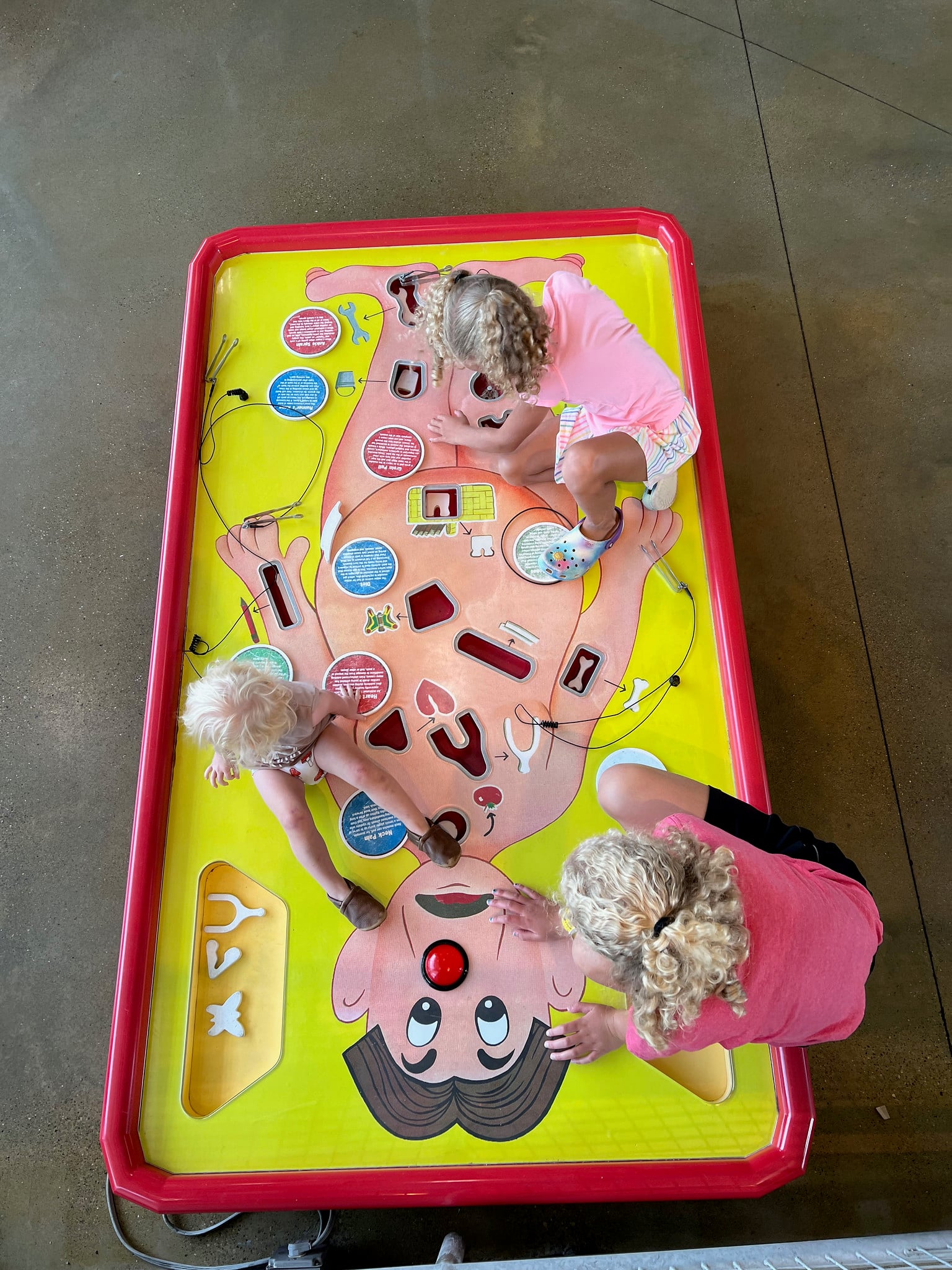
Operation began as a university project by John Spinello, who sold the concept to Marvin Glass and Associates for a reported 500 dollars before Milton Bradley released it in 1965. The patient, Cavity Sam, and his buzzing red nose became instantly recognizable.
First editions differ in box art and component details from later versions. Collectors test the electrical buzzer, which often needs a new battery, and check for corroded contacts.
The plastic ailment pieces are tiny and easily lost, so a complete set matters. A working, complete first edition goes for a clear premium over the countless later printings.
Which Witch From 1970

Released in 1970, Which Witch was Milton Bradley’s three-dimensional haunted house with rooms laid out on the board. A marble dropped down the chimney could knock player pieces out of the rooms, adding chaos to every turn.
The game ran only a few years, which contributes to its scarcity now. Collectors need the house walls, the chimney, the marble and the character pieces all present.
Missing walls and warped cardboard are the typical faults. Halloween collectors and fans of 1970s toy design compete for complete copies, which trade well above most games from that decade.
Voice of the Mummy From 1971
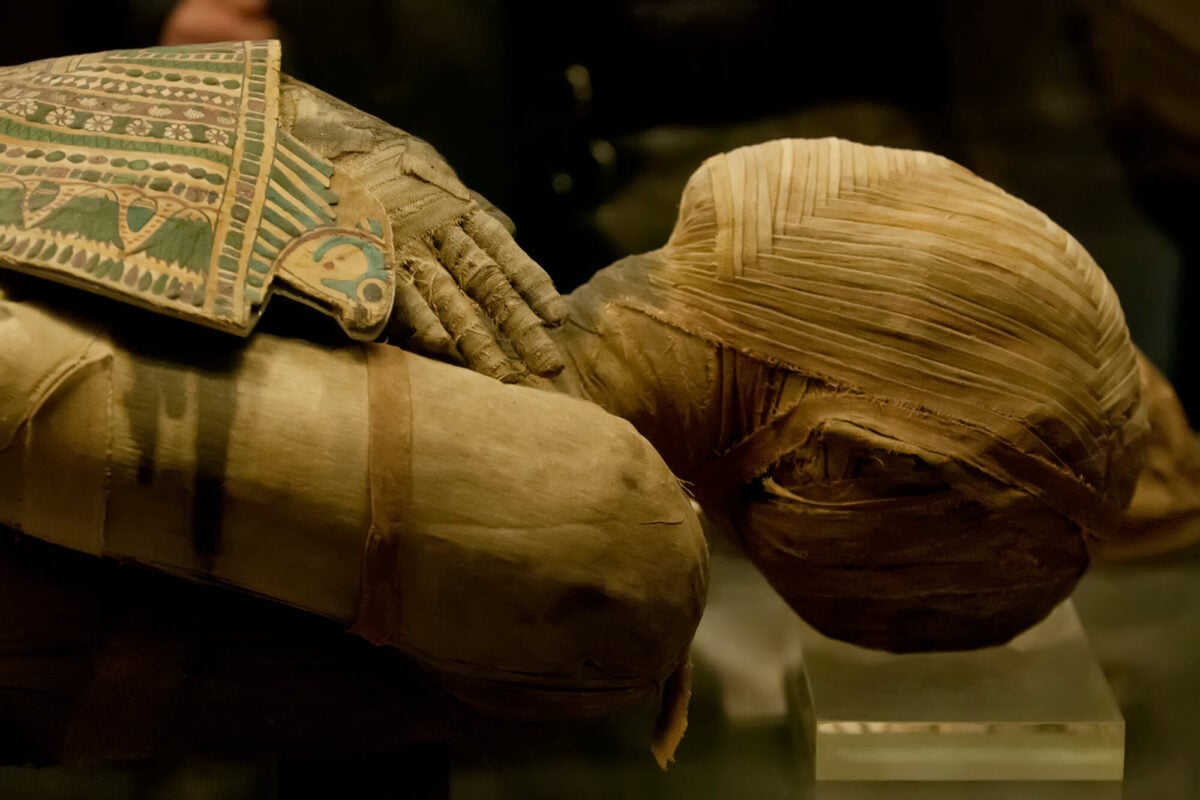
Voice of the Mummy came out of Milton Bradley in 1971 with a battery-powered sarcophagus that played recorded instructions from a small record. The mummy’s voice told players what to do, a novel touch for a board game at the time.
Collectors want the talking mechanism working, since many units have seized or lost their records. The small jewel pieces and the plastic pyramid parts must also be present.
Corrosion from old batteries is a major concern. A complete, working copy sells for serious money among collectors of vintage electronic games.
Masterpiece From 1970
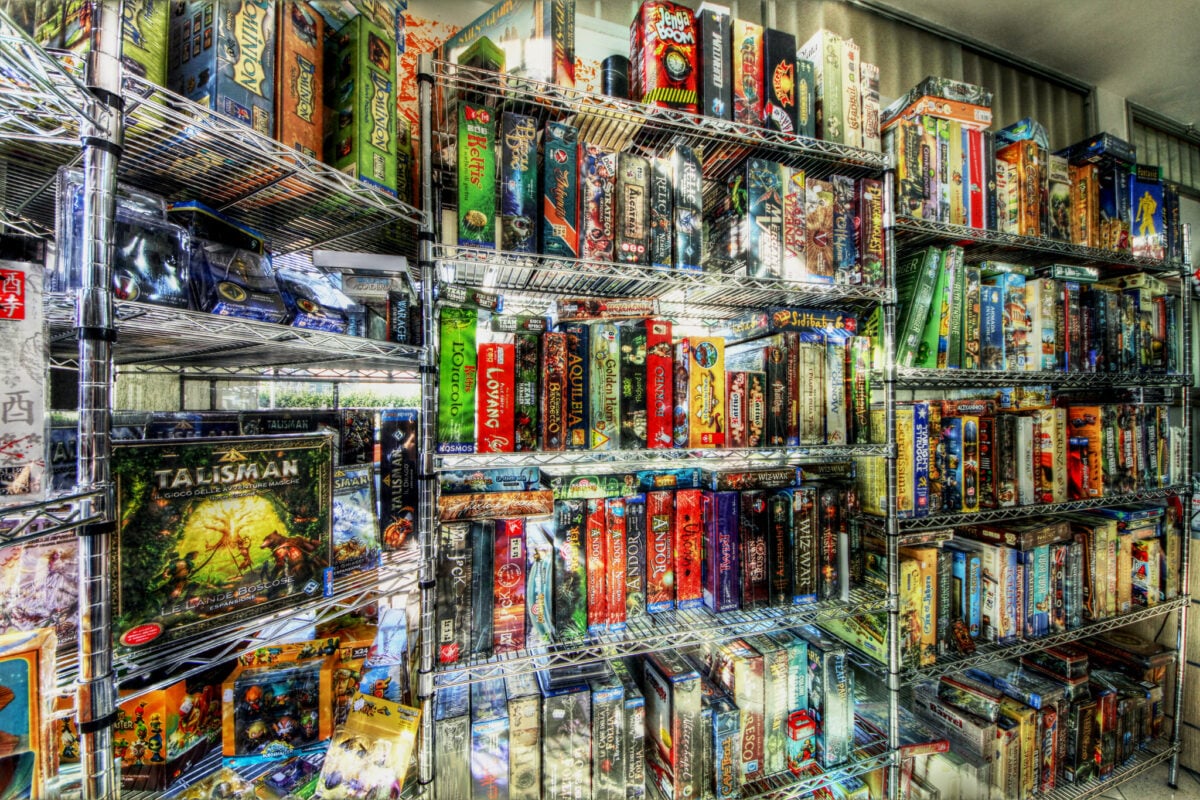
Parker Brothers published Masterpiece in 1970, an art auction game in which players bid on paintings reproduced on cards. The paintings came from the Art Institute of Chicago’s collection, giving the game an unusual level of cultural polish.
Collectors want every painting card along with the value cards and the play money. The small gallery-style boxes and cards are easily bent or lost.
Box wear is expected, but the original artwork cards matter most. Early editions attract interest from both game collectors and art lovers, which keeps prices firm.
TSR’s Dungeon From 1975
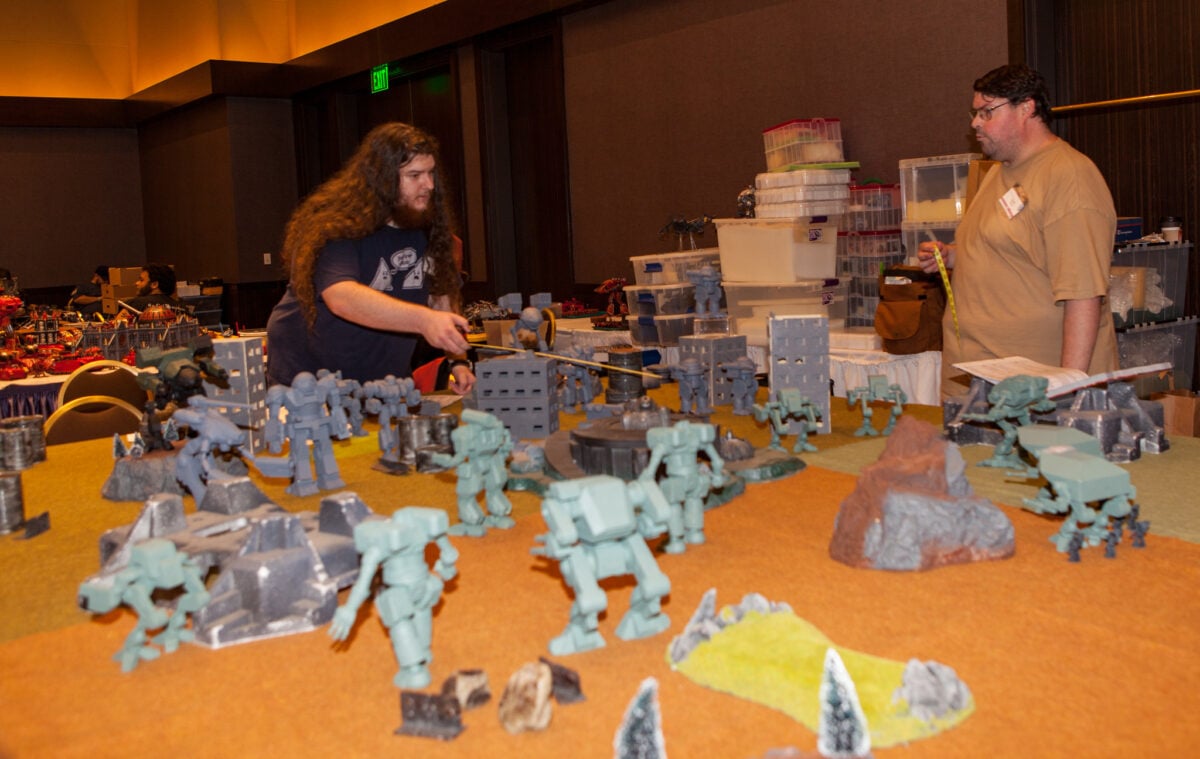
David Megarry designed Dungeon, which TSR published in 1975, only a year after the company released the first Dungeons and Dragons rules. The board game offered a simpler route into fantasy adventure, with players exploring a dungeon for treasure.
First edition copies from the 1970s are the ones collectors seek, and they differ in box and component details from later printings. The monster and treasure cards need to be complete.
Water damage, missing cards and split boxes reduce value quickly. Clean first editions have become steady sellers among fans of early role-playing history.
Cosmic Encounter From 1977
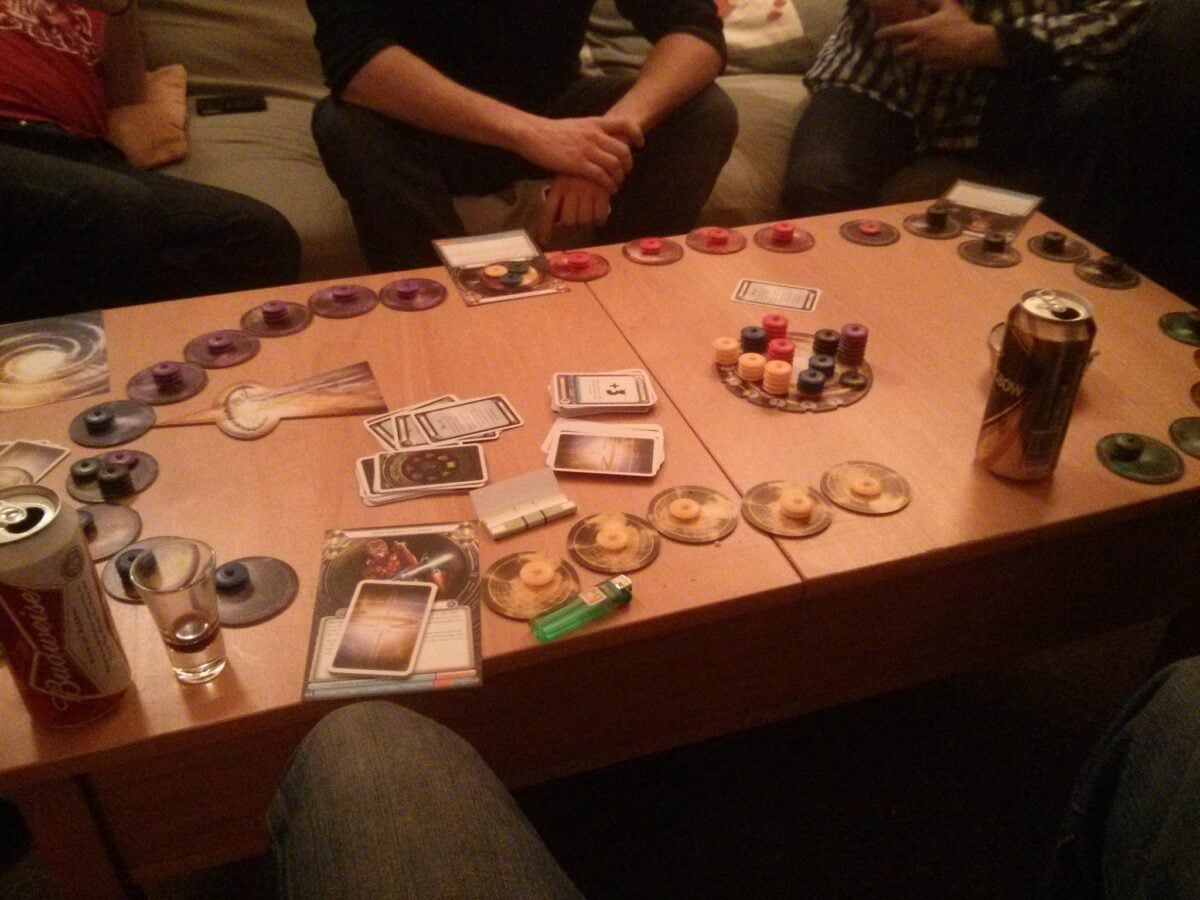
Eon Products published Cosmic Encounter in 1977, and its design gave each player a unique alien power that broke the game’s rules. That idea influenced decades of later games, which makes the first edition an important piece of design history.
Original Eon boxes and expansion sets are what serious collectors want. The alien power cards and the flare cards must be complete.
Warped boards and missing expansion components are frequent issues. Complete early Eon copies attract strong interest, especially from designers and longtime players who remember the original.
Avalon Hill’s Dune From 1979
Avalon Hill released Dune in 1979, based on Frank Herbert’s novel, and it earned a place among the most respected strategy games of its era. The game went out of print for decades, which made original copies highly desirable until a reprint appeared in 2019.
The original Avalon Hill edition still commands attention from collectors who prefer the first version. Counters, leader discs and the card decks must all be complete.
Box wear and missing counters are common problems. Unpunched copies sit at the top of the market.
Milton Bradley’s Dark Tower
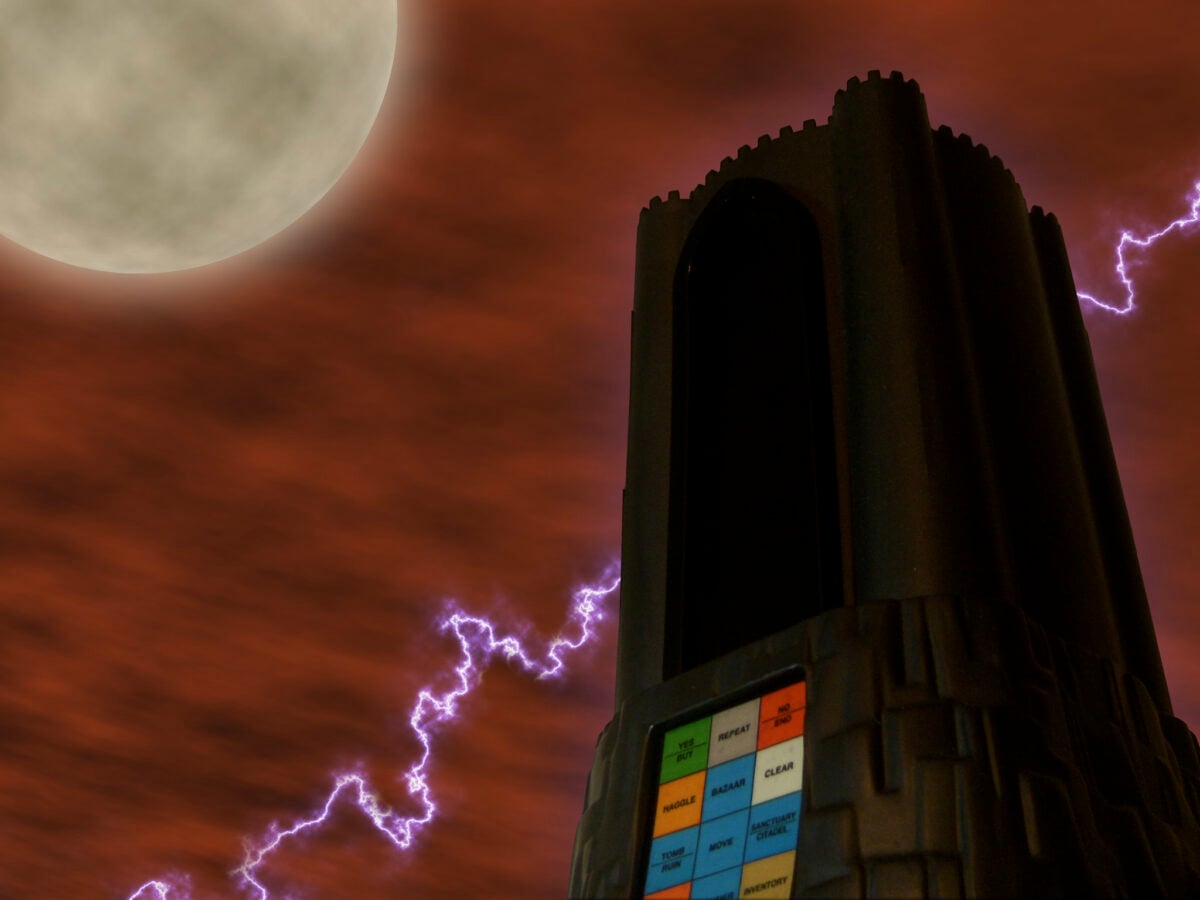
Dark Tower, released by Milton Bradley in 1981, placed a battery-powered electronic tower at the center of the board. The tower tracked resources and battles, a remarkable feature for its time.
A television commercial featuring Orson Welles helped launch it. Production was short-lived after a legal dispute with the game’s inventors, which added to its scarcity and kept it off shelves for good.
Collectors want a working tower, which means checking the electronics carefully. Missing keys and damaged boards reduce value.
Complete working copies with the original box insert and all the plastic buildings routinely sell for several hundred dollars, and boxed examples in unusually clean shape go higher.
Parker Brothers’ Survive
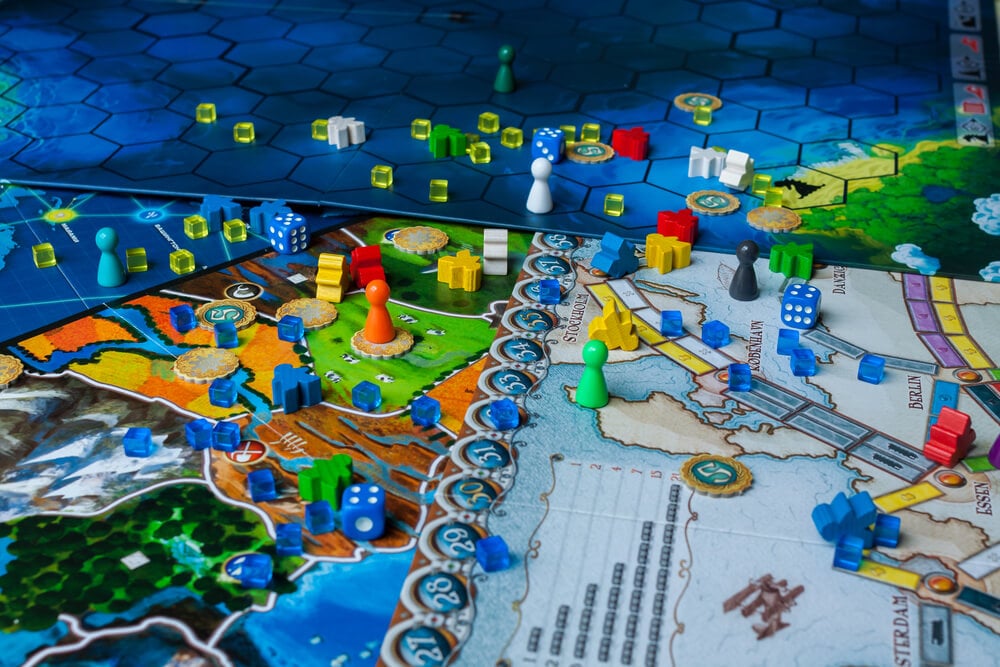
Parker Brothers issued Survive in 1982, a game in which players try to evacuate people from a sinking island while dodging sharks, whales and sea serpents. The hexagonal island tiles, the boats and the creatures made it a distinctive family game.
Later editions carried the title Escape from Atlantis, so collectors distinguish between versions. The island tiles, creature pieces and people tokens must all be present.
Missing sea serpents and bent tiles are common, and the thin boats crack easily. Complete original copies attract steady buyers, particularly from players who remember the panic of watching the island sink tile by tile.
Milton Bradley’s Shogun
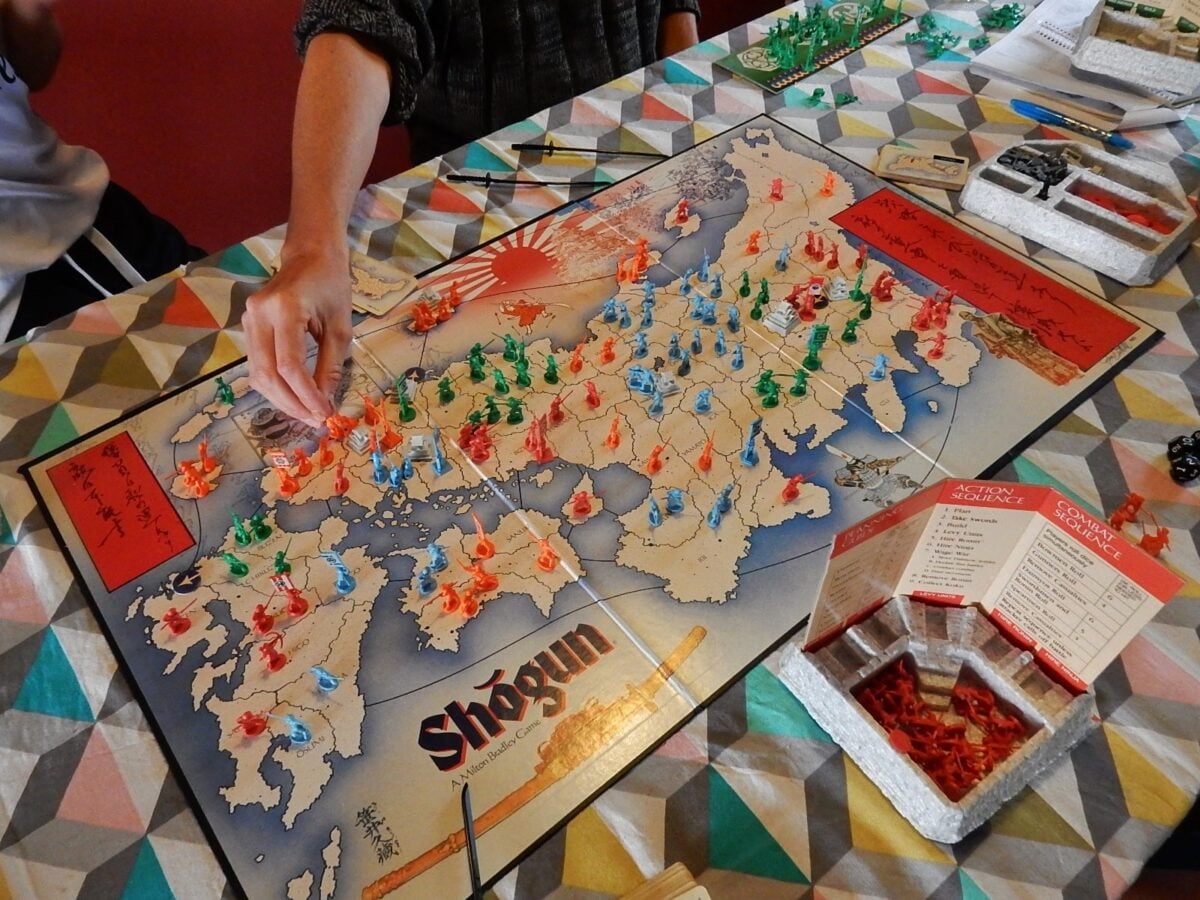
Shogun appeared in 1986 as part of Milton Bradley’s Gamemaster series, which also included Axis and Allies. The game featured hundreds of plastic samurai figures and a castle-and-territory map of feudal Japan.
It was later reissued under the name Samurai Swords, so the original Shogun box carries extra appeal. Completeness is the key challenge, since the tiny plastic pieces are easily lost.
Collectors also want the sword and castle components intact. Complete original copies have become some of the most expensive strategy games from the 1980s.
HeroQuest From 1989
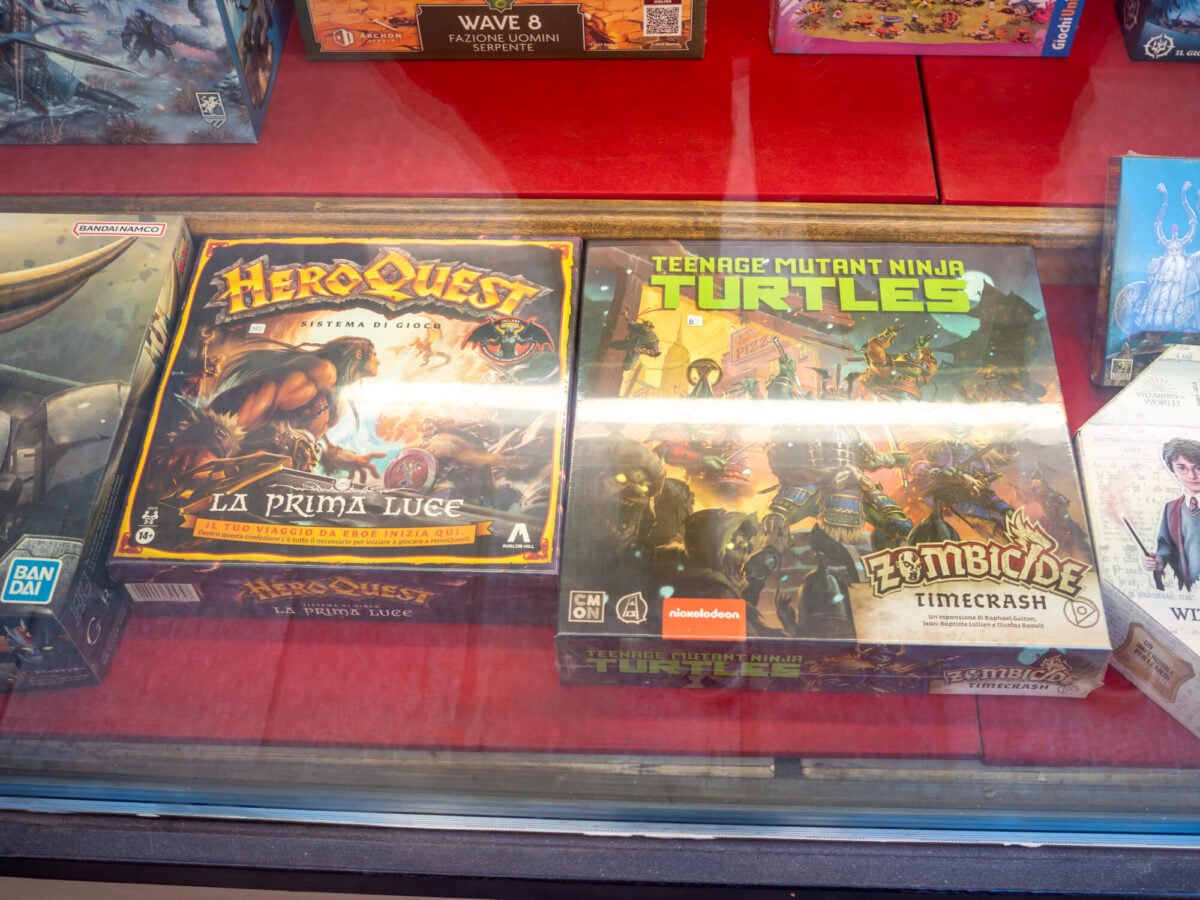
HeroQuest came from a 1989 collaboration between Milton Bradley and the British miniatures company Games Workshop, and it packed a fantasy dungeon crawl with detailed plastic monsters, furniture and doors. Up to four players controlled heroes while one player ran the evil sorcerer, reading quests from a booklet.
The game’s success in Europe was followed by an American release a year later. A 2021 Hasbro reissue lowered prices for the base game, but original copies with complete miniatures still hold value.
Collectors want every miniature, card and furniture piece. Missing monsters and damaged boxes are common problems.
Unpunched originals command the strongest prices.
Missing Pieces Decide Everything
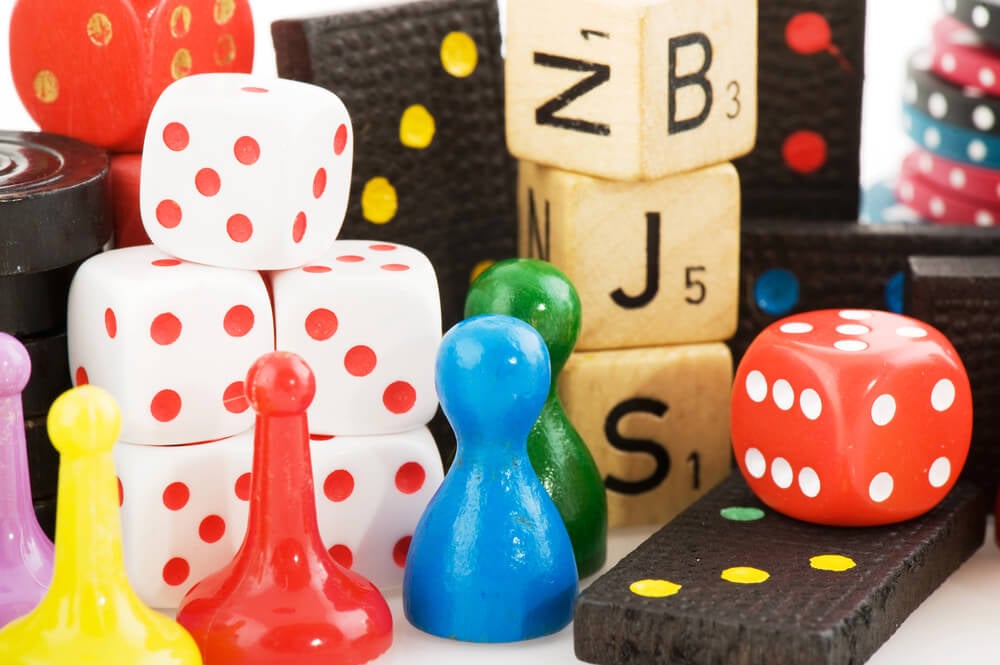
The same title can be worth almost nothing or a great deal, and the difference usually lives in a sandwich bag of tokens. Collectors pay for the complete story, not the title on the lid.
A game with every card, pawn and rulebook tells a buyer that someone cared about it for fifty years. That care is what gets priced.
Most closet games will never be more than a pleasant afternoon. The few that are worth something share a pattern of short production runs, strong nostalgia and parts that were easy to lose.
Families rarely notice those qualities at the time. Collectors notice them decades later.
More from Go2Tutors!

- The Romanov Crown Jewels and Their Tragic Fate
- 13 Historical Mysteries That Science Still Can’t Solve
- Famous Hoaxes That Fooled the World for Years
- 15 Child Stars with Tragic Adult Lives
- 16 Famous Jewelry Pieces in History
Like Go2Tutors’s content? Follow us on MSN.