TV Catchphrases Everyone Quoted in the 90s
The 90s were a golden era for television catchphrases that somehow managed to escape the screen and colonize everyday conversation. These weren’t just lines from shows — they became cultural currency, the kind of shared references that could bond strangers in grocery store checkout lines or break awkward silences at office parties.
Everyone had their favorites, and everyone knew exactly which character’s voice to use when delivering them.
Did I Do That?
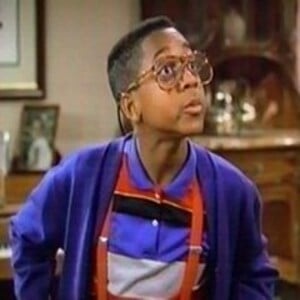
Steve Urkel’s nasally whine became the soundtrack to a decade of clumsy mishaps. The phrase worked because it captured something universal — that moment of wide-eyed innocence after causing complete chaos.
Kids used it to deflect blame for broken vases, adults deployed it after spilling coffee on important documents.
Don’t Have a Cow, Man

Bart Simpson’s dismissive catchphrase became shorthand for “calm down” across America. The beauty of it lay in its absurdity — who has a cow anyway? — which made it both memorable and oddly effective at defusing tense situations.
How Rude!
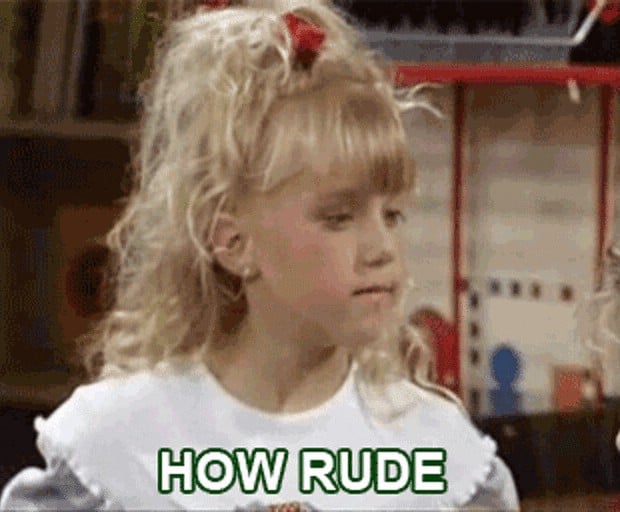
Stephanie Tanner’s indignant exclamation from “Full House” gave everyone permission to express outrage with theatrical flair, and the timing couldn’t have been better (people were ready for a catchphrase that let them be dramatically offended without taking themselves too seriously). The phrase worked because it was simultaneously earnest and over-the-top — Stephanie genuinely meant it, but the delivery was so exaggerated that it became comedy gold.
And yet there was something perfect about how it captured that specific flavor of moral indignation that feels both completely justified and slightly ridiculous at the same time.
Talk to the Hand

Valley girls gave the world a gesture-phrase combination that became the ultimate conversation ender. The dismissive power was absolute — there was no comeback to a properly executed “talk to the hand.”
Psych!

This wasn’t just a word — it was a complete betrayal wrapped in four letters. Kids perfected the art of building up false hope before delivering this crushing blow, usually accompanied by an insufferable grin.
The phrase captured something specific about 90s humor, which had a particular fondness for the fake-out, the misdirection that left someone standing there looking foolish. It was comedy as mild cruelty, packaged in a way that felt playful rather than mean (though anyone on the receiving end might have disagreed).
And the timing had to be perfect — too early and you’d blown the setup, too late and the moment had passed. So there was actual skill involved, which made it feel earned rather than cheap.
No Soup for You!
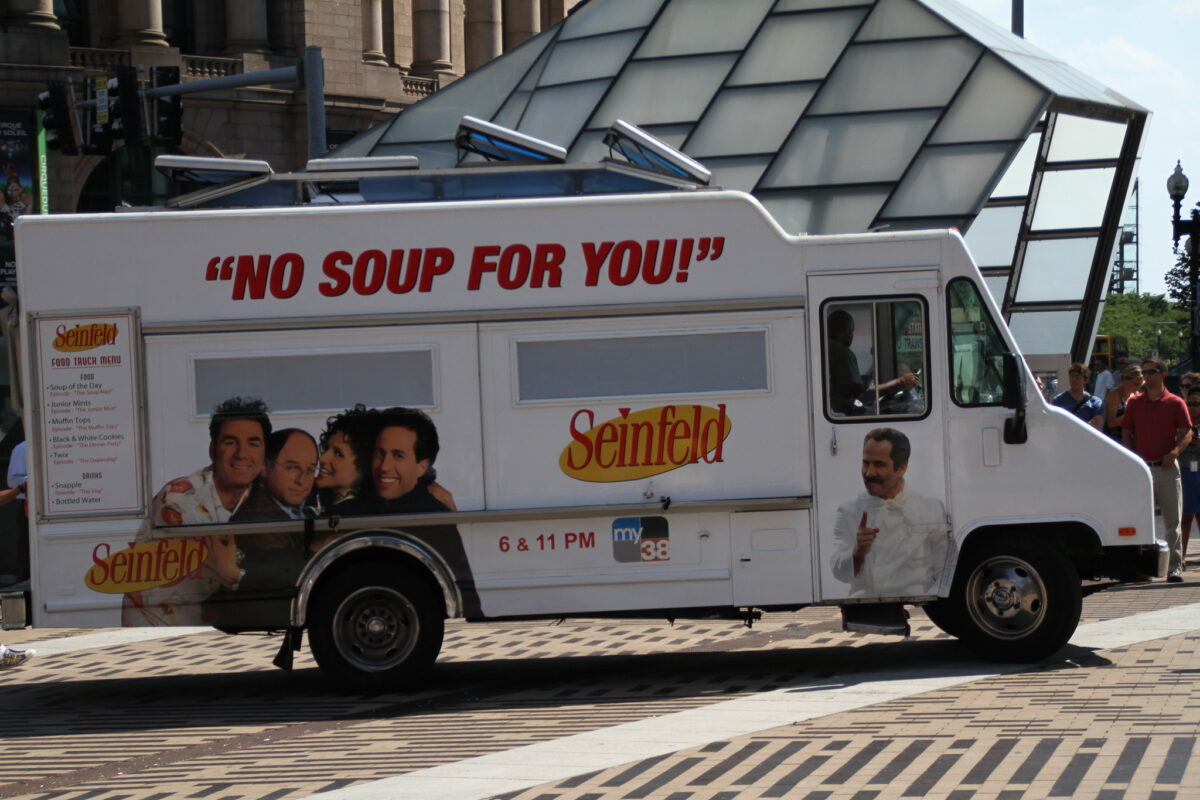
The Soup Nazi’s tyrannical declaration became a way to deny anyone anything with authority and humor. Restaurants used it, parents adopted it, and somehow it made being refused service feel almost entertaining.
As If!
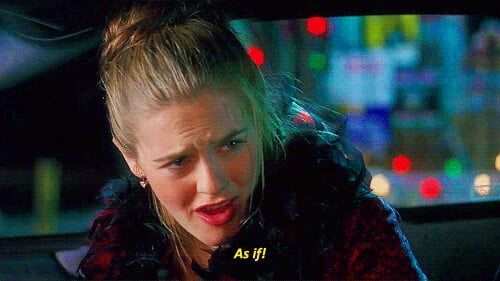
Alicia Silverstone turned teenage dismissal into an art form. The phrase was valley girl speak for “absolutely not,” but it came with such Valley Girl authority that it made disagreement sound almost sophisticated.
I’ve Fallen and I Can’t Get Up!

This commercial catchphrase jumped from late-night TV into everyday vocabulary faster than anyone expected. People used it for everything from actual falls to metaphorical life struggles, which says something about how a simple medical alert and managed to capture a universal feeling of helplessness.
Oh My God, They Killed Kenny!
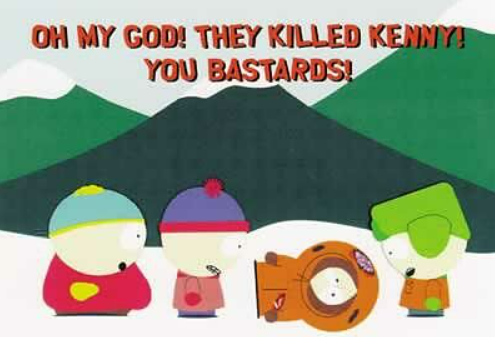
“South Park” gave viewers a weekly ritual of shock and mourning. The phrase became a way to express exaggerated dismay at any minor tragedy — a dropped sandwich, a canceled TV show, a dead phone battery.
Friends were basically walking catchphrase factories, but Joey’s signature line stood out for its sheer versatility, and the thing about “How you doin’?” was that it worked as both genuine greeting and obvious pickup line, which made it practically bulletproof in social situations (you could always claim you meant it the other way if things went south). The phrase had this wonderful elasticity — Joey could stretch those three words into a dozen syllables when he was really trying to impress someone, or deliver them quick and casual when he was just being friendly.
And somehow everyone understood the difference, which meant the catchphrase came with its own built-in instruction manual for flirtation.
What’s the Deal?
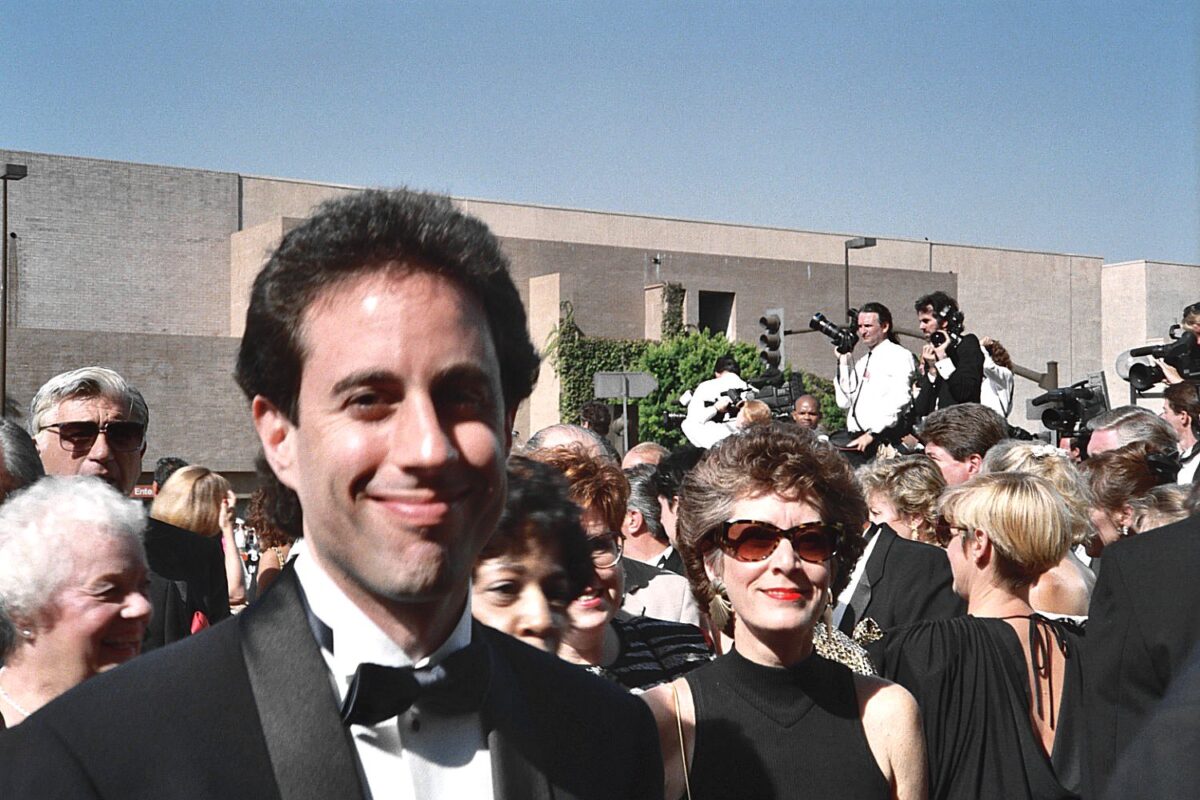
J. Seinfeld turned observational comedy into a catchphrase that could preface any complaint about modern life. The phrase became a socially acceptable way to express irritation about everything from airline food to parking meters.
The Truth Is Out There
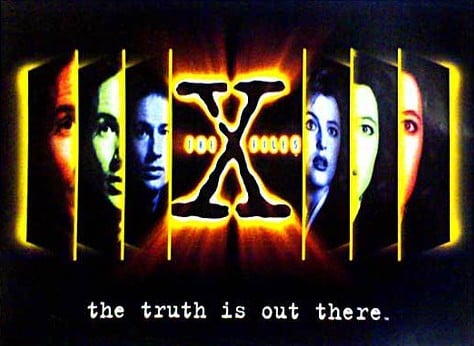
“The X-Files” gave conspiracy theorists and skeptics alike a rallying cry. The phrase worked because it acknowledged doubt while maintaining hope — perfect for a decade that felt increasingly uncertain about everything.
We’re Not Worthy!
Wayne and Garth’s exaggerated reverence became the go-to response for encountering anything remotely impressive. The phrase turned hero worship into self-deprecating comedy, which made it safe to express genuine admiration.
Cowabunga!

The Teenage Mutant Ninja Turtles brought surfer slang to sewer-dwelling reptiles, creating a catchphrase that meant pure excitement. Kids shouted it while jumping off diving boards, skateboarding down hills, or just feeling particularly enthusiastic about pizza.
When Phrases Become Time Machines

These catchphrases weren’t just popular — they were mandatory. You couldn’t navigate 90s culture without knowing them, couldn’t join conversations without speaking the language.
They created instant communities of shared understanding, turning strangers into temporary co-conspirators with a single well-timed reference. Even now, decades later, hearing one can transport you back to a time when television felt more communal, when everyone was watching the same shows and speaking the same ridiculous, wonderful language of catchphrases that somehow made perfect sense.
More from Go2Tutors!

- The Romanov Crown Jewels and Their Tragic Fate
- 13 Historical Mysteries That Science Still Can’t Solve
- Famous Hoaxes That Fooled the World for Years
- 15 Child Stars with Tragic Adult Lives
- 16 Famous Jewelry Pieces in History
Like Go2Tutors’s content? Follow us on MSN.