Phone Tech That Promised a Lot But Didn’t Deliver
The phone industry loves to hype up new features. Companies hold big events, make bold claims, and promise that their latest innovation will change everything.
But not every flashy new feature lives up to the excitement. Some technologies arrive with huge fanfare, only to quietly fade away when people realize they don’t really work as advertised or solve problems that anyone actually has.
Let’s look at some of the biggest letdowns in phone tech history. These are the features that sounded amazing on paper but fell flat in real life.
3D screens without glasses
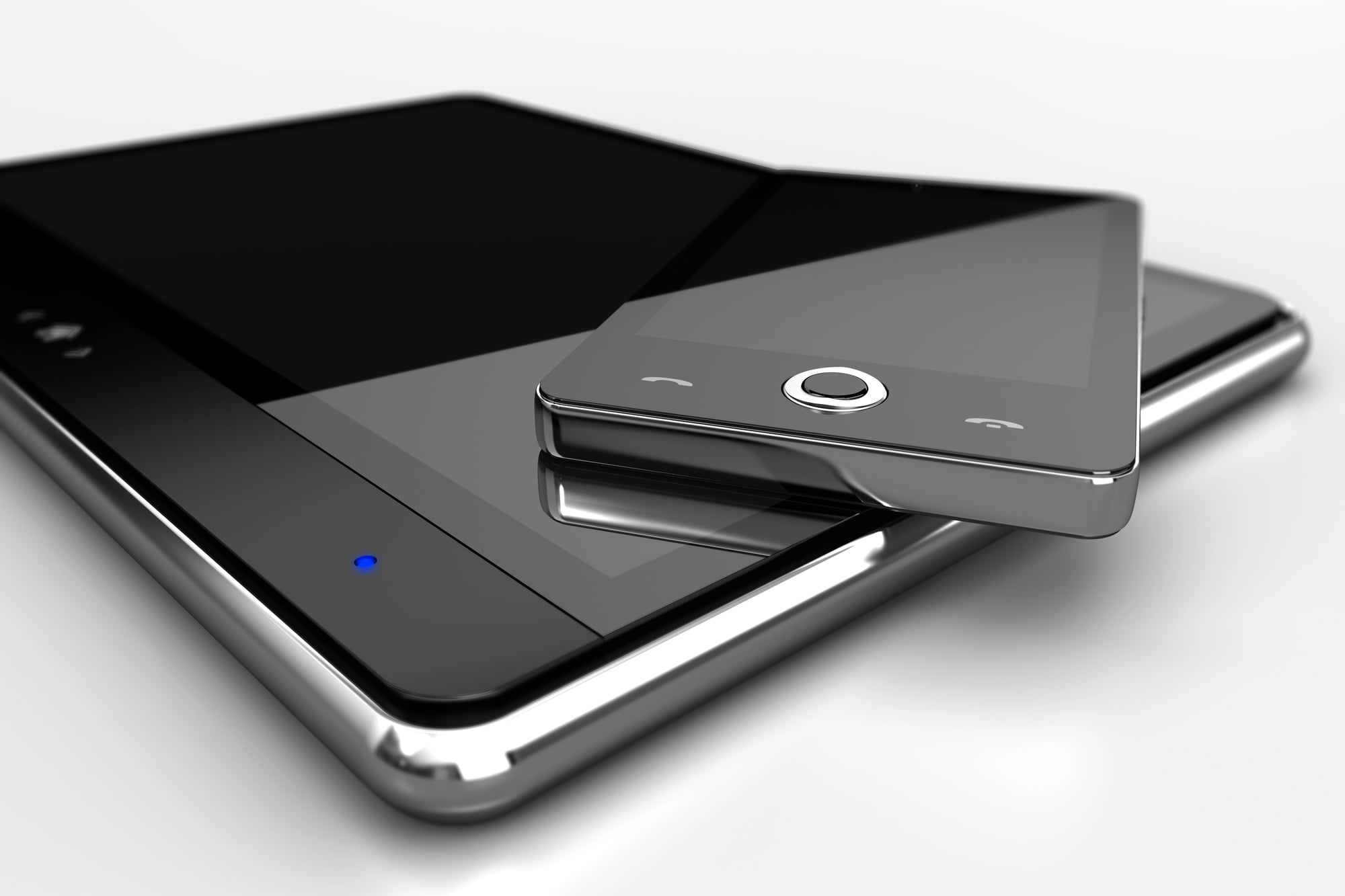
Remember when phone makers thought everyone wanted a 3D display that worked without special glasses? A few companies jumped on this trend, creating phones that used something called parallax barrier technology to create depth.
The Amazon Fire Phone and HTC EVO 3D both tried to make this happen. The problem was that the 3D effect only worked if you held the phone at exactly the right angle, and it drained the battery like crazy.
Most people turned the feature off after trying it once or twice. Watching a movie or playing a game became more annoying than impressive, and the technology disappeared almost as quickly as it arrived.
Modular phones you could customize
The idea sounded perfect: buy a basic phone, then snap on different modules to add features you actually wanted. Google’s Project Ara promised this future, where you could swap out cameras, speakers, or batteries like building blocks.
LG tried it too with the G5, which let you attach extra components to the bottom of the phone. But the execution was terrible.
The modules were expensive, there weren’t many options to choose from, and they made the phone bulky and awkward to hold. People wanted their phones to just work out of the box, not become a hobby project.
The whole modular phone dream died quietly, and no one really mourned it.
Curved screens on the edges

Samsung went all in on curved edge displays, bending the screen around the sides of the phone. The company marketed this as futuristic and premium, showing off how notifications could light up the edges.
In reality, curved screens created way more problems than they solved. They cost more to replace when cracked, made it harder to find screen protectors that actually fit, and caused tons of accidental touches when you were just trying to hold your phone.
The curved part didn’t add any real functionality either. Samsung eventually backed away from this design, and most phone makers stuck with flat screens that actually made sense.
Force touch and pressure sensitivity

Apple introduced 3D Touch with the iPhone 6s, letting you press harder on the screen to access different menus and shortcuts. Android phones followed with their own versions of pressure-sensitive displays.
The feature seemed clever at first, but hardly anyone used it because it wasn’t obvious or consistent. You had to remember which apps supported it and what each hard press would do.
It felt like learning a secret handshake that changed depending on where you were in your phone. Apple quietly removed 3D Touch from newer iPhones, replacing it with a simple long press that worked just as well without the complicated hardware.
Iris scanners for security
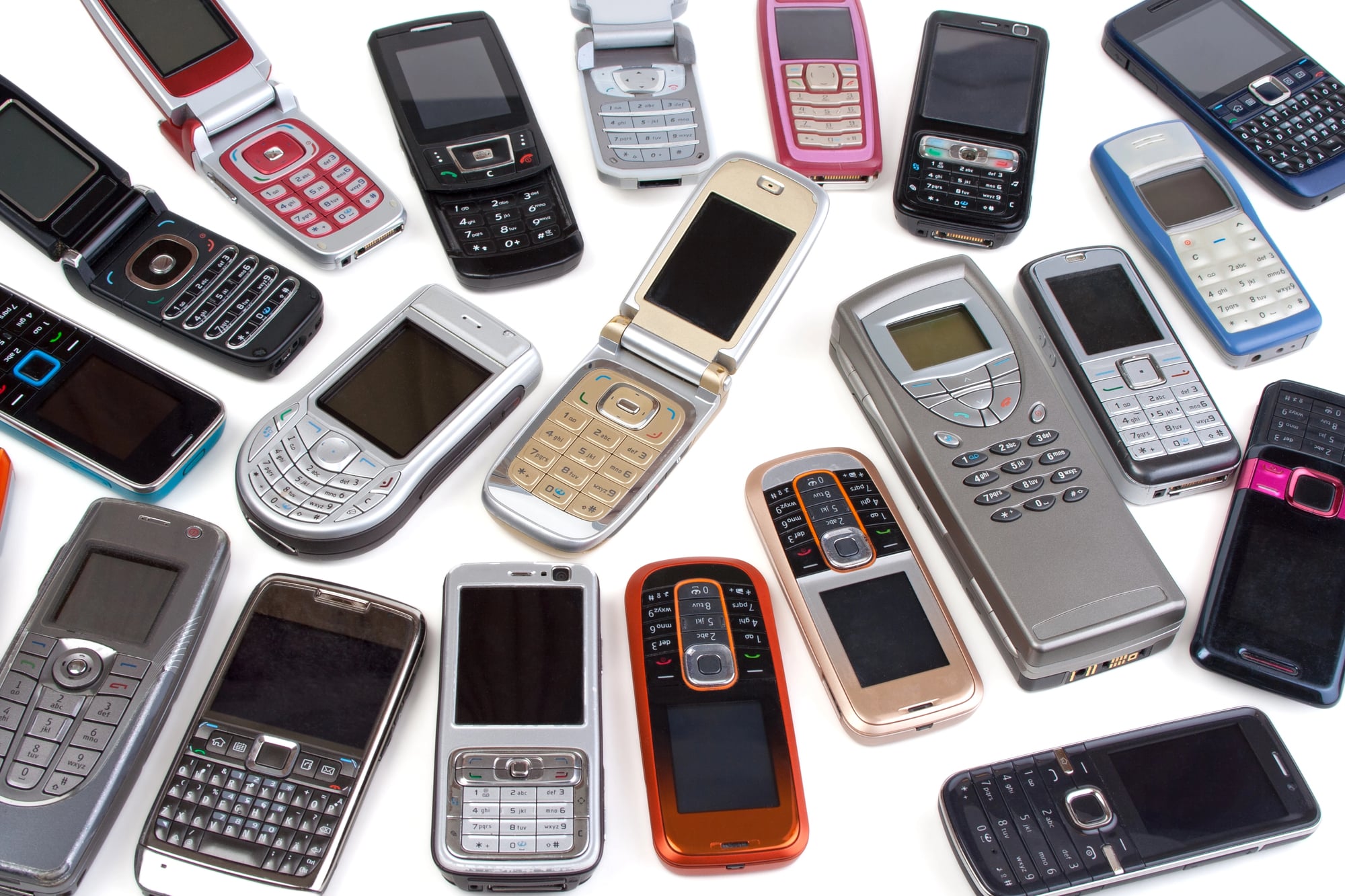
Some phone makers decided that fingerprint sensors weren’t futuristic enough, so they added iris scanners that would unlock your phone by looking at your eyes. Samsung and Microsoft both tried this approach.
The scanners were slow, didn’t work well in bright sunlight or if you wore glasses, and felt like overkill for just unlocking a phone. You had to hold the phone at a specific distance and angle while staring directly at it.
Face recognition eventually came along and did the same job better and faster. Iris scanning turned out to be an expensive solution looking for a problem.
Dual front cameras for 3D selfies
A few phone makers thought the next big thing in selfies would be depth and 3D effects, so they stuck two cameras on the front of the phone. The HTC One M8 and some other models tried this approach.
The idea was that you could create fun 3D images and refocus photos after taking them. But the technology didn’t work well enough to justify having two front cameras.
The images looked gimmicky rather than professional, and the feature ate up battery life. People went back to caring more about having one good front camera instead of two mediocre ones.
Motion gestures for hands-free control
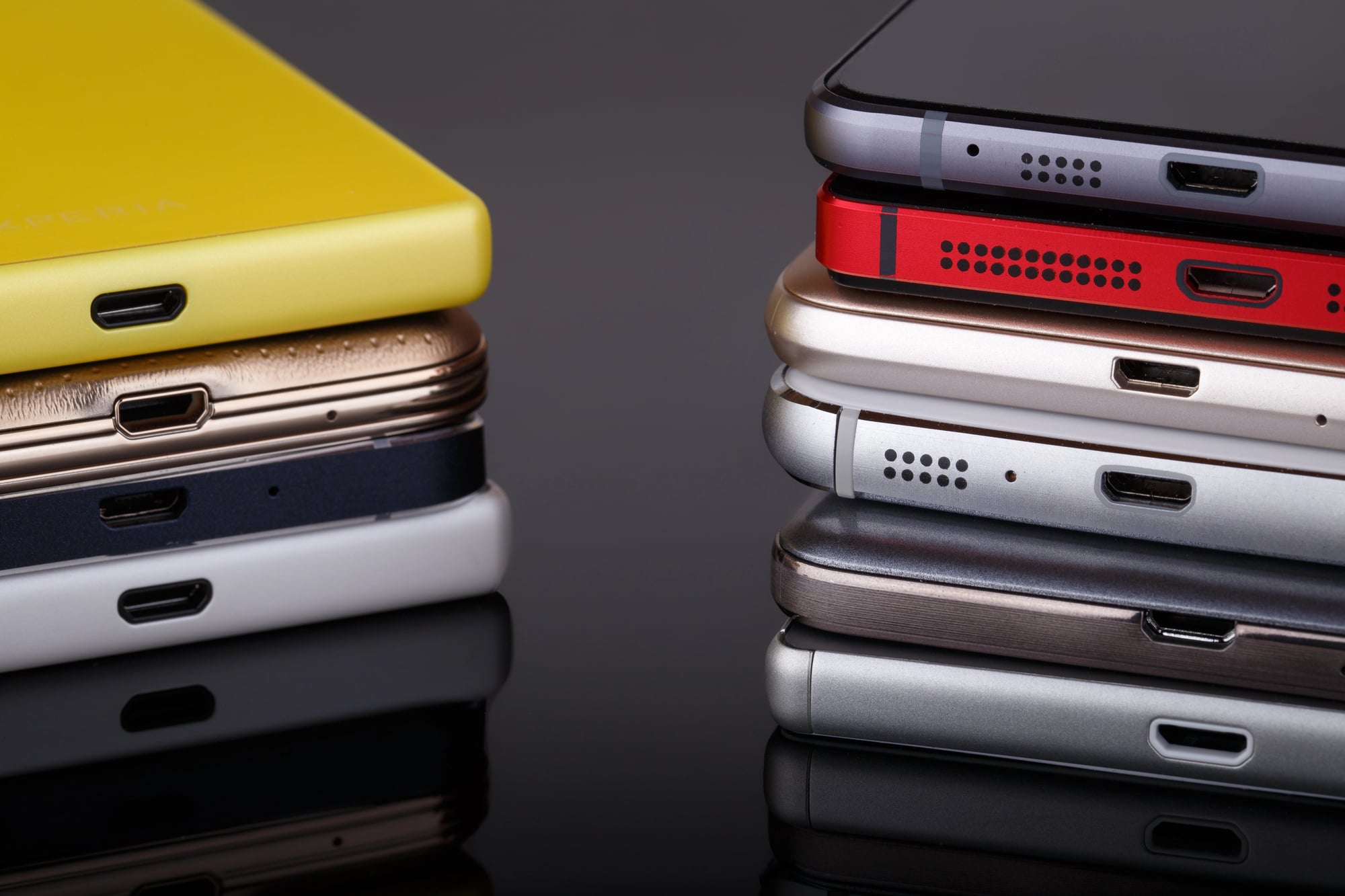
Samsung added Air Gesture features that let you wave your hand over the phone to answer calls or scroll through pages without touching the screen. Google tried something similar with the Pixel 4’s radar sensor that could detect hand movements.
Both features seemed useful in theory, especially when your hands were dirty or wet. In practice, they were unreliable and frustrating.
The sensors often didn’t detect your gestures, or they picked up movements you didn’t intend as commands. It was always faster and easier to just touch the screen like normal.
These gesture controls became one of those features that companies put in promotional videos but users ignored completely.
Squeeze sensors on the sides
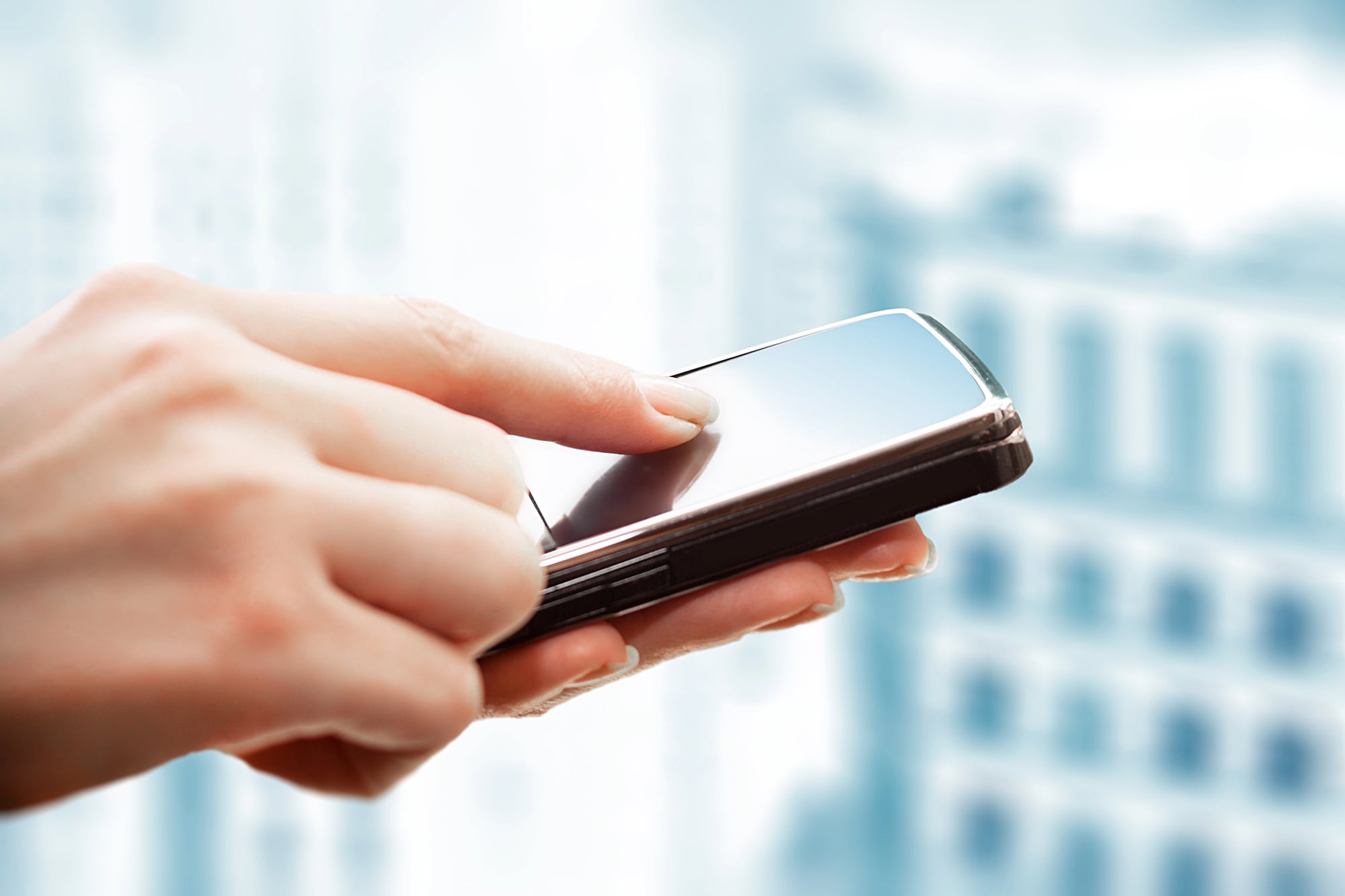
Google’s Pixel 2 introduced Active Edge, which let you squeeze the sides of your phone to launch the assistant or silence calls. HTC had tried the same thing earlier.
The feature sounded handy, but it created more accidental activations than intentional ones. People would squeeze their phones by accident when pulling them out of their pockets or adjusting their grip.
The sensitivity was hard to calibrate just right, and you could accomplish the same tasks faster with a simple voice command or button press. Google eventually dropped the squeeze feature from later Pixel models without much explanation.
Projector phones for big screen viewing
A handful of phones came with built-in projectors that could supposedly turn any wall into a screen for watching videos or giving presentations. The Samsung Galaxy Beam was the most notable attempt.
The projectors were dim, had terrible resolution, and drained the battery in less than an hour. You needed a perfectly dark room and a white surface to see anything clearly.
The whole concept ignored the fact that people already had TVs and computer monitors for watching content on big screens. Carrying around a phone with a useless projector made it heavier and more expensive for no real benefit.
Flip cameras that rotated

Instead of having separate front and back cameras, some phones featured a single camera that could flip or rotate to face either direction. The ASUS ZenFone and Samsung Galaxy A80 both used this approach.
The mechanism was cool to show off to friends, but it added moving parts that could break and made the phone thicker. The motorized flipping also slowed down the whole process of switching between regular photos and selfies.
People realized they preferred having two separate cameras that were always ready to go instead of waiting for mechanical parts to move around.
Always-on voice assistants that listened constantly
Phone makers promised that always-listening voice assistants would make life easier, letting you control your phone without ever touching it. Multiple companies pushed this feature, claiming it would change how people interact with technology.
But having your phone constantly listening for a wake word destroyed battery life and raised serious privacy concerns. The voice recognition also wasn’t accurate enough, often mishearing commands or activating when someone on TV said something similar.
Most people turned off the always-listening feature and went back to pressing a button when they actually wanted to use voice commands.
Under-display fingerprint sensors
When phone makers started removing physical fingerprint sensors to make phones look sleeker, they tried putting the sensors under the screen instead. Early versions of this technology were painfully slow and often didn’t recognize your fingerprint on the first try.
You had to press harder and hold your finger in place longer than with traditional sensors. The under-display sensors also didn’t work if your finger was even slightly wet or dirty.
While the technology has improved somewhat, many people still miss the reliability and speed of the old physical sensors that just worked every single time.
Dual screen phones with secondary displays

LG made several phones with small secondary screens above or next to the main display, meant for notifications and quick access to apps. The LG V10, V20, and later models all featured this design.
The extra screen seemed like a smart use of space, but it fragmented the user experience and made apps look weird. Developers didn’t bother optimizing their apps for the unusual screen layout.
The secondary display also made phones more expensive to manufacture and repair. People found it easier to just use their regular notification shade instead of looking at a separate tiny screen.
Pop-up selfie cameras
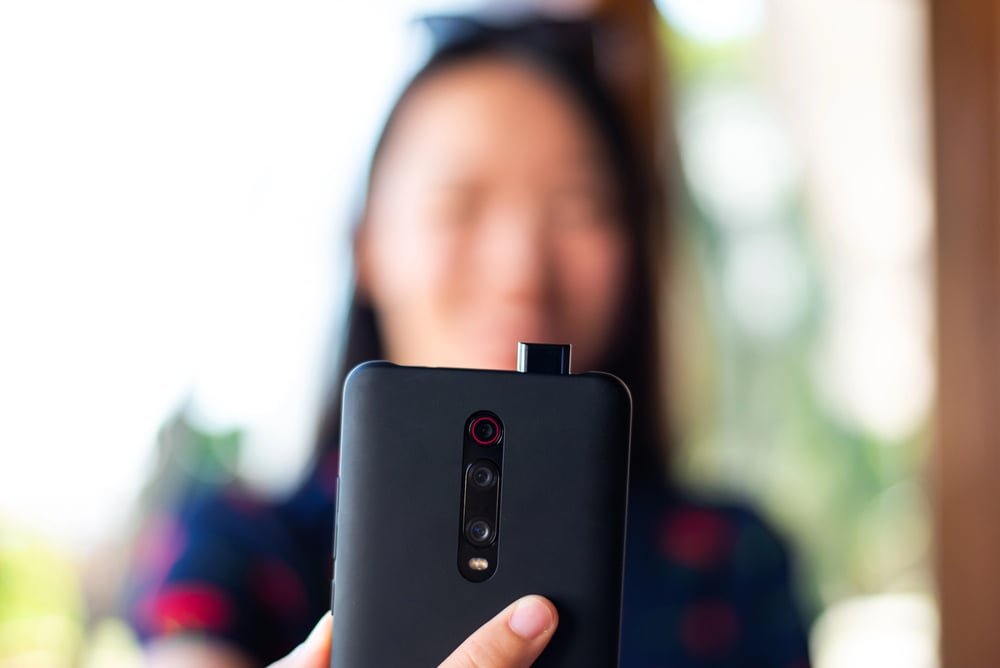
To achieve truly full-screen displays without notches or cutouts, several phone makers created cameras that popped up mechanically from the top of the phone. The OnePlus 7 Pro and several others used this approach.
The motorized camera mechanism was fragile and added moving parts that could fail over time. Sand, dust, and lint could get into the mechanism and jam it.
The pop-up also took a second or two to extend, which felt like an eternity when you wanted to quickly take a selfie. Phone makers eventually decided that a small opening or notch in the screen was better than dealing with breakable motorized parts.
Wireless charging that worked across the room
Companies promised wireless charging that would work from several feet away, charging your phone while it sat on your desk or even across the room. Several startups demonstrated this technology at trade shows with bold predictions.
The reality was that the charging was incredibly slow, only worked if nothing was blocking the signal, and required expensive special hardware. The amount of power you could actually deliver from a distance was tiny compared to what phones needed.
This dream of true wireless charging from across the room remains as far away as ever, while we’re still stuck with charging pads that require direct contact.
Night vision cameras
A few phones advertised special cameras with night vision capabilities that could supposedly see in complete darkness. Brands promoted this feature for security purposes or late-night photography.
What they actually delivered were cameras with infrared sensors that produced grainy, low-quality images that looked nothing like the promotional materials. Real night vision requires specialized hardware that doesn’t fit well in phones, and the battery drain was enormous.
People quickly realized their phone’s regular night mode took better photos in low light than the so-called night vision feature ever could.
Satellite links when signals fail

Apple alongside some Android makers revealed tools letting phones send SOS signals via satellite when there’s no network. This ability seems like a game-changer – on paper, at least.
In real use? Not quite what ads made it look.
You’ve gotta stand under open sky, aim the device just right, then wait – you’re talking multiple minutes before one short alert actually goes out. It kicks in just during real crises, never for random texts if you’re far away.
Though it beats having zero options when things go south, it’s nowhere near the game-changing tech ads claimed it’d be.
Thermal imaging cameras

Some tough phones packed thermal cameras able to spot heat patterns, turning them into vivid color pictures. Models from CAT, along with a handful of alternatives, included this gear.
These sensors worked okay for niche tasks – say, tracking down hotspots in walls or faulty wiring. Yet the picture clarity sucked, chewed through power fast, while regular users found zero reason to use it every day.
Folks relying on heat-sensing tech got way more from high-end models. Inside versions felt like fluff – jacked up price tags while doing little for most people.
The wake-up call we couldn’t ignore

Phone makers never stop adding stuff, saying it’s a game-changer. Some upgrades actually help, yet many end up as pricey gimmicks no one wanted.
This cycle shows up again every couple of years when brands chase what might sell next. Over time, we’ve seen that great phone tools fix real issues instead of causing them, run smoothly whenever used, and fit into how you already use your device.
Bad ideas prove that shiny and high-tech isn’t automatically smarter or helpful.
More from Go2Tutors!

- The Romanov Crown Jewels and Their Tragic Fate
- 13 Historical Mysteries That Science Still Can’t Solve
- Famous Hoaxes That Fooled the World for Years
- 15 Child Stars with Tragic Adult Lives
- 16 Famous Jewelry Pieces in History
Like Go2Tutors’s content? Follow us on MSN.