30 Family Road Trip Traditions From Decades Past
Before streaming tablets and turn-by-turn directions, a family vacation by car was an endurance event with snacks. Parents packed the trunk like a puzzle, kids claimed window seats by force, and the open road supplied the entertainment.
Plenty of those rituals faded quietly. Others still turn up in the stories families tell every holiday, usually with someone insisting it was a lot more fun than it sounds.
The License Plate Game
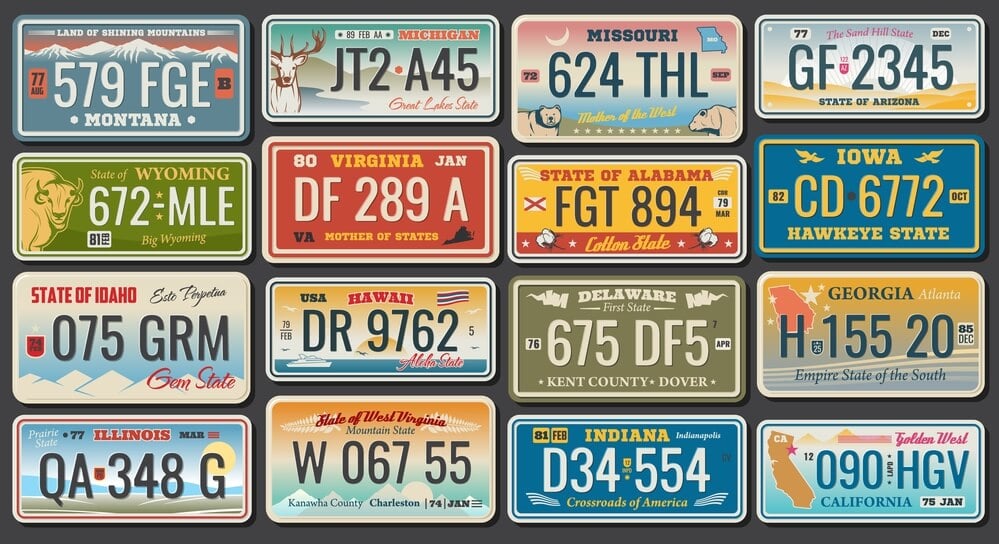
Spotting a plate from every state was the long-haul game that never quite ended. Kids kept a paper chart or a printed map on a clipboard, checking off Ohio and Indiana within the first hour and then waiting days for anything exotic.
Alaska and Hawaii plates were the legendary finds, since few cars from either state ever reached the mainland highways. Some families kept a running list across several summers, which turned a single vacation into a multiyear campaign.
Arguments over whether a plate glimpsed at highway speed actually counted were part of the deal, and parents usually ruled in favor of peace.
Slug Bug Punches in the Back Seat
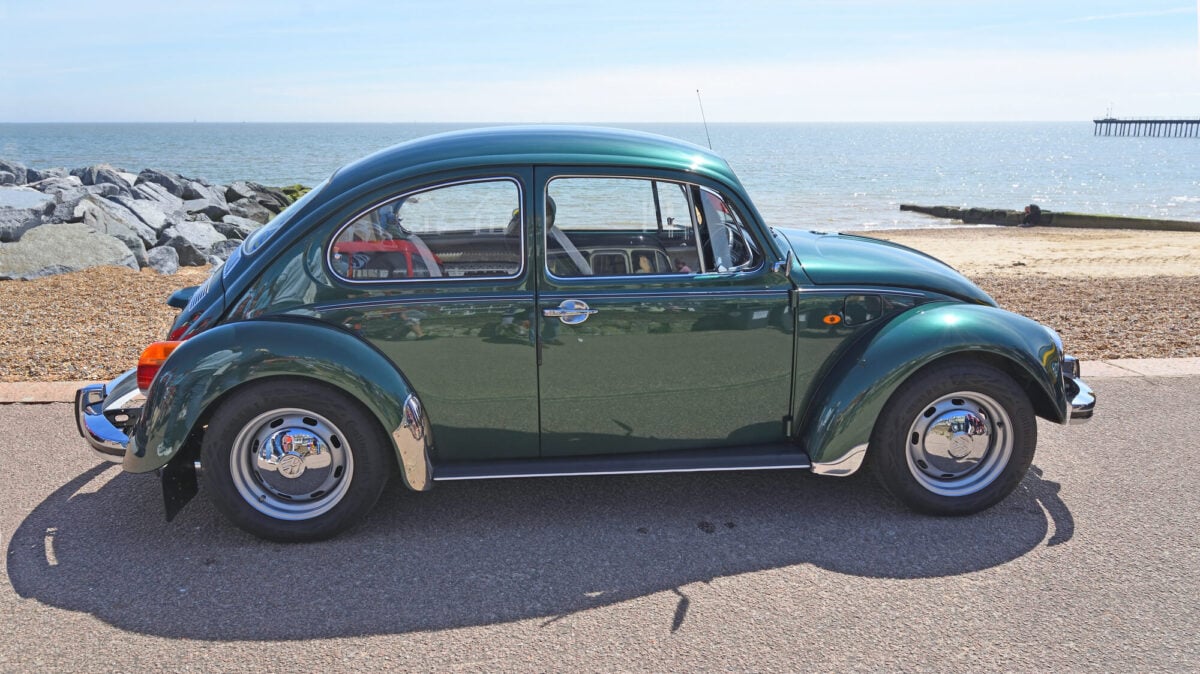
The Volkswagen Beetle was everywhere in the 1960s and 1970s, which made it the perfect trigger for a light punch to a sibling’s arm. Depending on the region, the game went by Slug Bug, Punch Buggy or Beetle Bug, and the color usually had to be called out loud for the hit to be legal.
House rules piled up quickly, including no punch-backs and bonus points for convertibles. The game survived the original Beetle itself, which ended production in Puebla, Mexico, in 2003.
Parents tolerated it right up until someone cried, which typically happened somewhere around the second state line.
AAA TripTik Strip Maps
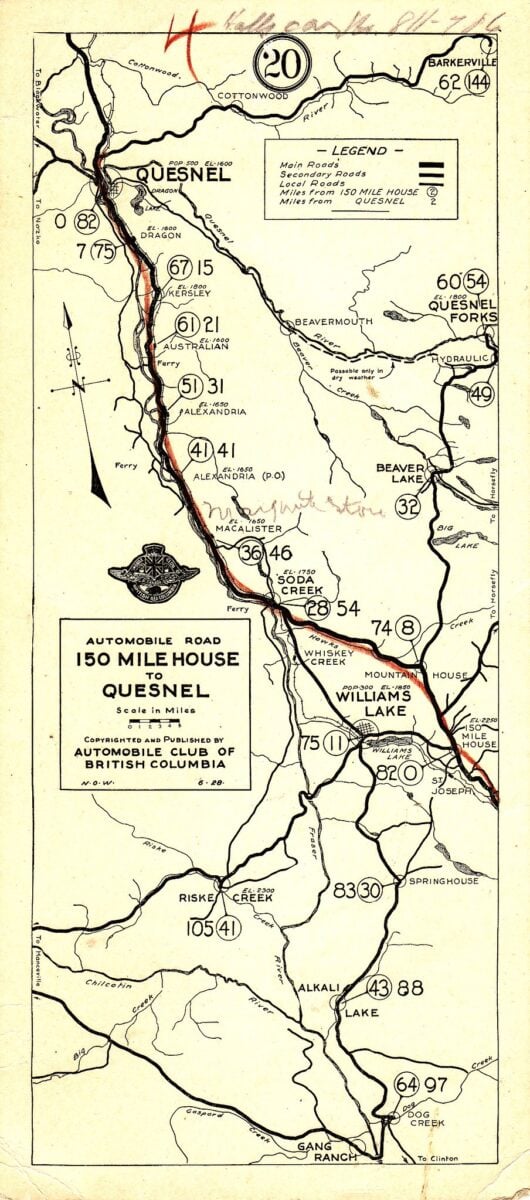
Members of AAA could walk into a local office and leave with a TripTik, a spiral-bound stack of narrow strip maps covering the exact route ahead. A staff member traced the path with a highlighter, marking construction zones, speed traps and recommended stops along the way.
Each page showed only a slice of highway, so the front-seat navigator flipped forward as the miles rolled by. The format made long drives feel manageable, one page at a time.
AAA still offers a digital version, but the paper booklet with its hand-drawn highlight lines belongs firmly to an earlier era of travel.
Free Road Maps From the Gas Station
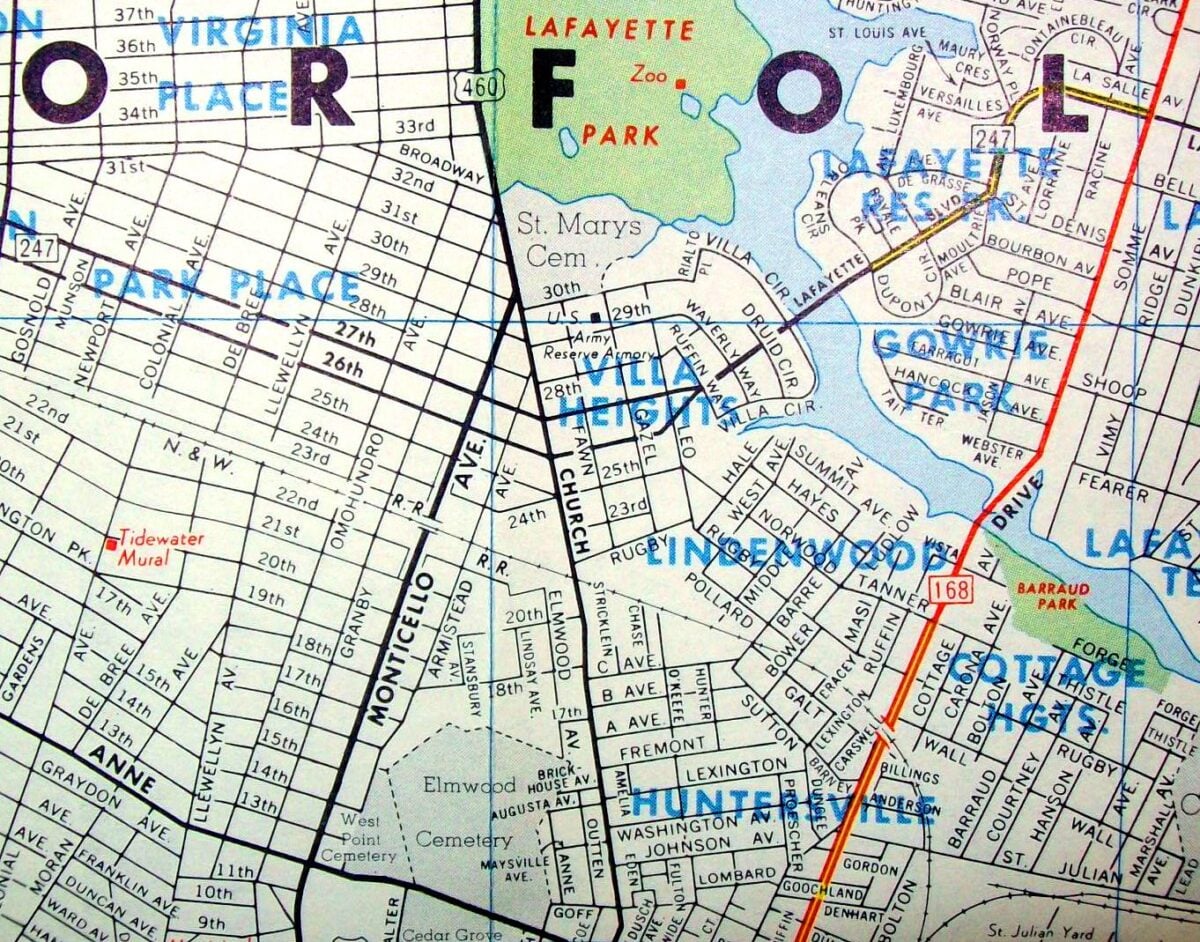
For decades, oil companies handed out folding road maps at no charge to anyone who pulled up to the pump. Brands like Texaco, Gulf and Esso commissioned them from mapmakers such as H.M. Gousha and Rand McNally, and the covers often showed smiling families in shiny sedans.
The maps were advertising, designed to keep drivers loyal to one company’s stations across state lines. The giveaway largely ended after the oil crisis of the 1970s made free promotions harder to justify.
Refolding one correctly remained an unsolved problem in most households, and glove compartments filled with crumpled evidence.
Reading the Burma-Shave Signs Aloud
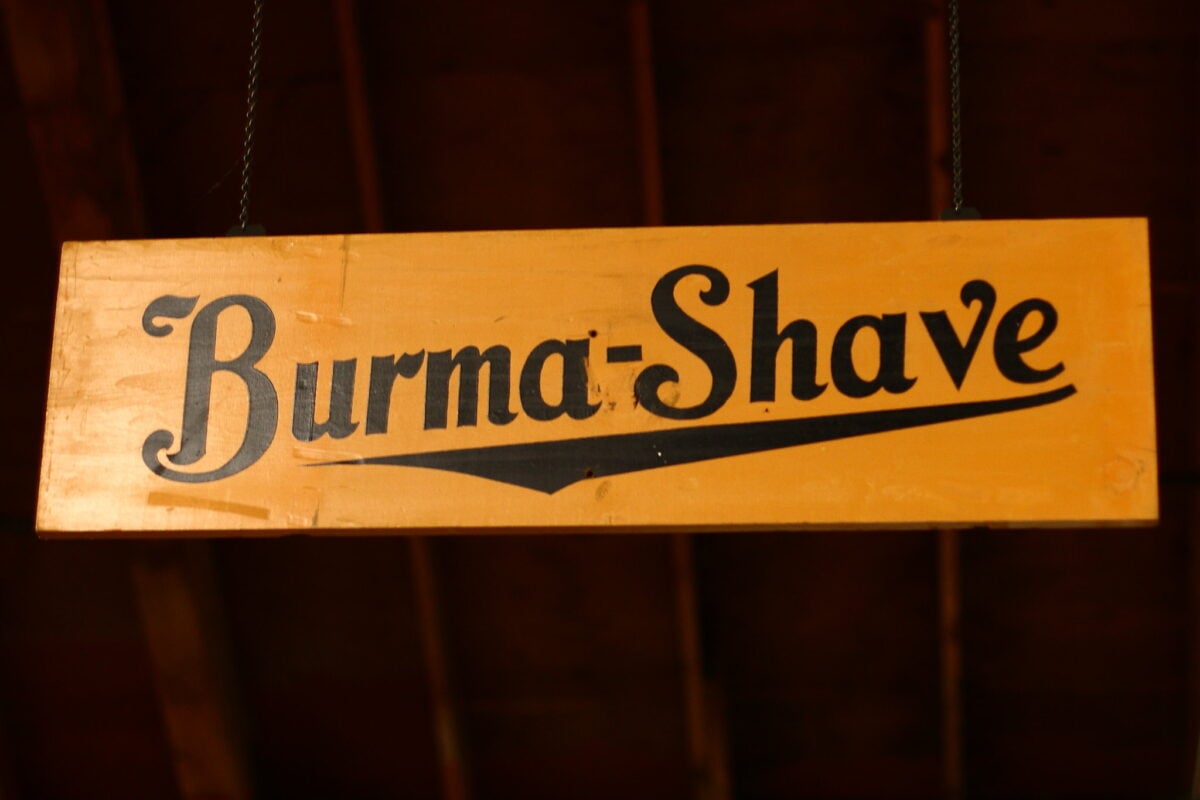
From 1925 to 1966, small red-and-white signs for Burma-Shave shaving cream lined rural highways in sets of five or six. Each sign carried one line of a rhyming jingle, and the last sign always read Burma-Shave.
Families read them out loud in unison as the car passed, building the suspense line by line. Many of the verses carried safety messages about speeding and reckless passing, delivered with a wink.
The interstate system and faster driving speeds helped end the campaign, since nobody could read a rhyme at 70 miles per hour, and a few replica sets now stand along preserved stretches of old highway.
Counting the See Rock City Barns
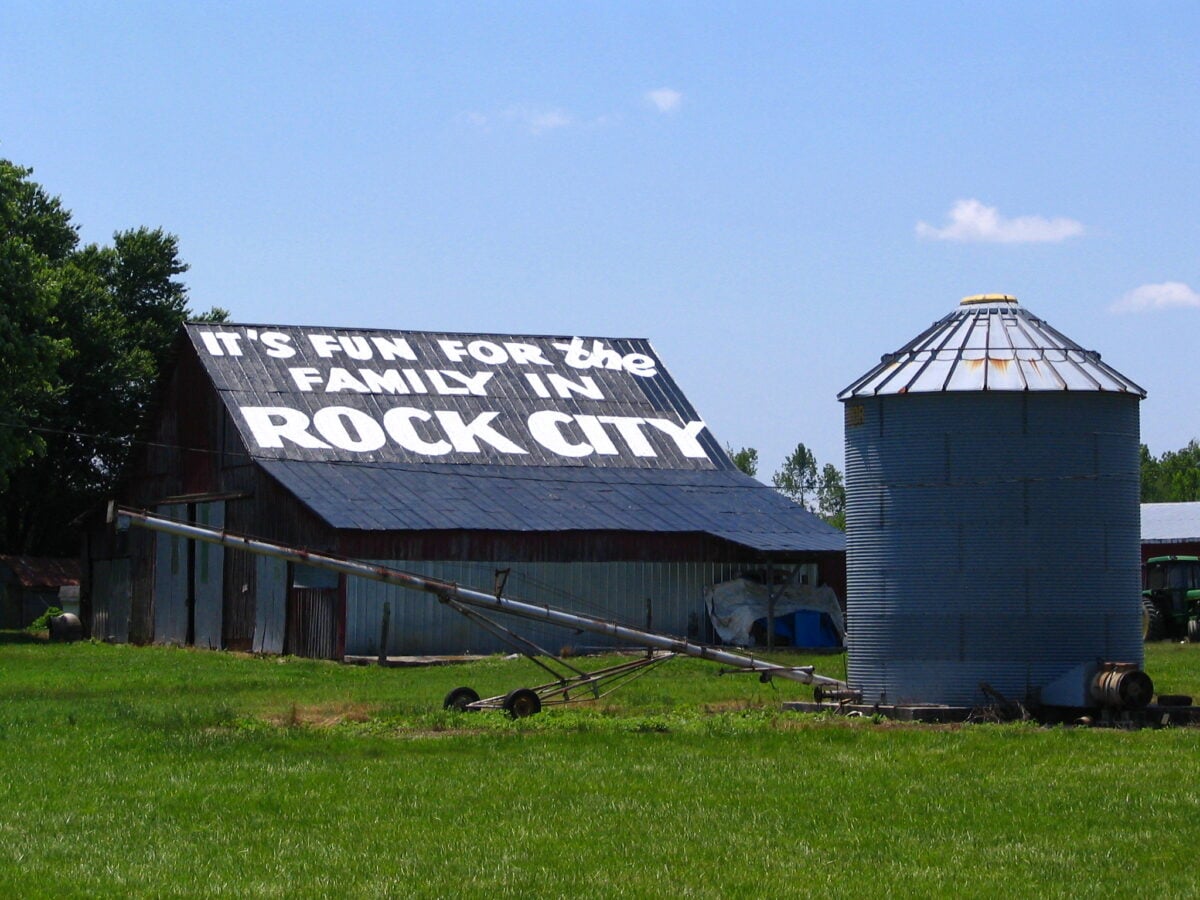
Across the Southeast and Midwest, barn roofs painted with the words See Rock City pointed travelers toward a rock garden attraction on Lookout Mountain, Georgia. A painter named Clark Byers spent decades on the job beginning in the 1930s, offering farmers free paint jobs in exchange for the advertising space.
Hundreds of barns eventually carried the slogan across more than a dozen states. Kids competed to spot them first, and many families eventually detoured to Chattanooga just to see what all the fuss was about.
Some of the surviving barns are now protected as pieces of roadside history.
Endless Wall Drug Billboards
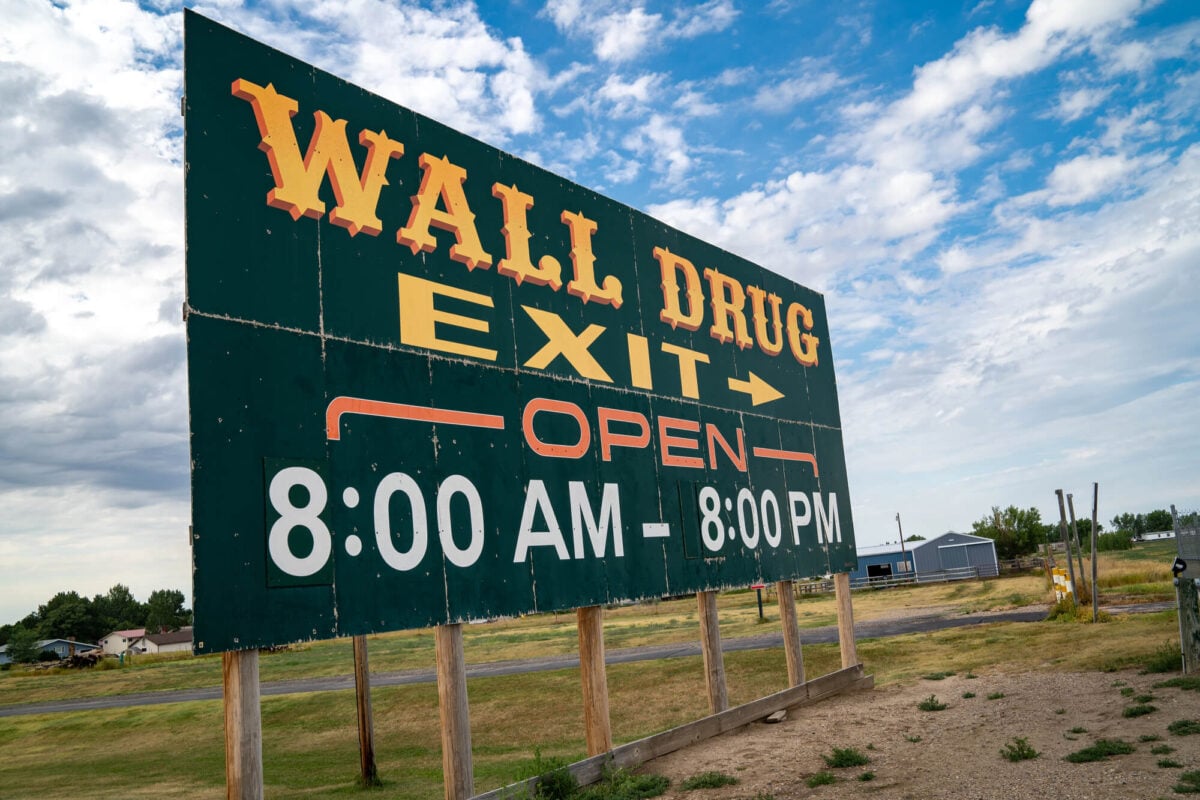
Long before reaching South Dakota, travelers began spotting signs for Wall Drug, a pharmacy in the small town of Wall. Dorothy Hustead came up with the idea in 1936, advertising free ice water to hot, thirsty drivers heading toward Mount Rushmore.
The plan worked so well that the store grew into a sprawling roadside complex with a cafe, shops and a giant jackalope. Families counted the signs for hundreds of miles and debated whether the place could possibly live up to the hype.
The ice water is still free, and the coffee has held at a very low price for generations.
Pedro’s Signs at South of the Border
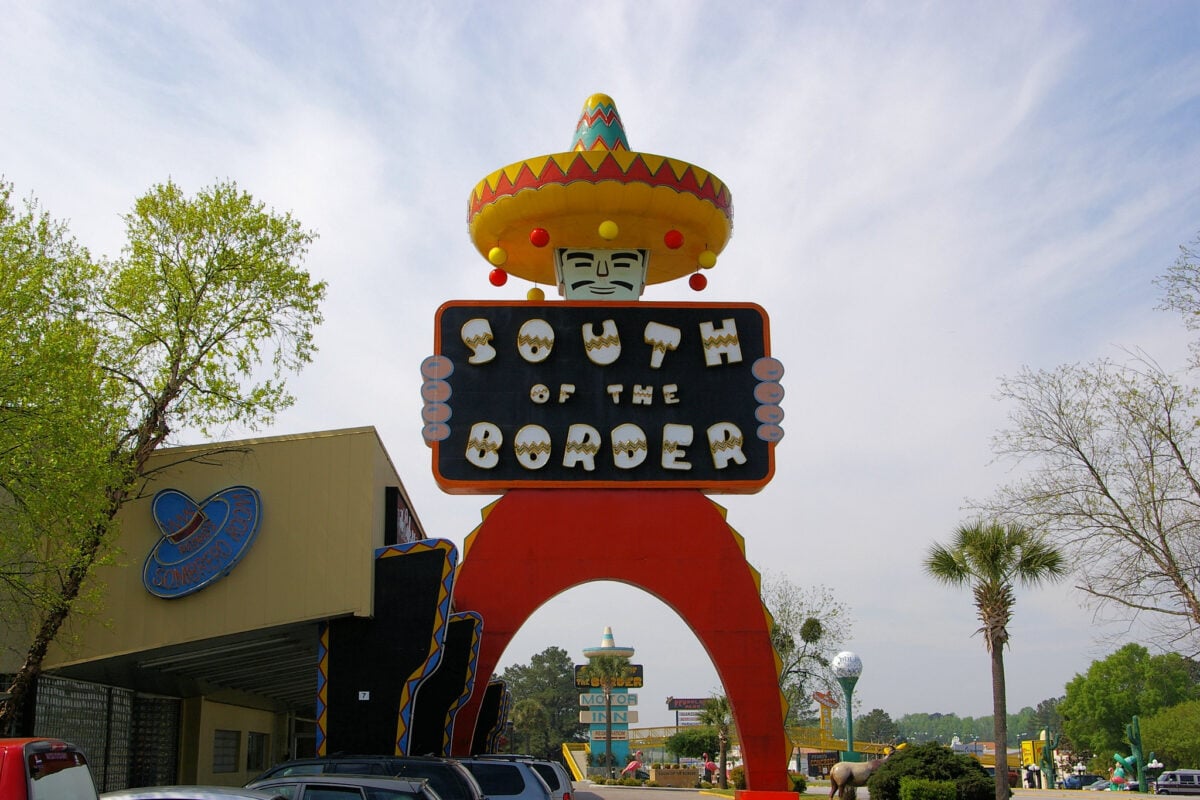
Drivers heading down Interstate 95 toward Florida could not miss the long run of billboards promoting South of the Border in Dillon, South Carolina. Alan Schafer opened the stop around 1950, and it grew into a roadside complex with motels, fireworks stands, restaurants and a tall tower crowned with a giant hat.
The billboards featured puns and a mascot named Pedro, a caricature that has drawn criticism over the years for its stereotyped humor. Kids begged to stop, and parents often gave in simply to end the countdown.
The place still operates near the border between the Carolinas.
A Pecan Log Roll From Stuckey’s
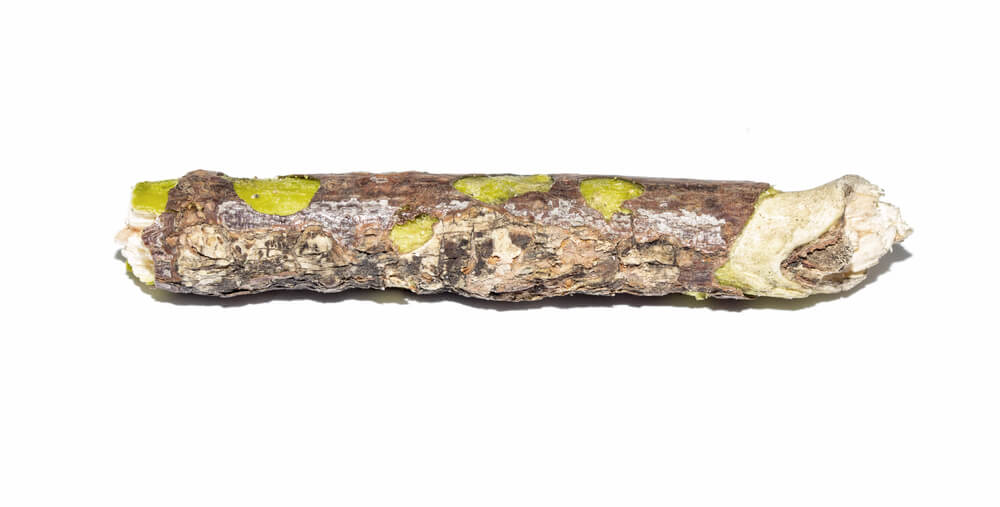
Teal-roofed Stuckey’s stores were a fixture along Southern highways, and stopping meant one thing for kids: the Pecan Log Roll. W.S. Stuckey opened his first pecan stand in Eastman, Georgia, in 1937, selling to tourists driving toward Florida.
The log roll, a nougat center coated in caramel and chopped pecans, became the chain’s signature treat. At its peak, Stuckey’s had hundreds of locations, and many families timed bathroom breaks around them.
The brand faded for years before a revival under family ownership, and the candy is still sold today.
Orange Roofs and 28 Flavors at Howard Johnson’s
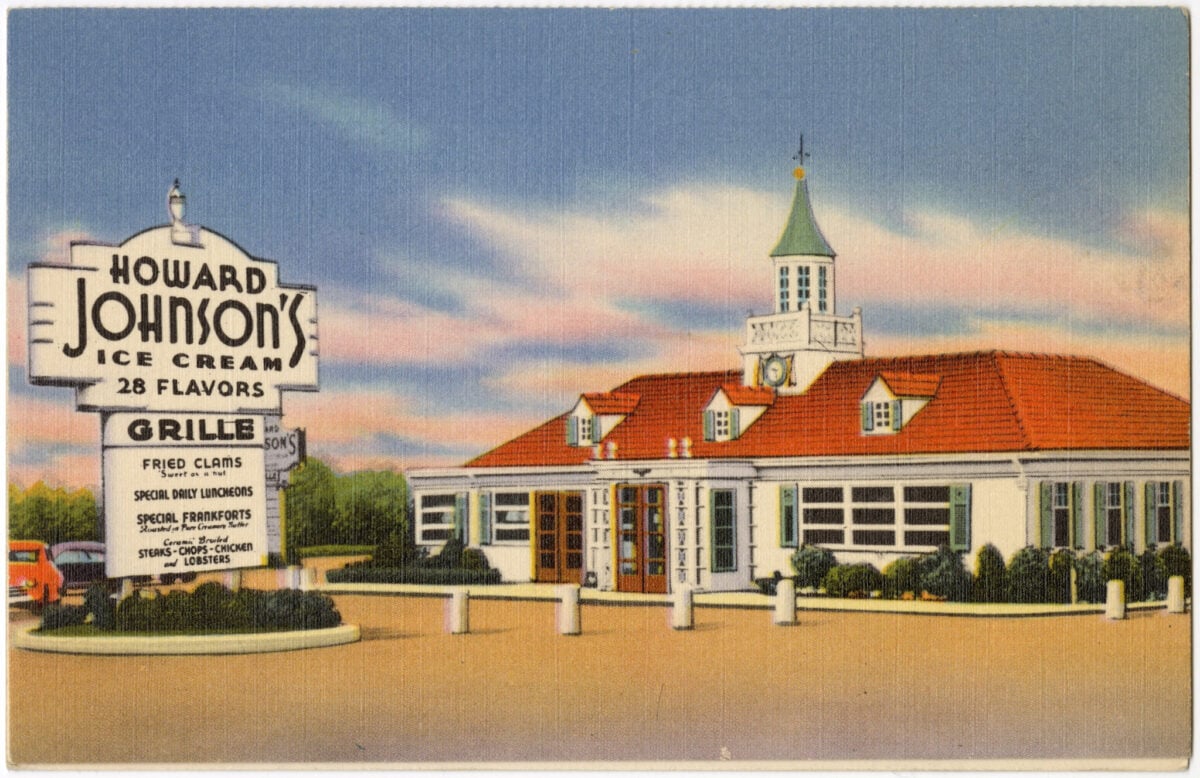
Spotting an orange roof on the horizon meant a reliable meal was close by. Howard Johnson’s restaurants became a fixture of highway dining from the 1930s onward, famous for fried clams, grilled hot dogs on buttered rolls and 28 flavors of ice cream.
Each location looked nearly identical, which reassured parents who did not want surprises with tired kids in tow. The Simple Simon and the Pieman logo hung over the doors.
The chain declined sharply in the 1970s and 1980s, and only a handful of restaurants survived into the 2000s.
Holiday Inn’s Great Sign
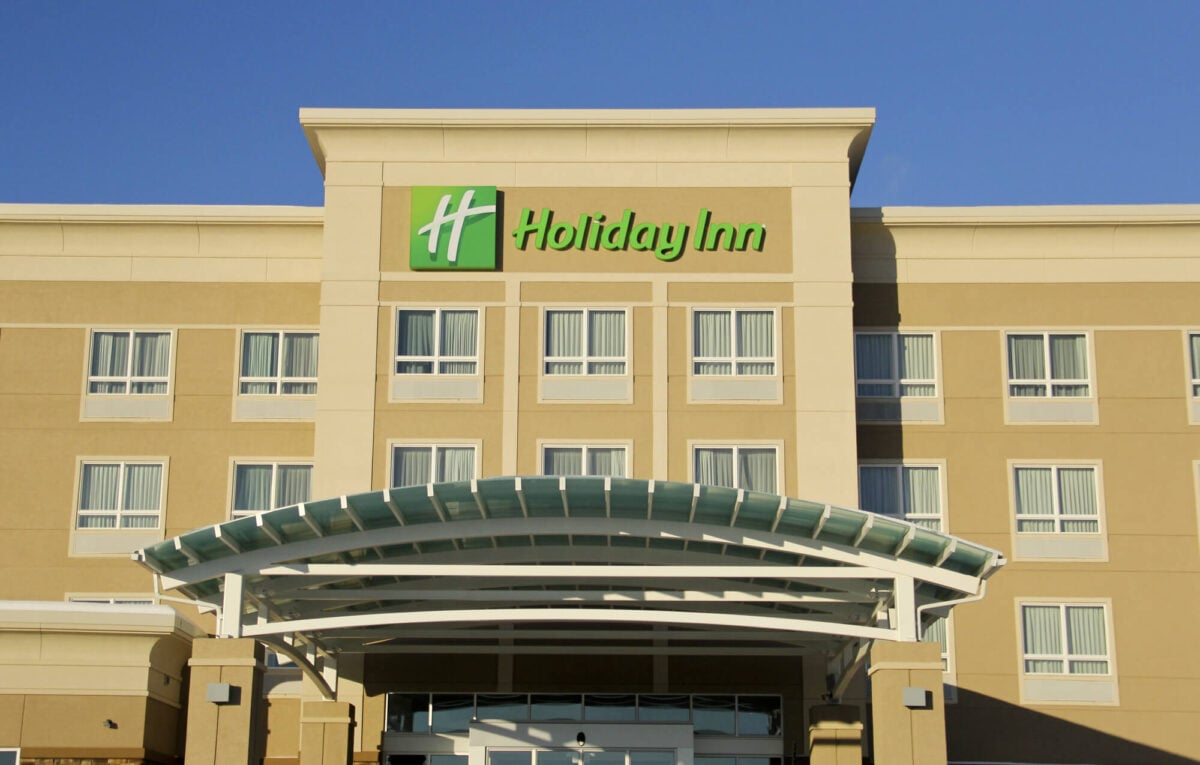
Kemmons Wilson opened the first Holiday Inn in Memphis in 1952 after a family road trip left him frustrated with cramped motels that charged extra for every child. His chain promised clean rooms, free stays for kids and a pool, which made it a parental favorite almost overnight.
The towering Great Sign, with its flashing arrow and changing marquee, could be spotted from far down the highway. The company phased out the sign in the early 1980s in favor of a simpler logo.
For a generation of kids, that green and yellow glow meant the driving was finally over.
Choosing a Motel by Its Pool
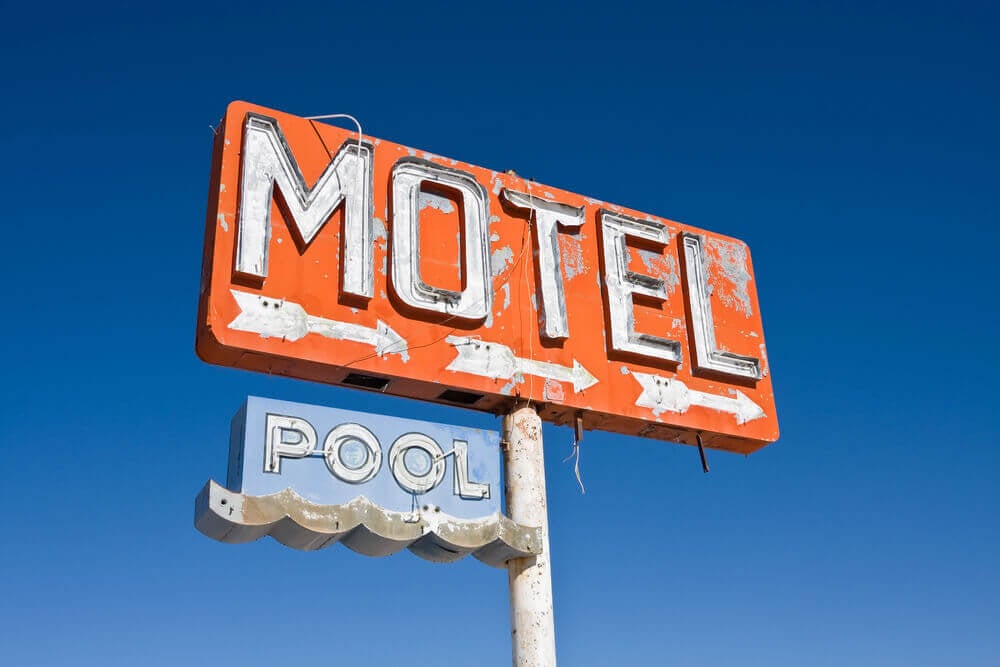
Mom-and-pop motels along the old two-lane highways competed hard for passing families. Neon signs promised air conditioning, color TV and, most important to kids, a swimming pool.
Children lobbied loudly for any place with a diving board, regardless of the price or the condition of the rooms. Many motels advertised Vacancy in bright letters and simply flipped the sign to No when the rooms filled.
A late swim after a long day in the car was the reward that made the next morning’s early drive tolerable, and those motel pools still show up in plenty of old family slides.
Riding in the Way Back
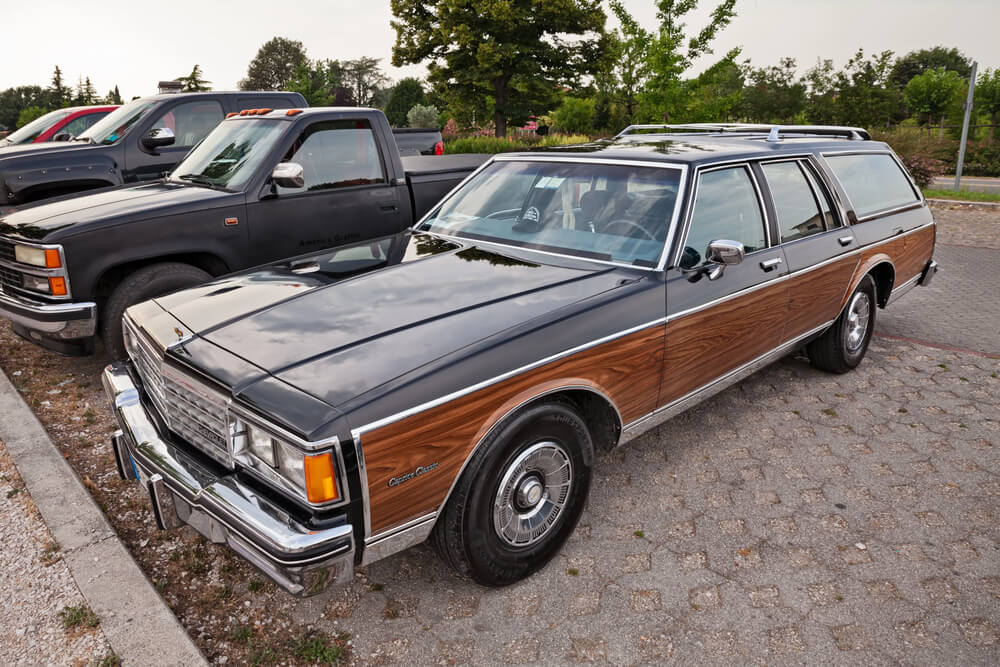
A station wagon’s rear-facing third row was the most coveted seat in the car. Models like the Ford Country Squire, with its simulated wood-grain panels, let kids face traffic behind them and wave at truck drivers.
Seat belts were often ignored or absent back there, a fact that alarms modern parents. The way back also doubled as a nap space, with sleeping bags and pillows spread across the cargo floor.
Minivans and SUVs eventually replaced the family wagon, and the rear-facing seat disappeared along with the wood paneling.
The Packed Cooler and Rest Area Picnic
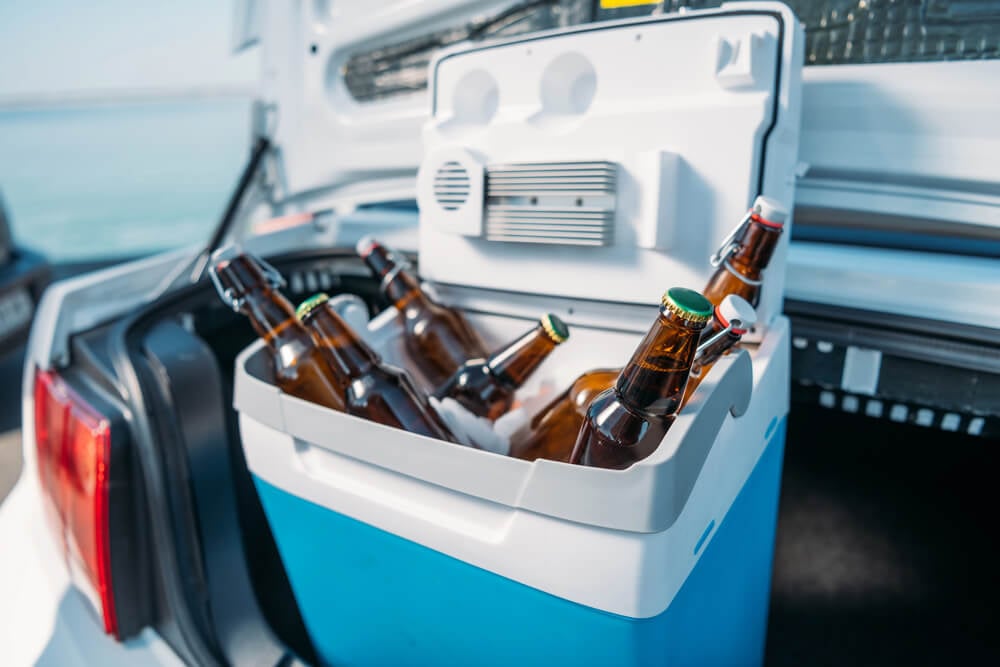
Eating at restaurants every meal was a luxury many families skipped. Instead, a cooler packed with sandwiches, sliced fruit and cold drinks rode on the floor or in the trunk.
Coleman’s steel-belted coolers, sold from the 1950s on, became a common sight at picnic tables across the country. The interstate system, launched under the Federal-Aid Highway Act of 1956, brought rest areas with shaded tables and restrooms.
Lunch meant pulling over, stretching legs and eating soggy bologna sandwiches out of waxed paper while trucks roared past on the highway.
Leaving in the Dark in Pajamas

Many parents swore by leaving before sunrise to beat traffic and heat. Kids were carried half asleep to the car, still in pajamas, and tucked into blankets in the back seat.
A Thermos of hot coffee rode up front, keeping the driver going until the first rest stop. By the time the kids fully woke up, the family had often covered a couple hundred miles.
Fathers in particular took pride in making good time, and the phrase became a running joke in many households. Breakfast came later, usually at a diner off the highway.
Travel Bingo Cards With Red Windows
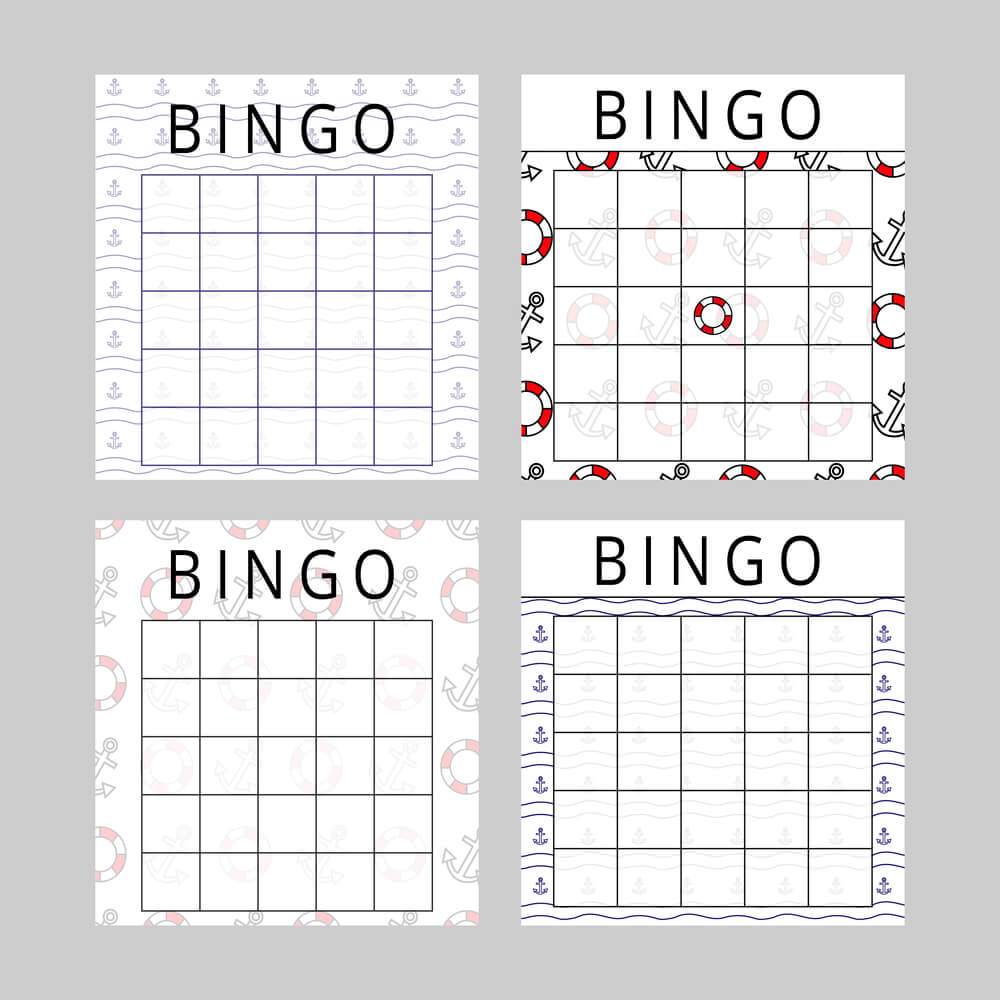
Printed bingo cards with sliding red plastic windows kept kids busy for hours. Each square showed something to spot along the road, like a stop sign, a cow, a water tower or a railroad crossing.
When a player saw one, they slid the window shut, and the first full row won. Regal Games of Chicago still produces the familiar cardboard versions, so the format has survived for decades with very few changes.
The cards were cheap, durable and nearly impossible to lose, which made them ideal for car trips with restless children.
Filling In Mad Libs Between Towns
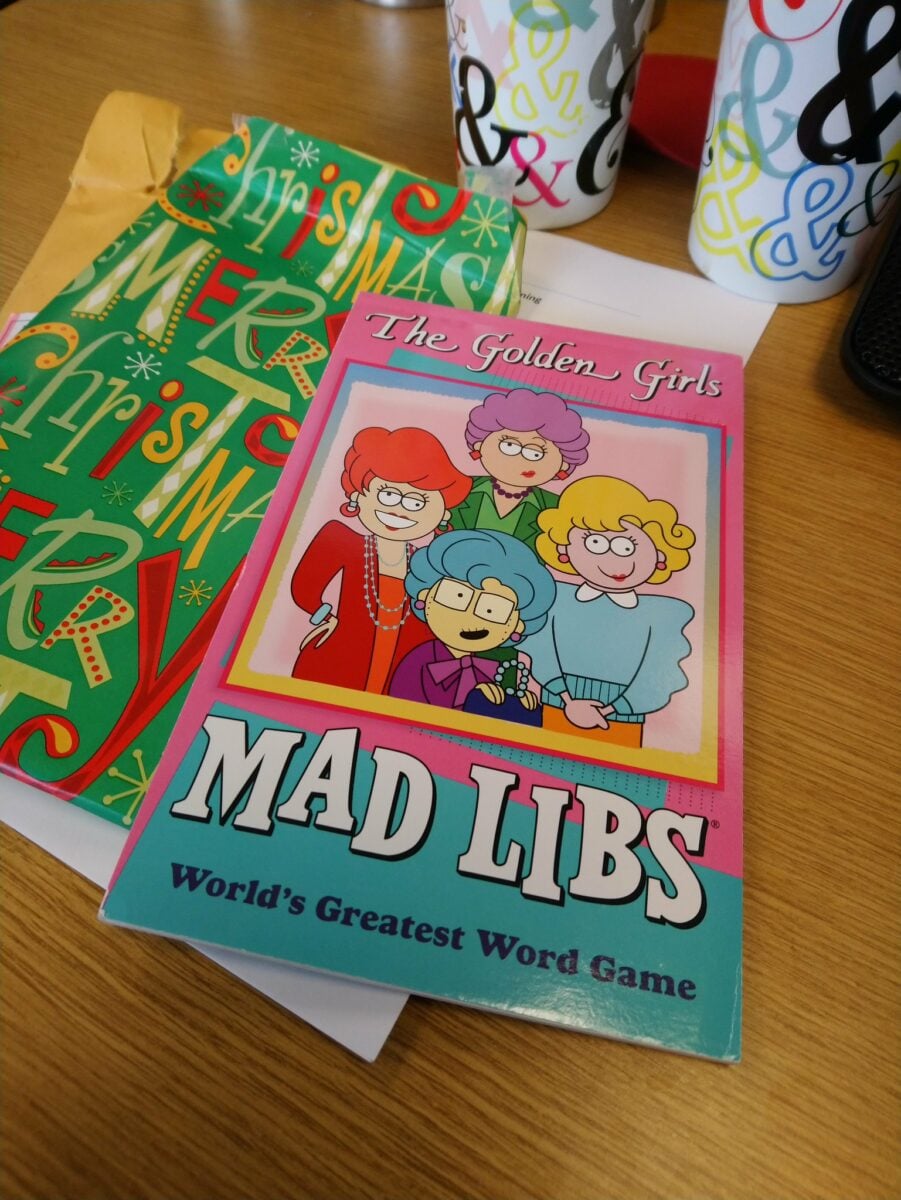
Leonard Stern and Roger Price created Mad Libs in the 1950s, and the fill-in-the-blank books became a staple of car trips. One person asked for a noun, verb or adjective without revealing the story, and the finished page was read aloud to howls of laughter.
Kids learned parts of speech almost by accident, which pleased parents and teachers alike. The books fit easily into a glove compartment or a backpack.
Millions of copies have sold over the decades, and the format still delivers the same silly results on any long stretch of highway.
Alphabet Hunting on Road Signs
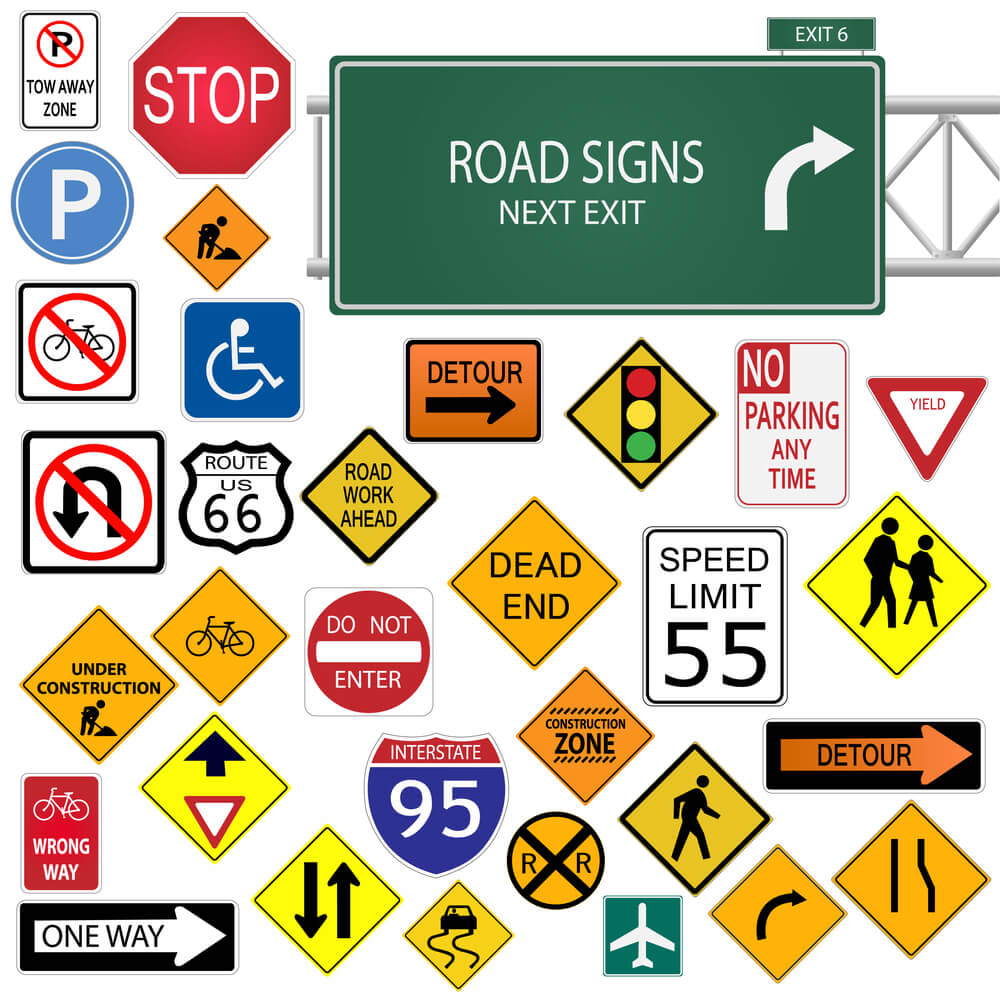
Families took turns finding each letter of the alphabet in order on billboards, signs and license plates. The early letters went fast, but Q, X and Z could stall a game for an hour or more, especially on empty stretches of prairie.
Players learned to watch for words like Quality Inn and Exxon, which saved the day for desperate contestants. Some households allowed truck lettering, while others banned it as too easy.
The game required no equipment at all, which made it the default whenever the bingo cards went missing.
Counting Cows Until the Cemetery
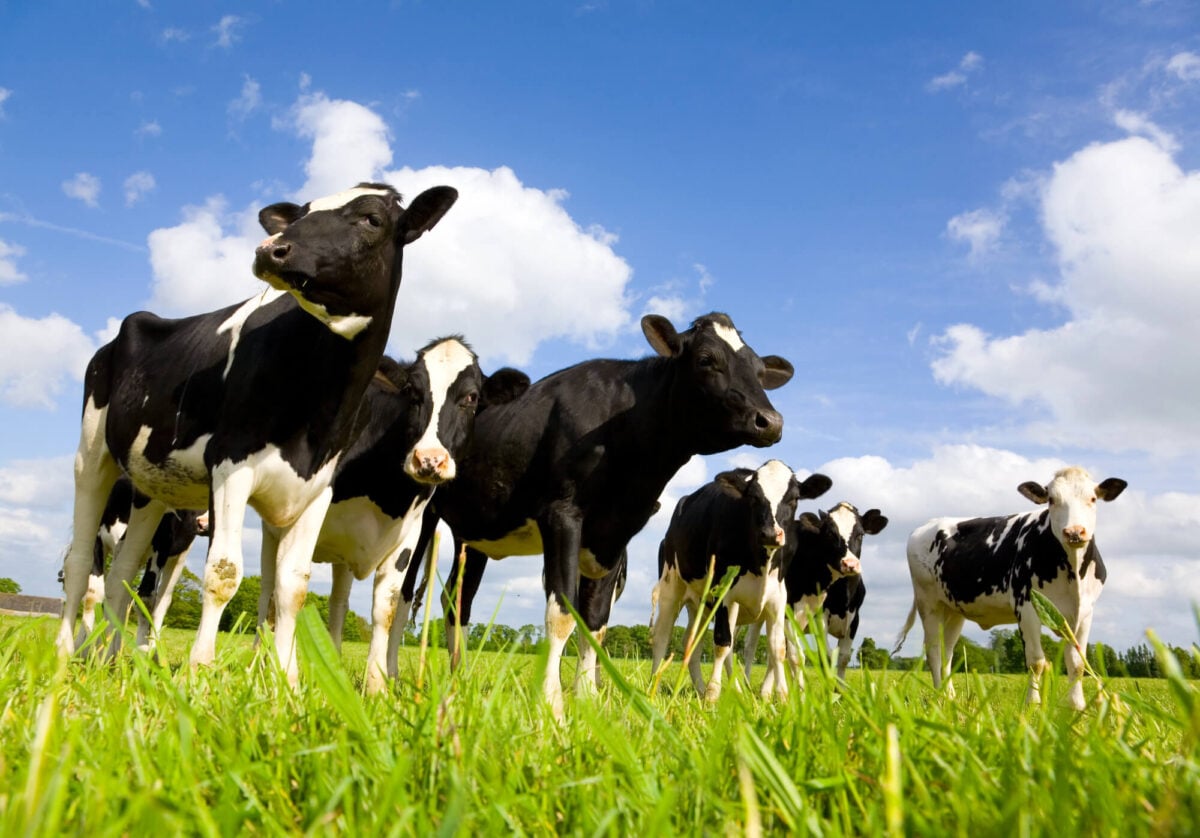
In this rural favorite, each side of the car counted cows on its own side of the road. Passing a cemetery on a player’s side wiped out that player’s entire count, sending them back to zero.
The game turned long stretches of farmland into a tense competition. Kids argued over whether a herd in the distance was cattle or horses, and a parent usually served as the final judge.
Versions of the cemetery rule turn up across the country, suggesting it spread from family to family over many decades.
Talking on the CB Radio
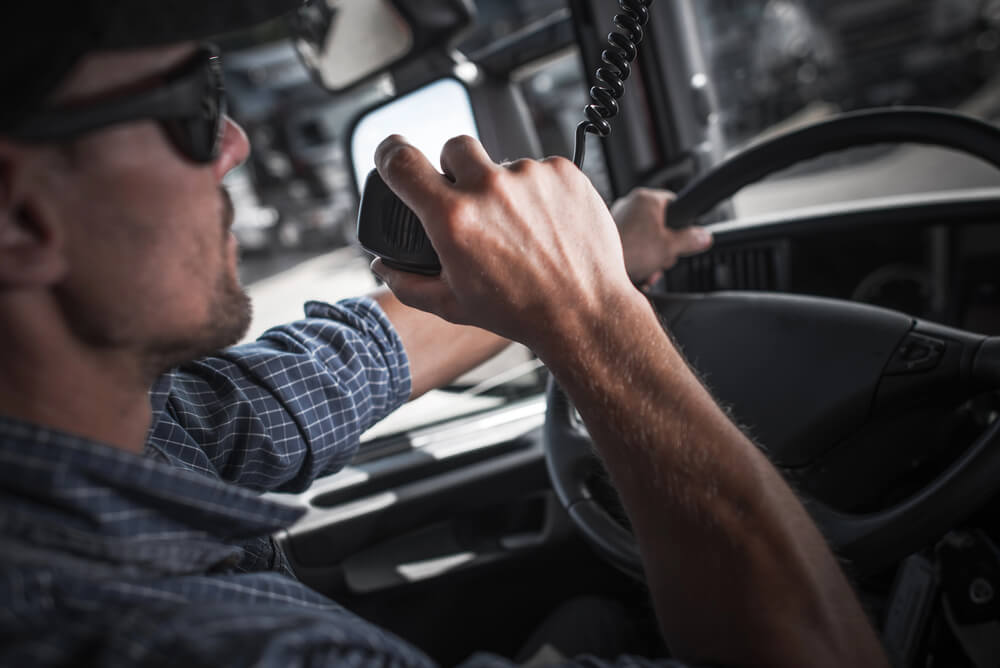
Citizens band radio fever of the 1970s turned plenty of family cars into rolling chat rooms. Drivers chose colorful handles and listened on channel 19, where truckers traded warnings about speed traps and road conditions.
C.W. McCall’s song Convoy topped the charts in 1975 and pushed CB slang into the mainstream. Kids loved grabbing the handset to say ten-four to strangers on the highway, and parents quickly learned to keep the volume low.
The Federal Communications Commission dropped the license requirement in 1983, but by then the fad had cooled.
Sing-Alongs on the 8-Track
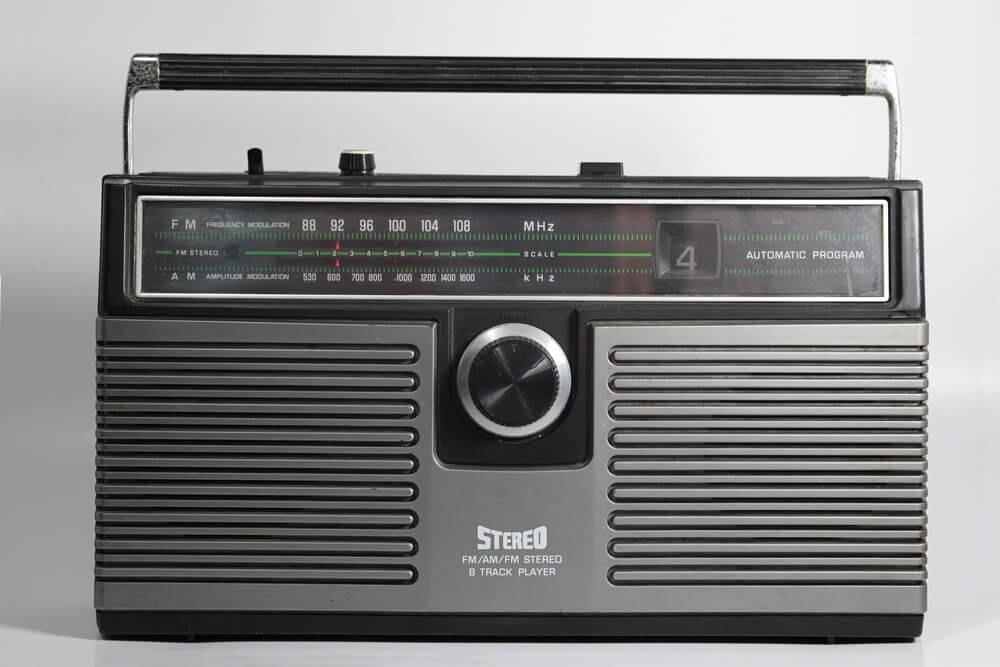
Eight-track tape players put a family’s music choice on the dashboard in the late 1960s and 1970s. Ford offered factory-installed players as an option for its 1966 models, and aftermarket units soon followed.
The tapes were famous for switching tracks in the middle of a song with a loud click. Families wore out the same few cartridges over long trips, and every word of the soundtrack burned into memory.
When the tape finally jammed or broke, someone usually tried to fix it with a pencil.
Stopping for the Muffler Men
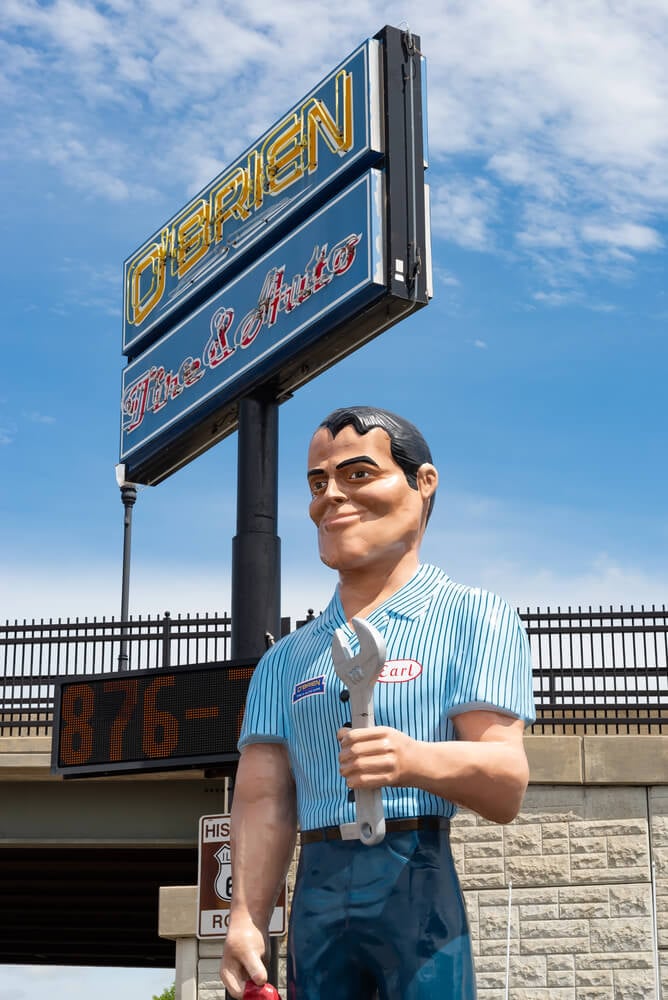
Giant fiberglass figures known as Muffler Men loomed over gas stations, diners and tire shops across the country. Most were made by International Fiberglass in Venice, California, during the 1960s, and many stood about 20 feet tall.
The original design was a lumberjack holding an ax, but owners repainted them as cowboys, astronauts and even spacemen. Families pulled over just to take a photo at their feet, usually with the smallest child posed between the giant boots.
Dozens still stand along old highways, and enthusiasts track their locations in online databases.
Felt Pennants and Window Decals
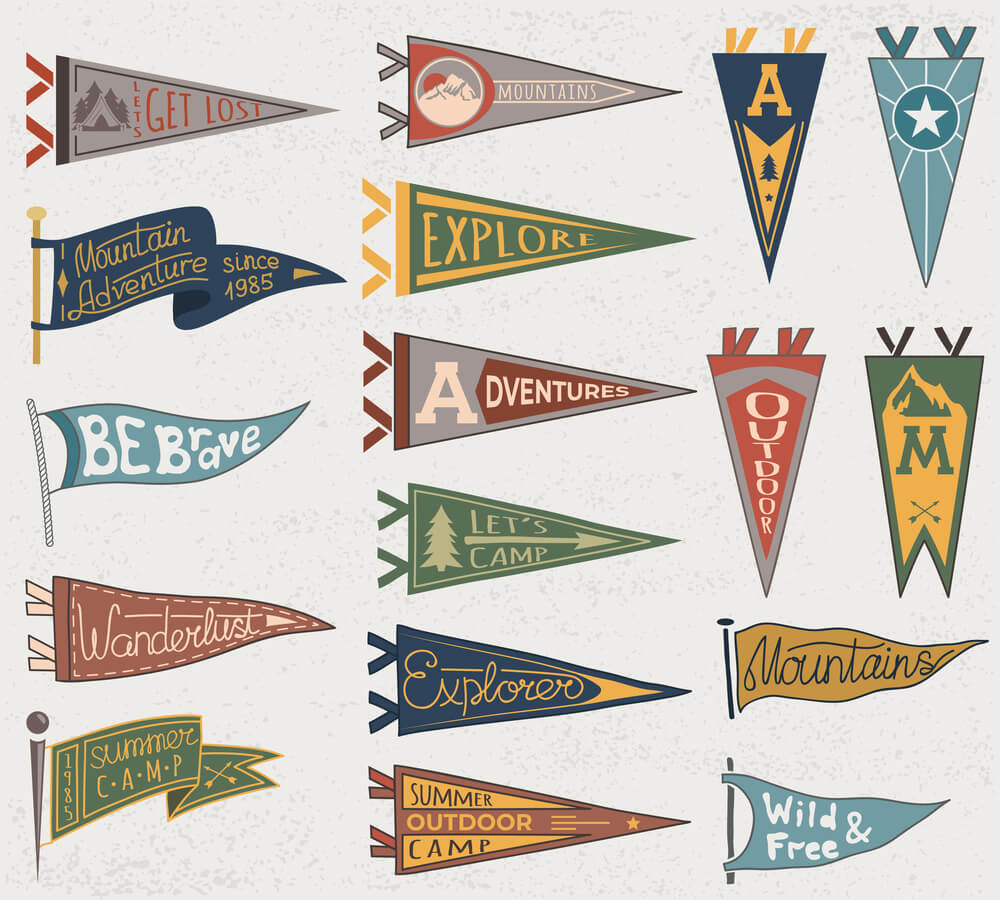
A family car could tell the story of a vacation through its back windows. Gift shops sold felt pennants and decals for nearly every state, national park and attraction, and kids collected them proudly.
Pennants were tacked to bedroom walls at home, while decals stayed on the car for years. Some cars ended up so covered with stickers that the rear view became partially blocked.
Collectors now hunt for vintage pennants from places like Yellowstone and the Grand Canyon, especially those with bright, unfaded colors.
Pressing a Souvenir Penny
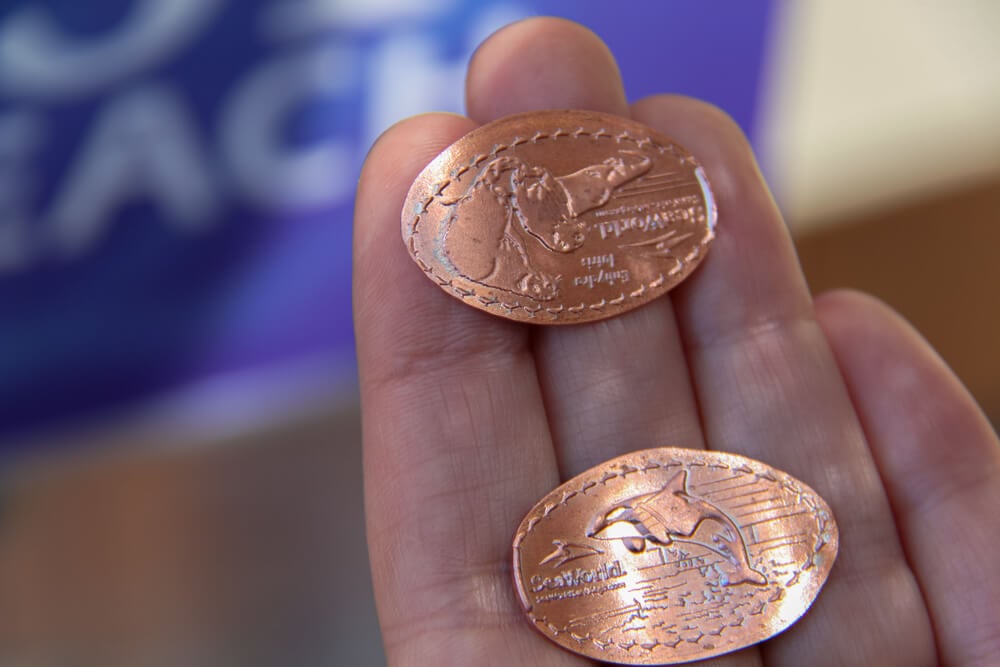
Elongated coin machines, which flatten a penny and stamp it with a design, first appeared at the 1893 World’s Columbian Exposition in Chicago. Decades later, the machines became a fixture at zoos, museums and roadside attractions.
Kids begged for spare change and turned the crank with intense concentration, watching the copper stretch into a thin oval. Each stop added another oval penny to a growing collection, often stored in a special booklet.
The machines still exist, though they now usually require two quarters on top of the penny itself.
Mailing Postcards Home
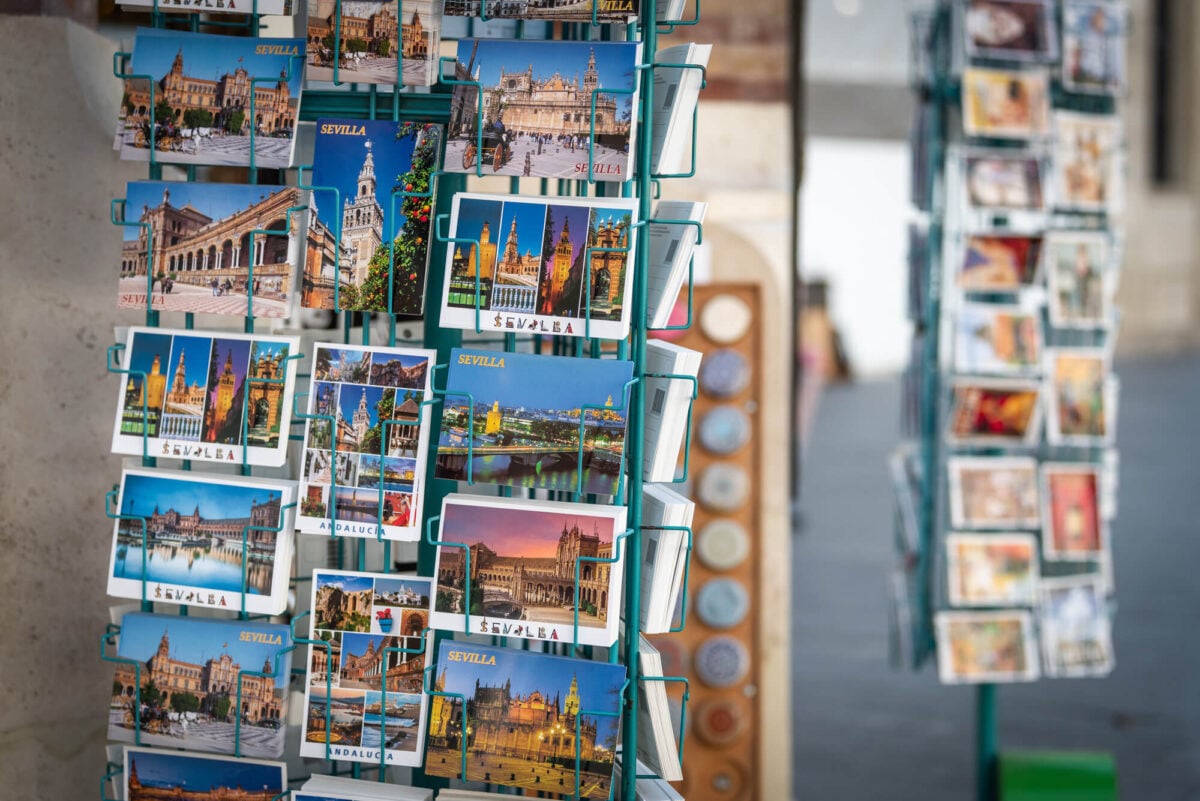
Postcards were the social media of the 20th century road trip. Families bought them at gas stations and gift shops, scribbled a few lines and mailed them to grandparents and neighbors.
The Curt Teich Company of Chicago printed millions of brightly colored linen-finish postcards from the 1930s through the 1950s, showing motels, diners and scenic overlooks. The cards often arrived after the travelers were already home, which made them more of a keepsake than a news report.
Collectors now prize vintage motel and roadside postcards for their glimpses of businesses long since gone.
A Kodak Carousel Slide Show at Home
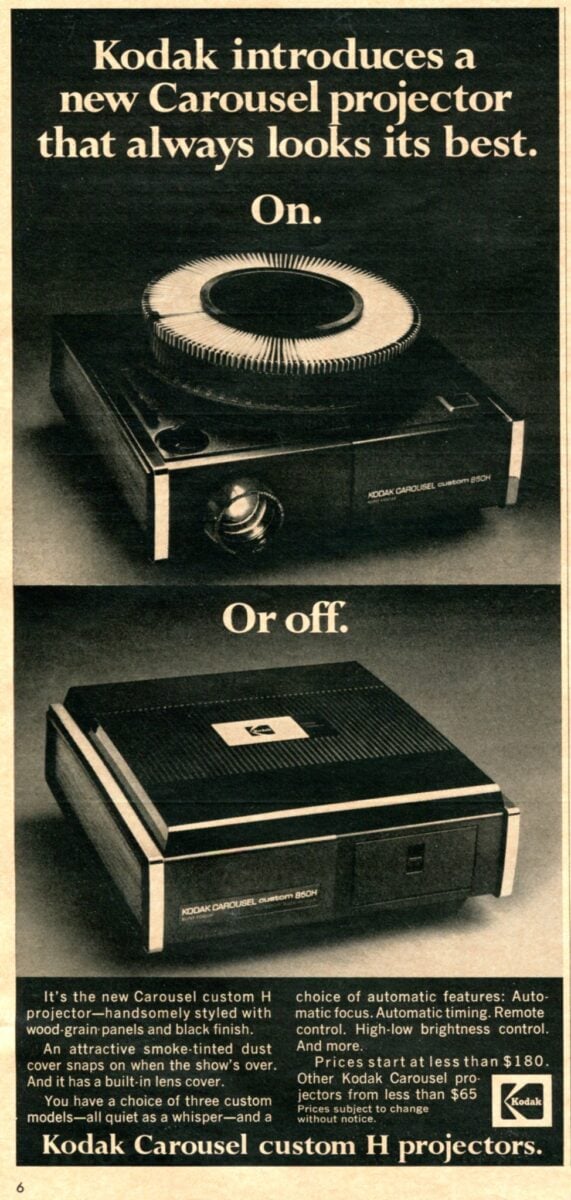
After the trip, families gathered friends and relatives for a slide show of vacation photos. Kodak introduced the Carousel projector in 1961, and its round tray made loading dozens of slides simple.
Upside-down slides were a constant hazard, along with long pauses while the projector bulb warmed up. Guests sat through dozens of nearly identical canyon views with varying levels of enthusiasm, and the host narrated every single one.
Kodak stopped making slide projectors in 2004, and many families still have boxes of slides waiting to be digitized.
View-Master Reels From the Gift Shop
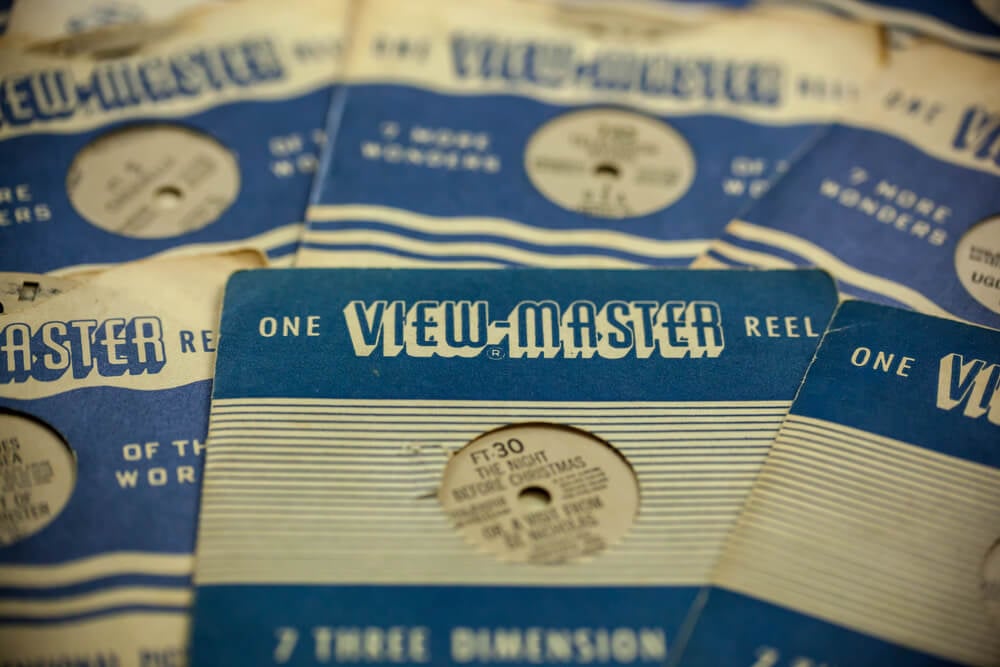
Sawyer’s View-Master debuted at the 1939 New York World’s Fair, offering three-dimensional images on cardboard reels. Gift shops at national parks and attractions sold reels showing places like Carlsbad Caverns and Yellowstone.
Kids collected them as souvenirs and relived the trip by clicking through the pictures at home, long after the sunburns had faded. The viewers were sturdy enough to survive years of rough handling.
Vintage reels from scenic attractions turn up at estate sales and online, and complete sets in their original envelopes are the most sought after.
Camping at a KOA
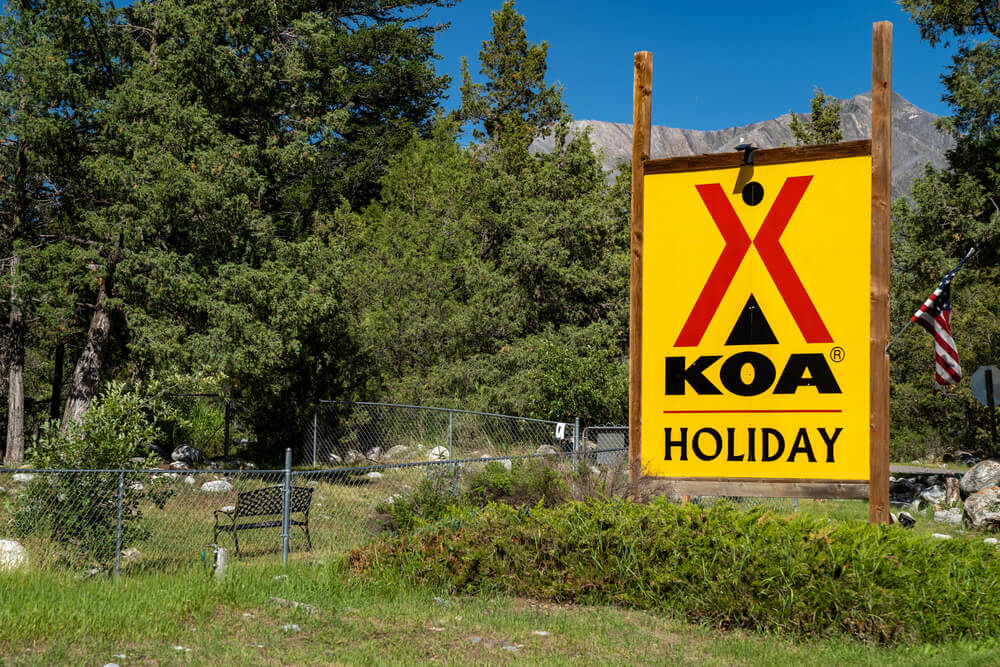
Kampgrounds of America opened its first campground in Billings, Montana, in 1962. Founder Dave Drum offered travelers hot showers, restrooms and a small store, which made camping far more appealing to families.
The yellow KOA signs became a familiar sight along major highways, often paired with a distinctive A-frame office building. Families with pop-up campers or tents could count on a consistent setup wherever they stopped.
The company grew into a large network of franchised campgrounds, and the format still appeals to families who want outdoor stays without roughing it entirely.
Detouring to the Corn Palace
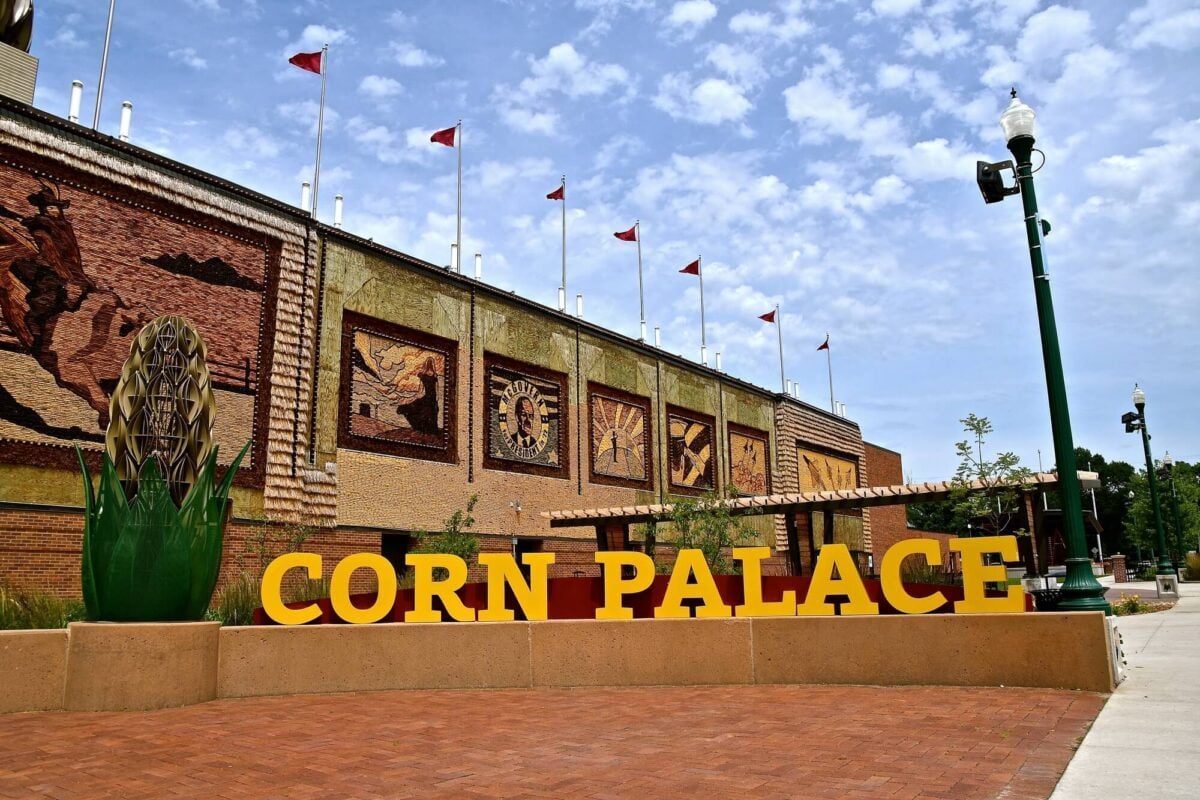
The Corn Palace in Mitchell, South Dakota, has drawn curious travelers off the highway for generations. The current building dates to 1921, and its exterior murals are redesigned regularly using thousands of ears of corn and other grains.
Families stopped for photos and a quick look inside, often on the way to the Black Hills. The building also hosts concerts, events and local court games.
Kids remembered it as the strangest building they had ever seen, and many returned as adults to see the new murals.
Sleeping in a Wigwam Motel
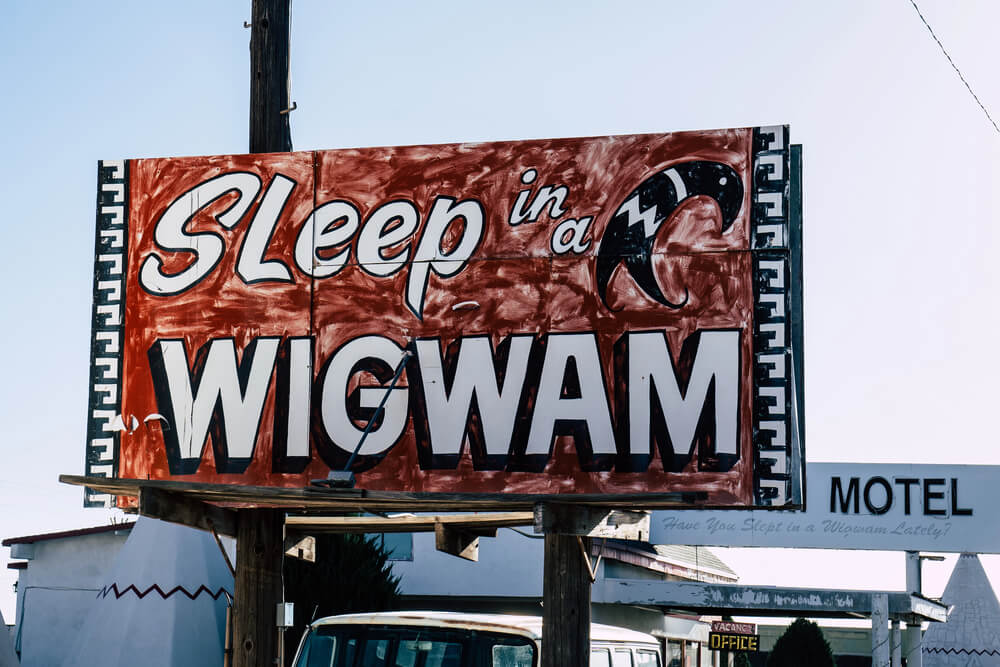
Frank Redford built seven Wigwam Villages between the 1930s and 1950s, offering rooms shaped like concrete teepees. Three survive today, in Holbrook, Arizona, San Bernardino, California, and Cave City, Kentucky.
The Holbrook location, built in 1950 along Route 66, remains a favorite stop for travelers. Kids loved the idea of sleeping in a teepee, even if the rooms themselves were fairly standard inside, with a bed, a sink and not much room to spare.
Classic cars parked around the Holbrook site add to the throwback appeal for modern visitors.
Miles That Became Family Lore
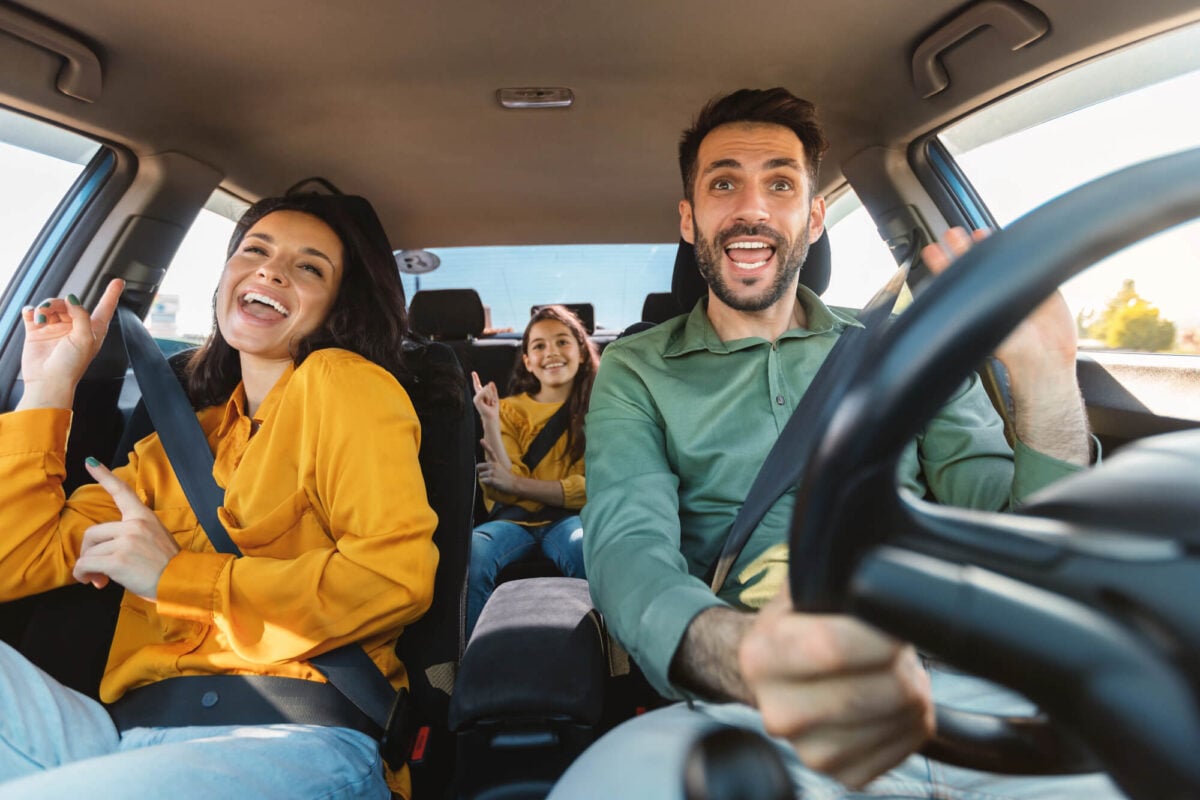
Most of these traditions grew out of boredom, budgets and the simple fact that the drive took forever. Families invented games because nothing else was available, and roadside businesses competed hard for every passing station wagon.
The result was a shared culture that stretched from Burma-Shave rhymes to concrete teepees. Nobody planned it, yet it shaped how a generation saw the country.
Modern road trips are faster and better informed, but they rarely produce the same stories. A missed exit no longer turns into an accidental detour to a corn-covered building.
The long, unscheduled hours in the car were where those memories came from. That is the part families miss when they look back.
More from Go2Tutors!

- The Romanov Crown Jewels and Their Tragic Fate
- 13 Historical Mysteries That Science Still Can’t Solve
- Famous Hoaxes That Fooled the World for Years
- 15 Child Stars with Tragic Adult Lives
- 16 Famous Jewelry Pieces in History
Like Go2Tutors’s content? Follow us on MSN.