25 Action Figures From the ’80s Worth Keeping
The 1980s turned Saturday morning cartoons into half-hour toy commercials, and kids answered by filling bedrooms with plastic armies. Most of those figures lost their weapons within a week and their heads within a year.
The ones that survived, especially still sealed on the card or complete in the box, now trade among adults who remember exactly what they wanted at age eight. A few loose figures pulled from a basement bin can still surprise their owners.
Yak Face From Power of the Force

Kenner’s Star Wars line was winding down in 1985 when Yak Face, a minor alien glimpsed in Jabba’s palace, arrived as part of the Power of the Force series. The figure was carded mainly for markets outside the United States, so few American kids ever saw it in stores.
Sealed examples on the original card with the collector coin often sell for several thousand dollars, while loose, complete figures with the staff typically bring a few hundred. Card creases, yellowed bubbles and a missing coin cut prices sharply.
Reproduction staffs are common, so originals are checked closely.
Vlix, the Figure Kenner Never Released
Vlix was a villain from the animated Droids series, and Kenner planned a figure for its Droids toy line before the cartoon was canceled. The figure was eventually produced only in Brazil by Glasslite around 1988, in very small numbers.
Loose examples often sell for 1,000 dollars or more in good condition, while carded examples are rare enough to bring far higher prices. Fakes and reproductions are a serious concern, so buyers study plastic color, paint details and markings carefully.
Missing accessories and paint wear reduce value.
Luke in Stormtrooper Disguise
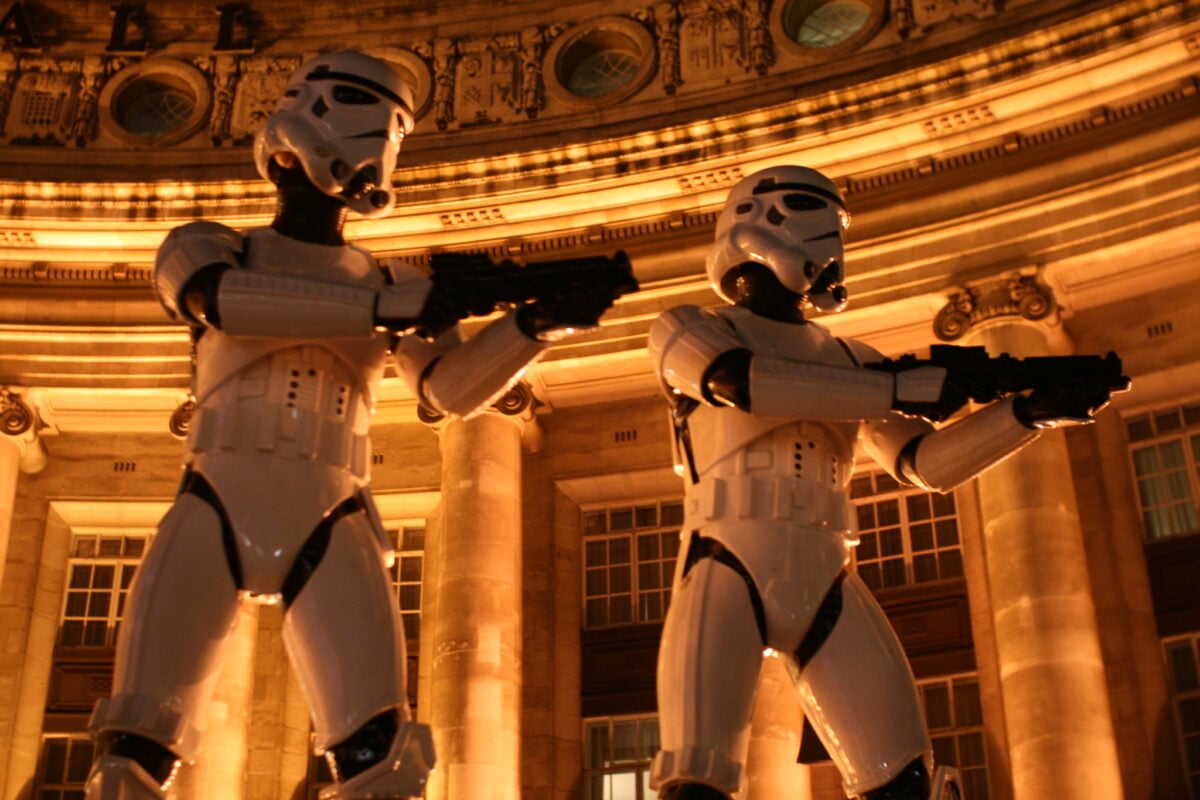
Released in 1985 as part of Power of the Force, Luke Skywalker in Imperial Stormtrooper outfit was one of the last Star Wars figures Kenner made in its original run. Lower production numbers make sealed examples especially scarce.
Carded figures with the collector coin often sell for several thousand dollars, while loose complete figures with the helmet and blaster typically bring 100 to 300 dollars. Card wear, bubble dents and price stickers all affect value.
Original helmets are often lost, and reproductions are widely available, so authenticity checks matter.
Boba Fett on a Droids Card
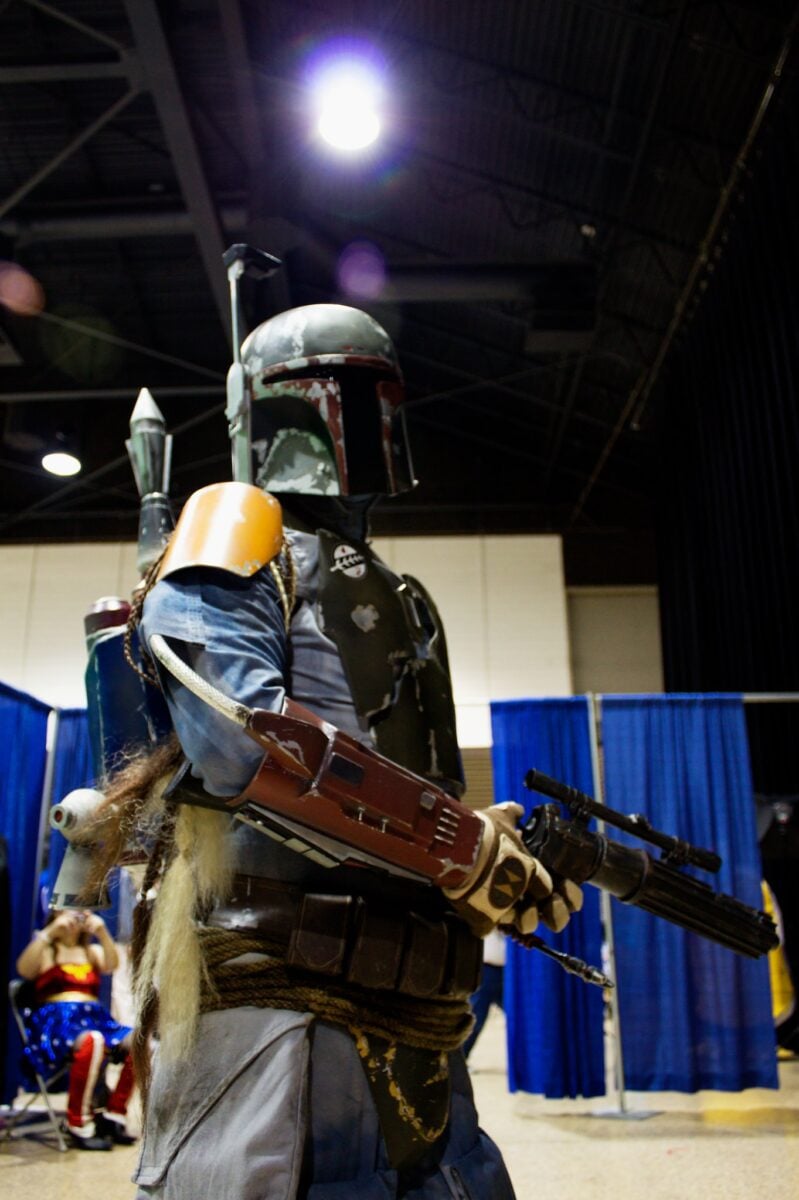
Collectors chasing the bounty hunter’s rarest packaging look for the 1985 reissue on a card from Kenner’s Droids line, tied to the short-lived animated series about C-3PO and R2-D2. The card art and Droids branding make it distinct from Boba Fett’s earlier Empire Strikes Back and Return of the Jedi releases, and it came with a collector coin.
Sealed examples often sell for several thousand dollars, depending on card condition and bubble clarity. The figure itself is common loose, so the card drives almost all of the value.
Creases, edge wear and yellowed plastic reduce prices, and resealed bubbles are a known trick.
Straight-Arm GI Joe Figures From 1982
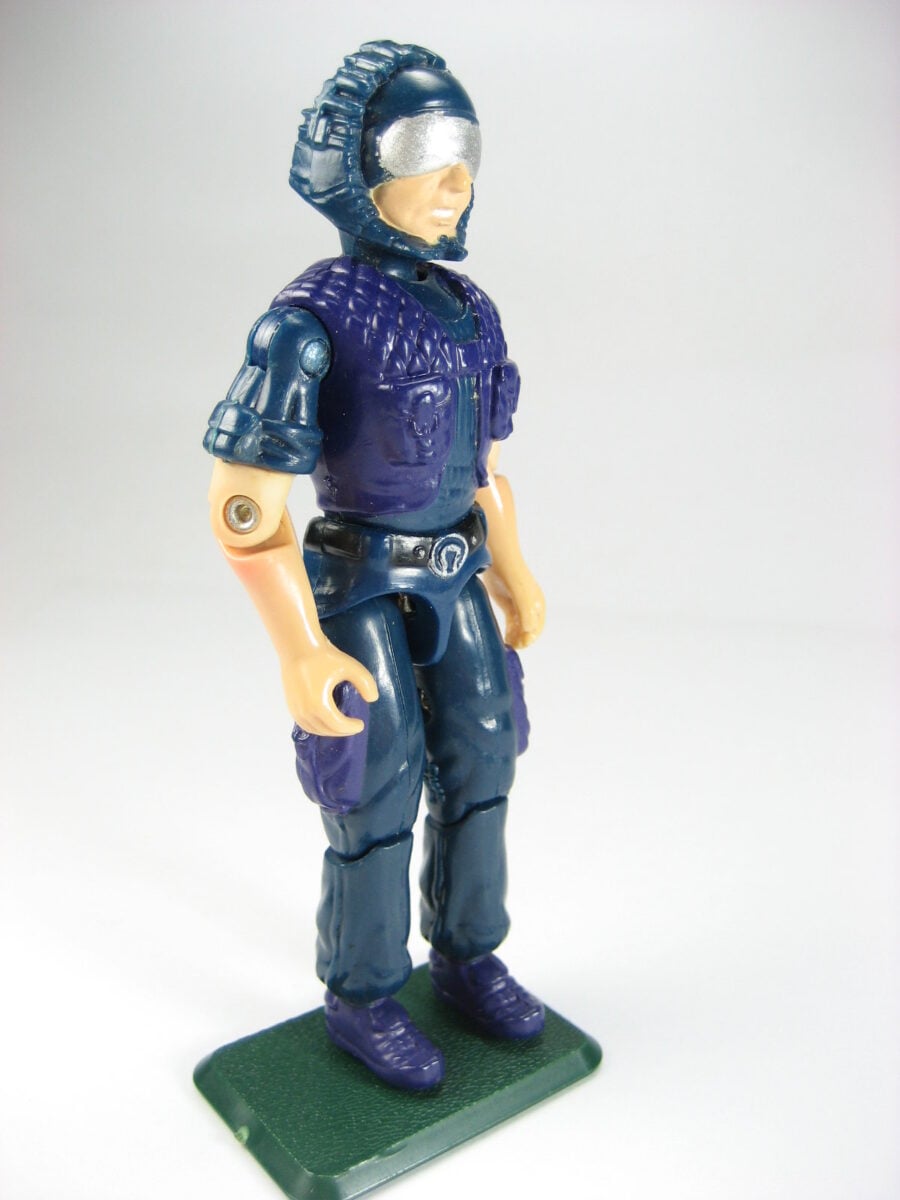
Hasbro relaunched GI Joe in 1982 as a line of 3.75-inch figures, and the first wave had arms that bent only at the elbow without swiveling. The company added a swivel-arm design in 1983, making the original straight-arm figures distinct.
Sealed examples on the original cards often sell for several hundred to a couple thousand dollars, depending on the character and card condition. Loose figures are more affordable but still collectible when complete.
Broken thumbs and loose rubber bands at the waist are common problems.
The U.S.S. Flagg Aircraft Carrier
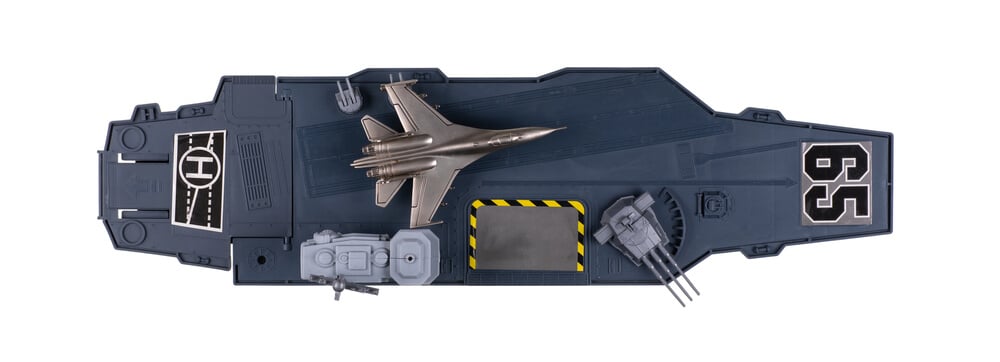
At about 7.5 feet long, the 1985 U.S.S. Flagg was the biggest toy in the GI Joe universe and one of the largest playsets ever sold to American kids. The aircraft carrier came with an exclusive Admiral Keel-Haul figure, a working elevator, a control tower and dozens of small parts, all of which required a lot of floor space.
Complete examples in the original box often sell for 1,000 dollars or more, depending on condition. Many were assembled, played with and slowly lost pieces over the years.
Missing accessories, broken parts and worn stickers reduce value, and complete inventories are rare.
Optimus Prime From 1984
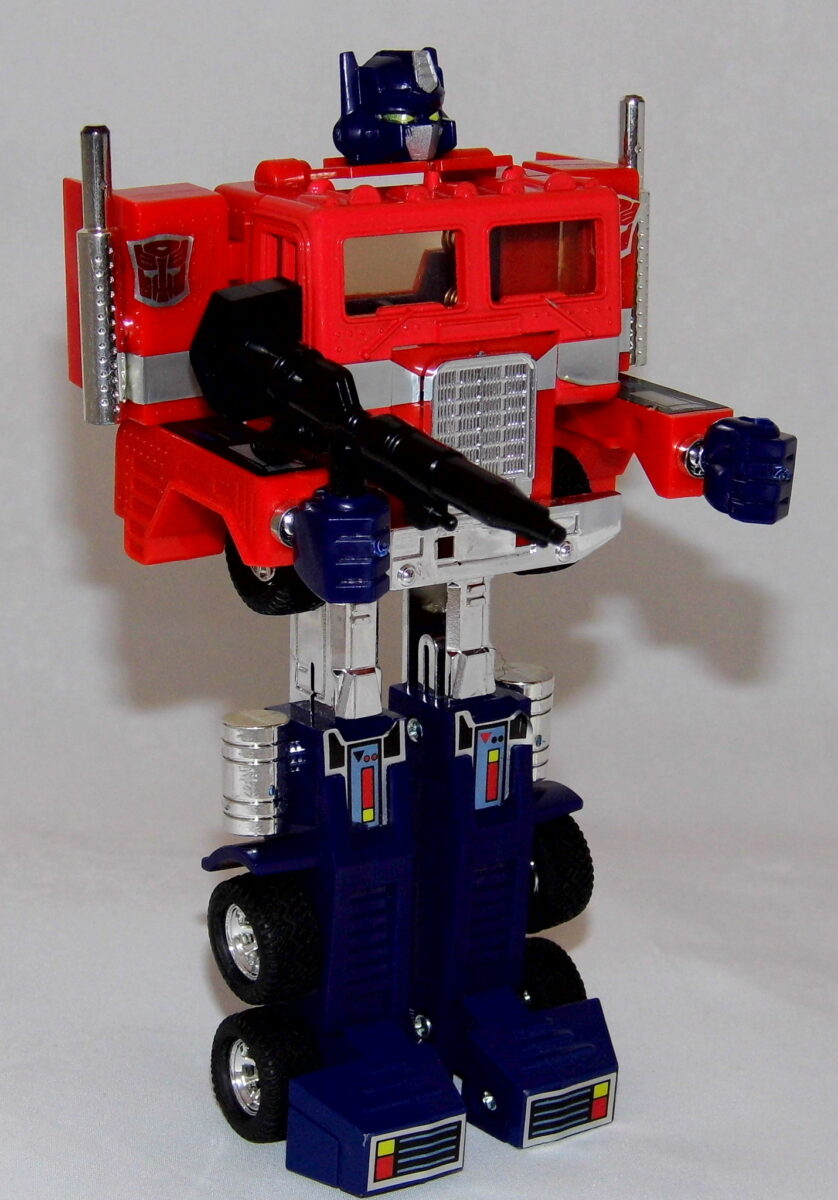
Optimus Prime arrived in 1984 with the first wave of Hasbro’s Transformers, converting from a red truck cab into a robot, while his gray trailer opened into a combat deck with a small scout car called Roller. The toy was adapted from a Takara design originally sold in Japan as part of the Diaclone line.
Complete boxed examples often sell for several hundred dollars, and factory-sealed boxes bring considerably more. Missing fists, cracked chest windows and peeling stickers reduce value.
Collectors check for every small accessory, since the gun, fists and Roller were among the first things lost in a playroom.
Fortress Maximus
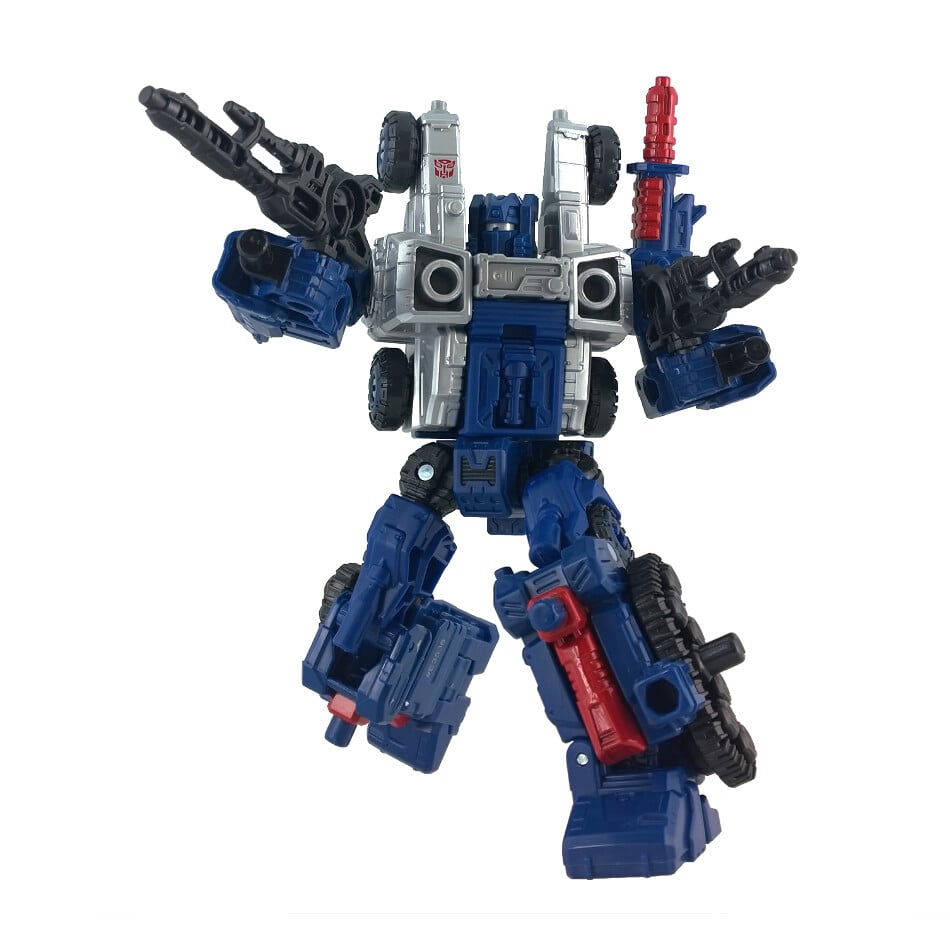
Released in 1987, Fortress Maximus stood about 22 inches tall in robot mode and was the largest Transformer sold in the United States during the original toy run. The giant transformed into a city with a battle station and came with smaller Headmaster figures named Cerebros and Spike that nested inside like a set of Russian dolls.
Complete boxed examples often sell for 1,000 dollars or more, depending on condition. Its size made it hard to store, so many were tossed or broken apart.
Missing pieces, snapped hinges and worn stickers lower the price.
Jetfire and Its Macross Roots
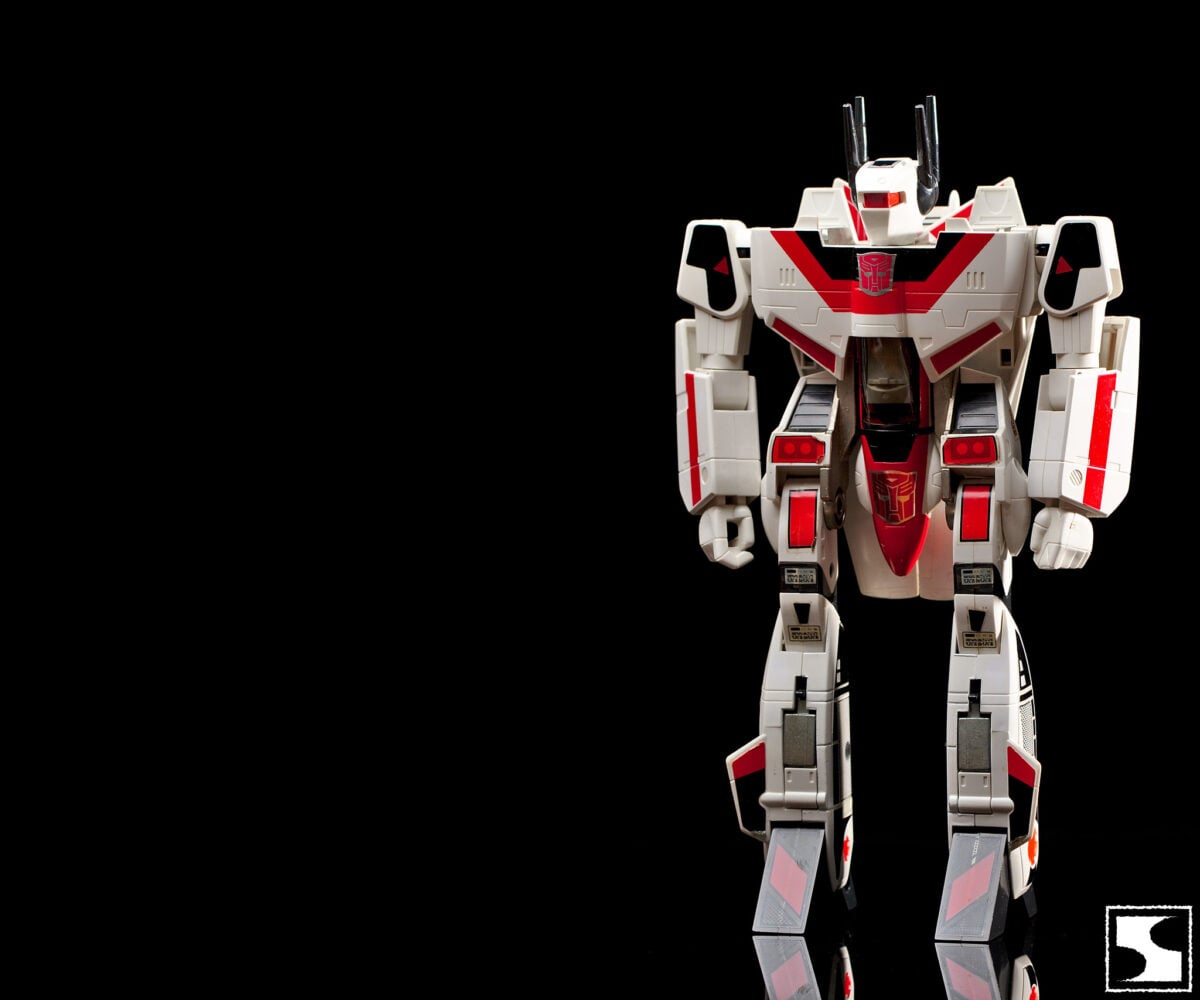
Hasbro’s 1985 Jetfire was originally a Japanese toy based on the VF-1S Valkyrie fighter from the anime series Macross, licensed from another company. Because of those licensing complications, the animated Transformers series renamed the character Skyfire and redrew his design to look less like the toy.
Collectors love the oddity, and the white-and-red jet remains a centerpiece of many vintage shelves. Complete boxed examples often sell for several hundred dollars, with sealed boxes bringing more.
Missing armor pieces, yellowed white plastic and worn stickers all reduce value.
Eternia Playset
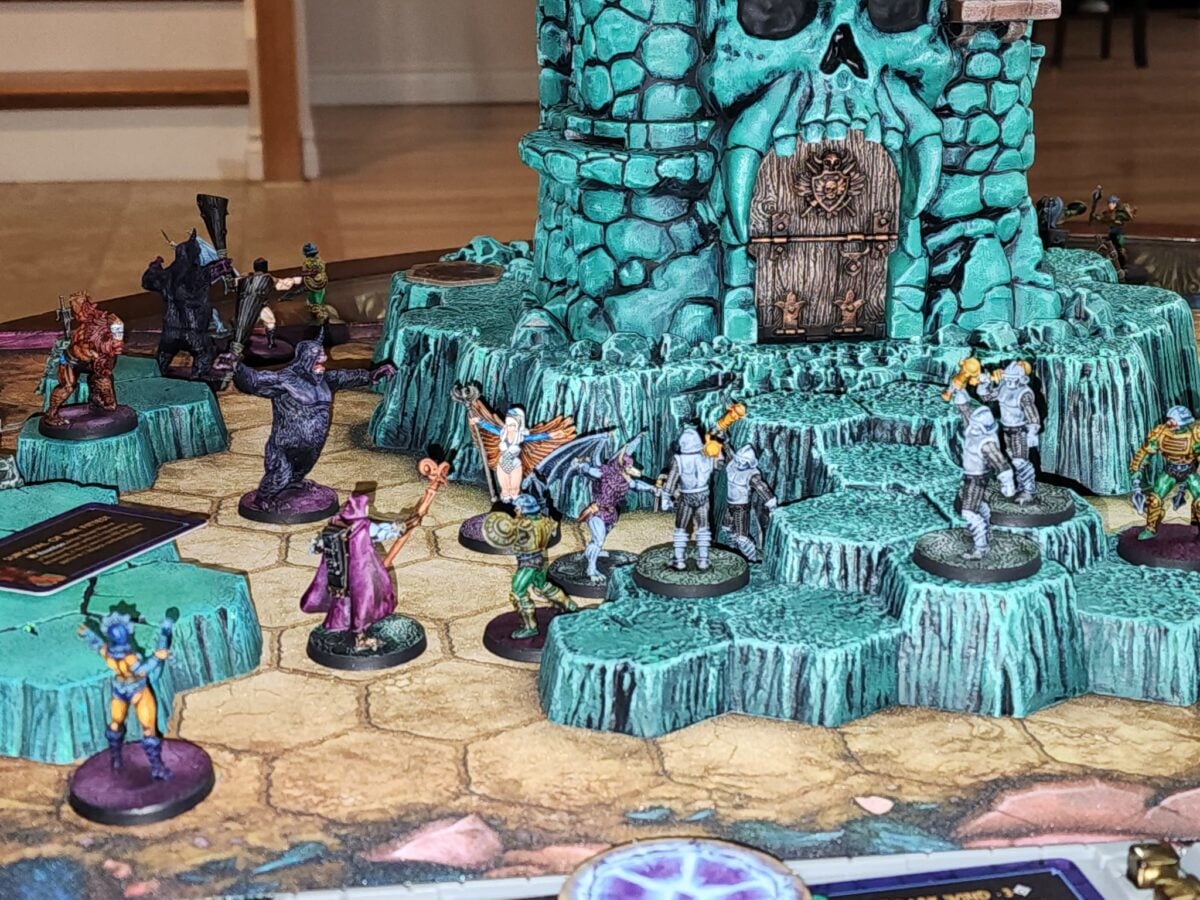
Mattel released the Eternia playset for Masters of the Universe in 1986, a sprawling base with three towers connected by a monorail track and a small vehicle that ran between them. It ranked among the largest playsets of the era, dwarfing even Castle Grayskull, and was a dream gift for many kids that year.
Complete boxed examples often sell for several hundred to over a thousand dollars, depending on condition. Most sets were assembled, played with hard and slowly stripped of small parts.
Missing pieces, broken track and sun-faded plastic reduce value considerably.
Laser Light Skeletor and He-Man
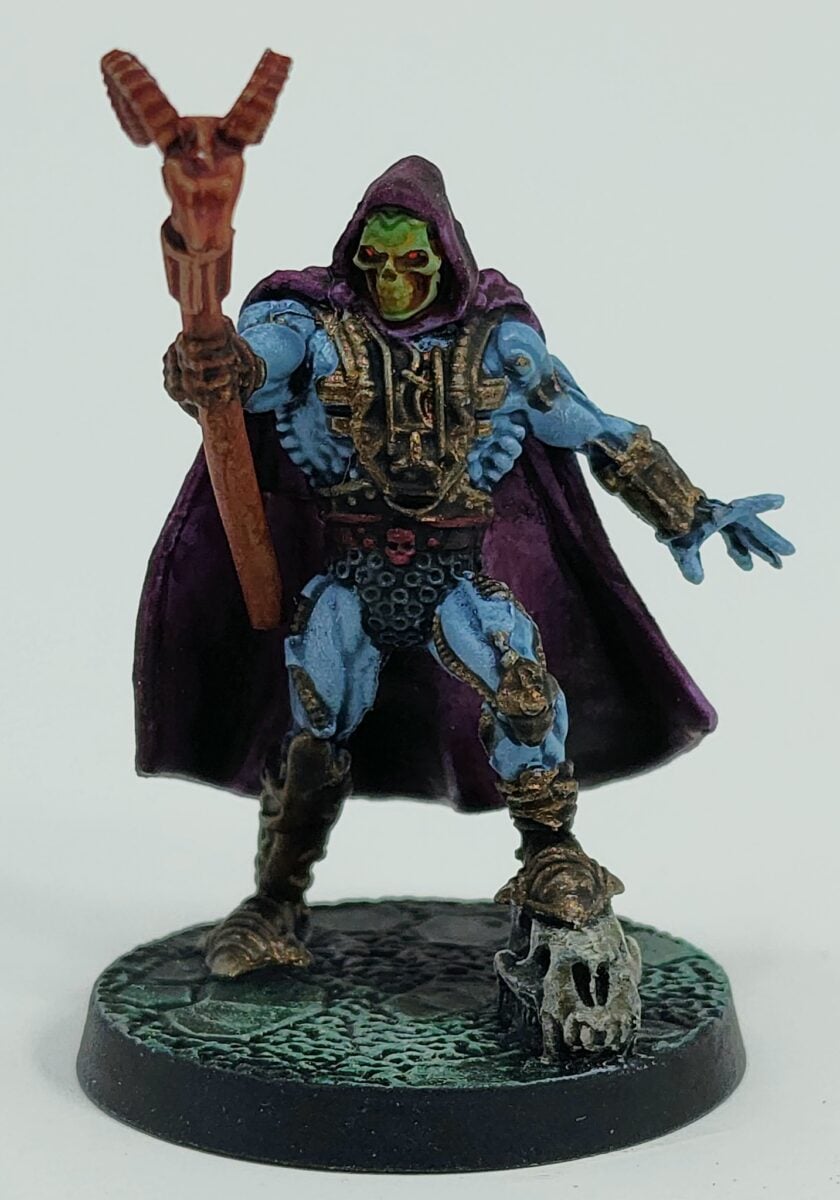
Mattel’s final Masters of the Universe wave in 1989 included Laser Light Skeletor and Laser Power He-Man, each with a battery-powered light-up feature in the chest and weapon. By then, interest in the line had faded, and these figures shipped in much smaller numbers than earlier releases.
Sealed examples often sell for several hundred dollars or more, depending on card condition. Loose figures with working lights and their accessories bring less.
Corroded battery compartments are the most common problem, so collectors check whether the lights still work before buying.
First-Wave Figures on Eight-Back Cards
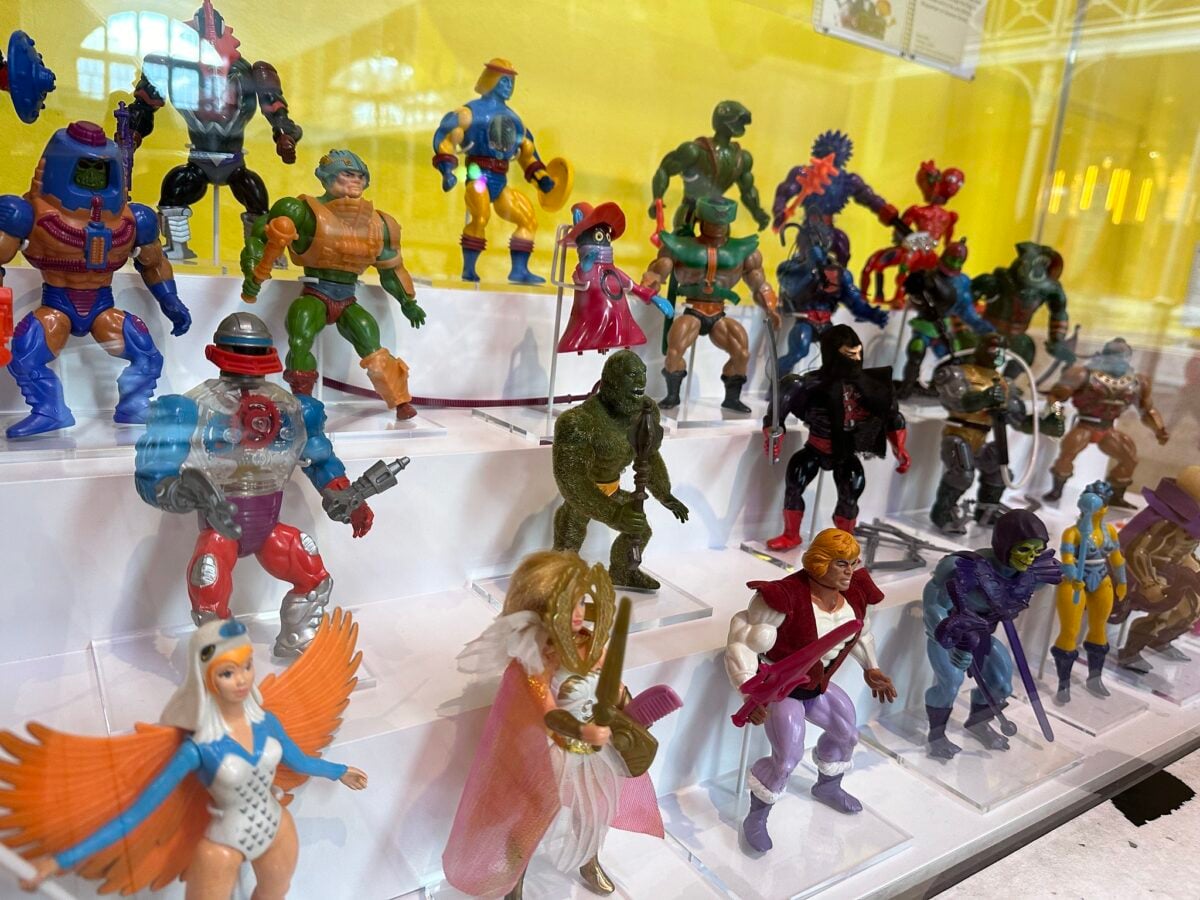
The first Masters of the Universe figures from 1982 came on cards showing just eight characters on the back, including He-Man, Skeletor, Man-At-Arms and Beast Man. Later cards showed more figures as the line expanded, so the eight-back version marks the very first production run.
Sealed examples often sell for several thousand dollars, depending on the character and card condition. Card creases, edge wear, punched hang tabs and dented bubbles reduce value.
Loose first-wave figures are far more affordable, though complete ones with original weapons and armor still bring solid prices.
Soft-Head Ninja Turtles
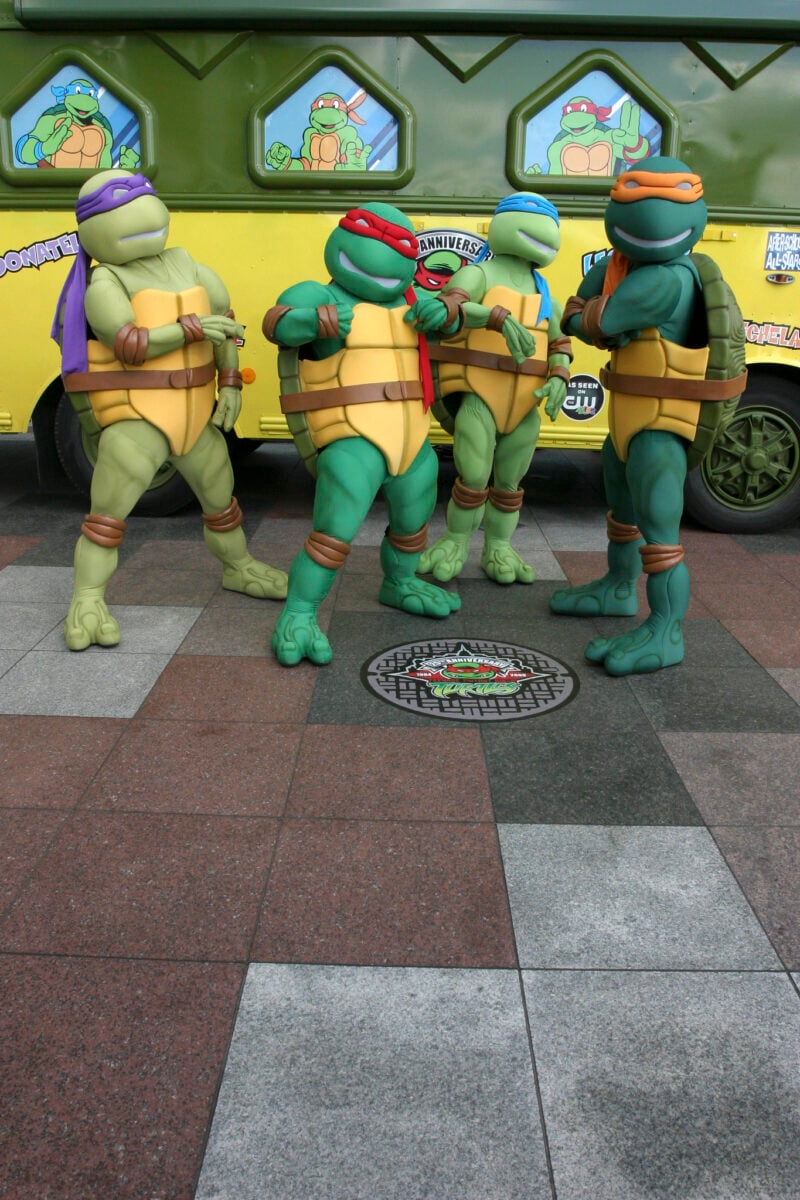
Playmates released the first Teenage Mutant Ninja Turtles figures in 1988, and the earliest versions of the four turtles had softer, rubbery heads. Later production switched to harder plastic, which makes the soft-head versions a recognized early variation.
Sealed soft-head figures on early cards often sell for several hundred dollars or more. Loose turtles are common and far more affordable, since millions were sold as the cartoon took off.
Card condition, bubble clarity and complete weapons all matter, and collectors gently squeeze heads to confirm the soft version before buying loose.
Ghostbusters Firehouse Headquarters
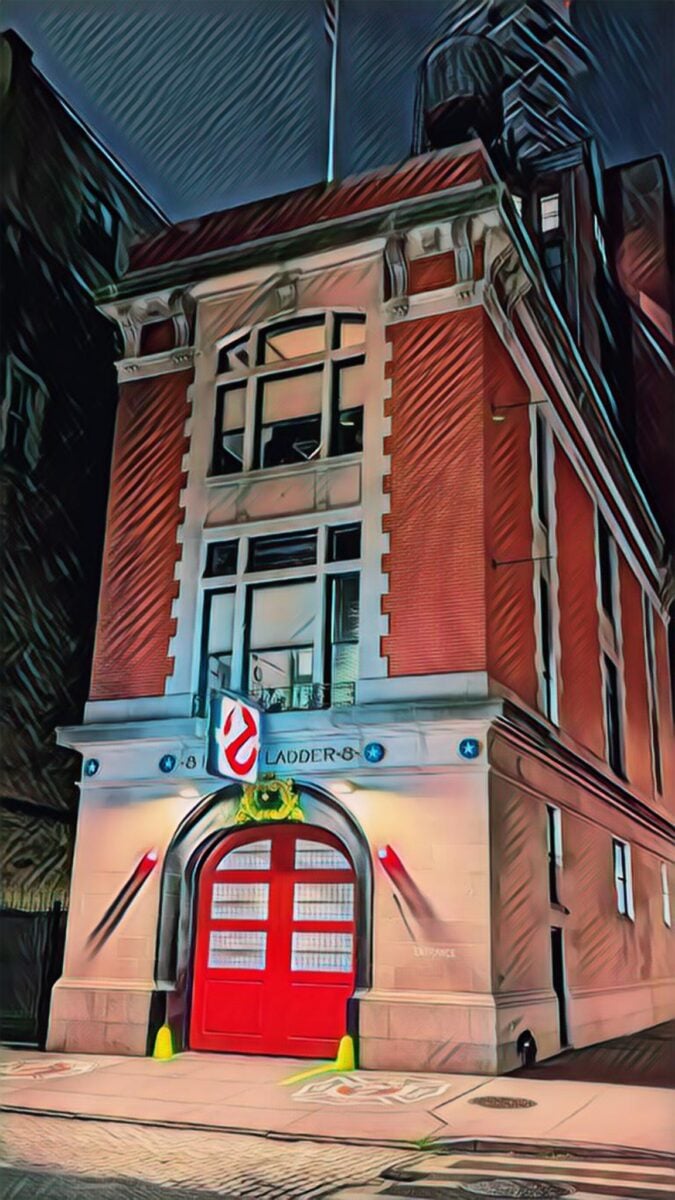
Kenner released the Firehouse Headquarters playset for The Real Ghostbusters in 1987, a three-level base with a fire pole, a containment unit and a ghost trap gimmick. The toy was based on the animated series rather than the 1984 film, though it borrowed the movie’s firehouse setting.
Complete boxed examples often sell for several hundred dollars, and sealed boxes bring more. Missing stickers, ghosts and small accessories are the usual problems.
Many were assembled and stored without their boxes, so complete sets with intact packaging are especially welcome finds.
ThunderCats Figures by LJN
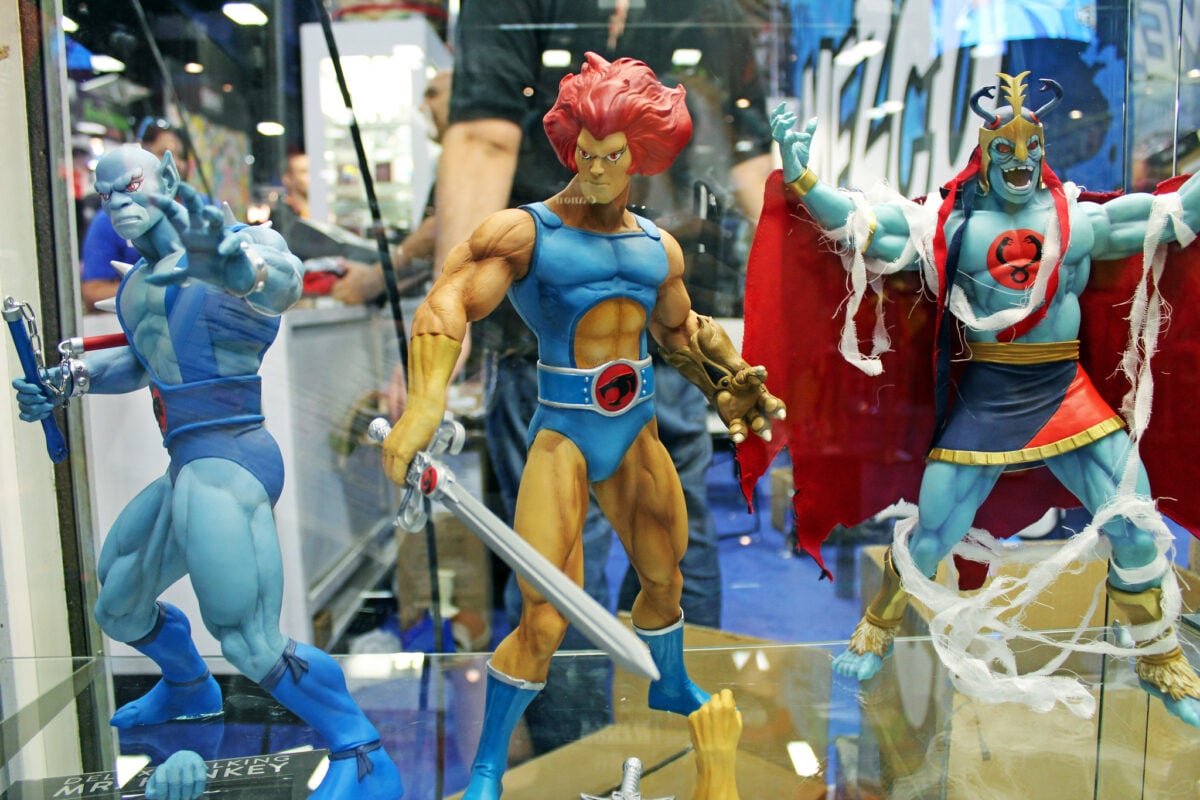
Lion-O and his fellow heroes reached toy shelves in 1985 through LJN, along with villains like Mumm-Ra and a run of vehicles. Many figures had a squeeze-activated battle action, and some came with small companion figures.
The line ran only a few years, and later figures were made in smaller numbers, which helps explain their prices today. Sealed examples often sell for several hundred dollars, while loose figures are more affordable.
Missing weapons and broken action features reduce value. Collectors also check the paint on faces and fur details, which rubbed off easily during play.
Super Powers Cyclotron
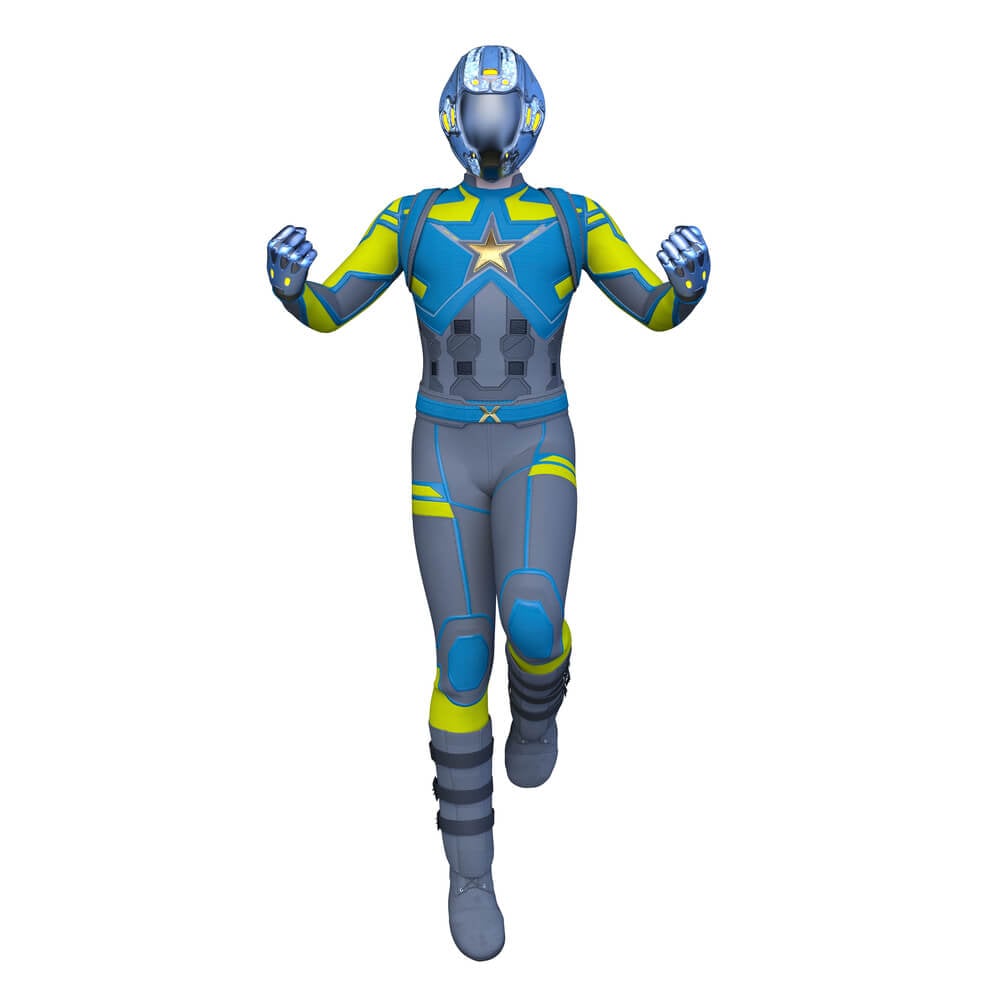
DC Comics heroes and villains came to life in Kenner’s Super Powers line from 1984 to 1986, and the third and final wave introduced obscure characters including Cyclotron. Lower production numbers in that final year make Cyclotron scarce today.
Sealed examples often sell for several hundred dollars or more, depending on card condition. Loose figures with the removable helmet and original mini-comic bring less.
The figure’s squeeze-action feature also needs to work, since broken mechanisms reduce value. Collectors prize complete examples with crisp, unwrinkled cards and clear bubbles that have not yellowed.
Black Costume Spider-Man From Secret Wars
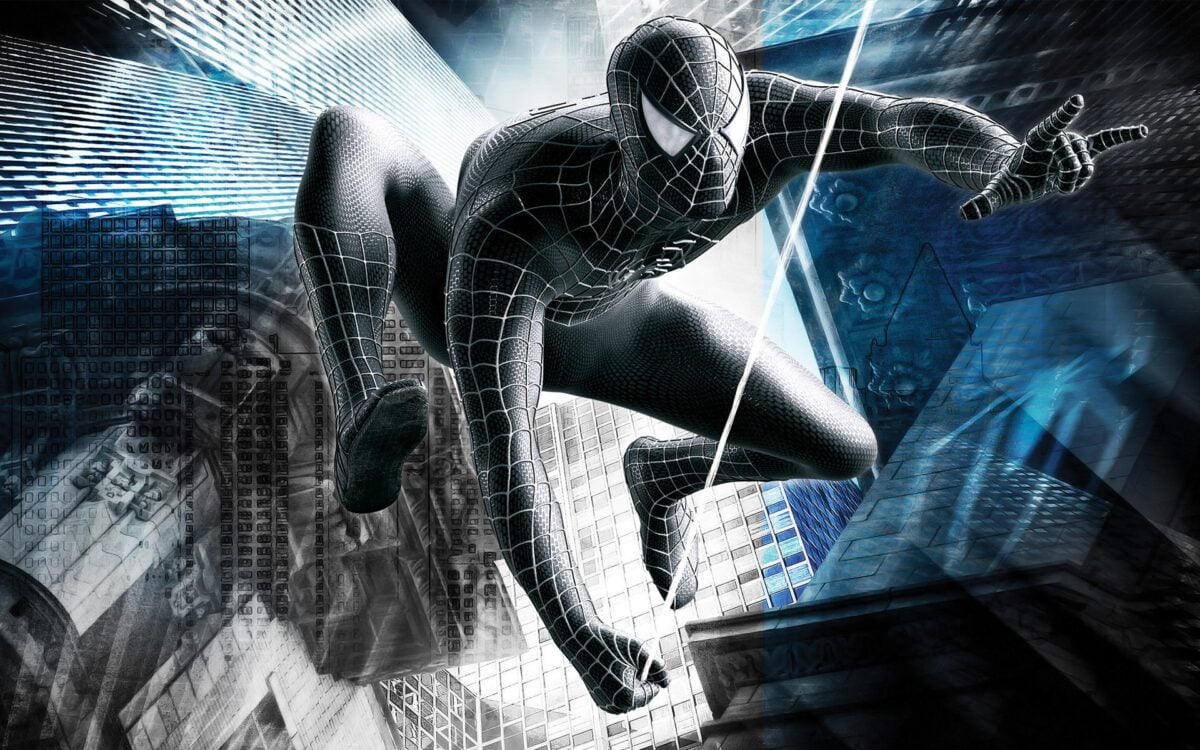
Mattel’s Secret Wars line, tied to a 1984 Marvel comics event, released Spider-Man in his black costume in 1985. The costume had just debuted in the comics, and the toy was one of the first chances kids had to own it.
The figure came with a lenticular shield that changed images when tilted. Sealed examples often sell for several hundred dollars, while loose figures bring less.
Card condition, bubble clarity and a complete shield all matter. Paint wear on the white spider emblem is a common flaw.
Boulder Hill From M.A.S.K.
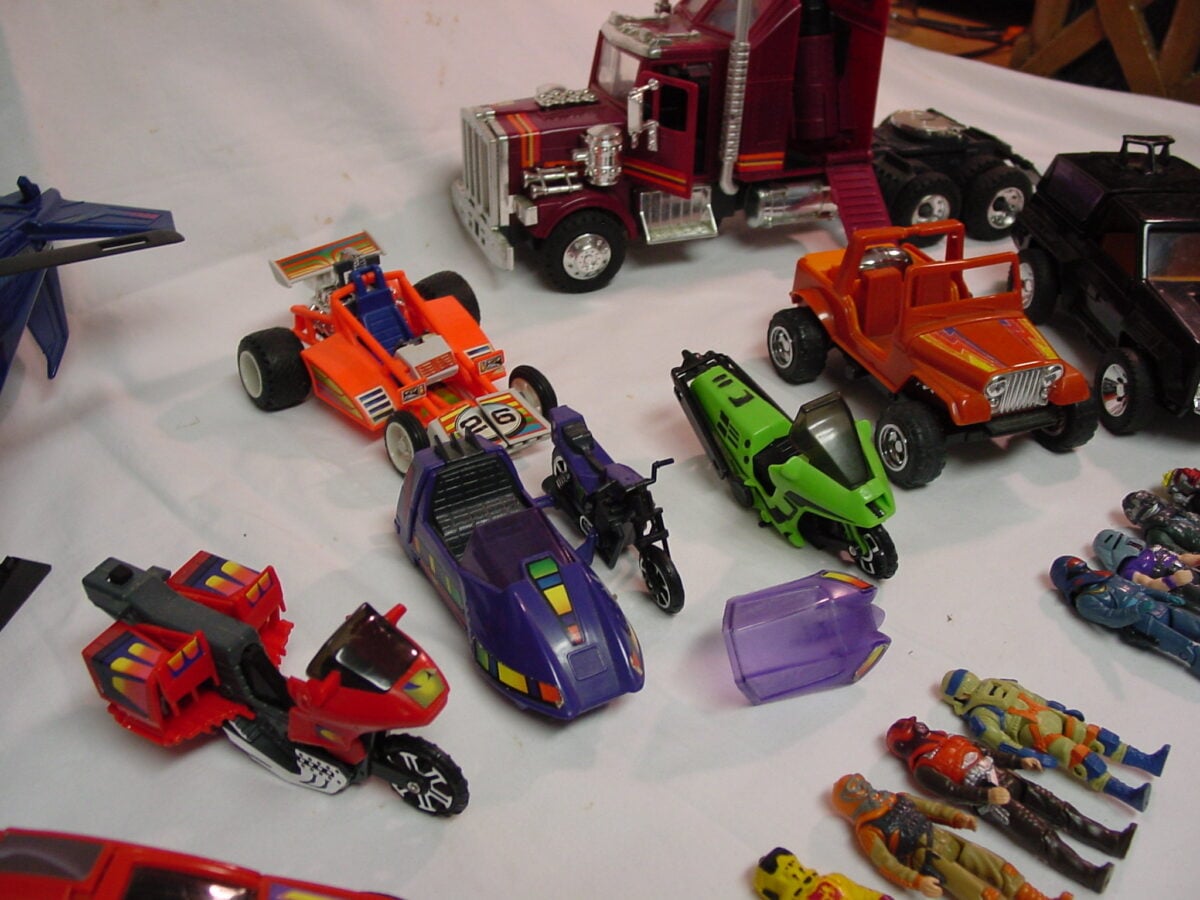
Looking like an ordinary gas station from the outside, the 1985 Boulder Hill playset for Kenner’s M.A.S.K. line converted into a hidden headquarters with a lookout tower, a helipad and missile launchers. Kids loved the secret transformation, which matched the vehicles in the line that also disguised their weapons as everyday cars and trucks.
Complete boxed examples often sell for several hundred dollars, while sealed boxes bring more. Missing stickers, broken launchers and small parts reduce value, and complete inventories are uncommon since the pieces scattered easily during play.
Visionaries Holograms From 1987
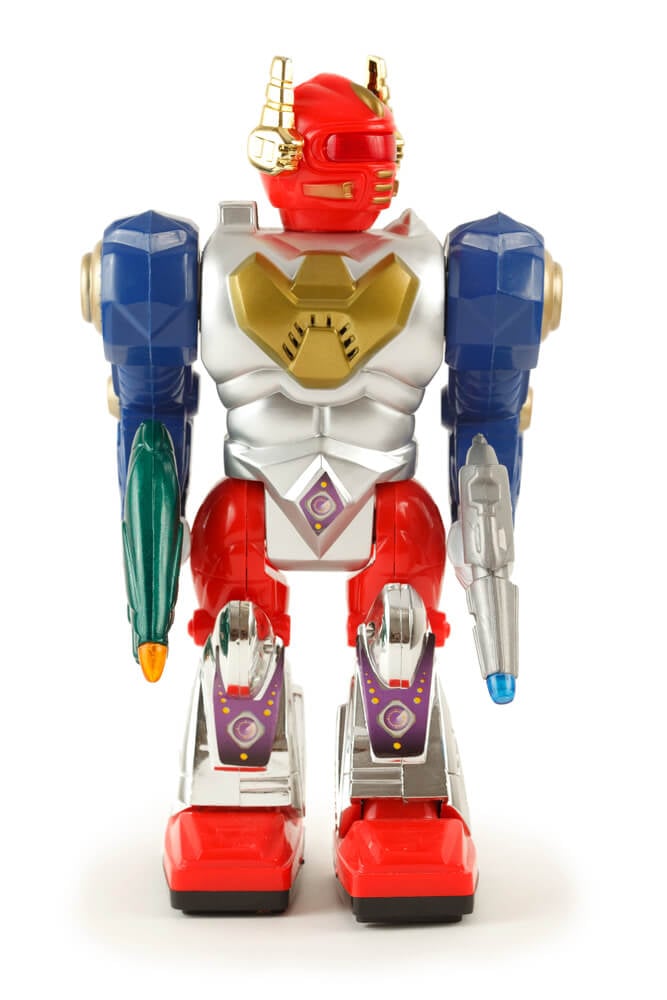
Holographic chest emblems set Hasbro’s 1987 Visionaries line apart, with each knight showing a magical animal totem that shifted as the figure moved. The holograms were a novelty at the time and remain the most distinctive feature of the figures.
The line lasted only one year, and its animated series ran for just 13 episodes. Sealed examples often sell for hundreds of dollars, while loose figures bring less.
Scratched or peeling holograms reduce value, and collectors look for complete staffs and weapons, which also carried small holograms.
Giant Inhumanoids Monsters
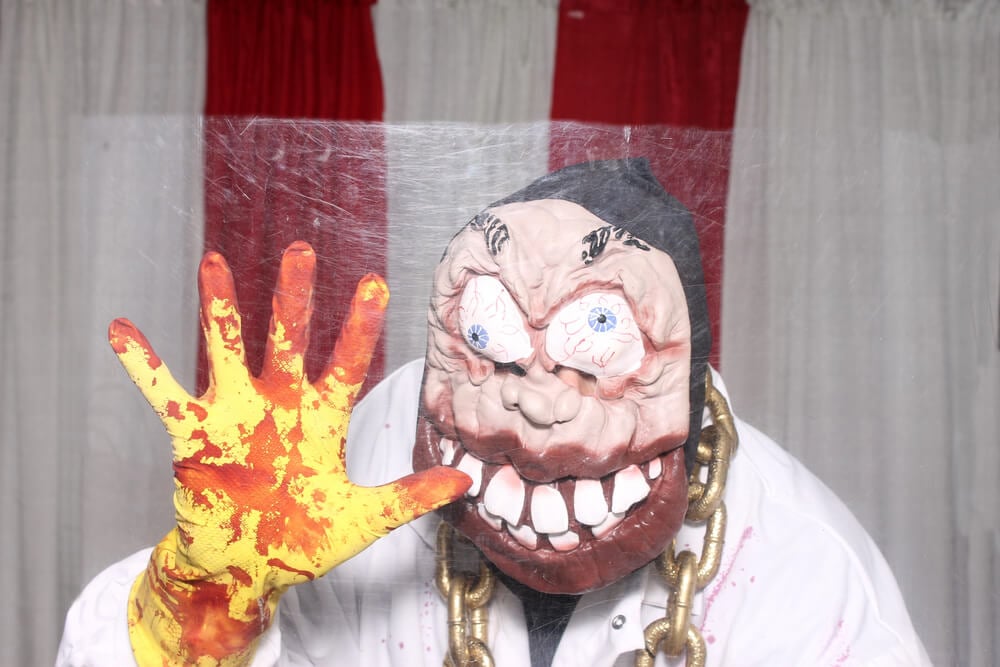
Horror was an unusual theme for a toy line in 1986, but Hasbro’s Inhumanoids embraced it with towering monster figures like Metlar, Tendril and D’Compose. The large figures stood well over a foot tall and came alongside smaller human heroes from an organization called Earth Corps.
The line and its animated series lasted only a short time, so production was limited. Boxed examples often sell for hundreds of dollars, while sealed boxes bring more.
Missing parts, broken features and worn paint reduce value, and the big monsters are hard to find complete.
Battle Beasts and Their Rub Symbols
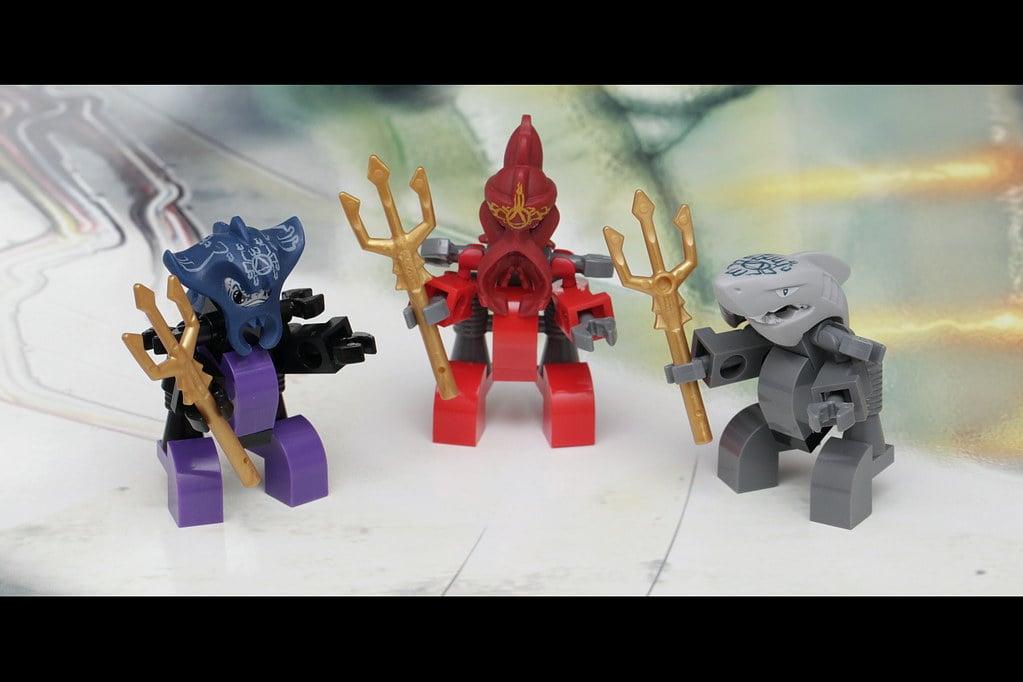
Small armored animal warriors made by Takara came to American stores in 1987 as Battle Beasts. Each figure had a heat-sensitive sticker on its chest that revealed a fire, wood or water symbol when rubbed, used to settle fights in a rock-paper-scissors style.
The figures were small and cheap, sold in two-packs, and kids collected them in large numbers. Complete sets often sell for hundreds of dollars, while loose figures are affordable.
Damaged or worn rub symbols reduce value, and collectors look for complete weapons.
LJN Wrestling Superstars
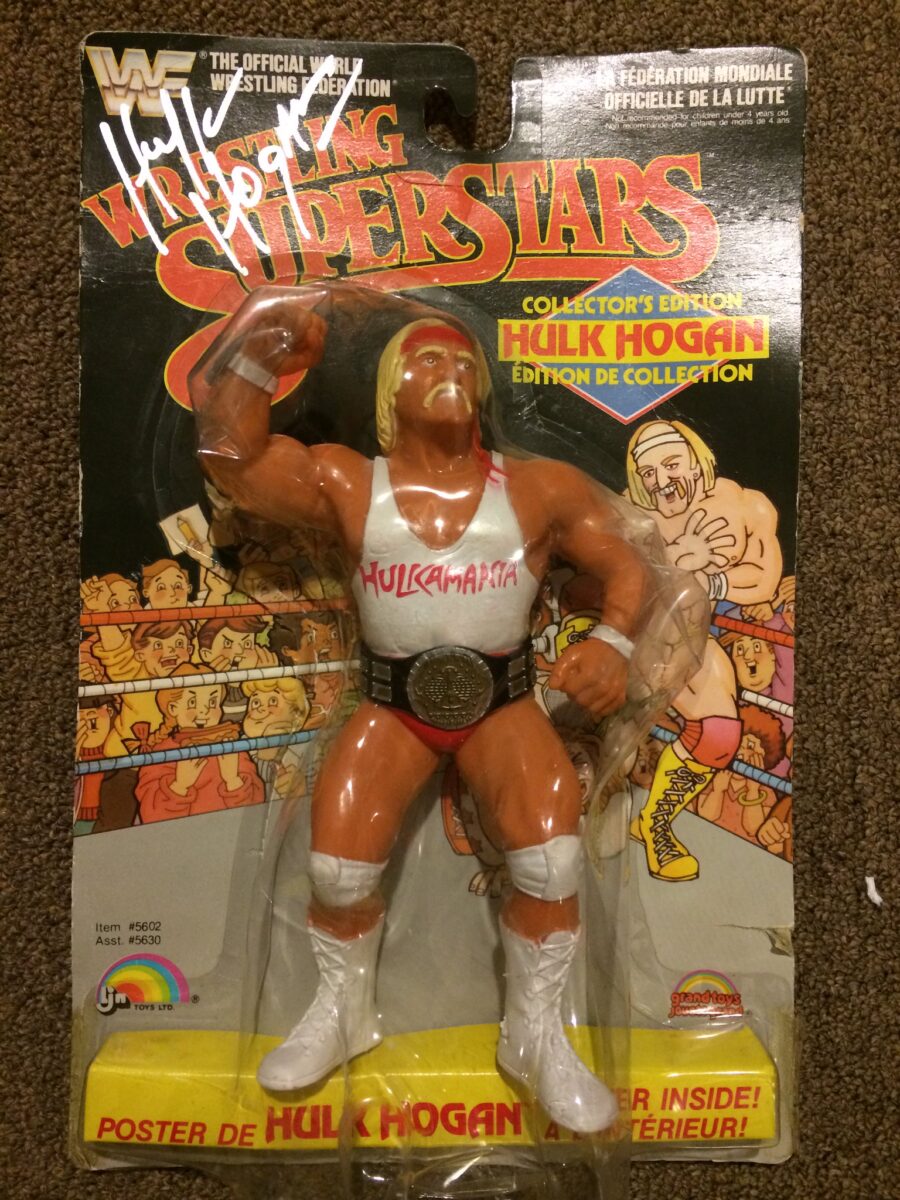
Hard rubber bodies and almost no articulation defined LJN’s WWF Wrestling Superstars figures, produced from 1984 to 1989. The figures were large and sturdy, standing about eight inches tall, and kids slammed them around in toy rings and against bedroom walls without much damage.
Later series had lower production, making some figures scarce today. Sealed examples often sell for hundreds of dollars, while loose figures bring less.
Paint wear, missing belts and card damage reduce value, and later-series figures in original packaging often bring the highest prices.
Sectaurs Insect Riders From Coleco
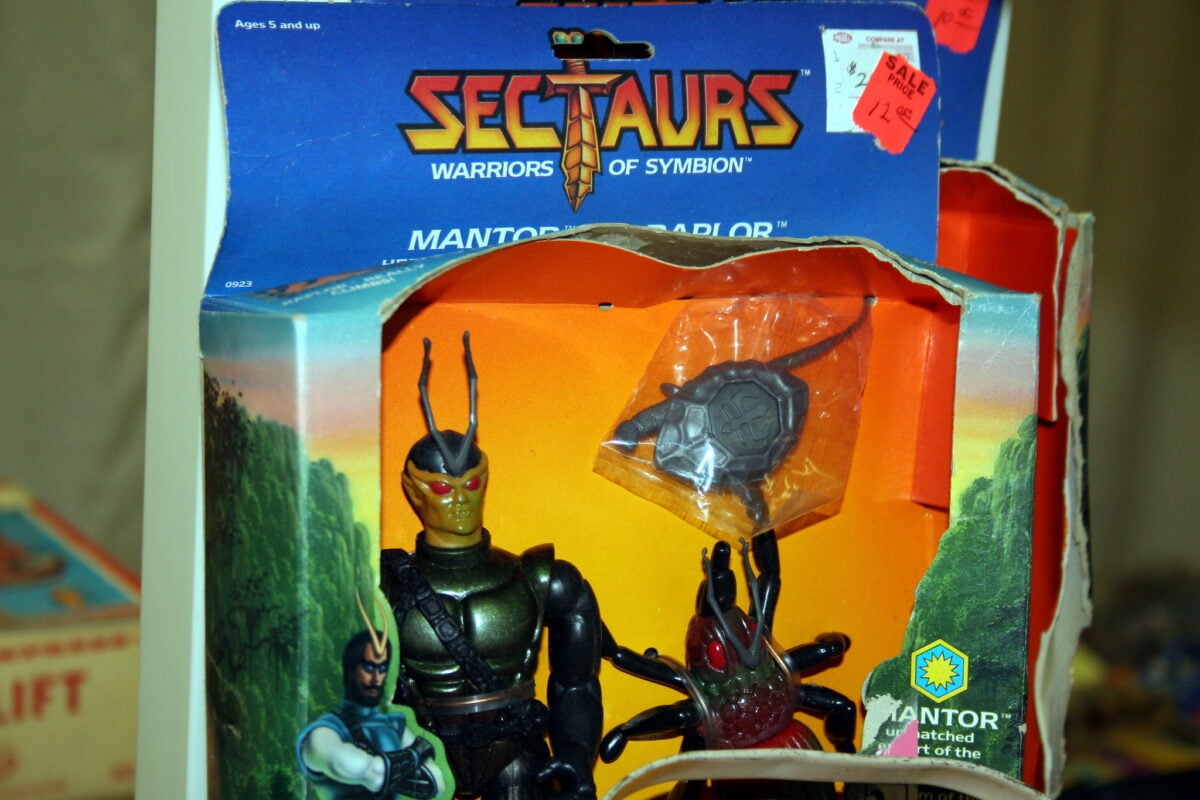
Few toy lines were stranger than Coleco’s Sectaurs, released in 1985 with insect warriors paired with large insect mounts. The bigger mounts worked like hand puppets, letting kids flap wings and move legs from inside.
The concept was unusual, and the line lasted only a short time before disappearing from shelves. Boxed examples often sell for hundreds of dollars, while sealed boxes bring more.
Missing parts, torn puppet fabric and worn paint reduce value. Complete sets with the mounts and riders are hard to find, especially in original packaging.
Centurions and Their Weapon Systems
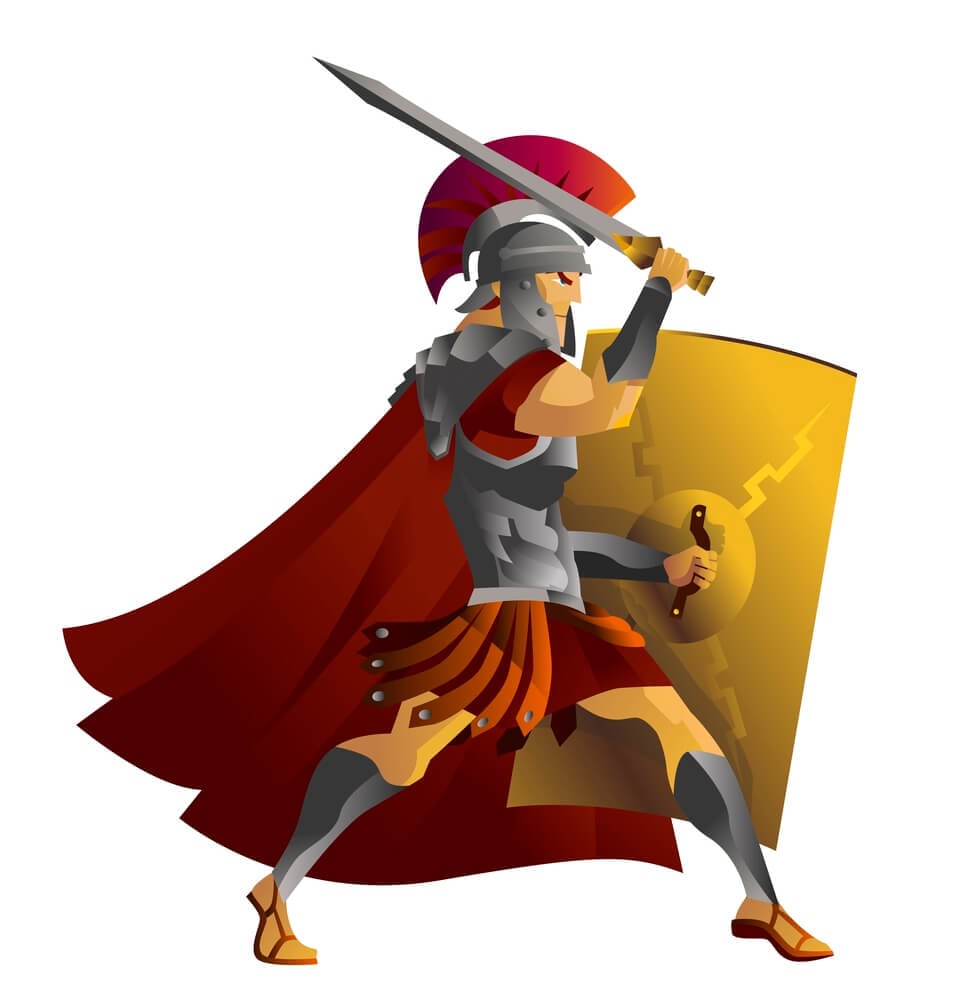
Based on an animated series from Ruby-Spears, the Centurions line arrived from Kenner in 1986 with heroes who could clip on large weapon systems. The figures had connection points that let kids swap armor, weapons and backpacks in many combinations.
Larger vehicles and bases expanded the play value. The line was short-lived, and production was limited.
Sealed examples often sell for hundreds of dollars, while loose figures bring less. Missing parts, broken attachments and worn paint reduce value, and complete weapon systems are especially desirable.
Kenner’s Raiders of the Lost Ark Line
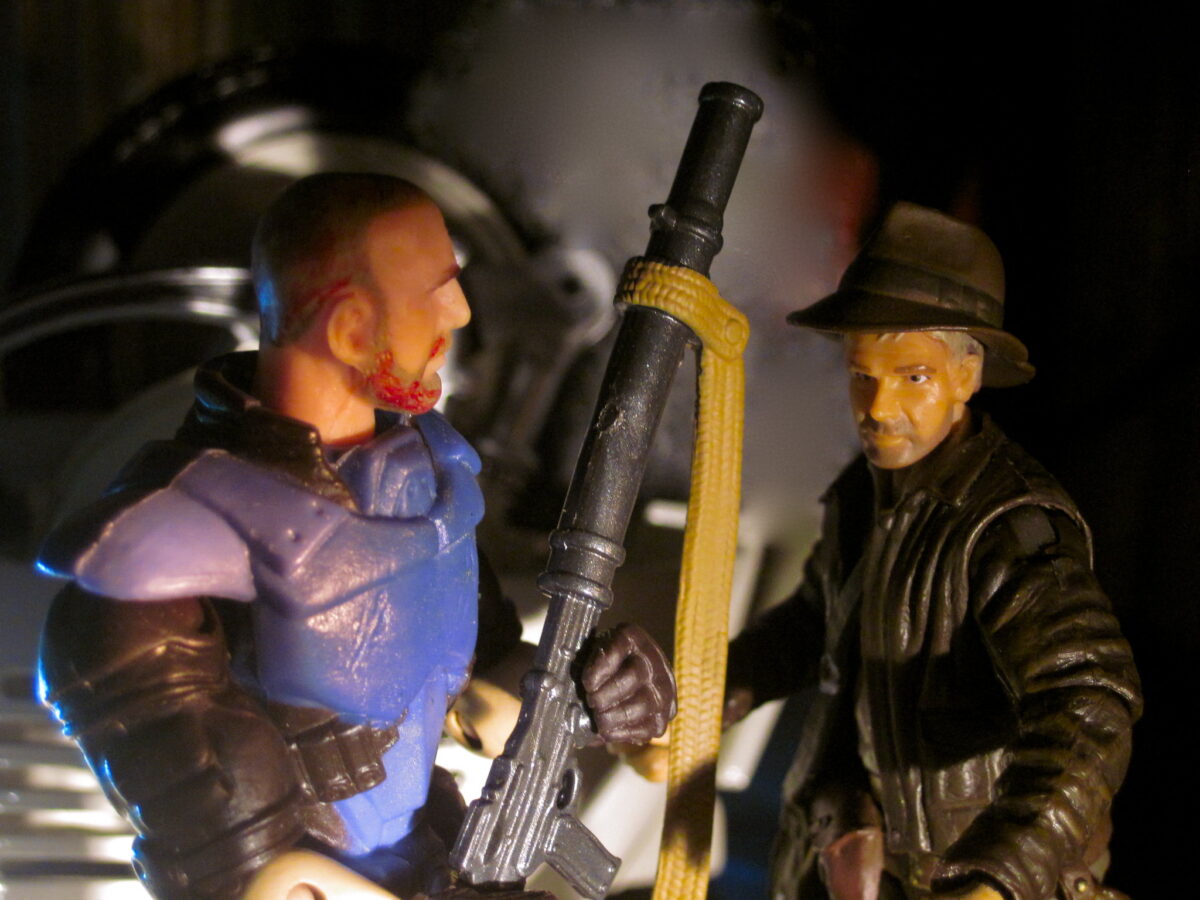
Indiana Jones joined the toy aisle in 1982 when Kenner released Raiders of the Lost Ark figures, including Indy, Marion Ravenwood and the villain Toht. The line also offered a mail-in Belloq figure in ceremonial robes, which is now one of the more sought-after pieces.
Playsets like the Map Room and the Well of Souls added to the appeal. Sealed examples often sell for hundreds of dollars, while loose figures bring less.
Missing accessories, worn paint and card damage reduce value, and complete playsets are scarce.
Plastic Heroes Kept in Their Bubbles
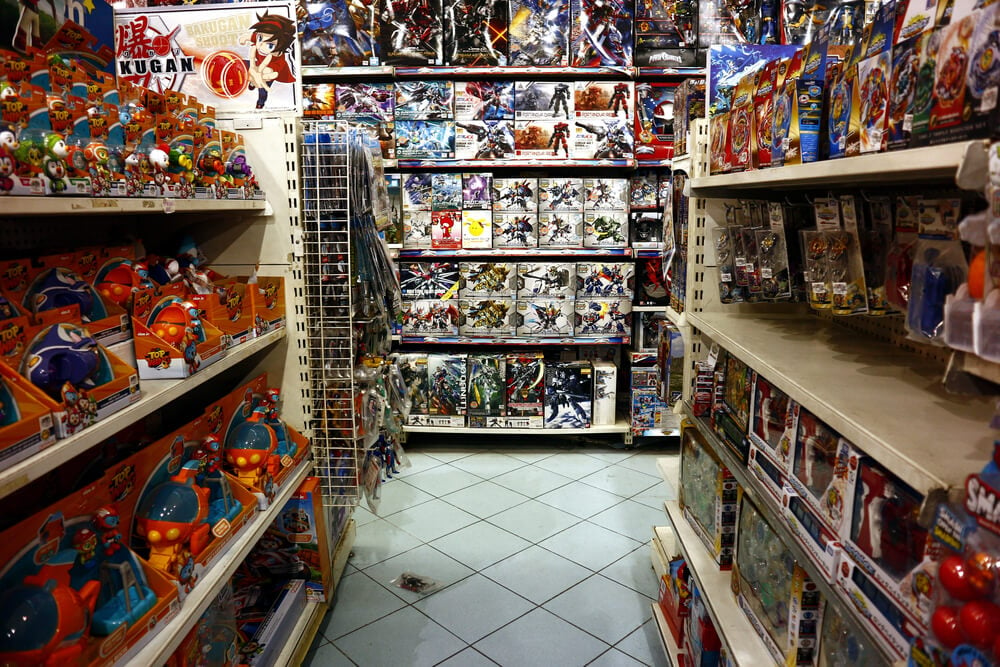
Most action figures from the 1980s were made to be played with, broken and forgotten. That is exactly why complete and sealed examples are now so scarce.
Collectors pay for the rare survivors that escaped childhood intact. The plastic itself is worth very little.
Nostalgia drives much of the market, as adults seek the toys they remember. Prices depend heavily on condition, completeness and packaging.
A loose figure with missing parts may be worth only a few dollars. The same figure sealed on its card can be worth far more.
More from Go2Tutors!

- The Romanov Crown Jewels and Their Tragic Fate
- 13 Historical Mysteries That Science Still Can’t Solve
- Famous Hoaxes That Fooled the World for Years
- 15 Child Stars with Tragic Adult Lives
- 16 Famous Jewelry Pieces in History
Like Go2Tutors’s content? Follow us on MSN.