25 Vintage Video Games Worth Serious Cash
Old game cartridges spent decades being blown into, traded at recess and tossed into cardboard boxes in the basement. Most of them are worth a few dollars today, and plenty still work fine.
A few are a different story. Short print runs, rental-store exclusives, recalled releases and factory-sealed copies have turned certain games into collectibles that sell like rare coins, and some of them still surface at garage sales.
Nintendo World Championships 1990
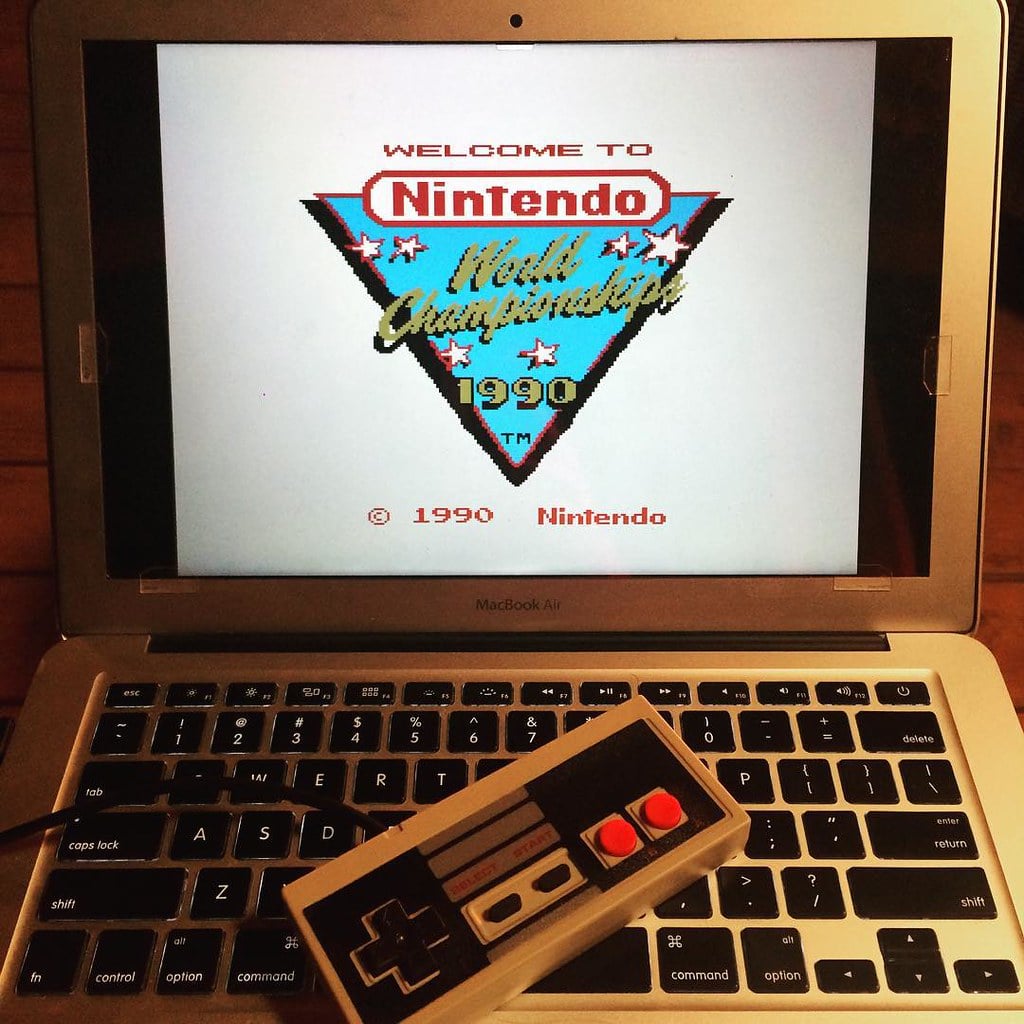
Nintendo built a special cartridge for its 1990 Nintendo World Championships, a touring competition where players raced through timed challenges from Super Mario Bros., Rad Racer and Tetris. Only 90 gray cartridges went to finalists, and 26 gold cartridges were given away in a Nintendo Power contest.
Gold copies have sold for six figures, and gray copies typically bring tens of thousands of dollars. Reproductions are common, so buyers check the circuit board, the dip switches on the back and the cartridge shell.
Label wear and corrosion reduce value even on a genuine copy.
Stadium Events by Bandai
Bandai released Stadium Events in 1987 for use with its Family Fun Fitness floor mat. Nintendo then bought the rights to the mat, pulled the game from shelves and reissued it as World Class Track Meet with its own Power Pad.
Only a small number of Stadium Events copies, often estimated at around 200 in North America, reached buyers before the recall. Loose cartridges often sell for several thousand dollars, and complete boxed copies bring far more, with a sealed copy selling for over 41,000 dollars in 2010.
Box damage and label tears reduce value significantly.
Air Raid for the Atari 2600
Men-A-Vision released Air Raid for the Atari 2600 around 1982, and it remains the only known game for the system with a light blue cartridge and a T-shaped handle on top. The company disappeared almost as quickly as it appeared, and only a few dozen cartridges are known to exist today.
A complete copy with its box and instruction manual sold for 33,433 dollars in 2012, at the time a record for an Atari 2600 game. Loose cartridges typically bring several thousand dollars.
Label damage and cracked plastic lower value, and the box adds enormously since so few survived.
Red Sea Crossing

Red Sea Crossing, a Bible-themed game for the Atari 2600 by developer Steve Stack, was sold by mail order in 1983 and then forgotten. The game was unknown to collectors until a copy turned up at a garage sale in 2007, and an advertisement in Christianity Today later confirmed it was actually released.
Only a handful of cartridges have surfaced. Copies have sold for well over 10,000 dollars.
Condition matters, but the extreme scarcity drives most of the price, and any copy would need careful authentication.
A Sealed Super Mario Bros.
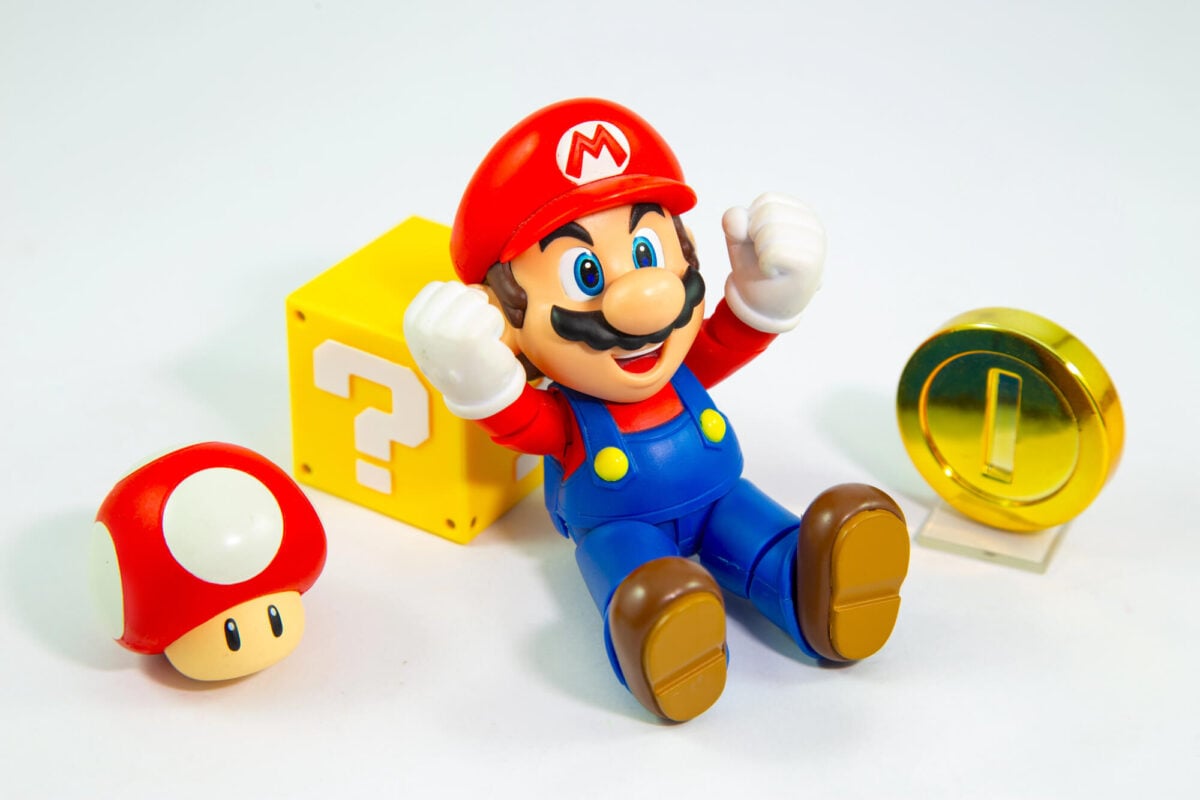
Super Mario Bros. sold tens of millions of copies, so a loose cartridge is worth very little. Factory-sealed copies are a different matter, especially early production runs identified by details on the shrink wrap and box.
A sealed copy sold for about 2 million dollars in 2021 through the collectibles platform Rally, and another brought 660,000 dollars at Heritage Auctions that same year. Professional grading of seal and box condition drives these prices.
Any tear in the shrink wrap, a crushed box or a resealed package drops value dramatically.
A Sealed Super Mario 64
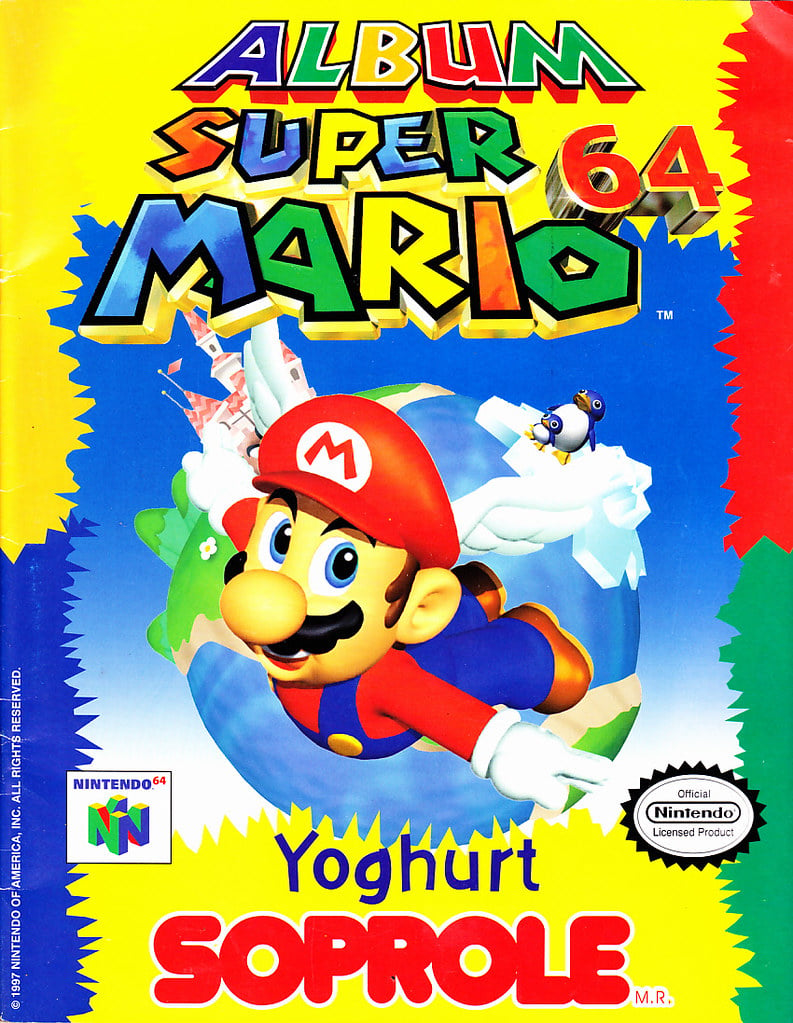
A factory-sealed copy of Super Mario 64 for the Nintendo 64 sold for about 1.56 million dollars at Heritage Auctions in July 2021, briefly setting a record for a single video game. The game launched alongside the console in 1996 and sold millions of copies, so loose cartridges are common and inexpensive.
Only sealed copies in top grades bring serious money, and even small differences in grade can change the price by hundreds of thousands. Grading companies assess the box, the seal and the overall presentation in detail.
Creased corners, faded boxes and scuffed shrink wrap lower value significantly.
A Sealed Legend of Zelda
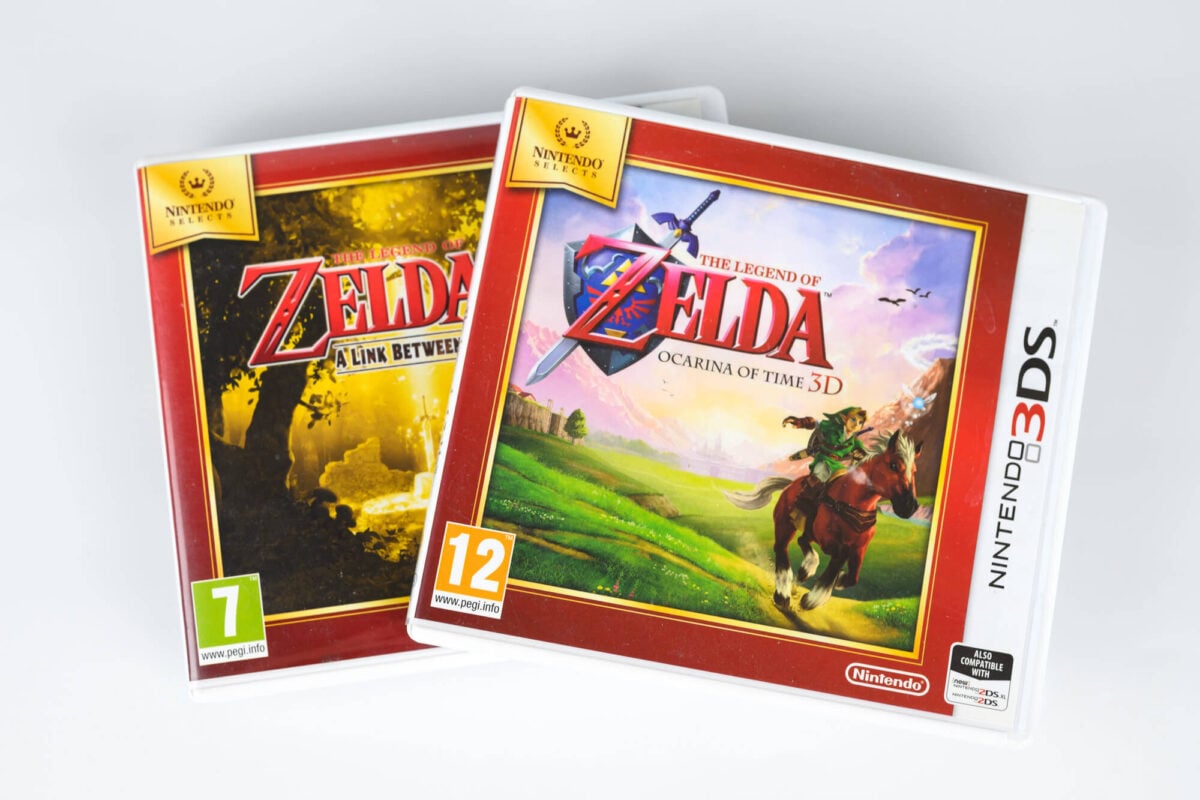
The Legend of Zelda arrived on the NES in North America in 1987 in a gold-colored cartridge that showed through a small window cut into the box. A factory-sealed early production copy sold for 870,000 dollars at Heritage Auctions in July 2021, a sign of how far the sealed game market had climbed.
Loose gold cartridges are common and typically sell for modest prices. Early sealed copies are identified by small details on the box and seal, which grading companies examine closely.
Box damage, seal tears and fading reduce value dramatically, and resealed copies are a known problem.
Nintendo Campus Challenge 1991
Nintendo created a special competition cartridge for its 1991 Campus Challenge, a contest that toured college campuses across the country. The cartridge included timed challenges from Super Mario Bros. 3, Pin Bot and Dr. Mario.
Only one copy is known to survive, discovered in 2006 at a garage sale held by a former Nintendo employee, where it reportedly sold for a few dollars. It later changed hands for 14,000 dollars and then 20,100 dollars on eBay.
Its value today would likely be far higher, depending on authentication and condition, and it remains the definition of a garage sale miracle.
Little Samson
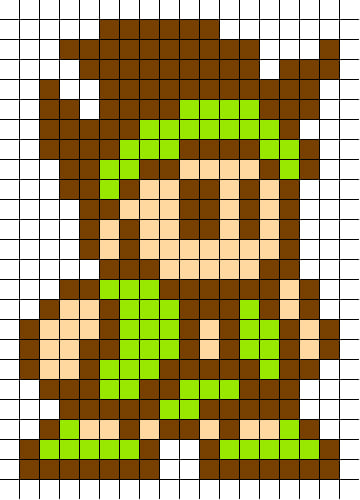
Taito released Little Samson for the NES in 1992, a late release that arrived just as the Super Nintendo was taking over living rooms. The game received strong reviews for its colorful graphics and its four playable characters, including a dragon and a golem, but it had a small print run and few copies sold.
Loose cartridges often sell for several hundred to over a thousand dollars, and complete boxed copies bring several thousand. Reproduction cartridges are common, so buyers check the circuit board and label closely.
Label damage, missing manuals and box wear reduce value.
Panic Restaurant
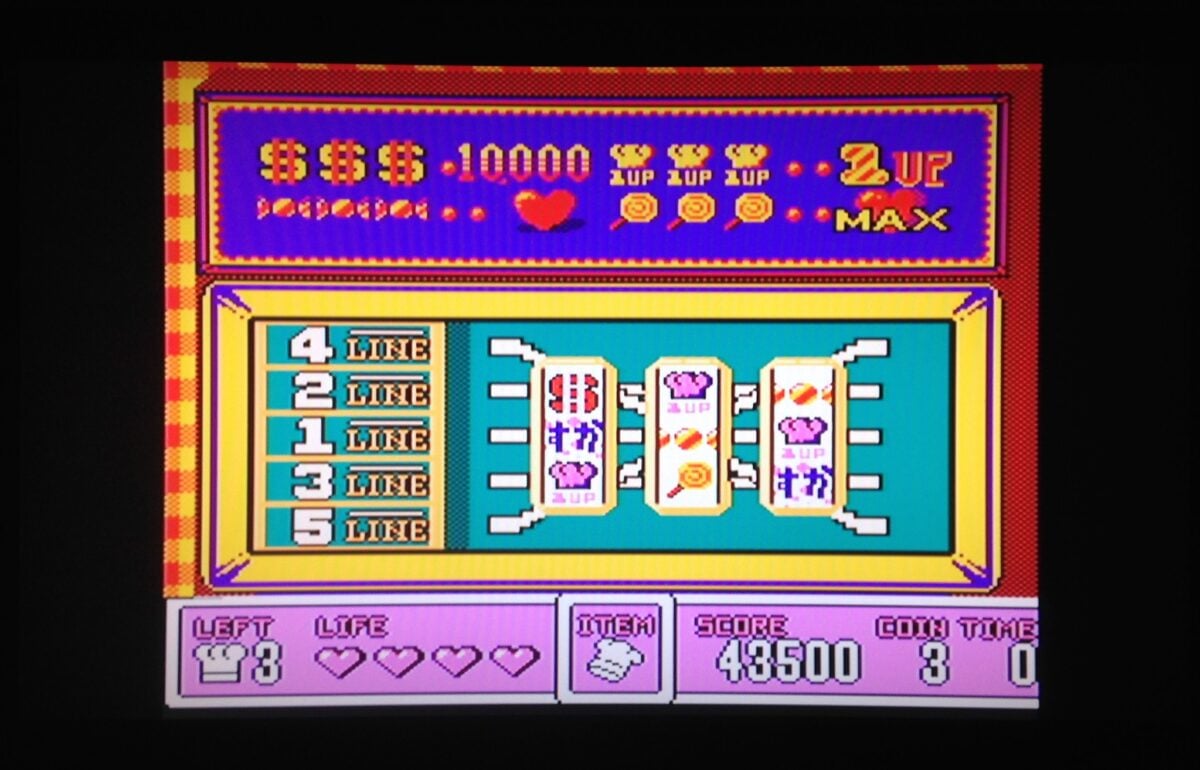
Taito released Panic Restaurant for the NES in 1992, a platformer where a chef named Cookie fights his way through his own restaurant after a rival chef brings the food to life. Like Little Samson, it arrived late in the console’s life and had a small print run, which explains its price today.
Loose cartridges often sell for several hundred dollars, while complete boxed copies bring considerably more. Reproductions are common, so collectors check the cartridge carefully before buying.
Label wear, missing manuals and box damage reduce value, and sealed copies are rare.
Flintstones Surprise at Dinosaur Peak
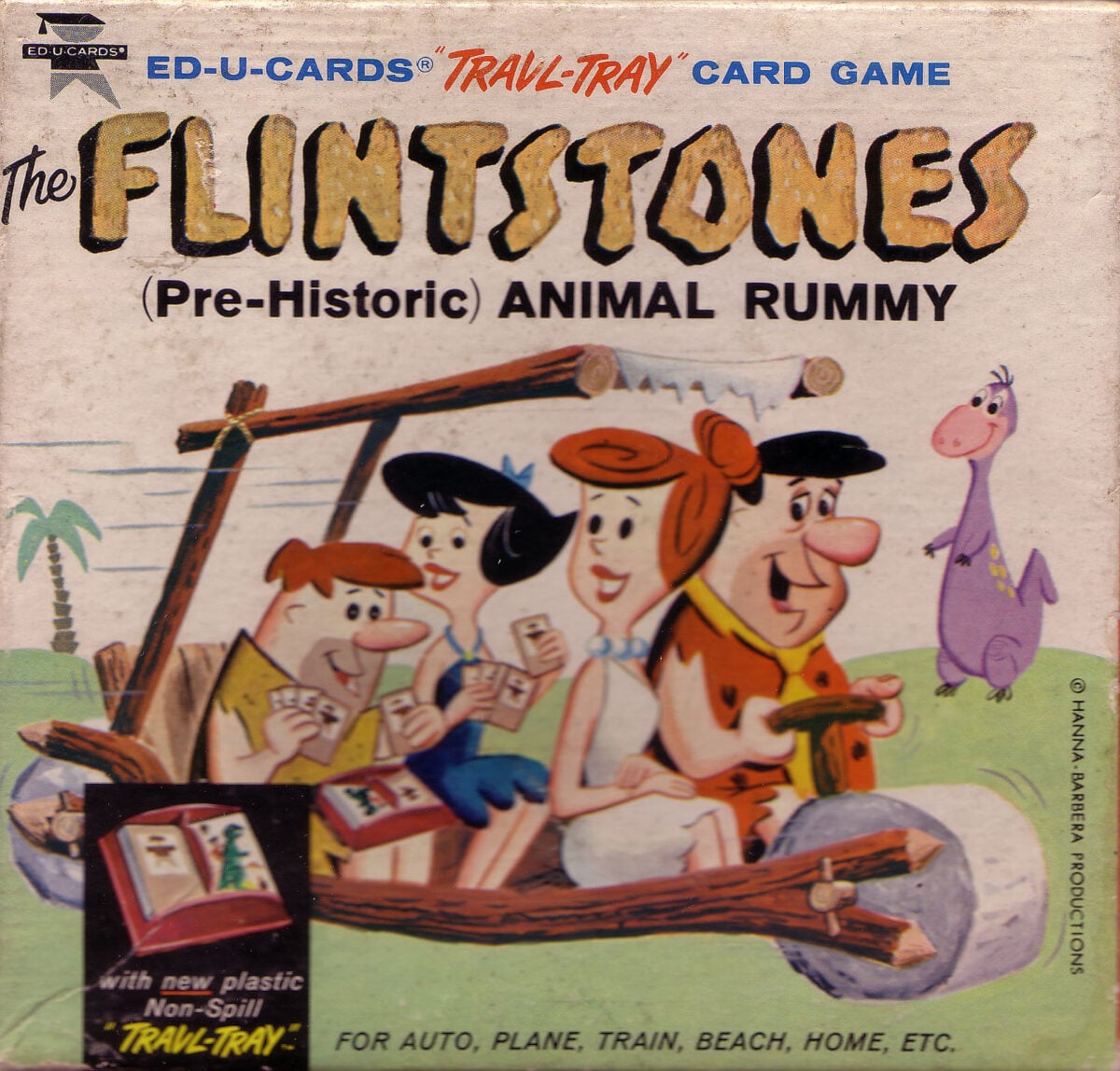
Taito released The Flintstones: The Surprise at Dinosaur Peak for the NES in 1994, one of the last games produced for the aging console. Many copies reportedly went to rental stores rather than retail shelves, which kept the number of clean, privately owned copies small.
The game lets players switch between Fred and Barney, each with different abilities. Loose cartridges often sell for several hundred dollars, and complete boxed copies bring much more.
Reproductions are common, so careful inspection of the circuit board matters. Rental stickers, label damage and missing manuals reduce value.
Bonk’s Adventure on the NES

Hudson Soft released Bonk’s Adventure for the NES in 1994, long after the big-headed caveman had become the unofficial mascot of the TurboGrafx-16. The NES version arrived when most families had already moved on to newer consoles, so the print run was small and sales were modest.
Bonk attacks enemies by headbutting them, a gimmick that still makes the game memorable. Loose cartridges often sell for several hundred dollars, while complete boxed copies bring considerably more.
Reproductions exist, so collectors check the cartridge carefully. Label damage, missing manuals and box wear reduce value.
Hagane for the Super Nintendo
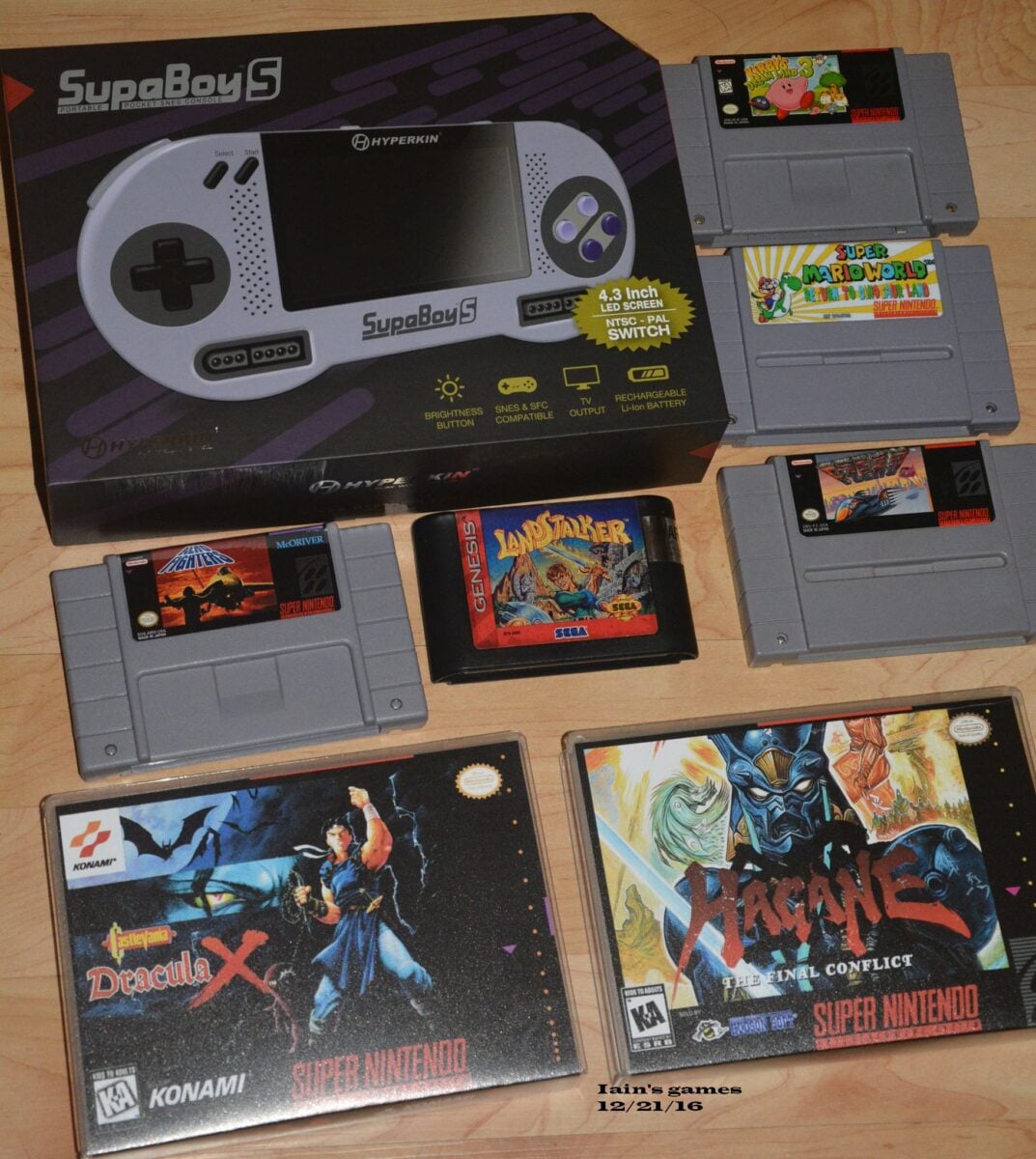
Hudson Soft released Hagane: The Final Conflict for the Super Nintendo in 1994, and in North America the ninja action game was distributed mainly through Blockbuster Video as a rental. Few copies were sold at retail, so complete boxed copies are especially scarce.
Many surviving cartridges carry rental stickers or the marks left when stickers were peeled off. Loose cartridges often sell for several hundred dollars, and complete boxed copies bring several thousand.
Rental stickers and label damage reduce value, and reproductions are common enough that buyers should open the cartridge or ask for board photos.
EarthBound in the Big Box
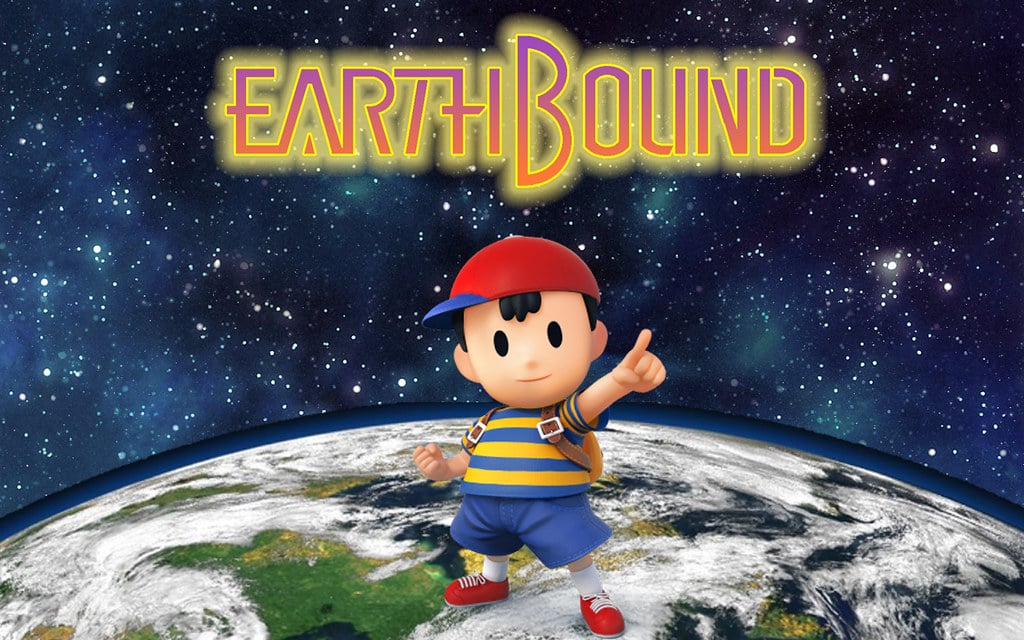
Nintendo released EarthBound for the Super Nintendo in North America in 1995 in an oversized box that included a thick player’s guide with scratch-and-sniff cards. An advertising campaign built around the slogan that the game stinks did little to help, and sales were weak at first.
The quirky role-playing game later became a cult classic, and demand soared. Loose cartridges often sell for several hundred dollars, and complete big-box copies with the guide bring considerably more.
Missing guides, crushed boxes and worn labels reduce value, and reproductions are common.
Kizuna Encounter for the European Neo Geo
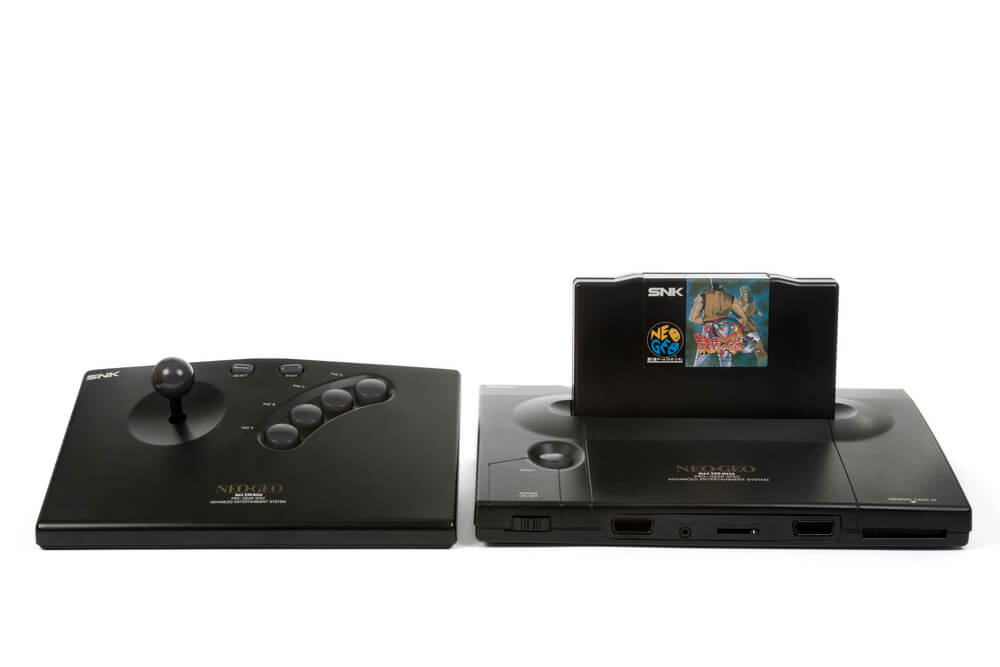
SNK released the fighting game Kizuna Encounter for the Neo Geo home console in 1996, and the European version is considered one of the rarest games for the system. Only a small number of copies are known to exist.
Neo Geo home cartridges were expensive even at release, often costing as much as a console does today, which kept print runs tiny across the library. Examples of the European release sell for tens of thousands of dollars, depending on condition and completeness.
Box damage, missing manuals and label wear reduce value, and buyers check provenance carefully.
Panzer Dragoon Saga
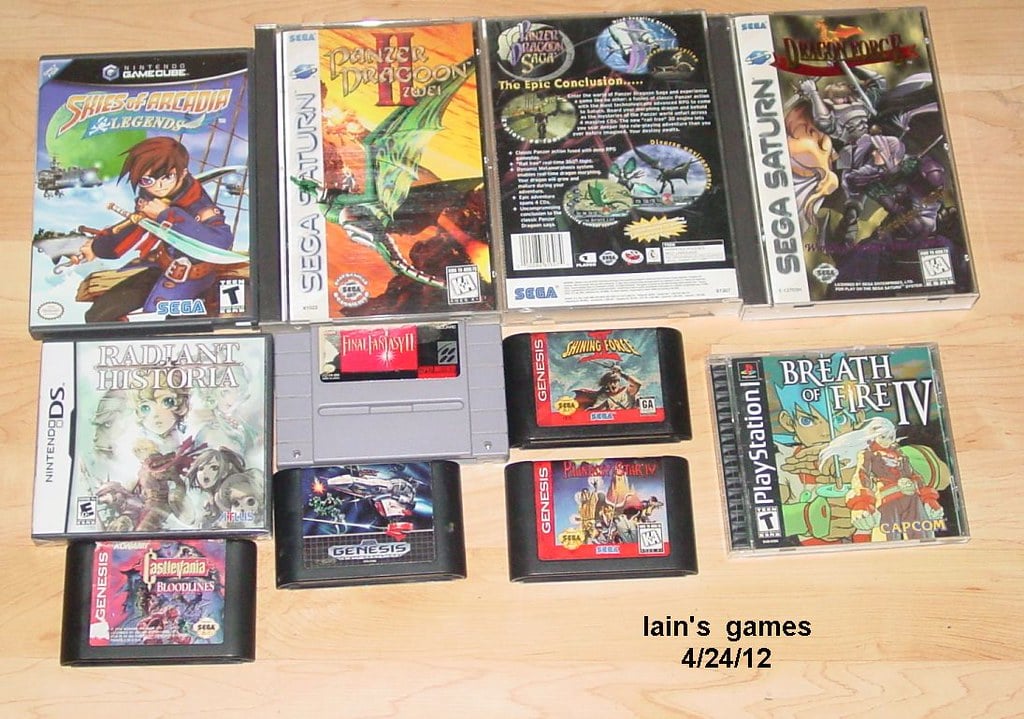
Sega released Panzer Dragoon Saga for the Sega Saturn in North America in 1998, after the console had already lost the sales race to Sony’s PlayStation. The ambitious role-playing game came on four discs and received strong reviews, but it had a small print run and was never reissued for later consoles.
The original source code was reportedly lost, which has added to its mystique. Complete copies often sell for over a thousand dollars, depending on condition.
Disc scratches, cracked cases and missing manuals reduce value, and reproductions exist.
Suikoden II
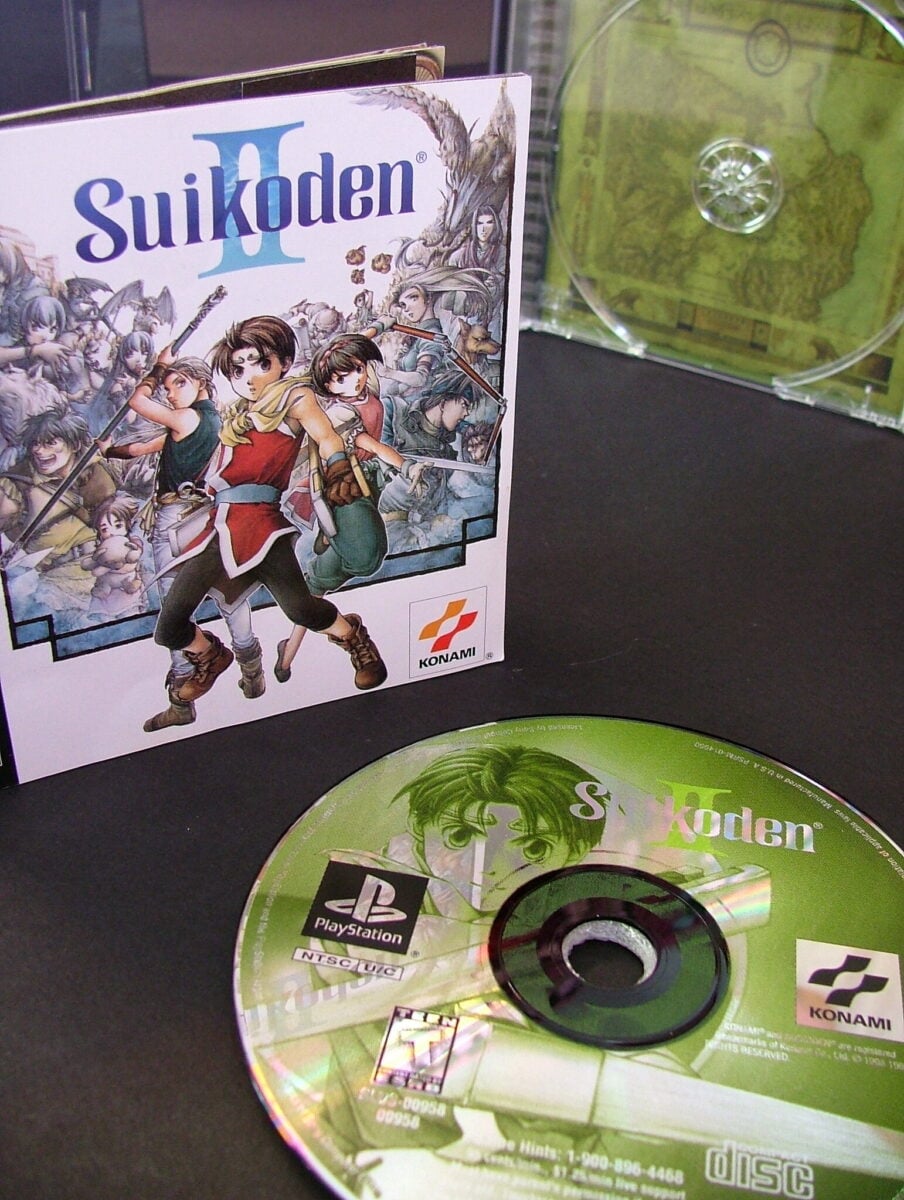
Konami released Suikoden II for the PlayStation in North America in 1999 with a small print run and little promotion. The role-playing game, which lets players recruit more than 100 characters, earned strong reviews and built a devoted following over the years.
Demand outpaced supply for decades, keeping prices high until a remastered collection arrived in 2025. Complete original copies often sell for a few hundred dollars, depending on condition.
Disc scratches, case damage and missing manuals reduce value. Black-label first prints are the ones collectors want, rather than later Greatest Hits versions.
Clay Fighter Sculptor’s Cut

Interplay released Clay Fighter 63 1/3: Sculptor’s Cut for the Nintendo 64 in 1998 as a Blockbuster Video rental exclusive. The game was an updated version of an earlier clay-animated fighting game, adding new characters and stages.
Because it was never sold at retail in the usual way, few copies reached private collections, making it one of the rarer N64 cartridges. Loose cartridges often sell for several hundred dollars, and complete copies bring more.
Rental stickers and label damage reduce value, and reproduction cartridges with printed labels are common enough to require caution.
Conker’s Bad Fur Day
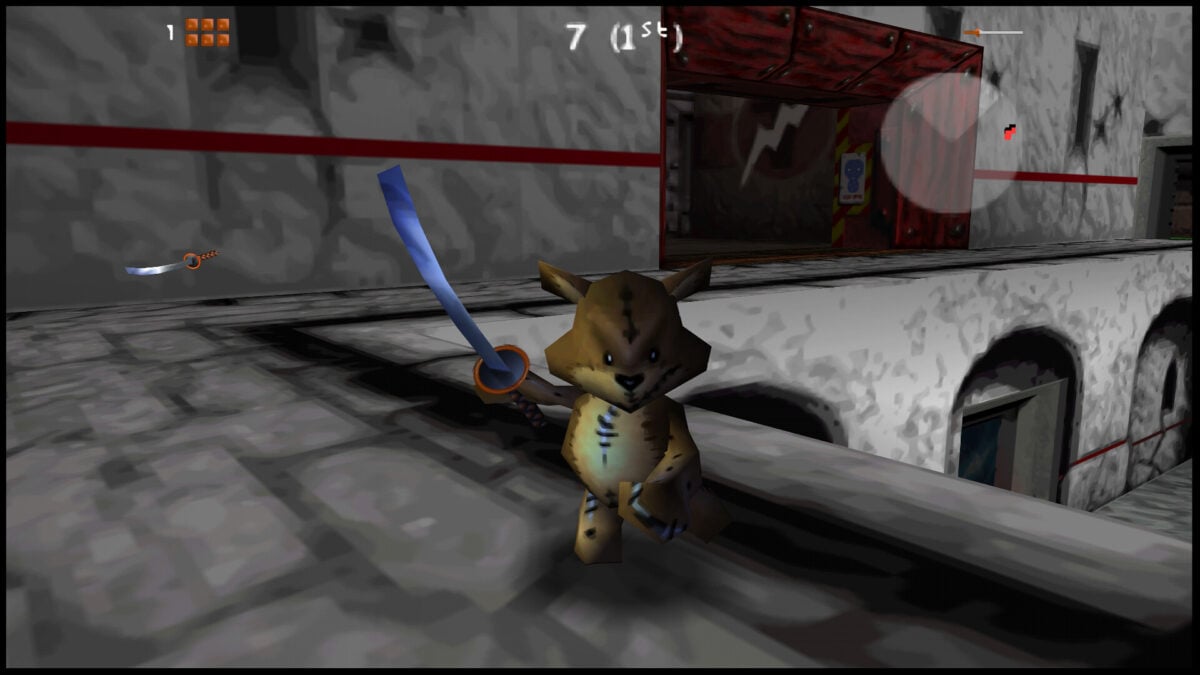
Rare released Conker’s Bad Fur Day for the Nintendo 64 in 2001, near the end of the console’s life. The game starred a cute red squirrel in a story packed with crude jokes and movie parodies, which earned it a mature rating and limited its audience on a family-friendly system.
Many retailers ordered small quantities. Loose cartridges often sell for a couple hundred dollars, while complete boxed copies bring considerably more.
Label damage and box wear reduce value. Reproductions are common, so collectors check the cartridge shell and board.
Snatcher for the Sega CD
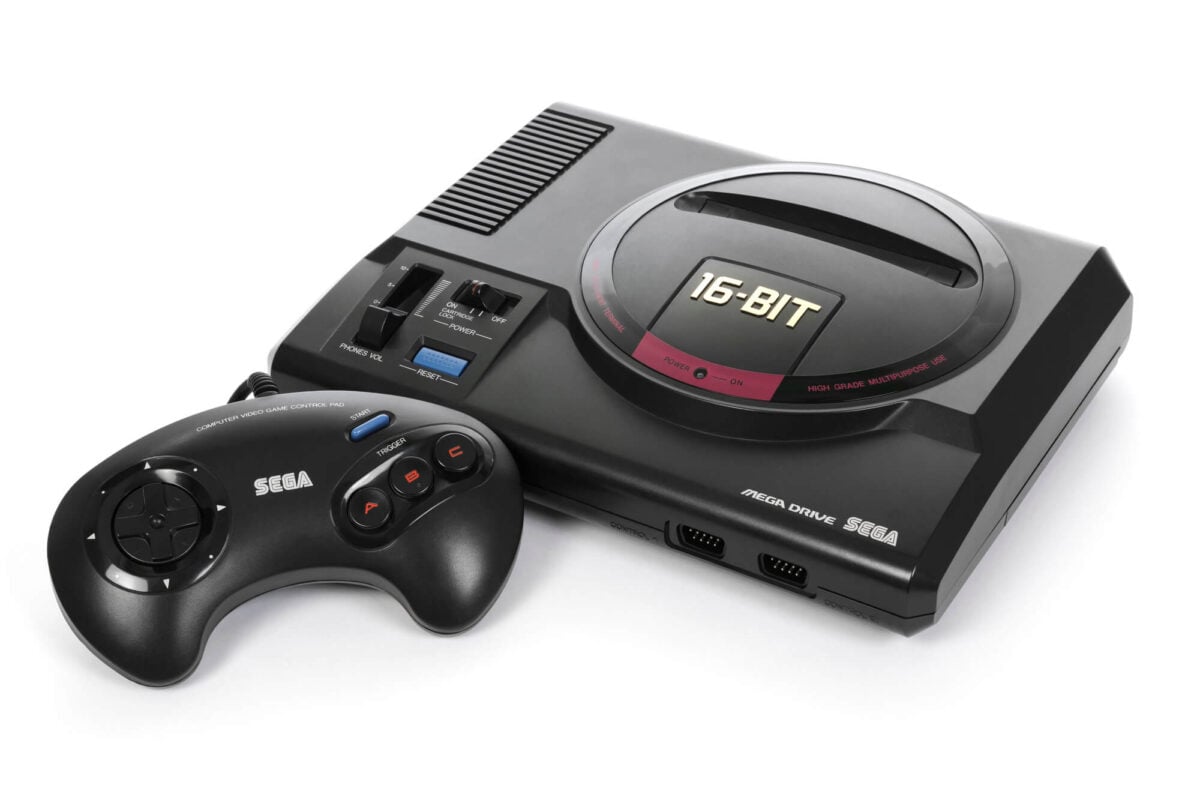
Konami released Snatcher for the Sega CD in North America in 1994, an English translation of a cyberpunk adventure written by Hideo Kojima, who later created Metal Gear Solid. The game arrived late in the Sega CD’s short life and had a small print run, with sales reportedly in the low thousands.
Its Blade Runner influences and mature story have made it a favorite among collectors. Complete copies often sell for several hundred dollars or more, depending on condition.
Disc scratches, cracked cases and missing manuals reduce value, and reproductions exist.
Shantae on the Game Boy Color
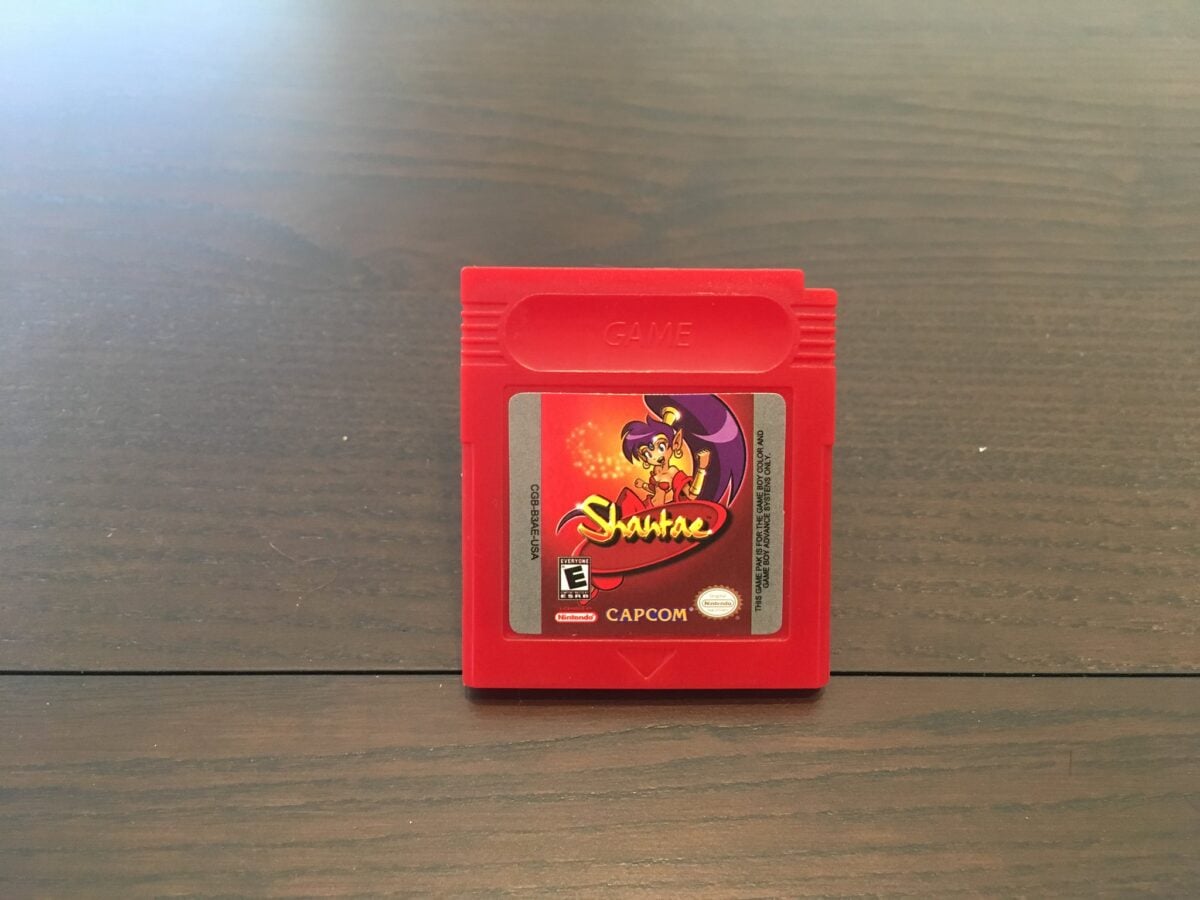
Capcom published Shantae for the Game Boy Color in 2002, months after the Game Boy Advance had already launched and pulled buyers away from the older handheld. The game, developed by WayForward, starred a half-genie hero who attacks with her hair, and it had a small print run.
The series later found success on modern consoles, which raised interest in the original. Loose cartridges often sell for hundreds of dollars, and complete boxed copies bring considerably more.
Label damage and box wear reduce value, and reproductions are common.
Tengen Tetris
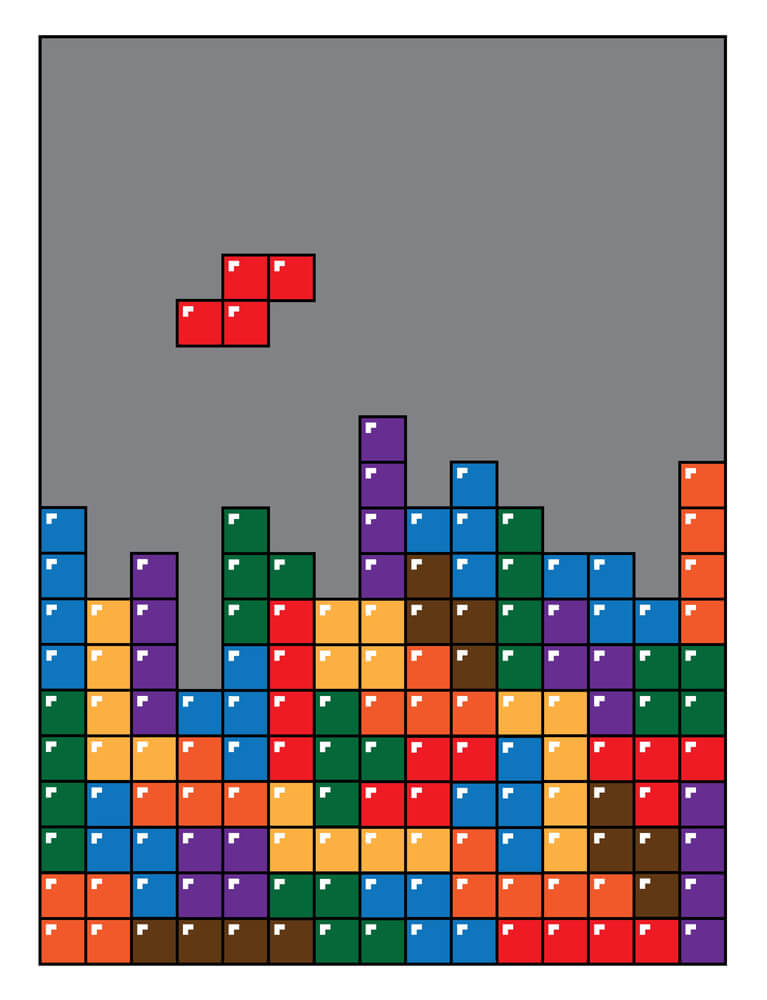
Tengen, a division of Atari Games, released its own version of Tetris for the NES in 1989. Nintendo sued over the rights to the game, and a court ruled in Nintendo’s favor, forcing Tengen to pull its version from shelves within weeks.
Many players considered the Tengen version better, thanks to its two-player mode. Copies often sell for hundreds of dollars, depending on condition, and complete boxed copies bring more.
The black Tengen cartridge shape is distinctive. Label damage and box wear reduce value, and reproductions are common.
Cheetahmen II

Active Enterprises produced Cheetahmen II for the NES in 1992, a sequel to a game included on its infamous Action 52 multicart, but the company folded before releasing it. In 1997, a warehouse find turned up about 1,500 unsold cartridges, many housed in relabeled Action 52 shells.
The game is buggy and barely playable past certain levels. Copies often sell for hundreds to over a thousand dollars, depending on condition.
Label damage reduces value, and reproductions are common, so buyers check for the original shells and boards.
Rule of Rose
Atlus released Rule of Rose for the PlayStation 2 in North America in 2006, a dark psychological horror game set in an English orphanage. The game faced controversy in Europe, and a planned release in the United Kingdom was canceled, which limited supply.
Small print runs made it scarce in North America as well, and the game was never reissued on later consoles. Complete copies often sell for several hundred dollars, depending on condition.
Disc scratches, cracked cases and missing manuals reduce value. Reproductions exist, so collectors check the disc and printing carefully.
DuckTales 2
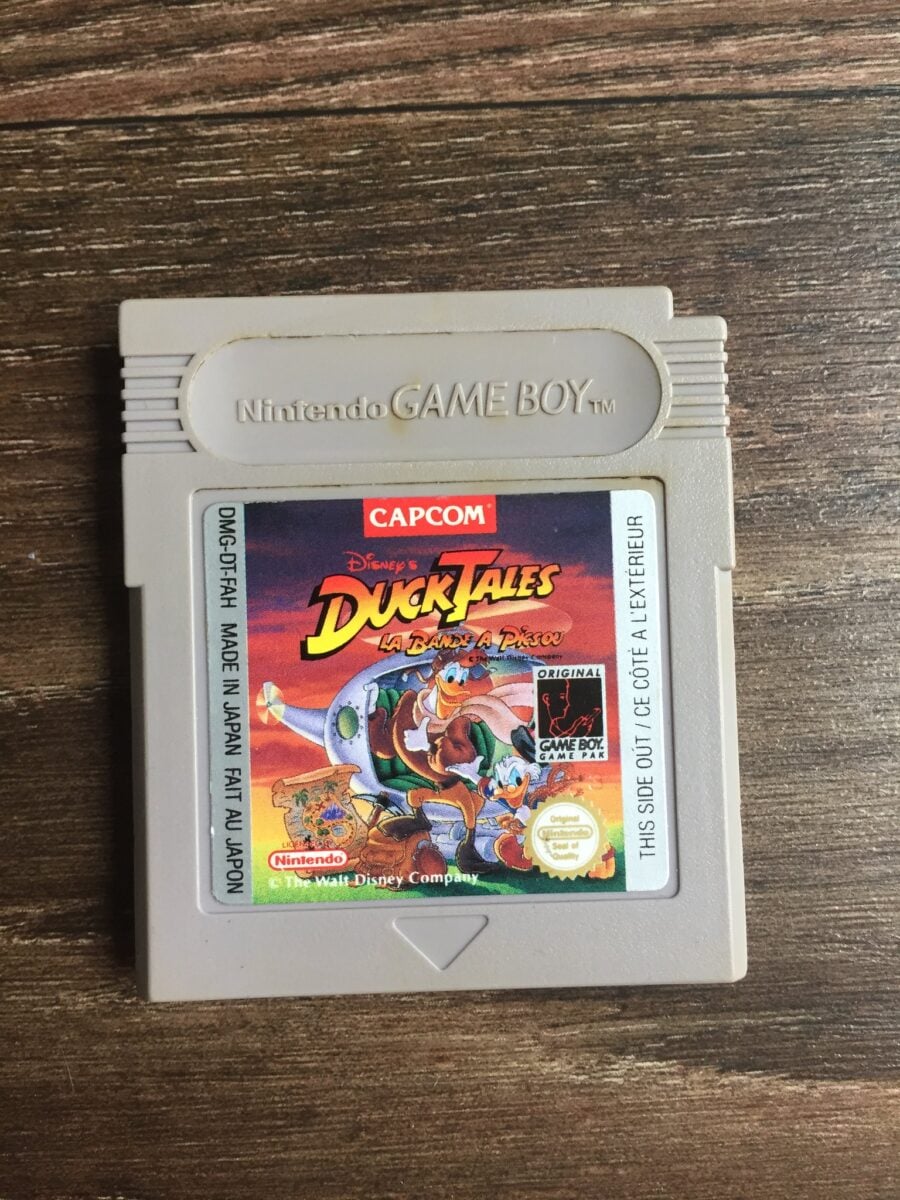
Capcom released DuckTales 2 for the NES in 1993, years after the first DuckTales game became a hit. By then, the console was fading, and the sequel had a small print run.
The game brought back Scrooge McDuck’s pogo cane, added new treasure hunts and let players upgrade the cane with tools found along the way. Loose cartridges often sell for a couple hundred dollars, and complete boxed copies bring considerably more.
Label damage and box wear reduce value. Reproductions are common, so collectors check the circuit board and cartridge screws.
Cartridges That Escaped the Curb
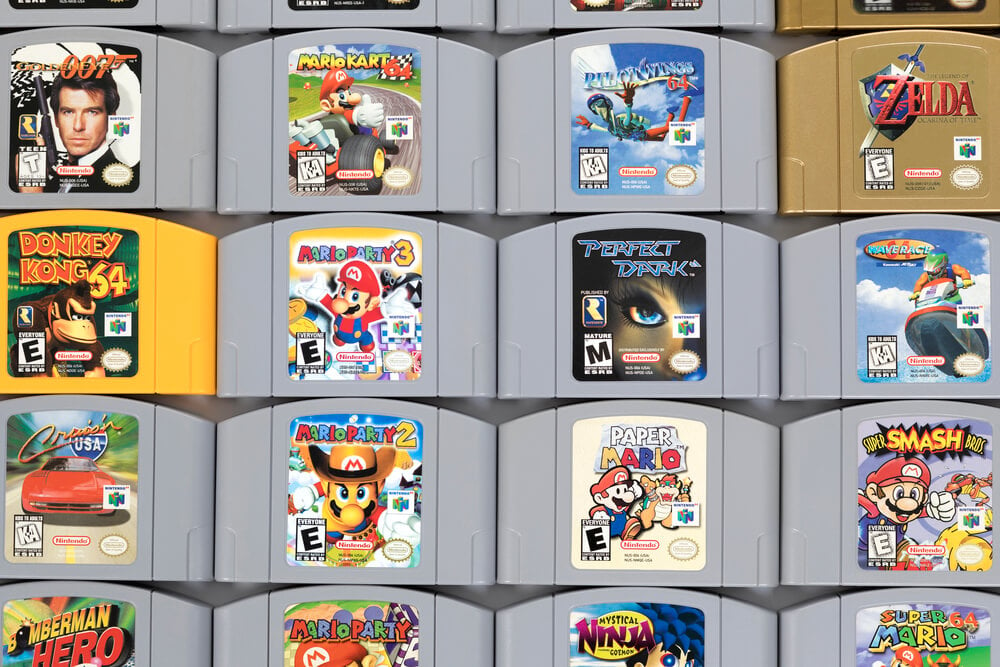
Most of these games were made to be played, rented and eventually forgotten. Late releases, rental exclusives and recalls kept print runs small.
The copies that survived in good condition are the ones collectors now chase. Many owners had no idea they were sitting on anything special.
The market rewards completeness and condition above almost everything else. A loose cartridge with a torn label might be worth a fraction of a boxed copy.
Reproductions have flooded the market, making authentication essential. Every so often, a garage sale box still holds a genuine surprise.
More from Go2Tutors!

- The Romanov Crown Jewels and Their Tragic Fate
- 13 Historical Mysteries That Science Still Can’t Solve
- Famous Hoaxes That Fooled the World for Years
- 15 Child Stars with Tragic Adult Lives
- 16 Famous Jewelry Pieces in History
Like Go2Tutors’s content? Follow us on MSN.