27 Household Chores Kids Did Decades Ago
People raised before 1970 rarely need prompting to list their childhood chores, and the list usually arrives with a particular tone of voice. Children once ran a real share of the household machinery, and in many homes the machinery was simply the children.
Some of these jobs vanished with rural electricity, some with indoor plumbing, and a few with the arrival of the remote control. All of them taught something, even if the lesson was mostly patience.
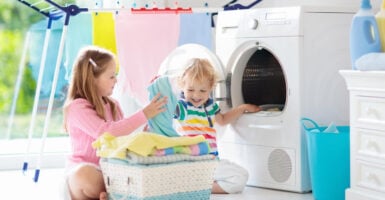
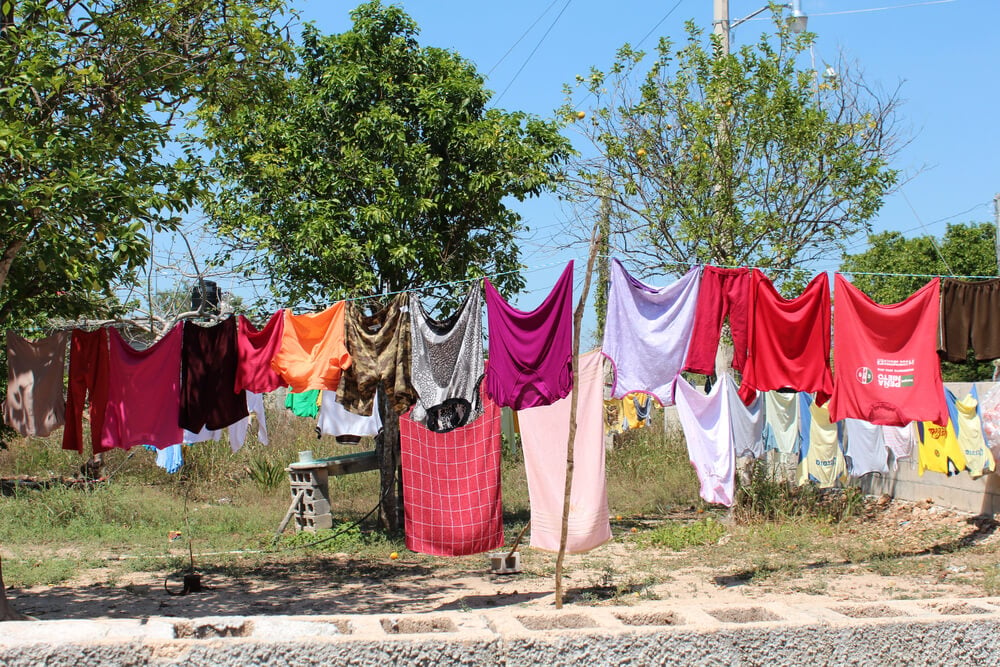
Wet laundry went outside in the years before electric dryers became standard, and children were handed the clothespin bag. Sheets had to be pinned at the corners and shaken flat, shirts hung by the hem so the shoulders would not pucker, and socks paired on the line so folding went faster later.
Spring-loaded wooden clothespins, a design patented in the 1850s, rode along in an apron or a cloth bag that slid down the wire. The real skill was reading the sky.
A child who missed a dark cloud brought the family laundry in twice, once soaked and once again after it finally dried.
Feeding Clothes Through the Wringer
Wringer washers from Maytag, Speed Queen and other makers stayed in American basements long after automatic machines arrived, and many households kept them into the 1960s. The routine involved a tub of agitated wash water, a rinse tub beside it, and a pair of rubber rollers that squeezed each garment flat.
Children fed the clothes in and caught them on the other side. Every parent issued the same warning about fingers, because the rollers did not care what went through them.
Most wringers had a release bar that popped the rollers apart, and a quick hand on that bar was a skill learned early and practiced often.
Sprinkling Clothes Before Ironing
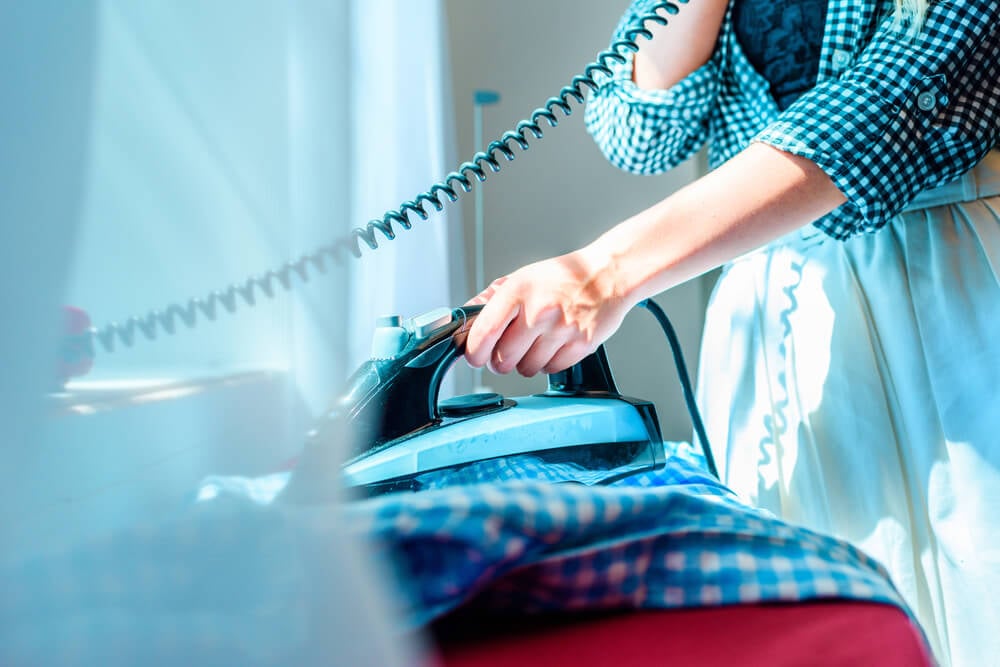
Cotton shirts and linens dried stiff on the line, so they needed dampening before the iron could do anything with them. Families used a soda bottle fitted with a perforated sprinkler cap, flicked water over each piece, then rolled everything tight and left it in a basket or even the refrigerator so the moisture spread evenly.
Children were often assigned the sprinkling and rolling while an adult handled the hot iron. Leaving a rolled bundle too long carried a real penalty.
Mildew spots appeared within a day or two in warm weather, and the shirt went straight back into the wash pile.
Beating Rugs Over the Line
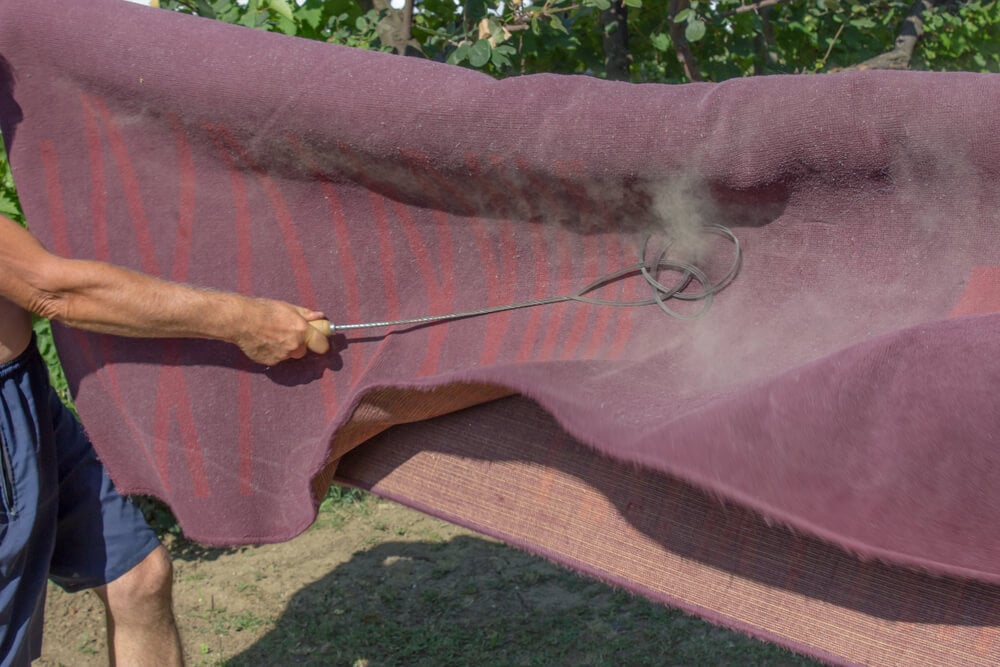
Vacuum cleaners existed early in the twentieth century, but plenty of homes cleaned their rugs the older way well into midcentury. Rugs were dragged outside, draped over the clothesline or a porch rail, and struck repeatedly with a rug beater, a looped paddle usually made of twisted wire or woven cane.
Children were ideal for the job because it required energy rather than finesse. Each strike sent up a gray cloud that showed exactly how much dirt the rug had been holding.
The beaters themselves now turn up at antique shops, where buyers often mistake the ornate loops for decorative wall art.
Tending the Coal Furnace
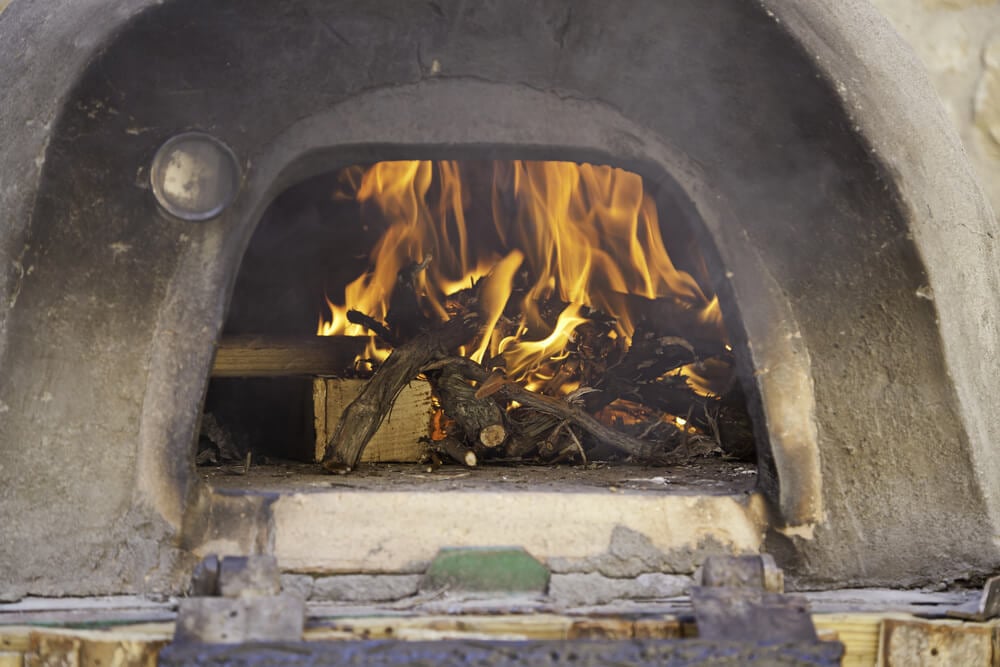
Coal heated millions of American homes through the first half of the twentieth century, and the furnace in the basement needed attention every single day. Deliveries arrived through a chute into a coal bin, and someone had to shovel fuel into the firebox, adjust the dampers and shake the grates so ash fell through.
Older children took over the morning shift so the house was warm before breakfast. The worst part was removing clinkers, the fused lumps of rock and slag that blocked airflow.
Those old coal chute doors are still visible on brick foundations in many older neighborhoods, sealed shut and painted over.
Carrying Out the Ashes
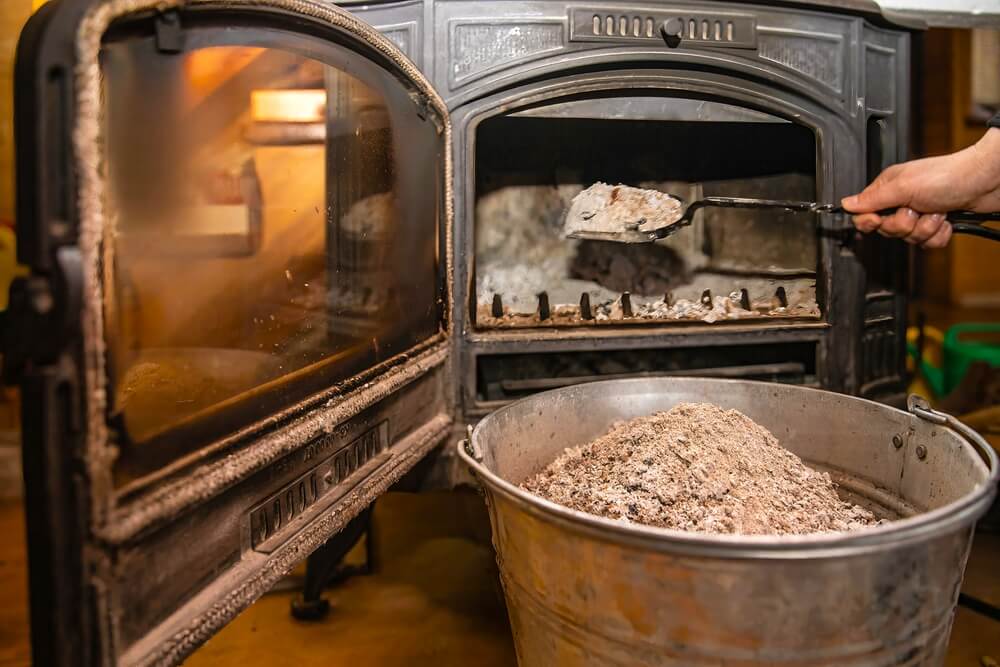
Every coal furnace and wood stove produced ashes, and ashes do not leave a house on their own. Children carried metal buckets of them outside, a job that required care because a buried ember could stay hot for a day or more.
Many families spread the cooled ashes on icy walks in winter for traction, or worked wood ash into the garden, where its potash helped tomatoes and beans. Galvanized ash cans with tight lids were standard equipment beside the back door.
A paper sack was never acceptable, and most families had at least one story about the time someone tried it.
Splitting Kindling
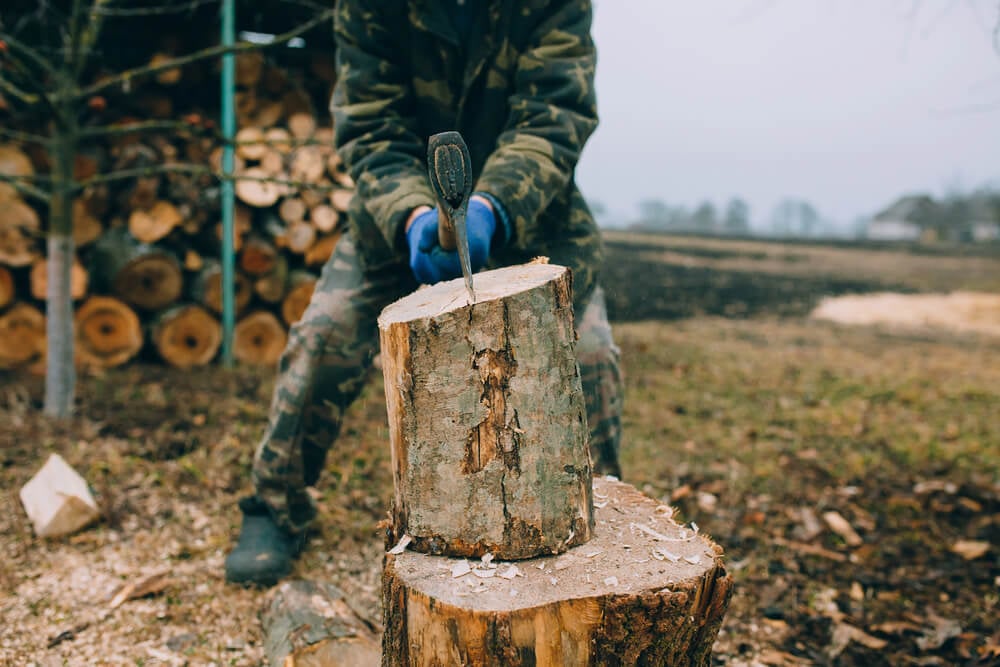
Lighting a wood fire takes small, dry pieces, and producing them was a classic job for a responsible older child. Kindling came from scrap boards or split rounds of softwood like pine, which catches quickly because of its resin.
The hatchet work happened on a chopping block in the yard or woodshed, and the finished sticks went into a box beside the stove. Parents usually taught a specific grip and stance, with the free hand well clear of the blade.
The habit that stuck longest was keeping the kindling box full before it ran out, because nobody wanted to split wood in the dark.
Pumping Water for the House

In 1935, only about one in ten American farms had electric power, which meant no electric well pump and often no running water indoors. The Rural Electrification Administration, created that year, began changing that, but the process took decades in some regions.
Until then, water came from a hand pump in the yard or a pitcher pump at the kitchen sink. Children primed the pump, worked the handle and carried full buckets for cooking, washing and livestock.
A single bath for one person could require many trips. That arithmetic explains why so many families shared bathwater on Saturday nights.
Cleaning Kerosene Lamp Chimneys
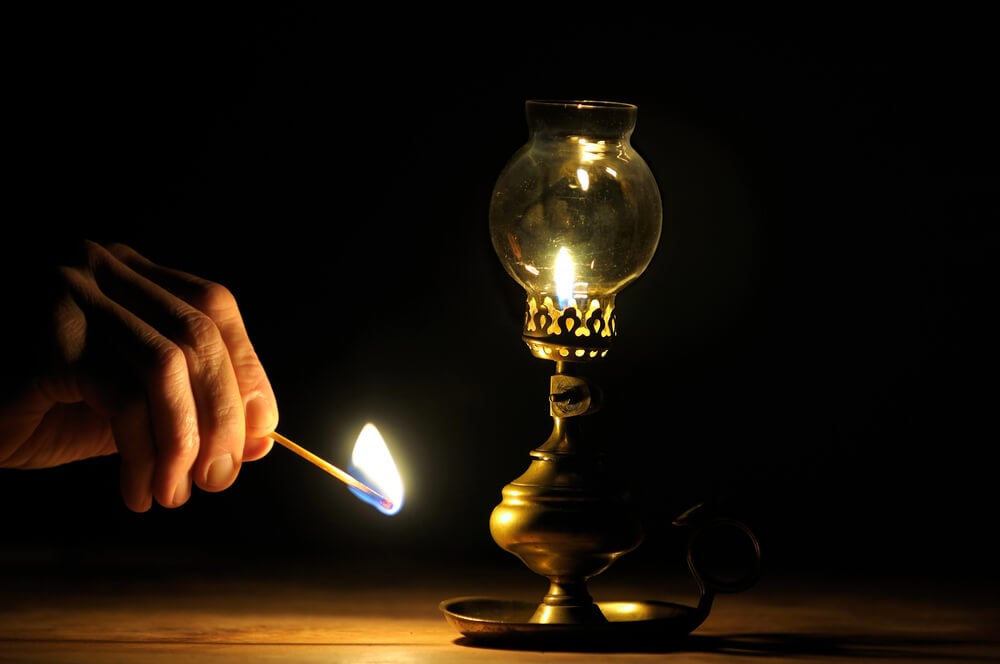
Homes without electricity relied on kerosene lamps, and those lamps needed daily maintenance that often fell to children. The glass chimneys collected soot every evening and had to be washed and dried carefully, since they cracked easily and cost money to replace.
Wicks needed trimming so the flame burned evenly instead of throwing soot, and the reservoirs needed refilling from a can of kerosene. Small hands fit inside the narrow chimneys far better than adult hands did.
A well-trimmed lamp gave a steady, clean light, and a careless trim announced itself with a black streak up the glass by morning.
Emptying the Icebox Drip Pan
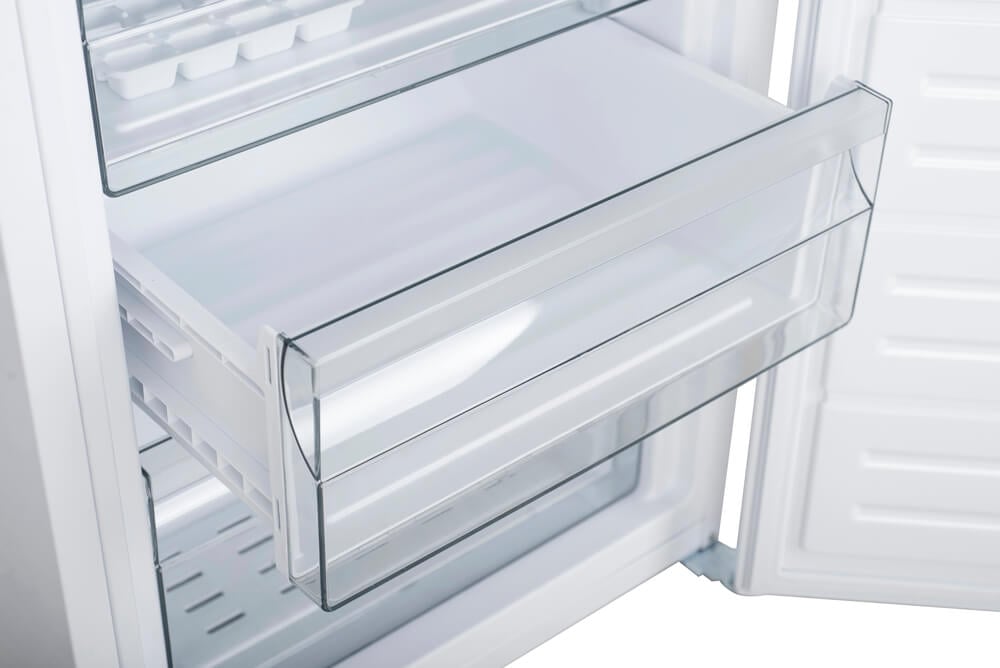
Before electric refrigerators, an iceman delivered blocks of ice to the household icebox, and that ice melted constantly. The meltwater ran into a drip pan underneath, and someone had to empty it before it overflowed onto the kitchen floor.
Children usually drew that duty, along with setting out the ice card in the front window. The card was printed with numbers like 25, 50, 75 and 100, and the number turned upward told the iceman how many pounds to bring.
A forgotten drip pan was easy to spot. It left a puddle that spread under the cabinets by afternoon.
Defrosting the Freezer
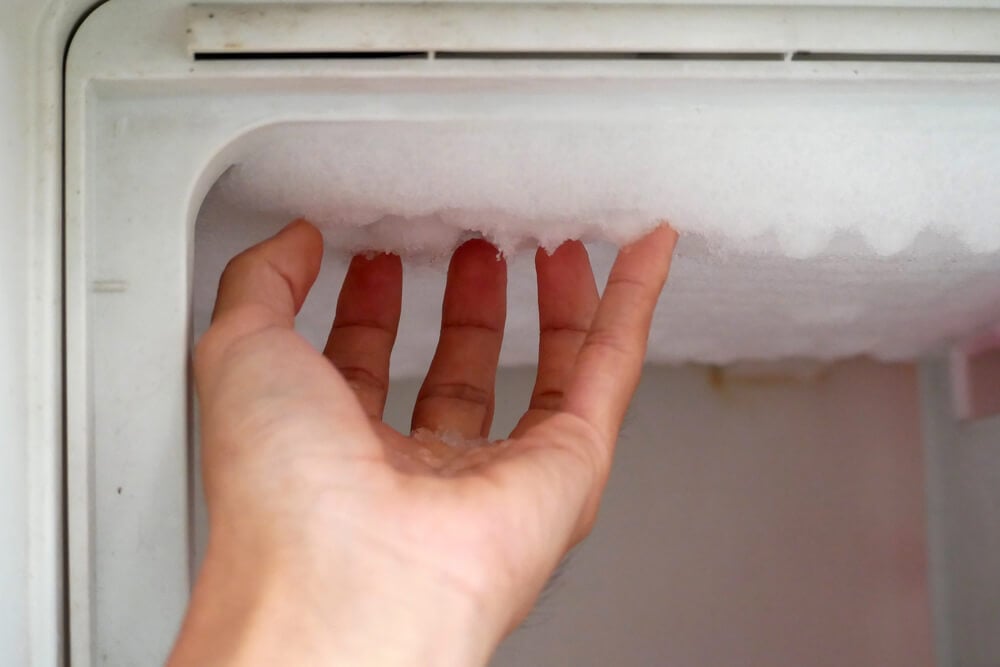
Early refrigerators had small freezer compartments that slowly filled with frost until the door barely closed. Defrosting meant emptying the food into coolers, unplugging the unit, and setting pans of hot water inside to loosen the ice.
Children were assigned towels, mopping and the patient work of lifting off sheets of frost as they softened. The temptation was to chip at the ice with a knife, which could puncture the cooling lines and ruin the appliance.
Frost-free models spread through American kitchens during the 1960s and 1970s. Within a generation, defrosting became a chore that most children only heard about.
Gathering Eggs and Feeding Hens

Backyard chickens were common in towns as well as on farms, especially during the Depression and both world wars. Children scattered feed in the morning, refilled the water, and checked the nesting boxes for eggs at least once a day.
The trick was reaching under a sitting hen without getting pecked, which some birds took personally. Eggs were carried in a wire basket or an apron and counted at the kitchen door.
Many families sold extra eggs to neighbors, so a careful child could be trusted with a little money as well as the hens. A broken egg on the walk home meant an uncomfortable explanation.
Darning Socks
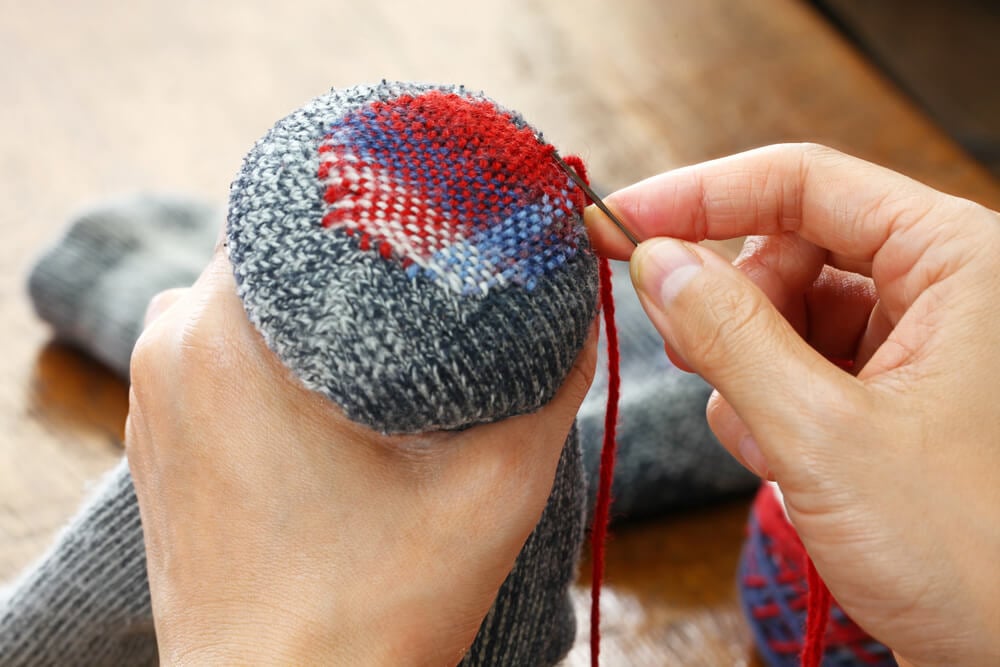
Socks were mended rather than replaced, and darning was a skill many children learned before age ten. The sock went over a darning egg or a wooden darning mushroom, which held the fabric taut so the worn spot could be rebuilt.
The mender wove yarn back and forth across the gap, first in one direction and then crosswise, creating a small patch of new fabric. A good darn was smooth enough to wear inside a shoe without rubbing a blister.
Wooden darning eggs now sell as collectibles, and buyers still find old wool threaded through the ones that came out of sewing baskets.
Polishing Shoes for Sunday
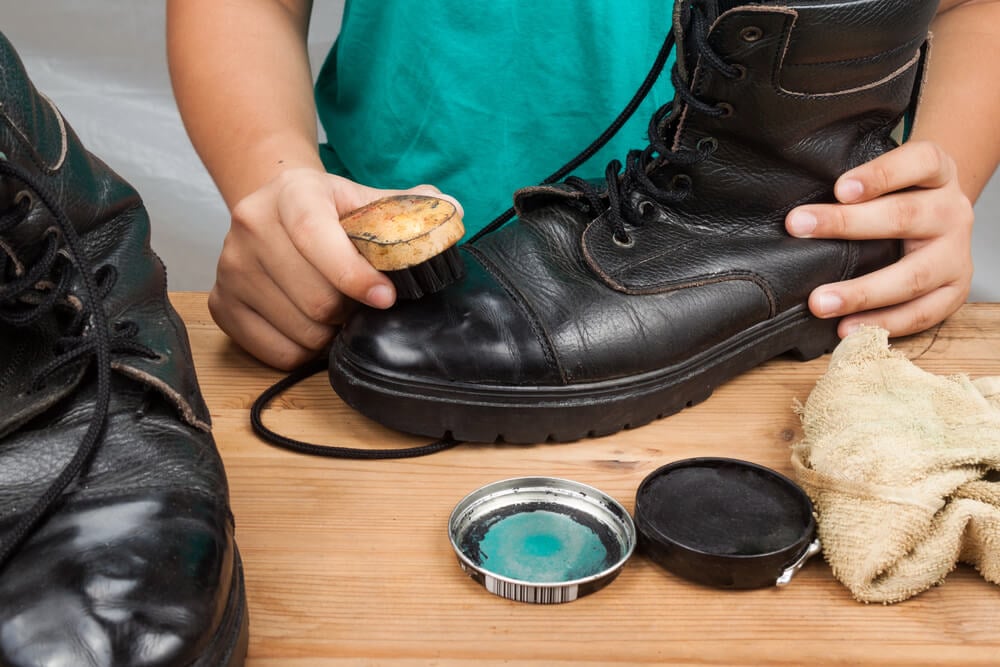
Saturday evening in many households meant lining up the family’s shoes on newspaper and polishing every pair for church. Kiwi, a polish developed in Australia in 1906, became a fixture in American homes, along with brushes, buffing cloths and a tin of saddle soap for work boots.
Children applied the polish, waited, then brushed and buffed until the leather shone. Scuffed toes on children’s shoes were treated as a household failing rather than a personal one.
The smell of shoe polish still sends plenty of adults straight back to a kitchen table covered in newsprint and a row of drying leather.
Polishing the Silver
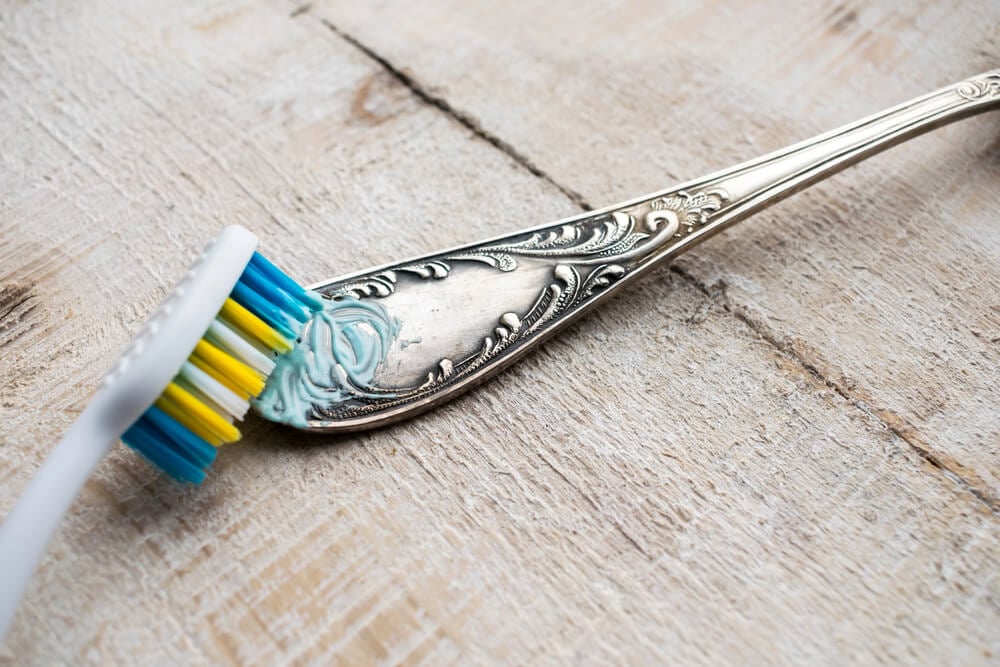
Families who owned sterling or silver-plated flatware, often a wedding gift, saw it tarnish quickly in ordinary household air. Polishing it before holidays and company dinners was a common job for older children.
Wright’s Silver Cream, sold since the 1870s, was one of the familiar pastes, rubbed on with a soft cloth and rinsed away in warm water. The black residue on the cloth was strangely satisfying.
Every fork had crevices in its pattern that collected polish and had to be cleaned with an old toothbrush. Skipping those crevices left a white crust that the grownups spotted immediately at the table.
Waxing the Floors
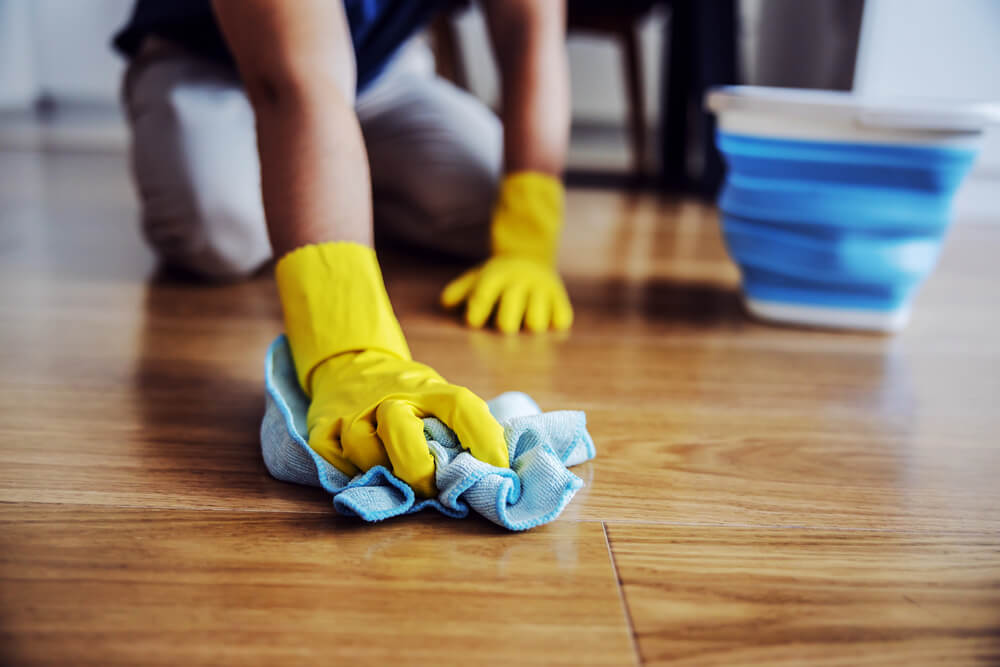
Wood and linoleum floors were waxed regularly in midcentury homes, and the work happened on hands and knees. Paste wax from brands like Johnson’s went on in thin layers with a rag, dried to a haze, then had to be buffed to a shine.
Electric floor polishers with spinning brushes became popular in the 1950s and made the buffing faster, though children often still handled the application. Sock-sliding across a freshly buffed floor was an unofficial part of the process.
The official part was moving every chair and table first, then putting each one back in exactly the same spot.
Drying the Dishes in Shifts

Automatic dishwashers were uncommon in American homes until the 1970s, so every meal ended at the sink. The standard arrangement had one person washing and another drying, and in larger families a third child put everything away.
Rotations were negotiated, enforced and argued over with surprising passion. Dish towels hung on a rack by the stove, and a wet towel meant switching to a fresh one before streaks appeared on the glasses.
Many families credit this nightly routine with more conversation than any other part of the day. Nobody could leave the kitchen until the last pot was dried.
Returning Bottles for the Deposit

Glass soda and milk bottles once carried a deposit, and returning them was both a chore and a source of pocket money. Children gathered empties from the porch, the garage and sometimes the roadside, then carried them back to the grocery store for a few cents each.
Bottlers washed and refilled the glass many times before it wore out. The system faded as one-way cans and plastic bottles spread through the 1960s and 1970s.
A handful of states later passed bottle bills, beginning with Oregon in 1971, which brought deposits back in a different form and kept the old habit alive in some households.
Burning Trash in the Backyard Barrel
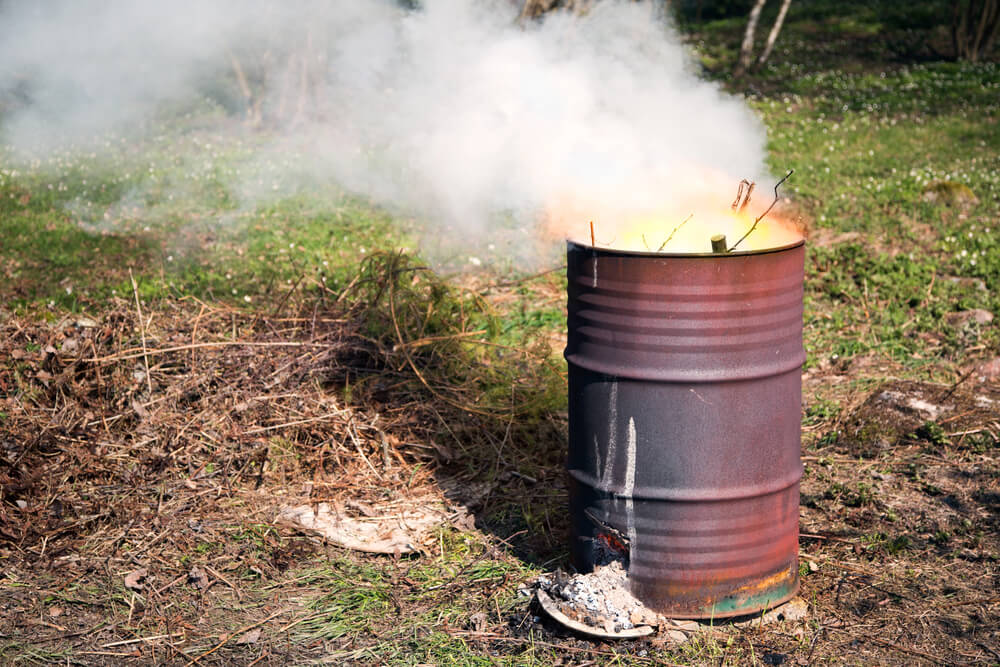
Before municipal trash pickup reached every suburb and rural route, many families burned household waste in a steel drum out back. Children carried paper and cardboard to the barrel and watched it burn down under supervision, sometimes poking it with a long stick to keep air moving.
Cans and glass went elsewhere, often to a dump or a pit on the property. The burn barrel produced a smell that many people still associate with fall evenings.
Air quality rules eventually ended the practice in most communities, and many states and towns now ban open burning of household trash entirely.
Raking Leaves Into the Street
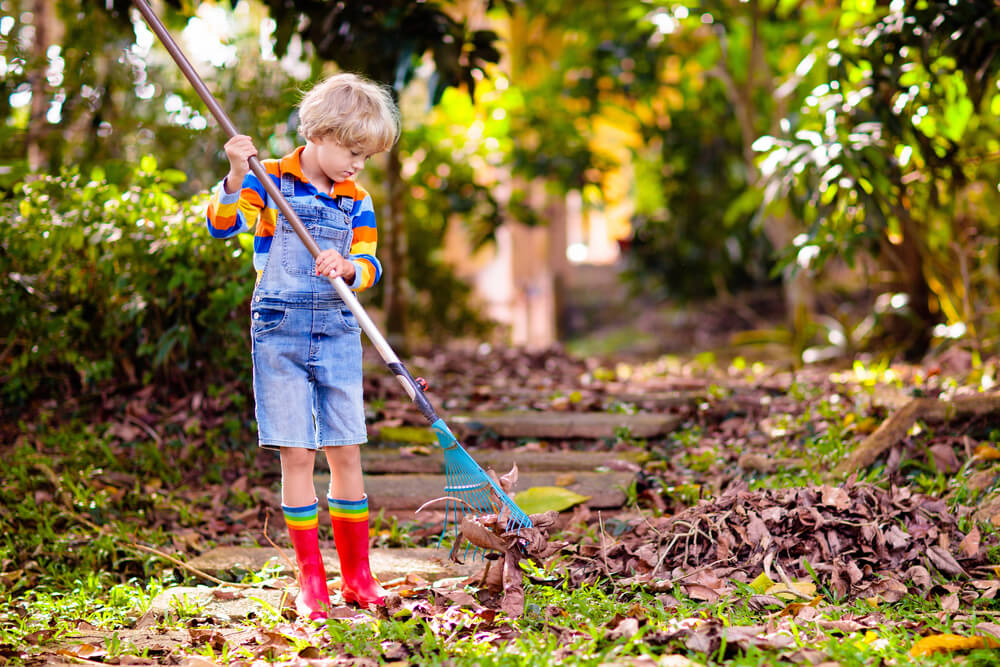
Autumn meant raking, and in many towns the leaves were piled at the curb or in the gutter and burned on the spot. Children did the raking, and adults usually handled the match.
The smoke drifted down entire blocks on October weekends. Bamboo rakes were common because they were light and cheap, though their tines snapped easily.
Local governments began restricting leaf burning in the 1960s and 1970s over air pollution and fire risk, and curbside collection or composting took its place. Jumping into the pile before it was cleared was never on the official chore list, but almost every child managed it.
Pushing the Reel Mower
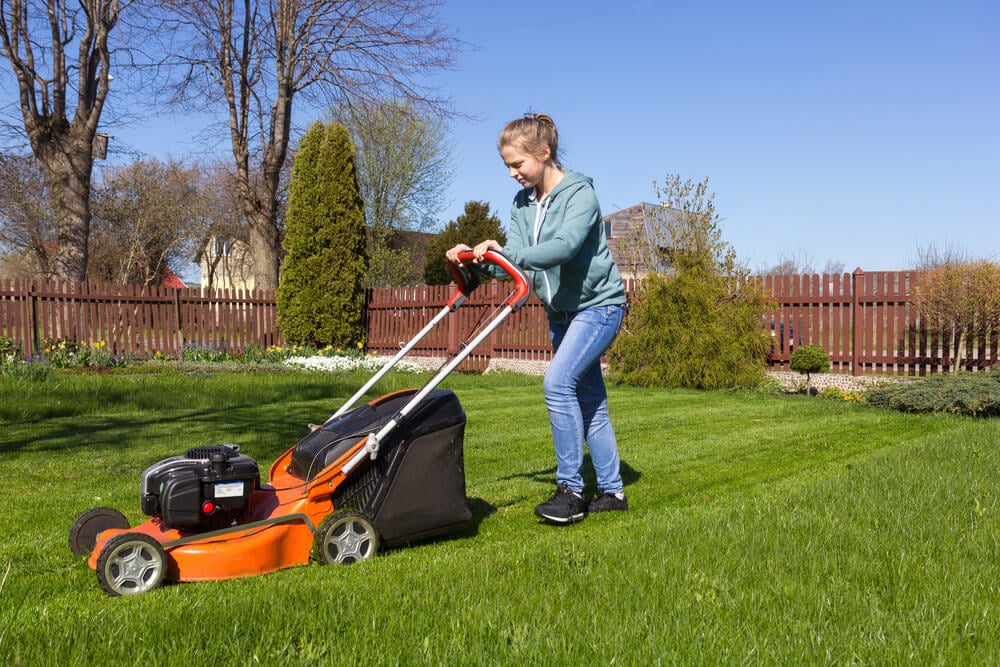
Gas-powered rotary mowers spread quickly after World War II, but many households kept using the push reel mower for years. It had no engine, just a spinning cylinder of curved blades that snipped grass against a fixed bar as the wheels turned.
Children pushed it in straight rows across the yard, overlapping each pass. The machine worked best on short, dry grass and stalled immediately on a stick or a tall clump.
Sharpening the blades was an adult job, done with a file or a lapping compound. Reel mowers have since returned to some yards as a quiet, fuel-free option.
Shelling Peas and Snapping Beans

Summer produce from the garden or the farm stand came into the kitchen in bushel baskets, and children did much of the prep. Shelling peas meant splitting each pod with a thumbnail and running the peas into a bowl, while snapping green beans meant breaking off the ends and pulling away the stringy seam.
The work usually happened on the porch, with a bowl in each lap and a paper sack for the scraps. Many modern bean varieties are stringless, which removes one step entirely.
The conversation on those porches was the part most people remember, along with how many raw peas went straight into their mouths.
Helping Can the Harvest

Home canning peaked during World War II, when the government encouraged families to preserve their own food. Children washed Mason jars, packed tomatoes and peaches, and listened for the small ping of each lid sealing as the jars cooled on the counter.
Pressure canners, needed for low-acid foods like green beans, could be intimidating, and children were usually kept a safe distance from the gauge. The work filled entire August days with steam and heat.
A cellar shelf lined with full jars in October represented weeks of family labor and a winter of fewer trips to the grocery store.
Weeding the Victory Garden
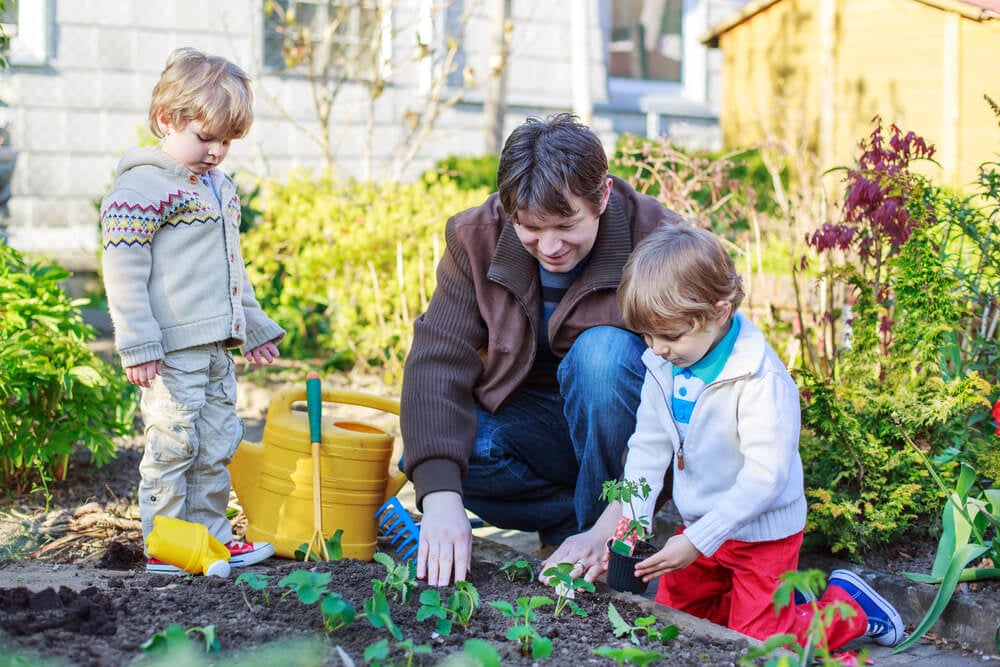
During World War II, millions of American families planted victory gardens to ease pressure on the commercial food supply, and government posters urged everyone to take part. Children were a major part of the workforce, weeding rows, watering in the evenings and picking beetles off the beans by hand.
Gardens appeared in backyards, vacant lots and schoolyards across the country. By some wartime estimates, these small plots produced a large share of the fresh vegetables Americans ate.
The habit continued after the war in many families, and the same children grew up to plant their own tomatoes every spring.
Adjusting the Rabbit Ears
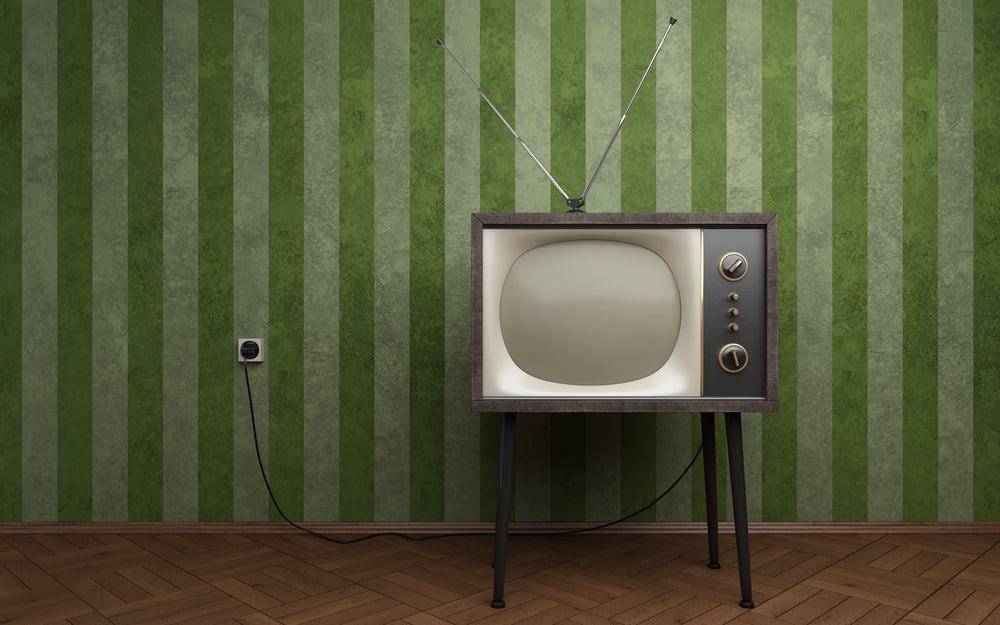
Before cable and remote controls, television reception depended on a pair of telescoping antennas perched on top of the set. Changing the channel meant walking over and turning a dial, and children were routinely appointed to the job.
A new channel often required repositioning the rabbit ears, sometimes with aluminum foil wrapped around the tips for better reception. A few households had a child stand holding the antenna during an important broadcast.
The first wireless remote, Zenith’s Flash-Matic, appeared in 1955, though remotes did not become standard household equipment until much later, when this particular chore finally retired.
Emptying the Chamber Pot
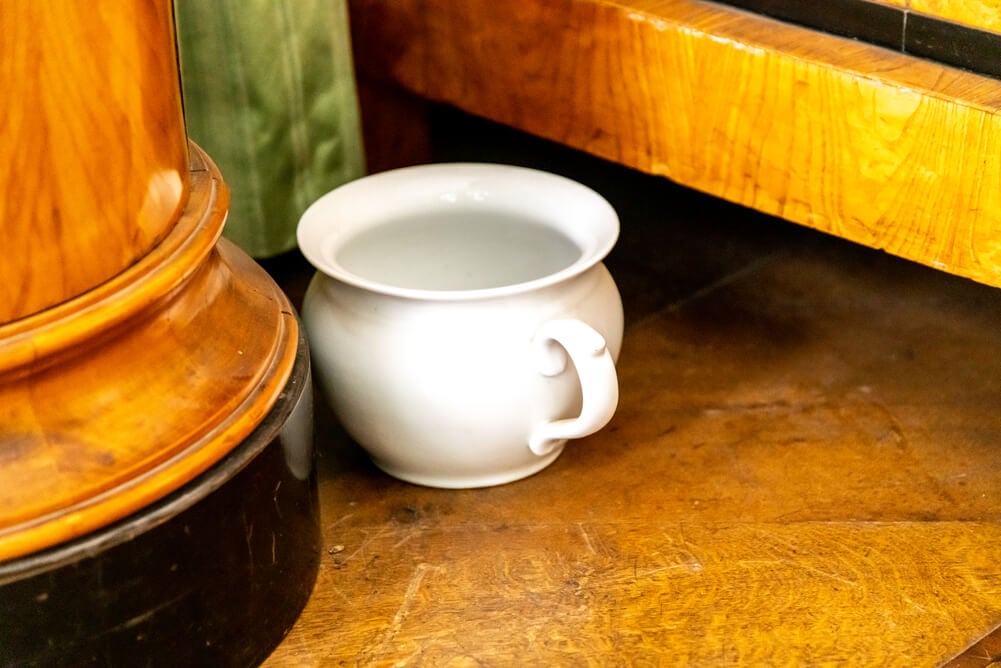
Homes without indoor plumbing relied on an outhouse during the day and a chamber pot at night, since a midnight walk outside in winter was nobody’s preference. Each morning, someone carried the pots out, emptied them and rinsed them, and in many families that someone was a child.
Enamelware pots with lids were common, and some came with matching washbasins and pitchers. Indoor bathrooms spread through cities early in the twentieth century but reached many rural homes only after World War II.
Few chores disappeared with less nostalgia, and almost nobody describes this one fondly.
Bringing In the Milk From the Porch

Home milk delivery was routine in American neighborhoods through the 1950s, and glass bottles appeared on doorsteps before sunrise. Many homes had an insulated milk box on the porch, and children were sent out early to bring the bottles in before the sun warmed them or the cream froze in winter.
On cold mornings, frozen cream sometimes pushed the paper cap right off the top of the bottle. Rinsing the empties and setting them out with a note for the next order was part of the same job.
Home delivery declined steeply as supermarkets and home refrigerators spread.
Chores as a Family Economy
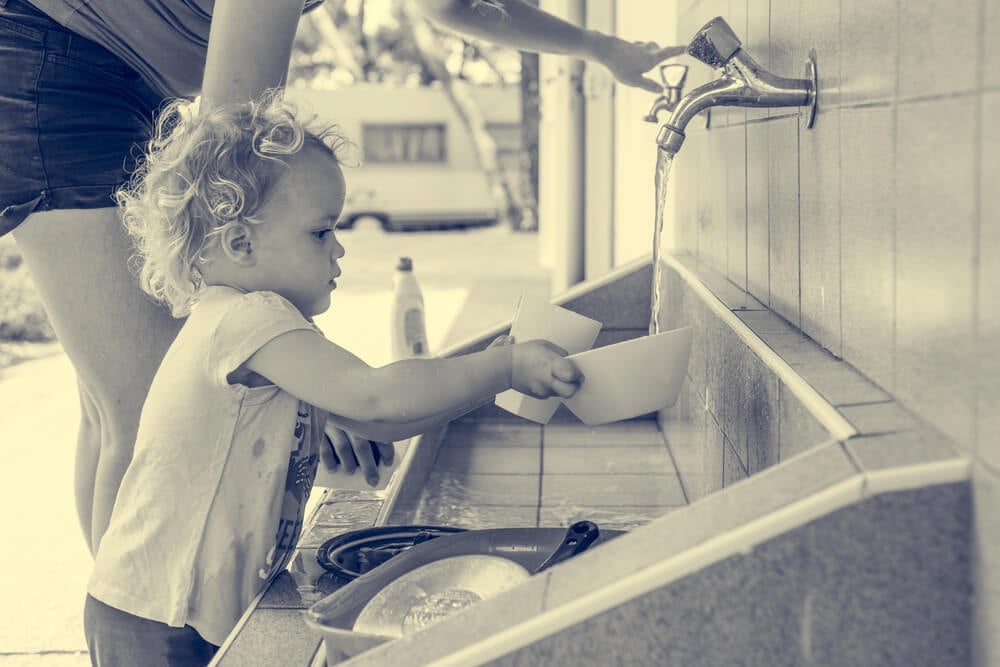
Most of these jobs disappeared not because children became less capable but because machines and municipal services took over the work. Electric pumps, dryers, refrigerators and trash trucks each erased a task that once required a pair of small hands.
The household economy changed shape, and the children inside it were reassigned to homework and practice. Something was traded in the bargain, though it is hard to name precisely.
A child who kept the stove fed or the lamps clean knew the household depended on that work in a direct, visible way. Modern chores are lighter and safer, which is plainly an improvement, but they rarely carry that same weight.
More from Go2Tutors!

- The Romanov Crown Jewels and Their Tragic Fate
- 13 Historical Mysteries That Science Still Can’t Solve
- Famous Hoaxes That Fooled the World for Years
- 15 Child Stars with Tragic Adult Lives
- 16 Famous Jewelry Pieces in History
Like Go2Tutors’s content? Follow us on MSN.