27 Midwest Foods Only Midwesterners Truly Understand
Outsiders tend to picture Midwestern food as one long table of casseroles and cream of mushroom soup. That table exists, and it is beloved, but it is only the beginning.
The region’s food was shaped by German, Scandinavian, Polish, Greek, Czech, Belgian and Cornish immigrants, by church basements and county fairs, and by long winters that rewarded anything warm and filling. Some of the results confuse visitors from the coasts.
Locals defend every one of them with total conviction.
Tater Tot Hotdish
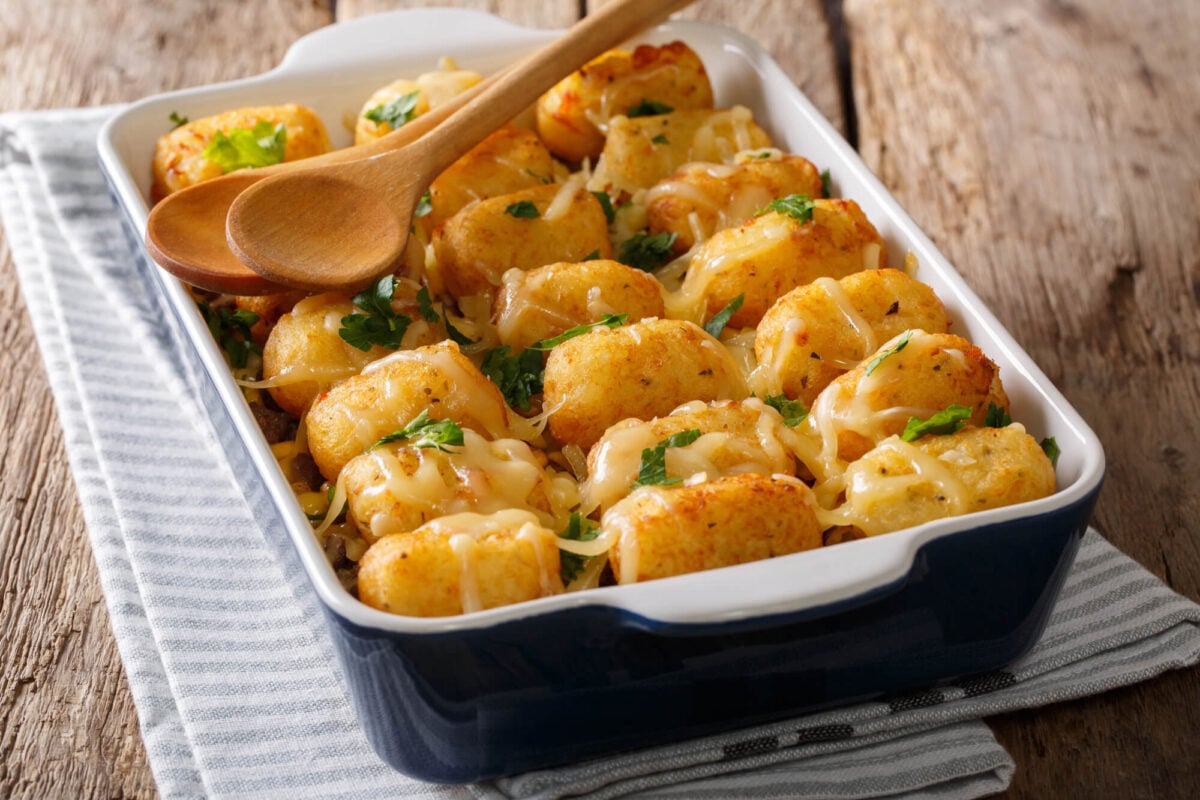
Hotdish is Minnesota’s name for a casserole, and its most famous form layers ground beef, vegetables and canned cream soup under a neat grid of tater tots. It anchors funerals, church suppers and potlucks across the Upper Midwest.
The dish is so central to Minnesota identity that the state’s congressional delegation has held an annual hotdish competition in Washington since 2011. Recipes vary by family, and arguments over whether corn or green beans belong inside can get surprisingly heated.
Outsiders call it a casserole. Minnesotans will correct them politely and then hand over a second helping.
Snickers Salad
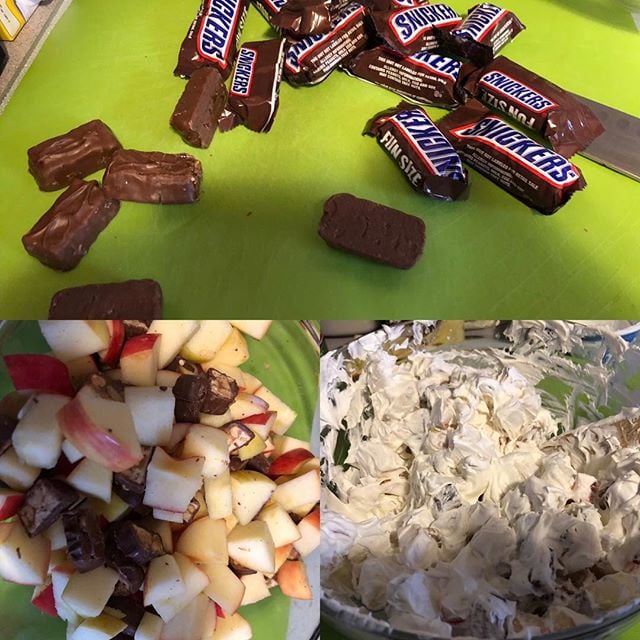
Snickers salad combines chopped Snickers bars, crisp green apples, vanilla pudding and whipped topping, and it is served as a side dish rather than dessert at many Midwestern gatherings. That classification puzzles visitors more than the recipe itself.
The salad belongs to a family of creamy, sweet potluck dishes that includes various fluff and Jell-O salads, all of which sit on the same table as the ham and the scalloped potatoes. The apples supply crunch and a little acidity to balance the candy.
Calling it a salad is a cheerful stretch, and nobody at the potluck seems to mind in the slightest.
Cincinnati Chili
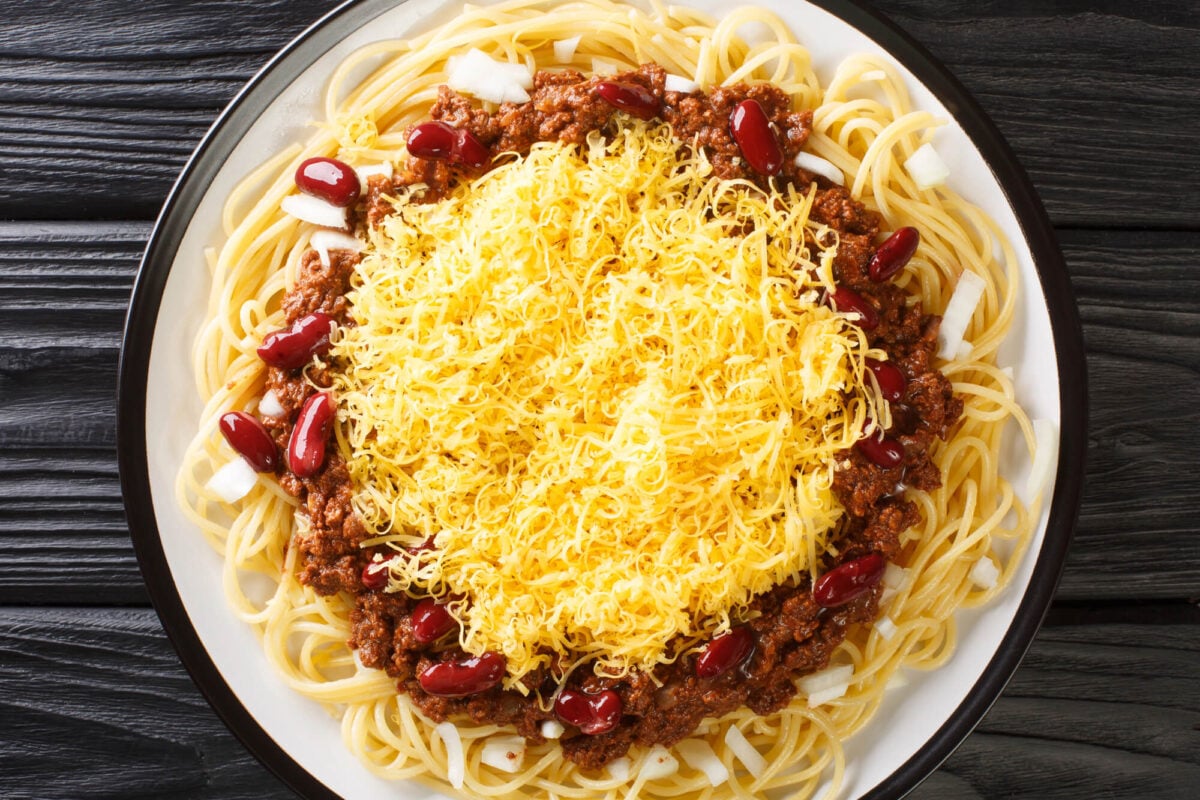
Cincinnati chili traces back to 1922, when Macedonian immigrant brothers Tom and John Kiradjieff began serving a thin, Mediterranean-spiced meat sauce at their Empress restaurant. The sauce carries hints of cinnamon, clove and sometimes chocolate, and it is ladled over spaghetti rather than eaten from a bowl.
Orders follow a numbered system. A three-way adds a mound of finely shredded cheddar, a four-way adds onions or beans and a five-way adds both.
Skyline Chili, founded in 1949, and Gold Star are the big local chains. Texans often insist it is not chili at all, and Cincinnatians rarely bother to argue.
Maid-Rite Loose Meat Sandwiches
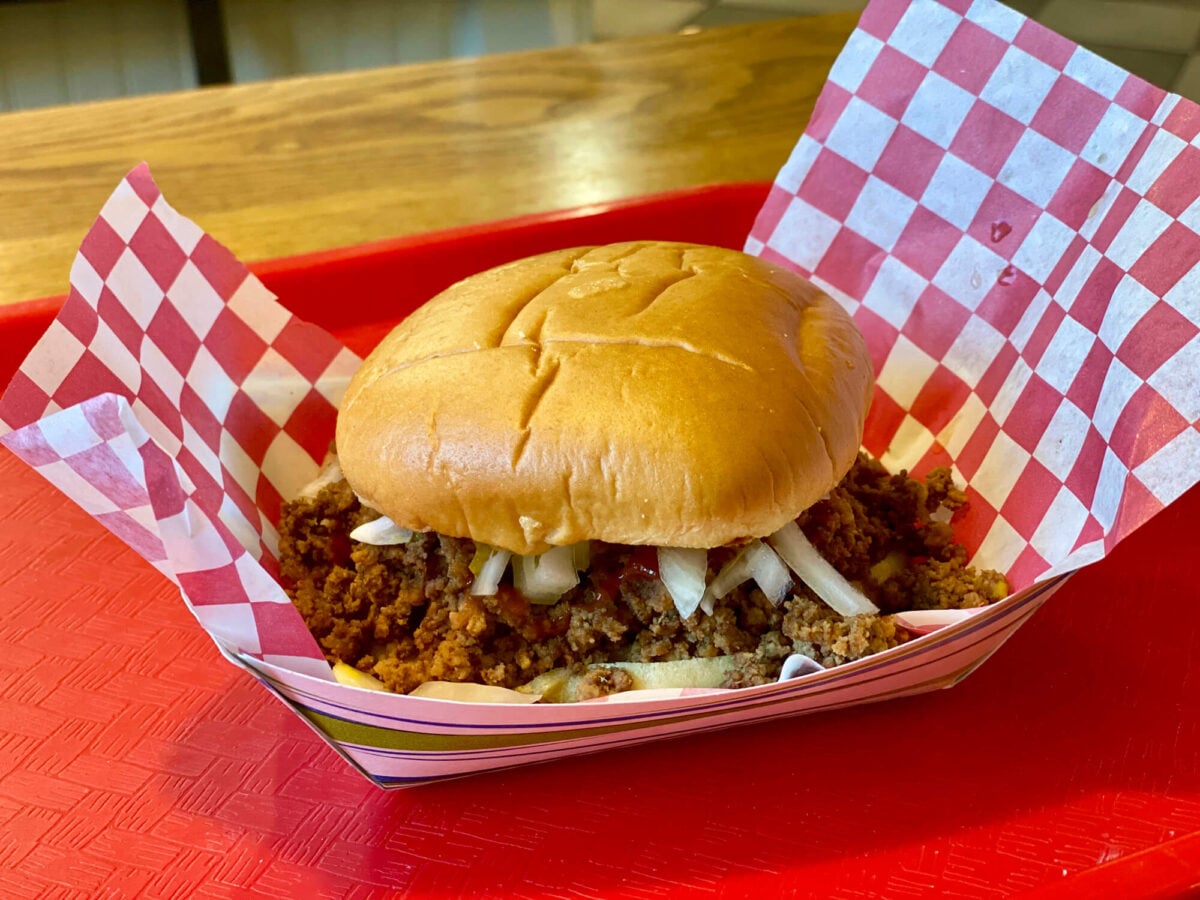
Fred Angell opened the first Maid-Rite in Muscatine, Iowa, in 1926, selling a sandwich of seasoned, crumbled ground beef piled loose on a bun. There is no patty and no sauce holding it together, which is the entire point.
Diners eat it with a spoon handy to catch the meat that falls out. The sandwich is a cousin of the sloppy joe without the tomato sauce, and Iowans treat it with real loyalty.
Loose meat sandwiches spread across the state through Maid-Rite franchises and independent diners. Fans of the sitcom Roseanne may remember the loose meat restaurant the characters opened in fictional Lanford, Illinois.
Breaded Pork Tenderloin Sandwich
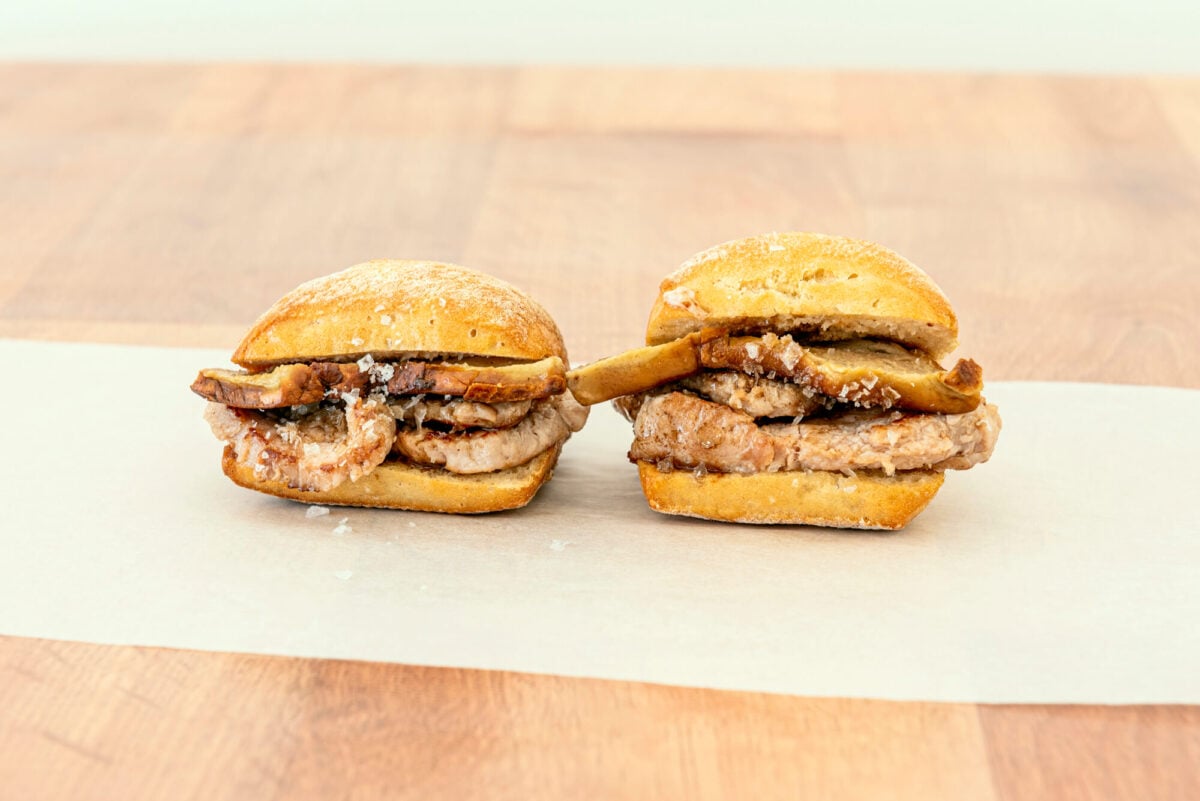
The breaded pork tenderloin sandwich is Indiana’s signature, and Nick’s Kitchen in Huntington, Indiana, claims to have served the first one in 1908. Cooks pound a slice of pork loin very thin, bread it and fry it until golden.
The finished cutlet is famously far wider than the bun, often by several inches on every side, so diners tear off the overhang before they can even pick up the sandwich. Pickles, onions and mustard are standard toppings.
Iowa claims the sandwich with equal pride. Restaurants across both states compete over size, and some cutlets are as large as a dinner plate.
Wisconsin Cheese Curds
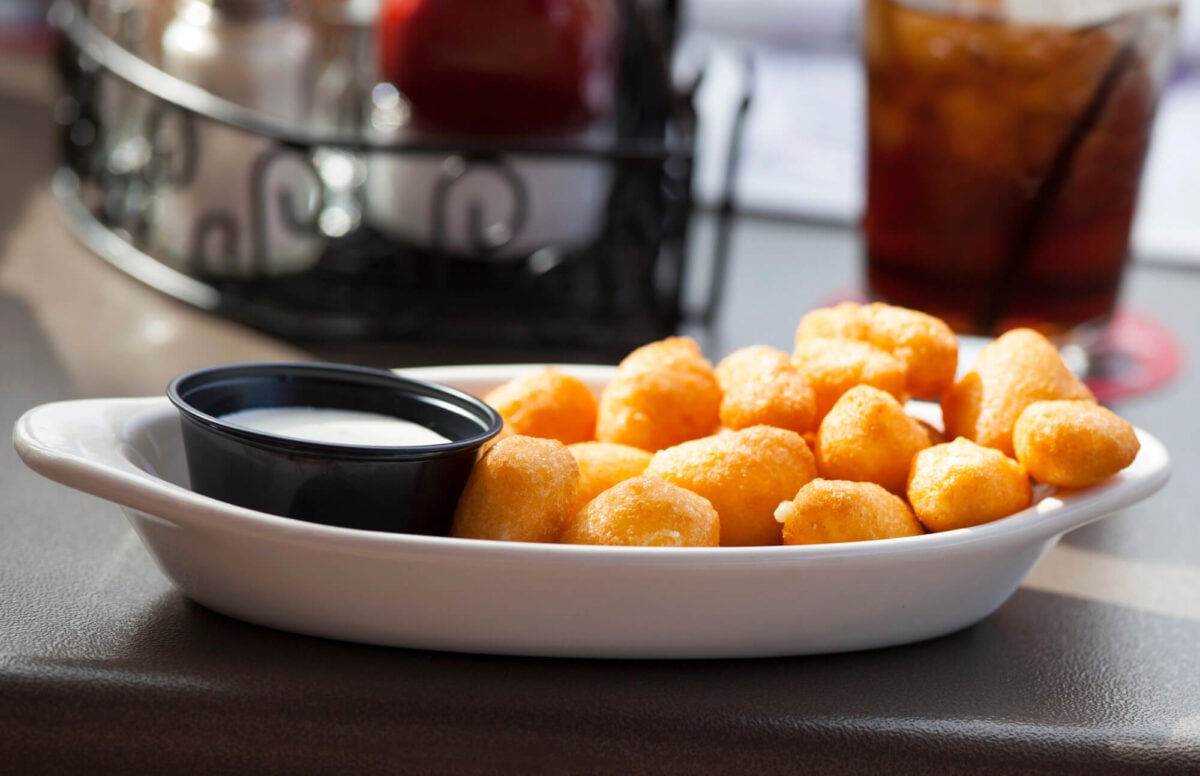
Cheese curds are the fresh, unaged bits of cheddar that form early in the cheesemaking process, and Wisconsin eats them in enormous quantities. Fresh curds squeak against the teeth, a sound caused by elastic protein strands, and that squeak fades within a day or two as the curds age.
Locals judge freshness by the sound alone. Many curds are deep-fried in batter and served with ranch dressing at bars, supper clubs and the Wisconsin State Fair.
Gas stations near dairies sell bags by the register. Visitors from elsewhere often wonder why anyone would eat cheese that sounds like it is complaining.
Green Bay Booyah
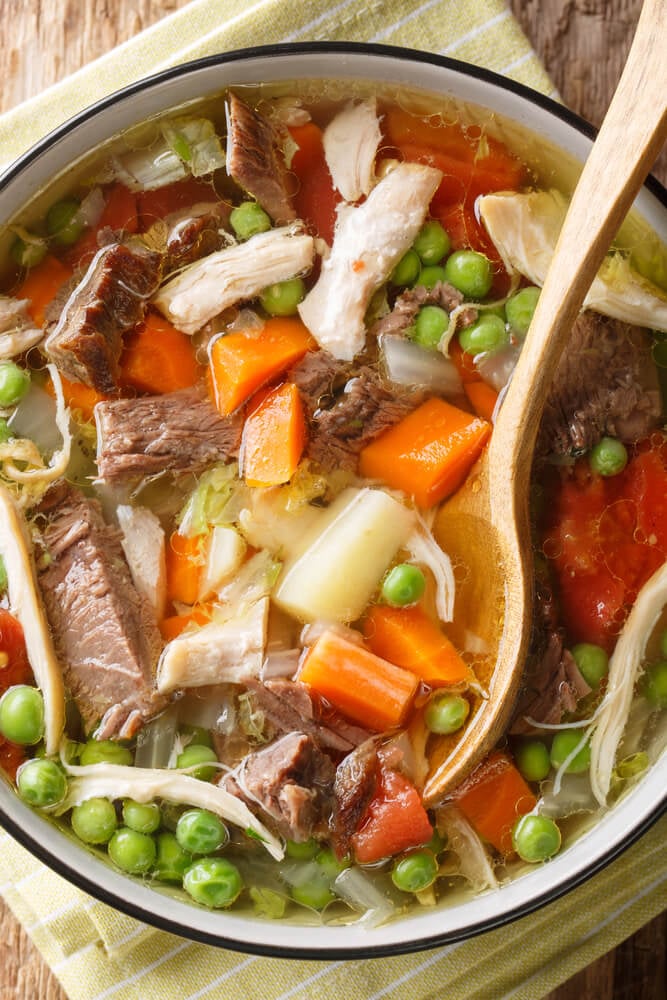
Booyah is a thick chicken and vegetable stew cooked in huge kettles across northeastern Wisconsin, especially around Green Bay. The tradition comes from Belgian and Walloon immigrants who settled the area, and the name may be a local twist on bouillon.
Church festivals, firehouses and Packers tailgates cook it outdoors in kettles that hold dozens of gallons, stirred with wooden paddles for hours. Recipes often include beef, chicken, cabbage, carrots, peas and potatoes.
Booyah is usually sold by the quart as a fundraiser. Outside that corner of Wisconsin, almost nobody has heard of it, and locals seem perfectly fine with that.
Nebraska Runzas
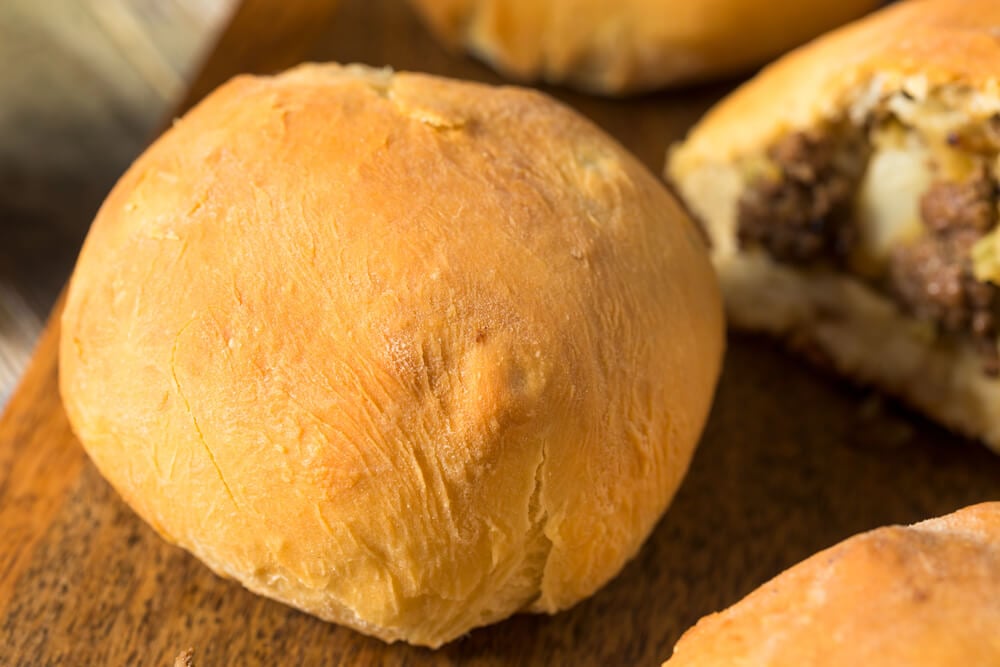
A runza is a soft bread pocket filled with ground beef, cabbage and onions, and it is a Nebraska institution. Sarah Everett and her brother Alex Brening opened the first Runza stand in Lincoln in 1949, using a recipe from their Volga German heritage.
Similar sandwiches go by the name bierock in Kansas and elsewhere. The Runza restaurant chain now operates dozens of locations, mostly in Nebraska.
Cornhusker fans consider a runza essential game day food in the fall. Families also make them at home in large batches and freeze them, pulling them out for quick dinners all winter.
Juicy Lucy Burgers
Minneapolis gave the world the Juicy Lucy, a burger with the cheese sealed inside the patty rather than on top. Two bars, Matt’s Bar and the 5-8 Club, both claim to have invented it, and Matt’s spells it Jucy Lucy.
The rivalry has lasted for decades. When the burger is cut or bitten, molten cheese pours out, and servers routinely warn customers to wait before taking a bite.
Burned mouths are a rite of passage. President Obama ate one at Matt’s Bar in 2014, which only added fuel to the long-running debate over which bar deserves the credit.
St. Paul Sandwich
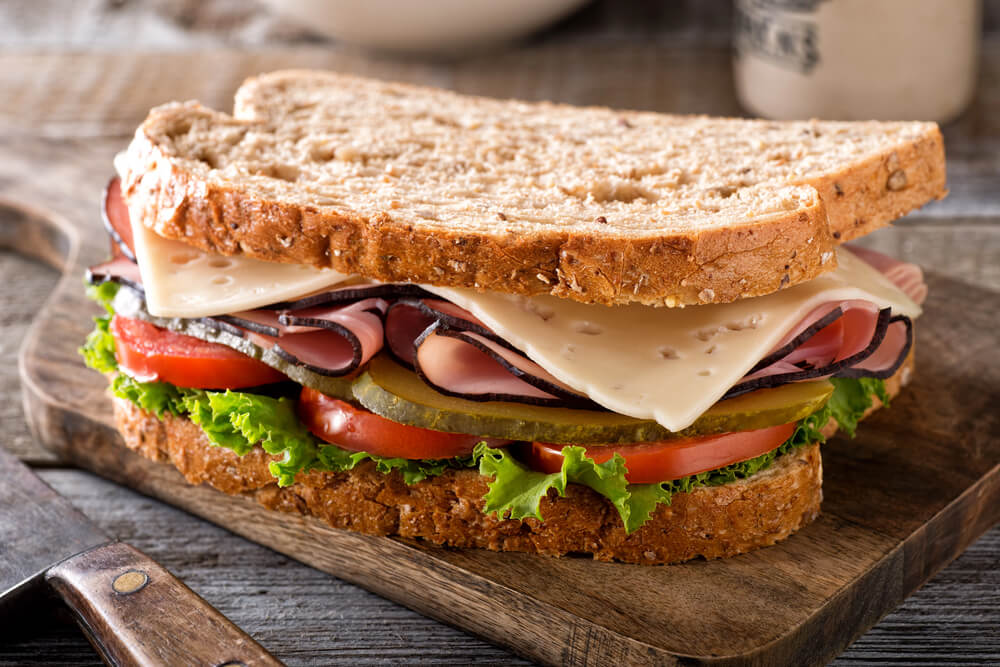
Despite its name, the St. Paul sandwich is a St. Louis creation, which confuses nearly everyone. It consists of an egg foo young patty served between slices of white bread with dill pickles, onion, lettuce, tomato and mayonnaise.
Chinese American restaurants across St. Louis sell it, often for just a few dollars. Local accounts credit a cook named Steven Yuen with inventing it in the 1940s and naming it after his hometown of St. Paul, though the story is hard to confirm.
The sandwich is rarely found outside the St. Louis area, and visitors who try it are usually surprised by how good it is.
St. Louis Toasted Ravioli
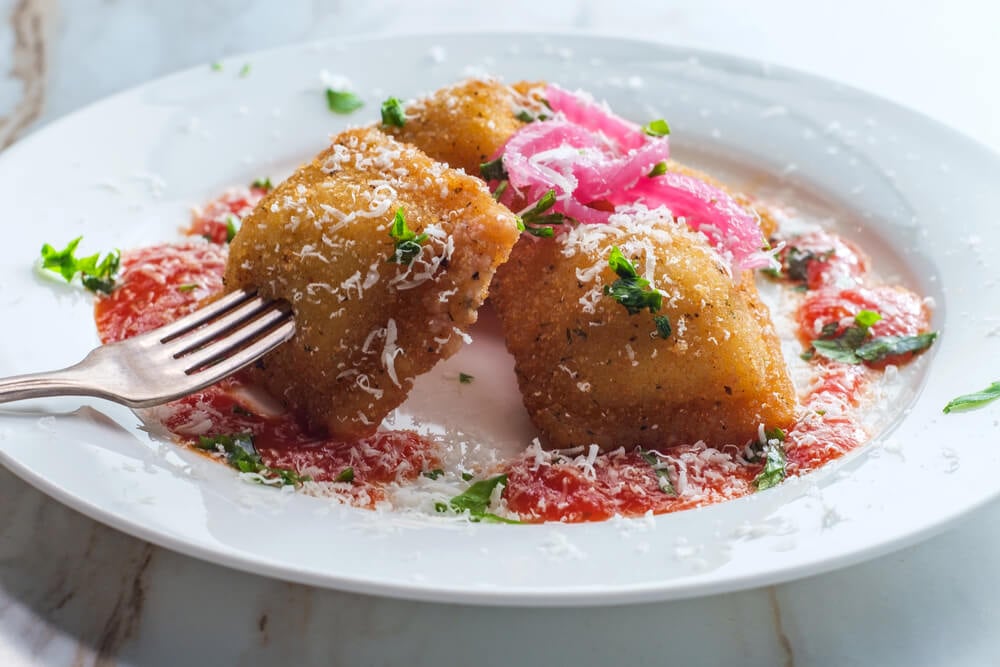
Toasted ravioli is not toasted at all. St. Louis cooks bread meat-filled ravioli and deep-fry them, then serve them with marinara sauce and a dusting of Parmesan.
The dish comes from the Hill, the city’s historic Italian neighborhood, where several restaurants claim to have invented it after a cook supposedly dropped ravioli into hot oil by accident. The story varies depending on who tells it.
Toasted ravioli appears on menus all over St. Louis, from white-tablecloth dining rooms to stadium concession stands. Locals call it T-ravs.
Outside the area, it remains rare enough to surprise visitors who order it on a whim.
Gooey Butter Cake
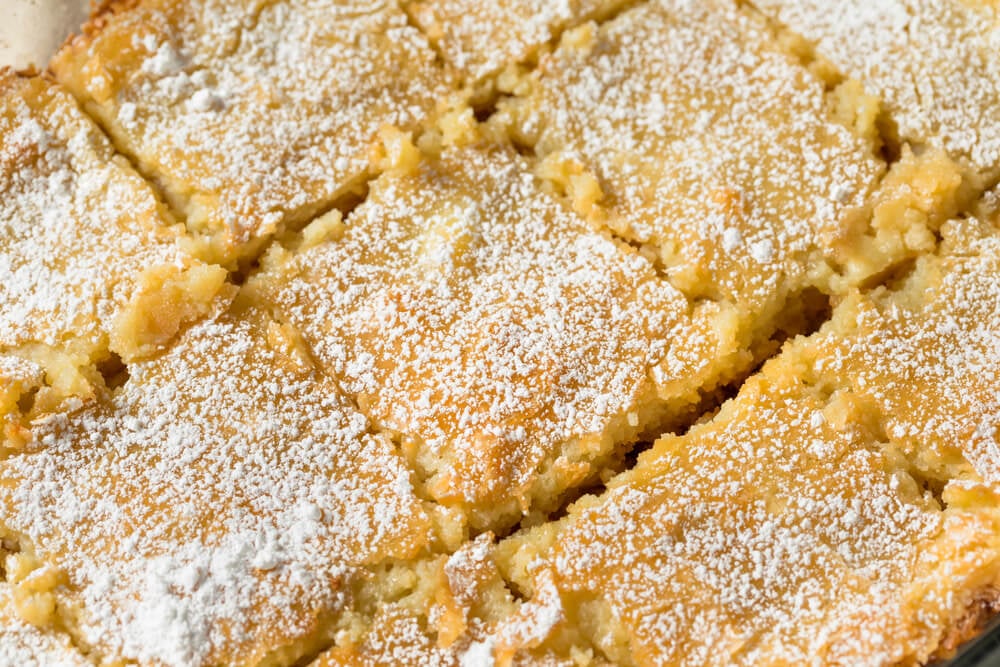
Gooey butter cake is a St. Louis specialty with a dense, cake-like base and a rich, custardy top layer dusted with powdered sugar. Local legend says a German American baker in the 1930s accidentally mixed the wrong proportions of butter, sugar and flour, then sold the result anyway.
Customers loved it. The cake is closer to a bar than a traditional layer cake, and it is extremely sweet.
St. Louis bakeries sell it by the sheet, and home cooks often make a shortcut version with boxed cake mix and cream cheese. Locals eat it for breakfast, dessert or both, without apology.
Detroit Coney Dogs
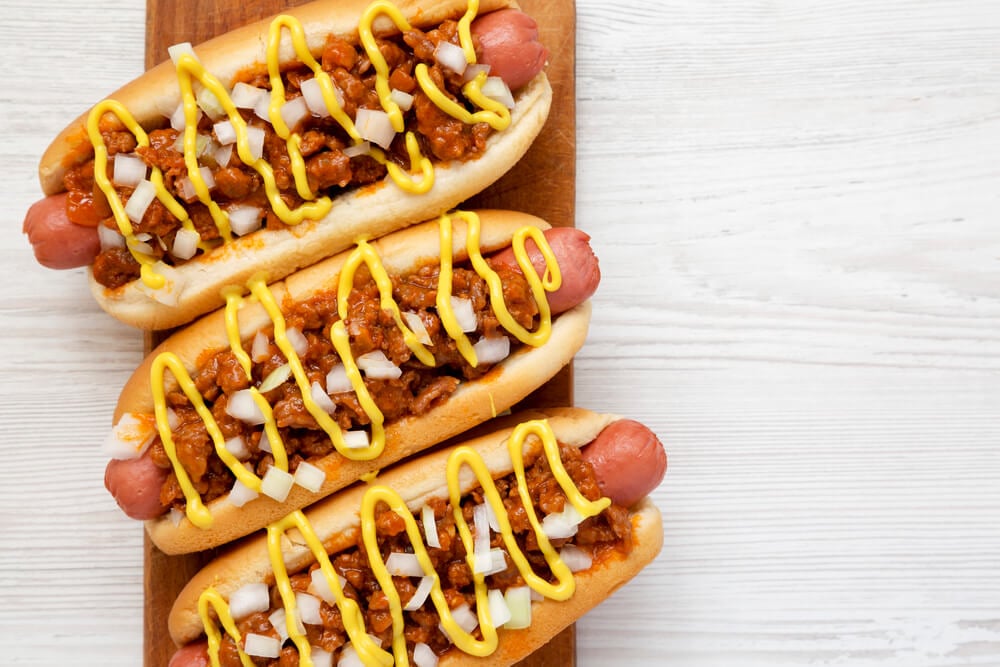
Detroit’s Coney Island hot dog features a natural-casing frank topped with beanless chili, chopped onions and yellow mustard. Two restaurants, American Coney Island and Lafayette Coney Island, sit side by side on Lafayette Boulevard downtown, and both were founded by members of the same Greek immigrant family in the early twentieth century.
Detroiters pick sides and defend them fiercely. The name Coney Island comes from the New York amusement area, but the style is pure Michigan.
Coney restaurants are found throughout the Detroit area, serving as diners, late-night spots and gathering places for generations of locals.
Upper Peninsula Pasties
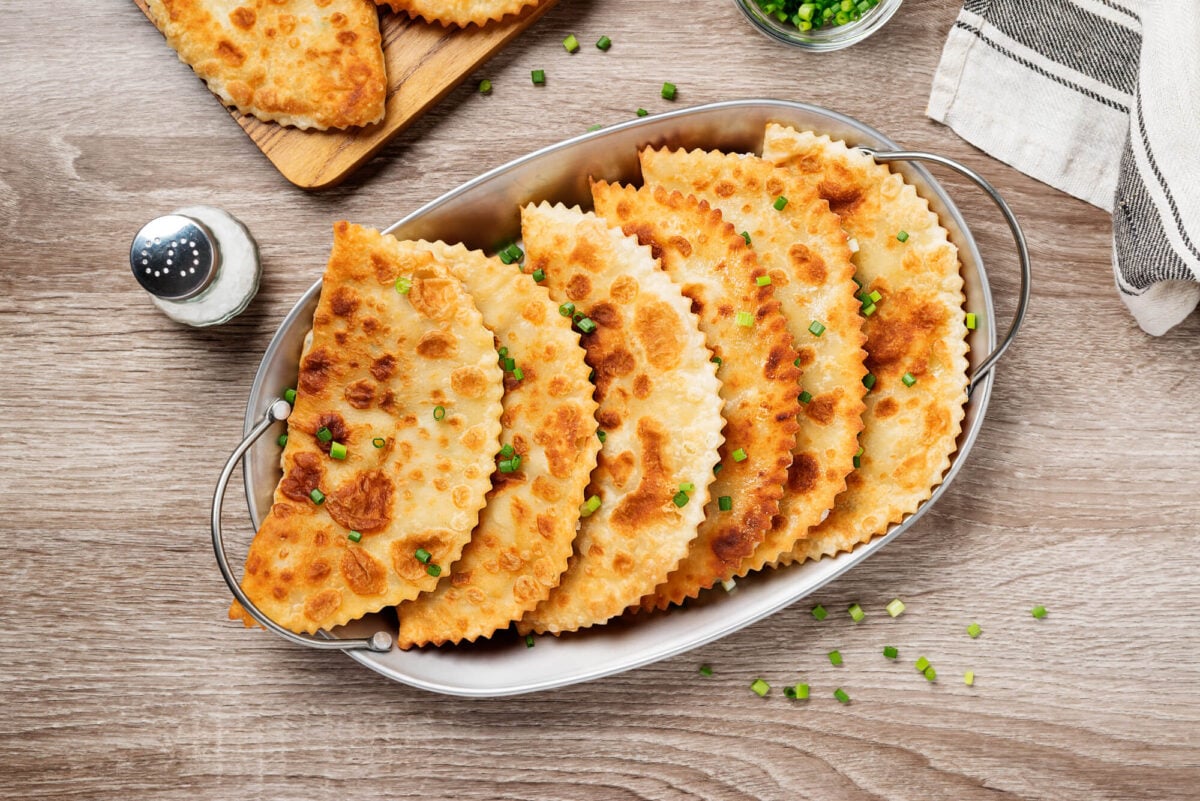
Michigan’s pasty, pronounced to rhyme with nasty rather than tasty, is a sturdy pastry filled with beef, potatoes, onions and often rutabaga. Cornish miners brought the recipe to Michigan’s Upper Peninsula in the nineteenth century, when they came to work in the copper and iron mines.
A pasty could stay warm in a miner’s pocket for hours and made a filling lunch underground. Finnish and other immigrant miners adopted it too.
Today pasty shops line the roads of the Upper Peninsula, and Michigan has marked an official Pasty Day. Locals debate whether gravy or ketchup belongs on top.
Racine Kringle
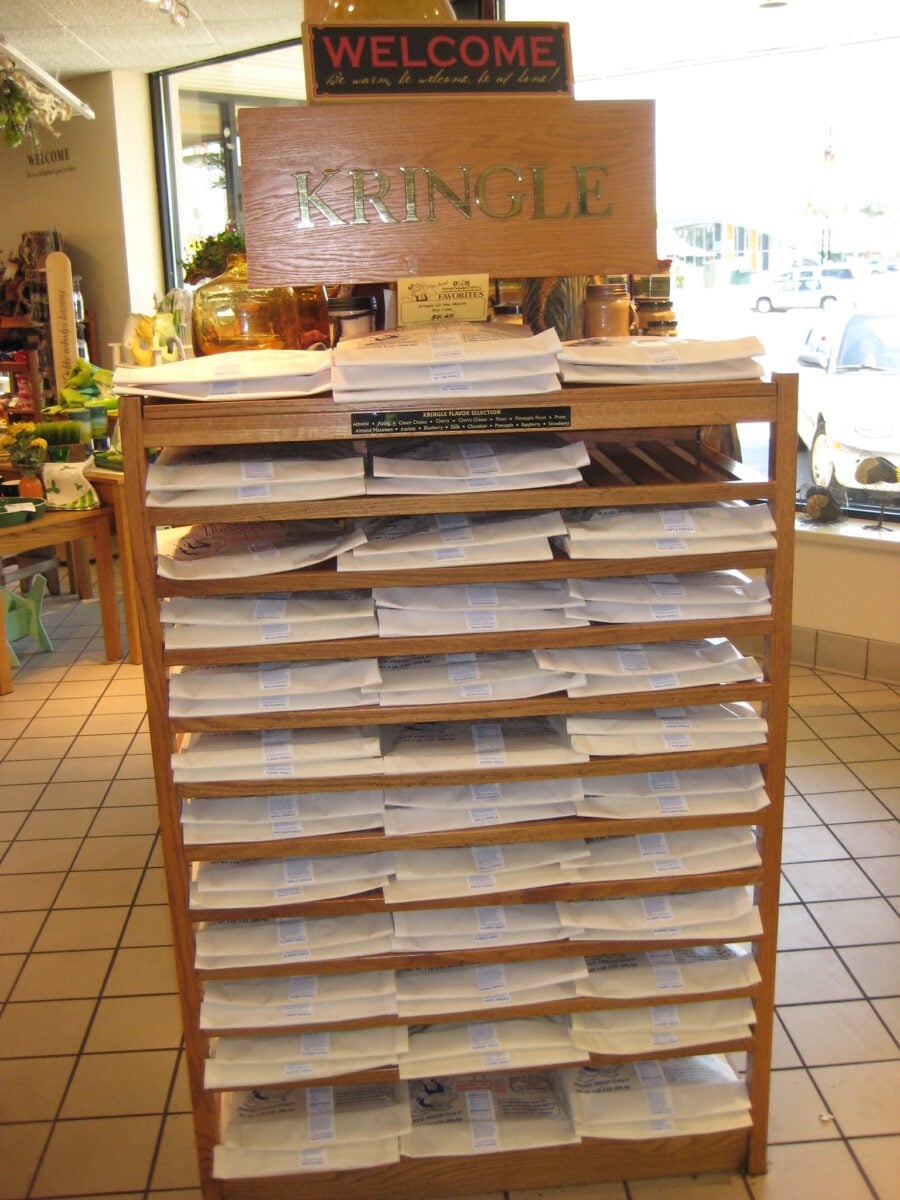
Kringle is a large, oval Danish pastry made of many thin layers of buttery dough wrapped around fillings such as pecan, almond, raspberry or cherry. Danish immigrants brought the pastry to Racine, Wisconsin, in the late nineteenth century, and the city became the American center of kringle baking.
Bakeries such as O and H Danish Bakery ship kringles across the country. In 2013, Wisconsin named kringle its official state pastry.
Each kringle takes several days to make because the dough must rest between foldings. Racine families serve it at holidays, birthdays and Sunday breakfast, and locals take sides over favorite bakeries.
Wisconsin Friday Fish Fry
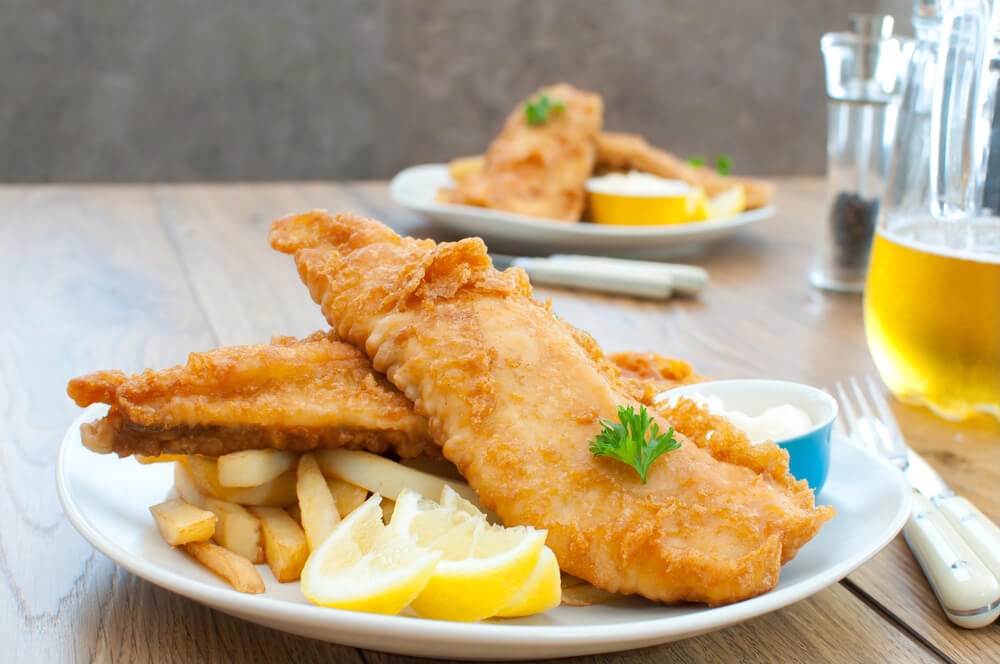
Friday night fish fry is a Wisconsin ritual rooted in the Catholic tradition of avoiding meat on Fridays. Taverns, supper clubs, churches and even some fast food restaurants serve fried cod, perch, walleye or bluegill with coleslaw, rye bread and either french fries or potato pancakes.
Many places also serve a brandy old fashioned alongside, Wisconsin’s signature cocktail. The tradition continues year-round, well beyond Lent.
Lines can stretch out the door on Friday nights. Visitors often discover that the fish fry is as much a social event as a meal, with entire families and neighbors gathering at the same tables every week.
Wisconsin Butter Burgers
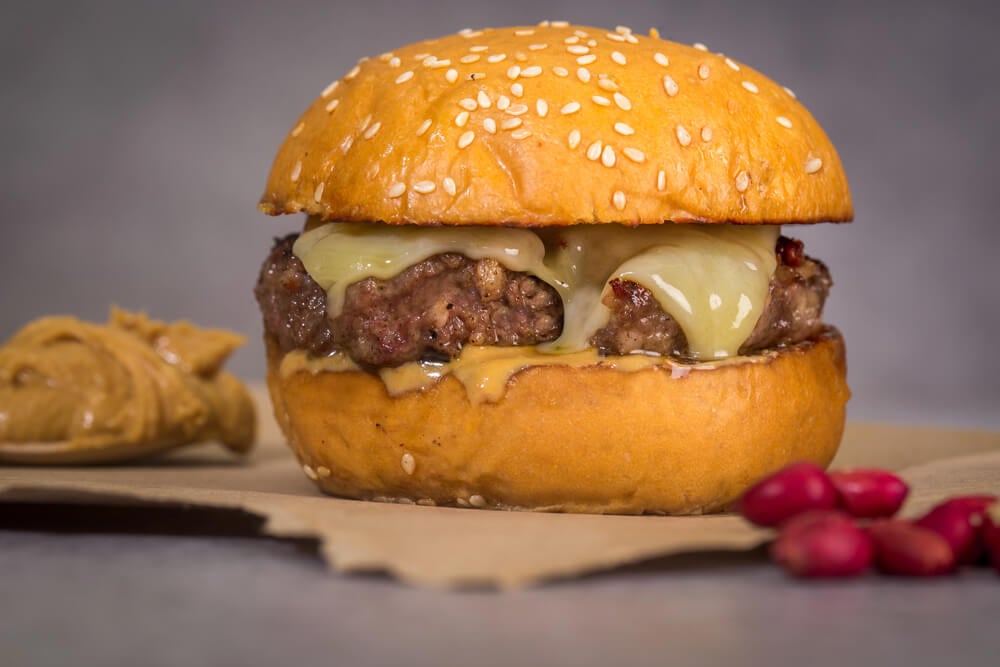
A butter burger is exactly what it sounds like, a burger with a generous pat of butter melted on top of the patty or on the toasted bun. Solly’s Grille in Glendale, Wisconsin, has served a version since 1936, piling stewed onions on top and letting the butter pool on the plate.
Culver’s, founded in Sauk City, Wisconsin, in 1984, spread the idea across much of the country with its own ButterBurger, though its version uses butter on the bun. Wisconsin, known as America’s Dairyland, considers the butter burger a natural expression of its identity.
Cardiologists may disagree, but locals rarely ask.
Indiana Sugar Cream Pie
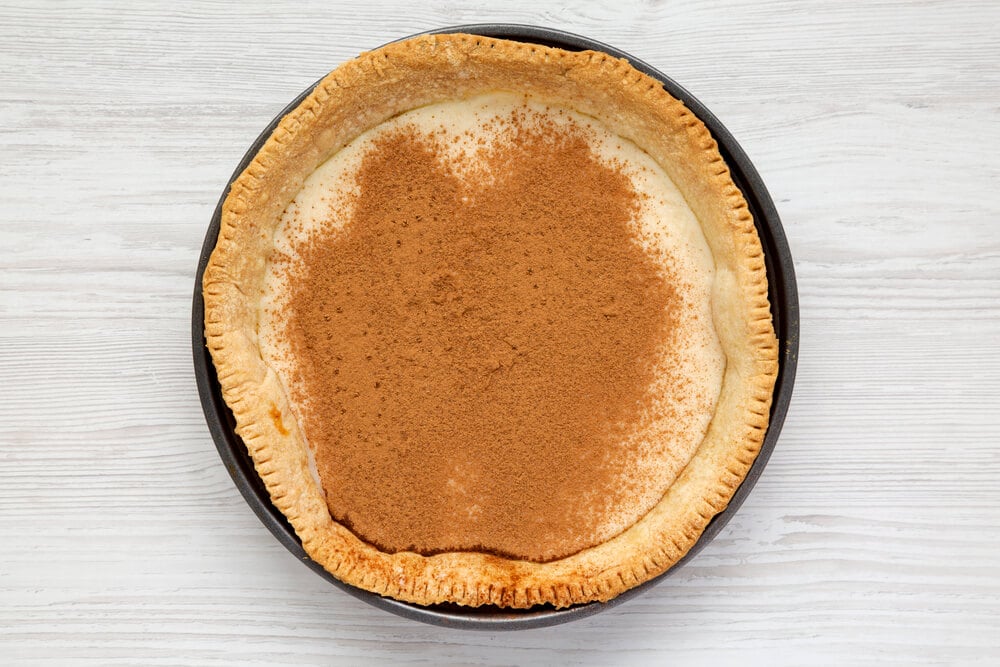
Sugar cream pie, sometimes called Hoosier pie, is made from cream, sugar, butter, flour and vanilla, often finished with a dusting of nutmeg. It traces back to Shaker and Amish communities in Indiana in the nineteenth century, when farm families made pies from simple pantry staples in winter.
The filling sets into a smooth, custard-like texture without eggs. In 2009, Indiana named sugar cream pie its official state pie.
Wick’s Pies in Winchester, Indiana, produces many thousands of them a year. Outside Indiana, few people have tried it, which surprises Hoosiers who consider it the finest pie in the country.
Persimmon Pudding
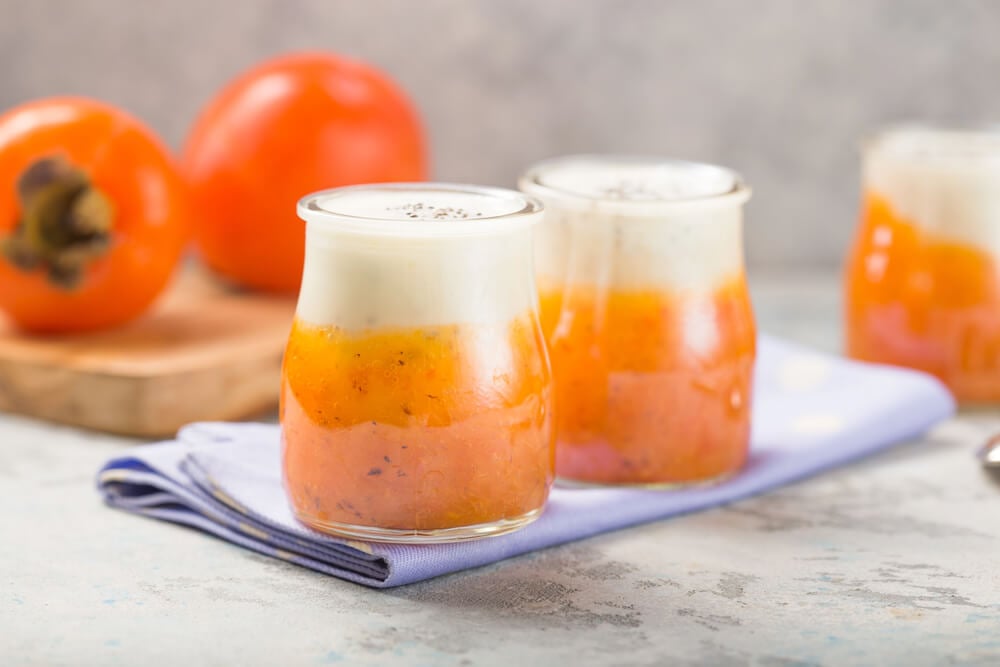
Persimmon pudding is a dense, moist, spiced dessert made from the pulp of wild American persimmons, and it belongs to southern Indiana. The native fruit is small and astringent until fully ripe, when it turns soft, sweet and almost jelly-like in texture.
Families gather the fallen fruit in autumn and press it through a food mill to remove the seeds. The pulp is often frozen for use at Thanksgiving and Christmas.
Mitchell, Indiana, holds an annual Persimmon Festival with a pudding contest. Outside the region, many people have never tasted an American persimmon, let alone a pudding made from one.
Ohio Buckeyes
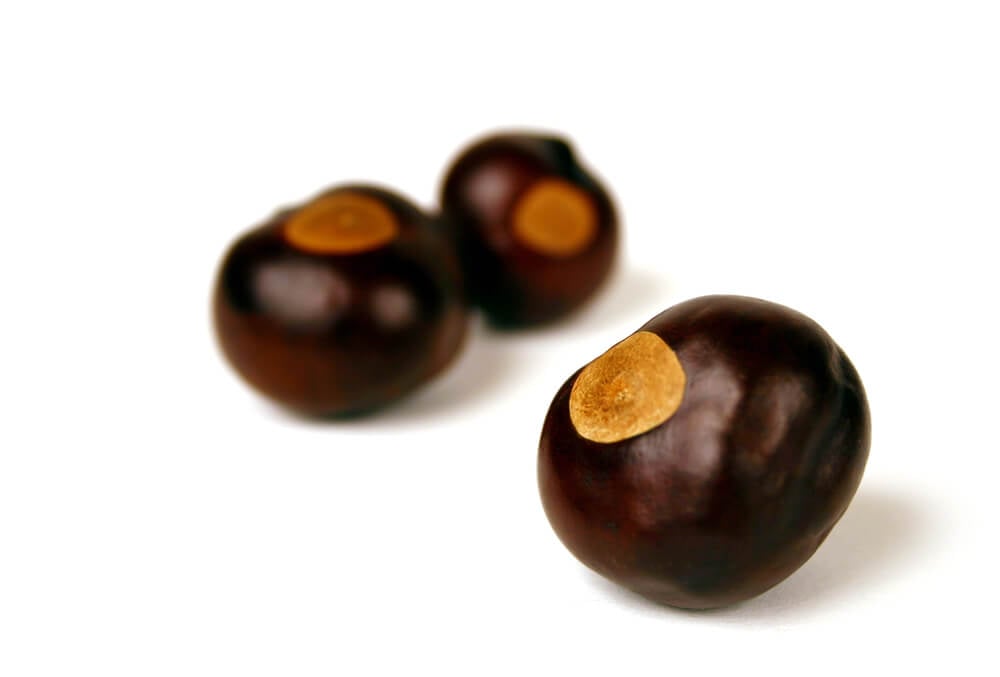
Buckeyes are homemade candies made from rounds of peanut butter fudge dipped in melted chocolate, with a circle of peanut butter left showing on top. The finished candy resembles the nut of the buckeye tree, Ohio’s state tree and the namesake of Ohio State University’s teams.
Ohio families make them by the hundreds during the holidays and for game days. Dipping each one on a toothpick to leave the top uncovered requires patience.
A smooth, even chocolate coating is a point of pride. Outsiders sometimes mistake them for truffles, but Ohioans recognize them instantly and consider them essential holiday food.
Cincinnati Goetta
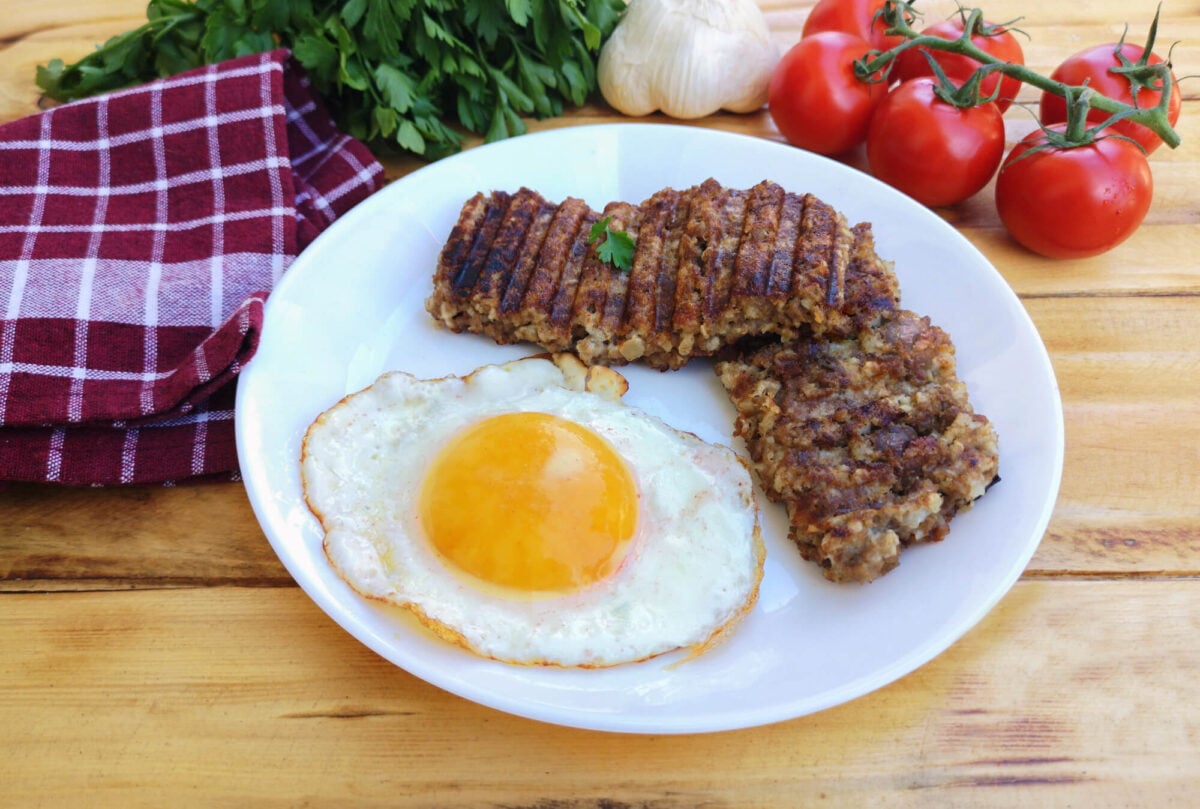
Goetta is a breakfast sausage made from ground pork, sometimes beef, and steel-cut pinhead oats, slow-cooked with onions and spices, then chilled into a loaf. German immigrants in the Cincinnati area created it as a way to stretch meat with grain.
Locals slice it and fry it until crisp on the outside, serving it with eggs. Glier’s, one of the major producers, holds a summer Goettafest across the river in Newport, Kentucky.
Many Cincinnati restaurants serve goetta on breakfast menus. Outside the region, it remains almost unknown, and visitors are often surprised by its crispy texture and hearty flavor.
South Dakota Chislic
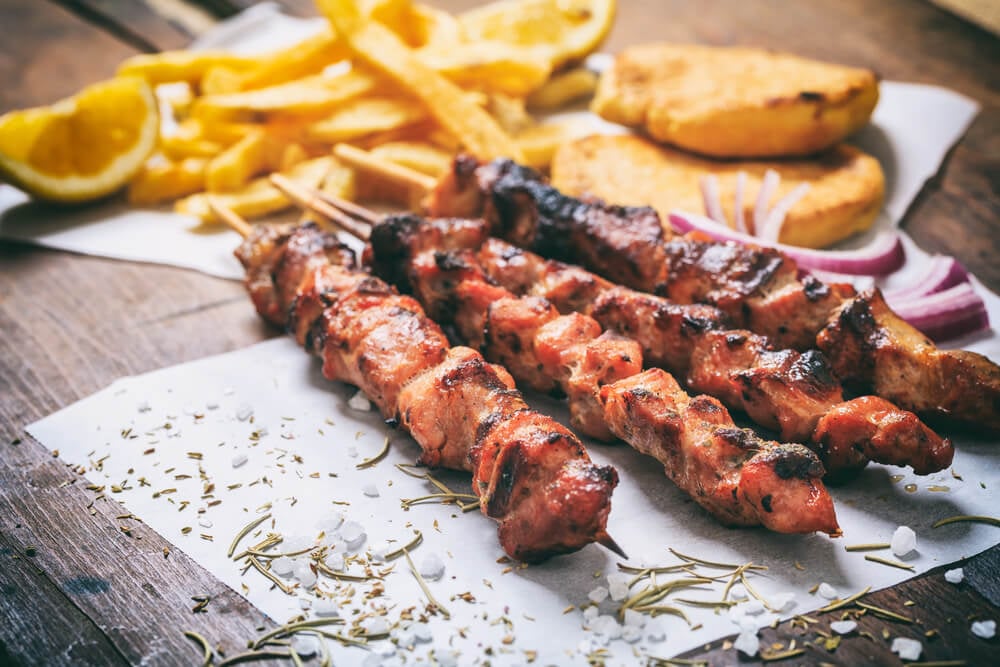
Chislic is cubes of meat, traditionally mutton or lamb but often beef or venison, deep-fried or grilled and seasoned with garlic salt, then served on toothpicks with saltine crackers. German-Russian immigrants brought the dish to southeastern South Dakota in the nineteenth century, and it remains a staple of bars and family gatherings there.
In 2018, South Dakota named chislic its official state nosh. The name comes from shashlik, a skewered meat dish from Eastern Europe and Central Asia.
Outside South Dakota, few people know the dish, but it remains a beloved local tradition, especially around Freeman and the southeastern counties.
Springfield Horseshoe Sandwich
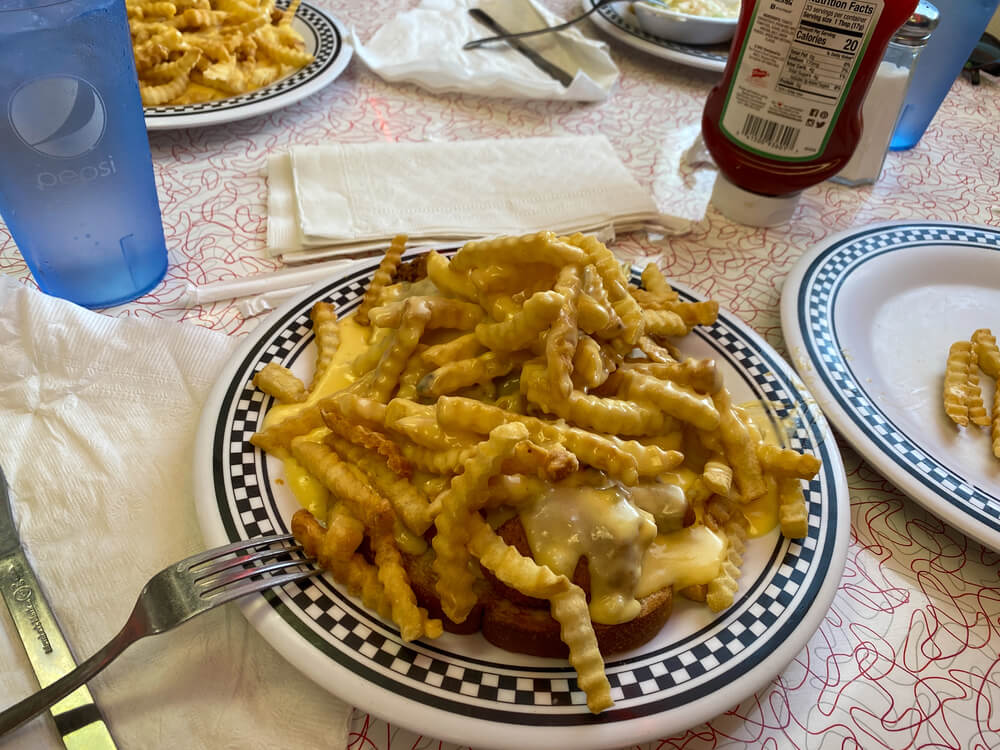
Springfield’s horseshoe sandwich is an open-faced pile of toast, meat, french fries and cheese sauce, a local legend in the Illinois capital. Local accounts credit Joe Schweska, a chef at the Leland Hotel, with creating it in 1928.
The original used ham arranged in a horseshoe shape, with fries representing the nails. Today it often uses hamburger patties, chicken or other meats.
A smaller version is called a ponyshoe. The sandwich is enormous and requires a knife and fork.
Springfield restaurants compete over cheese sauce recipes, and visitors who order one rarely finish it in a single sitting.
Kansas City Burnt Ends
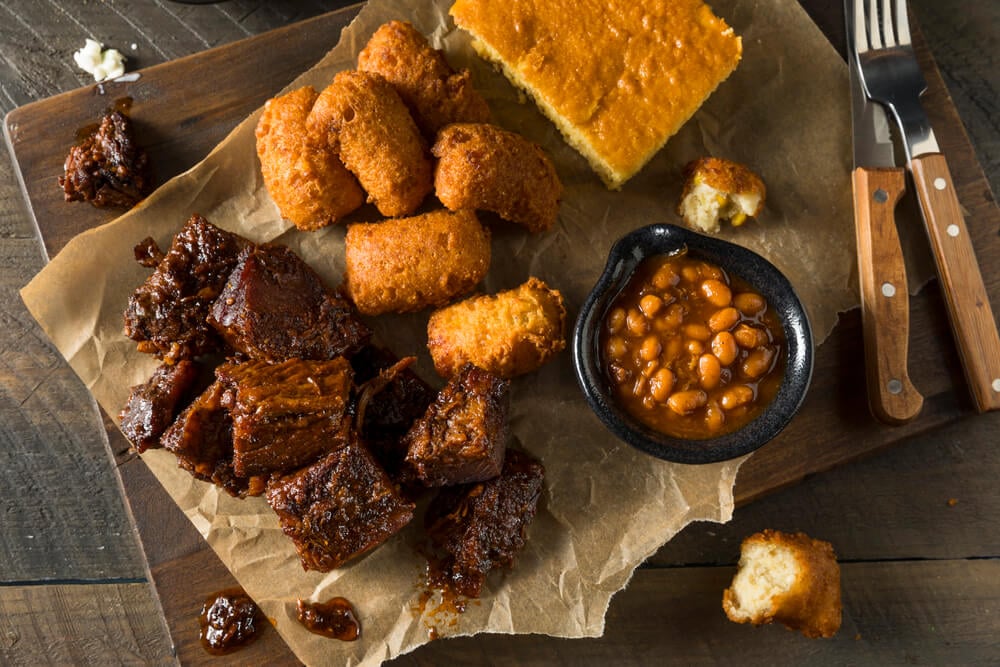
Burnt ends are the crispy, flavorful pieces cut from the point end of a smoked beef brisket, and they belong to Kansas City barbecue. Arthur Bryant’s, a famous Kansas City barbecue restaurant, once gave them away free to customers waiting in line.
Writer Calvin Trillin praised Arthur Bryant’s in print, and burnt ends gained national attention. Today they are a prized menu item, often sold out early in the day.
The pieces are dense, smoky and coated in a dark crust called bark. Kansas Citians consider them one of the best parts of the brisket.
Minnesota Wild Rice Soup
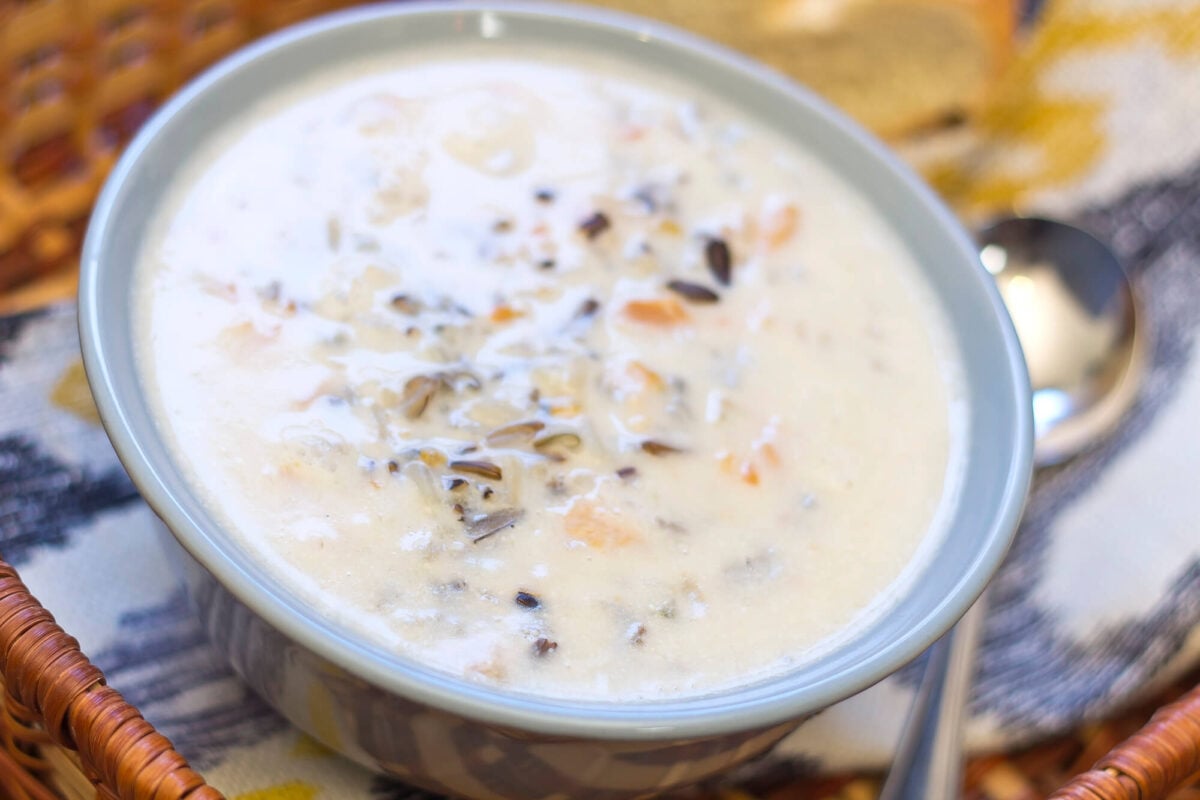
Wild rice soup is a creamy, hearty soup made with wild rice, chicken, vegetables and cream, and it is a Minnesota staple. Wild rice is not actually rice but the seed of an aquatic grass that grows in lakes and rivers across the region.
The Ojibwe and other Native peoples have harvested it for centuries by canoe, knocking ripe seeds into the boat with wooden sticks. In 1977, Minnesota named wild rice its official state grain.
The soup appears on menus throughout the state and in many family kitchens. Visitors often discover that real hand-harvested wild rice tastes quite different from the cultivated kind.
Pella Dutch Letters
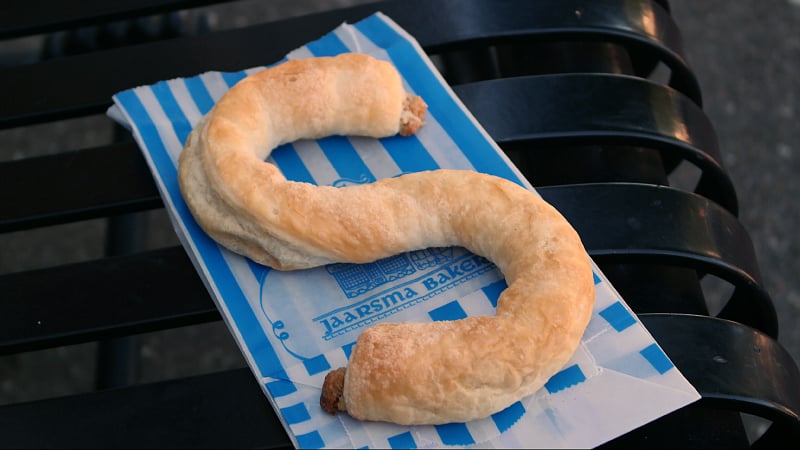
Dutch letters are S-shaped pastries made of flaky dough wrapped around almond paste and brushed with sugar, and they belong to Pella, Iowa. Dutch immigrants founded Pella in 1847, and the town still celebrates that heritage with its annual Tulip Time festival.
Local bakeries such as Jaarsma Bakery make Dutch letters year-round, though they are especially popular during the holidays. The S shape is traditional, and the pastries are known in the Netherlands as banketletters.
Outside Iowa, few people have heard of them, but locals consider them an essential part of Pella identity.
Puppy Chow
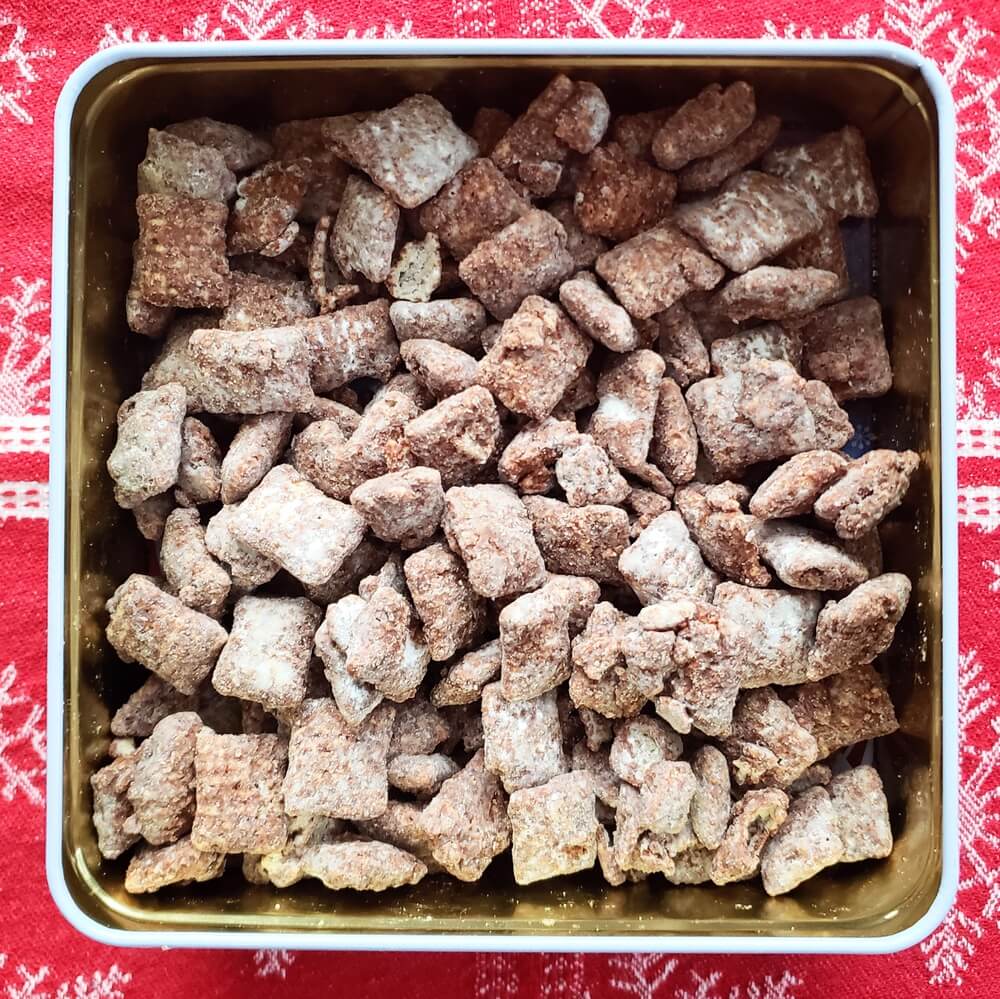
Puppy chow is a snack mix made by coating Chex cereal in melted chocolate and peanut butter, then shaking it in a bag of powdered sugar. Despite the name, it is meant for people, not dogs.
The Chex brand calls it Muddy Buddies, but most Midwesterners grew up calling it puppy chow. It appears at school parties, holiday gatherings and church events across the region.
The snack is easy to make in large batches and disappears quickly. Visitors from other regions are often baffled by the name, but Midwesterners consider it one of the most addictive snacks ever invented.
Potluck Tables Speak a Regional Language
These foods reflect the people who settled the Midwest and the conditions they faced. Immigrants brought recipes from home and adapted them to local ingredients.
Long winters and church gatherings shaped dishes meant to feed crowds and warm bodies. Outsiders may laugh at some of these foods, but Midwesterners know their value.
Each dish carries a story of family, community and place. Sharing them is a way of welcoming people into the region’s culture.
More from Go2Tutors!

- The Romanov Crown Jewels and Their Tragic Fate
- 13 Historical Mysteries That Science Still Can’t Solve
- Famous Hoaxes That Fooled the World for Years
- 15 Child Stars with Tragic Adult Lives
- 16 Famous Jewelry Pieces in History
Like Go2Tutors’s content? Follow us on MSN.