21 Playground Equipment Kids Loved That Schools Removed Over Safety Concerns
Mid-century playgrounds were built from steel pipe, heavy chain, and concrete, then set directly over packed dirt or asphalt. They were thrilling, loud, scorching in July, and occasionally responsible for a trip to the emergency room.
Beginning in the 1980s, federal safety guidelines, injury research, and liability worries steadily reshaped those playgrounds. Many of the pieces that older generations remember most vividly were quietly hauled away, one district at a time.
Metal Merry-Go-Round
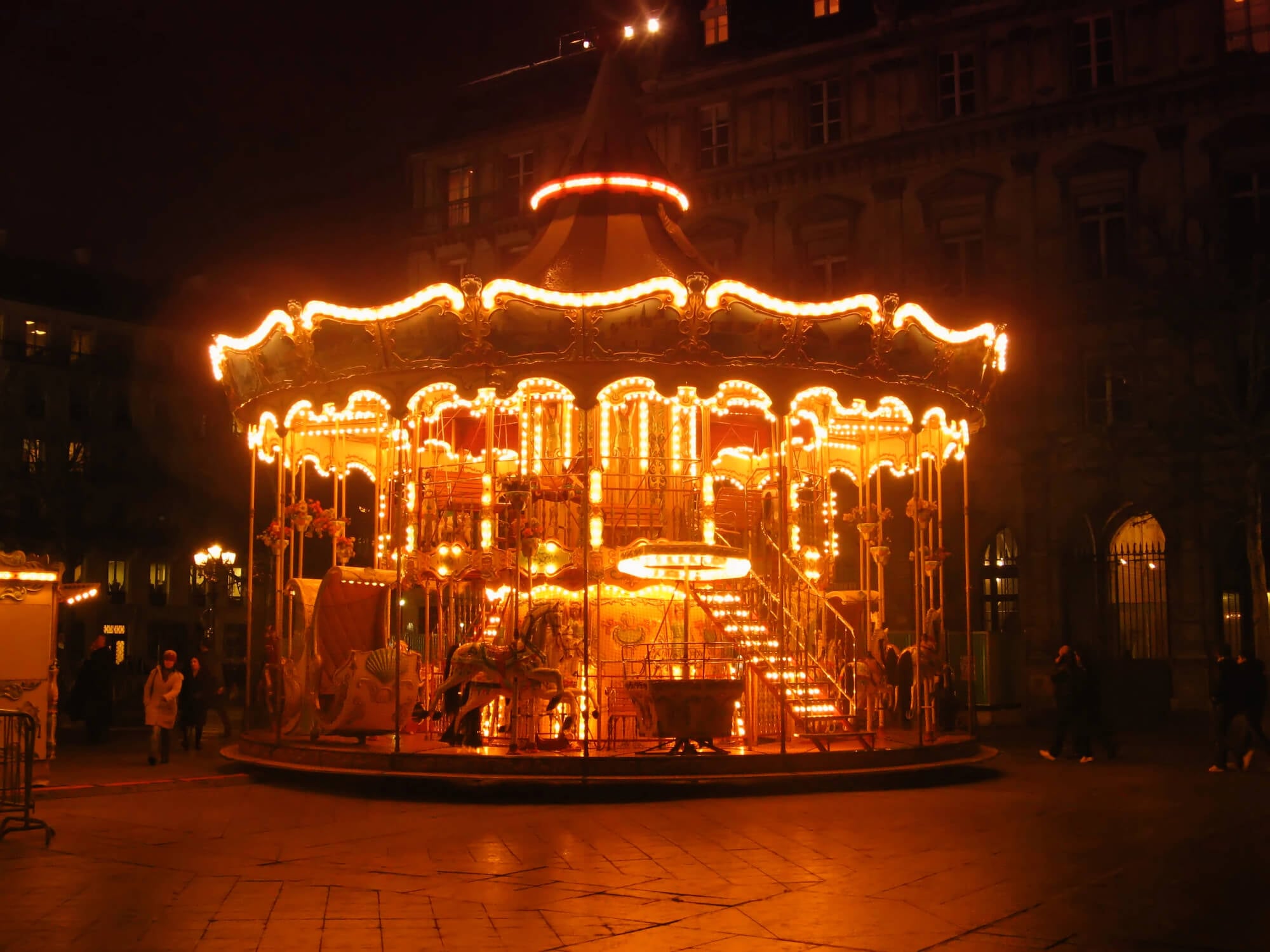
A flat steel disc with curved handrails spun on a central post, and a few strong kids running alongside could get it whirling alarmingly fast. The riders clung to the rails while centrifugal force tried to fling them off, which was entirely the point.
Scraped knees, bumped heads, and feet caught underneath the spinning edge were common injuries. The federal playground handbook has long advised against them for toddlers, and many schools and parks removed them as liability concerns grew.
Some newer versions have speed limiters and enclosed bases. Adults who grew up on the old ones tend to describe the experience with a mix of nostalgia and disbelief.
Witch’s Hat Spinner
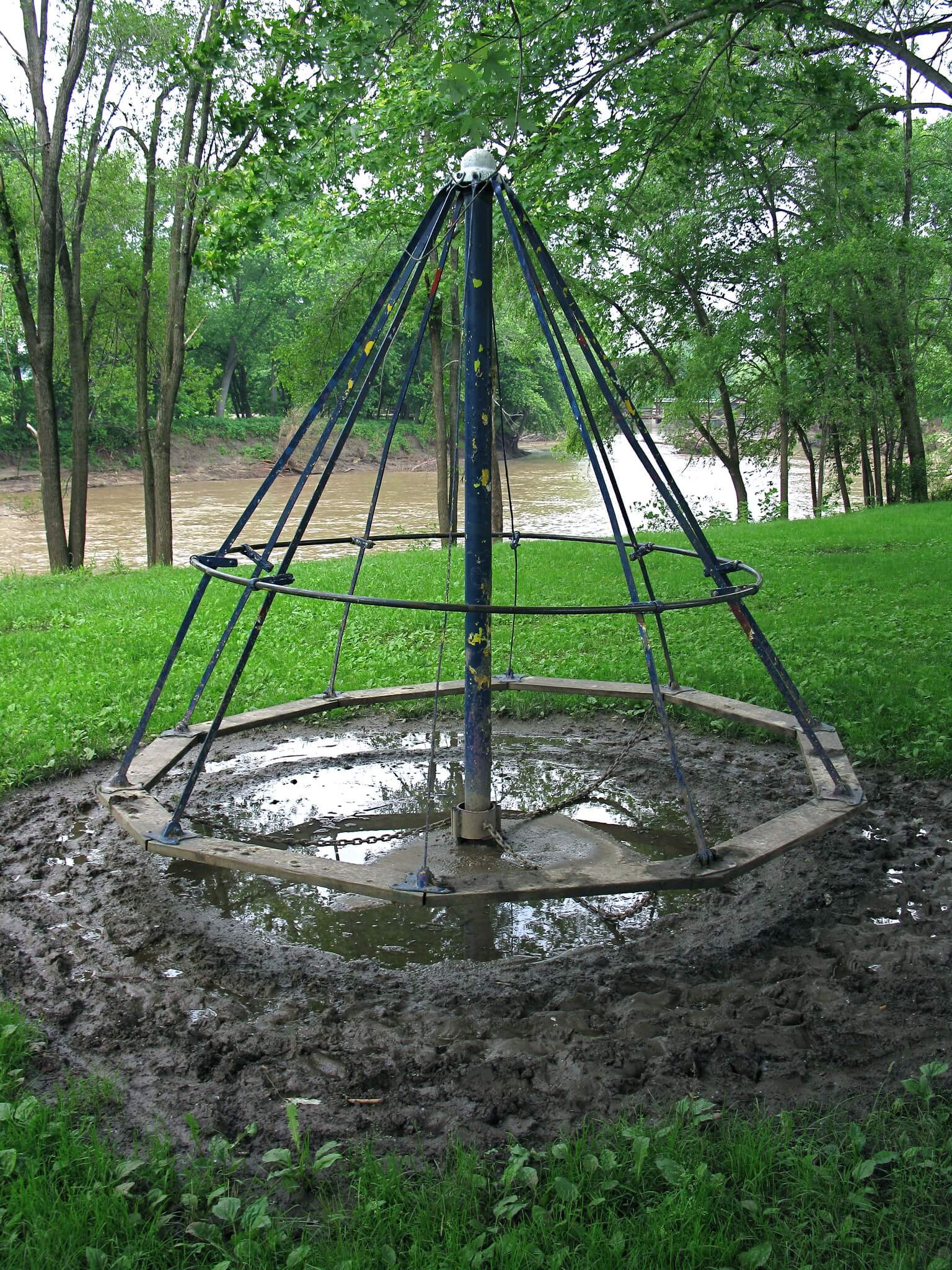
This tall, cone-shaped climber hung from a central pole and could both spin and swing from side to side as children climbed its frame. Kids piled on while others pushed, and the entire structure lurched in unpredictable arcs.
The design created serious crush and pinch risks, particularly where the lower rim swept close to the pole and the ground. Most were removed decades ago in both the United States and Britain.
A few survive in older parks or as restored curiosities. The name alone brings back memories for many adults, along with the sound of kids shrieking as the cone swung wildly.
Giant Stride Pole
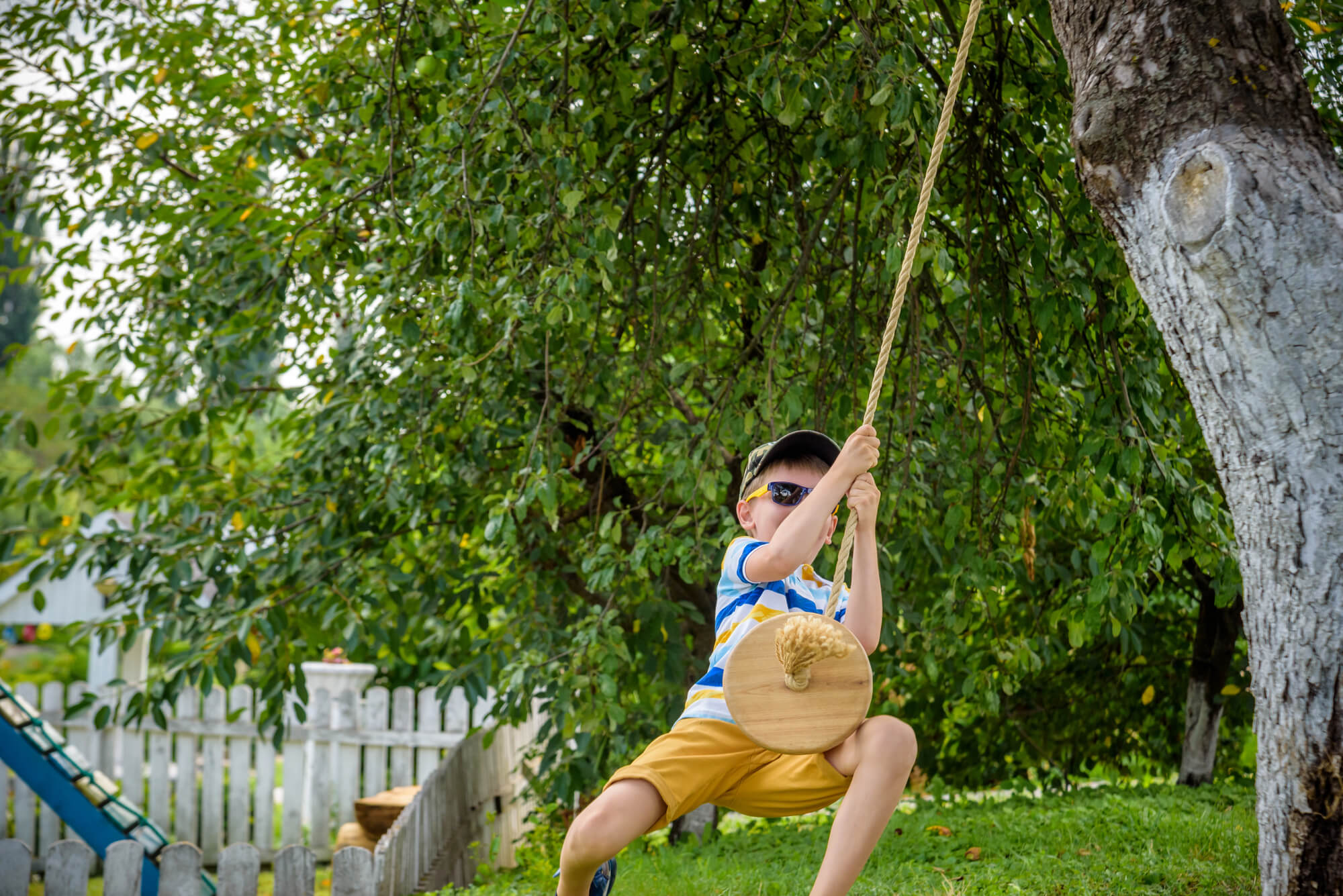
A tall metal pole topped with a rotating cap formed the giant stride, with chains or ropes hanging down that ended in handles or ladder rungs. Kids grabbed a handle, ran in a circle, and then lifted their feet to swing outward through the air in wide, soaring loops.
It felt a little like flying. The chains could tangle, and riders who let go at speed often landed hard.
The federal handbook for public playgrounds listed giant strides among the equipment it did not recommend for any age group. Most have long since disappeared, although a few rusted poles still stand in old parks and schoolyards.
Ocean Wave Platform
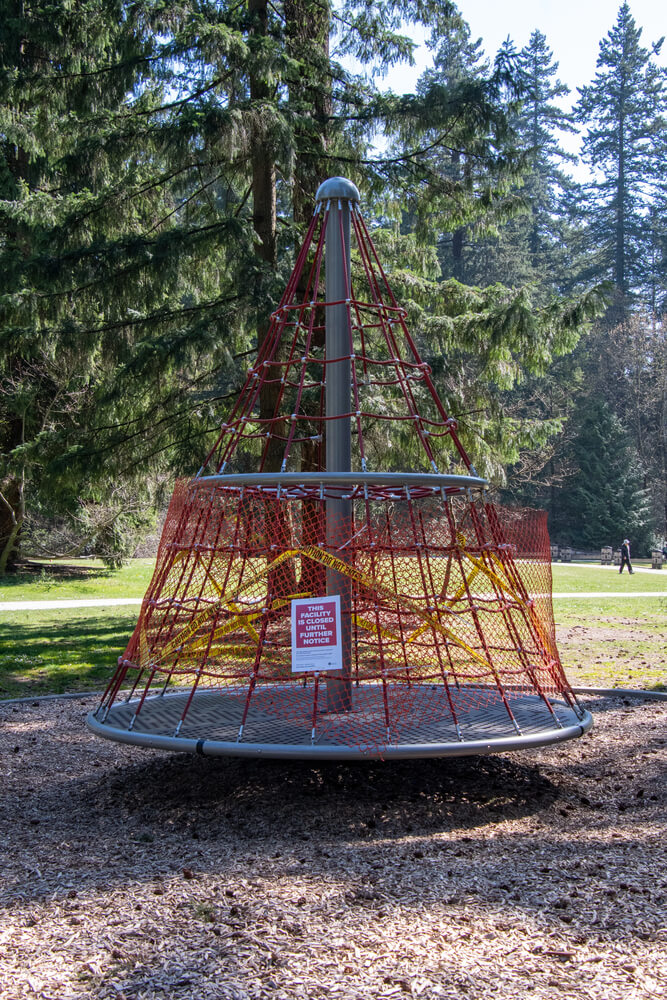
An ocean wave was a circular or octagonal platform suspended from a central pole, designed to rock and rotate at the same time. Kids stood or sat around the edge while others pushed, and the platform tilted and swayed like a boat in rough water.
Riders had to hold on tightly or risk being thrown off. The motion could trap feet and legs beneath the swinging edge.
The equipment was popular in the early and middle 20th century but was largely removed as safety standards tightened. Very few remain in public playgrounds today, and most adults under 50 have never seen one.
Old-Style Fulcrum Seesaw
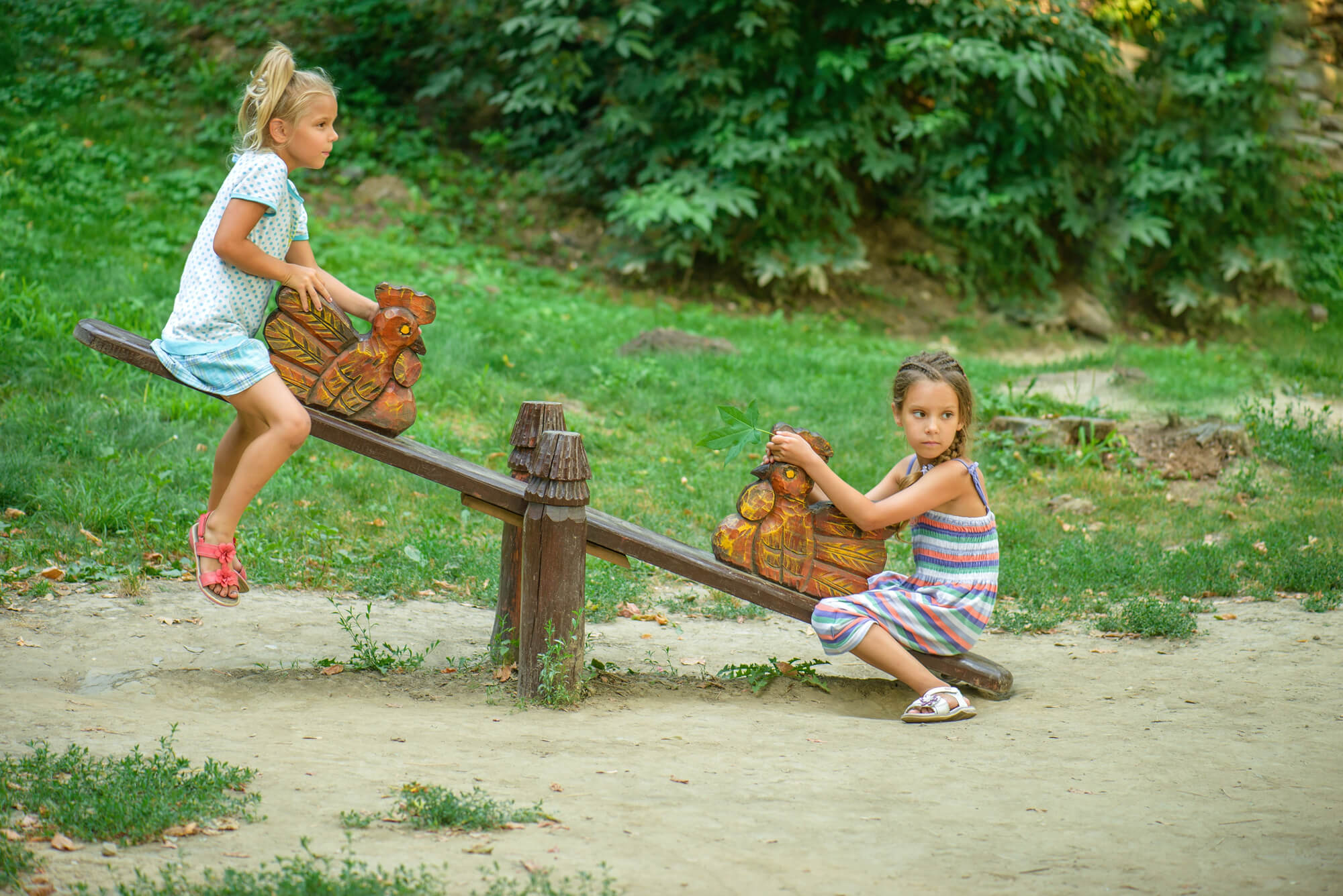
The classic seesaw was a long wooden or metal plank balanced on a central pivot, with a handle and seat at each end. Two kids bounced up and down, and the fun often involved one player jumping off suddenly and dropping the other to the ground with a jolt.
The sudden drop could cause tailbone and spine injuries, and fingers sometimes got pinched near the pivot. The federal handbook advised against fulcrum seesaws for preschool children.
Many schools replaced them with spring-centered versions that limit how hard the seat can hit. The traditional seesaw remains a vivid, sometimes painful memory for many adults.
Towering Metal Slide

Old playground slides were often made of polished steel and rose 10 feet or more, reached by a steep ladder with open rungs. On a summer afternoon, the metal surface could get hot enough to burn bare legs, so kids learned to sit on a sheet of wax paper or a jacket, which also made them go faster.
Falls from the ladder and the top platform were a major source of injuries. Safety guidelines pushed manufacturers toward lower plastic slides with enclosed platforms and protective barriers.
Many tall metal slides were removed from schools and parks in the 1980s and 1990s. The memory of that searing steel is still sharp for many adults.
Rocket Ship Climber
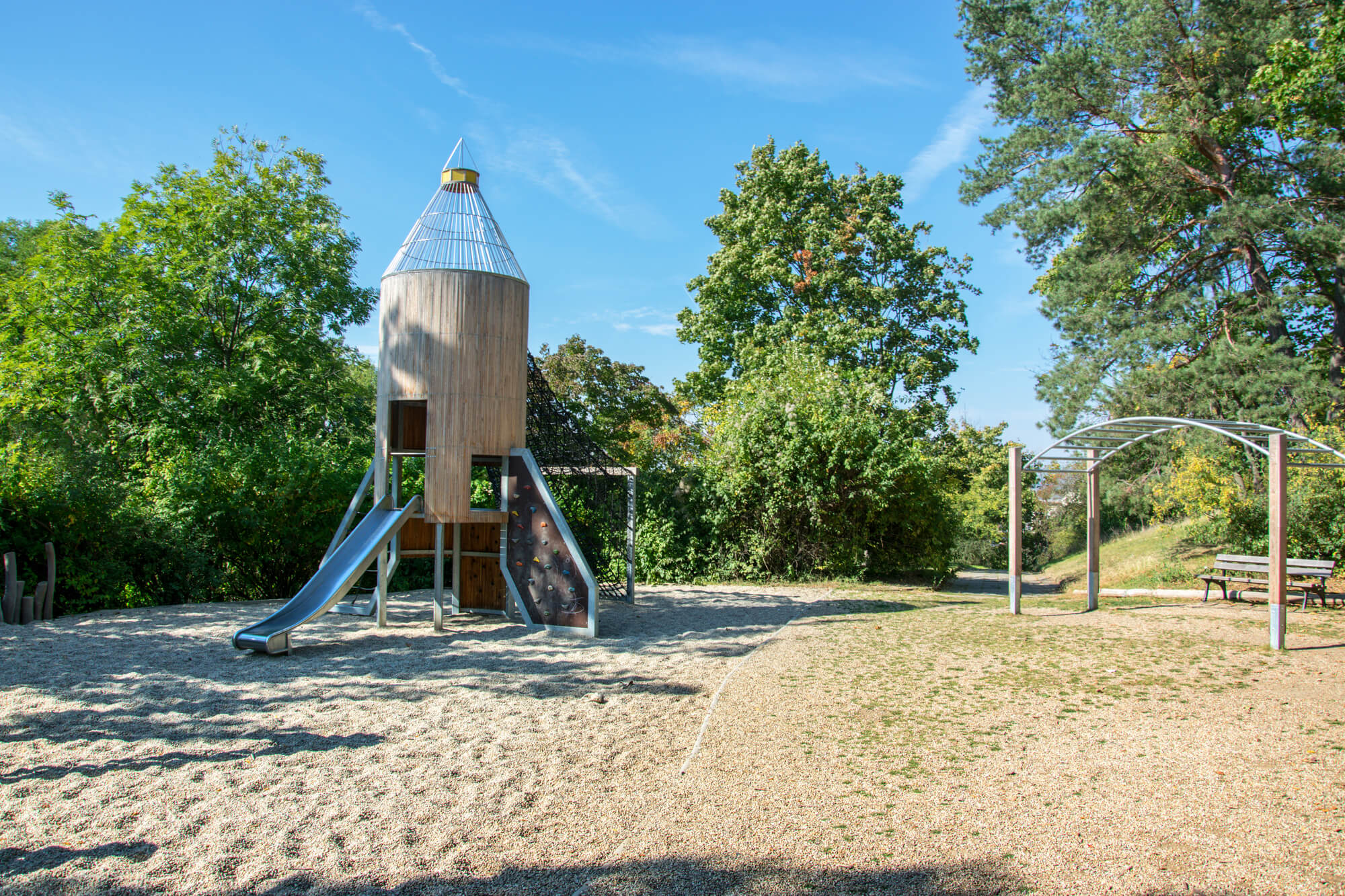
During the Space Age of the 1950s and 1960s, many playgrounds installed tall steel climbers shaped like rockets, with several levels connected by ladders and a slide coming out the side. Companies such as Miracle Equipment of Iowa made versions that towered over the rest of the playground.
Kids climbed to the nose cone and pretended to blast off. The height, the open ladders, and the hard surfaces beneath them raised safety concerns, and many were removed.
A handful survive, and some communities have fought to preserve them as landmarks. For many adults, the rocket climber was the best thing on the playground.
Steel Jungle Gym Cube

Chicago lawyer Sebastian Hinton patented a climbing structure made of interlocking bars in 1920, and the jungle gym became a playground staple for decades. The classic version was a large cube of steel pipes that kids could climb through, hang from, and sit on top of.
It was often installed directly over asphalt or packed dirt. Falls from the top bars onto hard surfaces caused many injuries.
Many schools removed the tall cube versions or replaced them with lower structures set over softer ground. The jungle gym name survives, but the original steel cube is increasingly rare.
Geodesic Dome Climber
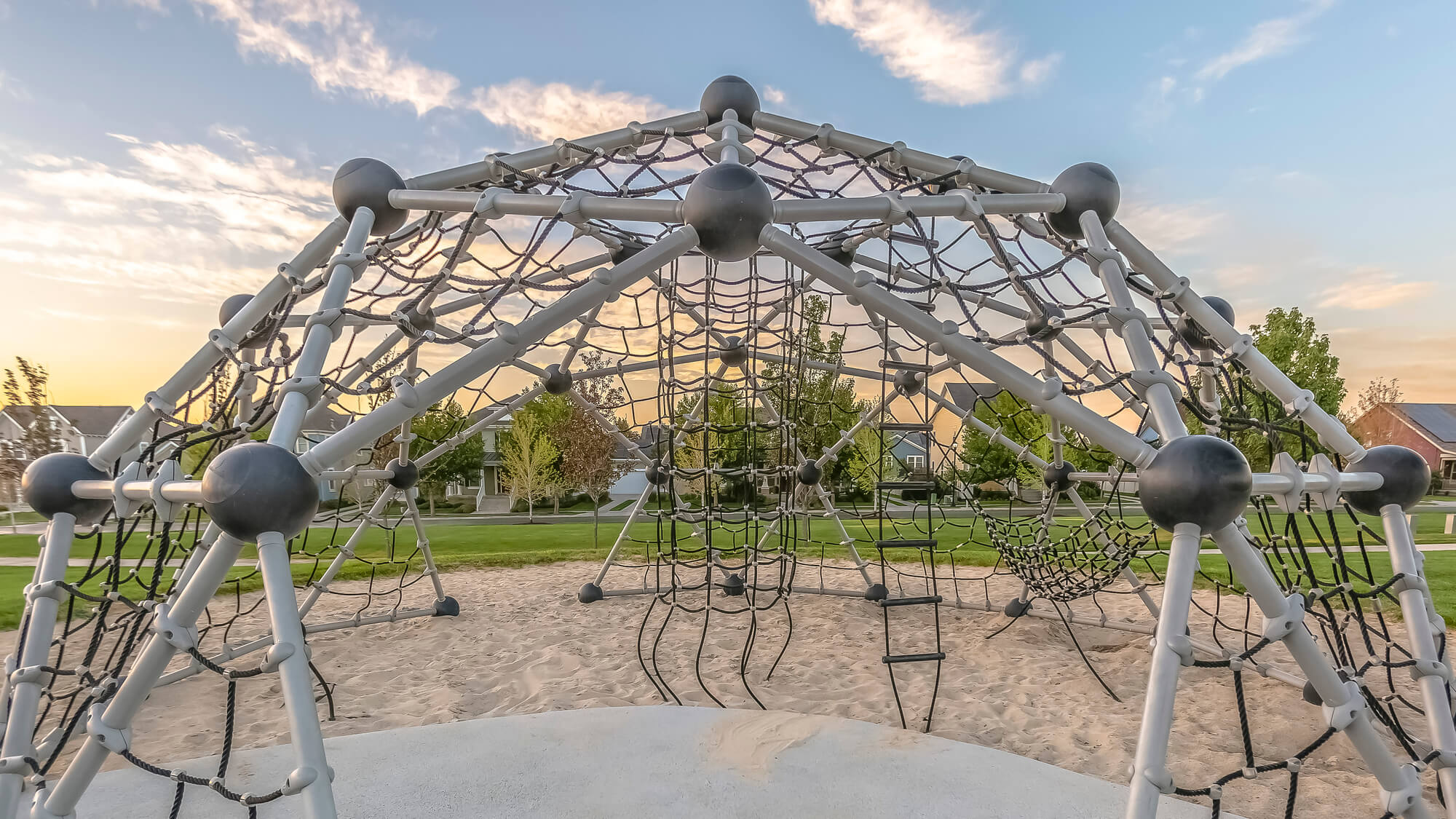
The dome climber was a half sphere of metal bars arranged in a geodesic pattern, inspired by the designs of R. Buckminster Fuller. Kids climbed over the outside, hung from the inside, and sat at the very top.
The dome was sturdy and offered endless ways to climb. Falls from the top, especially onto hard surfaces, were a concern.
The federal handbook advised against dome climbers for children under six. Many schools removed them or replaced them with lower versions.
The dome climber remains a favorite memory for many adults who spent hours scaling its bars.
Freestanding Arch Climber
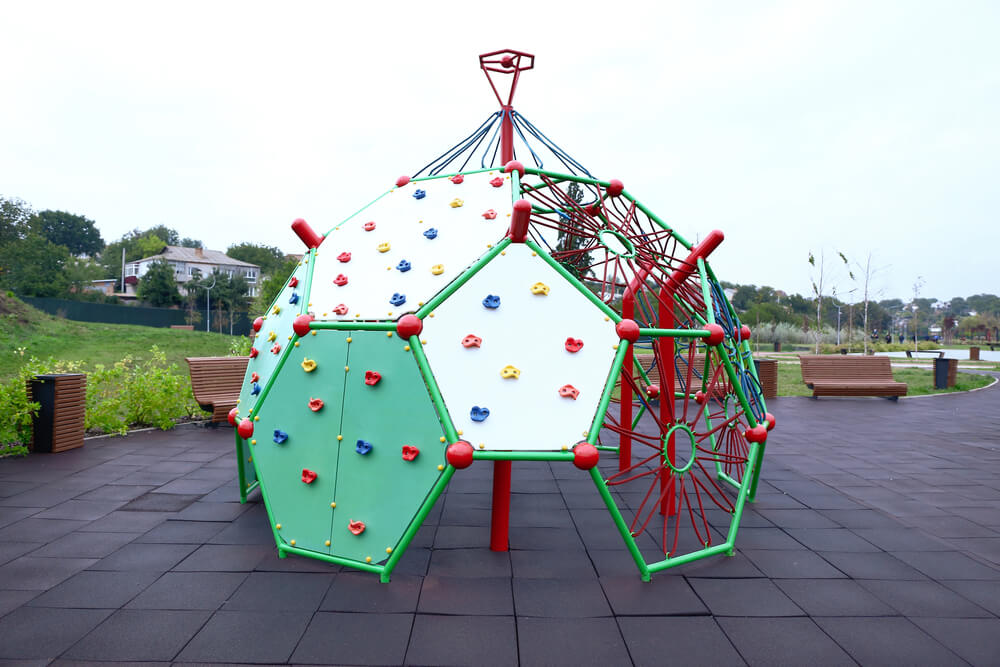
The arch climber was a curved ladder shaped like a rainbow, with rungs running from one side to the other. Kids climbed up one side, over the top, and down the other, sometimes hanging upside down from the rungs.
The arch was simple but challenging for younger children. The federal handbook advised against freestanding arch climbers for preschool children because of fall risks.
Many schools removed them from areas designed for younger kids. Some versions still exist on playgrounds for older children.
For many adults, the arch climber was a test of courage.
Monkey Bars Over Asphalt

Monkey bars, or horizontal ladders, allowed kids to swing hand over hand across a row of overhead rungs. Many were set several feet off the ground over asphalt or packed dirt.
Falls were common, and broken arms were a familiar playground injury. Some safety guidance in the early 1980s singled out monkey bars as especially hazardous for young children.
Many schools lowered the bars, added softer surfaces, or removed them entirely. Monkey bars still exist in many playgrounds, but the high, hard-surfaced versions of the past are much less common.
Trapeze Bars and Gymnastic Rings
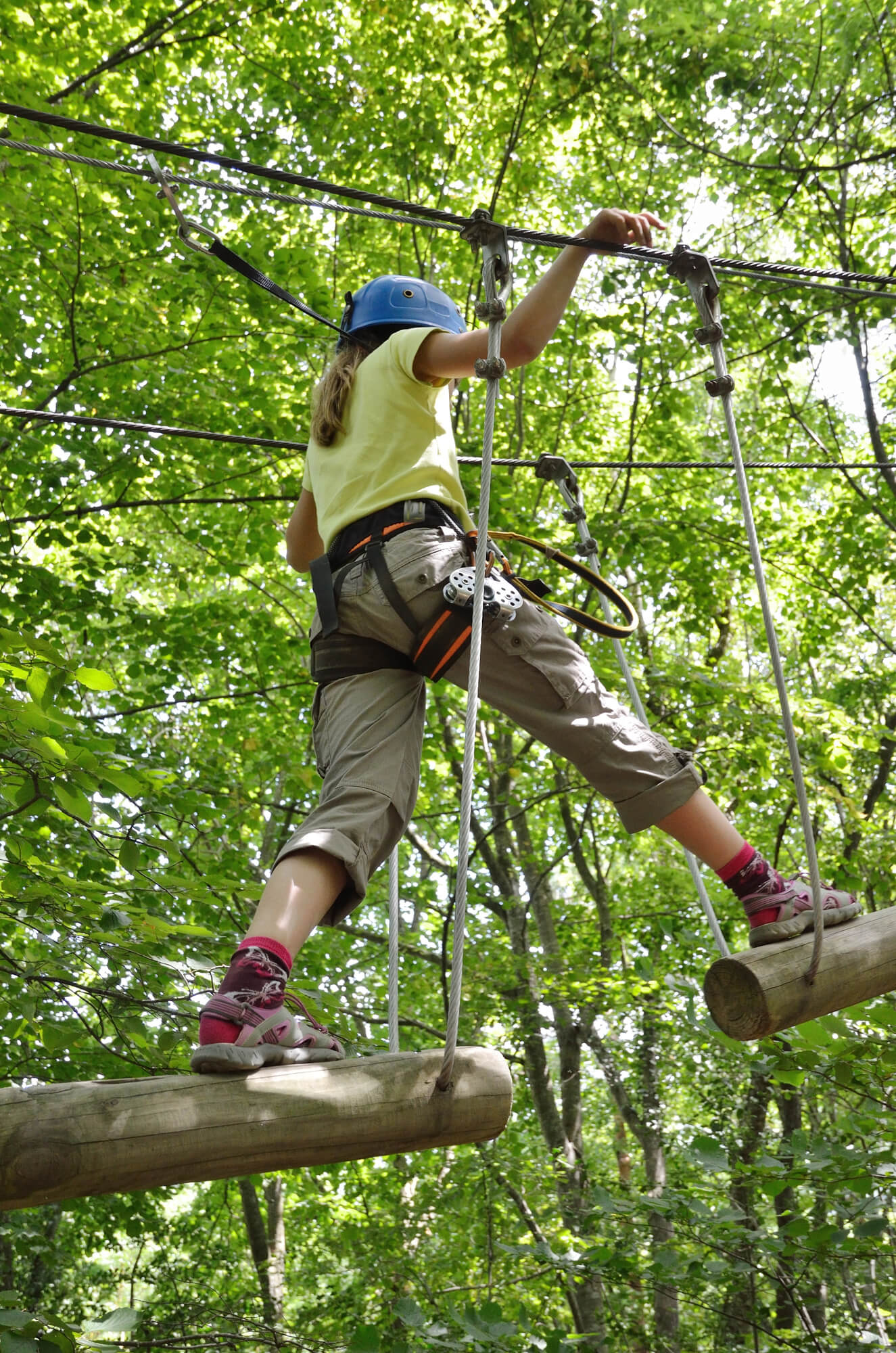
Many swing sets once included a trapeze bar or a pair of gymnastic rings hanging from chains. Kids swung from them, flipped over the bar, and hung upside down by their knees.
The equipment was thrilling but risky, especially for younger children who could lose their grip. The federal handbook listed swinging trapeze bars and dual exercise rings among the equipment it did not recommend for any age group.
Many schools removed them from swing sets. The home playground standard also changed to prohibit attaching swinging components to monkey bars.
Free-Swinging Climbing Ropes

Playgrounds once featured long climbing ropes hanging from a high bar, often with knots at intervals to help kids grip. Kids climbed up, swung across, or simply hung on for dear life.
The ropes posed a strangulation risk if they formed a loop, and falls from the top could be dangerous. The federal handbook advised against climbing ropes not secured at both ends.
Many schools removed them from playgrounds, though climbing ropes still exist in some gyms. For many adults, the rope climb was a test of strength that they either conquered or dreaded.
Hard Wooden and Metal Swing Seats

Old swing sets often had seats made of wood planks or metal. The hard seats were durable but dangerous when a swinging seat struck a child who walked too close.
Head and facial injuries were common. Safety guidelines recommended replacing them with softer seats made of rubber or canvas.
Most schools and parks made the switch in the 1980s and 1990s. The flexible belt seats that replaced them are safer but less sturdy.
For many adults, the old wooden seats are a reminder of splinters, bruises, and the thrill of swinging high.
Metal Animal Figure Swings
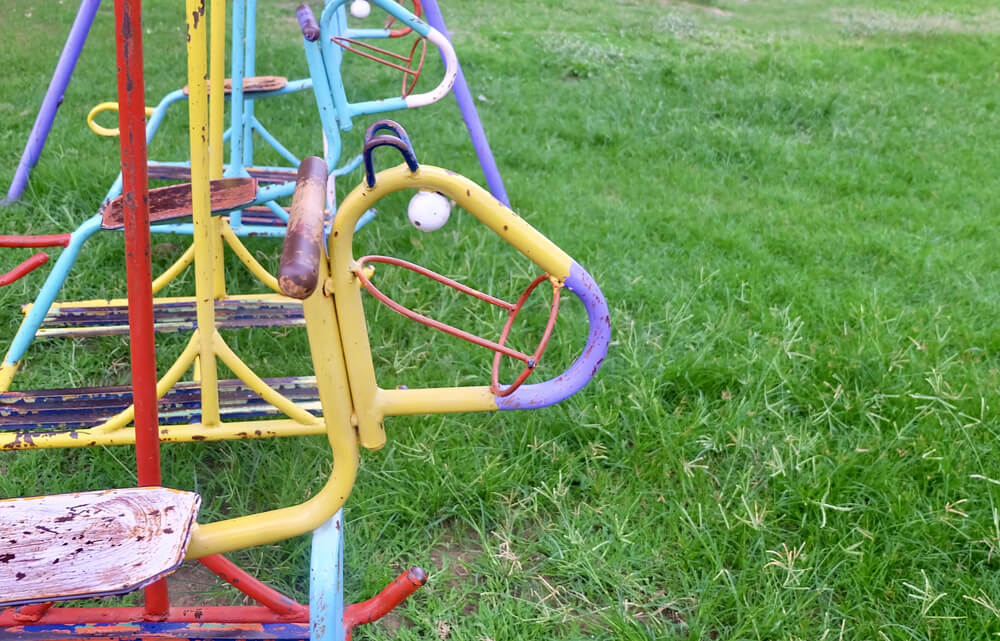
Some playgrounds once had heavy metal swings shaped like horses or other animals, often holding more than one child. The swings were fun to ride but could cause serious injuries if they struck a child.
The federal handbook listed animal figure swings among the equipment it did not recommend for any age group. Many schools and parks removed them.
Some of the old animal swings survive as collector’s items or decorations. For many adults, riding the metal horse swing was a highlight of the playground.
Multi-Seat Glider Swings
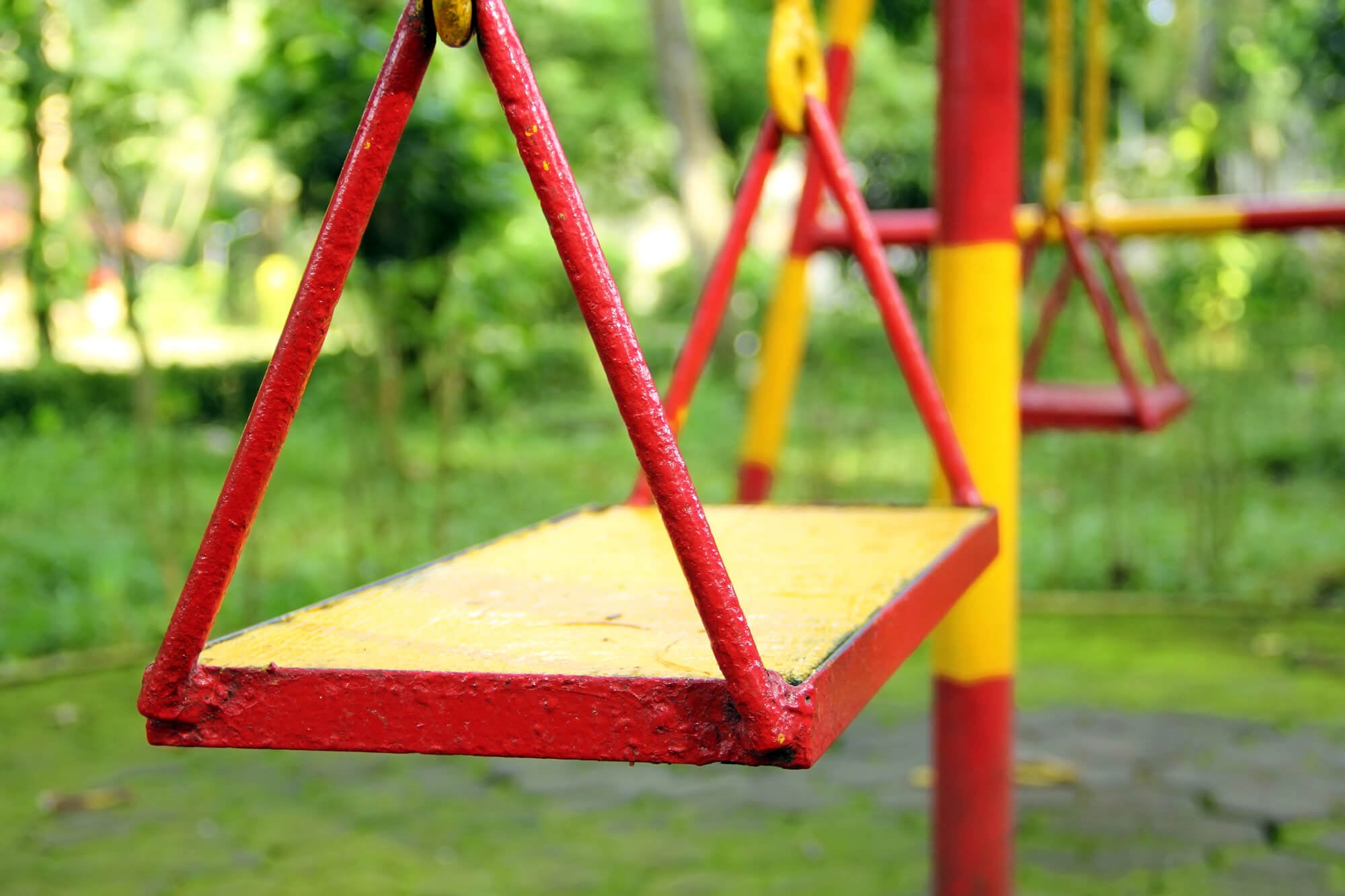
Glider swings seated two or more children facing each other on benches hung from a shared frame, and the riders pumped with their feet to send the entire contraption rocking back and forth. They were a fixture of backyard swing sets and appeared on many school and park playgrounds as well.
The heavy frames built up real momentum, and a child walking past at the wrong moment could be struck hard, while fingers and feet sometimes got pinched in the moving joints. The federal playground handbook advised against multiple-occupancy swings, with the exception of tire swings.
Most schools pulled them out, and they survive mainly in older backyards.
Playground Trampolines
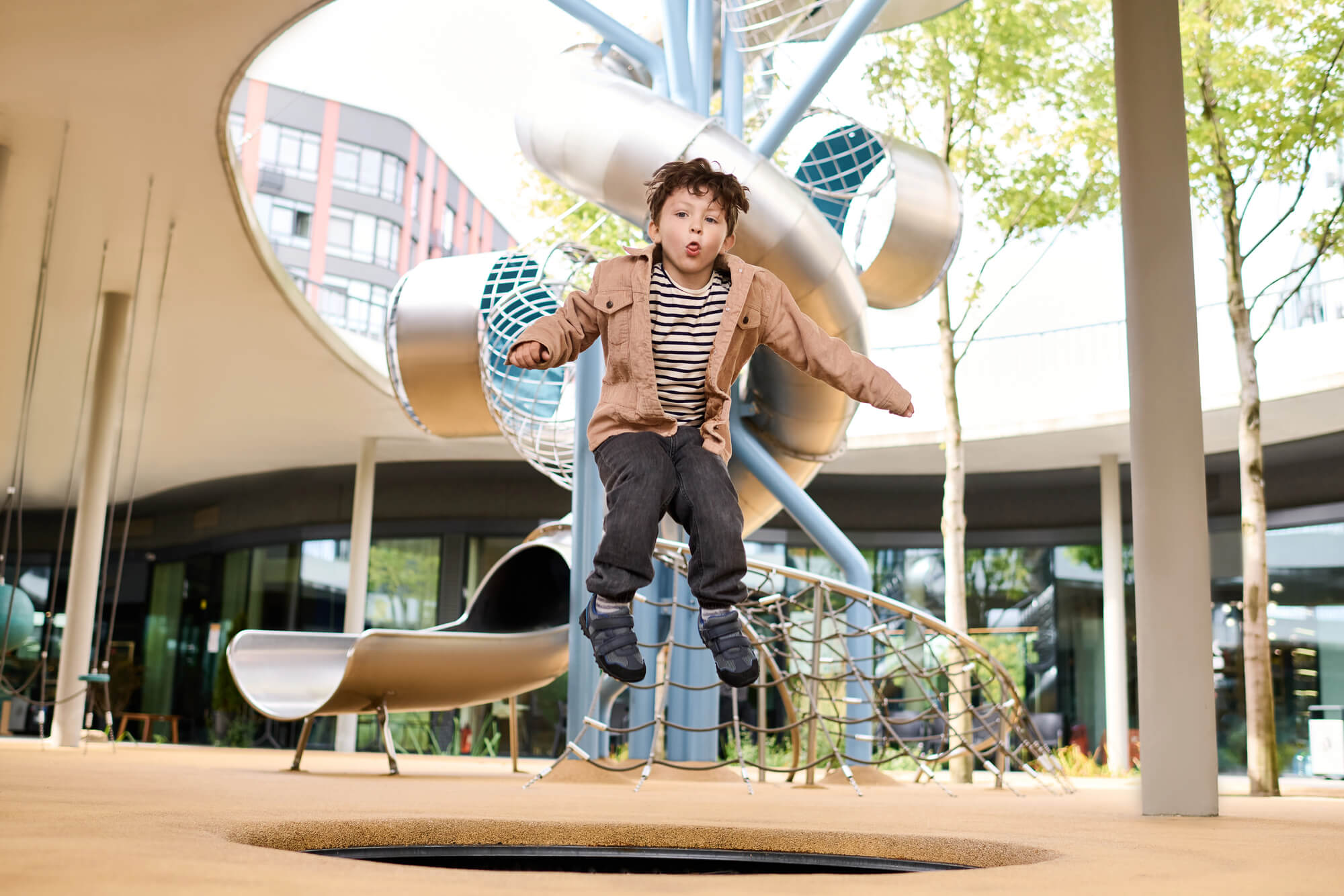
Some schools and parks once installed trampolines on the playground, either set into the ground or raised on metal frames. Kids bounced, attempted flips, and competed to see who could go highest, often several at a time on the same mat.
The results included broken arms and legs, neck injuries, and collisions between jumpers. The federal handbook for public playgrounds listed trampolines among the equipment it did not recommend for any age group, and most were removed.
Trampolines later found a second life in commercial trampoline parks with padded walls and waivers. On school grounds, however, they have been absent for a generation.
Spinning Log Rolls
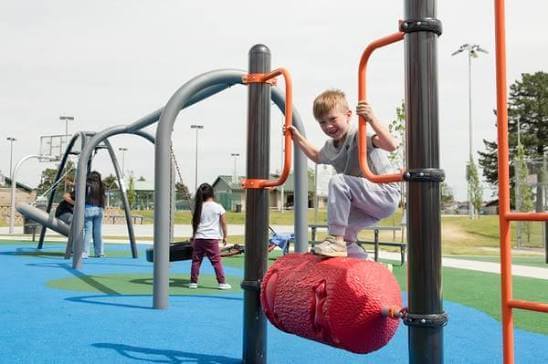
Log rolls were horizontal cylinders mounted on an axle, and they rotated as kids walked or ran on top, much like a lumberjack balancing on a floating log. Staying upright took quick feet and good balance, and nearly every attempt ended with somebody tumbling off the side.
Younger children lacked the coordination to manage them and tended to fall onto the hard ground below. The federal handbook advised against log rolls for preschool children, and many schools removed them from areas built for younger kids.
A few versions remain on playgrounds for older children. For many adults, they were a daily test of balance and nerve.
Concrete Play Sculptures
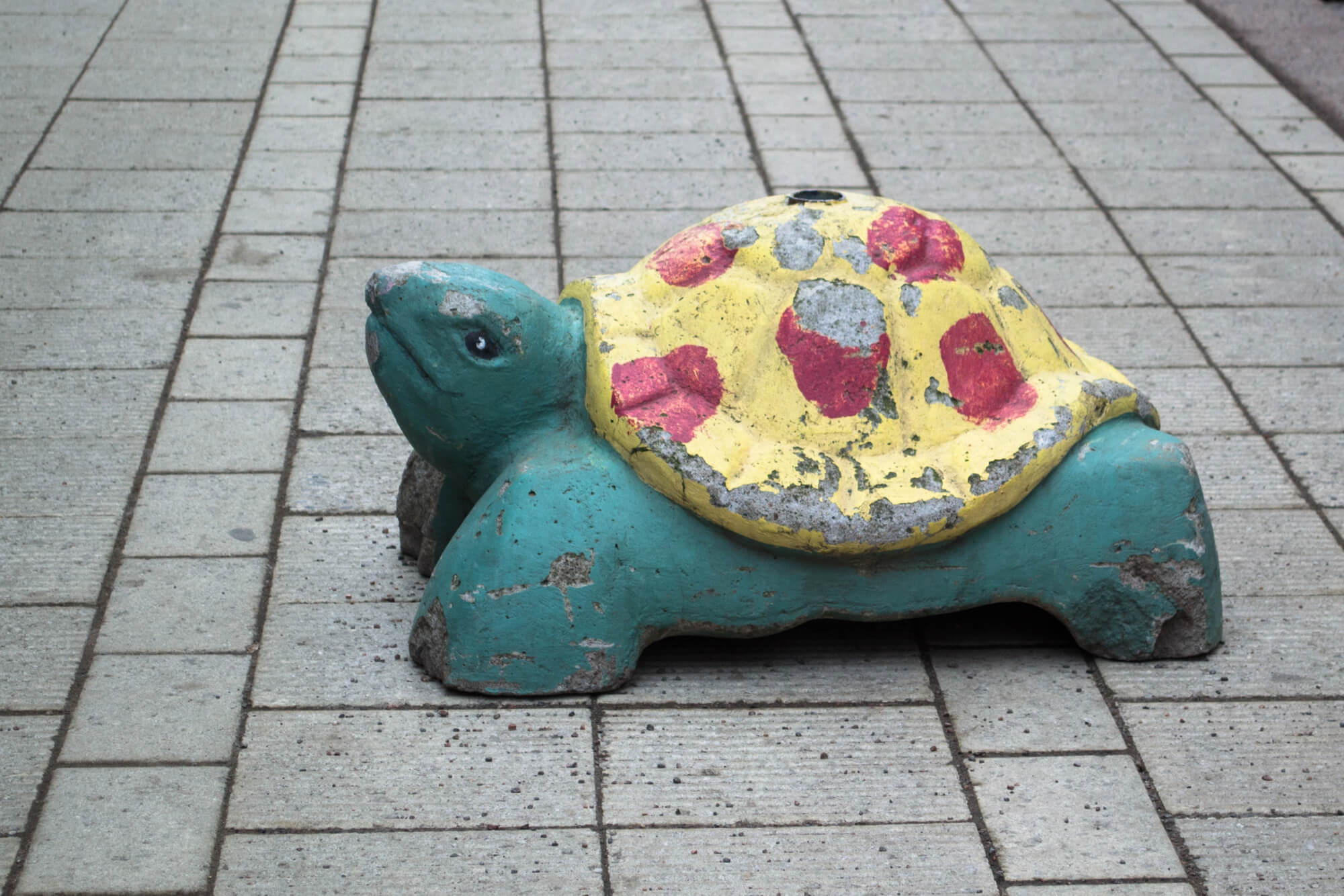
Mid-century playgrounds sometimes featured large poured concrete sculptures shaped like turtles, whales, dragons, or abstract swooping forms, along with lengths of concrete pipe that kids crawled through and climbed over. The pieces were nearly indestructible and sparked plenty of imaginative play, since a concrete whale could be a ship, a fort, or a stage.
The trouble was the material itself. A fall onto concrete could cause serious head and facial injuries, and newer safety standards favored softer materials and impact-absorbing surfaces.
Many were jackhammered out. A few survive as beloved local landmarks or public art that neighborhoods have fought to preserve.
Arsenic-Treated Wooden Play Forts
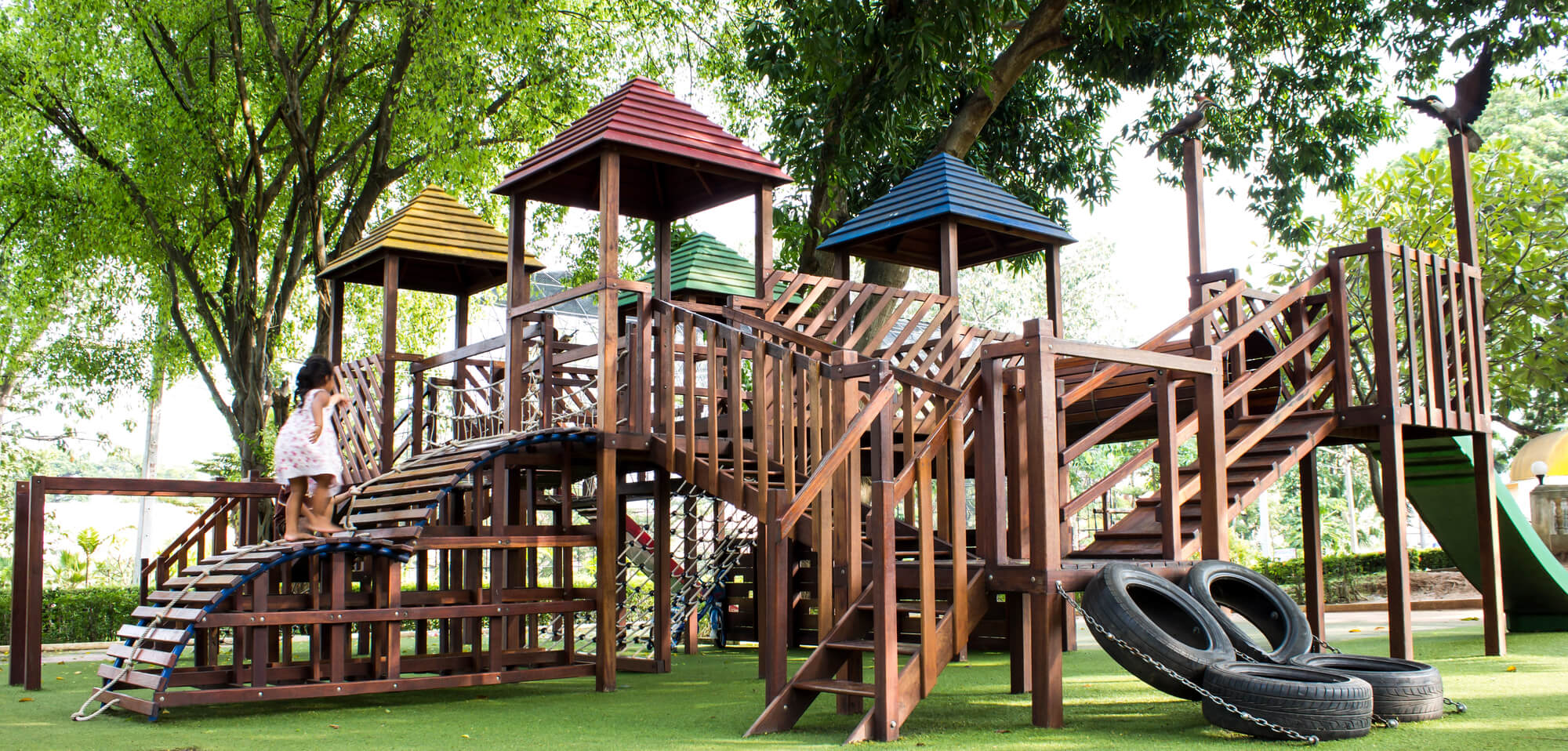
Many wooden playgrounds built in the 1970s, 1980s, and 1990s used lumber treated with chromated copper arsenate, or CCA, to resist rot and insects. Concerns about arsenic leaching from the wood led manufacturers to phase out CCA for residential uses, including playground equipment, at the end of 2003 under an agreement with the Environmental Protection Agency.
Many schools and parks removed or sealed older wooden playgrounds. The community-built wooden castles and forts of that era, often designed with elaborate towers and bridges, became less common.
Many adults remember them as the most imaginative playgrounds of their childhood.
Open Sandboxes

Large sandboxes were once a standard feature of school and park playgrounds, where kids built castles, dug tunnels, and buried toy trucks. Most were left uncovered overnight, which made them attractive to neighborhood cats and other animals and raised persistent concerns about hygiene and hidden debris.
Some schools covered their sandboxes with tarps or lids, while others removed them entirely rather than deal with regular inspections and sand replacement. Sand is still used as a protective surface beneath some equipment, but dedicated sandboxes have become far less common on public playgrounds.
For many adults, the sandbox was the place where imagination had no limits at all.
Risk, Reconsidered
Every piece of equipment on this list was removed for a reason. Injuries were real, and many of the changes made playgrounds safer for millions of children.
Few parents would argue for bringing back asphalt under a ten-foot metal slide. Still, some researchers and designers now worry that playgrounds have become too safe to challenge kids.
Newer designs are bringing back height, speed, and a little manageable risk, set over softer ground. The goal is to keep the thrill while losing the broken arms, which is what the old playgrounds never quite figured out.
More from Go2Tutors!

- The Romanov Crown Jewels and Their Tragic Fate
- 13 Historical Mysteries That Science Still Can’t Solve
- Famous Hoaxes That Fooled the World for Years
- 15 Child Stars with Tragic Adult Lives
- 16 Famous Jewelry Pieces in History
Like Go2Tutors’s content? Follow us on MSN.