Inventions Created to Solve Problems We No Longer Have
Every invention starts with a problem. Someone is frustrated, inconvenienced, or losing money, and they set about fixing it.
The fix works, the problem disappears, and the invention gets quietly retired — or it lingers on, slightly confused about its purpose, long after the original crisis has passed. History is full of solutions to problems that no longer exist, and some of them are stranger than the problems themselves.
The Icebox
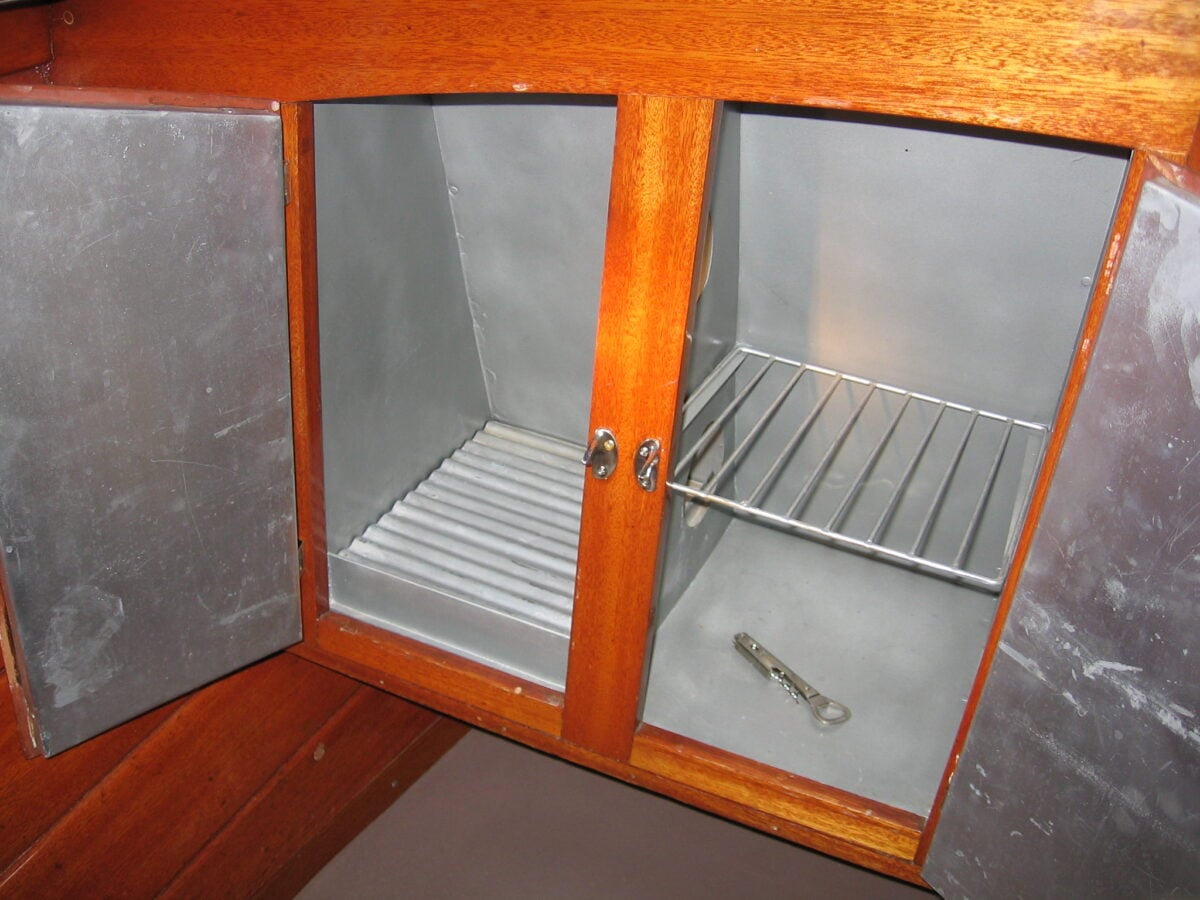
Before mechanical refrigeration existed, keeping food cold meant buying blocks of ice and storing them in an insulated wooden cabinet lined with tin or zinc. The ice trade was enormous in the 19th century — men would cut frozen lakes in winter, pack the blocks in sawdust, and ship them across continents and oceans.
The icebox was the household end of that entire industry. When electric refrigerators became affordable in the 1920s and 1930s, the ice trade collapsed, and the icebox followed.
The word “icebox” survived much longer, still used as a casual synonym for refrigerator in some parts of the world by people who have never seen an actual one.
The Clockwork Alarm
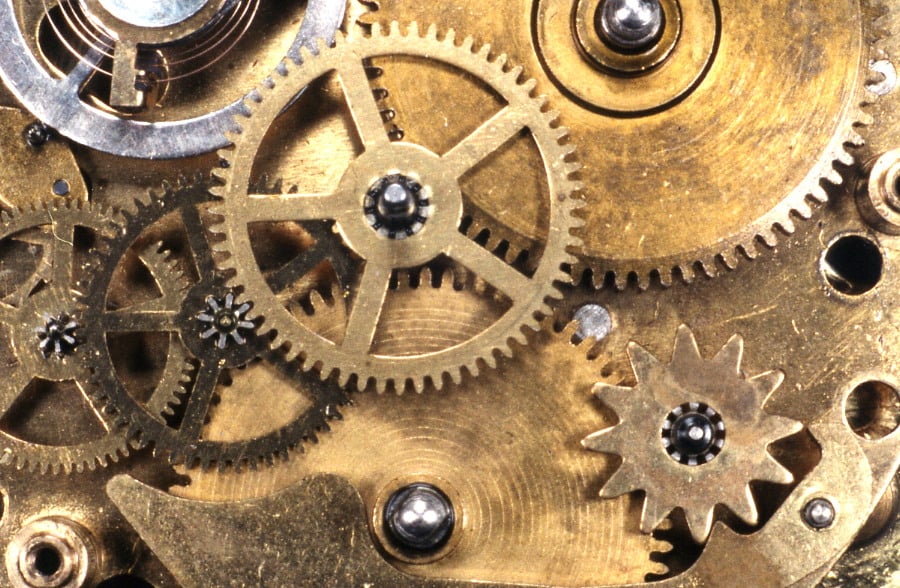
Mechanical alarm clocks solved a very specific problem in the industrial era: workers needed to wake up at a fixed time to reach a factory, and they couldn’t afford to miss it. Before that, in many towns, a profession existed called the knocker-up — a person hired to walk the streets before dawn and tap on bedroom windows with a long pole to wake paying customers.
The mechanical alarm replaced the knocker-up entirely. Smartphones then replaced the mechanical alarm for most people. The knocker-up had already been gone for a century by then, which spared them the indignity of being replaced twice.
Carbon Paper
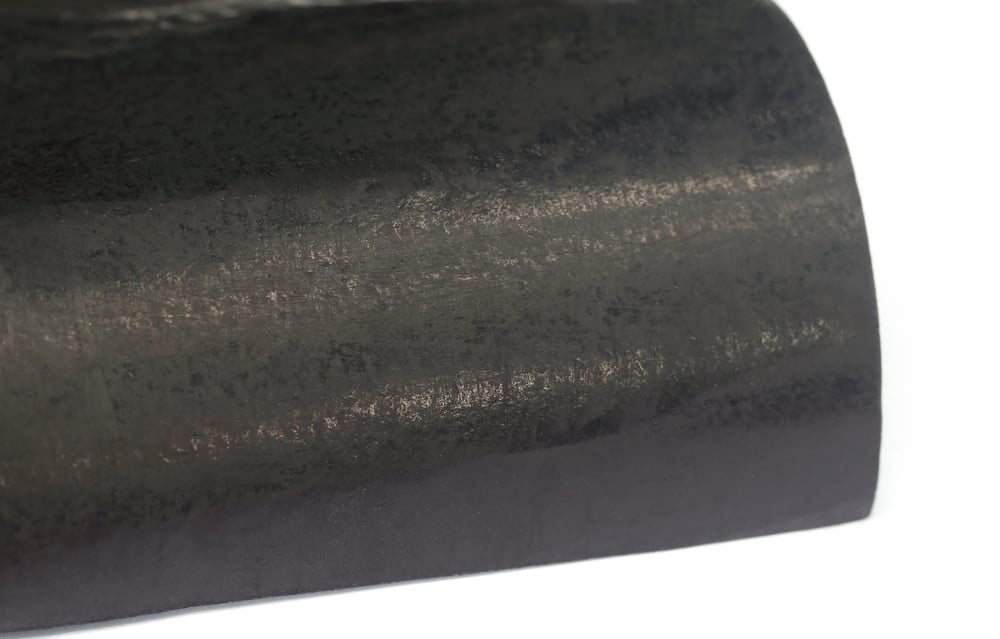
Carbon paper was a sheet of paper coated on one side with a dark pigment. You placed it between two sheets of writing paper, and whatever you pressed onto the top sheet transferred to the bottom one through pressure.
It was the only practical way to produce an instant duplicate of a handwritten or typed document before photocopiers existed. Offices ordered it by the ream.
The expression “cc” — carbon copy — still appears on every email sent today, a ghost of the physical process it describes. Carbon paper itself is nearly impossible to find now, and anyone under a certain age has likely never touched a sheet.
The Fax Machine

The fax machine had a longer run than it deserved. It solved a real problem — transmitting documents over telephone lines quickly, without physical delivery — and for a period in the 1980s and 1990s it was essential in offices, law firms, and newsrooms.
Then the email arrived, and everything the fax did became easier, cheaper, and faster through a computer. Yet fax machines held on stubbornly in Japan, healthcare, and legal settings well into the 2010s, sometimes because regulations had been written around them and nobody had updated the rules.
Some industries still technically require faxed documents, which means the fax machine is currently kept alive by paperwork that references a problem from forty years ago.
Elevator Operators

The controls of early electric elevators in the 1900s were so complex that a skilled operator was thought to be required to operate them safely. Elevator operators, who controlled the doors, called the floors, and adjusted the mechanism to ensure the cab stopped level with the floor, became a standard feature of department stores, hotels, and office buildings.
Although the job was technically obsolete by the 1950s due to automatic levelling and push-button controls, operators continued to work as a courtesy service in upscale buildings for decades afterward. The operator was transformed into a type of atmosphere, which solved the issue of running an elevator.
Butter Churns
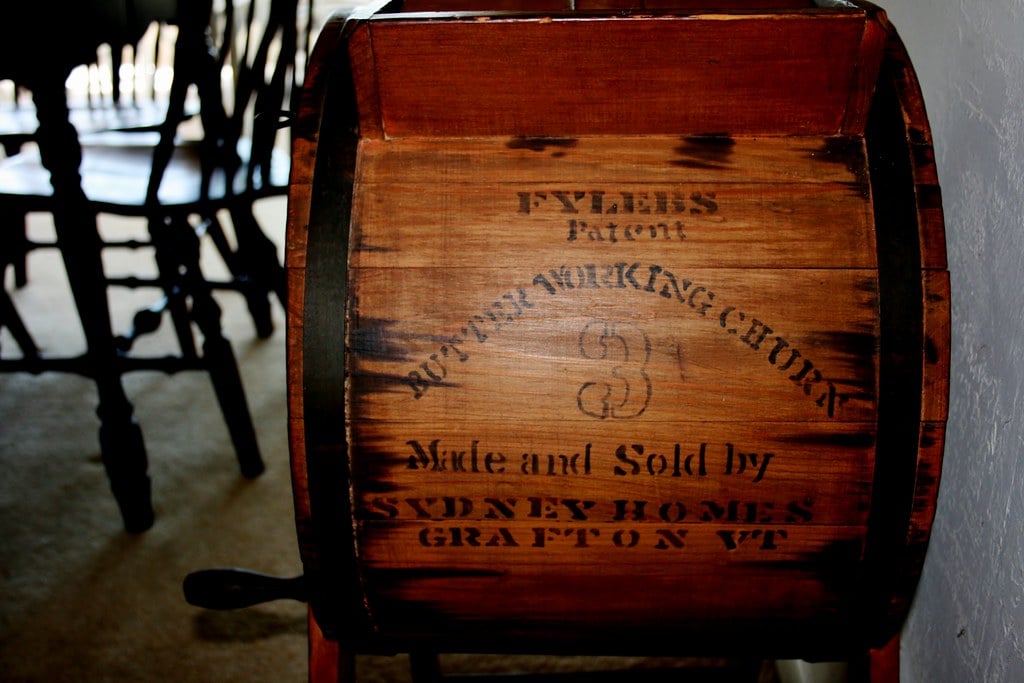
Making butter by hand required agitating cream in a wooden or ceramic churn for an extended period — sometimes an hour or more — until the fat separated and solidified. The churn was a standard piece of household equipment across most of the world for centuries.
Commercial dairy production and refrigerated distribution of ready-made butter made the home churn unnecessary over the course of the 20th century. Antique churns now appear in farmhouse kitchen décor, which is perhaps the most complete transformation a tool can undergo — from hard daily labour to aesthetic object.
The Typewriter Correction Tape and Tipp-Ex
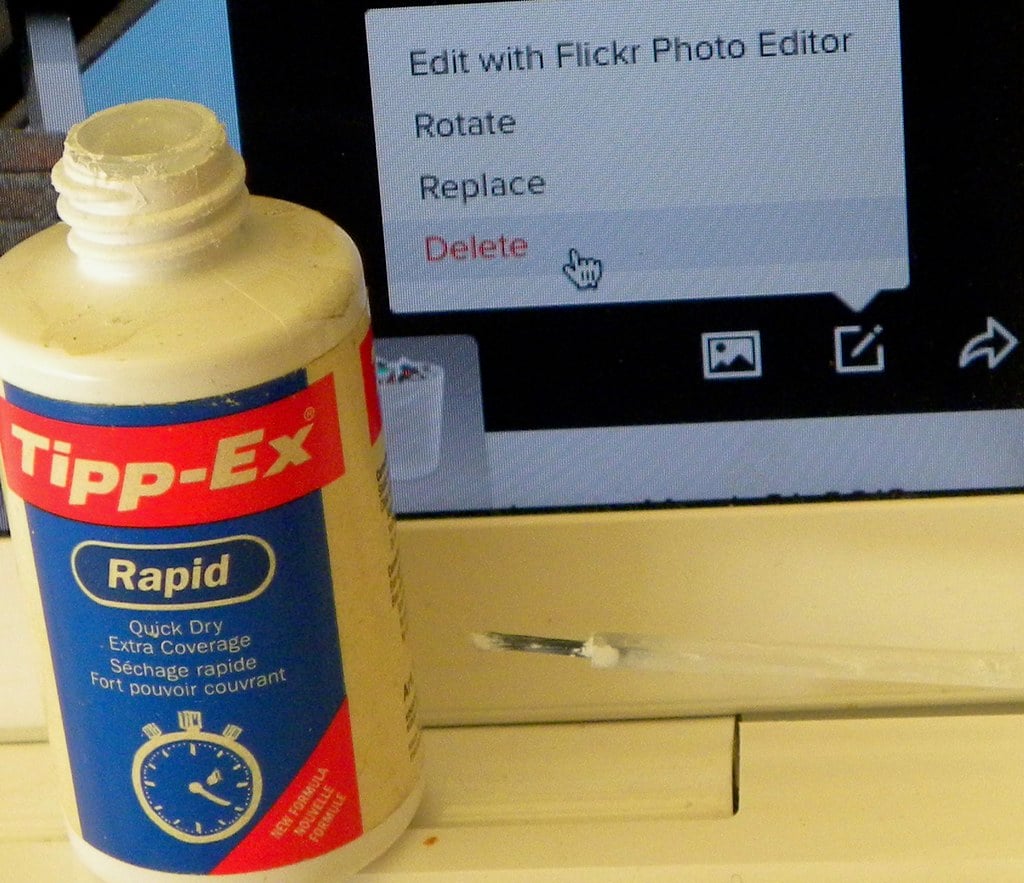
Typewriters couldn’t undo. Once a letter was struck onto the page, it was there. Correction fluid — Tipp-Ex, Liquid Paper, and their competitors — was developed in the late 1950s specifically to solve this problem, letting typists paint over mistakes and retype on top.
It worked, more or less, if you were willing to wait for it to dry. Word processors arrived, introduced the backspace key, and eliminated the need for correction fluid completely in most contexts.
Tipp-Ex still exists and still sells, partly for handwritten corrections and partly because it turns out you can’t un-invent a product once enough people have grown up expecting it to be on a shelf.
The Morse Code Codebook
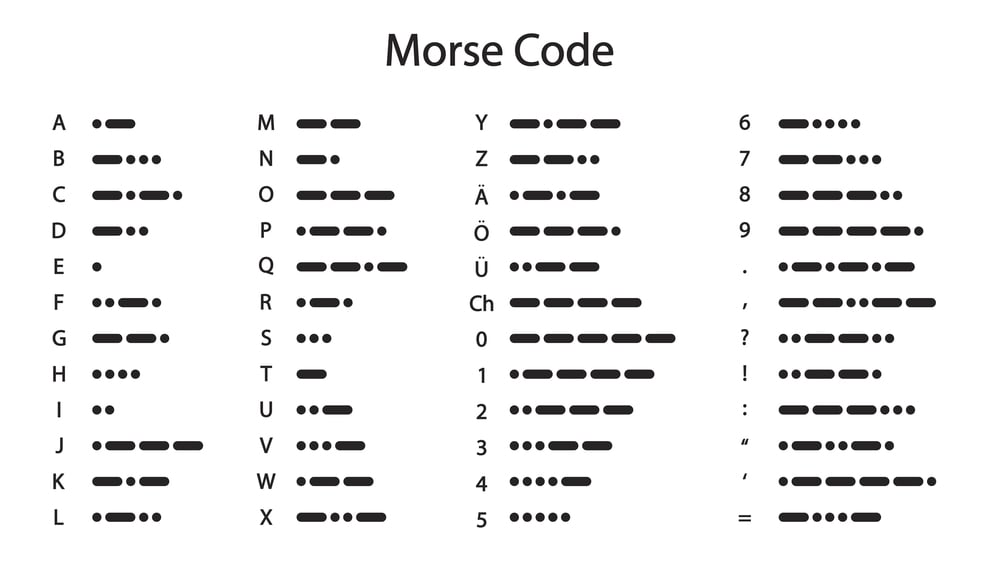
When telegraph systems spread across the world in the mid-1800s, transmitting long words and phrases cost money charged by the character. An entire industry developed around codebooks — directories that assigned short codes to common phrases, sentences, and instructions, allowing businesses to compress a long message into a few characters and reduce transmission costs significantly. Some codes became standardized internationally.
The codebooks were elaborate, expensive, and extensively used. The problem they solved — the cost of character-by-character transmission — disappeared as telecommunications became cheaper and eventually free.
The last commercial Morse telegraph service in the United States closed in 2006.
The Chimney Sweep’s Brush

Coal fires heated homes across Europe and North America for two centuries, and burning coal left thick deposits of creosote and soot inside chimneys. Left uncleared, the buildup would catch fire and burn the house down.
Professional chimney sweeps and their distinctive long-handled brushes were a practical necessity in any city running on coal heat. Central heating systems, natural gas, and eventually electricity replaced coal fires in most homes through the 20th century.
The chimney sweep brush became a prop in period dramas, and the profession exists today mainly for wood-burning fireplaces and heritage buildings.
The Pager
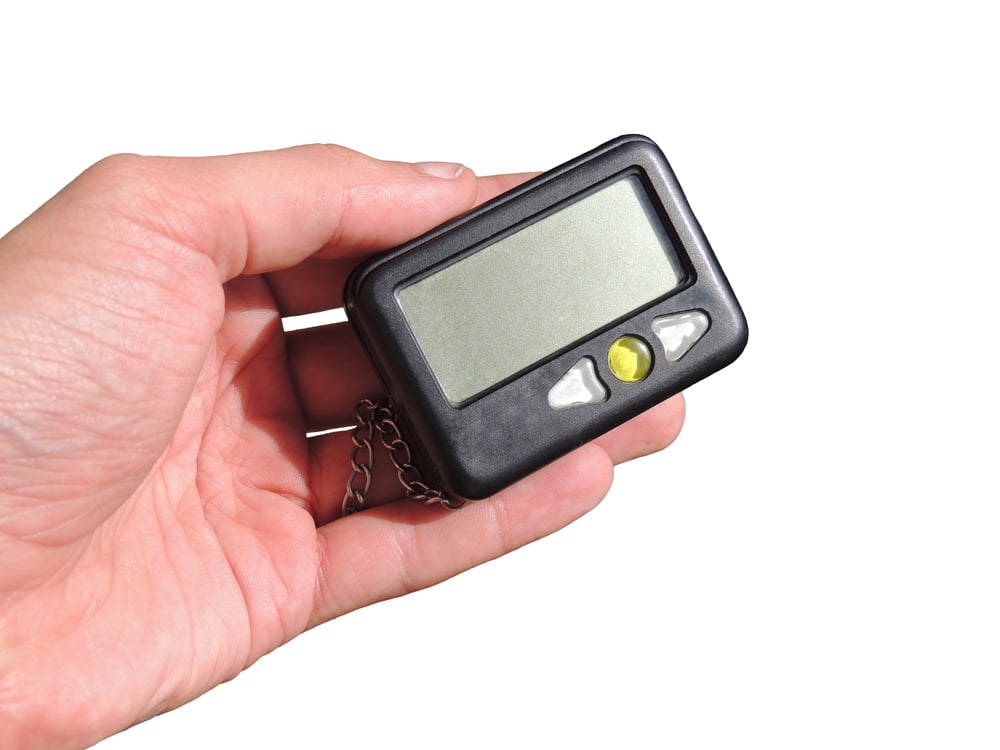
In the early 1990s, pagers—also known as beepers—became widely used by physicians, drug dealers, and anyone else who needed to be reachable without a cell phone. They only got brief numerical messages, usually with a phone number you were expected to call back.
The issue they resolved was a genuine one: how do you notify someone who is moving around that they need to be contacted immediately? By 2000, pagers were mostly out of use, and mobile phones provided a better, quicker, and more comprehensive solution. Because mobile signals were inconsistent in certain clinical settings, hospitals continued to use them well into the 2010s.
For precisely that reason, some people continue to use them.
The Dictaphone Roll

Before digital recording, before cassette tapes, before wire recorders, businesspeople and professionals who wanted to record spoken notes used dictation machines that recorded onto wax cylinders and later plastic belts. A secretary would then play back the recording at a slower speed and transcribe it by typing.
Entire office workflows were built around the dictation machine and its consumable recording media. Cassette-based dictaphones simplified the process, and digital recorders simplified it further.
Voice-to-text software removed the transcription step almost entirely. The wax cylinder as a professional tool lasted longer than it had any right to — factories were still making dictation belts into the 1990s.
The Dedicated Alarm Clock Radio
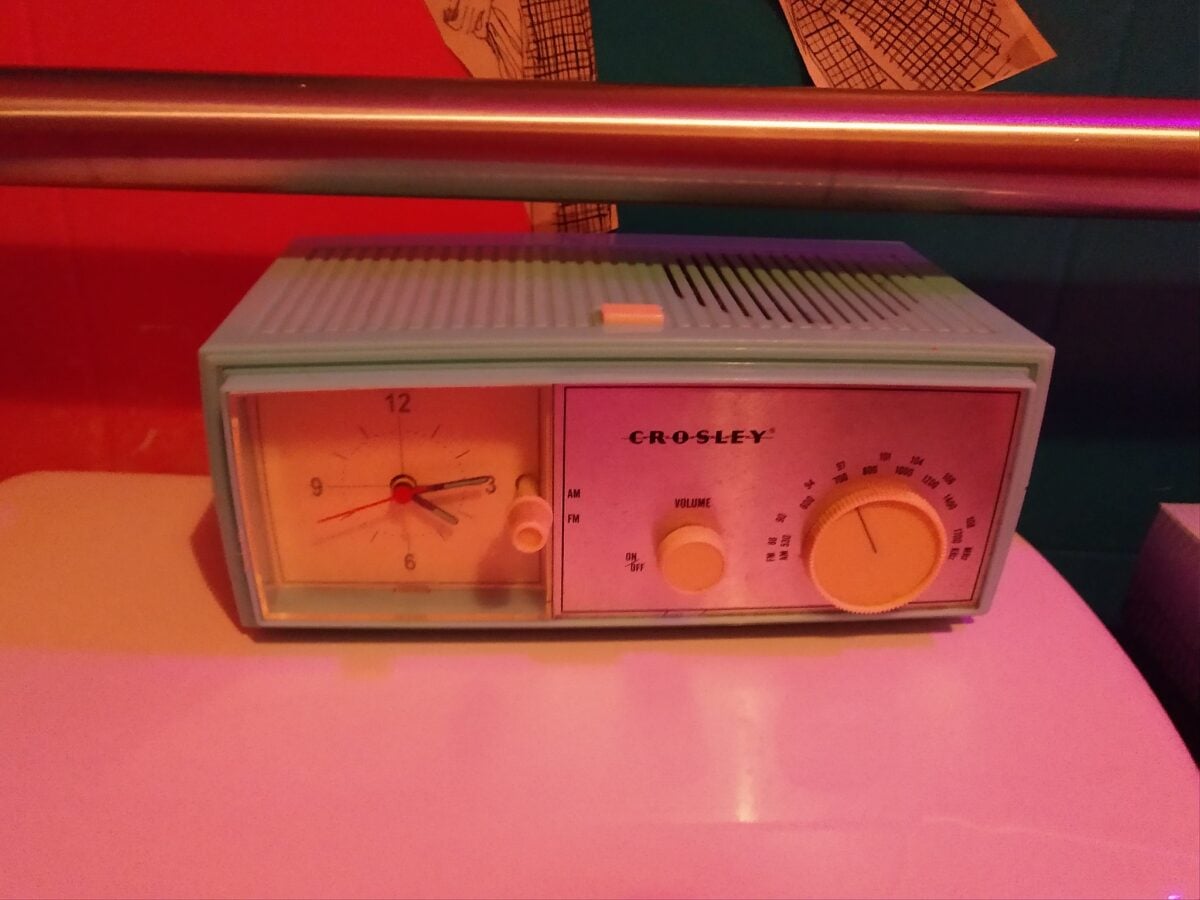
For a period from roughly the 1970s through the early 2000s, the alarm clock radio was considered essential bedroom furniture. It combined a clock, an AM/FM radio, and an alarm into one unit that sat on your nightstand, ready to wake you with either a buzzer or music at a set time.
The problem it solved — requiring multiple separate devices to perform three related bedroom functions — was genuine at the time. A smartphone now does everything the alarm clock radio did, plus several hundred other things, and takes up about the same space.
Dedicated alarm clock radios still sell, largely to people who prefer not to keep a phone next to their bed at night, which is a new problem the old device accidentally helps with.
The VHS Rewinder
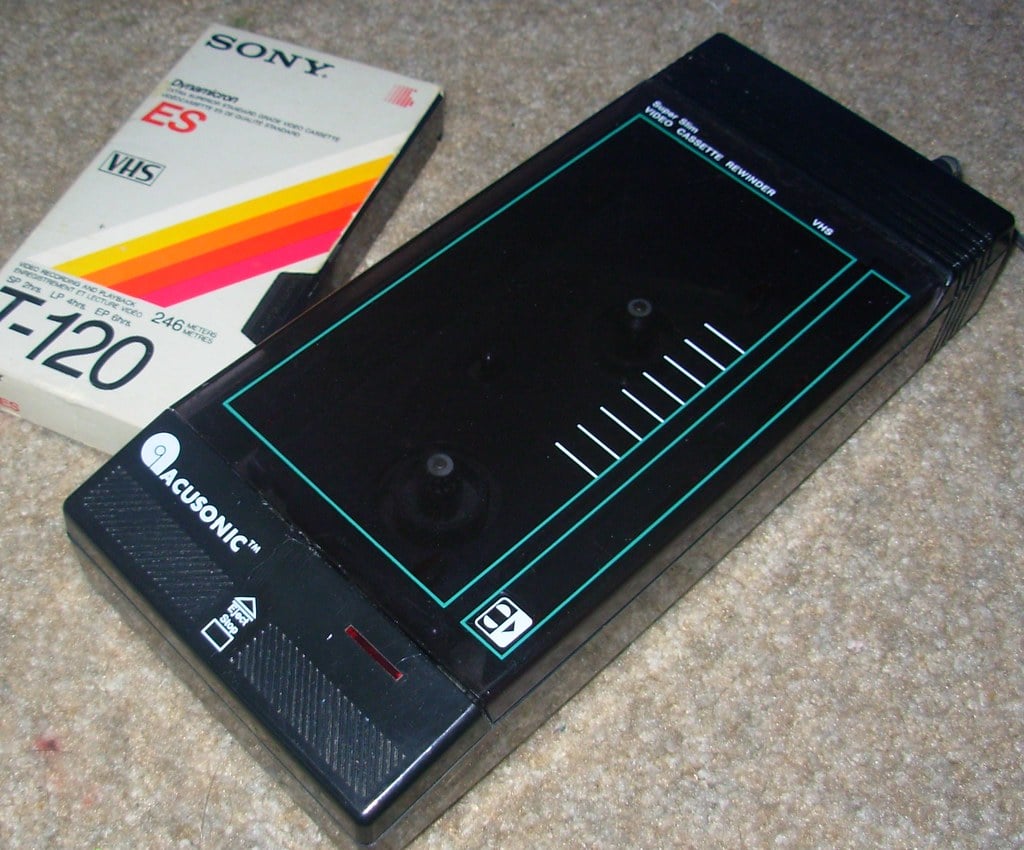
By the late 1980s, rental video stores had become so exasperated with customers returning tapes without rewinding them that they started charging fees — and the market responded by producing a dedicated device whose only purpose was rewinding VHS cassettes. Some were shaped like sports cars or other novelty objects. You plugged a tape in, pressed a button, and the machine rewound it faster than the VCR would, freeing up the player for other use.
The problem these machines solved — the inconvenience of rewinding tape — was so narrow and so temporary that most of them outlasted the VHS format by years, sitting in drawers long after the last tape had been rewound.
Phone Books
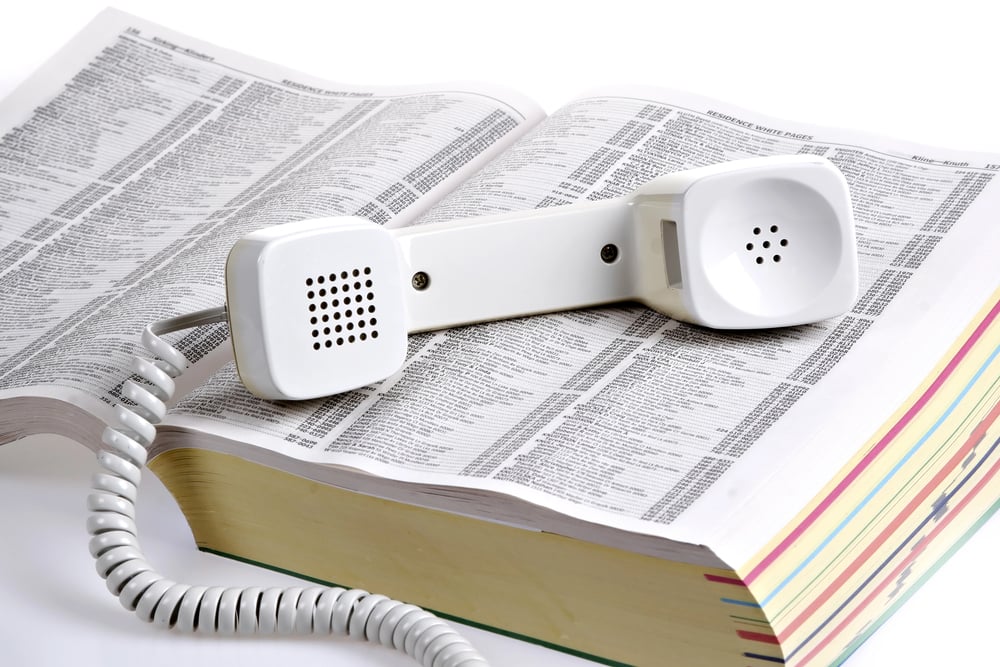
The phone directory solved an obvious and important problem: if you wanted to call someone, you needed their number, and you had no way to find it without a centralized published list. Telephone companies produced and distributed phone books for free to every household in their service area, updating them annually, and they worked well for decades.
Search engines made them redundant for most purposes. Online directories, reverse lookup tools, and saved contacts replaced what remained.
Phone books are still technically produced in some regions — usually because telecommunications regulations haven’t been updated to reflect that the problem they were created for hasn’t existed since roughly 2005.
The Solutions That Solved Themselves Away

Something quiet runs through these inventions. Their work spoke without noise.
When the task finished, so did they – clean exits after clean jobs. Industries bloomed around some, then vanished once the need faded.
Take the icebox – it never failed, yet fridges replaced it anyway. Carbon paper kept working just fine until copying changed completely.
Good ideas once served their purpose well enough to vanish. Not pushed out by newer fixes, they faded because they worked too well.
Strange how the names stick around long after the need disappears. Email gets a carbon copy line even when paper never existed.
In some places, people still say icebox instead of fridge without thinking why. You keep saying you’ll record a show, yet mention things crackle like old vinyl.
Those issues vanished long ago. Still, the words they shaped – somehow – cling harder than anything else.
More from Go2Tutors!

- The Romanov Crown Jewels and Their Tragic Fate
- 13 Historical Mysteries That Science Still Can’t Solve
- Famous Hoaxes That Fooled the World for Years
- 15 Child Stars with Tragic Adult Lives
- 16 Famous Jewelry Pieces in History
Like Go2Tutors’s content? Follow us on MSN.