Cultural Symbols That Evolved Over Generations
A symbol holds power words sometimes lack. One picture might say what needs pages to spell out.
Yet even strong signs weren’t always deep – meaning built slowly. Culture, use, repetition – that’s how they changed.
The signs people care about now changed over time – some shifts slow, some fast. One era would pile on new meanings, while another tore them down.
Old purposes got bent until they looked nothing like before.
The Cross Meant Execution First
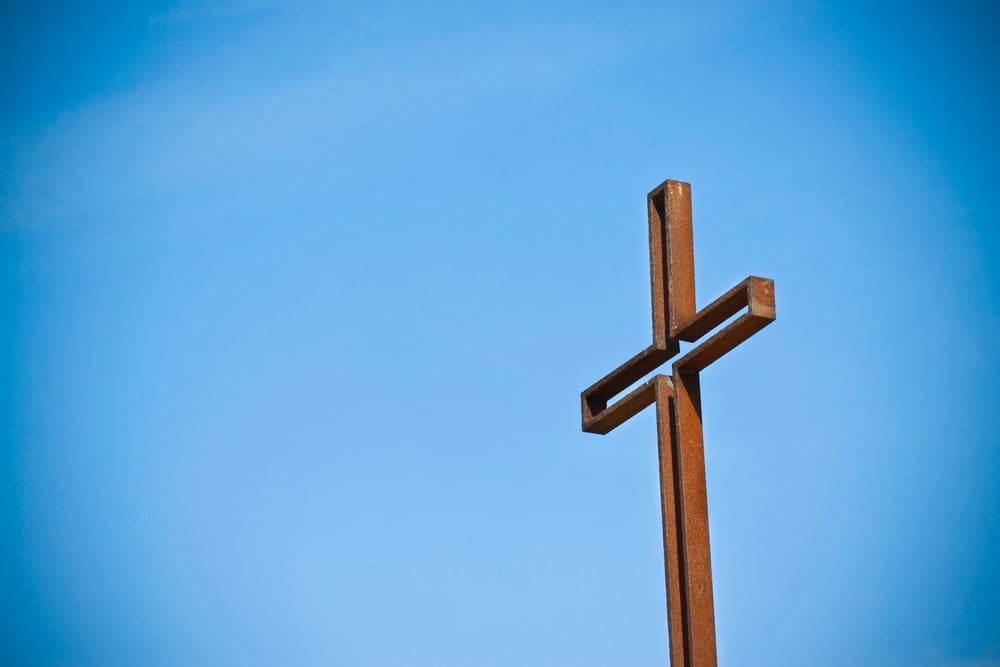
Before Christianity adopted it, the cross was just a Roman execution method. A brutal one.
Seeing a cross on a hill meant someone was dying slowly and publicly as a warning to others.Early Christians were cautious about displaying crosses publicly, though they did use cross-related symbols in some contexts—the staurogram appears in 2nd and 3rd century manuscripts. They used multiple symbols including the fish (ichthys), but none were exclusive.
After Constantine converted in the 4th century, everything changed. The empire that had used crosses to kill Christians now made the cross their primary symbol.
What had meant death became a sign of triumph over death.
By the Middle Ages, the cross appeared everywhere in Christian societies. On buildings, in art, worn as jewelry.
The execution device had become the defining symbol of the world’s largest religion. That transformation took centuries and required the meaning to shift dramatically.
Swastikas Were Sacred Before They Were Hateful
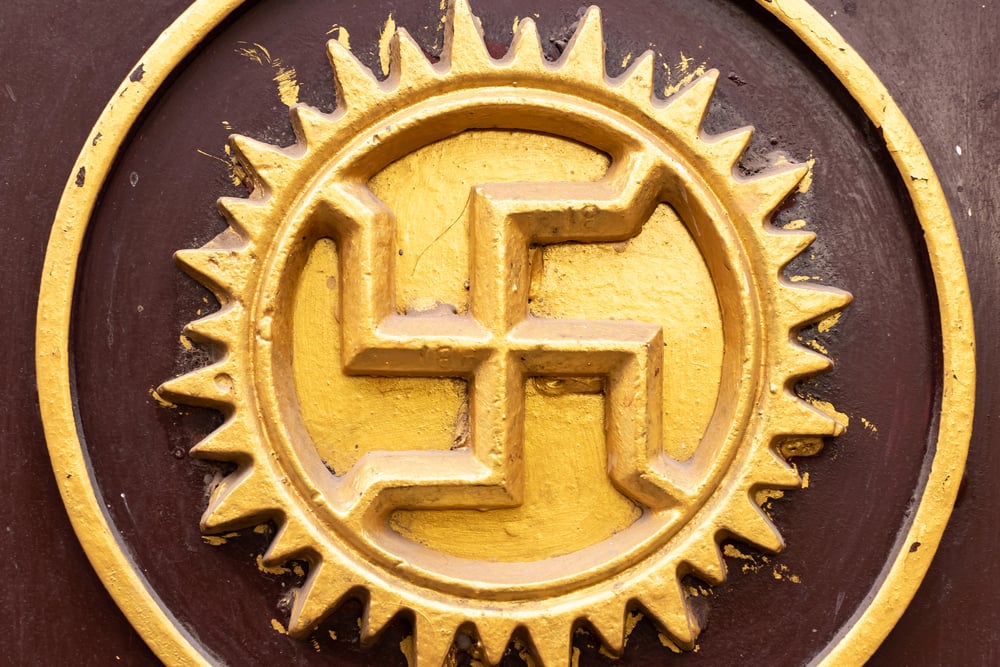
For thousands of years across Asia, the swastika marked temples, religious texts, and sacred spaces. Hindus, Buddhists, and Jains all used it as a symbol of good fortune and spiritual wellness.
The word itself comes from Sanskrit, meaning well-being.The symbol appeared in other cultures too. Ancient Greeks used it in their art.
Native American tribes incorporated it into their designs. It was just a geometric pattern that humans independently discovered and found pleasing.
Then the Nazi Party adopted it in the 1920s, often rotating it 45 degrees, though not always. In just over a decade, they created such a strong association with genocide that many people in the West don’t know it had previous meanings.
After World War II, the swastika became toxic in Western contexts, nearly impossible to use without invoking Nazis.
The symbol never lost its original meaning in much of Asia, where it still appears on temples and religious materials. The sacred tradition continued uninterrupted there.
But in Western countries, one regime’s use created a meaning so powerful it dominates all other interpretations.
The Rainbow Belonged to Everyone

Rainbows appeared in myths and stories across cultures. Norse mythology had a rainbow bridge connecting realms.
The Bible used it as a promise from God. It was just a natural phenomenon that humans universally recognized as beautiful and significant.In 1978, Gilbert Baker created an eight-color rainbow flag for San Francisco’s gay pride parade.
He chose it deliberately—a symbol from nature that represented diversity and hope. The flag was later simplified to six colors and caught on within LGBTQ+ communities, spreading globally.
Now when you see rainbow colors arranged in certain patterns, you think of pride movements. Corporations use rainbow logos during June.
The symbol shifted from general to specific in a few decades. Younger generations don’t remember a time when rainbow imagery wasn’t associated with LGBTQ+ identity and rights.The speed of this transformation was remarkable.
Most symbolic shifts take centuries. This one happened within many people’s lifetimes, changing how billions of humans interpret a natural optical effect.
Skulls Moved From Death to Fashion
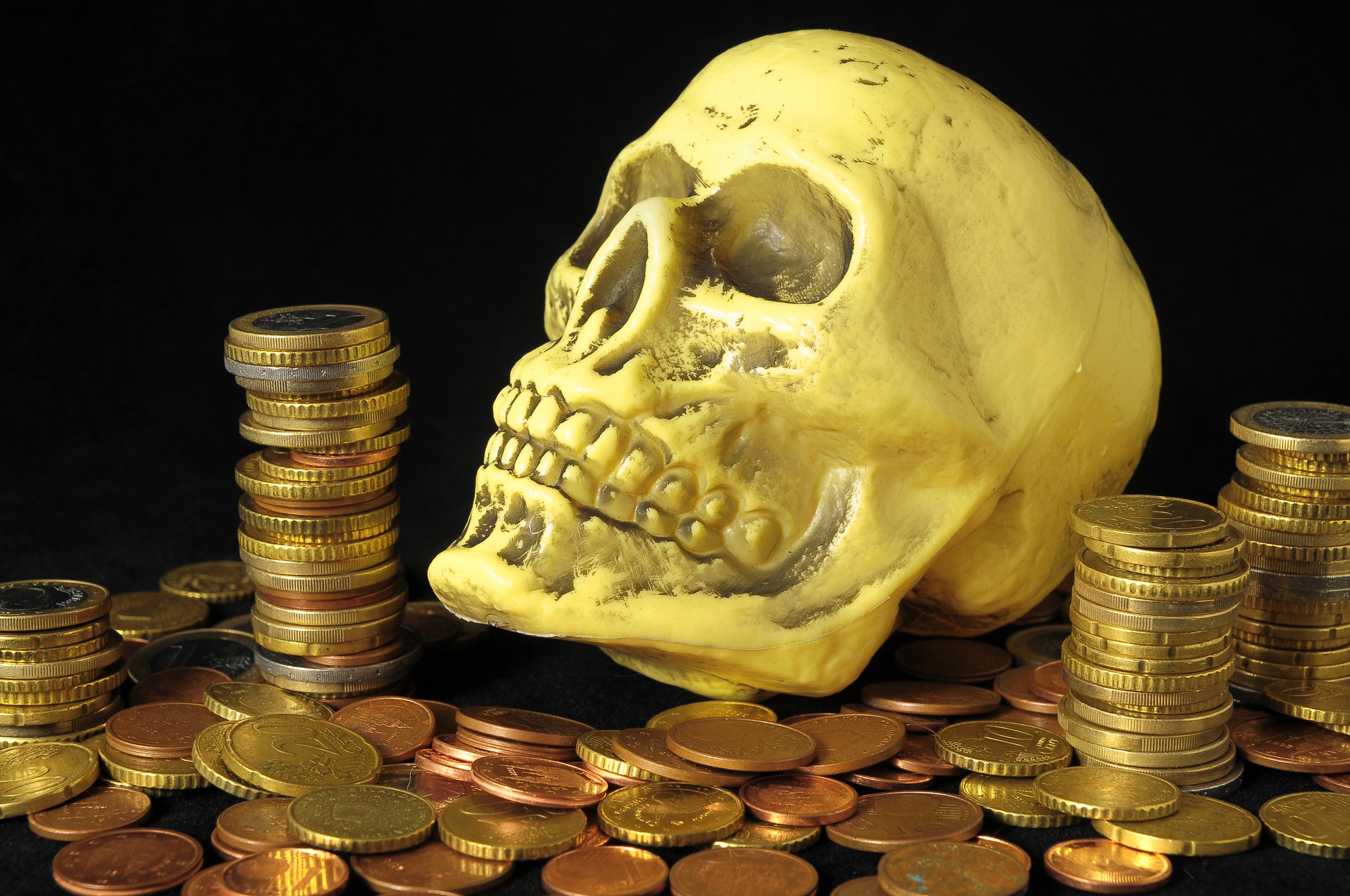
Death’s head imagery goes back to ancient times. Memento mori—remember you will die—was a philosophical position in Rome.
Skulls in art reminded people of mortality. Churches displayed them to encourage spiritual reflection before death came.Pirates used various flag designs, and while skull imagery appeared, the classic Jolly Roger wasn’t universal among pirates and designs varied widely.
Either way, skulls generally meant death and danger throughout most of history.
The path from there to modern fashion wasn’t straightforward. Romantic and Victorian art used skull imagery in different contexts.
Then punk and metal subcultures adopted them as rebellion symbols in the 20th century. Fashion picked them up from there.
Now you can buy skull-patterned clothes at mainstream retailers. Children wear skull designs without any association with death.The symbol lost its weight through these transformations.
What once made people contemplate mortality now just looks edgy or stylish, depending on the context.
The Handshake Started as Proof of Peace

Ancient Greeks and Romans clasped forearms or hands when greeting each other. The gesture appeared in depictions of friendship, agreement, and unity.
While showing you weren’t holding a weapon was one possible meaning, handshakes represented various forms of connection and trust.Medieval Europeans shook hands to seal agreements.
The physical contact made promises feel more binding. Business deals, truces, and alliances involved handshakes because the gesture carried weight.
Modern handshakes retain some of that meaning. Refusing to shake someone’s hand is still an insult in many contexts.
But we’ve added layers. Grip strength supposedly reveals character.
Techniques for the perfect business handshake get taught in professional development courses. The simple gesture became loaded with social meaning about confidence and respect.During the COVID-19 pandemic, handshakes became problematic for disease transmission reasons.
Many people replaced them with elbow bumps or just stopped physical greetings. Whether this change sticks or humanity returns to handshakes remains to be seen.
But it shows how quickly even ancient symbols can shift when circumstances change.
Wedding Rings Weren’t Always About Love
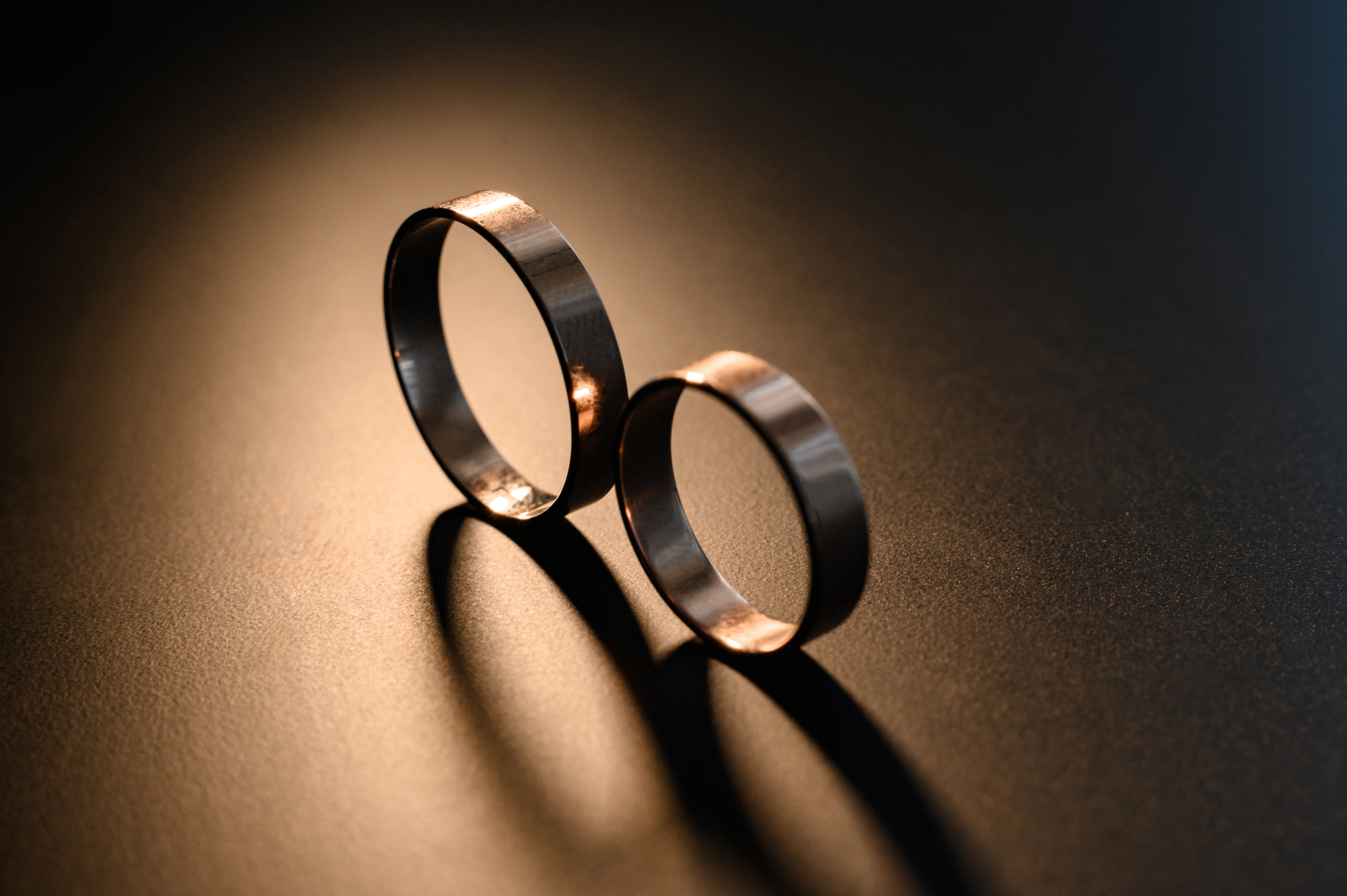
Ancient Egyptians exchanged rings, but the symbolism was about commitment and legal contracts more than romance. Romans gave rings that marked various forms of commitment, with meanings varying across classes and periods—not always solely about ownership.
The circle shape represented eternity, which is where the “eternal love” interpretation eventually came from. But for most of history, wedding rings were primarily about legal status and social contract.
The romantic angle is relatively recent.Diamond engagement rings only became standard in the 20th century.
De Beers ran a marketing campaign starting in 1947 that successfully convinced people diamonds were the traditional and appropriate stone for engagement.
Before that, various stones or no ring at all were common. The company created a tradition that now feels ancient but is actually younger than most people’s grandparents.The symbol evolved from legal marker to love token to expensive obligation in stages.
Each generation modified the meaning while maintaining the basic form.
The Peace Sign Was An Accident

The peace symbol—the circle with lines inside—was designed in 1958 for a nuclear disarmament march in Britain. The designer combined semaphore signals for N and D (nuclear disarmament) vertically inside a circle.
That origin is obscure enough that most people who use the symbol don’t know it. Within a decade, the symbol spread globally through anti-war movements.
It became shorthand for pacifism, counterculture, and opposition to Vietnam War-era politics.By the 1980s and 1990s, the symbol had been commercialized and diluted.
It appeared on jewelry, clothing, and home decor with no political meaning attached. People wore it because it looked nice or vaguely represented being against violence.
The symbol’s meaning shifted from specific political statement to general good vibes in just a few decades. Younger generations might recognize it without knowing anything about nuclear disarmament or 1960s protest movements.
Dragons Changed From Evil to Cool

Medieval European dragons were typically villainous. They often represented sin, greed, and chaos.
Saint George killed a dragon because dragons were monsters to be destroyed. They hoarded gold and kidnapped princesses.
But not all medieval traditions depicted dragons as absolute moral evil—they were adversaries, often dangerous and destructive, but with some variation in how they were portrayed.Asian dragons were different—associated with wisdom, power, and good fortune.
But in Western culture, dragons were generally antagonists until relatively recently.
Fantasy literature started changing this. Tolkien’s dragons were still evil, but they were magnificent and interesting.
Later authors made dragons more complex, sometimes sympathetic. By the time video games and modern fantasy media became popular, you could play as a dragon or have one as an ally.Now children love dragons.
They appear on kids’ lunch packages and backpacks. Dragon characters are heroes as often as villains.
The symbol shifted from representing threat and danger to representing power and fantasy in general. That transformation happened mostly in the 20th century through fiction and media.
The Raised Fist Meant Different Things

A raised fist has been a symbol of resistance and solidarity for over a century, but its specific meaning changed with whoever used it. Labor movements in the early 1900s used it to represent worker solidarity against owners.
The Black Power movement in the 1960s made the raised fist specifically about racial justice and resistance to oppression. That association was so strong that the 1968 Olympic Games saw two athletes raise their fists on the medal stand—one raising his left fist, the other his right, as they shared a single pair of gloves.
This became one of the era’s most iconic images.Other movements adopted it. Feminists used it.
Anti-apartheid activists used it. Various political groups across the spectrum claimed it.
Each use added or modified the meaning. The basic gesture stayed the same, but what it communicated depended entirely on who raised their fist and when.In recent decades, the symbol appears in protest movements worldwide.
Its meaning has become somewhat general—opposition to injustice or show of solidarity—while still carrying the specific weight of its history. Context determines which layer of meaning applies.
Red Meant Different Things to Different Powers
Red has been politically significant for centuries, but the meaning shifted dramatically. Medieval European nobility wore red to display wealth, since red dyes were expensive.
Cardinals wore red as a mark of their position in the Catholic Church.Revolutionary France adopted red during the 1789 revolution as a symbol of martyrs’ blood.
But red’s strong association with socialism and communism came later, after the 19th-century revolutionary movements across Europe adopted it as their color. This made red represent leftist politics throughout the 20th century.
This created confusion because red also represented other things simultaneously. Red Cross organizations used red for medical aid.
Red light districts used red for adult entertainment. Political opponents called communists “reds” as both identifier and insult during anti-communist movements.The same color meant revolution, medicine, danger, and immorality depending on context.
That multiplicity of meaning happened because different groups claimed red at different times for different reasons. Unlike symbols with specific forms, colors can be adopted by anyone, leading to competing meanings.
Olive Branches Shifted From Greek to Universal

Ancient Greeks associated olive branches with Athena and peace. Offering an olive branch was a way to propose ending conflict.
The Romans picked up this symbolism and spread it through their empire.For centuries, the olive branch stayed primarily Mediterranean in meaning.
Other cultures had their own peace symbols. But as European and American culture became globally dominant, their symbols spread too.
The United Nations adopted an olive branch wreath in their logo, adapting imagery from the U.S. Great Seal. That choice made the symbol officially international.
Now when political cartoons show someone extending an olive branch, people from cultures with no olive trees understand the metaphor.The symbol went from culturally specific to supposedly universal through political and cultural dominance rather than any inherent universal meaning.
Other peace symbols existed, but the olive branch won because of which cultures had more power to spread their symbols globally.
The Crucifix and Cross Diverged

Both feature the same basic shape, but a crucifix shows Jesus on the cross while a plain cross doesn’t. This difference matters to various Christian denominations in ways that have caused serious conflicts.
Many early Protestants rejected crucifixes as too Catholic, preferring plain crosses. They saw the empty cross as representing resurrection rather than focusing on the execution.
Catholics kept the crucifix to emphasize Christ’s sacrifice. However, the split isn’t absolute—some Protestant denominations like Lutherans and Anglicans do use crucifixes.
This divided the same basic symbol into two versions with significantly different theological implications for many groups. Wars were fought partly over these kinds of distinctions.
Even today, you can often identify someone’s denominational background by which version they display.The interesting part is how two nearly identical symbols accumulated such different meanings.
The presence or absence of a figure on the cross became a marker of identity and belief that went far beyond the visual difference.
Symbols Keep Changing
Each sign talked about here keeps changing shape. What feels fixed today might mean something else tomorrow, shaped by younger folks seeing it fresh.
A few emblems will get taken back, some dropped completely – brand-new ones will pop up outta nowhere.The speed of shifts has grown fast because people connect across the world.
Instead of centuries, signs travel everywhere within just a few months these days. While meanings once shifted slowly, they now flip in only a year or two.
Yet the core cycle stays the same – people make emblems, work with them, tweak them, then hand them down differently. Knowing symbols can change explains why folks argue about them so much.
When you decide what a symbol stands for, you shape how others see things. This is why excluded communities care deeply about taking back meanings – yet powerful ones push back every time.
Fighting over signs isn’t just noise – it’s about who gets to say what counts as real or right.
More from Go2Tutors!

- The Romanov Crown Jewels and Their Tragic Fate
- 13 Historical Mysteries That Science Still Can’t Solve
- Famous Hoaxes That Fooled the World for Years
- 15 Child Stars with Tragic Adult Lives
- 16 Famous Jewelry Pieces in History
Like Go2Tutors’s content? Follow us on MSN.