27 Toys From the ’70s and ’80s That Collectors Now Pay Surprising Money For
Toy boxes from the Carter and Reagan years were built for abuse, not preservation. Most of what survived did so by accident, stuffed in a closet after a move or forgotten under a bed when the kids left for college.
That accident is exactly what collectors now hunt for. The adults who once begged for these toys have disposable income, long memories, and very specific wish lists.
Kenner’s Vinyl Cape Jawa
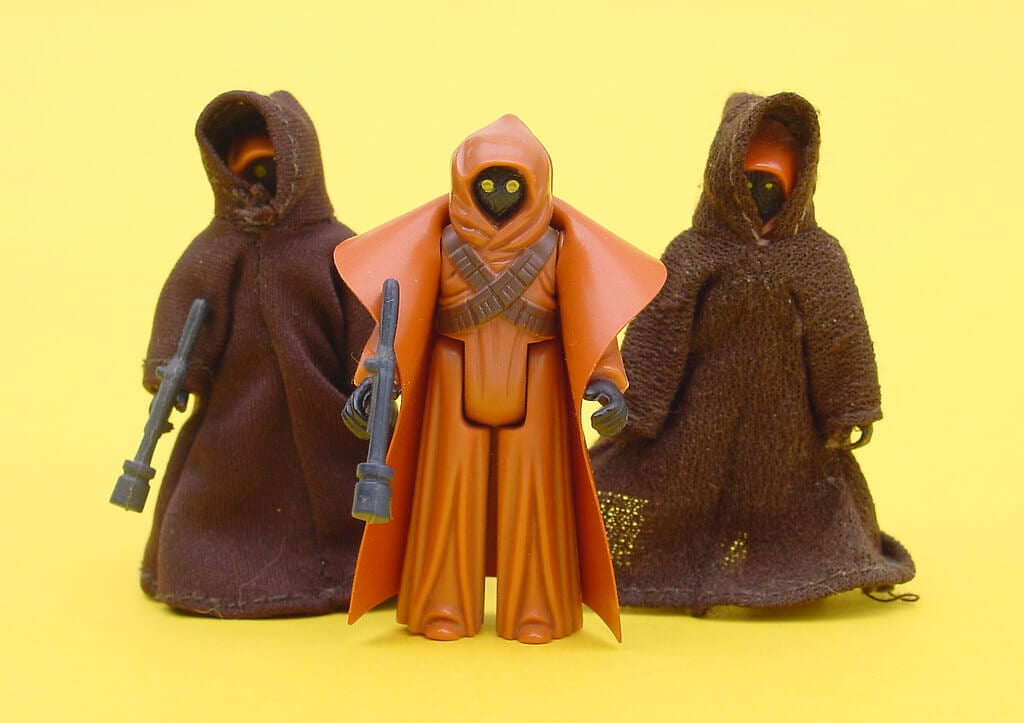
The earliest Jawa figures Kenner shipped in 1978 wore a short cape made of vinyl, and the company quickly swapped it for a cloth robe that looked less like a cocktail napkin. That brief production window turned the vinyl version into one of the most wanted Star Wars figures ever made.
Loose examples with a genuine cape bring four figures, while carded ones have sold for far more. Reproduction capes are everywhere, so collectors study the vinyl’s thickness and the exact cut of the edge.
A cape with tears, creases, or a suspiciously fresh sheen drops the value sharply.
Star Wars Figures on Original Twelve-Back Cards
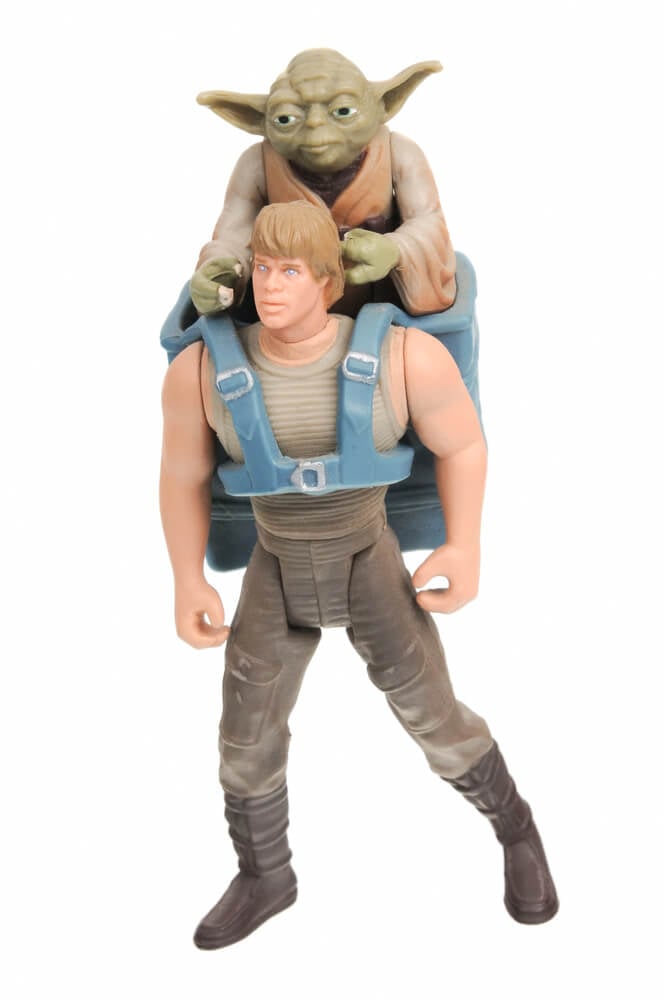
The first 12 Kenner Star Wars figures arrived on cards whose backs pictured only those 12 characters, and collectors call them twelve-backs. Figures still sealed on these cards sell for hundreds to several thousand dollars depending on the character.
The rarest early Luke, Vader, and Ben Kenobi figures came with a double-telescoping lightsaber that slid out in two stages, a design Kenner dropped because it broke so easily. A sealed double-telescoping Vader has reached six figures at auction.
Bubble dents, yellowing, and bent card corners all move prices down, and a punched hanger tab matters more than most people expect.
GI Joe USS Flagg Aircraft Carrier
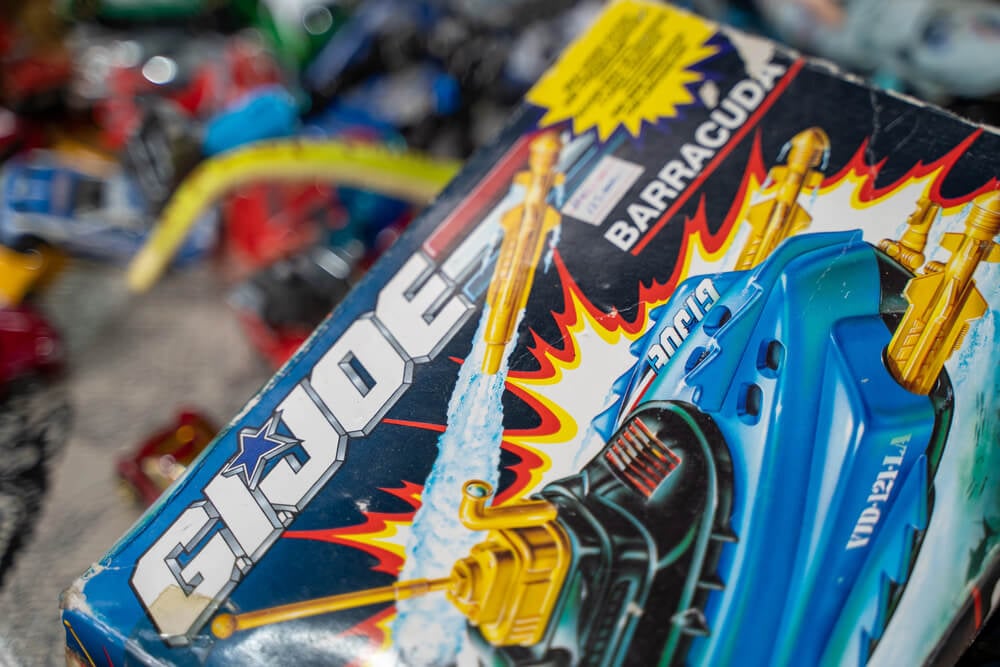
Hasbro’s USS Flagg arrived in 1985 and measured roughly seven and a half feet long, which made it one of the largest toy playsets ever sold. Most were assembled on a living room floor and slowly lost their small parts over years of play.
Complete examples with the Admiral Keel-Haul figure, the working elevator, and intact decals now sell for well over a thousand dollars, and sealed boxes go much higher. Buyers count every antenna and ladder before paying.
Missing pieces, yellowed white plastic, and peeling stickers are the norm, which is exactly why a clean, complete carrier stands out.
Straight-Arm GI Joe Figures From 1982
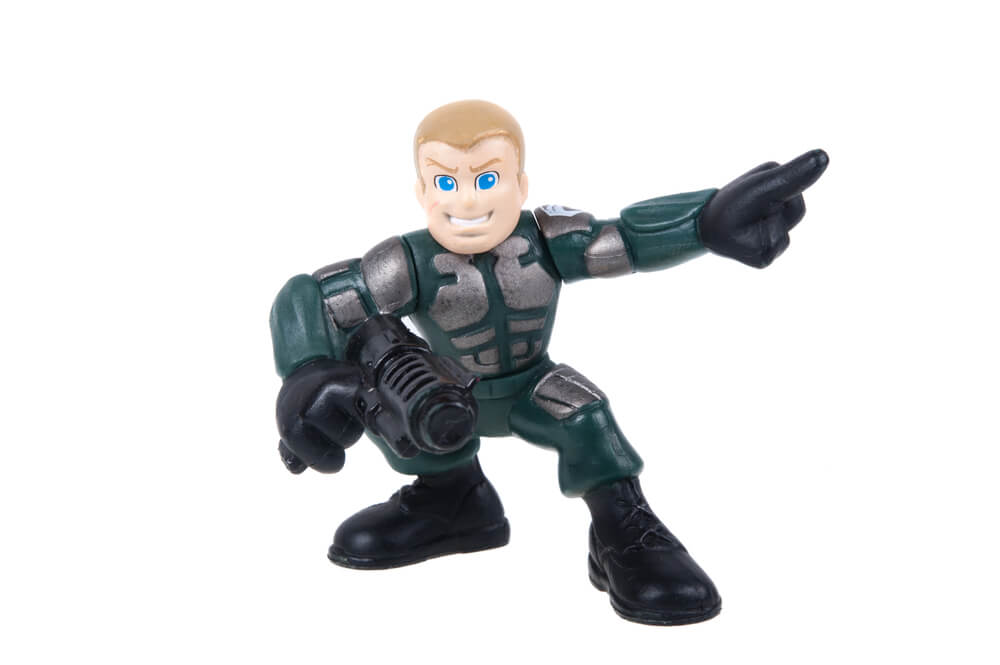
The first wave of GI Joe: A Real American Hero figures in 1982 had arms that bent at the elbow but could not swivel. Hasbro added the swivel-arm battle grip in 1983, which makes the original straight-arm figures easy to date.
Characters like Snake Eyes, Stalker, and Scarlett from that first wave draw strong prices when still sealed on their cards. Loose figures with every accessory usually sell for modest sums, but carded examples in good shape reach the hundreds or more.
Thumbs crack easily on these figures, and a broken thumb is the first thing an experienced buyer checks.
Optimus Prime From the First Transformers Wave
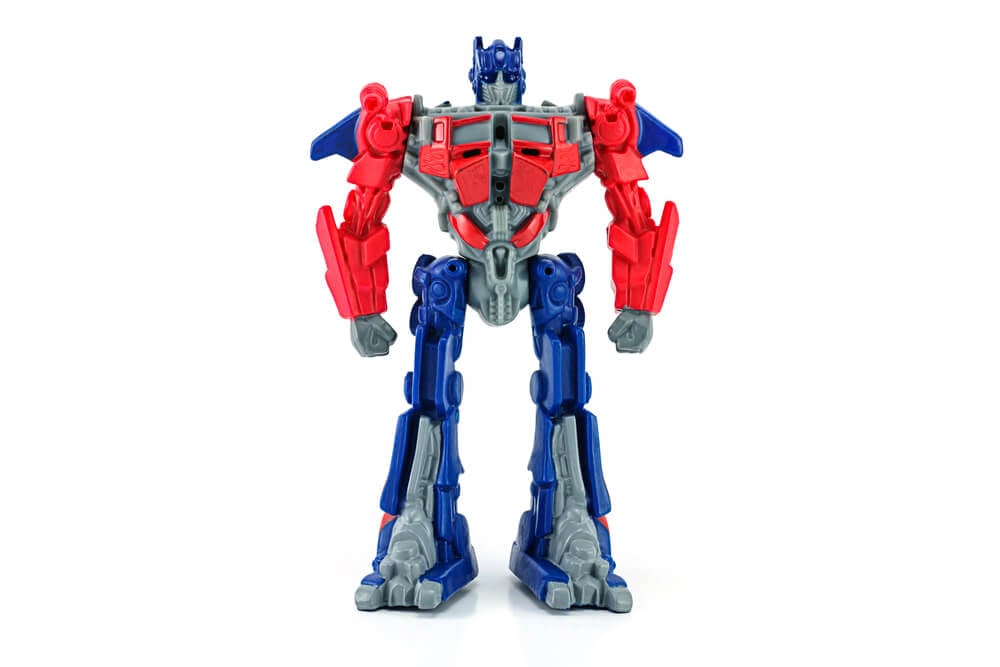
Optimus Prime reached American shelves in 1984, adapted from a Takara Diaclone truck that Hasbro repackaged for the Transformers line. The toy came with a trailer that opened into a combat deck and a small scout robot called Roller.
A complete Prime with its fists, gun, and trailer parts sells in the low hundreds, while mint boxed examples reach well into four figures. Chrome wear on the smokestacks and loose joints are common flaws.
Collectors also watch for broken trailer hinges and missing fists, which were small enough to vanish into carpet within a week of Christmas.
Fortress Maximus
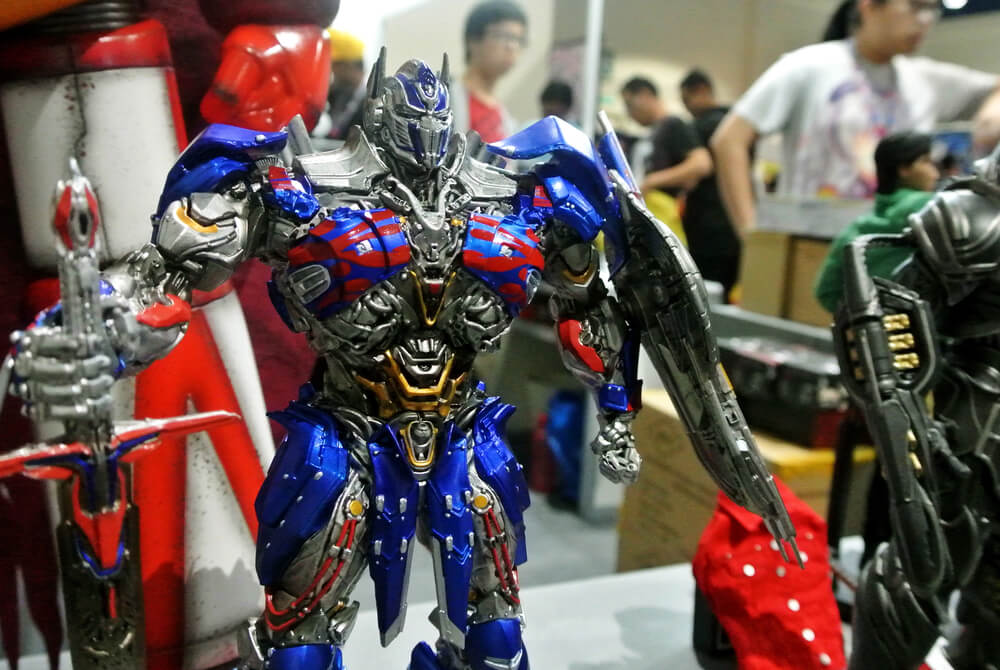
Released in the United States in 1987, Fortress Maximus stood about 22 inches tall in robot mode and holds the title of largest toy in the original Transformers line. The price was steep for its time, so fewer families bought one, and even fewer kept the box.
Complete examples with the Cerebros head, the Spike figure, and all weapons sell for well over a thousand dollars. The sheer number of small parts makes completeness the main value driver.
Stickers peel, plastic yellows, and the transforming joints loosen, so a crisp example with tight hinges is a genuine rarity.
Masters of the Universe Figures Still Carded
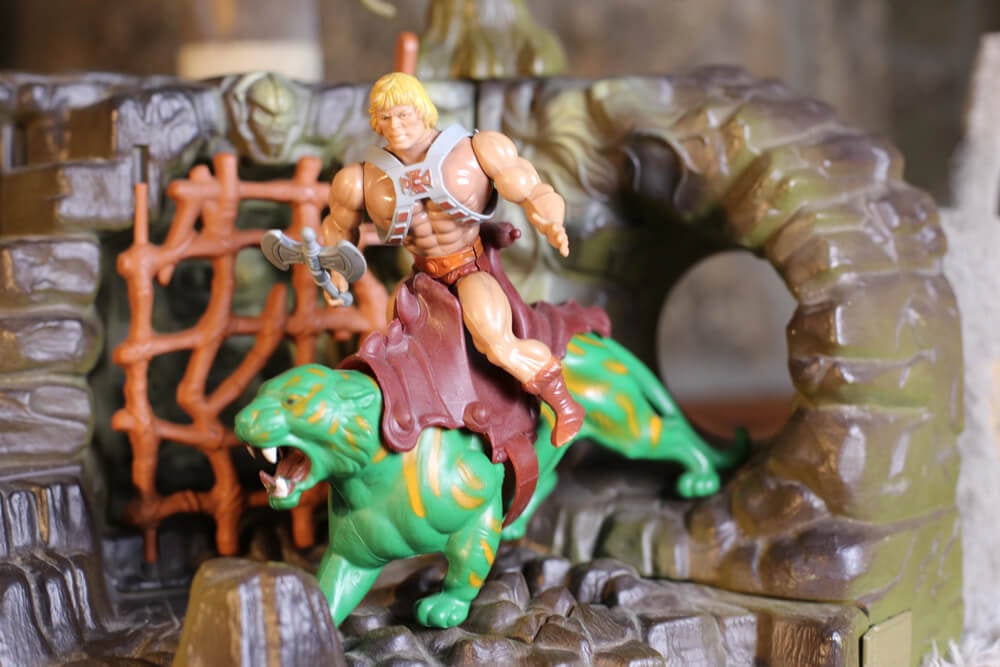
Mattel launched Masters of the Universe in 1982, and the first figures, including He-Man and Skeletor, came on cards that pictured eight characters on the back. Collectors call these eight-backs and pay premiums for them.
A loose He-Man is worth modest money, but a sealed first-wave figure can reach several thousand dollars in top condition. Graded examples carry the highest prices.
Rubber bands inside the legs dry out over decades, and crushed bubbles or card creases lower value quickly, so buyers pay close attention to how the package survived as much as the figure itself.
Hot Wheels With Redline Tires
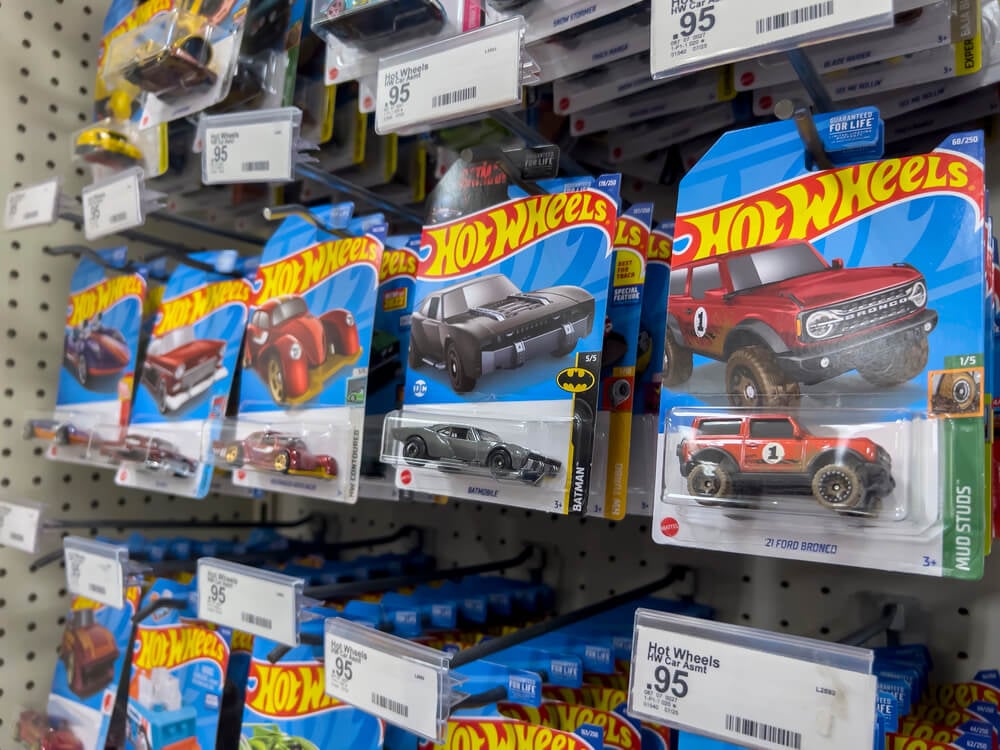
Mattel introduced Hot Wheels in 1968 with a thin red stripe on each tire, and cars made through 1977 are known as Redlines. Many early models wore Spectraflame paint, a translucent finish over polished metal that chips easily.
Common Redlines sell for 20 to 100 dollars, while scarcer colors and castings reach the thousands. The pink rear-loading Beach Bomb prototype is the famous exception, worth six figures, though it never reached stores.
Paint loss is the main issue, and cars with intact tampos, straight axles, and unfaded red tire stripes are worth far more than the heavily played examples most attics produce.
Mego Eight-Inch Superhero Figures
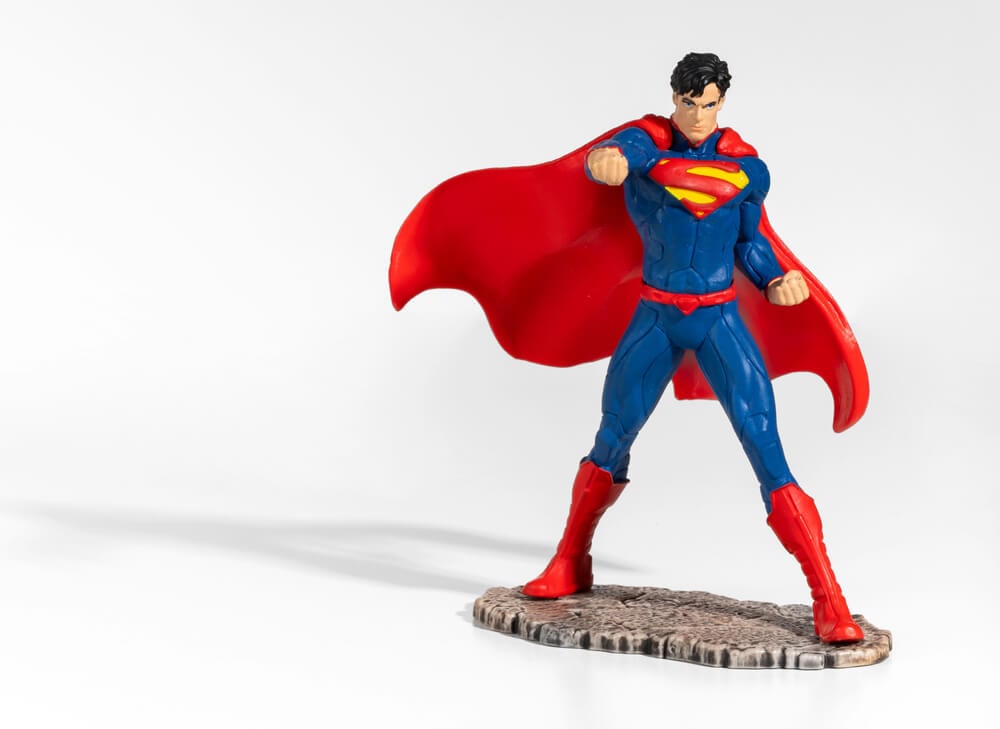
Mego’s World’s Greatest Super Heroes line began in 1972 with cloth costumes over a jointed eight-inch body. The earliest Batman and Robin figures had removable cowls and masks, a feature dropped later because the pieces kept disappearing.
Those removable-cowl versions sell for hundreds of dollars loose and much more boxed. Collectors check for original boots, belts, and emblems, since many costumes were swapped between figures.
Rotted elastic, faded fabric, and green corrosion at the joints are common. A figure with its original accessories and crisp costume often brings two or three times the price of a well-loved one.
Micronauts by Mego

Micronauts arrived in 1976, adapted from Takara’s Japanese Microman line, and featured small figures with chrome parts and interchangeable limbs. The line also spawned a Marvel comic that kept the brand alive for years.
Figures like Baron Karza and the Force Commander, which used magnets in their joints, sell for hundreds when complete and boxed. Chrome wear is the main condition problem, along with missing helmets and weapons.
Collectors who grew up with Micronauts remember the fragile snap-together parts, and complete examples have become scarce because so many sets were mixed together in a single toy bin.
Shogun Warriors by Mattel
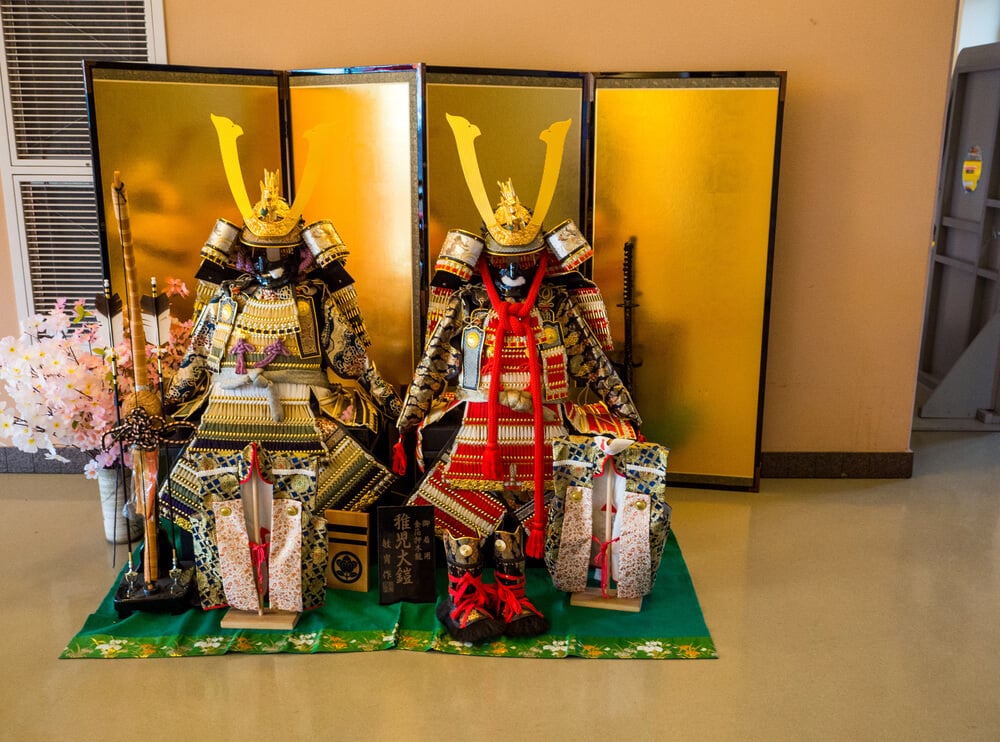
Mattel brought giant Japanese robots to American kids in 1979 with the Shogun Warriors line, including 24-inch figures like Mazinga, Raydeen, and Dragun. The biggest toys fired spring-loaded fists and missiles, which were among the first parts to go missing.
Complete Jumbo figures with launchers and projectiles sell for several hundred dollars, and boxed examples go higher. The line later added a Godzilla figure with a launching hand.
Faded decals, stress marks on the plastic, and missing missiles all cut into prices, and fully intact launchers have become harder to find than the robots themselves.
Kenner’s 18-Inch Alien Figure
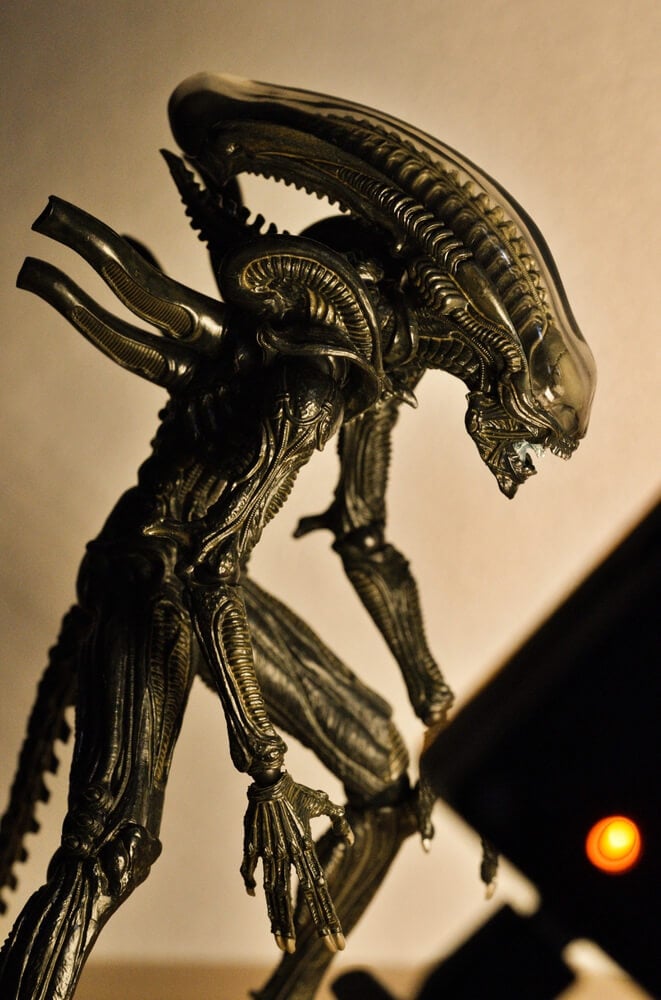
Kenner released an 18-inch figure of the creature from Alien in 1979, and it was pulled from shelves quickly after parents complained that it was too frightening for children. That short run makes it one of the most sought-after movie toys of the decade.
Complete examples with the moving jaw mechanism and working head dome sell for well over a thousand dollars. Boxed examples reach much higher prices.
The clear head dome is prone to cracks and scratches, and a figure missing its inner jaw or with a brittle tail is worth considerably less.
Stretch Armstrong
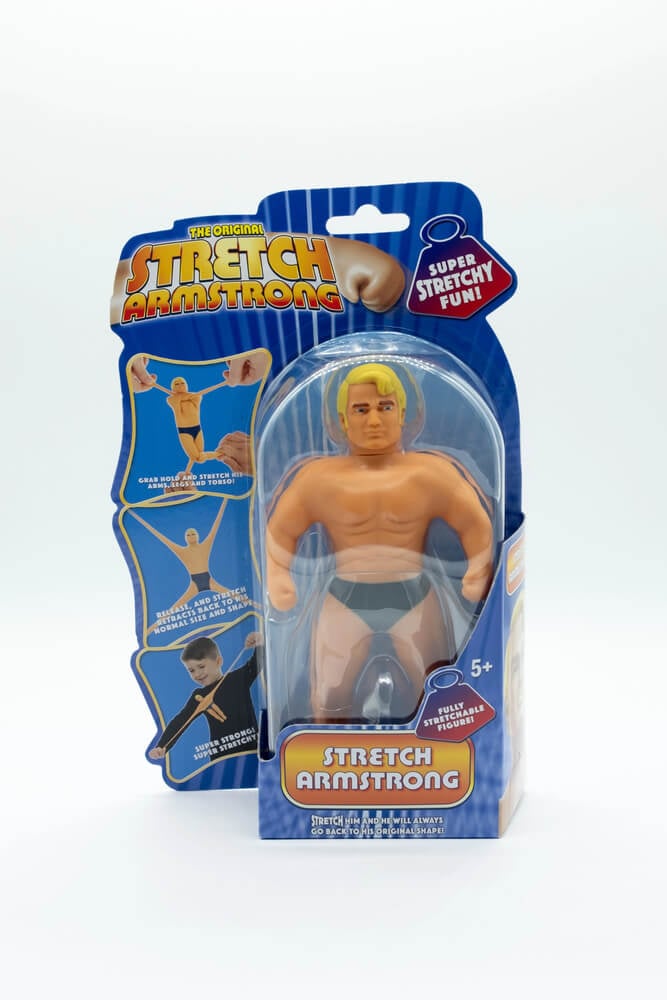
Kenner’s Stretch Armstrong appeared in 1976, a rubber figure filled with gelled corn syrup that could stretch to several times its normal length. Most originals were stretched until they split, dried out, or leaked.
Surviving examples that are still pliable and intact sell for hundreds of dollars, and boxed ones bring more. The original box shows the figure in its trademark pose.
Collectors look for cracks in the latex, discoloration, and stiffness. A dried-out Stretch loses almost all value, which is why a soft, original figure that still returns to shape is so rare today.
Evel Knievel Stunt Cycle
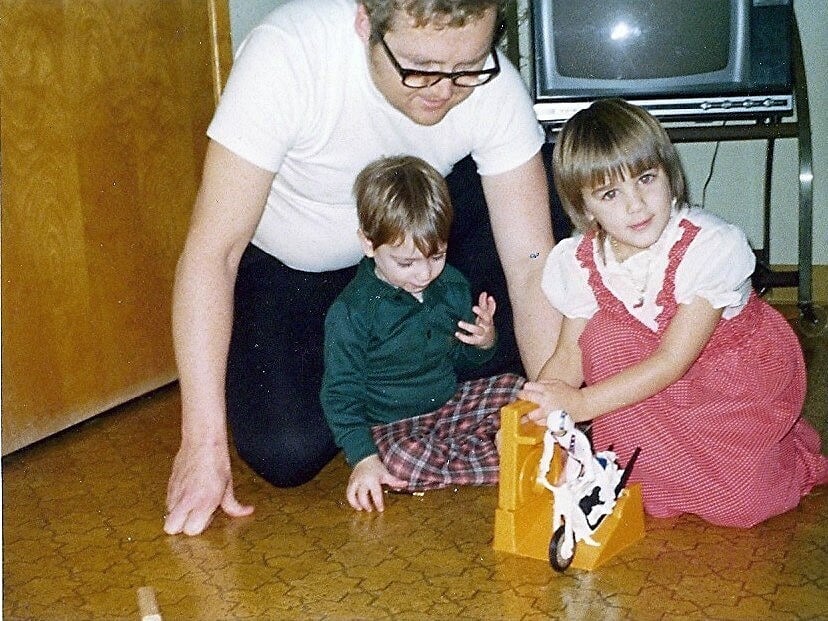
Ideal released the Evel Knievel Stunt Cycle in 1973, a wind-up toy that launched a motorcycle carrying a bendable Knievel figure across the floor. Kids used it constantly, which is why complete sets with the launcher, bike, and figure are harder to find than expected.
A boxed set in good shape brings several hundred dollars. The launcher’s crank mechanism is the key point, since many were broken or lost.
Buyers also check for the original helmet, the plastic cape, and paint wear on the figure. Played-with sets with missing parts sell for a fraction of the complete price.
Six Million Dollar Man Figure

Kenner’s 13-inch Six Million Dollar Man figure appeared in 1975, with a bionic eye that could be viewed through a lens at the back of his head and an arm that lifted a supplied engine block. The rubber skin on the arm often tore, and the rolled-up sleeve hid damage underneath.
Complete figures with the original red tracksuit and sneakers sell for 100 to 300 dollars, while boxed examples bring more. Accessory sets like the Bionic Transport are also collected.
Tears in the arm skin, yellowed plastic, and missing clothing are the usual condition problems.
First Wave Teenage Mutant Ninja Turtles
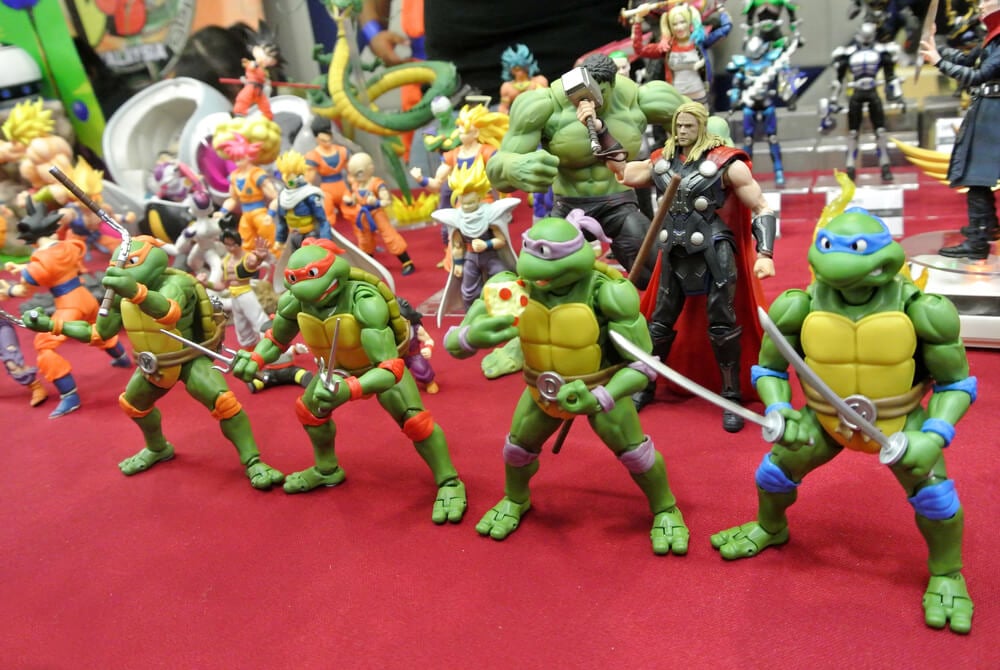
Playmates launched its Teenage Mutant Ninja Turtles figures in 1988 with ten characters, including the four Turtles, Splinter, April O’Neil, and Shredder. Early production runs had softer heads and different card backs, which collectors track closely.
Loose figures sell cheaply, but sealed first-wave examples on original cards have sold for hundreds to thousands, especially with rare early variants. Graded examples carry the highest prices.
Card creases, bubble dents, and yellowing are the main concerns, along with missing weapons that were molded in fragile purple plastic and snapped off easily.
Lego’s Classic Space Galaxy Explorer
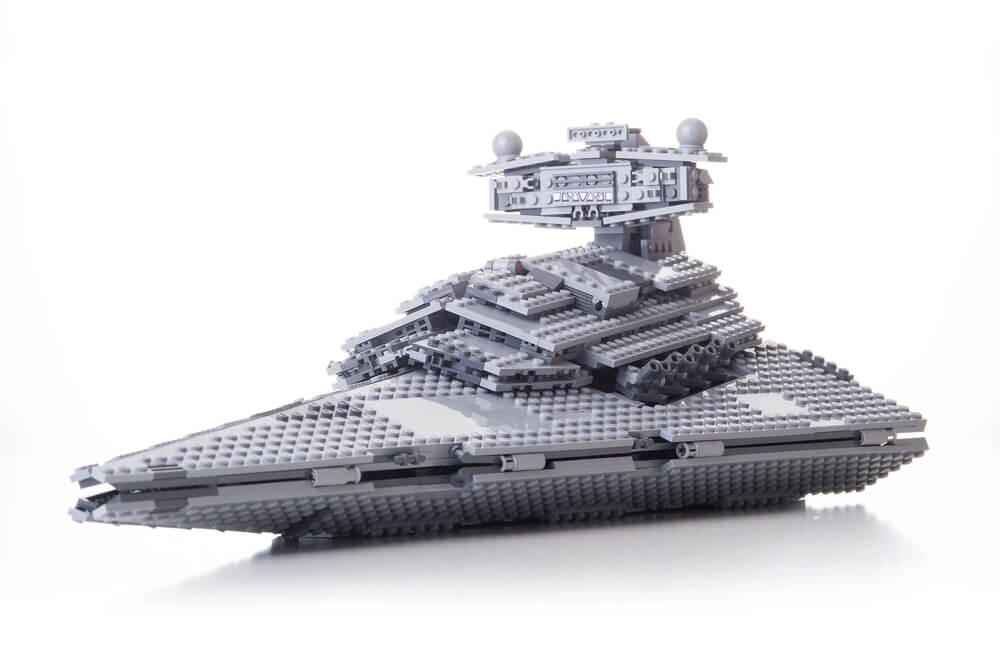
Lego released the Galaxy Explorer in 1979, sold as set 497 in North America and 928 in Europe, and it was one of the first large sets in the Classic Space line. The blue and gray ship came with four astronauts and a detachable rover.
Built sets with all pieces and instructions sell for 200 to 400 dollars, and sealed boxes reach much higher. Buyers check for the original minifigures, the printed pieces, and the instruction booklet.
Yellowing of gray parts, missing trans-yellow canopies, and broken air tanks all lower value. Many sets were mixed into larger Lego bins, so a fully complete Galaxy Explorer requires careful piece-by-piece verification.
Die-Cast Lion Voltron
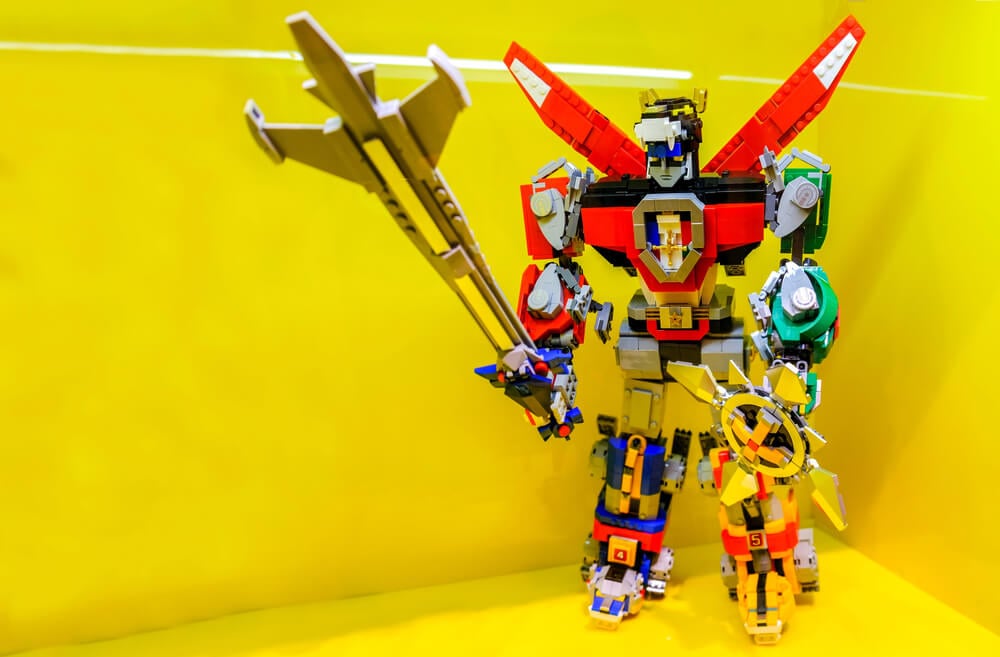
Matchbox imported a die-cast Voltron in 1984, adapted from the Japanese Golion toy by Popy. The five lions combined into a single robot with a sword and shield.
Complete die-cast sets sell for several hundred dollars, and boxed examples bring over a thousand. Paint chips on the metal, loose joints, and missing wings are common problems.
The sword and shield are often lost. Collectors also watch for broken connectors between the lions, since the combining mechanism took real wear during play and a set that no longer holds together is worth much less.
Cabbage Patch Little People Originals
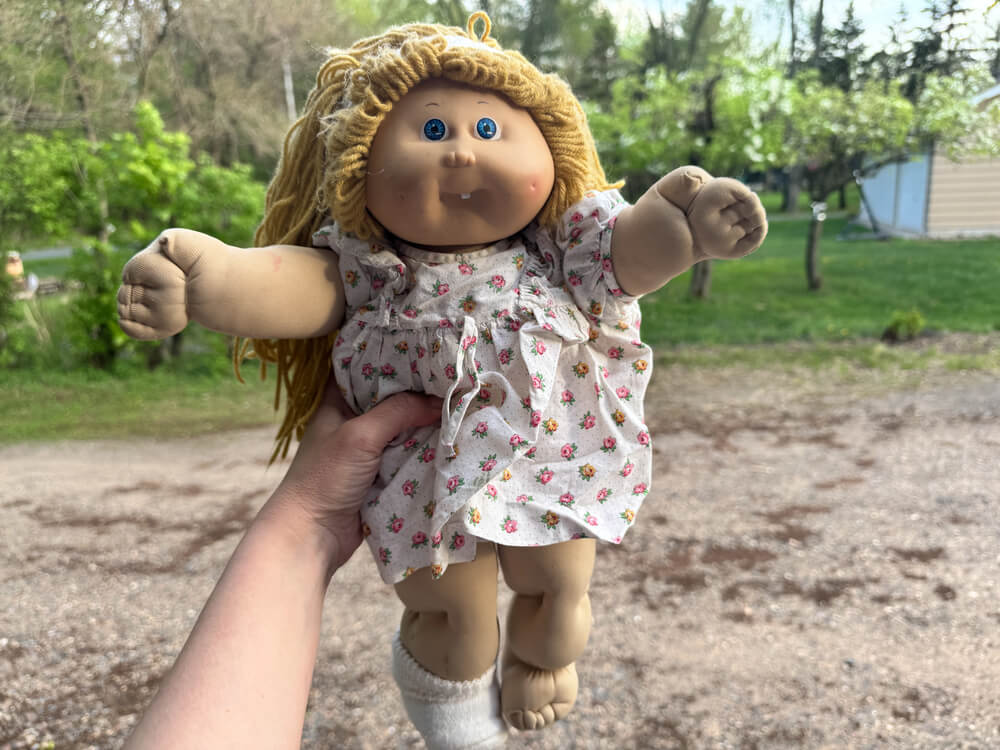
Before Coleco began mass-producing Cabbage Patch Kids in 1983, Xavier Roberts sold handmade soft-sculpture dolls called Little People from Babyland General Hospital in Cleveland, Georgia. These early dolls carry Roberts’s signature and birth certificates.
Handmade Little People sell for hundreds to thousands, while most Coleco-era dolls from the 1983 craze sell for modest amounts. Collectors check for original clothing, adoption papers, and clean fabric.
Stains, faded yarn hair, and missing paperwork cut value significantly. The difference between a handmade original and a mass-produced doll is a large gap in price.
Teddy Ruxpin
Worlds of Wonder released Teddy Ruxpin in 1985, an animatronic bear that moved its eyes and mouth in sync with a cassette tape played in its back. It was the top-selling toy of that holiday season.
Working examples with original tapes and books sell for 100 to 300 dollars, and boxed ones reach higher. The internal gears and motors often fail, and many bears no longer move.
Buyers check that the mouth and eyes still work, the fur is clean, and the original clothing is intact. A silent, frozen Teddy is worth far less than one that still talks.
Mattel Auto Race Handheld
Mattel’s Auto Race arrived in 1976 and is widely credited as one of the first handheld electronic games. Red LED blips stood in for cars on a tiny screen.
Working examples sell for 50 to 150 dollars, and boxed ones reach several hundred. Collectors check that the LEDs light properly, the switches respond, and the battery compartment is free of corrosion.
Faded labels and cracked cases lower value. The game’s simplicity is part of its appeal, and working units remind buyers how far handheld gaming has traveled in a few decades.
M.A.S.K. Boulder Hill Playset

Kenner’s M.A.S.K. line launched in 1985 with vehicles that transformed into combat machines, and the Boulder Hill playset disguised a secret base as an ordinary gas station. Complete sets with all parts sell for several hundred dollars, and boxed examples bring more.
Many small accessories were lost, including the tiny masks worn by each figure. Collectors check for missing parts, yellowed plastic, and peeling decals.
A complete Boulder Hill is increasingly rare, since the playset had dozens of small parts that separated over years of play.
Schleich Smurf Figures
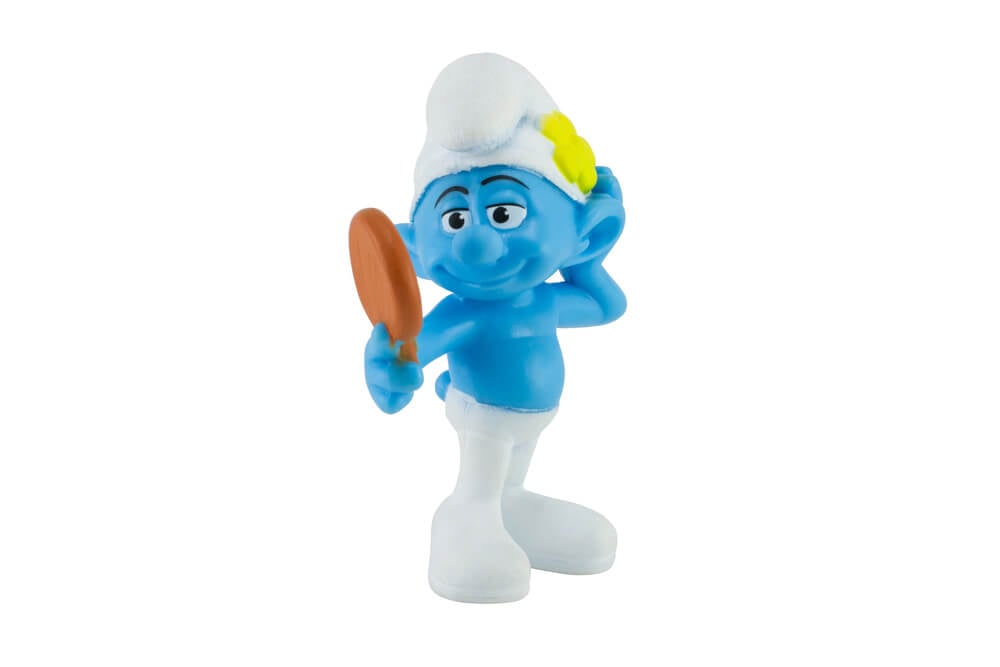
Schleich’s small PVC Smurf figures were made in West Germany and Hong Kong, and they became common in the United States in the late 1970s and early 1980s. Most sell for a few dollars, but rare variants with unusual paint, early markings, or limited promotional releases reach hundreds.
Collectors check the stamp on the foot, which shows the manufacturer and country. Paint wear, especially on the white hats, and scuffing on the blue lowers value.
The difference between a common Smurf and a rare variant is often invisible to anyone not holding a reference guide.
Jem Dolls by Hasbro

Hasbro’s Jem dolls appeared in 1985 alongside a cartoon about a music executive named Jerrica who became a rock star with help from a holographic computer called Synergy. The main Jem doll wore star earrings that flashed, powered by a small battery pack.
Complete dolls with original clothing and accessories sell for 100 to 300 dollars, and boxed examples bring more. Dolls from the rival band, The Misfits, and later-wave characters are scarcer and often priced higher.
Frizzy hair, faded outfits, and missing shoes are the common problems, and dead earring lights or corroded battery contacts lower the price further.
Speak and Spell
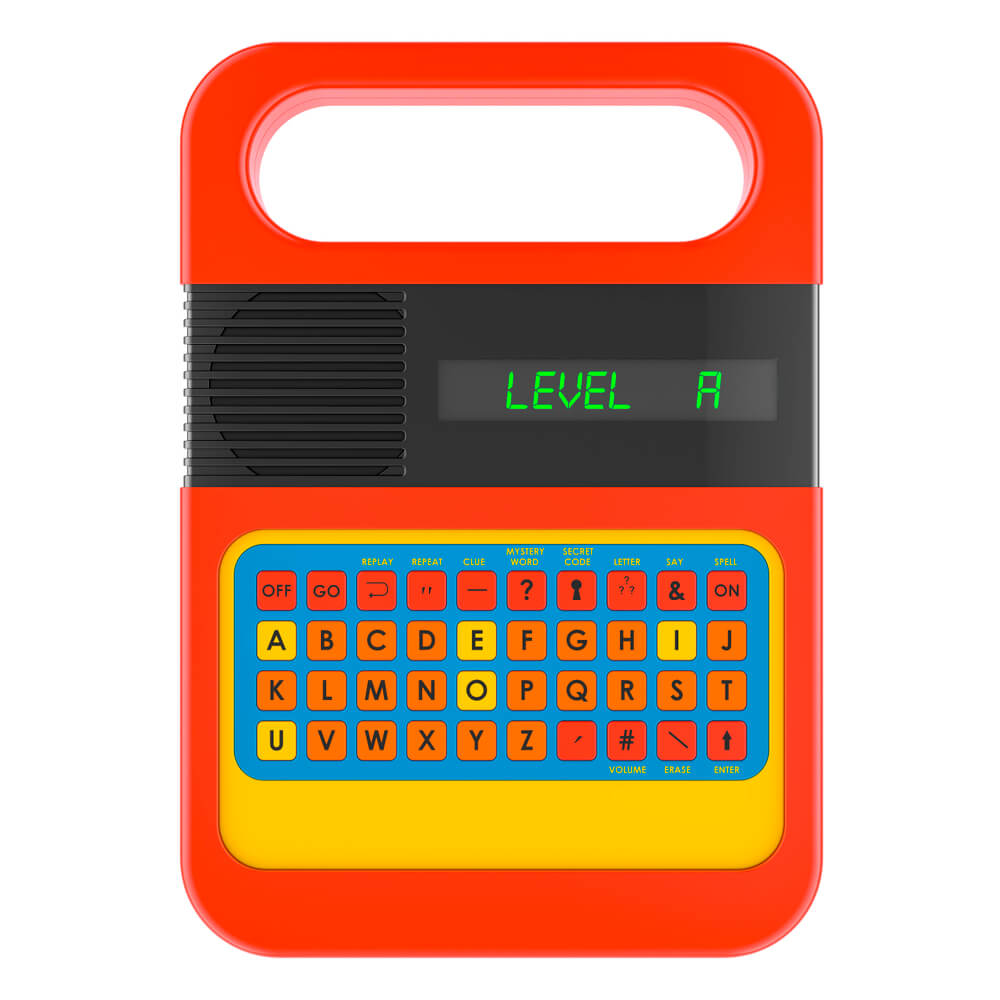
Texas Instruments released the Speak and Spell in 1978, an electronic learning toy that pronounced words using a speech chip. It appeared in the 1982 film E.T. as part of the alien’s homemade communicator, which gave it a second life in pop culture.
Working units sell for 50 to 200 dollars, and boxed ones with the original insert and manual bring more. Early versions with raised buttons are more desirable than later ones.
Battery corrosion, faded plastic, and dead speech chips reduce value. A unit that still speaks clearly is worth far more than one that has gone quiet.
ThunderCats Figures by LJN
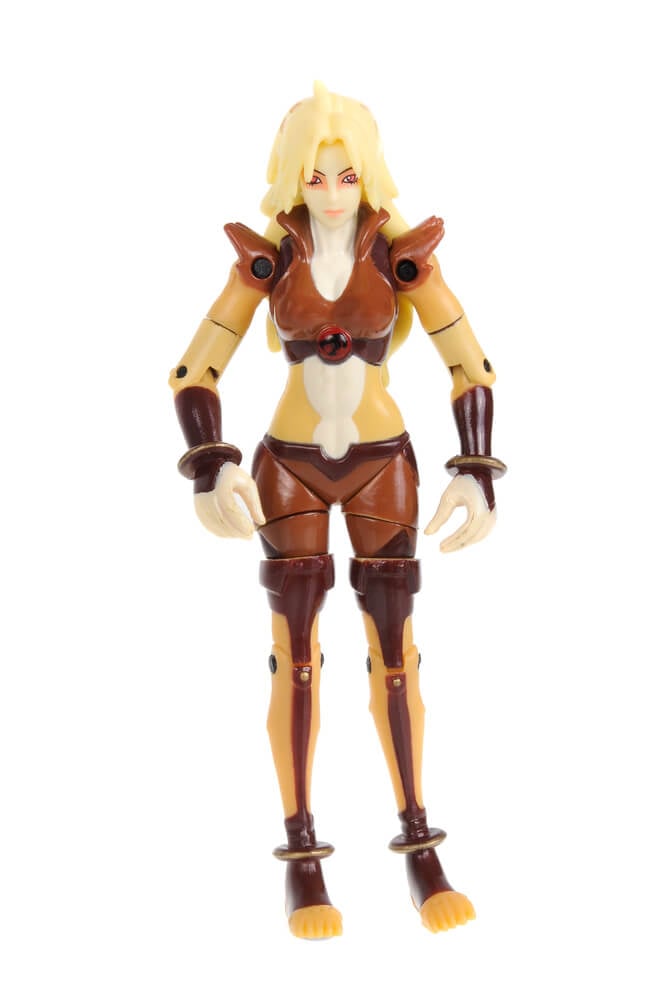
LJN produced ThunderCats figures from 1985 to 1987 to match the animated series, and many figures came with an action feature, from light-up eyes to spring-loaded arms. Loose figures sell for modest amounts, but carded examples in good shape reach the hundreds.
The Cats Lair playset brings more when complete, with its drawbridge mouth and accessories intact. Figures from the final waves were produced in smaller numbers and carry higher prices than the original heroes.
Faded paint, missing weapons, and broken action features are the flaws buyers look for first, and card creases matter for sealed examples.
Real Ghostbusters Firehouse

Kenner produced The Real Ghostbusters line in 1986, built on the animated series that followed the hit film. The Firehouse Headquarters playset and the Ecto-1 vehicle are among the most wanted pieces, since both were expensive gifts that saw heavy use.
A complete Firehouse sells for several hundred dollars, and boxed ones bring more. Collectors check for the ghost figures, the containment unit, the sliding pole, and the sheet of original stickers.
Broken parts, missing ghosts, and yellowed plastic lower value. A complete playset with its original box has become hard to find, largely because the box was huge and got tossed.
Nostalgia Has a Credit Card Now

Toys from these decades were never meant to be kept. They were meant to be launched, stretched, dropped, and lost under the couch.
The ones that survived did so mostly by luck, and luck is what collectors now pay for. Condition drives the market because condition is scarce.
A figure still sealed on its card represents a child who was told to wait, or a parent who bought two. The money follows the rare few that escaped the ordinary fate of every toy.
More from Go2Tutors!

- The Romanov Crown Jewels and Their Tragic Fate
- 13 Historical Mysteries That Science Still Can’t Solve
- Famous Hoaxes That Fooled the World for Years
- 15 Child Stars with Tragic Adult Lives
- 16 Famous Jewelry Pieces in History
Like Go2Tutors’s content? Follow us on MSN.