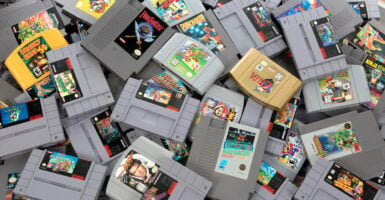
27 Childhood Video Game Cartridges Stored in Closets That Collectors Now Chase
Game cartridges were built to be blown into, jammed into consoles, and tossed into a drawer when the next birthday brought something newer. Boxes went straight into the trash on Christmas morning.
Decades later, some of those cartridges sell for more than the consoles, the televisions, and sometimes the cars of the era. Collectors watch for late releases, rental exclusives, and sealed copies that somehow never got opened.
Stadium Events

Bandai released Stadium Events in 1987 to pair with its Family Fun Fitness floor mat, and Nintendo soon bought the mat technology and pulled the game from shelves. The same software returned as World Class Track Meet under the Power Pad name, leaving only a small number of original North American copies in circulation.
Collector estimates often put the survivors near 200. A sealed copy fetched roughly 42,000 dollars on eBay in 2010, and loose cartridges in clean condition regularly bring several thousand.
Faded labels and rental stickers cut value, and the more common European version, with a different label, is often mistaken for the rare one.
Little Samson
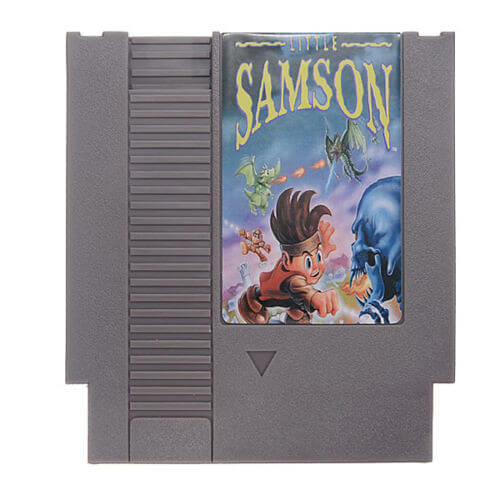
Released by Taito for the NES in 1992, Little Samson arrived after the Super Nintendo had already grabbed the attention of most players, and the retail run stayed small. The platformer lets players switch among four characters, including a dragon and a golem, and its sharp animation earned it a cult following years later.
Loose cartridges in good condition commonly sell for well over 1,000 dollars, and complete copies with the box and manual can bring several times that. Reproduction cartridges are everywhere, so buyers check the circuit board and the security screws before paying.
Worn or sun-faded labels pull the price down noticeably.
Sealed Super Mario Bros.
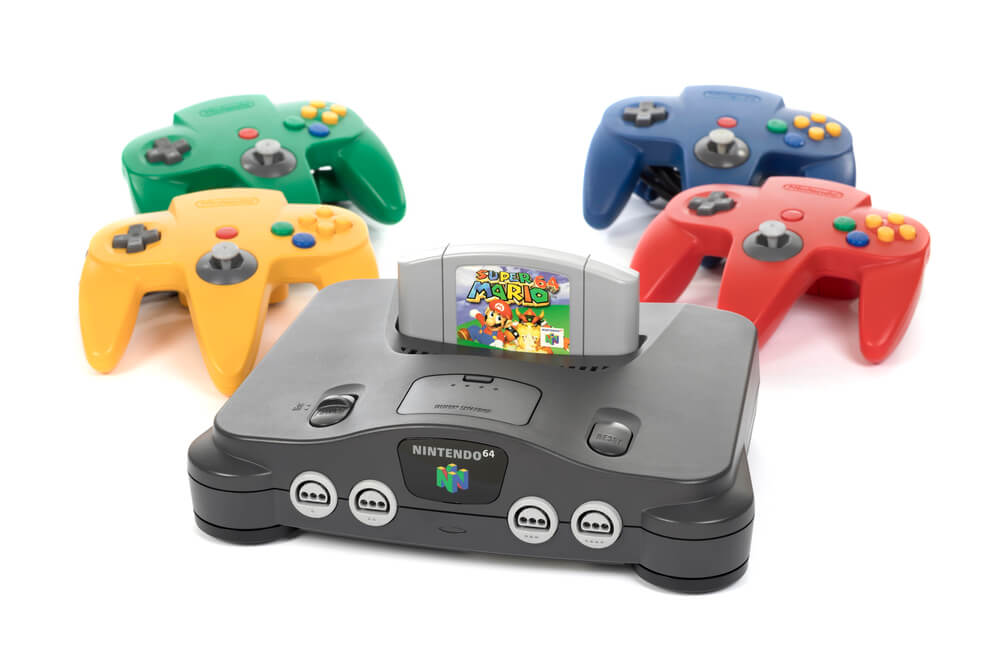
Super Mario Bros. shipped with millions of NES consoles, which makes a loose cartridge one of the least remarkable finds in any closet. Factory-sealed copies from early production runs are a different matter.
In 2021, a sealed copy graded 9.8 A++ by Wata sold privately for about 2 million dollars, one of the highest prices ever paid for a video game. Most sealed examples bring far less, often a few thousand dollars, with the final figure tied to grade, seal style, and box variant.
Collectors study tiny printing details on the box to date a copy, and crushed corners or a replaced seal sink the value.
Legend of Zelda Gold Cartridges Still in Plastic
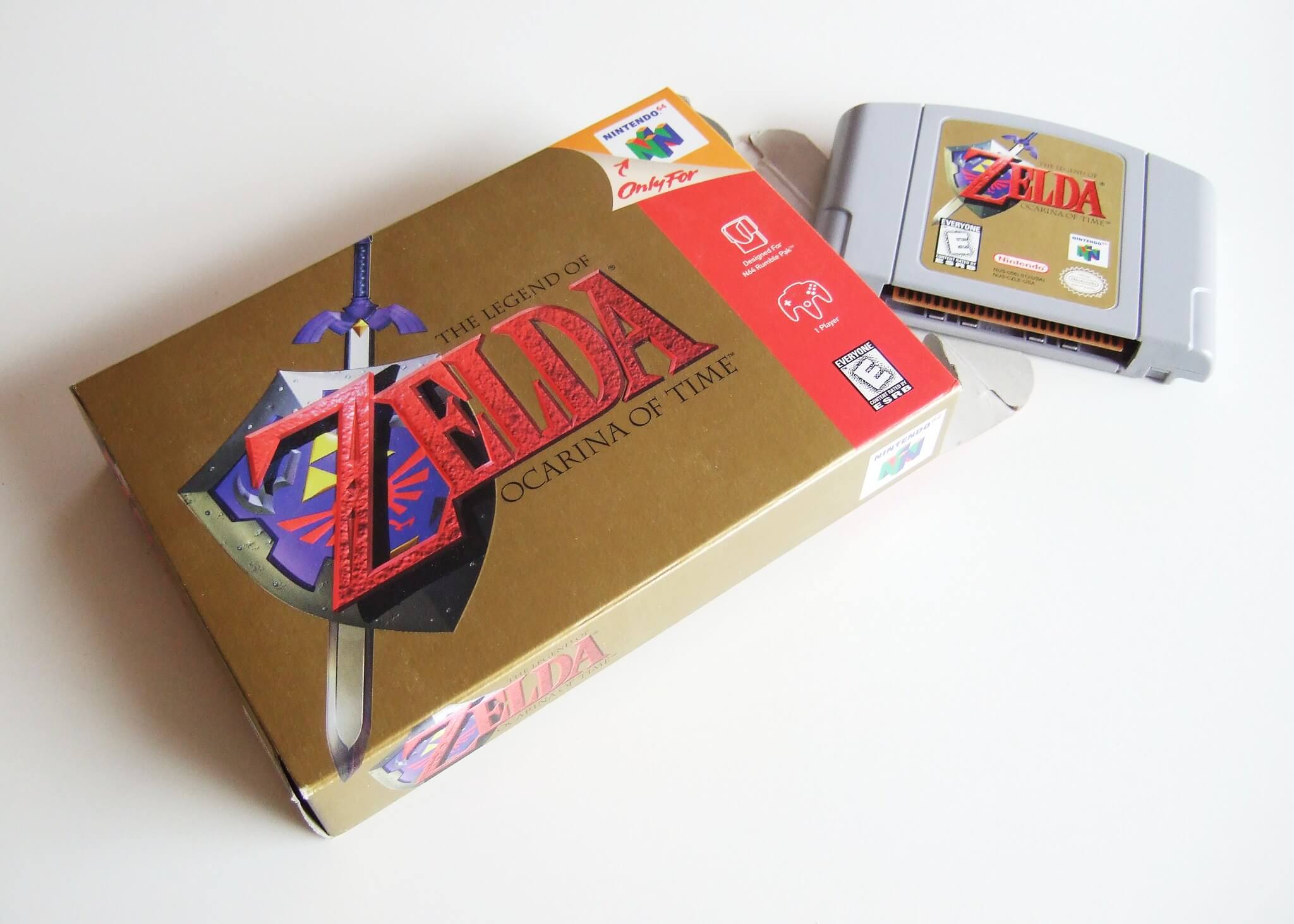
Nintendo released The Legend of Zelda in North America in 1987 with a gold cartridge that showed through a small window on the box, a design choice that made the game feel precious from the first day. In 2021, a sealed early production copy sold for 870,000 dollars at Heritage Auctions.
Loose gold cartridges remain easy to find and often sell for 30 to 60 dollars, since millions were made. Sealed copies swing widely based on grade and on which box revision they are, and even small tears in the plastic change the price.
Collectors rely on professional grading before any serious sale.
Sealed Super Mario 64
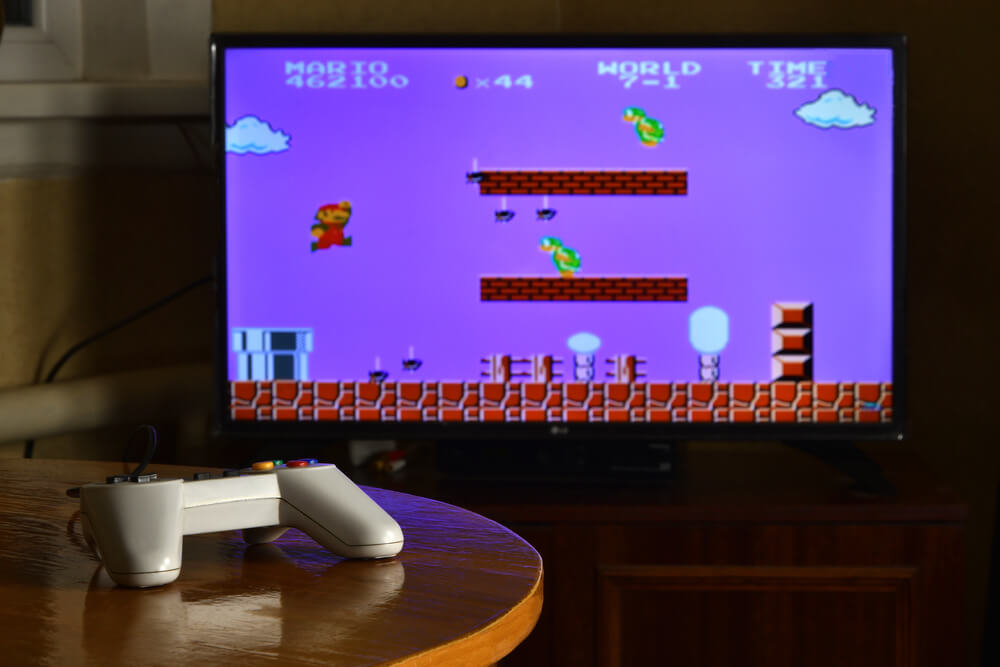
Super Mario 64 launched alongside the Nintendo 64 in 1996 and sold millions of copies, so a loose cartridge usually costs less than a new game does today. The sealed market is another world.
A copy graded 9.8 A++ by Wata sold for 1.56 million dollars at Heritage Auctions in July 2021, briefly holding the record for the most expensive video game ever sold. More ordinary sealed copies trade in the hundreds to low thousands depending on grade.
Crushing along the cardboard edges is common with this box, and even small dents knock a copy down several grades.
EarthBound in the Big Box
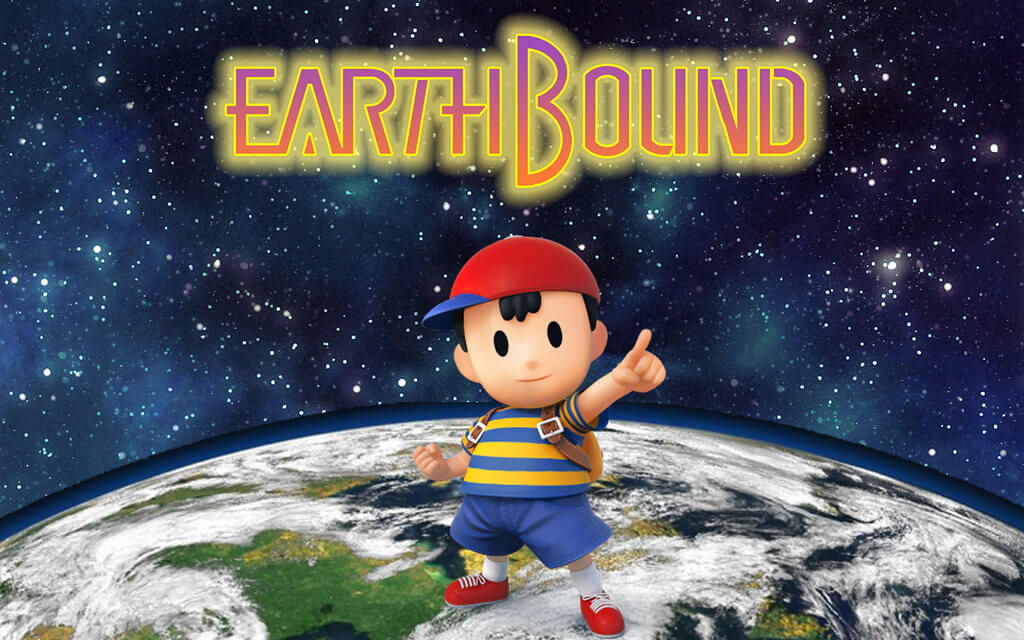
EarthBound reached the Super Nintendo in 1995 in an oversized box that held a thick Player’s Guide and a set of scratch-and-sniff cards. Its marketing campaign leaned on the slogan that the game stinks, and sales in North America were disappointing.
The quirky role-playing game later built one of the most loyal fan bases in gaming. Loose cartridges often sell for several hundred dollars, while complete big box copies with the guide can reach 1,000 dollars or more.
Missing inserts, a crushed box, or scratched cards lower the price, and reproduction cartridges are common enough that buyers inspect the board.
Nintendo World Championships 1990
Special cartridges were made for the 1990 Nintendo World Championships, a touring tournament that crowned winners in three age groups. Ninety gray cartridges went to finalists, and 26 gold versions were given away through a Nintendo Power contest.
Each cartridge runs a timed challenge built from Super Mario Bros., Rad Racer, and Tetris. Gray copies commonly sell for tens of thousands of dollars, and gold examples have brought well over 100,000.
Counterfeits made from ordinary cartridges are a serious problem, so buyers look for documented history, and label wear or damaged switches on the board reduce value.
Air Raid for the Atari 2600
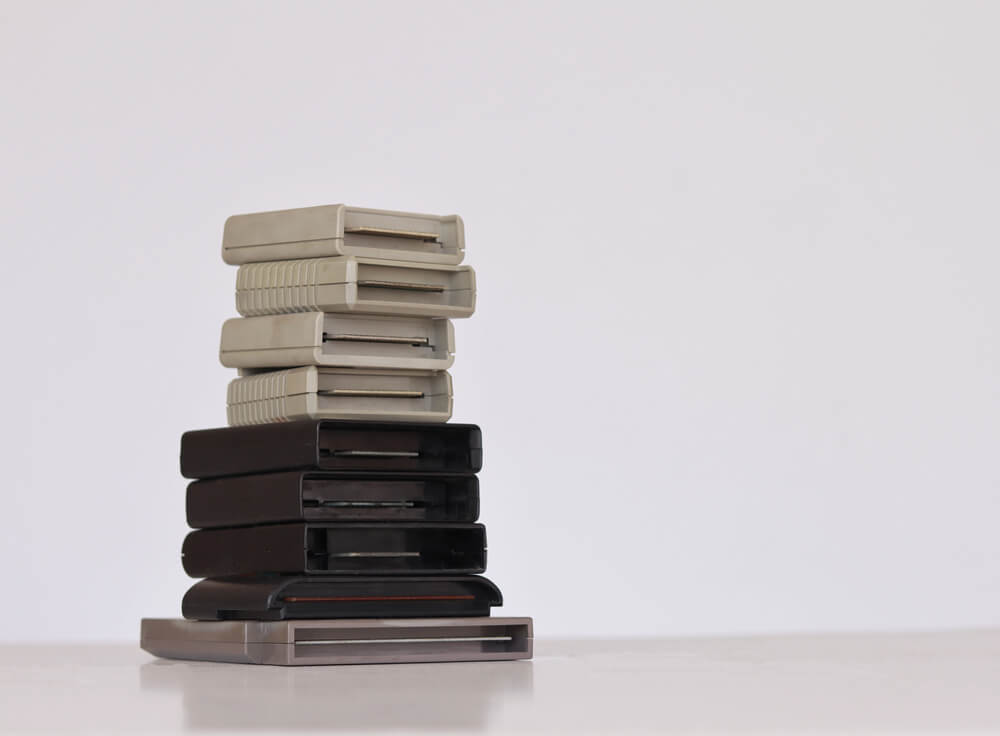
Men-A-Vision released Air Raid for the Atari 2600 around 1982, and it remains one of the rarest games for the console. The light blue cartridge has an unusual T-shaped handle, which makes it easy to spot in a box of ordinary Atari games.
For years, collectors knew the cartridge but not its name, since unlabeled copies surfaced before a boxed example finally appeared in 2010. Loose cartridges in decent condition bring thousands of dollars, and complete boxed copies have sold for more than 30,000.
Cracked plastic, torn labels, and faded color lower the price considerably.
Landfill Copies of E.T. the Extra-Terrestrial
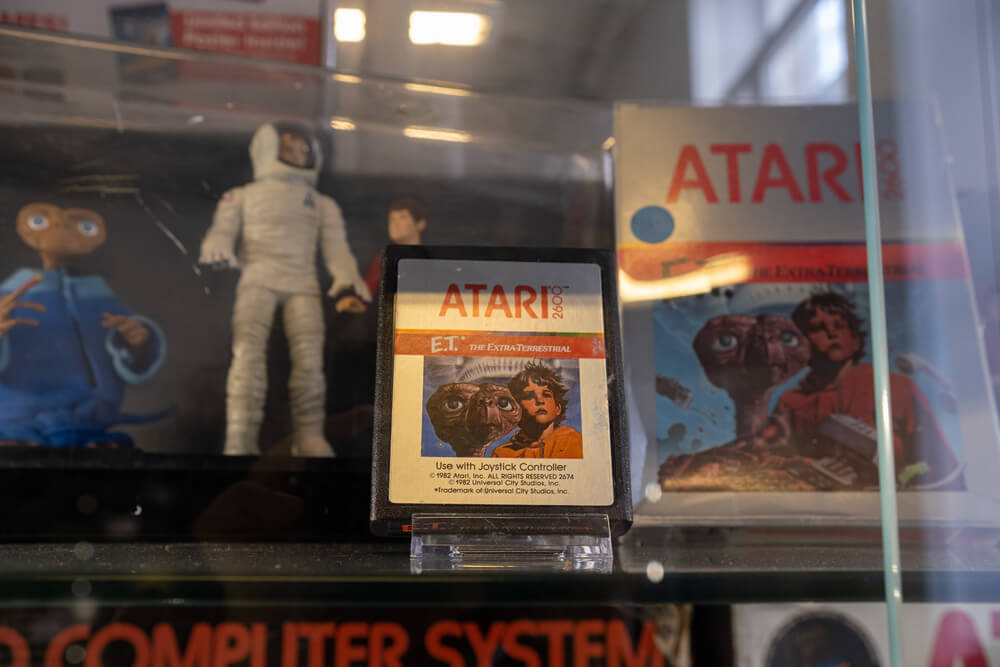
Atari released E.T. the Extra-Terrestrial for the 2600 in 1982, and piles of unsold cartridges were buried in a landfill in Alamogordo, New Mexico, the following year. A 2014 excavation confirmed the long-rumored burial and pulled hundreds of games from the ground.
The city later sold many of the recovered cartridges online, each with a certificate of authenticity. Documented landfill copies commonly bring a few hundred dollars, while ordinary E.T. cartridges sell for very little.
Dirt and burial damage are expected, but the paperwork has to be intact, and cleaner examples with clear provenance draw the strongest bids.
Sealed Pokemon Red and Blue
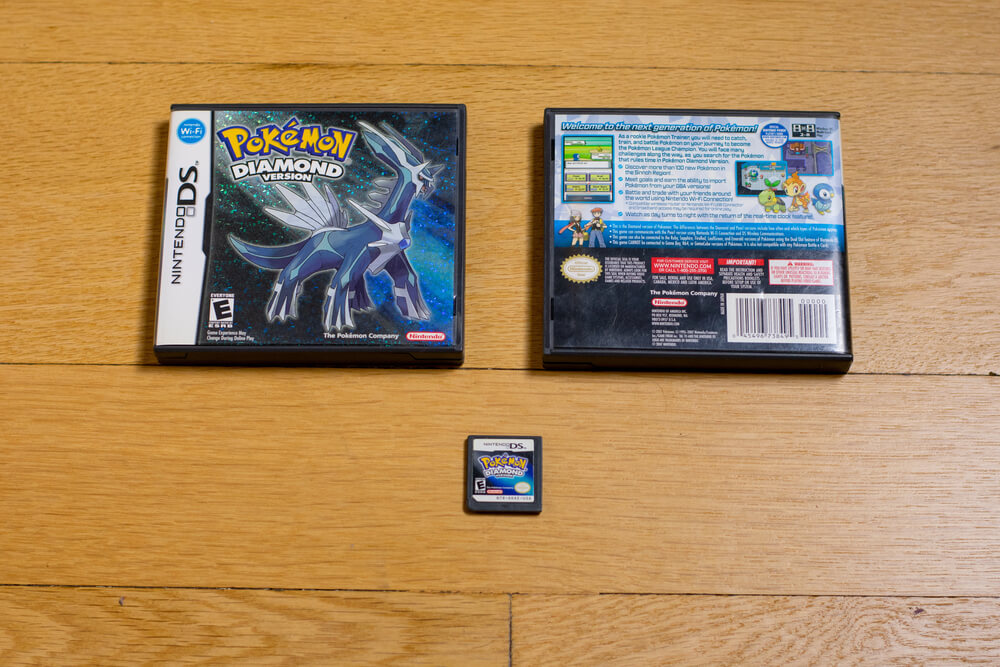
Pokemon Red and Blue arrived on the Game Boy in North America in September 1998, launching a franchise that still dominates toy aisles. Millions of copies sold, so loose cartridges typically bring 30 to 60 dollars, and many have dead save batteries after decades in a drawer.
Sealed copies are the real prize, with high-graded examples bringing thousands of dollars and top grades reaching well into five figures. Buyers check the seal style, box printing, and corner wear.
Resealed copies are a known problem, so collectors lean heavily on grading companies to confirm factory packaging.
Mega Man With Its Infamous Box Art
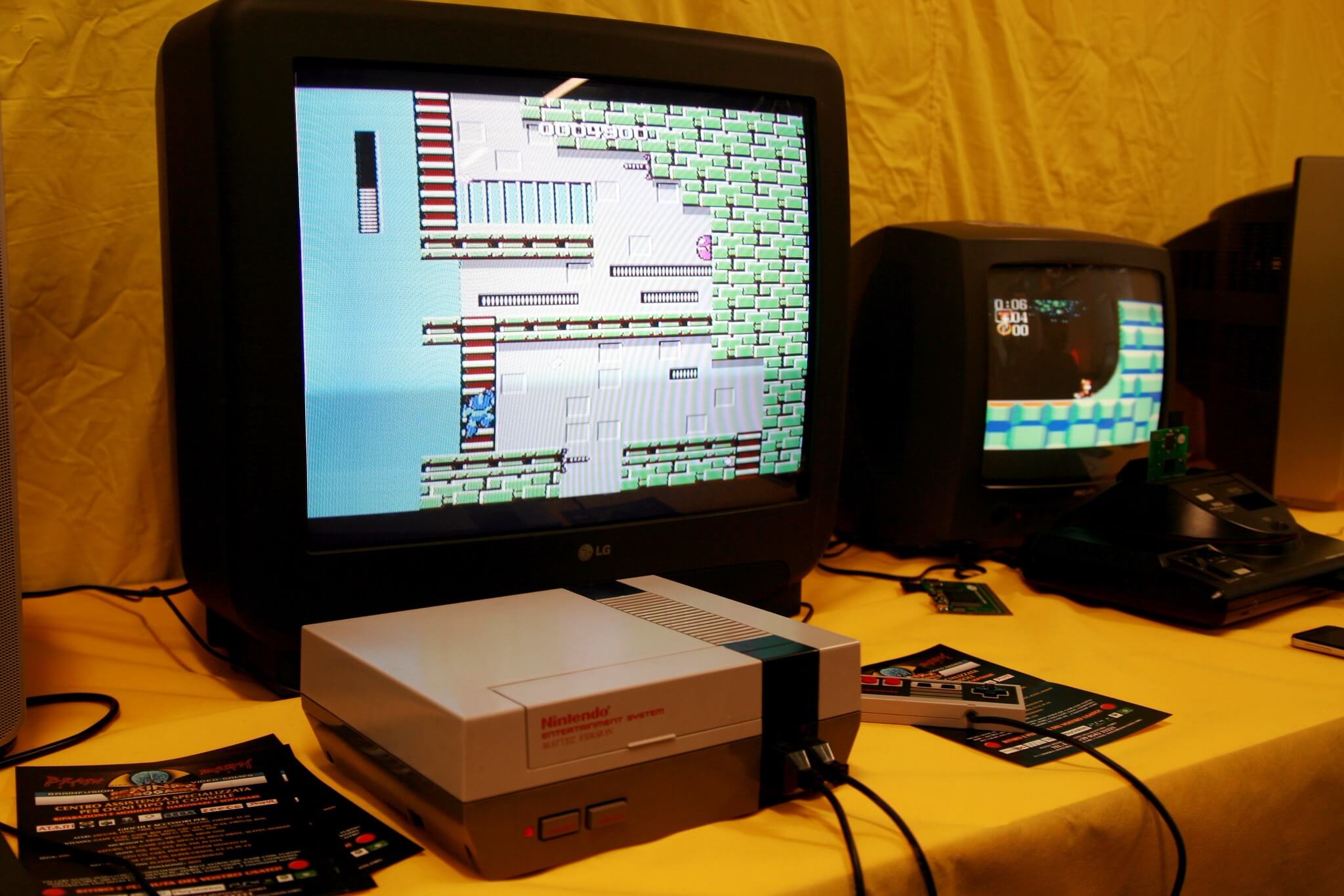
Capcom released Mega Man for the NES in North America in 1987 with box art that looks almost nothing like the game. The cover shows an adult figure in a mismatched suit holding a pistol, a painting commonly cited as some of the worst box art of the era.
That reputation turned the box into a collectible in its own right. Loose cartridges often sell for 100 to 200 dollars, while complete copies in good condition bring several hundred.
Sealed copies have reached tens of thousands at auction. Worn edges, sun fading, and missing manuals lower value quickly.
DuckTales 2
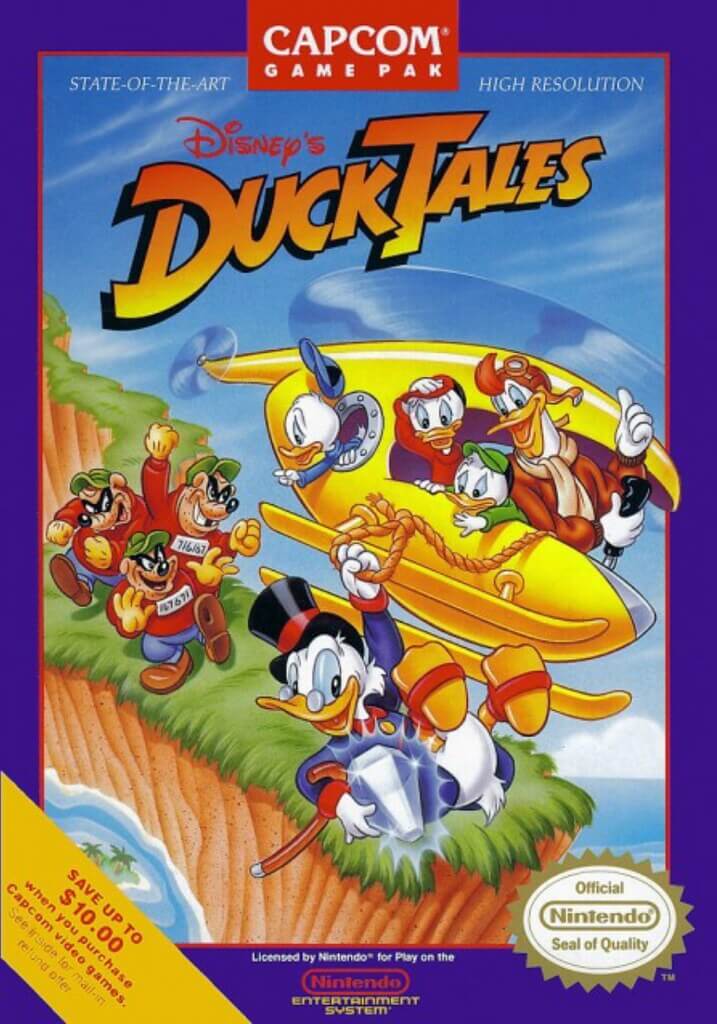
DuckTales 2 came out for the NES in 1993, years after the original DuckTales became a hit and long after most families had moved on to 16-bit machines. The late release meant a small print run, and the sequel now costs far more than the first game.
Loose cartridges commonly sell for a few hundred dollars, and complete copies with the box and manual can bring close to 1,000 dollars or more. Buyers check for label fading, pen marks, and cracked shells.
The game is a frequent target for reproductions, so collectors examine the board inside before they buy.
Snow Brothers
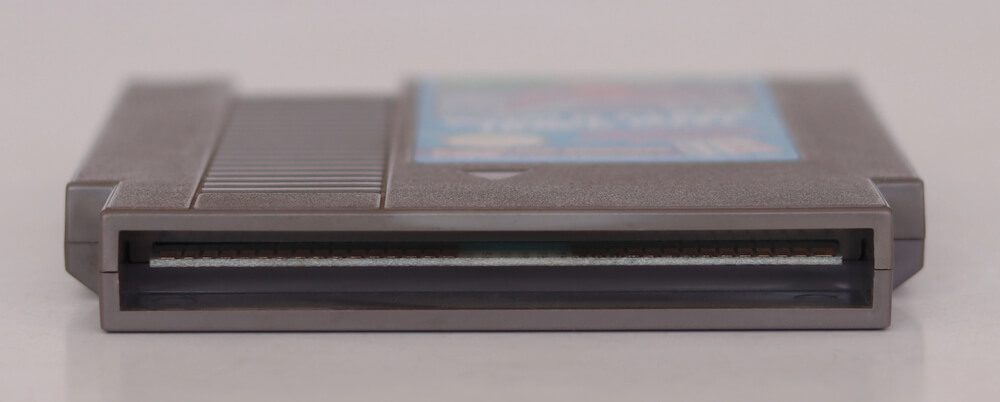
Toaplan built Snow Brothers as an arcade game, and Capcom published the NES version in 1991. Players bury enemies in snow and roll them into one another, and the two-player mode made it a favorite among siblings who shared a console.
The home version had a limited run and never received much advertising. Loose cartridges commonly sell for several hundred dollars, and complete copies in good condition bring 1,000 dollars or more.
Collectors check for label damage and writing on the cartridge. Reproductions are common, so the circuit board and screws get a close look.
The Flintstones: The Surprise at Dinosaur Peak
Taito released The Flintstones: The Surprise at Dinosaur Peak for the NES in 1994, among the final licensed releases for the console in North America. Most copies reportedly went to Blockbuster rental stores rather than retail shelves, which left very few boxed copies in private hands.
Loose cartridges commonly sell for several hundred dollars, and complete copies can bring several thousand. Rental stickers and residue are common and lower value unless they come off cleanly.
Collectors also check for faded labels and cracked shells, and a clean box with its manual is the hardest piece to find.
Phantasy Star IV
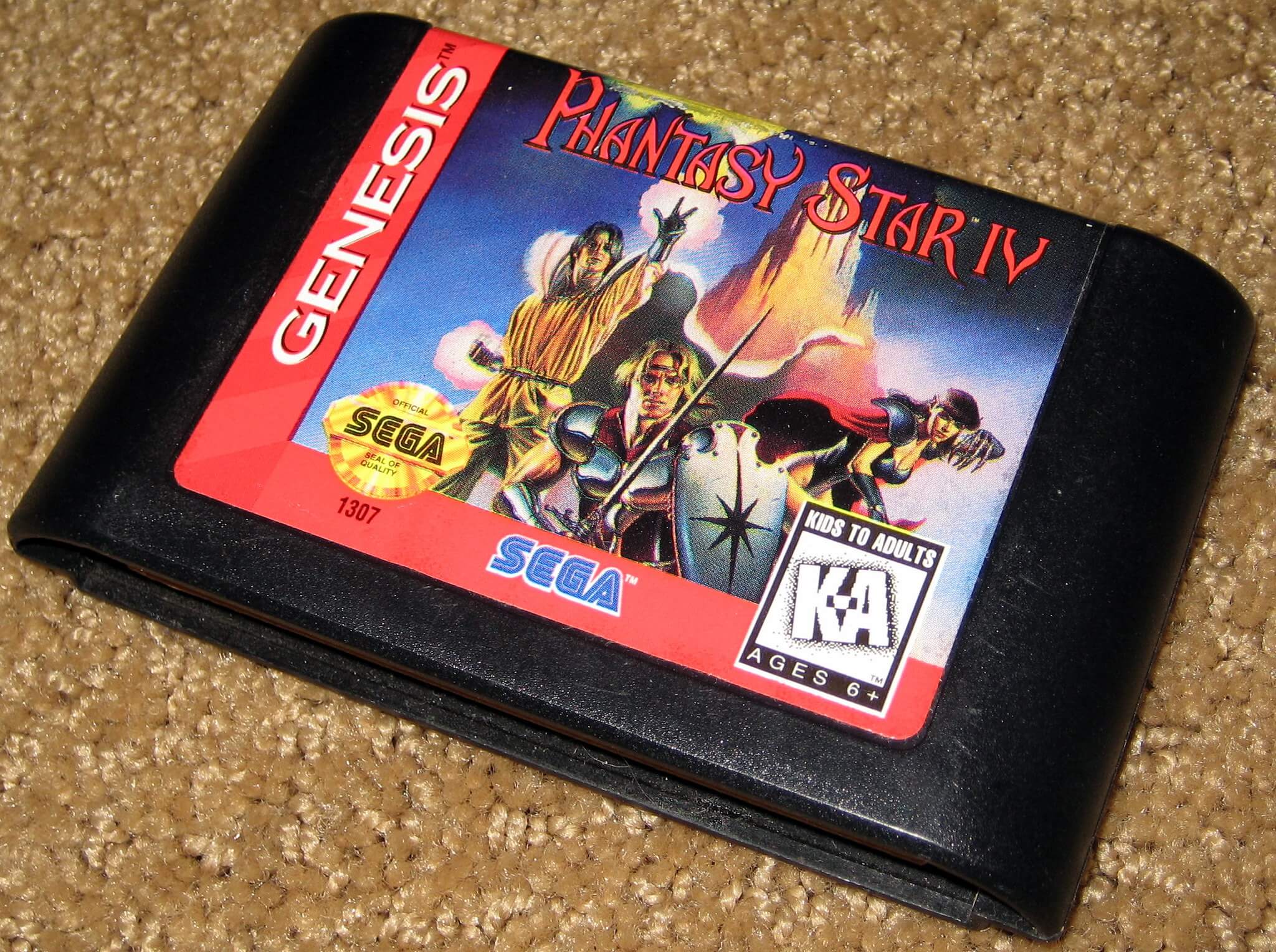
Sega released Phantasy Star IV for the Genesis in North America in 1995, closing out one of the most respected role-playing series of the era. The game shipped on an unusually large cartridge and carried one of the highest retail prices of its time, which kept sales modest.
Complete copies with the box and manual commonly sell for a few hundred dollars, and loose cartridges bring less. Collectors check the plastic clamshell case for cracks and the cover art for sun fading.
Missing manuals lower value, and sealed copies in high grade are rare enough to command far higher prices at auction.
Hagane
Hudson Soft released Hagane: The Final Conflict for the Super Nintendo in 1994, and in North America most copies went to Blockbuster rental stores. The ninja action game earned strong reviews from players who rented it over a weekend, but few people ever owned it outright.
Loose cartridges commonly sell for several hundred dollars, and complete copies with the box and manual can bring thousands. Rental stickers lower the price unless removed cleanly.
Collectors also check for label damage and fading, and they watch for reproductions, which are common because the game is so valuable.
Conker’s Bad Fur Day
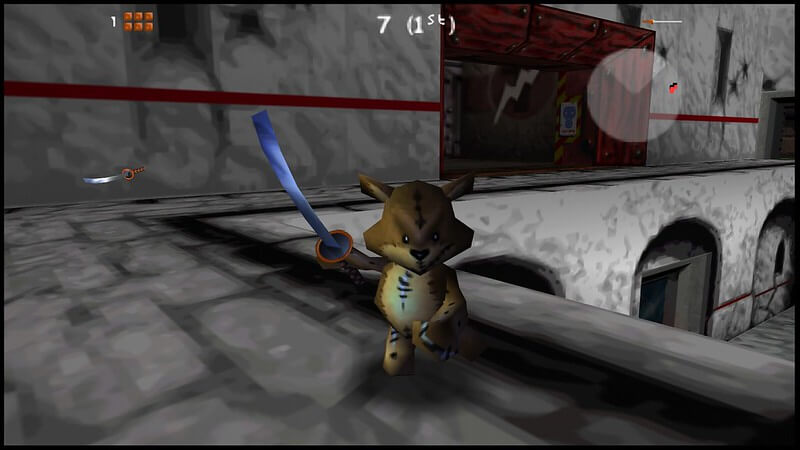
Rare released Conker’s Bad Fur Day for the Nintendo 64 in 2001, late in the console’s life, and the game carried a Mature rating with crude humor that surprised players expecting a cute squirrel. Many retailers stocked few copies, and the print run was small.
Loose cartridges commonly sell for 100 to 200 dollars, while complete copies with the box and manual bring several hundred. Collectors check for label wear and box damage, especially crushed corners.
Sealed copies in high grade bring much more, and the parental advisory warning printed on the box has become part of its appeal.
Shantae for the Game Boy Color
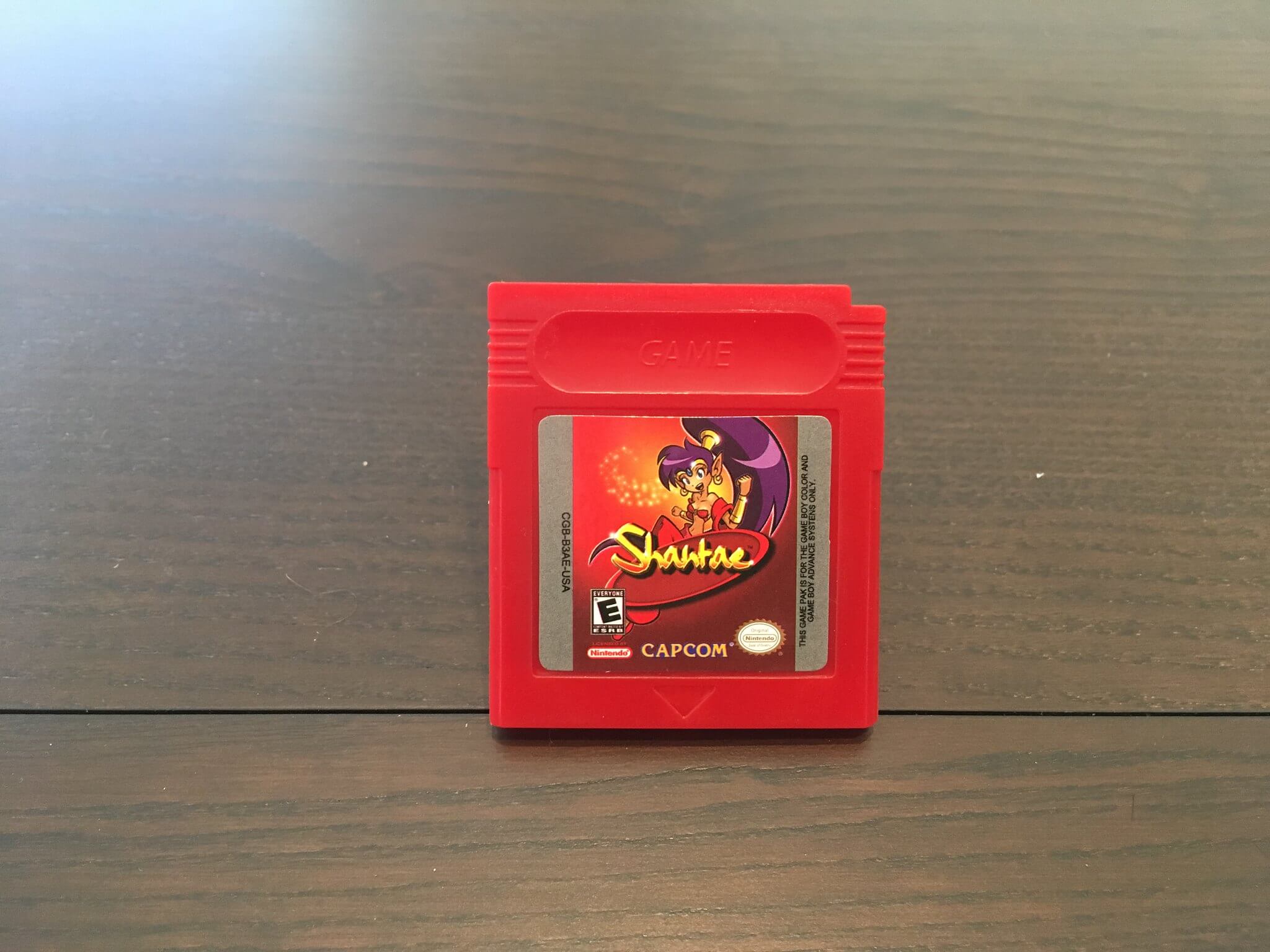
Shantae reached the Game Boy Color in 2002, months after the Game Boy Advance had already launched, and the WayForward game received a small print run from publisher Capcom. The half-genie heroine went on to star in a long-running series, which drove interest in the original.
Loose cartridges commonly sell for several hundred dollars, and complete copies can bring well over 1,000. Collectors check the box for creases and the label for fading.
Played on a Game Boy Advance, the cartridge unlocks bonus content, a detail sellers mention often in listings.
Jack Bros. for the Virtual Boy
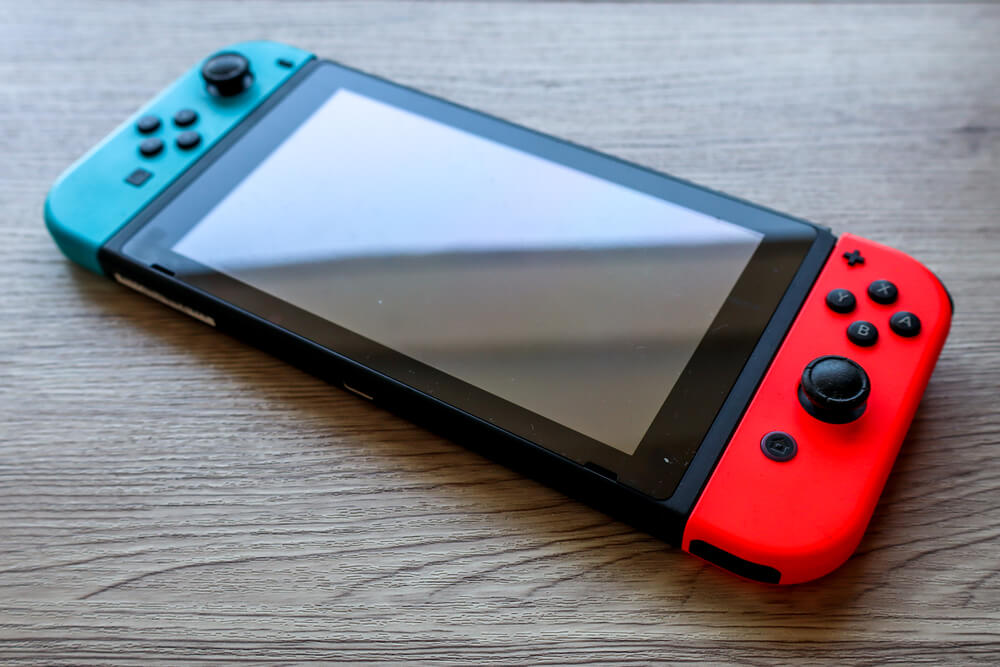
Atlus released Jack Bros. for the Virtual Boy in North America in 1995, and it was one of only 14 games released for the system there. The Virtual Boy flopped within a year, and few copies of any of its games sold.
Jack Bros. is a spinoff of the Megami Tensei series, the same family that later produced Persona. Complete copies commonly sell for several hundred dollars to over 1,000, while loose cartridges bring less.
Collectors check for box wear and missing inserts. The stark red and black look of the system makes clean boxes especially desirable.
Bubble Bobble Part 2
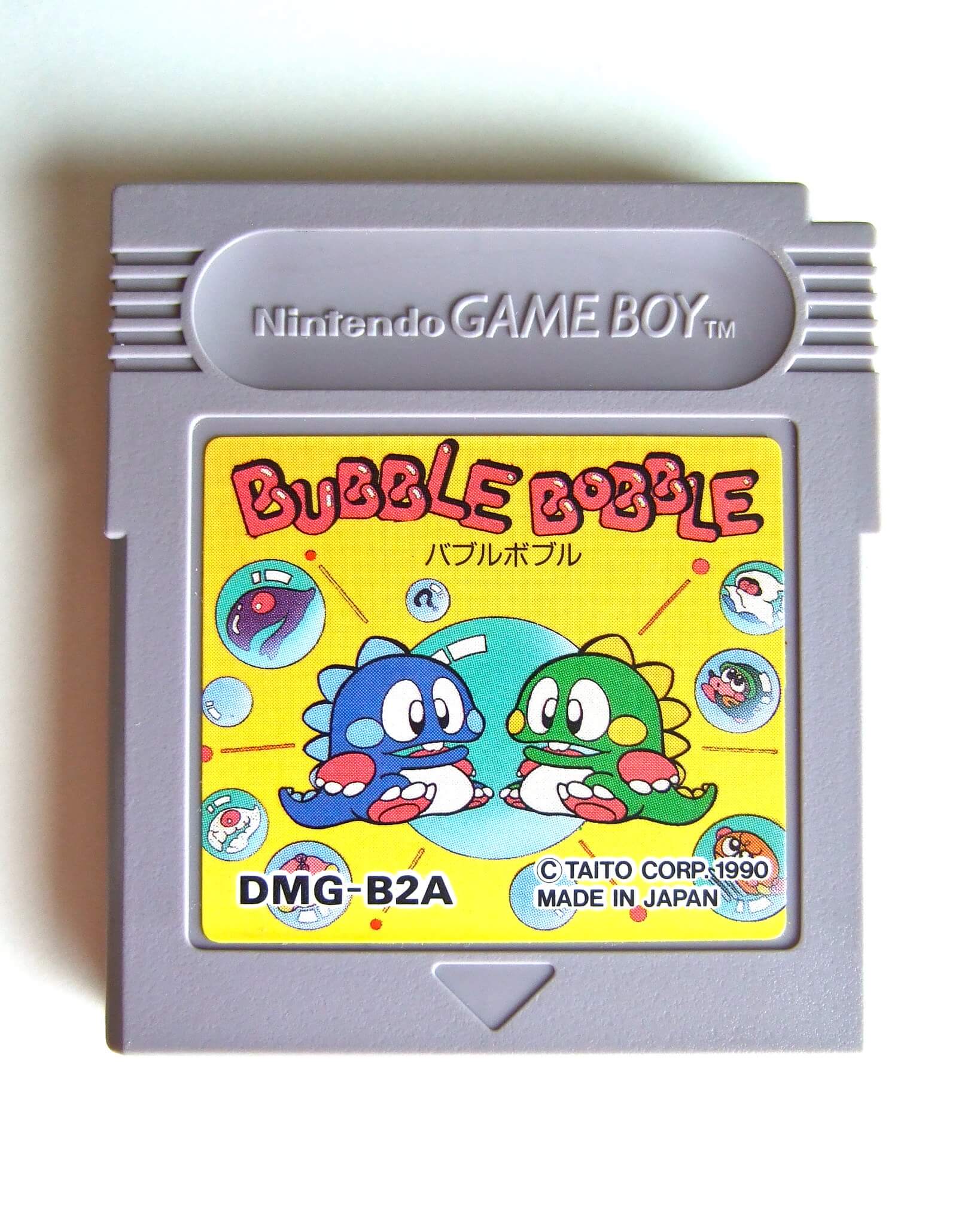
Bubble Bobble Part 2 reached the NES in 1993, and the Taito sequel arrived so late that few stores ordered it. Players control a new pair of bubble-blowing dragons who trap enemies in bubbles across a long series of stages.
Loose cartridges commonly sell for several hundred dollars, and complete copies in good condition can bring 1,000 dollars or more. Collectors check for label damage, fading, and writing.
The game is a common reproduction target, so buyers inspect the board and screws. Clean boxes with the manual are the hardest version to find.
Cheetahmen II
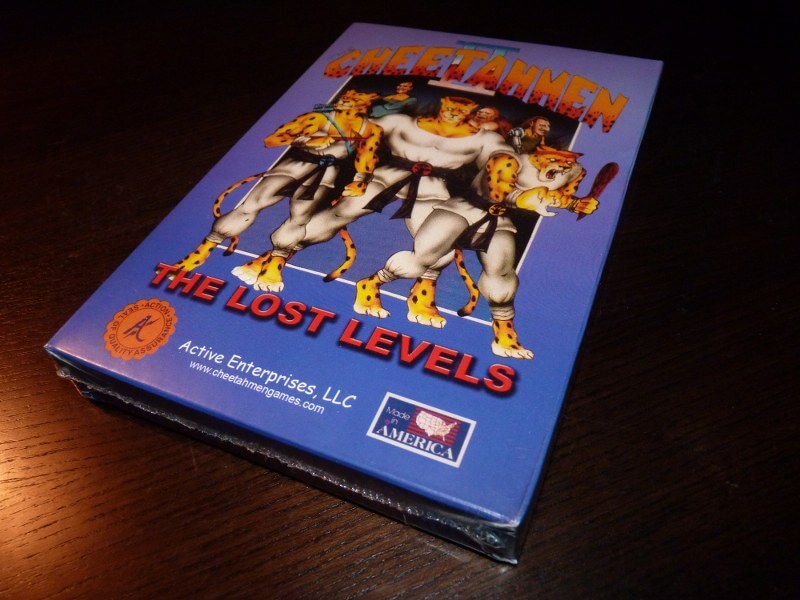
Active Enterprises finished Cheetahmen II for the NES around 1992 but never released it in stores. Years later, a warehouse stash of roughly 1,500 cartridges surfaced, reportedly unsold Action 52 shells fitted with Cheetahmen II labels.
Most copies freeze at the fourth level because of a programming flaw, which only adds to the legend. Loose cartridges commonly sell for several hundred dollars to over 1,000.
Collectors check the label, since some show traces of the Action 52 label underneath. Condition varies widely across the surviving stash, and reproductions exist.
Tengen Tetris
Tengen, a subsidiary of Atari Games, released its own version of Tetris for the NES in 1989 without Nintendo’s license. Nintendo won the dispute over the rights, and a court order stopped Tengen from selling it after only about a month on shelves.
Many of the remaining cartridges were reportedly destroyed. Loose cartridges commonly sell for 50 to 100 dollars, while complete copies in good condition bring several hundred.
Collectors check for label damage and the distinctive black shell. Many players consider it better than the official version, which adds to its appeal.
Action 52
Released in 1991, Action 52 packed 52 games on one unlicensed NES cartridge and cost about 199 dollars. Most of the games were widely mocked for bugs and poor controls, which turned the cartridge into a cult curiosity.
Loose cartridges in good condition commonly sell for several hundred dollars, and complete copies can bring over 1,000. Collectors check for label damage and cracks in the unusual shell.
Few boxes survive, since buyers who paid so much often ended up disappointed and threw the packaging away within weeks.
Donkey Kong Country Competition Cartridge
About 2,500 Donkey Kong Country Competition Cartridges were produced in 1994 for the Blockbuster World Video Game Championship II. The cartridges run a timed version of the game that scores players on coins, bananas, and lives collected.
Nintendo later sold leftover copies through Nintendo Power. Loose cartridges commonly sell for several hundred dollars to over 1,000, depending on condition.
The yellow cartridges are easy to fake, so collectors check the board and label carefully. Faded or scratched labels lower value, and copies with Nintendo Power paperwork bring a premium.
Chase the Chuck Wagon
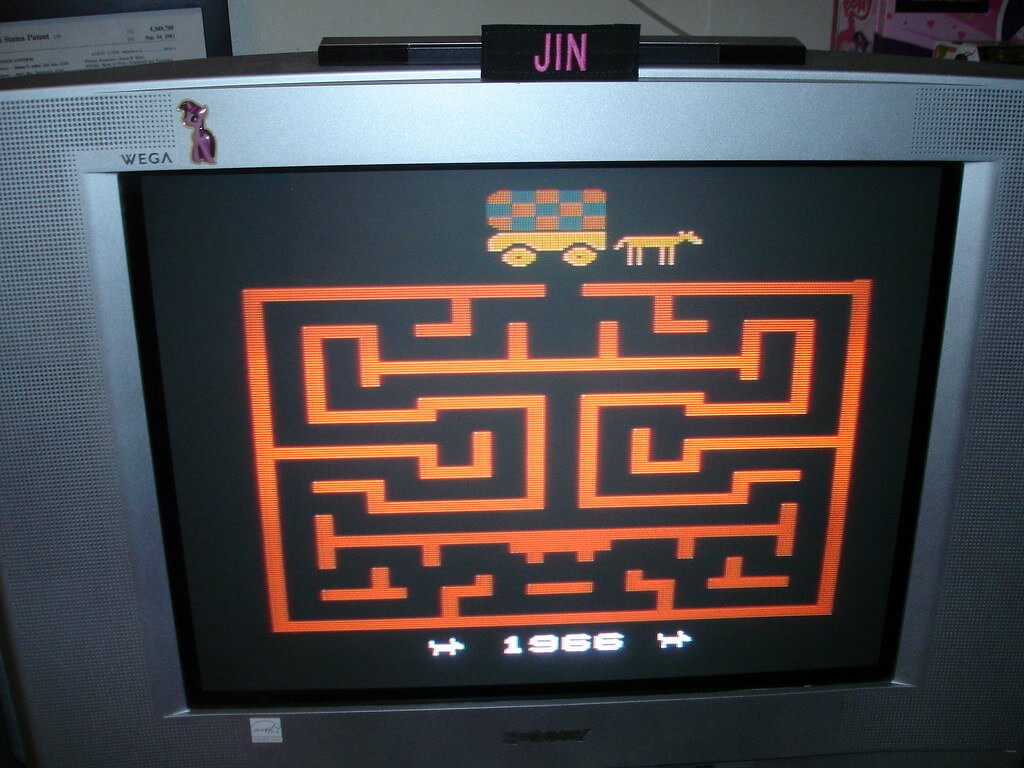
Spectravision produced Chase the Chuck Wagon for the Atari 2600 in 1983 for Ralston Purina, the maker of Chuck Wagon dog food. The game was available only by mail with proofs of purchase, which kept its distribution small.
Players guide a dog through a maze to reach a chuck wagon, a premise that makes more sense once the sponsor is known. Loose cartridges commonly sell for several hundred dollars, and complete copies can bring thousands.
Collectors check for label damage and fading. The odd origin makes it a favorite of Atari collectors.
Panic Restaurant
Panic Restaurant reached the NES in 1992 from Taito, and the game follows a chef fighting living food through a restaurant taken over by a rival. Low production numbers and a release late in the console’s life made it rare.
Loose cartridges commonly sell for several hundred dollars, and complete copies can bring several thousand. Collectors check for label damage and fading.
Reproductions are common, so collectors inspect the board and screws. Clean boxes in good condition are especially scarce, and complete copies rarely appear at auction.
Stunt Racer 64

Midway released Stunt Racer 64 for the Nintendo 64 in 2000 as a Blockbuster rental exclusive, so it never reached regular retail shelves. That makes it one of the rarest licensed games for the console in North America.
Loose cartridges commonly sell for several hundred dollars, depending on condition. Collectors check for rental stickers and label damage.
The game had no standard retail box, so collectors focus on the cartridge alone. Reproductions exist, and buyers inspect the board and label to confirm an original cartridge.
Save Files From Another Decade
Most of these cartridges were cheap to make and easy to lose. Their value comes from bad timing, strange distribution, or packaging that nobody expected to keep.
A closet shelf can hold a Blockbuster rental that never came back, or a sealed game that was simply forgotten. Condition still decides almost everything.
A crushed box or a peeling label can cut a price in half, and reproductions are common enough that authentication matters on any serious sale. The cartridges that survive in good shape carry the memory of an afternoon along with the price tag.
More from Go2Tutors!

- The Romanov Crown Jewels and Their Tragic Fate
- 13 Historical Mysteries That Science Still Can’t Solve
- Famous Hoaxes That Fooled the World for Years
- 15 Child Stars with Tragic Adult Lives
- 16 Famous Jewelry Pieces in History
Like Go2Tutors’s content? Follow us on MSN.