26 Kitchen Staples From Grandma’s Pantry
Grandma’s pantry rarely followed trends. It held the same cans, boxes and jars year after year, many of them bought by the case and stacked with the labels facing out.
Some of those staples are still on grocery shelves, while others have faded into nostalgia. Each one says something about how American families cooked, saved and stretched a budget through the twentieth century.
Crisco in the Big Blue Can
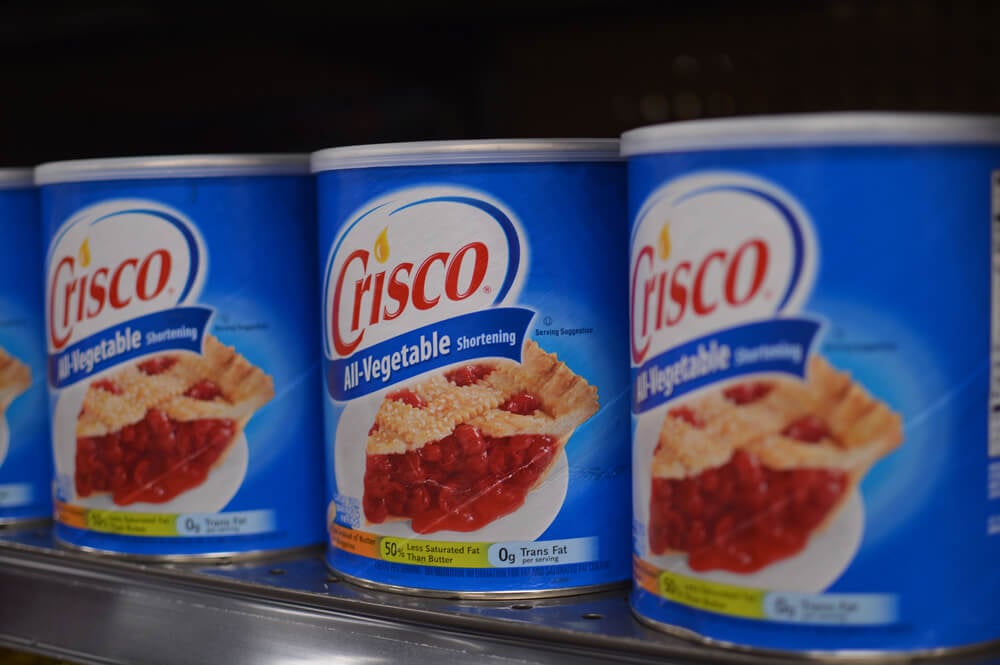
Procter and Gamble introduced Crisco in 1911, and the name came from a shortened form of crystallized cottonseed oil. The company marketed it as a cleaner, more modern alternative to lard, handing out free cookbooks filled with recipes that called for it by name.
Grandmothers used Crisco for pie crusts, biscuits and frying, and a can usually sat within easy reach of the stove. Many swore by it for the flakiest crust possible.
The tall blue can, now joined by sticks and sprays, still appears in plenty of kitchens today.
Lard and the Coffee Can of Drippings
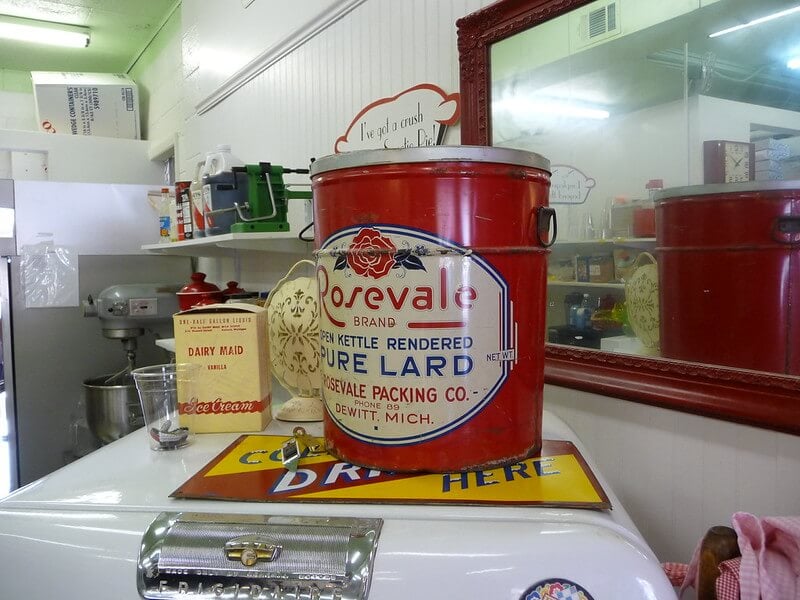
Long before cooking spray, many grandmothers kept a coffee can or crock of bacon drippings beside the stove. Every morning’s bacon fat went into the container, ready to flavor green beans, fry eggs or season cornbread.
During World War II, the government’s fat salvage campaign asked households to save used cooking fats and turn them in at butcher shops, because the glycerin helped make explosives. Lard itself, sold in paper-wrapped blocks or tubs, made famously tender pie crusts.
The drippings can remains a powerful symbol of thrift for anyone who grew up near one.
Bisquick and Its Train Car Legend
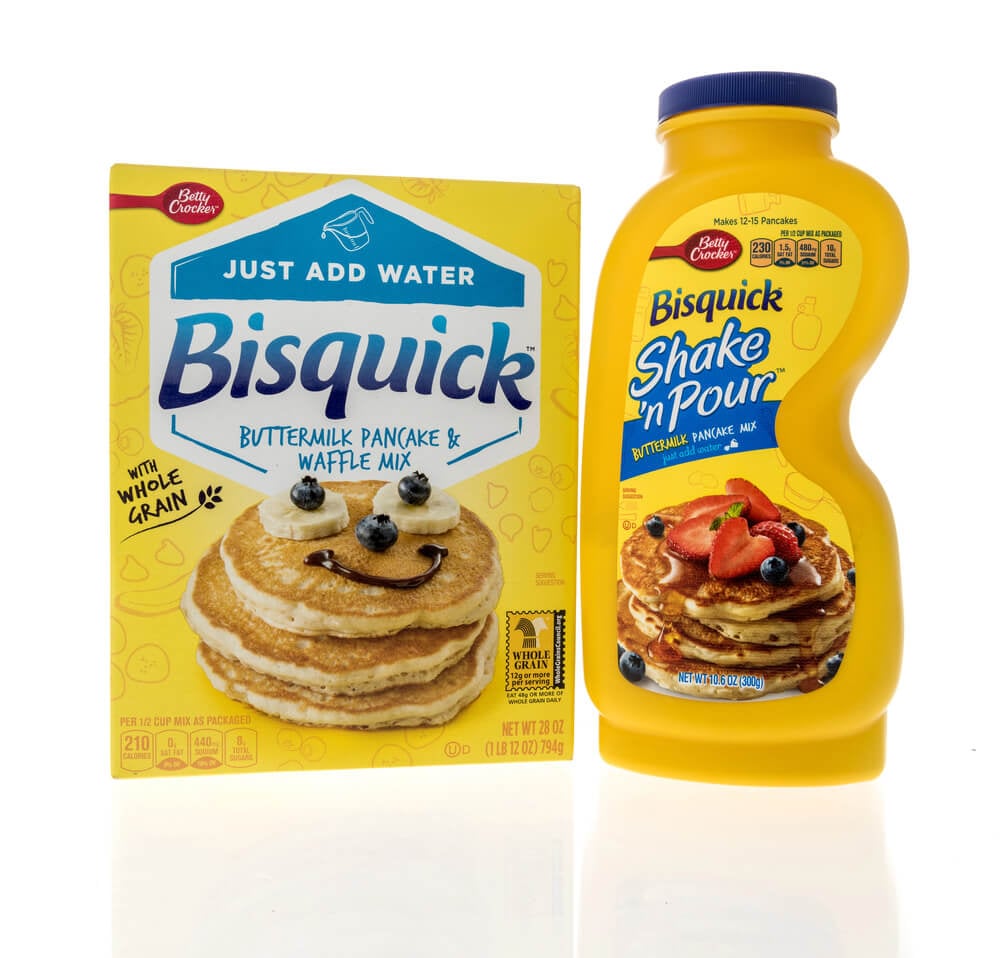
General Mills introduced Bisquick in 1931, and its origin story involves a train ride. According to company history, a sales executive watched a dining car chef mix biscuit dough ahead of time and keep it chilled, which allowed fresh biscuits to be served quickly.
That idea became a premixed baking blend that saved home cooks a step. Bisquick soon appeared in recipes for pancakes, dumplings, shortcake and impossible pies.
The yellow box became a pantry fixture, and its recipes filled generations of handwritten index cards.
Jell-O and Its Molded Salads
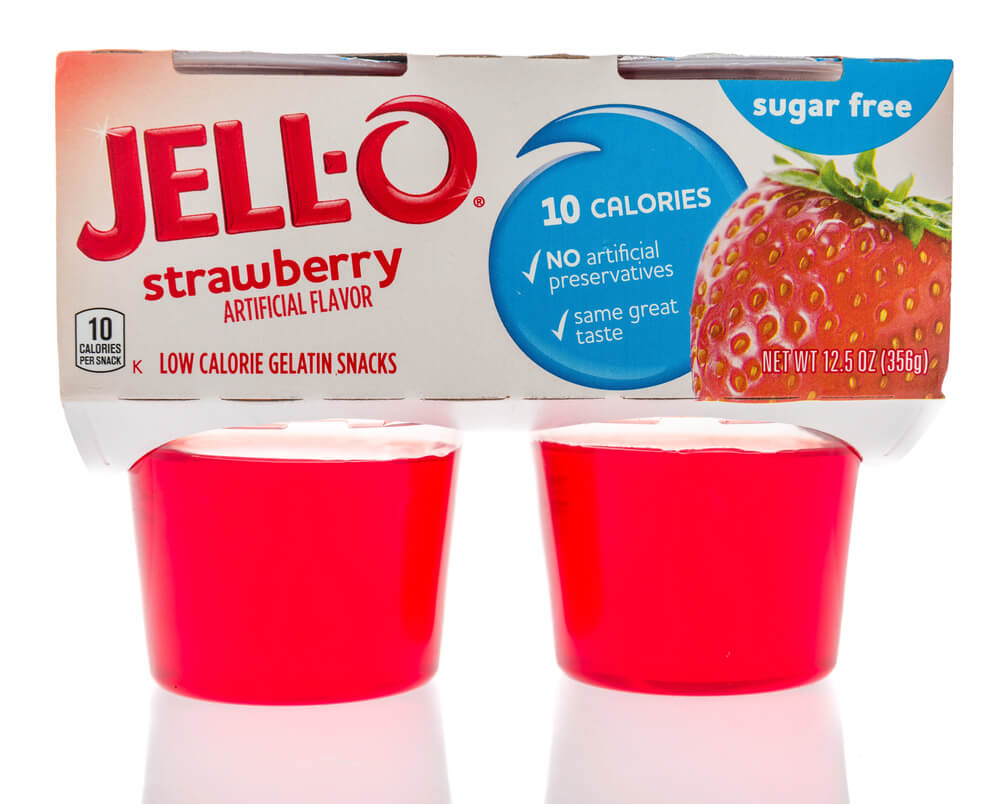
Jell-O dates to 1897, when Pearle Wait of LeRoy, New York, created a fruit-flavored gelatin dessert. Wait sold the rights two years later, and the new owners turned Jell-O into a national brand through heavy advertising and free recipe booklets.
By the 1950s, Jell-O salads with suspended fruit, vegetables and even meat had become fixtures at potlucks and holiday dinners. Grandmothers owned decorative copper and aluminum molds in many shapes.
LeRoy now hosts a museum dedicated to the wobbly dessert, which says plenty about its staying power.
Spam on the Shelf

Hormel introduced Spam in 1937 in Austin, Minnesota, offering a shelf-stable canned meat made from pork and ham. During World War II, enormous quantities were shipped to Allied troops and civilians overseas, and the product became a symbol of wartime food.
At home, grandmothers sliced and fried it for breakfast, baked it with a brown sugar glaze or served it in sandwiches. Spam remains especially popular in Hawaii, where it appears in dishes like Spam musubi.
Austin is home to a Spam Museum that celebrates the brand’s long history.
Carnation Evaporated Milk
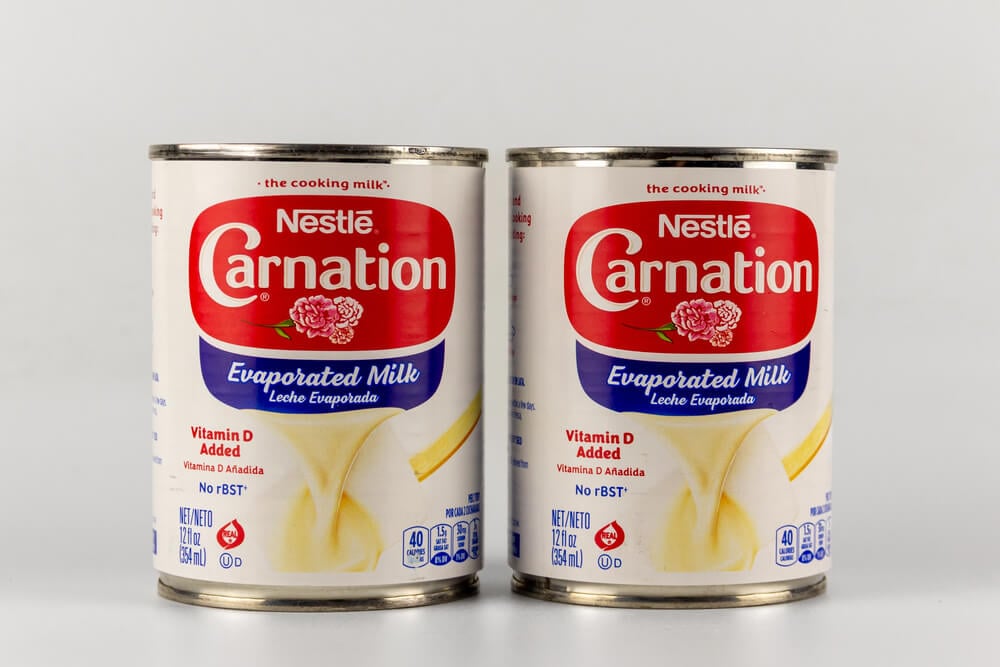
E.A. Stuart founded the company behind Carnation evaporated milk in Kent, Washington, in 1899. The canned milk had about half its water removed, making it shelf-stable and easy to store in the pantry.
Carnation’s advertising promised milk from contented cows, a slogan that became famous. Grandmothers used it in pumpkin pie, fudge, mashed potatoes and coffee.
During times when fresh milk was hard to keep or expensive, evaporated milk filled the gap. Many families still reach for a can every Thanksgiving because the pie simply does not taste right without it.
Eagle Brand Sweetened Condensed Milk
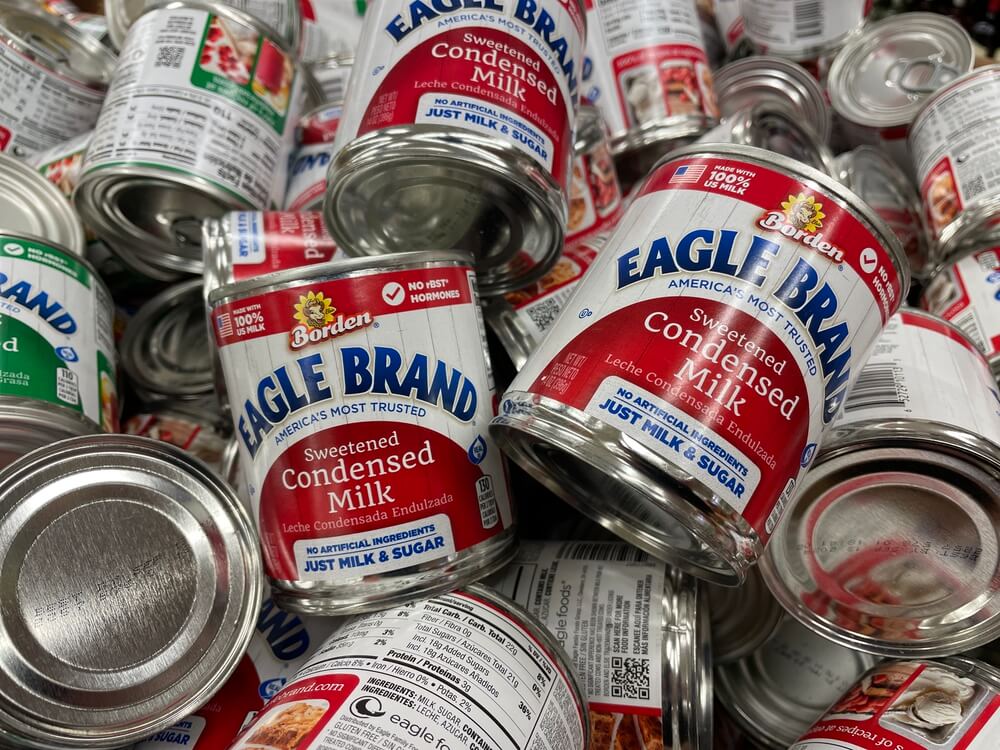
Gail Borden received a patent for his process of condensing milk in 1856, and his Eagle Brand sweetened condensed milk soon followed. The thick, sugary milk kept for long periods without refrigeration, which made it valuable during the Civil War.
Grandmothers used it in key lime pie, magic cookie bars, fudge and homemade caramel. Some families simmered an unopened can in water to make a thick caramel known as dulce de leche, though the practice carried risks.
The can’s familiar eagle logo still appears on grocery shelves.
Karo Corn Syrup and Its Pecan Pie
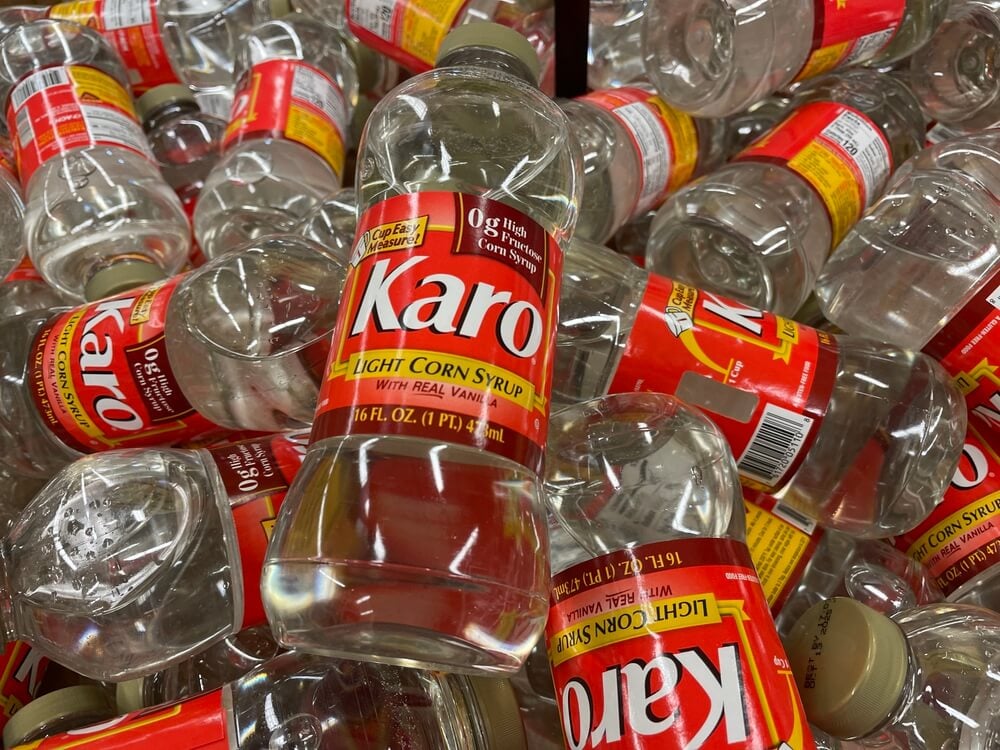
Karo corn syrup was introduced in 1902 by the Corn Products Refining Company. The clear and dark syrups became staples for baking, candy making and pancakes.
Karo’s most famous contribution to American cooking came when its pecan pie recipe appeared on the label, helping turn the dessert into a holiday tradition. Grandmothers also used it in caramel corn, peanut brittle and homemade candy, where it kept sugar from crystallizing into a grainy mess.
The bottle’s label still carries the pecan pie recipe, which has been passed down through generations of family cookbooks.
Arm and Hammer Baking Soda in the Fridge

Church and Dwight began selling baking soda in 1846, and the familiar Arm and Hammer logo became one of the most recognizable on pantry shelves. Grandmothers used it for baking, cleaning, brushing teeth and soothing upset stomachs.
In the 1970s, the company launched an advertising campaign encouraging people to keep an open box in the refrigerator to absorb odors, which dramatically increased sales. Many households still keep a box tucked in the back of the fridge.
The orange box remains one of the most versatile products in any kitchen.
Clabber Girl Baking Powder
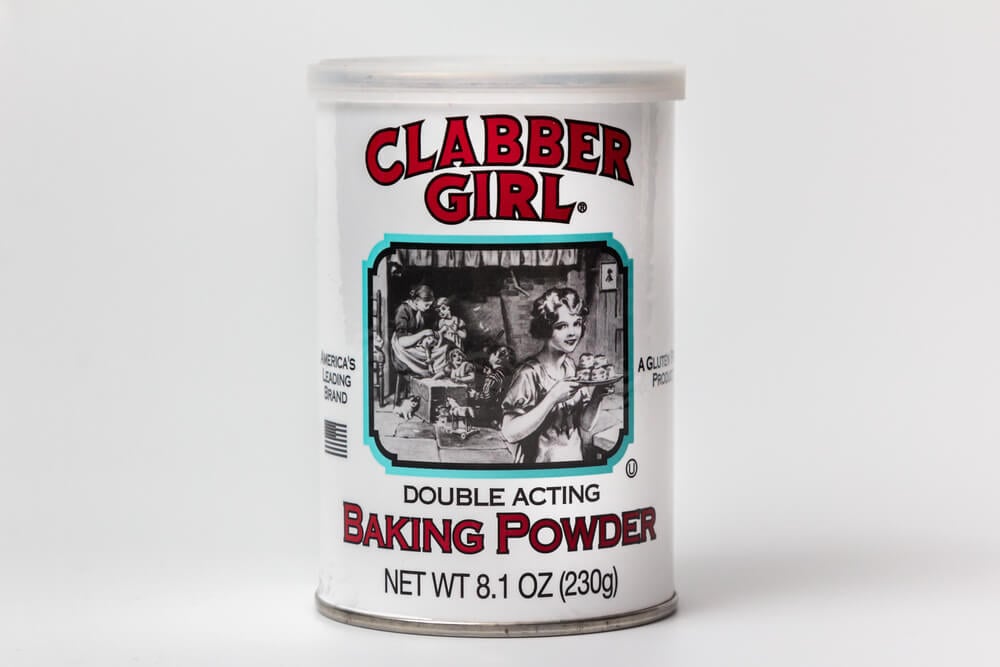
Clabber Girl baking powder comes from Hulman and Company of Terre Haute, Indiana, and its name refers to clabber, the thickened soured milk that home bakers once used for leavening. The red and white can with its portrait of a young woman became a fixture in Midwestern pantries, usually parked right beside the flour bin.
Grandmothers relied on it for biscuits, pancakes and cakes. The Hulman family later became famous for another reason, when Tony Hulman bought the Indianapolis Motor Speedway in 1946.
Clabber Girl remains in production and still carries its classic look.
Morton Salt and Its Umbrella Girl
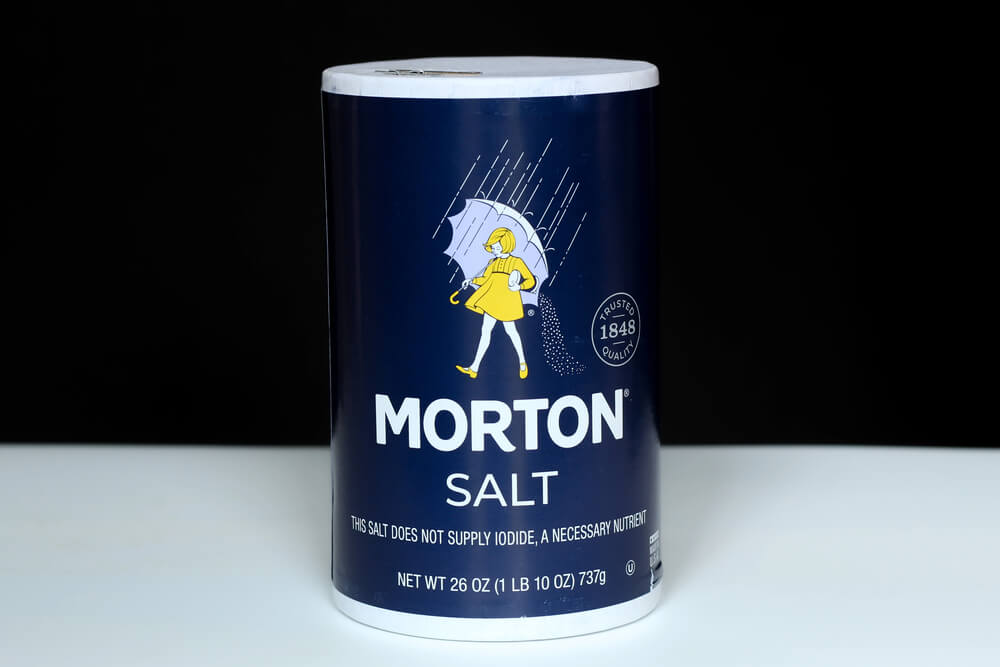
Morton Salt introduced its umbrella girl in 1914, along with the slogan When It Rains It Pours. The message promoted a free-flowing salt that would not clump in humid weather, thanks to an added anti-caking agent.
The round blue canister with its metal spout became a permanent fixture in American kitchens. Grandmothers used it for baking, cooking, canning and preserving, and the spout let them pour a measured stream straight into a boiling pot.
The umbrella girl has been updated several times over the decades, but she remains one of the most recognizable brand images in the country.
Gold Medal Flour and Betty Crocker
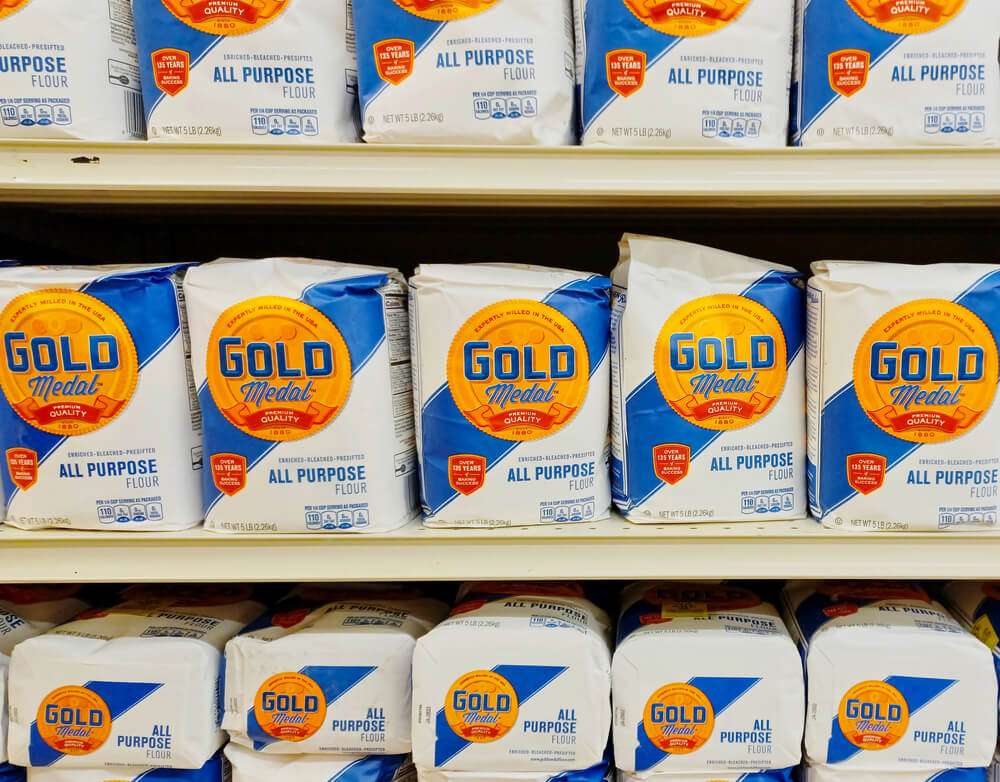
Gold Medal flour took its name from the gold medal that the Washburn Crosby Company won at the 1880 Millers’ International Exhibition in Cincinnati. The company later became part of General Mills, and in 1921 it created Betty Crocker, a fictional persona who answered baking questions from home cooks.
Grandmothers stored Gold Medal flour in large canisters or bins and used it for bread, biscuits, pie crusts and cakes. The flour remains one of the best-known brands in American baking, and Betty Crocker still appears on countless products.
Quaker Oats in the Round Canister
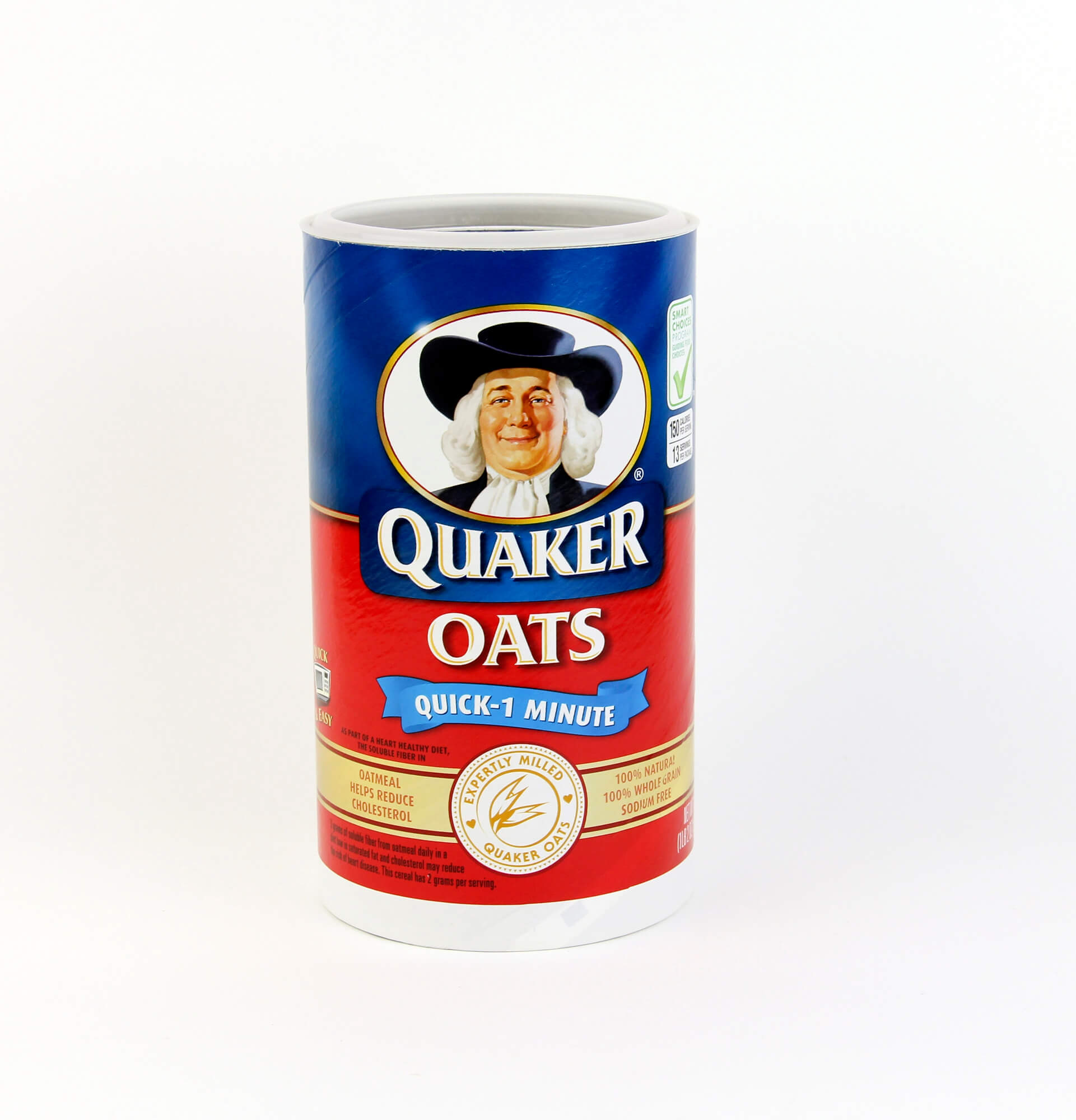
Quaker Oats registered its Quaker man trademark in 1877, making it one of the earliest registered trademarks for a breakfast cereal. The round cardboard canister became a pantry staple, used for oatmeal, cookies, meatloaf and crumb toppings.
Grandmothers often saved empty canisters for storing buttons, yarn and other household odds and ends. Kids turned them into drums, piggy banks and craft projects, and school art rooms collected them by the dozen every fall.
The Quaker man has been updated over the years, but the canister shape remains instantly recognizable.
Cream of Wheat for Cold Mornings

Cream of Wheat was created in 1893 in Grand Forks, North Dakota, by millers who began packaging a creamy wheat farina cereal. The product quickly found a national audience and became a winter breakfast staple.
Grandmothers cooked it on the stove, stirring constantly to prevent lumps, and served it with butter, brown sugar or a spoonful of jam. The box long featured a smiling chef named Rastus, an image the company finally retired in 2020.
The cereal was easy to digest, which made it a common food for children and anyone recovering from illness. Cream of Wheat remains in production today.
Campbell’s Cream of Mushroom Soup
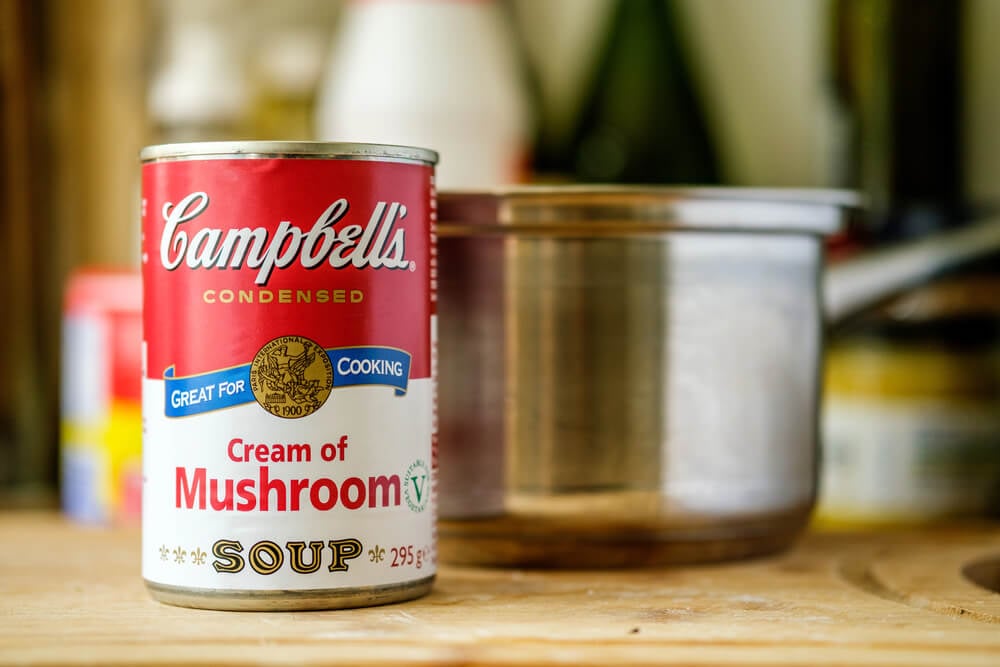
Campbell’s introduced cream of mushroom soup in 1934, and within a few years it ranked among the most versatile pantry staples in American cooking. Grandmothers used it as a base for casseroles, gravies and sauces.
In 1955, Dorcas Reilly, working in the Campbell’s test kitchen, created the green bean casserole, which combined the soup with green beans and fried onions. The dish became a Thanksgiving tradition across the country, and Campbell’s has said millions of households serve it every year.
The red and white can remains a symbol of mid-century home cooking.
Miracle Whip and Its Tangy Spread
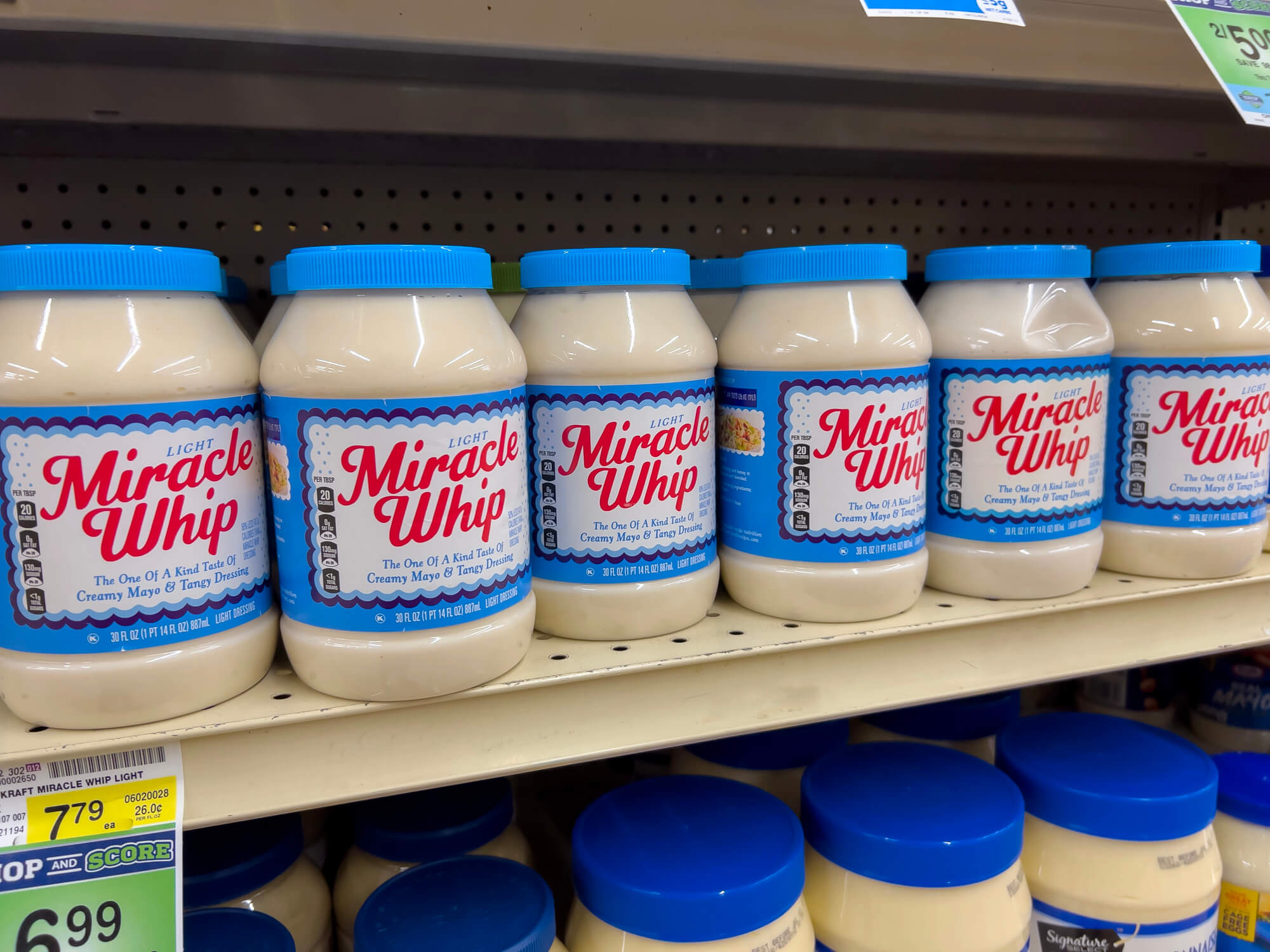
Kraft introduced Miracle Whip at the 1933 Century of Progress exposition in Chicago. The spread combined mayonnaise with a sweeter, tangier dressing, and it became an affordable alternative during the Great Depression.
Grandmothers used it in potato salad, deviled eggs, sandwiches and gelatin salads. Its sweeter profile came from added sugar and spices, which made it a distinct product rather than a mayonnaise in the strict sense.
Families often fell firmly into one of two camps, either loyal to Miracle Whip or to mayonnaise. The debate continues today, and the jar remains a fixture in many refrigerators.
Lipton Onion Soup Mix and California Dip
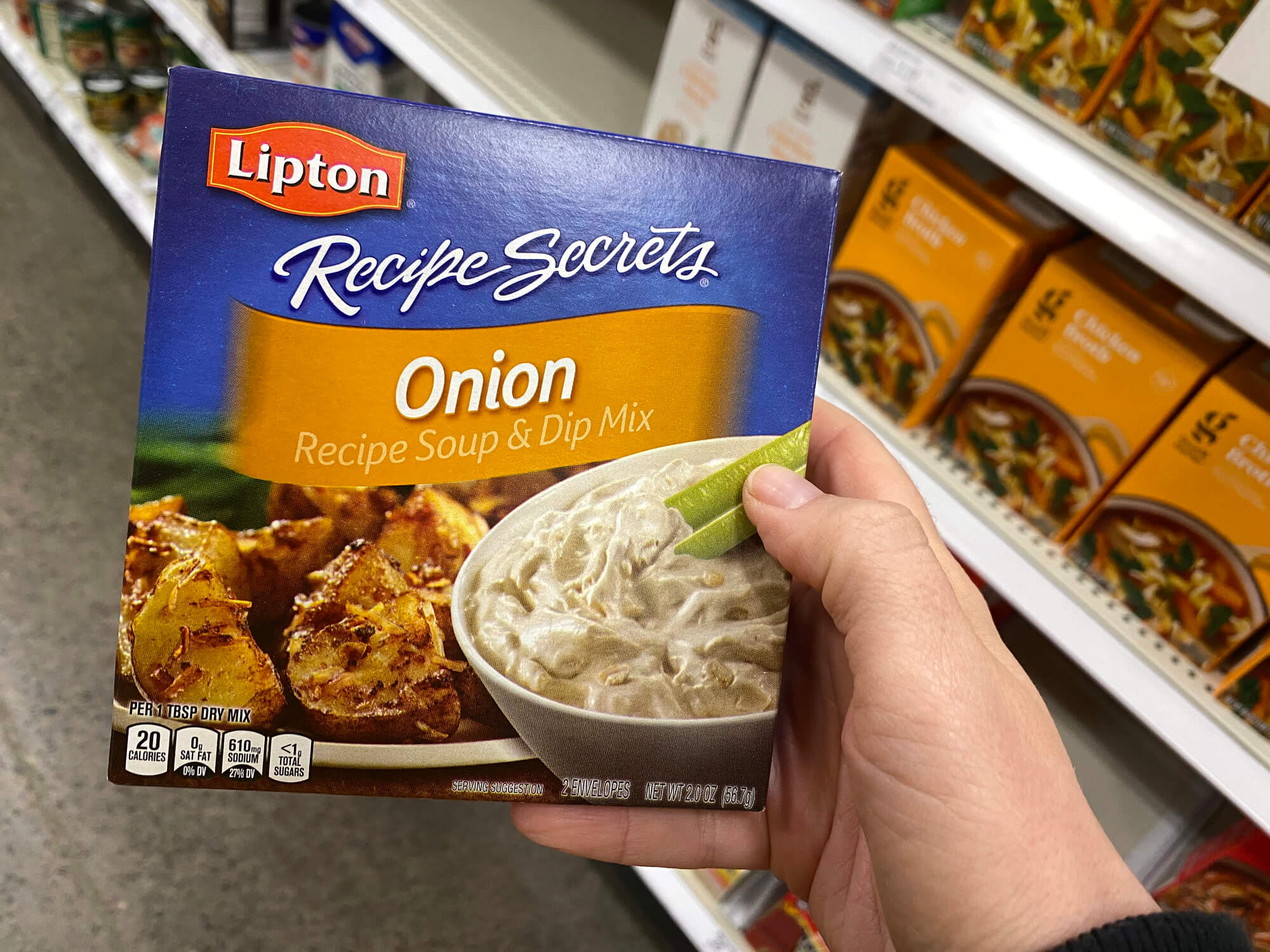
Lipton introduced its dry onion soup mix in 1952, and it quickly found uses beyond soup. In 1954, according to most accounts, a home cook in Los Angeles mixed the packet with sour cream to create California dip, which became a party staple.
Grandmothers also used the mix to season pot roasts, meatloaf and roasted potatoes. The packets were inexpensive and easy to store, and a few always seemed to be tucked behind the canned goods for unexpected company.
The recipe for onion dip still appears on the box today.
Kitchen Bouquet for Gravy
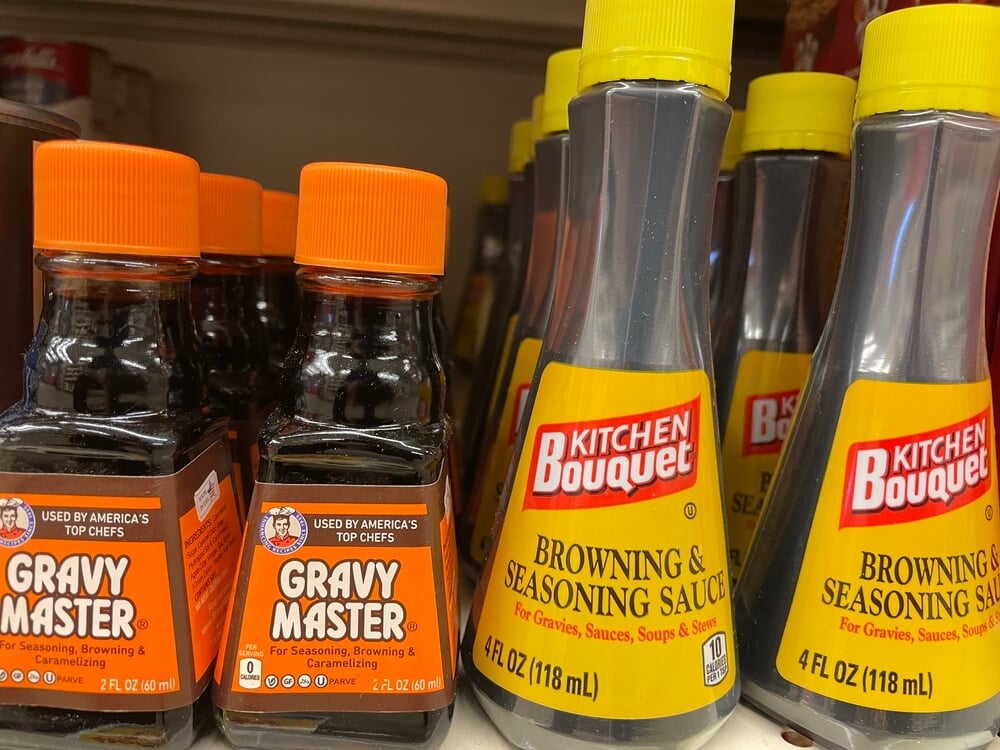
Kitchen Bouquet, a browning and seasoning sauce, has been sold since 1873. The dark liquid added color and flavor to gravies, stews and roasts, helping grandmothers produce rich brown gravy even when drippings were pale.
A few drops went a long way, and a single bottle often lasted for years. Some cooks also brushed it on meat before roasting to give it a deeper color on the table.
The small bottle with its distinctive label became a fixture in many pantries. Kitchen Bouquet remains in production, and many home cooks still consider it a secret ingredient.
Velveeta and Its Golden Block
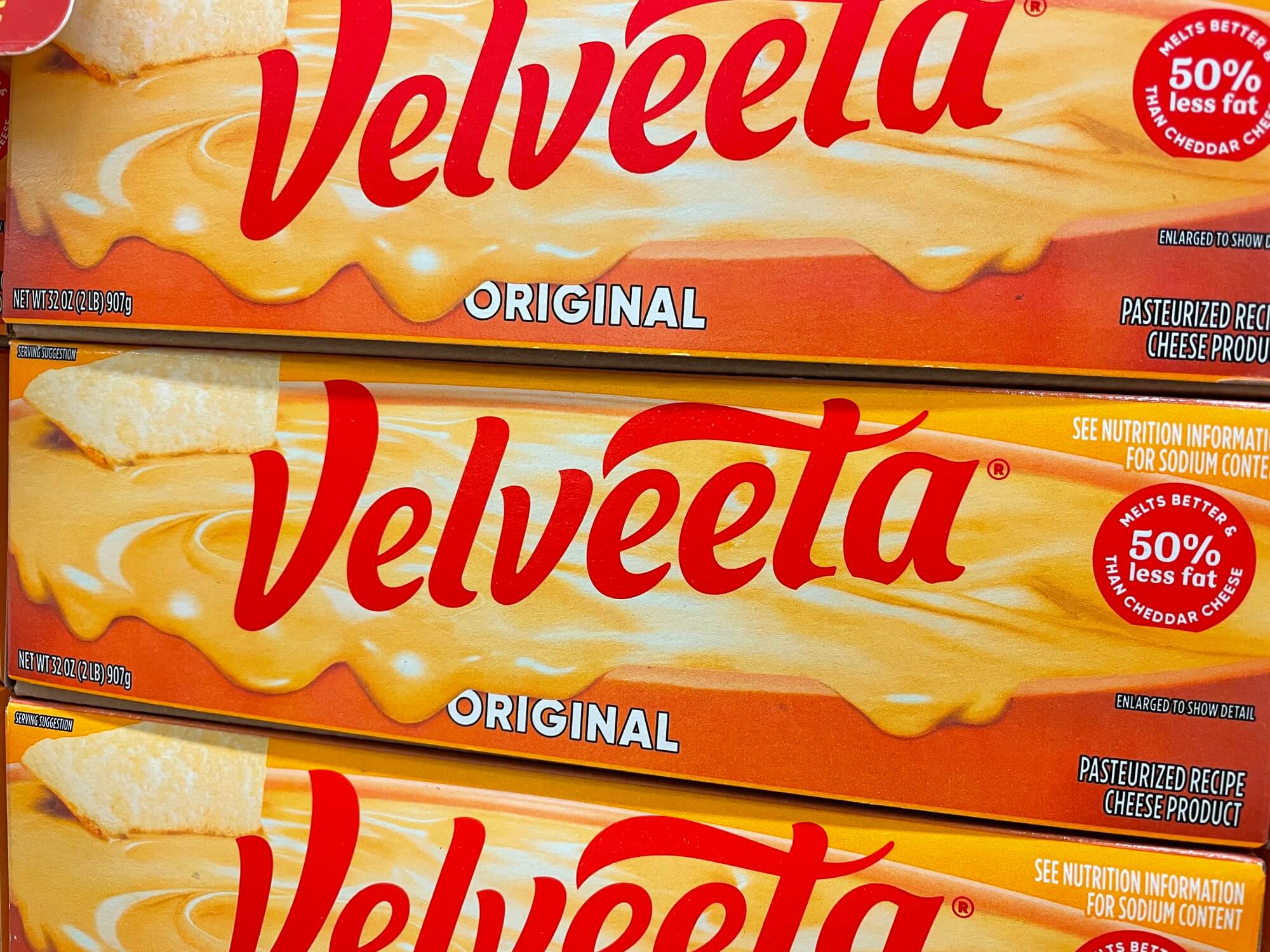
Velveeta was created in 1918 by Emil Frey, a cheesemaker at the Monroe Cheese Company in Monroe, New York. Kraft acquired the brand in 1927, and the smooth processed cheese became a pantry staple.
Velveeta melted easily, making it ideal for macaroni and cheese, casseroles and dips. Today, it is labeled as a pasteurized prepared cheese product, a legal distinction that has never bothered its fans.
Grandmothers kept a golden block on hand for cheese sauces and sandwiches, and it remains a reliable ingredient for queso dips at parties.
Ritz Crackers and Mock Apple Pie
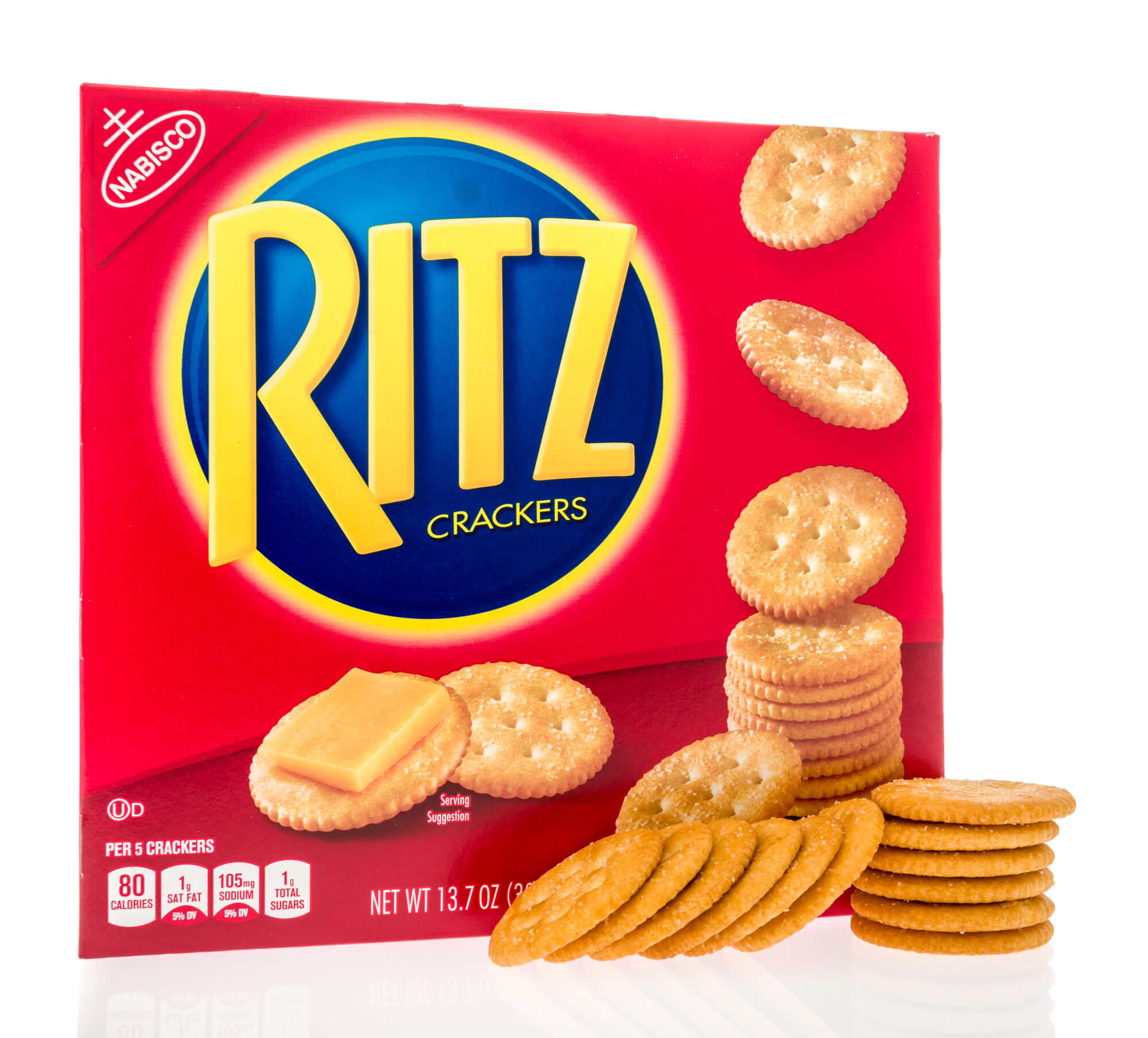
Nabisco introduced Ritz crackers in 1934, offering a buttery, affordable cracker during the Great Depression. The company printed a recipe for mock apple pie on the box, using crushed crackers, sugar, lemon juice and spices to mimic the taste of apples.
Many people were surprised at how convincing the result was, and the recipe has resurfaced on the packaging several times since. Grandmothers used Ritz crackers in casseroles, as toppings and as party snacks.
The red box remains one of the most familiar packages in the cracker aisle.
Postum the Coffee Substitute
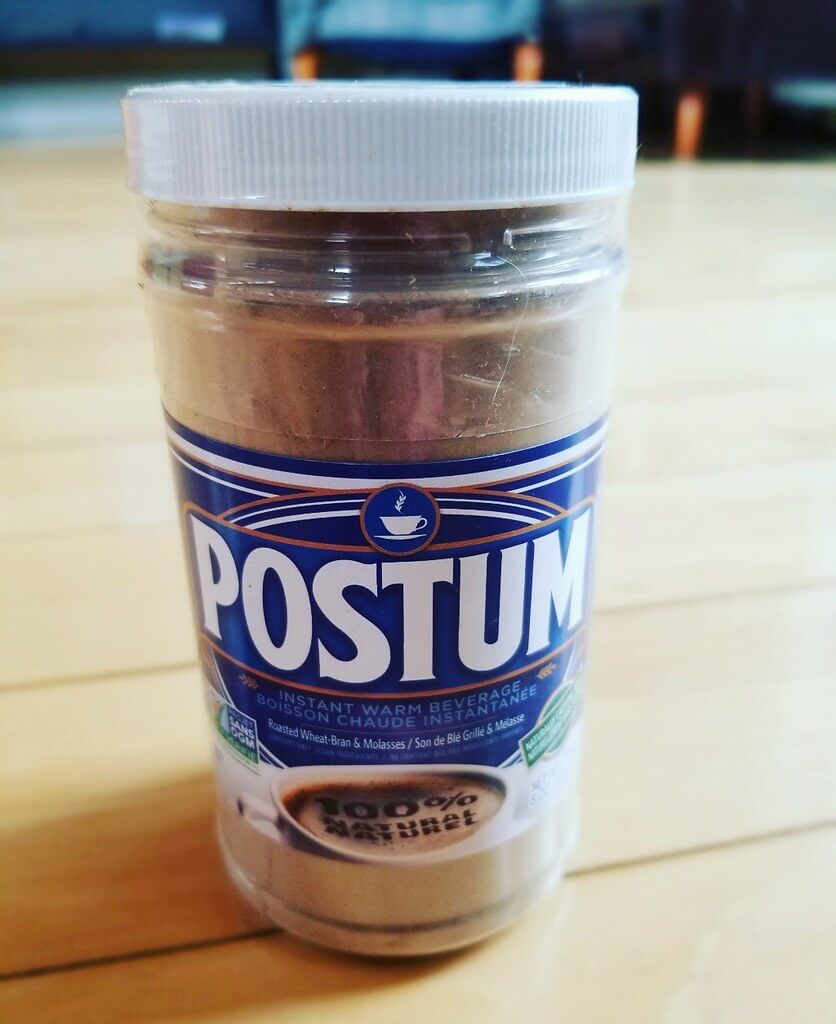
C.W. Post introduced Postum in 1895 as a caffeine-free coffee substitute made from roasted grains and molasses. The drink became popular with people avoiding caffeine for health or religious reasons, and its sales rose during World War II, when coffee was rationed.
Grandmothers kept a jar in the pantry for evening drinks, stirring a spoonful of the dark powder into hot water or warm milk. Kraft discontinued Postum in 2007, disappointing loyal fans.
A small company later revived the brand, bringing it back to grocery shelves for those who still prefer it.
Kool-Aid Packets and Summer Pitchers
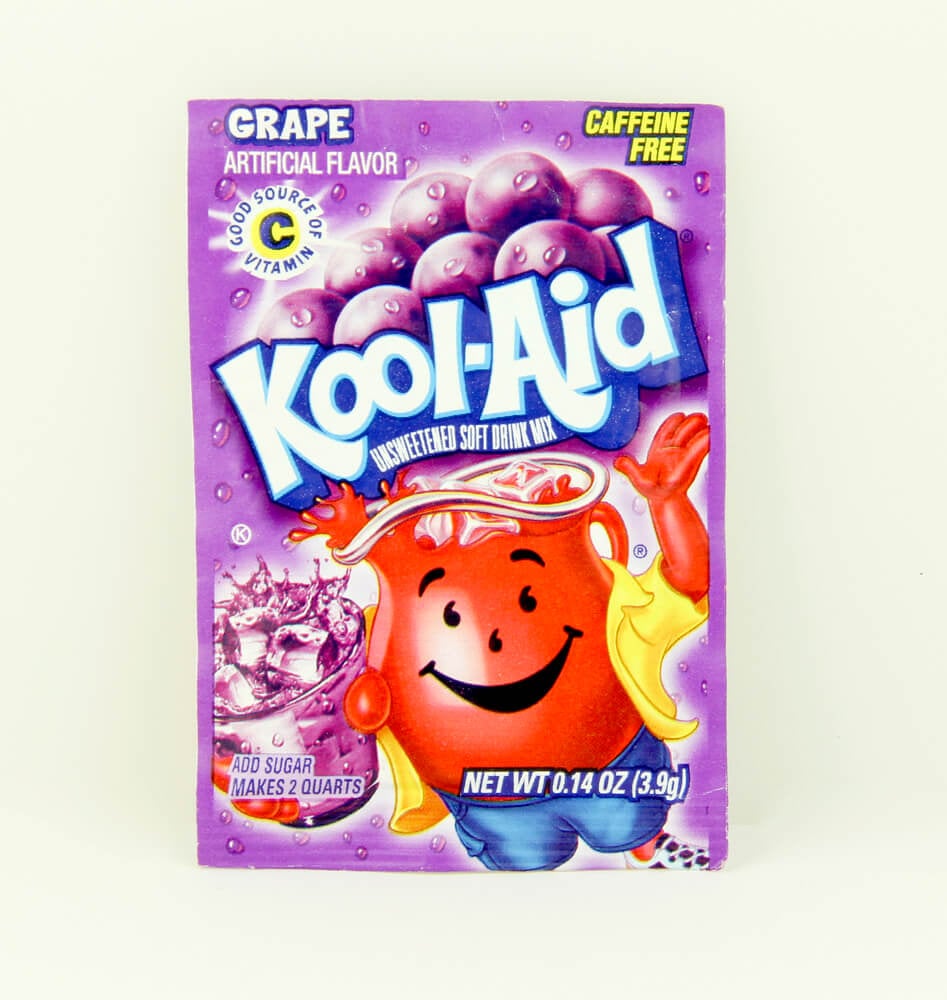
Edwin Perkins created Kool-Aid in Hastings, Nebraska, in 1927, turning a liquid drink concentrate into a powder that was easier and cheaper to ship. The packets became a summer staple, mixed with sugar and water in large pitchers.
Grandmothers kept a supply on hand for grandchildren, often in grape, cherry and tropical punch flavors. Nebraska lawmakers named Kool-Aid the official state soft drink in 1998, and Hastings celebrates it with an annual summer festival.
The smiling pitcher mascot remains one of the most recognizable in advertising.
Minute Rice in a Hurry
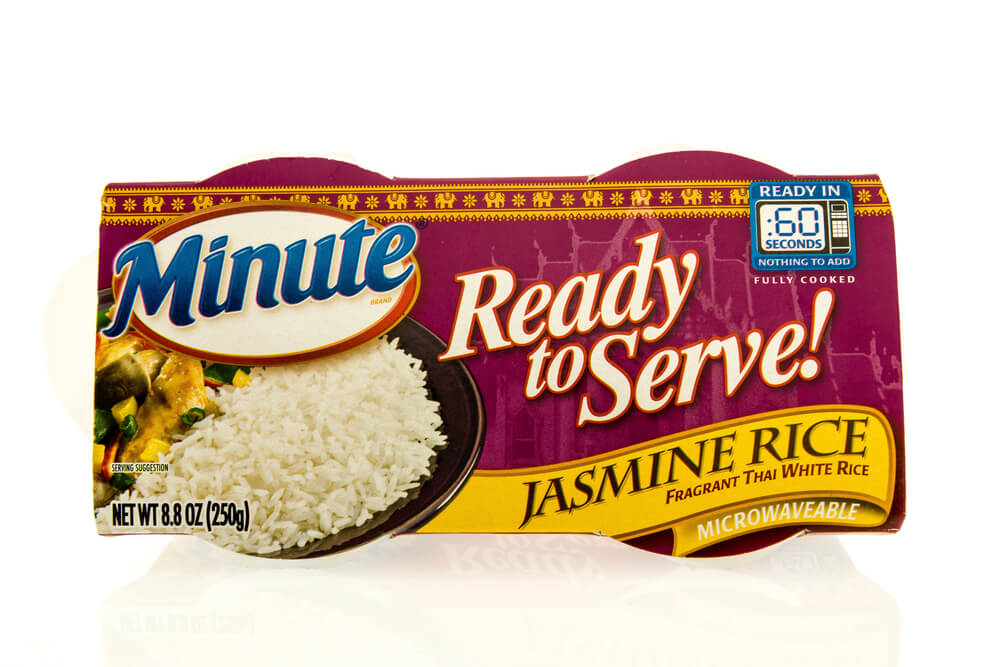
General Foods introduced Minute Rice in 1949, offering precooked rice that could be prepared in minutes. The process was developed by Ataullah Ozai-Durrani, an Afghan-born inventor who had been experimenting with quick-cooking rice for years.
The product appealed to busy cooks who wanted a quick side dish without the long simmering time of regular rice. Grandmothers used it in casseroles, puddings and stuffed peppers.
The box became a pantry staple, especially for working families looking for convenient options after the war. Minute Rice remains in production and still promises a quick side dish.
Grandma’s Molasses for Gingerbread
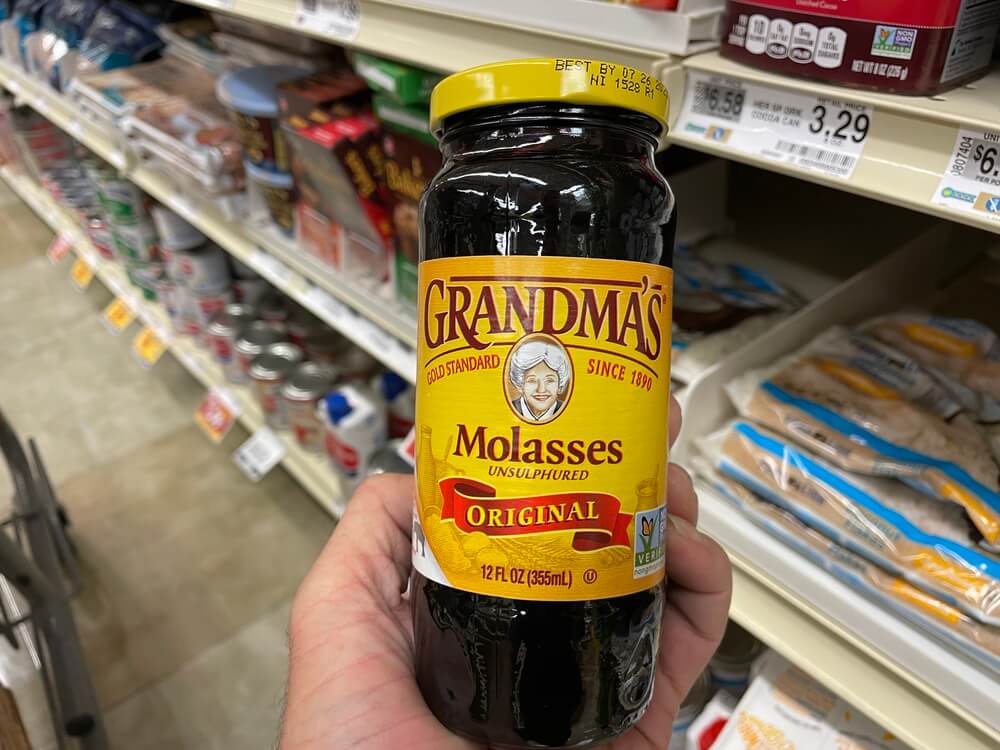
Grandma’s Molasses has been sold since 1890 and is now produced by B and G Foods at a plant in Roseland, New Jersey. The thick, unsulfured syrup gave depth to gingerbread, molasses cookies, baked beans and barbecue sauce.
Grandmothers kept a jar on hand for holiday baking, and the smell of molasses cookies in the oven became a seasonal tradition. The brand supports The Elephant Sanctuary in Tennessee, a fun detail printed on its label.
The jar remains a pantry fixture for serious bakers, especially between Thanksgiving and New Year’s Day.
Underwood Deviled Ham and Its Devil Logo
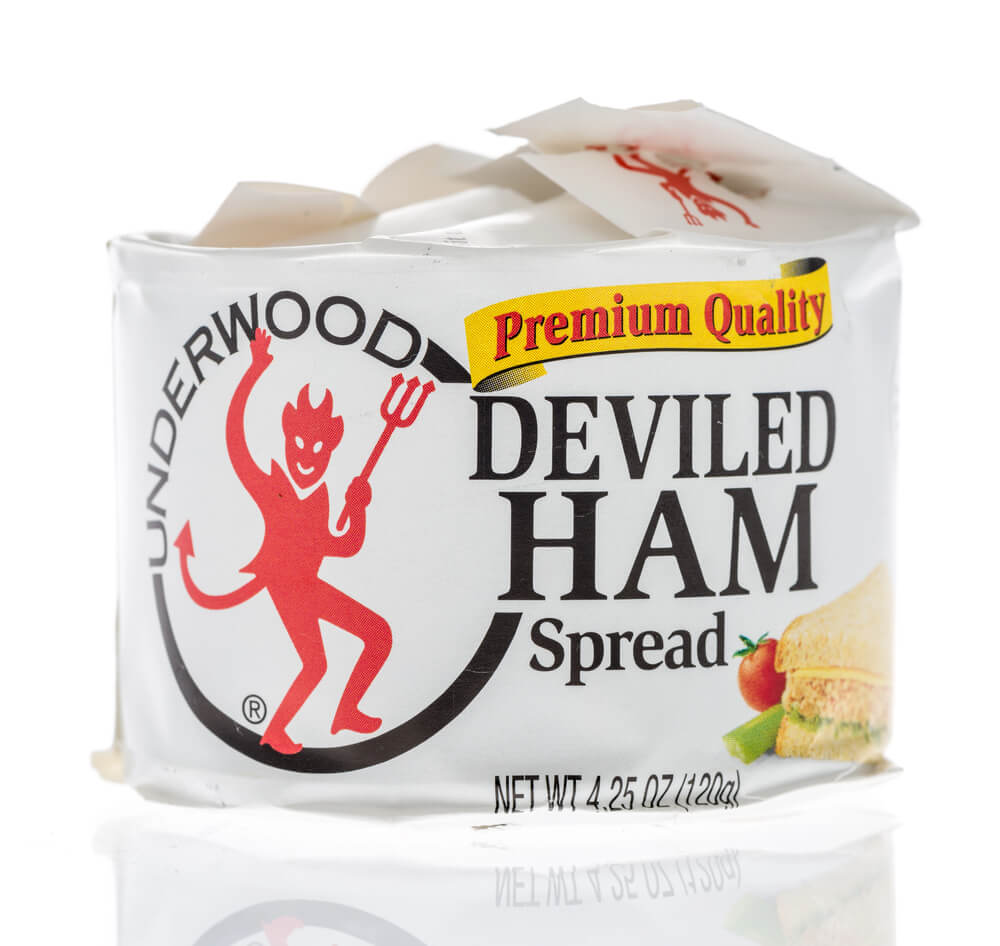
The William Underwood Company of Boston began canning deviled ham in 1868, and its devil logo was trademarked in 1870. That logo is considered the oldest food trademark still in use in the United States.
The spicy ham spread became a convenient sandwich filling and appetizer, especially for picnics and travel. Grandmothers spread it on crackers, mixed it into salads and served it at parties.
The devil himself has softened over the years, losing his claws and gaining a friendlier grin. The small can with its paper wrapper remains on grocery shelves today.
Baker’s Chocolate and German’s Cake
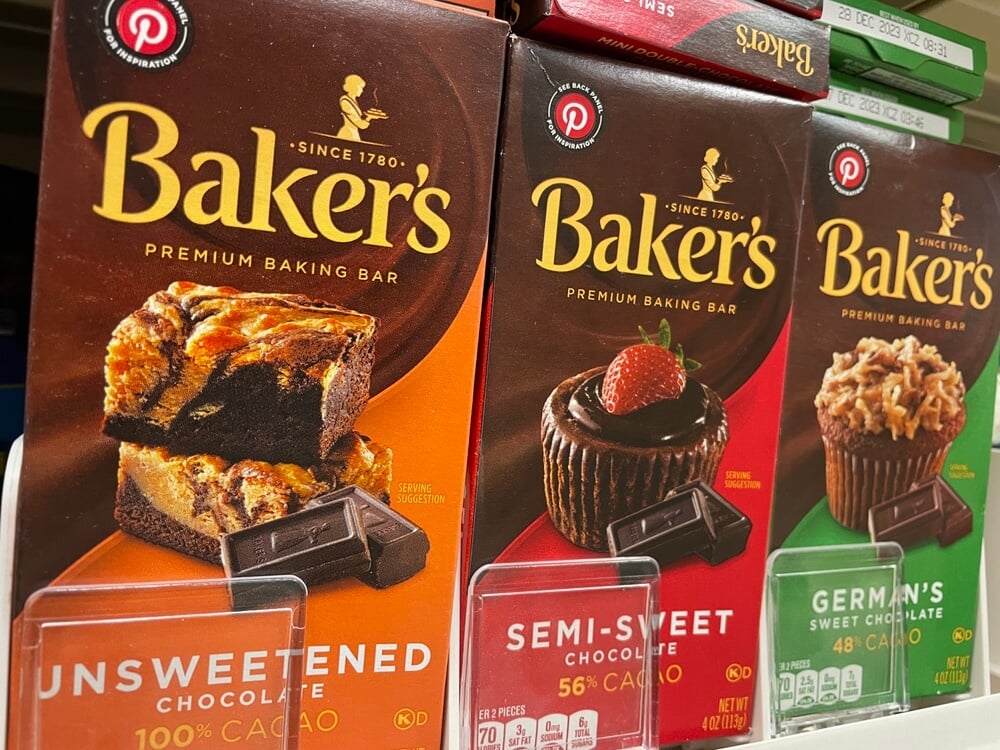
Baker’s Chocolate traces its roots to 1764 in Dorchester, Massachusetts, and the name comes from the Baker family, not from baking. In 1852, an employee named Samuel German developed a sweet baking chocolate for the company, which became known as Baker’s German’s Sweet Chocolate.
That product later inspired German chocolate cake, which has nothing to do with Germany. Grandmothers used Baker’s chocolate in brownies, fudge and cakes, often following recipes printed inside the wrapper.
The unsweetened squares surprised many curious kids who tried a bite. The small boxes remain a staple for home bakers.
Shelves That Fed Generations
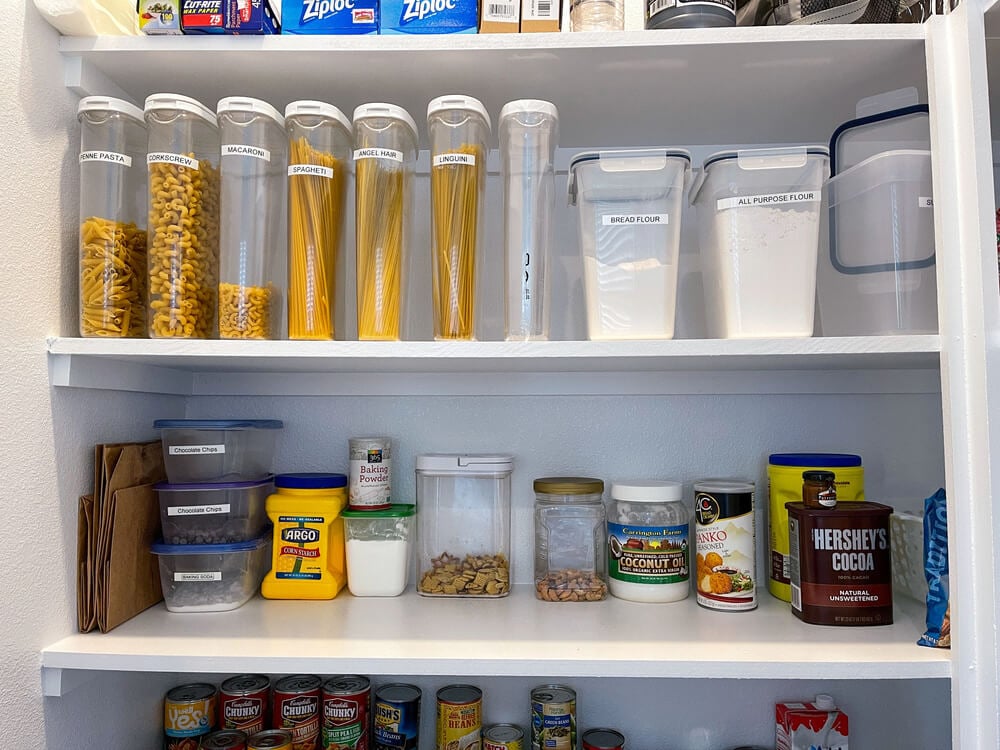
These pantry staples were more than ingredients. They represented convenience, thrift and reliability for families who often cooked every meal at home.
Many were introduced during times of economic hardship or war, when stretching a budget mattered. The brands on this list helped shape American recipes, from casseroles to holiday desserts.
Many still appear on grocery shelves, carrying a sense of nostalgia for anyone who remembers them in a grandmother’s kitchen. A pantry stocked with these items told the story of a household that knew how to make something from very little.
More from Go2Tutors!

- The Romanov Crown Jewels and Their Tragic Fate
- 13 Historical Mysteries That Science Still Can’t Solve
- Famous Hoaxes That Fooled the World for Years
- 15 Child Stars with Tragic Adult Lives
- 16 Famous Jewelry Pieces in History
Like Go2Tutors’s content? Follow us on MSN.