Cities Notorious for Gridlock Traffic
Sitting in traffic changes you. The first few minutes feel manageable.
Then an hour passes, and you start questioning your route choices, your job, maybe your entire life. Some cities have turned this experience into an art form.
Their traffic jams aren’t occasional inconveniences—they’re woven into the daily fabric of life.
Los Angeles: Where Highways Become Parking Lots
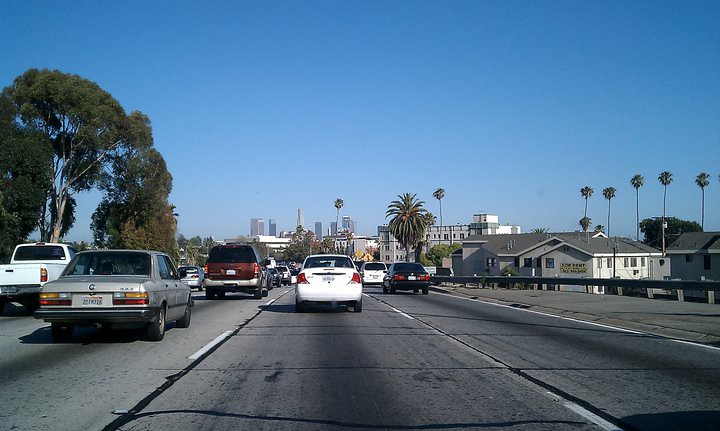
The 405 freeway earns its reputation honestly. Rush hour stretches from early morning until late evening, and even midday brings slowdowns that defy logic.
Ten lanes of traffic move at walking speed while Angelenos master the art of eating, working, and maintaining relationships from behind the wheel. The city sprawls across 500 square miles with limited public transit options.
Everyone drives. Carpooling lanes help a little, but not enough to make a real dent.
On bad days—which means most days—a 15-mile commute takes 90 minutes.
Mumbai: The City That Never Moves
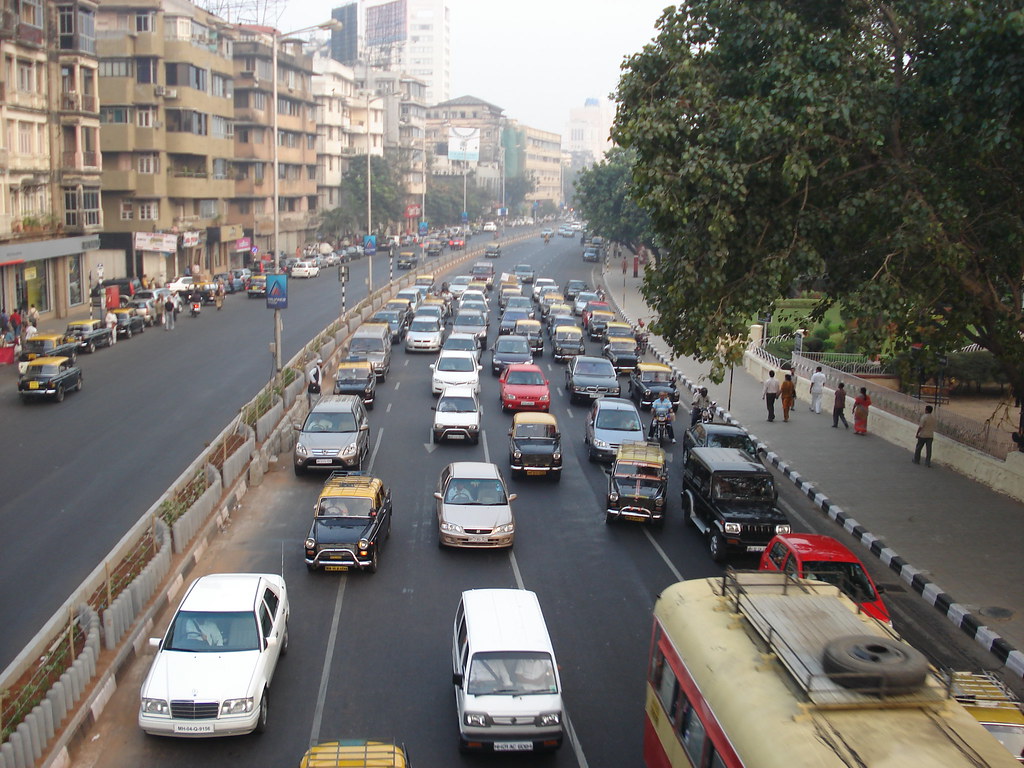
Mumbai’s traffic operates on its own rules. Cars, buses, motorcycles, auto-rickshaws, pedestrians, and the occasional cow share the same space.
Lane markings serve more as suggestions than actual boundaries. Honking becomes a language all its own.
The city sits on a narrow peninsula with limited road capacity for its 20 million residents. During monsoon season, flooding makes everything worse.
A short trip across town can eat up half your day.
Manila: Carmageddon in the Tropics
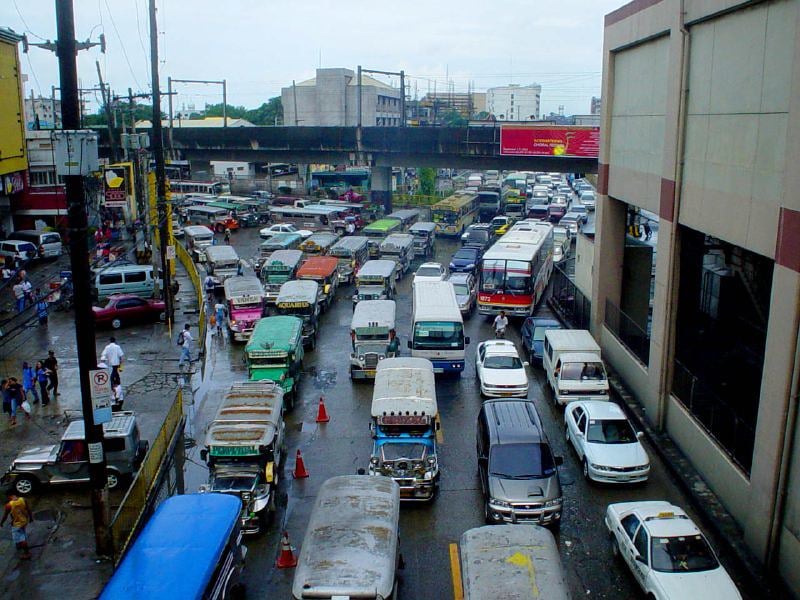
Metro Manila holds multiple world records nobody wants. Studies consistently rank it among the worst traffic on the planet.
The average commuter loses weeks of their life each year just sitting in traffic. EDSA, the city’s main highway, becomes a 24-kilometer nightmare during peak hours.
Three-hour commutes for distances you could walk in less time. The heat and humidity make it even more unbearable.
Mexico City: Twenty Million People, One Road Network
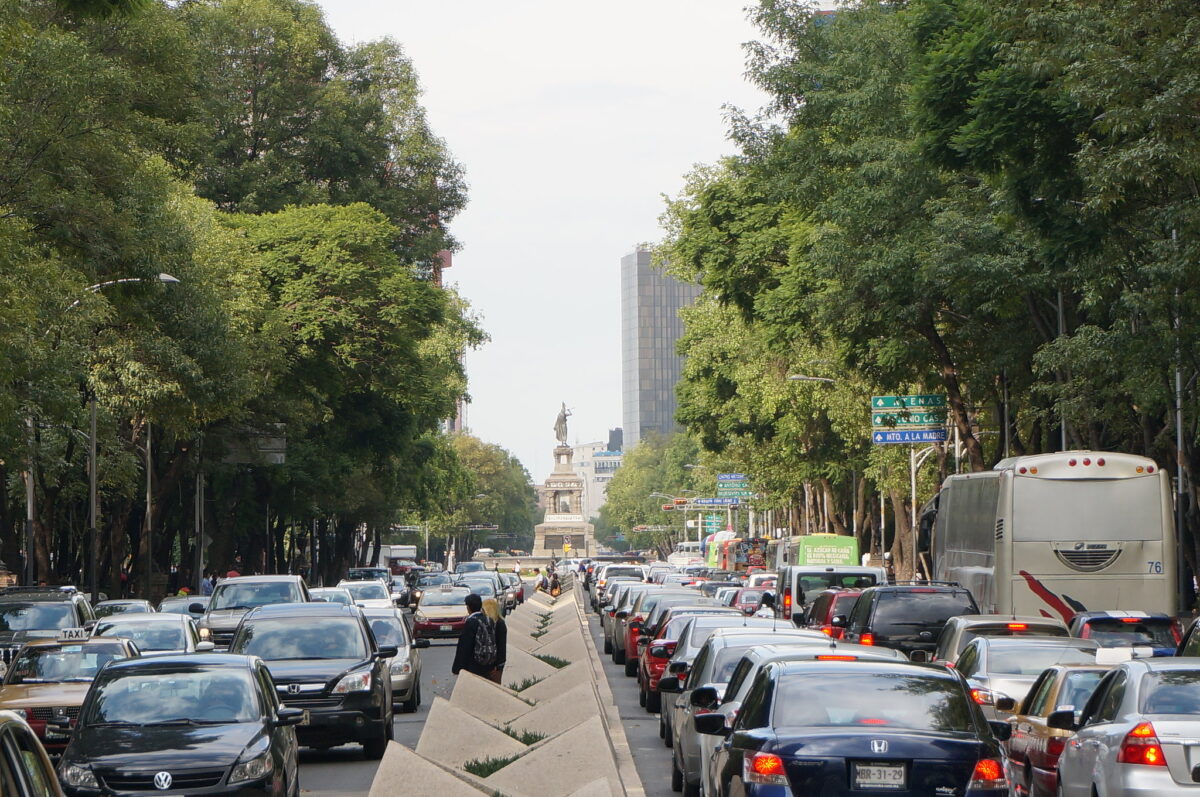
Mexico City’s traffic reflects its history. The road system was never designed for this many cars.
Modern highways dump into colonial-era streets that can barely handle the volume. The city tried restrictions—cars with certain license plate numbers can’t drive on specific days.
People just bought second cars. Public transportation helps some, but millions still depend on driving.
Smog from idling vehicles hangs over the valley.
São Paulo: Brazil’s Concrete Jungle
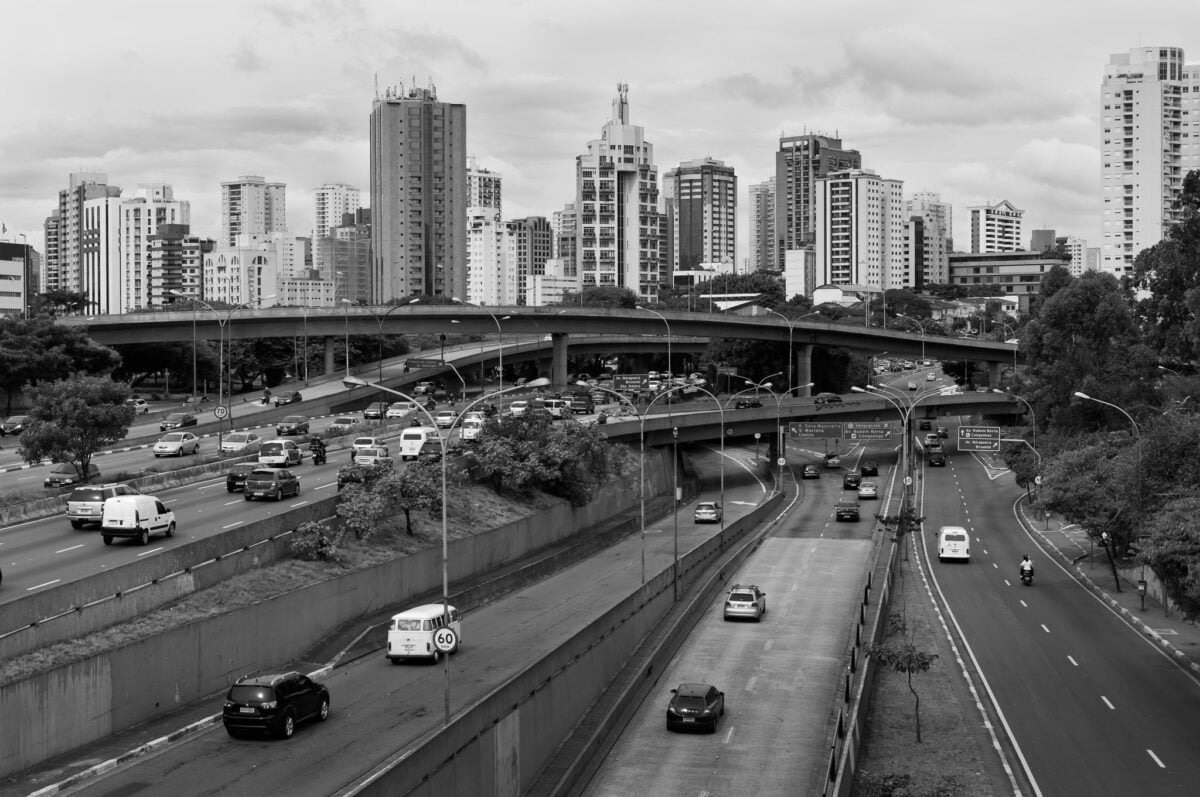
São Paulo experiences traffic jams that stretch over 100 kilometers. Not a typo—100 kilometers of gridlock.
Friday evenings bring the worst of it, when the entire city tries to leave at once. Helicopters buzz overhead constantly because wealthy residents gave up on ground transportation entirely.
The city has more helicopters than anywhere else in the world. Meanwhile, everyone else sits bumper to bumper on the Marginal Pinheiros.
Jakarta: The Big Durian’s Big Problem
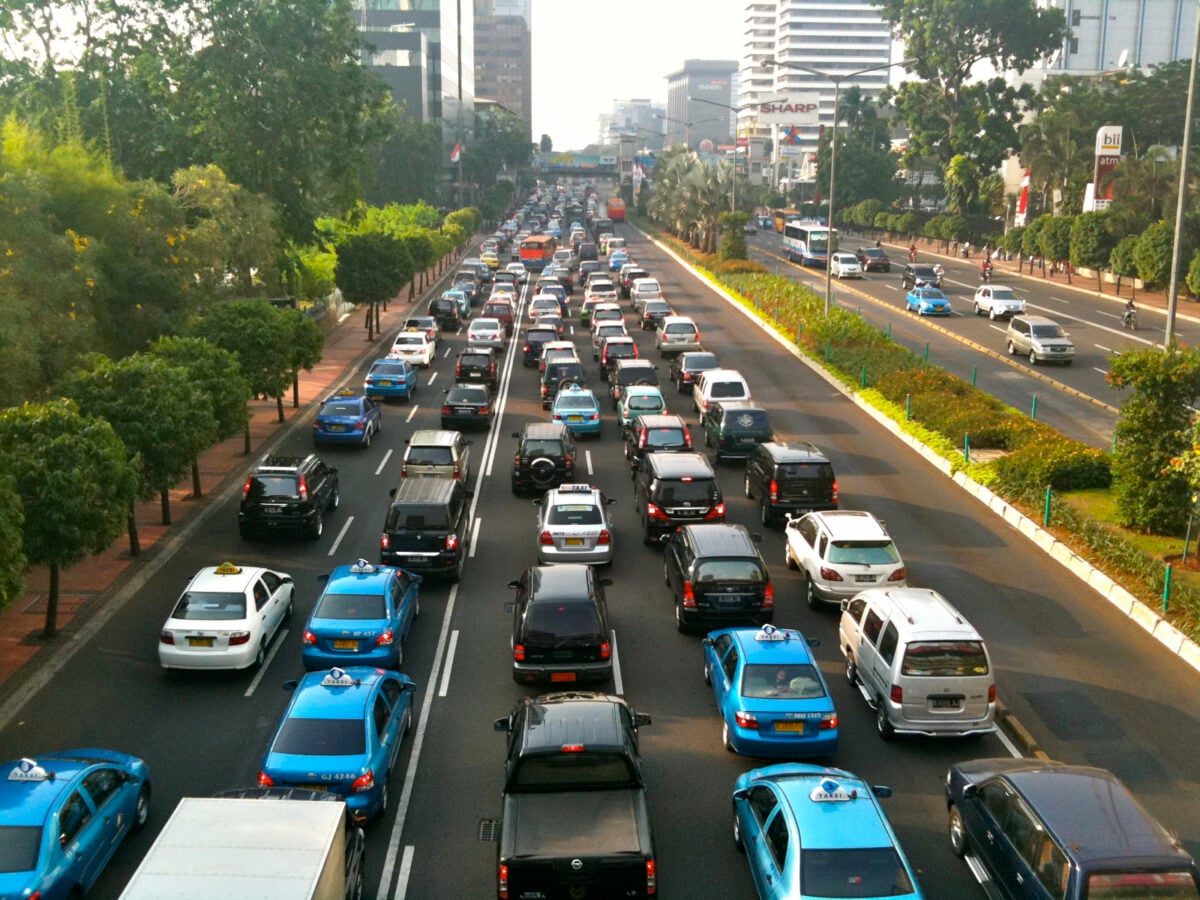
Jakarta’s traffic earned it the nickname of the world’s most congested city. The average driver spends over 60 hours a year just sitting in jams.
Some intersections stay clogged for hours without movement. The city spreads across low-lying land prone to flooding, which regularly paralyzes the road network.
Motorcycles weave between cars at dangerous speeds, adding chaos to congestion. Recent investments in metro lines offer hope, but the problem runs too deep for quick fixes.
Bangkok: The Venice of the East, Now Paved Over
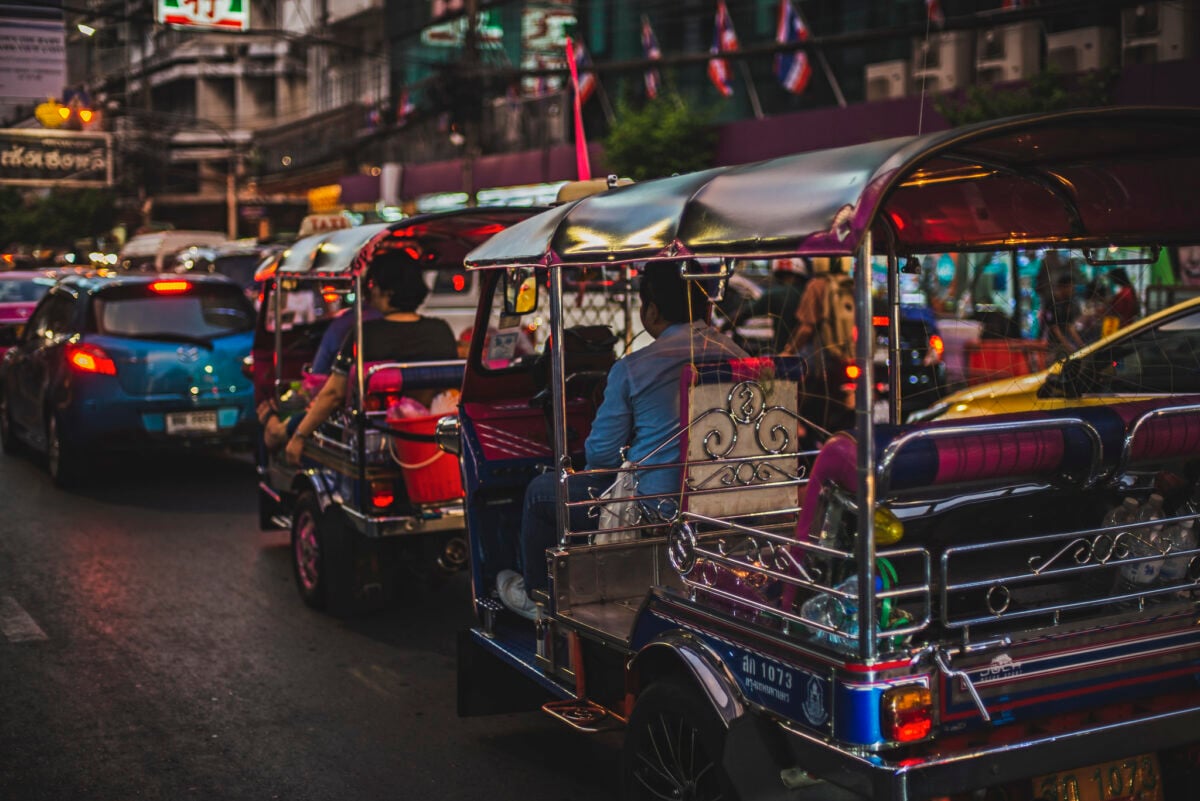
Bangkok built over most of its canals to make roads. Those roads now overflow with vehicles.
The city’s famous tuk-tuks zip through gaps that seem impossibly small, while cars inch forward in the tropical heat. Skytrains and metro lines help, but they don’t reach everywhere.
Many residents still rely on road transport. During the rainy season, flash floods turn roads into rivers, and traffic grinds to a complete halt for hours.
Istanbul: Where Two Continents Collide
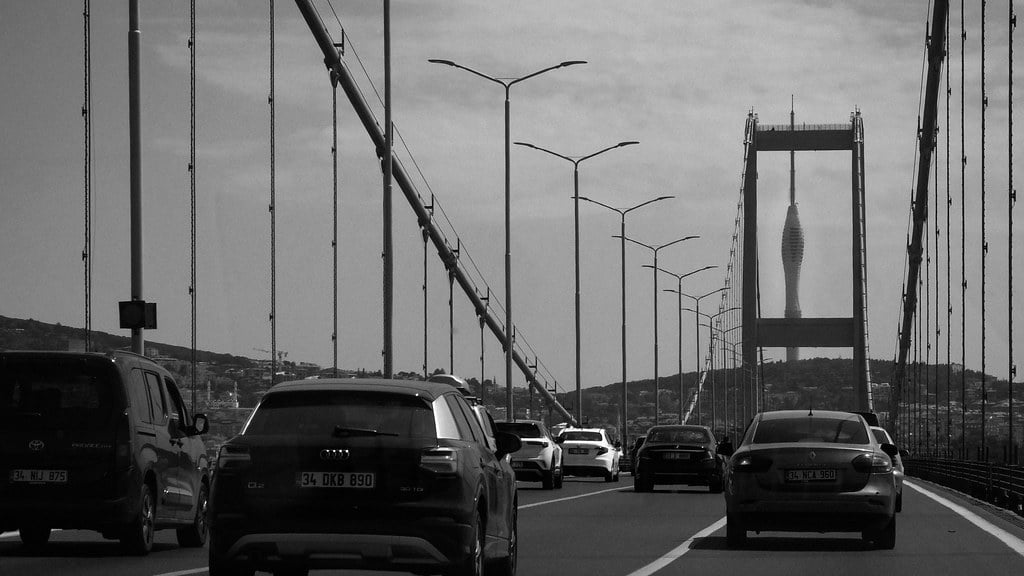
Istanbul straddles Europe and Asia, connected by bridges that everyone needs to cross. Those bridges become bottlenecks that paralyze the city.
Morning and evening rush hours turn the commute into a test of patience. The city’s rapid growth outpaced infrastructure development.
Ancient streets in historic districts can’t handle modern traffic volume. Ferries across the Bosphorus offer an escape for some, but most people have no choice but to sit in traffic.
Cairo: Ancient City, Modern Gridlock
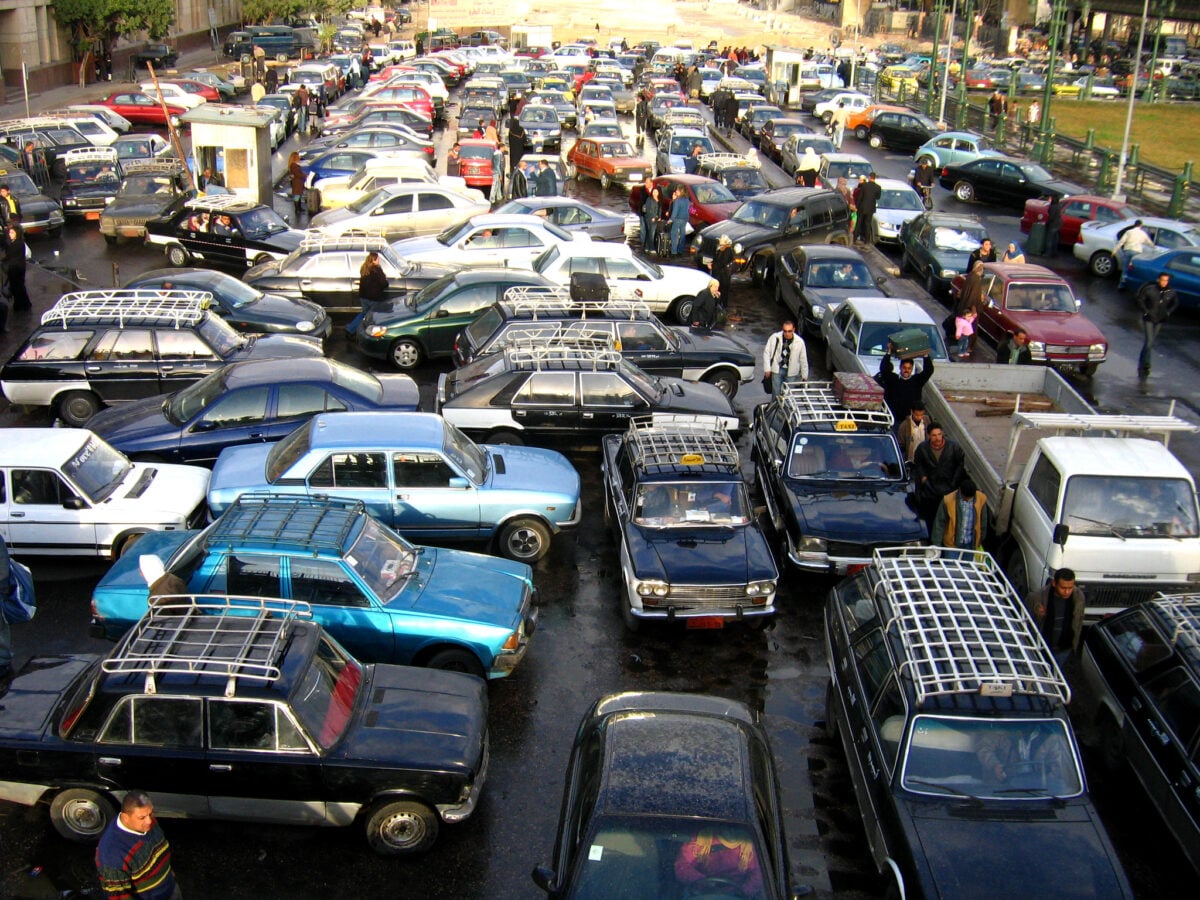
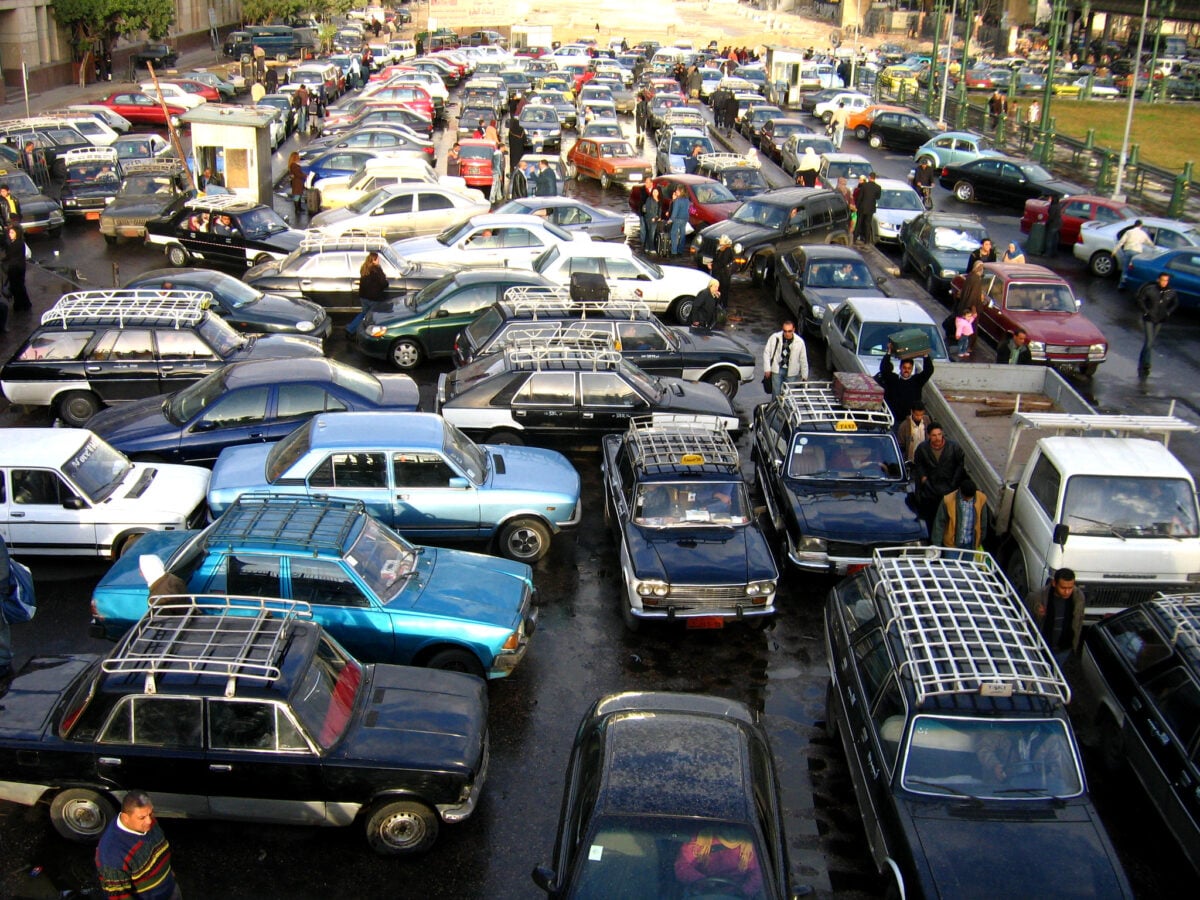
Cairo’s traffic defies description. Lanes mean nothing.
Traffic lights serve as decorations. Drivers create new lanes in the middle of intersections.
Somehow, it all keeps moving—slowly, chaotically, but moving. The city’s population density strains every road.
Older neighborhoods have streets barely wide enough for a single car, yet traffic flows both directions. Dust, noise, and exhaust fill the air.
Public buses offer an alternative, but they’re usually packed beyond capacity.
Lagos: The Megacity’s Daily Marathon
Lagos traffic starts early and never really ends. The city’s explosive growth happened faster than road construction could keep pace.
Bridges linking the islands to the mainland become choke points that trap thousands of vehicles for hours. Informal bus systems called danfos weave through traffic with reckless abandon.
During the rainy season, roads flood and traffic stops completely. What should take 30 minutes often takes three hours.
Residents build their entire schedules around avoiding traffic, but there’s no avoiding it.
Moscow: Winter Wonderland of Waiting
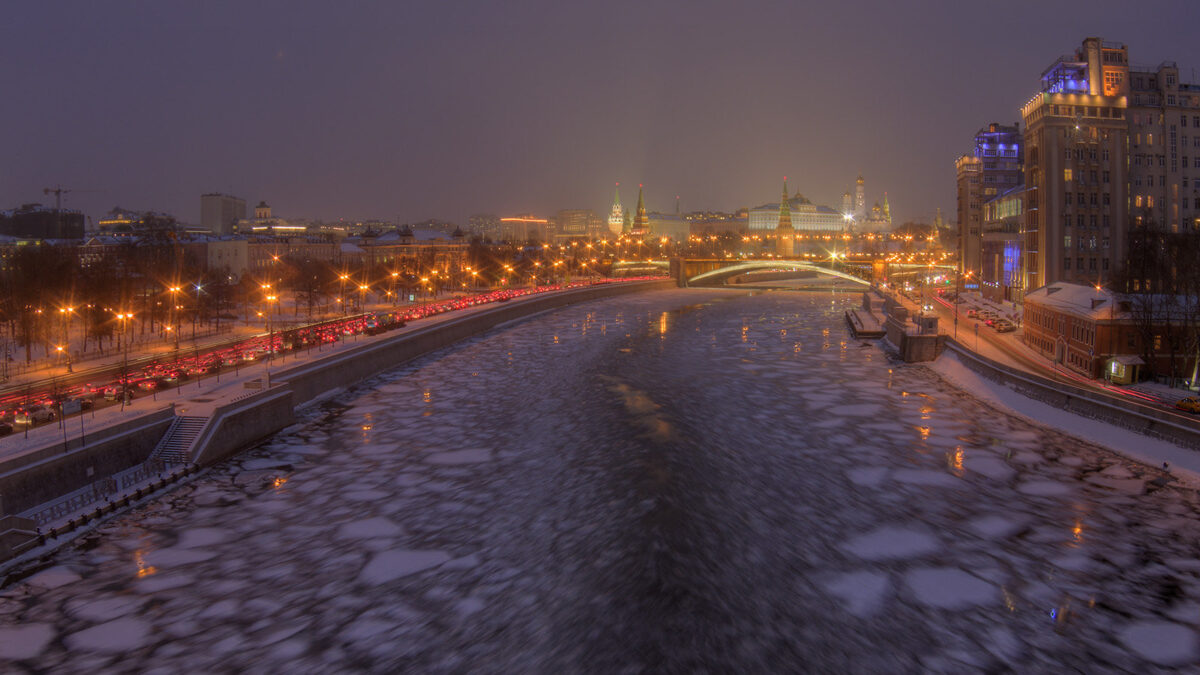
Moscow’s traffic gets worse when temperatures drop. Snow and ice slow everything down, but the cold doesn’t stop people from driving.
The city radiates from the Kremlin in concentric rings, and everyone needs to cross multiple rings to get anywhere. The metro system handles millions of passengers, but car ownership keeps rising.
Construction projects constantly close lanes. Accidents in winter conditions create backups that ripple across the entire road network.
Some drivers keep blankets and emergency supplies in their cars because getting stuck for hours is common.
London: Historic Streets, Modern Volume
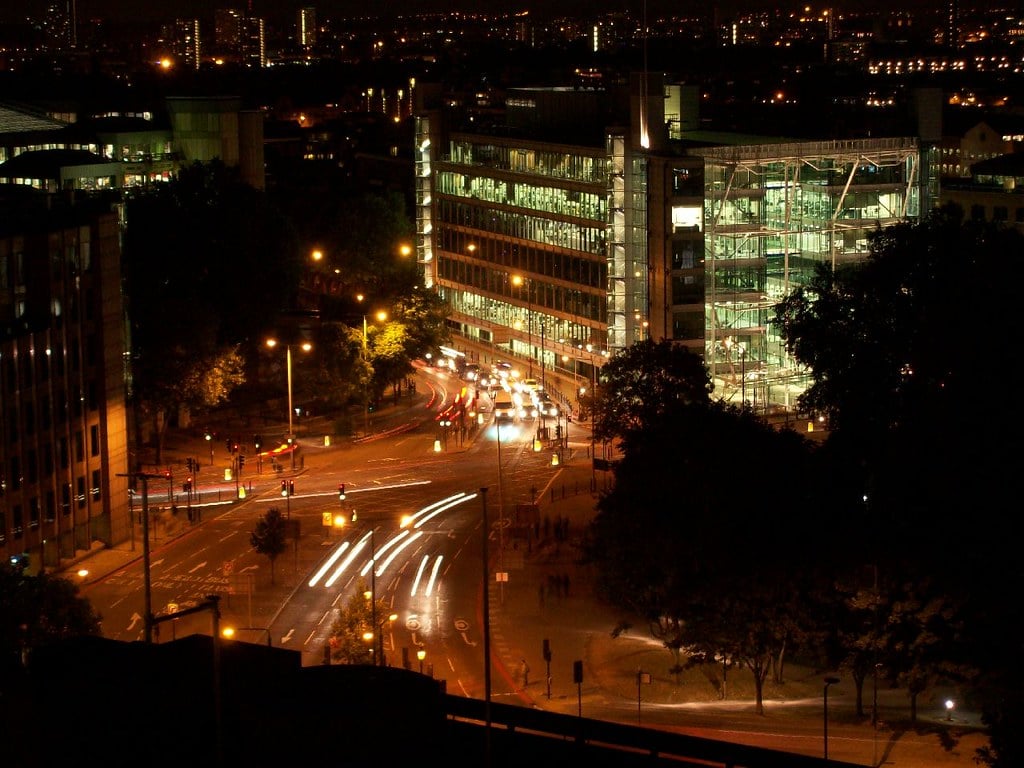
London’s streets weren’t designed for this many vehicles. Medieval lanes that once handled horse carts now face delivery trucks and commuter traffic.
The congestion charge reduced some traffic in central London, but surrounding areas picked up the overflow. Roadworks seem permanent fixtures on major routes.
The M25 orbital motorway circles the city and regularly becomes the country’s longest parking lot. Even with extensive public transit, traffic remains a daily struggle.
New York City: The Grid That Doesn’t Move
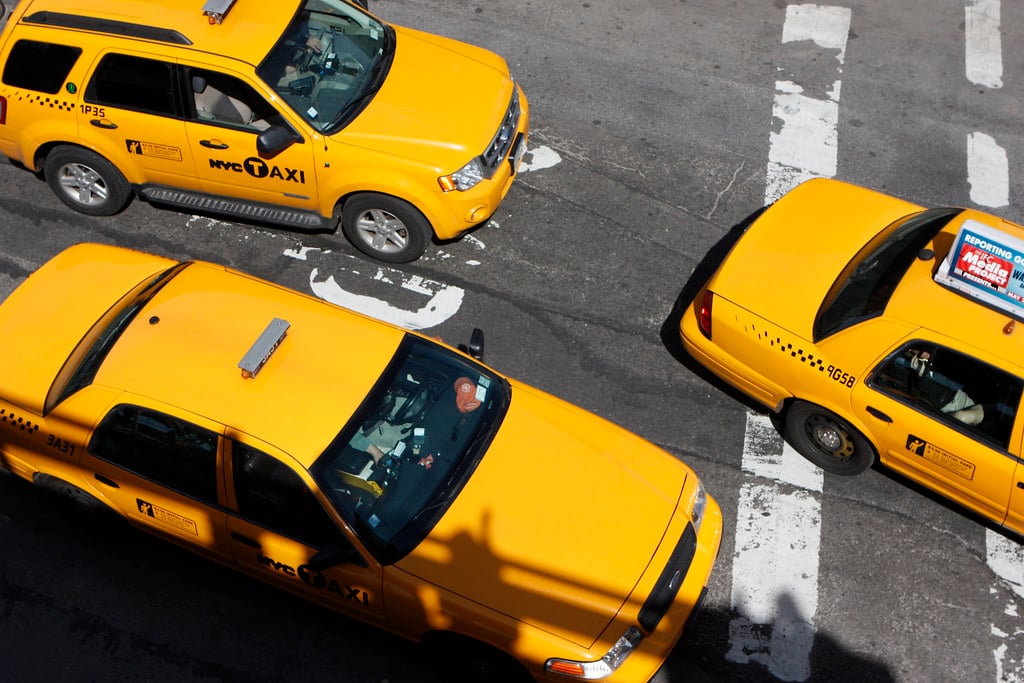
Manhattan’s grid system should make traffic flow smoothly. Instead, it creates the opposite effect.
Yellow cabs, delivery trucks, buses, and private cars compete for the same space. Pedestrians flood crosswalks at every light change.
Midtown during rush hour becomes almost impassable. Construction zones close lanes constantly.
Double-parked delivery trucks block traffic throughout the day. Even the taxi drivers, who know every shortcut, sometimes just sit there with meters running.
Beijing: The Price of Progress
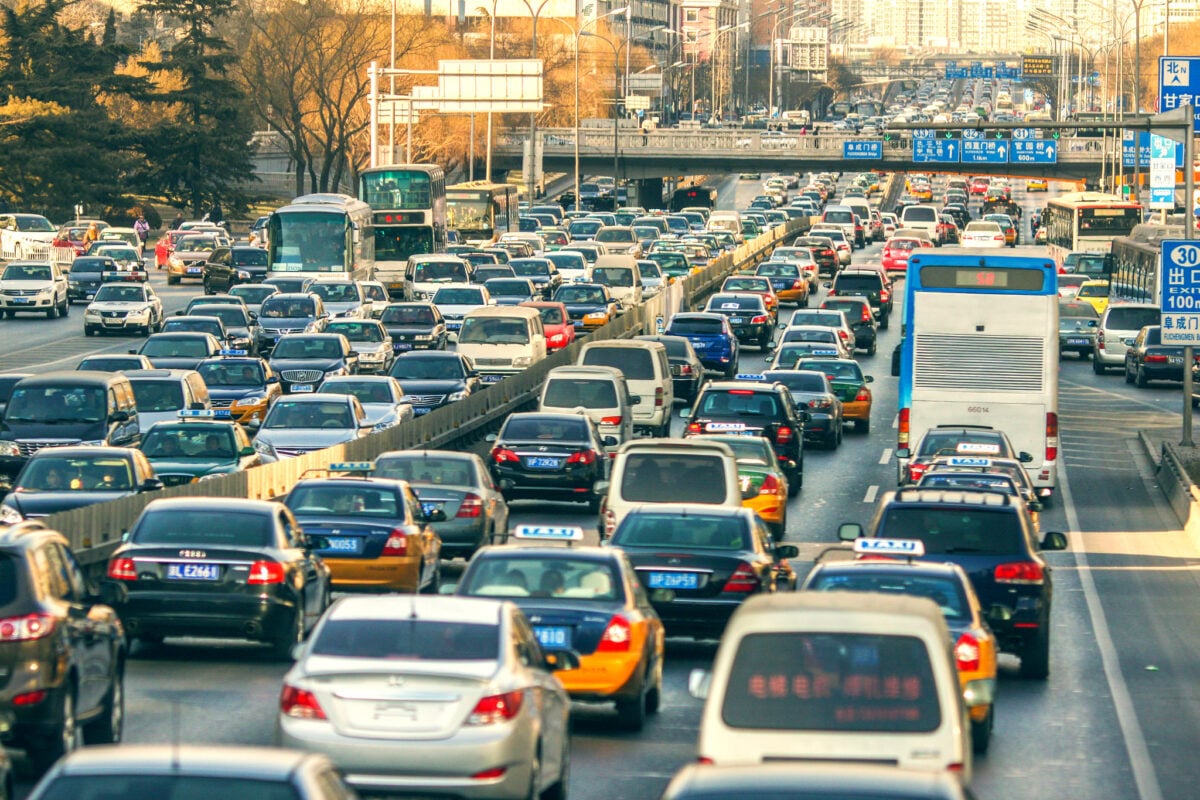
Few thought more lanes would mean more jams. Yet here they are, wider roads filled with idle engines.
Even strict rules barely slow the tide of incoming vehicles. At busy crossings, streams of metal stretch endlessly despite handling massive flows every hour.
Fumes hang thick where machines tear up pavement every few blocks. Getting around feels harder each week because of it.
Trains run below ground, offering a break from the gridlock above. Still, too many people means not enough space underground.
Mornings and afternoons blur together as streets jam early and stay that way.
When Traffic Is Just Living
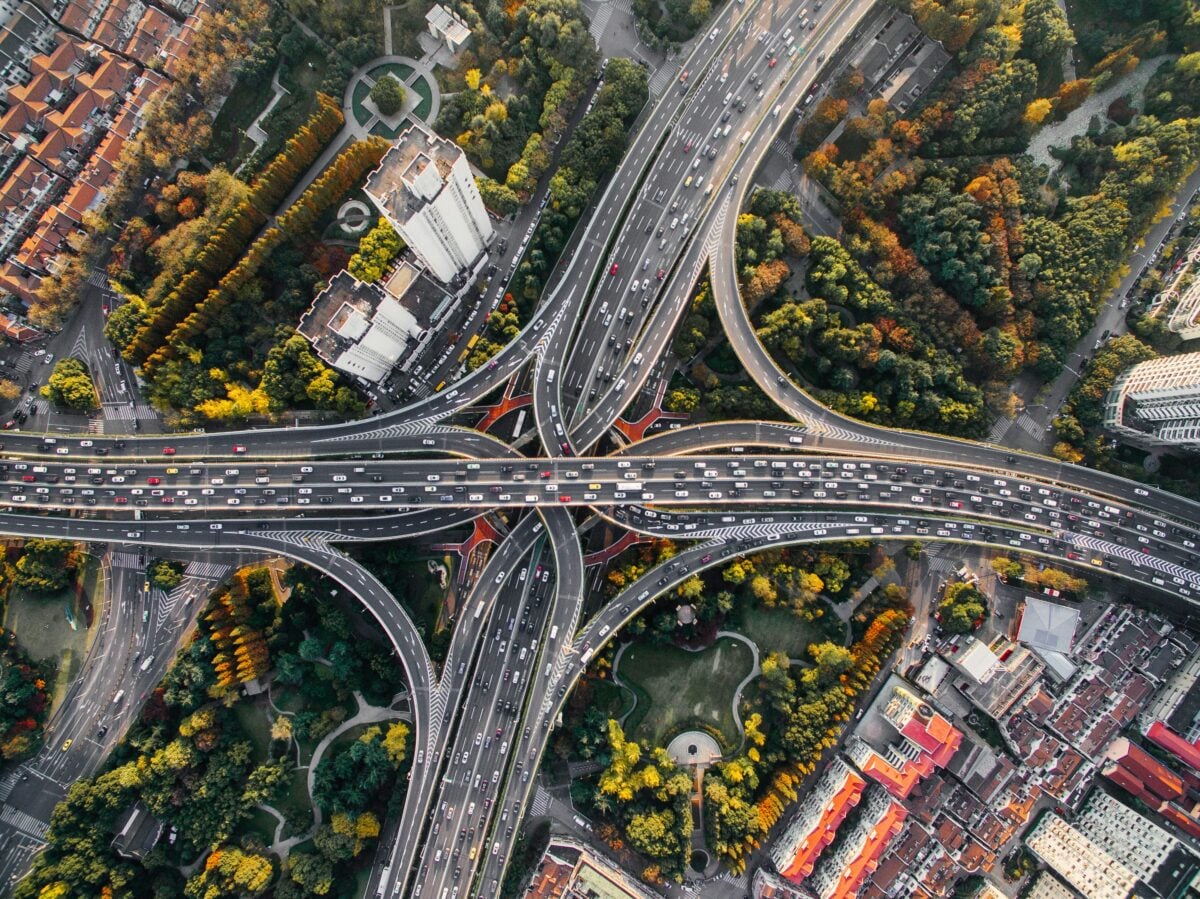
Faster growth tied these places together – roads just fell behind. Guesses by planners got swamped fast when real life hit.
Stuck daily, crowds sit through identical tunes, inhale fumes alike, while minutes vanish without trace. What stands out most is how folks adjust. Instead of sitting idle, they tune into audio stories while moving down the road.
Talking on the line keeps them company. Morning meals get eaten between red lights and honking horns.
Where someone works depends on jams. Who they spend time with might too.
This constant slowdown hums under everything, a grating presence that somehow feels routine – kind of like living next door to someone loud who never moves away.
More from Go2Tutors!

- The Romanov Crown Jewels and Their Tragic Fate
- 13 Historical Mysteries That Science Still Can’t Solve
- Famous Hoaxes That Fooled the World for Years
- 15 Child Stars with Tragic Adult Lives
- 16 Famous Jewelry Pieces in History
Like Go2Tutors’s content? Follow us on MSN.