Surprising Foods Invented in the 80s
The 1980s changed how Americans ate. Microwaves became standard kitchen appliances.
Women joined the workforce in record numbers. People wanted food that was fast, convenient, and didn’t require much effort.
The decade responded with innovations that still sit in freezers and pantries today.
Chicken McNuggets Made Boneless Chicken Go Mainstream
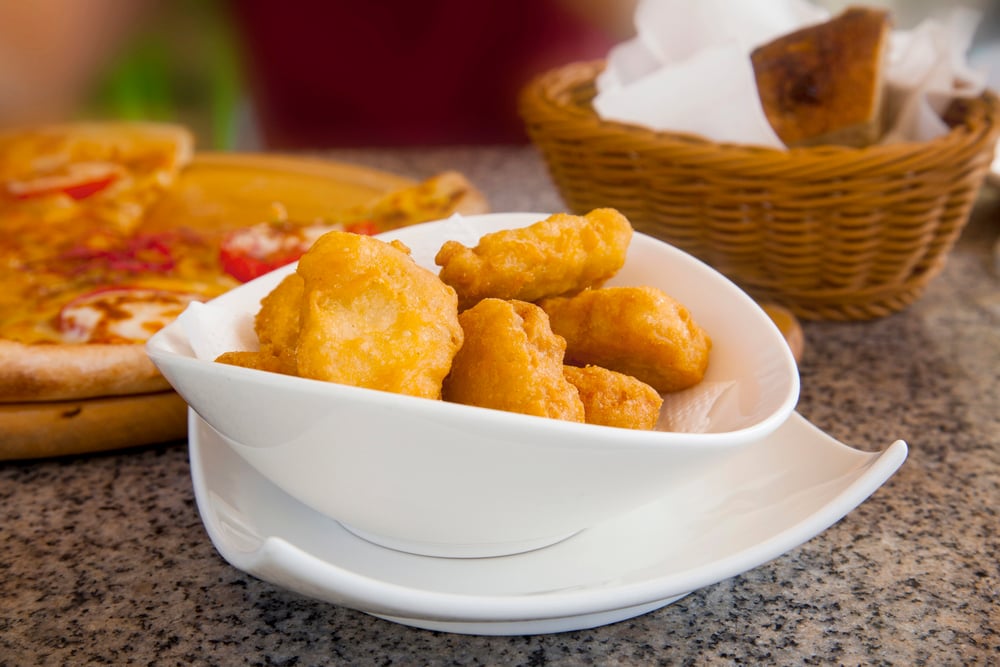
McDonald’s changed fast food forever when it rolled out Chicken McNuggets nationwide in 1983. Before this, getting chicken at a fast food restaurant meant dealing with bones and grease.
Executive chef René Arend created the recipe in 1979 after chairman Fred Turner suggested making boneless chicken that could be eaten “almost like French fries.”
The nuggets became an instant phenomenon. Stores ran out constantly during the first year.
McDonald’s had to build a dedicated factory just to keep up with demand. Tyson Foods became a major supplier, helping ensure the company could meet nationwide demand.
What makes this surprising is that chicken nuggets weren’t actually new. Agricultural scientist Robert C. Baker invented the concept at Cornell University in 1963.
But McDonald’s made them a cultural staple. The four shapes—bell, boot, bow tie, and core—were designed to ensure even cooking times for food safety.
Hot Pockets Turned Microwaves Into Meal Machines
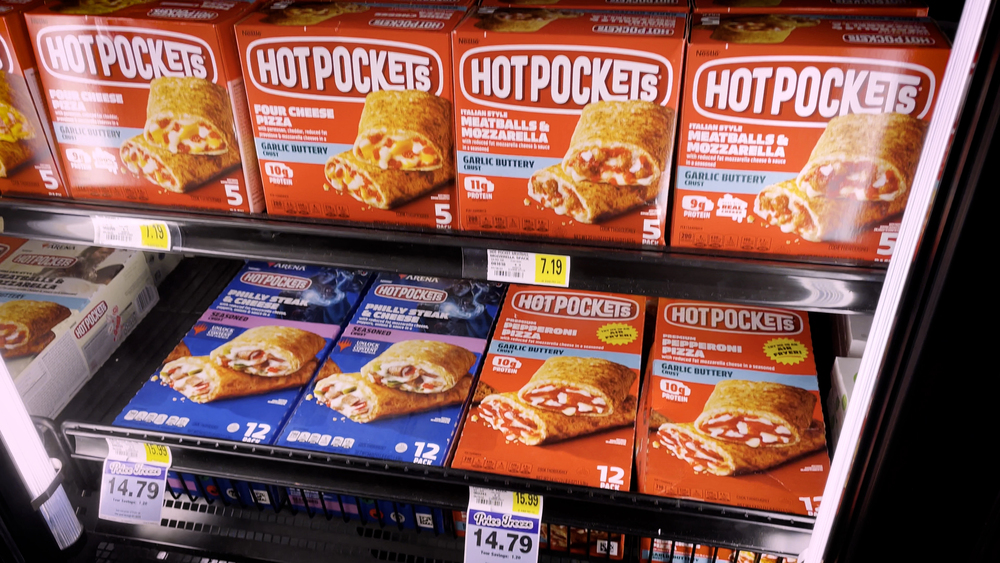
Two Iranian immigrant brothers, Paul and David Merage, invented Hot Pockets in 1980. They originally called it the Tastywich.
The product solved a problem nobody knew they had: how to make a microwaveable sandwich with a crispy crust instead of a soggy mess.
Paul Merage took out three mortgages on his home to fund the development. The brothers spent two years perfecting the dough formula and adapting crisping sleeve technology that had been developed for other microwave foods.
They patented their specific process. The renamed Hot Pockets hit store shelves in 1983.
The timing was perfect. More households owned microwaves each year, and working parents needed food their kids could prepare alone.
The brothers sold their company, Chef America, to Nestlé in 2002 for $2.6 billion.
Cool Ranch Doritos Added a New Flavor to Snacking

Doritos had been around since 1964, but the Cool Ranch flavor didn’t arrive until 1986. The chip combined tangy buttermilk, herbs, and spices in a way that somehow worked.
It became the second most popular Doritos flavor almost immediately. The flavor was actually called “Cool American” when it launched in other countries.
The ranch dressing craze of the 1980s inspired the name in the United States. Ranch dressing itself exploded during this decade after Hidden Valley developed a shelf-stable bottled version in 1983.
Lean Cuisine Created the Diet Frozen Meal Category
Stouffer’s launched Lean Cuisine in 1981 with ten different meals. Each one contained fewer than 350 calories.
The timing tapped into America’s growing obsession with dieting and weight management. Supermarkets couldn’t keep Lean Cuisine in stock during the first few months.
Other companies rushed to create their own versions of healthier frozen meals. The brand worked because it offered portion control and calorie counting without requiring any thought or effort.
The meals came in distinctive orange packaging that stood out in the freezer aisle. By the end of the decade, Lean Cuisine offered over seventy different dishes.
The brand reshaped how Americans thought about convenience food and weight loss.
Original New York Seltzer Made Flavored Sparkling Water Trendy

Before La Croix became a lifestyle brand, Original New York Seltzer helped popularize flavored sparkling water in 1981. The drink came in small glass bottles and offered colorless, naturally flavored carbonated water in varieties like root beer, vanilla, and raspberry.
The product stood out in a market where flavored seltzers already existed but hadn’t gained much traction. It developed a cult following despite struggling initially.
The company eventually discontinued the drink, but brought it back in 2015 after years of consumer demand.
Lunchables Made Lunch Assembly Required

Oscar Mayer launched Lunchables in 1989. The concept was simple: put crackers, cheese, and meat in compartments and let kids build their own lunch.
Parents loved the convenience. Kids loved the control.
The first Lunchables contained just those three components. Later versions added drinks, desserts, and pizza-making kits.
The product played into several 1980s trends at once: convenience, portion control, and giving children more autonomy.
Crystal Light Became the Diet Drink Alternative
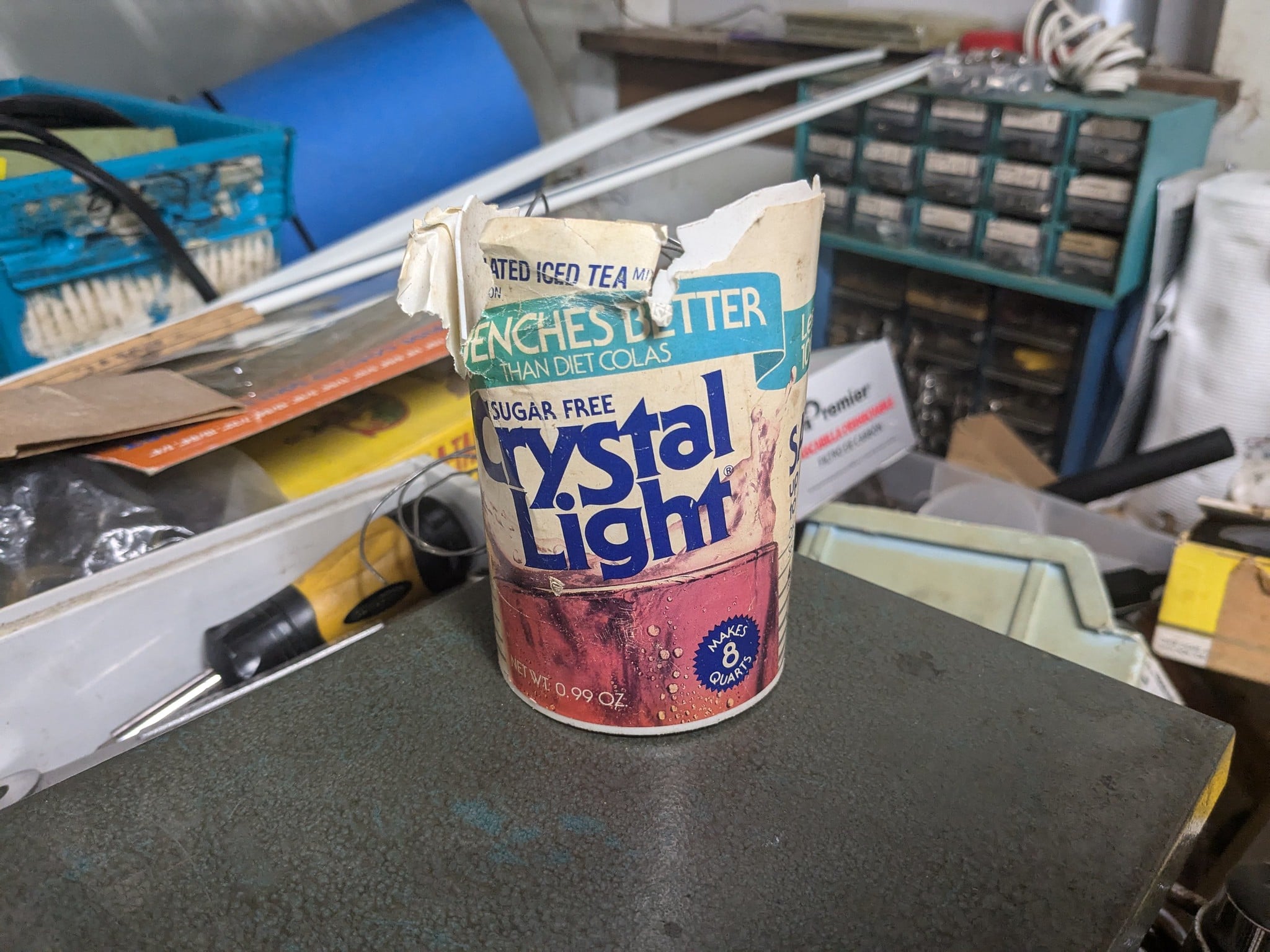
Crystal Light wasn’t technically invented in the 1980s—it launched in 1982—but it defined the decade’s approach to beverages. The powdered drink mix promised flavor without calories.
The tagline “I believe in Crystal Light, cause I believe in me” became impossible to escape. The product tapped into aerobics culture and the fitness boom.
It offered a way to drink something other than water without the guilt of soda. Crystal Light expanded rapidly throughout the decade, adding new flavors and variations.
Cinnamon Toast Crunch Changed Breakfast Cereal
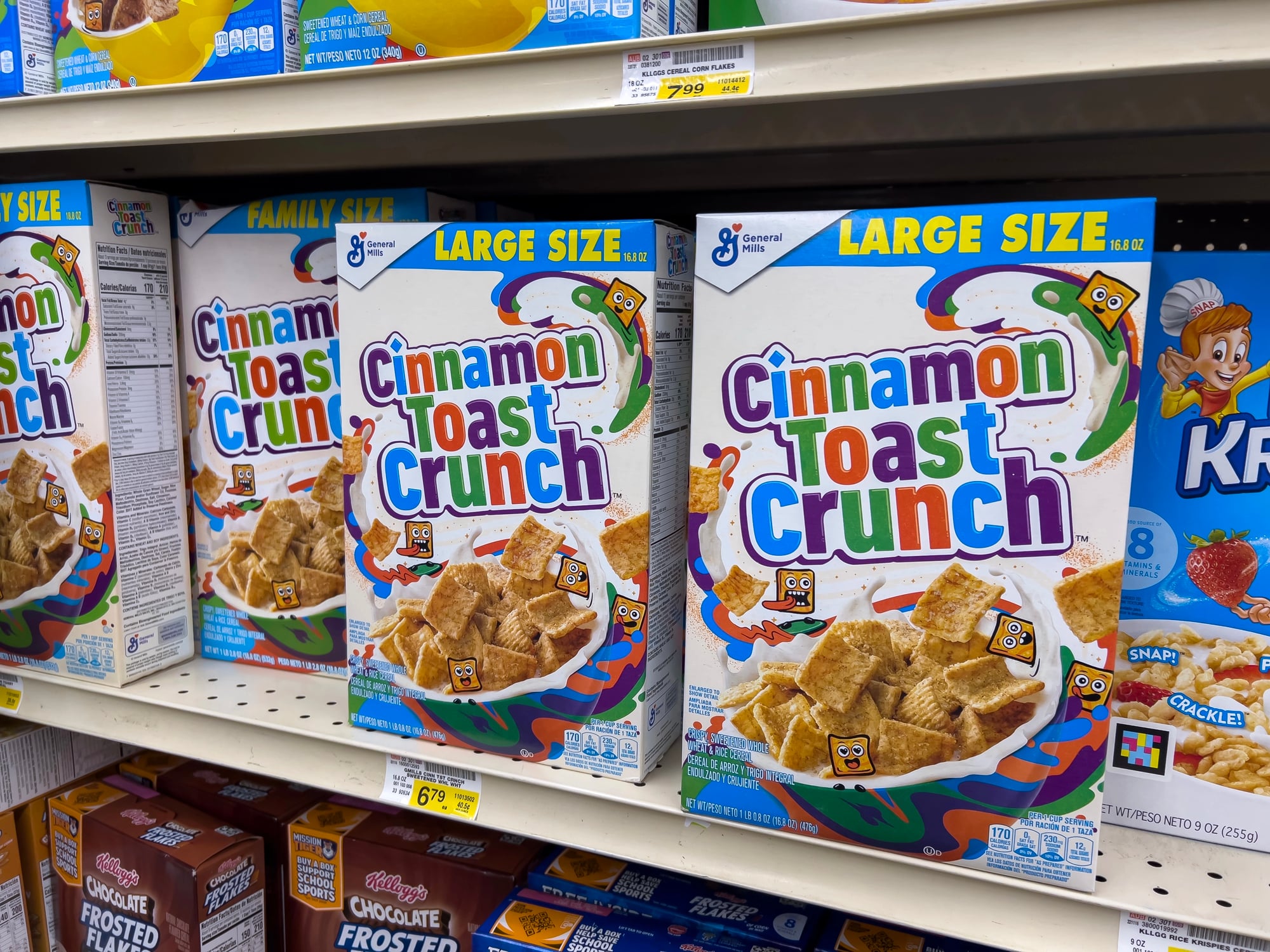
General Mills introduced Cinnamon Toast Crunch in 1984. The concept seems obvious now: cereal that tastes like cinnamon toast.
Similar cinnamon cereals existed before, but none captured the market quite like this one. The cereal succeeded because it appealed to both kids and adults.
Kids liked the taste and the cartoon characters on the box. Adults appreciated that it actually tasted like cinnamon and sugar instead of trying to approximate some artificial flavor.
The milk left behind after finishing a bowl became a sweet treat on its own.
Toaster Strudel Competed with Pop-Tarts
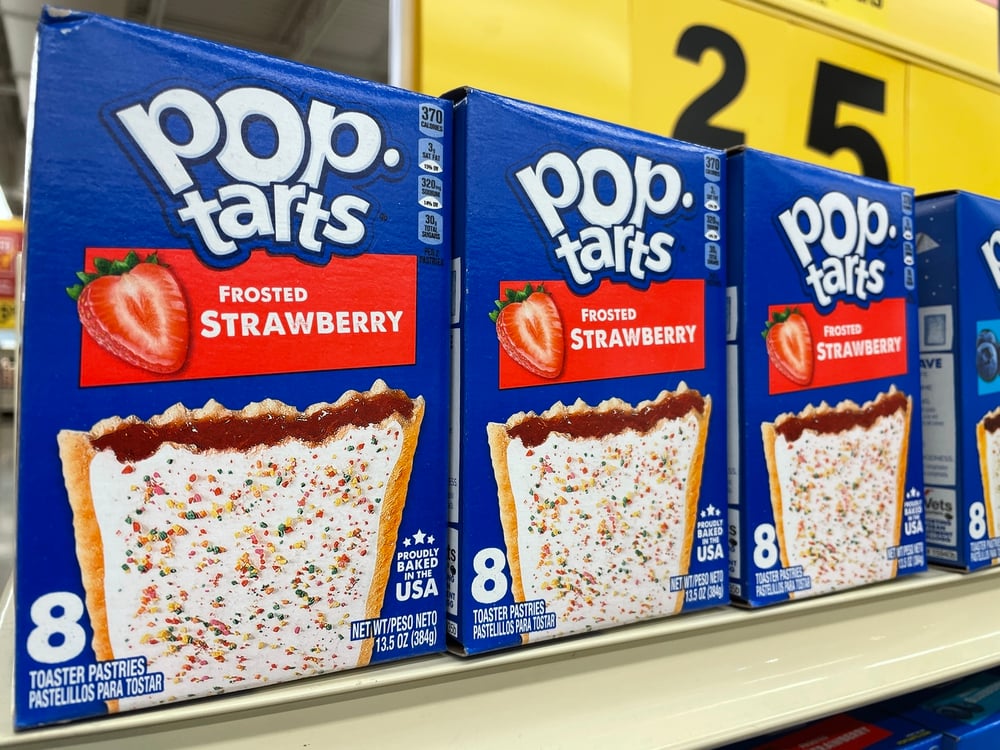
Pillsbury launched Toaster Strudel in 1985 to challenge Kellogg’s Pop-Tarts dominance. The key difference was the packet of icing that came separately.
Kids could squeeze their own designs on top of the pastry. The product had a flakier texture than Pop-Tarts because it used a pastry dough instead of a cookie-like crust.
It required a toaster instead of just being edible straight from the package. This made it slightly less convenient but noticeably more appealing as an actual breakfast pastry.
Healthy Choice Rose From a Health Scare

ConAgra CEO Charles Harper suffered a heart attack in the late 1980s. His recovery inspired him to create a line of frozen foods with low fat, low cholesterol, and low sodium.
He called it Healthy Choice and launched it in 1989. The line launched in 1989 and immediately competed with Lean Cuisine.
It expanded beyond frozen meals to include lunch meats, ice cream, and other products. The personal story behind the brand gave it credibility that pure marketing couldn’t match.
Capri Sun Made Juice Pouches Cool
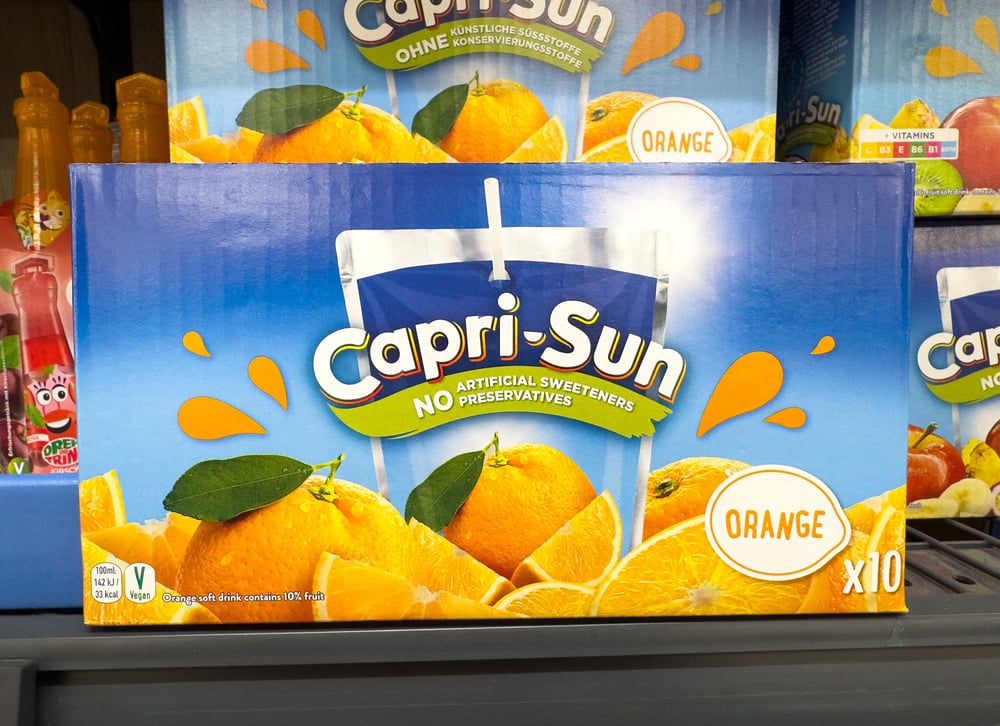
Capri Sun existed in Europe before arriving in America in 1981. The foil pouch with the attached straw became a lunchbox staple throughout the decade.
The Pacific Cooler flavor, with its vague tropical fruit blend, defined the brand. The pouch design was brilliant.
It didn’t require refrigeration until opened. It was portable and nearly indestructible.
Kids felt independent because they could stab the straw through the foil themselves. Parents appreciated that there was no container to clean or throw away.
Snapple Popularized Bottled Iced Tea
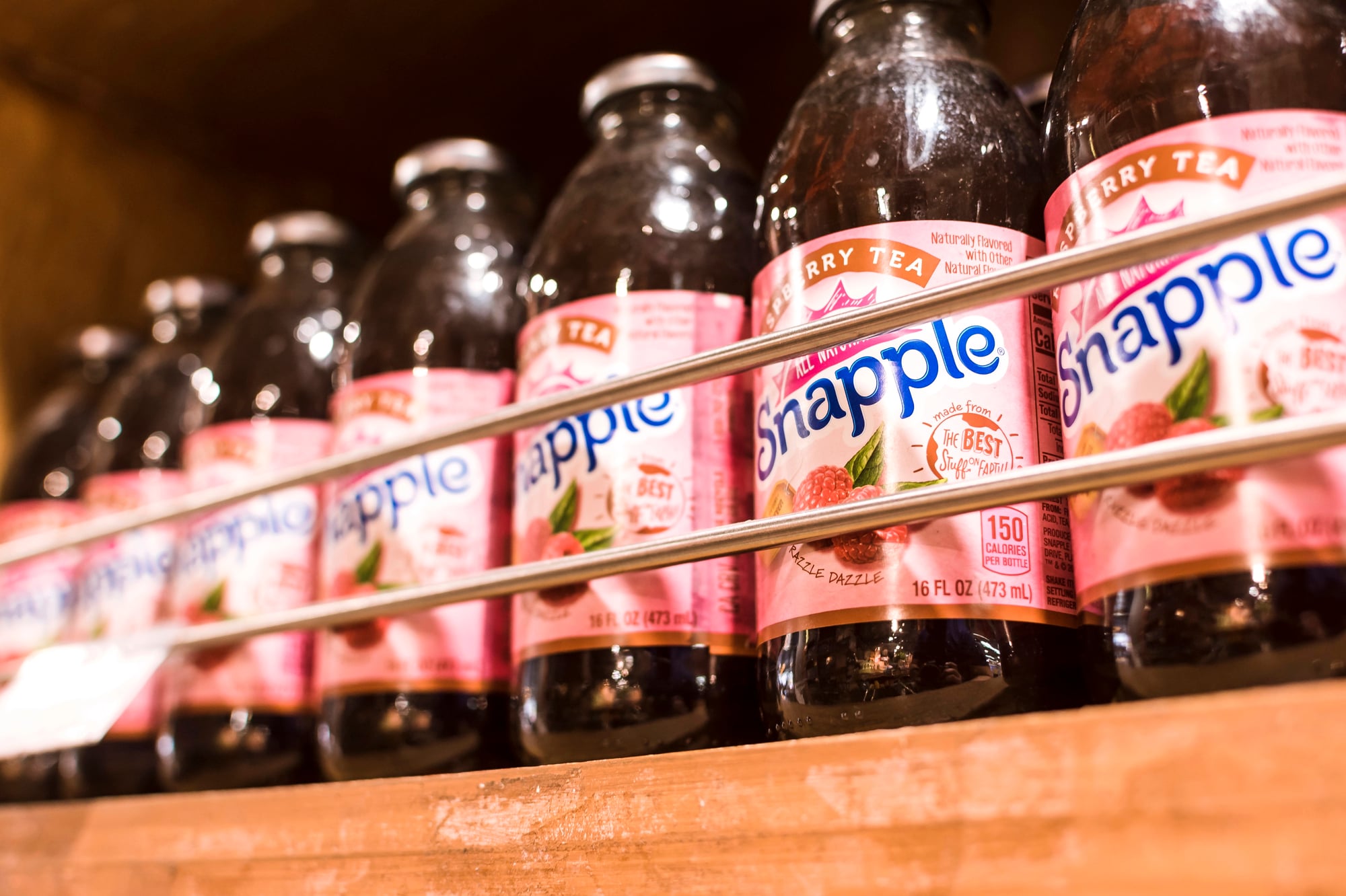
Snapple popularized bottled iced tea in 1987, creating what became an entirely new soft drink category. Regional bottled teas existed before, but Snapple brought the concept to a national audience.
Before Snapple’s success, most people thought of iced tea as something you made at home or ordered at a restaurant. The glass bottles and the “made from the best stuff on earth” marketing positioned Snapple as more authentic than other drinks.
The brand added fruit flavors and unusual varieties that traditional soda companies hadn’t explored. Facts printed on the inside of each cap gave people a reason to look at every bottle.
Dairy Queen Blizzard Turned Milkshakes Upside Down

Dairy Queen introduced the Blizzard in 1985. The concept combined soft serve ice cream with candy pieces and mix-ins.
The texture was thick enough that employees demonstrated it by turning cups upside down. The idea was built on earlier frozen custard stands in St. Louis that served similar thick treats in the 1960s, but Dairy Queen brought the concept to a national fast food audience.
The Blizzard succeeded because it offered customization before that became standard everywhere. Customers could choose their mix-ins and create their own flavor combinations.
The thickness made it feel more substantial than a regular milkshake, even though it contained similar ingredients.
When Innovation Met Convenience
These foods share something beyond their 1980s origins. They all made life easier for people who didn’t have time to cook from scratch.
They responded to real changes in how Americans lived and worked. Some became permanent fixtures.
Others faded away or got reformulated. But they all shaped the way we think about food, convenience, and what counts as a meal.
The next time you grab something from the freezer or crack open a pouch drink, you’re probably reaching for something that got its start in the decade of leg warmers and synthesizers.
More from Go2Tutors!

- The Romanov Crown Jewels and Their Tragic Fate
- 13 Historical Mysteries That Science Still Can’t Solve
- Famous Hoaxes That Fooled the World for Years
- 15 Child Stars with Tragic Adult Lives
- 16 Famous Jewelry Pieces in History
Like Go2Tutors’s content? Follow us on MSN.



