26 Strange Rules Royals Must Follow
Royal life looks like a long list of privileges from the outside. Up close, it often looks more like a long list of instructions about what to wear, what to eat, whom to marry and when to stop eating dinner.
Some of these rules are written into national law. Others are customs so old that nobody remembers who began them, yet they are followed as carefully as any statute.
Shellfish Stays Off the Menu on Tours
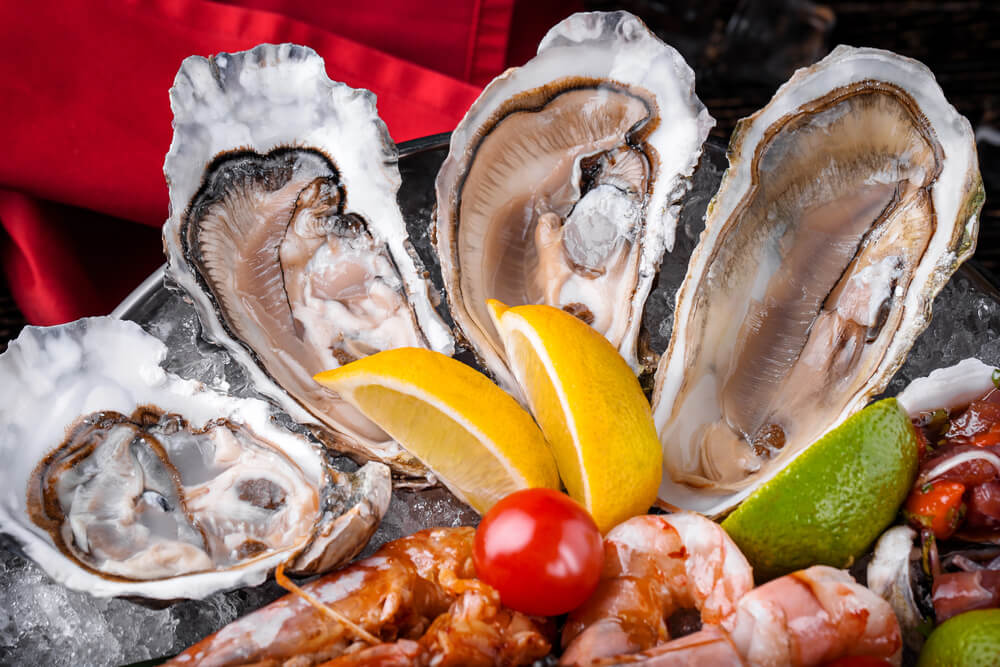
British royals are widely reported to avoid shellfish when eating in public or on official engagements. The reasoning is practical rather than ceremonial.
Oysters, mussels and prawns carry a higher risk of food poisoning, and a royal who falls ill on a foreign tour can derail weeks of planning and diplomacy. The guidance is a long-standing custom rather than a written rule, and royals are free to eat seafood in private.
Several have been photographed sampling local specialties on tours, which suggests the custom bends depending on the host.
Monopoly Is Banned at Home
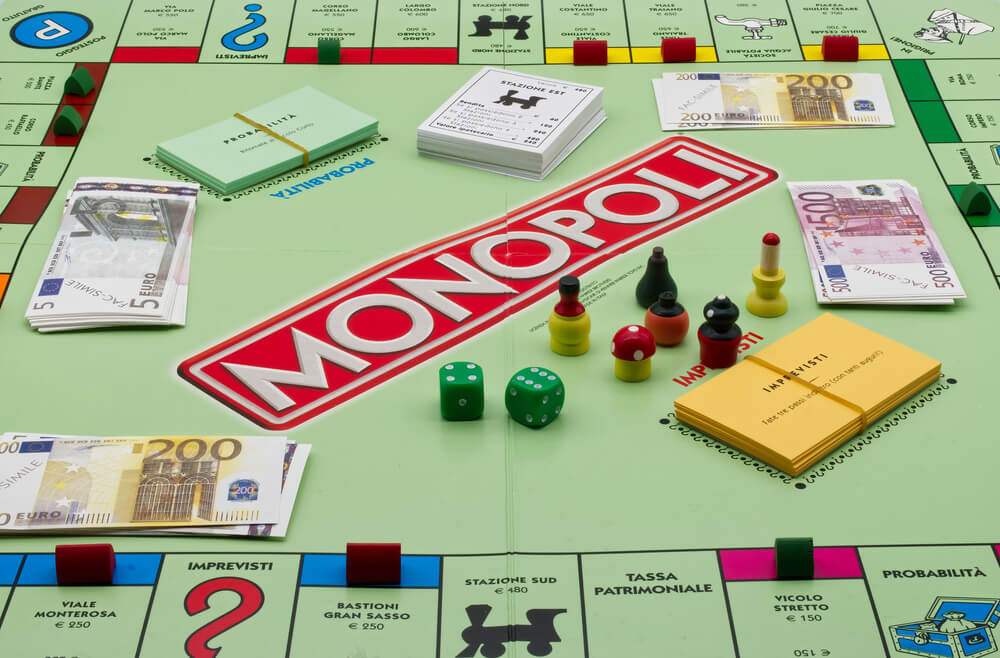
Monopoly is reportedly not played among the British royal family. Prince Andrew revealed the household’s view in 2008 at an event marking the game’s anniversary, when he was shown a special edition board and joked that the family was not allowed to play it because games got far too heated.
The story spread widely and has been repeated ever since. Whether it is a firm house rule or a long-running family joke is hard to say.
Either way, few families have quite so much real property to argue over.
Black Outfits Travel in Every Suitcase

Senior royals traditionally pack a black outfit whenever they travel abroad, in case a death in the family requires them to appear in mourning on arrival. The custom is often linked to February 1952, when Princess Elizabeth was in Kenya and learned her father, King George VI, had died.
She flew home as the new queen, but her mourning clothes were not with her, and she reportedly had to wait on the plane in London until black clothing was brought aboard. The rule exists to avoid ever repeating that awkward moment.
Two Heirs on One Plane Is Avoided
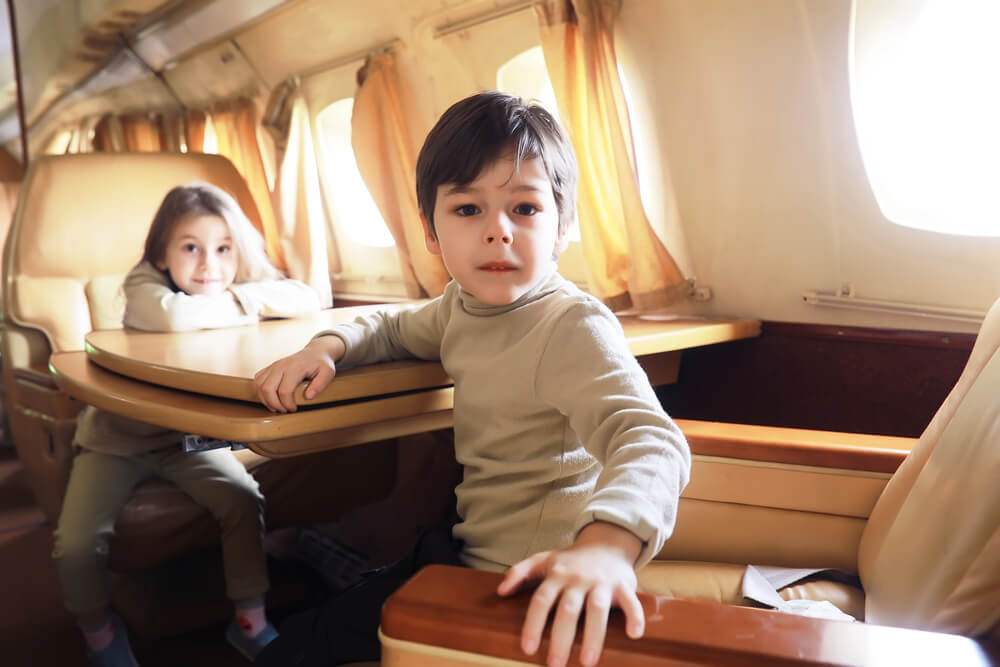
Avoiding having two direct heirs to the throne travel on the same flight is a long-standing British royal practice, protecting the line of succession from a single accident. When Prince William took his infant son George on a tour of Australia and New Zealand in 2014, reports said he needed the queen’s approval to do so.
The practice is a convention rather than a law, and it has been relaxed for family trips. The issue grows more complicated as the number of direct heirs in one family increases.
Marriage Requires the Monarch’s Consent
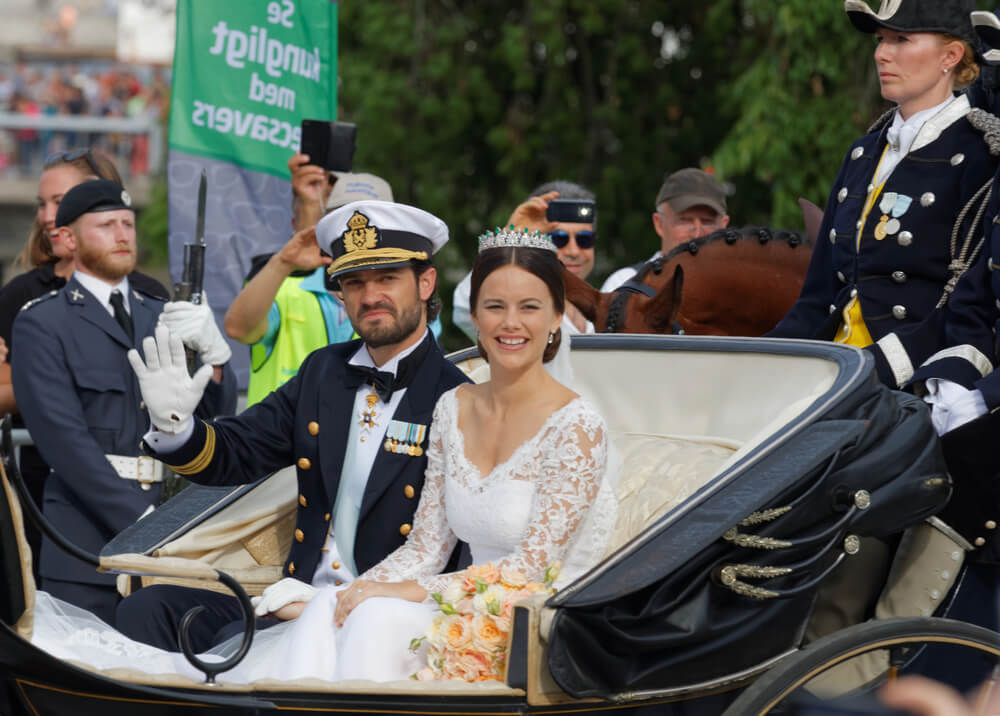
Under the Succession to the Crown Act 2013, the first six people in the British line of succession must obtain the sovereign’s consent before marrying. Anyone who marries without it loses their place in line, along with their descendants.
The law replaced the much broader Royal Marriages Act of 1772, which King George III pushed through after two of his brothers married women he considered unsuitable. That earlier act applied to nearly all descendants of King George II.
Over time it had become so sweeping that distant relatives technically needed permission they never asked for.
Polling Stations Are Off Limits by Custom

Voting is something the British monarch does not do, and by long-standing convention senior members of the royal family stay away from the polling station as well. No law actually bars most royals from voting, but the convention exists to keep the monarchy politically neutral.
The same expectation stops them from publicly endorsing candidates or parties. Even mild comments on policy can turn into headlines, which is why royals usually speak in carefully general terms.
King Charles III, who spent decades writing letters to ministers as Prince of Wales, has largely kept his views private since taking the throne.
Garlic Kept Out of Palace Cooking

Queen Elizabeth II was widely reported to have disliked garlic, and former royal chefs have said they avoided using it in her meals at Buckingham Palace. The reasoning sometimes given is practical, since royals spend much of their time in close conversation with strangers.
The preference was never a formal law, and other members of the family are known to enjoy garlic. Still, the story became one of the most repeated details about royal kitchens.
Chefs also reportedly kept onions to a minimum, which narrowed the menu more than most diners would expect.
Forks Down When the Monarch Finishes
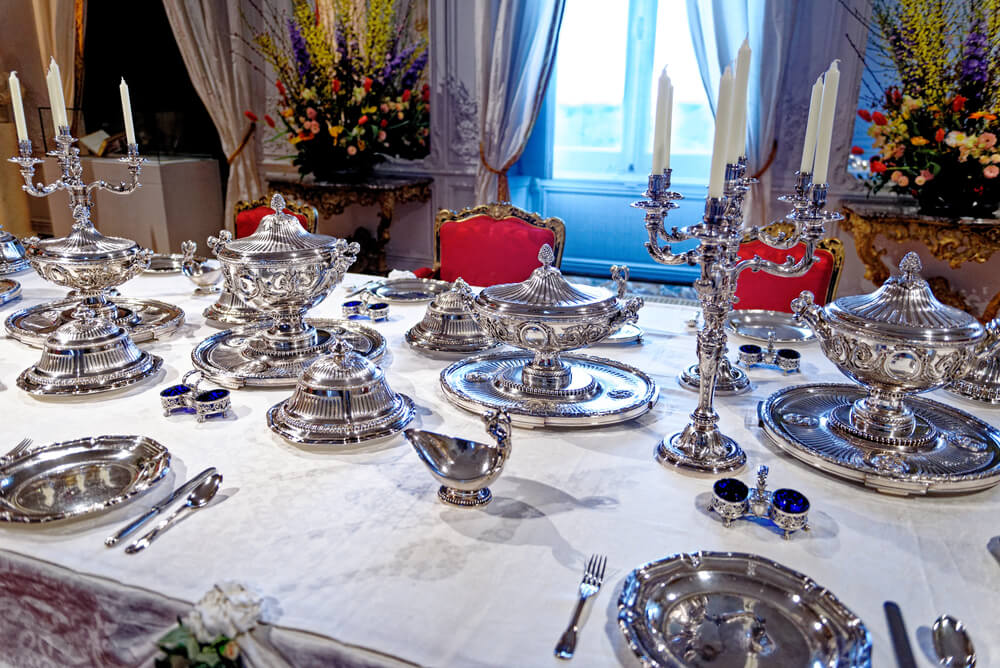
At formal royal dinners, a long-standing custom holds that guests stop eating when the monarch puts down their knife and fork. Diners who are slow eaters or busy talking can find their plates cleared before they have finished.
The custom is often traced back to Queen Victoria, who was reputed to eat very quickly. In practice, modern hosts are said to be more relaxed, and staff tend to read the room.
Experienced guests learn to keep one eye on the head of the table, which makes for a slightly tense meal.
Signatures Never Go on Autograph Books

Autographs are something British royals generally decline to give. The main reason given is security, since a royal signature could be copied and forged on documents or used to authenticate fake memorabilia.
Royals often explain the rule politely when fans hold out paper or programs, sometimes offering a handshake or a photo instead. There have been rare exceptions, including signatures on casts and other informal items.
Official signatures appear on documents of state, where the monarch typically signs with a first name followed by the letter R.
Handbag Signals From Queen Elizabeth
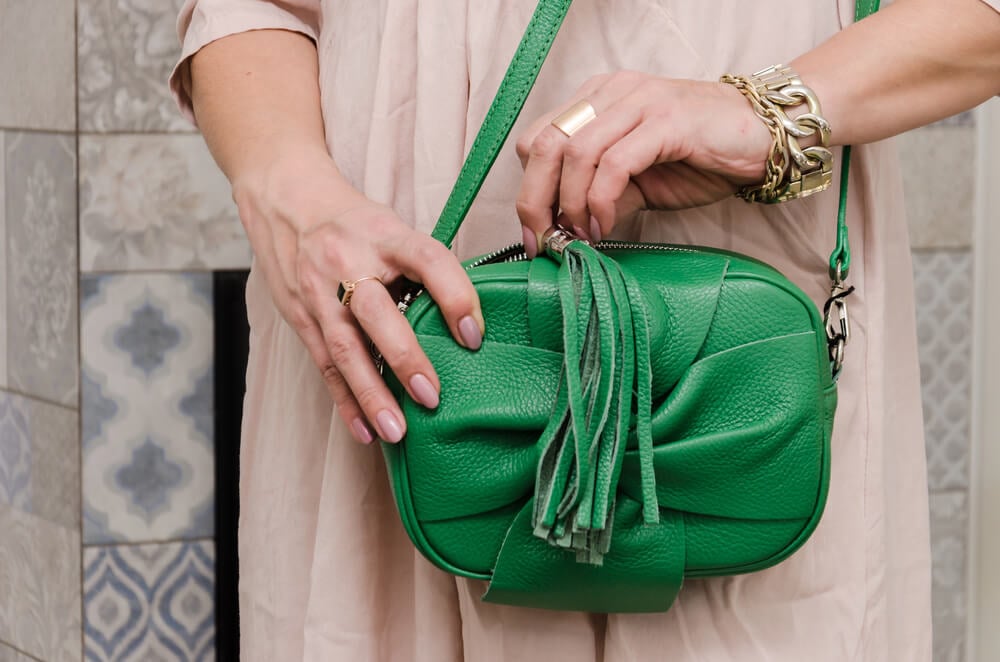
Queen Elizabeth II carried a handbag at nearly every public event, and royal watchers have long claimed she used it to send quiet signals to her staff. According to royal historian Hugo Vickers and others, moving the bag from one arm to the other could indicate that she wanted to end a conversation.
Placing it on a dinner table reportedly meant she wished to leave within a few minutes. The bags were mostly made by the British firm Launer, which held a royal warrant.
What she actually kept inside them remained a subject of affectionate speculation.
Curtsies Set by Birth, Not Marriage
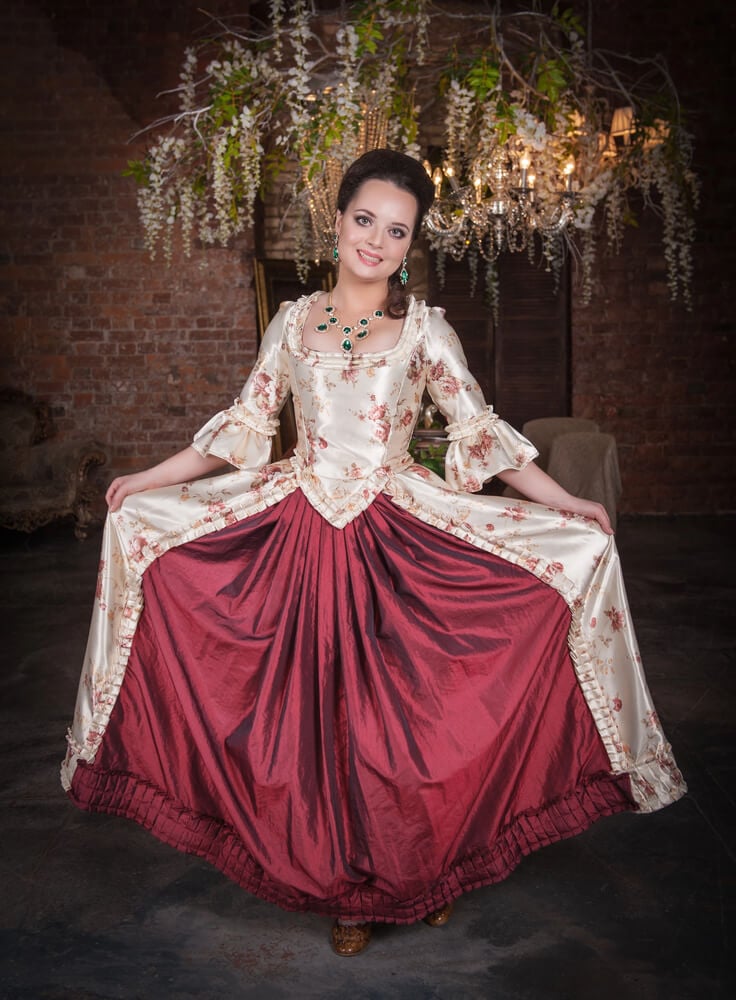
Britain’s royal family uses an order of precedence that decides who curtsies or bows to whom. After revisions reported in 2005 and 2012, women who married into the family were expected to curtsy to princesses of royal blood when their husbands were not present.
That meant Catherine, then Duchess of Cambridge, was reportedly expected to curtsy to Princess Anne, Princess Alexandra and Princesses Beatrice and Eugenie when attending events alone. With her husband beside her, the order changed.
The rules can produce awkward moments at weddings and family gatherings.
Guests Weighed at Sandringham

A tradition linked to King Edward VII holds that guests at the royal estate of Sandringham in Norfolk were weighed when they arrived for the holidays and again when they left. The aim was to show that guests had been well fed, so gaining weight was considered a success.
Edward VII was known for large meals and an even larger appetite. Reports suggest the custom continued in some form into the reign of Queen Elizabeth II.
Sandringham clocks were also once set half an hour fast under Edward VII to give more daylight for shooting.
Christmas Presents Opened a Day Early

Christmas presents in the British royal family are opened on Christmas Eve, following a German tradition brought to the court by Prince Albert, Queen Victoria’s husband. The gifts are laid out on a trestle table at Sandringham and exchanged during afternoon tea.
Family members are reported to favor inexpensive joke gifts rather than lavish ones, since they already own most things they could want. Christmas Day itself is then devoted to church services at St Mary Magdalene Church near the house, a large lunch and the monarch’s broadcast message.
Tiaras Only After the Wedding
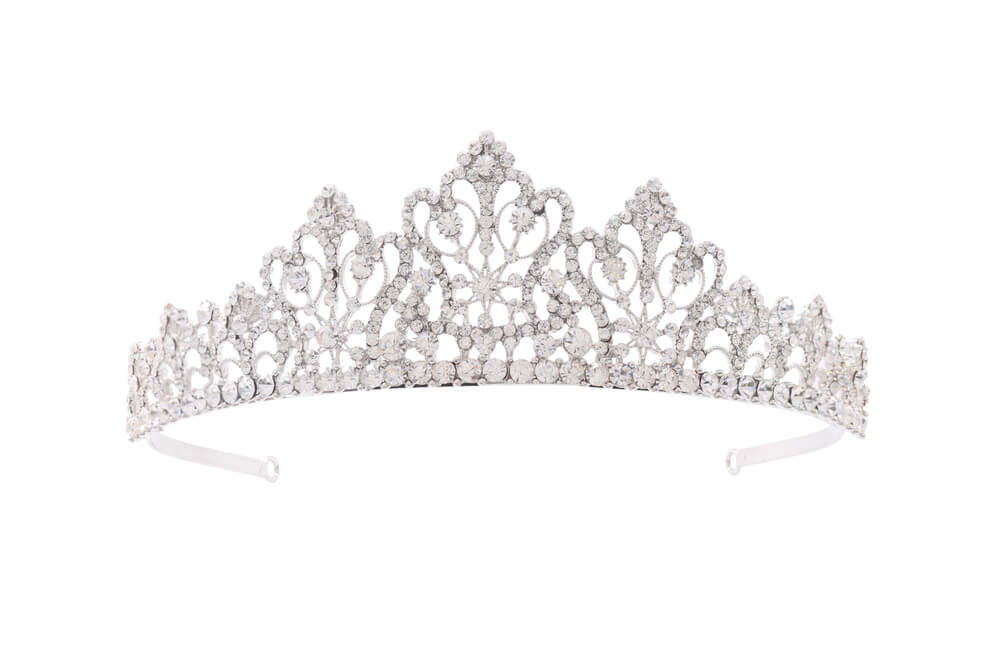
Tiaras, by royal custom, are worn only by married women, traditionally at evening events. The tiara signaled that a woman was married and no longer looking for a husband.
Brides often wear one for the first time on their wedding day. Catherine Middleton did exactly that in 2011, borrowing the Cartier Halo tiara from Queen Elizabeth II.
Unmarried princesses usually go without, and a tiara at a daytime event would be considered out of place. Family tiaras are typically lent rather than given, and they remain part of the royal collection.
Hosiery Expected in Public
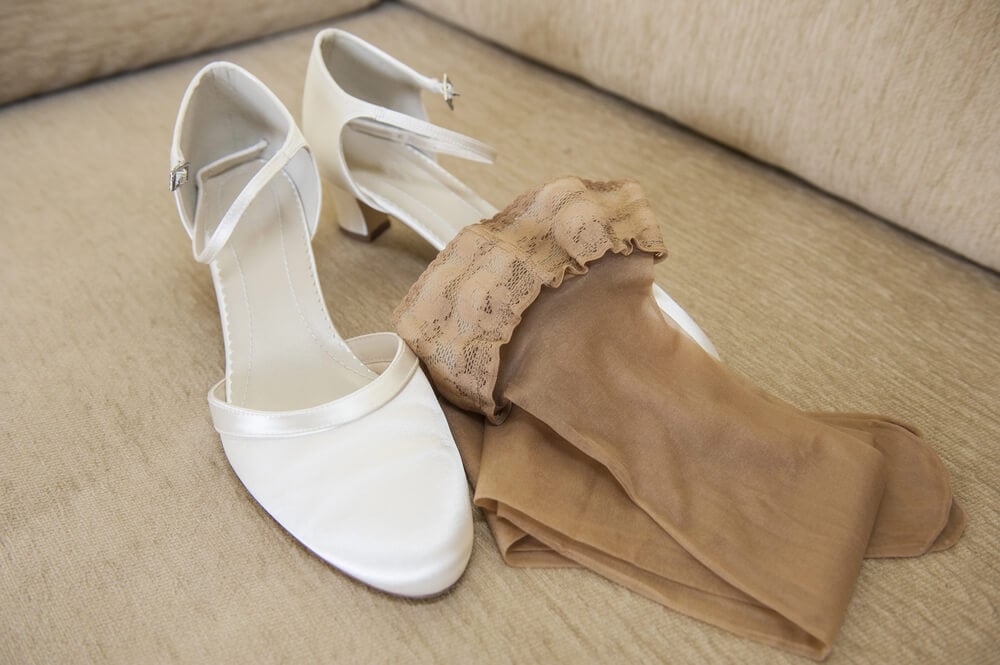
Female members of the British royal family have long been expected to wear sheer tights or stockings at formal public events, even in hot weather. The expectation is not written down anywhere, but it was followed closely for decades and became part of royal dress protocol.
Meghan Markle drew attention in 2018 when she appeared without tights at a garden party, prompting headlines about whether the custom had changed. Royal etiquette experts generally describe the rule as softened rather than abolished.
Hemlines are also expected to stay modest, often near the knee.
Shorts for Young Princess

Young boys in the British royal family traditionally wear shorts rather than trousers until about the age of eight. Etiquette experts describe it as a long-standing upper-class English custom, in which long trousers marked a step toward adulthood.
Prince George was regularly photographed in shorts at public events, even in cold weather, which led to headlines every winter. His father, Prince William, and his uncle, Prince Harry, followed the same pattern as boys.
Knee socks and smart shoes typically complete the outfit at formal occasions.
Princess Mako Gives Up Her Title to Marry
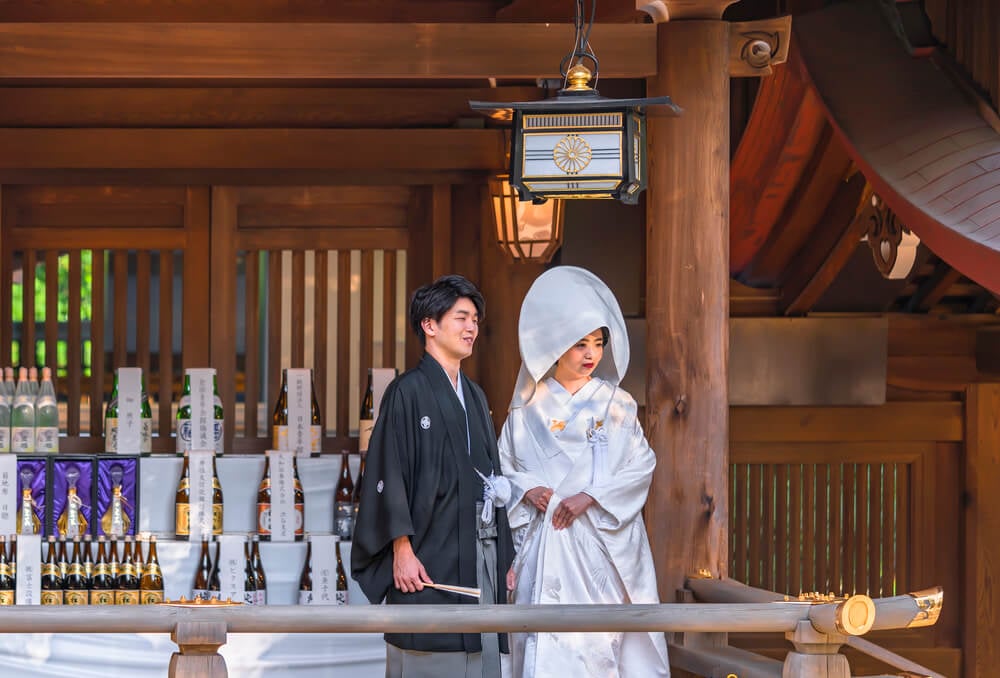
Under Japan’s Imperial House Law of 1947, female members of the imperial family who marry commoners must leave the family and give up their royal status. Princess Mako, a niece of Emperor Naruhito, married her university classmate Kei Komuro in October 2021 and became a private citizen.
She also declined a lump sum payment of about 150 million yen normally given to departing royal women. The couple moved to New York.
Male members of the family face no similar rule, and the law has fueled debate about the shrinking number of imperial heirs.
Emperor Akihito Needed a Special Law to Retire
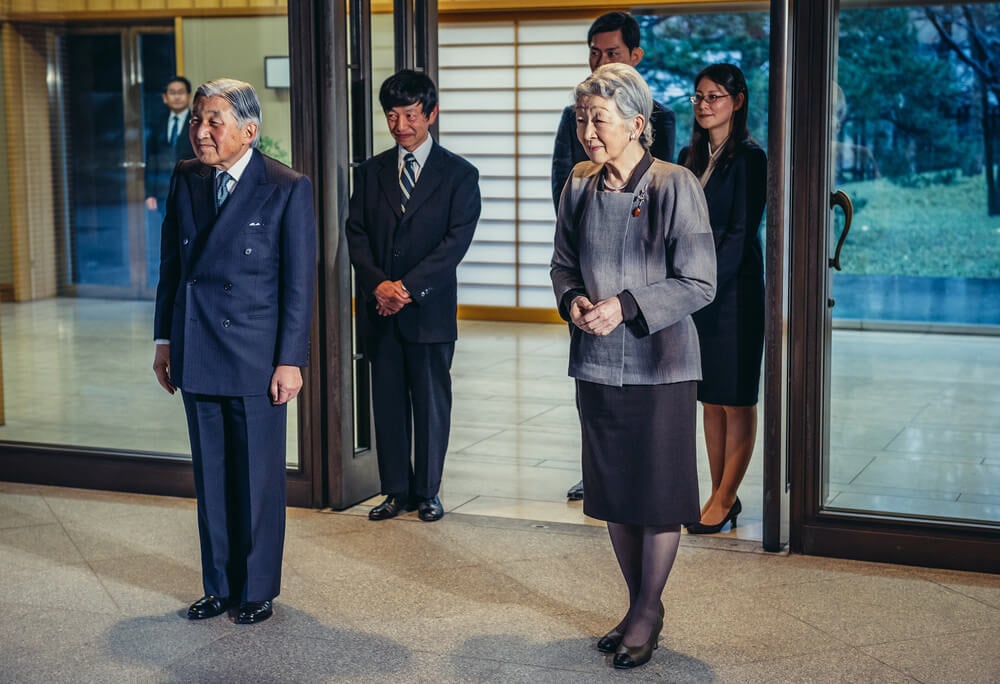
Japanese law made no provision for an emperor to abdicate, so when Emperor Akihito signaled in a 2016 video message that age was making his duties difficult, the government had to act. The Diet passed a one-time special law in 2017 allowing him to step down.
He abdicated on April 30, 2019, and his son Naruhito became emperor the following day. It was the first abdication of a Japanese emperor in about 200 years.
The law applied only to Akihito, so any future abdication would require new legislation.
Prince Friso Lost His Place in Line
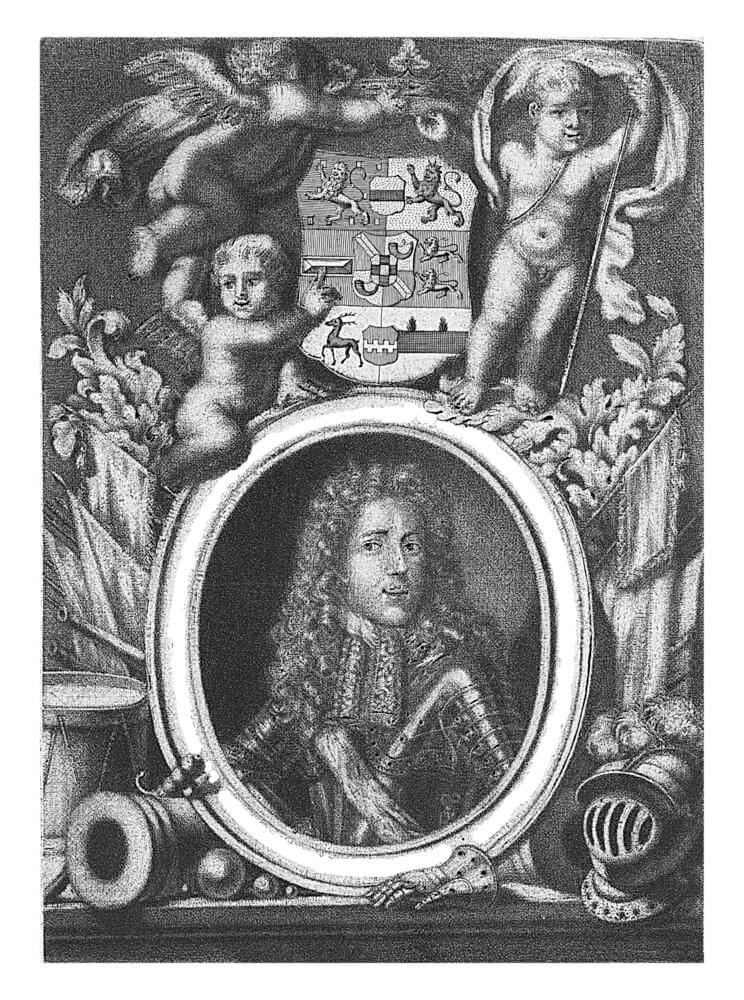
The Dutch constitution requires that members of the royal family in line to the throne obtain approval from parliament before marrying, or they lose their right of succession. In 2004, Prince Johan Friso, the second son of Queen Beatrix, married Mabel Wisse Smit.
The government declined to seek parliamentary approval after questions arose about her past contacts, and Friso gave up his place in the line of succession. He kept his title as a prince of the Netherlands.
The episode showed how a constitutional formality could become a hard choice.
Protestant Monarch Required by Law

The Act of Settlement of 1701 requires the British monarch to be in communion with the Church of England. For more than three centuries, it also barred anyone who married a Roman Catholic from the throne.
That marriage ban was lifted when the Succession to the Crown Act 2013 took effect in 2015, but the monarch must still be Protestant. A new sovereign must also swear an oath to maintain the Church of Scotland and make the Accession Declaration confirming they are a faithful Protestant.
These requirements trace back to political conflicts of the late 17th century.
Gifts Logged and Usually Not Kept

Thousands of gifts arrive for the British royal family every year, and official guidelines published by the royal household govern what happens to them. Gifts given in an official capacity are generally not treated as personal property.
Many become part of the Royal Collection, held in trust for the nation, and are recorded in official lists. Royals are expected to decline gifts from people seeking commercial advantage, as well as cash.
Some perishable gifts are passed to charities, which is how a hamper of food can end up somewhere far from a palace.
Japan’s Imperial Family Has No Surname
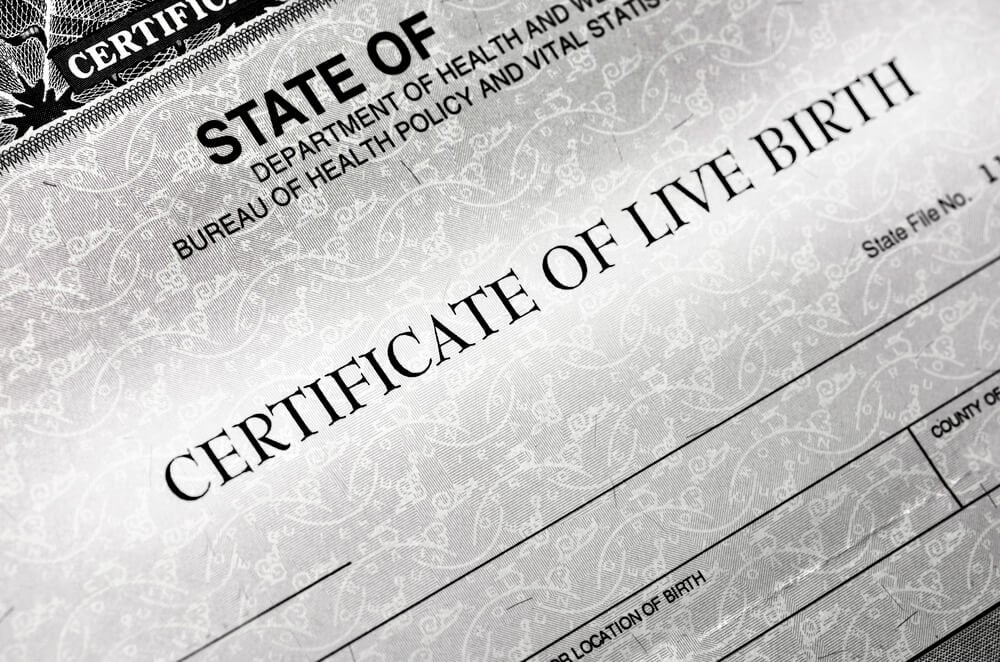
Members of Japan’s imperial family have no surname and are not registered in the country’s family registration system that records ordinary citizens. They are identified by given names and titles, such as Princess Aiko, the daughter of Emperor Naruhito.
Imperial family members also do not vote, and their status is governed by the Imperial House Law rather than ordinary civil registration. When a female member marries a commoner and leaves the family, she joins her husband’s family register and takes a surname for the first time.
Mako Komuro did exactly that in 2021.
Myrtle From Osborne in Every Bridal Bouquet
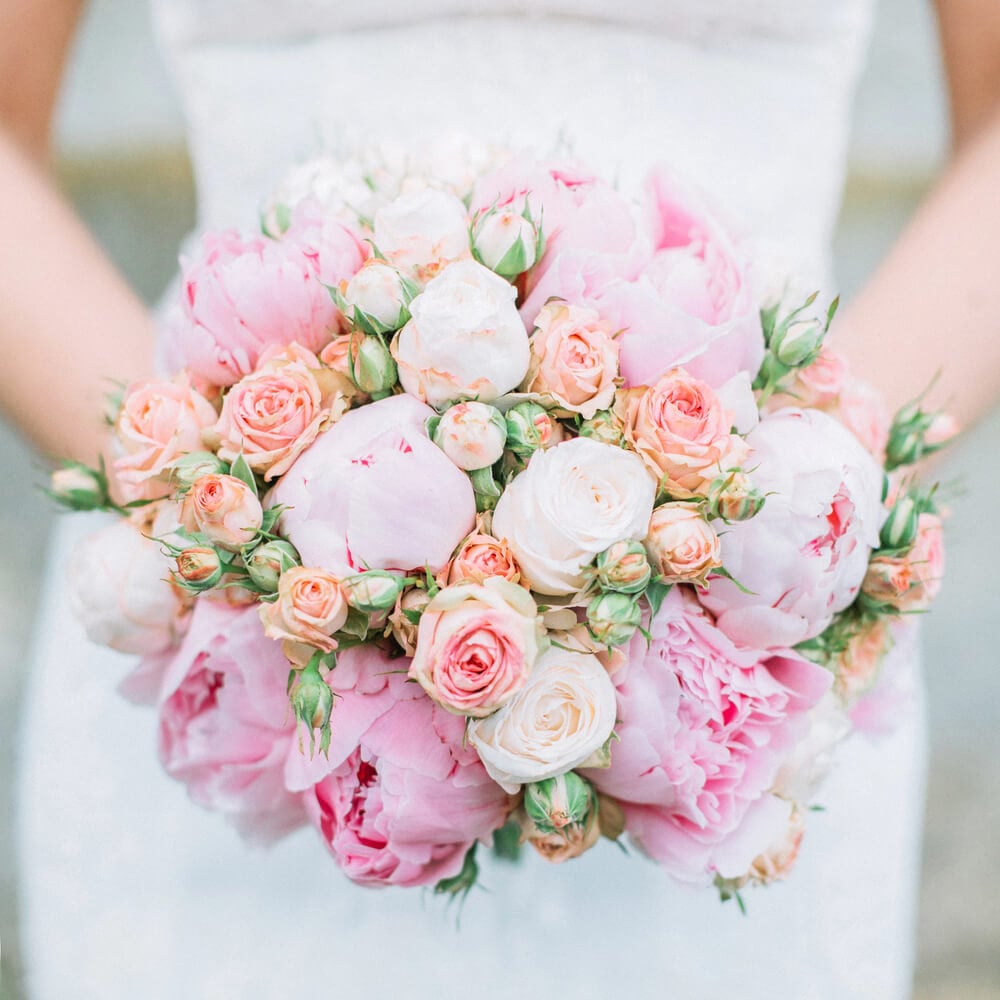
Royal brides traditionally include a sprig of myrtle in their wedding bouquets, a custom that dates to Queen Victoria. In 1845 Victoria received a nosegay containing myrtle from Prince Albert’s grandmother, and a sprig was planted at Osborne House on the Isle of Wight.
Myrtle from that bush or its descendants has appeared in royal bridal bouquets since Victoria’s daughter married in 1858. Queen Elizabeth II, Diana, Catherine and Meghan all carried it.
The plant symbolizes love and marriage in the Victorian language of flowers.
Wedding Rings Made From Welsh Gold
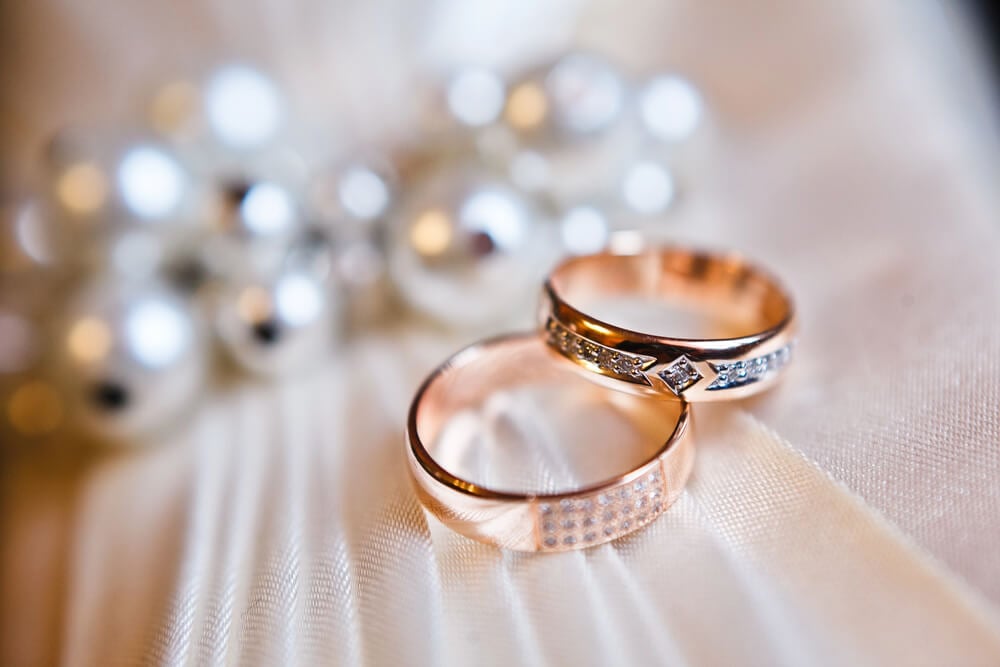
Welsh gold has traditionally supplied royal wedding rings since 1923, when Lady Elizabeth Bowes-Lyon married the future King George VI. A nugget from the Clogau St David’s mine in North Wales was used for her ring.
The same source supplied gold for later royal rings, including those of Queen Elizabeth II, Princess Margaret and Princess Anne. Welsh gold is scarce, and the supply held by the royal family has dwindled over the decades.
Catherine’s ring in 2011 was also made from Welsh gold given by the queen.
Bouquets Left at the Tomb of the Unknown Warrior
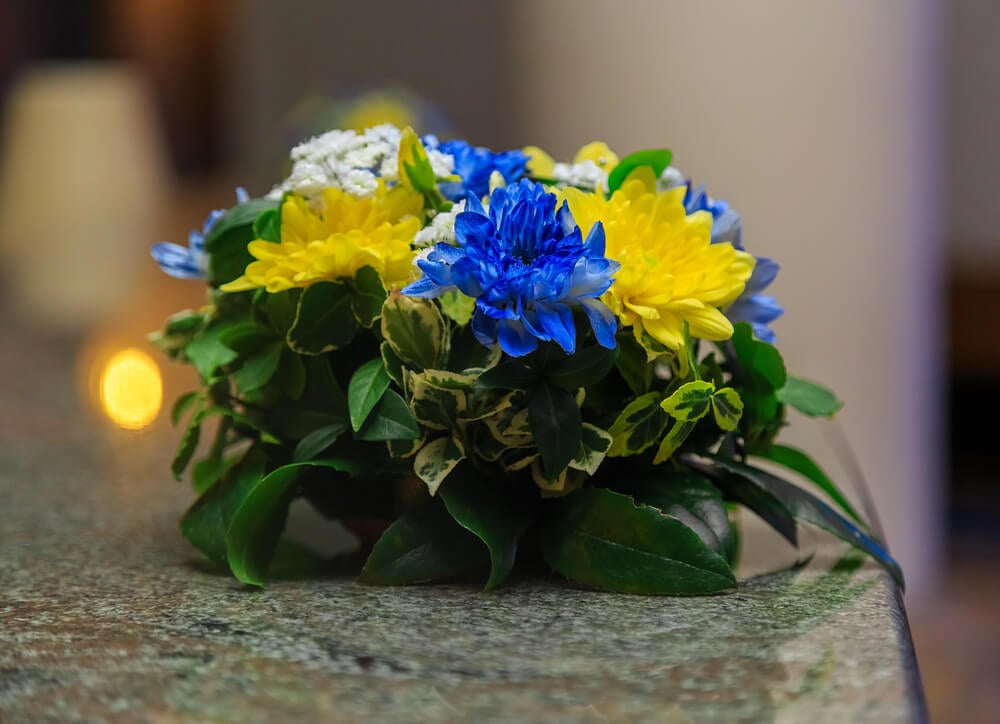
When Lady Elizabeth Bowes-Lyon arrived at Westminster Abbey to marry the future King George VI in 1923, she laid her bouquet on the Tomb of the Unknown Warrior. She did it in memory of her brother Fergus, who had been killed in World War I.
Royal brides married since then have sent their bouquets to the tomb, usually the day after the ceremony. Catherine’s bouquet was placed there in 2011, and Meghan’s followed in 2018.
The tomb holds a soldier whose identity is unknown, buried in 1920.
Crowns Come With Fine Print
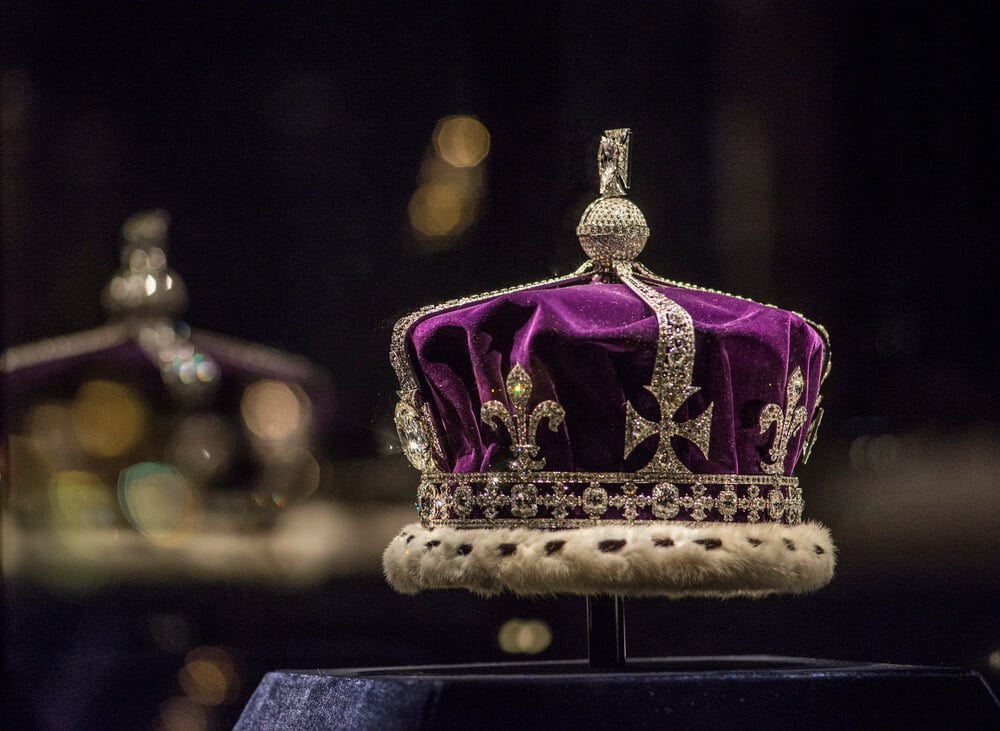
Taken together, these rules show what royalty actually trades for its privileges. A royal can live in a palace but may not choose a spouse freely, express a political view or even keep a gift without paperwork.
Many of the rules began as practical fixes for real problems, from food poisoning to disputed successions. Over time they hardened into tradition, and tradition is harder to change than law.
Some of the rules are now softening, from hosiery to the Catholic marriage ban. Others, like Japan’s succession laws, are under pressure because the institutions themselves may not survive without changes.
Every generation of royals inherits the same question about which customs to keep. The answer usually arrives slowly, one exception at a time.
More from Go2Tutors!

- The Romanov Crown Jewels and Their Tragic Fate
- 13 Historical Mysteries That Science Still Can’t Solve
- Famous Hoaxes That Fooled the World for Years
- 15 Child Stars with Tragic Adult Lives
- 16 Famous Jewelry Pieces in History
Like Go2Tutors’s content? Follow us on MSN.