16 Radio DJs Who Became Household Names
Radio’s always been more than background music. It’s the voice that wakes you up, keeps you company during rush hour, and somehow feels like that friend you’ve never actually met. Some DJs broke through the static to become genuine celebrities, shaping everything from what songs we heard to how we talked about politics.
Here’s a list of 16 radio DJs who became household names across America and beyond.
Wolfman Jack
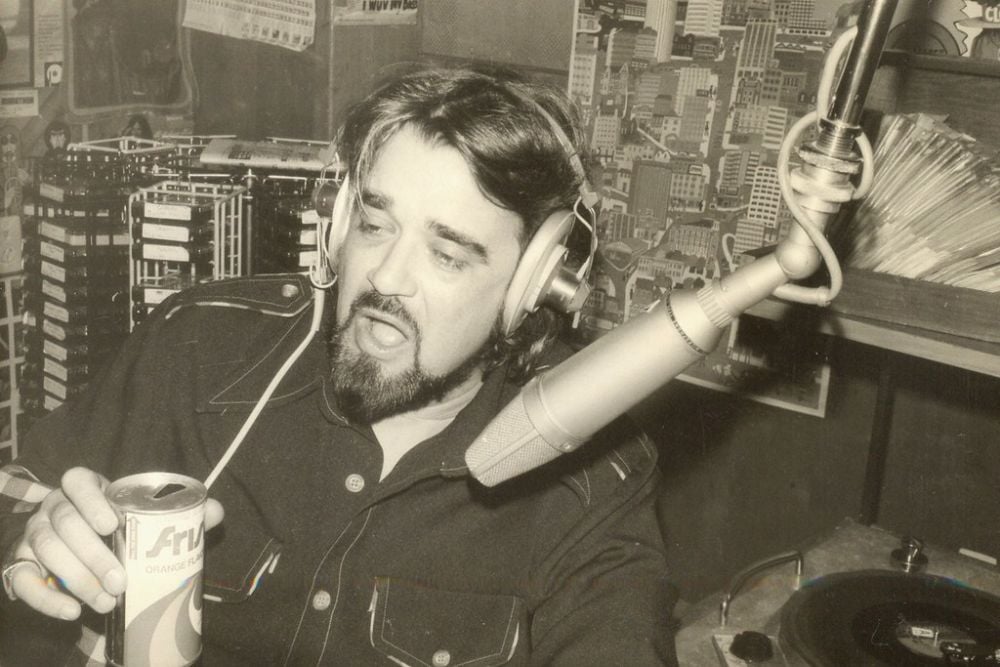
Nobody howled quite like Wolfman Jack. His gravelly voice boomed across the airwaves from a Mexican border station so powerful it could reach most of the United States. Back in the ’60s, when radio was still pretty segregated, the Wolfman didn’t care about boundaries—he played rhythm and blues, rock, soul, whatever sounded good. Kids would stay up late just to catch his show, and that mysterious persona of his influenced countless DJs who came after.
Howard Stern

Howard Stern calls himself the ‘King of All Media,’ and honestly, it’s hard to argue. He turned talk radio upside down by talking about stuff nobody else would touch. Sure, people either loved him or wanted him off the air, but that’s exactly what made him so powerful. When he jumped to satellite radio in 2006, millions of listeners followed him there—proving that personality trumps everything else in radio.
Like Go2Tutors’s content? Follow us on MSN.
Rush Limbaugh

For three decades, Rush Limbaugh owned conservative talk radio. His daily three-hour show reached millions of people who hung on every word of his political commentary. Love him or hate him, Limbaugh basically created the template for modern political talk radio. AM radio was pretty much dead until he came along and showed that people would tune in for strong opinions and heated debates.
Casey Kasem

Casey Kasem made counting down the top 40 hits feel like the most important thing happening each week. That warm voice of his guided listeners through America’s favorite songs while he told little stories about the artists. Everyone knew his sign-off: ‘Keep your feet on the ground and keep reaching for the stars.’ Kasem didn’t just play music—he made people care about it.
Don Imus

Don Imus was cranky, controversial, and completely unpredictable, which made ‘Imus in the Morning’ a must-listen radio for decades. Politicians, celebrities, and authors never knew what he might ask them, and his interviews often ended up making headlines themselves. Behind all that grumpiness, though, Imus raised millions for kids with cancer, showing that radio personalities could use their platform for good.
Like Go2Tutors’s content? Follow us on MSN.
Garrison Keillor

Saturday afternoons belonged to Garrison Keillor and his tales from Lake Wobegon, that fictional Minnesota town where ‘all the women are strong, all the men are good-looking, and all the children are above average.’ ‘A Prairie Home Companion’ brought storytelling back to radio in a big way. Keillor proved that people still craved gentle humor and thoughtful conversation, even in an increasingly fast-paced world.
Ryan Seacrest

Ryan Seacrest built an empire, but it all started with his radio show. His morning program became the launching pad for everything else—’American Idol,’ ‘Live with Kelly and Ryan,’ red carpet coverage, you name it. Seacrest figured out how to be everywhere at once while still maintaining that energetic, enthusiastic personality that made people want to listen.
Delilah

Late at night, when the world gets quiet, Delilah’s there with soft rock and genuine conversation. Her show isn’t really about the music—it’s about the callers who share their heartbreaks, their joy, their struggles. She listens, really listens, and somehow makes millions of people feel less alone. That’s a special kind of radio magic.
Like Go2Tutors’s content? Follow us on MSN.
Dr. Laura Schlessinger

Dr. Laura didn’t sugarcoat anything. Call her show with a problem, and you’d get straight talk about personal responsibility, relationships, and making better choices. Some people found her harsh, but millions appreciated her no-nonsense approach. She turned radio into a place where people could get real advice, even if they didn’t always like what they heard.
Art Bell
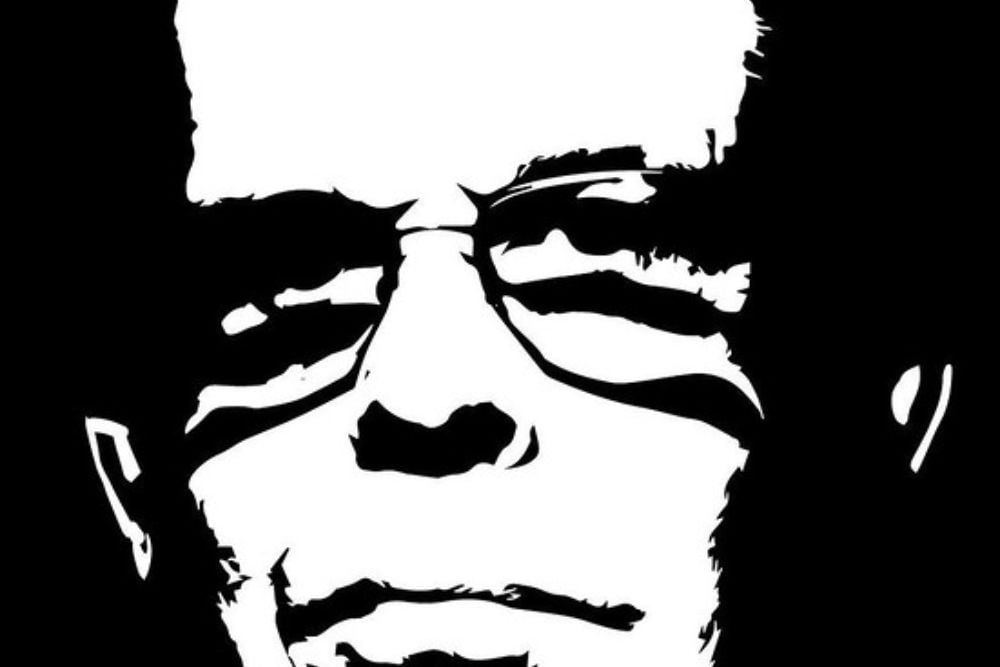
Art Bell owned the night. ‘Coast to Coast AM’ was where conspiracy theories, alien encounters, and paranormal stories came to life. Bell had this calm, measured way of talking about the weirdest stuff that made it all seem possible. His show became a cultural phenomenon that influenced movies, TV shows, and internet culture. Late-night radio was never the same after Art Bell.
Shadoe Stevens

When Shadoe Stevens took over ‘American Top 40’ from Casey Kasem, he brought a completely different vibe. Stevens wasn’t afraid to make fun of the very songs he was playing or poke at celebrity culture. His irreverent style didn’t always go over well with record labels, but listeners loved his willingness to be a little subversive while still celebrating the hits.
Like Go2Tutors’s content? Follow us on MSN.
Tom Joyner

Tom Joyner’s morning show was more than entertainment—it was a community gathering place. He mixed music with social issues, education initiatives, and genuine activism. Those annual ‘Fantastic Voyage’ cruises brought his radio family together in real life, creating bonds that went way beyond the airwaves. Joyner showed how radio could be a force for positive change.
Steve Harvey

Steve Harvey brought his comedian’s timing to radio and created something special. His morning show mixed relationship advice with motivational messages and plenty of laughs. Harvey’s authentic personality translated perfectly to radio, and eventually to television, proving that genuine connection with audiences works across any medium.
Bob Edwards

Bob Edwards made NPR’s ‘Morning Edition’ essential listening for millions of Americans. His thoughtful interviews and calm handling of breaking news established him as one of radio’s most trusted voices. Edwards understood that radio journalism could be both informative and deeply personal, creating connections that went beyond just delivering the facts.
Like Go2Tutors’s content? Follow us on MSN.
Elvis Duran

Elvis Duran’s morning show captures all the chaos and energy of modern pop culture while keeping that intimate radio feeling alive. His team’s chemistry and their smart use of social media helped bridge the gap between traditional radio and new digital platforms. Duran represents how radio personalities have evolved to stay relevant in a rapidly changing media landscape.
Rick Dees
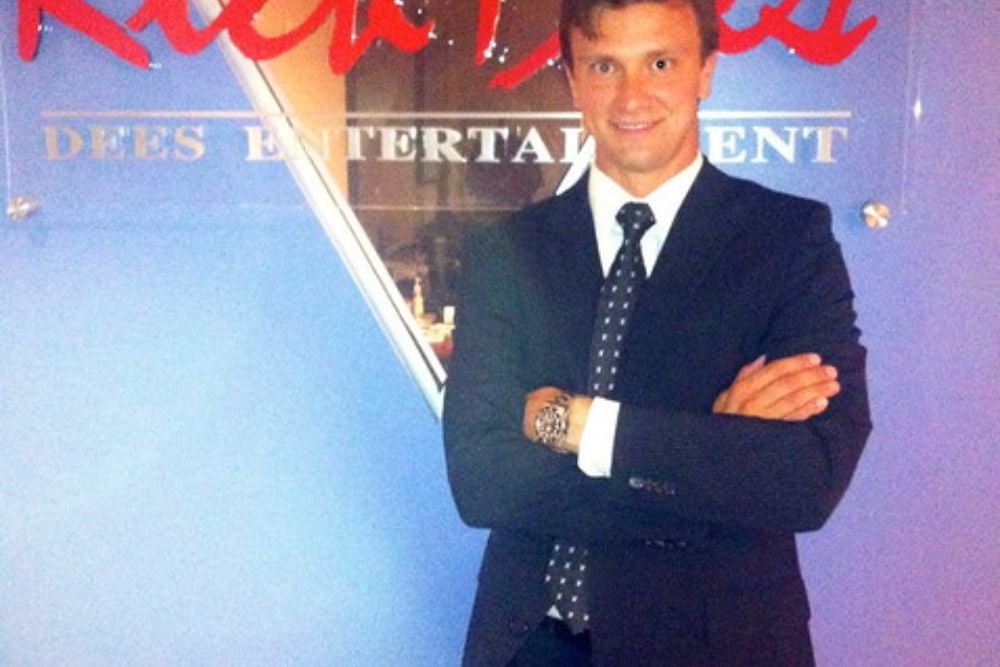
Rick Dees turned ‘The Rick Dees Weekly Top 40’ into a national phenomenon by mixing music with comedy and pop culture commentary. His novelty songs, including the hit ‘Disco Duck,’ proved that radio hosts could be entertainers in their own right. Dees showed that versatility was key—being a DJ, comedian, and recording artist all at once.
The Voices That Built Radio
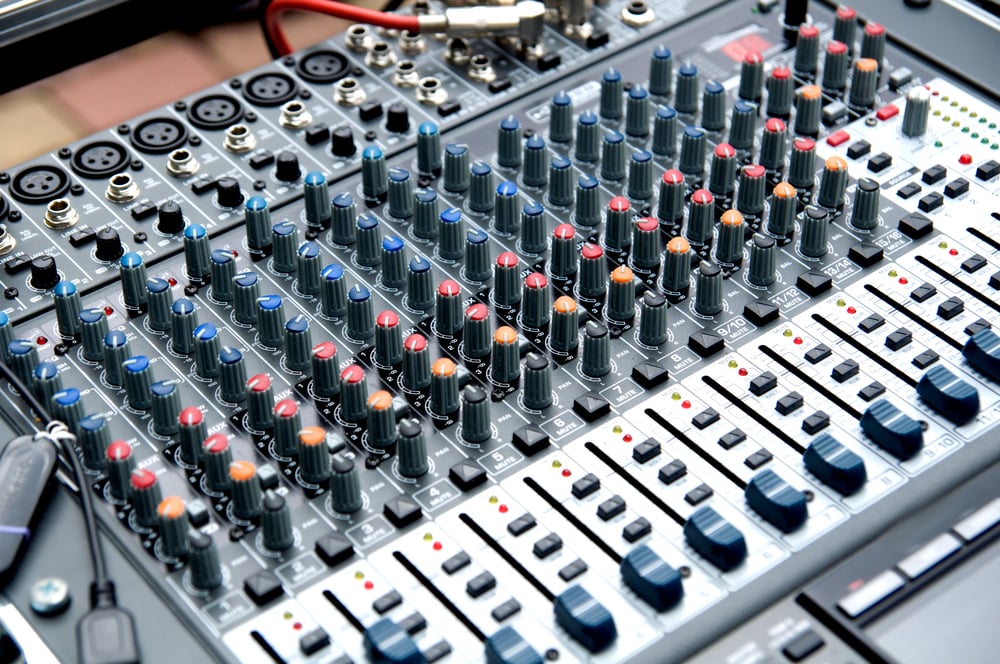
These personalities didn’t just spin records or read the news. They built relationships with millions of listeners who invited them into their daily routines. Their success came from understanding something fundamental: radio’s power isn’t in its technology, but in its ability to make each person feel like they’re having a personal conversation. Today’s streaming services and podcasts are still trying to recreate that magic. These voices remind us that great radio has always been about storytelling, authentic connection, and finding the right words at exactly the right moment.
Like Go2Tutors’s content? Follow us on MSN.
More from Go2Tutors!

- 16 Historical Figures Who Were Nothing Like You Think
- 12 Things Sold in the 80s That Are Now Illegal
- 15 VHS Tapes That Could Be Worth Thousands
- 17 Historical “What Ifs” That Would Have Changed Everything
- 18 TV Shows That Vanished Without a Finale
Like Go2Tutors’s content? Follow us on MSN.