22 Old Job Titles That No Longer Exist
Technology kills jobs. It always has.
An entire profession can vanish in a generation when something cheaper, faster, or more efficient replaces human labor. What’s remarkable isn’t that jobs disappear—it’s how completely they evaporate from memory.
No one today remembers what a lamplighter did, or why gas light attendants were necessary. These 22 jobs once supported millions. Now they’re historical curiosities.
Lamplighter

Before electric streetlights, cities employed thousands of lamplighters who walked routes each evening, lighting gas lamps by hand. The job disappeared entirely in the early 20th century when electric lights made it obsolete.
Former lamplighters had to find entirely new professions. The profession’s disappearance took fewer than 20 years.
Switchboard Operator
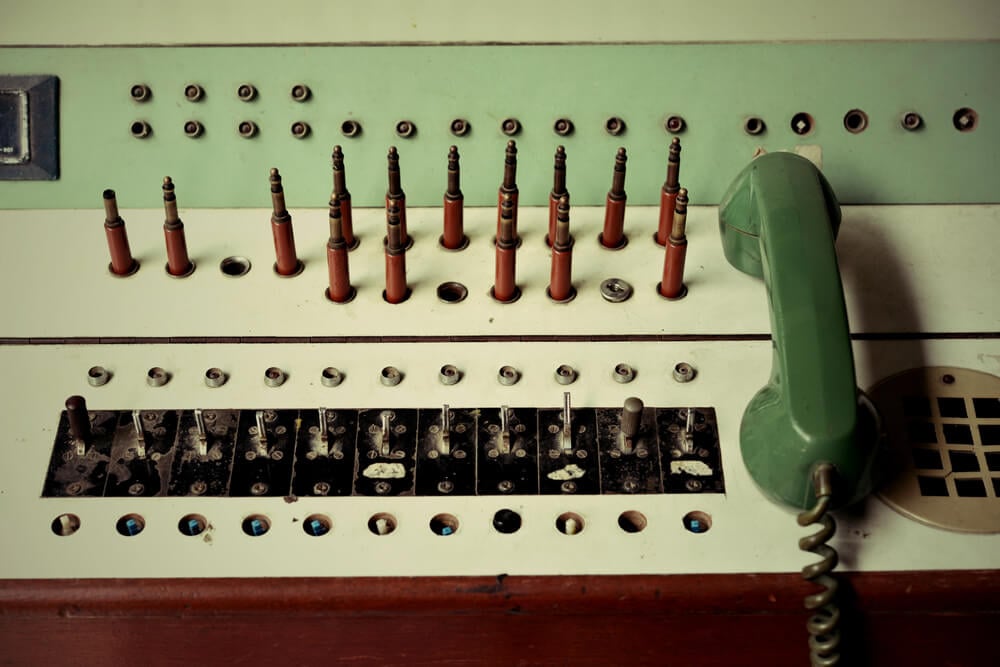
Telephone systems required armies of operators who manually connected calls. At its peak, telephone operating was a major employer.
Automated switching technology eliminated the need for operators entirely. Operators had to find new work. The transition happened over decades but was nearly complete by 2000.
Telegraph Operator
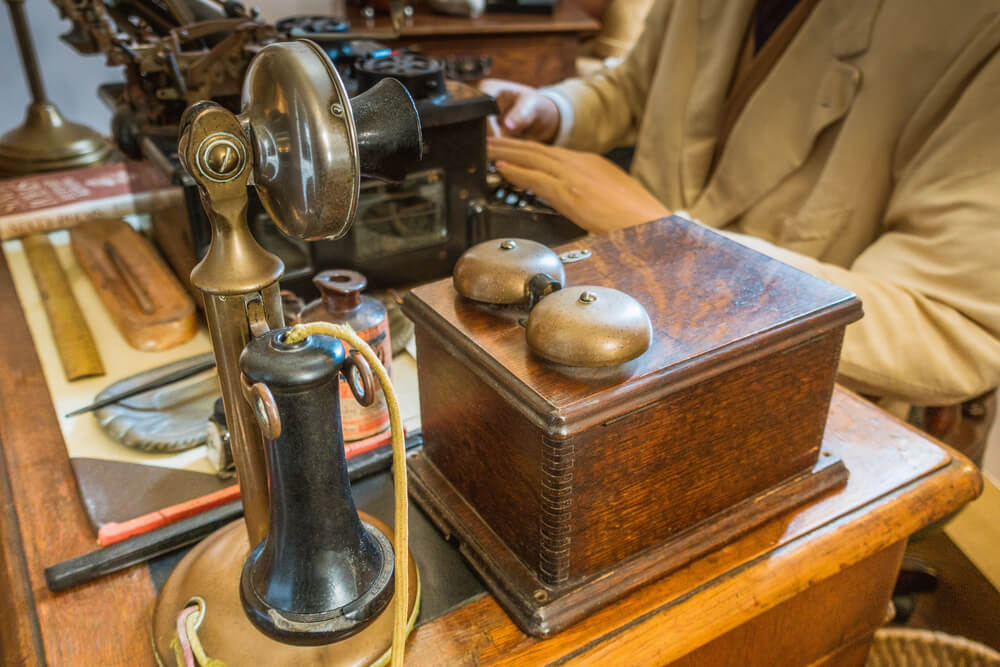
Telegraph operators sent and received coded messages. The profession flourished from the 1850s through the early 1900s.
When the telephone made telegraph communication seem slow and cumbersome, the profession died. Telegraph operators faced unemployment when technology rendered their skills worthless.
Knocker-Up

In industrial England, knocker-ups were employed to wake workers at specific times by throwing pebbles at their windows. The job existed because alarm clocks were unreliable or unaffordable.
When reliable alarm clocks became cheap, the profession disappeared overnight. Factory workers no longer needed to hire knocker-ups.
Iceman
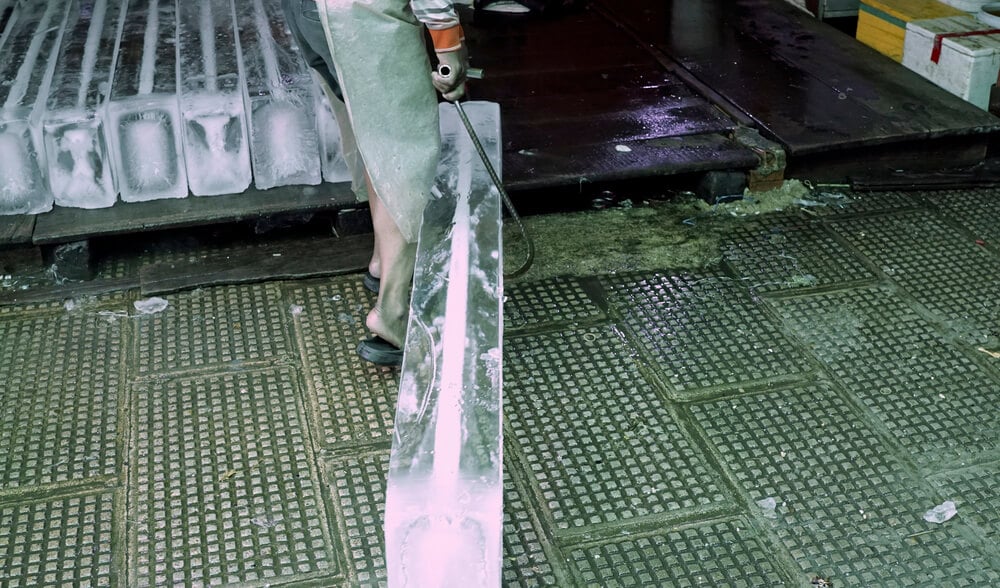
Before electrical refrigeration, ice delivery was essential. Icemen cut large blocks from frozen lakes, stored them in sawdust, and delivered them to homes and businesses.
The job was physically demanding and lucrative. When refrigerators became affordable, the profession vanished in two decades. Icemen had to retrain or find other work.
Chimney Sweep

Small children were employed as chimney sweeps in Britain, climbing inside chimneys to remove soot. The profession was exploitative but lucrative for employers.
When mechanical chimney cleaning equipment was invented, the profession became obsolete. Child sweep employment ended—not from moral reform alone, but from technological replacement.
Typist

Typewriter operators filled offices, transcribing dictation and typing documents. The profession was a standard career path for women.
Word processors and computer typing eliminated the demand for specialized typists. Former typists either adapted to computers or found other work. The profession transformed rather than disappeared entirely.
Stenographer

Court stenographers used shorthand machines to create records of proceedings. While some court stenography remains, the profession has shrunk dramatically as digital recording equipment replaces human stenographers.
The profession is declining as technology progresses.
Gas Light Attendant
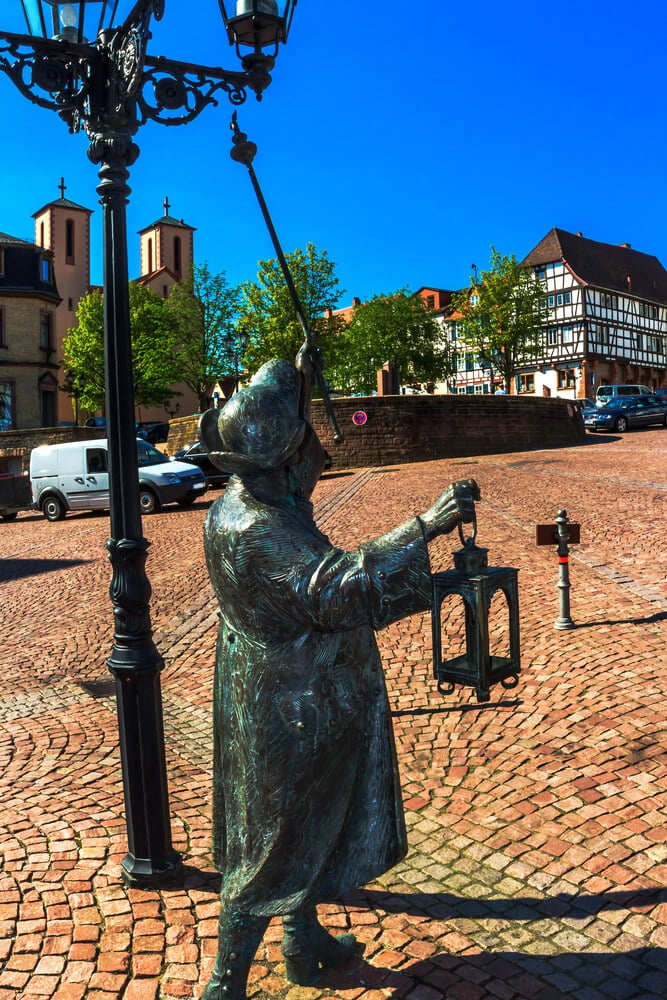
Attendants maintained street gas lights, checking for leaks and adjusting flame height. The profession existed for decades, supporting workers who knew nothing but gas light maintenance.
Electric lights eliminated the profession entirely. Gas light attendants had to completely retrain for new careers.
Telephone Directory Assistance Operator
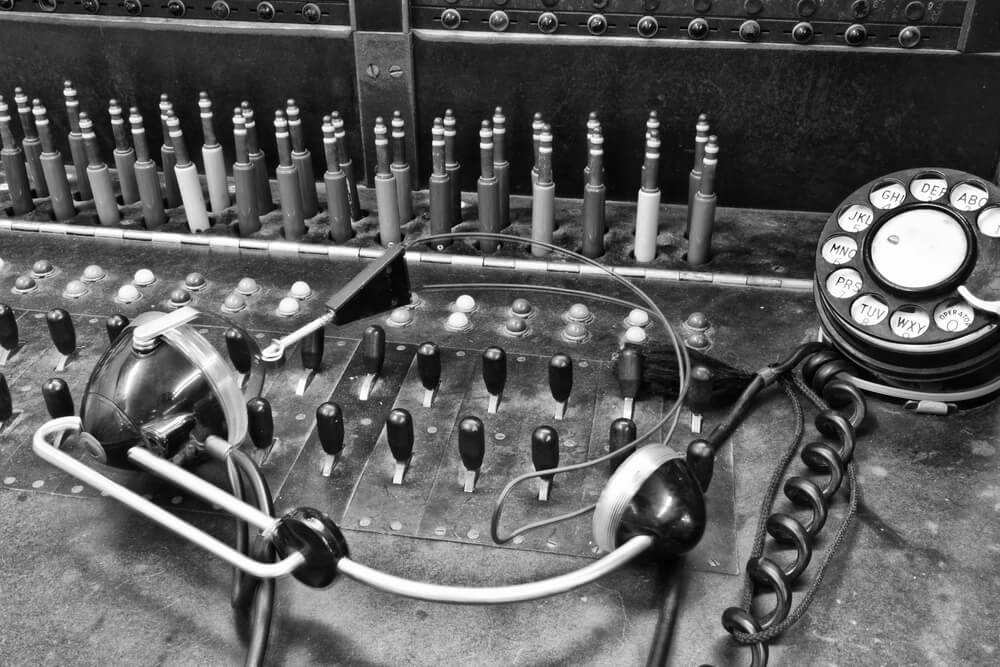
Before the internet, people called operators for phone numbers. Information operators were a significant profession.
Cell phones and the internet made directory assistance operators largely unnecessary. Call centers in various countries still employ some operators, but in a fraction of previous numbers.
Elevator Operator

Early elevators required operators to manually run them, controlling the car’s movement and opening/closing doors. As elevators became automatic, the profession died.
Elevator operators had to find new work. The profession lasted from the 1850s through the 1960s in many places.
Town Crier

Before newspapers, town criers announced news, legal notices, and proclamations. The profession existed for centuries.
Newspapers replaced town criers as the primary news source. The profession died out in the 19th century. No one hired town criers once printing made broadcast information obsolete.
Bowling Alley Pinsetter

Before automatic pinsetting, people were employed to manually set bowling pins after each strike or spare. Young men and boys took these jobs.
Automatic pinsetters eliminated the profession in the 1950s-1960s. Former pinsetters had to find other work. The job’s disappearance was so complete that few people remember it existed.
Milkman

Milk delivery routes employed thousands of workers who delivered fresh milk to doorsteps daily. The profession required reliability and physical work.
Supermarkets and home refrigeration made milk delivery unnecessary. Milkmen had to find other work. The profession largely disappeared by 1980.
Telegraph Messenger

Before automobiles became universal, bicycle messengers delivered telegraphs. The job was a common entry point into the working world.
When telegram delivery became less common and automobiles replaced bicycles, the profession disappeared. Telegraph messengers had to retrain for different work.
Travel Agent

Before the internet, travel agents were essential for booking flights, hotels, and arranging itineraries. The profession was relatively well-paid and respected.
When online booking became possible, demand for travel agents collapsed. Many travel agencies closed. Some agents adapted to online tools, but the profession contracted dramatically.
Data Entry Operator

Computer data entry was once a major profession requiring specialized skills. As scanners, voice recognition, and automated data collection improved, the profession declined.
Outsourcing to lower-wage countries accelerated the decline. Former data entry operators faced unemployment or retraining.
Film Projectionist
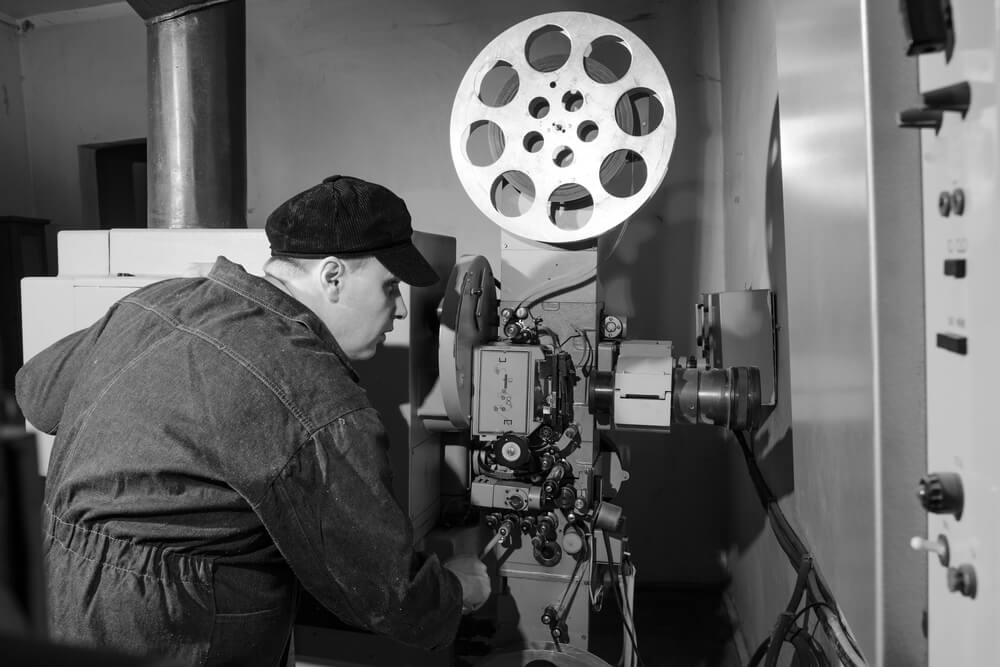
Movie theaters employed projectionists who operated film equipment, managing reels and maintaining projection quality. Digital projection eliminated the need for specialized projectionists.
Former projectionists had to find other work. The profession’s decline happened over 10-15 years.
Copying Clerk

Before photocopiers, copying clerks manually transcribed documents by hand. The job was tedious and required accuracy.
Xerox machines eliminated the profession entirely. Copying clerks had to find other work or adapt to using machines.
Newspaper Boy/Girl

Newspapers employed vast networks of carriers to deliver papers to homes. The profession was an entry point for young workers.
As newspaper circulation declined and delivery economics changed, the profession became less common. Newspaper delivery remains but in a fraction of previous scale.
Bank Teller (Partially)

Automated teller machines replaced many bank tellers’ functions. The profession transformed rather than disappeared, but thousands of tellers lost jobs.
Banks consolidated branches and reduced staff as ATMs proliferated. Remaining tellers perform different work than historical tellers.
Secretary
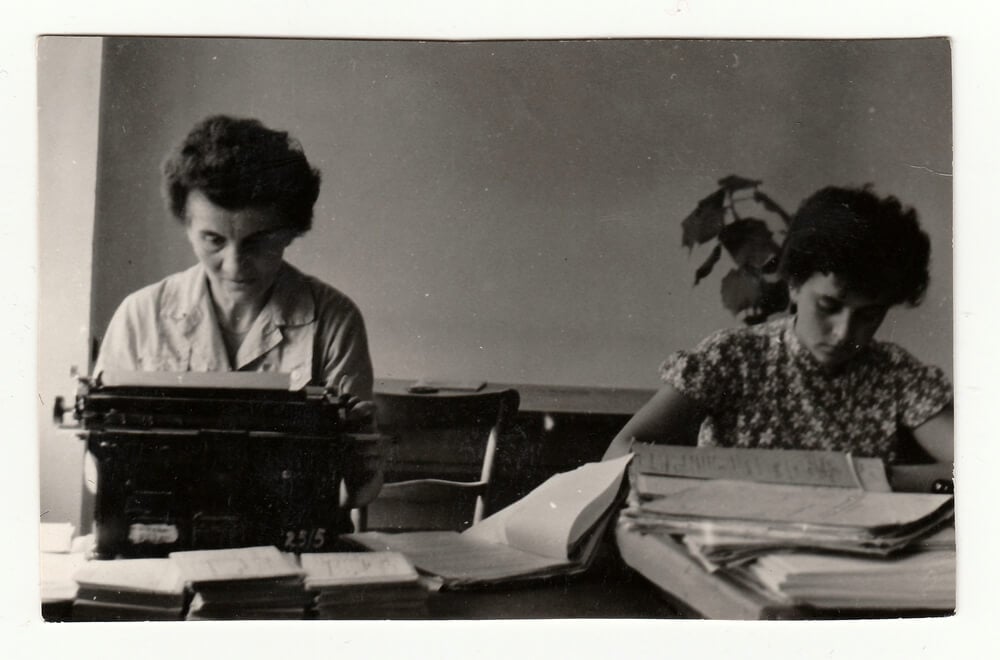
The profession of secretary—typing, answering phones, managing documents—was transformed by computers and email. The profession hasn’t disappeared but has contracted significantly and evolved substantially.
Secretaries became administrative assistants, adapting to new technology or leaving the profession.
When Skills Become Worthless

What each of these professions shares is that technology rendered human expertise unnecessary. The jobs existed because tasks couldn’t be automated.
When automation became possible, the professions evaporated. The transition was sometimes gradual, sometimes sudden, but always final.
Thousands of workers invested years learning skills that became valueless in a decade. Some adapted.
Many didn’t. What remains is the historical record of professions that once mattered but are now entirely forgotten.
More from Go2Tutors!

- The Romanov Crown Jewels and Their Tragic Fate
- 13 Historical Mysteries That Science Still Can’t Solve
- Famous Hoaxes That Fooled the World for Years
- 15 Child Stars with Tragic Adult Lives
- 16 Famous Jewelry Pieces in History
Like Go2Tutors’s content? Follow us on MSN.



