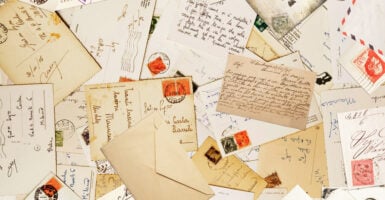
26 Old Postcards Collectors Are Paying Big For
Postcards were the cheapest souvenirs ever made, which is exactly why so few survived in good shape. Billions were mailed in the early twentieth century, tacked to walls, tossed in drawers and thrown out by the shoebox when someone cleared an attic.
The ones that remain tell collectors a surprising amount about the past. A blurry main street, a forgotten flood or a strange holiday character can turn a one-cent card into something worth real money, provided the corners are sharp and the picture side still holds its color.
Real Photo Cards of Small-Town Main Streets
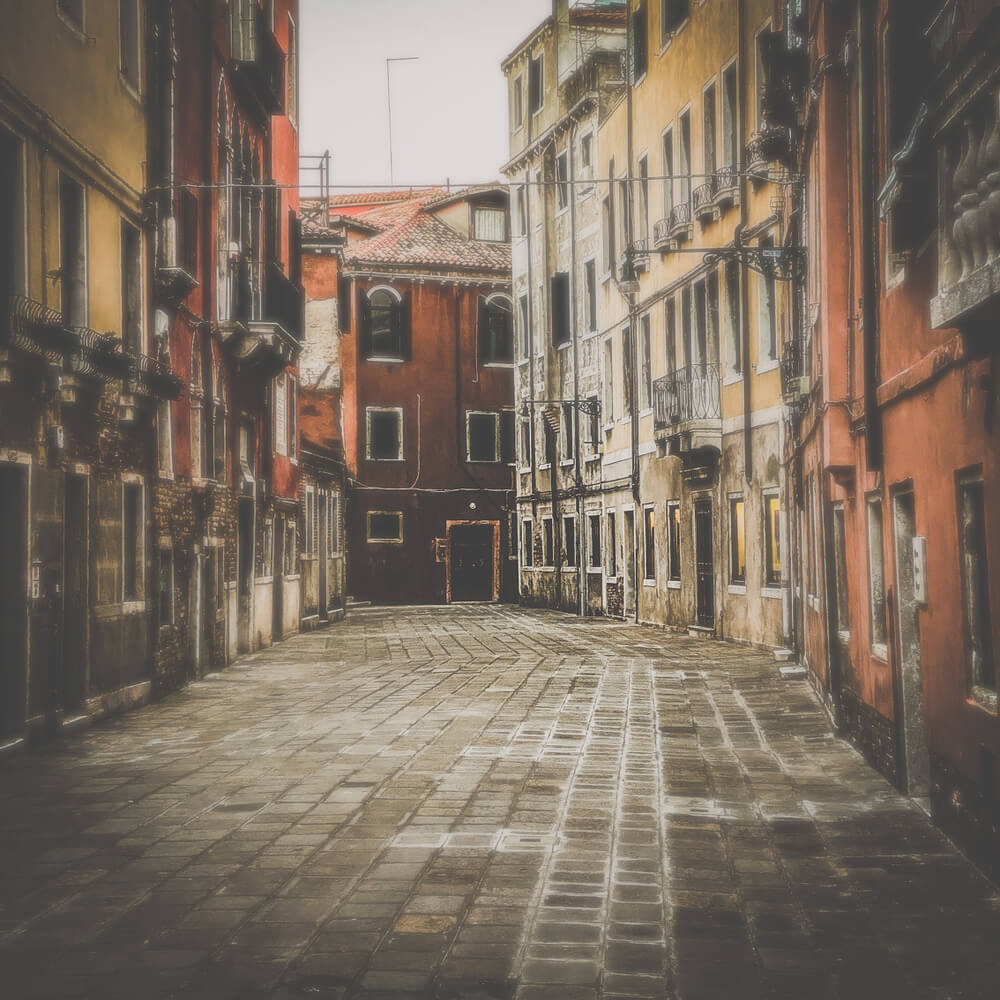
Real photo postcards, printed directly from negatives onto postcard-backed paper, flourished after Kodak introduced its 3A Folding Pocket camera in 1903 with a negative sized for the format. Local photographers documented storefronts, dirt roads and parades in towns that rarely appeared anywhere else.
A sharp view of a busy main street with signs, wagons or early cars often brings 50 to 250 dollars, and rare towns go higher. Condition rules the price, since creases, fading and silvering at the edges cut value quickly.
Collectors from the same town often compete fiercely, which can push a single card well past its usual range.
Real Photo Cards of People at Work
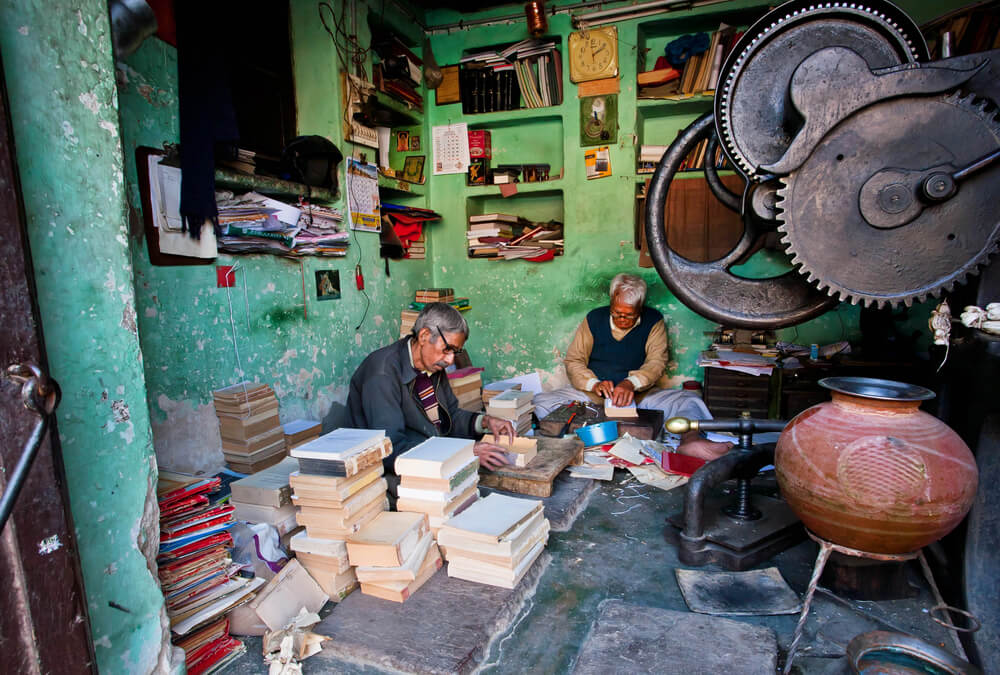
Occupational real photo postcards show blacksmiths at the anvil, telephone operators at switchboards, butchers behind their counters and mail carriers beside their wagons. Collectors value them because they record work that ordinary photographs seldom captured, often with tools and signage in clear view.
Strong examples typically sell for 40 to 200 dollars, while unusual trades or interiors with lots of detail can climb past 500 dollars. Clear identification helps, so a handwritten caption naming the shop or town adds real value.
Water stains, heavy writing across the image and trimmed edges all pull prices down.
Disaster Scenes Photographed for the Mail
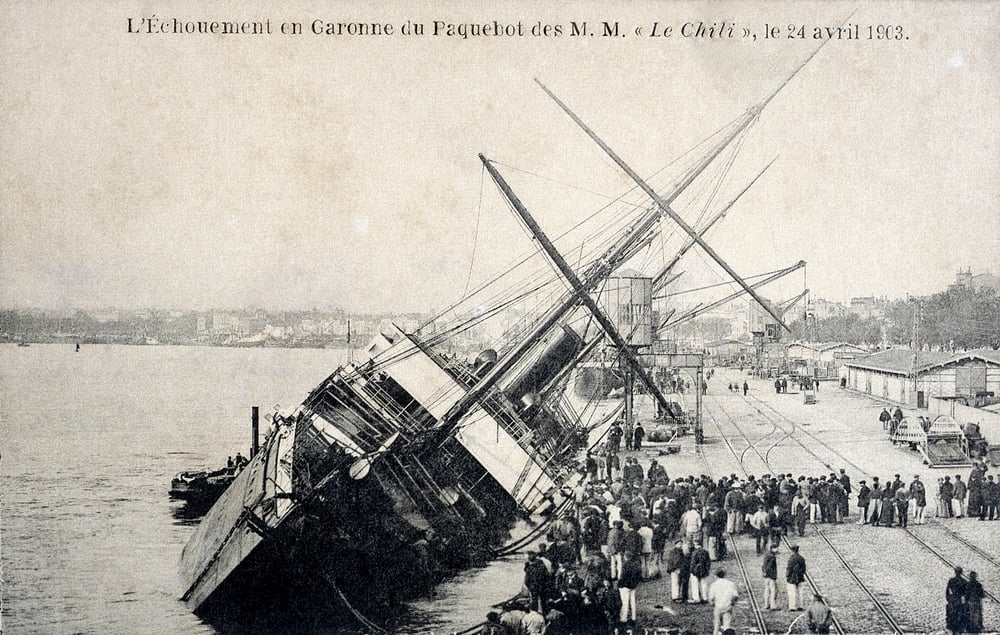
Floods, fires, train wrecks and earthquakes were big business for postcard photographers, who often had cards for sale within days. The 1906 San Francisco earthquake and the 1913 Dayton flood produced especially large runs, many of them real photo cards showing collapsed buildings and boats on city streets.
Common views of famous disasters sell modestly, often 15 to 60 dollars. Smaller local catastrophes, photographed in limited numbers, can be far scarcer and draw several hundred dollars.
Crisp detail and a postmark close to the event date make a card more desirable, while heavy fading takes much of the drama away.
Cards Mailed From the Titanic
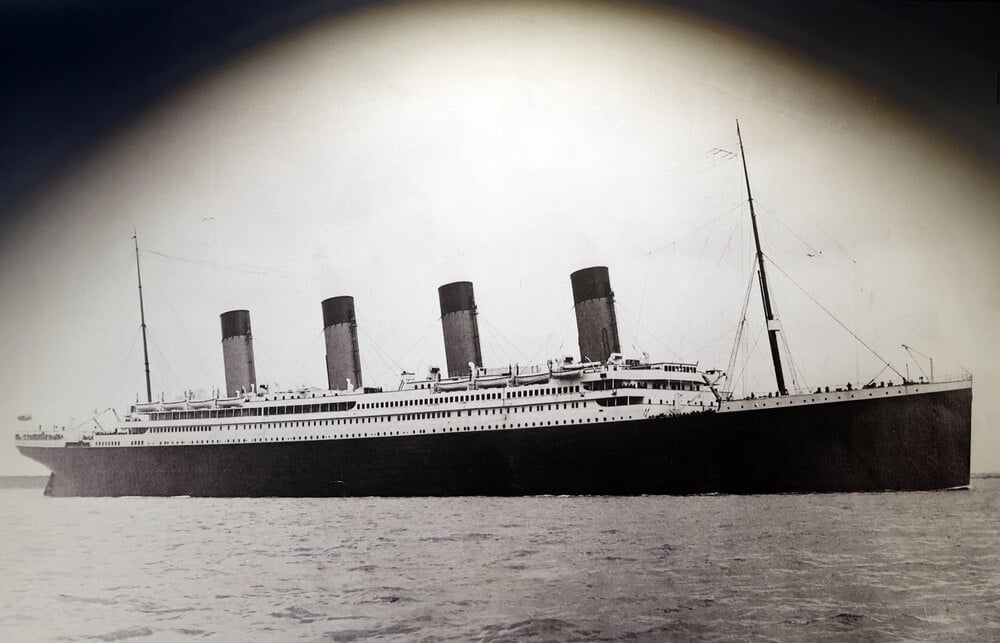
Passengers aboard the Titanic could post mail before the ship left European waters, and cards sent from its stops at Cherbourg and Queenstown in April 1912 are among the most sought-after items in postal history. A card actually written aboard, with a matching message and postmark, has sold at auction for five-figure sums and occasionally more.
Ordinary Titanic souvenir cards printed after the sinking are far more common and much cheaper. Authentication is everything with this category, since fakes and misattributed cards circulate widely.
Even a heavily worn genuine example remains valuable, though staining and tears still affect the final bid.
Ellen Clapsaddle Halloween Cards
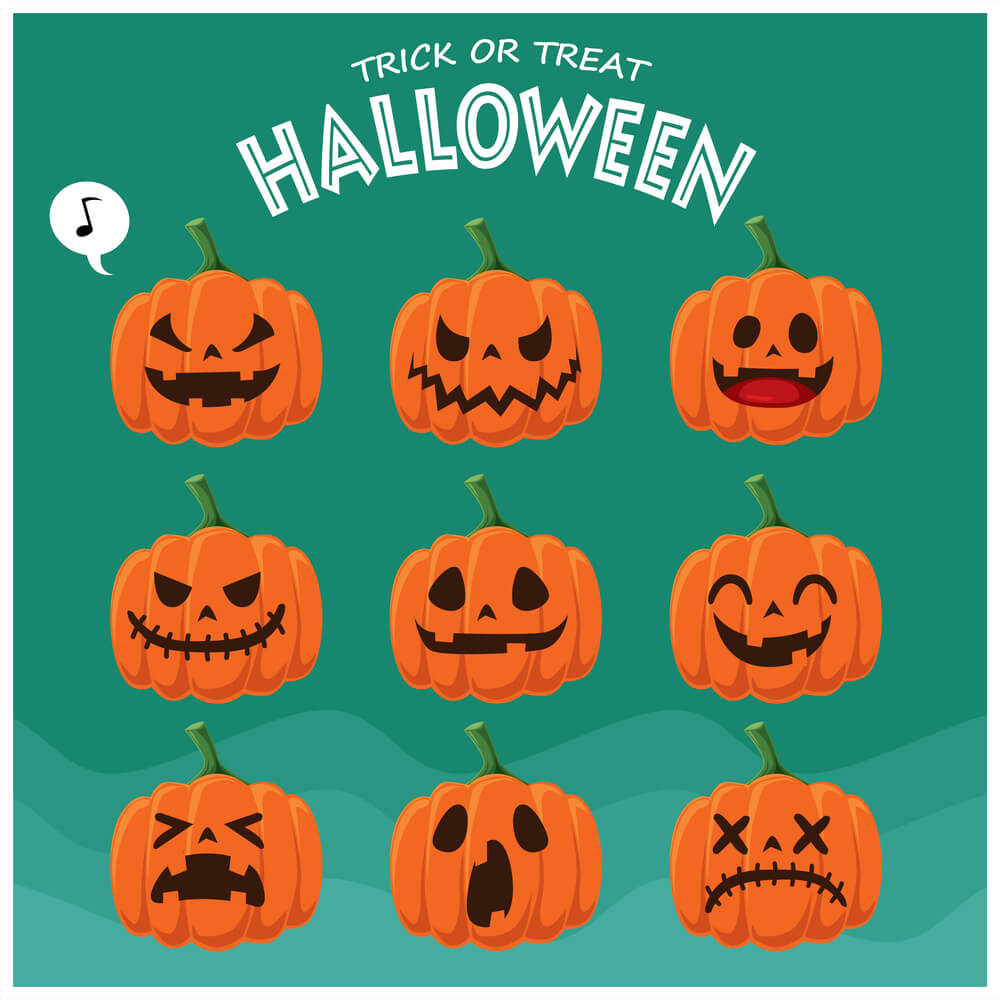
Ellen Clapsaddle was one of the most prolific postcard illustrators of the early 1900s, and her Halloween designs, with grinning jack-o-lanterns and children in costume, are favorites with holiday collectors. Many of her cards were printed in Germany with rich embossing and bright inks.
Common Clapsaddle Halloween designs often bring 20 to 75 dollars, while scarce series, especially mechanical versions, go considerably higher. Halloween cards in general command more than Christmas cards because far fewer were produced.
Bright orange and black pigments fade easily, so a card with strong color and no corner wear stands out sharply.
Santa Claus in Robes That Are Not Red

Before Santa’s red suit became standard, postcard artists dressed him in green, purple, brown, blue and even white robes, often with a long hooded cloak. Collectors pay a premium for these unusual colors, particularly on German embossed cards from roughly 1900 to 1915.
A good green or purple Santa typically sells for 30 to 150 dollars, and hold-to-light or silk-trimmed versions go higher still. The odd colors were never meant as a novelty, which is part of their charm.
Fading, album residue on the back and rubbed embossing all reduce value noticeably.
Hold-to-Light Cards

Hold-to-light postcards were printed with small die-cut windows backed by colored or translucent paper, so that holding the card up to a lamp made windows, moons or stars appear to glow. Most were produced in Germany around 1900 to 1910, and city views, world’s fair buildings and Christmas scenes were common subjects.
Typical examples sell for 30 to 120 dollars, with rare views and Santa designs reaching several hundred. The construction was fragile, which is exactly why intact cards are prized.
Torn backing paper, missing cutouts or detached layers can cut value by half or more.
Mechanical Cards With Moving Parts
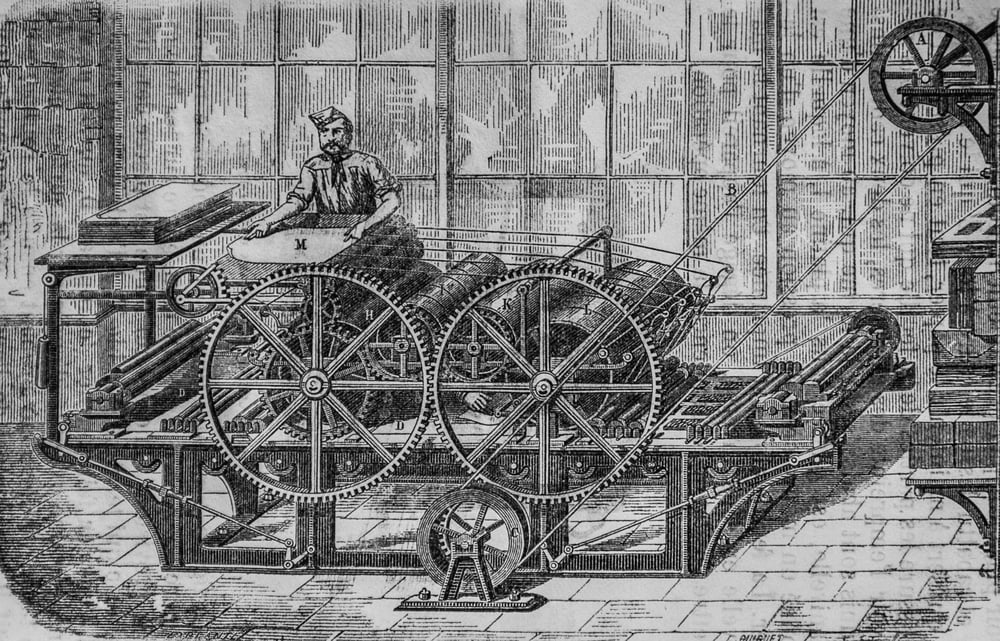
Mechanical postcards included wheels to spin, tabs to pull and flaps to lift, making a printed figure wink, change expression or reveal a hidden scene. They were popular novelties in the early twentieth century and survived in small numbers, since children played with them until they broke.
Working examples often bring 25 to 150 dollars, and elaborate Halloween or Santa mechanicals can reach several hundred. Collectors check that every moving part functions and that no pieces have been replaced.
A mechanical card with a jammed wheel or missing tab is worth only a fraction of a complete one.
Alphonse Mucha Art Nouveau Cards
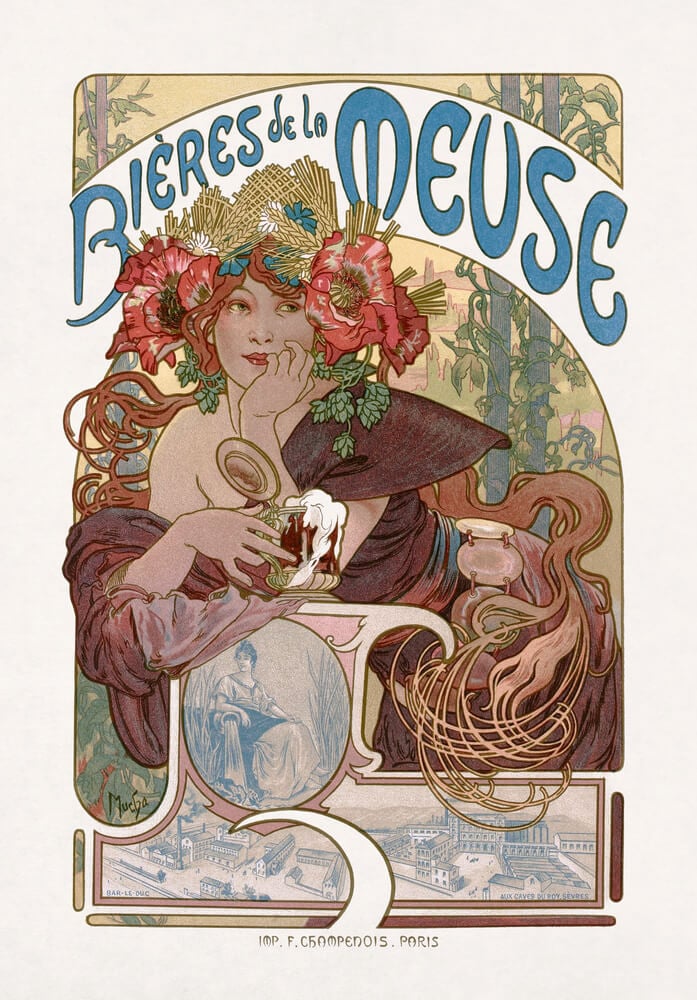
Alphonse Mucha’s flowing Art Nouveau women, framed by halos of flowers and ornament, appeared on postcards printed in Paris around 1900, often by the publisher Champenois. These cards carried his poster style into the mail at a fraction of the cost of a lithograph.
Genuine period Mucha postcards commonly sell for 75 to 300 dollars, and rare designs or complete series bring more. Reproductions are everywhere, so collectors examine paper, printing method and publisher marks closely.
Strong color, clean margins and no foxing make the difference between a nice card and a serious one.
Raphael Tuck Oilette Cards
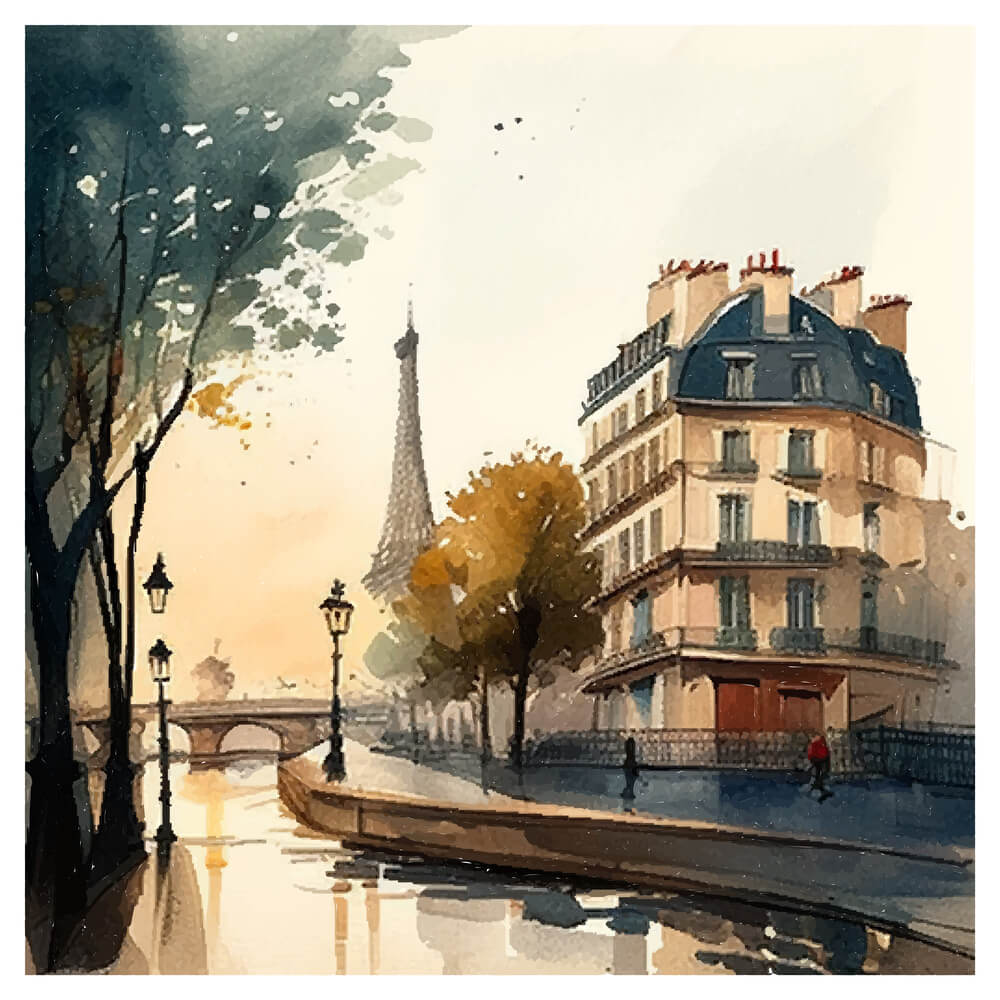
Raphael Tuck and Sons, a London firm holding a royal warrant, became one of the most important postcard publishers in the world, and its Oilette series reproduced paintings with a textured surface meant to suggest oil on canvas. Thousands of designs covered landscapes, cities, holidays and illustrators.
Most Oilettes are affordable, often 5 to 25 dollars, but scarce sets, sought-after artists and early pre-1910 issues climb much higher. Complete sets in their original envelopes are especially valued.
Collectors look for crisp corners and an unused back, since dense writing and heavy postmarks usually lower value.
Wiener Werkstatte Designs

The Wiener Werkstatte, the Vienna design workshop founded in 1903, published around a thousand postcard designs in the early twentieth century, with contributions from artists including Oskar Kokoschka and Egon Schiele. The cards were bold, graphic and modern, and they were printed in relatively small quantities.
Typical Wiener Werkstatte cards sell for 100 to 500 dollars, while designs by the best-known artists can bring several thousand. Museums collect them as serious examples of early modern design.
Condition matters greatly, and collectors avoid trimmed, stained or heavily written examples.
Souvenirs From the 1893 Columbian Exposition
The World’s Columbian Exposition in Chicago produced a set of official souvenir cards that many historians count as the first commemorative picture postcards made in the United States. They showed the fair’s grand white buildings and were sold to visitors who mailed them home as proof they had been there.
Individual cards often sell for 30 to 150 dollars, with complete sets and used examples bearing exposition postmarks bringing more. These cards predate the era when private publishers could freely use the postcard rate.
Light toning is common, while tears and heavy soiling cut value noticeably.
Private Mailing Cards From 1898 to 1901
A law passed in 1898 allowed private publishers to print picture cards that mailed at the same one-cent rate as government postal cards, as long as they carried the words Private Mailing Card. That inscription marks a short window that ended in 1901, when the simpler word Post Card was permitted.
Messages were not allowed on the address side until 1907, so senders squeezed notes around the picture. Common private mailing cards sell modestly, but scarce views and early advertising designs bring 50 to 200 dollars.
Clean examples with crisp printing are the most desirable.
Suffrage Campaign Cards

Both supporters and opponents of women’s voting rights used postcards as propaganda in the 1900s and 1910s. Pro-suffrage cards celebrated marches and leaders, while anti-suffrage cards mocked women voters and showed husbands left caring for crying babies.
Collectors and museums value both sides as documents of a fierce public argument. Typical cards sell for 30 to 150 dollars, and rare designs from small publishers can bring several hundred.
Interest tends to rise around anniversaries of the Nineteenth Amendment. Fading, creases and paper loss reduce value, while bright, clean examples always attract attention.
Early Aviation Meets and Daring Pilots
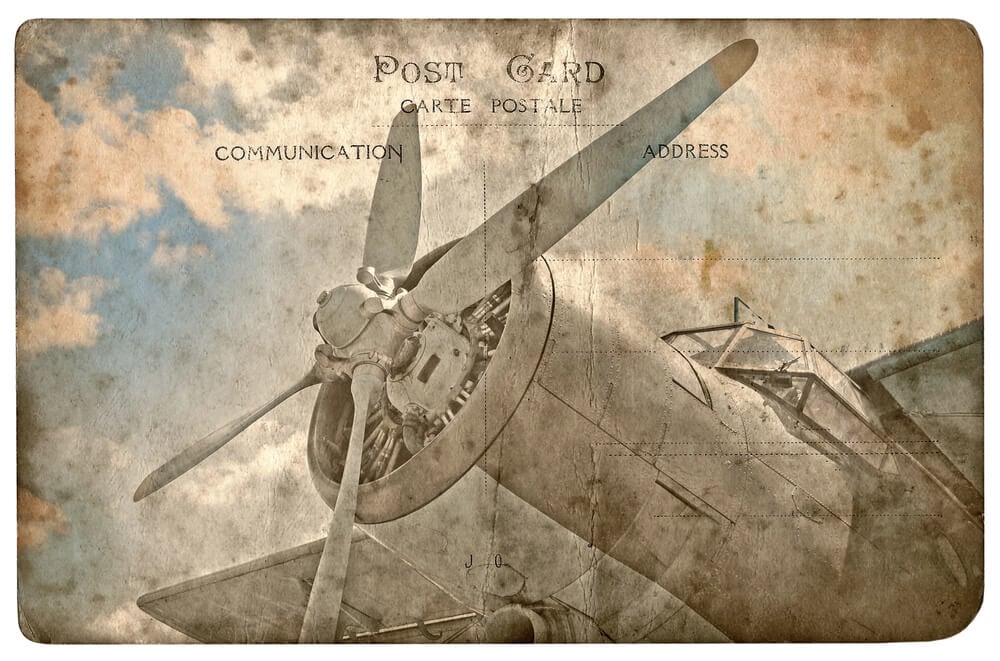
In the first decade of powered flight, the airplane was a postcard sensation, as crowds gathered at air meets to watch flimsy biplanes leave the ground. Cards showing the Wright brothers, Glenn Curtiss and other pioneers, especially real photo cards taken at events like the 1910 meets, are favorites with aviation collectors.
Common printed views sell for 15 to 50 dollars, while clear real photo cards of identifiable aircraft and pilots can bring 100 to 400 dollars. A card mailed on the day of a meet adds historical interest.
Blurred images and damaged corners lower the price.
Postcards Flown on Zeppelins
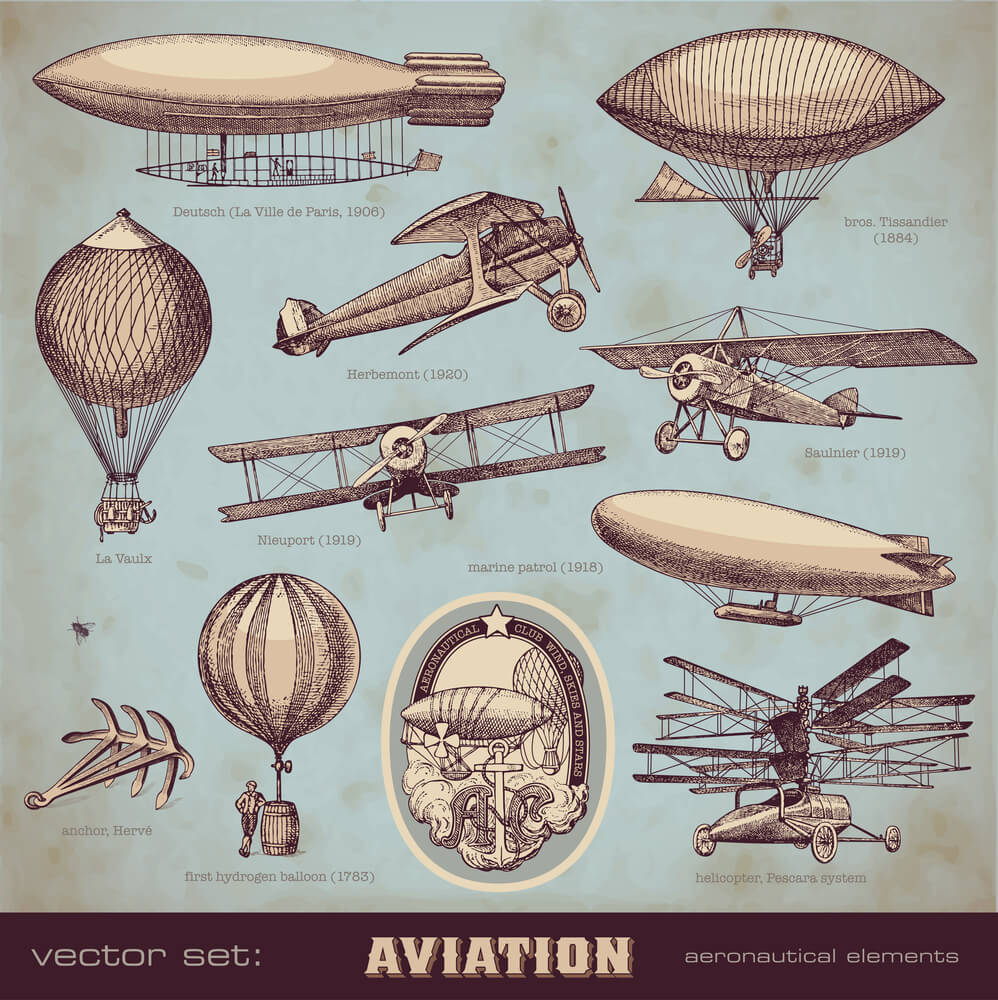
German airships carried mail on long-distance flights in the 1920s and 1930s, and postcards flown aboard the Graf Zeppelin, with special cachets and cancellations, became collectibles almost immediately. Mail from the 1929 round-the-world flight is particularly popular.
Common Zeppelin-flown cards often sell for 50 to 200 dollars, depending on the route and markings. A few hundred pieces of mail survived the 1937 Hindenburg fire, many visibly charred, and those crash survivors bring far more.
Collectors verify cachets and postmarks carefully, since forged markings are a known problem.
Linen Cards of Roadside America
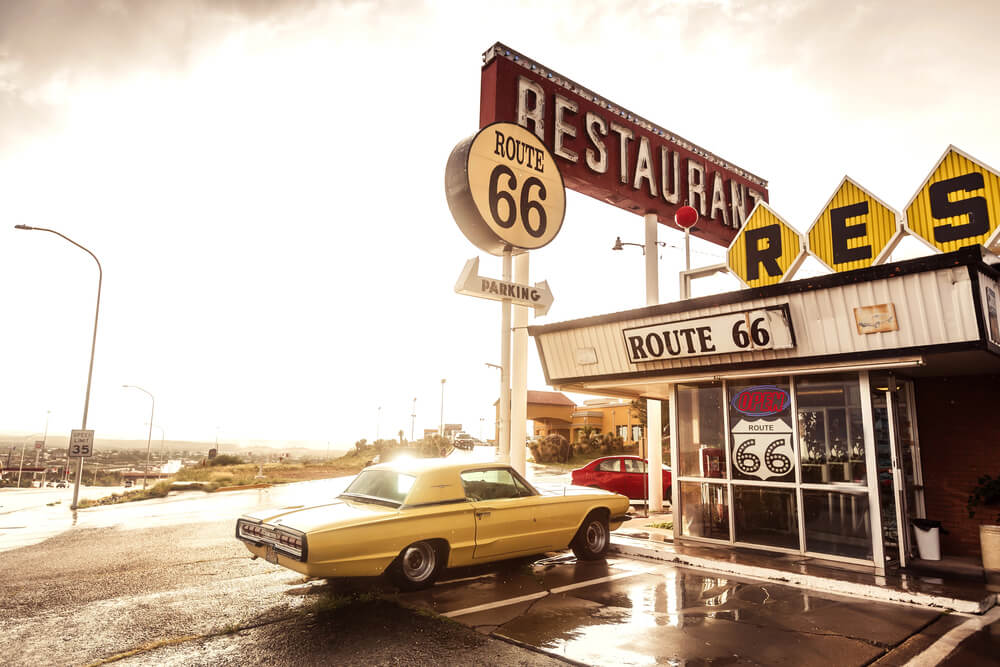
Linen postcards, printed on a textured paper stock from the 1930s through the early 1950s, captured roadside diners, motor courts, gas stations and attractions in saturated, almost cartoonish color. The Chicago printer Curt Teich and Company produced many of them.
Most linens are inexpensive, but cards of Route 66 businesses, neon-lit motels and quirky roadside attractions often bring 15 to 75 dollars, with rare advertising linens going higher. Collectors of the old highway compete for specific towns.
Bright color and an unused back are preferred, while creases and tack marks from bulletin boards lower value.
Installment Sets That Form One Picture

Some publishers sold postcards in installments, with several cards that formed a single larger image when placed side by side, such as a long view of a city skyline or a Santa spread across a sleigh. Senders mailed them one at a time, so recipients had to wait for the next piece.
Complete sets are scarce because cards were often separated over the years. A full matched set can bring 100 to 400 dollars, while single cards from a set sell for much less.
Matching condition across the set matters, since one damaged card weakens the entire group.
Krampus Christmas Cards

In Austria and southern Germany, Christmas cards in the early twentieth century often featured Krampus, a horned, chain-rattling figure who punished misbehaving children while Saint Nicholas rewarded the good. The cards ranged from playful to genuinely menacing.
Interest in Krampus has surged in recent years, and period cards often bring 20 to 100 dollars, with dramatic artist-signed designs reaching higher. Their popularity outside Central Europe has grown alongside modern Krampus events.
Condition considerations are the usual ones, with strong color and an unworn surface earning the best prices.
Roosevelt Bears Series

The Roosevelt Bears, created by author Seymour Eaton in 1906, were a pair of adventurous bears named Teddy-B and Teddy-G whose travels filled books and a popular postcard series. The bears visited cities, schools and landmarks, riding the wave of enthusiasm for President Theodore Roosevelt and the brand-new teddy bear craze.
Individual cards often sell for 20 to 60 dollars, with complete sets and scarce numbers bringing more. Collectors of both postcards and early teddy bear history compete for them.
Clean, bright cards are preferred, since the soft pastel printing fades easily.
Cards Postmarked in Vanished Post Offices
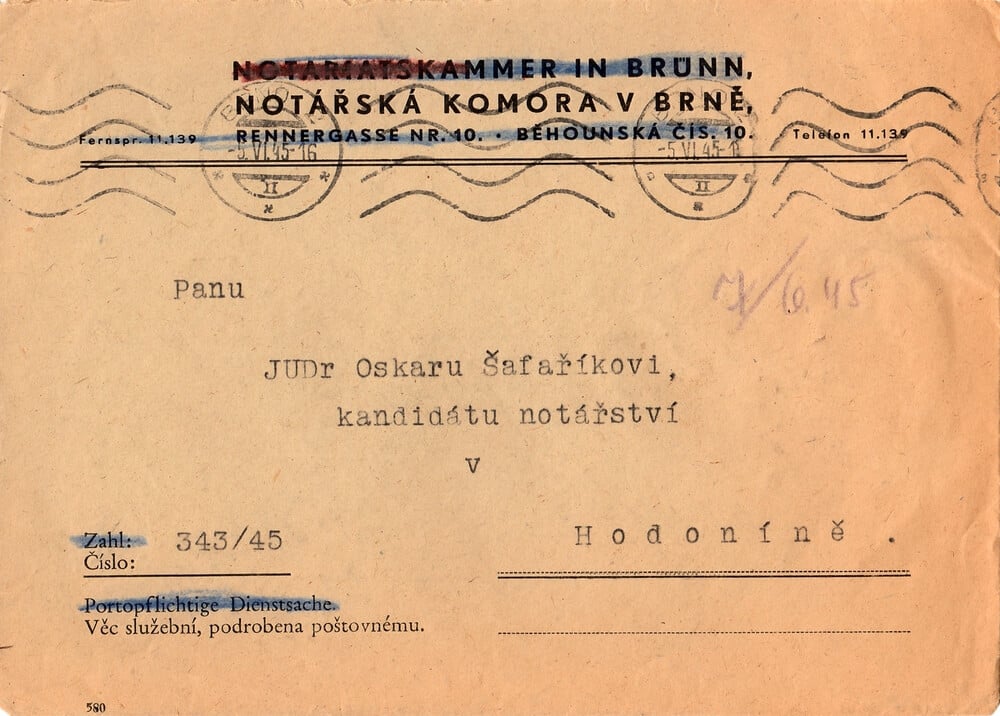
Some collectors care less about the picture than the postmark. Cards canceled at tiny rural post offices that later closed, known as dead post offices, can be surprisingly valuable, since a short-lived office may have sent only a handful of surviving pieces.
A common view with a scarce postmark can sell for 25 to 150 dollars, and genuinely rare towns go much higher. Collectors check that the postmark is clear and complete, since a smudged town name defeats the purpose.
Such cards turn up in bulk lots at estate sales, often priced like ordinary postcards.
Exaggeration Cards With Giant Crops

Exaggeration postcards used early photographic trickery to show farmers hauling ears of corn as big as logs, rabbits the size of horses and fish too large for a wagon. William H. Martin of Ottawa, Kansas, produced some of the best known around 1908 to 1910, and his cards sold by the hundreds of thousands.
Collectors love their deadpan humor and clever montage. Common examples sell for 10 to 40 dollars, while scarce Martin designs and real photo versions bring 75 to 250 dollars.
Sharp images and clean margins matter most for value.
Early Advertising Postcards

Businesses mailed postcards to advertise everything from farm machinery and stoves to automobiles and patent medicines. These cards often show products, factories and slogans in bold color, and they appeal to both postcard collectors and fans of particular brands.
Common advertising cards sell for 10 to 50 dollars, while cards for sought-after brands, early automobiles or rare products can bring several hundred. Interest crosses over into automobilia and country store collecting, which widens the pool of buyers.
Fading and heavy wear lower value, while bright, unmailed cards bring the strongest prices.
Hand-Colored Japanese Cards
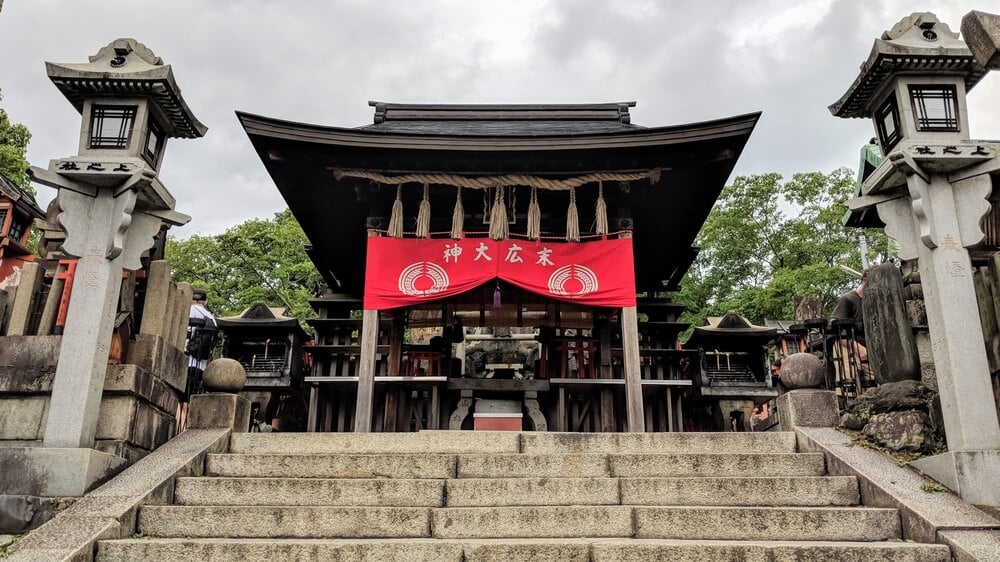
Japan produced exquisite hand-tinted photographic postcards in the early twentieth century, showing temples, gardens, street scenes and people in traditional dress. Artisans applied color by hand, giving each card a soft, painterly finish.
Typical hand-colored Japanese cards sell for 10 to 50 dollars, while rare views, early multi-color woodblock style cards and complete sets bring considerably more. Cards with Japanese postage stamps and clear postmarks add interest for postal historians.
The delicate coloring fades easily, so cards kept out of the light are worth noticeably more.
Raphael Kirchner Glamour Cards

Raphael Kirchner, an Austrian illustrator who worked in Paris, created elegant Art Nouveau postcards of fashionable women around 1900 to 1915. His designs were widely popular and helped define the look of glamour cards of the era.
Common Kirchner cards often sell for 30 to 100 dollars, while early rare series and pristine examples bring several hundred. Many Kirchner cards were published in sets, and complete runs are especially valued.
Reproductions exist, so collectors pay attention to period printing and publisher details. Clean, unmailed cards with bright color bring the strongest prices.
Political Campaign Cards

Presidential campaigns of the early 1900s used postcards to promote candidates, from patriotic portraits to cartoons mocking opponents. The 1908 race between William Howard Taft and William Jennings Bryan produced many memorable designs, including novelty and mechanical cards.
Typical campaign cards sell for 15 to 60 dollars, while scarce designs, especially for third-party candidates, can bring several hundred. Political collectors and postcard collectors overlap here, which supports prices.
Bright color and minimal wear raise value, and a card mailed during the campaign itself adds historical appeal.
Picture Sides and Message Sides
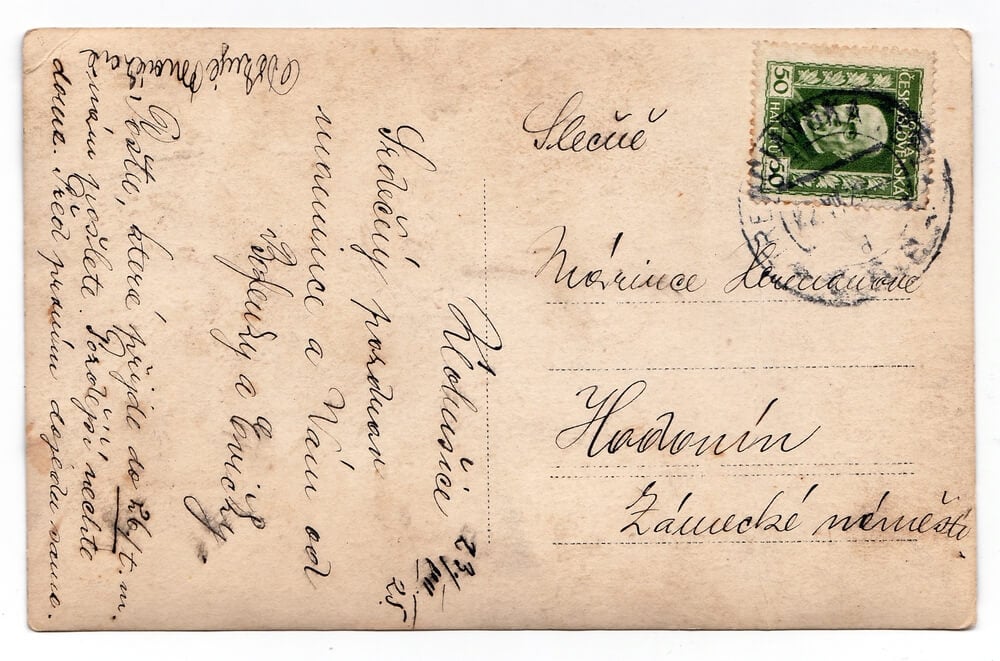
Postcards were designed to be disposable, and that is precisely why the survivors matter. Each one froze a street corner, a holiday mood or a passing obsession at the moment someone thought it worth a penny stamp.
Collectors are paying for that accident of survival as much as for the image. The value almost always comes down to two things, scarcity and condition.
A rare card with creases and stains will always lose to the same card kept flat in a dry album. The shoebox in the attic deserves a careful look before it goes anywhere near the curb.
More from Go2Tutors!

- The Romanov Crown Jewels and Their Tragic Fate
- 13 Historical Mysteries That Science Still Can’t Solve
- Famous Hoaxes That Fooled the World for Years
- 15 Child Stars with Tragic Adult Lives
- 16 Famous Jewelry Pieces in History
Like Go2Tutors’s content? Follow us on MSN.