26 Secret Societies That Operated in Plain Sight for Decades Without Detection
The most effective secret societies have rarely been the most hidden. They’ve been the most brazen — the ones that put their buildings on busy streets, recruited members from visible institutions, and relied on the assumption that no one would look too carefully at a fraternal lodge, a luncheon club, or an annual conference held at a nice hotel. Secrecy works differently when you’re hiding in the light.
What follows is a survey of real groups that managed, for varying periods and with varying success, to operate significant agendas beneath the cover of perfectly visible exterior structures.
The Freemasons
— Photo by Ale_Mi
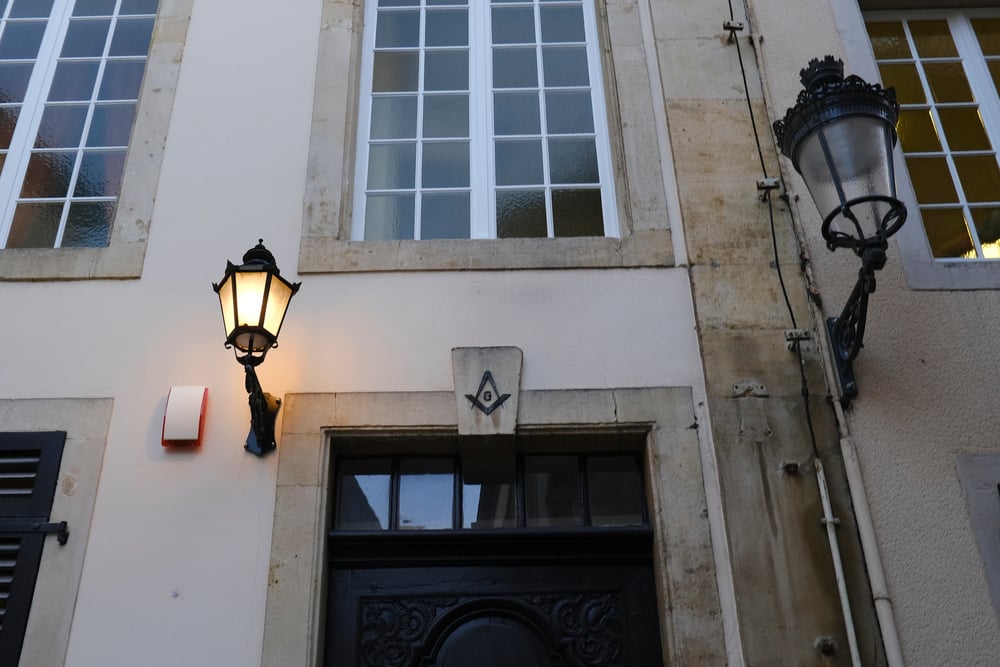
Freemasonry is perhaps the most visible secret society in history — one whose lodges appear on ordinary streets in towns across Europe, North America, and beyond, with signboards bearing the square and compass symbol and often a directory listing meeting times. The secrets of Freemasonry are primarily its internal rituals, degrees, and moral philosophy, not its existence.
The society traces its public emergence to 1717 with the founding of the Grand Lodge of England in London. Members have included George Washington, Benjamin Franklin, Mozart, and a significant portion of the signatories of the US Constitution.
The organisation has been accused for centuries of running a hidden network of preferential treatment for its members — and the accusation is not entirely unfounded, which may be why the secrecy never quite went away.
Skull and Bones — Yale University, USA
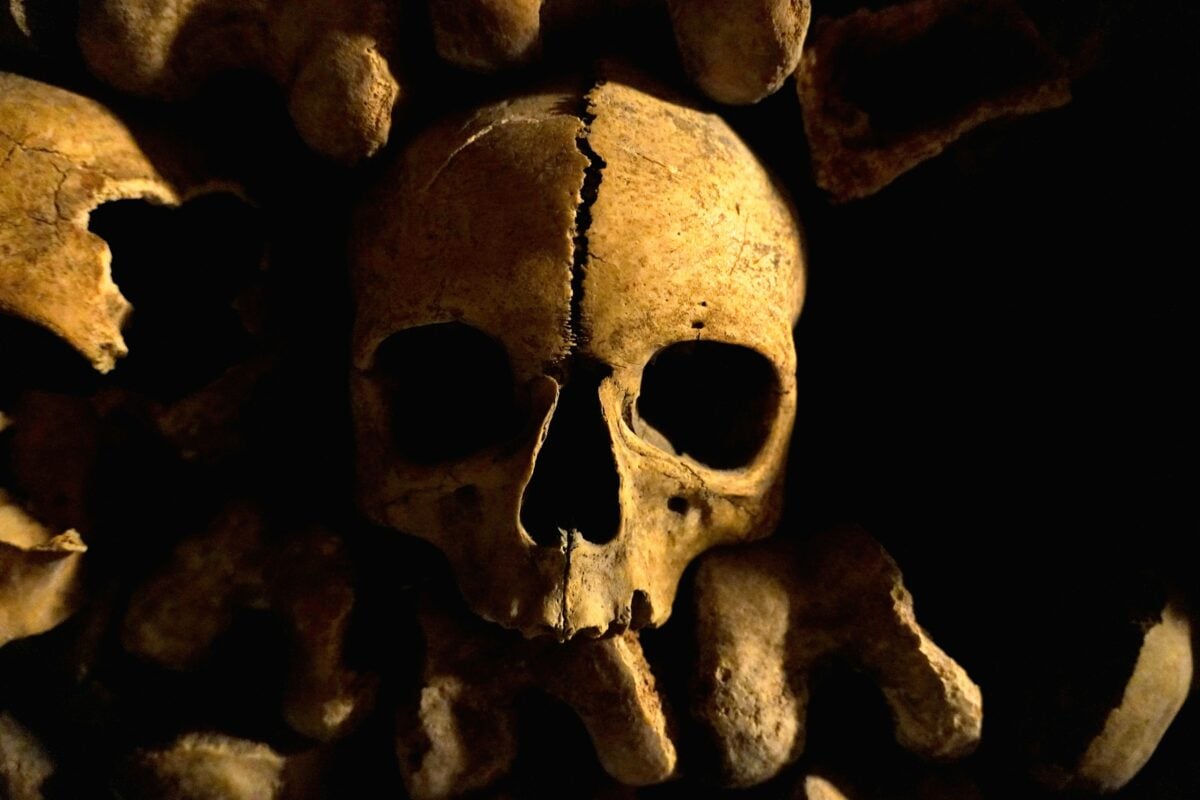
Founded at Yale in 1832, Skull and Bones meets in a windowless grey stone building on campus known as “The Tomb,” which sits in full public view on a main street near Yale’s central campus. The building is unmarked except for a small skull and crossbones relief.
The society selects fifteen new members annually from the junior class, and its alumni include George H.W. Bush, George W. Bush, John Kerry, and several CIA directors. Both major candidates in the 2004 US presidential election were Bonesmen, a fact that received attention at the time but did not appear to concern the electorate significantly.
The most meaningful secrets of the society appear to be its initiation rituals and the content of members’ conversations inside The Tomb.
The Bilderberg Group
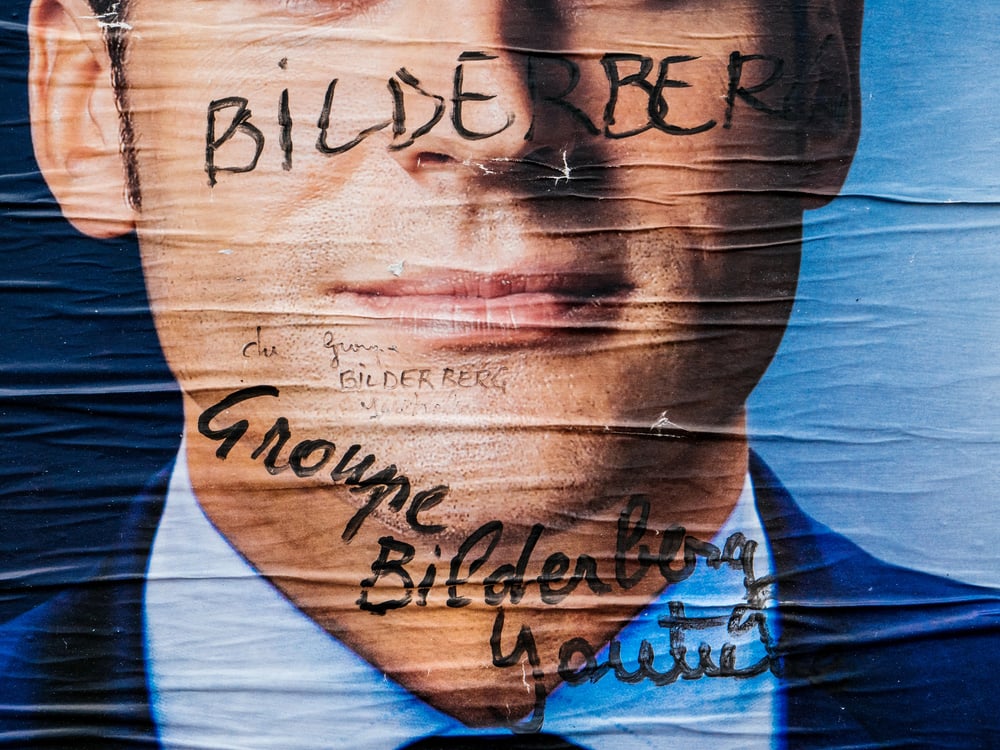
Since 1954, the Bilderberg Group has held an annual invitation-only conference of roughly 120 to 150 people drawn from government, finance, military, academia, and media, meeting in a different location each year. The existence of the conference is publicly known and has been since its founding.
A partial list of attendees is released before each meeting. What is not disclosed is the content of the discussions, which take place under Chatham House rules — no attribution allowed.
The group was founded by Prince Bernhard of the Netherlands partly to foster warmer Atlantic relations after the Second World War. Critics argue that the combination of extreme power concentration and enforced information blackout makes the Bilderberg Group something more concerning than a talking shop.
The Bohemian Club — San Francisco, USA

Founded in 1872 as a social club for San Francisco’s artistic and intellectual community, the Bohemian Club gradually transformed into a retreat for business, political, and media elites. Its annual two-week gathering at Bohemian Grove — a 1,100-hectare redwood forest north of San Francisco — has included US presidents, business leaders, and senior military figures for decades.
The event opens with a theatrical ceremony called the Cremation of Care, in which attendees burn an effigy before a large owl statue. The club’s existence and general character are publicly documented. Its membership list and what is actually discussed during the encampment are not.
The Propaganda Due Lodge (P2), Italy
P2 was a pseudo-Masonic lodge that operated as a legitimate, if irregular, Masonic organisation until its charter was withdrawn in 1976, after which it continued operating as a clandestine structure. Under its director Licio Gelli, the lodge enrolled judges, generals, the heads of all three Italian intelligence services, members of Parliament, prominent journalists, and — according to the membership list discovered by police in 1981 — Silvio Berlusconi, who later became Prime Minister.
A document found at Gelli’s villa outlined a plan for a coup, media consolidation, and constitutional revision. P2 was later linked to the 1980 Bologna train station bombing and the death of banker Roberto Calvi, found hanging under Blackfriars Bridge in London. It functioned as a parallel government structure for approximately fifteen years before anyone found the list.
The Knights Templar
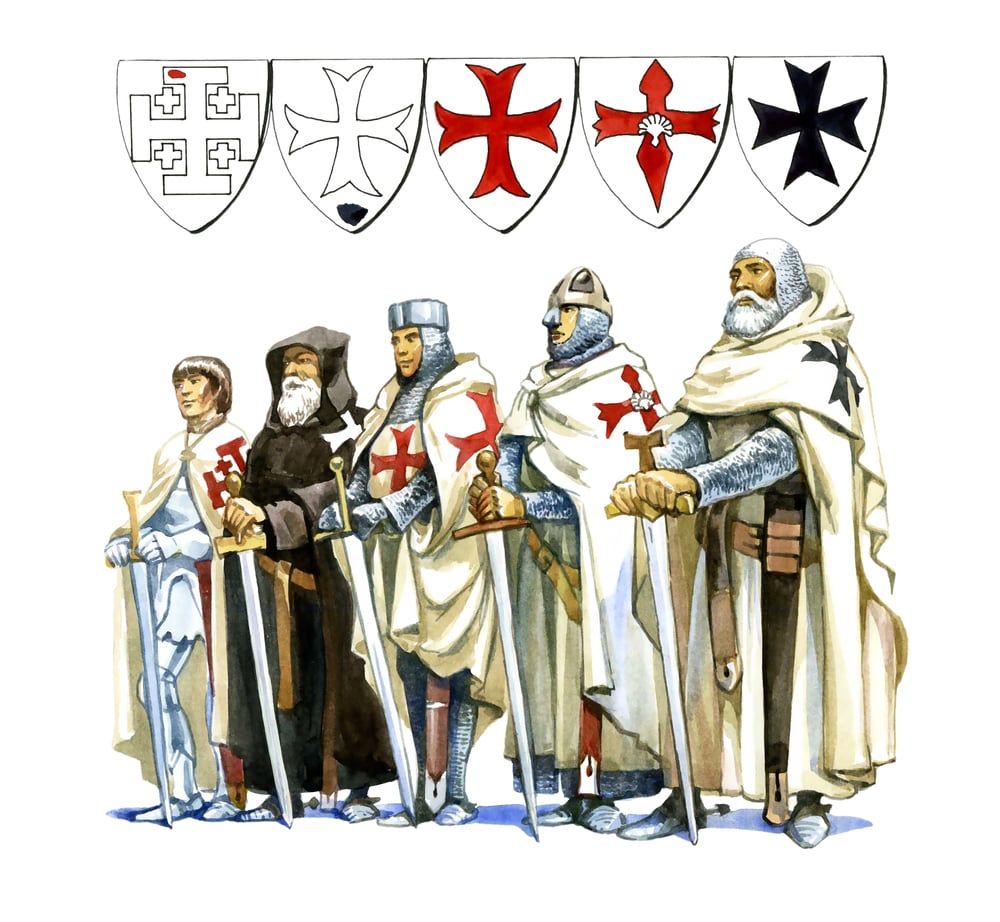
The Knights Templar were founded around 1119 CE as a religious military order protecting Christian pilgrims travelling to Jerusalem. They operated openly throughout Europe for nearly two centuries, receiving papal endorsement, accumulating enormous wealth and property, and developing what historians consider one of the earliest forms of international banking — allowing pilgrims to deposit funds in Europe and withdraw them in the Holy Land.
Their existence was entirely public; their rituals and internal structure were not. When King Philip IV of France moved to destroy them in 1307 — partly to cancel enormous royal debts owed to the order — the charges included secret heretical initiation rites that the Templars had conducted behind closed doors for generations.
The Carbonari, Italy
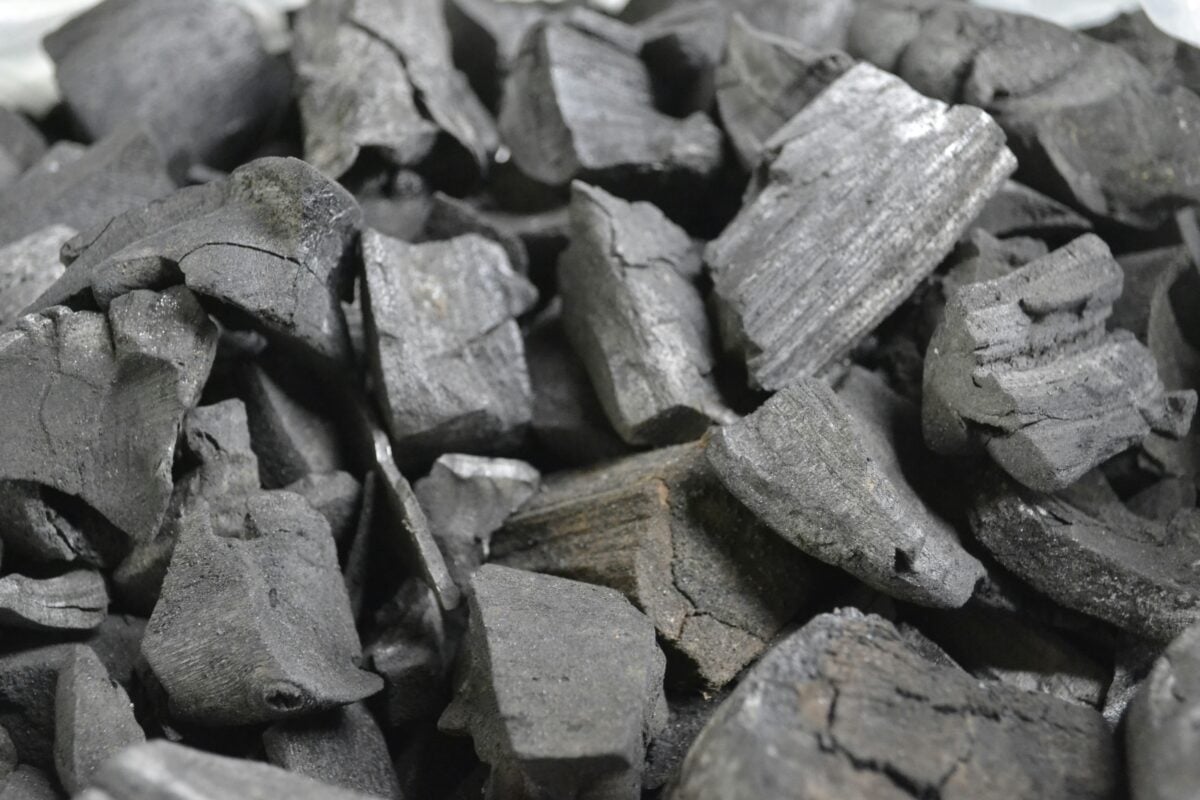
The Carbonari — “charcoal burners,” a name taken from an existing guild to provide cover — were a network of revolutionary cells operating across Italy and France from roughly 1800 to 1831, dedicated to overthrowing monarchical regimes and achieving Italian unification. Their cell structure was deliberately modelled to prevent full infiltration: each member knew only their own cell’s composition.
Members included Louis-Napoleon Bonaparte, Giuseppe Garibaldi, and Giuseppe Mazzini — men who later shaped the political map of Europe. They held meetings in lodges under the pretence of ordinary fraternal activities, a cover that worked well enough to evade suppression for decades before their goals were eventually achieved through other means.
Opus Dei
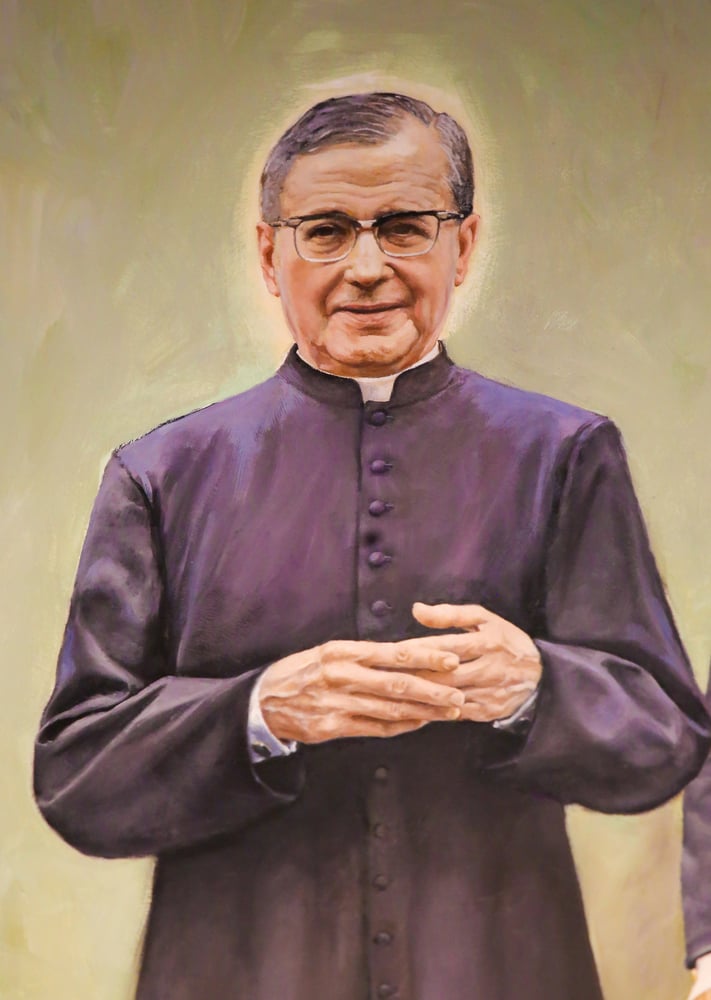
Founded in Spain in 1928 by Josemaría Escrivá, Opus Dei is a Catholic organisation whose existence is entirely public and whose membership is openly acknowledged by its members. What has attracted sustained suspicion is its internal culture: members are divided between “numeraries” who live in Opus Dei centres under strict rules and “supernumeraries” who live ordinary lives, and the organisation’s internal discipline — including practices of corporal mortification, restrictions on media consumption, and intensive personal oversight by spiritual directors — is not publicly disclosed.
The Catholic Church’s 2002 decision to canonise Escrivá was controversial; critics argued the process was accelerated by Opus Dei’s institutional influence within the Vatican.
The Bavarian Illuminati
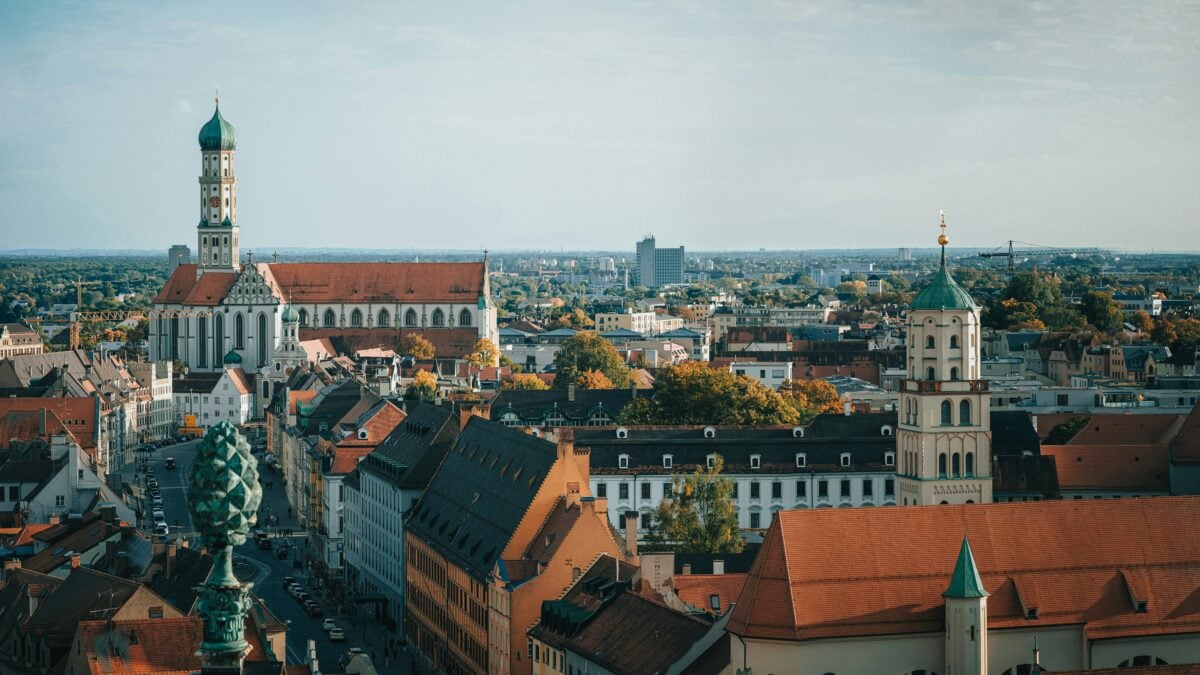
Founded in 1776 by Adam Weishaupt, a professor of canon law at the University of Ingolstadt, the Bavarian Illuminati was a genuine organisation with a genuine membership list — at its peak, roughly 2,000 members across Bavaria and beyond, including the Dukes of Weimar and Gotha. Its stated purpose was the promotion of Enlightenment reasons against religious and aristocratic power.
It infiltrated Masonic lodges as a vehicle for spreading its influence. The Bavarian Elector had it suppressed by 1785.
The organisation’s documented existence lasted roughly nine years; the conspiracy theories attributing to it a controlling hand in the French Revolution, the American Revolution, and virtually every subsequent world event have lasted rather longer.
The Council on Foreign Relations, USA

The Council on Foreign Relations was founded in 1921 and has operated publicly ever since, publishing a journal, hosting events, and releasing membership lists. It has counted virtually every US Secretary of State among its members, along with most senior military figures, major media executives, and prominent academics who shape American foreign policy.
Critics argue that the CFR functions as an establishment filter for acceptable foreign policy thinking, effectively narrowing the range of views that can be held by anyone seeking senior government appointment. The CFR disputes this characterisation. Both positions can be simultaneously true.
The Trilateral Commission

Founded in 1973 by David Rockefeller and Zbigniew Brzezinski, the Trilateral Commission was designed to foster cooperation between North America, Europe, and Japan. It publishes reports, holds meetings, and makes its membership available on request. Jimmy Carter was a member before becoming president; several of his key cabinet appointments came from Commission membership, which critics read as evidence of the group’s coordinating function.
The Commission’s response to criticism is that coordination between democratic allies on shared challenges is precisely what it is designed to do, and that there is nothing secret about this.
The Thule Society, Germany
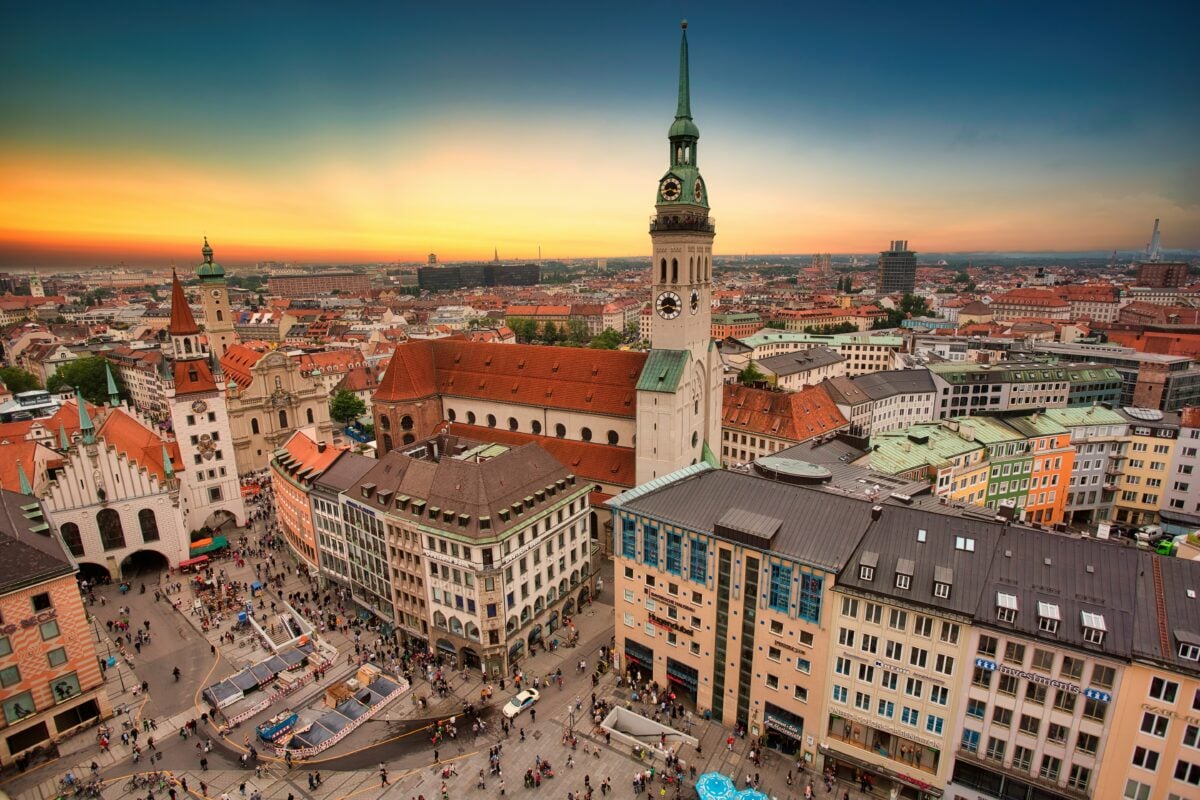
The Thule Society was a German occultist and nationalist group founded in Munich in 1918, whose membership included Rudolf Hess, Karl Harrer, and Dietrich Eckart — men who would later play significant roles in the early Nazi movement. The society met in a hotel in Munich, published a newspaper, and was only semi-secretive — its membership was not widely known, but its nationalist politics were explicit.
Harrer founded the German Workers’ Party in 1919, which was the direct precursor to the Nazi Party. The Thule Society’s connection to what followed makes it one of the more consequential fringe groups of the 20th century.
The Hermetic Order of the Golden Dawn, Britain
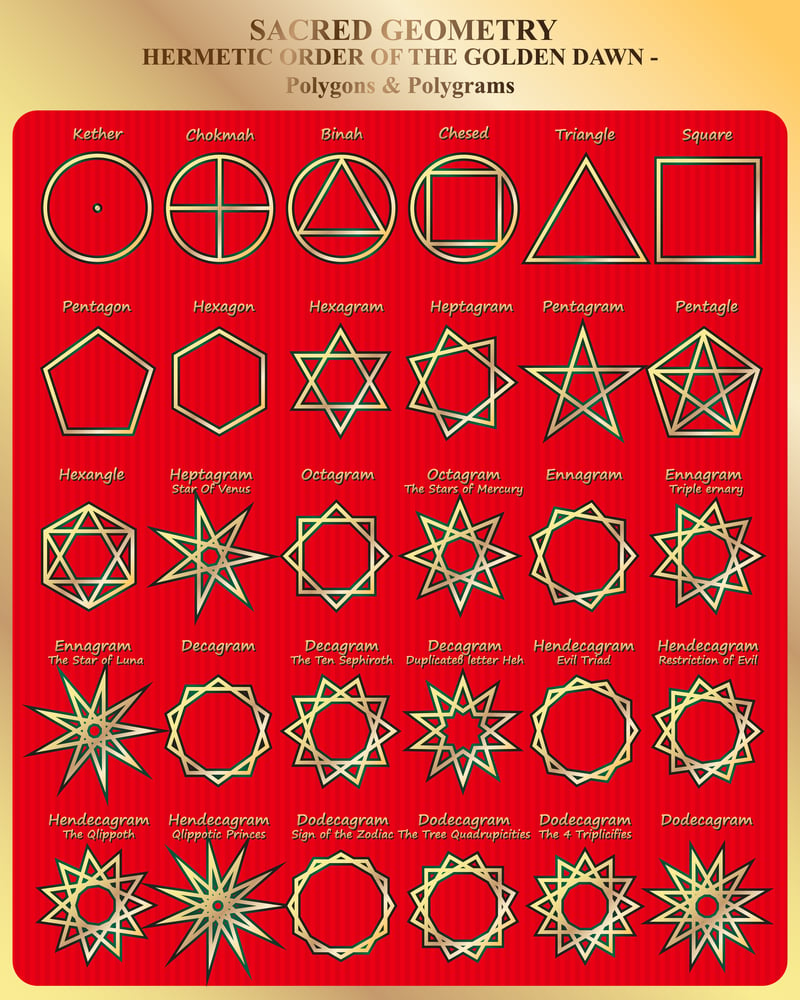
Founded in London in 1887 by William Wynn Westcott and Samuel Liddell MacGregor Mathers, the Golden Dawn was a secret society focused on Western occult philosophy, ceremonial magic, and esoteric study. Its membership included the poet W.B. Yeats, the writer Arthur Machen, and Aleister Crowley, among others. It operated through several temples in British cities and was known enough within certain literary and artistic circles to attract talented people, while remaining opaque enough externally to preserve its ritual function.
Internal disputes — primarily between Mathers and Crowley — broke the original organisation apart by the early 1900s, though successor groups continue to operate today.
The Order of the Dragon, Hungary
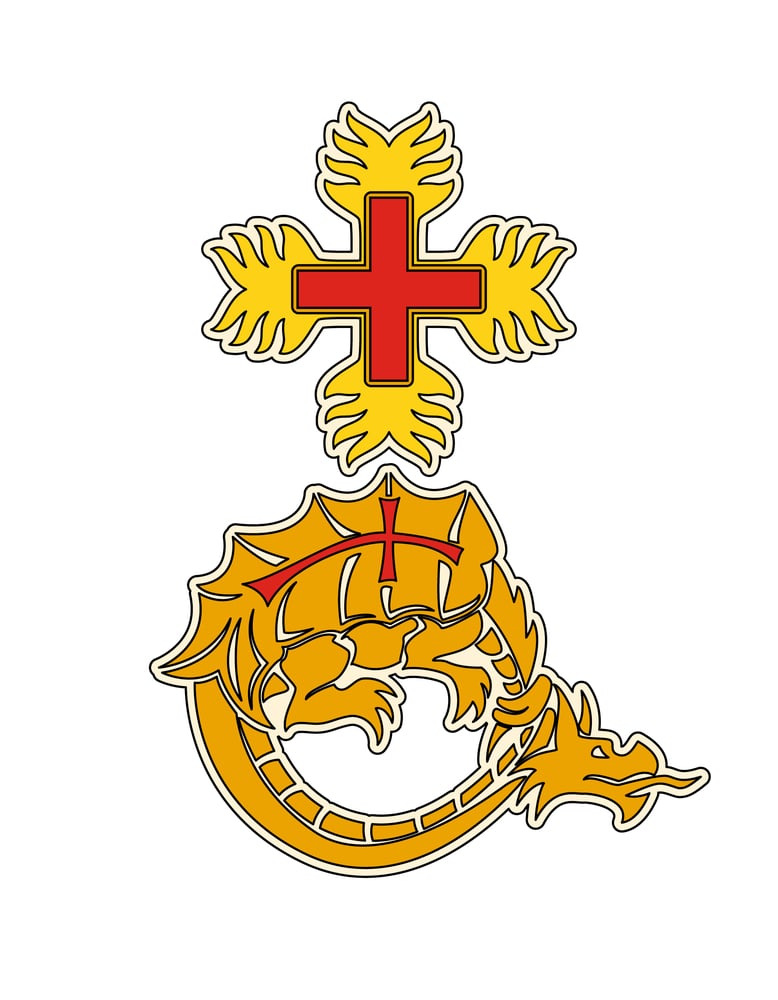
The Order of the Dragon was a chivalric society founded in 1408 by Sigismund of Luxembourg, then King of Hungary, to defend Christian Europe against the Ottoman advance. Its members wore a dragon emblem and swore to defend the Catholic faith. Membership was public knowledge among the European nobility.
One of its more notable members was Vlad II of Wallachia, whose membership surname “Dracul” — Dragon — was inherited by his son Vlad III, whose methods of dealing with enemies gave the Dracula legend its name. The order was a legitimate noble institution; the supernatural accretion came later.
The Rosicrucians
The Rosicrucian movement announced itself in the early 17th century through a series of anonymous pamphlets claiming the existence of a secret brotherhood of alchemists and physicians dedicated to transforming European society. No founding member was ever identified; the actual existence of the original brotherhood as an organised group rather than a literary creation has been disputed ever since.
Later Rosicrucian organisations — the Ancient Mystical Order Rosae Crucis (AMORC) being the most prominent — operate publicly with membership recruitment, published materials, and designated study centres. The secret, in modern Rosicrucianism, is the content of the teachings, not the fact of the organisation.
The Black Hand, Serbia
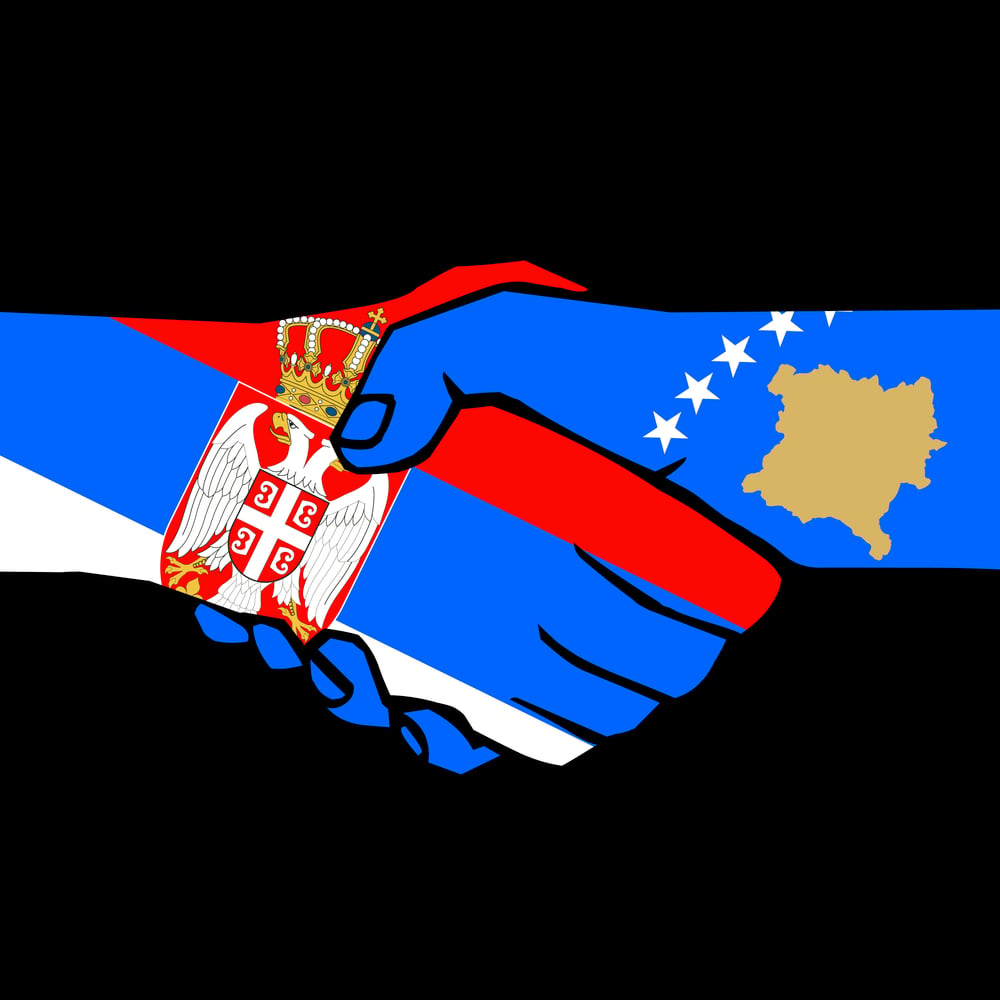
The Black Hand — officially the Union or Death — was a Serbian secret society founded in 1911 by military officers who believed the Serbian state was not pursuing pan-Slavic unification aggressively enough. Its membership included senior officers of the Serbian army, intelligence operatives, and government officials.
The society operated covertly within state institutions, using the cover of official roles to pursue a parallel agenda. It trained and equipped the group of young Bosnian Serb nationalists responsible for the assassination of Archduke Franz Ferdinand in Sarajevo in June 1914, an event that initiated the chain of mobilisations leading to the First World War.
The Hashashin (Order of Assassins), Persia and Syria

The Hashashin — from which the English word “assassin” derives — were an Ismaili Muslim sect founded by Hassan-i Sabbah in Persia around 1090 CE. They operated from mountain fortresses and used targeted killings of political opponents as a political tool, making the order famous and feared across the medieval Islamic world and into Europe.
Their existence was entirely known; the identities of their agents and the locations of their targets were not. The Mongols destroyed their main fortress at Alamut in 1256, effectively ending the original order.
The legend of the Hashashin as master assassins who acted in total secrecy — while belonging to a known and identified organisation — is precisely the paradox that made them effective.
The Priory of Sion — France
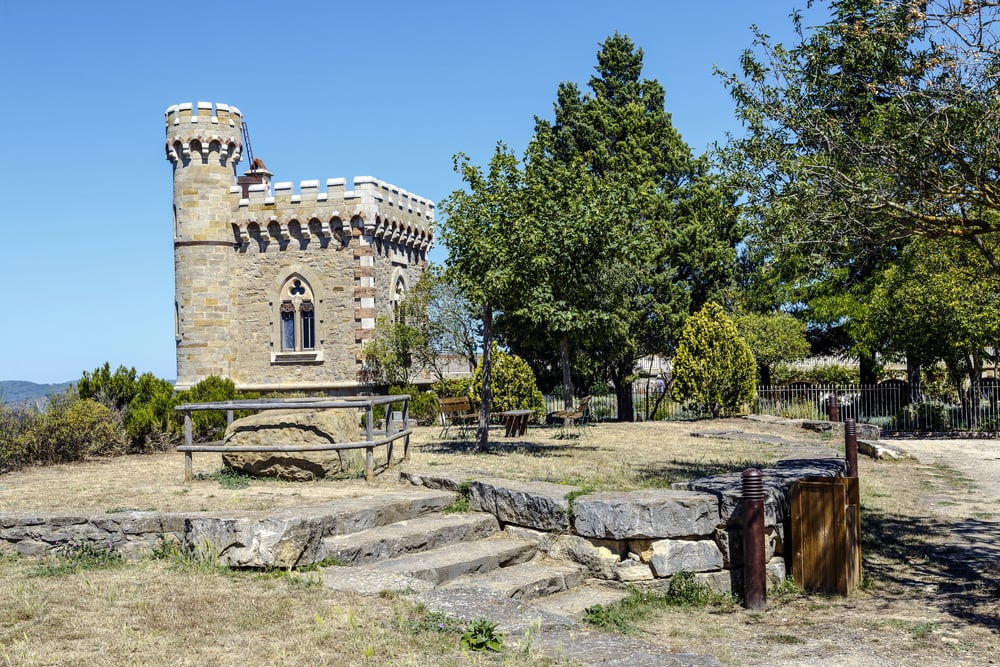
The Priory of Sion is, by most historical assessment, a hoax. A Frenchman named Pierre Plantard invented it in 1956 and spent years fabricating documentation claiming a continuous existence since 1099, guardianship of the Holy Grail, and a lineage connecting the Merovingian dynasty to Jesus Christ.
He deposited forged documents in the French national library. A serious journalistic investigation in the early 1990s exposed the entire construction as Plantard’s invention; Plantard eventually admitted under oath that he had fabricated it all.
Dan Brown’s 2003 novel The Da Vinci Code revived the myth for a new generation, making the Priory of Sion the most famous secret society that never actually existed.
The Beati Paoli, Sicily
— Photo by fotokon
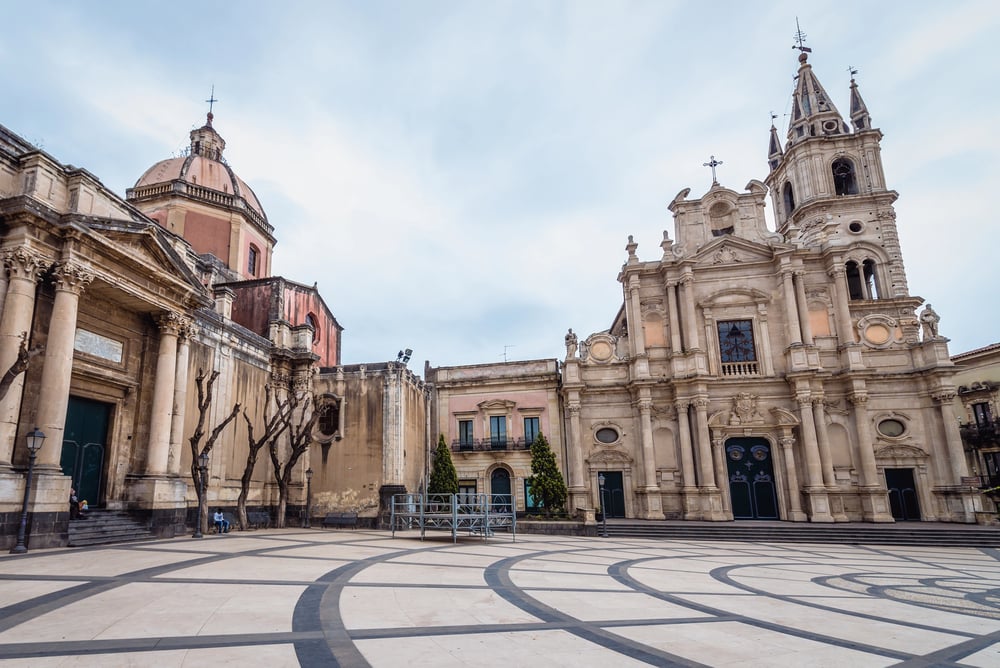
The Beati Paoli were a legendary secret society said to have operated in Sicily from the 12th century, dispensing underground justice to the poor against the abuses of the aristocracy. Their existence is significantly more legend than documented fact, though the legend is old enough and consistent enough that some historians believe it reflects a genuine though informal tradition.
The Beati Paoli story is significant partly because it forms part of the cultural backdrop from which the Sicilian Mafia later emerged — an organisation that similarly cloaked criminal activity in the language of popular justice and community protection.
The Grand Lodge of France and Continental Freemasonry
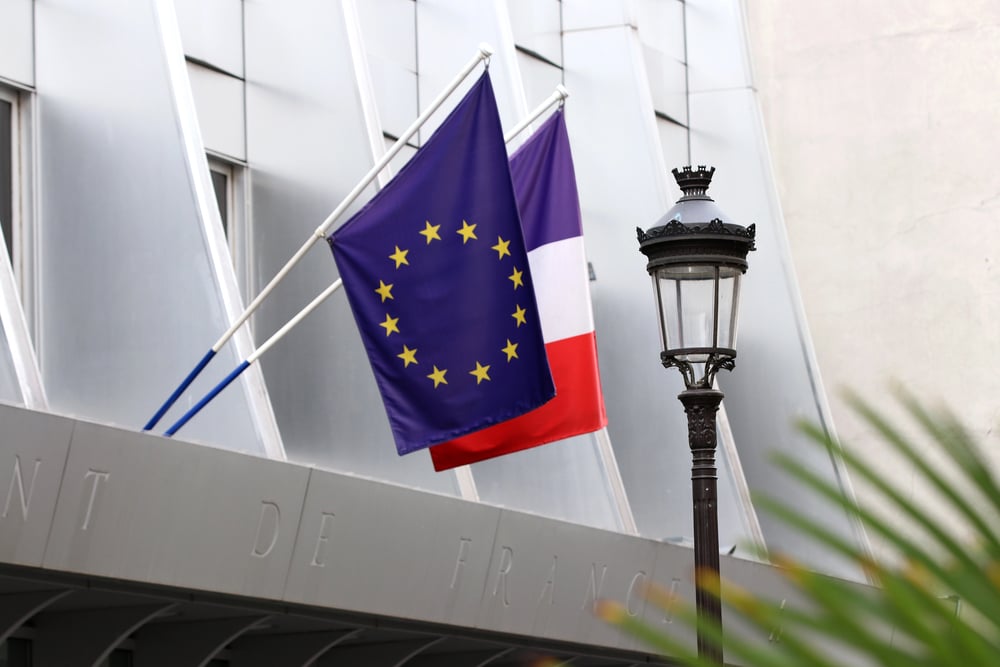
While British-style Freemasonry emphasises deism and fraternal ritual, Continental Freemasonry — particularly the Grand Orient of France — has historically been more explicitly political, with lodges playing active roles in the French Revolution, the Carbonari movement, and subsequent republican movements across Europe. The Grand Orient of France formally dropped the requirement of belief in a supreme being in 1877, creating a permanent rupture with British Masonry.
Continental lodges have been accused across two centuries of coordinating anticlerical and republican political activity through their membership networks, which they have generally denied with limited persuasiveness.
The Venetian Council of Ten
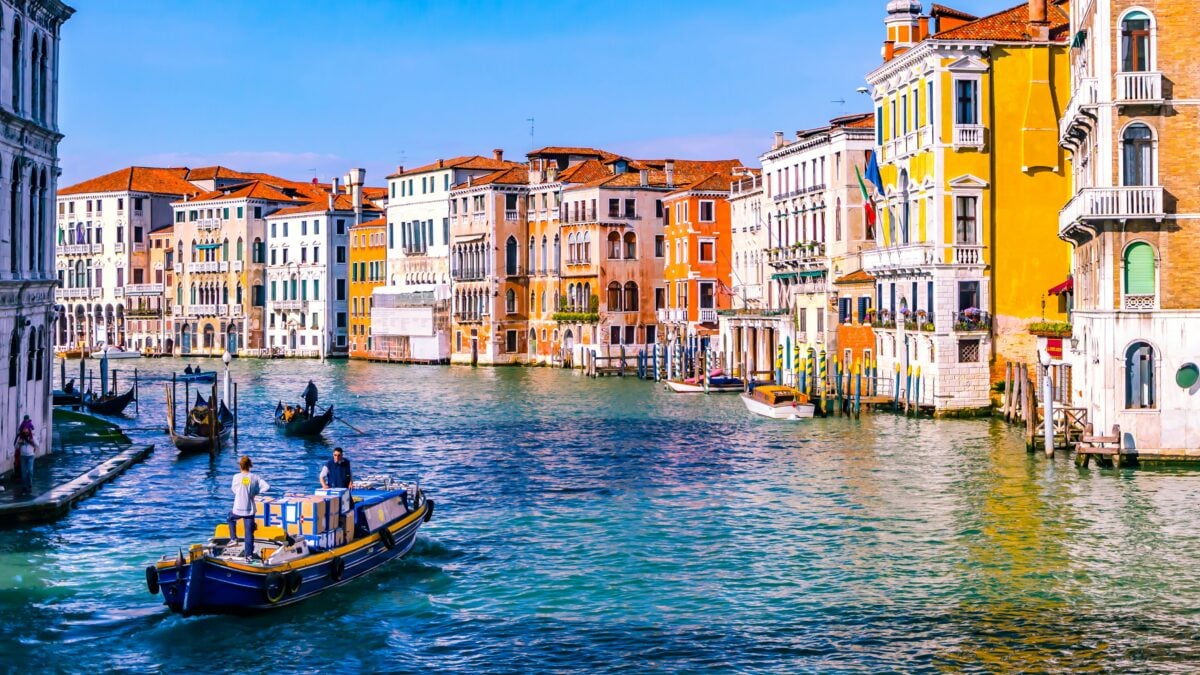
The Council of Ten was established in Venice in 1310 following an attempted coup and operated as the republic’s primary security and intelligence body for nearly five centuries. Its membership was limited to ten elected nobles, though the Doge and other senior figures participated. Its deliberations were conducted in total secrecy; its decisions were implemented without public announcement or explanation; and it maintained a network of informants and correspondents across Europe.
The Council’s existence was publicly known — it was a formal part of Venice’s constitutional structure — but its methods, decisions, and the contents of its deliberations were among the most carefully guarded secrets in European political history.
The CIA’s Use of Masonic Lodge Networks, Europe (Cold War)
Beyond the Italian P2 scandal, numerous Masonic lodges across Europe and Latin America in the mid-20th century were found to have been infiltrated or operationally used by intelligence services — most significantly the CIA, which identified Masonic networks as useful for anti-communist coordination in post-war Europe. The lodges provided a pre-existing structure of trusted relationships, physical meeting spaces, and normalised secrecy that could be activated for other purposes.
The full extent of this operational use was only partially disclosed through congressional investigations and Freedom of Information releases from the 1970s onward.
The Zapatistas’ Early Organisation, Mexico
Before their public emergence on January 1, 1994 — timed to coincide with the implementation of NAFTA — the Ejército Zapatista de Liberación Nacional (EZLN) had organised and trained in the jungles of Chiapas for ten years without detection by the Mexican government. The network recruited from indigenous communities, maintained internal discipline, and constructed a political and military structure entirely below the government’s awareness.
The fact that a guerrilla army of thousands had assembled and trained in a remote but not inaccessible corner of Mexico without intelligence agencies becoming aware remains one of the more remarkable operational security achievements of modern political history.
The Pre-Independence African National Congress Networks, South Africa
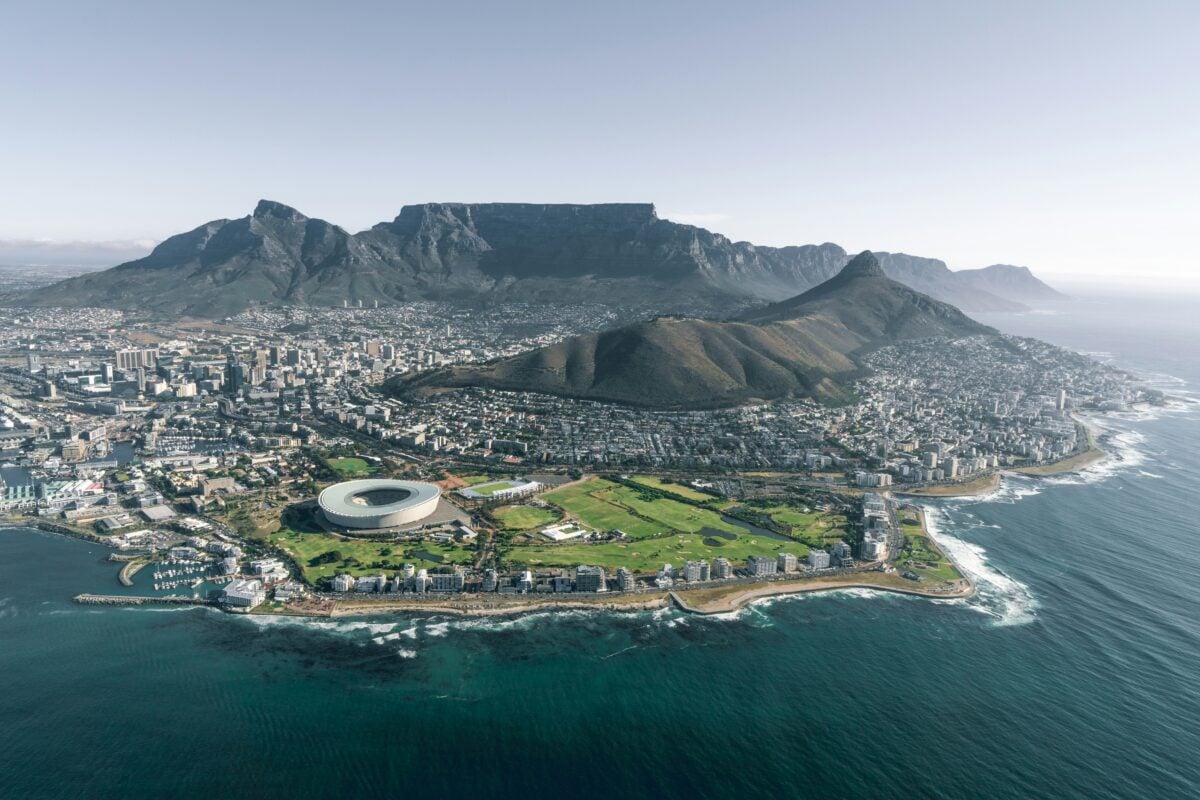
After the ANC was banned in South Africa in 1960, it continued to operate through both an external mission headquartered in Lusaka and internal underground networks that functioned within the country. The internal networks required extraordinary operational discipline — meeting in ordinary domestic spaces, using cover employment, managing communication through methods that left minimal documentary trail.
The apartheid security apparatus was sophisticated and brutal, and ANC operatives who were identified were imprisoned, tortured, or killed. That any internal network survived at all for three decades is a testament to the discipline required to operate invisibly within a surveillance state.
The Order of the Skull and Crossbones — Broader Elite Networks
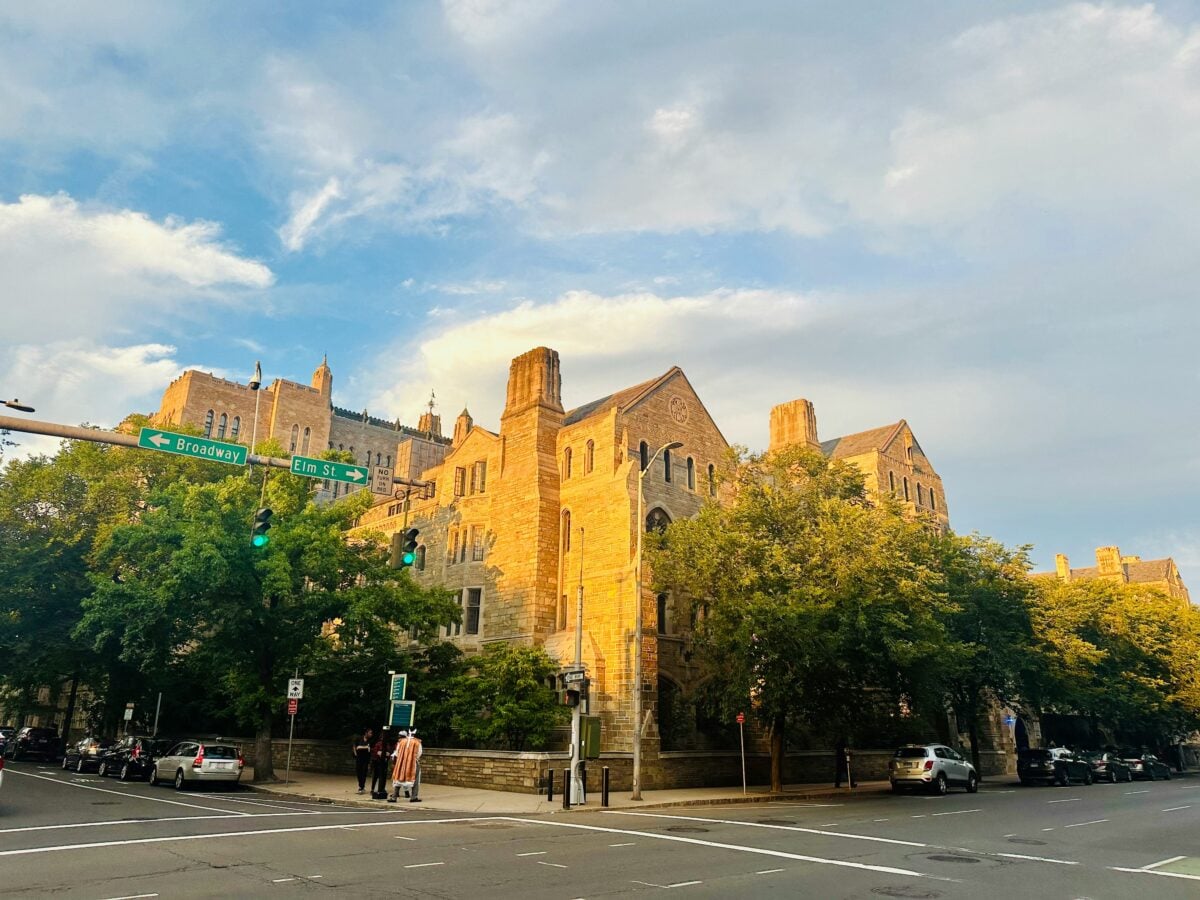
Beyond the Yale society itself, several analysts have documented a broader pattern of overlapping membership between Skull and Bones alumni and the leadership structures of the CIA, Wall Street investment banks, major law firms, and influential media organisations. The pattern doesn’t require a conspiracy to be significant — networks of people who went to the same school, joined the same secret society, and remain in contact throughout their careers will naturally exhibit coordination effects whether or not they formally coordinate.
What Skull and Bones represents, at minimum, is a reliable pipeline for a specific kind of privileged sociality into positions of institutional power.
The Hidden Architecture of Influence
What all of these groups share — the legitimate and the criminal, the mystical and the political — is that they understood something about power that most public institutions don’t acknowledge: significant things can happen in the gaps between what is visible and what is understood. A building on a public street with an unusual name on the door is not hidden. The decisions made inside it can be.
The modern equivalent of operating in plain sight is the private dinner, the off-the-record meeting, the conference under Chatham House rules. The mechanism has been updated.
The principle is unchanged. The organisations that shaped history were not usually the ones working in basements; they were the ones with the best guest lists, meeting in places everyone could find but no one was invited to.
More from Go2Tutors!

- The Romanov Crown Jewels and Their Tragic Fate
- 13 Historical Mysteries That Science Still Can’t Solve
- Famous Hoaxes That Fooled the World for Years
- 15 Child Stars with Tragic Adult Lives
- 16 Famous Jewelry Pieces in History
Like Go2Tutors’s content? Follow us on MSN.



