Strange Coincidences in World History
History repeats itself, or so the saying goes. But sometimes the patterns feel less like repetition and more like the universe playing tricks.
Two presidents die on the same day. A man survives multiple disasters by pure chance.
Ancient civilizations on opposite sides of the planet develop eerily similar structures without any known contact. These moments make you wonder if there’s something more at work than just random chance.
The Deaths of Jefferson and Adams

Thomas Jefferson and John Adams died on the same day—July 4, 1826. Not just the same day of the year, but exactly fifty years after the Declaration of Independence was signed.
The two men had been friends, then bitter rivals, then friends again through decades of letters. Adams’s last words were reportedly “Thomas Jefferson survives,” not knowing that Jefferson had died just hours earlier.
The timing still baffles historians who study that era.
Lincoln and Kennedy
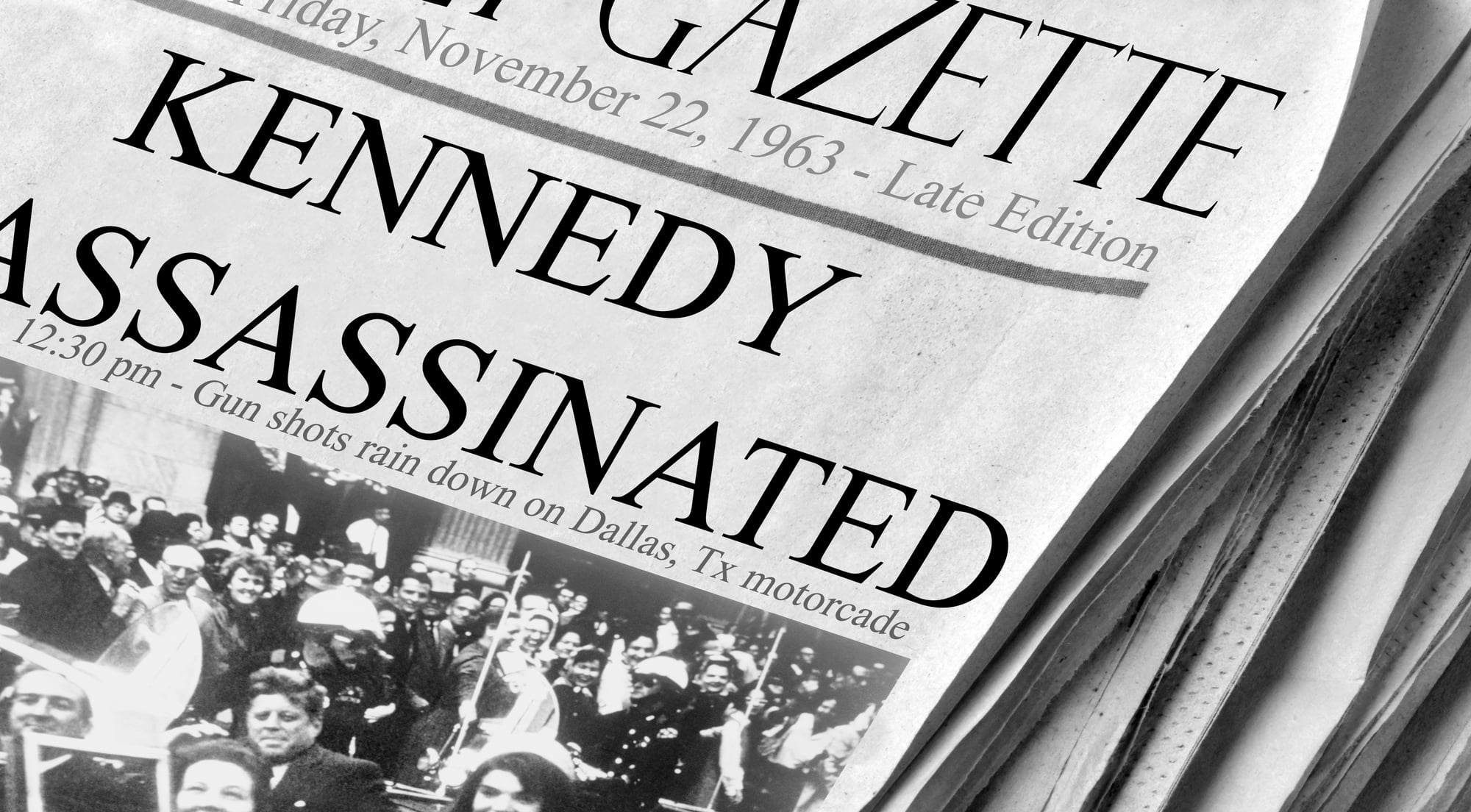
The parallels between Abraham Lincoln and John F. Kennedy run deeper than most coincidences should. Lincoln was elected to Congress in 1846.
Kennedy was elected exactly one hundred years later in 1946. Lincoln became president in 1860.
Kennedy in 1960. Both men were shot in the head on a Friday, with their wives present.
Both were succeeded by vice presidents named Johnson—Andrew Johnson born in 1808, Lyndon Johnson born in 1908. Their assassins also share strange similarities.
John Wilkes Booth was born in 1839. Lee Harvey Oswald was born in 1939.
Both used three names in common usage. Both were killed before they could stand trial.
Lincoln was shot in Ford’s Theatre. Kennedy was shot while riding in a Ford Lincoln.
The list goes on longer than seems statistically reasonable.
The Unsinkable Violet Jessop
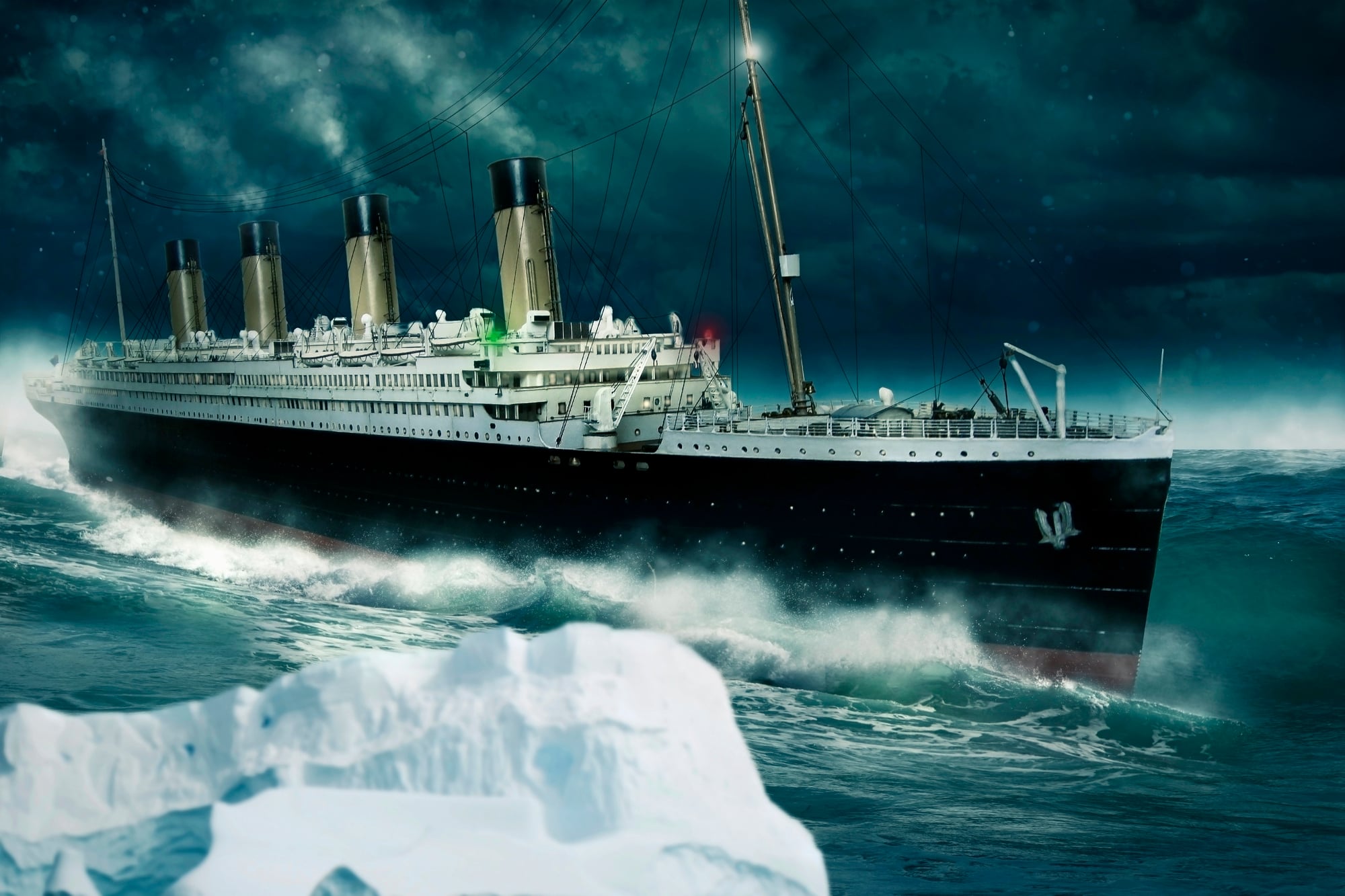
Violet Jessop worked as a stewardess and nurse on ocean liners in the early 1900s. She survived three major maritime disasters.
First, she was aboard the RMS Olympic when it collided with a British warship in 1911. The ship didn’t sink, but the damage was severe.
The next year, she boarded the Titanic for its maiden voyage. You know how that ended.
She survived in a lifeboat. Four years later, she served as a nurse on the HMHS Britannic during World War I.
The ship struck a mine and sank. Jessop survived again, though she sustained a head injury jumping from the sinking vessel.
After all that, she continued working on ships until she retired in the 1950s. Some people have all the luck, good and bad.
The Tamerlane Curse

In 1941, Soviet anthropologists opened the tomb of Tamerlane, the Mongol conqueror who died in 1405. Local legend warned that disturbing his grave would unleash terrible war.
The tomb was opened on June 19, 1941. Three days later, Hitler launched Operation Barbarossa, invading the Soviet Union.
The timing sent chills through people who knew about the warning. The scientists who opened the tomb reported strange occurrences during the excavation.
Equipment failed. Workers fell ill.
When Tamerlane’s remains were finally returned and reburied with full Islamic rituals in 1942, the Soviet Union began its counteroffensive at Stalingrad. The war’s tide turned shortly after.
Coincidence or curse—historians still debate it.
Twin Brothers, Twin Fates

In 2002, a seventy-year-old Finnish man was killed when a truck hit his bicycle in Raahe. He died on the road.
Two hours later, his twin brother was killed the exact same way, less than a mile from where the first accident happened. The brothers were hit by different trucks while riding their bicycles along the same highway.
Police said the second brother didn’t know about the first death when he set out on his bike.
The Hoover Dam Deaths

The first person to die during the construction of the Hoover Dam was J.G. Tierney, a surveyor who drowned while looking for an ideal spot for the dam. He died on December 20, 1921.
Fourteen years later, the last person to die during construction was Patrick Tierney—J.G. Tierney’s son. Patrick fell from one of the dam’s intake towers.
He died on December 20, 1935. Same day, fourteen years apart, father and son.
The Falling Baby

In the 1930s, a Detroit man named Joseph Figlock was walking down the street when a baby fell from a high window above. The baby landed on Figlock, and both survived.
A year later, Figlock was walking down the same street. The same baby fell from the same window.
Again, Figlock broke the fall, and both walked away mostly unharmed. The odds of this happening once seem impossible enough.
Napoleon and Hitler

Napoleon and Hitler’s military campaigns follow an uncanny timeline. Napoleon came to power in 1804.
Hitler came to power 129 years later in 1933. Napoleon invaded Russia in 1812.
Hitler invaded Russia 129 years later in 1941. Napoleon lost at Waterloo in 1815.
Hitler lost in 1944—129 years later. Both men were born outside the countries they came to rule.
Both came to power in their forties. Both invaded Russia and were defeated by the Russian winter.
The Prophetic Novel

In 1898, Morgan Robertson wrote a novel called “Futility, or the Wreck of the Titan.” The book described a massive British ocean liner called the Titan that was deemed unsinkable.
In the novel, the ship strikes an iceberg in the North Atlantic and sinks, killing most of the passengers because there weren’t enough lifeboats. Fourteen years later, the Titanic sank under nearly identical circumstances.
The fictional Titan was 800 feet long. The real Titanic was 882.5 feet long.
Both ships had three propellers and could reach speeds of 24-25 knots. Both carried about 3,000 people.
Both sank in April in the North Atlantic after hitting an iceberg on the starboard side. Robertson wrote another novel in 1914 called “Beyond the Spectrum” that described a future war between the United States and Japan, fought with air-dropped bombs.
World War II played out with eerie similarities decades later.
The Mysterious Monk

In 1900, King Umberto I of Italy dined at a restaurant in Monza. The restaurant owner looked identical to the king—same face, same build, same height.
As they talked, more similarities emerged. The owner was also named Umberto.
Both men were born on the same day in the same town. Both married women named Margherita on the same day.
The restaurant owner opened his establishment on the same day King Umberto was crowned. The next day, the king planned to attend an athletics event.
Before he could leave, news arrived that the restaurant owner had died in a mysterious shooting. As King Umberto expressed his regret, an anarchist named Gaetano Bresci shot and killed him.
Both Umbertos died on the same day.
Edgar Allan Poe’s Only Novel
Edgar Allan Poe wrote only one complete novel—”The Narrative of Arthur Gordon Pym of Nantucket,” published in 1838. In the story, four survivors of a shipwreck are forced to draw lots to see who will be killed and eaten by the others.
A cabin boy named Richard Parker draws the short straw and is sacrificed. Forty-six years later, in 1884, a real yacht called the Mignonette sank.
Four survivors drifted in a lifeboat. After nineteen days, three of them killed and ate the fourth.
His name was Richard Parker.
Mark Twain and Halley’s Comet

Mark Twain was born in 1835 when Halley’s Comet was visible in the sky. The comet appears roughly every 76 years.
In 1909, Twain predicted: “I came in with Halley’s Comet in 1835. It is coming again next year, and I expect to go out with it.”
He died on April 21, 1910, the day after the comet reached its closest approach to Earth. He got his wish.
The Curse of Tippecanoe

Starting in 1840, every U.S. president elected in a year ending in zero died in office. William Henry Harrison was elected in 1840 and died of pneumonia after just one month.
Abraham Lincoln was elected in 1860 and assassinated. James Garfield was elected in 1880 and assassinated.
William McKinley won reelection in 1900 and was assassinated the next year. Warren Harding was elected in 1920 and died of a heart attack in office.
Franklin D. Roosevelt won his third term in 1940 and died in office in 1945. John F. Kennedy was elected in 1960 and assassinated.
The pattern finally broke with Ronald Reagan, elected in 1980. He survived an assassination attempt in 1981.
George W. Bush, elected in 2000, also survived his terms despite some threats. Whether this was ever truly a curse or just a strange run of bad luck depends on what you choose to believe.
When the Universe Winks

These coincidences sit uncomfortably in the mind. The rational part wants to dismiss them as random chance, the inevitable result of billions of events happening across human history.
Given enough time and enough people, strange patterns will emerge. But the emotional part—the part that looks for meaning in chaos—wonders if there’s more to it.
Maybe history doesn’t repeat, but it does rhyme, as Mark Twain supposedly said. Or maybe the universe just has a very specific sense of humor that we’re only beginning to understand.
More from Go2Tutors!

- The Romanov Crown Jewels and Their Tragic Fate
- 13 Historical Mysteries That Science Still Can’t Solve
- Famous Hoaxes That Fooled the World for Years
- 15 Child Stars with Tragic Adult Lives
- 16 Famous Jewelry Pieces in History
Like Go2Tutors’s content? Follow us on MSN.



