25 Shipwrecks Found After Centuries Underwater
Most ships that sink are never seen again. Wood rots, worms eat hulls and storms scatter cargo across the seabed.
Yet cold water, mud and darkness occasionally preserve a wreck almost perfectly, waiting centuries for the right diver, fisherman or researcher to come along. When one surfaces, it brings an entire vanished world with it.
The Swedish warship Vasa capsized in Stockholm harbor on its maiden voyage in August 1628, less than a mile from where it had set sail. Top-heavy with two decks of guns, it heeled over in a light breeze and sank in full view of the crowds who had come to watch.
Researcher Anders Franzen located it in 1956, and the hull was raised in 1961. The cold, brackish Baltic lacks the shipworms that destroy wrecks elsewhere, so more than 95 percent of the ship is original.
It is now the centerpiece of the Vasa Museum, one of Scandinavia’s most visited museums.
Mary Rose, Henry VIII’s Flagship
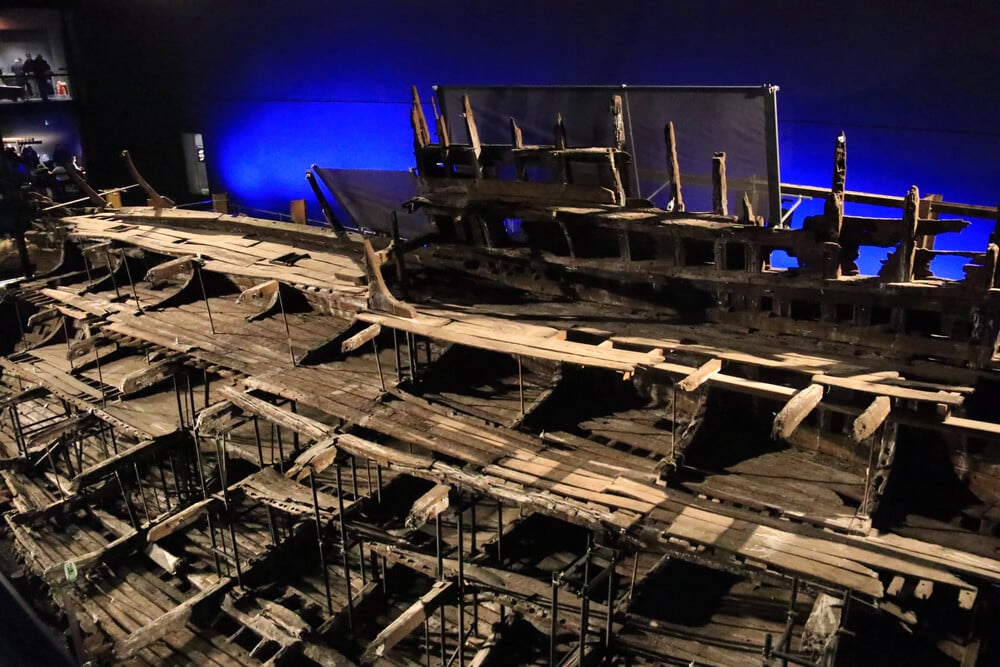
The Mary Rose sank in July 1545 during a battle with a French fleet in the Solent, off Portsmouth, while Henry VIII reportedly watched from shore. Most of the crew of several hundred died.
Divers relocated the wreck in 1971, and in October 1982 the surviving half of the hull was raised in an operation watched live by an estimated 60 million television viewers. More than 19,000 objects have been recovered, including longbows, navigational tools and the skeleton of the ship’s dog.
The Mary Rose Museum in Portsmouth displays the hull alongside many of them.
Uluburun Wreck Off Southern Turkey
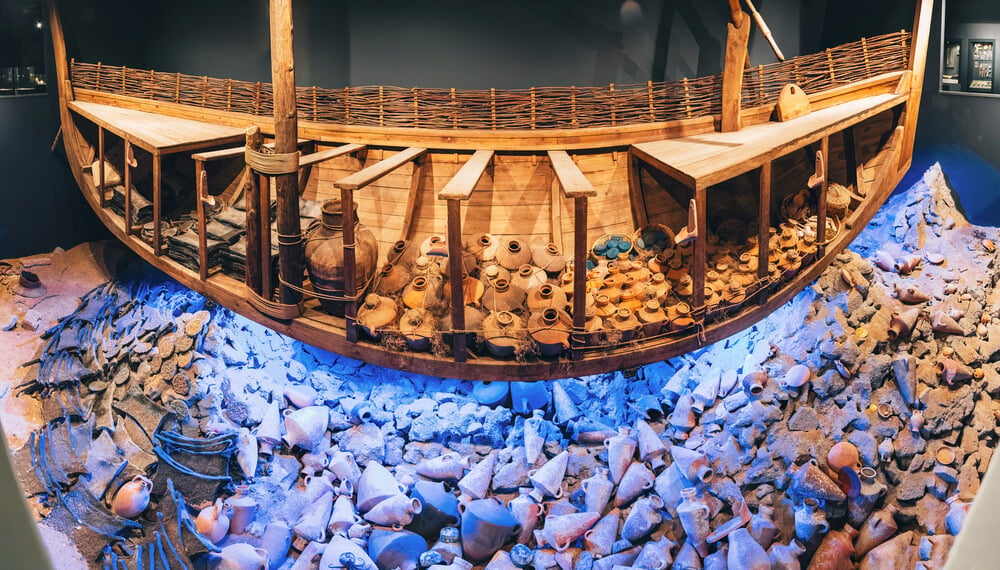
A sponge diver named Mehmet Cakir reported seeing metal biscuits with ears off Uluburun on the Turkish coast in 1982. They were copper ingots from a Late Bronze Age ship that sank in the late 14th century BC.
Excavation by the Institute of Nautical Archaeology recovered roughly ten tons of copper, about a ton of tin, glass ingots, ebony, Baltic amber and a gold scarab bearing the name of the Egyptian queen Nefertiti. The cargo drew on at least seven ancient cultures.
Few discoveries capture Bronze Age Mediterranean trade so completely, and much of it is now displayed in Bodrum.
Kyrenia Ship and Its Cargo of Almonds
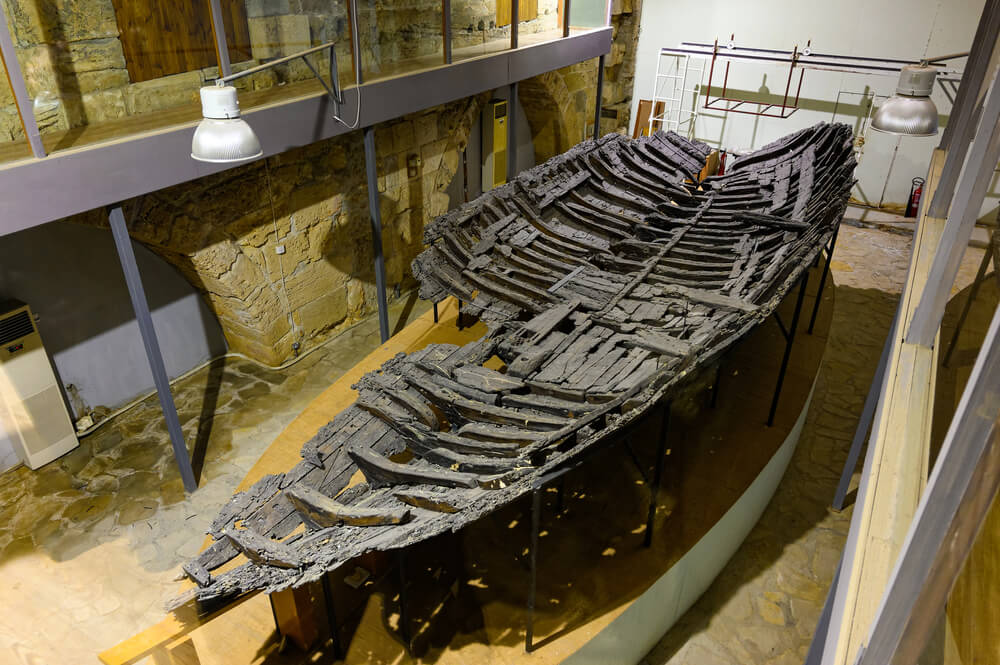
Andreas Cariolou, a diver from Cyprus, found a scatter of ancient amphoras off Kyrenia in 1965. Excavation in the late 1960s uncovered the hull of a small Greek merchant ship that sank around the late fourth century BC.
About three-quarters of the hull survived, along with its cargo of wine jars, millstones and thousands of almonds. Builders later constructed a full-size replica, Kyrenia II, and sailed it to test how ancient vessels handled.
The original hull is displayed inside Kyrenia Castle. Those preserved almonds gave researchers an unusually useful sample for radiocarbon dating.
La Belle, La Salle’s Lost Ship
The French explorer Rene-Robert Cavelier, Sieur de La Salle, lost the ship La Belle in Matagorda Bay, Texas, in 1686 during his doomed attempt to found a colony near the mouth of the Mississippi River. The Texas Historical Commission located the wreck in 1995 and built a cofferdam around it so archaeologists could excavate on dry ground.
They recovered more than a million artifacts, including bronze cannon, trade beads and the skeleton of a crew member. The reassembled hull is now displayed at the Bullock Texas State History Museum in Austin.
La Salle’s colony itself collapsed within a few years.
Queen Anne’s Revenge, Blackbeard’s Flagship
Blackbeard’s flagship, Queen Anne’s Revenge, ran aground near Beaufort Inlet, North Carolina, in 1718. A private research firm located a wreck there in 1996, and state officials formally confirmed its identity in 2011 after years of study.
More than 30 cannons have since been recovered, along with gold dust, medical instruments and lead shot. The ship began life as a French slaver called La Concorde before pirates captured it in 1717.
Conservation continues at a laboratory run by East Carolina University. Blackbeard himself was killed in a fight with the Royal Navy only months after losing his ship.
Whydah Gally Off Cape Cod
Samuel Bellamy’s pirate ship Whydah Gally wrecked in a storm off Wellfleet, Cape Cod, in April 1717, taking most of its crew down with it. Explorer Barry Clifford located the wreck in 1984, and in 1985 divers raised the ship’s bell, inscribed with the vessel’s name and the year 1716.
That bell made it one of the first pirate shipwrecks ever positively identified. Hundreds of thousands of coins and artifacts have come up since, many still encased in hardened sediment.
Bellamy was believed to be in his late twenties when he drowned, after a brief and spectacularly profitable career.
San Jose Galleon Off Colombia
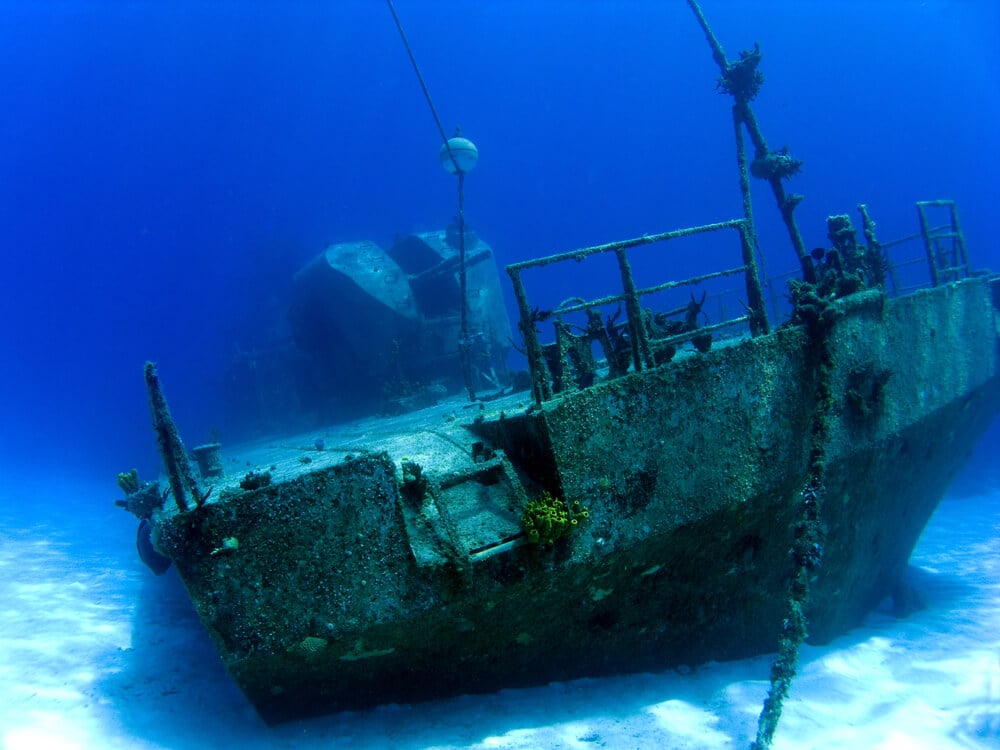
Spain’s galleon San Jose exploded and sank in June 1708 during a battle with British warships near Cartagena, Colombia, taking with it a cargo of gold, silver and emeralds. Colombia announced in 2015 that it had located the wreck, and the cargo has been estimated in the billions of dollars.
Ownership has since been contested by Colombia, Spain, an American salvage company and Indigenous Bolivian groups whose ancestors were forced to mine the silver. Colombia has pursued recovery through an official research program.
Few shipwrecks carry quite so much legal baggage along with their cargo.
Nuestra Senora de Atocha in the Florida Keys
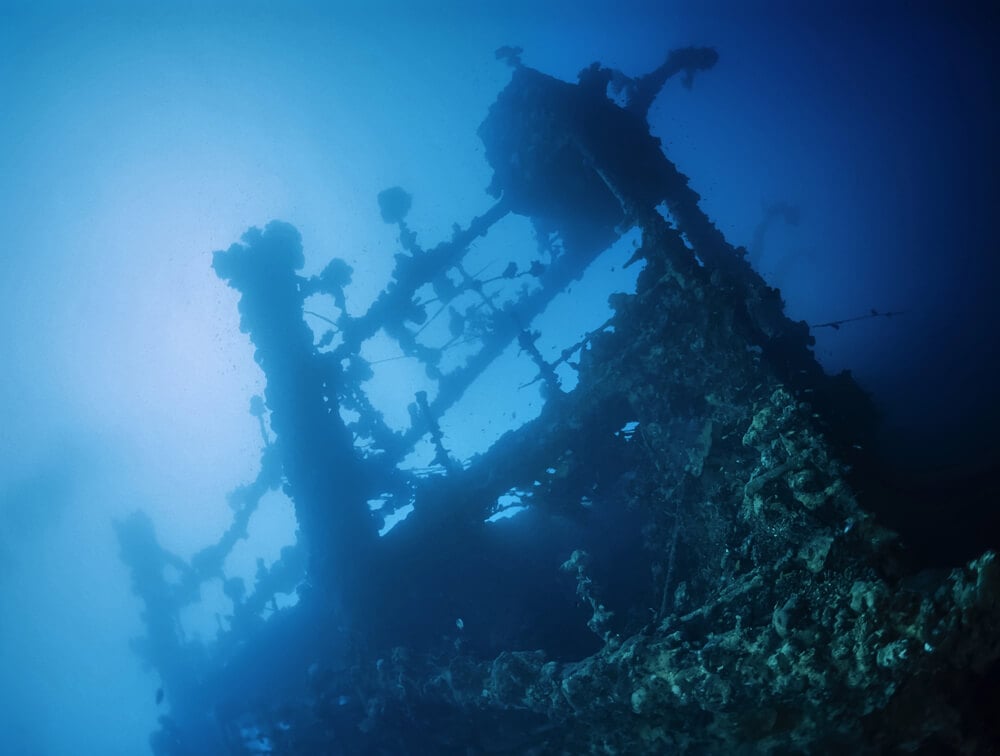
A hurricane sank the Spanish galleon Nuestra Senora de Atocha off the Florida Keys in September 1622, scattering a fortune in silver, gold and emeralds across the seabed. Treasure hunter Mel Fisher searched for it for about 16 years, a hunt marked by the deaths of his son and daughter-in-law in a 1975 boating accident at the site.
His team found the main cargo pile in July 1985, including roughly 40 tons of silver and gold. Fisher’s daily motto, Today’s the day, became part of Keys legend.
His legal battle with the state of Florida reached the US Supreme Court.
Batavia Wreck and Its Mutiny
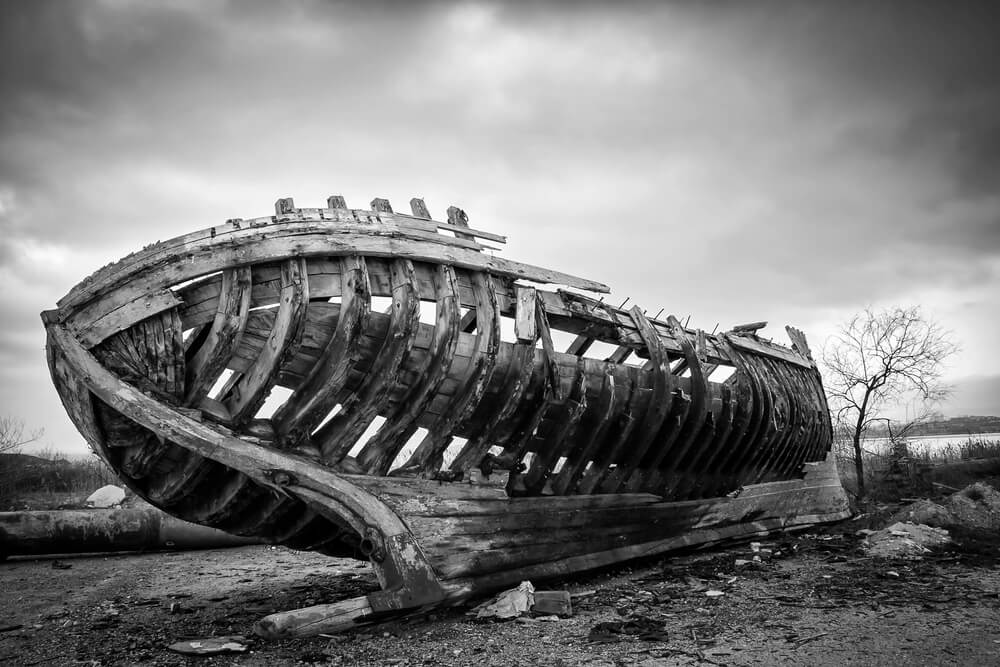
Dutch East India Company ship Batavia struck a reef in the Houtman Abrolhos islands off Western Australia in June 1629 on its maiden voyage. While the commander sailed to Java for help, a company official named Jeronimus Cornelisz led a mutiny among the survivors and oversaw the murder of more than a hundred people.
The commander returned months later and executed the ringleaders. The wreck was located in 1963.
Part of the hull and a massive stone portico it carried as cargo are displayed at the Western Australian Shipwrecks Museum in Fremantle. Few wrecks carry a darker story.
Mars, Erik XIV’s Baltic Flagship
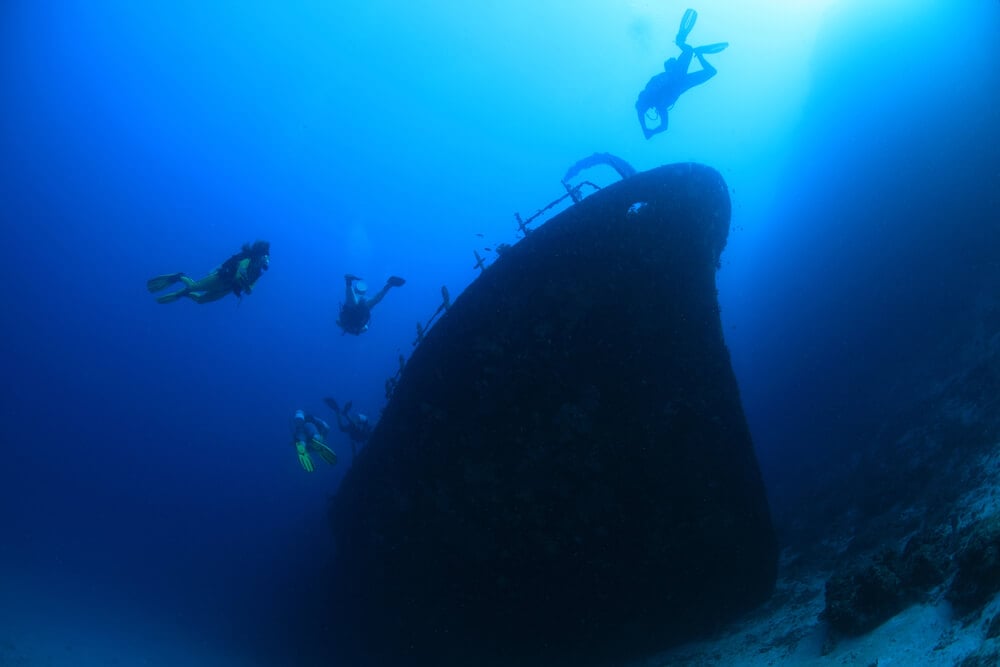
Mars, the flagship of Swedish King Erik XIV, exploded and sank in 1564 during the first Battle of Oland, fought against a combined Danish and Lubeck fleet. Divers located the wreck in the Baltic in 2011 at a depth of about 75 meters, remarkably intact.
Its guns, coins and timbers have helped researchers understand a period of Scandinavian shipbuilding with few surviving examples. The ship was among the largest warships of its era.
Because the Baltic lacks shipworms, even fine carved details survive. Some researchers have called it one of the most important underwater finds in the region.
Gribshunden, a Danish King’s Floating Court
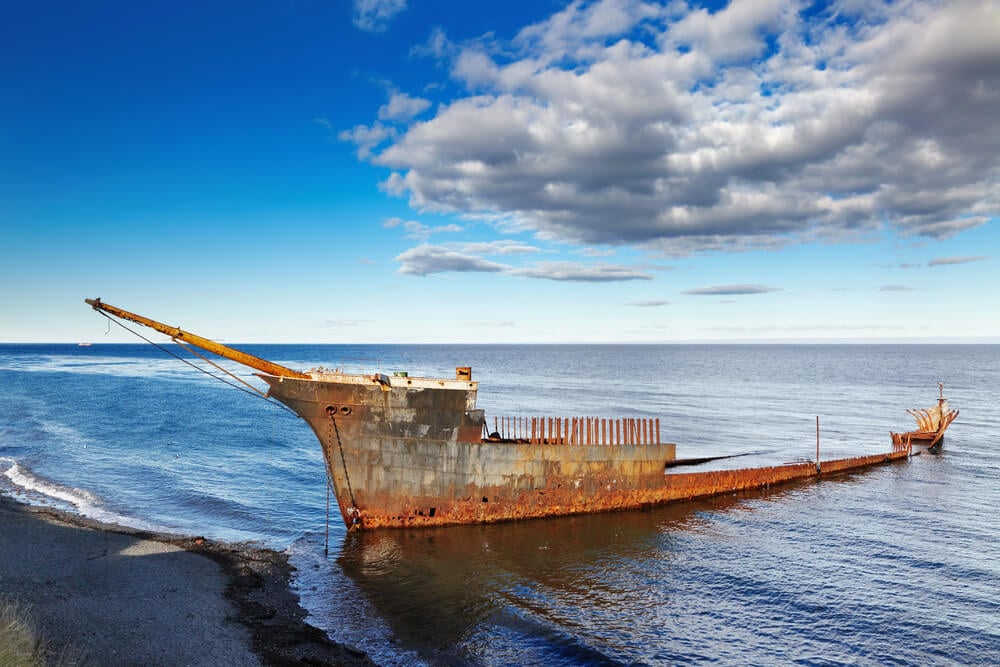
Gribshunden, the flagship of King Hans of Denmark and Norway, caught fire and sank off Ronneby in southern Sweden in 1495 while the king was ashore. Sport divers found the wreck in the 1970s, and researchers later established its identity.
Excavations have recovered weapons, a carved figurehead and, in 2019, the remains of a sturgeon packed in a barrel, possibly a gift intended for the king’s hosts. It is one of the best-preserved ships from the era when Europeans were beginning ocean voyages to the Americas.
Columbus had crossed the Atlantic only three years earlier.
Belitung Dhow Off Indonesia
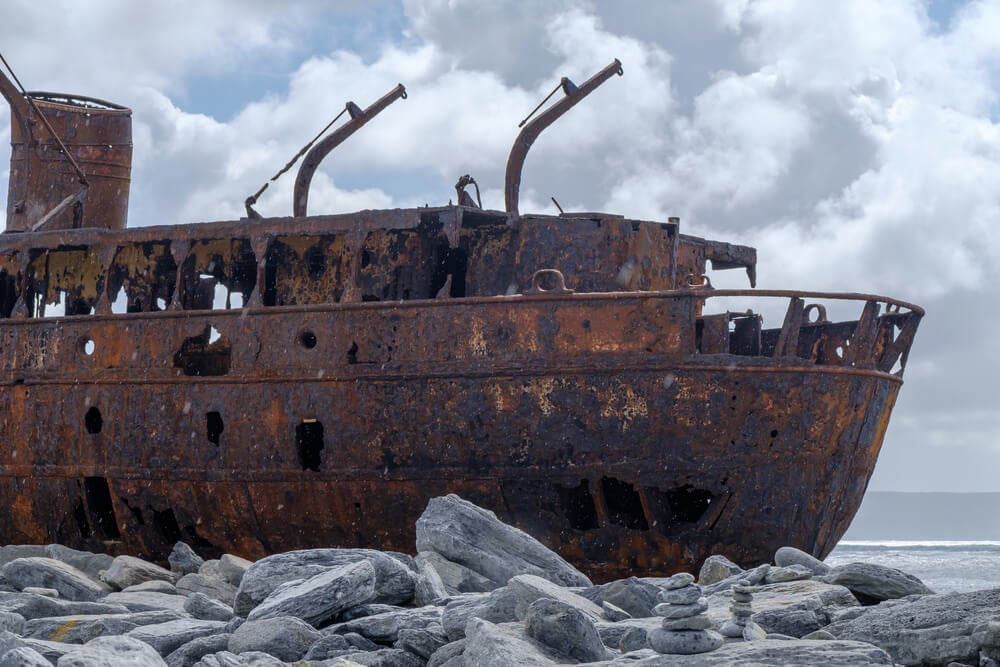
Sea cucumber divers off Belitung Island in Indonesia found a ninth-century Arab-style ship in 1998. It carried around 60,000 pieces of Tang dynasty ceramics, along with gold and silver objects, offering the earliest known physical evidence of direct maritime trade between the Middle East and China.
Many of the bowls came from kilns at Changsha. The hull planks had been stitched together with cord rather than nails.
The collection was later bought by Singapore, but the excavation by a commercial salvage company drew criticism from archaeologists who argued the work was rushed and poorly documented.
Nanhai One, Raised in a Steel Box
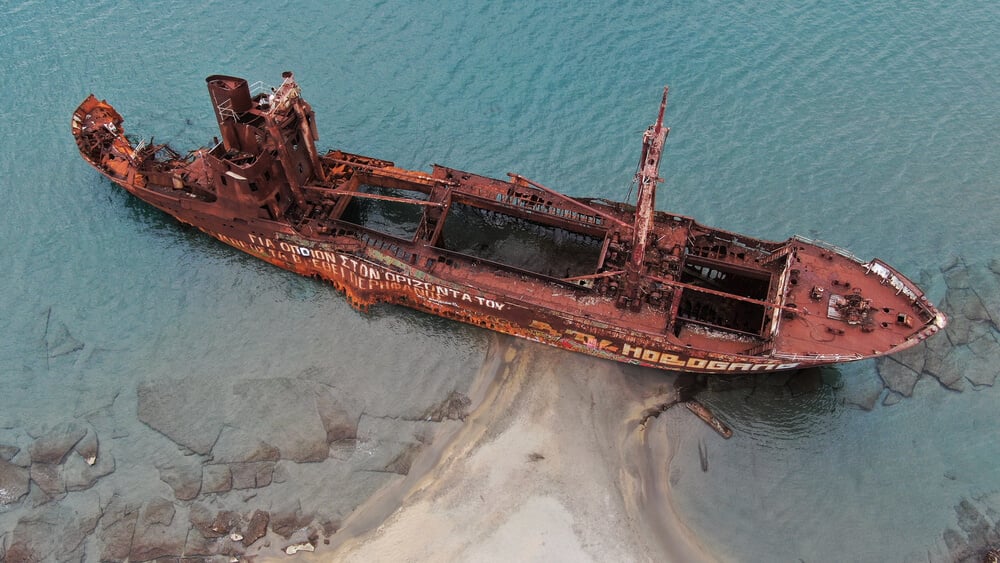
Nanhai One, a Southern Song dynasty merchant ship from the 12th or 13th century, was discovered off Guangdong province in southern China in 1987. In 2007, engineers lifted the entire wreck, along with the surrounding sediment, inside a giant steel caisson.
The caisson was moved into a purpose-built museum, where archaeologists have excavated it under controlled conditions while visitors watch. Tens of thousands of objects, including porcelain, iron goods and coins, have emerged.
The approach avoided the problems of working in murky water. It remains one of the most ambitious recovery projects in maritime archaeology.
Sea Venture and the Bermuda Castaways
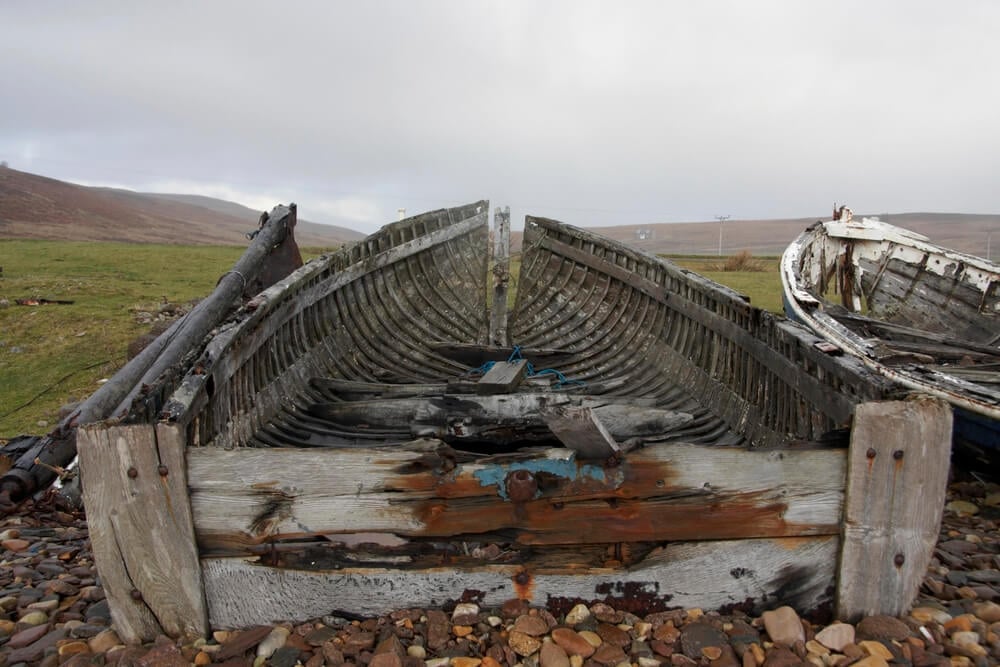
Settlers bound for Jamestown aboard the English ship Sea Venture were wrecked on Bermuda’s reefs during a hurricane in 1609. Everyone aboard survived, and they spent about nine months on the island building two new ships to continue their trip to Virginia.
Accounts of the castaways are widely believed to have inspired Shakespeare’s The Tempest. The wreck itself was located in 1958.
The accident also laid the foundation for England’s claim to Bermuda, still a British overseas territory today. A single navigational misfortune ended up shaping both literature and geography.
Bremen Cog in the Weser River
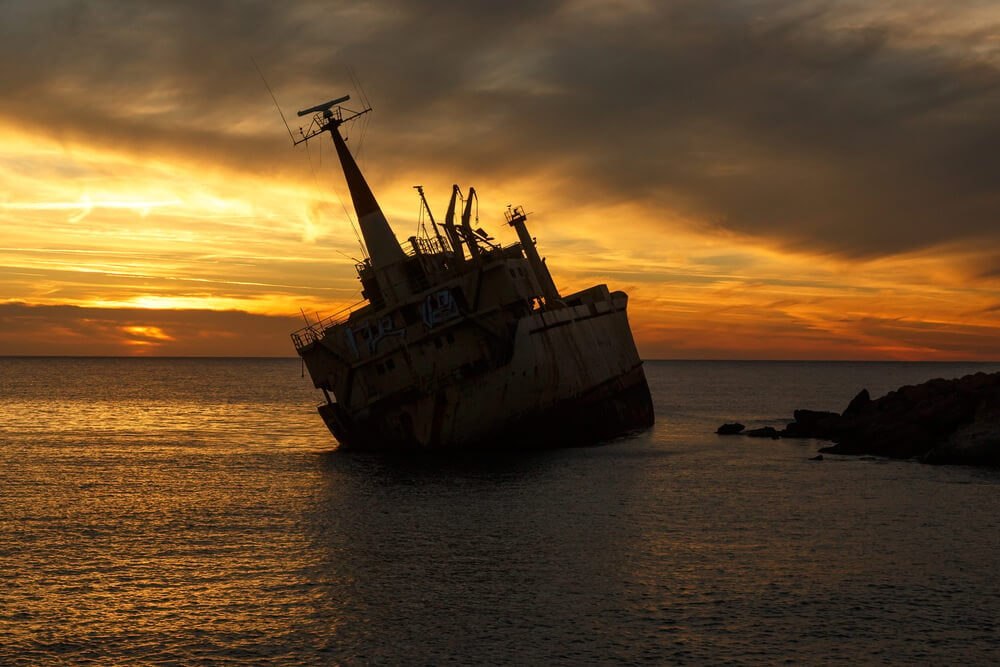
Workers dredging the Weser River in Bremen, Germany, in 1962 struck the remains of a merchant cog built around 1380. It was likely still unfinished or newly built when a flood swept it away from the shipyard.
Cogs were the workhorses of the Hanseatic League, the trading network that dominated northern European commerce. The timbers were soaked for years in a preservative solution to stabilize them, a process that took nearly two decades.
The ship now stands at the German Maritime Museum in Bremerhaven, the best-preserved example of its type ever found.
Skuldelev Ships Scuttled Near Roskilde
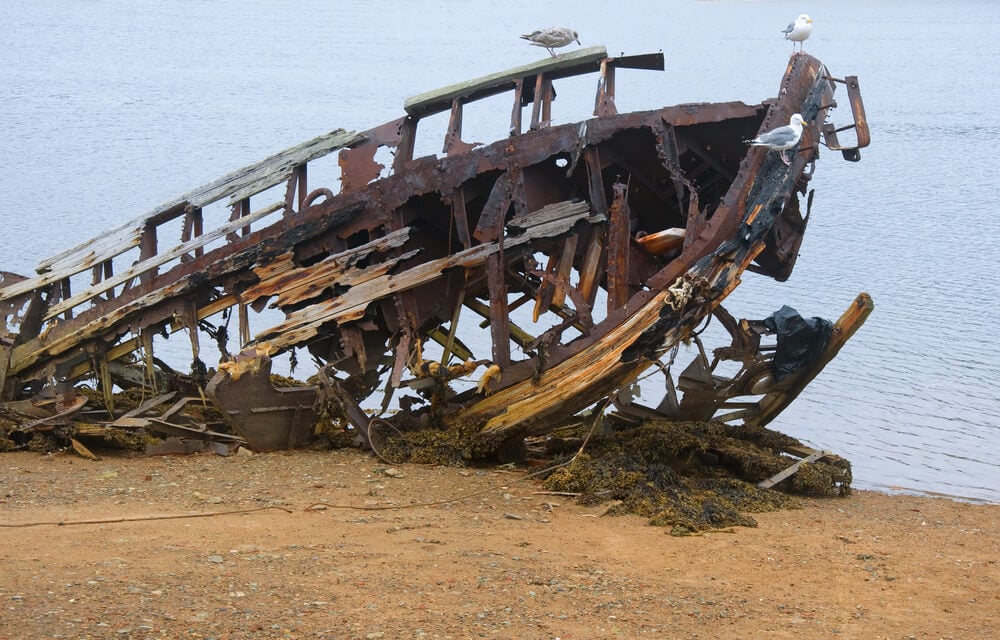
Around 1070, people living near Roskilde in Denmark deliberately sank five ships in a fjord channel to block raiders from reaching the town. Archaeologists built a cofferdam and excavated the Skuldelev ships in 1962, recovering a longship, an ocean-going trader and smaller vessels.
One of the warships turned out to have been built near Dublin. The Viking Ship Museum in Roskilde was built to house them, and its shipyard constructs sailing replicas using traditional tools.
One replica sailed to Dublin and back in 2007 and 2008, retracing the original ship’s route.
Black Sea Wreck Preserved Without Oxygen
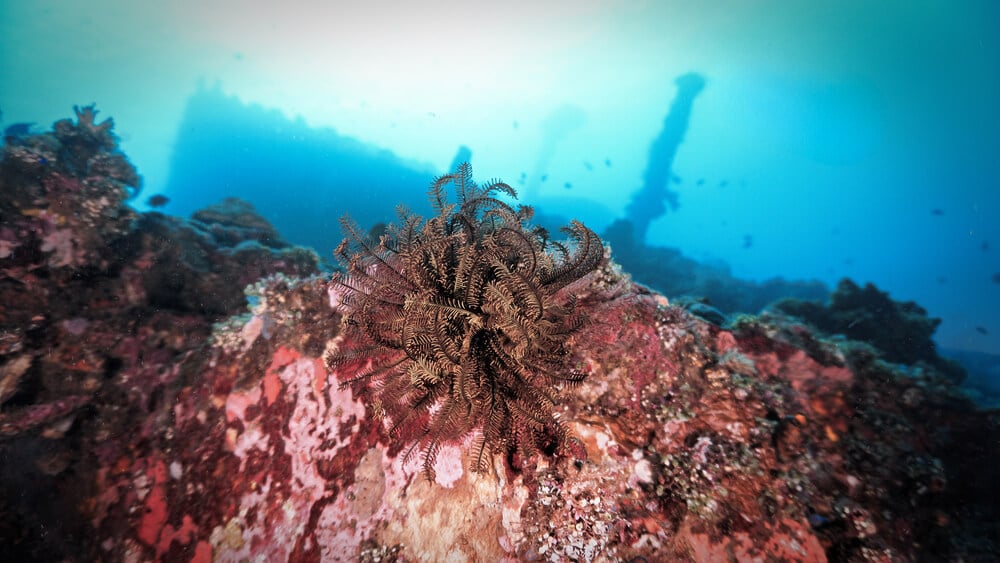
A survey team in 2017 found the oldest known intact shipwreck lying about 2 kilometers deep in the Black Sea off the coast of Bulgaria. The Greek trading vessel is roughly 2,400 years old, with its mast, rudders and rowing benches still in place.
The water at that depth contains almost no oxygen, so the organisms that normally destroy wood cannot survive. The ship closely resembles one painted on an ancient Greek vase known as the Siren Vase.
Researchers announced the find in 2018. The team took only a small sample for dating and left the ship where it lay.
Dokos Wreck, Among the World’s Oldest
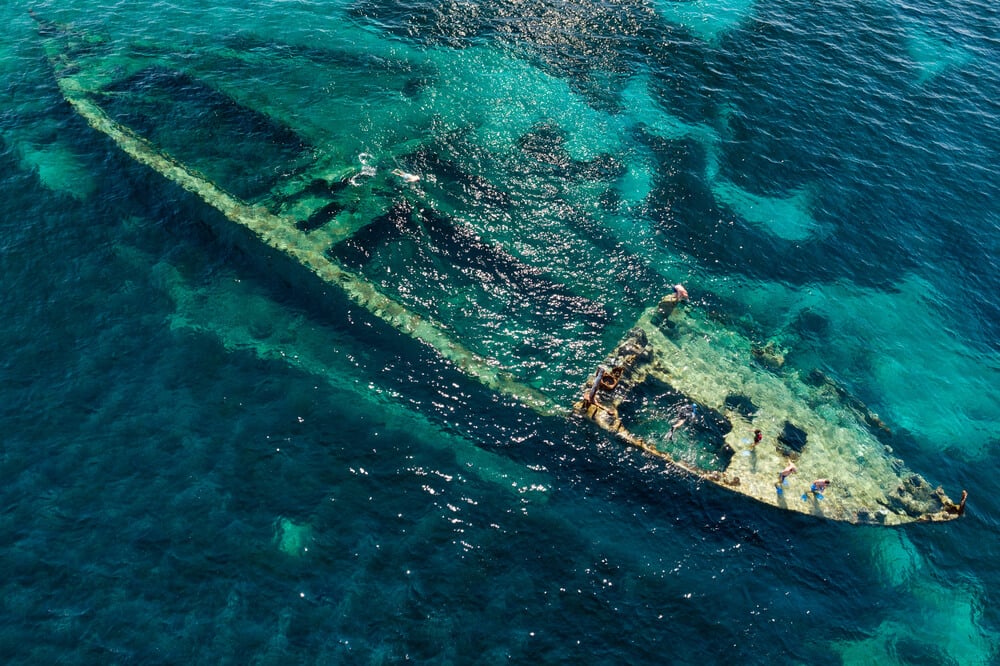
Off the Greek island of Dokos, underwater archaeologist Peter Throckmorton identified a scatter of pottery in 1975 belonging to a ship that sank around 2200 BC. No hull survives, but the cargo of hundreds of clay vessels marks it as one of the oldest shipwrecks known anywhere.
Excavations by the Hellenic Institute of Marine Archaeology recovered jugs, bowls, cups and stone anchors. The wreck shows organized seaborne trade in the Early Bronze Age Aegean, more than a thousand years before the heroes of Homer.
Even without timbers, the cargo tells a remarkably detailed story.
Esmeralda From Vasco da Gama’s Fleet
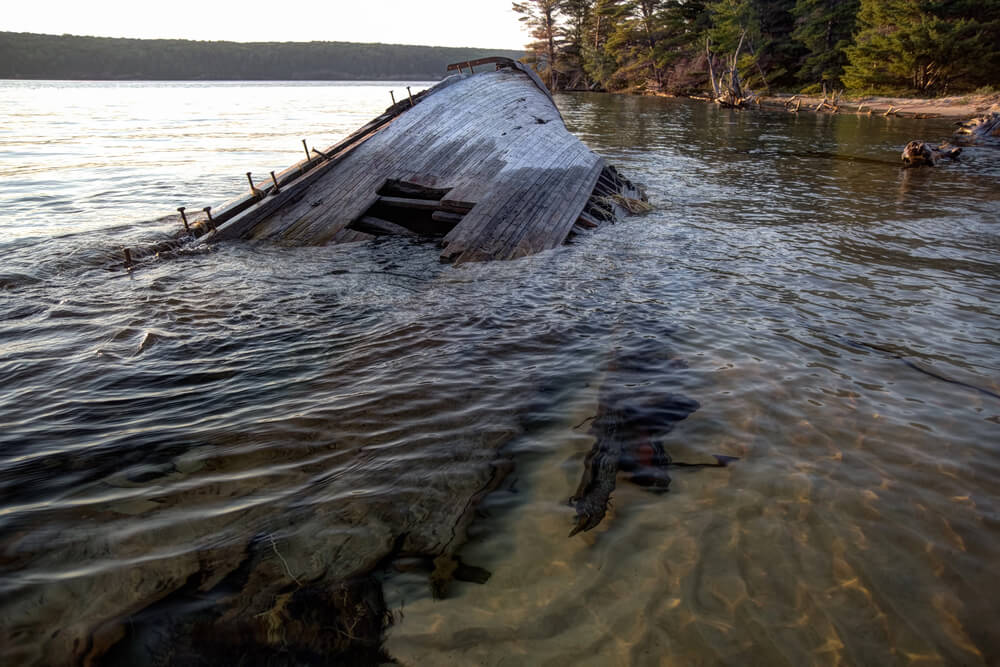
Esmeralda, part of Vasco da Gama’s second voyage to India, sank in a storm off the island of Al Hallaniyah in Oman in 1503. It was commanded by da Gama’s uncle, Vicente Sodre.
The site was found in 1998 and excavated between 2013 and 2015, recovering a ship’s bell with a date read as 1498 and a rare silver coin minted for King Manuel of Portugal. Researchers described it as the earliest ship from Europe’s Age of Discovery yet found and excavated.
Very little else survives from that pivotal generation of ocean voyages.
Balchin’s Victory in the English Channel
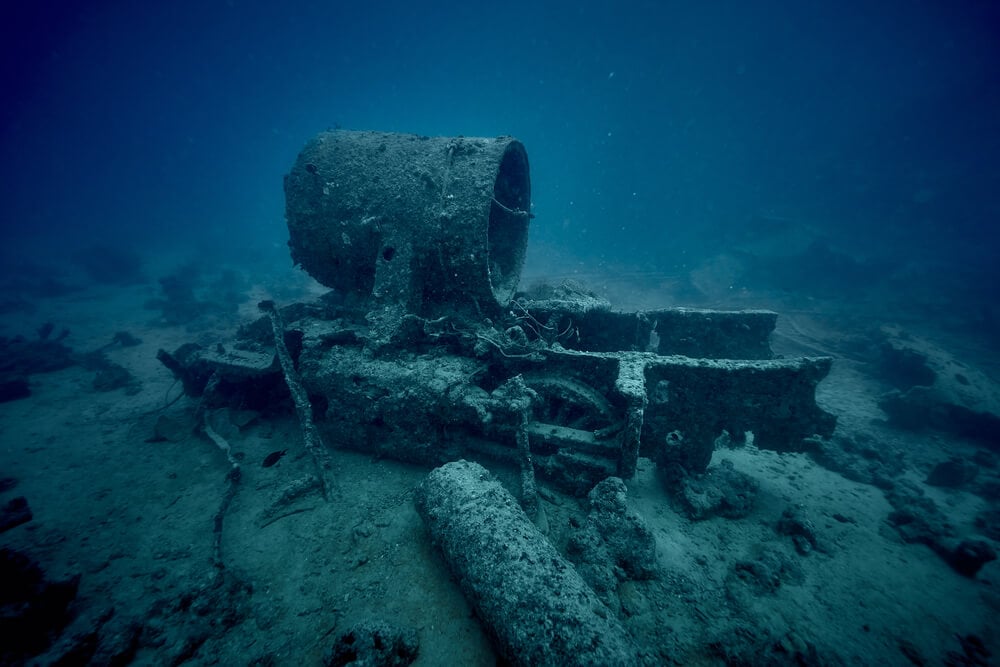
HMS Victory, a predecessor of Nelson’s famous ship, sank in a storm in the English Channel in October 1744 with roughly 1,000 men aboard, including Admiral Sir John Balchin. For centuries, the loss was blamed on the keepers of the Casquets lighthouse near Alderney for failing to keep their lights burning.
In 2008, the American firm Odyssey Marine Exploration found the wreck far from the Casquets, effectively clearing the keepers. Bronze cannons recovered from the site confirmed the identification.
A centuries-old accusation against a handful of lighthouse men finally collapsed.
Kronan in the Baltic Off Oland
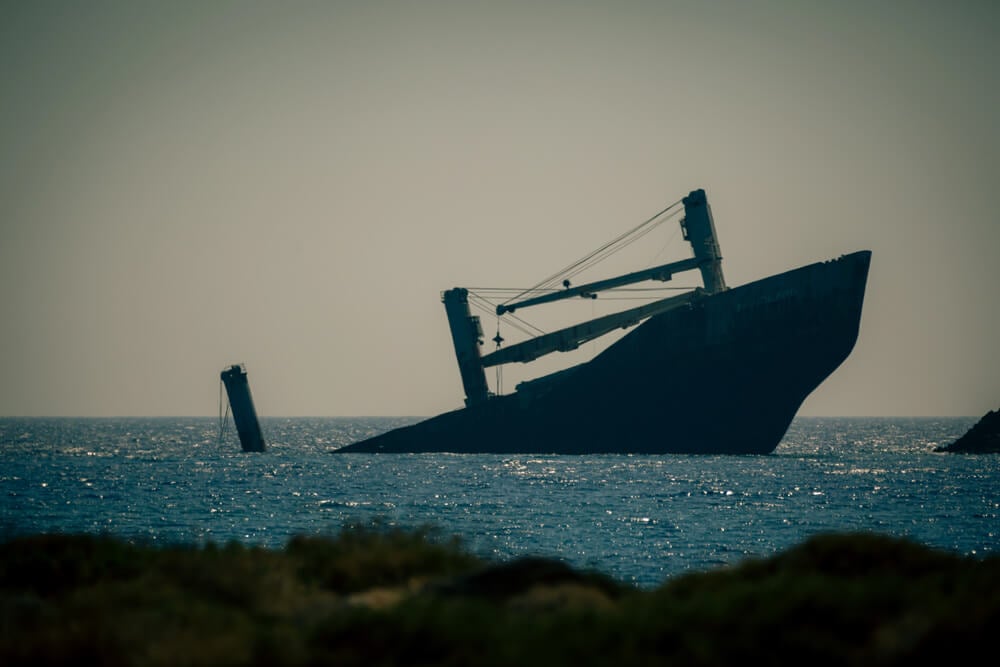
Kronan, one of the largest warships of its day, capsized and exploded during the Battle of Oland in June 1676, killing most of its roughly 800 crew. Anders Franzen, the same researcher who had found the Vasa, located it in 1980.
Excavations led by the Kalmar County Museum have recovered tens of thousands of objects, including a hoard of gold coins, musical instruments and personal belongings. The wreck is still being investigated every summer.
Two of Sweden’s greatest naval disasters are now two of its greatest archaeological sites.
Shinan Ship Netted by a Fisherman
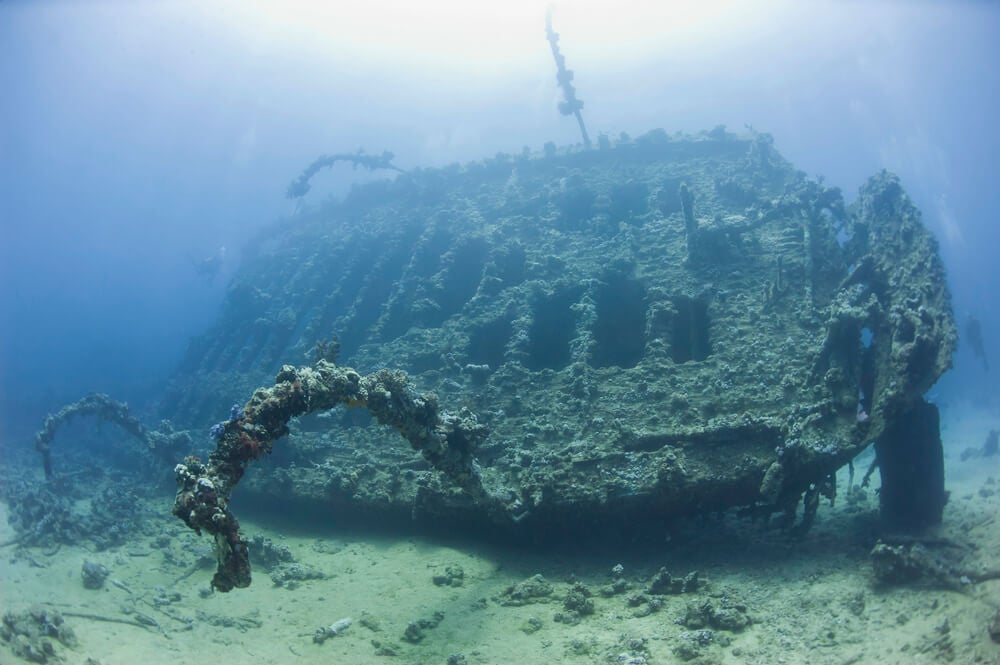
Fishing nets off Sinan in South Korea pulled up Chinese celadon pottery in 1975, leading archaeologists to a Chinese trading ship that sank around 1323 on its way to Japan. Divers recovered more than 20,000 ceramics and about 28 tons of Chinese copper coins.
Wooden cargo tags recorded the merchants involved, including a temple in Kyoto that had invested in the voyage. The ship’s hull was raised in pieces and reassembled.
The find gave historians an unusually detailed look at how medieval East Asian trade was financed and organized.
Mahdia Wreck Off Tunisia
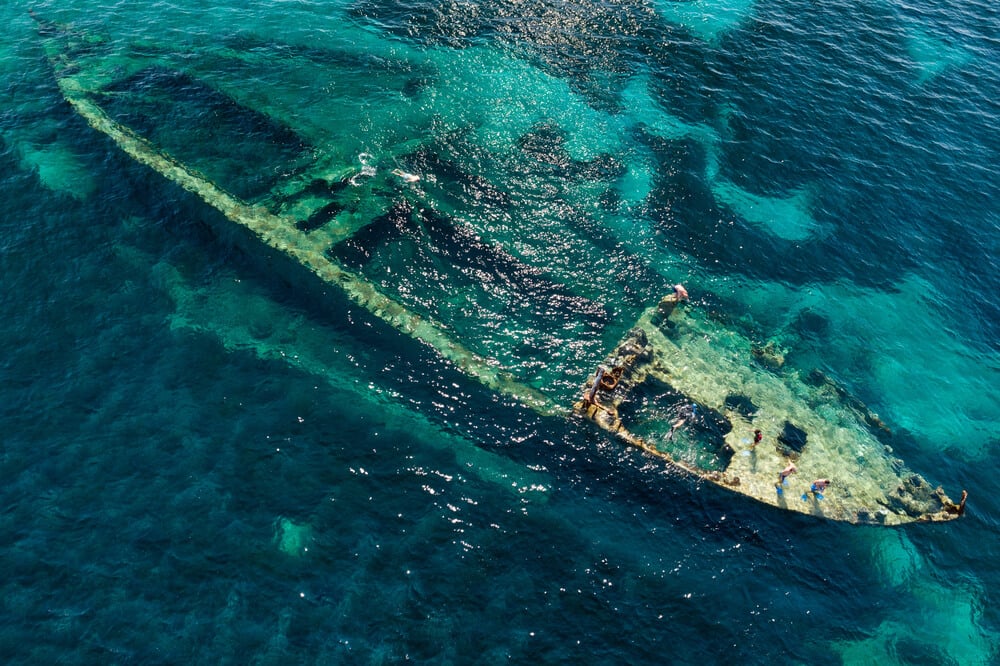
Greek sponge divers working off Mahdia, Tunisia, in 1907 found marble columns lying on the seabed. They belonged to a cargo ship that sank in the first century BC loaded with Greek art, including bronze statues, marble columns, furniture fittings and decorative candelabras, probably bound for wealthy buyers in Italy.
Jacques Cousteau later dove on the site in 1948. The finds are displayed at the Bardo Museum in Tunis.
The wreck showed how eagerly Romans imported Greek art, and how much of it never reached its buyers.
Sao Jose Paquete de Africa Near Cape Town
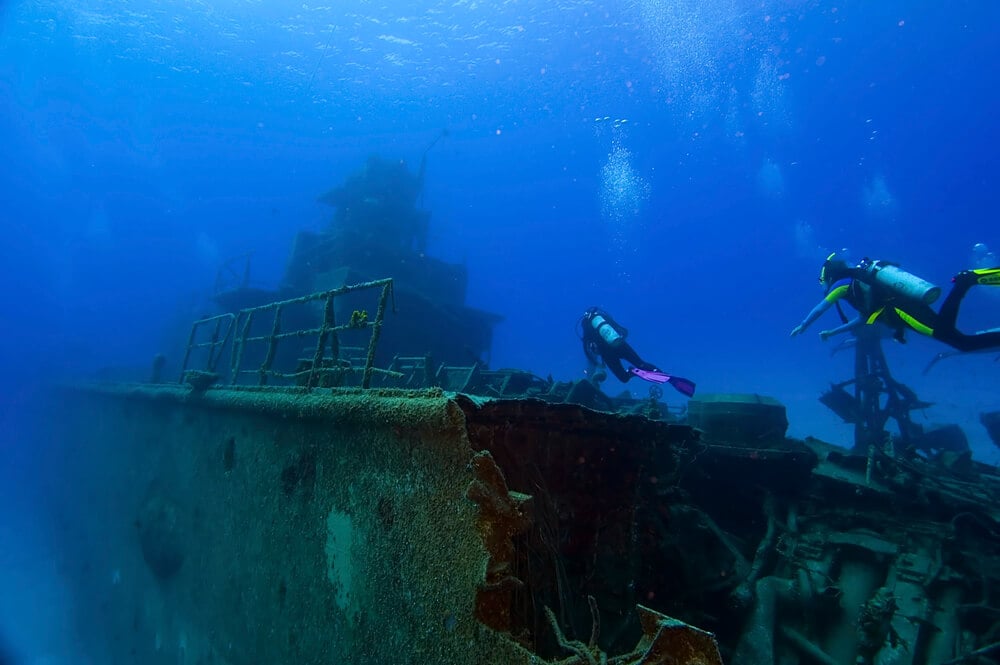
Portuguese slave ship Sao Jose Paquete de Africa wrecked off Clifton near Cape Town in December 1794 while carrying more than 400 enslaved people from Mozambique to Brazil. At least 212 of them died.
Researchers working with Iziko Museums of South Africa, the Smithsonian and other partners identified the wreck in 2015. It was described as the first archaeologically documented wreck of a ship that sank while carrying enslaved Africans.
Soil from Mozambique was later placed on the site in a memorial ceremony honoring those who drowned within sight of the shore.
Cold Water Is a Patient Archivist
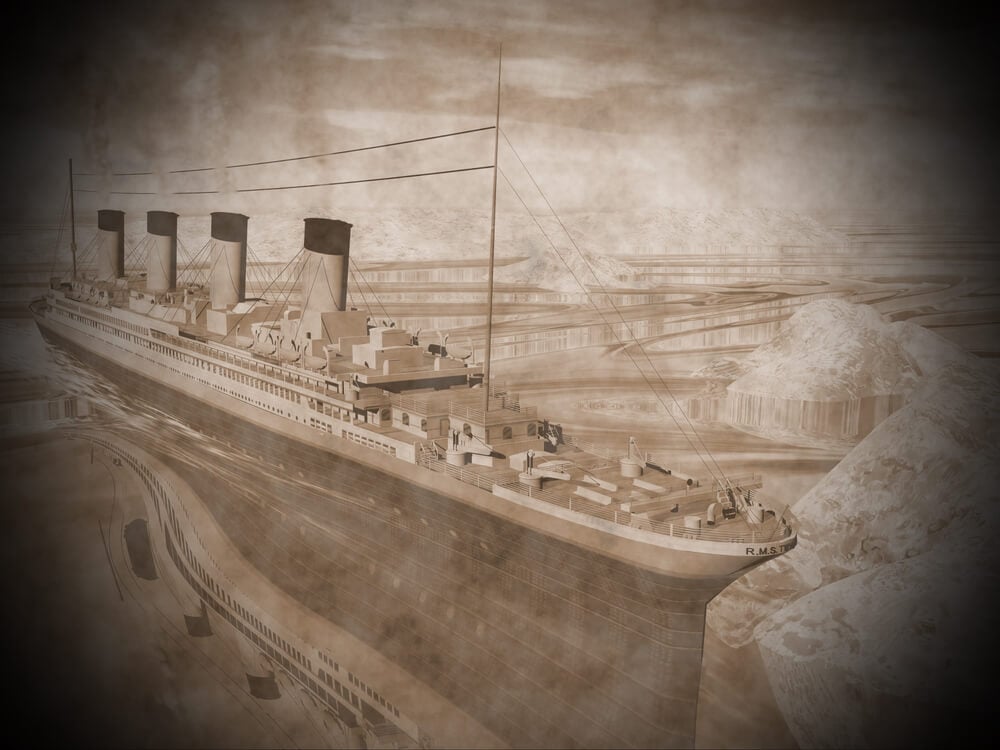
Shipwrecks are disasters frozen at a single moment. Unlike a city that changes slowly over centuries, a wreck preserves exactly what was aboard on the day it went down, from cargo to a sailor’s shoes.
That snapshot quality is why archaeologists value them so highly. Most of these discoveries depended on a lucky mix of cold water, mud or low oxygen, plus someone who refused to give up.
Many more wrecks remain out there, slowly giving way to time and treasure hunters. Each one found adds a page that written history could never have supplied on its own.
More from Go2Tutors!

- The Romanov Crown Jewels and Their Tragic Fate
- 13 Historical Mysteries That Science Still Can’t Solve
- Famous Hoaxes That Fooled the World for Years
- 15 Child Stars with Tragic Adult Lives
- 16 Famous Jewelry Pieces in History
Like Go2Tutors’s content? Follow us on MSN.