29 Famous Speeches Still Quoted Today
Most speeches are forgotten before the applause dies down. A handful escape their moment and keep circulating for decades or even millennia, quoted in classrooms, protest signs, political ads and graduation cards.
Some were carefully drafted, some were improvised, and a few were partly invented by the people who wrote them down. All of them found words that kept working long after the crisis that produced them.
Pericles’ Funeral Oration in Athens
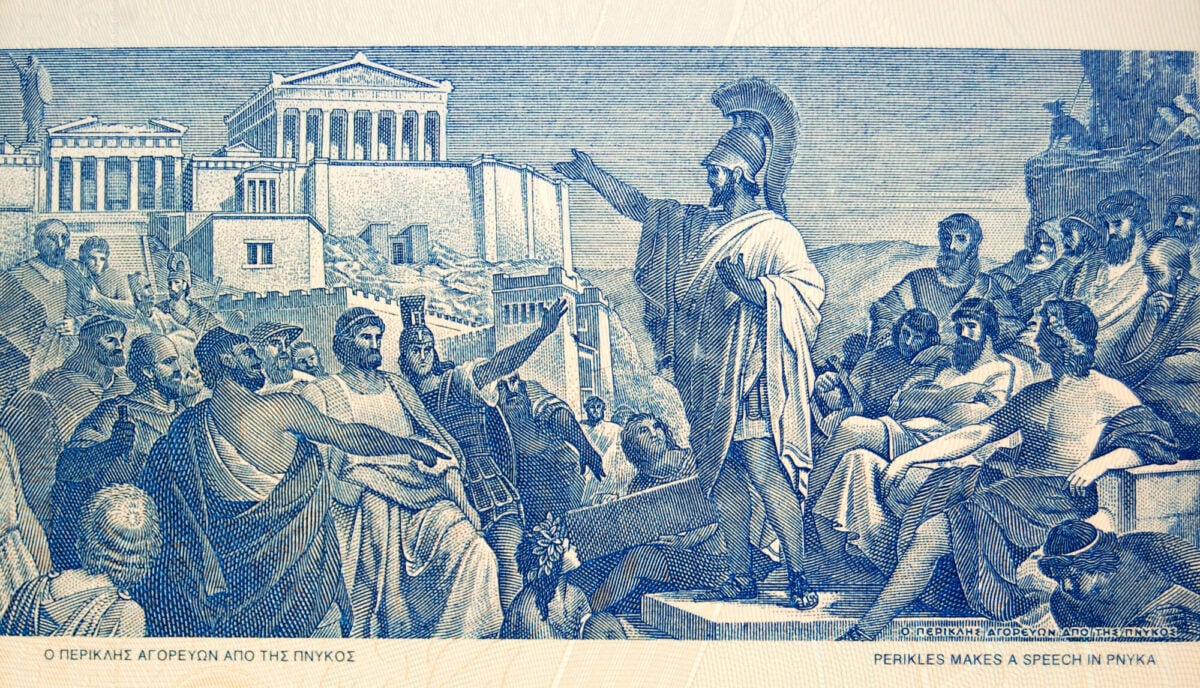
In the winter of 431 BC, after the first year of the Peloponnesian War, the Athenian statesman Pericles delivered a public funeral speech honoring the city’s fallen soldiers. The version that survives comes from the historian Thucydides, who reconstructed it rather than transcribing it word for word.
The speech praises Athenian democracy, openness and civic duty, calling the city an education to all of Greece. It remains one of the founding texts of democratic political thought.
Within two years, plague had swept through Athens and killed Pericles himself, giving the speech a tragic shadow.
Socrates Defending Himself in Court
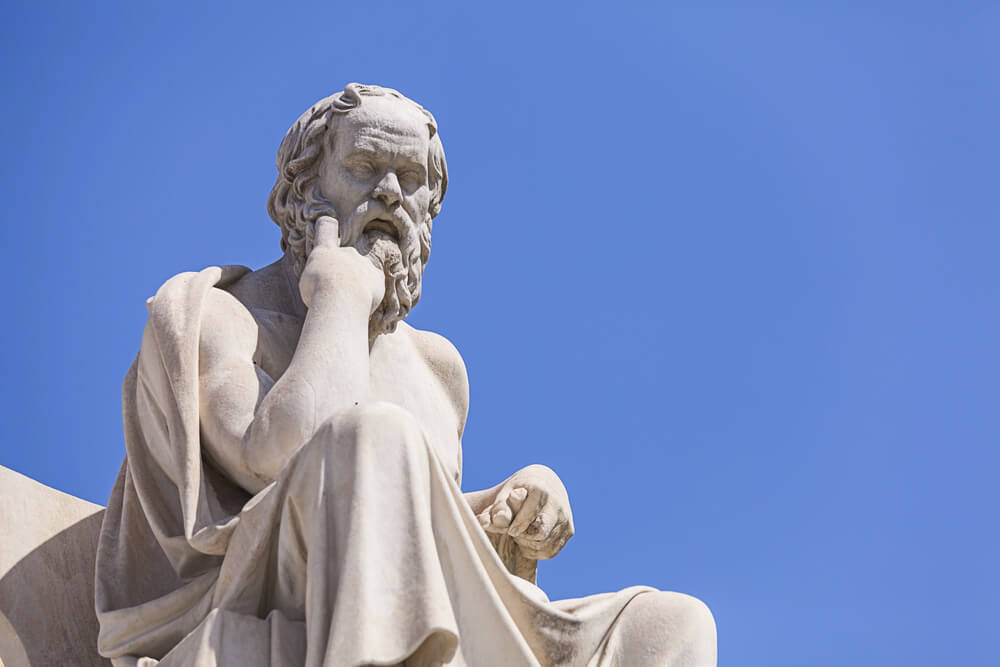
In 399 BC, the philosopher Socrates stood trial in Athens on charges of impiety and corrupting the young. His defense speech survives in Plato’s Apology, which is a literary work rather than a transcript, though Plato was present at the trial.
Socrates refused to beg for mercy and told the jury of several hundred citizens that the unexamined life is not worth living. He was found guilty and sentenced to death by drinking hemlock.
The line has become one of the most quoted in the history of philosophy, and the trial remains a symbol of conscience against authority.
Martin Luther Refusing to Recant at Worms
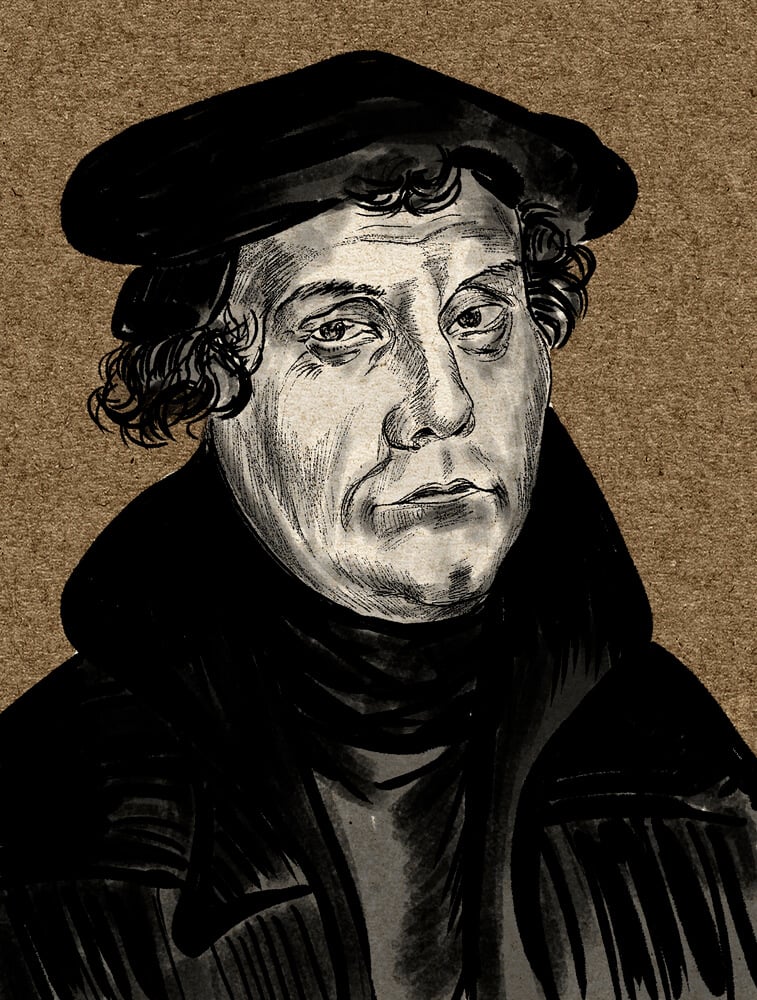
Summoned before the Holy Roman Emperor Charles V at the Diet of Worms in April 1521, Martin Luther was ordered to recant his writings criticizing the Catholic Church. He refused, saying his conscience was captive to the word of God and that going against conscience was neither right nor safe.
The famous closing line in which he declared he could do no other may have been added in early printed versions rather than spoken. Luther was declared an outlaw but was hidden by a sympathetic prince at Wartburg Castle.
The Reformation spread rapidly afterward.
Elizabeth I Addressing Troops at Tilbury
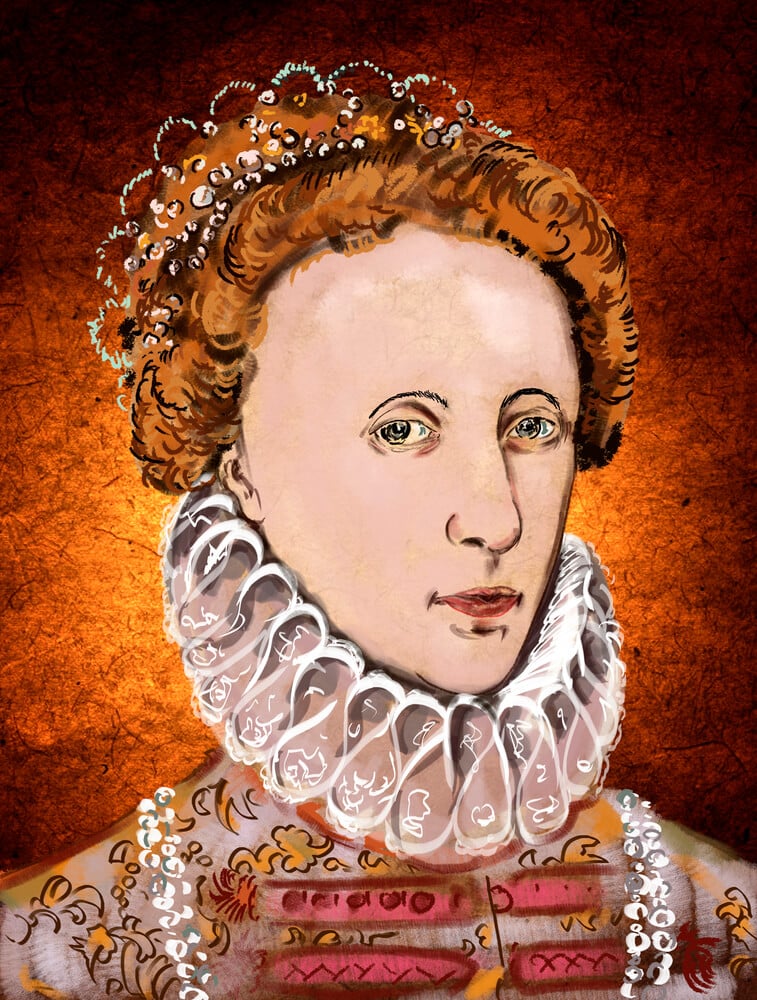
In August 1588, with the Spanish Armada threatening invasion, Queen Elizabeth I rode out to address her troops gathered at Tilbury on the Thames estuary. She acknowledged having the body of a weak and feeble woman but declared she had the heart and stomach of a king, and of a king of England too.
The best-known text comes from a letter written decades later by a chaplain who claimed to have been present, so the exact wording is uncertain. By the time she spoke, the Armada had already been scattered.
The speech still shapes how Elizabeth is remembered.
Patrick Henry and Liberty or Death
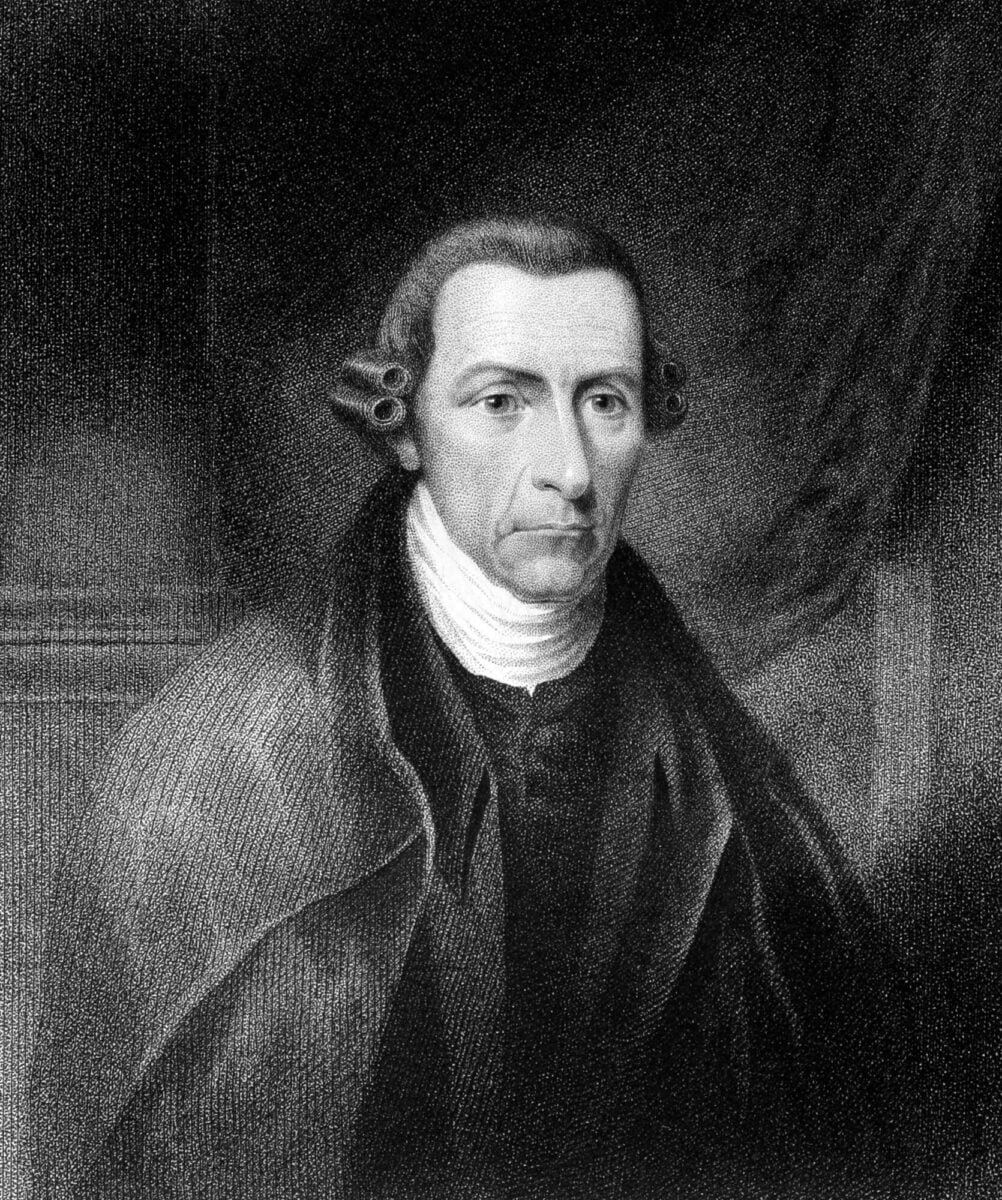
Patrick Henry addressed the Second Virginia Convention at St. John’s Church in Richmond in March 1775, urging the colony to raise a militia against Britain. His closing demand for liberty or death became one of the most famous lines of the American Revolution.
No transcript was made at the time. The text known today was reconstructed by biographer William Wirt in 1817, more than forty years later, from the recollections of people who had heard it.
Historians still debate how much is Henry and how much is Wirt. Within a month, fighting broke out at Lexington and Concord.
Sojourner Truth at the Akron Convention
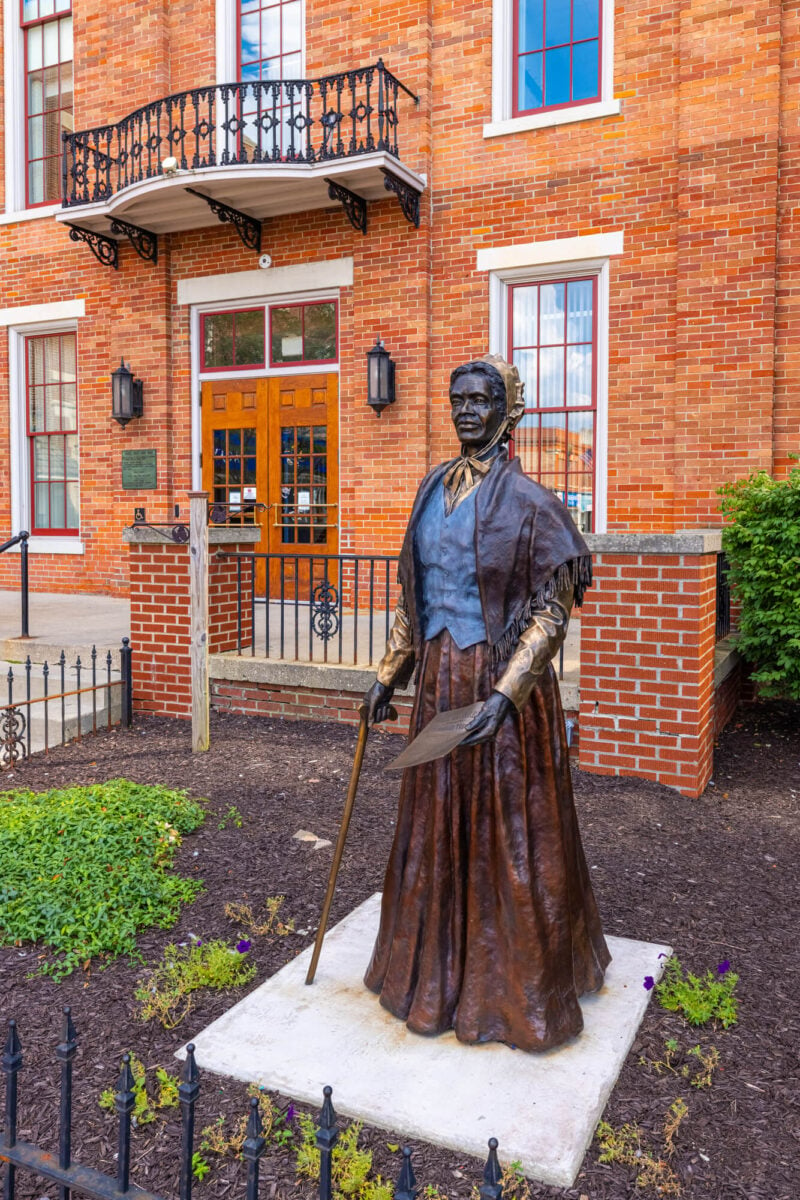
Sojourner Truth, a formerly enslaved abolitionist, spoke at the Women’s Rights Convention in Akron, Ohio, in May 1851. The best-known version of her speech, with its repeated refrain asking whether she was not a woman, was published by Frances Dana Gage in 1863, twelve years after the event, and rendered in a heavy Southern dialect.
Truth was raised in New York and spoke Dutch as her first language. An account published in 1851 by Marius Robinson, who was present, does not include the famous refrain.
Both versions argue powerfully for the rights of Black women.
Frederick Douglass on the Fourth of July
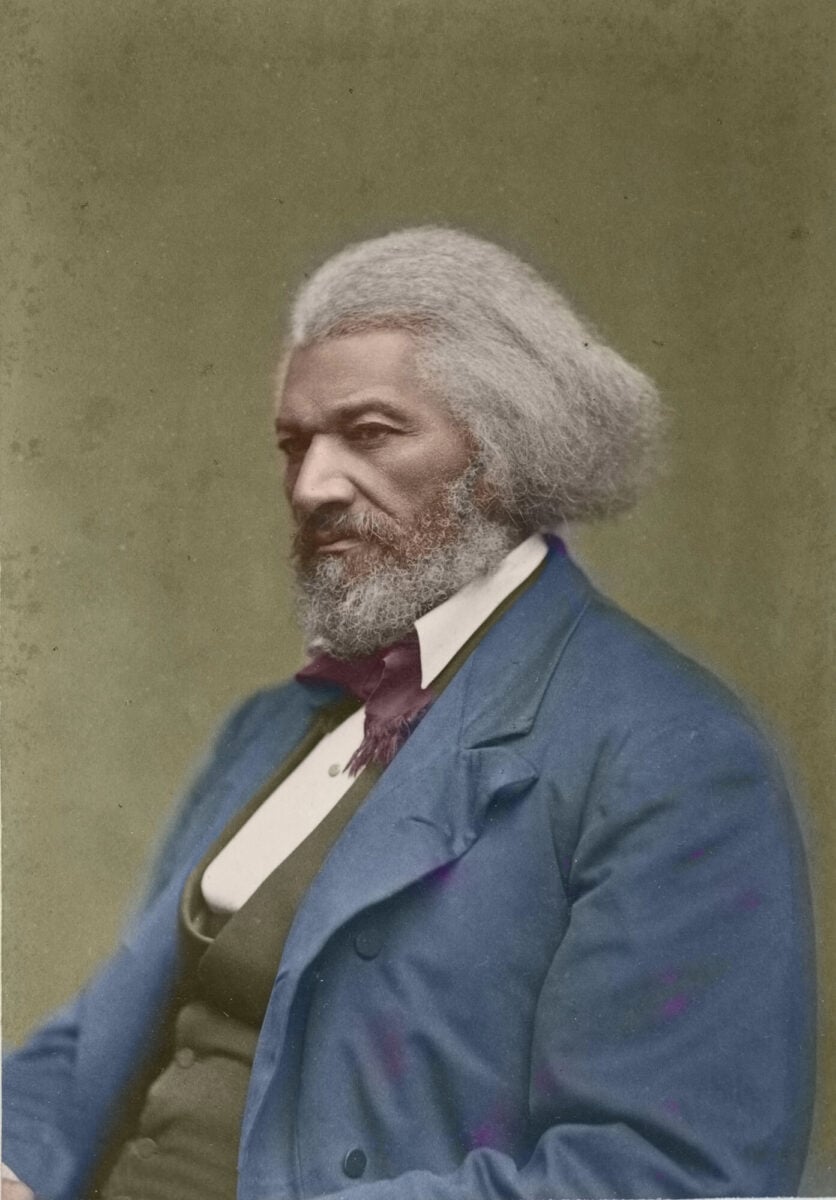
Frederick Douglass addressed the Rochester Ladies’ Anti-Slavery Society at Corinthian Hall in Rochester, New York, on July 5, 1852. Invited to speak about Independence Day, he asked what the Fourth of July meant to an enslaved person, and answered that it revealed the gross injustice and cruelty to which the enslaved were constant victims.
Douglass praised the founders and the principles of the Declaration of Independence while condemning the nation’s failure to live up to them. The speech is read aloud at public events every July.
Its central question still lands with uncomfortable force.
Lincoln’s Two Minutes at Gettysburg
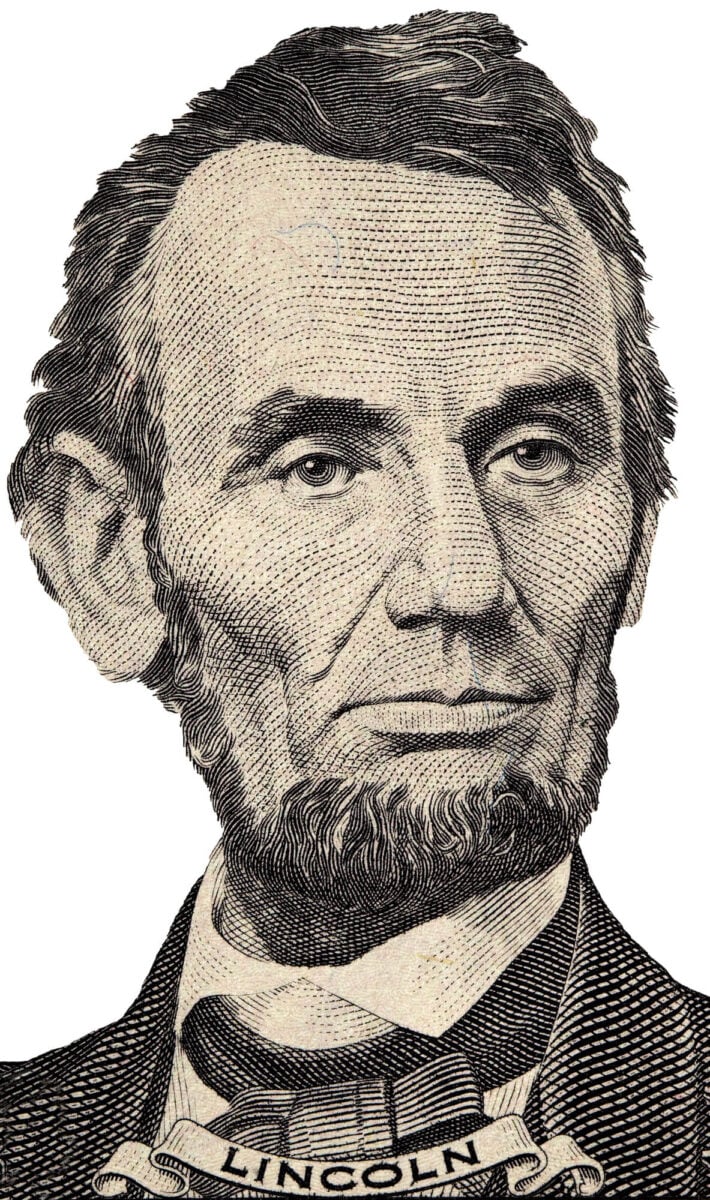
Abraham Lincoln delivered the Gettysburg Address on November 19, 1863, at the dedication of a national cemetery on the Pennsylvania battlefield. The speech runs only about 272 words and took roughly two minutes, following a two-hour oration by the main speaker, Edward Everett.
Lincoln redefined the Civil War as a test of whether government of the people, by the people, for the people could survive. Five manuscript copies in Lincoln’s hand are known.
Everett later wrote to Lincoln that the president had come closer to the central idea of the occasion in two minutes than he had in two hours.
Chief Joseph’s Surrender Speech
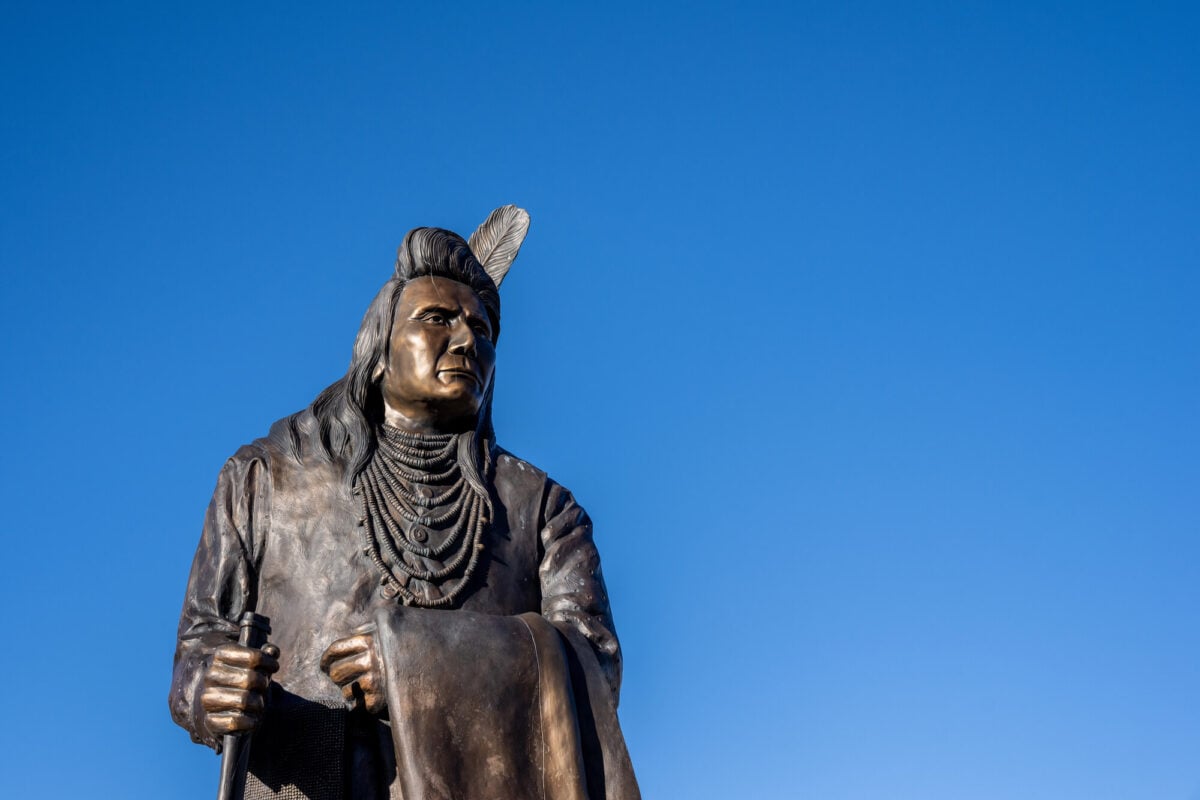
After a months-long fighting retreat of more than 1,000 miles, Chief Joseph of the Nez Perce surrendered in October 1877 to the US Army near the Bear Paw Mountains in Montana, close to the Canadian border. His words, as recorded by Lieutenant Charles Erskine Scott Wood, ended with the declaration that from where the sun now stood he would fight no more forever.
Some historians question how much of the text reflects Wood’s literary editing. The speech nonetheless became one of the most quoted statements by a Native American leader.
Joseph spent the rest of his life seeking to return his people to their homeland.
Susan B. Anthony on the Right to Vote
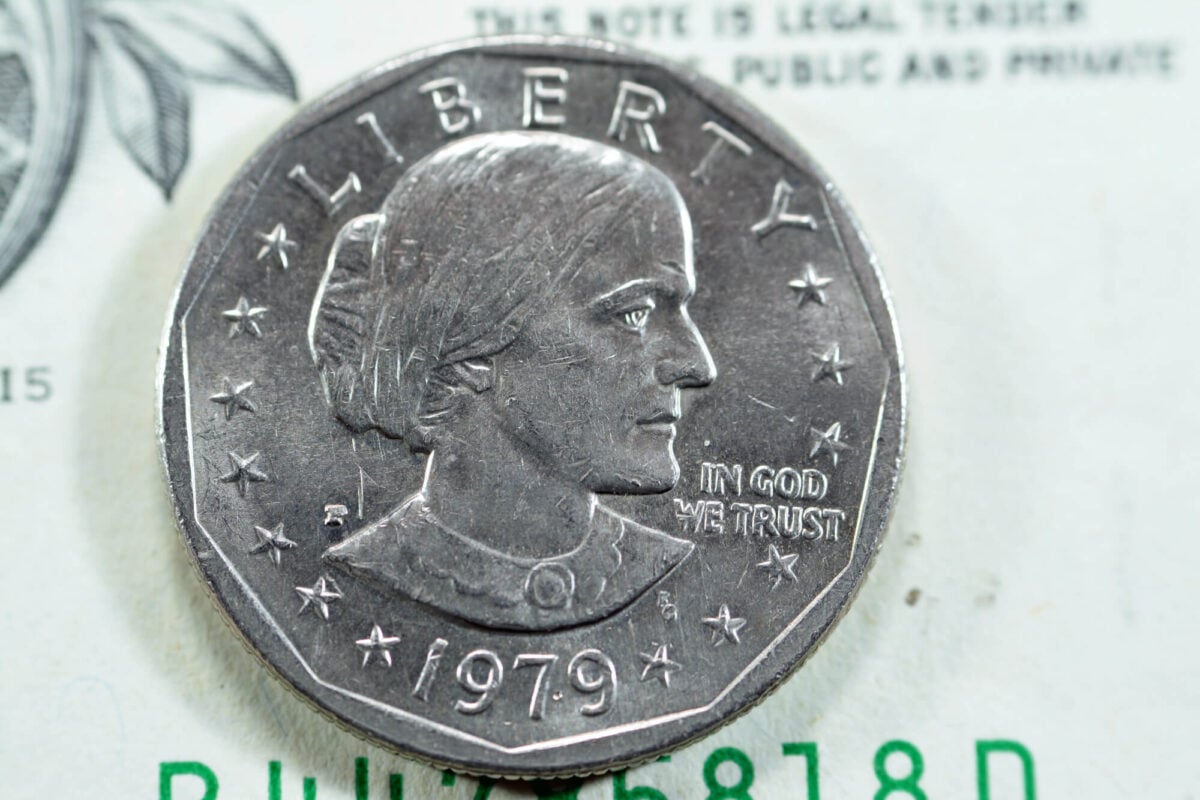
Susan B. Anthony was arrested for voting in the 1872 presidential election in Rochester, New York. Before her trial, she toured the towns of Monroe County delivering a speech that asked whether it was a crime for a citizen of the United States to vote.
She argued that the Constitution already protected women’s right to vote and that the preamble’s reference to the people included women. The judge directed the jury to find her guilty and fined her 100 dollars, which she refused to pay.
Women won the national right to vote in 1920, fourteen years after her death.
Theodore Roosevelt’s Man in the Arena
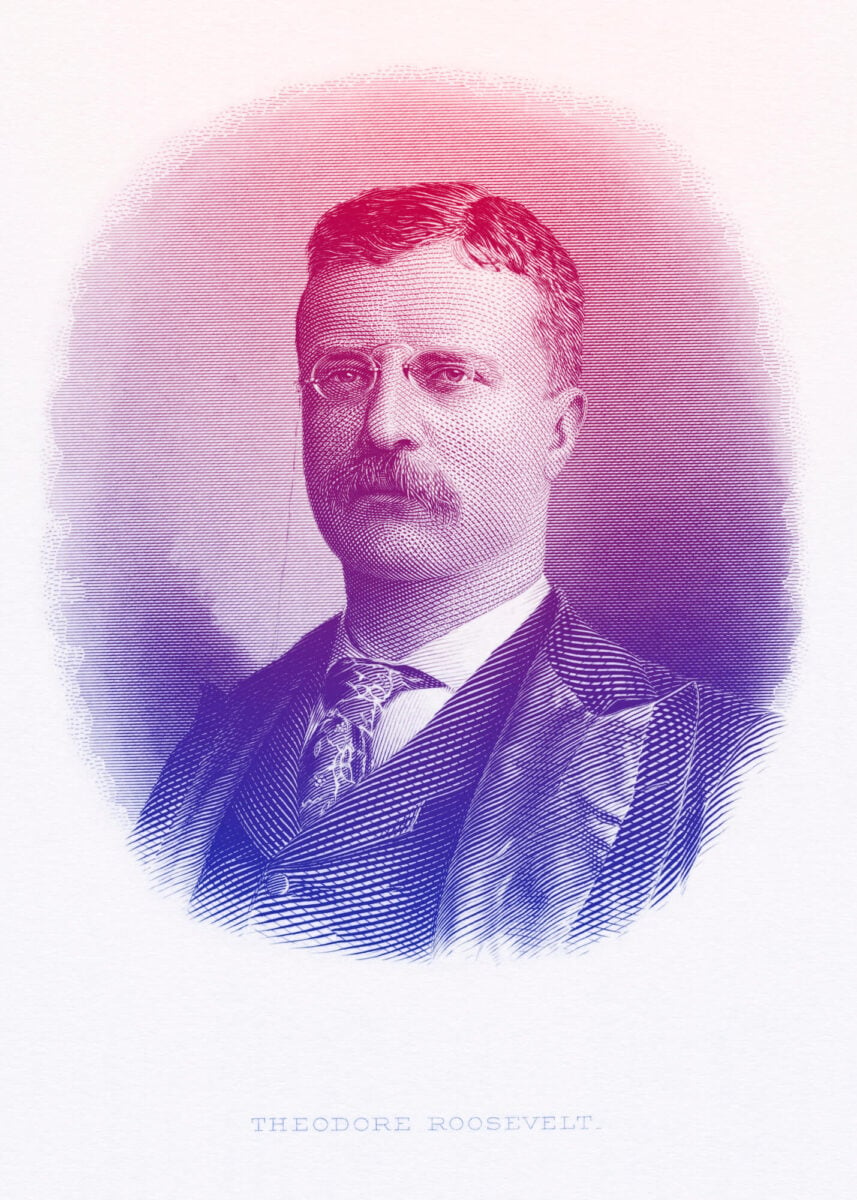
Former president Theodore Roosevelt delivered a lecture titled Citizenship in a Republic at the Sorbonne in Paris in April 1910. One passage, praising the man who is actually in the arena rather than the critic who points out how others stumble, became its most famous section.
It has since been quoted by athletes, politicians and business leaders, and it gave researcher Brene Brown the title of her bestselling book Daring Greatly. The full speech is long and wide-ranging.
The arena passage survives on posters, locker room walls and countless graduation speeches.
Emmeline Pankhurst’s Freedom or Death
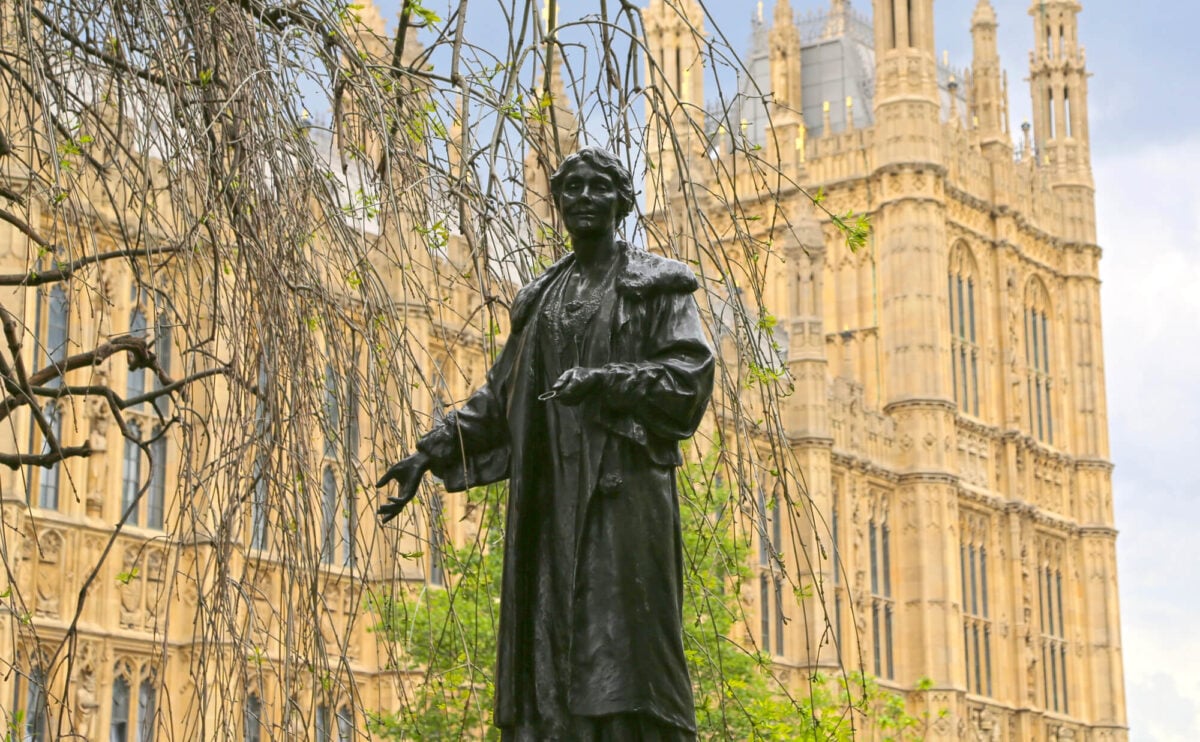
British suffragette leader Emmeline Pankhurst delivered her Freedom or Death speech in Hartford, Connecticut, in November 1913, during a fundraising tour of the United States. She described herself as a soldier in a civil war waged by women and defended militant tactics such as window-smashing and arson as the only way to force politicians to act.
She also explained the hunger strikes used by imprisoned suffragettes. The speech helped raise money and attention for the British campaign.
Women over 30 who met property qualifications won the vote in Britain in 1918.
Franklin Roosevelt on Fear Itself
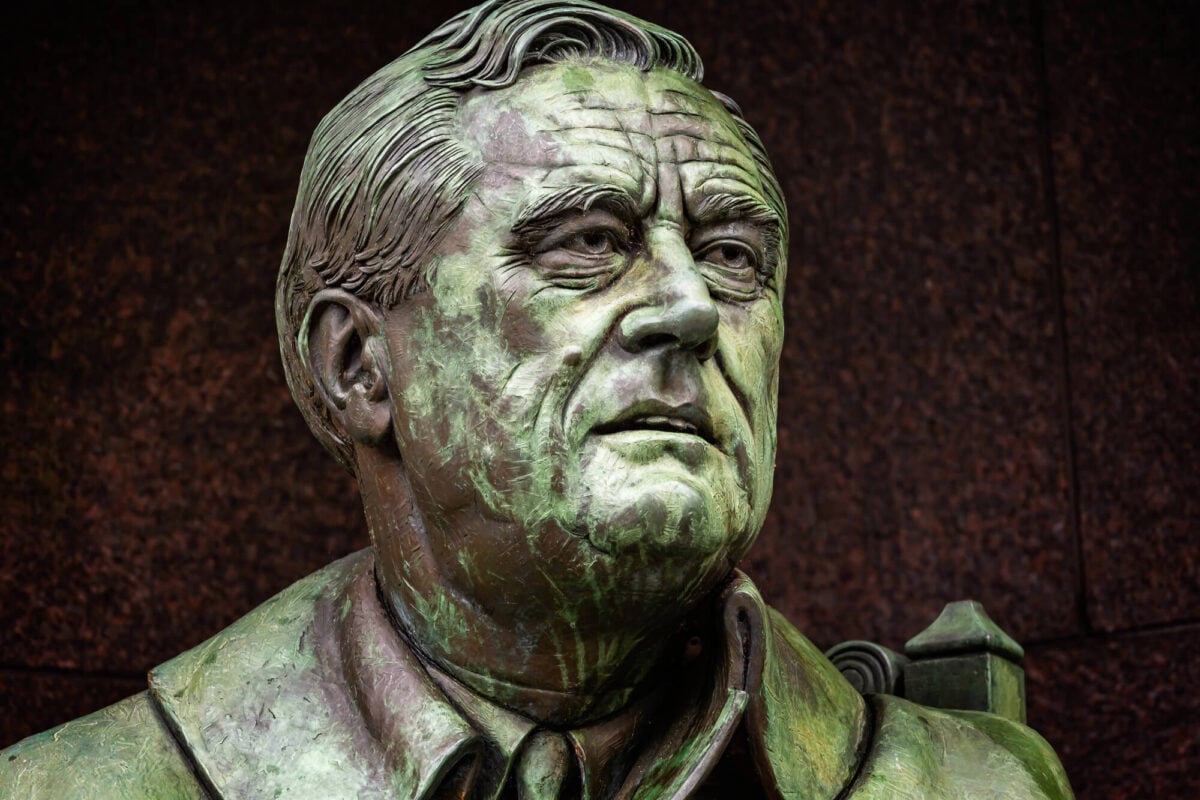
Franklin D. Roosevelt delivered his first inaugural address on March 4, 1933, at the depths of the Great Depression, with banks failing across the country. He told Americans that the only thing they had to fear was fear itself, which he described as nameless, unreasoning, unjustified terror.
Days later, he declared a national bank holiday and launched the rapid legislative push known as the Hundred Days. The line reassured a frightened public and set the tone for the New Deal.
It is still invoked by politicians whenever a crisis threatens to become a panic.
Lou Gehrig’s Farewell at Yankee Stadium
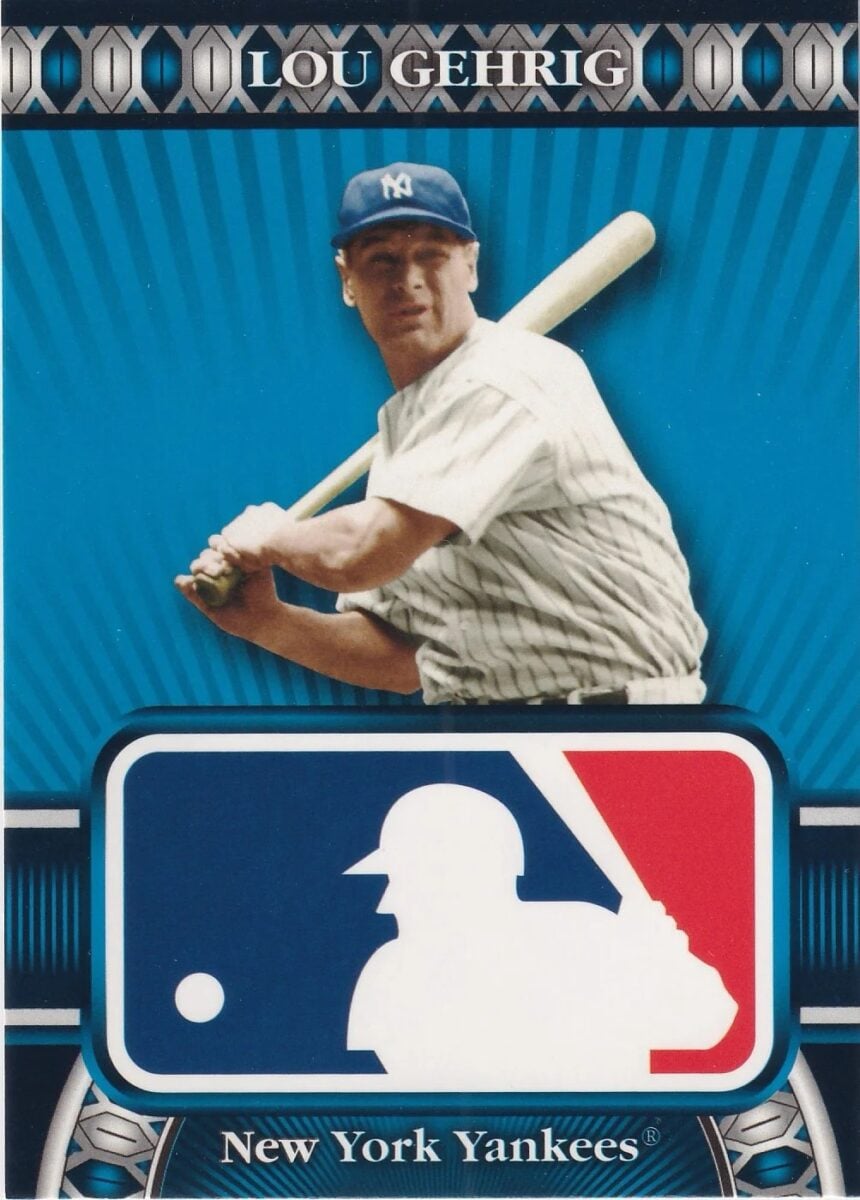
Lou Gehrig, the New York Yankees first baseman, stood at home plate at Yankee Stadium on July 4, 1939, after being diagnosed with amyotrophic lateral sclerosis. Speaking to a packed crowd, he described himself as the luckiest man on the face of the earth, thanking teammates, family and fans rather than dwelling on his illness.
The speech was short and partly improvised. Gehrig died in 1941 at age 37, and the disease is still widely known in the United States by his name.
His words remain one of the most moving moments in American sports history.
Churchill and the Fight on the Beaches
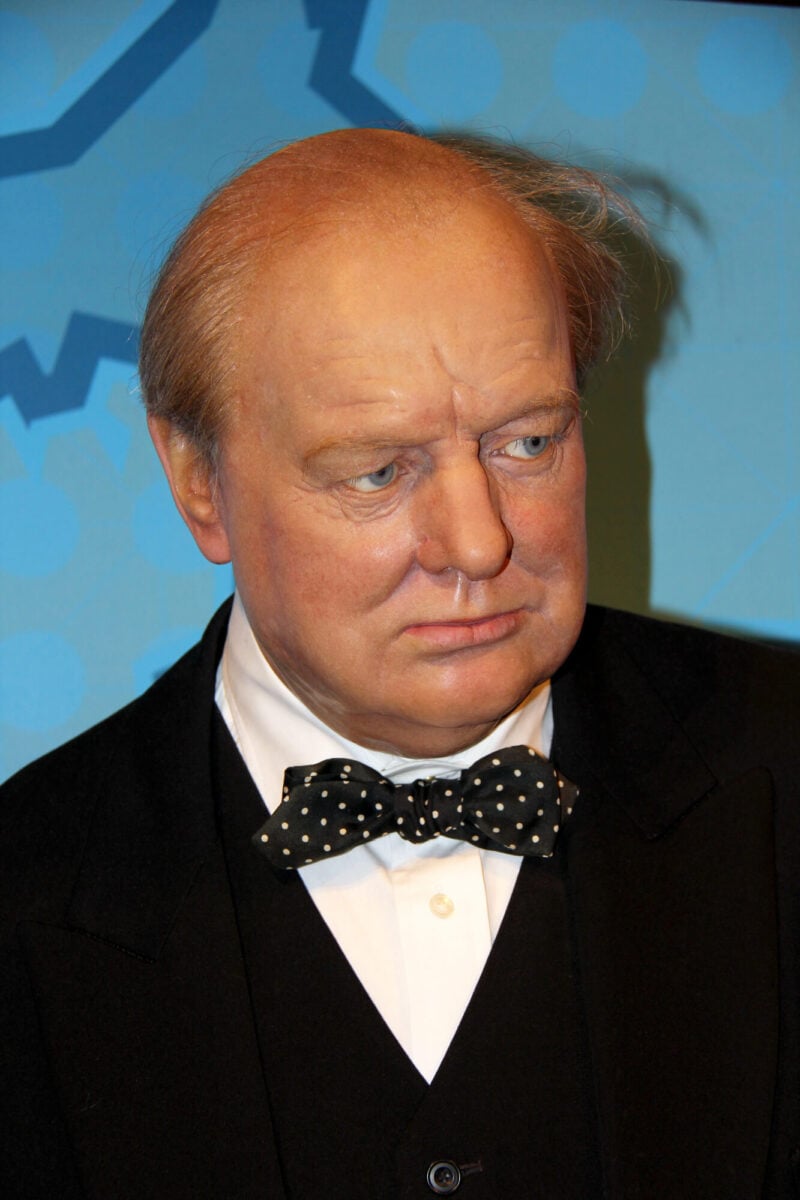
Winston Churchill delivered his speech to the House of Commons on June 4, 1940, after the evacuation of Allied troops from Dunkirk. He warned that wars are not won by evacuations, then vowed that Britain would fight on the beaches, the landing grounds, the fields and the streets, and would never surrender.
The speech was not broadcast live. A BBC announcer read portions on the radio that evening, and Churchill recorded the speech himself in 1949.
Despite that, many people later remembered hearing him deliver it on the radio. Its defiance became a defining expression of wartime Britain.
Charles de Gaulle’s Appeal of 18 June
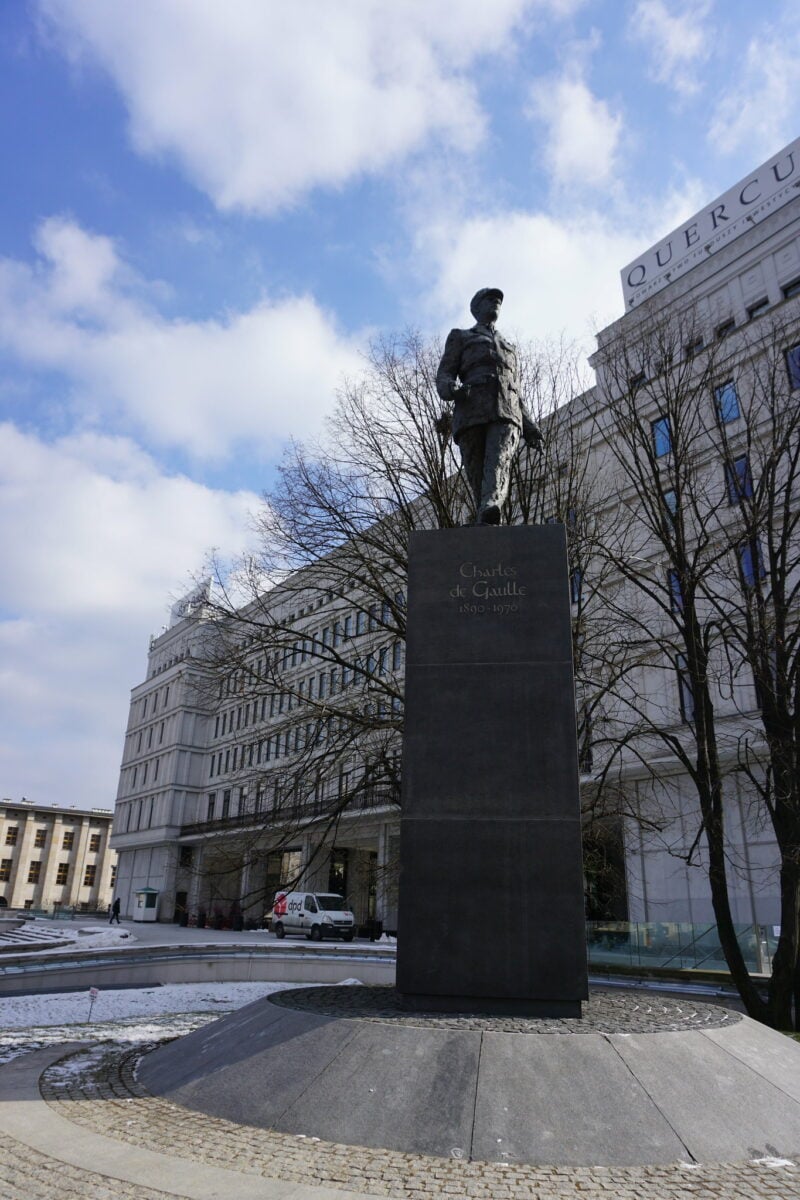
On June 18, 1940, a little-known French general named Charles de Gaulle spoke on BBC radio from London, urging the French not to accept defeat by Germany. He declared that the flame of French resistance must not and would not be extinguished.
Few people in France heard the broadcast, and the BBC did not record it. Its importance grew over time as de Gaulle became leader of the Free French and later president of France.
The appeal is now commemorated every year in France. It shows how a speech heard by few can become the founding myth of a nation’s resistance.
Franklin Roosevelt’s Date of Infamy
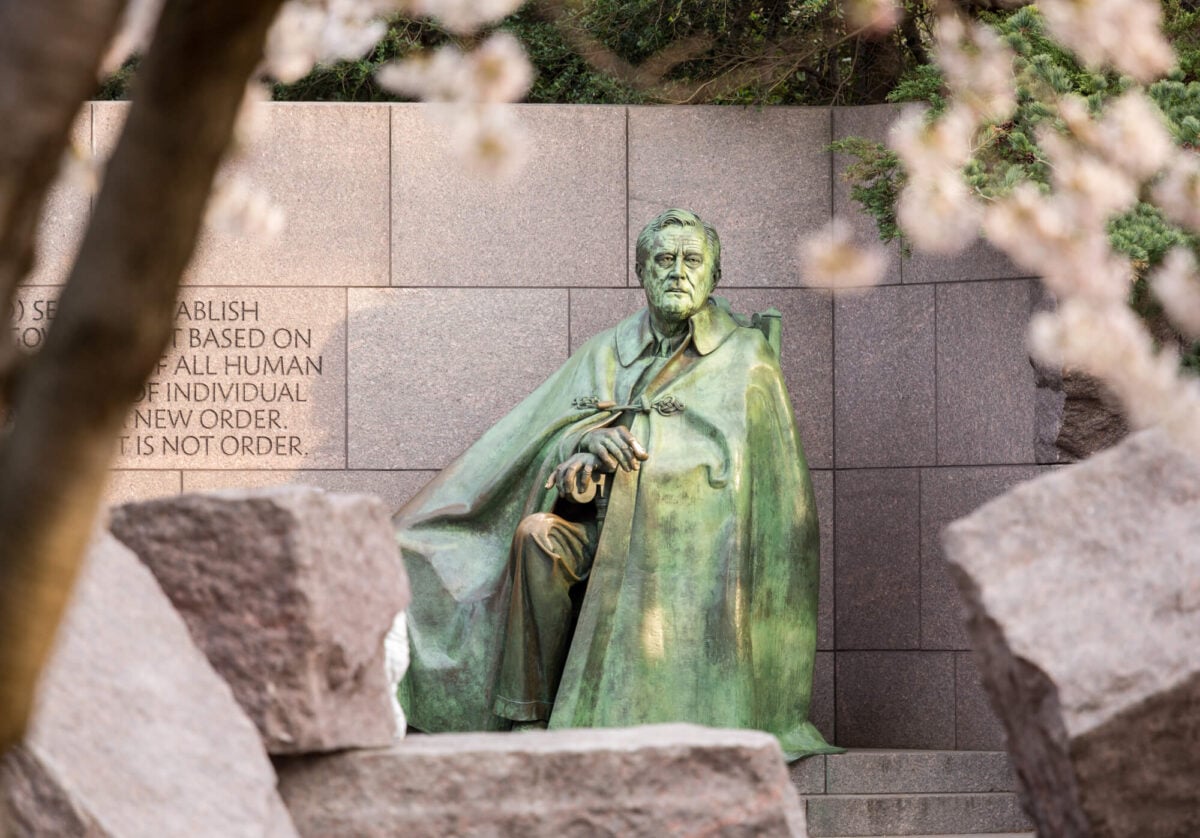
The day after the Japanese attack on Pearl Harbor, Franklin D. Roosevelt addressed a joint session of Congress on December 8, 1941. He called December 7 a date which will live in infamy, and within an hour Congress declared war on Japan.
Roosevelt’s draft originally described the date as one that would live in world history, and he changed the wording by hand. The speech lasted only about seven minutes.
Radio audiences in the United States were among the largest ever recorded at the time. The revised phrase became the defining description of the attack.
Gandhi’s Quit India Speech
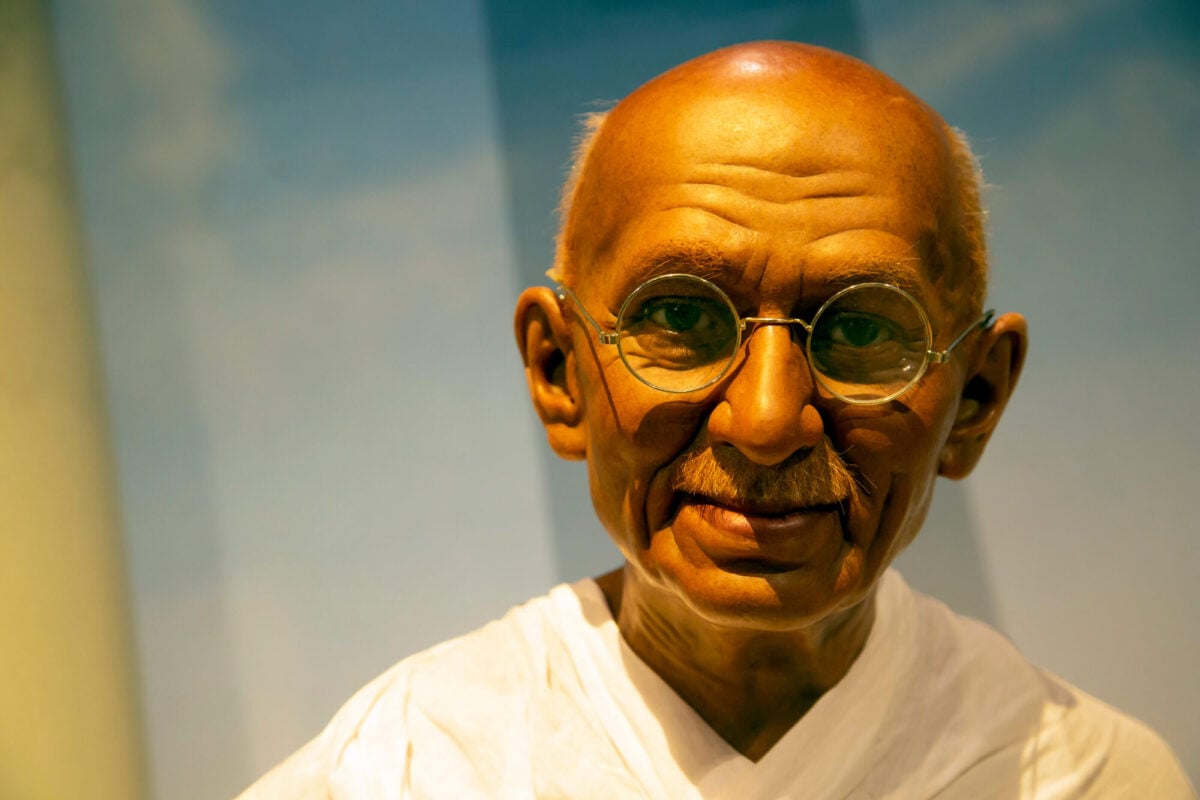
Mohandas Gandhi addressed the All-India Congress Committee at Gowalia Tank Maidan in Bombay on August 8, 1942, launching the Quit India movement that demanded an immediate end to British rule. He urged Indians to do or die, insisting they would either free India or die in the attempt, while still calling for nonviolence.
British authorities arrested Gandhi and most of the Congress leadership within hours. Protests and strikes followed across the country.
The ground where he spoke is now called August Kranti Maidan, and India gained independence five years later.
Churchill’s Iron Curtain at Fulton
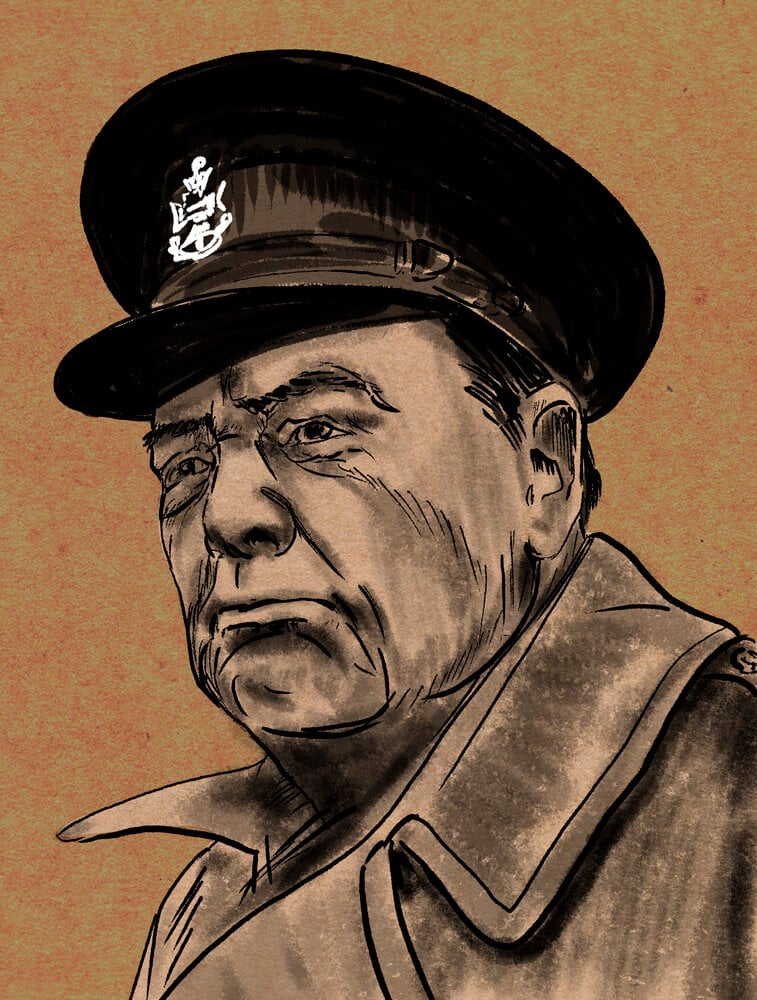
Winston Churchill, no longer prime minister, spoke at Westminster College in Fulton, Missouri, on March 5, 1946, with President Harry Truman on the stage. In a lecture he titled The Sinews of Peace, he warned that from Stettin in the Baltic to Trieste in the Adriatic, an iron curtain had descended across the Continent.
The speech was criticized at the time by some who saw it as intriguing toward the Soviet Union. Within a few years, it was seen as one of the opening statements of the Cold War.
The phrase iron curtain entered everyday language almost overnight.
Nehru’s Tryst With Destiny
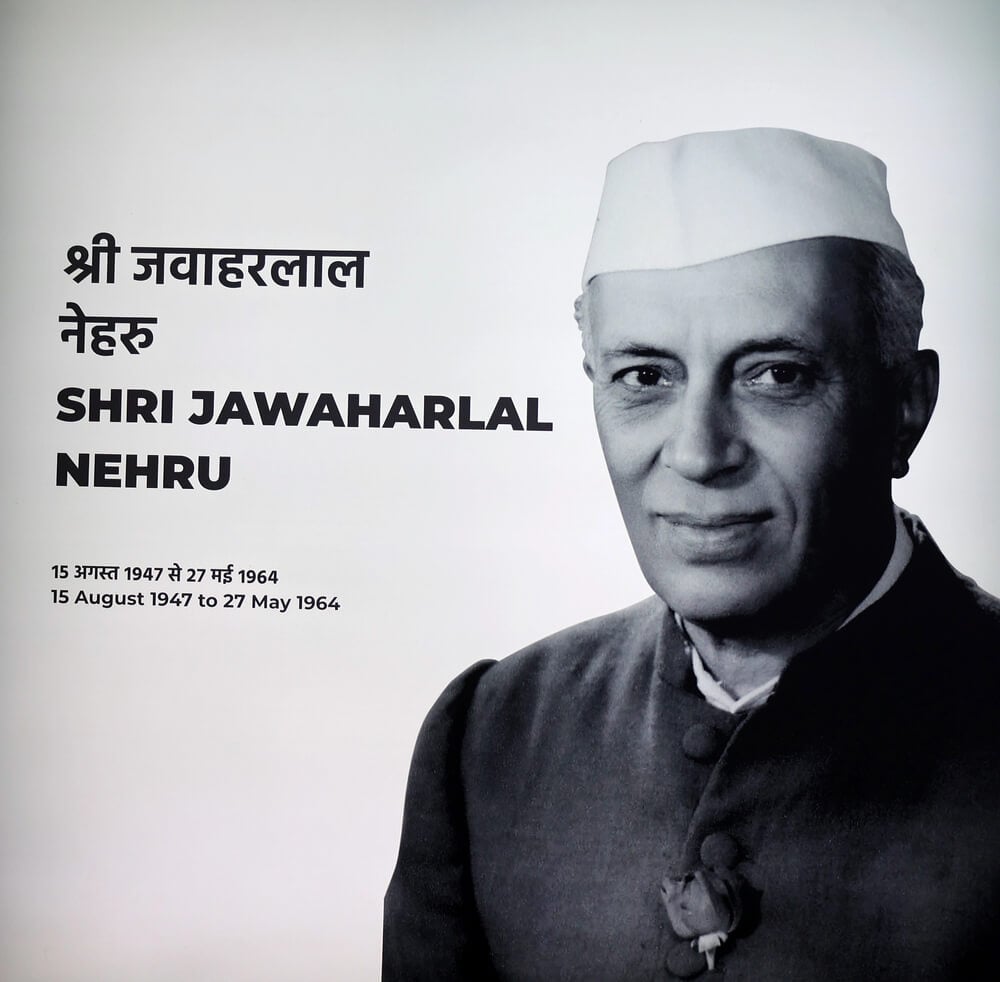
Jawaharlal Nehru addressed India’s Constituent Assembly in New Delhi shortly before midnight on August 14, 1947, as the country prepared to become independent. He described a long-awaited tryst with destiny and declared that at the stroke of the midnight hour, when the world sleeps, India would awake to life and freedom.
Nehru became India’s first prime minister. The speech is widely studied in Indian schools and quoted on every Independence Day.
Its optimism also sits alongside the violence of partition, which was unfolding in the same weeks and killed vast numbers of people.
Eisenhower’s Military-Industrial Complex
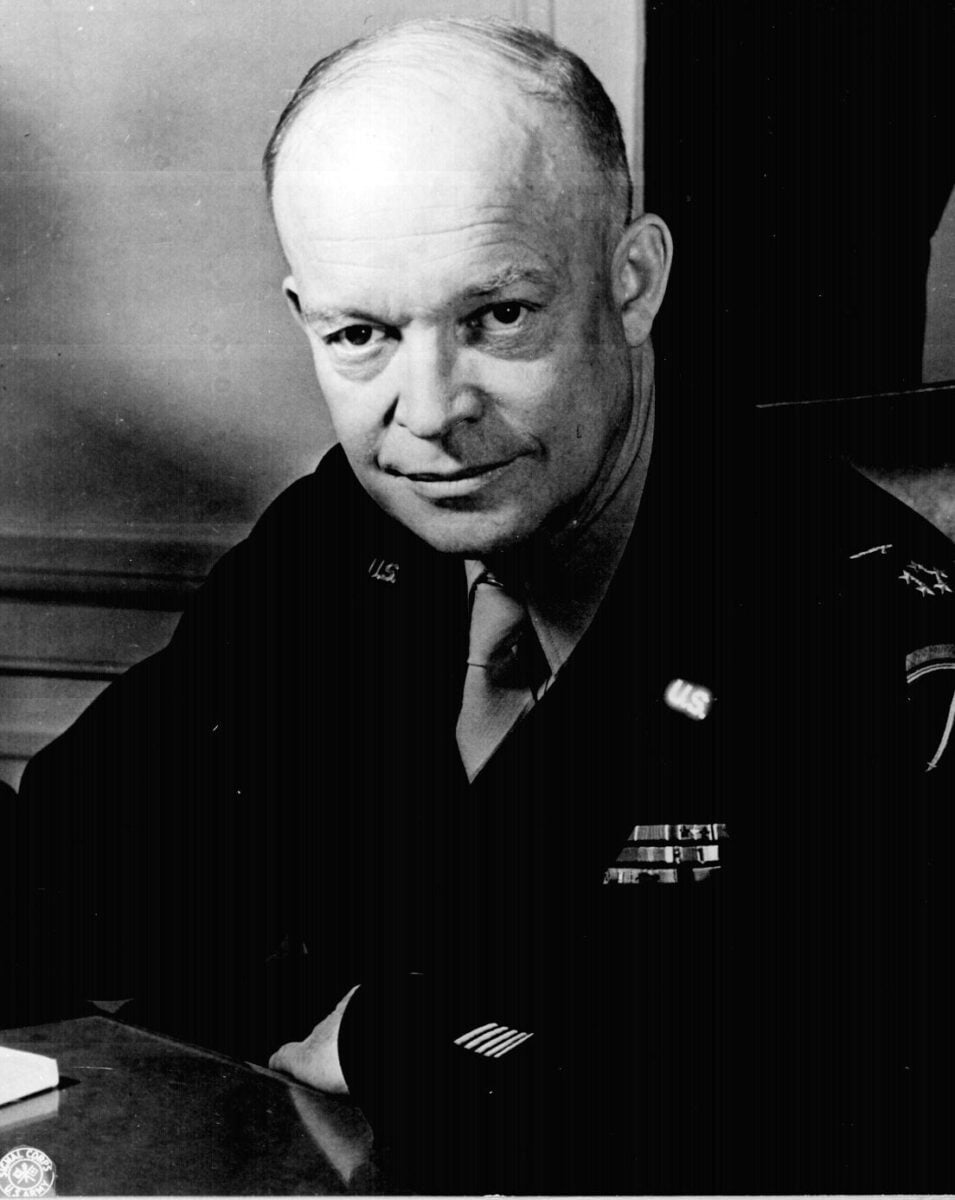
President Dwight D. Eisenhower delivered his farewell address on national television on January 17, 1961, three days before leaving office. The former five-star general warned Americans to guard against the acquisition of unwarranted influence by the military-industrial complex, meaning the growing alliance between the armed forces and the defense industry.
Coming from a war hero, the warning carried unusual weight. The phrase quickly entered political vocabulary and is still used across the political spectrum.
Eisenhower’s speechwriters had reportedly considered including Congress in the phrase. He had commanded Allied forces in Europe during World War II, so few could accuse him of being soft on defense.
John F. Kennedy’s Inaugural Challenge
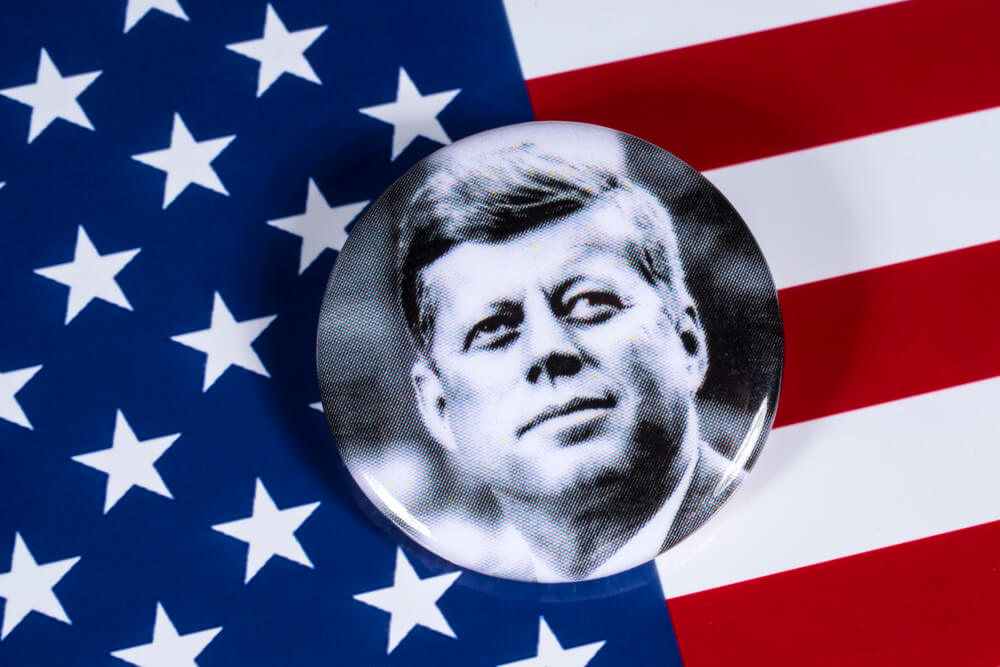
John F. Kennedy delivered his inaugural address on January 20, 1961, on a freezing, snow-covered day in Washington. At 43, he was the youngest person ever elected president, and he declared that the torch had been passed to a new generation of Americans.
His most famous line urged citizens to ask what they could do for their country, rather than what their country could do for them. The speech was only about 14 minutes long.
Its call to public service helped inspire programs such as the Peace Corps, launched that same year.
Martin Luther King Jr.’s Dream at the Lincoln Memorial
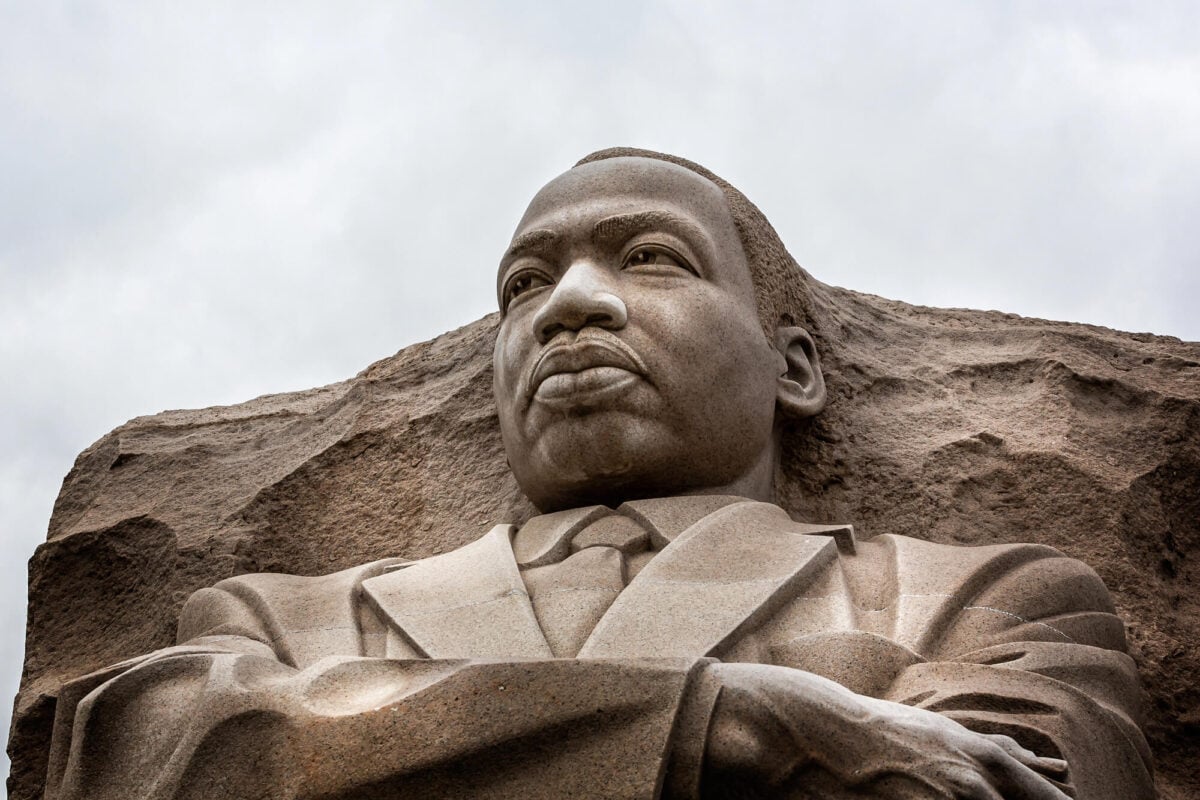
Martin Luther King Jr. spoke from the steps of the Lincoln Memorial on August 28, 1963, during the March on Washington for Jobs and Freedom, before a crowd of about 250,000 people. The prepared text did not focus on the dream imagery that made the speech famous.
Gospel singer Mahalia Jackson reportedly called out for him to tell the crowd about the dream, and King moved away from his notes, drawing on themes he had used in earlier sermons. The improvised passage became one of the most recognized pieces of American oratory.
The Civil Rights Act passed the following year.
Nelson Mandela at the Rivonia Trial
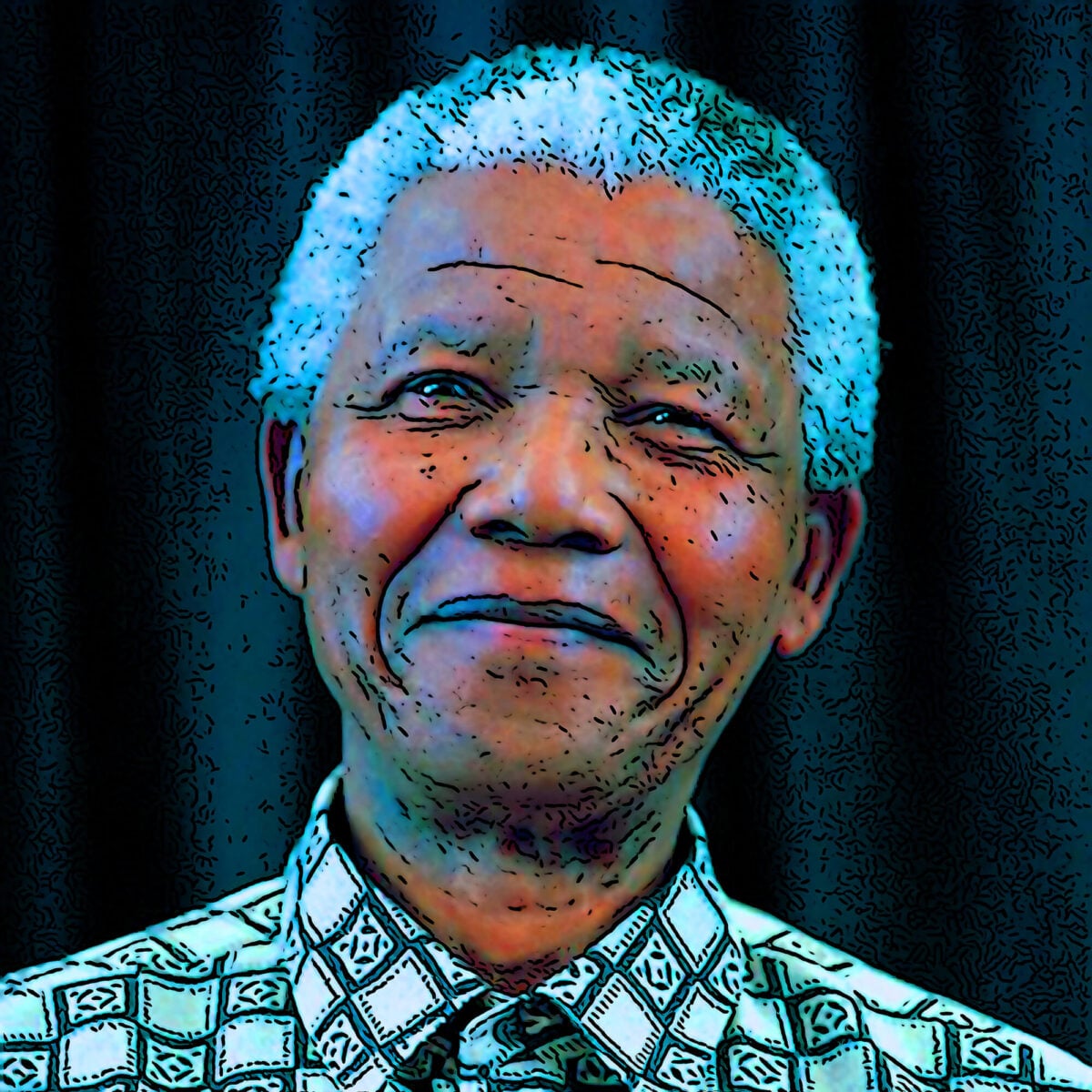
On April 20, 1964, Nelson Mandela delivered a statement from the dock at the Rivonia Trial in Pretoria, where he and other leaders faced charges that could carry the death penalty. Speaking for around three hours, he explained why the African National Congress had turned to armed struggle and described his ideal of a democratic and free society.
He closed by saying it was an ideal for which he was prepared to die. Mandela and several co-accused were sentenced to life imprisonment in June 1964.
He spent 27 years in prison before becoming South Africa’s first democratically elected president in 1994.
Robert Kennedy in Indianapolis
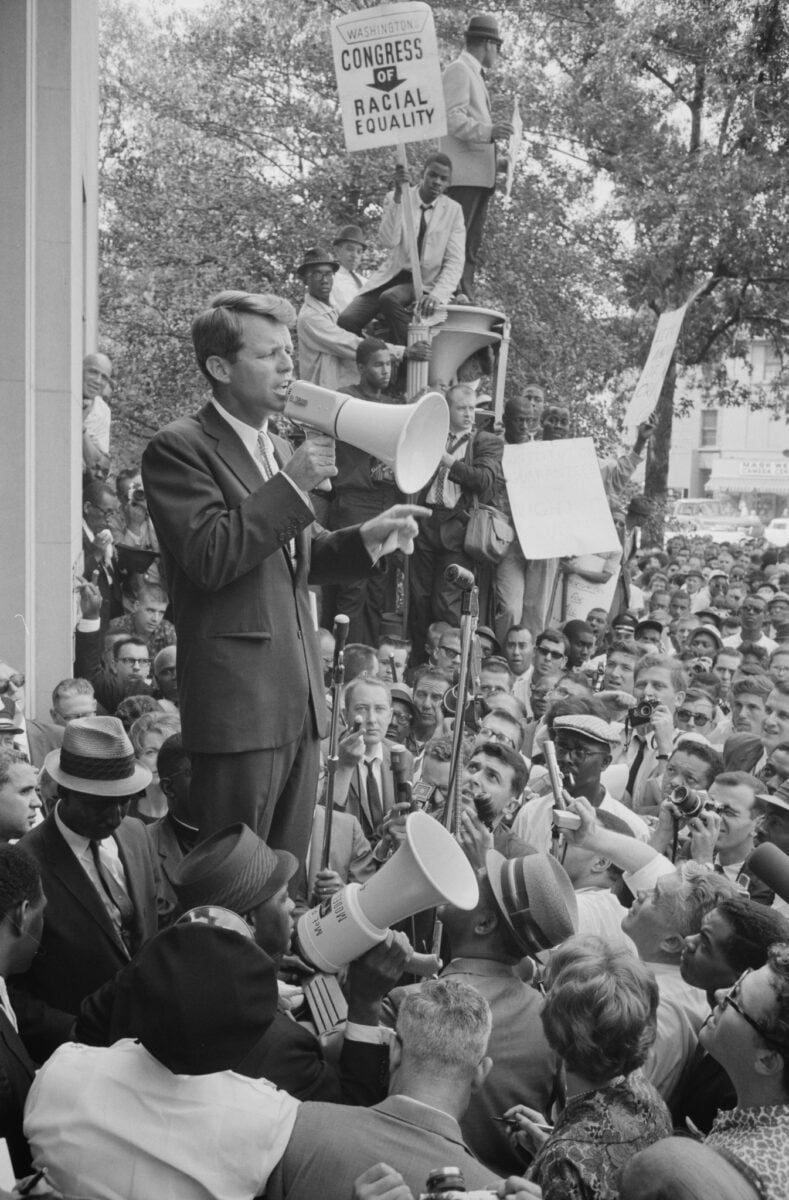
Robert F. Kennedy was campaigning for president in Indianapolis on April 4, 1968, when he learned that Martin Luther King Jr. had been assassinated. Against the advice of police, he spoke to a largely Black crowd who had not yet heard the news, standing on a flatbed truck.
He shared the news, spoke of his own brother’s assassination and quoted the Greek playwright Aeschylus on wisdom gained through suffering. Riots broke out in many American cities that night, but Indianapolis remained comparatively calm.
Kennedy himself was assassinated two months later.
Ronald Reagan at the Brandenburg Gate
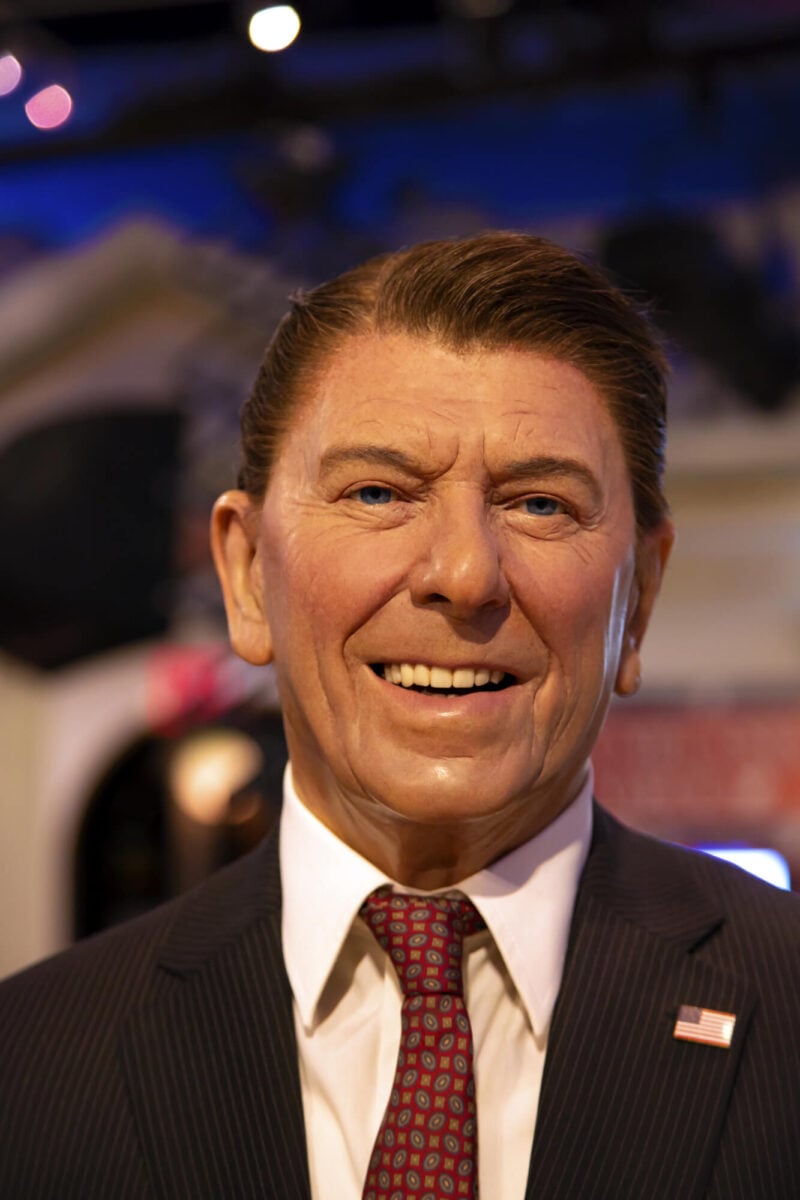
President Ronald Reagan spoke at the Brandenburg Gate in West Berlin on June 12, 1987, with the Berlin Wall behind him. Addressing the Soviet leader directly, he demanded that Mr. Gorbachev tear down this wall.
Some State Department and National Security Council officials had tried repeatedly to remove the line, fearing it was too intriguing, but speechwriter Peter Robinson and Reagan himself kept it in. The speech drew limited attention at first.
After the wall fell in November 1989, it became one of the defining images of the end of the Cold War.
Queen Elizabeth II’s Horrible Year
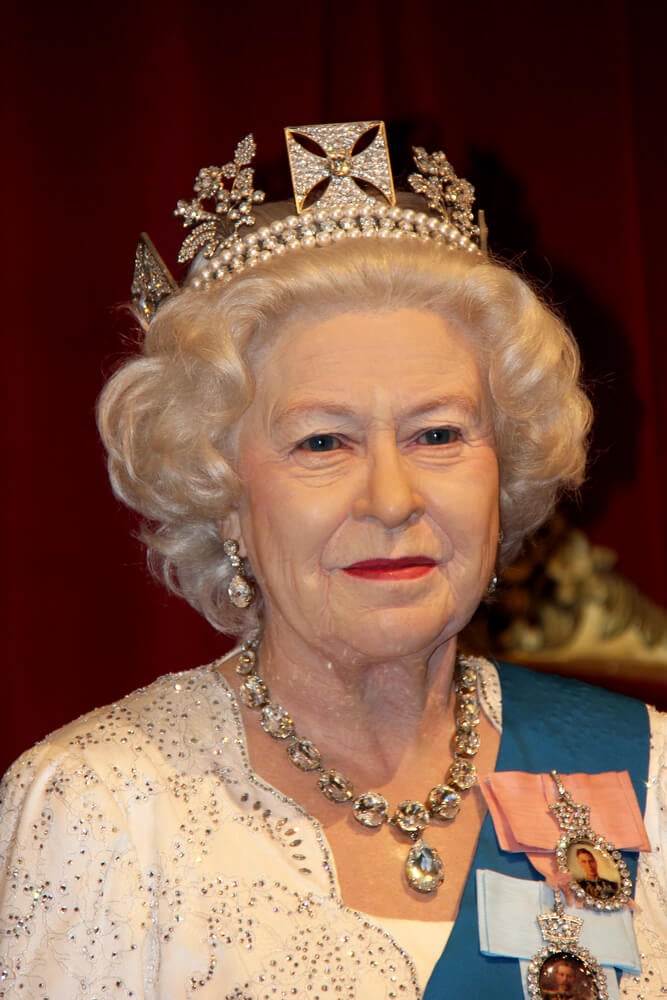
Queen Elizabeth II spoke at a lunch at the Guildhall in London on November 24, 1992, marking the 40th anniversary of her accession. Speaking with a heavy cold, she described 1992 as an annus horribilis, a Latin phrase meaning a horrible year.
In the space of months, three of her children’s marriages had broken down publicly, and four days before the speech a fire had badly damaged Windsor Castle. The phrase was suggested by a former private secretary in a letter.
The unusually personal admission struck a chord with the public, and the phrase is still used today.
Steve Jobs at Stanford
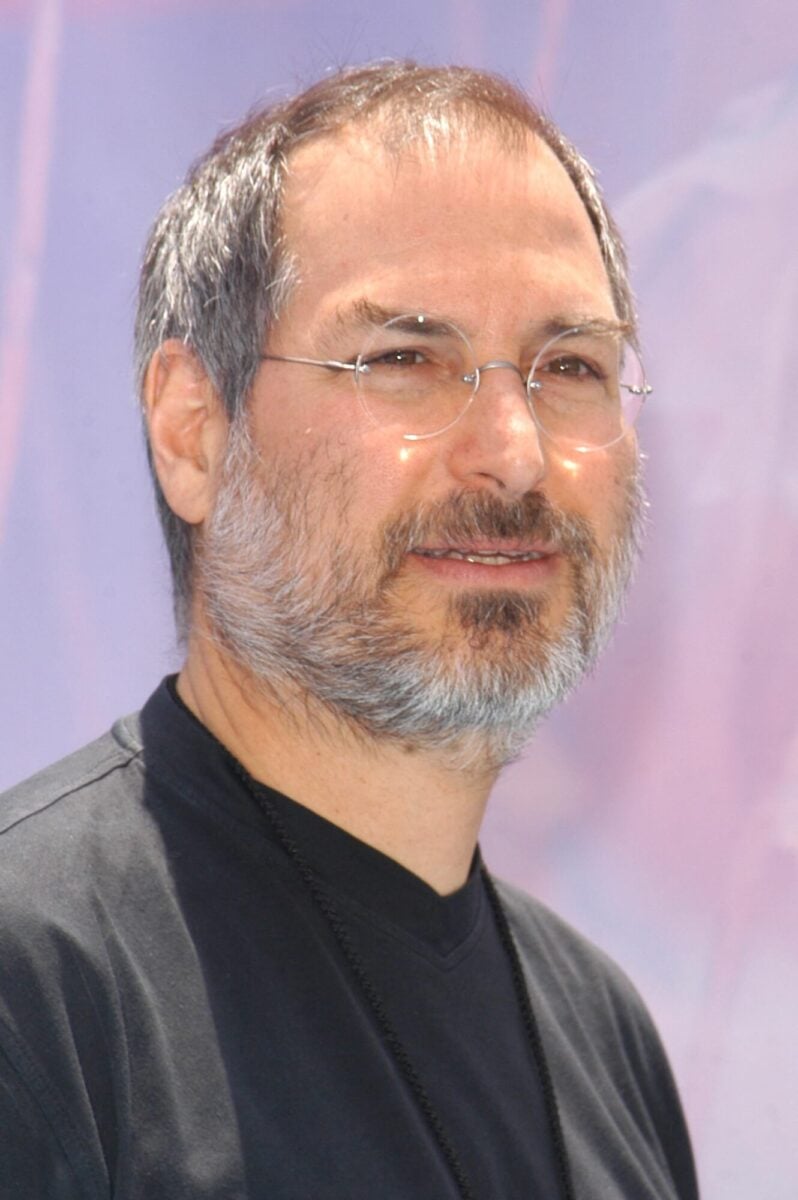
Apple cofounder Steve Jobs delivered the commencement address at Stanford University on June 12, 2005. He structured the speech around three stories from his life, covering dropping out of college, being fired from Apple and facing a cancer diagnosis.
He ended with a farewell line borrowed from the back cover of a 1970s counterculture catalog, urging graduates to stay hungry and stay foolish. The speech spread widely online and has been viewed tens of millions of times.
Jobs died in 2011, which gave his reflections on mortality added weight.
Malala Yousafzai at the United Nations
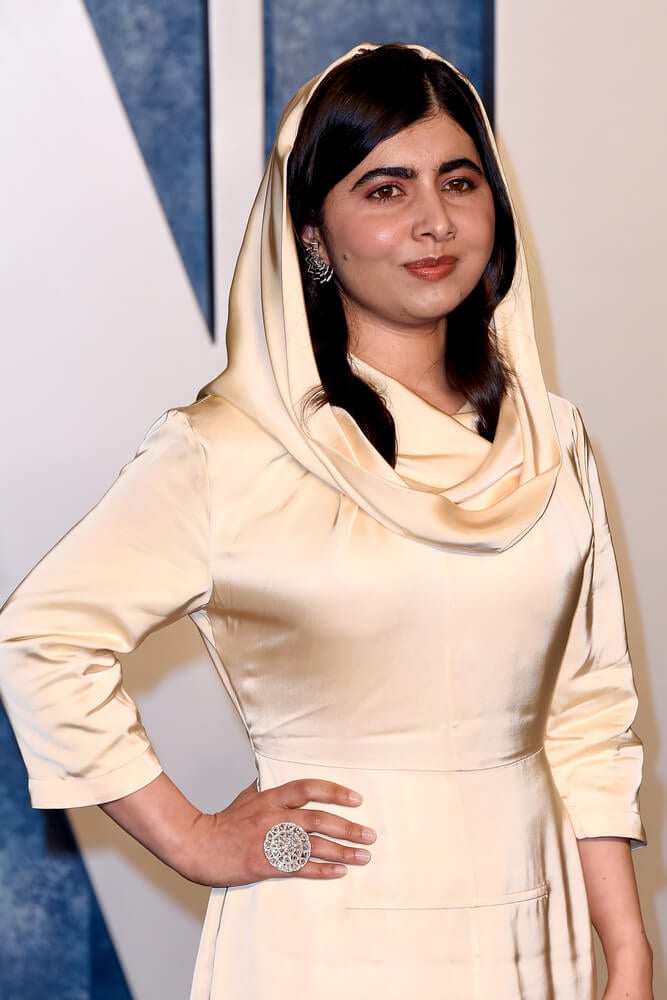
Malala Yousafzai marked her 16th birthday on July 12, 2013, by addressing the United Nations Youth Assembly in New York, less than a year after a Taliban gunman shot her in the head in Pakistan for campaigning for girls’ education. She declared that one child, one teacher, one book and one pen can change the world.
The UN marked the date as Malala Day. She wore a shawl that had belonged to the assassinated Pakistani prime minister Benazir Bhutto.
The following year, she became the youngest person ever to receive the Nobel Peace Prize.
Sentences That Refuse to Retire

The speeches that last are rarely the longest or most polished. They tend to compress a crisis into a single memorable phrase, one that can be repeated by people who never read the full text.
Many of the lines on this list were edited, improvised or reconstructed after the fact. That messy origin does not weaken them.
Words survive when later generations find new uses for them, at protests, funerals, graduations and elections. A great speech is ultimately finished by its audience, sometimes centuries after the speaker has gone.
More from Go2Tutors!

- The Romanov Crown Jewels and Their Tragic Fate
- 13 Historical Mysteries That Science Still Can’t Solve
- Famous Hoaxes That Fooled the World for Years
- 15 Child Stars with Tragic Adult Lives
- 16 Famous Jewelry Pieces in History
Like Go2Tutors’s content? Follow us on MSN.