27 Historic Photos That Were Staged or Edited
Photography arrived with a promise that it would show the world exactly as it was. Within months of the first cameras going public, someone was already arranging the scene, and within decades darkroom artists could add, remove and rearrange almost anything.
Some of the alterations were harmless, made for art or publicity. Others erased people from history, nudged public opinion or fooled millions, and a few were only exposed long after everyone involved had died.
Hippolyte Bayard Plays Dead
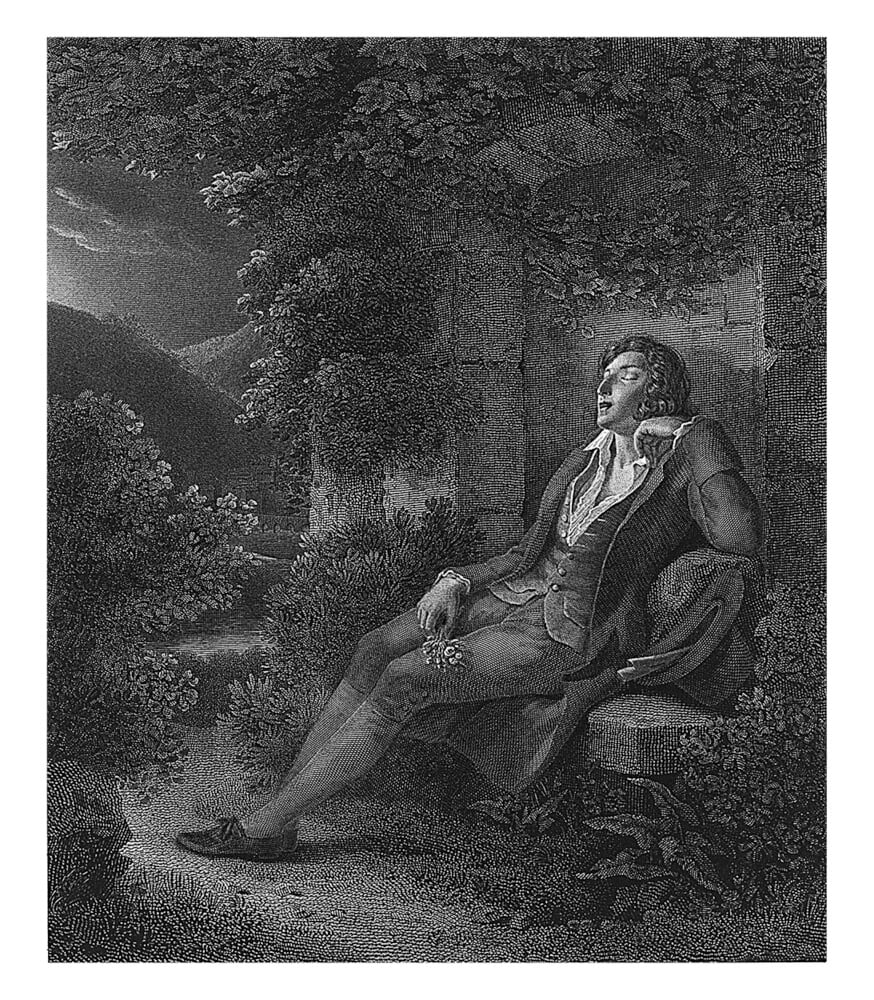
In 1840, French inventor Hippolyte Bayard produced what is often called the first staged photograph, a portrait of himself slumped against a wall as if he had drowned. Bayard had developed his own photographic process but felt the government had ignored him while celebrating Louis Daguerre.
On the back he wrote a mock-tragic note claiming the neglected inventor had thrown himself into the water in despair. He was very much alive and kept working for decades.
The picture proved, almost at the birth of the medium, that a camera could be made to tell a story that was not true.
Fading Away by Henry Peach Robinson

Henry Peach Robinson’s 1858 photograph Fading Away showed a young woman dying of illness, surrounded by her grieving family. Viewers were moved, and some were disturbed that a photographer would intrude on such a scene.
In fact, the picture was a combination print assembled from five separate negatives, and the model was not ill at all. Robinson was an early champion of photography as art, arguing that photographers should compose images the way painters did.
Queen Victoria’s husband, Prince Albert, reportedly bought prints of his work. The image helped launch decades of debate over photographic truth.
Roger Fenton’s Road of Iron Shot
During the Crimean War in 1855, British photographer Roger Fenton made two nearly identical pictures of a desolate road in a ravine soldiers called the Valley of the Shadow of Death. In one, the road is clear, with iron cannon shot lying in the ditch beside it.
In the other, the shot is scattered across the road itself. Historians and the filmmaker Errol Morris have argued over which came first, and most studies conclude the shot was moved onto the road for dramatic effect.
The pair is often cited as one of the earliest examples of a manipulated war photograph.
Gardner’s Moved Body at Gettysburg
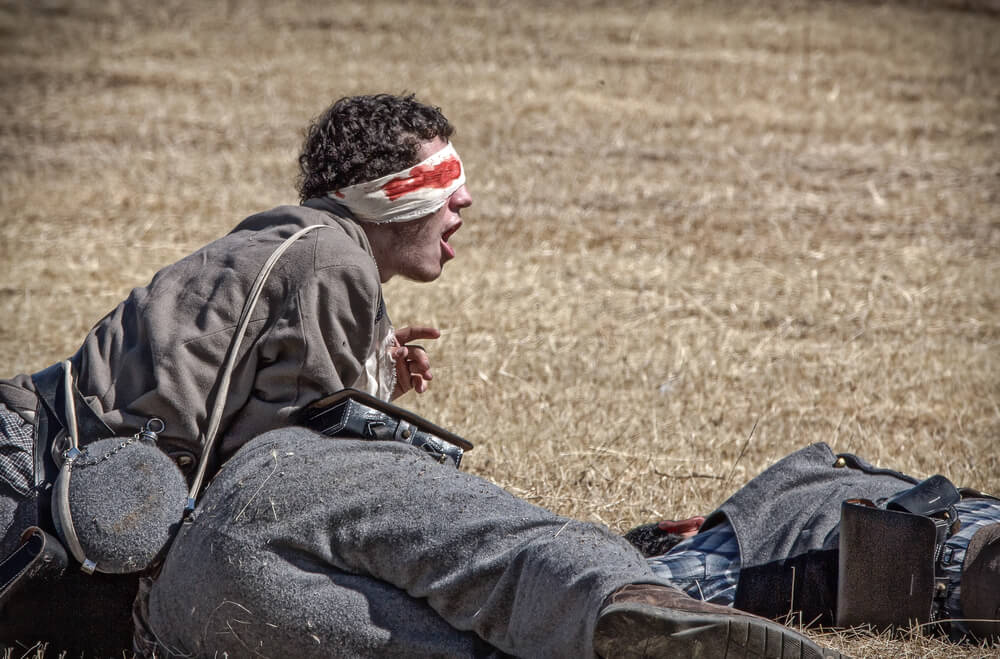
Alexander Gardner’s 1863 photograph Home of a Rebel Sharpshooter showed a dead Confederate soldier lying behind a stone wall at Devil’s Den, his rifle propped beside him. For more than a century it was treated as a straightforward record of the battle.
In 1975, historian William Frassanito showed that the same body appeared in other photographs taken some distance away. Gardner’s team had apparently carried the corpse to a more dramatic setting and arranged the rifle as a prop.
The rifle was likely not even a sharpshooter’s weapon. The discovery reshaped how historians read Civil War photographs.
Lincoln’s Head on Another Man’s Body
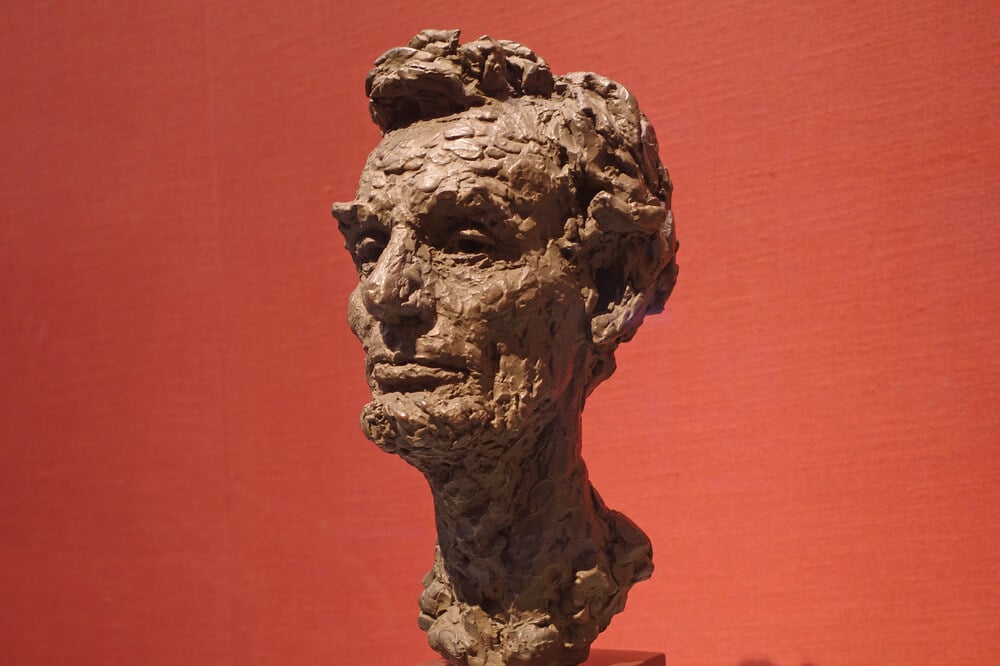
A popular print of Abraham Lincoln produced around the time of his death showed him in a dignified standing pose. The head was Lincoln’s, but the body belonged to John C. Calhoun, the South Carolina politician and fierce defender of slavery, taken from an earlier engraving.
Printmakers needed a heroic full-length image quickly, and few authentic ones existed. Swapping heads onto existing bodies was a common shortcut at the time.
The irony of placing Lincoln’s face on Calhoun’s frame makes the image one of the most famous early composites in American history.
General Grant at City Point
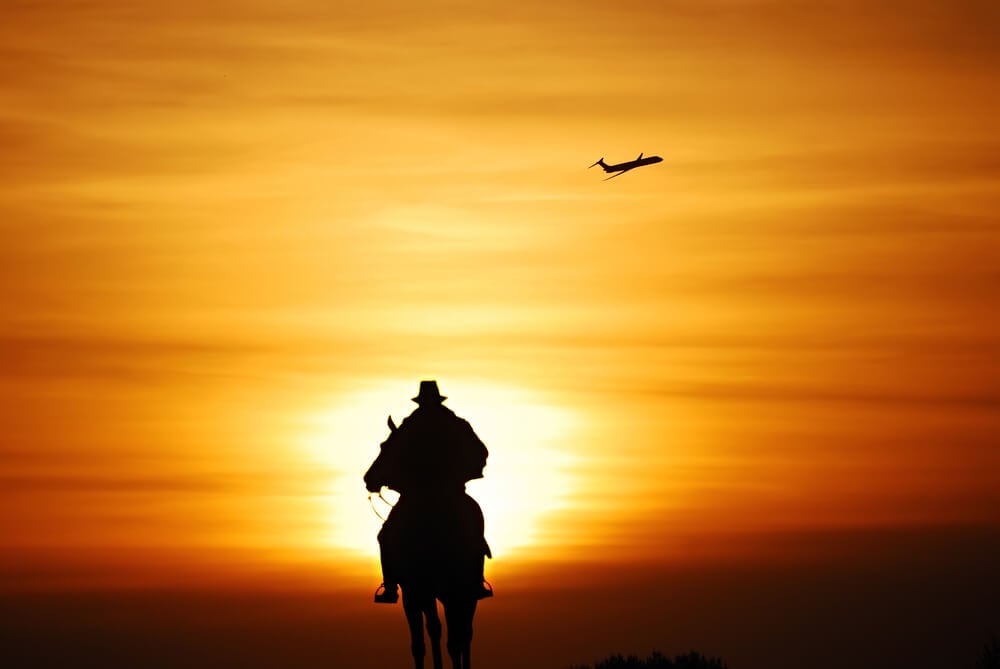
A well-known image of Ulysses S. Grant on horseback in front of his troops at City Point, Virginia, looked like a convincing Civil War photograph. Researchers at the Library of Congress later determined that it was a composite made from three separate photographs.
Grant’s head came from one portrait, the horse and rider’s body from another officer’s picture, and the background from a photograph of Confederate prisoners. The combination produced a commanding scene that never happened.
It shows how even nineteenth-century audiences were shown heroes assembled from spare parts.
Spirit Photographs by William Mumler
William Mumler, a Boston engraver, became famous in the 1860s for spirit photographs that seemed to show ghostly relatives hovering behind his sitters. Grieving families paid well for the images, especially after the Civil War.
He was tried for fraud in New York in 1869, with showman P.T. Barnum testifying against him, but he was acquitted. Around 1872, Mumler photographed Mary Todd Lincoln with a faint image of her late husband standing behind her.
The effect relied on double exposure, a trick that skeptics recognized but believers chose to ignore.
Cottingley Fairies in a Yorkshire Garden

Two young cousins in Cottingley, England, Elsie Wright and Frances Griffiths, photographed themselves playing with tiny fairies in a garden beside a stream in 1917. The pictures fooled many adults, including Sir Arthur Conan Doyle, who promoted them in a 1920 magazine article as evidence of the supernatural.
The fairies were actually paper cutouts copied from a children’s book and held up with hatpins. The cousins did not confess until 1983, when both were elderly women.
Even then, Frances insisted that the last of the five photographs was genuine.
Frank Hurley’s Combined Battlefields
Frank Hurley, an Australian official photographer during World War I, believed single exposures could not capture the scale of modern combat. He combined multiple negatives into dramatic composite images, adding shell bursts, aircraft and advancing troops to a single scene.
His approach put him in conflict with Charles Bean, the official war historian, who insisted war photographs should be authentic records. Hurley called his composites artistic interpretations of the war’s reality.
His work remains admired, though it is now clearly labeled as composite. Hurley was also famous for his photographs of Ernest Shackleton’s Antarctic expedition.
Trotsky Removed From Lenin’s Speech
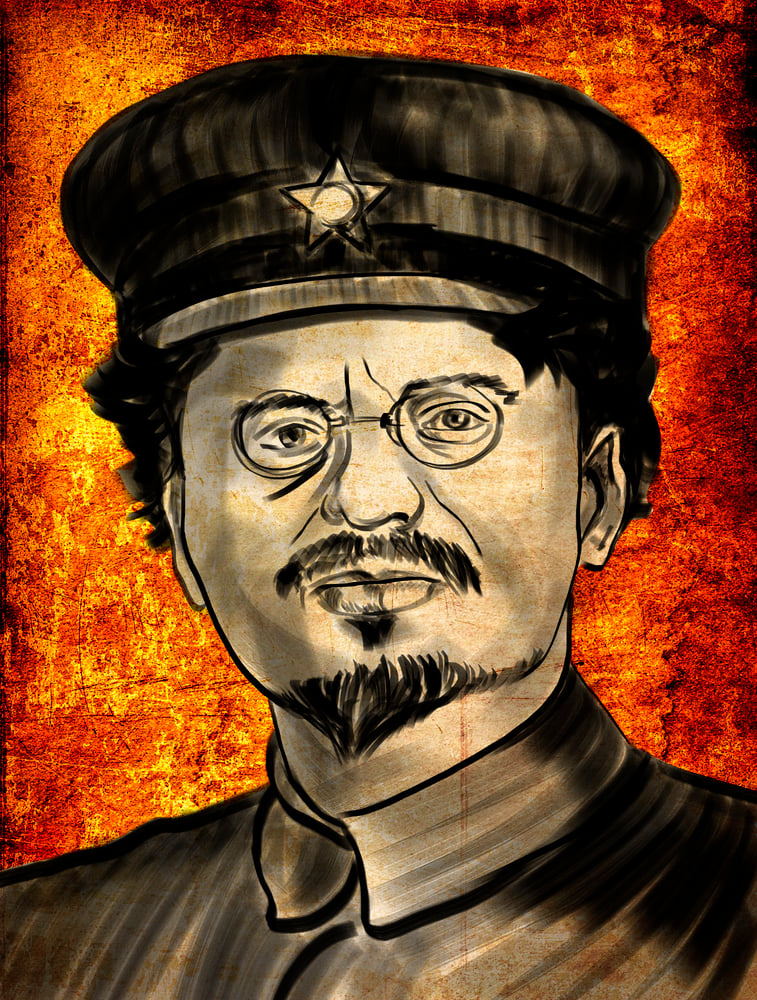
Vladimir Lenin addressed troops in Moscow from a wooden platform on May 5, 1920, with Leon Trotsky and Lev Kamenev standing on the steps beside him. After Trotsky fell out of favor under Joseph Stalin, both men were removed from published versions of the photograph.
The steps appeared empty, as if they had never been there. The altered image circulated widely in the Soviet Union for decades.
Comparing the two versions became one of the clearest demonstrations of how Soviet authorities rewrote history by editing photographs.
Yezhov Vanishes From the Canal
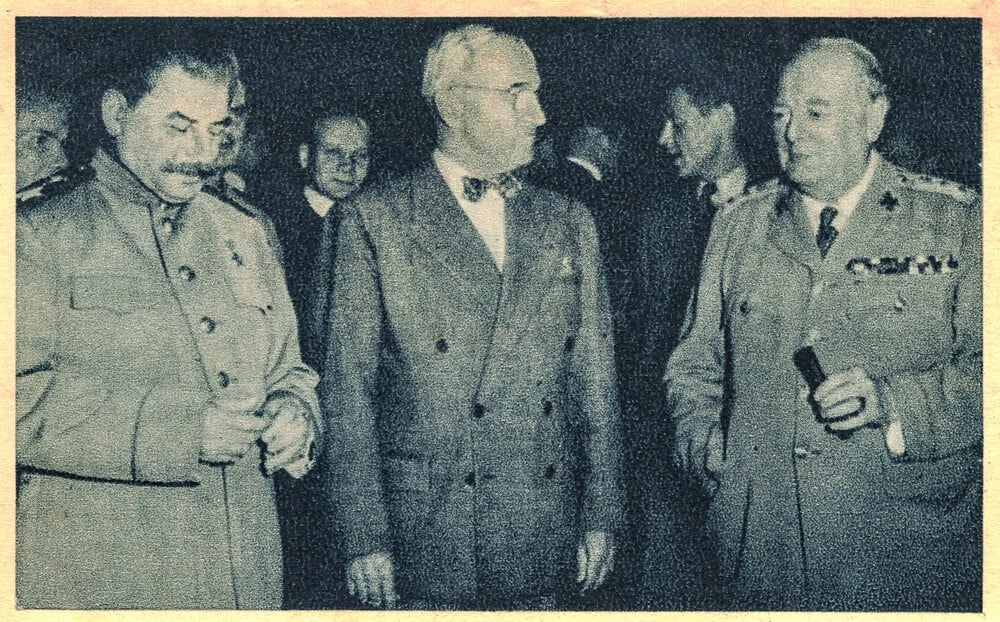
Nikolai Yezhov ran Stalin’s secret police during the worst years of the Great Terror and was photographed walking beside Stalin along the Moscow-Volga Canal in 1937. After Yezhov himself was arrested and executed in 1940, he was removed from the photograph, replaced by water and the canal embankment.
The doctored version shows Stalin strolling alone with other officials. The image has become a textbook example of Soviet photo manipulation.
It inspired the phrase commissar vanishes, also the title of a book by David King cataloging such alterations.
Mussolini Without His Horse Handler
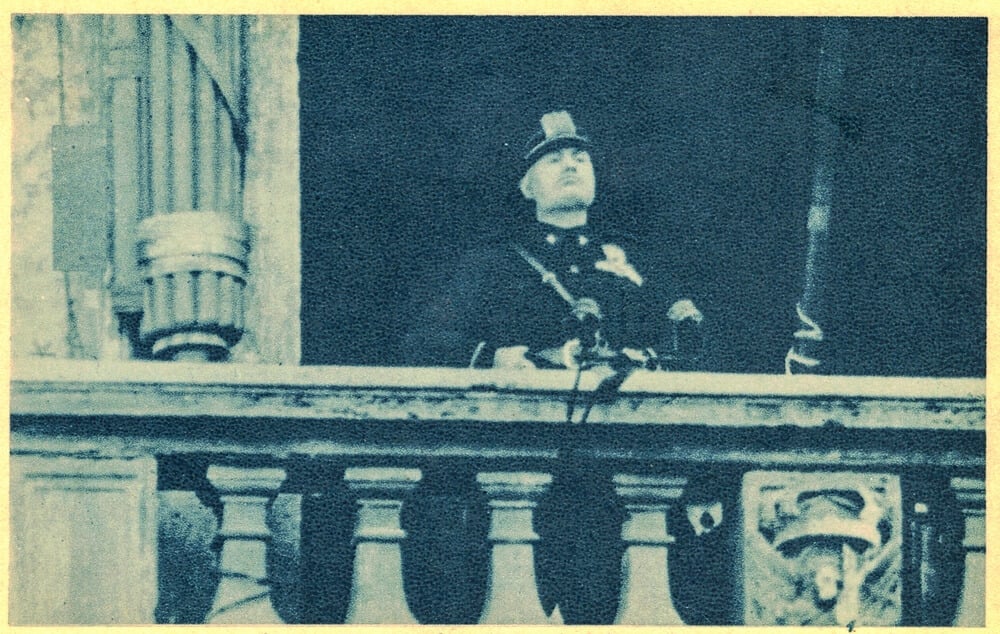
One 1942 photograph of Benito Mussolini on horseback, sword raised, was meant to project heroic strength. In the original, a handler stands beside the horse holding its bridle to keep the animal steady.
The published version removed the handler, making it appear that Mussolini controlled the horse on his own. The alteration was small but revealing about the image the dictator wanted to project.
The pair of pictures is now a favorite example in museum exhibitions on photo manipulation, including the Metropolitan Museum of Art’s 2012 show Faking It.
Lunch Atop a Skyscraper
On September 20, 1932, a photographer captured eleven ironworkers eating lunch on a steel beam high above Manhattan, their feet dangling over the city. The men were real workers and the height was real, about 69 floors up on what became the RCA Building at Rockefeller Center.
But the scene was a publicity stunt organized to promote the project. Several photographers were present, and the image was long credited to Charles Ebbets, though that attribution is now considered uncertain.
Most of the workers remain unidentified, adding to the photograph’s mystique.
The Surgeon’s Photograph of Loch Ness
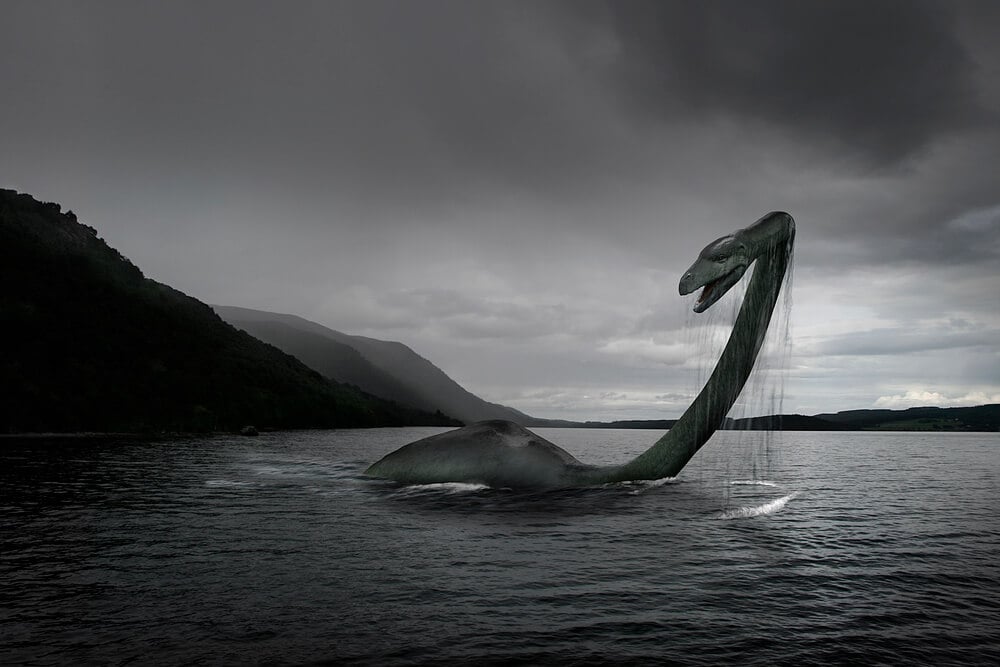
London’s Daily Mail published, in April 1934, a photograph that appeared to show the head and long neck of a creature rising from Loch Ness. It was credited to Robert Kenneth Wilson, a respected London doctor, which gave it credibility.
For sixty years it was the most famous evidence for the Loch Ness Monster. In 1994, Christian Spurling admitted before his death that the monster was a toy submarine fitted with a sculpted head and neck.
The hoax had been organized by his stepfather, Marmaduke Wetherell, as revenge against the newspaper.
Arthur Rothstein’s Wandering Skull

Farm Security Administration photographer Arthur Rothstein photographed a sun-bleached cow skull on cracked, dry ground in the South Dakota Badlands in 1936. The image became a symbol of drought and despair during the Dust Bowl era.
Critics later discovered that Rothstein had moved the skull a short distance to a more dramatic spot and photographed it in several locations. The revelation became a political controversy, with opponents of the New Deal accusing the government of faking evidence.
Rothstein argued he had only arranged the scene, not changed its meaning.
The Missing Thumb in Migrant Mother
Dorothea Lange’s 1936 photograph Migrant Mother, showing Florence Owens Thompson and her children in a California pea pickers’ camp, became the defining image of the Great Depression. In the original negative, Thompson’s thumb was visible in the lower right corner, holding a tent pole.
Lange later had the thumb retouched out, believing it distracted from the composition. The change upset some officials at the agency that owned the negative.
Today the image appears in both versions, and the retouching has become a frequent case study in photo ethics.
Smoke and a Second Watch Over the Reichstag
Soviet photographer Yevgeny Khaldei captured a soldier raising the Soviet flag over the Reichstag in Berlin in May 1945. The image was partly staged, recreating the flag raising after the fighting.
Khaldei also altered the photograph, adding dramatic smoke from another negative. More controversially, a soldier steadying the flag bearer was wearing two wristwatches, suggesting he had been looting.
Khaldei scratched one watch off the negative before publication. The doctored picture became one of the most famous images of World War II.
Unaltered prints surfaced only after the Soviet Union collapsed.
The Kiss by the Hotel de Ville
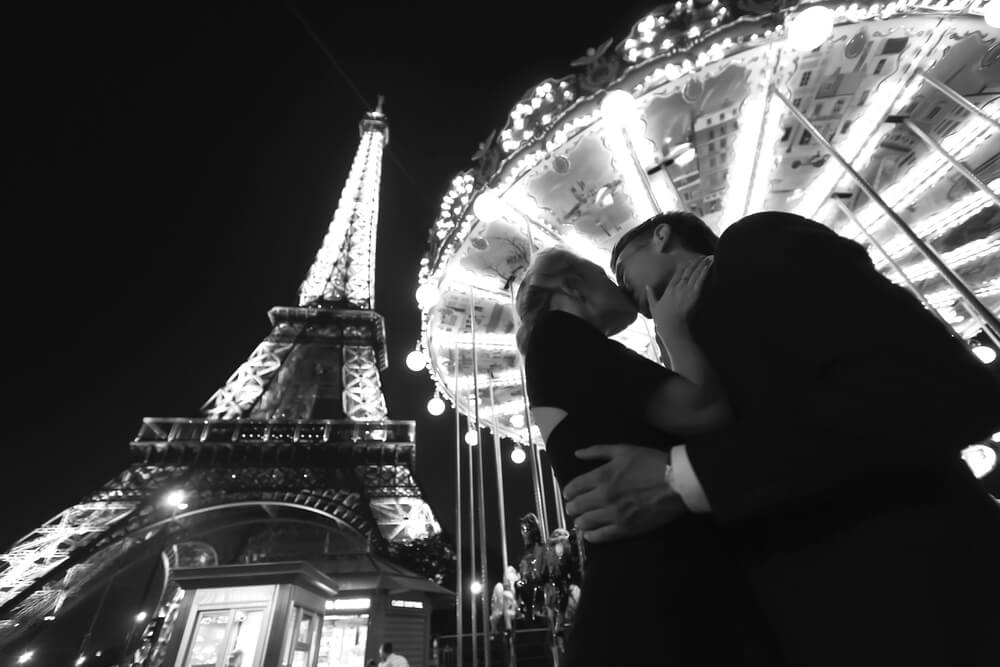
Robert Doisneau’s 1950 photograph of a young couple kissing on a busy Paris street became a beloved symbol of romance and the city itself. For decades, many believed it was a candid moment.
In the early 1990s, a couple claiming to be the subjects sued Doisneau, which forced him to reveal that he had staged the scene using two young actors, Francoise Bornet and Jacques Carteaud. The photograph was made for a Life magazine story on romance in Paris.
Bornet later sold her original print at auction in 2005 for well over 100,000 euros.
Rosa Parks on an Integrated Bus
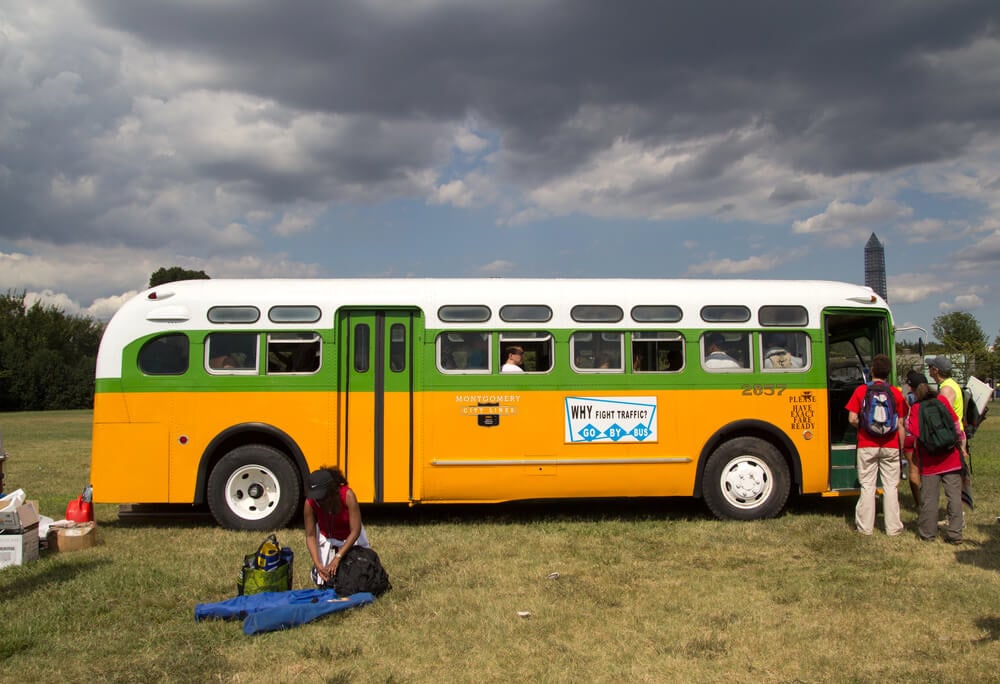
The famous photograph of Rosa Parks sitting near the front of a Montgomery bus is often mistaken for an image of her arrest on December 1, 1955. It was actually taken on December 21, 1956, after the Supreme Court ruling that ended segregation on the city’s buses.
The white man seated behind her was Nicholas C. Chriss, a United Press International reporter who agreed to take part in the staged scene. Chriss later complained that many viewers assumed he was a hostile segregationist.
The image remains powerful, though it records a celebration rather than the original act of defiance.
Clementis and the Fur Hat in Prague
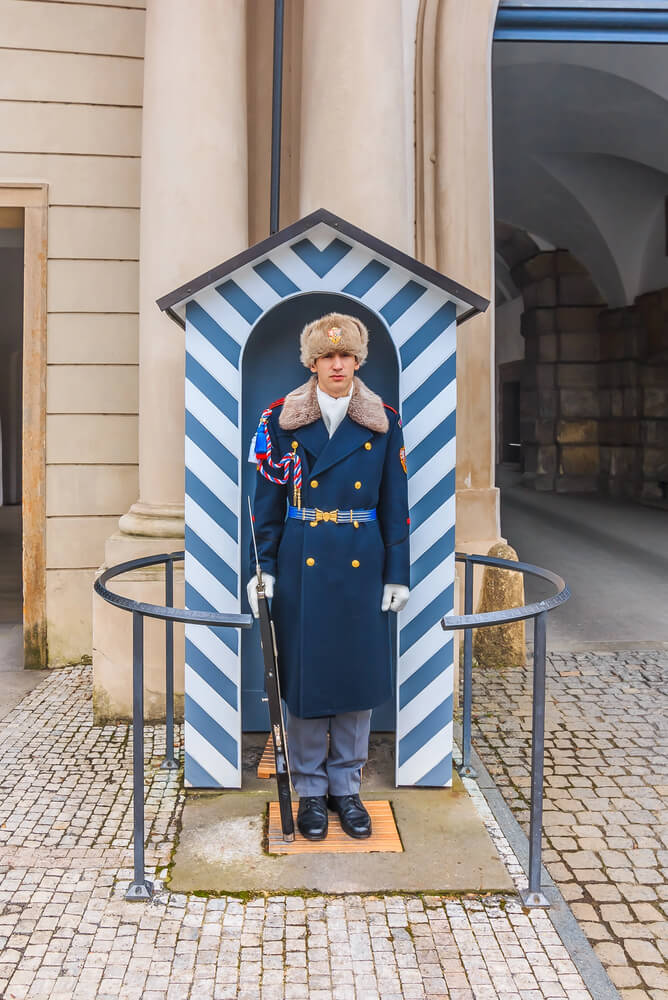
On February 21, 1948, Czechoslovak Communist leader Klement Gottwald addressed a crowd from a Prague balcony on a snowy day. Vladimir Clementis, standing beside him, placed his own fur hat on Gottwald’s bare head.
After Clementis was charged with treason and executed in 1952, he was removed from the photograph. Only the hat remained, now on Gottwald’s head with no explanation of where it came from.
Novelist Milan Kundera opened The Book of Laughter and Forgetting with the story, turning the hat into a symbol of erased memory.
Nelyubov Erased From the Cosmonaut Team
Soviet officials published a group photograph of the country’s first cosmonaut team, taken in the early 1960s, that included Grigori Nelyubov, one of the most promising candidates for early flights. After Nelyubov was dismissed from the program over a disciplinary incident, he was removed from published versions of the photograph.
The Soviet space program kept such details secret for decades. Western researchers later noticed the alterations by comparing different versions of the same images.
The editing fueled rumors in the West of secret cosmonauts who had died on hidden missions, rumors that turned out to be false.
Carlos Franqui Disappears From Castro’s Side
Carlos Franqui, a Cuban revolutionary and journalist, appeared beside Fidel Castro in early photographs of the revolution. After Franqui broke with Castro and went into exile in the late 1960s, he was removed from official versions of the images.
Franqui responded with a poem reflecting on his own disappearance from history. The case echoed Soviet practices and showed that photographic erasure was not unique to Stalin’s era.
Franqui spent the rest of his life writing critically about the revolution he had once helped promote. He died in Puerto Rico in 2010.
Kent State and the Vanishing Fence Post
Ohio National Guard troops fired on students at Kent State University on May 4, 1970, killing four. John Filo’s photograph of fourteen-year-old Mary Ann Vecchio kneeling over the body of Jeffrey Miller won a Pulitzer Prize.
In the original, a fence post appeared to rise directly from Vecchio’s head. Some later reproductions removed the post, apparently because editors found it distracting.
The alteration was minor, but it later became a teaching example of how even well-intentioned edits can change a historical document. Vecchio, a runaway at the time, spent years dealing with unwanted fame.
Pyramids Moved for a Magazine Cover

The February 1982 cover of National Geographic showed the Pyramids of Giza with camels passing in front of them. To fit the horizontal photograph onto a vertical cover, editors digitally shifted the pyramids closer together.
The change was discovered and caused an uproar about trust in the magazine’s images. Editor Wilbur Garrett defended it as merely shifting the photographer’s position after the fact.
The magazine later adopted stricter policies on digital manipulation. The episode is often cited as one of the first major controversies of the digital editing era.
O.J. Simpson’s Darkened Time Cover
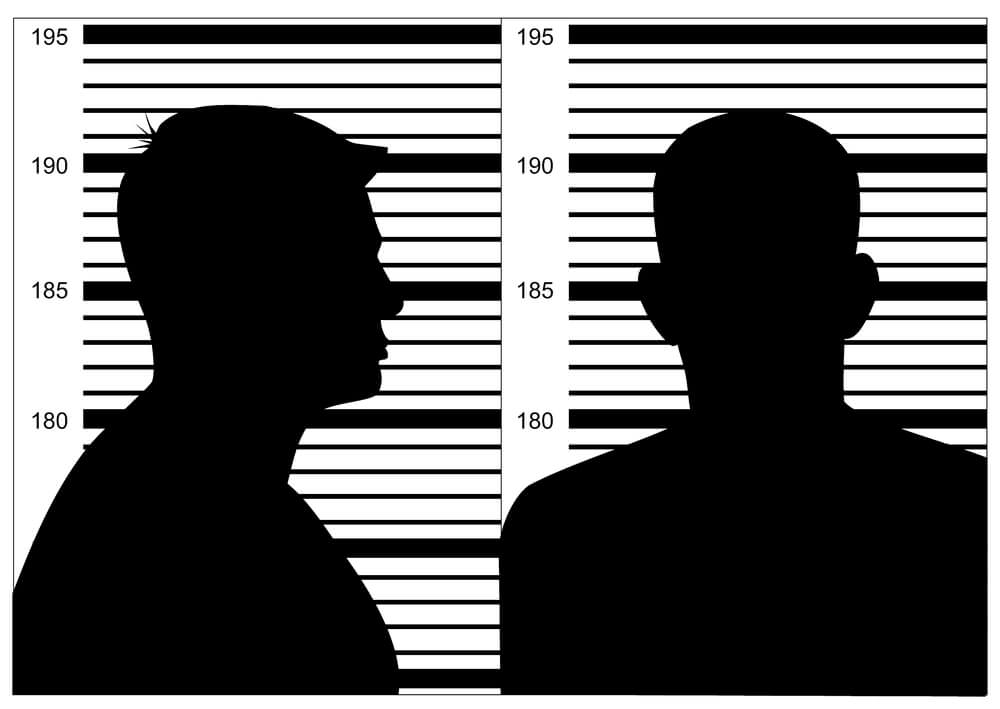
Time magazine ran O.J. Simpson’s police mugshot on its cover in June 1994 after his arrest, but the image had been altered to look darker and grainier. Newsweek ran the same mugshot unaltered the same week, and the side-by-side comparison drew sharp criticism.
Critics accused Time of making Simpson look more menacing. The magazine said the alteration was an artistic interpretation by an illustrator.
Time later apologized, and the cover remains a frequently discussed example of manipulation in news media. Journalism classes still show the two covers side by side.
Extra Smoke Over Beirut

During the war between Israel and Hezbollah in August 2006, Reuters published a photograph by freelancer Adnan Hajj showing thick smoke over Beirut after an airstrike. Bloggers quickly noticed repeating patterns in the smoke, evidence that it had been cloned to look darker and more dramatic.
Reuters withdrew the image and later pulled all 920 of Hajj’s photographs from its archive. The scandal led news agencies to tighten their policies on digital alteration.
It also showed how quickly online readers could expose manipulation. Hajj was dropped as a contributor.
Iran’s Cloned Missile Launch

An Iranian state-linked outlet released, in July 2008, a photograph showing four missiles launching at once during a military test. The image ran on front pages and websites around the world.
Within a day, analysts noticed that one missile had been cloned from others to hide a launch that apparently failed. News organizations, some of which had run the picture prominently, published corrections.
Another version showing only three missiles soon surfaced. The episode became a classic example of state media manipulating images to project military strength.
Trust Was Always the Darkroom’s Real Ingredient
These pictures show that photography has never been a perfect record. From Bayard’s mock drowning to cloned missiles, people have always arranged, cropped, combined or erased what the camera saw.
The tools changed, but the temptation stayed the same. The real lesson is not that every photograph lies.
Most of these alterations were eventually caught by curious historians, rival publications or sharp-eyed readers. Skepticism, it turns out, has always been part of looking.
Do you like this personality?
More from Go2Tutors!

- The Romanov Crown Jewels and Their Tragic Fate
- 13 Historical Mysteries That Science Still Can’t Solve
- Famous Hoaxes That Fooled the World for Years
- 15 Child Stars with Tragic Adult Lives
- 16 Famous Jewelry Pieces in History
Like Go2Tutors’s content? Follow us on MSN.