Games That Have Been Played for Centuries
People have always loved to play. Long before smartphones and consoles existed, humans found ways to entertain themselves with simple objects and clever rules.
Some of these games became so popular that they spread across continents and survived through wars, empires, and technological revolutions. The truly amazing part is that many of these ancient pastimes are still played today, proving that good fun never goes out of style.
Let’s look at some of the most enduring games in human history.
Chess
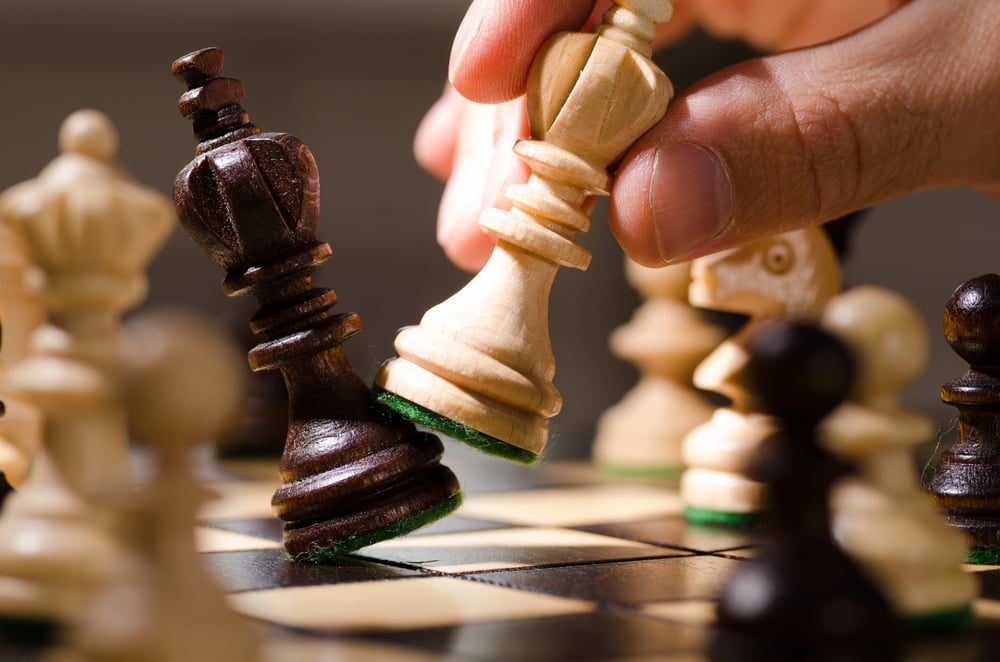
This strategic battle on a checkered board has been challenging minds since the 6th century. Chess originated in India as a game called Chaturanga before traveling through Persia and eventually reaching Europe, where it evolved into the version we know today.
The game requires zero luck and total concentration, which is probably why it has remained popular among competitive players and casual enthusiasts alike. Every piece moves differently, and a single mistake can cost you the entire match.
Go
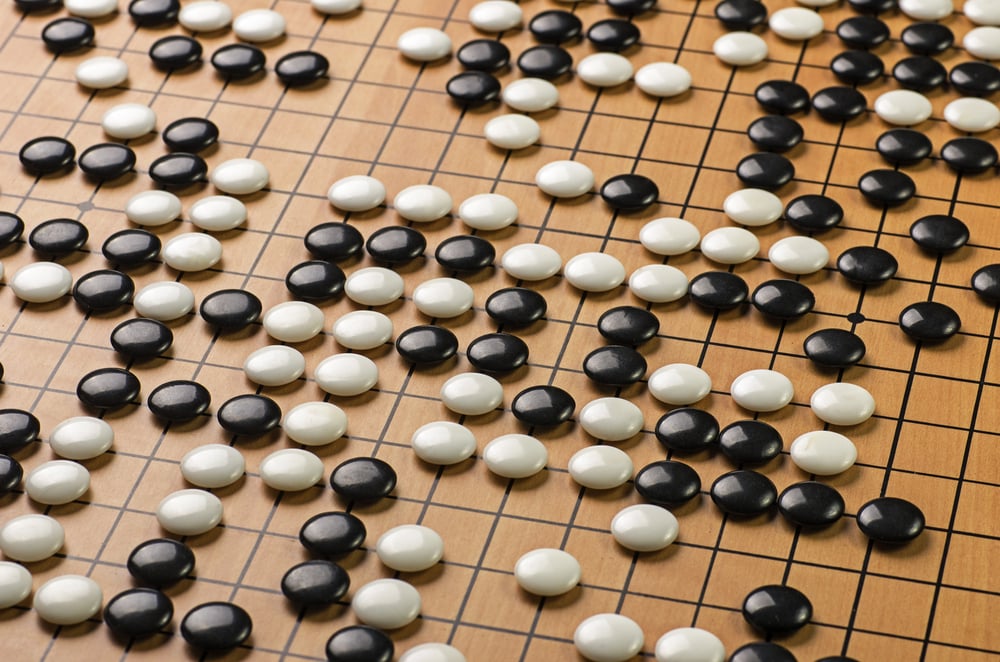
The Chinese created Go more than 2,500 years ago, making it one of the oldest board games still played regularly. Players place black and white stones on a grid, trying to surround more territory than their opponent.
The rules are surprisingly simple, but the strategies can take a lifetime to master. Go has fewer pieces than chess but offers more possible board positions than atoms in the universe, which sounds impossible but is actually true.
Backgammon
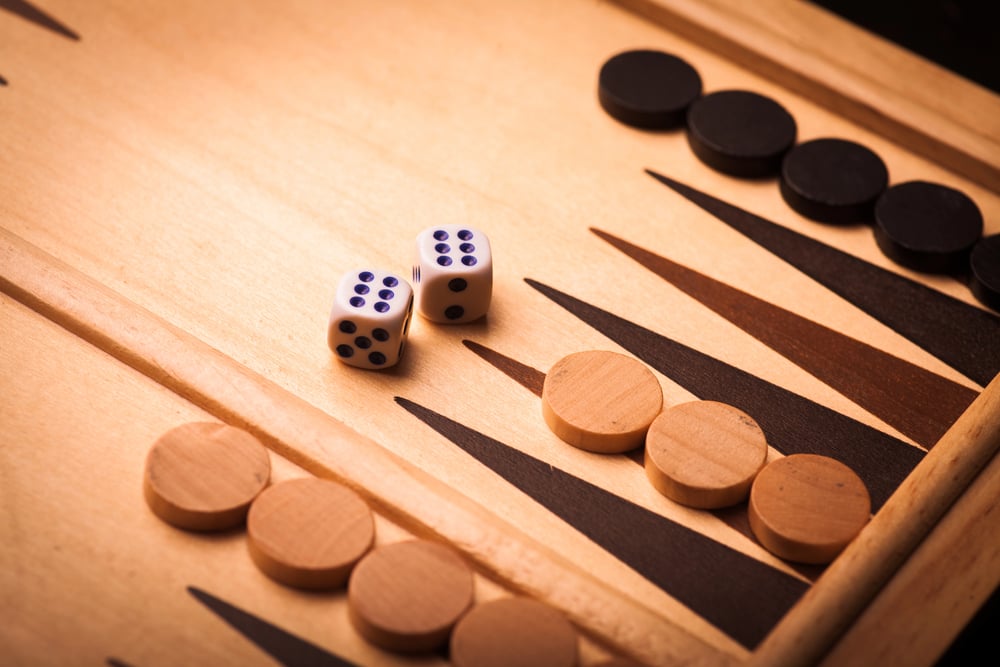
Ancient Mesopotamians were rolling dice and moving pieces around a board nearly 5,000 years ago. Backgammon combines luck and strategy in a way that keeps every game unpredictable.
Players race their fifteen pieces around the board while trying to block their opponent and send enemy pieces back to the start. The game spread throughout the Middle East and Mediterranean, and archaeologists have found backgammon sets in King Tut’s tomb, proving that even pharaohs needed entertainment.
Mancala
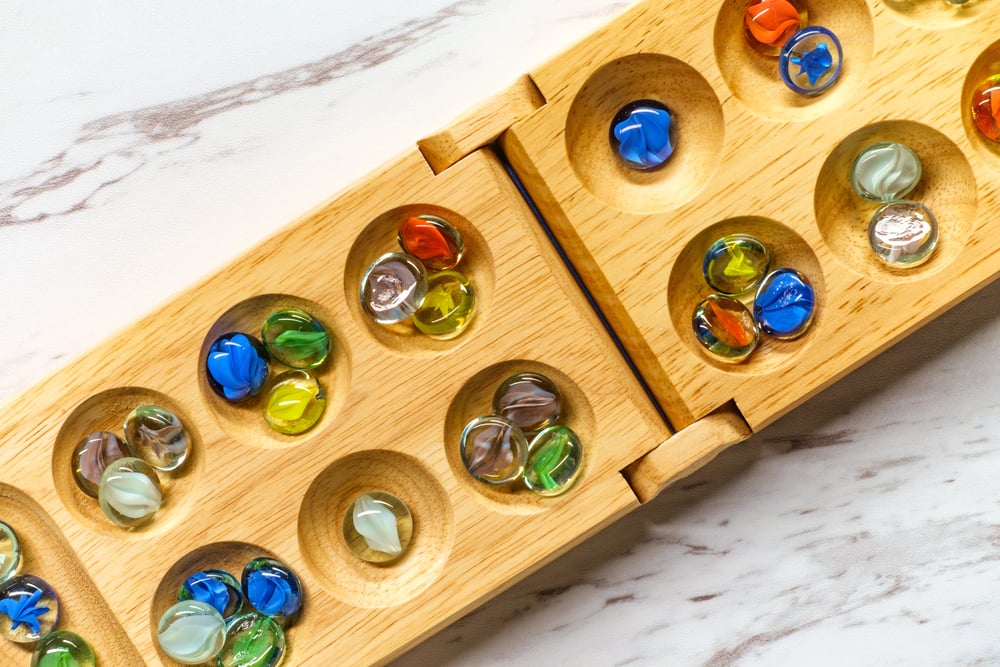
This African game uses seeds, stones, or beads and a board with small pits carved into it. Mancala has been played for at least 1,300 years, though some evidence suggests it could be much older.
Players scoop up pieces from one pit and distribute them one by one into subsequent pits, trying to capture more pieces than their opponent. The game teaches counting and strategic thinking, which is why parents across Africa have used it to educate children for generations.
Cards

The Chinese invented playing cards during the Tang Dynasty around the 9th century, and the concept eventually reached Europe through trade routes. Early European cards looked nothing like modern decks, featuring different suits and face cards that reflected local culture.
Today’s standard 52-card deck emerged in France during the 1400s. Card games range from simple matching games that kids can play to complex strategy games that require serious skill.
Dice games
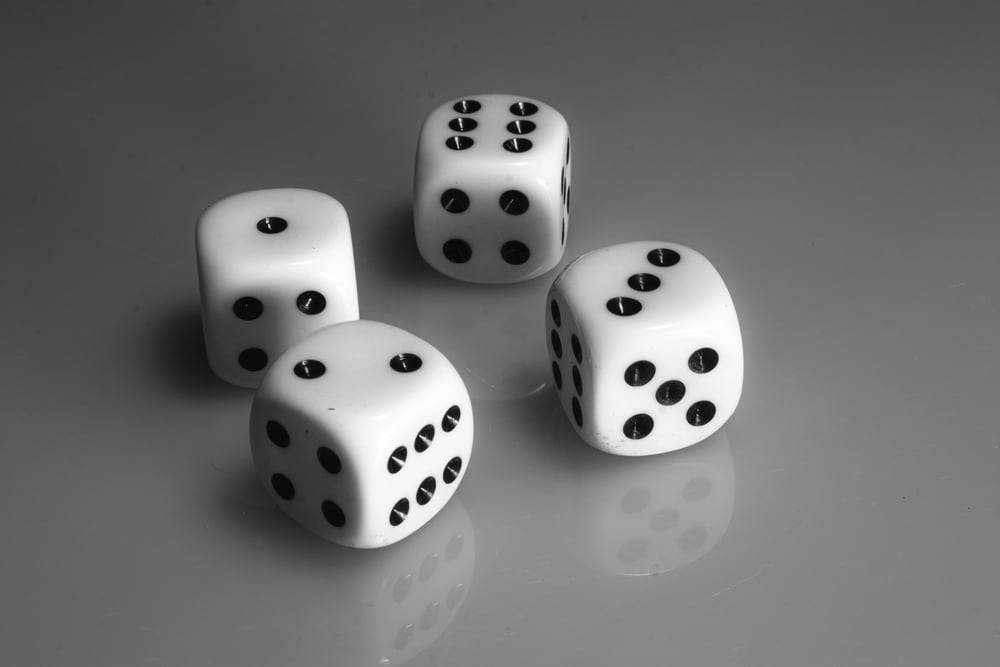
Humans have been throwing dice for at least 5,000 years, with the oldest known dice discovered in Iran. Ancient dice were made from bones, wood, or stone and weren’t always perfectly symmetrical, which probably led to some heated arguments about cheating.
The Romans loved dice games so much that they passed laws trying to ban them, which obviously didn’t work. Dice remain popular because they add an element of chance that can level the playing field between experienced and new players.
Checkers
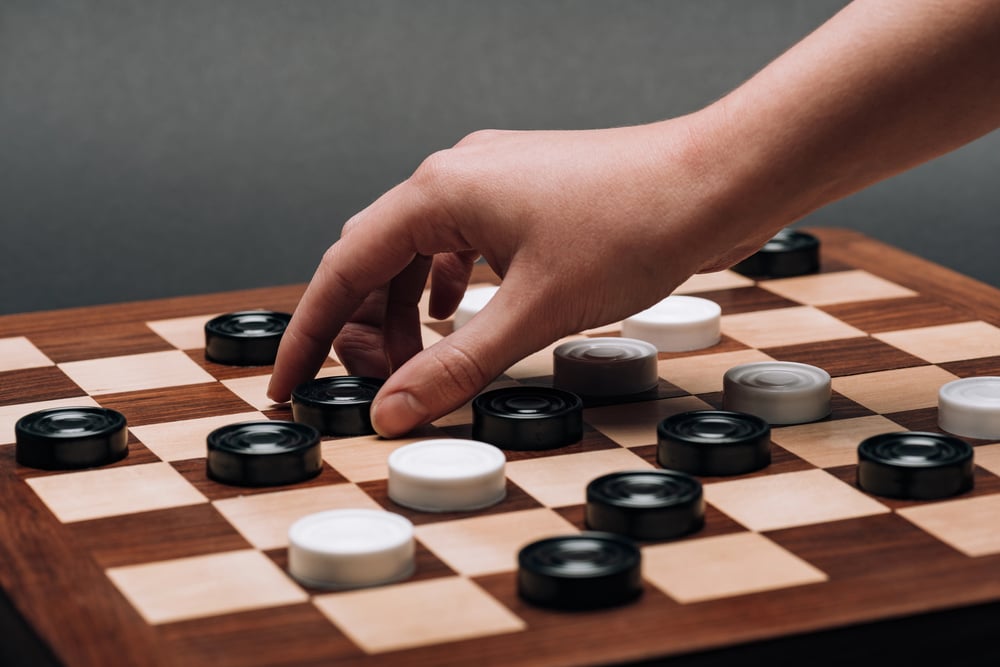
The ancient Egyptians played a game called Alquerque around 3,000 BCE that closely resembles modern checkers. The game moved to Europe during medieval times and evolved into the version most people know today.
Checkers uses the same board as chess but with simpler rules, making it accessible to younger players while still offering enough depth to keep adults engaged. Players can only move diagonally, and capturing enemy pieces is mandatory when possible.
Nine Men’s Morris
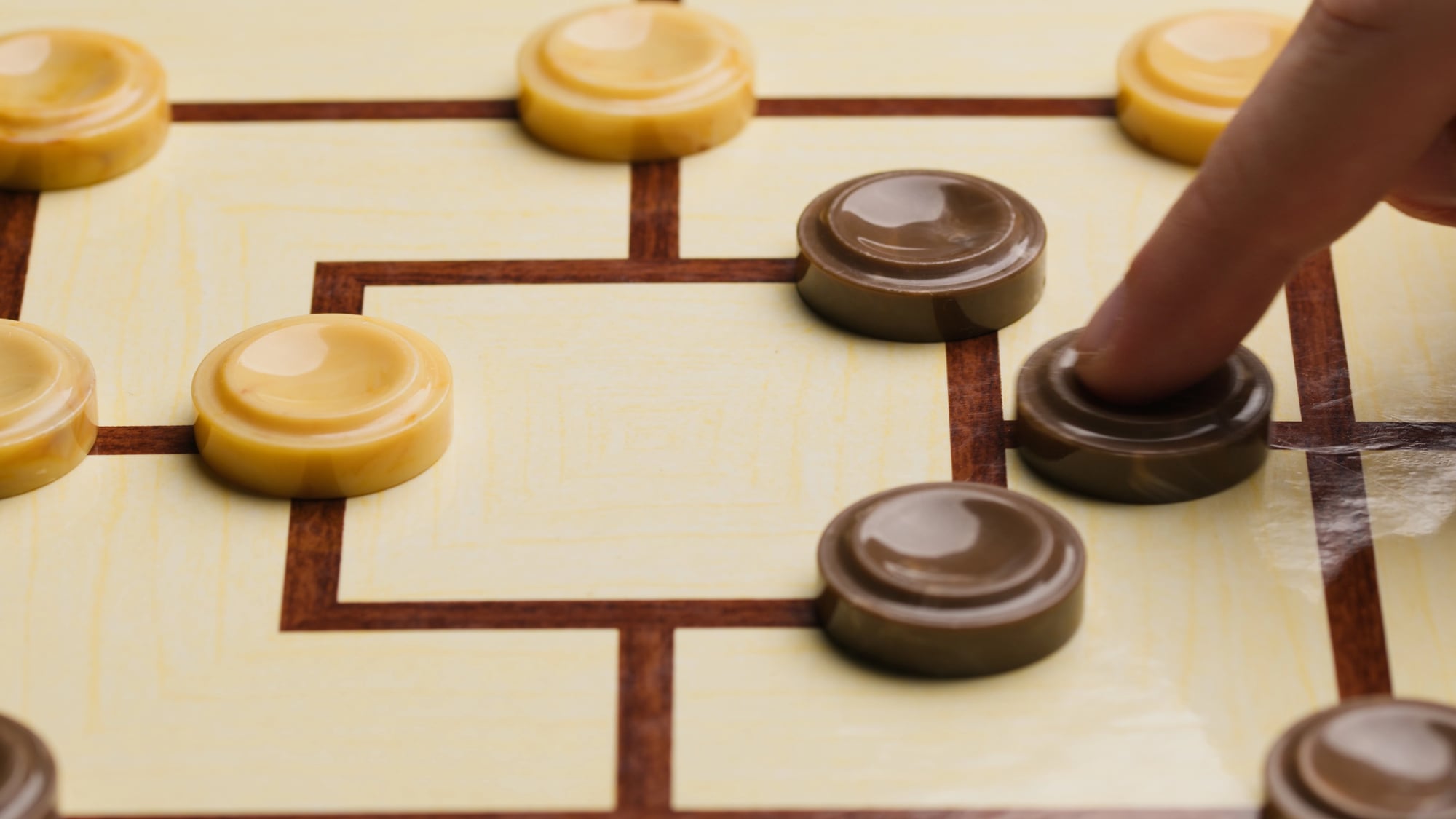
This strategy game dates back to ancient Rome and possibly earlier civilizations. Players take turns placing pieces on a board trying to form rows of three, which allows them to remove an opponent’s piece.
The game board has been found carved into stone slabs at Roman sites across Europe, suggesting that soldiers played it during downtime. Nine Men’s Morris requires careful planning because every piece placement affects future moves.
Mahjong
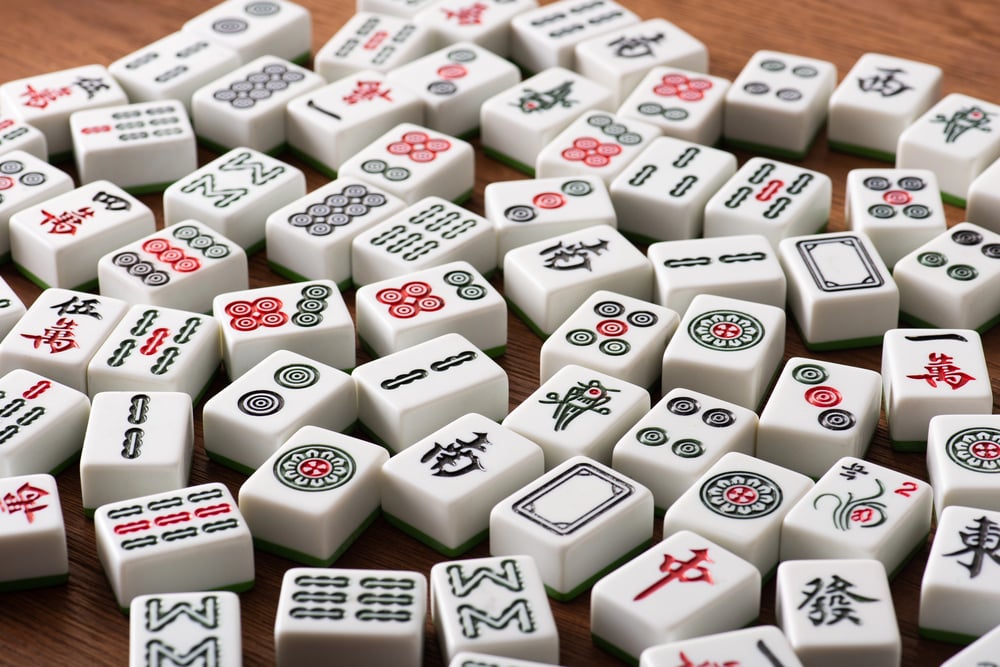
Chinese players developed this tile-based game during the Qing Dynasty in the 19th century, though it likely has older roots. Mahjong uses 144 tiles decorated with Chinese characters and symbols.
Players draw and discard tiles trying to create specific combinations, similar to the card game rummy. The game spread throughout Asia and eventually reached Western countries, where it became particularly popular in Jewish American communities during the 1920s.
Dominoes
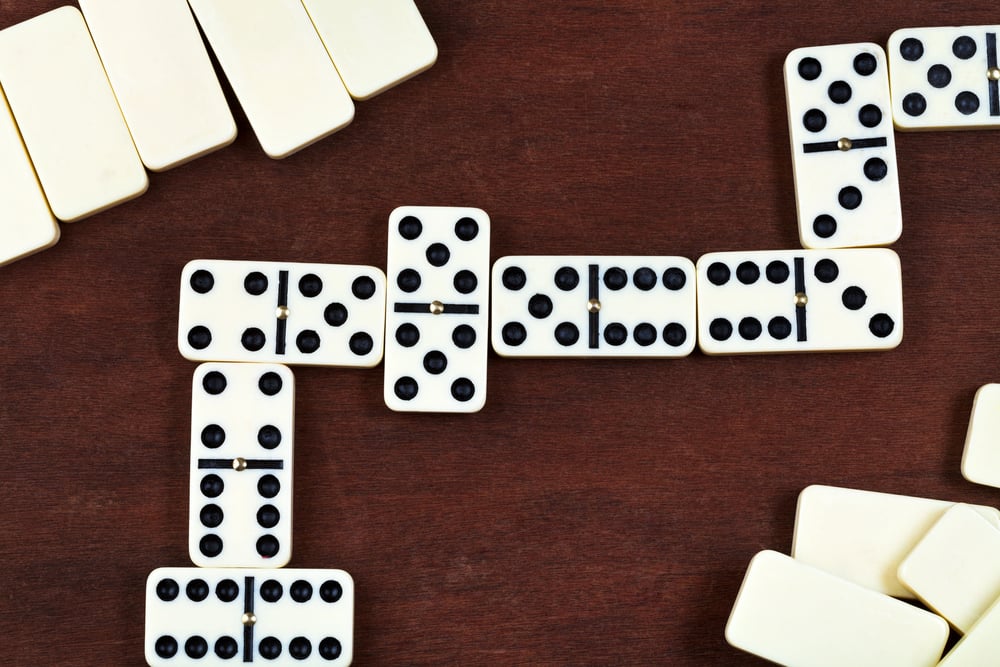
The Chinese invented dominoes around the 12th century as a variation of dice games. Each domino represents one of the possible results from throwing two dice.
The tiles made their way to Italy during the 18th century, where the game evolved into various versions still played today. Players match numbered ends of tiles, trying to be the first to use all their pieces.
The clicking sound of dominoes on a table has become iconic in parks and community centers worldwide.
Senet
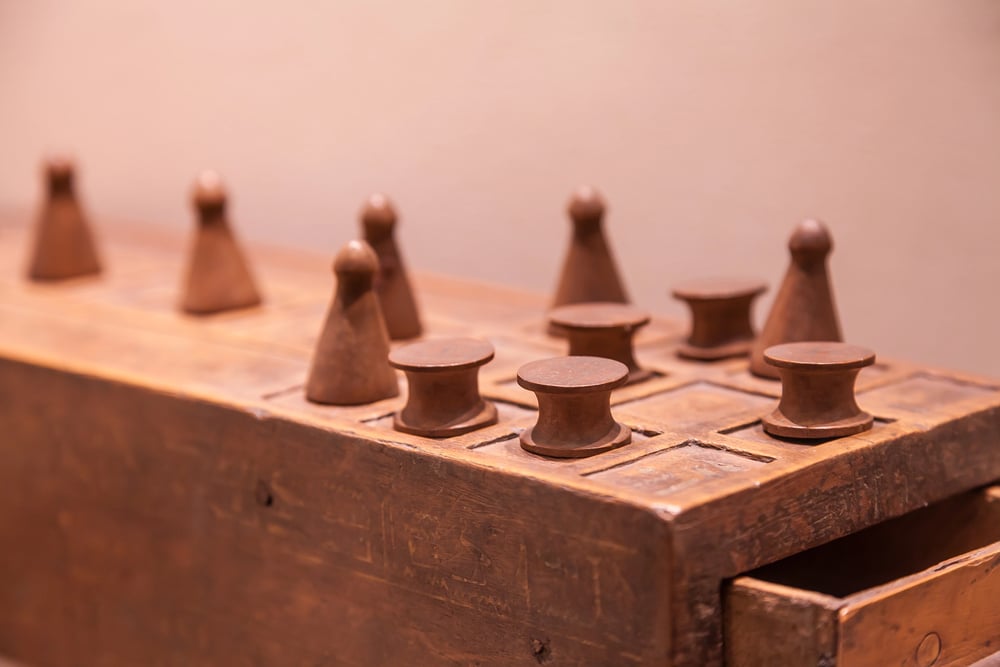
Ancient Egyptians played this board game as early as 3100 BCE, making it one of the oldest known games in history. Archaeologists have found Senet boards in Egyptian tombs, and hieroglyphics show people playing it.
The game used sticks instead of dice to determine movement, and players raced their pieces to the end of the board. Senet eventually took on religious significance, with Egyptians believing it represented the journey to the afterlife.
Pachisi
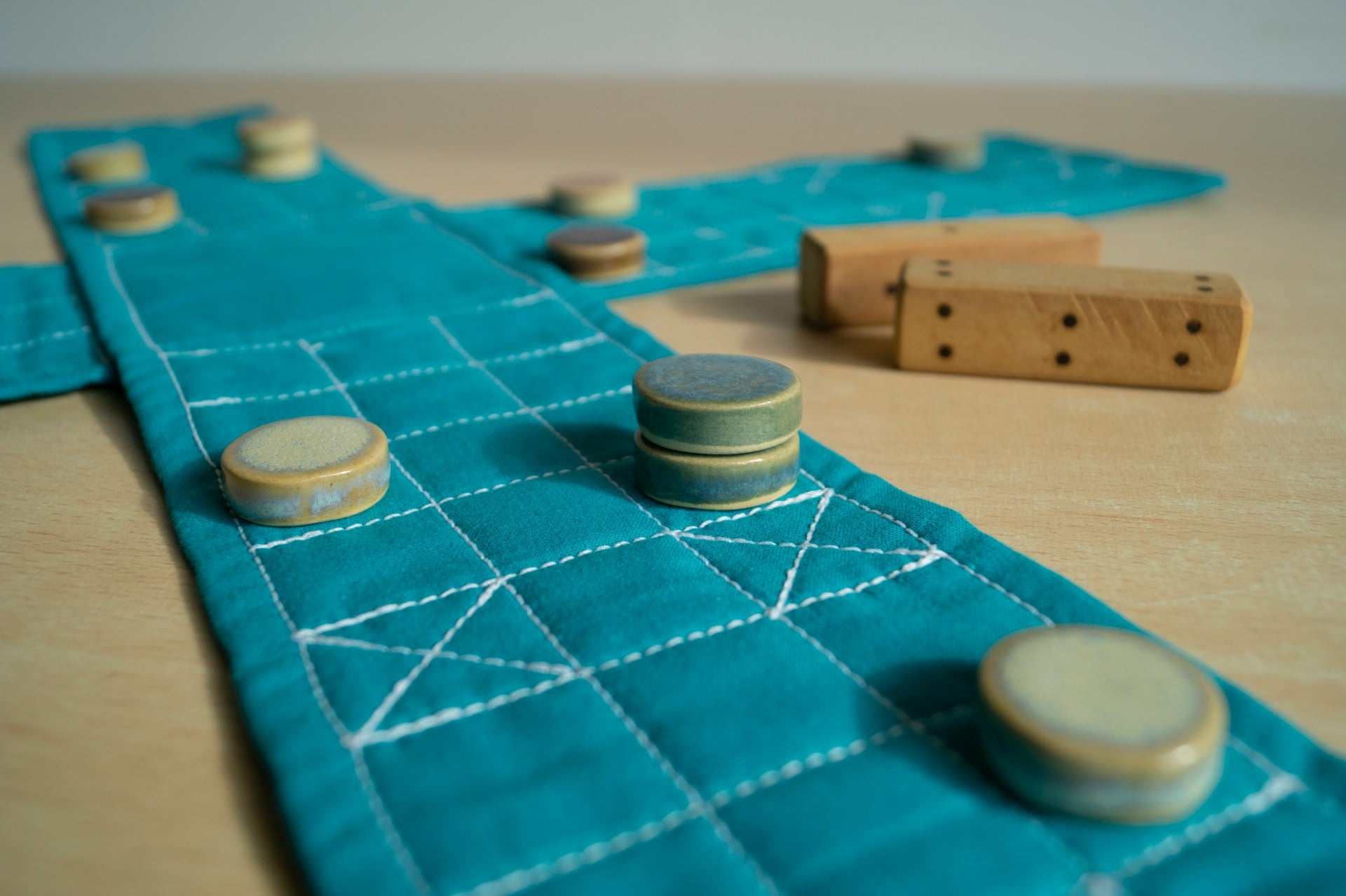
Indians created this cross-shaped board game around the 4th century CE, and it later inspired the Western game Parcheesi. Players roll cowrie shells to determine movement and race four pieces around the board while trying to capture opponent pieces.
The Mughal emperor Akbar reportedly played Pachisi on giant outdoor boards using real people as game pieces, which sounds both impressive and slightly concerning. The game remains popular in South Asia and has spread to other parts of the world.
Liubo
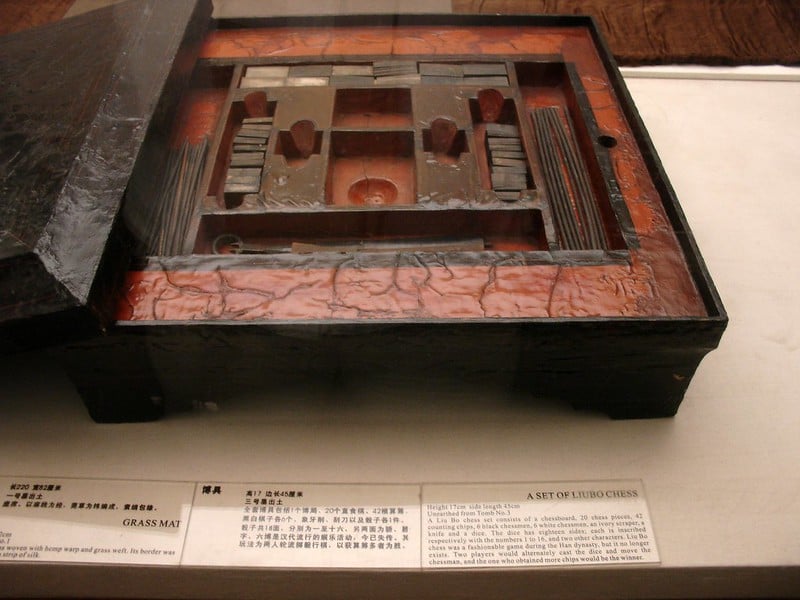
This ancient Chinese board game was popular during the Han Dynasty over 2,000 years ago but mysteriously disappeared from history. Archaeologists have found Liubo boards and pieces in tombs, yet nobody today knows exactly how to play it.
The game involved dice, strategic movement, and possibly some form of divination. Liubo represents an interesting case of a game that was once hugely popular but didn’t survive the test of time, unlike most others on this list.
Tafl games
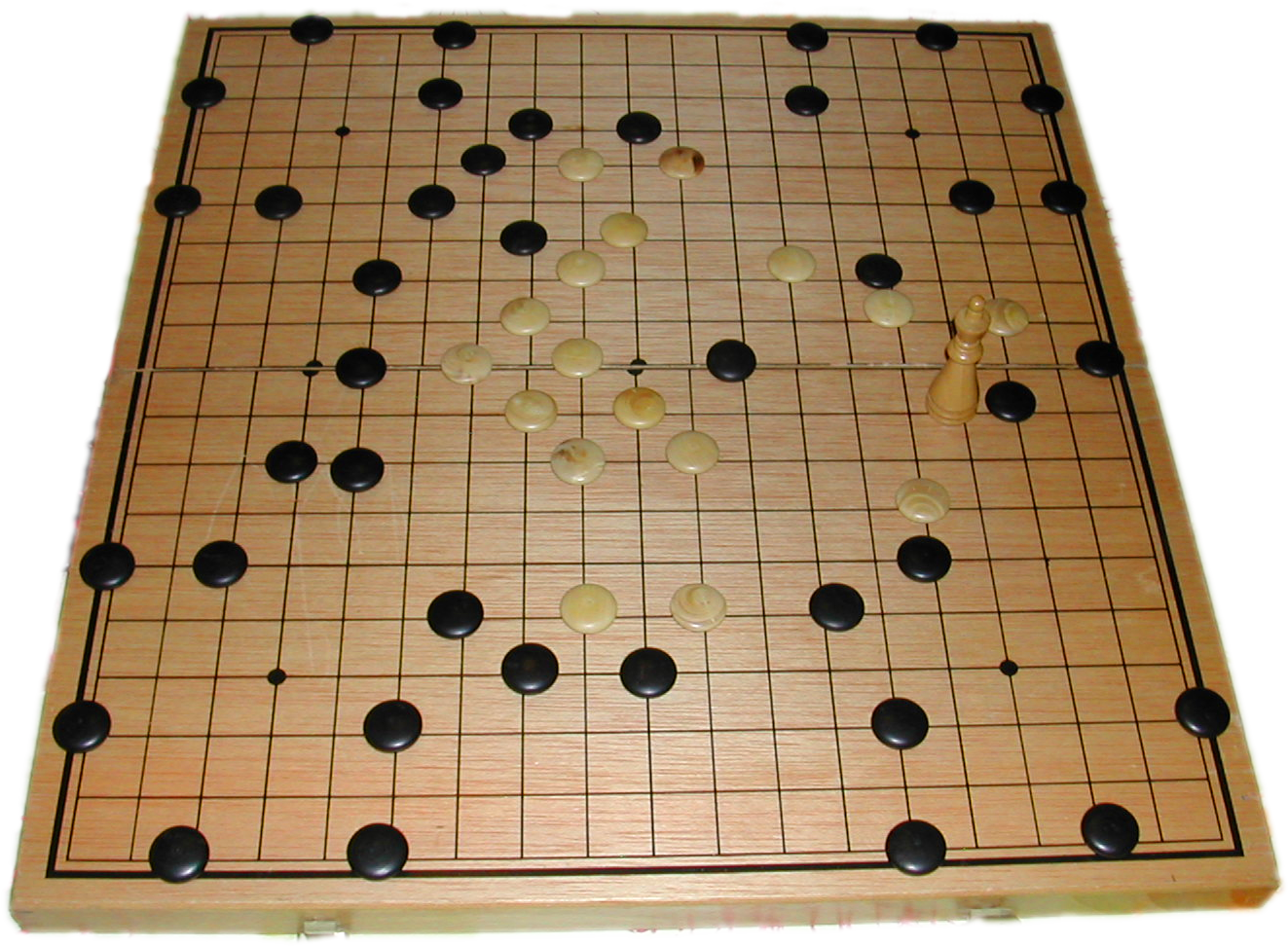
Viking warriors played these asymmetrical strategy games where one player defends a king piece while the other attacks. Hnefatafl is the most famous version, and archaeological evidence shows these games spread wherever Norse people traveled.
The defending player starts in the center with fewer pieces, while the attacker surrounds them with a larger force. Tafl games require different strategies depending on which side you play, making every match feel fresh.
Knucklebones
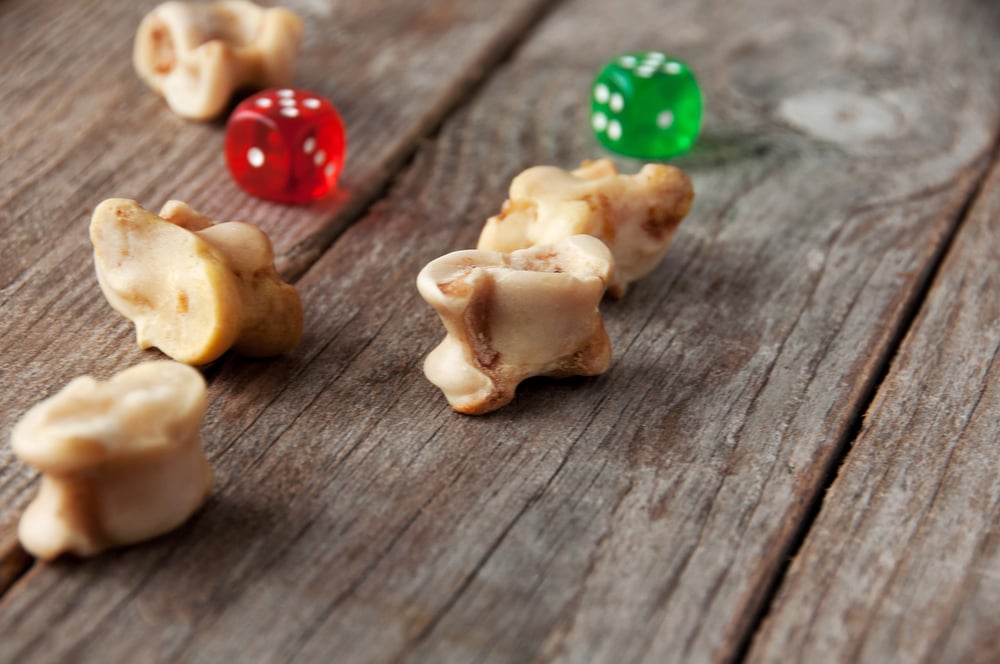
Greek and Roman children played this game using small bones from sheep or goats, which explains the name. Players tossed the bones in the air and tried to catch them on the back of their hand, similar to modern jacks.
The game appears in ancient artwork and literature, proving it was a common pastime. Knucklebones eventually evolved into dice games and the children’s game of jacks played with metal pieces and a rubber ball.
Wei Qi
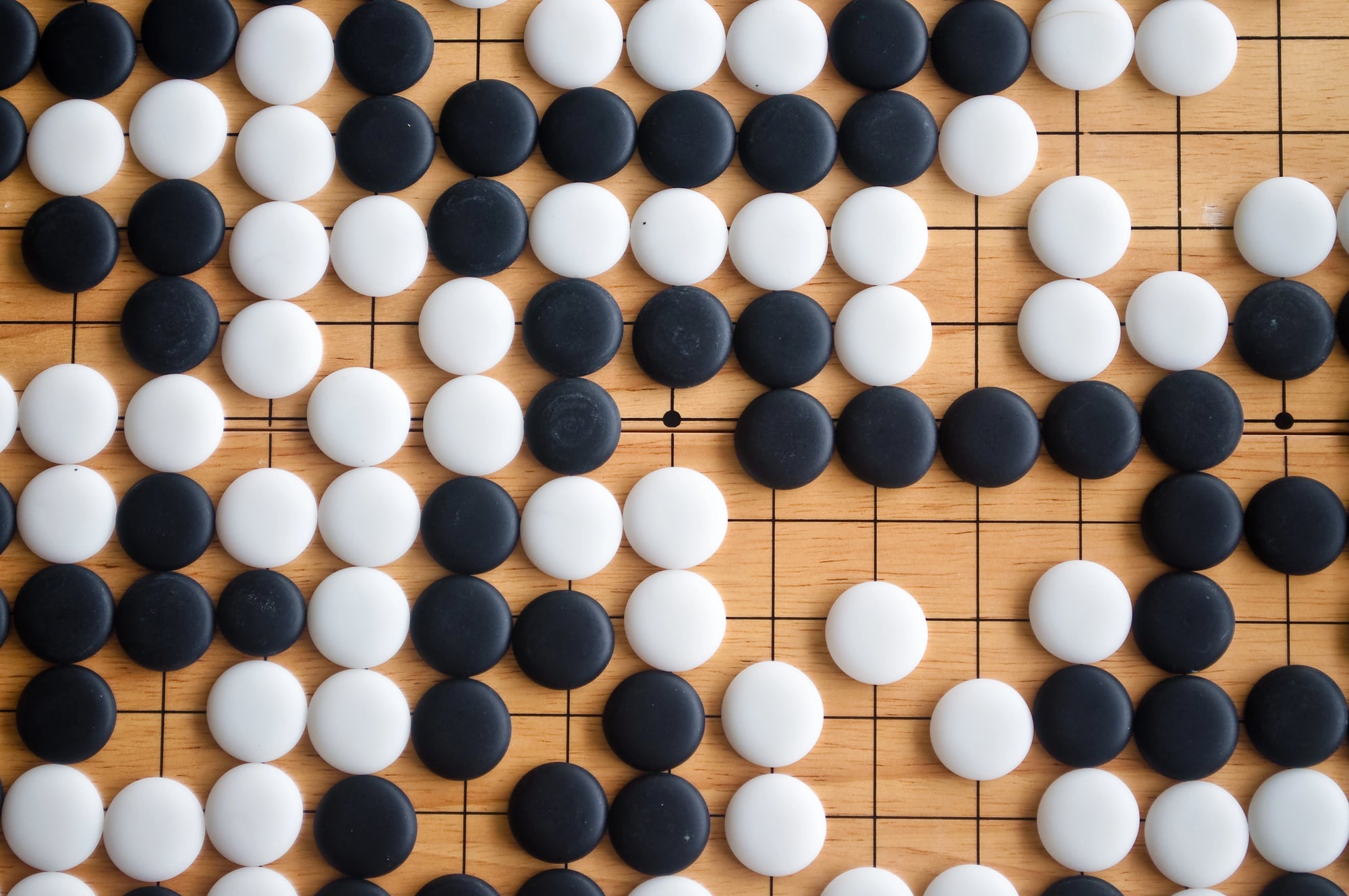
A different label for Go, yes, yet Baduk – the name used in Korea – stands apart due to its distinct evolution there. Because of regional shifts in thinking, Korean players shaped bold methods unlike those seen in China’s Weiqi or Japan’s Go.
Culture soaked it up, turning top competitors into household names across the country. Today’s global contests reveal how each tradition molds the same old board game in surprising ways.
Shogi
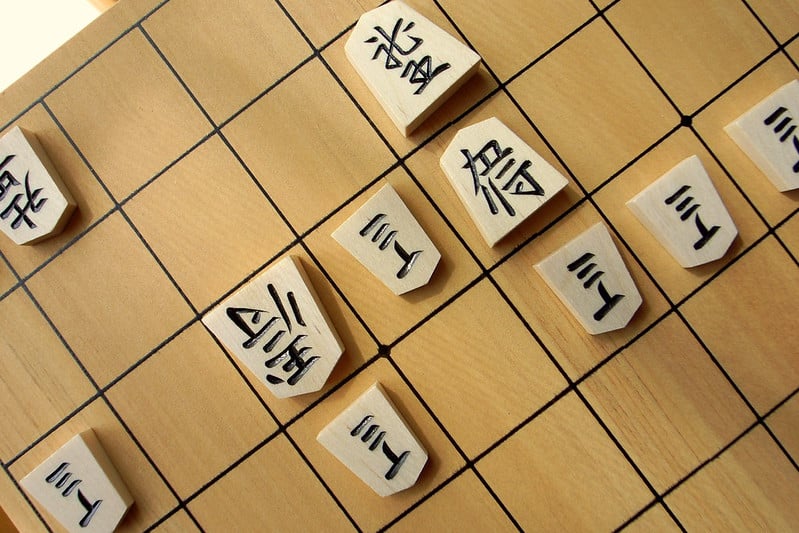
Back in the 1100s, a game took shape in Japan called shogi – related to an ancient Indian pastime named Chaturanga. Unlike its European cousin, here something unusual happens when you take a piece: it switches sides, reentering play under your command.
Because of that twist, boards grow more crowded as games go on, not less. Over centuries, it stayed deeply rooted in Japanese culture, still drawing crowds today through live broadcasts of elite face-offs.
Playing stays much like it always has
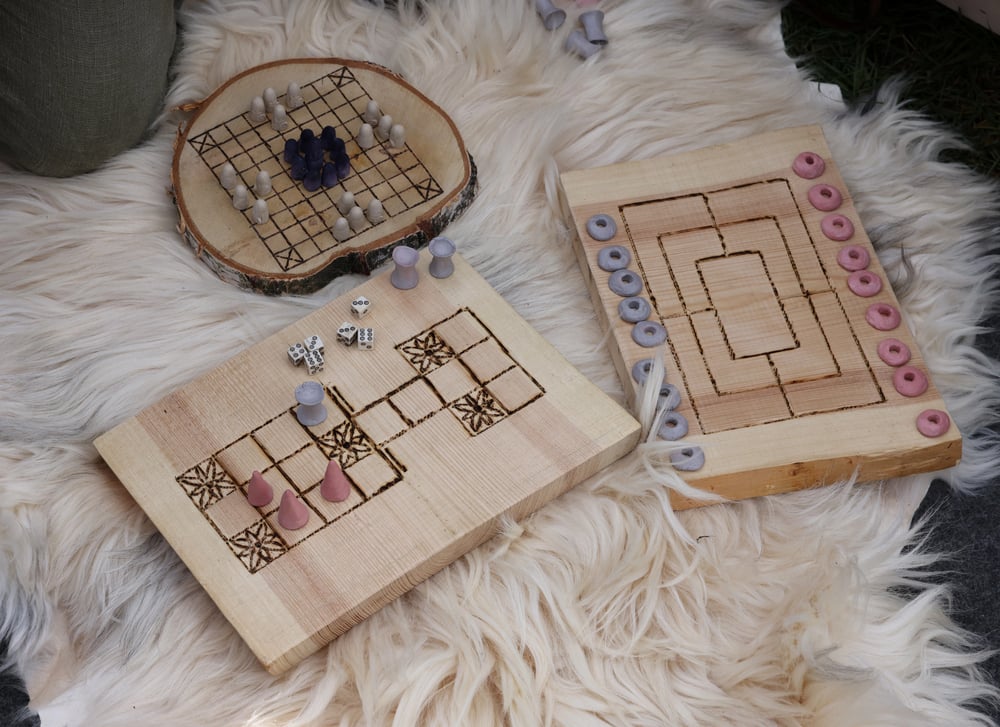
Long ago, folks played games just like we do now – chasing wins, planning moves, thinking ahead. Today’s digital battles feel new, yet they fill needs older than cities or roads.
Games lasting generations tend to mix clear guidelines with endless ways to play. When laughter rises around your table tonight, know it echoes through countless homes, past and far away.
More from Go2Tutors!

- The Romanov Crown Jewels and Their Tragic Fate
- 13 Historical Mysteries That Science Still Can’t Solve
- Famous Hoaxes That Fooled the World for Years
- 15 Child Stars with Tragic Adult Lives
- 16 Famous Jewelry Pieces in History
Like Go2Tutors’s content? Follow us on MSN.



