30 Things Kids Did Before Smartphones
Childhood used to run on landlines, paper and a lot of waiting. Information took effort to find, friends took effort to reach, and long stretches of the day had nothing scheduled in them at all.
None of that felt like hardship at the time. It simply felt like being a kid, and plenty of those habits taught skills that are surprisingly hard to replace.
Memorizing a Dozen Phone Numbers by Heart

Before contact lists lived in a pocket, kids carried them in their heads. A best friend’s number, a grandmother’s number, the pizza place and the house line all sat in memory, recited without a second thought.
Many families taped a typed list inside a kitchen cabinet door for emergencies, but kids rarely needed to look at it. Most calls stayed local, so area codes hardly mattered, and long distance cost extra by the minute anyway.
The habit trained a kind of recall that adults now struggle to summon, which is why so many grown people can still recite a childhood friend’s seven digits.
Stretching the Kitchen Phone Cord Around a Corner

The family phone usually hung on a kitchen wall, and privacy meant pulling its coiled cord as far as it would reach. Teenagers dragged it into pantries, down basement steps and behind closed doors, leaving a taut line across the room for everyone else to step over.
Hardware stores sold extra-long replacement cords for exactly this reason. A cord stretched too often lost its curl and hung in sad loops, a visible record of how much talking happened in that house.
Cordless phones spread through the 1980s and quietly ended the ritual, though their range and static were famously unreliable.
Asking a Friend’s Parent for Permission to Talk
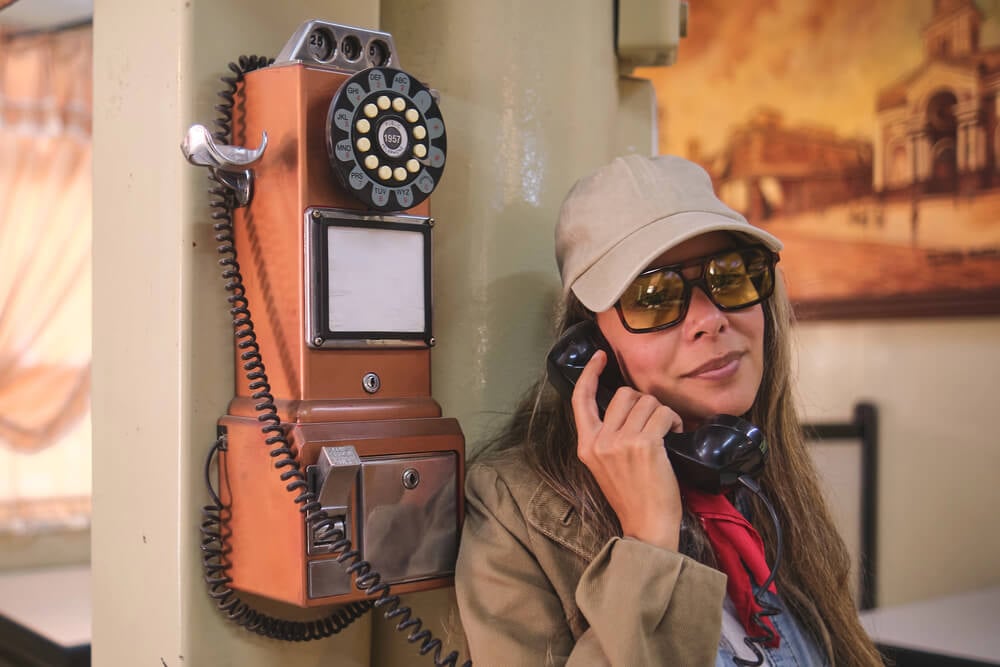
Calling a friend meant calling the entire household. Whoever answered got a polite greeting and a request to speak with the friend, and kids learned to say it clearly because a parent might hand the receiver over or might not.
That small negotiation taught phone manners that schools never had to cover. It also meant parents knew exactly who called and how often, a level of quiet supervision no app has matched.
Shy kids rehearsed the opening line before dialing, and more than a few hung up in a panic when a friend’s father answered in a deep voice.
Leaving Messages on the Family Answering Machine
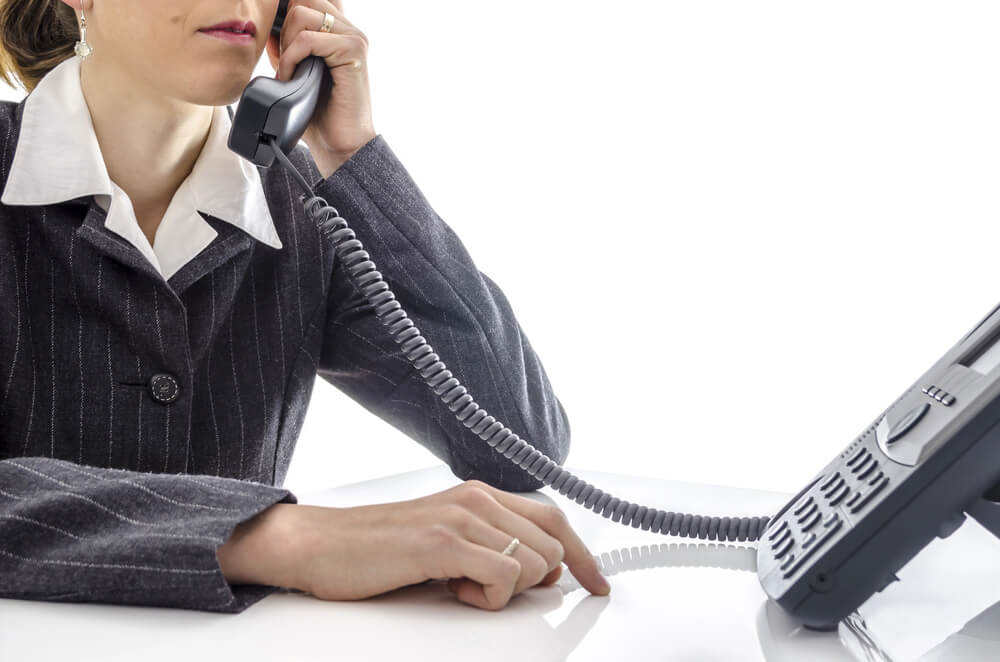
Answering machines became common in American homes during the 1980s, recording calls onto small cassettes tucked inside a plastic unit beside the phone. Families recorded their own outgoing greetings, and kids often lobbied to be the voice of the house, sometimes with a song or a joke that ran far too long.
Coming home meant checking for a blinking red light and pressing play while the tape whirred backward. Messages could be erased by accident, overheard by nosy siblings or saved for years when a beloved voice was on them.
Some people still keep those tiny tapes in drawers for that last reason.
Making Prank Calls Before Caller ID

Sleepovers once included a phone, a phone book and a dare. Kids dialed random numbers to ask whether a stranger’s refrigerator was running, then dissolved into giggles and slammed the receiver down.
The jokes were old even then, handed down from older siblings like folklore. The entire game depended on anonymity, and that vanished as phone companies rolled out caller ID and the star 69 callback feature in the late 1980s and early 1990s.
Once a call could be traced back with three button presses, most young pranksters retired for good.
Taping Songs Off the Radio
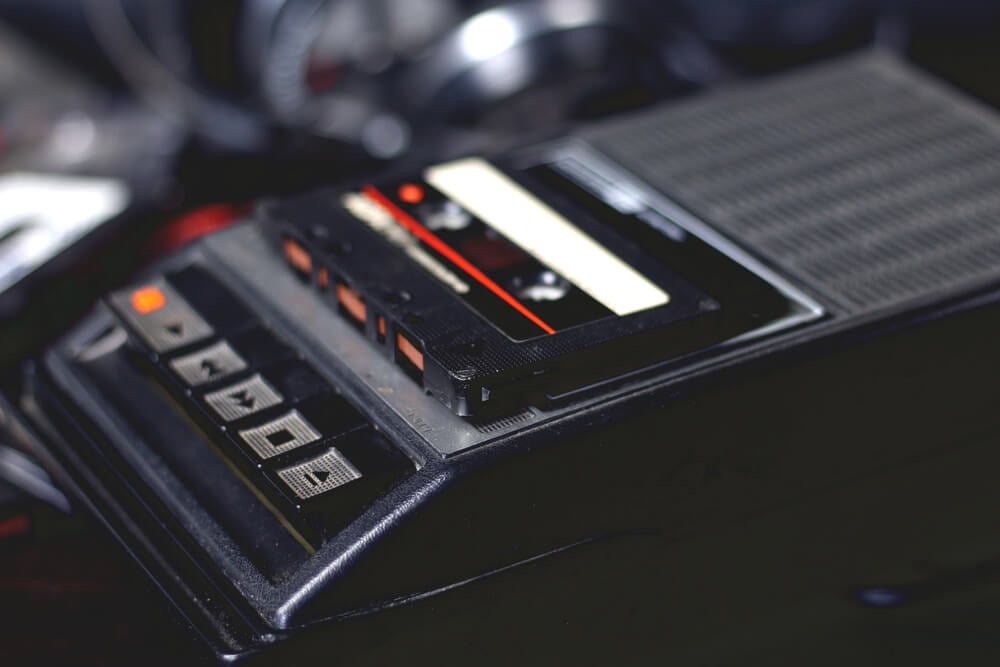
Building a playlist once required patience and a finger hovering over the record button. Kids parked beside a boombox, waited for a favorite song to come on the radio, then pressed record and play together, hoping the DJ would stop talking before the first verse.
Most homemade tapes ended up with clipped intros, station jingles and the occasional parent shouting in the background. Blank cassettes from brands like Maxell and TDK sold by the multipack for exactly this purpose.
Finished tapes got hand-lettered labels and were handed to crushes and best friends as a kind of coded letter.
Calling the Radio Station to Request a Song

Local radio stations took requests over the phone, and getting through was its own sport. Kids dialed the request line over and over, heard busy signals for half an hour and then finally reached a DJ who might put them on the air.
Evening shows often ran dedications, where a listener named a song and the person it was meant for, turning a hit single into a public message. Contests that rewarded the ninth or tenth caller with concert tickets made the redialing even more frantic.
Hearing a request actually played felt like a minor brush with fame.
Carrying a Sony Walkman Everywhere
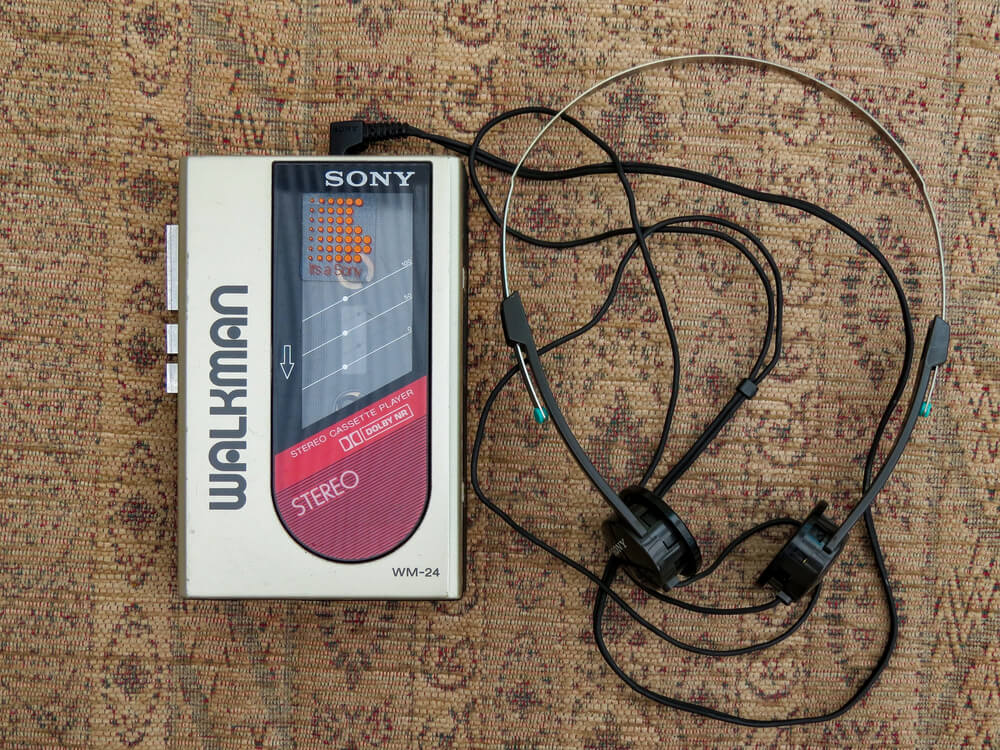
Sony released its first Walkman, the TPS-L2, in 1979, and portable music changed almost overnight. Kids clipped cassette players to waistbands, wore foam headphones on bike rides and burned through AA batteries at an alarming rate.
Changing an album meant flipping the tape or swapping it entirely, so many listeners heard records straight through in order. Winding a cassette back with a pencil to save battery power became a common trick.
Cheaper knockoffs from other brands filled drugstore shelves, yet the Walkman name became the everyday word for the entire category.
Waiting a Week for Vacation Photos

Film cameras held 12, 24 or 36 exposures, and nobody knew what they had captured until the prints came back. Families dropped rolls at drugstores, supermarkets or drive-up Fotomat booths, then waited days for an envelope of glossy pictures.
Kids learned to frame shots carefully, because every click cost money to develop. The envelope almost always held a few blurry frames, a thumb over the lens and at least one shot nobody remembered taking.
Negatives came back too, tucked into thin sleeves, and many ended up in shoeboxes that families are still sorting through today.
Looking Things Up in the Encyclopedia

Homework questions once went to a shelf of heavy matching volumes. Sets like World Book were often sold door to door and paid off on installment plans, and a complete set signaled a family’s serious commitment to education.
Kids pulled the volume for the right letter, read the entry and copied more of it into their reports than teachers preferred. Annual supplement books tried to keep the information current, but facts aged quickly between editions.
Long articles came with maps, photographs and see-through overlay pages of the human body, which many kids flipped through purely for fun.
Searching the Library Card Catalog
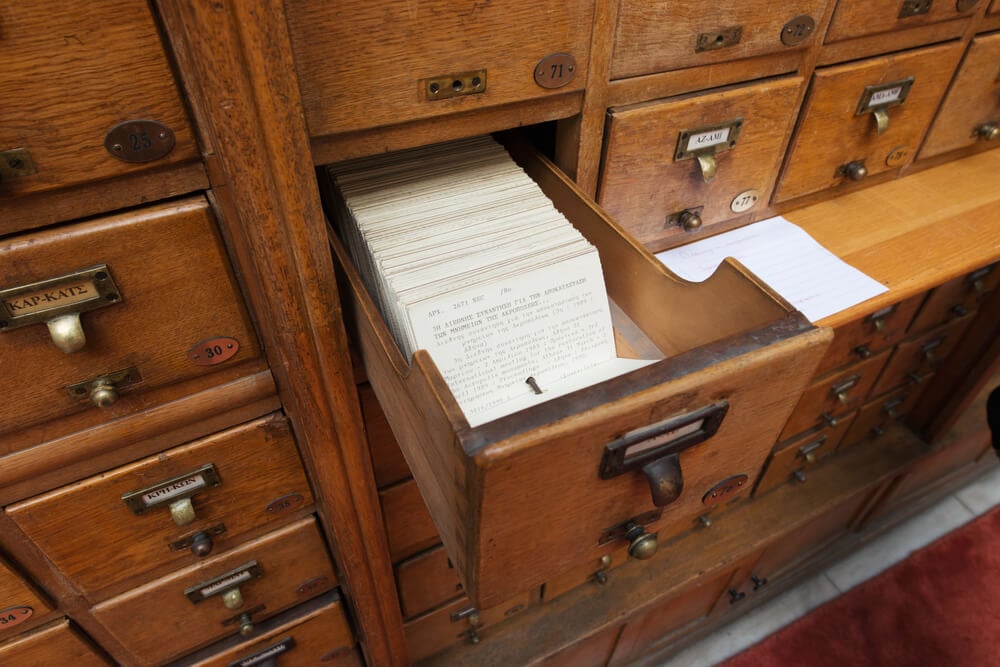
Finding a book meant pulling open a long wooden drawer full of index cards. Each title was filed by author, title and subject, and each card listed a call number from the Dewey Decimal System, which Melvil Dewey published in 1876.
Kids learned to flip through cards with two fingers, jot the number on a scrap of paper and track the book down in the stacks. Librarians taught the system early, often in elementary school.
Most libraries moved to computer catalogs in the 1980s and 1990s, and the old oak cabinets now turn up as prized furniture.
Writing to Pen Pals in Other Countries
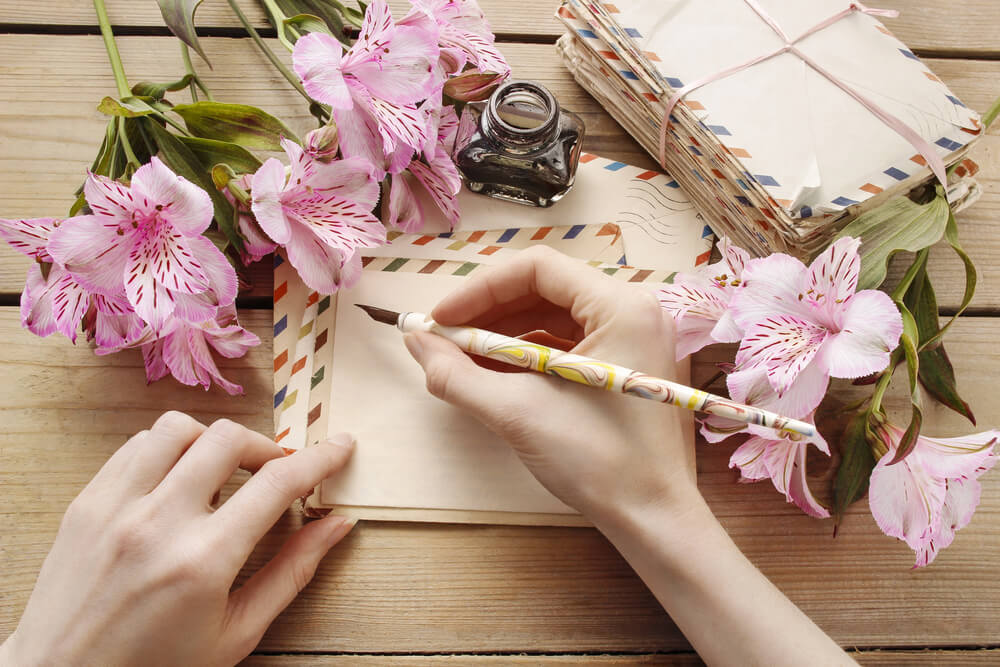
Schools and youth magazines matched children with pen pals abroad, and those friendships ran entirely on paper. Kids wrote on thin airmail stationery or lightweight folding aerograms and waited weeks for a reply.
A letter might include a photo, a pressed flower, a few foreign coins or stamps that became the seed of a collection. Writing to someone who knew nothing about a small hometown forced kids to describe ordinary life carefully and well.
Some pen pal friendships lasted for decades and ended in face-to-face meetings as adults.
Folding Notes Into Tight Triangles
Classroom gossip traveled by paper. Kids wrote notes on lined notebook sheets and folded them into tight triangles, small squares or elaborate pull-tab shapes that took practice to open.
Passing one down a row was a calculated risk, since a teacher who intercepted a note might read it aloud to the class. Notes often included checkboxes asking a crush to mark yes, no or maybe.
The folding methods spread between friends like secret handshakes, and many people saved shoeboxes of these notes for years, rereading them later with a mix of horror and fondness.
Paging Through the Phone Book
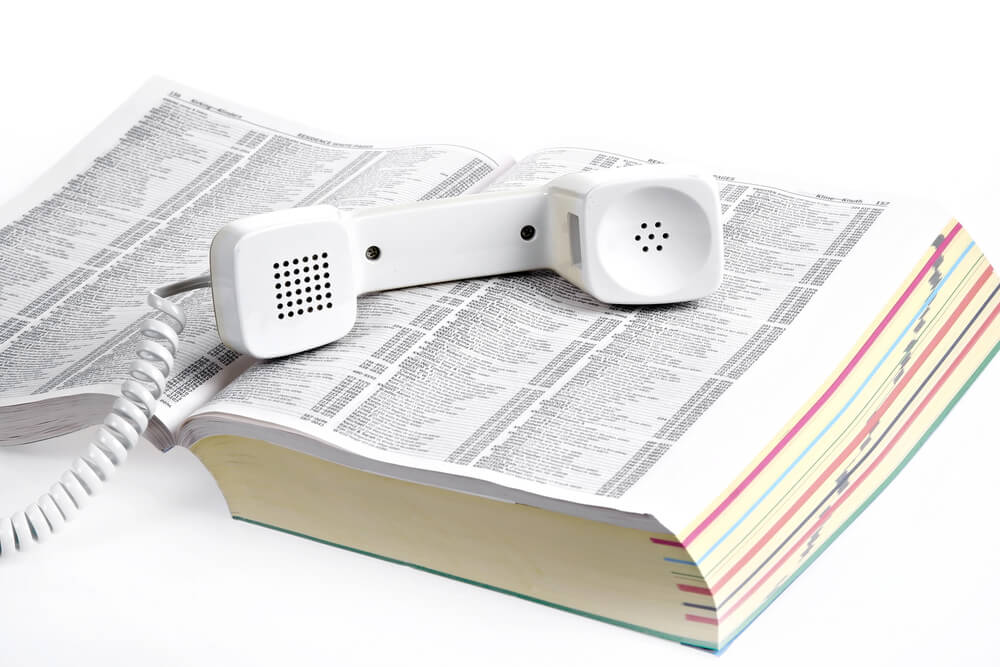
Every household kept a thick phone book, usually white pages for residents and the Yellow Pages for businesses. Kids looked up classmates by last name, found the number for the roller rink and sometimes sat on the book to reach the dinner table.
New directories landed on doorsteps once a year, and big-city editions were heavy enough to prop open a door. The listings included street addresses, which meant finding where a friend lived took seconds.
Tearing a phone book in half was a classic strongman stunt, a party trick no digital directory can ever replicate.
Playing the License Plate Game on Road Trips
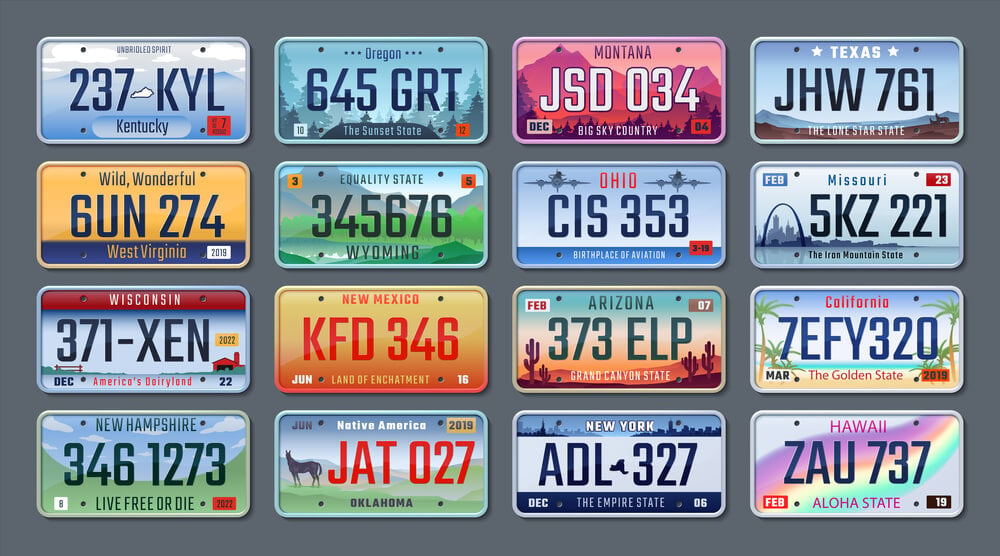
Long drives came with built-in entertainment from the back seat. Kids scanned passing cars for license plates from as many states as possible, checking each one off a list or shouting it out to claim it.
Hawaii and Alaska plates were rare sightings on mainland highways, which made spotting one a genuine triumph. Some families played the alphabet game instead, hunting for letters in order on road signs and billboards.
Both games kept kids looking out the window for hours, absorbing the scenery and the miles in a way a glowing screen rarely allows.
Reading the Road Atlas for Dad
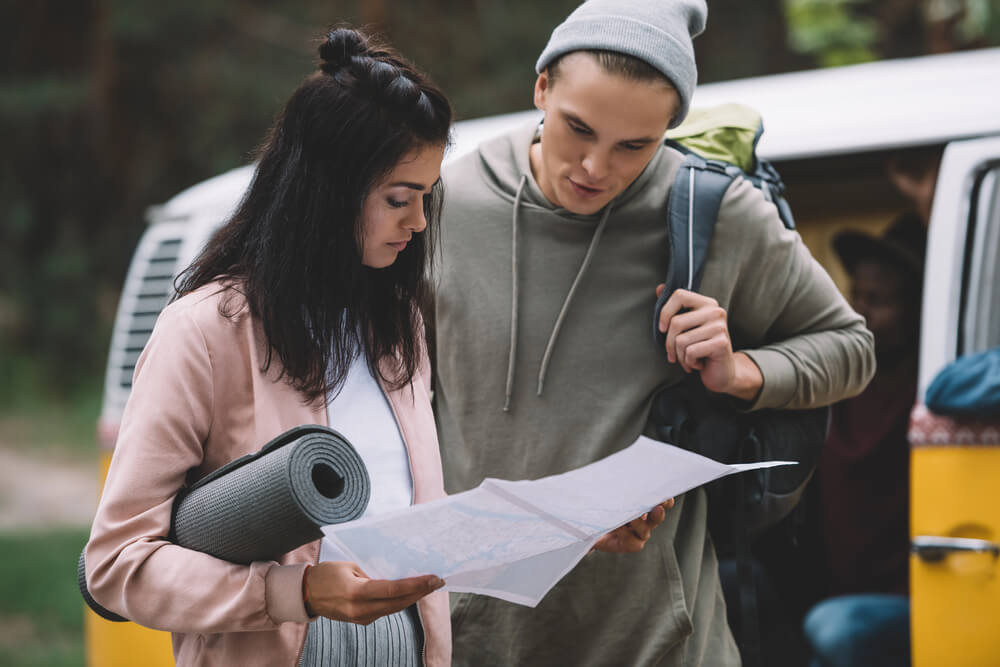
A Rand McNally road atlas lived in many glove compartments or under the front seat. On family trips, older kids often served as navigators, tracing highways with a finger, adding up the miles between towns and calling out exits.
Folded gas station maps were common too, and refolding one correctly was a skill few adults ever mastered. Missing a turn meant pulling over and studying the page together, sometimes followed by a tense silence.
Kids who learned to read maps this way built a sense of direction that GPS users often lack, along with strong opinions about shortcuts.
Renting Movies From Blockbuster on Friday Night
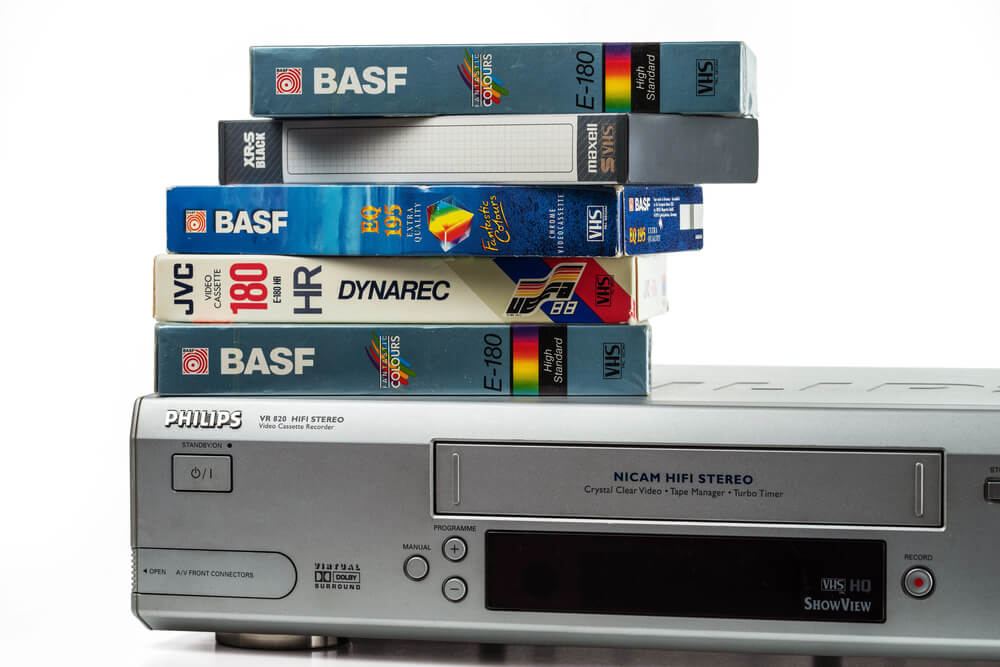
Blockbuster opened its first store in Dallas in 1985, and Friday night rentals soon became a family ritual. Kids wandered the aisles reading the backs of VHS boxes, hoping the new release they wanted had not already been checked out.
Stickers reminded everyone to rewind tapes before returning them, and late fees were a constant source of household arguments. Choosing a movie involved real negotiation between siblings with very different tastes.
The last remaining Blockbuster, in Bend, Oregon, has since become a tourist stop for people who remember those aisles.
Circling Shows in TV Guide

TV Guide arrived every week in a small digest-sized format that fit neatly on top of the television set. Kids circled the shows they wanted to watch, checked listings for the week’s specials and planned evenings around a single broadcast time.
Missing a program often meant waiting months for a rerun or never seeing it at all. The fall preview issue, which introduced the new network lineup each September, was a major event in many homes.
For years the magazine ranked among the most widely read publications in the country, which says a lot about how central scheduled television once was.
Programming the VCR to Record
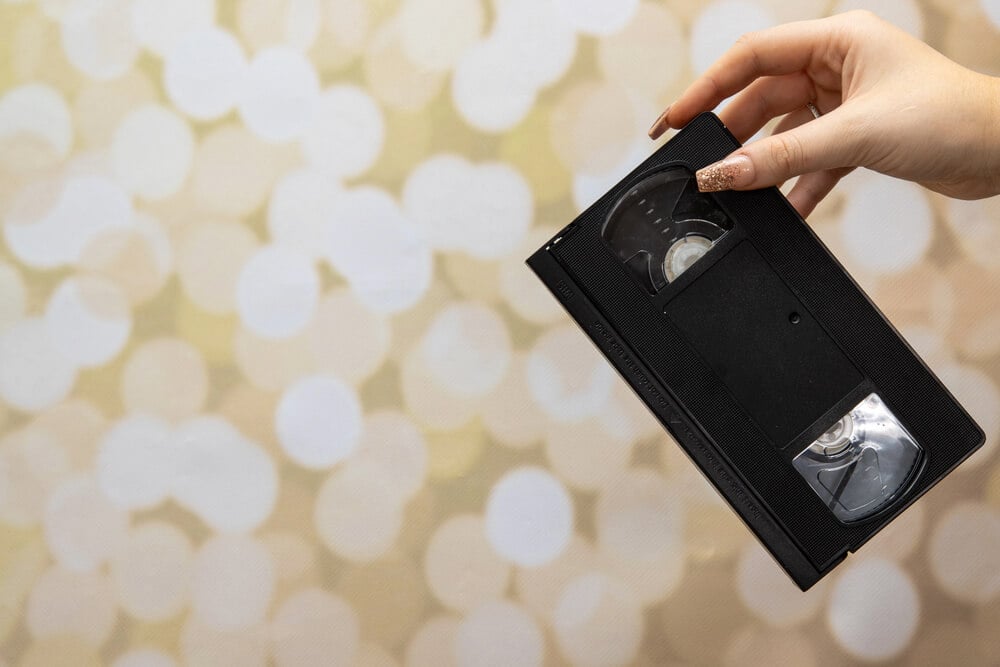
Recording a show while away from home required programming the VCR, a task that defeated many parents and often fell to their kids. The process involved setting a channel, a time and a date with tiny arrow buttons, and one mistake produced two hours of the wrong program.
Many households had a VCR clock blinking 12:00 for years because nobody bothered to reset it after a power outage. Kids labeled tapes with masking tape and marker, then recorded over them again and again.
Surviving home-recorded tapes now work as time capsules, complete with commercials from decades ago.
Waking Up Early for Saturday Morning Cartoons
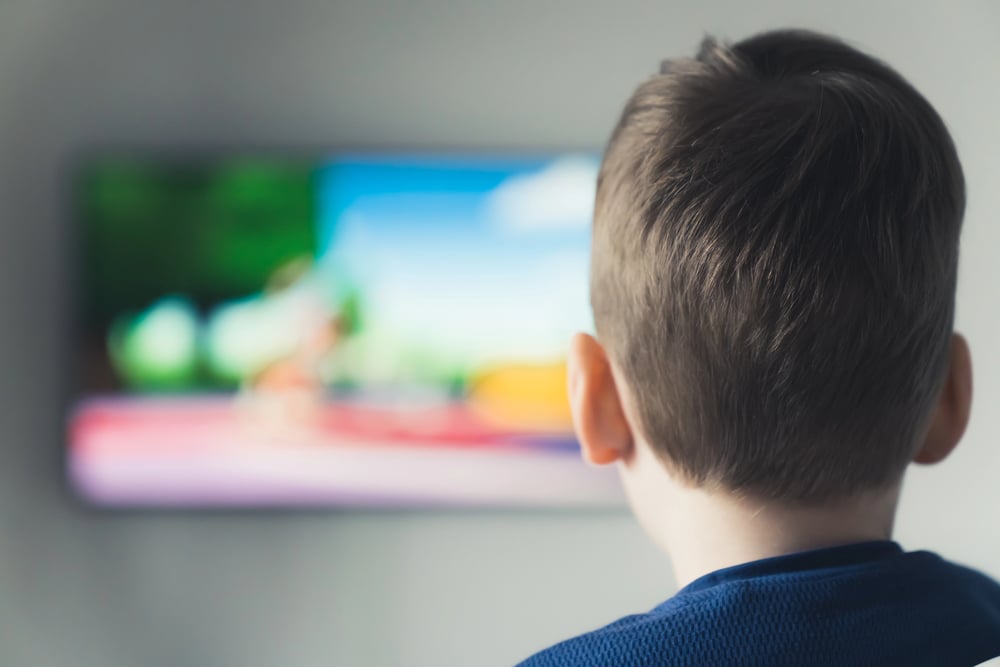
Saturday mornings once belonged to kids. Networks filled the hours from early morning to around noon with cartoons, cereal commercials and short educational segments like Schoolhouse Rock, which premiered on ABC in 1973.
Kids woke before their parents, poured their own breakfast and sat far too close to the screen in pajamas. Missing the block meant missing it for an entire week.
The tradition faded as cable channels ran cartoons around the clock, and the broadcast networks had dropped their Saturday cartoon lineups by the mid-2010s.
Playing Tetris on a Game Boy
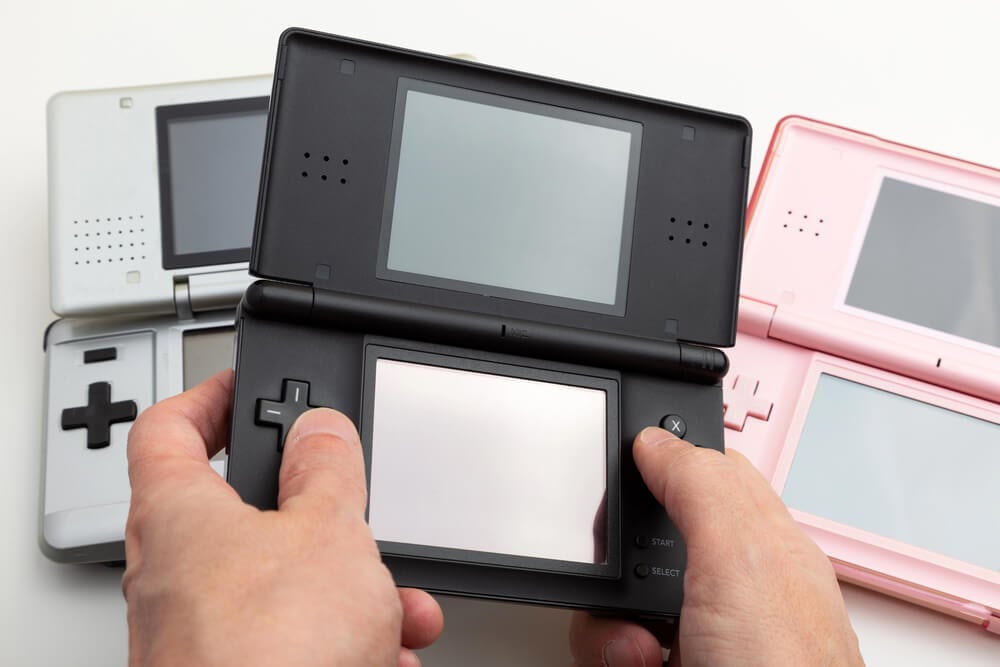
Nintendo’s Game Boy arrived in North America in 1989, bundled with Tetris, and it went everywhere kids did. The chunky gray handheld ran on four AA batteries, showed its graphics in shades of greenish gray and had no backlight, so players tilted it toward lamps and car windows to see.
Siblings negotiated turns with the seriousness of diplomats. Linking two systems with a cable for head-to-head play felt like the height of technology.
The original Game Boy and its successors sold well over 100 million units, and plenty of those first gray models still power on today.
Feeding Quarters Into Arcade Cabinets
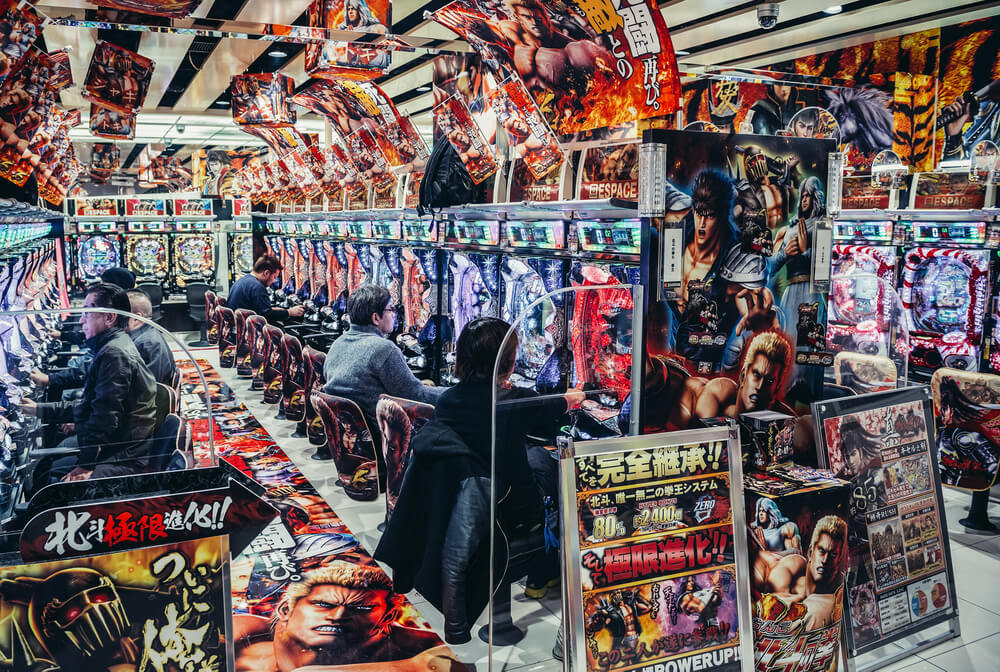
Arcades in malls, pizza parlors and roadside game rooms drew kids with jingling pockets in the late 1970s and 1980s. Games like Pac-Man, released in 1980, and Donkey Kong, released in 1981, cost a quarter per play, and a skilled player could stretch one coin for a long time.
Kids lined up quarters along the edge of a cabinet to claim the next turn, an etiquette everyone understood without being told. High score screens let players enter three initials, turning local legends into names the entire neighborhood recognized.
Losing a final life with a crowd watching was its own small humiliation.
Skating Under Colored Lights at the Roller Rink
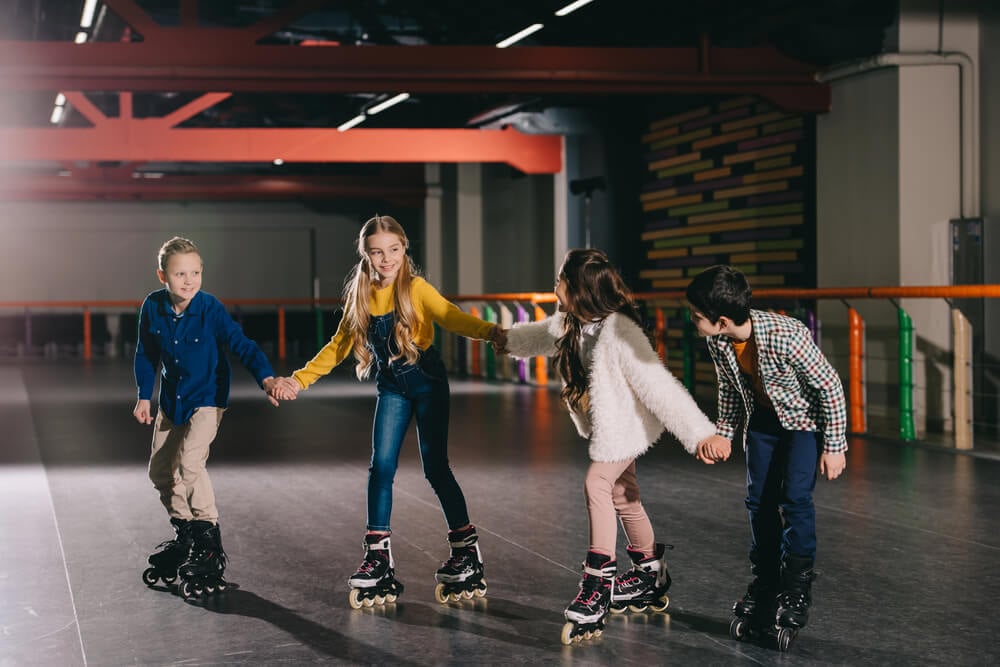
Roller rinks boomed in the late 1970s, riding the disco wave with mirrored globes, flashing lights and booming sound systems. Kids rented clunky skates at the counter, ate soft pretzels and nachos and waited nervously for the couples skate announcement.
Birthday parties at the rink became a standard rite of passage for a generation. Games like the limbo and the hokey pokey broke up the laps, and a floor guard with a whistle kept speed demons in line.
Plenty of first hand-holding happened under those colored lights, wobbling in rented skates.
Riding Bikes Until the Streetlights Came On

Summer afternoons came with a simple rule in many neighborhoods, which was to be home when the streetlights came on. Kids rode Schwinn Sting-Rays with banana seats and later BMX bikes, ranging miles from home with no way for parents to reach them.
Playing cards clipped to the spokes with clothespins made a sound kids swore was just like a motorcycle. Friends found each other by riding past houses to see whose bike was lying in the yard.
That freedom depended on trust and a shared neighborhood clock, and many adults describe it as the defining feature of their childhood.
Keeping a Diary With a Tiny Lock
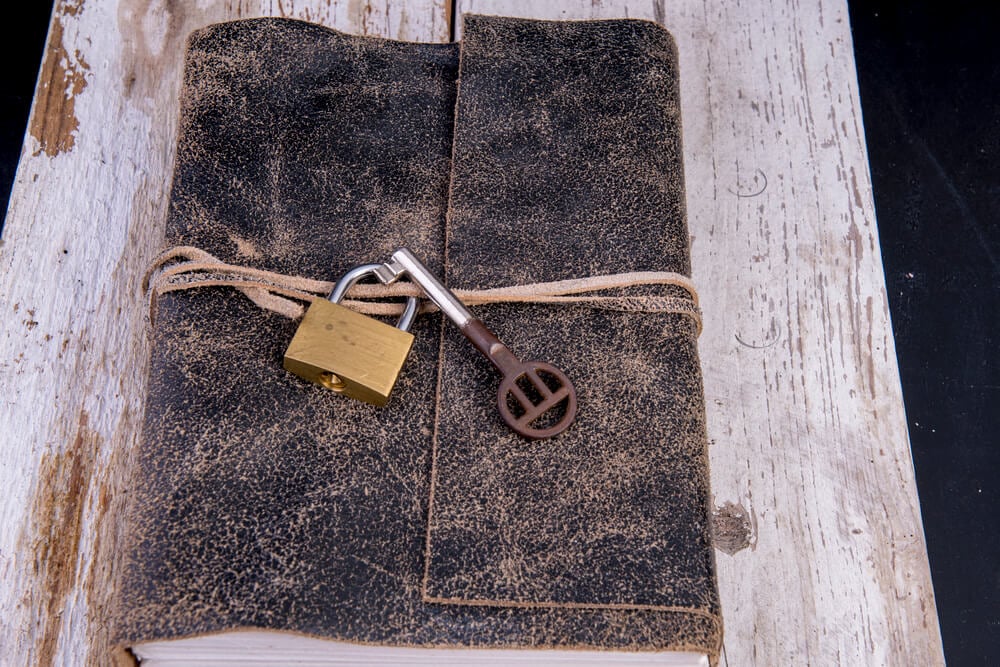
Diaries with small brass locks and keys were popular birthday gifts, especially for girls. Kids recorded crushes, fights and even the daily weather with complete seriousness, then hid the key somewhere clever.
The lock offered more symbolism than security, since a determined sibling could pop it open with a bobby pin. Rereading an old diary as an adult tends to produce equal parts embarrassment and affection.
Unlike social media posts, those pages had an audience of one, which made them more honest than nearly anything kids write publicly today.
Spinning the Comic Book Rack at the Drugstore
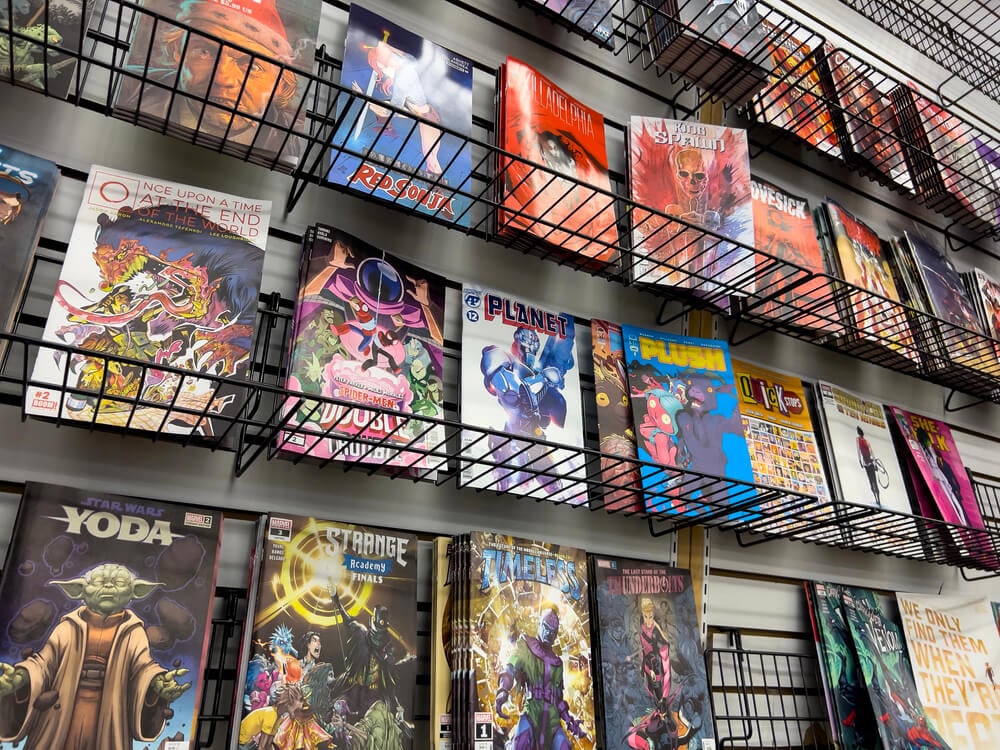
Drugstores, newsstands and grocery stores once kept comics on rotating wire racks near the front door. Kids spun the rack looking for Archie, Superman, Spider-Man or Richie Rich, often reading half an issue before a clerk suggested buying it or moving along.
Cover prices stayed low for decades, rising from about 10 cents in the 1950s to around 60 cents by the mid-1980s. Comics got rolled into back pockets, traded with friends and read until the covers fell off.
Few kids imagined that some of those well-thumbed issues would later sell for thousands of dollars.
Filling In Mad Libs on Long Car Rides
Mad Libs first appeared in 1958, created by Leonard Stern and Roger Price, and the format has barely changed since. One player asks for a noun, an adjective or a body part without revealing the story, then reads the absurd result aloud to the group.
Kids discovered quickly that certain silly words worked in nearly any blank. The pads were cheap, small and perfect for back seats and waiting rooms.
Mad Libs also taught parts of speech more effectively than many grammar lessons, which may explain why teachers rarely confiscated them.
Hearing the Dial-Up Modem Connect
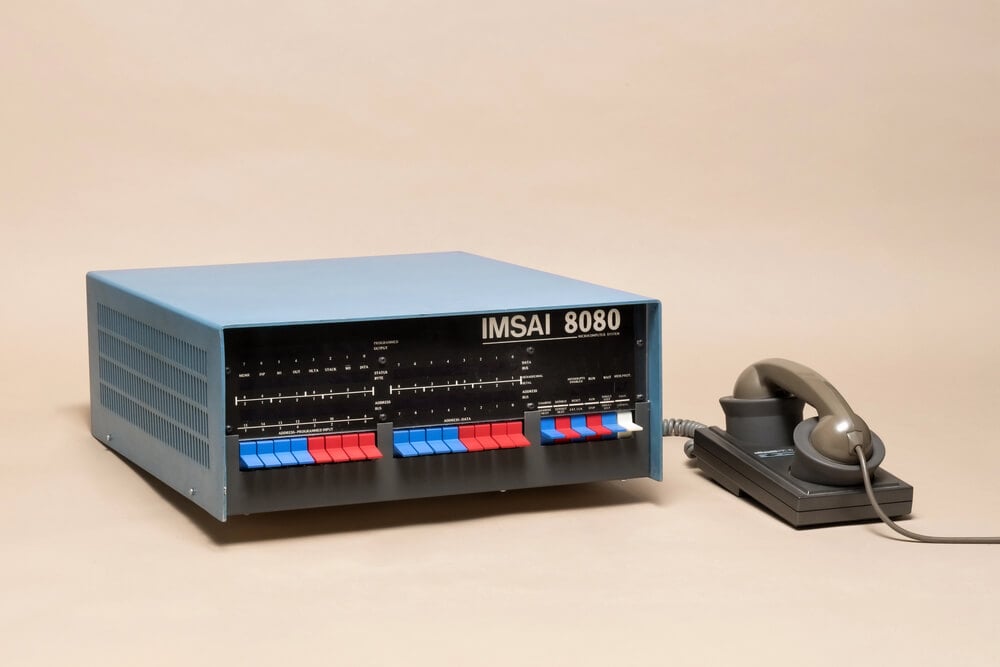
In the 1990s, getting online meant listening to a modem screech, beep and hiss while it connected through the family phone line. AOL mailed free trial discs to homes by the millions, and kids spent evenings in chat rooms and on instant messenger.
The catch was that nobody else could use the phone while someone was online, which caused constant household arguments. A parent picking up another extension could knock the connection offline in the middle of a conversation.
Early plans often billed by the hour, so kids learned to log off quickly and keep one eye on the clock.
Running a Lemonade Stand on the Corner
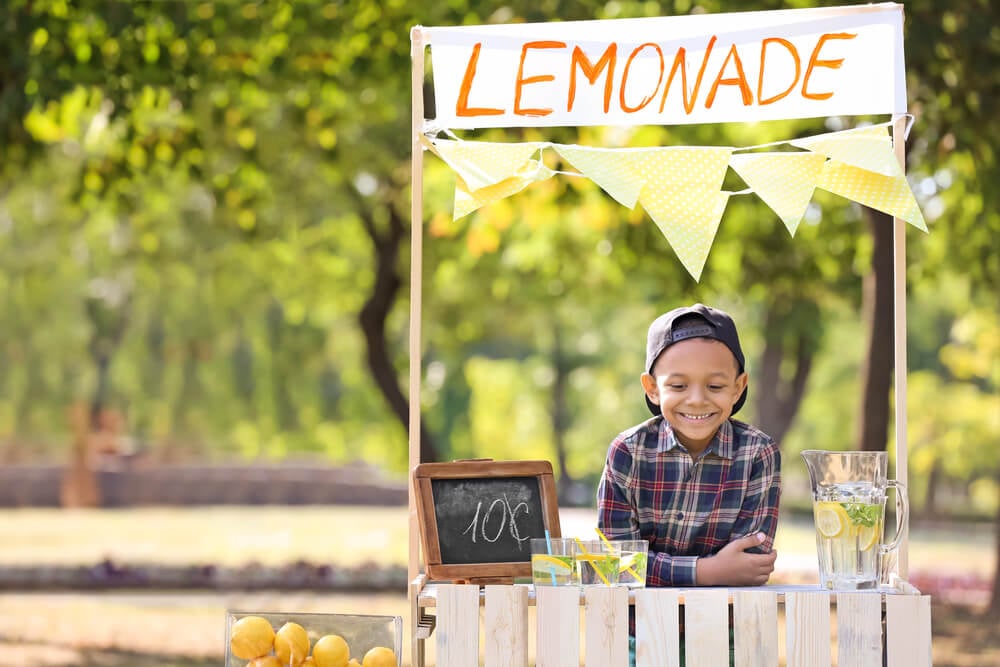
A card table, a pitcher of powdered lemonade and a hand-lettered sign were enough to open a business. Kids set up stands at the end of the driveway or on a busy corner, charging a quarter or so per cup and counting on neighbors and passing drivers.
Profits usually went straight to candy, comic books or a small toy. The stands taught basic lessons about pricing, location and customer patience long before anyone used the word entrepreneur.
Many adults still remember the stranger who handed over a full dollar and refused the change.
Mailing Away for Sea-Monkeys and Cereal Box Prizes
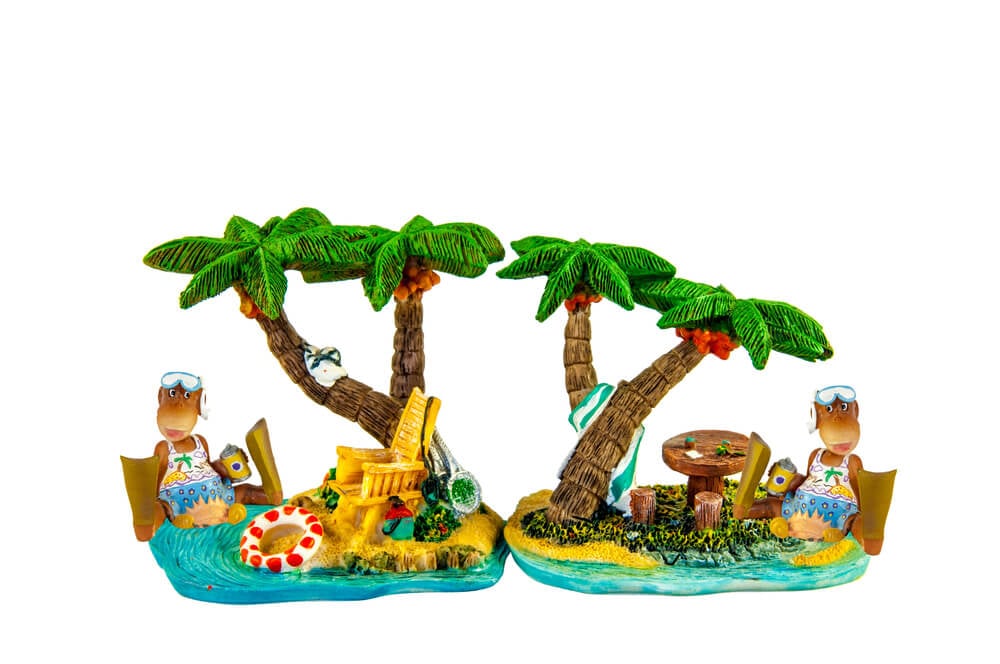
Comic book ads and cereal boxes promised wonders by mail. Kids clipped coupons, taped coins to cardboard and sent away for decoder rings, model kits and Sea-Monkeys, the brine shrimp that inventor Harold von Braunhut first sold in 1957 as Instant Life before renaming them in the 1960s.
Then came the waiting, often four to six weeks, with daily trips to the mailbox. The prize rarely matched the illustration, and real Sea-Monkeys looked nothing like the smiling family in the ads.
For most kids, the anticipation turned out to be the best part of the deal.
Boredom Built the Imagination

Almost every item on this list involves waiting, whether for a call back, a roll of film, a radio song or a package in the mail. Waiting forced kids to plan, remember and improvise.
It also left empty time that had to be filled with something, and kids filled it with games, notes, bike rides and schemes. Smartphones solved real problems, and nobody misses busy signals or blurry prints.
Still, the friction of the old way built patience, memory and a certain independence. Kids who grew up without a screen in their pocket learned that boredom was not an emergency, and that lesson has aged remarkably well.
More from Go2Tutors!

- The Romanov Crown Jewels and Their Tragic Fate
- 13 Historical Mysteries That Science Still Can’t Solve
- Famous Hoaxes That Fooled the World for Years
- 15 Child Stars with Tragic Adult Lives
- 16 Famous Jewelry Pieces in History
Like Go2Tutors’s content? Follow us on MSN.