Food Scraps You Never Know You Could Eat
Food ends up in the trash more often than you might guess. Instead of using them, folks chuck carrot greens into the garbage.
Watermelon skins land in the bin after slicing. Pasta cooking liquid? Straight down the sink it goes.
This plays out daily in homes everywhere. Rarely does anyone stop to question it.
Truth is, plenty of stuff people toss could still be eaten. Sometimes, those bits are healthier than what made it onto the plate.
Watermelon Rind
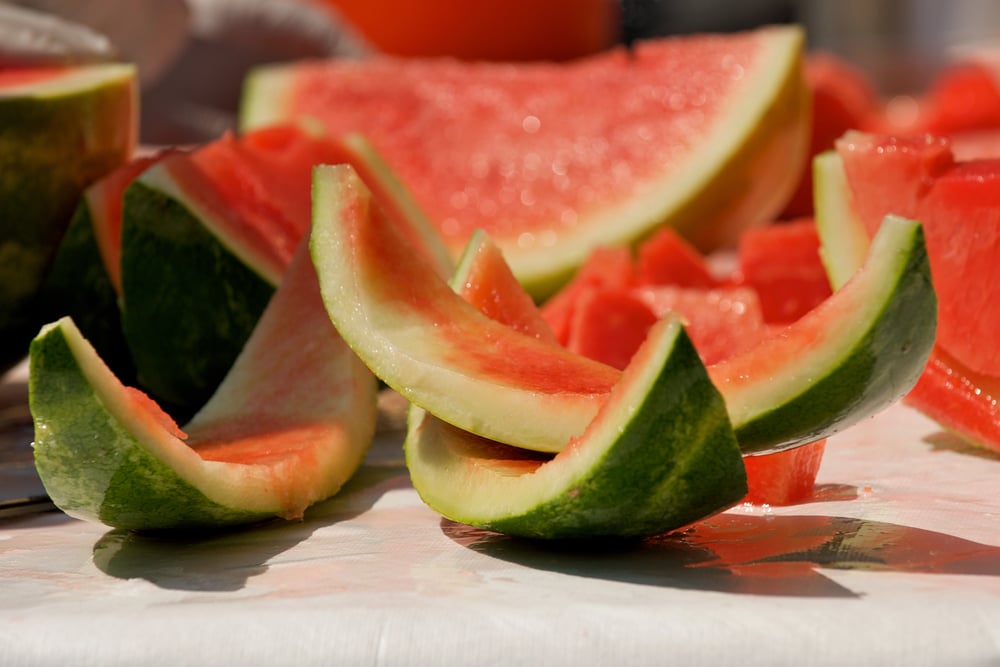
Inside the fruit, past the juicy part and under the tough outside, sits a creamy white section you can eat. Not everyone realizes this piece works well in vinegar mixes, hot pans, or whirred up with liquids.
Mild in taste, firm in bite, it brings plenty of roughage your system uses daily.
Banana Peel
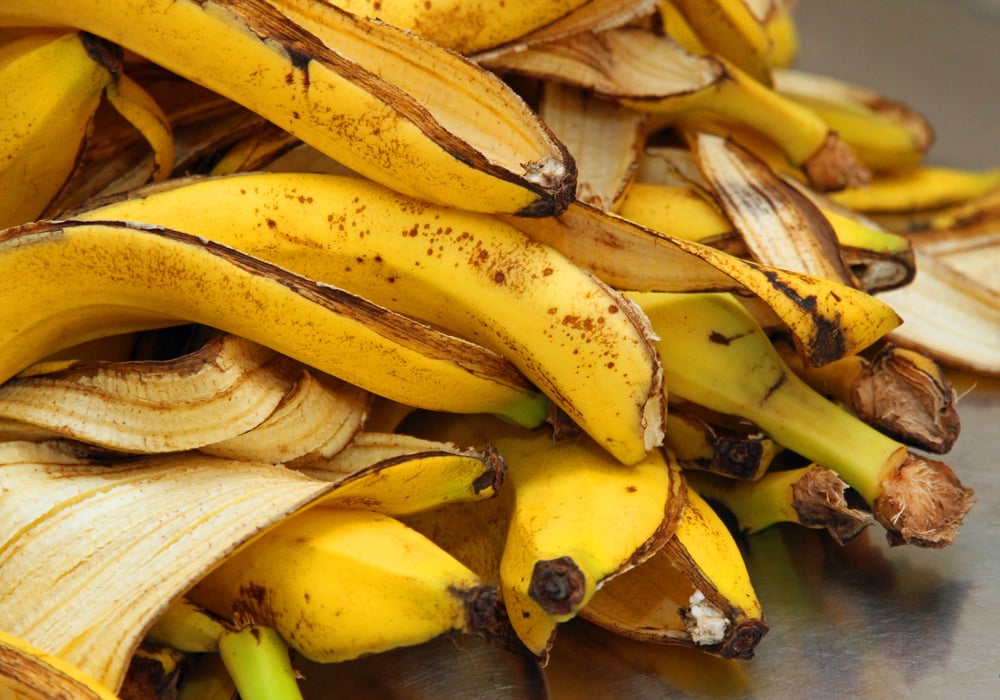
True, that outer layer. Seems strange at first, yet people through South and Southeast Asia have used banana skins in meals for decades.
Cook them lightly, mix into stews, even stir into drinks. Packed with potassium and B vitamins, leaving it behind means losing good nourishment without reason.
Broccoli Stems
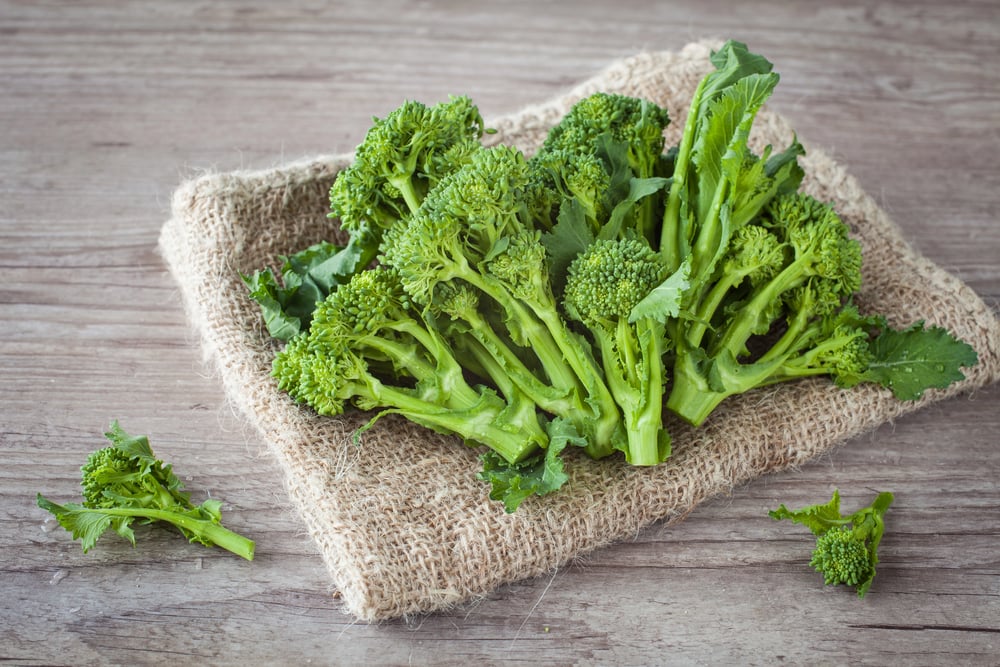
Usually recipes want just the flower part, so people toss the chunky stalk without thinking. Yet that lower piece packs the same good stuff as the head, sometimes more.
When tossed into soups or sizzling pans, it keeps its shape – doesn’t turn mushy like softer bits. Try cutting it into ribbons, baking until crisp, or rubbing with dressing raw.
Flavor surprises most who give it a go.
Citrus Peels
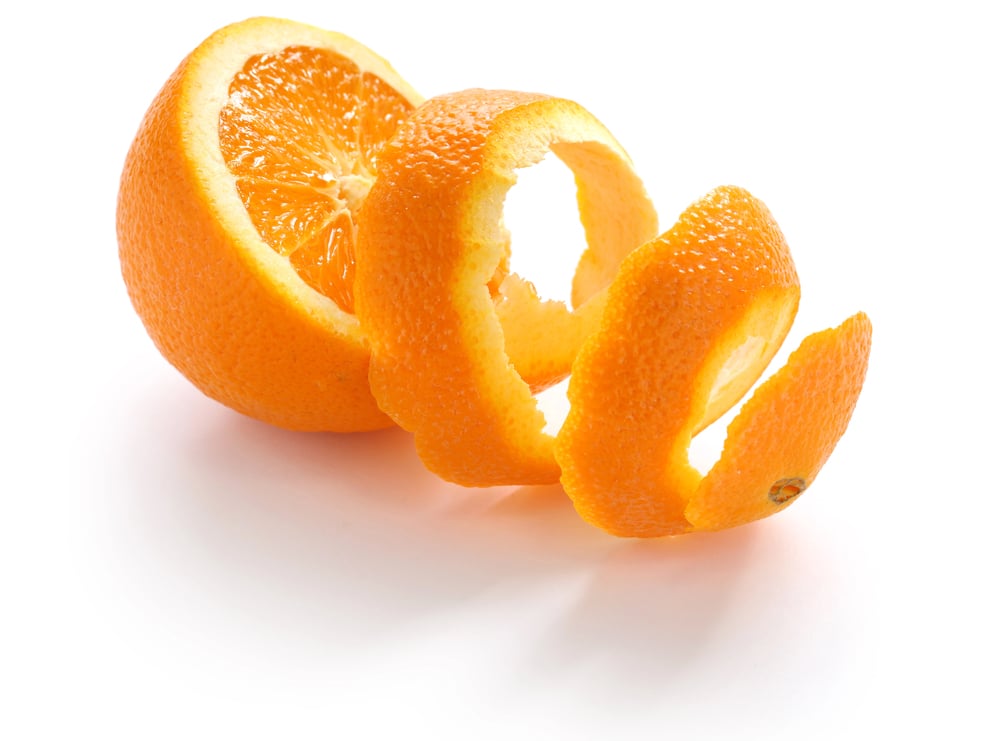
Peel of an orange, when dried, keeps flavors longer than you might expect. Lemon bits add sharpness to cookies instead of just sweet drinks.
A twist of lime brightens sauces without needing extra liquid. Oils hiding near the surface wake up dishes in ways juice never can.
Store scraps in a jar after grating – saves space, skips trash. Zest stirred into yogurt shifts taste slowly, subtly.
Small shreds matter more than big chunks ever do.
Corn Cobs
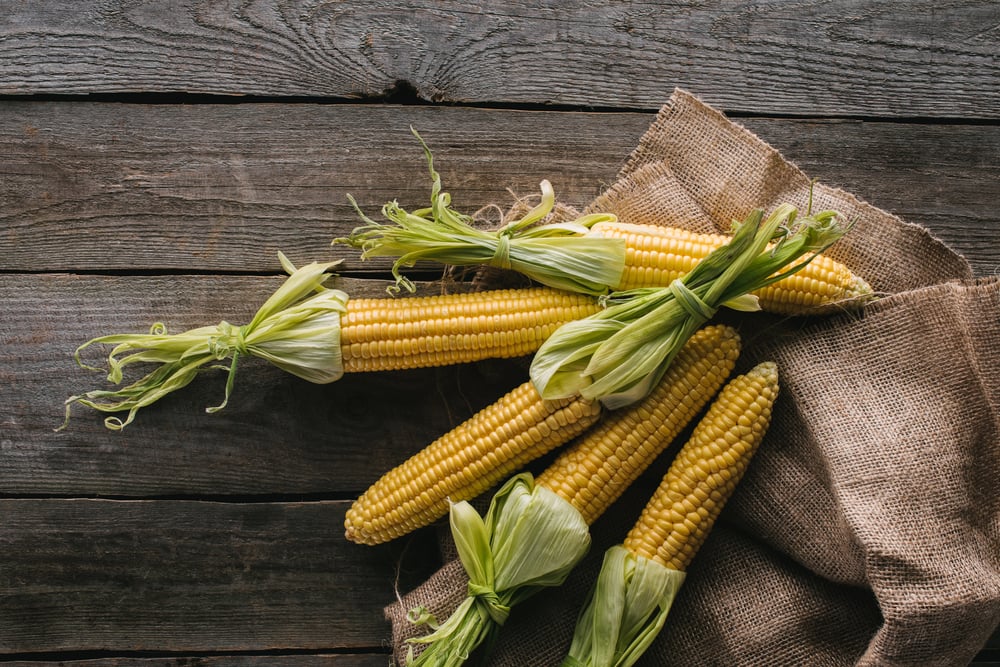
After removing the kernels, many toss the cob aside like it’s done. Not true at all.
Boiling those bare cobs gently in water draws out a delicate sweetness – perfect for building soup depth. Dried ones? Toss them on the grill instead.
They burn slow, giving meats a whisper of smoke others miss. Most never guess how much stays behind after the eating ends.
Pasta Water

Odd how often this catches folks off guard. That leftover water, thick with starch and salt from boiled noodles, turns out to be a quiet powerhouse in cooking.
A quick ladleful stirred into your sauce makes everything cling together better, almost velvety. Home kitchens toss it without thinking – chefs?
They save every drop. Not flashy, just smart.
Avocado Pit
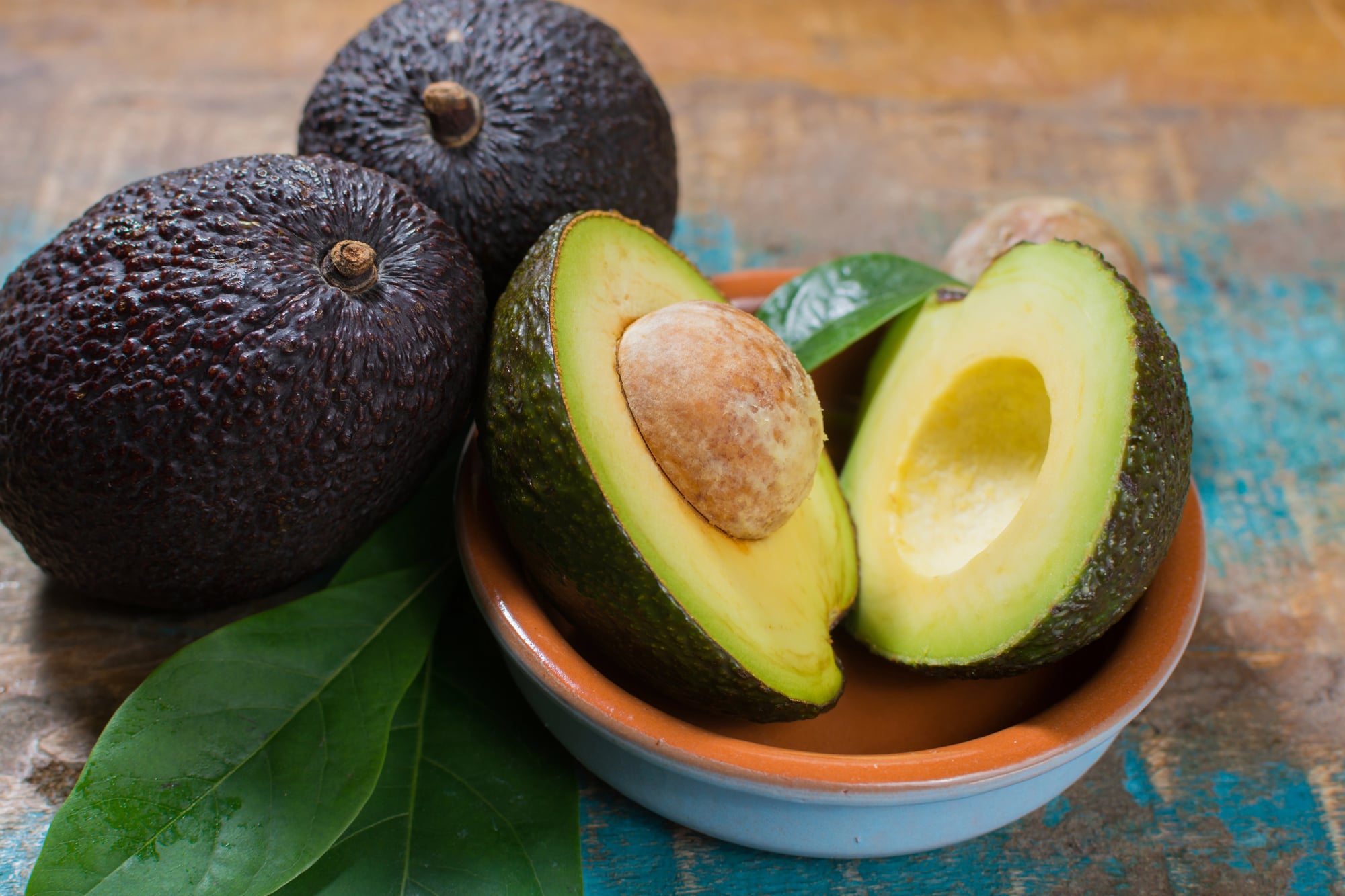
A big pit hides inside each avocado, usually thrown away without a second thought. Still, once dried and crushed, it turns into something usable – sprinkled on food or mixed into drinks.
Research has found hints of helpful stuff like antioxidants and roughage within. Not the easiest thing to prep, yet definitely not junk.
Cauliflower Leaves
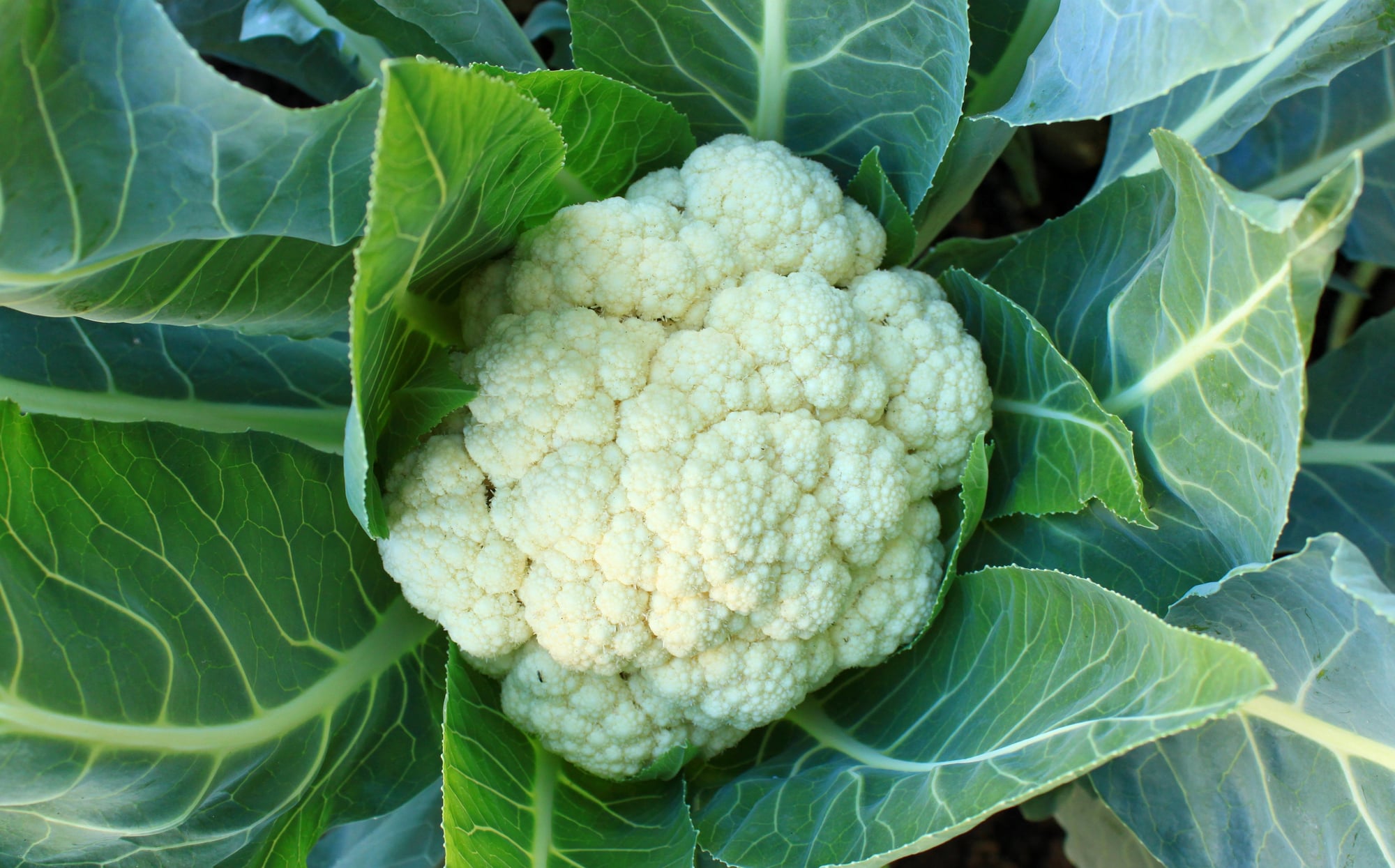
Wrapped around cauliflower, those large green leaves usually end up discarded without a second thought. Roast them instead, using olive oil with just a touch of salt.
Crispiness takes hold after time in the heat, transforming their texture completely. Earth meets subtle sweetness on the palate when you bite into one.
Much like how kale gets handled, similar treatment brings out their best. Collard methods apply here too, delivering satisfying results.
Potato Skins
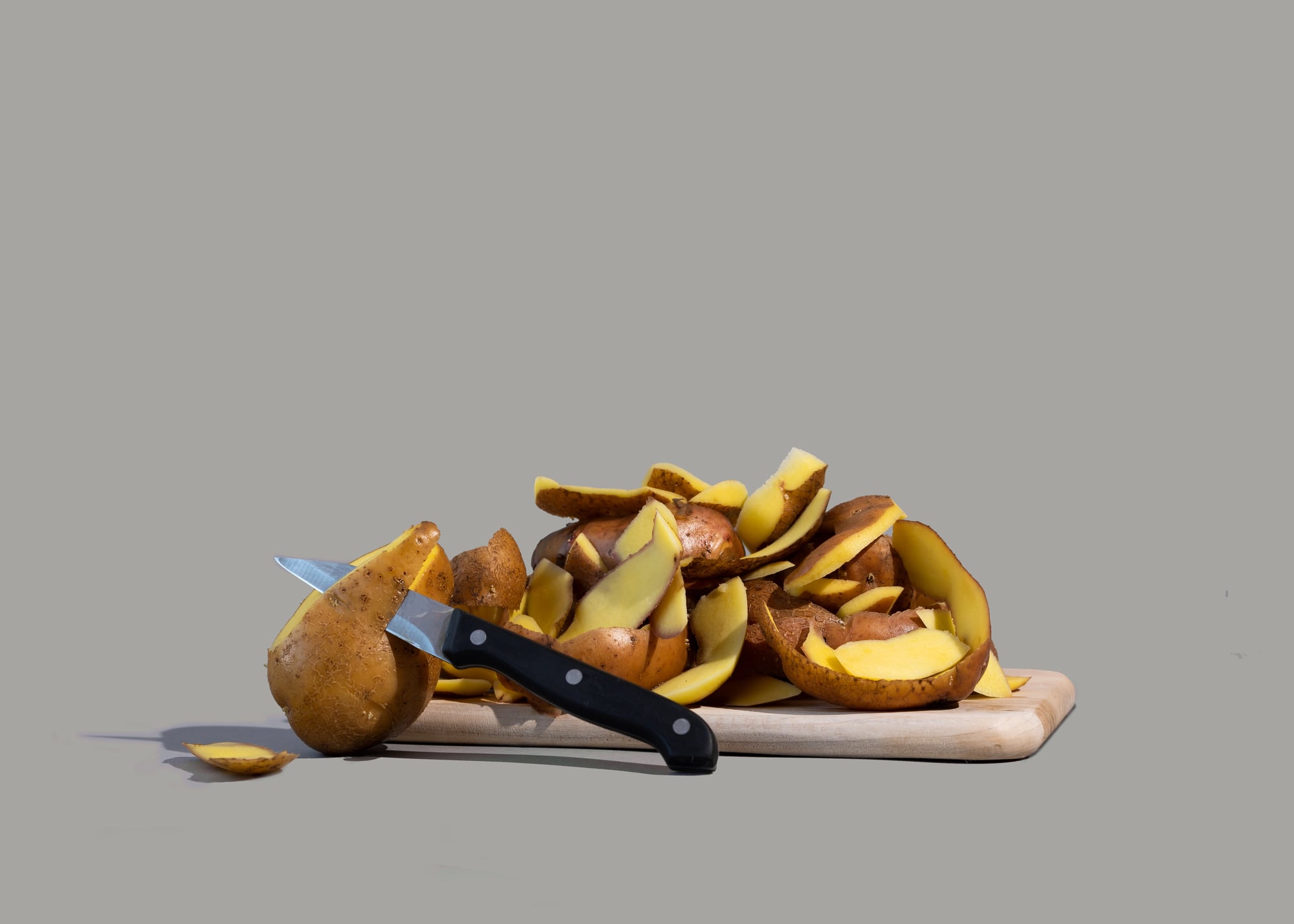
Besides protecting the insides, potato peels pack more iron than you might expect. Inside those rough layers, potassium hides in higher levels compared to the soft center.
Fiber thrives there too – way beyond what’s found beneath. When heat hits them, especially after a light sprinkle of salt, they crisp up nicely.
Restaurants caught on fast, serving them hot with extras piled on top.
Apple Cores And Seeds
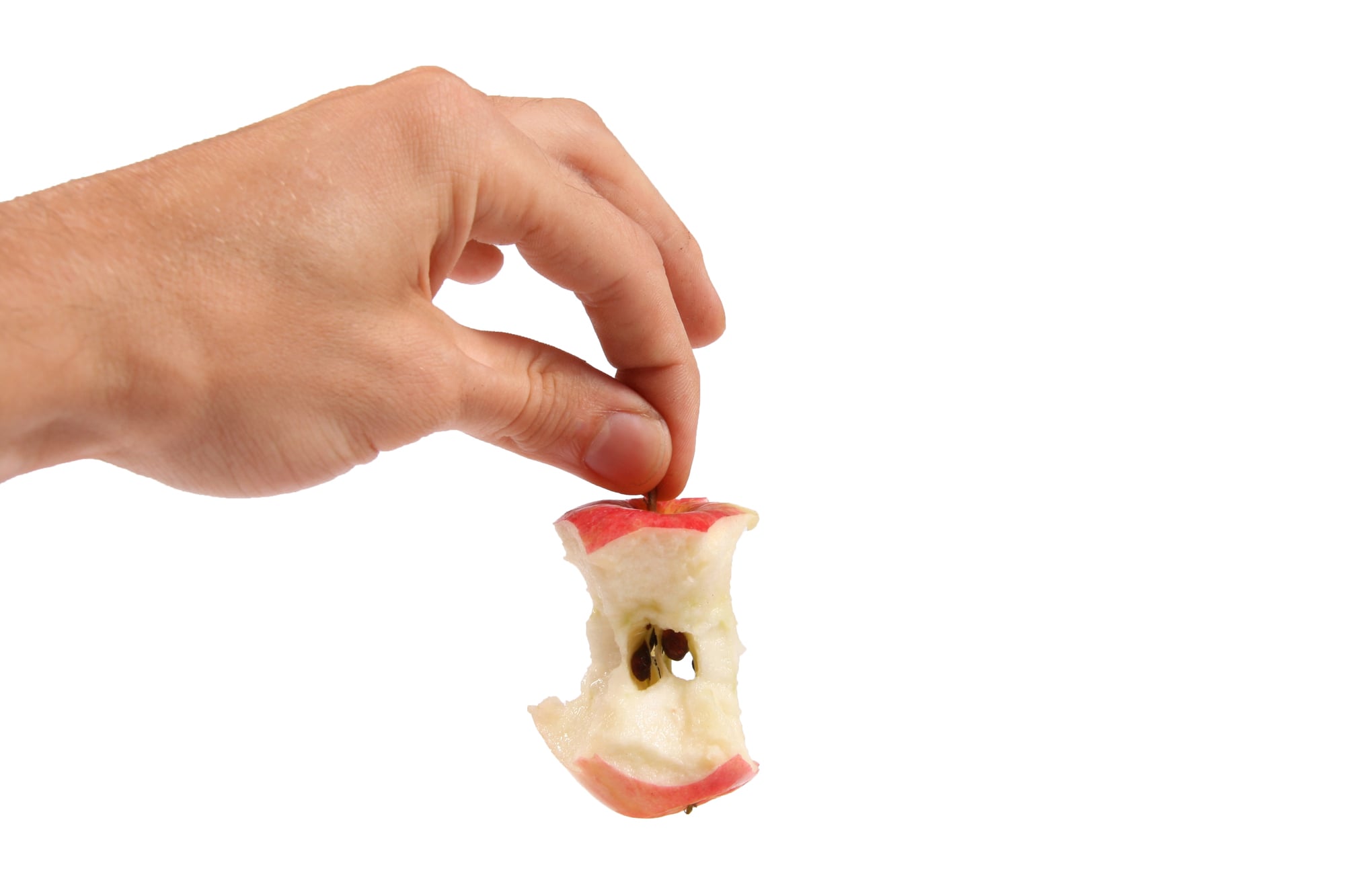
Most folks skip the center of an apple without thinking. Around that middle part, the fruit stays fresh and edible – yet hands tend to peel away before reaching further.
Those tiny seeds inside? Best kept to a minimum because they hold a substance that turns risky when swallowed too often.
Still, the tough inner section won’t hurt you. Getting nearer to it means less tossed-out food.
Stale Bread
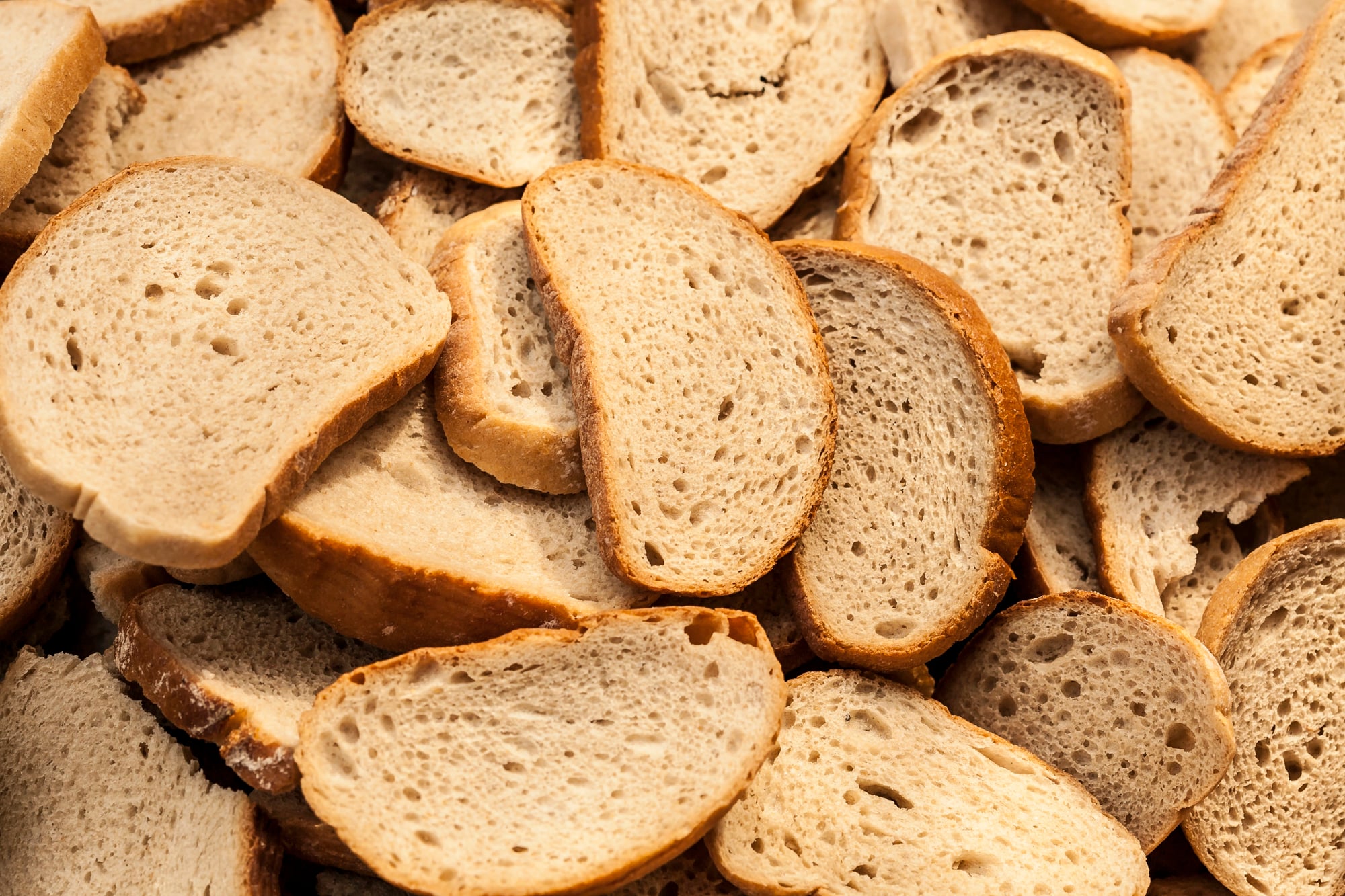
Hard bread isn’t useless. Actually, it works better than fresh in certain dishes.
Croutons come out crisp when made with day-old slices, so do breadcrumbs and puddings sweet or savory. Italians created panzanella just for this – turning stale chunks into a favorite warm-weather salad.
Tossing it away misses the point entirely.
Cheese Rind
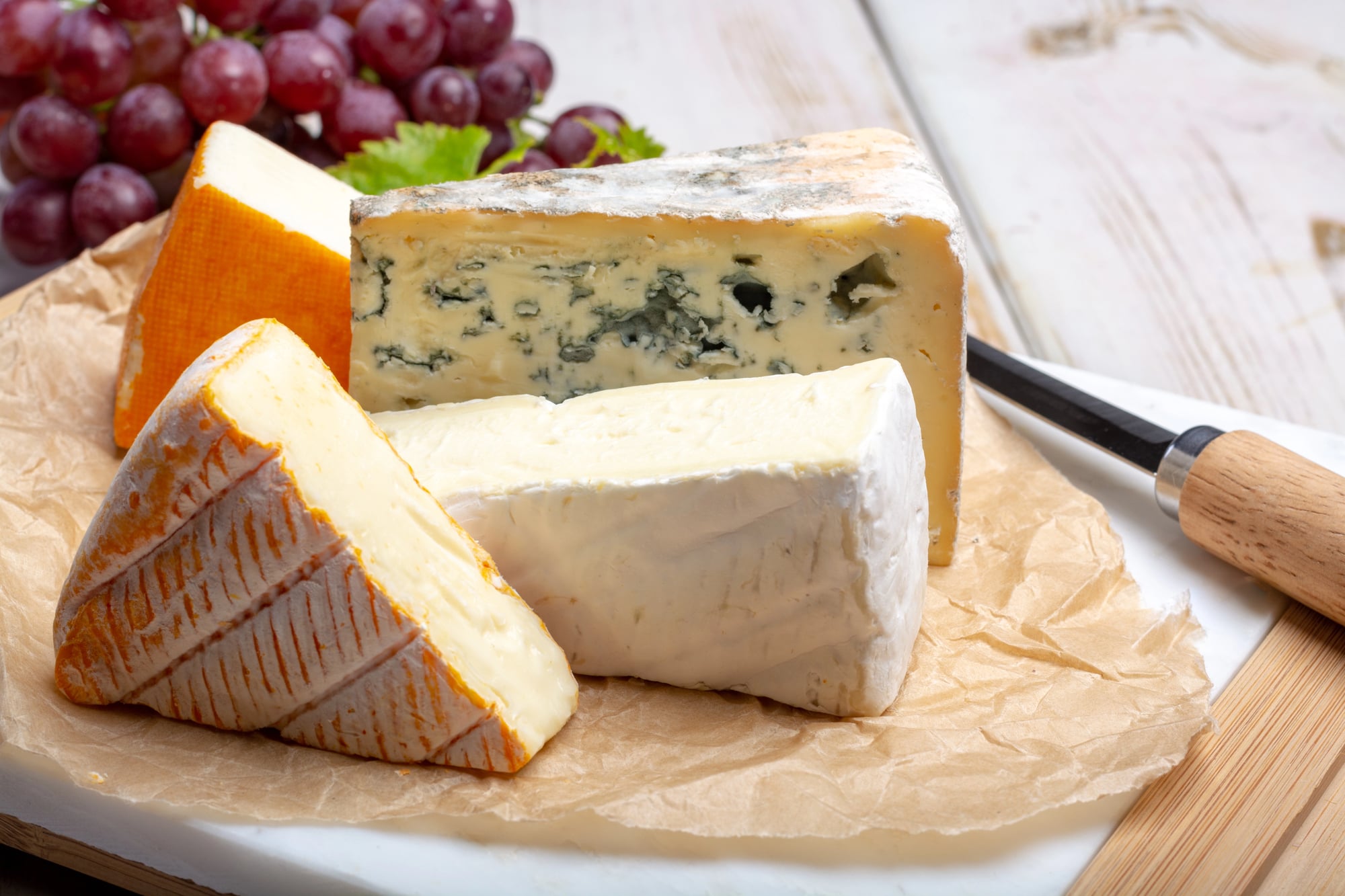
Tucked at the edge of every aged Parmesan wedge lies a tough scrap full of taste long after the soft parts vanish. Toss one into simmering stews or red sauces – it melts slowly, leaving behind a backbone of umami you won’t get from powders or herbs.
Stores now stock these scraps in bins since cooks everywhere swear by their slow release of savoriness. Slide used ones into a sealed container and stash them in the icy corner of your fridge till the moment comes.
Beet Greens
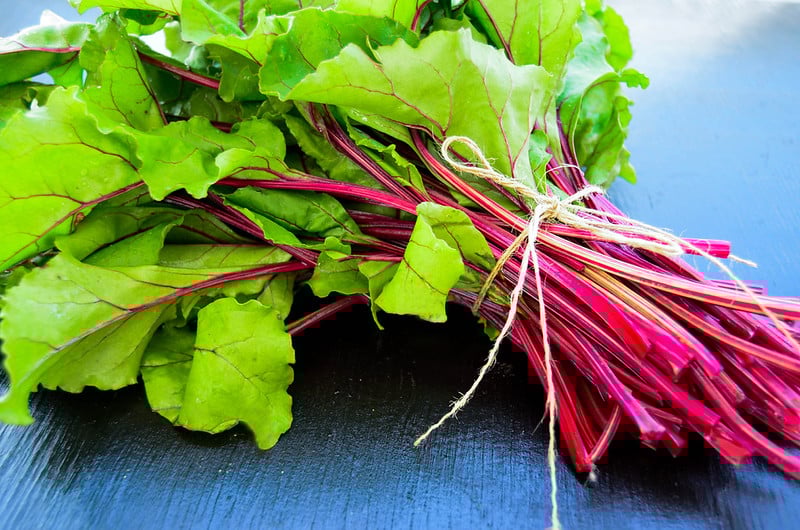
Fresh off the root, beets usually drag along a handful of leafy tops – rarely eaten, yet packed with flavor. Instead of tossing them aside, treat these greens like tender chard; throw them in pans, drop into broths, or mix raw into bowls when crisp.
Bright green and lively, they bring solid doses of vitamin A and C. Think of it: one purchase, two vegetables quietly hiding in plain sight.
Coffee Grounds
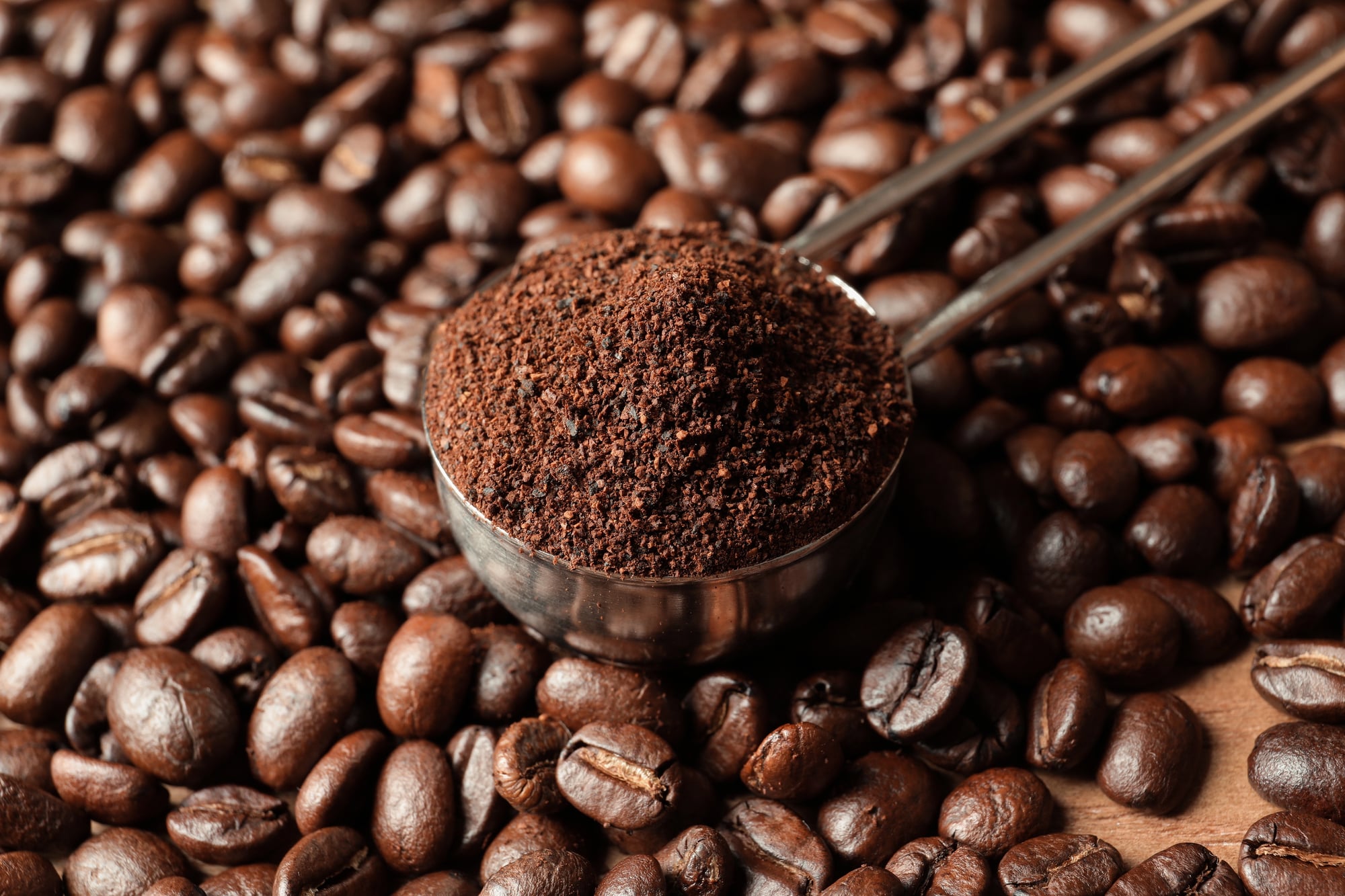
Coffee grounds have uses beyond compost – actually, they bring more than garden benefits. A rub made from spent beans creates a smoky, gritty layer on meats during grilling.
Baked items with chocolate sometimes include the grounds, boosting depth without overpowering. After handling pungent ingredients like onion or garlic, rubbing hands with damp grounds cuts through stubborn smells.
Even grimy cookware responds well, thanks to their mild abrasiveness when scrubbing with them.
Shrimp Shells
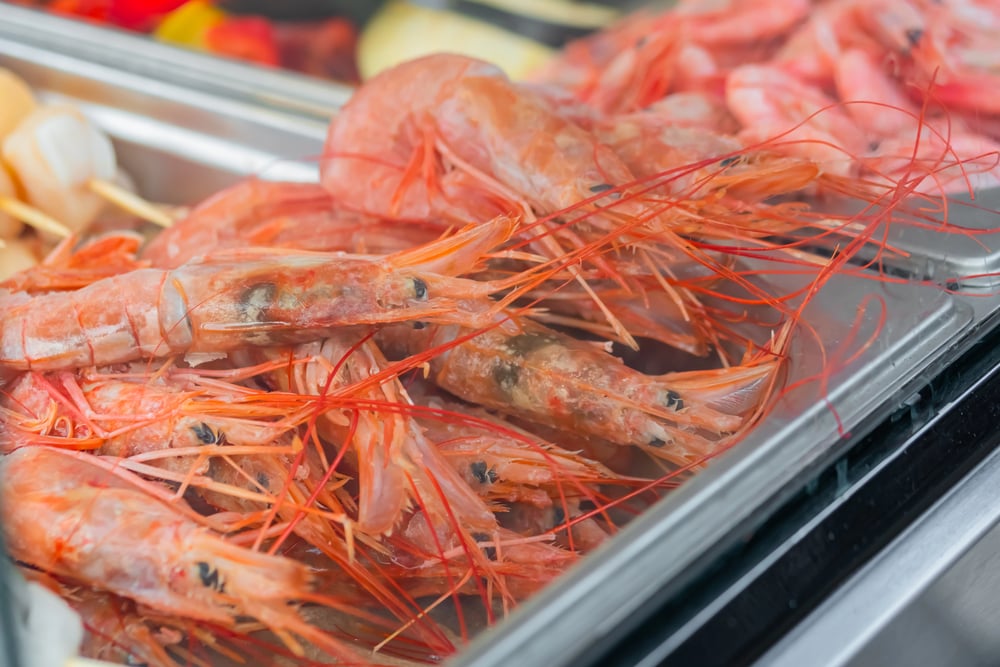
Shrimp shells get peeled off and thrown away almost automatically. Toasting them in a dry pan and then simmering them in water creates a rich, flavorful seafood broth that works as a base for bisque, risotto, or pasta sauce.
Restaurants do this regularly to get the most out of every ingredient. It takes about 20 minutes and costs nothing since the shells were already there.
Still Worth A Second Look
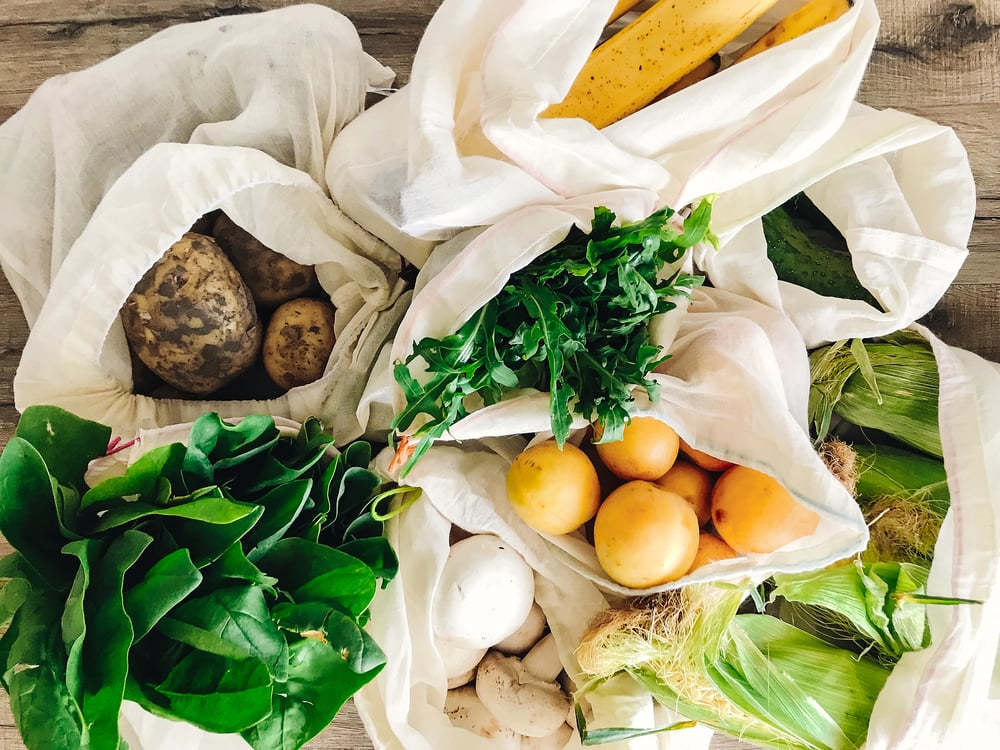
Food waste in the U.S. is a real problem, and a big part of it comes from not knowing what is actually edible. The scraps covered here are not exotic or difficult to work with.
They just need a little attention and a willingness to try something different. Once the habit of looking at food differently starts to form, the trash bin gets lighter and the meals get more interesting.
More from Go2Tutors!

- The Romanov Crown Jewels and Their Tragic Fate
- 13 Historical Mysteries That Science Still Can’t Solve
- Famous Hoaxes That Fooled the World for Years
- 15 Child Stars with Tragic Adult Lives
- 16 Famous Jewelry Pieces in History
Like Go2Tutors’s content? Follow us on MSN.



