29 Mall Stores Shoppers Miss Most
For a few decades, the enclosed shopping mall was the closest thing America had to a town square. Teenagers spent entire Saturdays there, parents ran errands under skylights, and certain stores became landmarks as familiar as the fountain by the food court.
Many of those names are gone now, victims of bankruptcies, mergers and online shopping. Mention any of them to someone who grew up in the 1970s, 1980s or 1990s, though, and the memories come back fast.
Sam Goody and the Wall of New Releases

Sam Goody grew from a New York record shop into one of the best-known music chains in American malls. Musicland bought the chain in 1978, and its stores became the place to flip through vinyl, then cassettes, then CDs in long plastic security cases.
Release days drew lines of fans, and listening stations let shoppers sample albums before buying. Trans World Entertainment later acquired the brand and converted most locations to its FYE stores.
For many teenagers, a Sam Goody bag was proof of a successful trip to the mall.
Camelot Music and Its Midwestern Roots
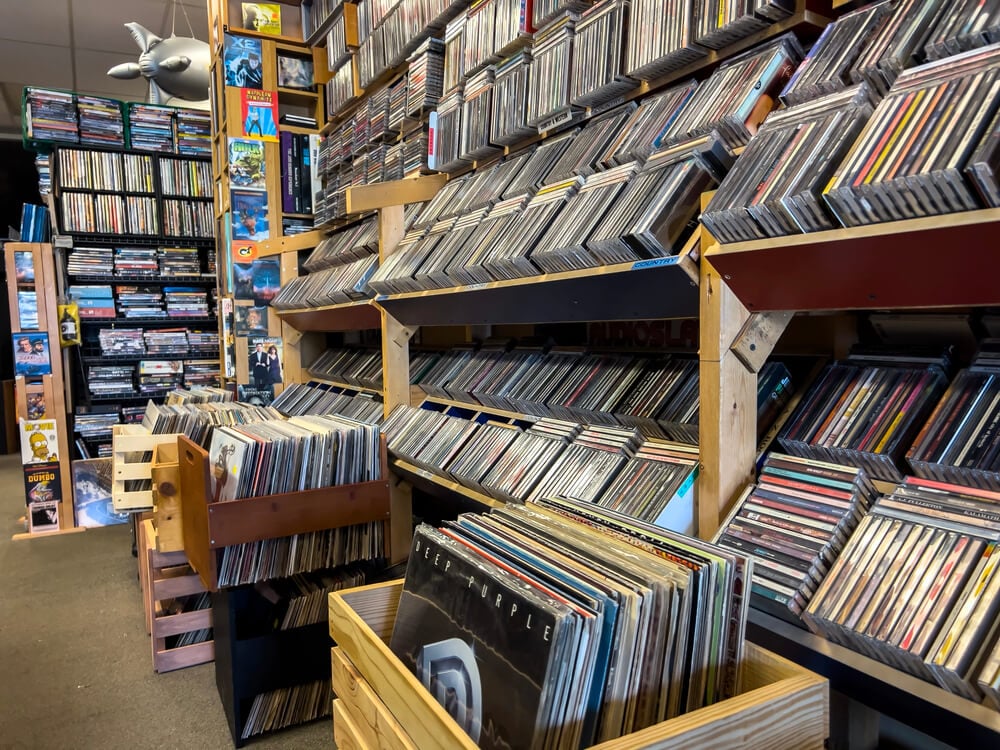
Camelot Music began in Ohio in the 1950s and grew into a major mall music chain across the Midwest and South. Its stores sold records, tapes and CDs, along with posters and music magazines.
Camelot was known for its knowledgeable staff, who could recommend an album based on a single favorite band. Trans World Entertainment acquired the chain in 1999, and the Camelot name gradually disappeared from storefronts.
Former customers still remember browsing its racks on weekends, often walking out with something they had never planned to buy.
Suncoast Motion Picture Company

Suncoast specialized in selling movies rather than renting them, which made it unusual in the VHS era. Its mall stores stocked new releases, classic films and television box sets, often alongside movie posters, figures and memorabilia.
Collectors visited regularly for special editions and widescreen versions that rental stores rarely carried. As DVDs and later streaming changed home video, Suncoast’s business shrank.
The chain was absorbed by Trans World Entertainment, and nearly all of its stores eventually closed, leaving film fans without one of their favorite mall stops.
Waldenbooks in Nearly Every Mall

Waldenbooks traced its roots to a rental library business founded in 1933, and it grew into one of the largest mall bookstore chains in the country. Its compact stores fit easily between clothing shops and gift stores, which put books in front of shoppers who might never visit a standalone bookstore.
Kmart bought the chain in the 1980s, and it later became part of the Borders Group. When Borders liquidated in 2011, the remaining Waldenbooks stores closed with it.
Readers remember its bargain tables and its well-stocked paperback racks.
B. Dalton Bookseller

B. Dalton was founded in the 1960s by the Dayton Hudson department store company and spread quickly through suburban malls. Its stores were known for bright lighting, bestseller displays and a solid selection of computer books during the early personal computer boom.
Barnes and Noble acquired the chain in the 1980s and gradually closed its locations as larger superstores took over. The last B. Dalton stores closed in the early 2010s.
Many readers remember it as the first bookstore they browsed on their own, often while parents shopped nearby.
KB Toys and Its Crowded Aisles

KB Toys traced its history to the Kaufman brothers, who opened a candy and toy distribution business in Springfield, Massachusetts, in 1922. The chain became a mall fixture, with narrow aisles packed floor to ceiling with action figures, board games and video games.
Its clearance bins were legendary among bargain hunters and kids with birthday money. KB Toys struggled against big box retailers and online sellers, eventually closing all of its stores in 2009.
For many kids, a quick stop at KB was the highlight of any mall trip.
Electronics Boutique and the Game Demos

Electronics Boutique was founded in Pennsylvania in 1977 and became one of the most familiar video game stores in American malls. Its shelves held console games, computer software and accessories, and demo stations let kids try new releases before buying.
Employees were often enthusiastic gamers who knew which titles were worth the money. GameStop acquired Electronics Boutique in 2005 and converted its stores to the GameStop brand.
Gamers who grew up in the 1990s remember EB as the place to preorder new games and trade in old ones.
RadioShack and Its Parts Drawers
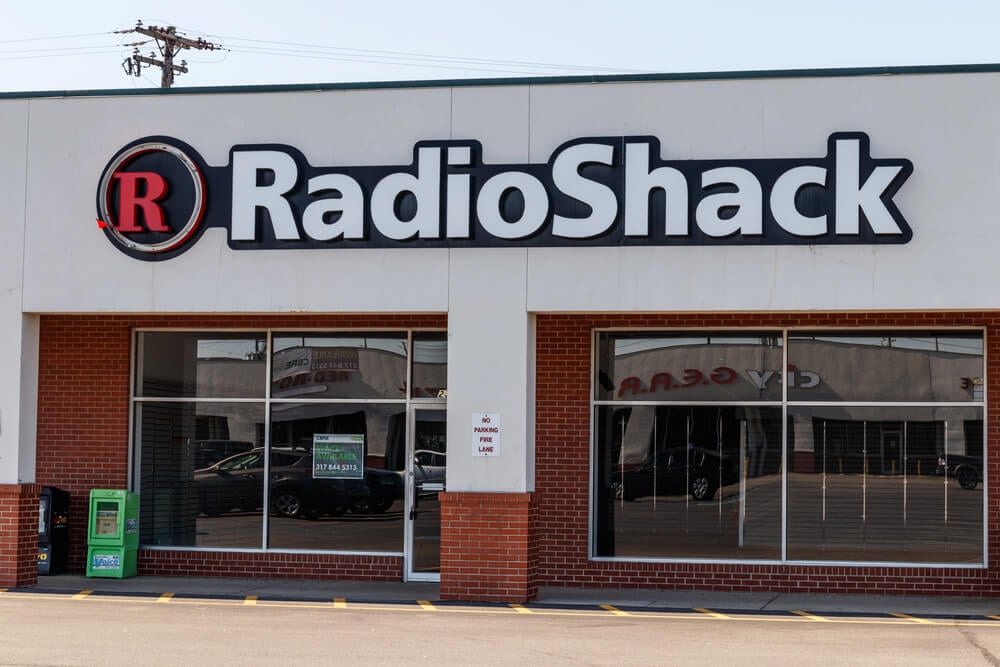
RadioShack opened in Boston in 1921, selling radio equipment to amateur operators, and it grew into one of the most recognizable electronics chains in the country. Its mall stores sold batteries, cables, phones, remote control cars and electronics kits, along with drawers full of small parts.
Hobbyists loved the components, while casual shoppers were often surprised to be asked for their phone number at the register. The company filed for bankruptcy in 2015 and again in 2017, closing most of its stores.
A small number of independently owned locations continue to operate.
Sharper Image and Its Gadget Showroom

Richard Thalheimer founded the Sharper Image in San Francisco in 1977, and its mall stores became playgrounds for adults and kids alike. Shoppers sat in massage chairs, tested air purifiers and examined gadgets that seemed to come from the future.
The Ionic Breeze air purifier became one of its best-known products in the early 2000s. The company filed for bankruptcy in 2008 and closed its stores, though the brand name survives through licensed products.
For many people, a stroll through Sharper Image was as much entertainment as shopping.
Brookstone and Its Massage Chairs
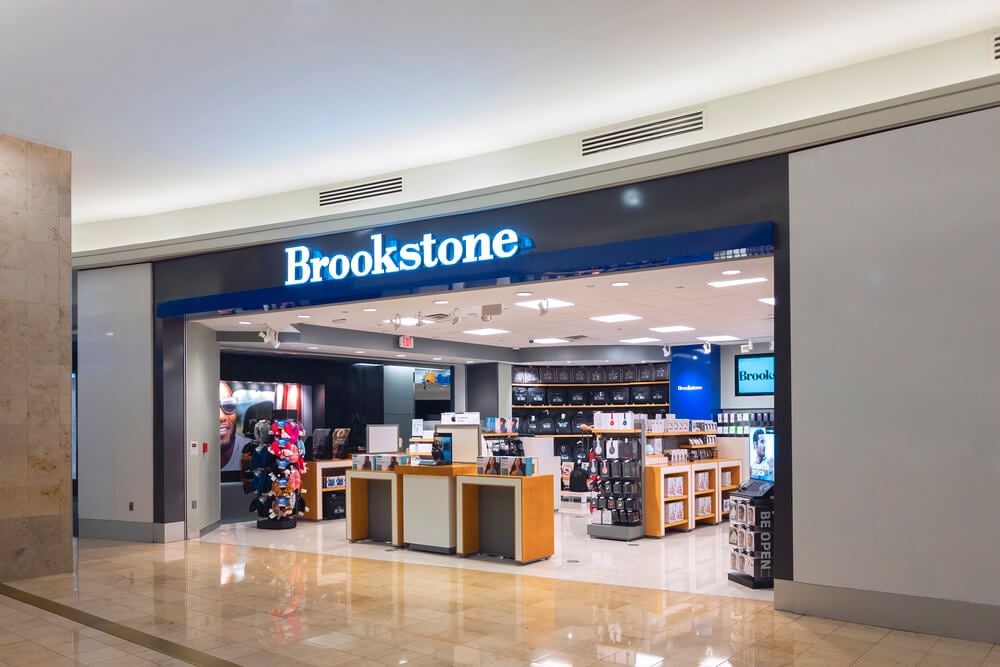
Brookstone began in 1965 as a catalog company selling hard-to-find tools, and it later grew into a mall chain known for gadgets and gifts. Its stores featured massage chairs, travel accessories and clever household items, and shoppers often stopped in just to relax for a few minutes.
The company filed for bankruptcy in 2018 and closed its mall locations while keeping some airport stores open. Brookstone still sells products online.
Shoppers remember the stores as a quiet break from the bustle of the mall, usually with a massage chair nearby.
Bombay Company and Its Colonial Furniture

Bombay Company sold furniture and home decor with a British colonial look, including dark wood tables, brass accents and decorative boxes. Its mall stores offered affordable pieces that looked expensive, which made them popular with young couples furnishing their first homes.
The company filed for bankruptcy in 2007 and closed its American stores the following year. The brand has since been revived online and in Canada.
Former customers remember its small side tables and decorative trays, many of which are still in use decades later.
Natural Wonders and Its Rainforest Sounds
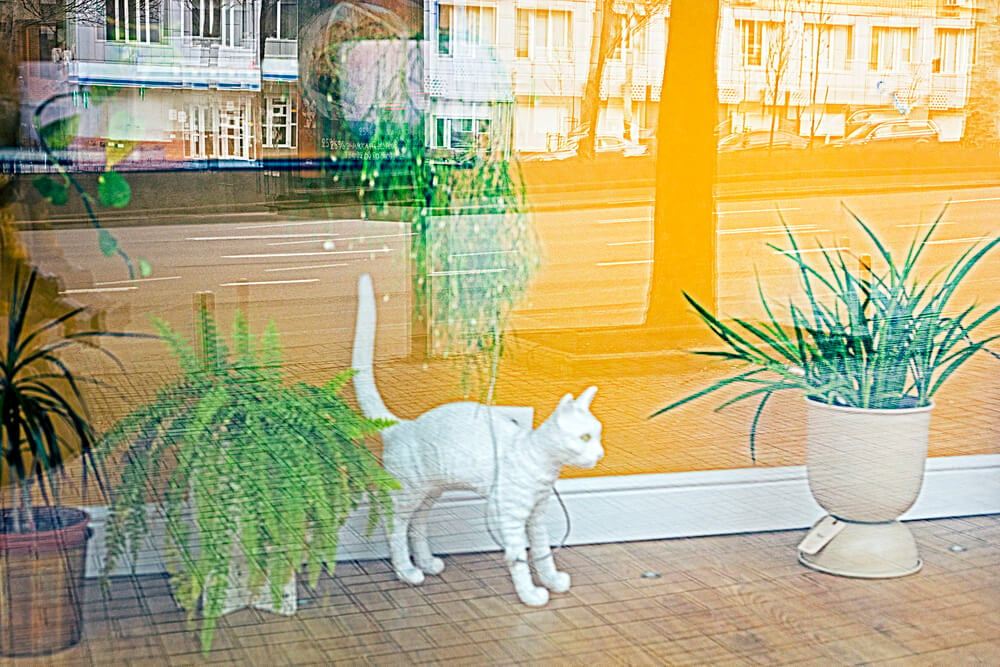
Natural Wonders sold nature-themed gifts, including telescopes, geodes, science kits and nature sound recordings. Its stores often played recordings of rainforests or ocean waves, creating a calm atmosphere unlike any other shop in the mall.
Kids loved the rock and mineral displays, while adults browsed for gifts. The chain struggled in the early 2000s as mall traffic declined and closed its stores.
Many people remember Natural Wonders as the most peaceful store in the mall, a place where they could slow down and look at something beautiful.
Things Remembered and Its Engraving Counter
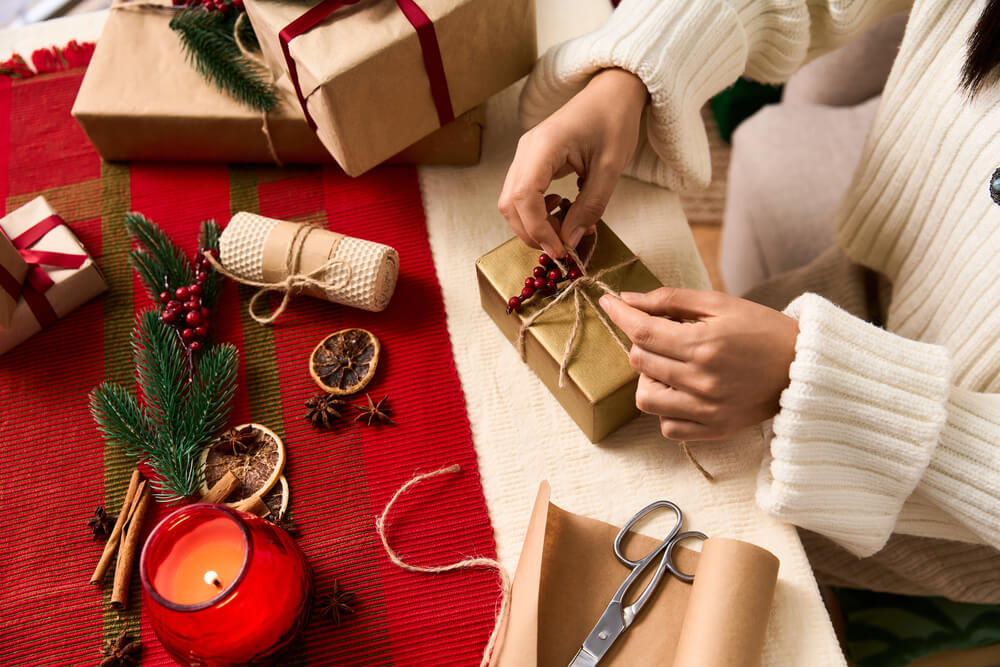
Things Remembered specialized in personalized gifts, engraving names and messages on picture frames, jewelry boxes, glassware and keepsakes. Its mall kiosks and stores were the default stop for wedding gifts, graduation presents and anniversary mementos, especially when a gift needed to look personal on short notice.
Shoppers could watch the engraving machines at work, which added to the appeal. The company filed for bankruptcy in 2019 and closed most of its stores, though it continues to sell personalized products online.
Many households still have a Things Remembered item engraved with a name and a date.
Lechters and Its Kitchen Gadgets
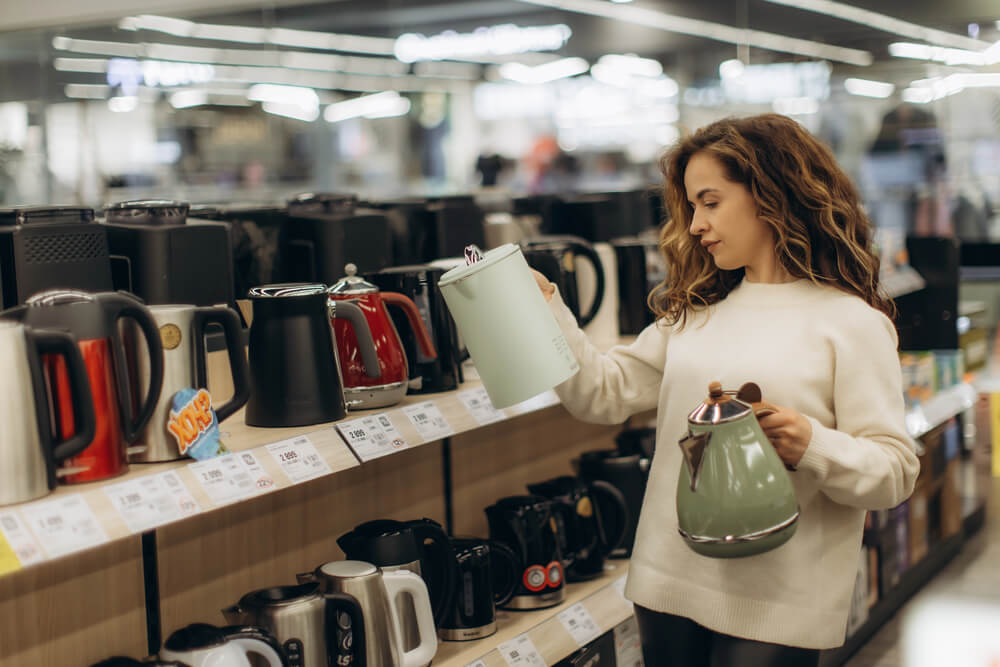
Lechters specialized in housewares, selling kitchen gadgets, storage containers, cookware and bath accessories at affordable prices. Its mall stores were a reliable stop for anyone setting up a first apartment or looking for a small gift.
Shoppers found everything from garlic presses to shower caddies in its crowded aisles, usually at prices that made an impulse purchase easy to justify. The chain filed for bankruptcy in 2001 and closed its stores.
Lechters is remembered as a practical, everyday store that helped countless people equip their kitchens without spending a lot of money.
Wet Seal and Its California Style

Wet Seal was founded in Newport Beach, California, in 1962 and grew into a popular mall chain selling trendy clothing to teenage girls. Its stores featured bright colors, loud music and affordable styles inspired by California beach culture.
Wet Seal faced intense competition from fast fashion retailers and filed for bankruptcy twice in the 2010s. It closed all of its stores in 2017, though the brand name was later revived online.
Many women who grew up in the 1990s remember shopping there for school dances and first jobs.
Contempo Casuals and Its Trendy Racks

Contempo Casuals was a California-born mall chain that sold trendy, affordable clothing to young women. Its stores were known for keeping up with fashion trends, offering styles that reflected what teenagers saw in magazines and music videos.
Wet Seal acquired the chain in 1995 and eventually converted its stores to its own name, which quietly retired one of the most recognizable signs in West Coast malls. Teens who wanted the latest look without spending much money made it a regular weekend stop, especially during the 1980s and early 1990s, when the chain was at its peak.
Merry-Go-Round and Its Party Atmosphere

Merry-Go-Round was founded in Baltimore in 1968 and became one of the most popular fashion chains in American malls. Its stores featured loud music, flashing lights and trendy clothing for young men and women, creating a nightclub atmosphere.
Co-founder Leonard Weinglass, known as Boogie, became a celebrity in his own right. The chain struggled in the 1990s as fashion trends shifted toward grunge and casual basics, and it was liquidated in 1996.
Shoppers who grew up in the 1980s remember Merry-Go-Round as the most exciting store in the mall.
Chess King and Its Men’s Fashion
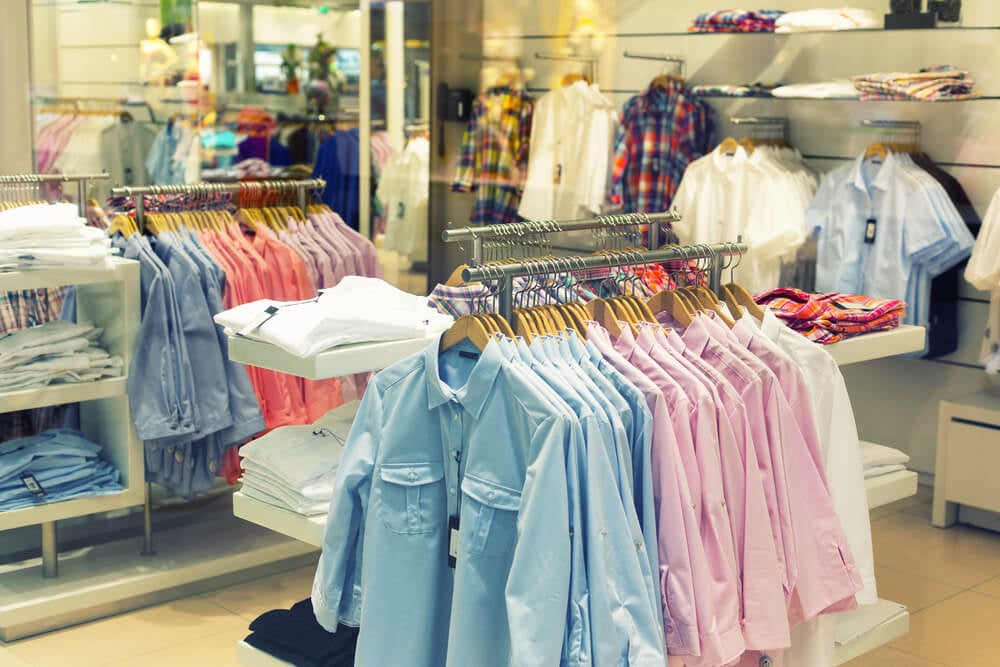
Chess King sold trendy clothing for young men, including the jackets, shirts and accessories that defined 1980s style. Its mall stores featured bold colors, skinny ties and the latest looks from music videos and television.
Chess King was a favorite of teenage boys getting ready for school dances and nights out. The chain came under Merry-Go-Round’s ownership in the 1990s and closed when that company collapsed.
Many men who grew up in the 1980s remember Chess King as the place they bought their first fashionable outfit.
Gadzooks and Its Teen Style

Gadzooks was founded in Dallas in 1983 and became a popular mall chain selling casual clothing and accessories to teenagers. Its stores offered graphic tees, jeans and trendy accessories at affordable prices.
Band shirts and novelty tees covered its walls, and the music was always loud. Gadzooks filed for bankruptcy in 2004, and Forever 21 acquired many of its stores the following year.
Teens of the 1990s and early 2000s treated it as the quickest way to keep up with trends on an allowance budget.
Casual Corner and Its Career Wear

Casual Corner was founded in Connecticut in 1950 and grew into a major chain selling professional clothing for women. Its stores offered suits, blouses and dresses that helped many women build work wardrobes as they entered the workforce in growing numbers.
Casual Corner was a natural stop for women preparing for job interviews and first jobs. The chain closed its stores in the early 2000s.
Many women remember Casual Corner as the place they bought their first professional outfit, often with help from attentive sales staff.
County Seat and Its Denim Walls
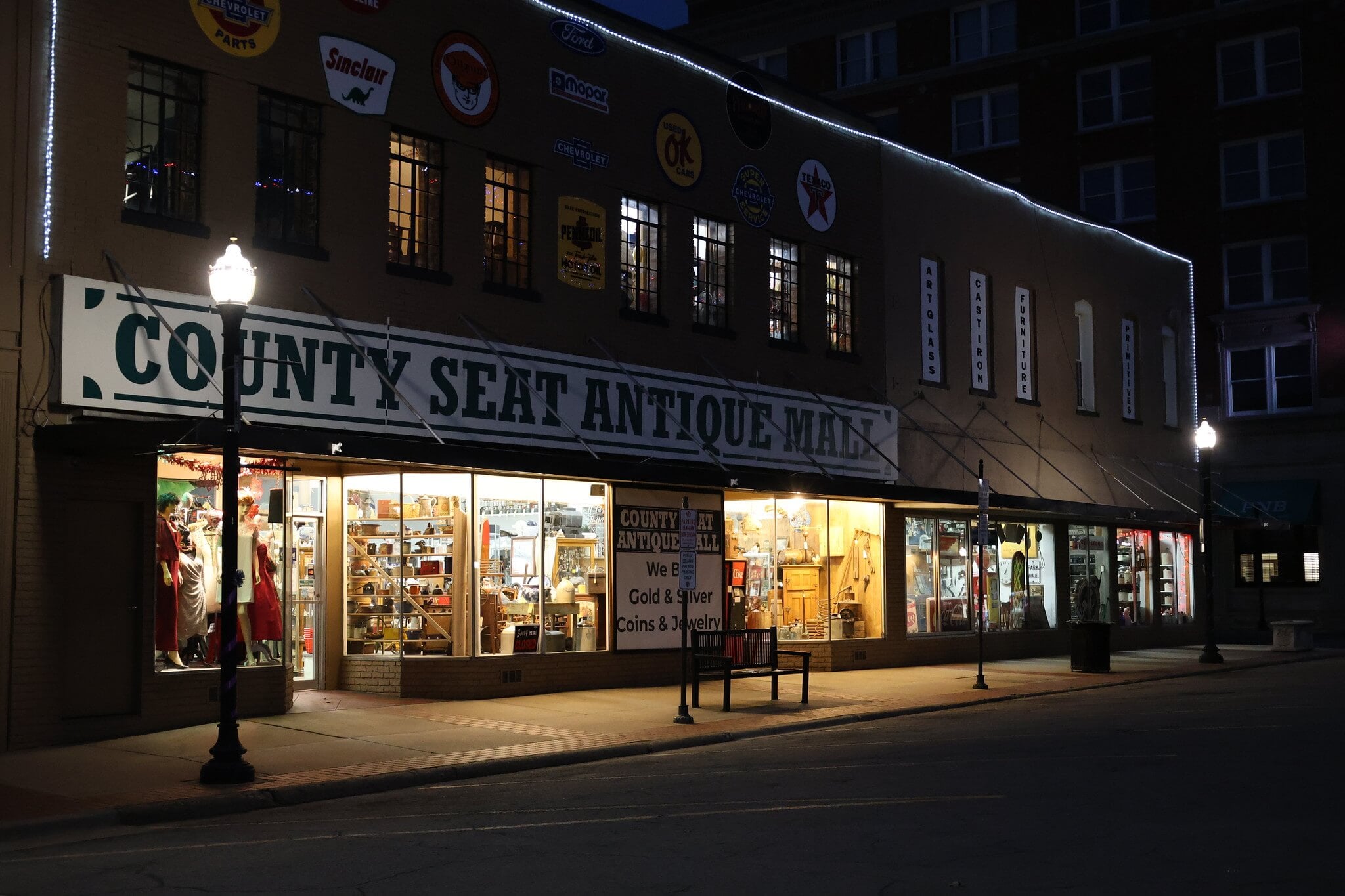
County Seat specialized in jeans, with stores lined from floor to ceiling with denim from brands like Levi’s and Lee. Its mall stores drew teenagers and young adults hunting for the perfect fit, and staff could pull the right size from tall stacks in seconds.
The chain was especially popular in the 1980s and early 1990s, when jeans were the centerpiece of casual fashion. County Seat filed for bankruptcy in the 1990s and closed its stores.
Shoppers remember the stacks of folded jeans and the challenge of finding the right size.
Delia’s and Its Catalog Roots
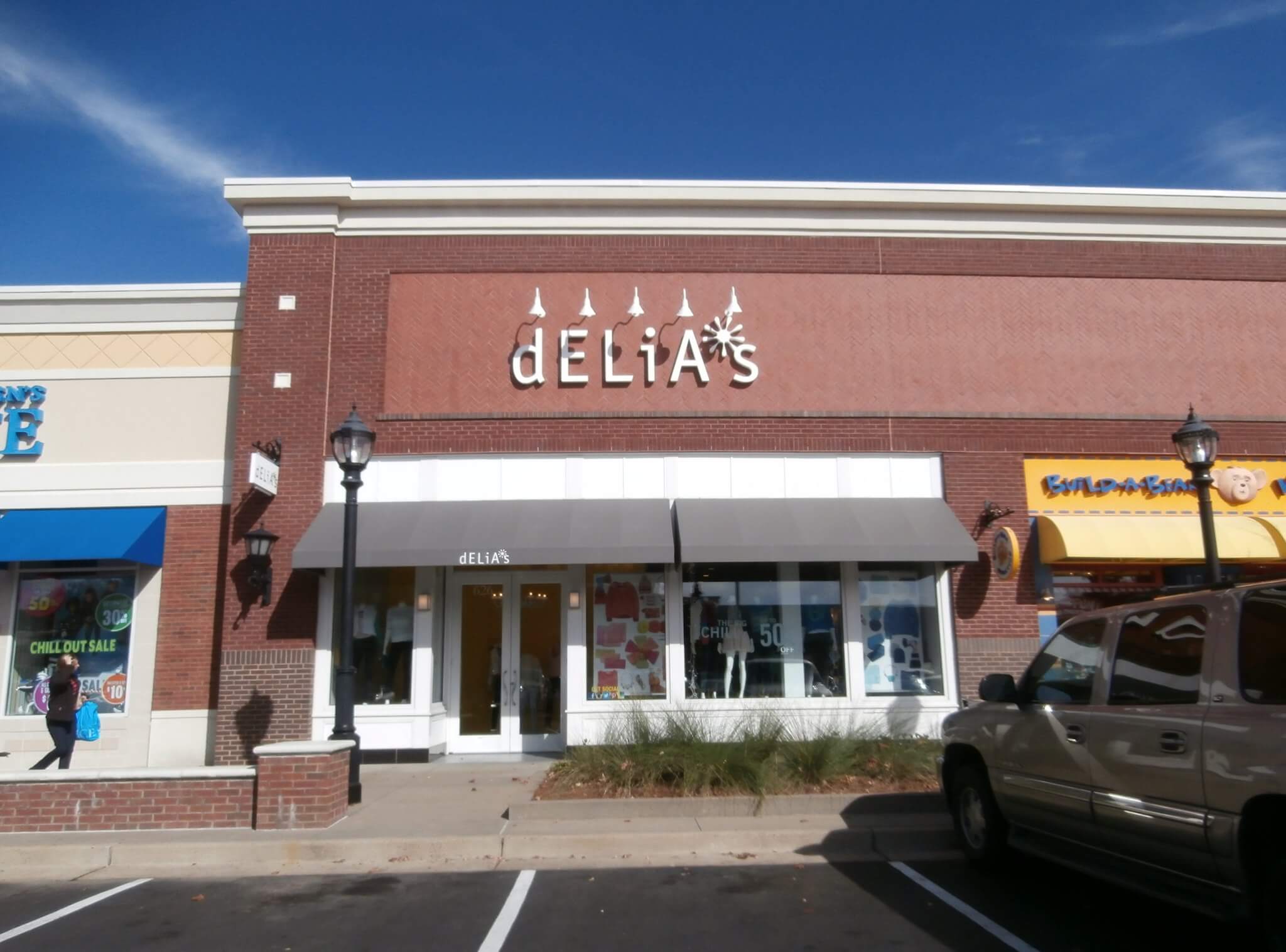
Delia’s began as a catalog company in 1993, selling trendy clothing to teenage girls, and later opened mall stores. Its catalogs were eagerly awaited in many households, with teenagers circling items and planning their wardrobes.
The stores brought the catalog’s playful style to life, offering clothing and accessories that reflected 1990s fashion. Delia’s filed for bankruptcy in 2014 and closed its stores, though the brand was later revived online.
Many women who grew up in the 1990s remember Delia’s as a defining part of their teenage years.
Justice and Its Glitter Overload
Justice grew out of Limited Too, a chain launched in 1987 to sell clothing for girls, and the Justice name took over in the 2000s. Its stores were filled with bright colors, glitter and accessories aimed at girls between childhood and adolescence.
Justice was a standard stop for birthday gifts, back-to-school shopping and sleepover gear. The chain closed its stores in 2020 and 2021 after its parent company filed for bankruptcy.
The brand continues online and through other retailers, but the mall stores are gone.
Gymboree and Its Bright Kids’ Clothes
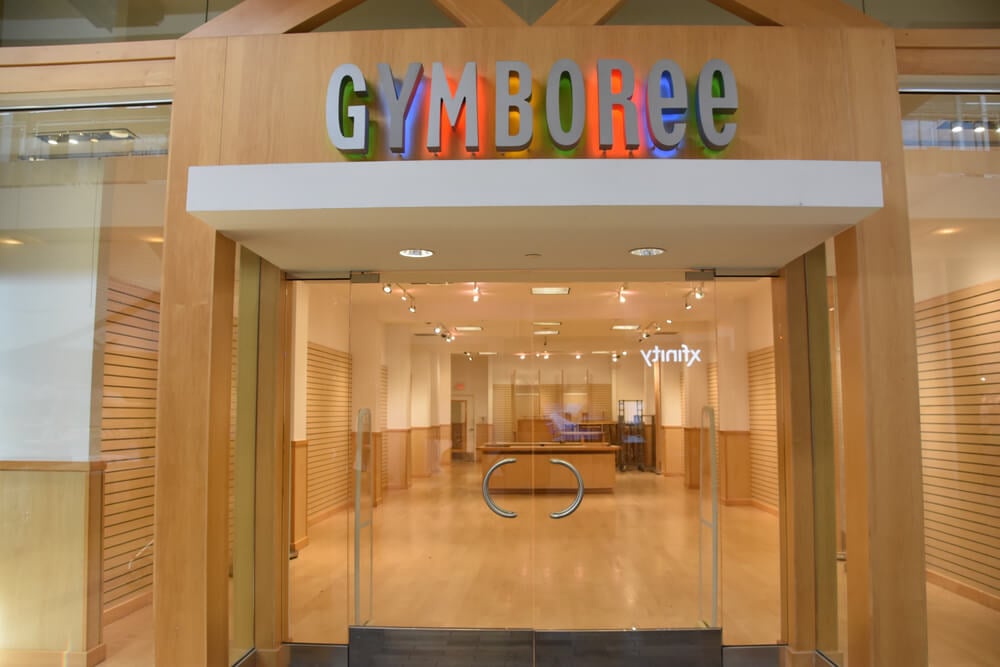
Gymboree began in 1976 as a play program for young children and later opened mall stores selling colorful clothing for kids. Its outfits often came in coordinated collections with matching accessories, which made them popular with parents and grandparents.
The stores were bright, cheerful and filled with playful prints, and loyal parents tracked seasonal collections closely. Gymboree filed for bankruptcy in 2019 and closed its stores, and the brand was acquired by the Children’s Place.
Many parents remember dressing their children in Gymboree outfits for holidays, photos and special occasions.
Kinney Shoes and Its Athletic Offspring
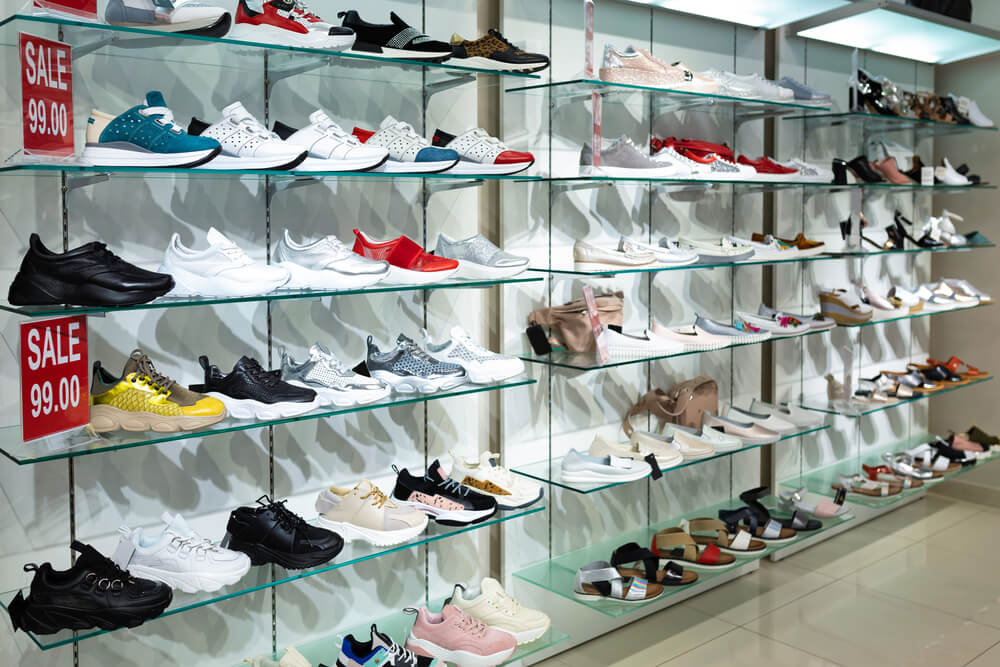
Kinney Shoes was founded in 1894 by George Romanta Kinney and grew into one of the largest shoe chains in the country, with many stores in malls. The company was owned by Woolworth for decades and sold affordable shoes for the entire family.
Kinney launched Foot Locker in 1974, a spinoff that eventually outgrew its parent. Woolworth closed the Kinney chain in 1998 to focus on athletic footwear.
Many families remember buying school shoes at Kinney, often with a clerk measuring feet with a metal sizing device.
Montgomery Ward and Its Holiday Legacy
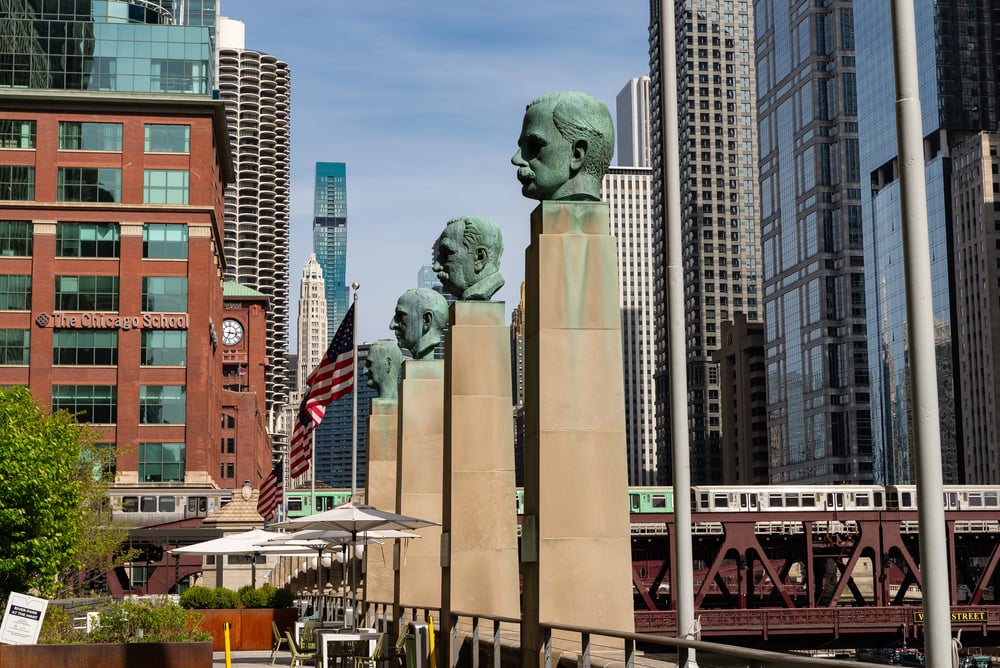
Aaron Montgomery Ward founded his mail-order business in 1872, and Montgomery Ward later became a familiar anchor store in American malls. In 1939, a Ward copywriter named Robert L. May created Rudolph the Red-Nosed Reindeer for a holiday promotional booklet given to customers.
The character became a lasting part of American Christmas culture, later inspiring a hit song and a beloved television special. Montgomery Ward struggled in the 1990s and closed its stores in 2001, though the name survives as an online retailer.
Shoppers remember its appliances, catalogs and holiday displays.
Mervyn’s and Its Family Bargains
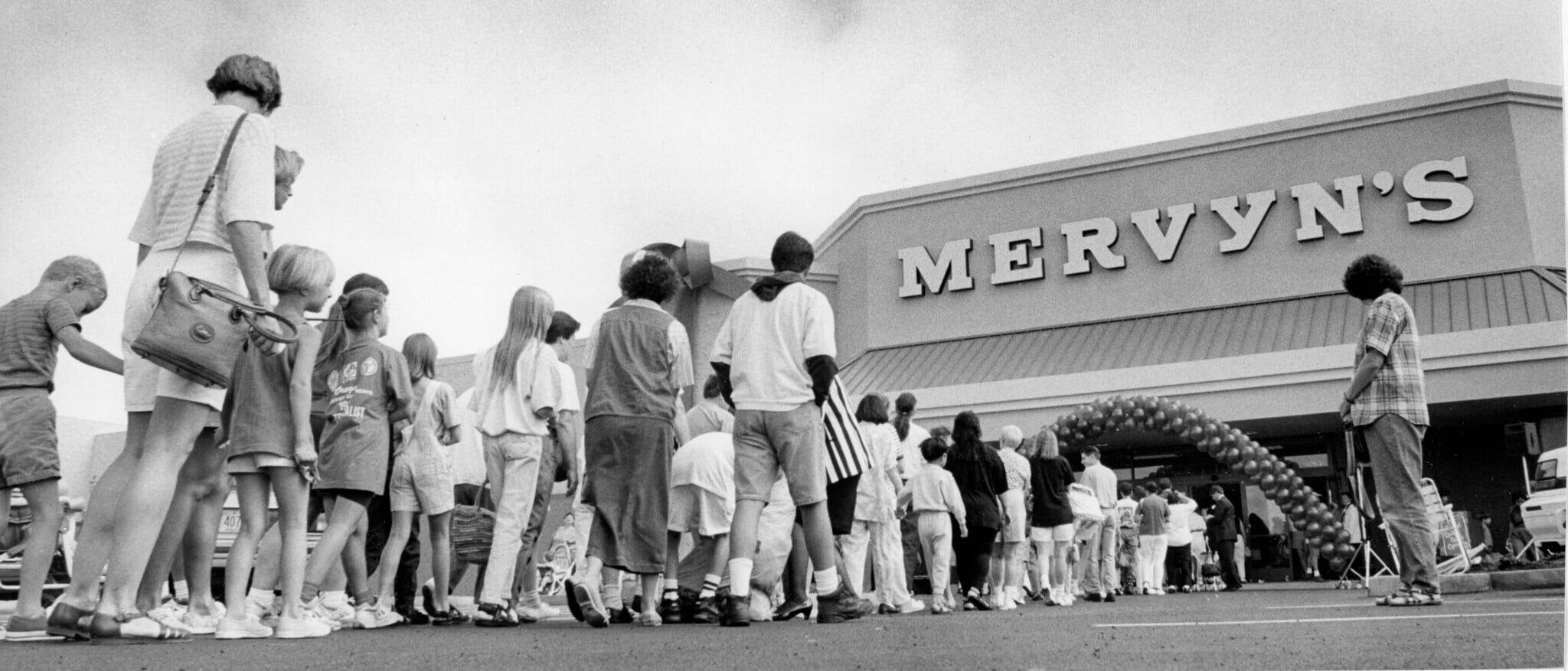
Mervyn’s was founded in Hayward, California, in 1949 by Mervin Morris and grew into a popular mid-priced department store chain across the West. Its stores sold clothing, home goods and accessories for the entire family at affordable prices.
Mervyn’s was a dependable stop for back-to-school shopping and holiday gifts, and its advertising often featured eager shoppers rushing to the store. The chain filed for bankruptcy in 2008 and closed all of its remaining stores later that year.
Families across the West relied on it for practical, affordable clothing.
Aladdin’s Castle and Its Glowing Arcade
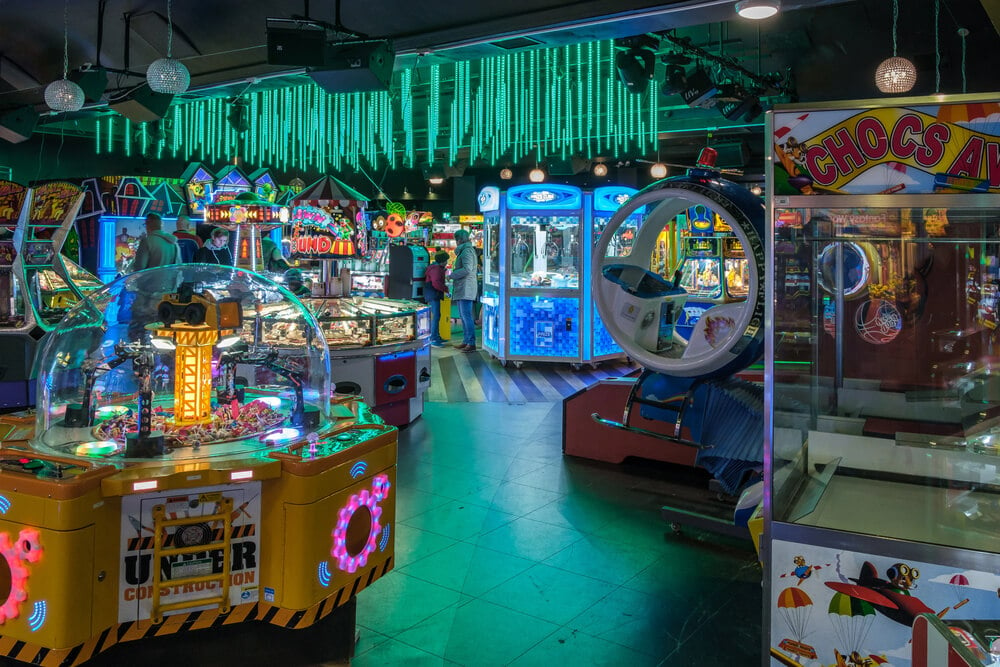
Aladdin’s Castle was a chain of mall arcades known for its castle-themed storefronts and dimly lit game rooms filled with flashing machines. Kids traded dollars for tokens and spent hours playing the latest video games, often while parents shopped nearby.
The arcades were especially popular in the late 1970s and 1980s, when video games were a major part of youth culture. The chain declined as home consoles improved and mall traffic fell, and its castle storefronts gradually gave way to other tenants.
Many adults remember Aladdin’s Castle as their first introduction to video games.
Sears and Its Mall Anchor Legacy
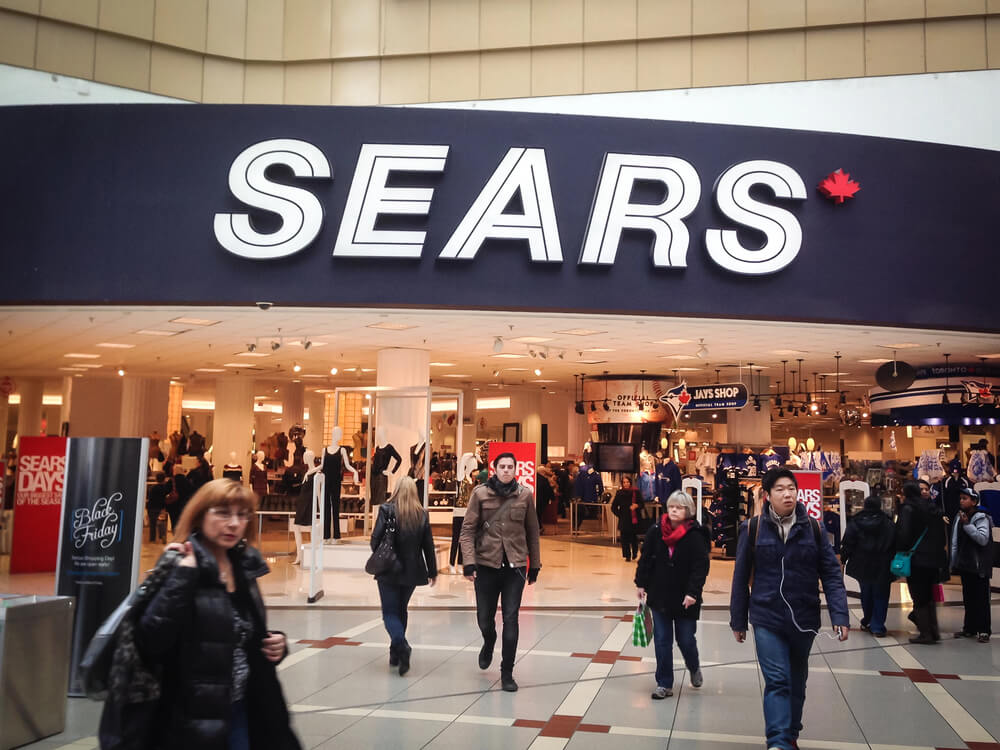
Sears began in 1886 when Richard Sears sold watches in Minnesota, and it grew into the largest retailer in the United States for much of the twentieth century. Its catalogs and mall anchor stores sold everything from clothing to tools to appliances, with house brands like Kenmore and Craftsman.
Sears struggled for decades and filed for bankruptcy in 2018. By late 2025, only a handful of Sears stores remained open in the entire country.
Many families remember Sears as the place for school portraits, appliances and the annual holiday wish book.
Escalators to Nowhere
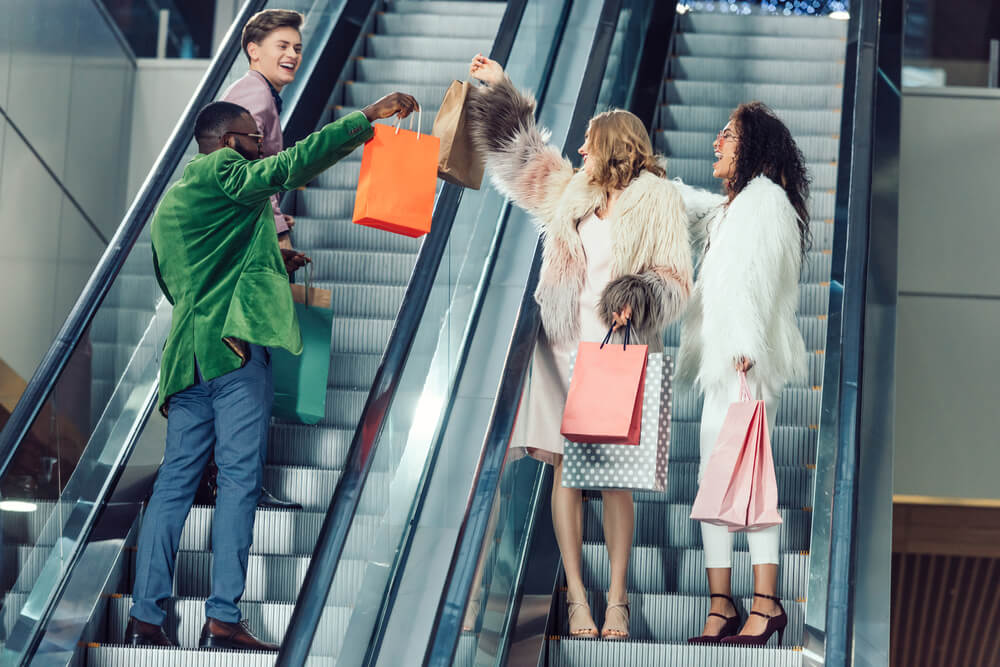
These stores were more than places to shop. They were where teenagers spent their first paychecks, families bought school clothes and friends met up on weekends.
Each one offered a specific experience, from the smell of a bookstore to the noise of an arcade. Many malls today are half empty, and some have been torn down entirely.
The stores on this list cannot be brought back, but they shaped the habits and memories of millions of people. For a generation, the mall was where independence began, and these names remain part of that story.
More from Go2Tutors!

- The Romanov Crown Jewels and Their Tragic Fate
- 13 Historical Mysteries That Science Still Can’t Solve
- Famous Hoaxes That Fooled the World for Years
- 15 Child Stars with Tragic Adult Lives
- 16 Famous Jewelry Pieces in History
Like Go2Tutors’s content? Follow us on MSN.