30 Things Once Banned From Being Mailed
Every rule in a postal manual has a story behind it, and many of those stories begin with someone trying something nobody had thought to forbid. A family mails a toddler, a banker mails a building, a magazine mails an opinion the government dislikes, and suddenly there is a new line in the regulations.
Some of those bans lasted a few months, and others have stood for more than a century. Together they read like a strange history of what Americans feared, valued and argued about, one envelope at a time.
Children Sent by Parcel Post

When parcel post began in January 1913, nothing in the rules said a package could not be a person, and a handful of families tested the gap. The most famous case came in February 1914, when four-year-old May Pierstorff rode from Grangeville to Lewiston, Idaho, in a railway mail car with 53 cents in stamps on her coat.
Her escort was a relative who worked as a mail clerk. Postal officials issued orders against mailing people, yet a few more children made trips.
On June 13, 1920, the Post Office ruled once and for all that children could not travel as mail.
A Bank Building’s Worth of Bricks

In 1916, William Coltharp of Vernal, Utah, wanted pressed bricks from Salt Lake City for the facade of the new Bank of Vernal and discovered that parcel post was far cheaper than freight wagons. The bricks were wrapped individually, packed in crates under the 50-pound limit and sent by the thousands, roughly 37 tons in all.
Mail carriers hauled them over rough roads on the final leg into town. The Post Office responded by capping shipments at 200 pounds per day from a single sender.
The building, nicknamed the Parcel Post Bank, still stands on Main Street in Vernal.
Heavy Packages Before 1913

Before parcel post arrived, the U.S. Post Office would not carry packages weighing more than four pounds, leaving heavier goods to private express companies. Farmers and rural families paid steep rates or did without, while express firms enjoyed comfortable profits.
Reformers argued for years that the government should carry larger parcels, and the express companies fought hard against it. Parcel post finally launched on January 1, 1913, and within days millions of packages were moving through the mail.
The change transformed rural shopping and helped mail-order catalogs boom almost overnight.
Live Baby Chicks

Even after parcel post opened, newly hatched chicks were not accepted as mail, which frustrated farmers and hatcheries eager to ship them. The postal service finally allowed day-old chicks in 1918, recognizing that young birds can survive a short trip on the nutrients they carry from the egg.
Hatcheries quickly built a national business on the change. Chicks still travel by mail today, in ventilated boxes marked to warn handlers about the cheeping inside.
Rural post offices in spring often echo with the sound of hundreds of birds waiting for their new owners to pick them up.
Messages on the Address Side of Postcards
Until March 1, 1907, American postal rules allowed only the address on one side of a postcard, so senders had to cram their messages into margins around the picture. Collectors call these undivided backs, and they explain why so many early cards have tiny handwriting scrawled across the image.
The divided back, with a line separating message from address, changed everything. Picture postcards exploded in popularity almost immediately, since the image could finally stay clean.
The rule change helped fuel a postcard craze that saw billions of cards mailed in the following decade.
Lottery Tickets and Advertisements

The Louisiana Lottery Company grew enormously wealthy in the late nineteenth century by selling tickets nationwide through the mail. Congress struck back with the Anti-Lottery Act of 1890, barring lottery tickets, advertisements and related payments from the mail.
The ban crippled the company, which eventually moved its operations offshore before collapsing. Lottery material remains largely nonmailable under federal law, though modern state lotteries operate under specific exceptions and rules.
The 1890 law also gave postal inspectors a powerful tool against all kinds of gambling schemes that relied on mailed money.
Chain Letters Asking for Money

Chain letters demanding cash, with promises that everyone who sent money up the chain would eventually get rich, count as illegal lotteries under postal law. A famous craze swept Denver in 1935, when so-called send-a-dime letters flooded the local post office and briefly overwhelmed its staff.
Postal inspectors warned that only the earliest participants ever collected. Chain letters asking only for prayers or good wishes are legal, but anything promising financial rewards in exchange for money breaks the rules.
The scheme keeps resurfacing in new forms, now mostly by email.
Antislavery Pamphlets in the South
In 1835, the American Anti-Slavery Society launched a mass mailing campaign that sent abolitionist pamphlets to Southern addresses. In Charleston, South Carolina, a mob broke into the post office and burned the mail in the street.
Postmaster General Amos Kendall declined to force Southern postmasters to deliver the material, effectively allowing them to block it. Several Southern states then passed laws punishing the circulation of abolitionist writing.
The episode became an early national fight over censorship of the mails, and it hardened divisions that would erupt into war a generation later.
Birth Control Information

The Comstock Act of 1873, named for crusading postal agent Anthony Comstock, banned obscene material from the mail and swept in information about contraception. For decades, mailing pamphlets about birth control could bring federal charges.
Margaret Sanger was indicted in 1914 after mailing her magazine The Woman Rebel, which advocated contraception. Court rulings in the 1930s carved out exceptions for doctors, and later decisions further narrowed the law.
Some of its old provisions remain on the books and have resurfaced in modern legal debates over mailing medications.
Chapters of James Joyce’s Ulysses

The literary magazine The Little Review began serializing James Joyce’s Ulysses in 1918, and postal authorities seized and destroyed several issues on obscenity grounds. The magazine’s editors were convicted in 1921 over one episode of the novel.
For years, the book itself could not be legally imported or sold in the United States. In 1933, Judge John M. Woolsey ruled that Ulysses was not obscene, and the decision opened the door to American publication the following year.
The case became a landmark in the long fight over literature and the mails.
A Radical Magazine Called The Masses

In August 1917, months after the United States entered World War I, Postmaster General Albert Burleson barred The Masses, a radical monthly, from the mail under the new Espionage Act. Its cartoons and articles opposed the war and the draft.
Judge Learned Hand initially sided with the magazine, but his ruling was overturned on appeal. Without access to the mail, the publication could not survive, and it folded later that year.
Its editors faced trial twice, with both cases ending in hung juries. The episode showed how much power the Post Office held over American speech.
Communist Propaganda From Abroad

A 1962 federal law required the Post Office to detain foreign mail deemed communist political propaganda and to notify recipients, who had to return a card requesting delivery. The process effectively flagged people who wanted to read such material.
In 1965, the Supreme Court struck down the law in Lamont v. Postmaster General, ruling that it violated the First Amendment. The decision is often cited as the first time the Court invalidated a federal law on free speech grounds.
Mail from abroad has flowed without that kind of screening ever since.
Liquor Ads Mailed Into Dry States

Before national Prohibition, many states had already gone dry, and in 1917 Congress made it illegal to mail advertisements for alcohol into those states. Newspapers and magazines with liquor ads could be barred from delivery there, forcing publishers to print special editions.
Distillers and brewers lost a valuable way to reach customers. The rule was overtaken when national Prohibition began in 1920.
Even after repeal in 1933, the mail remained a tricky channel for anything involving alcohol, and some restrictions on mailed liquor ads lingered for years.
Bottles of Beer, Wine and Spirits

Alcoholic beverages have been nonmailable through the U.S. Postal Service for well over a century, even though private carriers like FedEx and UPS ship wine and beer for licensed businesses. Wineries, breweries and distilleries have lobbied for years to change the rule.
Bills to allow mailing beer, wine and spirits have been introduced in Congress repeatedly, often with support from rural lawmakers whose constituents rely on the Postal Service. None has passed so far.
Shipping alcohol through the mail can still bring fines, and postal workers are trained to watch for suspicious packages.
Insults Printed on Envelopes

Federal law has long barred anything libelous, threatening or defamatory from appearing on the outside of an envelope or postcard. The rule targeted debt collectors who once printed embarrassing messages on envelopes so that neighbors and mail carriers would know who owed money.
Letters inside sealed envelopes could say almost anything legal, but the outside had to stay polite. The law still applies today.
Debt collection rules under modern consumer protection statutes also restrict what can appear on envelopes, keeping private financial troubles out of public view.
Handguns Sent Through the Mail

A 1927 federal law barred ordinary Americans from mailing pistols, revolvers and other concealable firearms through the Post Office, while still allowing licensed dealers and manufacturers to do so. Rifles and shotguns remained mailable under certain conditions.
For nearly a century, the handgun ban stood largely unchallenged. In January 2026, the Justice Department issued an opinion calling the law unconstitutional as applied to handguns, and the Postal Service moved to rewrite its rules.
Attorneys general from about two dozen states opposed the change, and the issue remains contested.
Switchblade Knives

Spring-loaded knives became a federal target with the Federal Switchblade Act of 1958, passed amid public alarm over juvenile delinquency, with Hollywood films helping fuel the panic. The law restricted their movement across state lines, and postal rules made switchblades nonmailable to the general public.
Exceptions allow shipments to the armed forces and certain government agencies. Some states have since relaxed their own switchblade laws considerably.
The postal restrictions remain, a holdover from a mid-century moral panic that seems quaint compared with other modern debates. Knife collectors still have to check the rules carefully before shipping anything with an automatic blade.
Live Ammunition

Live ammunition is nonmailable through the U.S. Postal Service, even when firearms themselves may be legally shipped under certain conditions. Hunters and sport shooters must use private carriers that accept ammunition under hazardous materials rules.
The ban reflects concerns about fire, pressure and handling risks during transport. Empty casings and inert ammunition components can usually be mailed.
Postal workers who discover live rounds in a package must set it aside for inspection, and senders can face fines or other penalties. Many shooters are surprised to learn the rule applies even to a single box of cartridges.
Fireworks and Explosives

Fireworks, gunpowder and other explosives are nonmailable, and the ban covers consumer fireworks that are perfectly legal to buy at roadside stands. The danger of fire or detonation during handling is too great, especially in aircraft.
Mail bombs in the twentieth century also hardened postal rules on anything that could explode. Postal inspectors investigate violations seriously.
Fireworks sellers rely on specialized ground shipping that meets hazardous materials regulations, and the same rule applies whether the package holds a single sparkler or a crate of rockets.
Strike-Anywhere Matches
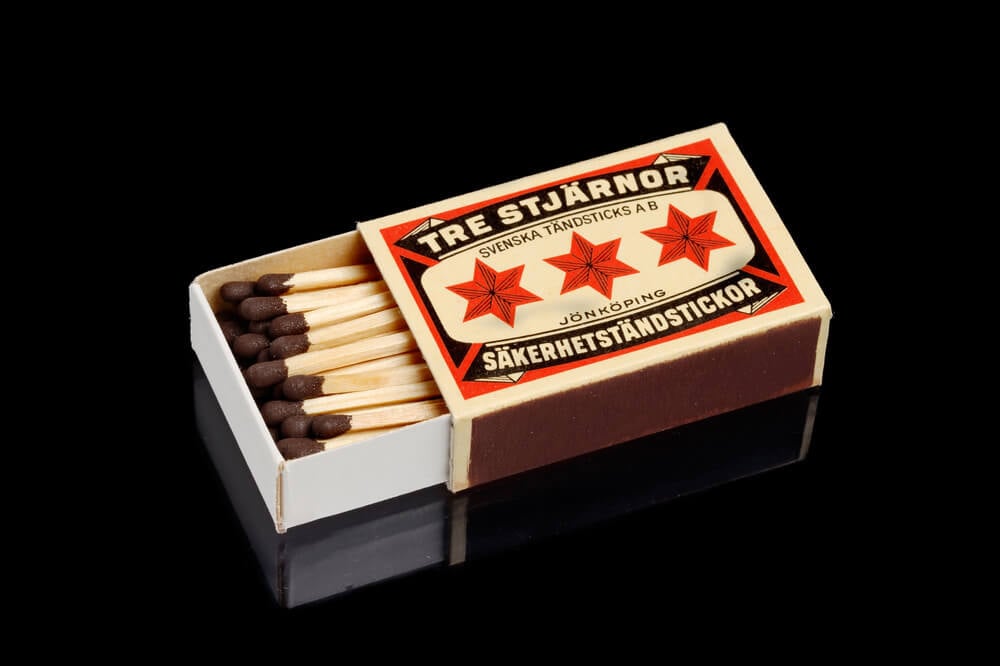
Strike-anywhere matches, which can light on any rough surface, are prohibited in the mail because friction during handling could ignite them. Safety matches, which require a special striking strip, can be mailed in limited quantities by ground transportation only.
The distinction surprises many people who assume all matches are the same. Collectors of vintage matchbooks and boxes must pay close attention to the type.
A seemingly harmless box of kitchen matches can turn a package into a violation of postal hazardous materials rules. Postal clerks are trained to ask about matches, lighters and similar items at the counter.
Poisons

Poisons and toxic substances are generally nonmailable, with exceptions for shipments between labs, doctors, manufacturers and other qualified parties. The rules date back to the nineteenth century, when poisonings by mail made headlines and lawmakers worried about tampering.
Pesticides, certain cleaning chemicals and other hazardous substances face strict packaging and labeling requirements. Postal workers are trained to recognize leaking or suspicious packages.
Some of the most famous poisoning cases in American history involved mailed food or medicine, which helped harden public support for these restrictions.
Venomous Snakes, but Not Scorpions

Venomous snakes and other poisonous reptiles are banned from the mail, which surprises few people. More surprising is that scorpions can be mailed under certain conditions, specifically for medical research or the production of antivenom.
The rules require careful packaging and labeling. Other live creatures allowed in the mail include honeybees, crickets, day-old poultry and certain small cold-blooded animals.
The odd list reflects a century of requests from farmers, scientists and hobbyists. Each exception was carved out when someone made a strong case for it.
Dogs and Cats

Dogs and cats cannot be mailed through the U.S. Postal Service, no matter how carefully they are packed. The ban covers most warm-blooded animals, with exceptions for poultry and a few others under strict conditions.
Pet owners must use airlines, ground transport companies or specialized pet shipping services instead. The rule reflects both animal welfare concerns and the practical difficulty of caring for animals in the mail stream.
Postal workers occasionally discover animals in packages anyway, and those cases can lead to criminal charges. A puppy in a box may sound like a sweet surprise, but it is a federal violation.
Vaping Products
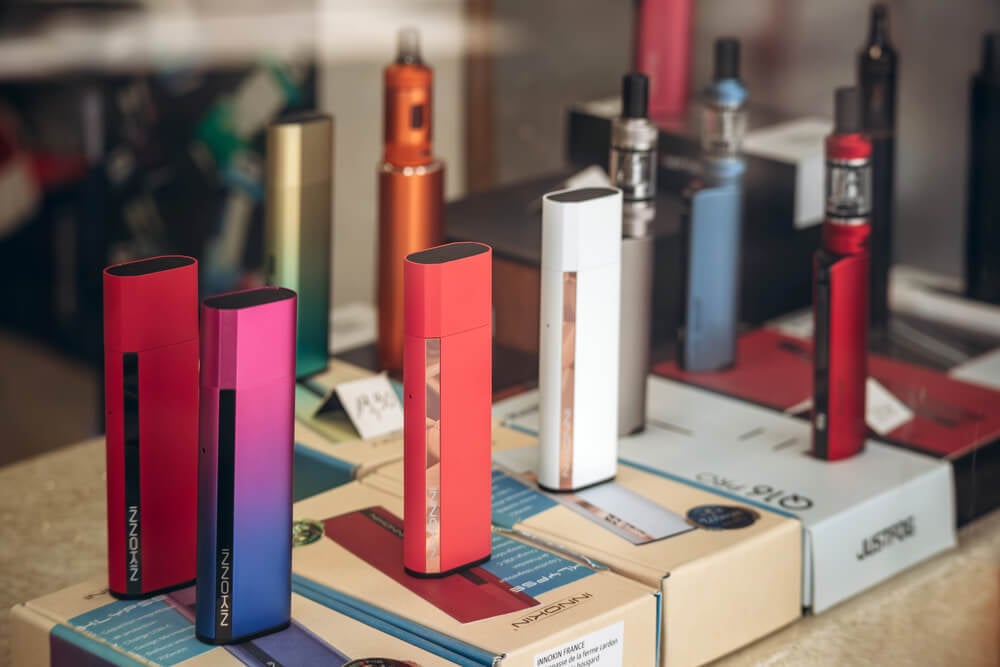
Vaping devices and related products became largely nonmailable in October 2021, when the Postal Service issued a final rule implementing a 2020 federal law aimed at keeping such products away from minors. The rule covered devices for nicotine as well as those used with cannabis and hemp-derived products.
Limited exceptions exist for certain business shipments and adult consumers in narrow circumstances. Private carriers adopted similar restrictions.
The rule upended online vape sales and pushed many businesses toward alternative shipping methods. Some smaller private couriers stepped in to fill the gap for licensed sellers.
Hemp and CBD Products

For years, hemp-derived products occupied a legal gray area, and the Postal Service treated many of them with suspicion. After the 2018 Farm Bill legalized hemp containing very low levels of THC, the Postal Service issued guidance in 2019 allowing such products to be mailed if senders kept documentation showing compliance.
Businesses selling CBD oils, lotions and edibles quickly took advantage. Vaping devices containing hemp products remain restricted under separate rules.
The shift illustrates how quickly postal policy can follow changes in federal law. A product treated as contraband one year became an ordinary mail item the next.
Marijuana in Legal States

Marijuana remains nonmailable under federal law, even when sent between two states where it is legal. The Postal Service is a federal agency, so state legalization does not change its rules.
Postal inspectors regularly seize packages containing cannabis, and senders can face federal charges. Licensed cannabis businesses rely on in-state delivery services instead.
The conflict between state and federal law makes this one of the most confusing postal rules for ordinary Americans, many of whom assume that legal purchases can be shipped legally. Gifting a legal product to a friend in another legal state still breaks federal postal law.
Lithium Batteries Bound Overseas

On May 16, 2012, the U.S. Postal Service stopped accepting international mail containing lithium batteries, including laptops, phones and tablets with the batteries installed. The ban followed international aviation safety concerns about battery fires.
It created headaches for online sellers and military families sending electronics to troops abroad. On November 15, 2012, the Postal Service resumed accepting such items when the batteries were installed in the devices they powered.
Loose lithium batteries remain restricted for international mail. The six-month gap left many families scrambling to get gifts and gadgets to relatives overseas, and some countries kept their own stricter limits afterward.
Citrus and Plants From Quarantine Zones

Agricultural quarantines limit mailing certain fruits, plants and soil across state lines to keep pests and diseases from spreading. Citrus is a common example, with federal rules restricting shipments from areas affected by diseases such as citrus greening.
Hawaii and California have especially strict rules on incoming plant material. Gardeners ordering seeds and plants online occasionally run into these restrictions.
Postal and agricultural inspectors work together to enforce them, and violators can face penalties even when they had no idea the rule existed. Seed companies typically list which states they cannot ship to.
Human Remains Other Than Ashes

Human bodies cannot be mailed, but cremated remains can, and the U.S. Postal Service is the only carrier that accepts them for domestic and international shipping. Senders must use Priority Mail Express and special labels marking the contents.
The rules require sturdy inner containers and careful packaging. Families who need to send ashes across the country or abroad rely on the service.
The arrangement is one of the more solemn duties the mail performs, and postal workers are trained to handle such packages with care.
Mail Addressed to Swindlers
Beginning in the late nineteenth century, the Post Office could issue fraud orders against businesses it judged to be running mail scams, from fake medical cures to bogus investment schemes. Under such an order, letters addressed to the targeted business were returned to the senders stamped as fraudulent, cutting off the flow of money.
The tool was powerful and occasionally controversial, since it bypassed ordinary criminal trials. Postal inspectors used it against countless swindlers over the decades.
Modern law still gives the Postal Service similar authority to stop mail to fraudulent operations.
Every Rulebook Is a Map of Old Fears

Postal bans rarely appear out of nowhere. Each one marks a moment when the mail carried something that frightened, embarrassed or endangered someone, from abolitionist pamphlets to lithium batteries.
The list shifts with technology, politics and morality.
Some of these bans now seem absurd, while others remain essential to keeping postal workers safe. Together they show that the mail has always been more than a delivery service.
It is a public space with rules, and those rules reveal what each generation decided was too dangerous to send.
More from Go2Tutors!

- The Romanov Crown Jewels and Their Tragic Fate
- 13 Historical Mysteries That Science Still Can’t Solve
- Famous Hoaxes That Fooled the World for Years
- 15 Child Stars with Tragic Adult Lives
- 16 Famous Jewelry Pieces in History
Like Go2Tutors’s content? Follow us on MSN.