30 Historic Hoaxes That Fooled Millions
A good hoax does not need to be perfect. It needs to tell people something they already want to believe, delivered by a source they already trust.
Forgers, pranksters, showmen and occasionally entire newspapers have used that formula for centuries. Some of the results were harmless fun, while others changed elections, careers and the course of science.
Donation of Constantine Exposed by Grammar
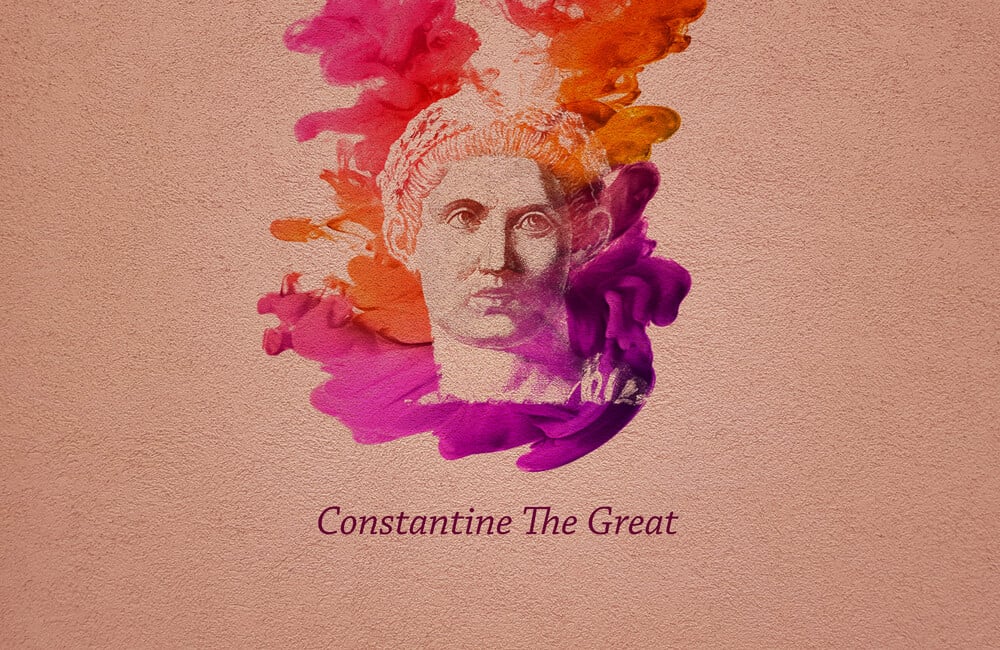
For centuries, the papacy cited a document in which the Roman emperor Constantine supposedly granted the pope authority over Rome and the western empire in the fourth century. The Donation of Constantine was actually forged, most likely in the eighth century.
In 1440, Italian scholar Lorenzo Valla proved it was fake by analyzing its Latin, showing that its vocabulary and style could not have existed in Constantine’s era. His work became a landmark of historical criticism.
A forgery that had shaped European politics for hundreds of years was undone by a careful reading of its grammar.
Beringer’s Lying Stones
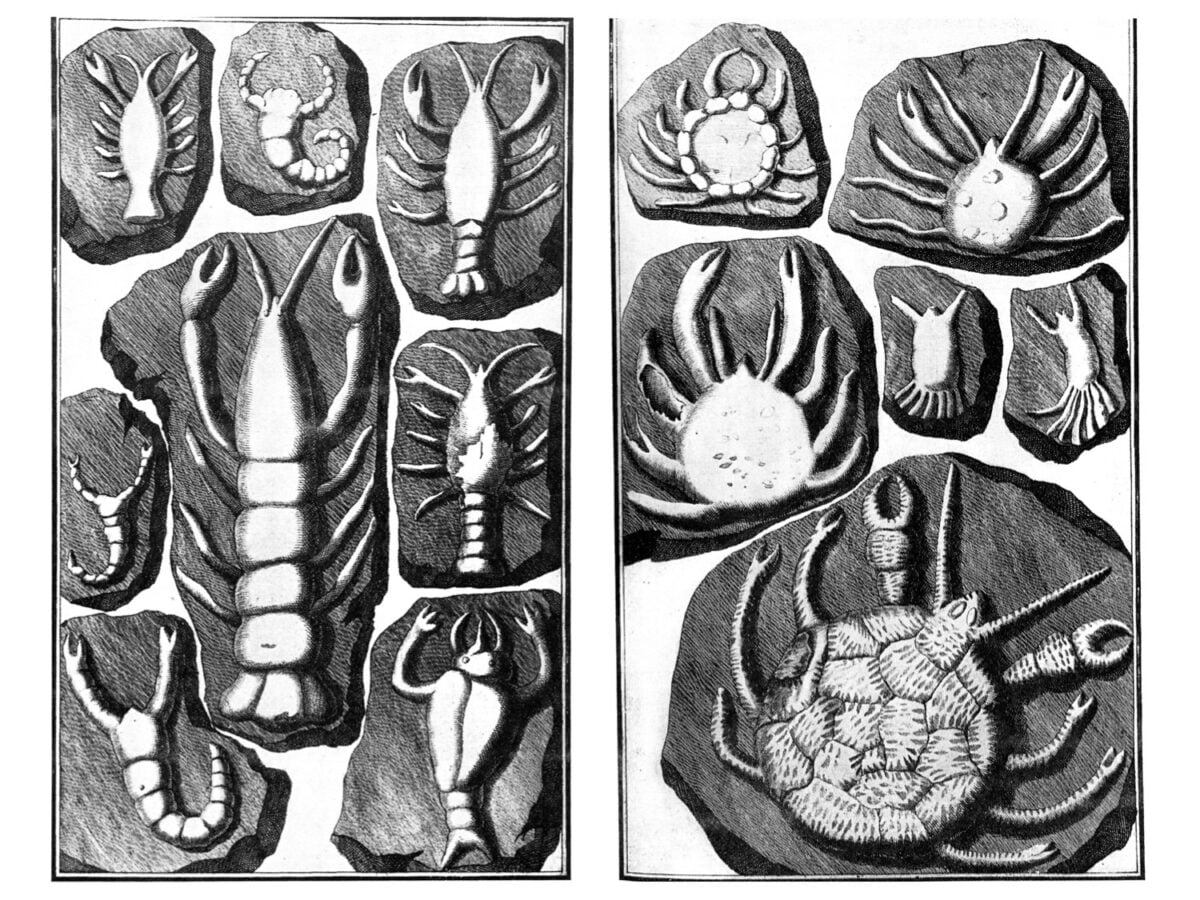
Johann Beringer, a professor at the University of Wurzburg, began collecting carved stones in 1725 that showed lizards, spiders, stars, comets and even Hebrew letters. He believed they were natural fossils and published a lavish book describing them.
The stones had actually been carved and planted by two jealous colleagues who wanted to humiliate him. When Beringer reportedly found a stone bearing his own name, he realized the truth and tried to buy back copies of his book.
The episode ended in court. Several of the so-called lying stones survive in museums today.
Mary Toft and the Rabbit Births
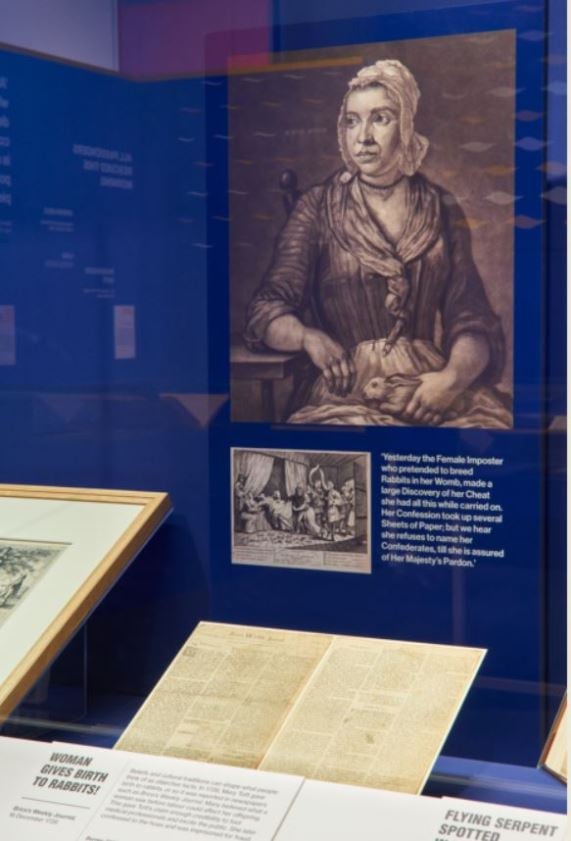
In 1726, Mary Toft of Godalming, Surrey, claimed to have given birth to a series of rabbits. Local surgeon John Howard seemed convinced, and the case drew the attention of King George’s court, which sent surgeons to investigate.
Nathaniel St. Andre, a surgeon to the royal household, publicly declared the births genuine. Under questioning and the threat of surgery, Toft confessed that she had inserted the animal parts herself.
The scandal badly embarrassed the medical establishment. Satirists, including the artist William Hogarth, mocked everyone involved for years afterward.
Mechanical Turk, the Chess-Playing Machine
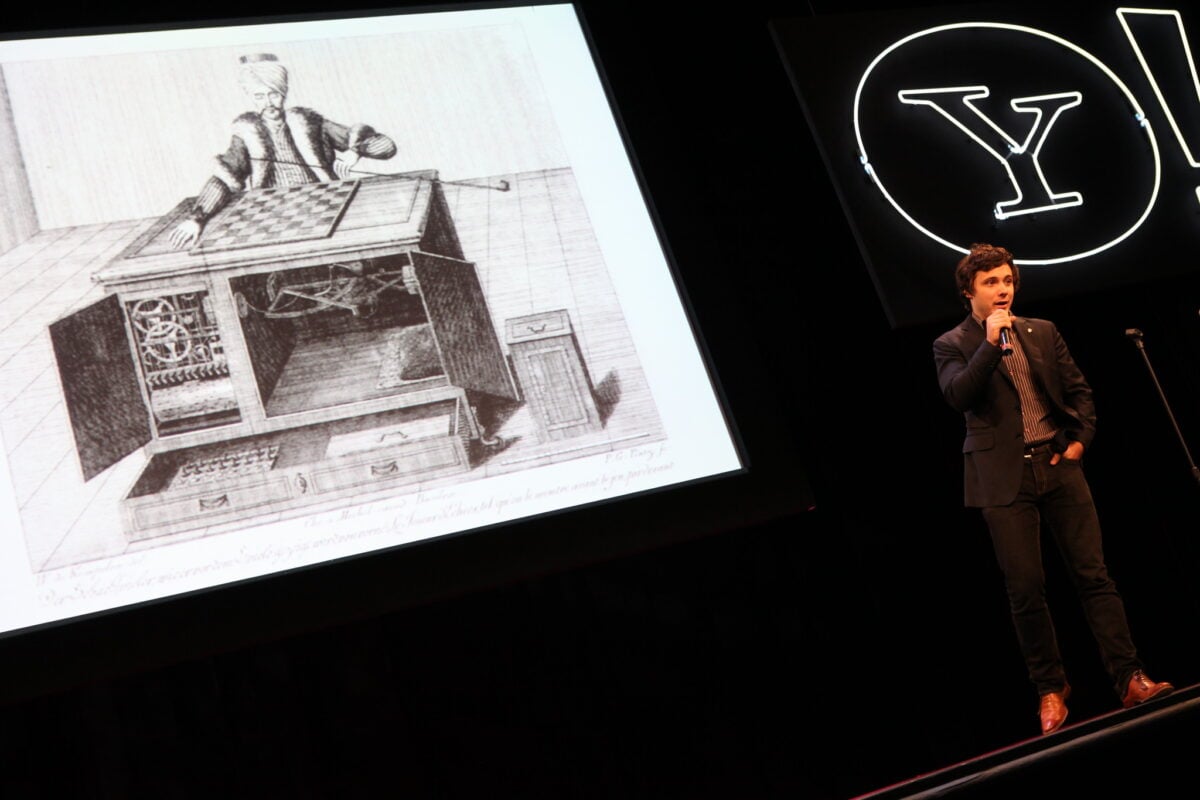
Wolfgang von Kempelen unveiled a chess-playing automaton in 1770 at the court of Empress Maria Theresa in Vienna. Dressed in robes and a turban, the figure sat at a cabinet and played skilled games against human opponents across Europe and America for decades, reportedly defeating Napoleon and Benjamin Franklin.
A hidden human chess master was concealed inside the cabinet, moving the pieces using magnets and levers. Writers including Edgar Allan Poe tried to explain how it worked.
The machine was destroyed in a fire in Philadelphia in 1854, and its secret was confirmed shortly afterward.
Ossian, the Invented Scottish Bard
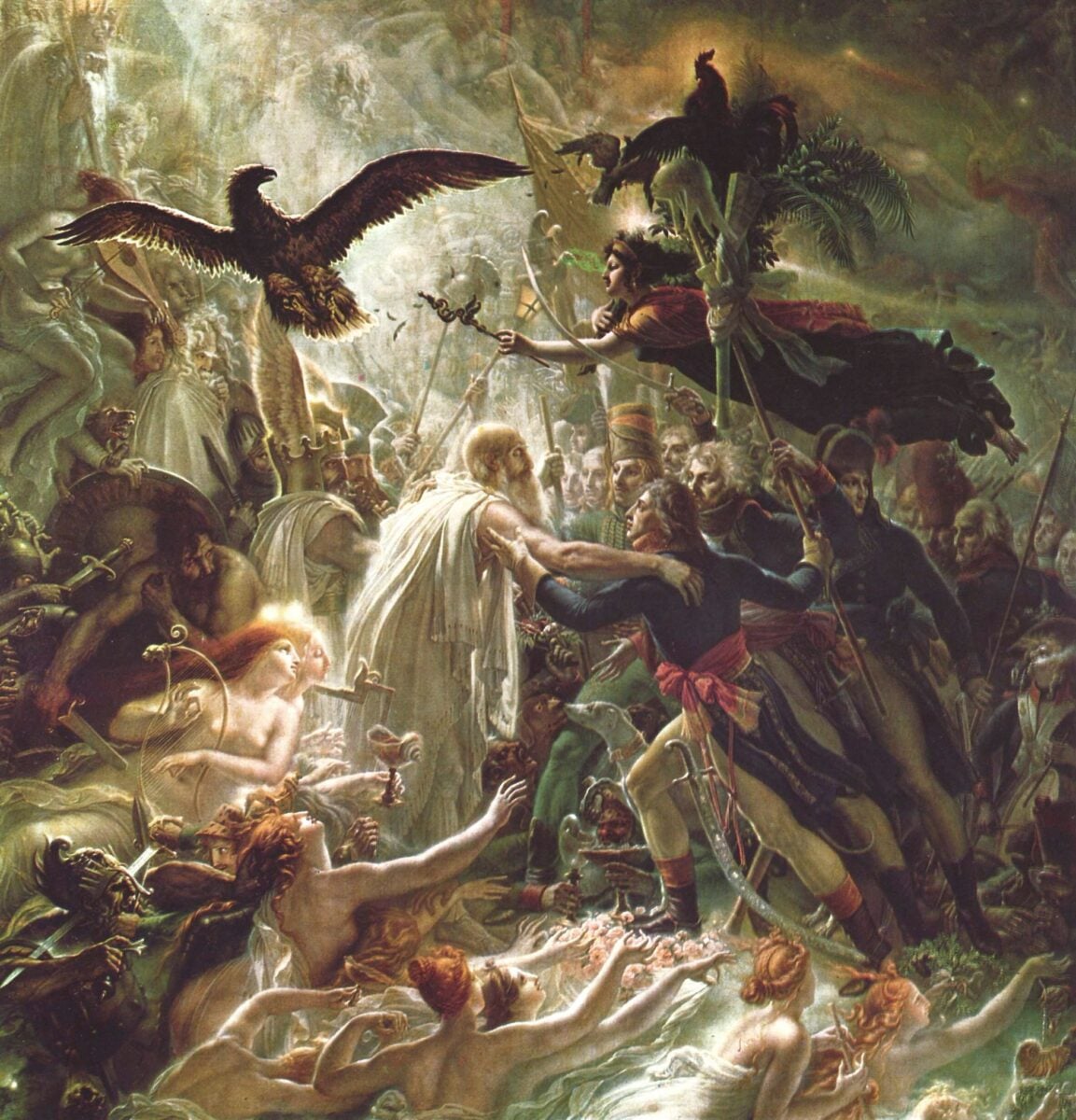
Scottish poet James Macpherson published a series of works from 1760 onward that he claimed were translations of ancient Gaelic poems by a third-century bard named Ossian. The poems became a sensation across Europe, admired by Goethe and reportedly carried by Napoleon on campaigns.
Samuel Johnson was among the skeptics who demanded to see the original manuscripts, which Macpherson never produced. Later investigations concluded that Macpherson had drawn on genuine Gaelic songs and stories but invented much of the material himself.
The Ossian poems still shaped the Romantic movement.
William Henry Ireland’s Fake Shakespeare
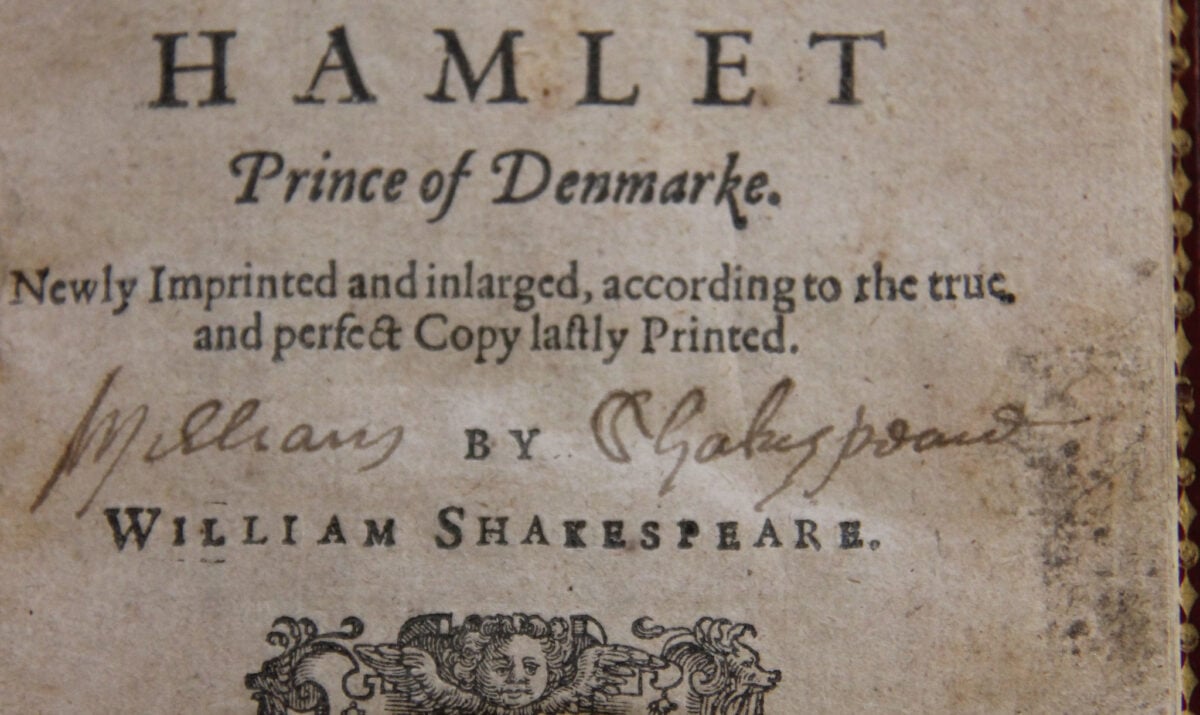
William Henry Ireland, a young London law clerk, began producing documents in the 1790s he claimed were by William Shakespeare, including letters, legal papers and a love poem. His father, a collector, was thrilled.
Ireland then produced an entire lost play, Vortigern and Rowena, which was staged at the Drury Lane theater in April 1796. Scholar Edmond Malone had already published an exposure of the forgeries, and the audience laughed the play off the stage.
Ireland later confessed. His father reportedly never fully accepted that his son had fooled him.
Princess Caraboo of Javasu
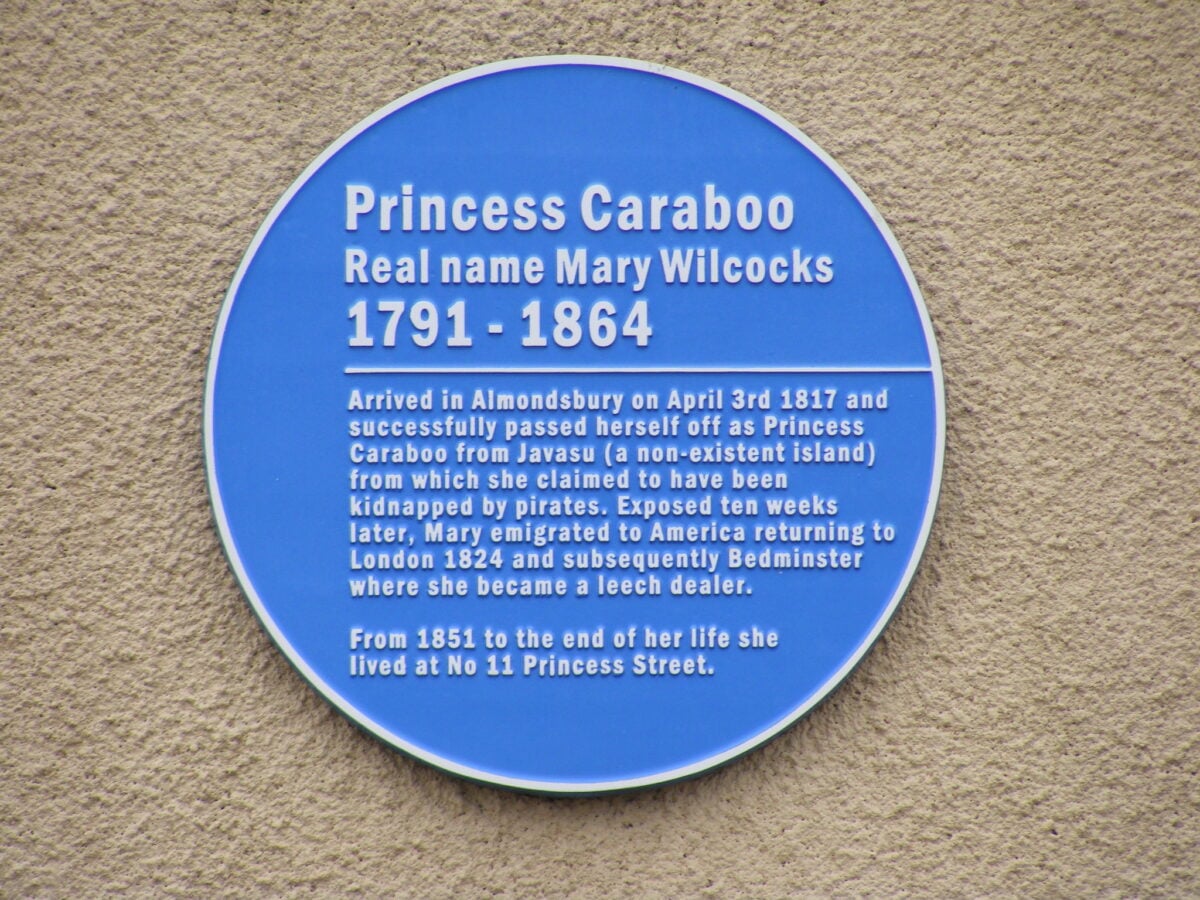
A young woman appeared in the village of Almondsbury, near Bristol, in 1817, speaking an unknown language and dressed in exotic clothing. With help from a Portuguese sailor who claimed to understand her, she was identified as Princess Caraboo from the island of Javasu, kidnapped by pirates.
A wealthy local family took her in, and she enjoyed weeks of attention, demonstrating fencing and archery. Then a boarding house keeper recognized her portrait in a newspaper.
She was Mary Baker, a cobbler’s daughter from Devon. Her story later became a 1994 film.
Great Moon Hoax in the New York Sun
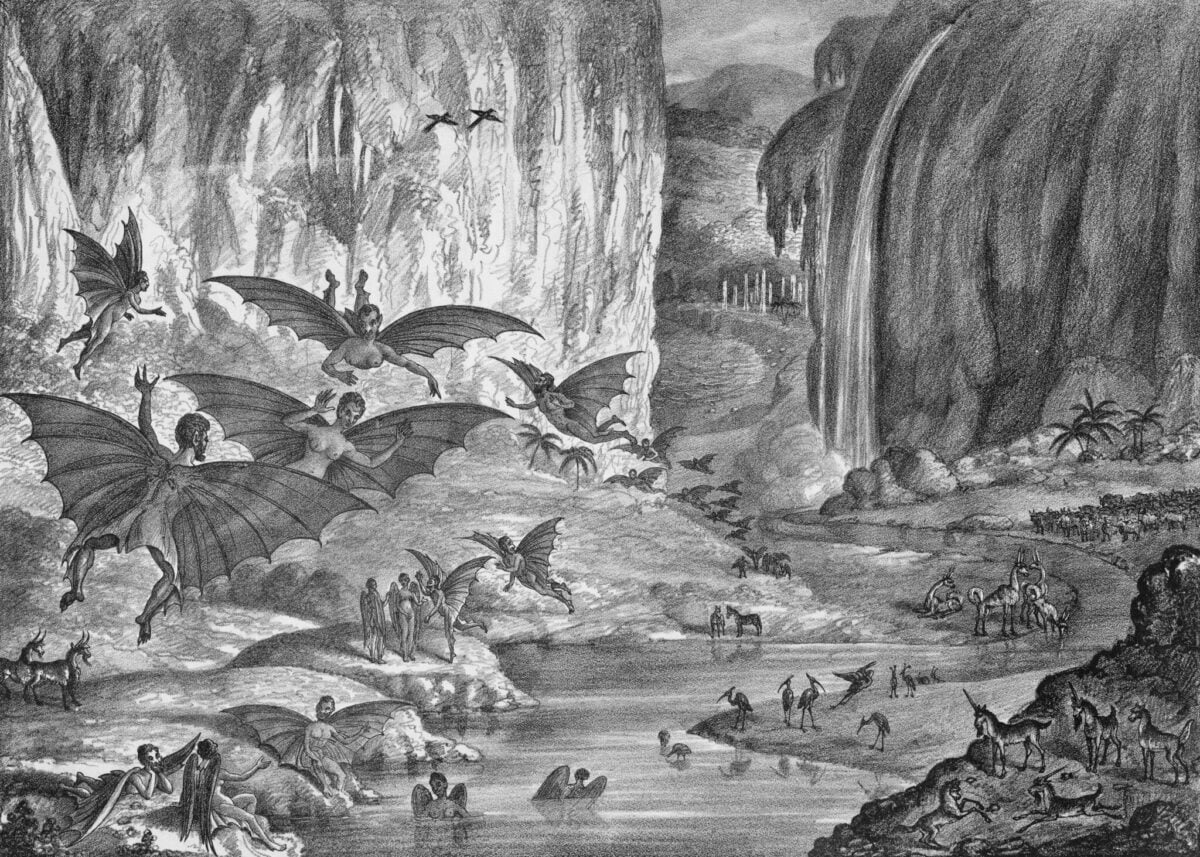
During August 1835, the New York Sun published a series of six articles claiming that astronomer Sir John Herschel had discovered life on the moon using a powerful new telescope. The articles described forests, beaches, unicorn-like creatures and winged humanoids.
Circulation reportedly soared as readers across the United States followed the reports. The author was almost certainly reporter Richard Adams Locke.
Herschel, who was in South Africa observing the southern sky at the time, was reportedly amused when he heard about the stories. The Sun never formally retracted them.
Barnum’s Fiji Mermaid
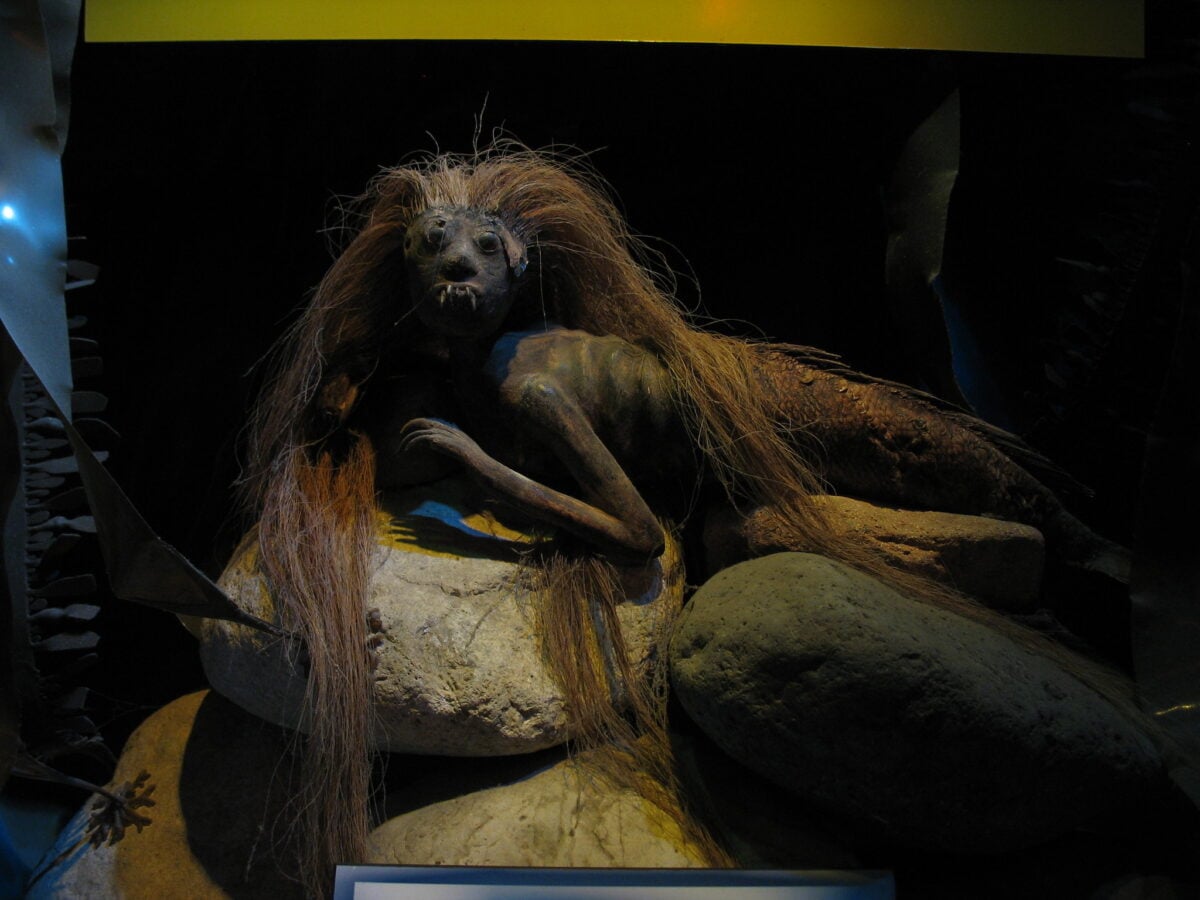
Showman P. T. Barnum began exhibiting what he called the Feejee Mermaid in 1842, billing it as a creature supposedly caught near the Fiji Islands. It was actually the upper body of a monkey sewn onto the tail of a fish, a type of curiosity long made in Asia.
Barnum promoted it with posters showing beautiful mermaids, so visitors who paid to see the shriveled specimen were often shocked. The publicity campaign, including fake newspaper reports, became a model for later marketing.
The original exhibit was probably destroyed in a fire, and various replicas survive in museums.
Fox Sisters and the Spirit Rappings
Sisters Margaret and Kate Fox of Hydesville, New York, claimed in 1848 to communicate with spirits through mysterious knocking sounds. Their seances became famous, and their story helped spark the Spiritualist movement, which grew to millions of followers in the United States and Britain.
In 1888, Margaret publicly confessed at the New York Academy of Music that she had produced the sounds by cracking her toe joints, and she demonstrated the technique onstage. She later took the confession back.
Spiritualism carried on regardless, showing how a belief can survive its own debunking.
Tichborne Claimant From Wagga Wagga
Roger Tichborne, heir to a wealthy English baronetcy, was lost at sea in 1854. His grieving mother refused to accept his death and advertised for news of him.
In 1866, a butcher in Wagga Wagga, Australia, came forward claiming to be Roger, despite being much heavier and unable to speak French, which Roger had spoken fluently. Remarkably, the mother accepted him.
The claimant, later identified as Arthur Orton from London, lost a long civil case and was convicted of perjury in 1874, receiving 14 years in prison. He had enormous public support throughout.
Cardiff Giant Dug Up in New York
Workers digging a well on a farm in Cardiff, New York, in October 1869 uncovered a 10-foot stone figure of a man. Crowds paid to see what was promoted as a petrified giant.
It had been carved from gypsum on the orders of George Hull, a skeptic who wanted to mock the literal belief in biblical giants, and buried on his cousin’s farm a year earlier. When P. T. Barnum failed to buy it, he had a copy made and exhibited that instead.
The copy drew bigger crowds than the original, which made Barnum’s fake of a fake the more profitable hoax.
Kensington Runestone in Minnesota
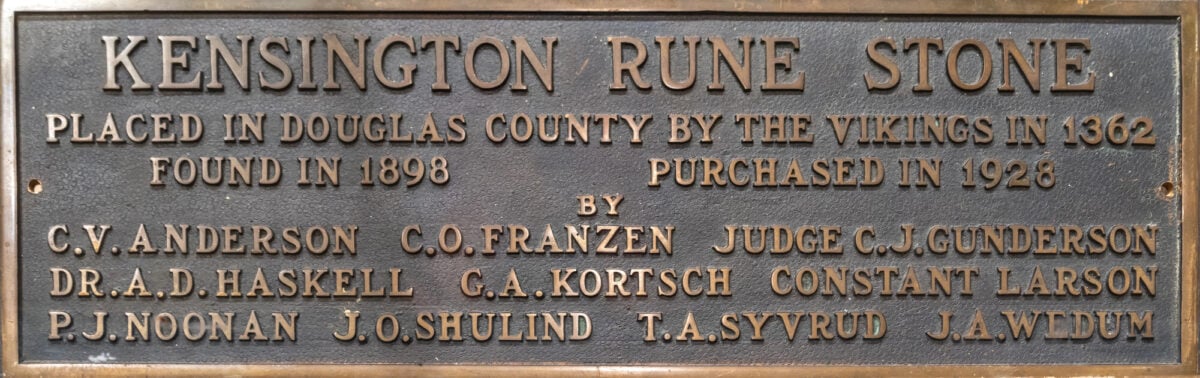
Swedish immigrant farmer Olof Ohman said in 1898 that he had found a stone slab tangled in the roots of a tree near Kensington, Minnesota. Its runic inscription described a party of Scandinavian explorers in 1362, which would place Norse travelers deep in North America more than a century before Columbus.
Most runologists and historians consider the inscription a modern creation, pointing to language and runes that do not fit the 14th century. Supporters still defend it.
The stone is displayed in a museum in Alexandria, Minnesota, which has adopted the Viking theme with enthusiasm.
Piltdown Man and Forty Years of Doubt
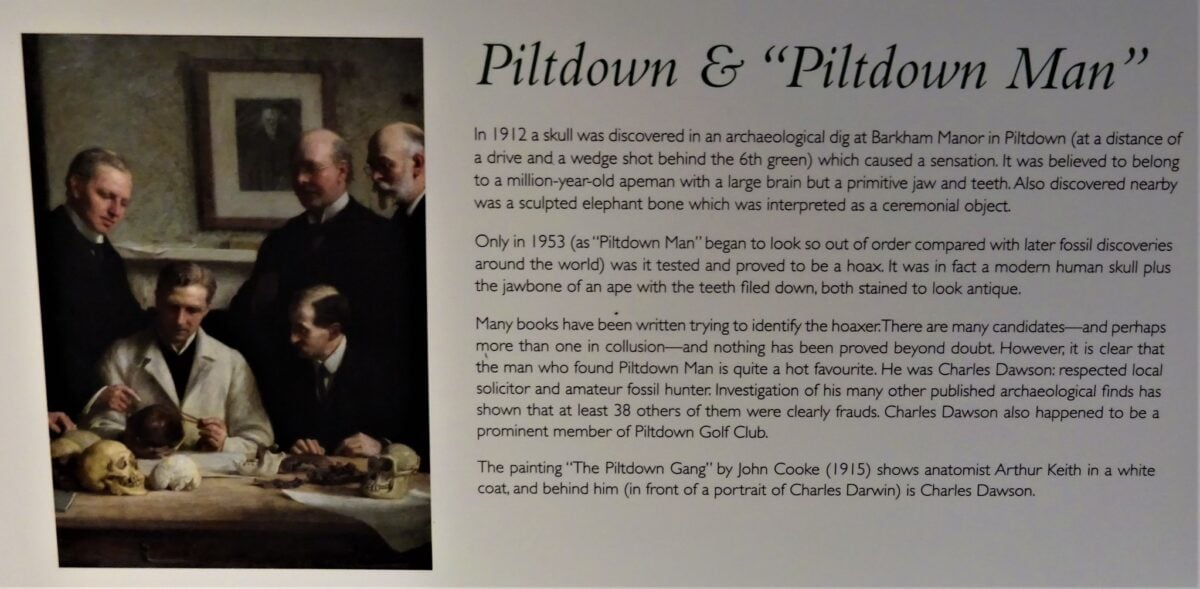
Amateur archaeologist Charles Dawson announced in 1912 the discovery of skull fragments and a jawbone in a gravel pit at Piltdown in southern England. The find was presented as a missing link between apes and humans, and many British scientists embraced it.
In 1953, researchers proved it was a fraud combining a medieval human skull with the jaw of an orangutan, its teeth filed down and the bones stained to look old. Piltdown misled research on human evolution for four decades.
The identity of the forger is still debated, though Dawson remains the leading suspect.
Cottingley Fairies Photographed by Two Cousins
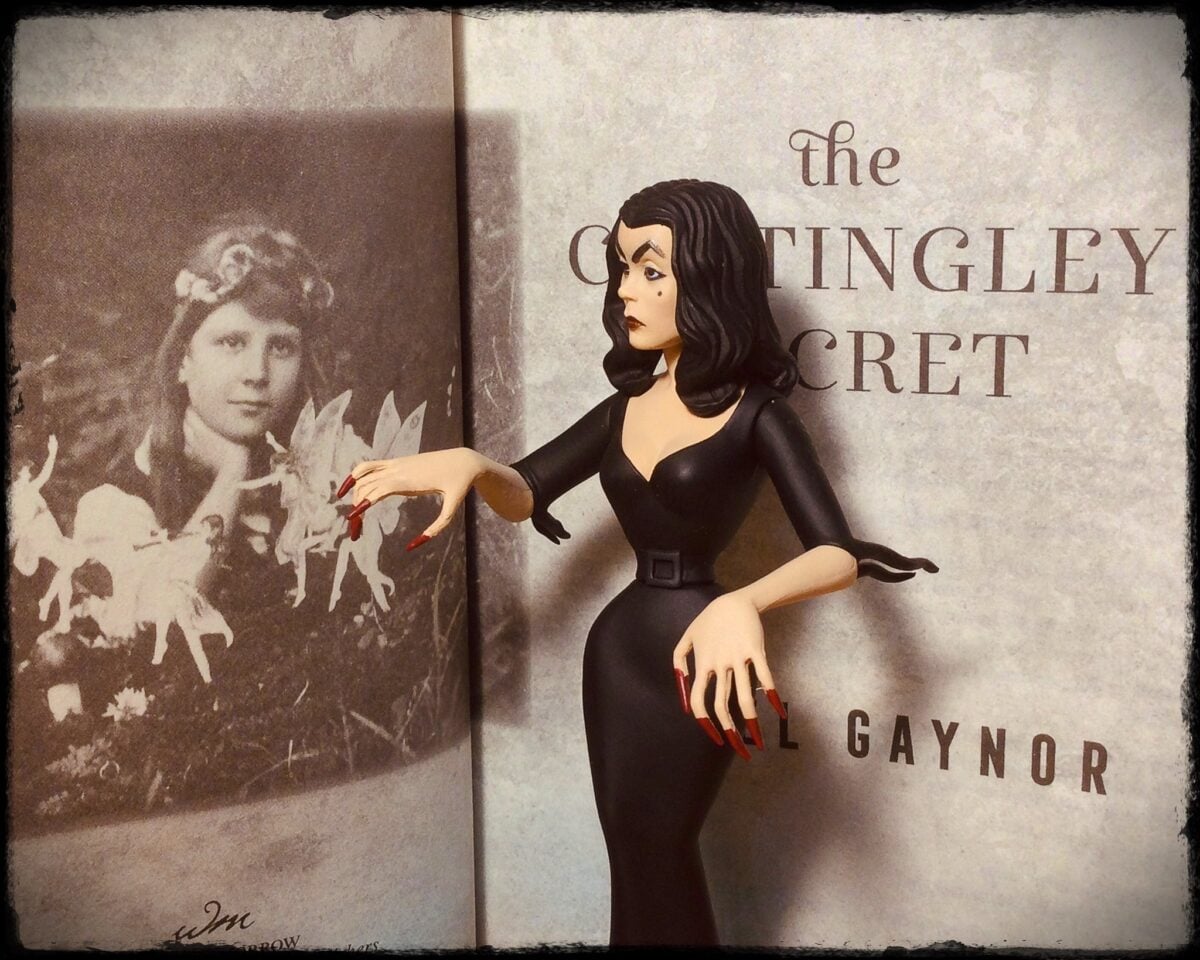
In 1917, cousins Elsie Wright and Frances Griffiths, aged 16 and 9, took photographs in the village of Cottingley, Yorkshire, that appeared to show them with tiny winged fairies. Sherlock Holmes author Arthur Conan Doyle, a committed Spiritualist, championed the photos in a 1920 magazine article, and they became an international sensation.
In 1983, the cousins admitted that the fairies were cardboard cutouts copied from a children’s book and held in place with hatpins. Frances maintained to the end, however, that the fifth and final photograph was genuine.
The cameras used are now in a museum.
Zinoviev Letter Before a British Election
Four days before the British general election of October 1924, the Daily Mail published a letter supposedly sent by Grigory Zinoviev, head of the Communist International, urging British communists to stir up revolution. The letter suggested that Ramsay MacDonald’s government was soft on Soviet influence.
MacDonald’s party lost the election heavily to the Conservatives. A 1999 study commissioned by the Foreign Office concluded the letter was almost certainly a forgery, possibly leaked with help from intelligence officers.
It became a classic case study in election disinformation.
Surgeon’s Photo of the Loch Ness Monster

The Daily Mail published a photograph in April 1934 of a long-necked creature rising from Loch Ness, credited to a respected London physician named Robert Kenneth Wilson. For decades, it was the most famous image of the monster.
In 1994, researchers revealed that the creature was a model made from a toy submarine fitted with a sculpted head and neck. The scheme was organized by big-game hunter Marmaduke Wetherell, who had earlier been ridiculed by the paper, and Wilson had been recruited to lend credibility.
The confession came from Christian Spurling, one of the plotters, shortly before his death.
War of the Worlds and the Panic That Was Not

On October 30, 1938, Orson Welles and his Mercury radio company broadcast a radio adaptation of H. G. Wells’s novel The War of the Worlds, presented as a series of news bulletins about a Martian invasion. Newspapers the next day reported mass panic across the United States.
Later research suggests the panic was greatly exaggerated, partly because most listeners were tuned to a more popular program, and partly because newspapers were eager to discredit radio as a rival news source. The true hoax may have been the story of the panic itself.
Han van Meegeren’s Fake Vermeers
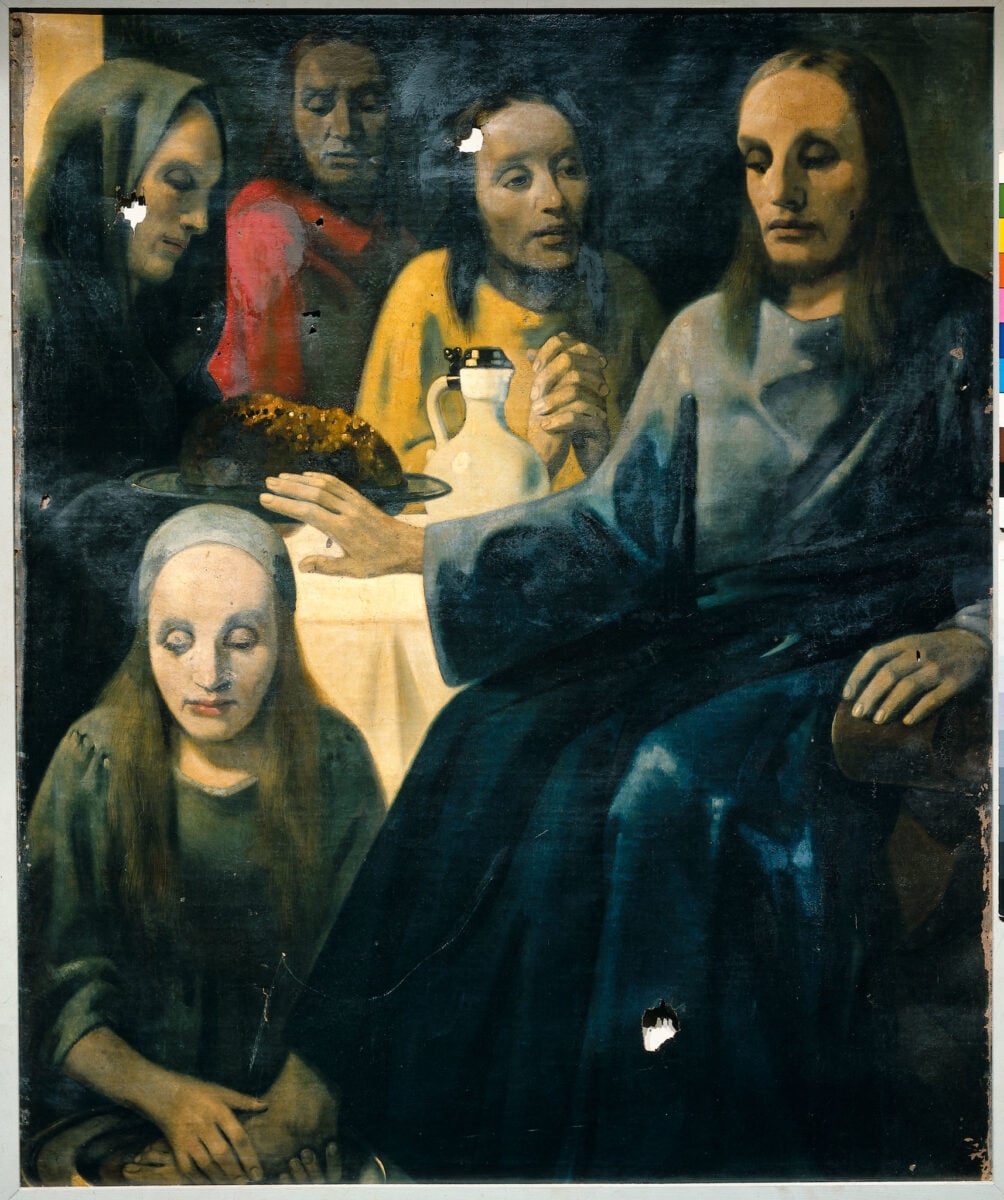
Dutch painter Han van Meegeren forged works in the style of Johannes Vermeer in the 1930s and 1940s, fooling leading art experts. One of his fakes, Christ and the Adulteress, was sold to Nazi leader Hermann Goring.
After the war, van Meegeren was arrested for collaborating with the enemy by selling a national treasure, a charge that could have carried the death penalty. To prove his innocence, he admitted to forgery and painted a new fake Vermeer under supervision.
He was convicted of fraud instead and died in 1947 before serving his sentence. Some Dutch saw him as a folk hero who had fooled Goring.
BBC Spaghetti Harvest

On April 1, 1957, the BBC current affairs program Panorama aired a three-minute segment showing a Swiss family harvesting spaghetti from trees after a mild winter and the virtual disappearance of the spaghetti weevil. The report was narrated by respected broadcaster Richard Dimbleby, lending it total credibility.
Spaghetti was still unfamiliar to many British viewers at the time. Hundreds of people called the BBC asking how to grow their own spaghetti tree.
CNN later called it the biggest hoax that any reputable news organization ever pulled.
Swedish Television Turns Color With Stockings

Sweden’s only television channel aired a segment in April 1962 in which a technical expert named Kjell Stensson explained that viewers could convert their black-and-white sets to color by stretching a nylon stocking over the screen. He explained the science with great seriousness, describing how the fabric would bend the light.
Many viewers reportedly tried it. Real color broadcasts did not arrive in Sweden until 1970.
The stunt is still one of the most cited April Fools’ pranks in broadcasting history, and it shows how much people trusted a calm expert on television.
Anna Anderson Claiming to Be Anastasia

Berlin police pulled an unidentified young woman from a canal in 1920. She later claimed to be Grand Duchess Anastasia, youngest daughter of Tsar Nicholas II, who had supposedly survived the execution of her family.
Known as Anna Anderson, she attracted supporters, lawsuits and decades of headlines. She died in Virginia in 1984.
DNA testing in 1994 showed she was not related to the Romanovs and was almost certainly Franziska Schanzkowska, a Polish factory worker. Remains of the real Anastasia were later identified in Russia.
Hitler Diaries in Stern Magazine
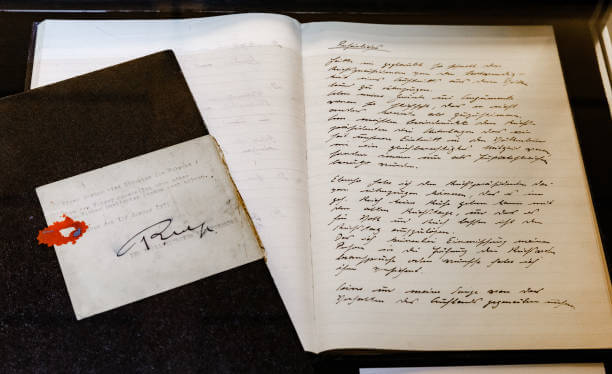
German magazine Stern announced in April 1983 that it had acquired 60 volumes of Adolf Hitler’s private diaries, paying millions of marks for them. Respected historian Hugh Trevor-Roper initially vouched for their authenticity, and the Sunday Times began serializing them.
Within two weeks, forensic tests showed the paper, bindings and glue contained materials made after World War II. The diaries had been forged by Konrad Kujau, a dealer in Nazi memorabilia.
Kujau and the journalist who bought them were both convicted. The scandal badly damaged Stern’s reputation.
Sidd Finch, the Pitcher Who Never Was

The April 1, 1985, issue of Sports Illustrated carried an article by George Plimpton about Hayden Siddhartha Finch, a mysterious New York Mets prospect who could throw a pitch at 168 miles per hour. Finch had supposedly learned his skills in a Tibetan monastery and played the French horn.
The article included photographs and quotes from real Mets players and coaches. The first letters of words in the subtitle spelled out a hint about April Fools’ Day, but many readers missed it.
Sports Illustrated revealed the truth two weeks later.
Milli Vanilli’s Borrowed Voices
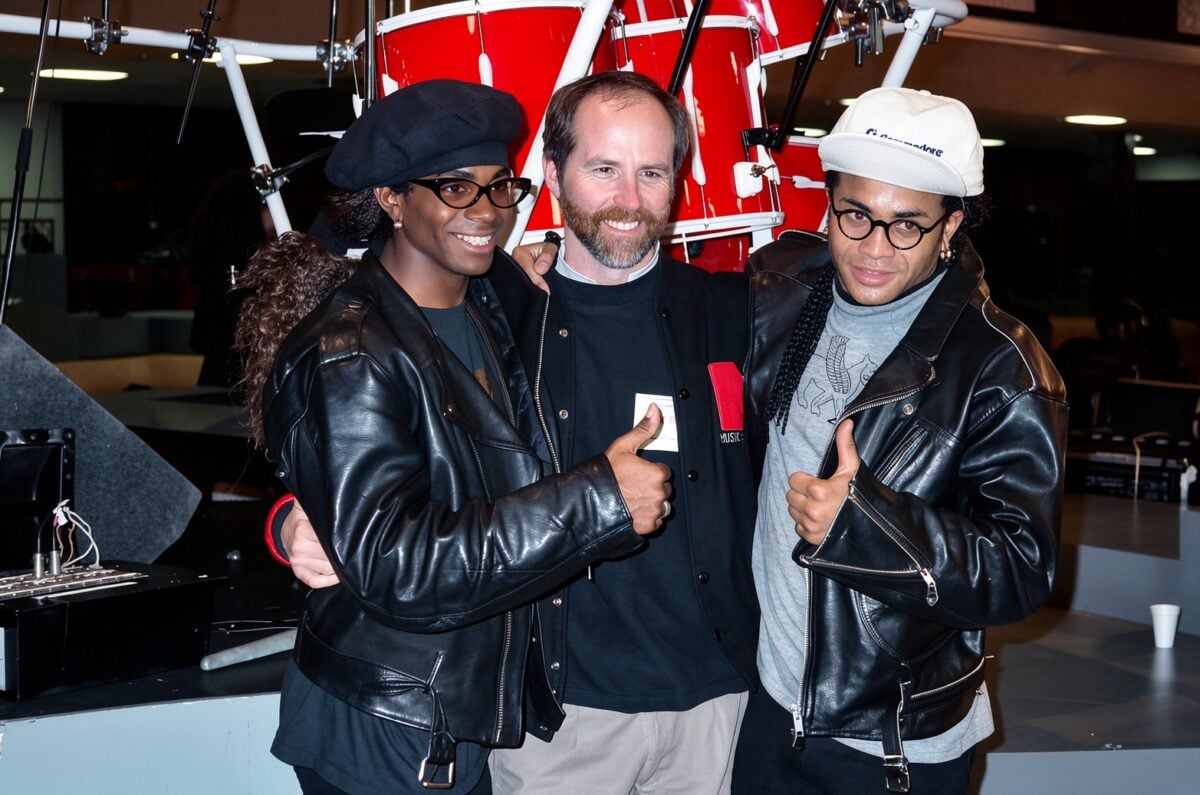
The pop duo Milli Vanilli, made up of Rob Pilatus and Fab Morvan, sold millions of records and won the Grammy Award for Best New Artist in 1990. Rumors grew after a recording skipped during a 1989 concert in Connecticut, repeating a line while the duo continued to move.
In November 1990, producer Frank Farian admitted that neither man had sung on the album. The Grammy was revoked, the only time the award has been taken back.
Fans filed lawsuits demanding refunds. Pilatus died in 1998, while Morvan later rebuilt a career singing in his own voice.
Doug and Dave’s Crop Circles
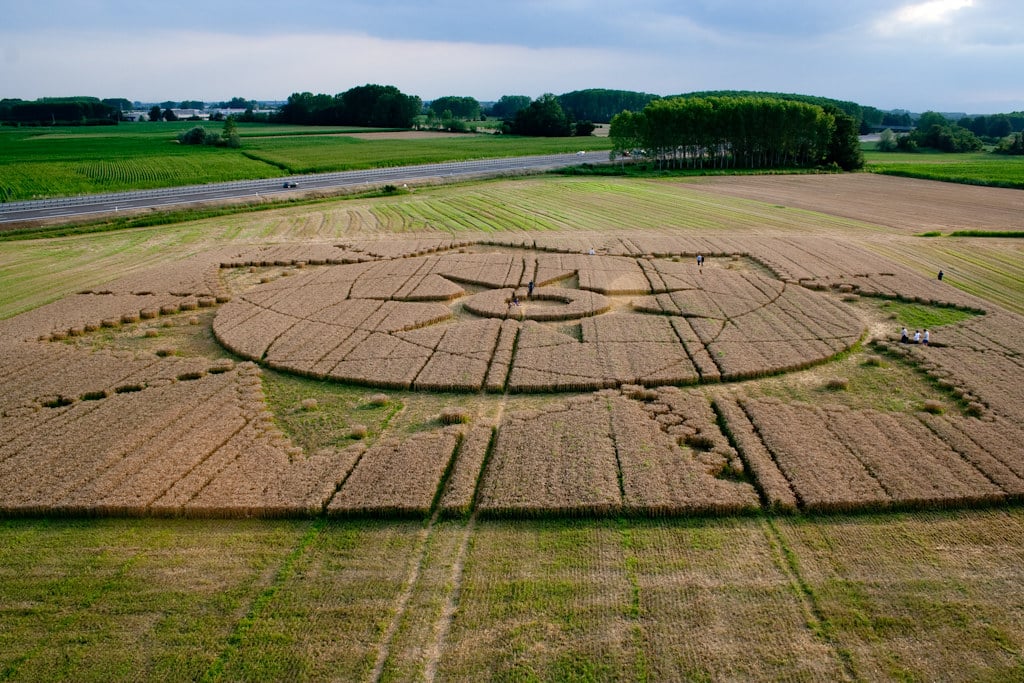
Two men from Southampton, Doug Bower and Dave Chorley, told a British newspaper in 1991 that they had been making crop circles in fields since 1976. They demonstrated their method, using a wooden plank, rope and a cap fitted with a wire sighting device, and they made a circle for journalists that a crop circle expert declared genuine.
By then, the phenomenon had inspired books, documentaries and theories about alien visitors and unknown energy fields. Other circle makers soon followed their example.
The circles became more elaborate, but the claims of mystery never fully faded.
Alien Autopsy Footage
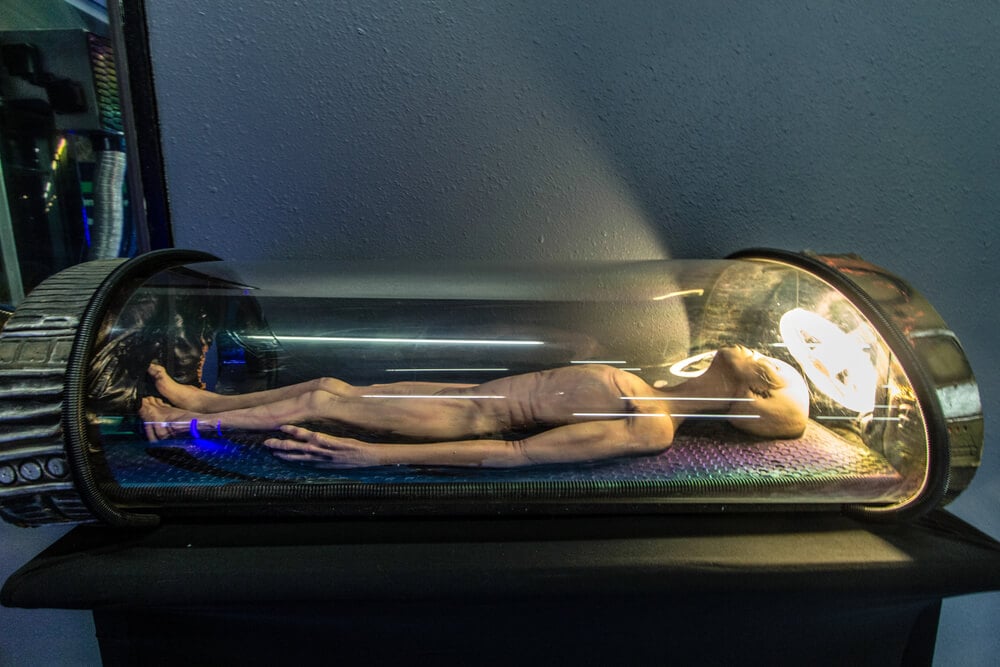
In 1995, British entrepreneur Ray Santilli released grainy black-and-white film that he said showed the autopsy of an alien recovered from the 1947 crash at Roswell, New Mexico. The footage was broadcast in dozens of countries and watched by enormous audiences.
In 2006, Santilli admitted the film was a reconstruction, made with a dummy filled with sheep brains, chicken entrails and other materials, though he claimed it recreated real footage he had seen and that had deteriorated. Few believed that explanation.
The episode became a lesson in how compelling grainy footage can be.
Taco Bell Buys the Liberty Bell

On April 1, 1996, Taco Bell ran full-page newspaper advertisements announcing that it had bought the Liberty Bell to help reduce the national debt and would rename it the Taco Liberty Bell. Thousands of people called the National Park Service in Philadelphia to complain.
White House press secretary Mike McCurry joined in, joking that the Lincoln Memorial had also been sold and would become the Lincoln Mercury Memorial. Taco Bell revealed the joke at noon and donated 50,000 dollars toward the bell’s upkeep.
The prank generated huge free publicity.
Archaeoraptor in National Geographic
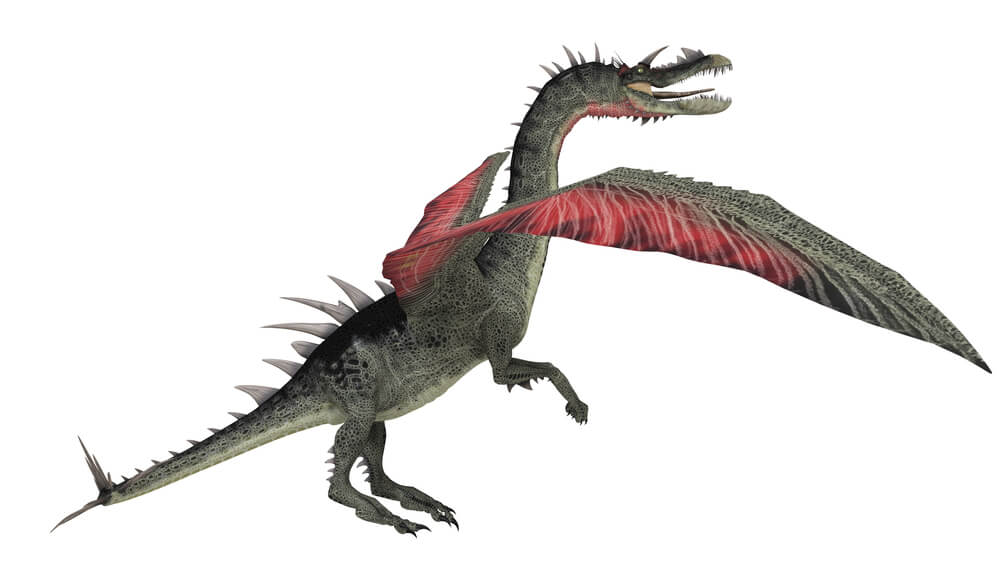
National Geographic magazine announced a fossil called Archaeoraptor in November 1999, presented as a missing link between dinosaurs and birds, discovered in China. Within months, Chinese paleontologist Xu Xing found that the specimen was a composite, combining the body of a primitive bird with the tail of a small dinosaur, glued together by a farmer who knew dealers would pay more for a complete fossil.
National Geographic published a correction in 2000. Ironically, both parts were scientifically significant on their own.
The affair led to tighter scrutiny of fossils bought on the commercial market.
Vinland Map Declared a Forgery
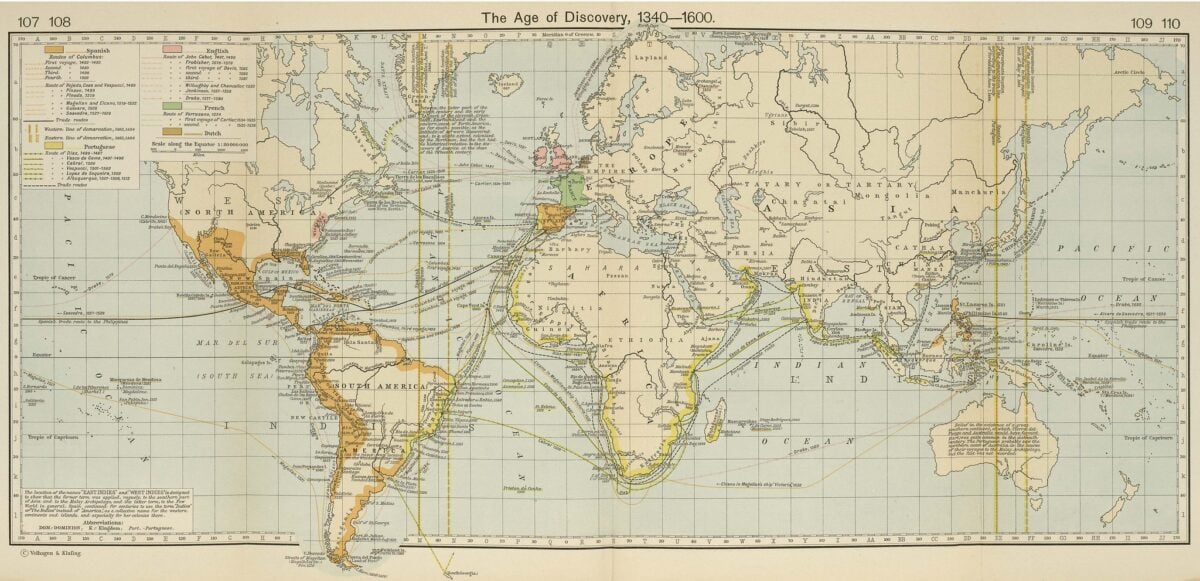
Yale University acquired the Vinland Map in the 1950s and unveiled it in 1965, presenting it as a 15th-century world map showing part of North America, which would make it the earliest known European depiction of the continent. Doubts emerged almost immediately.
In 2021, Yale announced that new analysis had found titanium compounds in the ink, which were not used before the 1920s, confirming that the map was a forgery. Researchers also showed that an inscription on the back had been altered.
The map had fooled scholars for more than half a century.
Belief Usually Arrives Before Evidence

Almost every hoax on this list succeeded because it offered something people wanted, whether a link in human evolution, life on the moon, a lost royal heir or a prank on April Fools’ Day. Experts were fooled as often as the public.
Prestige and enthusiasm proved poor substitutes for testing. The tools for exposing fakes have improved enormously, from radiocarbon dating to ink analysis.
The tools for spreading them have improved even faster. A healthy dose of skepticism remains the most useful defense, especially when a story seems too good to be false.
More from Go2Tutors!

- The Romanov Crown Jewels and Their Tragic Fate
- 13 Historical Mysteries That Science Still Can’t Solve
- Famous Hoaxes That Fooled the World for Years
- 15 Child Stars with Tragic Adult Lives
- 16 Famous Jewelry Pieces in History
Like Go2Tutors’s content? Follow us on MSN.