26 Famous Women Who Served in Wartime
Official histories of war were written for a long time as if half the population had simply waited at home. The records tell a different story, one filled with nurses who redesigned hospitals, pilots who flew at night in canvas biplanes, and agents who carried radios across occupied borders.
Some of these women were celebrated in their lifetimes. Others had to wait decades for medals, statues, or even a correct spelling of their names in the archives.
Florence Nightingale and the Barrack Hospital at Scutari
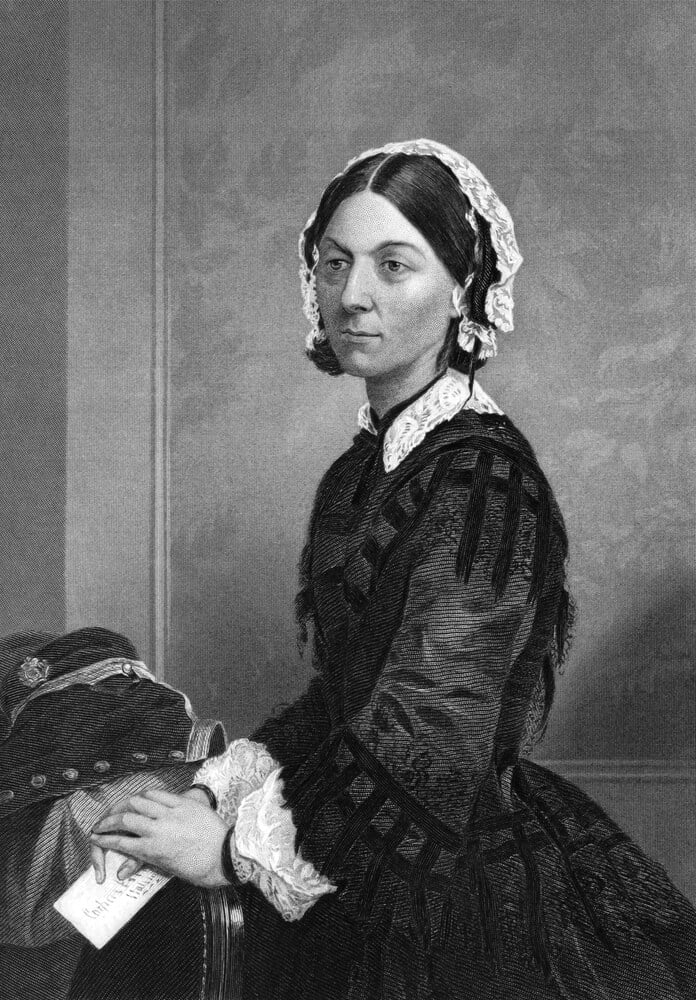
Florence Nightingale arrived at the British army hospital in Scutari in November 1854 with a team of 38 nurses and found soldiers dying more often from disease than from wounds. She pushed for clean water, ventilation, laundry and proper food, and the death rate fell sharply over the following months.
Her lasting weapon turned out to be statistics. She drew polar area diagrams showing preventable deaths so clearly that politicians could not ignore them, and in 1858 she became the first woman elected a Fellow of the Royal Statistical Society.
The lamp made her famous, but the charts made her effective.
Mary Seacole’s British Hotel Near the Front
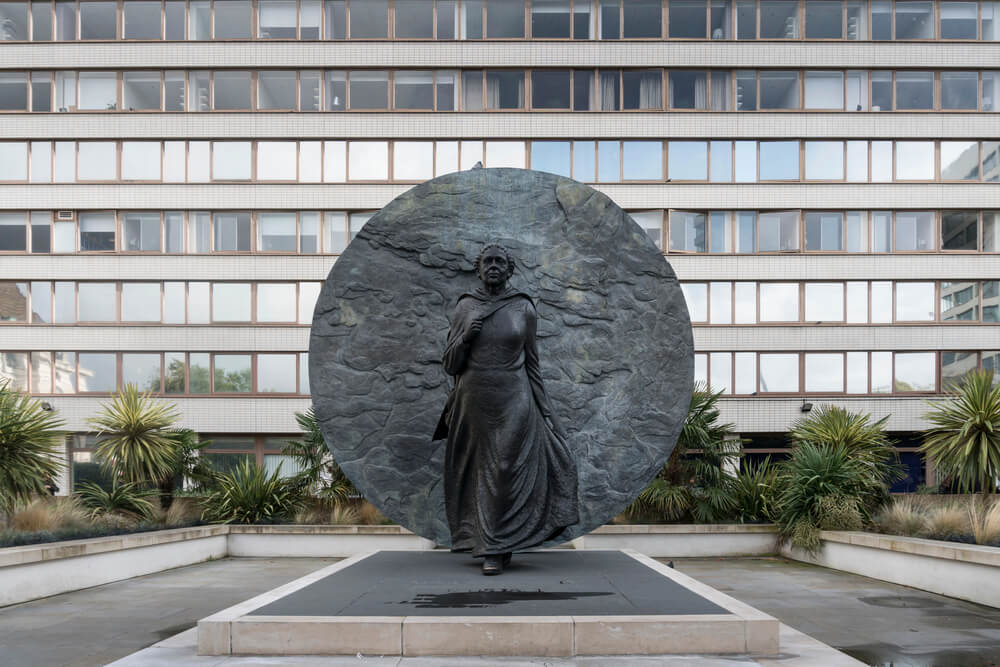
Mary Seacole, a Jamaican nurse and businesswoman, applied to join the official nursing effort in the Crimean War and was turned down. She paid her own way to the peninsula instead and built the British Hotel near Balaclava in 1855, a combination of canteen, store and sick bay for officers and soldiers.
She often treated the wounded on the battlefield itself, sometimes within range of fire. Her 1857 memoir became a bestseller, yet her name faded for most of the next century.
A statue of her was unveiled outside St Thomas’ Hospital in London in 2016.
Clara Barton at Antietam
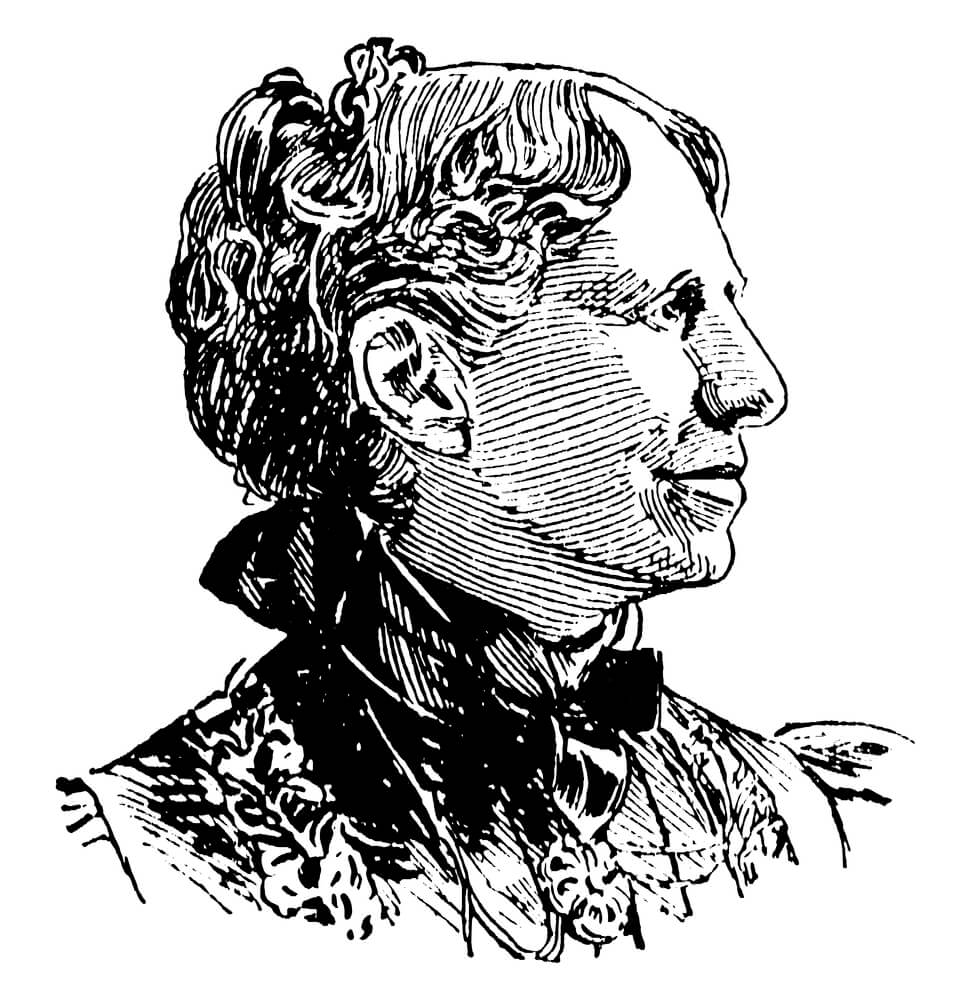
Clara Barton was a clerk at the US Patent Office when the Civil War began, and she soon turned to hauling supplies to the front. At Antietam in 1862, a bullet passed through the sleeve of her dress and killed the man she was tending.
Soldiers called her the angel of the battlefield. After the war she ran an office that located the fate of roughly 22,000 missing soldiers for their families.
In 1881 she founded the American Red Cross and led it for more than two decades, insisting that disaster relief belonged to peacetime too.
Harriet Tubman Leads the Combahee River Raid
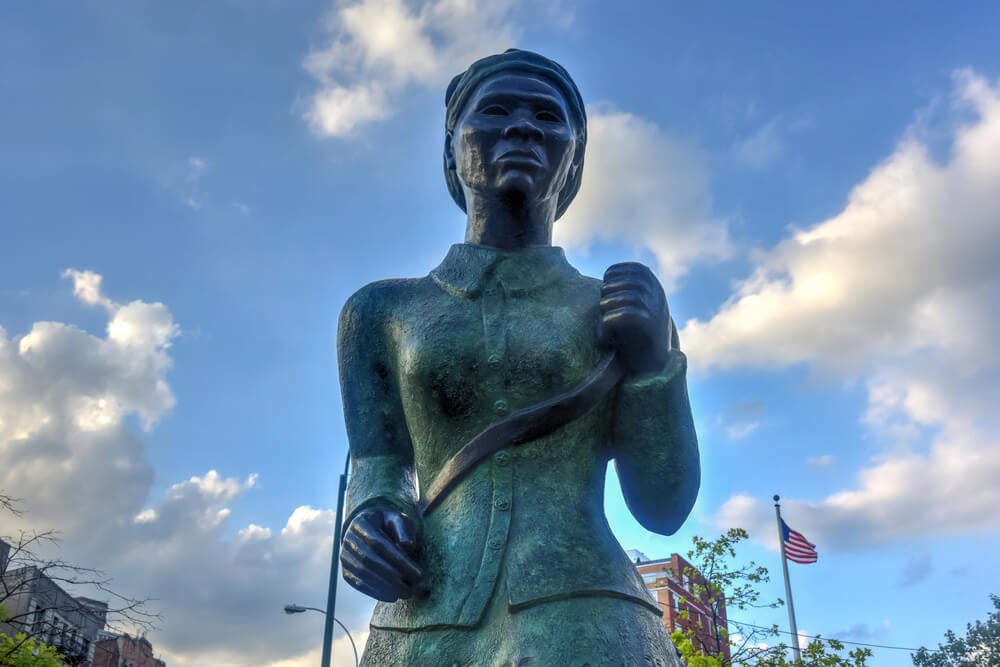
Harriet Tubman is famous for guiding enslaved people north, but she also served the Union Army as a scout, spy and nurse. On the night of June 2, 1863, she helped guide Union gunboats up South Carolina’s Combahee River, a raid that freed more than 700 people from plantations along the banks.
Her intelligence network had mapped the river’s torpedoes in advance. She became one of the first women in American history to help lead an armed military operation.
Despite all this, she spent decades fighting for a government pension that reflected her service.
Mary Edwards Walker and the Medal That Was Taken Back
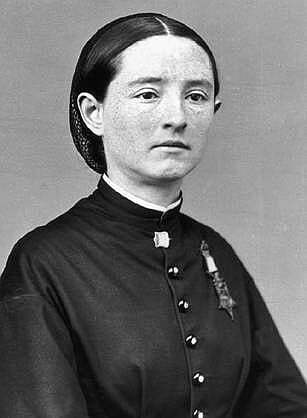
Mary Edwards Walker was one of the few female surgeons in the country when she volunteered for the Union Army. She treated soldiers near the front lines and was captured in 1864, spending four months in a Confederate prison in Richmond.
In 1865 she received the Medal of Honor, and she remains the only woman ever awarded it. In 1917 the Army tightened its criteria and revoked her medal along with hundreds of others.
She refused to return it and wore it until her death two years later. President Jimmy Carter’s administration restored the honor in 1977.
Sarah Emma Edmonds Becomes Private Franklin Thompson
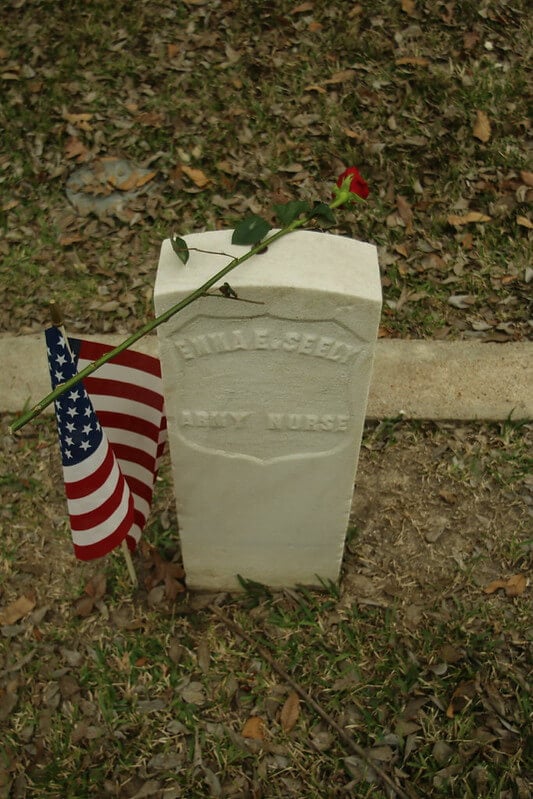
Sarah Emma Edmonds cut her hair, took the name Franklin Thompson and enlisted in the 2nd Michigan Infantry in 1861. She worked as a field nurse and mail carrier and later claimed to have gone behind Confederate lines in disguise to gather information.
When she caught malaria in 1863, she deserted rather than risk a hospital examination that would reveal her identity. Her 1865 memoir sold widely.
Years later her old comrades backed her application for a pension, and Congress granted it in 1884, also clearing the desertion charge from her record.
Deborah Sampson Serves as Robert Shurtleff
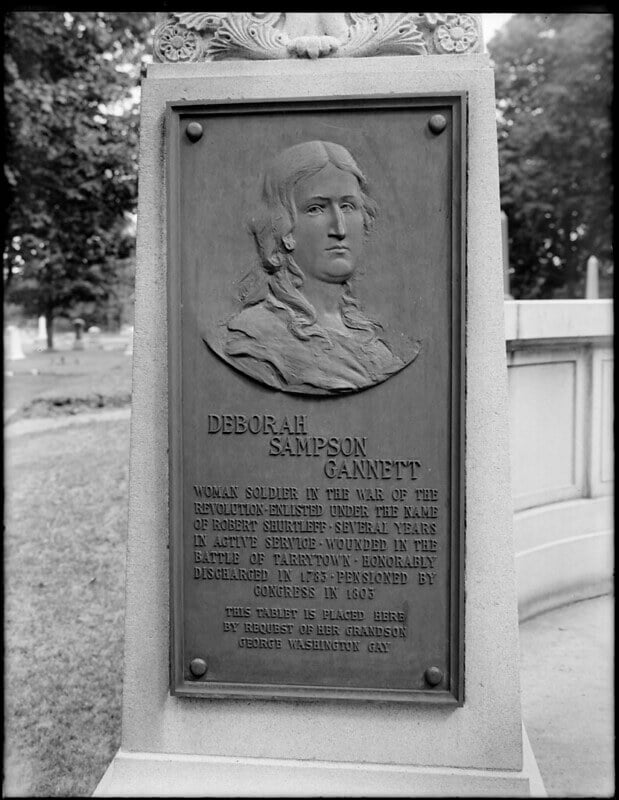
Deborah Sampson enlisted in the Continental Army in 1782 under the name Robert Shurtleff and joined the 4th Massachusetts Regiment. She was wounded near Tarrytown, New York, and reportedly treated part of the injury herself to avoid being discovered by a doctor.
A fever eventually exposed her secret, and she was honorably discharged in 1783. She later toured New England giving lectures about her service, one of the first American women to do so.
Paul Revere wrote letters supporting her claim for a pension, describing her as a woman of real merit.
Mary Ludwig Hays at Monmouth
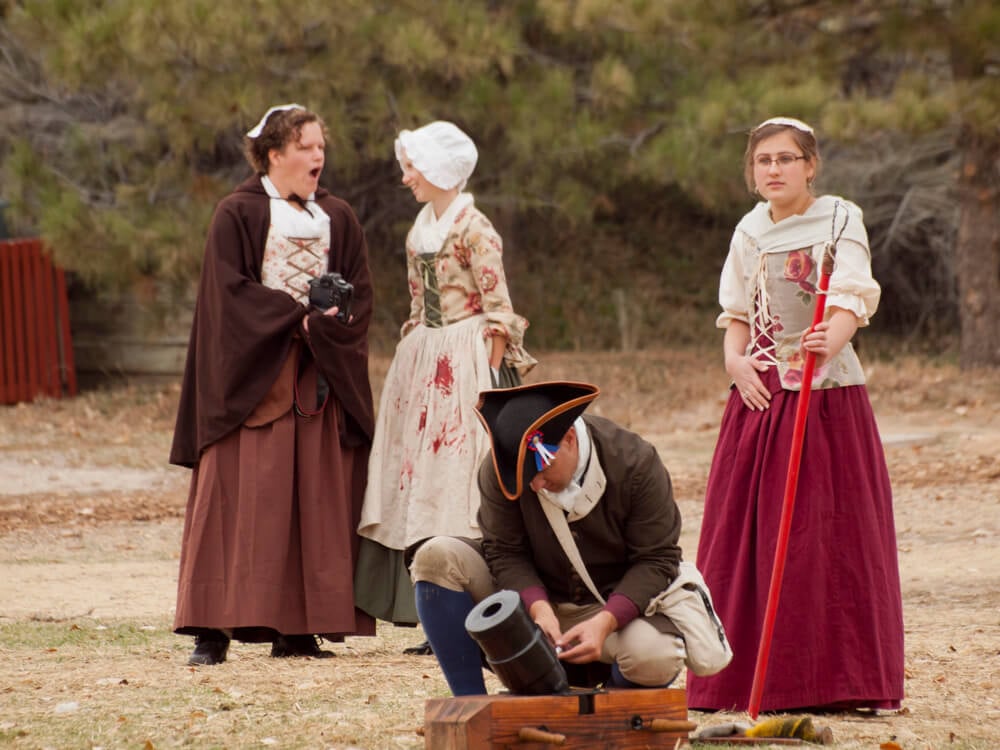
Mary Ludwig Hays followed her husband’s artillery unit during the Revolutionary War, as many army wives did, cooking and washing for the troops. At the Battle of Monmouth on June 28, 1778, a brutally hot day, she is credited with carrying water to soldiers and taking her husband’s place at a cannon after he collapsed.
Historians debate how much of the Molly Pitcher legend belongs to her alone, since the name may combine several women. Pennsylvania granted her an annual payment of 40 dollars in 1822 for services rendered during the war.
Edith Cavell’s Escape Line in Occupied Belgium
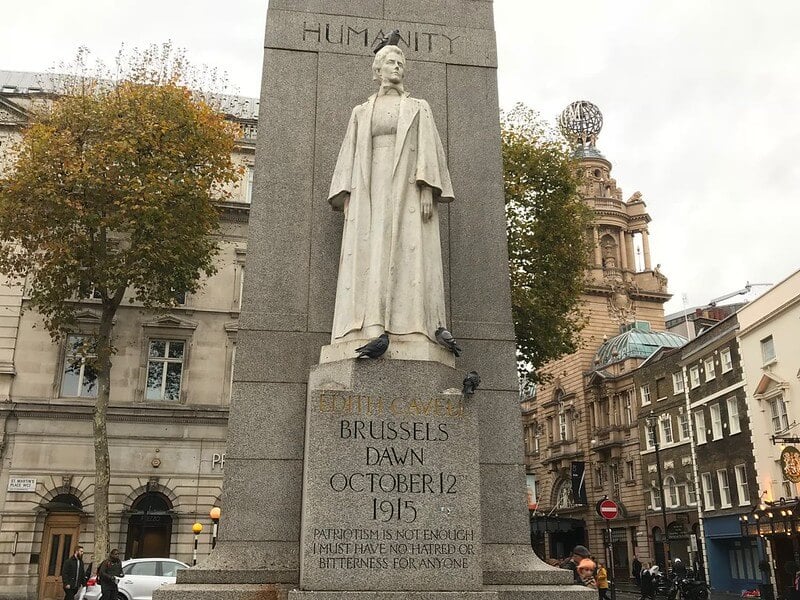
Edith Cavell was the matron of a nursing school in Brussels when German forces occupied Belgium in 1914. She treated wounded soldiers from both sides, but she also hid British and French troops and helped about 200 of them slip into the neutral Netherlands.
German authorities arrested her in August 1915, and she was executed by firing squad on October 12 of that year. The execution caused international outrage and became a fixture of Allied recruiting posters.
Her body was returned to England after the war and reburied at Norwich Cathedral.
Marie Curie and the Little Curies
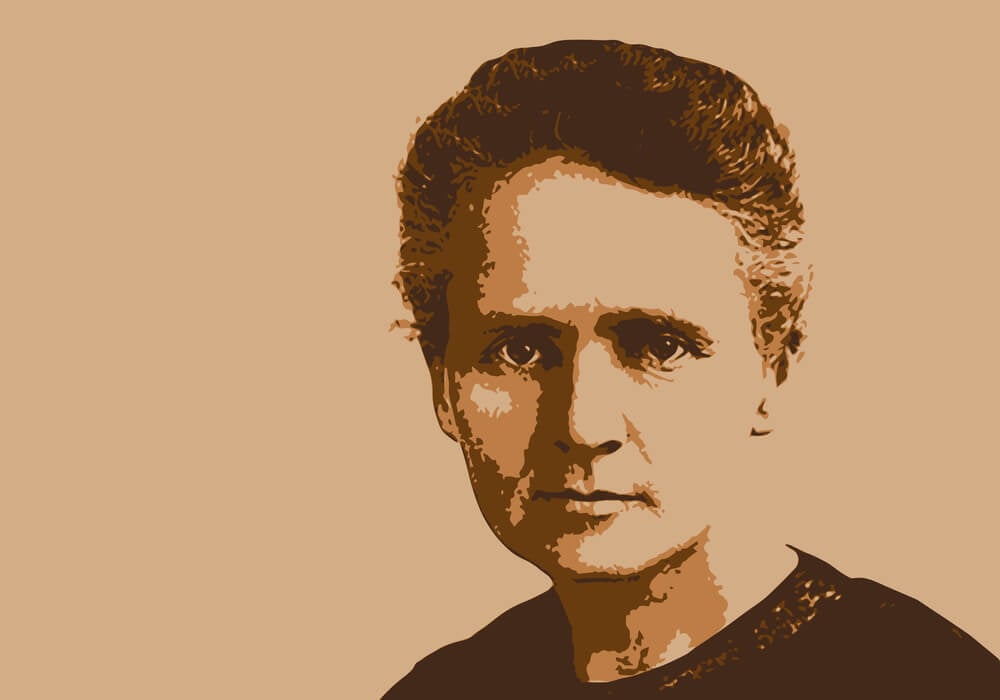
Marie Curie had already won two Nobel Prizes when World War I broke out, and she quickly saw how X-rays could help surgeons find bullets and shrapnel. She persuaded wealthy donors to give cars, fitted them with X-ray equipment and generators, and created mobile units soldiers called petites Curies.
She learned to drive and operate the machines herself, often working near the front with her teenage daughter Irene. She also trained about 150 women as radiology technicians.
Estimates suggest more than a million wounded soldiers were examined with the equipment she organized.
Flora Sandes Joins the Serbian Army
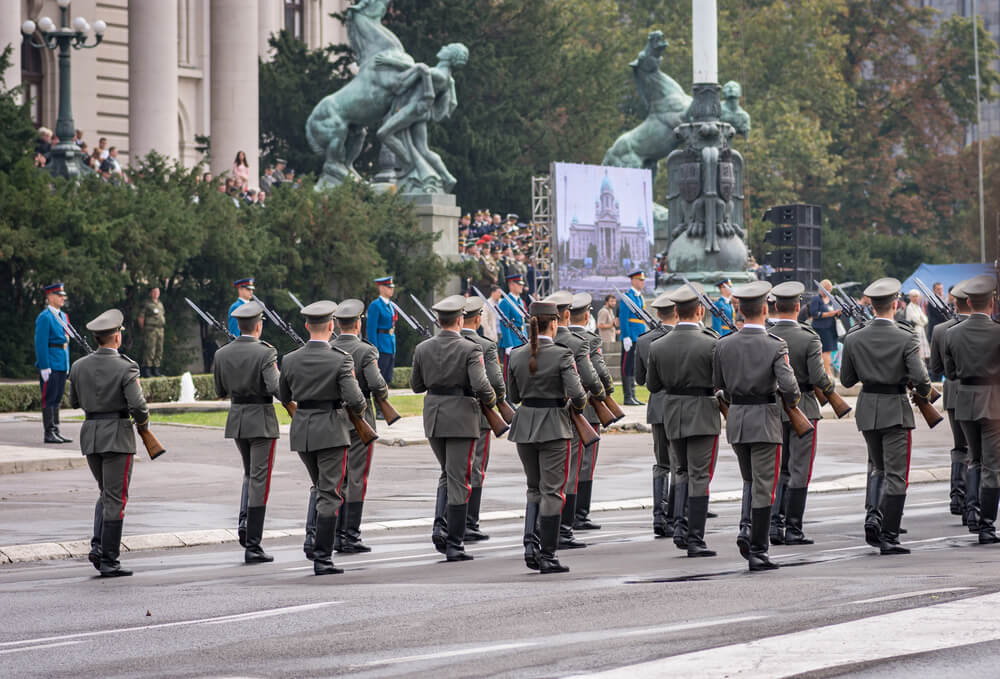
Flora Sandes was a British nurse who traveled to Serbia in 1914 with an ambulance unit. During the brutal retreat through Albania in 1915, she joined a Serbian infantry regiment and enlisted as a soldier.
She is widely described as the only British woman to serve officially as a combat soldier in World War I. A grenade wounded her badly in 1916, and she received Serbia’s highest military decoration, the Order of the Karadorde Star.
She was eventually promoted to the rank of captain and stayed in Serbia for much of her life.
Maria Bochkareva and the Women’s Battalion of Death
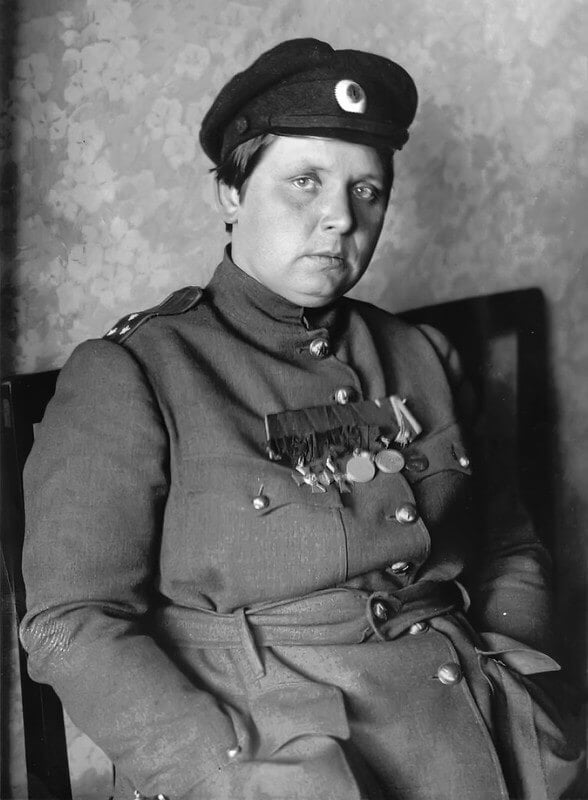
Maria Bochkareva, a peasant woman from Siberia, petitioned Tsar Nicholas II in 1914 for permission to enlist and served in the Russian Army as a front line soldier. In 1917 the Provisional Government allowed her to form the 1st Russian Women’s Battalion of Death, intended to shame deserting men back into the fight.
The unit went into action near Smorgon that summer. After the Bolshevik Revolution, she traveled to the United States and met President Woodrow Wilson to seek help against the new regime.
She was captured back in Russia and executed in 1920.
Lyudmila Pavlichenko’s 309 Confirmed Kills
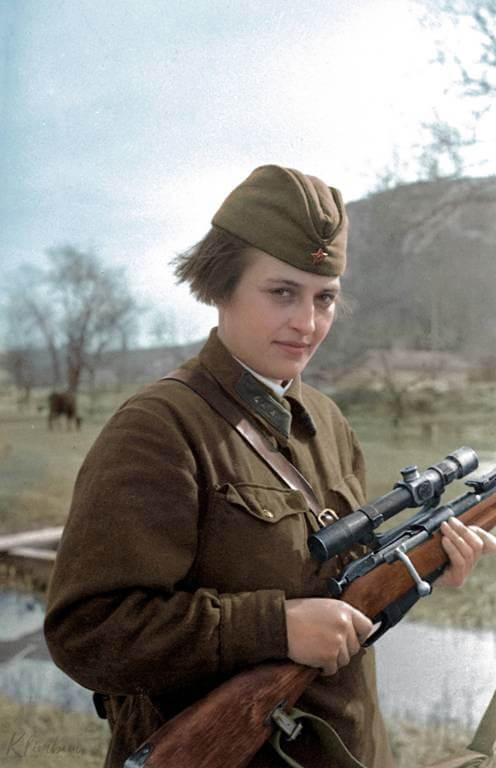
Lyudmila Pavlichenko left her history studies at Kyiv University to volunteer as a sniper in the Red Army in 1941. Fighting at Odessa and Sevastopol, she was credited with 309 confirmed kills, making her one of the most successful snipers in recorded history.
In 1942 the Soviet government sent her on a publicity tour of the United States, where she became one of the first Soviet citizens received at the White House. She traveled with Eleanor Roosevelt and grew tired of reporters asking about her makeup.
Folk singer Woody Guthrie later wrote a song about her.
Nadezhda Popova Flies With the Night Witches
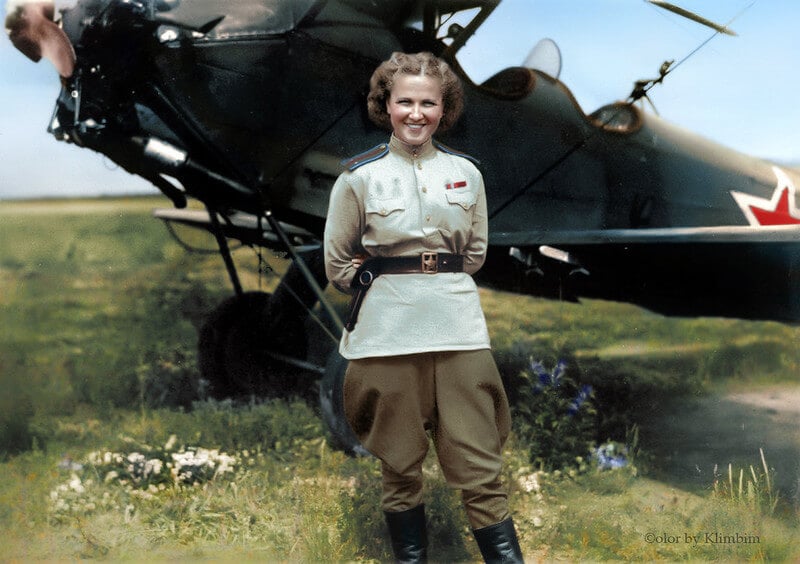
Nadezhda Popova flew with the Soviet 588th Night Bomber Regiment, an all-female unit that German soldiers nicknamed the Night Witches. The pilots flew Polikarpov Po-2 biplanes made of plywood and canvas, often cutting the engine near the target and gliding in so the only warning was the whistle of wind across the wings.
Popova flew 852 missions, sometimes as many as 18 in a single night. She was named a Hero of the Soviet Union in 1945.
Her plane once returned with dozens of bullet marks in its fabric after a mission.
Virginia Hall, the Spy With a Prosthetic Leg

Virginia Hall lost part of her left leg in a 1933 hunting accident and walked on a wooden prosthesis she nicknamed Cuthbert. She still became one of the most effective Allied agents in occupied France, first for Britain’s Special Operations Executive and later for the American OSS.
The Gestapo hunted her as the limping lady. She escaped over the Pyrenees on foot in winter in 1942 and later returned disguised as an elderly farmhand.
In 1945 she received the Distinguished Service Cross, the only civilian woman so honored in World War II.
Noor Inayat Khan’s Last Radio in Paris
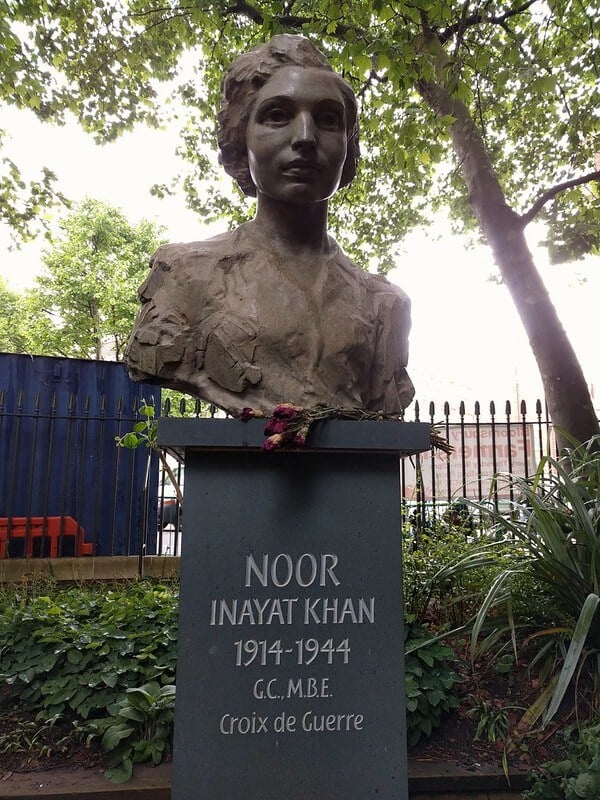
Noor Inayat Khan, the daughter of an Indian Sufi teacher and an American mother, became the first female wireless operator sent by the Special Operations Executive into occupied France. She arrived in June 1943, and within weeks most of her network had been arrested.
She stayed on alone, moving constantly and transmitting to London. She was betrayed, captured in October 1943 and executed at Dachau in September 1944.
Britain awarded her the George Cross in 1949, and in 2020 she became the first woman of South Asian heritage honored with a blue plaque in London.
Nancy Wake and the Price on Her Head
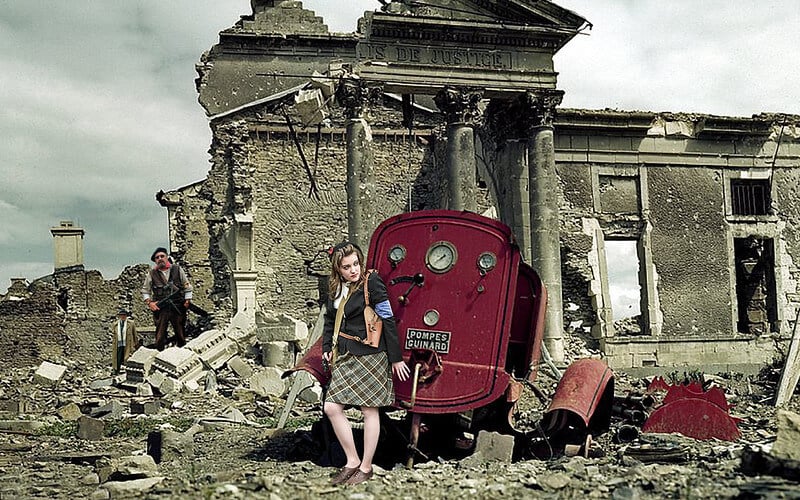
Nancy Wake was a New Zealand-born journalist living in Marseille when France fell, and she began helping Allied airmen escape. The Gestapo nicknamed her the White Mouse for her ability to slip away, and by 1943 she had a bounty of five million francs on her head.
She fled to Britain, trained with the Special Operations Executive and parachuted back into France in 1944. There she helped lead thousands of Resistance fighters before D-Day.
She reportedly once cycled about 500 kilometers in three days to replace lost radio codes.
Violette Szabo’s Second Mission
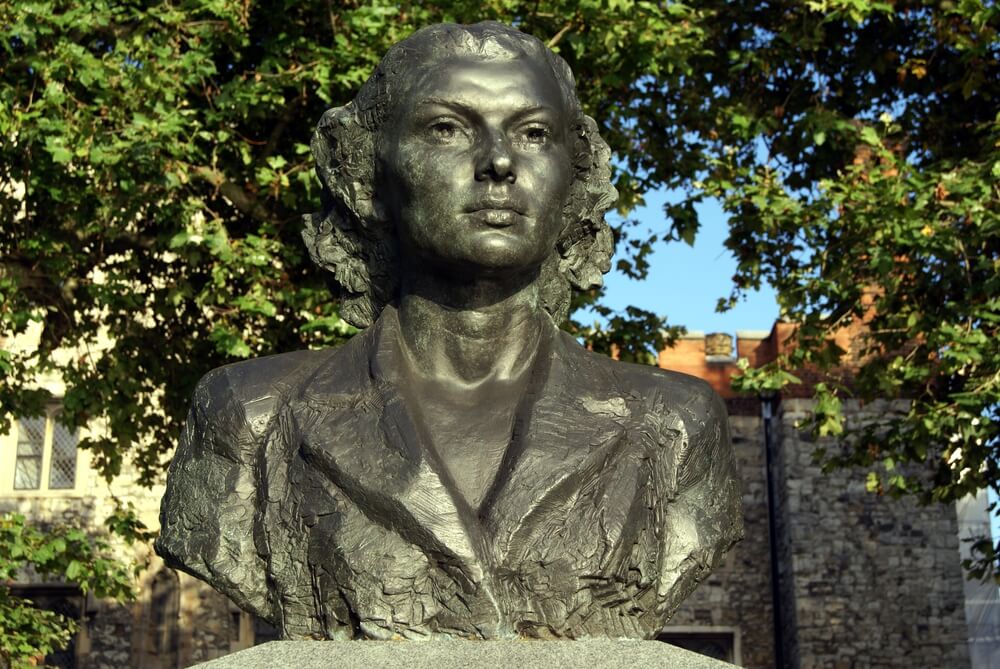
Violette Szabo was a young widow whose French husband had died fighting with the Free French at El Alamein. She joined the Special Operations Executive, and on her first mission to France in 1944 she assessed the damage to a Resistance network near Rouen and returned safely.
Days after D-Day she parachuted in again, was caught in a firefight near Limoges and was captured. She was sent to Ravensbruck concentration camp and executed in early 1945, aged 23.
She received the George Cross posthumously, and her story became the 1958 film Carve Her Name With Pride.
Josephine Baker’s Secret Notes in Sheet Music
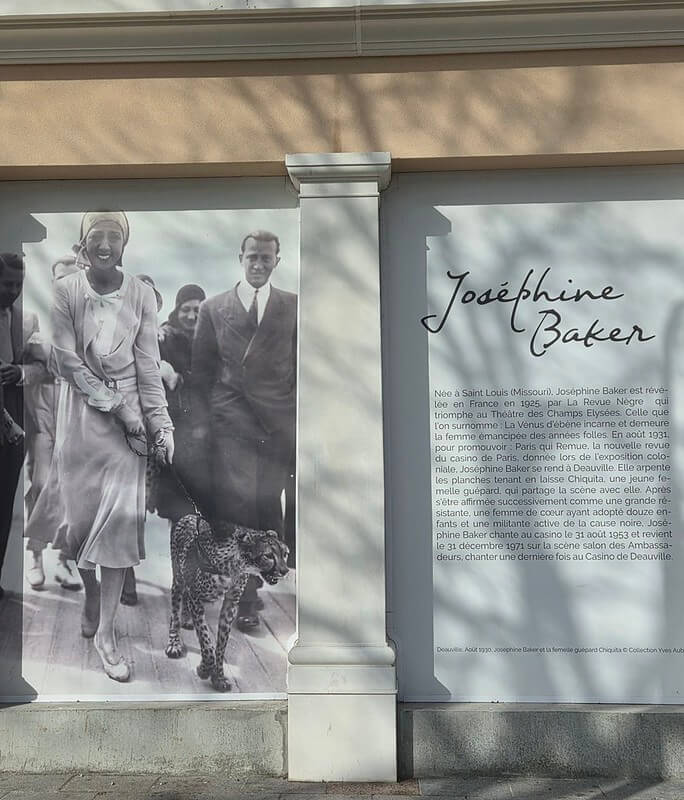
Josephine Baker was one of the most famous entertainers in France when World War II began, and she used that fame as cover. Working for French military intelligence and later the Free French, she attended embassy parties and passed along what she overheard.
She carried messages written in invisible ink on her sheet music and reportedly hid documents inside her clothing when crossing borders. She also served as a sublieutenant in the women’s auxiliary of the French Air Force.
France awarded her the Croix de Guerre, and in 2021 she was inducted into the Pantheon in Paris.
Princess Elizabeth Learns to Fix Trucks
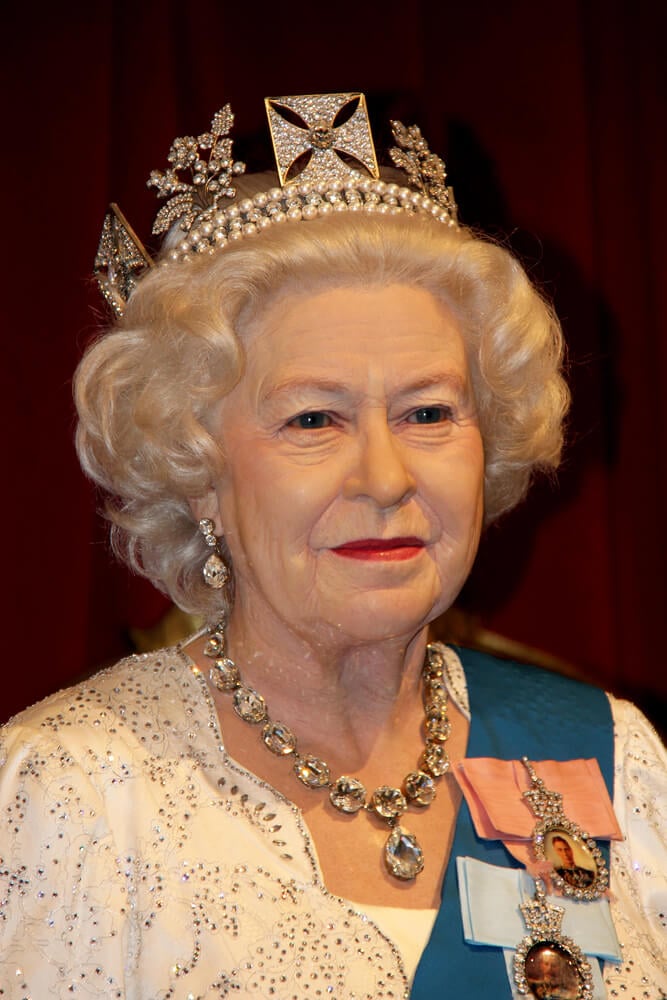
In February 1945, Princess Elizabeth joined the Auxiliary Territorial Service, the women’s branch of the British Army, as an honorary second subaltern. She trained as a driver and mechanic at a camp in Camberley, learning to change wheels, read maps and service engines.
She was the first female member of the royal family to serve as a full-time active member of the armed forces. By the end of the war she had reached the rank of junior commander.
Her parents reportedly visited the training center and found her with grease on her hands.
Grace Hopper and the Harvard Mark I
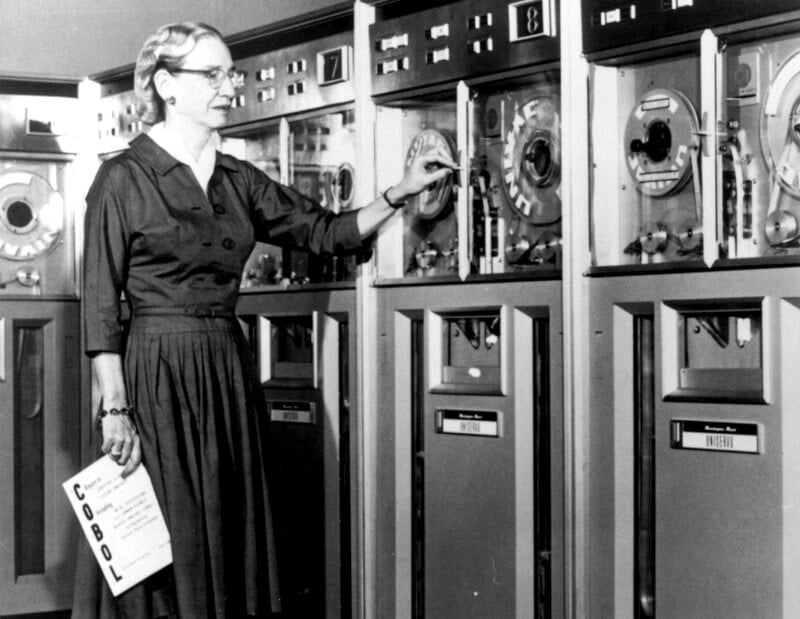
Grace Hopper was a mathematics professor at Vassar when she joined the Navy’s women’s reserve in 1943. The Navy assigned her to Harvard, where she became one of the first people to program the Mark I, an electromechanical computer about 51 feet long.
Her team calculated figures for gunnery tables and work related to the Manhattan Project. She stayed in the Naval Reserve after the war and later helped develop COBOL, one of the first widely used programming languages.
She retired as a rear admiral in 1986 at age 79, then the oldest serving officer in the Navy.
Jacqueline Cochran Flies a Bomber Across the Atlantic
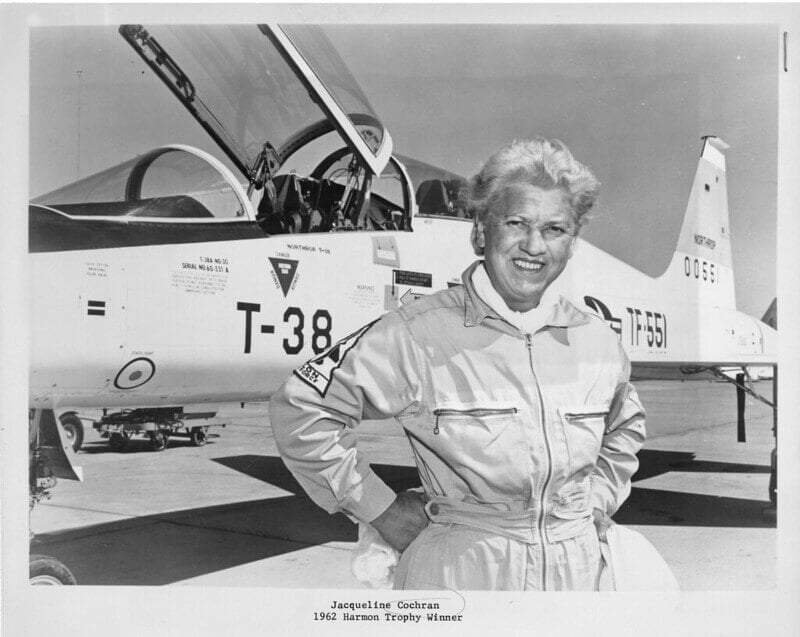
Jacqueline Cochran grew up poor in the Florida panhandle and became one of the best-known pilots in America by the late 1930s. In 1941 she became the first woman to fly a bomber across the Atlantic, ferrying a Lockheed Hudson to Britain.
She then pushed the Army Air Forces to train women as pilots and became director of the Women Airforce Service Pilots, known as the WASP. More than 1,000 WASPs ferried aircraft and towed targets across the United States.
After the war she became the first woman to break the sound barrier in 1953.
Lydia Litvyak, the White Lily of Stalingrad
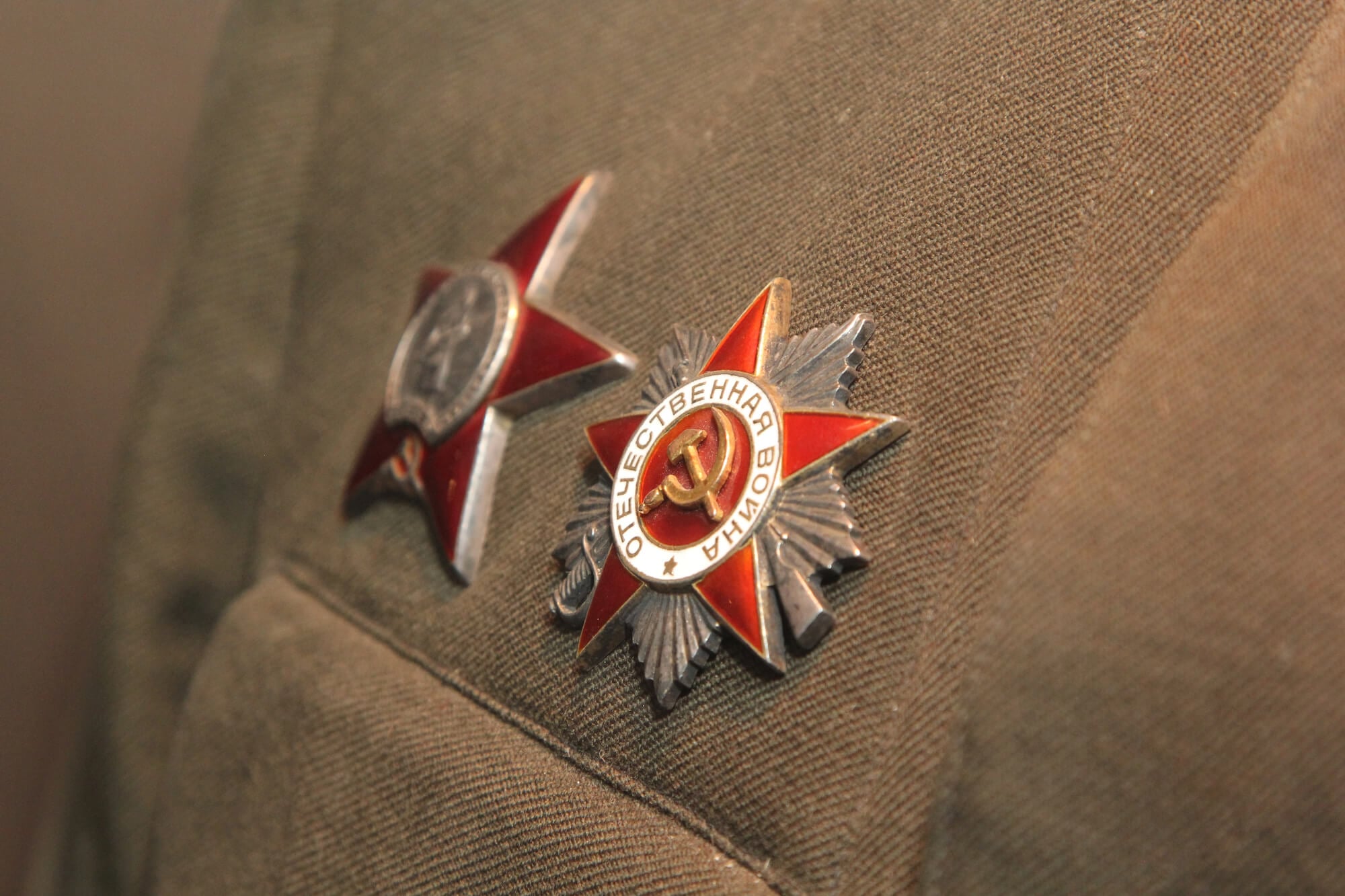
Lydia Litvyak was a Soviet fighter pilot who flew Yak fighters over Stalingrad and southern Russia. She is credited with about a dozen individual victories, making her one of the first women to shoot down an enemy plane and one of the highest-scoring female aces in history.
She painted a white lily on the side of her aircraft, which gave her the nickname. She was shot down near Orel on August 1, 1943, at age 21.
Her remains were not identified for decades, and she was posthumously named a Hero of the Soviet Union in 1990.
Irena Sendler’s Jars Under the Apple Tree
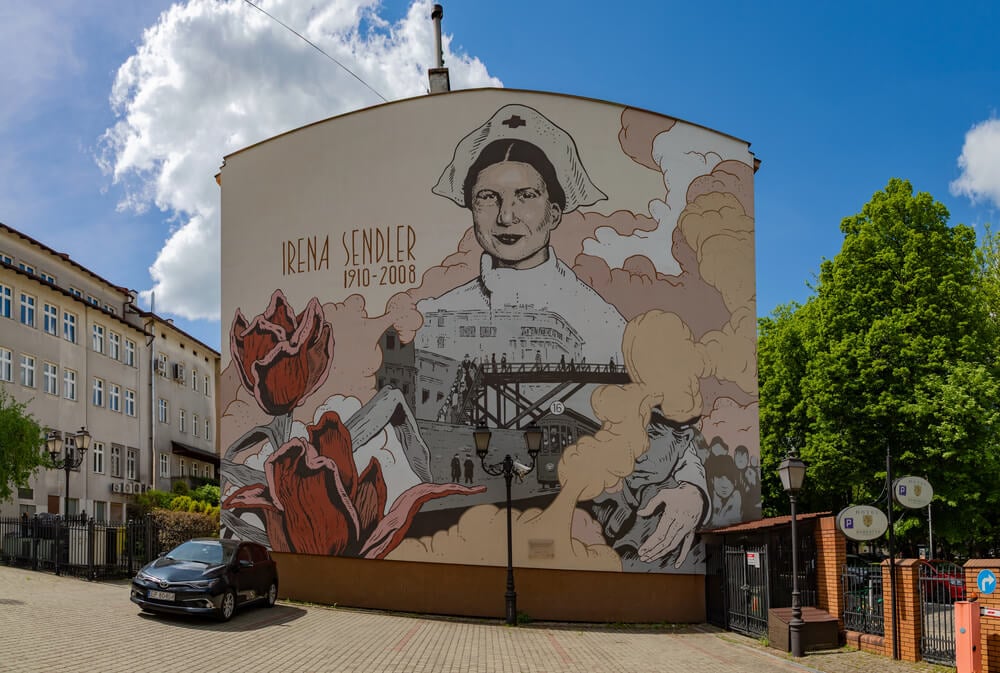
Irena Sendler was a Warsaw social worker who used her pass to the city’s ghetto to smuggle children out in ambulances, toolboxes and sacks. Working with the underground Council to Aid Jews, known as Zegota, she helped place about 2,500 children with Polish families, convents and orphanages.
She wrote their real names on slips of paper and buried them in jars under an apple tree so the children could one day be reunited with relatives. The Gestapo arrested and tortured her in 1943, but she never revealed the network.
Israel’s Yad Vashem recognized her in 1965.
Charity Adams Earley and the Six Triple Eight
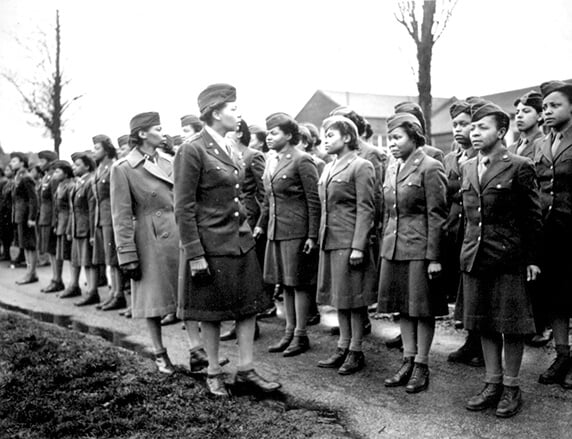
Charity Adams Earley commanded the 6888th Central Postal Directory Battalion, the only all-Black unit of the Women’s Army Corps sent overseas in World War II. When the 855 women arrived in Birmingham, England, in 1945, they found warehouses stacked with roughly 17 million pieces of undelivered mail.
Working in shifts around the clock, they cleared the backlog in about three months, far faster than the Army expected. Their motto was No Mail, Low Morale.
Earley left the service as a lieutenant colonel, and the unit received the Congressional Gold Medal in 2022.
Julia Child Before the Kitchen
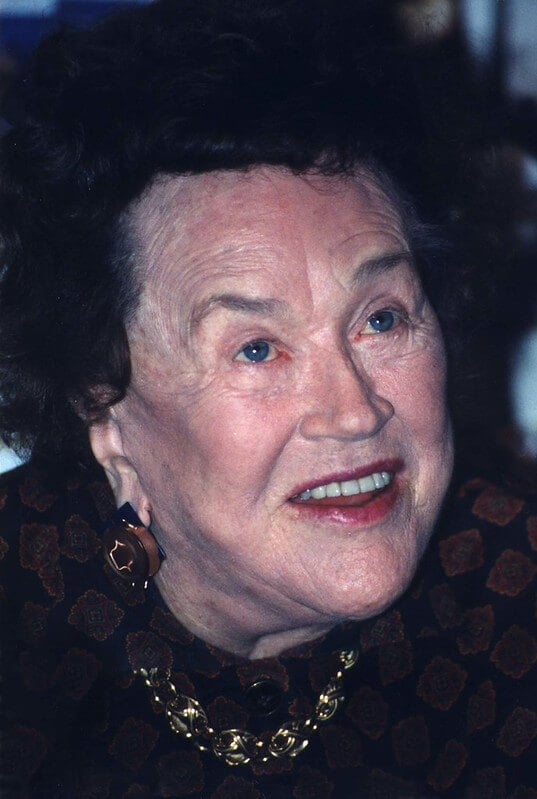
Long before she taught America to cook, Julia McWilliams joined the Office of Strategic Services, the wartime precursor of the CIA. At six feet two inches tall, she was too tall for the women’s military branches, so she began as a typist and rose to head a registry of secret documents.
Her early work included helping develop a shark repellent meant to keep sharks from setting off underwater explosives aimed at German U-boats. She was posted to Ceylon and later China.
She met her husband, Paul Child, while serving with the OSS in Asia.
Service Was Never Waiting for Permission
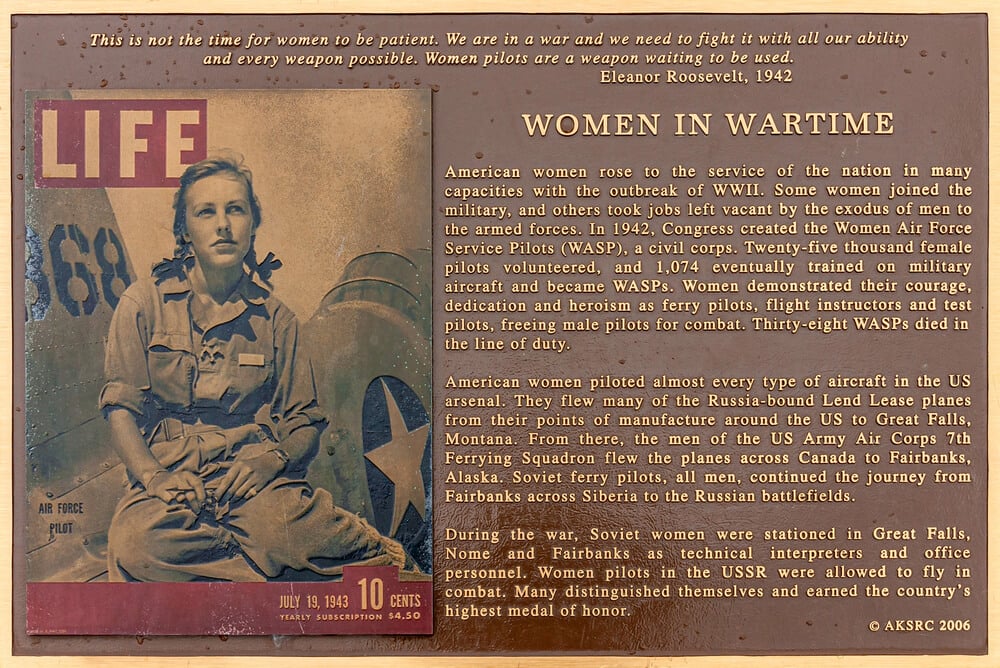
Many of these women had to talk their way into service, disguise themselves or invent roles that did not exist on paper. Curie built her own vehicles, Seacole paid her own fare, and Sampson and Edmonds simply changed their names.
The pattern repeats across three centuries and several continents. The institutions caught up later, usually with a medal and an apology.
The gap between what these women did and when they were recognized says as much about the record keepers as the wars themselves. Walker lost her medal for six decades, Tubman waited for a pension, and the Six Triple Eight waited nearly 80 years for its gold medal.
History tends to remember whoever writes it. Their stories survived because someone eventually went back and read the files more carefully.
More from Go2Tutors!

- The Romanov Crown Jewels and Their Tragic Fate
- 13 Historical Mysteries That Science Still Can’t Solve
- Famous Hoaxes That Fooled the World for Years
- 15 Child Stars with Tragic Adult Lives
- 16 Famous Jewelry Pieces in History
Like Go2Tutors’s content? Follow us on MSN.