15 Popular Commercials That Almost Didn’t Get Made
Behind every iconic advertisement lies a complicated journey from concept to screen. The commercials we remember most often faced significant hurdles before becoming cultural touchstones.
Production challenges, executive hesitation, and last-minute changes frequently threatened to derail advertisements that later became legendary. Here is a list of 15 popular commercials that nearly didn’t make it to our television screens, showing how close we came to missing some of advertising’s most memorable moments.
Apple’s “1984” Super Bowl Ad
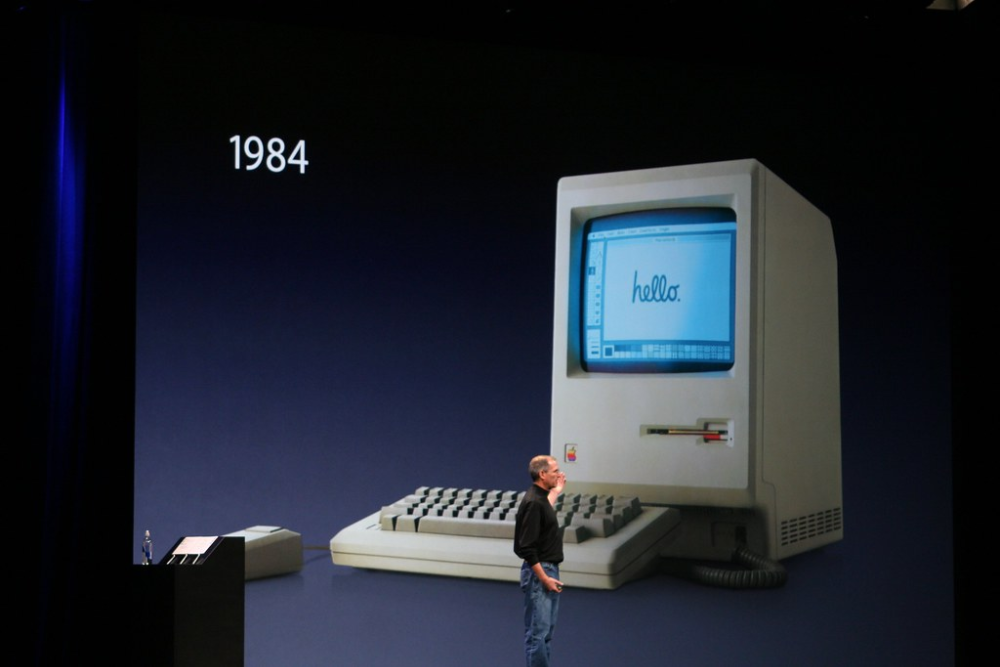
Apple’s revolutionary “1984” commercial almost didn’t air because the company’s board of directors unanimously hated it upon first viewing. The dystopian-themed ad directed by Ridley Scott cost an unprecedented $900,000 to produce, causing executive panic.
Steve Jobs and marketing director Steve Hayden had to fight against strong internal pressure to sell off the already purchased Super Bowl airtime, ultimately defying the board to launch what became advertising history.
Wendy’s “Where’s the Beef?”
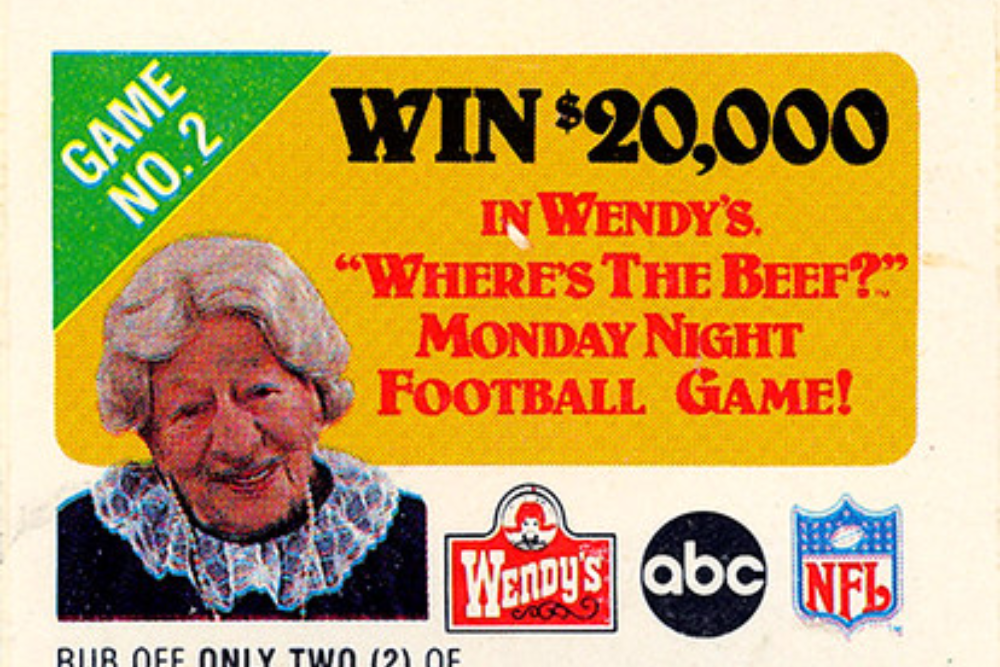
Wendy’s iconic “Where’s the beef?” campaign featuring Clara Peller almost never made it past focus groups, who found the elderly actress too abrasive and the concept too negative. Executives worried the commercial criticized competitors too explicitly, potentially inviting lawsuits from larger fast-food chains.
The advertising team eventually convinced management by demonstrating how the catchphrase highlighted Wendy’s larger burger patties compared to competitors without making specific claims against them.
Budweiser Frogs
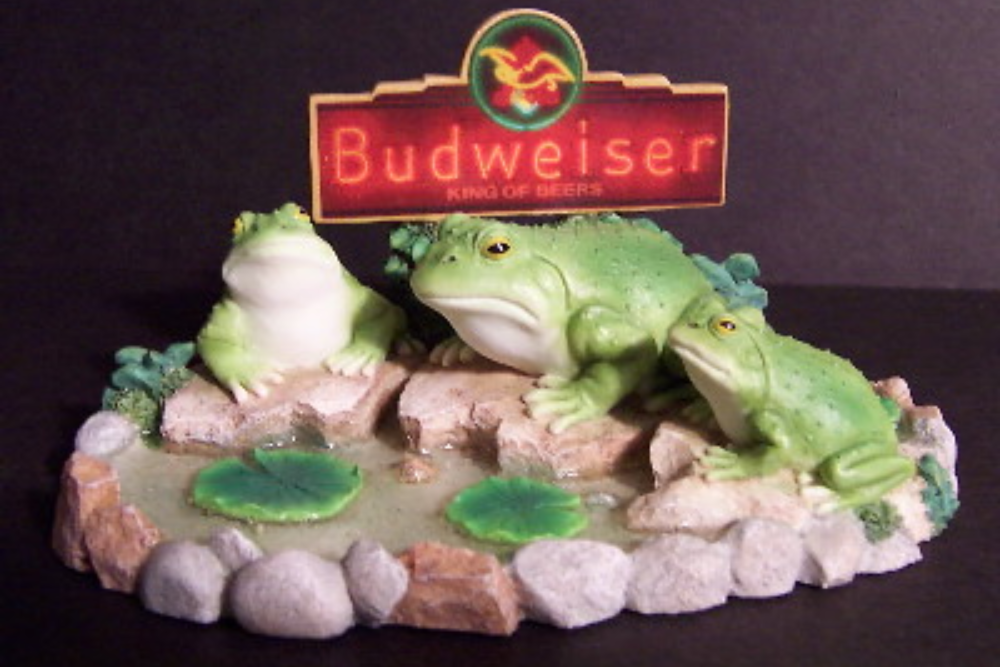
The Budweiser frogs concept was initially rejected for being too simplistic and juvenile for the brand’s image. Anheuser-Busch executives felt the talking amphibians saying “Bud-weis-er” lacked sophistication and wouldn’t connect with their target demographic.
The ad agency secretly included the concept in a presentation of other ideas, and when executives laughed spontaneously at the rough cut, they reluctantly approved what would become one of the most successful beer campaigns of the 1990s.
Old Spice “The Man Your Man Could Smell Like”
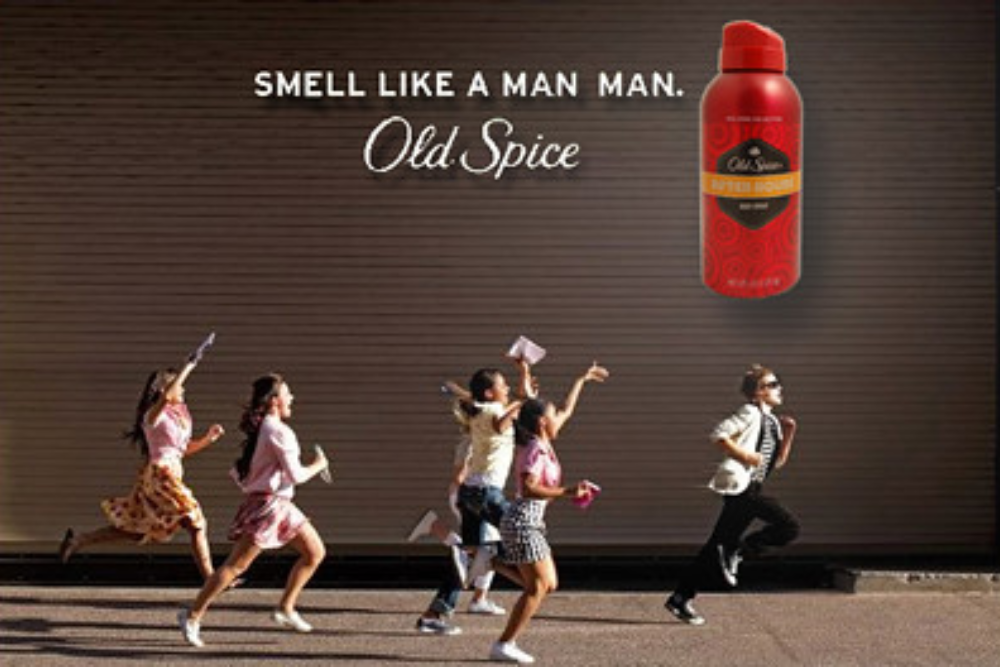
Old Spice’s game-changing “The Man Your Man Could Smell Like” campaign faced significant internal resistance for departing from traditional men’s grooming advertising. Procter & Gamble executives worried the surreal humor might alienate their core customer base and damage brand perception.
The speed and complexity of the one-take commercial also created production nightmares, requiring actor Isaiah Mustafa to perform dozens of attempts before capturing the perfect sequence that revitalized the aging brand.
Coca-Cola’s “Hey Kid, Catch!”
Coca-Cola’s famous 1979 “Hey Kid, Catch!” commercial featuring “Mean” Joe Greene almost never happened because the football star initially refused to participate. Greene worried the ad would damage his intimidating on-field persona, which was central to his playing style.
The production faced additional challenges when the commercial required 23 takes because Greene struggled to drink the Coke quickly enough while maintaining a natural expression, ultimately consuming 18 bottles during filming.
California Milk Processor Board’s “Got Milk?”

The “Got Milk?” campaign nearly didn’t proceed because initial focus group testing showed people remembered the compelling deprivation stories but couldn’t recall the actual product being advertised. Executive Jeff Manning almost scrapped the concept until his team realized the campaign performed tremendously well when the tagline appeared as a visual throughout the commercial rather than just at the end.
This adjustment saved what became one of the most successful and imitated advertising campaigns in history.
McDonald’s “The Showdown”
The famous 1993 Super Bowl commercial featuring basketball legends Michael Jordan and Larry Bird in an impossible shooting contest almost collapsed multiple times during development. Budget concerns nearly terminated the project when executives balked at the stars’ combined fee demands exceeding $1 million.
Script approval became another major hurdle, with Bird initially rejecting the concept until revisions gave him more memorable lines. Additional complications arose during the single-day shoot when weather conditions threatened the outdoor filming schedule.
Volkswagen’s “The Force”
Volkswagen’s heartwarming Super Bowl commercial featuring a child dressed as Darth Vader trying to use “the Force” was nearly abandoned when Lucasfilm initially hesitated to grant permission for the Star Wars character’s use. The commercial then faced potential cancellation when Volkswagen executives worried the ad didn’t sufficiently feature the actual vehicle being advertised.
The agency convinced them by demonstrating how the emotional connection would drive more engagement than technical specifications ever could.
FedEx “Fast Paced World”
FedEx’s classic “Fast Paced World” commercial featuring the fast-talking man was rejected multiple times for being too difficult to understand and potentially offensive to customers. The company’s marketing team feared viewers would feel the ad was mocking them rather than demonstrating the efficiency of FedEx services.
The breakthrough came when the creative team added subtitles, transforming a potential liability into the commercial’s core comedic device and saving the concept from being permanently shelved.
Pepsi’s “Cindy Crawford”
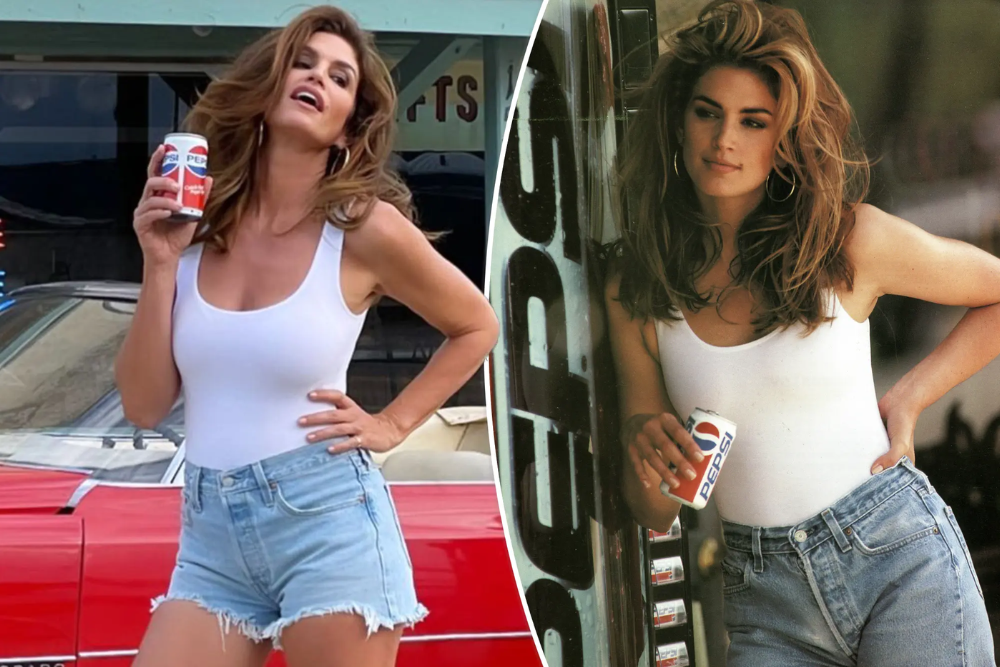
Pepsi’s iconic 1992 Super Bowl ad featuring supermodel Cindy Crawford almost didn’t happen because Coca-Cola aggressively pursued her for their own campaign, offering significantly more money. Production challenges mounted when executives disagreed about whether the commercial should focus more on the new can design or on Crawford herself.
The final filming nearly derailed when the original location lost its permit, forcing a last-minute scramble to secure the alternative roadside spot that became the perfect backdrop for the legendary advertisement.
Nike “Just Do It” – Revolution

Nike’s groundbreaking “Revolution” commercial featuring the Beatles song almost didn’t air because the surviving band members hadn’t approved the use of their music. Apple Records immediately filed a $15 million lawsuit against Nike and their advertising agency when the ad was released.
Despite the controversy, the commercial continued to air during the legal battles, generating tremendous publicity for Nike. The case was eventually settled out of court, but not before cementing the campaign in advertising history.
Energizer Bunny

The Energizer Bunny campaign nearly died before launch because focus groups found the initial concept confusing rather than compelling. Battery company executives worried the elaborate production costs wouldn’t translate to increased sales in a commodity market.
The breakthrough came when the creative team proposed that the bunny would interrupt fake commercials for other products, a revolutionary meta-advertising approach that initially concerned legal teams but ultimately created one of the most recognizable advertising icons in history.
ETrade “Monkey”
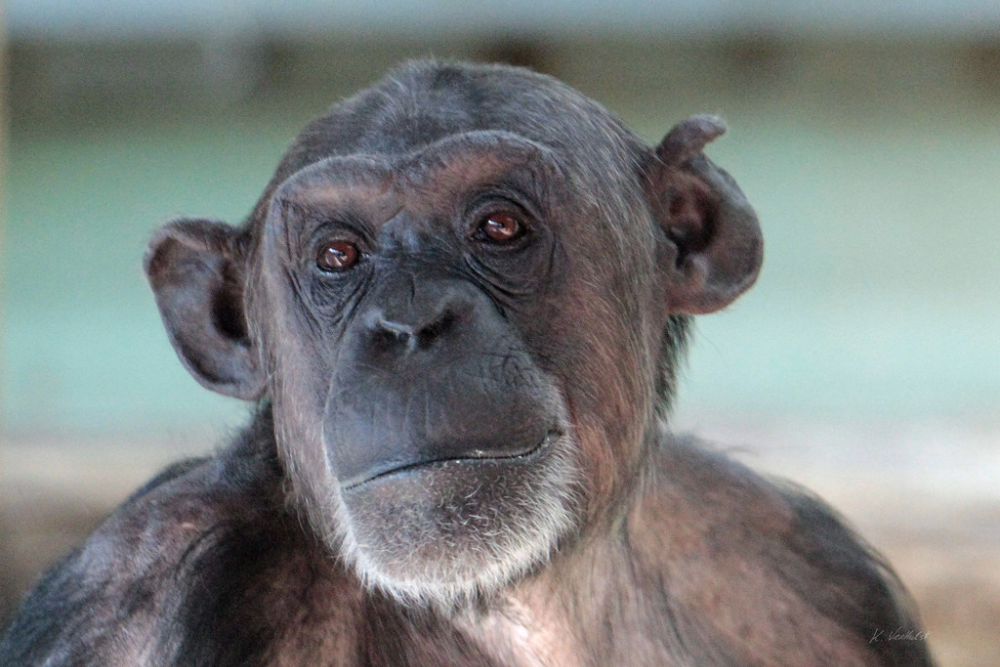
ETrade’s famous 2000 Super Bowl “Monkey” commercial showing a chimpanzee dancing on a bucket while flanked by two men in a garage almost didn’t make it past the company’s board of directors. Executives feared the simplistic approach would trivialize stock trading and damage brand credibility during the dot-com boom.
The $2 million production and airtime investment seemed excessive for such a minimalist concept. The iconic tagline “We just wasted 2 million bucks, what are you doing with your money?” was actually added at the last minute after budget concerns became a running joke among the creative team.
Clairol “Does She or Doesn’t She?”
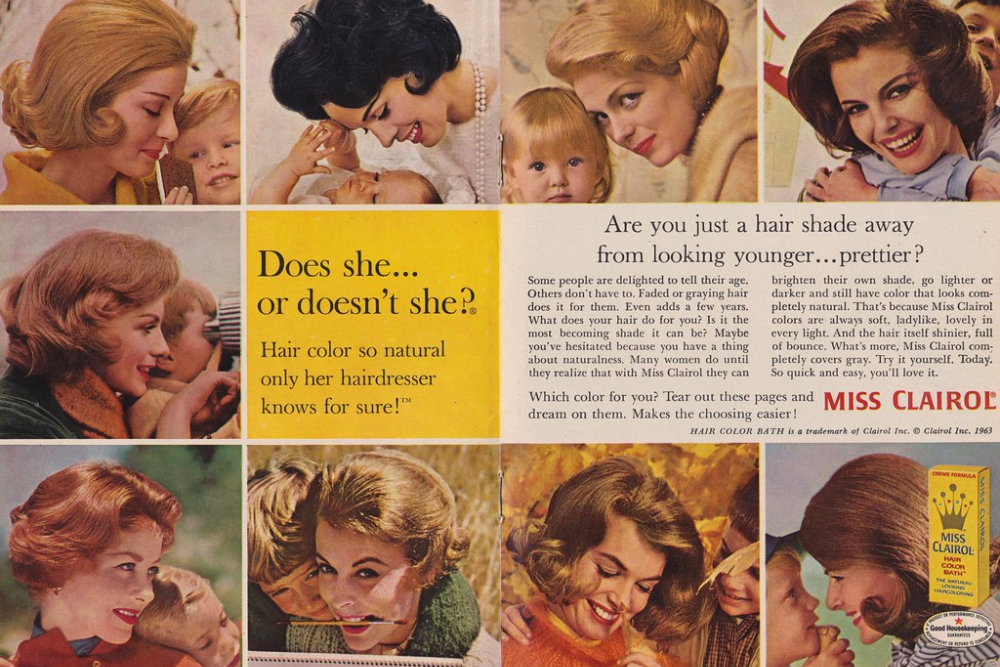
Clairol’s revolutionary 1957 hair color campaign faced rejection from major magazines that considered hair dye taboo and the slogan “Does She or Doesn’t She?” too suggestive for publication. The advertising agency had to promise that all models would be respectable married women to convince publishers to run the advertisements.
Once approved, the campaign transformed hair coloring from something shameful into a mainstream beauty practice, increasing the number of American women who used hair color from 7% to 50% within six years.
Alka-Seltzer “I Can’t Believe I Ate The Whole Thing”
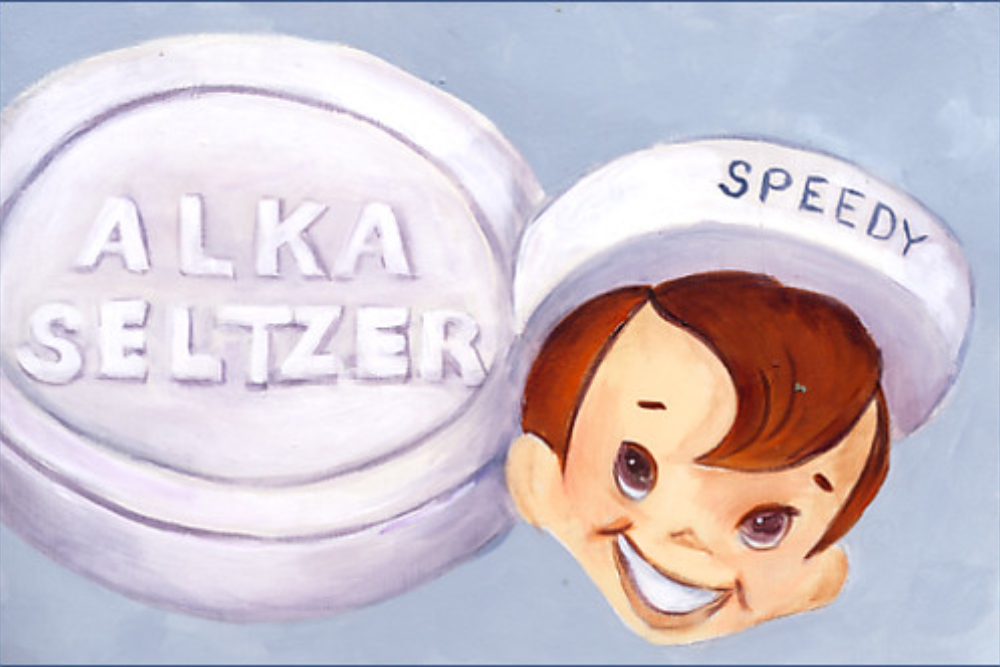
The famous Alka-Seltzer commercial featuring the line “I can’t believe I ate the whole thing” nearly got scrapped when executives worried it portrayed their product as a solution for gluttony rather than a legitimate digestive issue. Actor Milt Moss was a last-minute replacement when the originally cast performer became unavailable, creating scheduling nightmares for the production team.
The authentic and relatable performance by Moss saved a concept that marketing executives had repeatedly tried to make more sophisticated and less focused on overeating.
Advertising’s Narrow Escapes
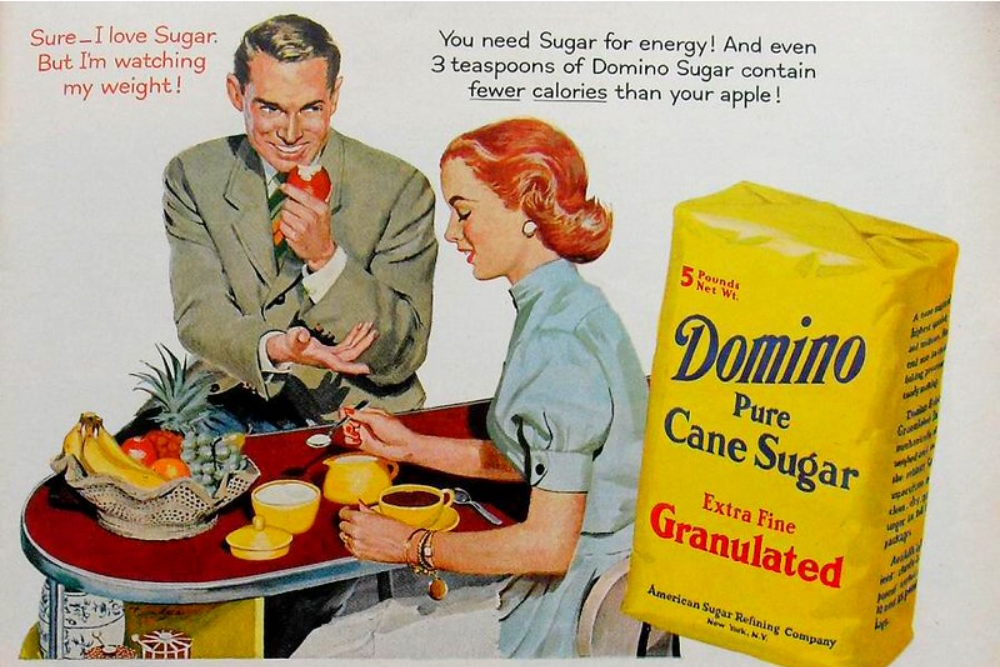
These nearly-missed advertising moments reveal how fragile the creative process can be, with many of our most memorable commercial experiences hanging by the thinnest of threads before reaching our screens. The journey from concept to cultural phenomenon often involves overcoming executive doubt, production challenges, and marketing uncertainty.
What ultimately connects these near-misses is how the finished products not only survived their troubled productions but transcended them, becoming reference points in our shared cultural experience and reminding us that sometimes the most impactful ideas are those that face the greatest resistance.
More from Go2Tutors!

- The Romanov Crown Jewels and Their Tragic Fate
- 13 Historical Mysteries That Science Still Can’t Solve
- Famous Hoaxes That Fooled the World for Years
- 15 Child Stars with Tragic Adult Lives
- 16 Famous Jewelry Pieces in History
Like Go2Tutors’s content? Follow us on MSN.