25 Classic Cars You Rarely See on Roads
Some cars disappear because nobody wanted them, and others because everyone wanted them and only a handful were built. Either way, the result on a modern highway is the same, and spotting one of these feels a bit like seeing a ghost in chrome.
Most survivors live in garages, museums, and weekend car shows. A few were so troubled or so scarce that even their owners seldom risk them in ordinary traffic.
Tucker 48 and Its Cyclops Headlight
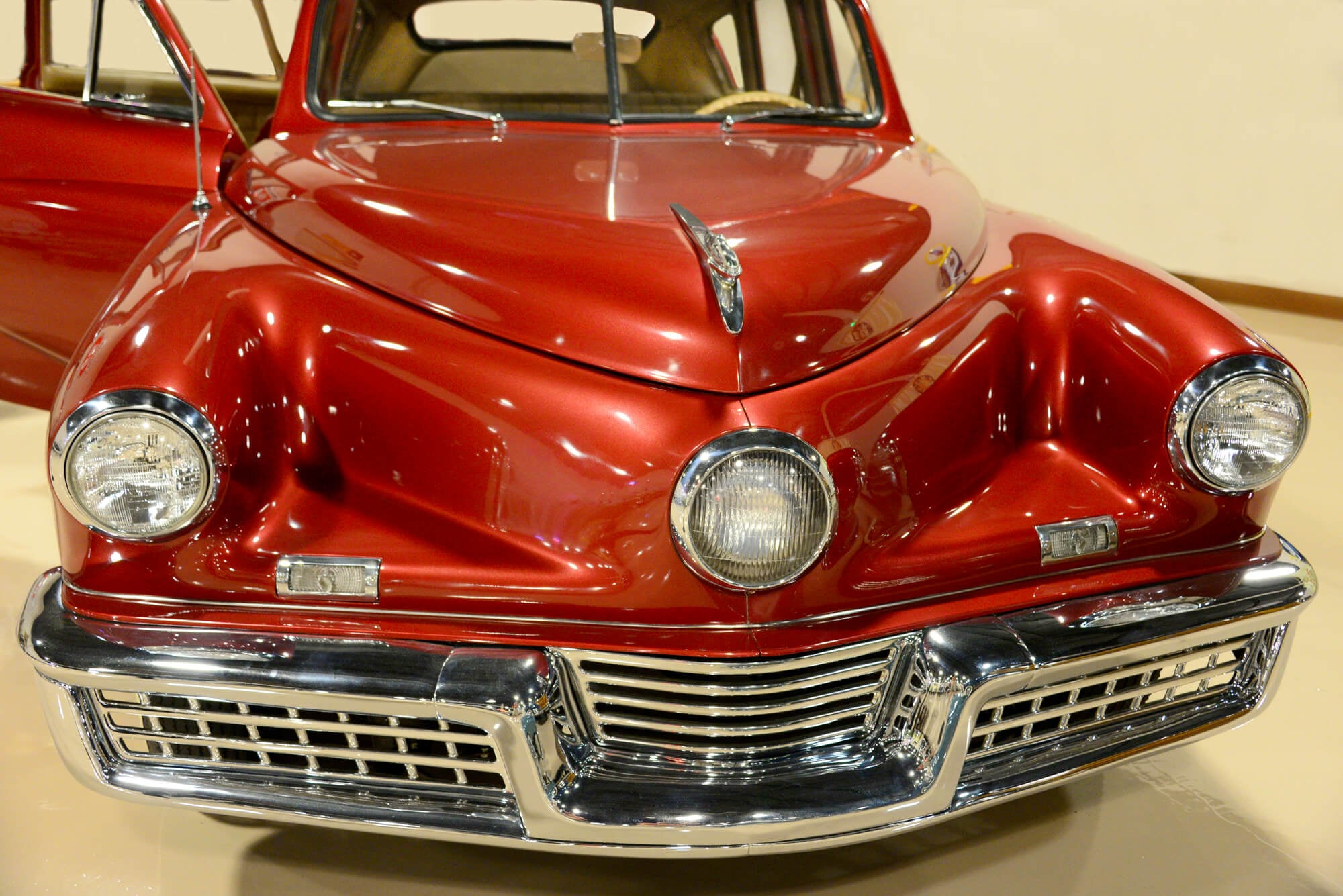
Preston Tucker promised a revolutionary family car in 1948, with a rear-mounted engine, a padded dashboard, and a center headlight that turned with the steering wheel. Only 51 cars were built, counting the prototype, before the company collapsed amid a federal fraud investigation and trial. Tucker was acquitted, but the business never recovered. Most surviving cars sit in museums or private collections, and auction prices often run well past a million dollars, depending on condition and history. The 1988 film Tucker: The Man and His Dream, directed by Francis Ford Coppola, revived interest in the story.
Studebaker Avanti
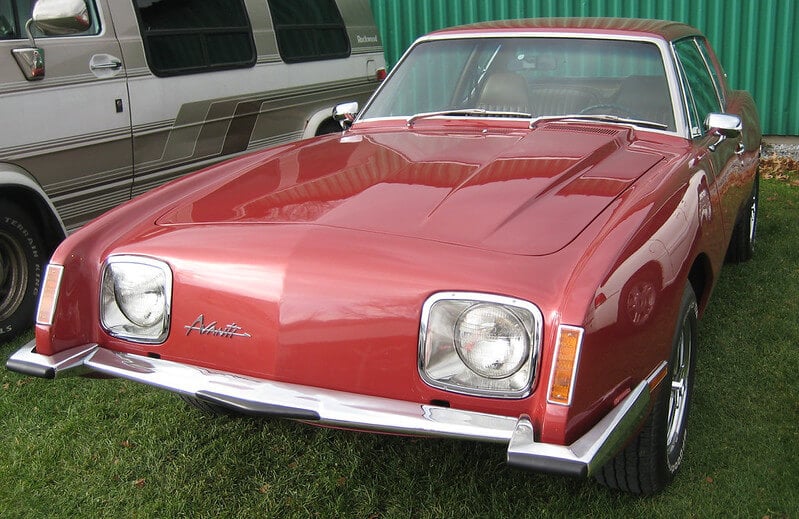
Studebaker unveiled the Avanti in 1962 as a radical fiberglass coupe shaped by a design team led by Raymond Loewy, with no conventional grille and a pinched, wasp-waisted body. It came with front disc brakes, rare on an American car at the time. Production troubles delayed deliveries, and Studebaker closed its South Bend, Indiana, plant in December 1963, ending the original run after roughly 4,600 cars. Two former dealers bought the rights and kept a hand-built Avanti II in limited production for years. Original Studebaker Avantis rarely appear in traffic now.
Ford Edsel
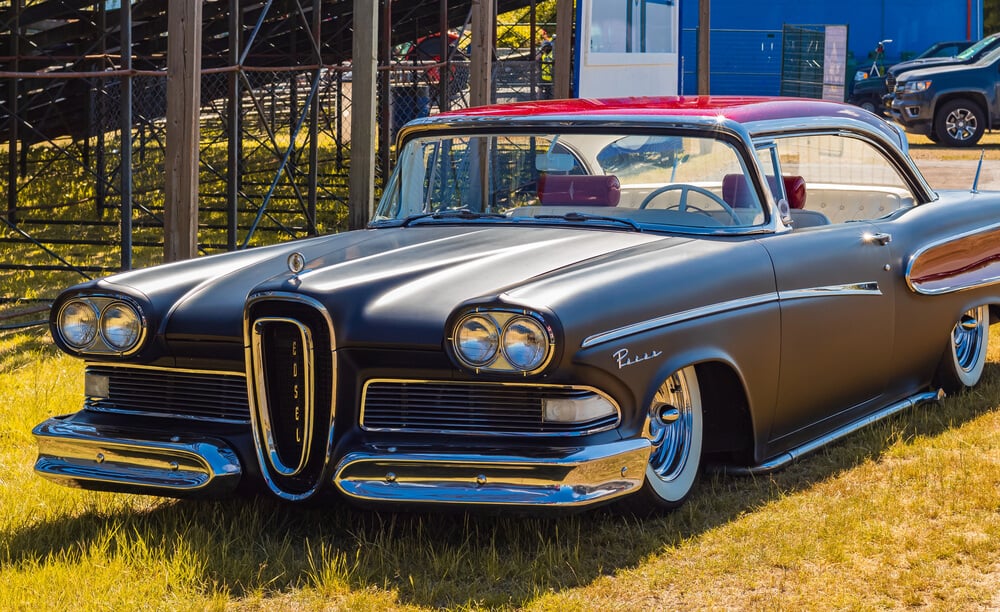
Ford launched the Edsel for the 1958 model year after years of research and a heavy advertising buildup, then watched it flop. Buyers disliked the vertical horse-collar grille, its pricing overlapped other Ford brands, and the launch coincided with a recession. Ford ended the line in late 1959 after building roughly 118,000 cars across three model years, with losses commonly estimated at about 250 million dollars. The name became shorthand for marketing failure. Surviving Edsels now draw crowds at car shows precisely because the failure made them so scarce.
AMC Pacer
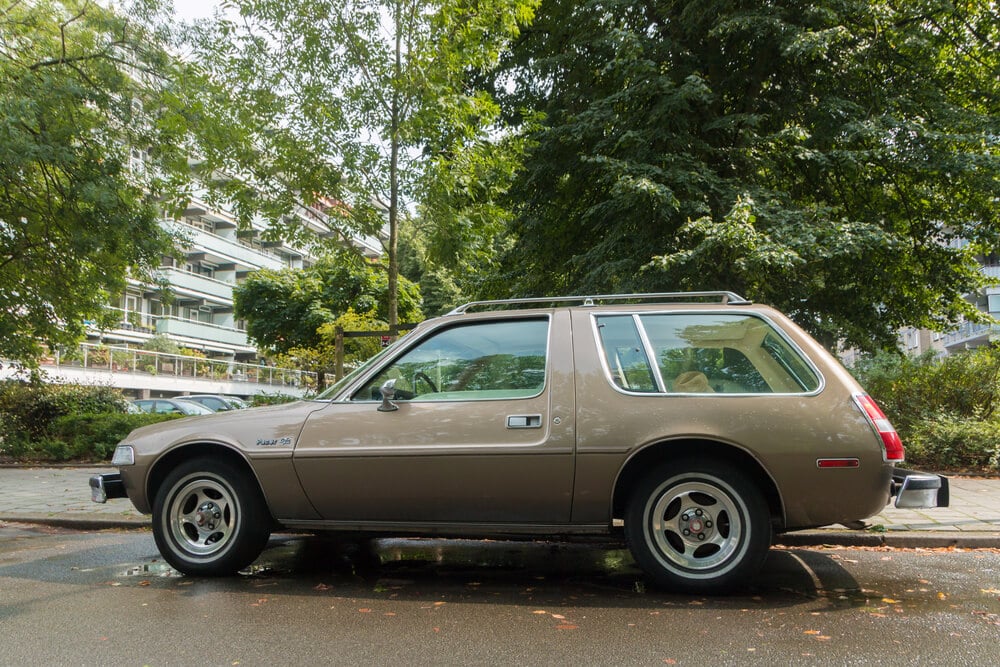
American Motors introduced the Pacer in 1975 as a compact with so much glass that it earned the nickname of a fishbowl on wheels. The passenger door was longer than the driver’s door, making it easier to load people from the curb side. The car was unusually wide for its size, and its fuel economy disappointed during an era of gas lines. Production ended in 1980. The Pacer found a second life in pop culture, especially in the 1992 film Wayne’s World, but finding one parked on a modern street is a genuine surprise.
AMC Gremlin
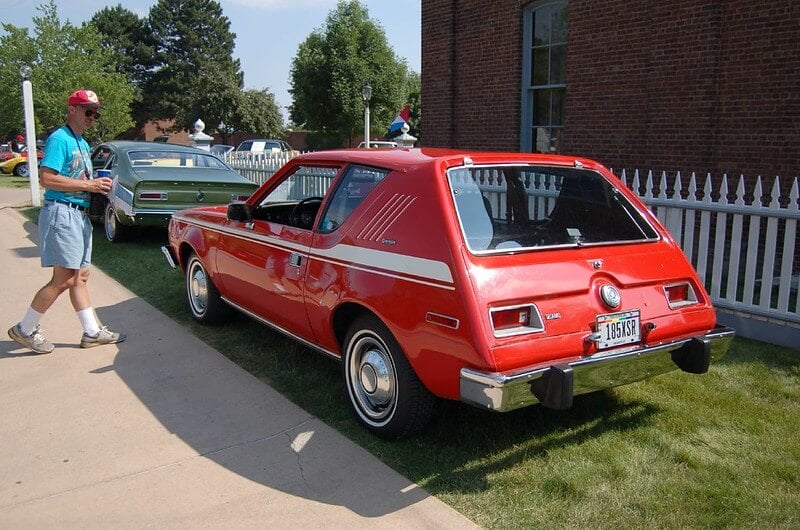
American Motors introduced the Gremlin on April 1, 1970, a date that fueled jokes from the outset. It was essentially a shortened AMC Hornet with an abruptly chopped tail, and it reached showrooms before Ford’s Pinto and Chevrolet’s Vega, making it one of the first domestic subcompacts. The Gremlin sold well through the 1970s, with production ending in 1978. Its unusual profile made it a favorite of later car enthusiasts and filmmakers looking for period flavor. On today’s roads, a Gremlin attracts stares at every stoplight.
Ford Pinto
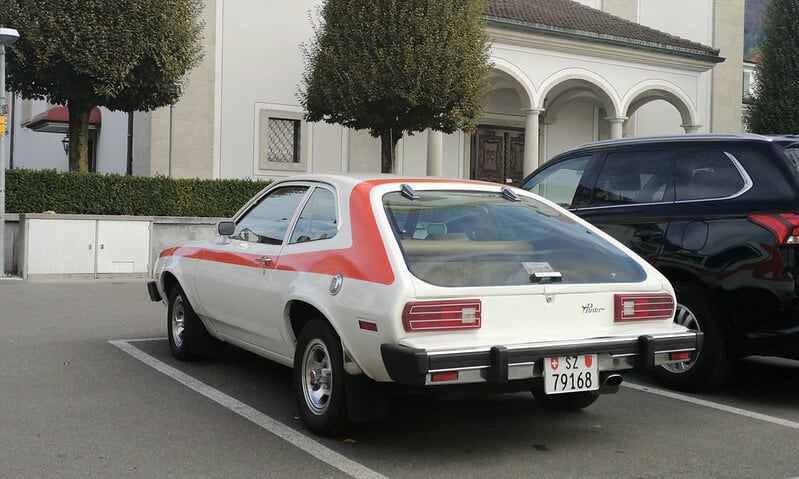
Ford’s Pinto arrived in 1971 as an inexpensive subcompact and sold in huge numbers through the decade. Its reputation was later defined by the placement of its fuel tank, which critics said made it vulnerable to fires in rear-end collisions. In 1978, Ford recalled about 1.5 million Pintos and related Mercury Bobcats to add protective modifications. Production ended in 1980. Rust, crash damage, and the car’s budget construction sent most Pintos to the scrapyard long ago, which makes a clean surviving example a rare sight at any gathering.
Chevrolet Vega
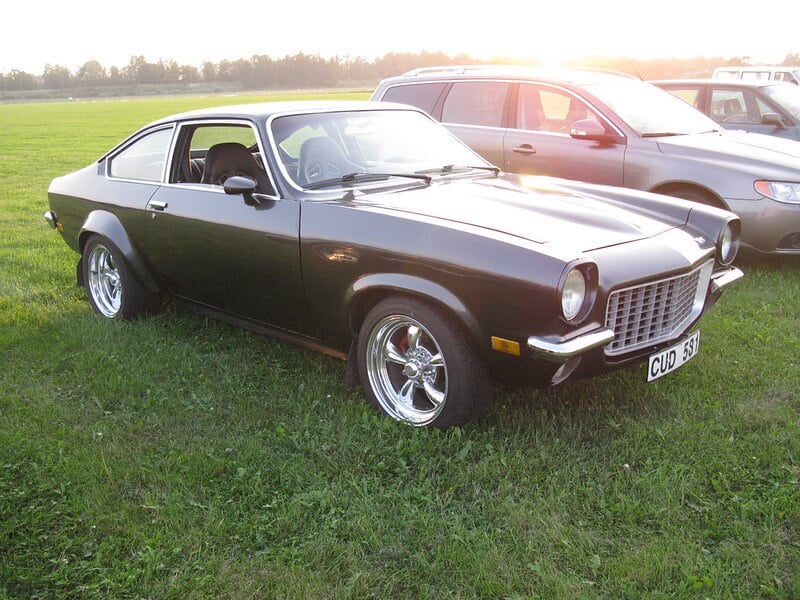
Chevrolet’s Vega won Motor Trend’s Car of the Year award for 1971, and early reviews praised its handling and styling. Trouble followed quickly. Its aluminum-block engine was prone to overheating and burning oil, and the bodies rusted at alarming speed in wet climates. Chevrolet ended production after the 1977 model year. Despite roughly two million sales, the Vega is now one of the scarcest common cars of its era, because so few survived the rust and engine failures. Seeing one in daily use is close to impossible.
Chevrolet Corvair
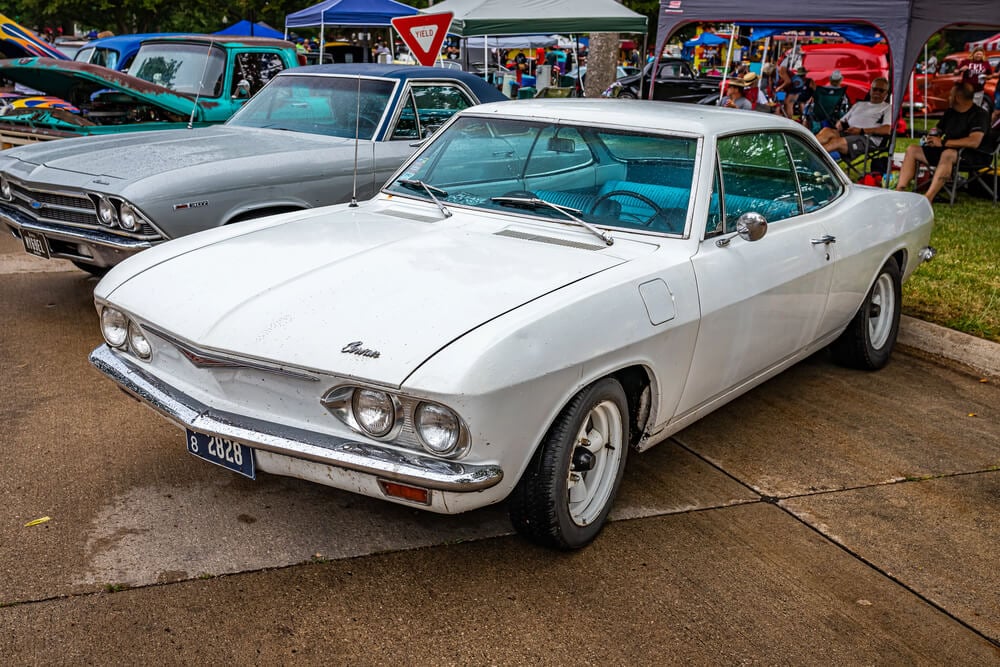
Introduced for 1960, the Corvair was Chevrolet’s bold experiment with a rear-mounted, air-cooled engine in a compact car. Ralph Nader’s 1965 book Unsafe at Any Speed opened with a chapter criticizing the early Corvair’s swing-axle rear suspension and handling. A 1972 federal study later found the 1960 to 1963 models no less safe than comparable cars of the period, but sales had already collapsed. Production ended in 1969. Dedicated Corvair clubs keep many examples running, yet seeing one in daily traffic is now a rare treat.
Plymouth Superbird
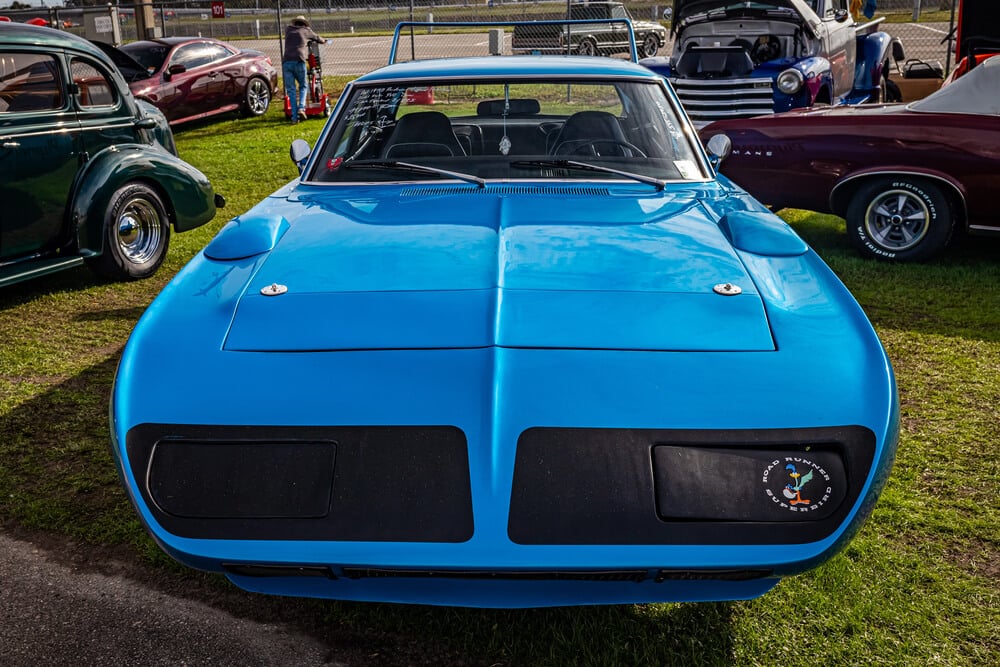
Plymouth built the Superbird for 1970 to win on NASCAR’s superspeedways, adding a pointed nose cone and a towering rear wing that stood well above the roofline. Racing rules required a minimum number of street versions, so roughly 1,900 were sold to the public. Many sat unsold on dealer lots because buyers found them too strange. NASCAR soon changed its rules to limit such aerodynamic cars. Superbirds now sell for well into six figures at auction, with prices depending heavily on originality and condition, so owners rarely drive them on ordinary roads.
DeLorean DMC-12
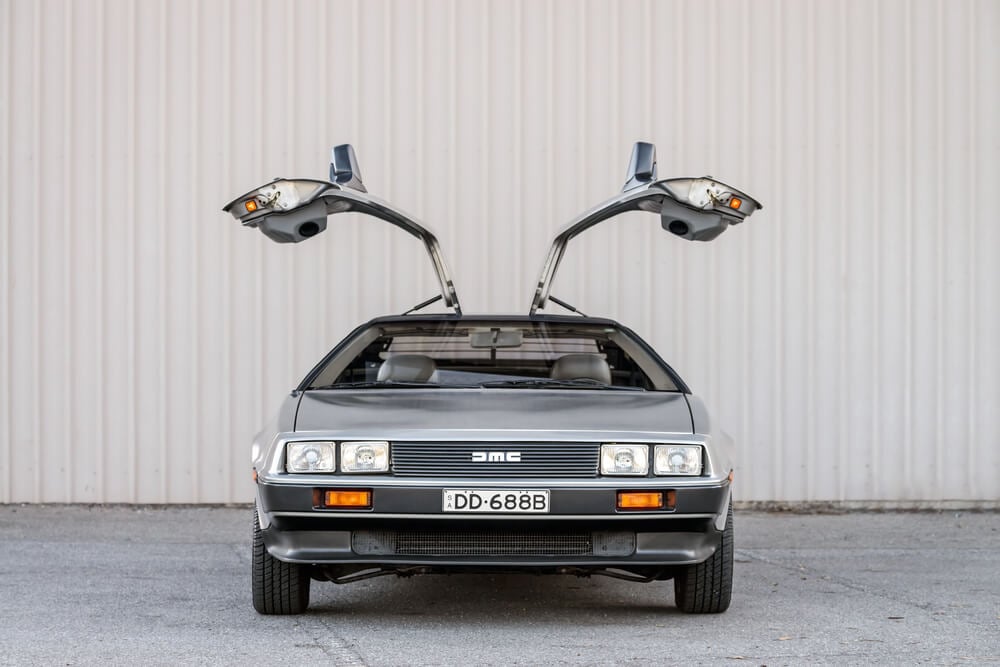
John DeLorean’s DMC-12 combined brushed stainless steel body panels with gull-wing doors, and it was built in Northern Ireland with government support. About 9,000 were made in 1981 and 1982 before the company collapsed. The car’s modest performance disappointed many buyers, but the 1985 film Back to the Future turned it into a pop culture landmark. A Texas company that bought much of the leftover parts inventory still restores and services the cars. Even so, spotting a DeLorean on an ordinary road remains a rare event that usually prompts someone to shout about time travel.
Nash Metropolitan
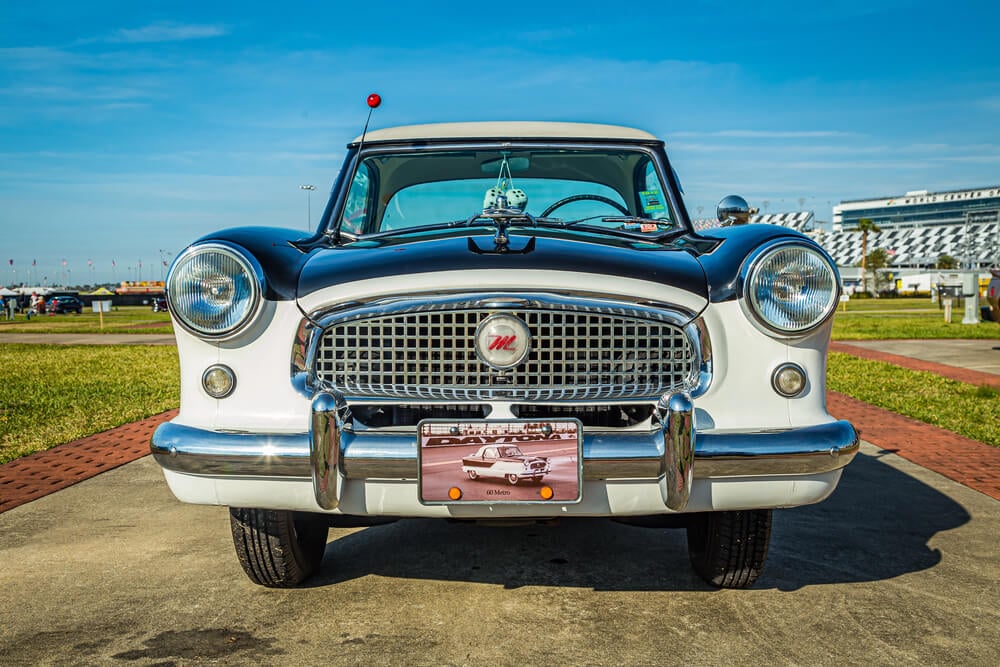
The Nash Metropolitan was a tiny American-branded car built in England by Austin and sold from the mid-1950s into the early 1960s. Its two-tone paint and rounded shape made it look almost like a toy. About 95,000 were sold in total, an impressive figure for such a small car at the time. It came as a compact hardtop or convertible with a modest four-cylinder engine and little room for passengers. Survivors are prized by collectors, and seeing one putter through traffic always draws smiles from people who remember them.
Checker Marathon
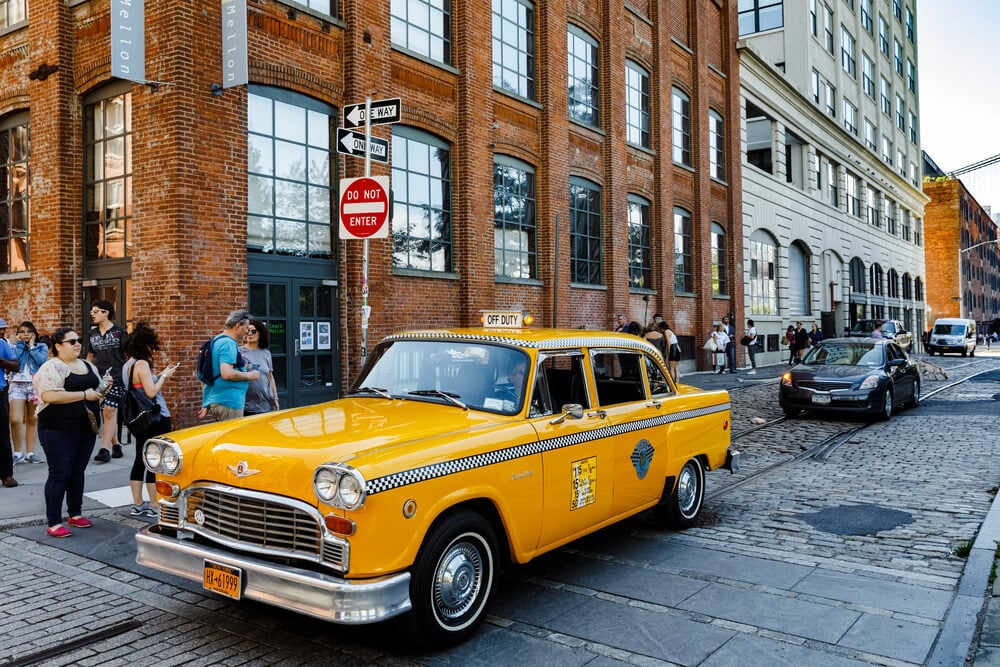
Checker Motors of Kalamazoo, Michigan, built the Marathon, the civilian version of its famous taxi, with a boxy body that changed very little for more than two decades. The car’s roomy rear seat and rugged construction made it a favorite of cab fleets, especially in New York City. Production ended in 1982, and the last Checker cab in New York was retired in 1999. Private buyers liked the same durability, but most were eventually worn out. Today, the boxy cab survives in movies and car shows far more than on actual streets.
Hudson Hornet
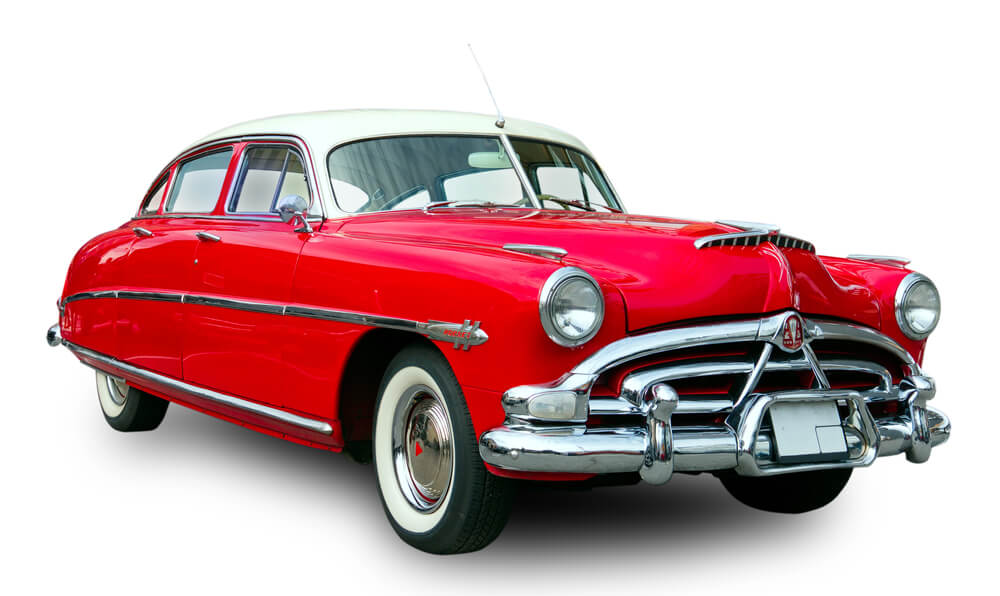
Introduced for 1951, the Hudson Hornet used a step-down design that placed passengers inside the frame rails, giving it a low center of gravity. That handling advantage made it dominant in NASCAR’s early years, with drivers such as Marshall Teague winning repeatedly. Hudson merged with Nash in 1954 to form American Motors, and the true Hudson Hornet faded after that. The 2006 Pixar film Cars introduced the name to a new generation through the character Doc Hudson. Original Hornets now appear mainly at vintage events.
Kaiser Darrin
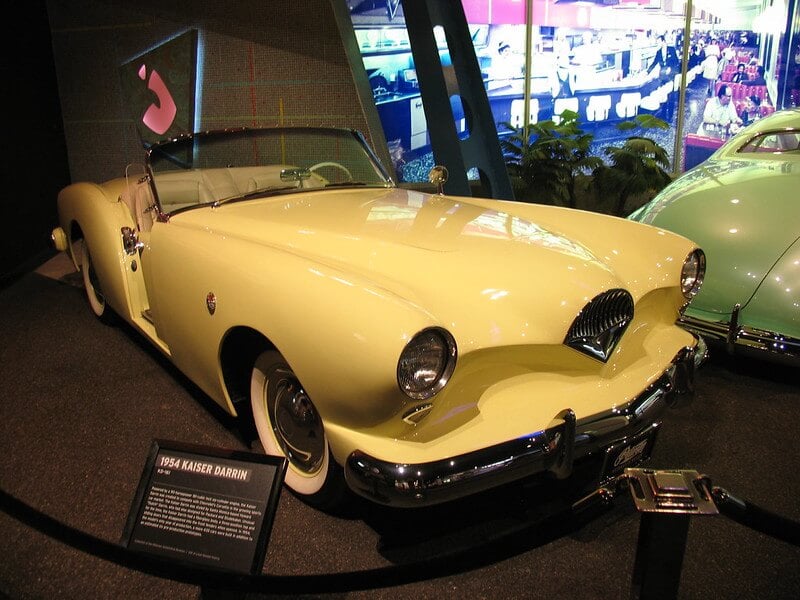
The Kaiser Darrin, a 1954 roadster with a fiberglass body, had doors that slid forward into the front fenders instead of swinging open. Designer Howard Darrin, known as Dutch, created the car, but it arrived just as Kaiser was struggling, and only about 435 were built. It was among the first American cars with a fiberglass body, appearing around the same time as the Chevrolet Corvette. Most survivors live in collections, where their sliding doors still astonish visitors who have never seen anything like them on a road car.
Crosley Hotshot
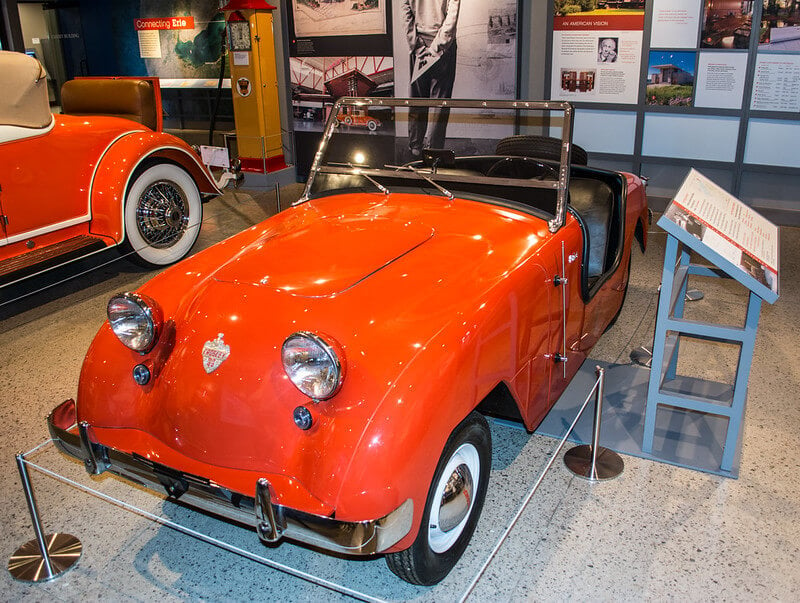
Powel Crosley Jr., who made his fortune in radios and owned the Cincinnati Reds, built small, inexpensive cars in Indiana from 1939 to 1952. The Hotshot, a stripped-down roadster introduced in 1949, was among the first American production cars with four-wheel disc brakes. A Hotshot won a performance award at the first Sebring race in 1950. Crosley cars were tiny even by the standards of the compacts that came later. Most were driven hard and scrapped, so a surviving Crosley is a genuine treat for car spotters.
Cord 810
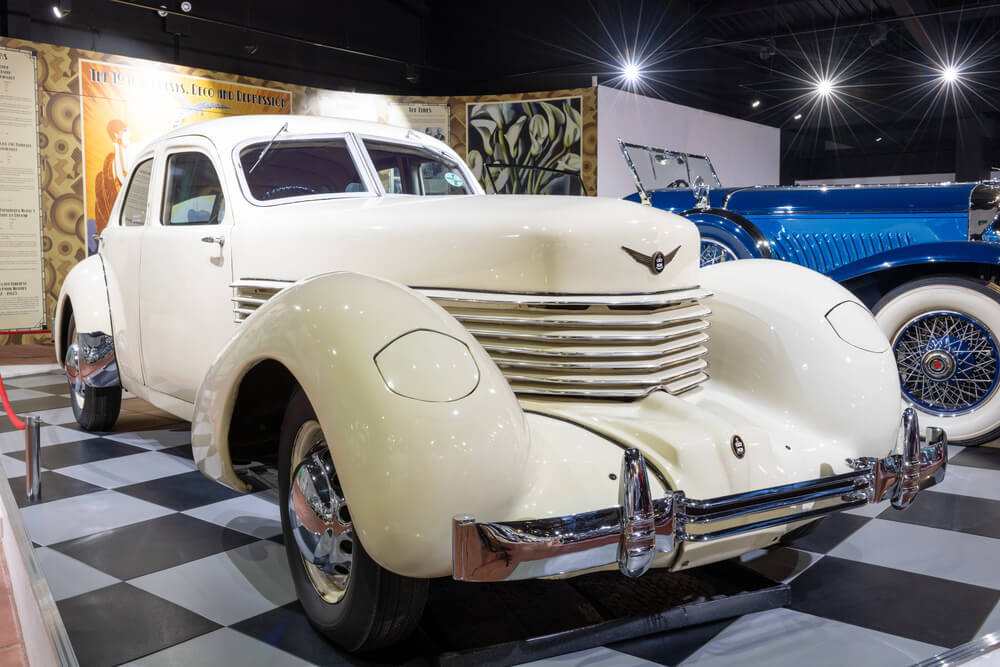
Introduced for 1936, the Cord 810 had front-wheel drive, a coffin-shaped nose with wraparound louvers, and headlights that retracted into the fenders using hand cranks on the dashboard. Designer Gordon Buehrig created a shape that still looks advanced decades later. Production ended in 1937 when the parent Auburn Cord Duesenberg company failed, after fewer than 3,000 of the 810 and 812 models were built. The Museum of Modern Art has recognized its design. Most survivors are carefully preserved by collectors, and on the open road a Cord is close to a once-in-a-lifetime sighting.
Lincoln Continental Mark II
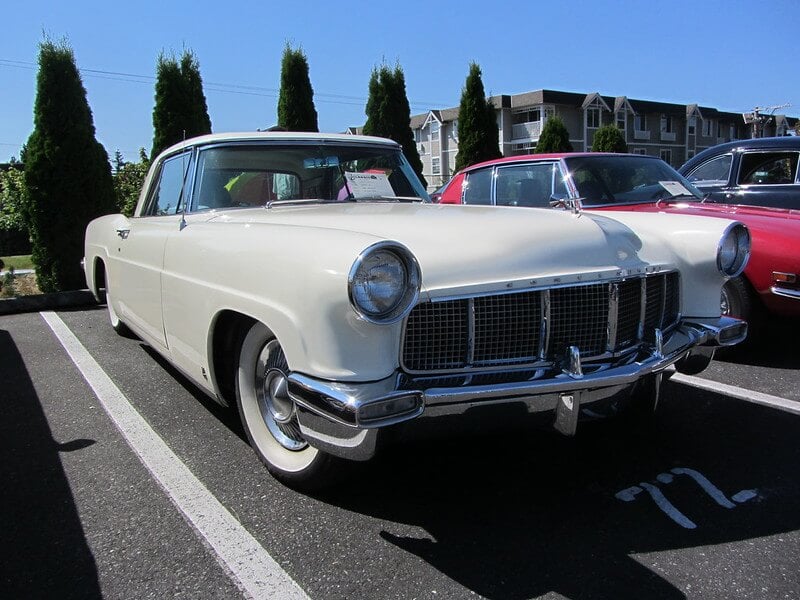
Ford created the Continental Mark II for 1956 as a flagship luxury car, priced at about 10,000 dollars, far above nearly anything else on American roads. Each car was assembled with unusual care, and owners included Elvis Presley. Ford reportedly lost money on every one it built, treating the car as a showcase rather than a profit center. Production ended in 1957 after about 3,000 cars. The Mark II’s restrained, elegant lines have made it a collector favorite, which keeps most survivors in climate-controlled garages and out of everyday traffic.
Volkswagen Thing
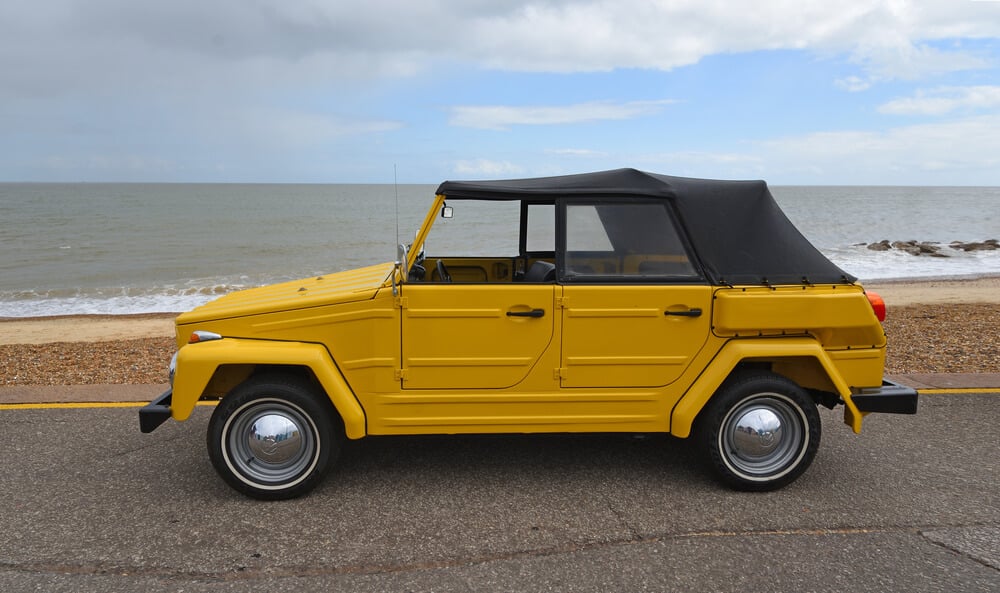
Volkswagen sold the Type 181 in the United States for 1973 and 1974 under the name Thing, a boxy convertible derived from a vehicle developed for the West German army. It had removable doors, a fold-down windshield, and flat body panels that looked like they came from a kit. New safety standards ended American sales after just two years. Its utilitarian look made it a beach favorite in places like Southern California. Today, a Thing rolling down the street is a rare and cheerful sight, usually with its top off.
Subaru 360
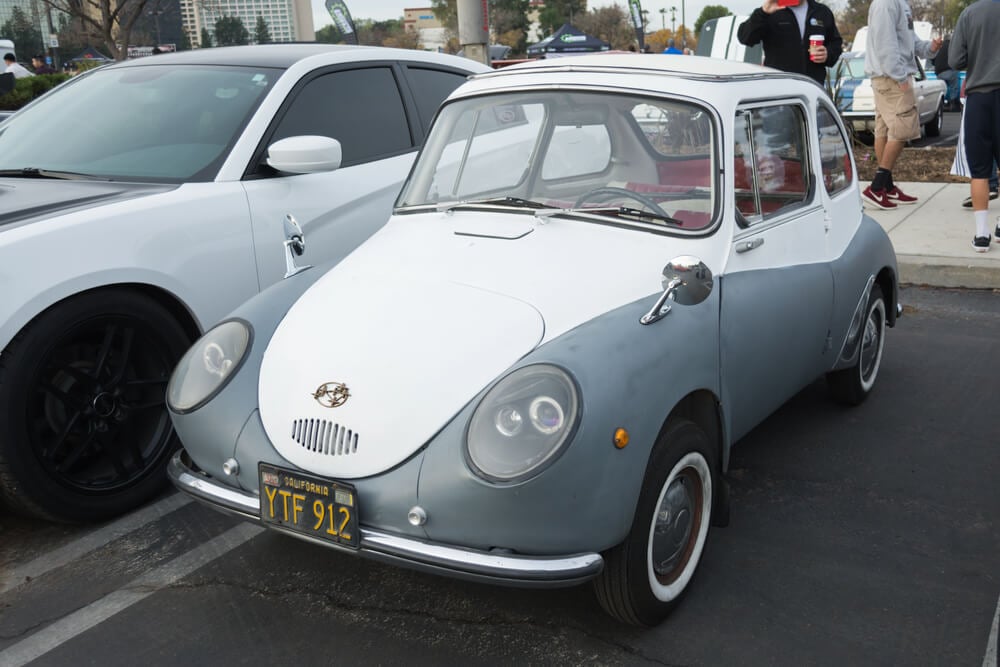
Subaru’s first car sold in America was the tiny 360, imported beginning in 1968 by entrepreneur Malcolm Bricklin. It weighed roughly 1,000 pounds and used a two-stroke engine of about 356 cubic centimeters. Consumer Reports rated it Not Acceptable in 1969, citing safety concerns, and sales collapsed. Most were scrapped within a few years, and few people mourned them at the time. The company went on to great success with later models, which makes the 360 an unlikely origin story that few modern Subaru owners have ever seen in person.
Yugo GV
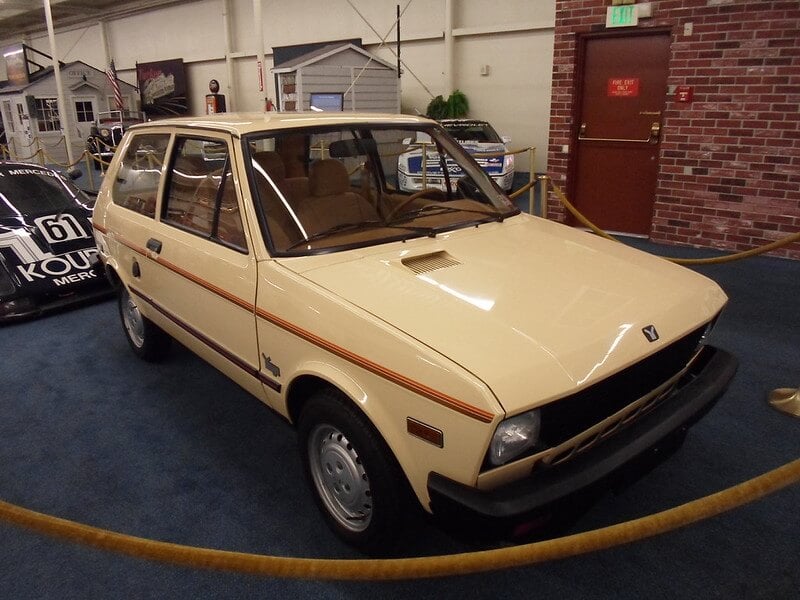
Malcolm Bricklin, who had imported the Subaru 360 years earlier, brought the Yugoslav-built Yugo GV to the United States in 1985, priced at about 3,990 dollars and widely advertised as the cheapest new car in the country. Early demand was strong, but quality complaints followed quickly. Civil war in Yugoslavia and international sanctions ended American imports by 1992. The Yugo became a reliable punchline on late-night television and in countless magazine columns. Most were driven into the ground, and a running Yugo is now a rare novelty.
AMC Eagle
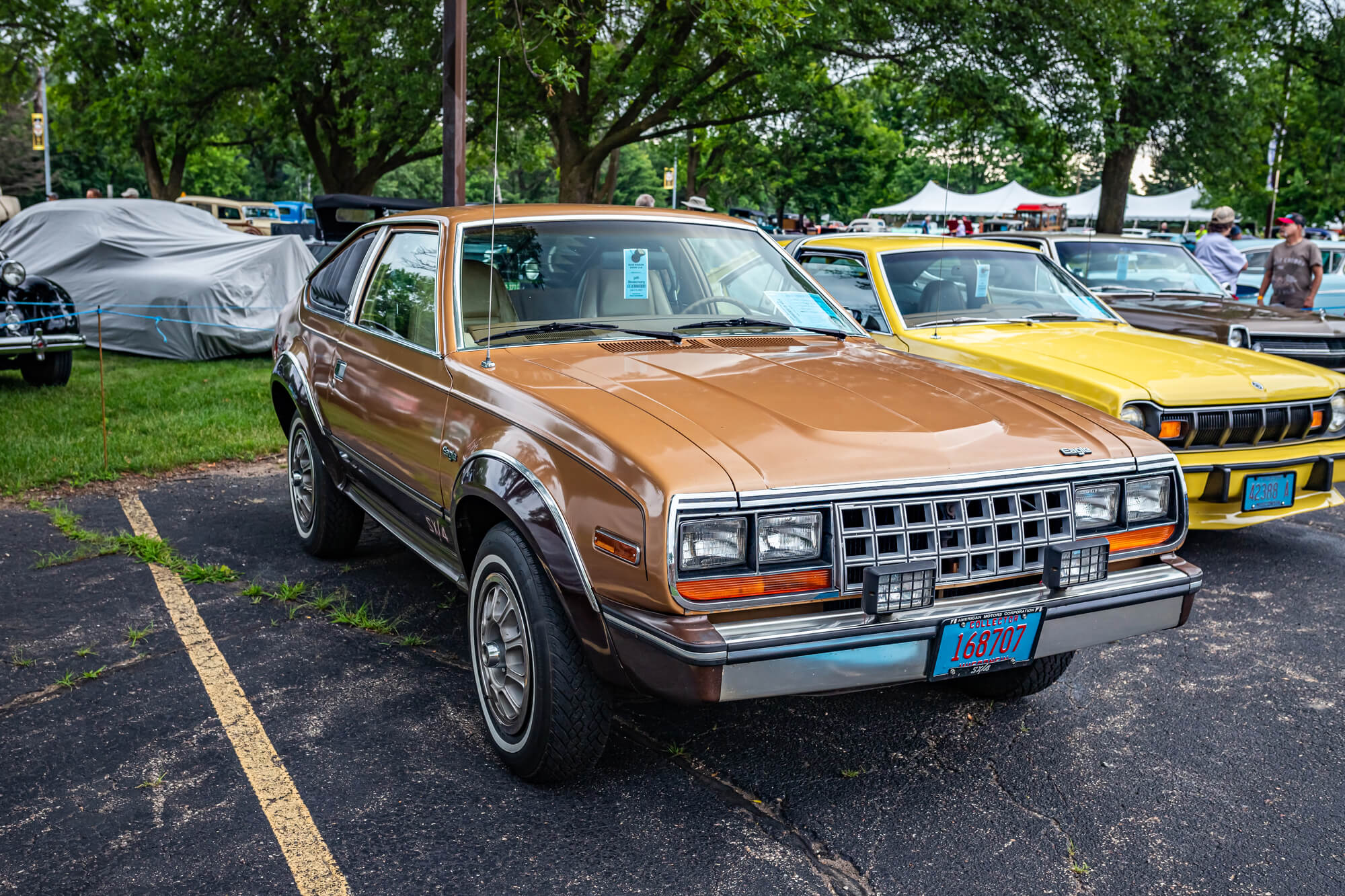
American Motors introduced the Eagle for 1980, combining a passenger car body with full-time four-wheel drive and a raised ride height. Many historians call it a forerunner of today’s crossover SUVs. It came as a sedan, a wagon, and even a convertible-style model, and its rugged traction made it popular in snowy states. Production continued under Chrysler until 1988, after Chrysler bought AMC. Rust and hard use took most of them off the road, and today’s crossover drivers rarely realize where the idea came from or how long ago it appeared.
Pontiac Fiero
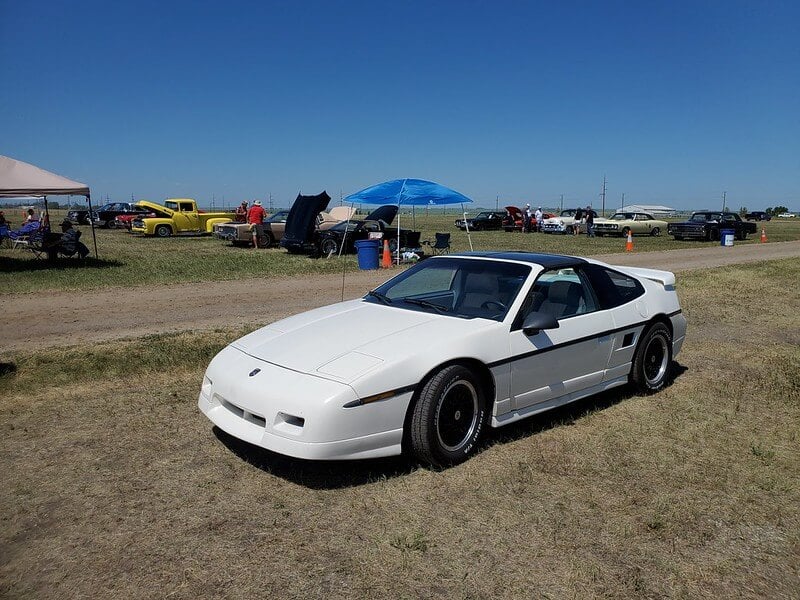
Pontiac launched the Fiero for 1984 as an affordable two-seat car with a mid-mounted engine and plastic body panels over a steel space frame. Early models suffered engine fires, leading to a recall, and the car’s reputation never fully recovered. By 1988, Pontiac had significantly improved the suspension, but production ended that same year. The plastic panels resisted dents, but the car never escaped its early reputation. Some owners later converted Fieros into replicas of exotic sports cars. Original, unmodified examples are now uncommon on public roads.
Buick Riviera Boattail
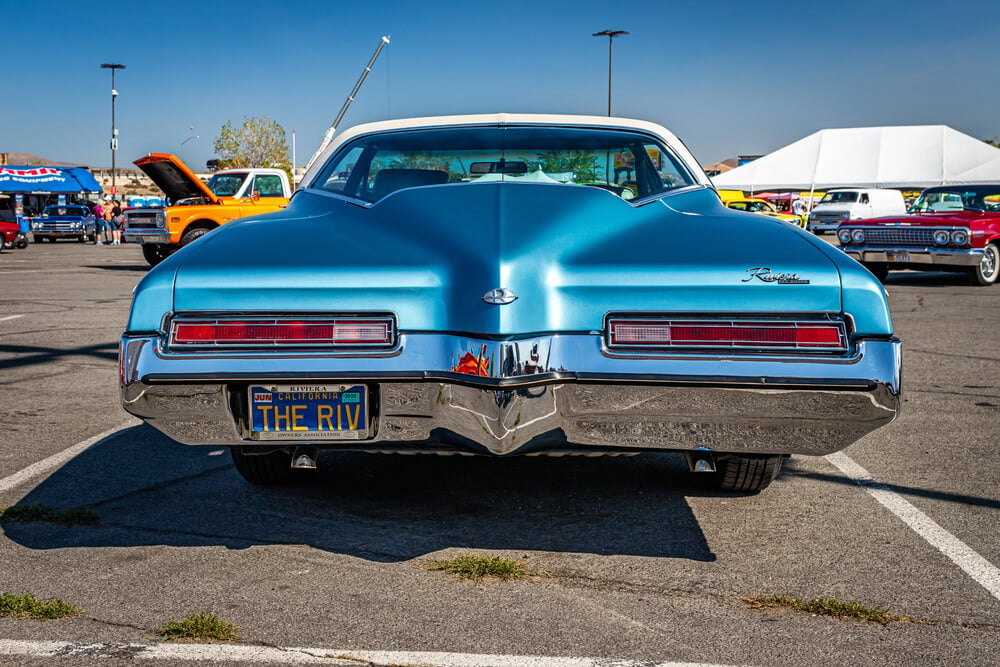
Buick’s 1971 to 1973 Riviera featured a tapered rear window and a pointed tail inspired by speedboats, earning the nickname boattail. GM design chief Bill Mitchell championed the dramatic look, but buyers were divided, and Buick toned it down after three years. The big coupe had a powerful V8, a long hood, and plenty of chrome. Many were driven hard, modified, or left to rust in backyards once gas prices climbed later in the decade. Today, a boattail Riviera cruising down the street stands out like almost nothing else from its decade.
International Harvester Scout
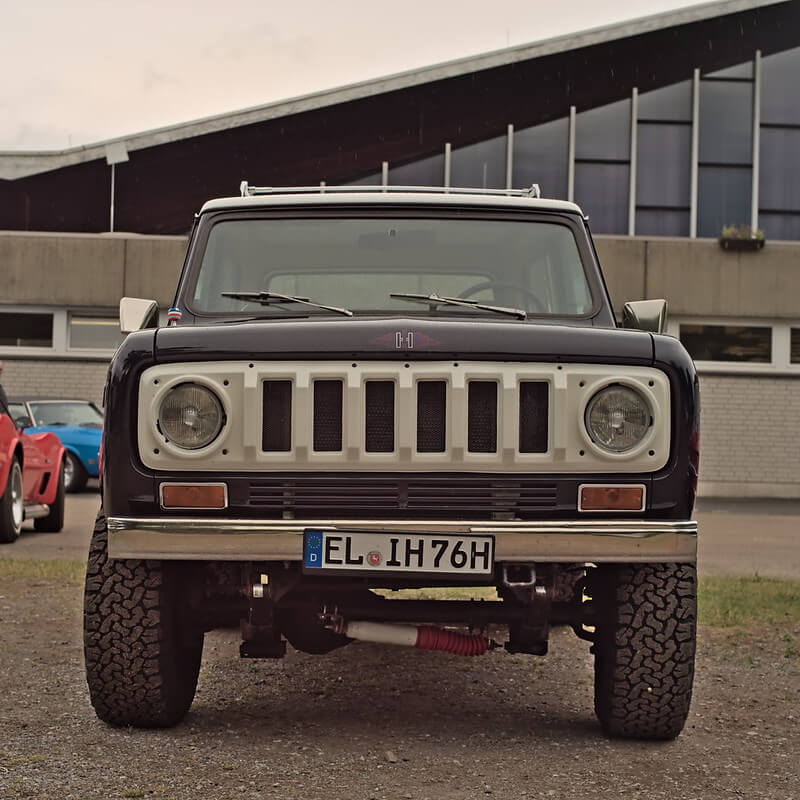
International Harvester, better known for farm equipment, built the Scout from 1961 to 1980 as a rugged, compact four-wheel-drive vehicle. It competed with the Jeep and the Ford Bronco and found loyal buyers among farmers, ranchers, and outdoor enthusiasts. The company ended production as it struggled financially and sold off divisions. Volkswagen later revived the Scout name for a new line of electric and range-extended trucks, which put fresh attention on the originals. Well-kept old Scouts are prized by collectors but seldom seen on daily roads.
Volkswagen Karmann Ghia
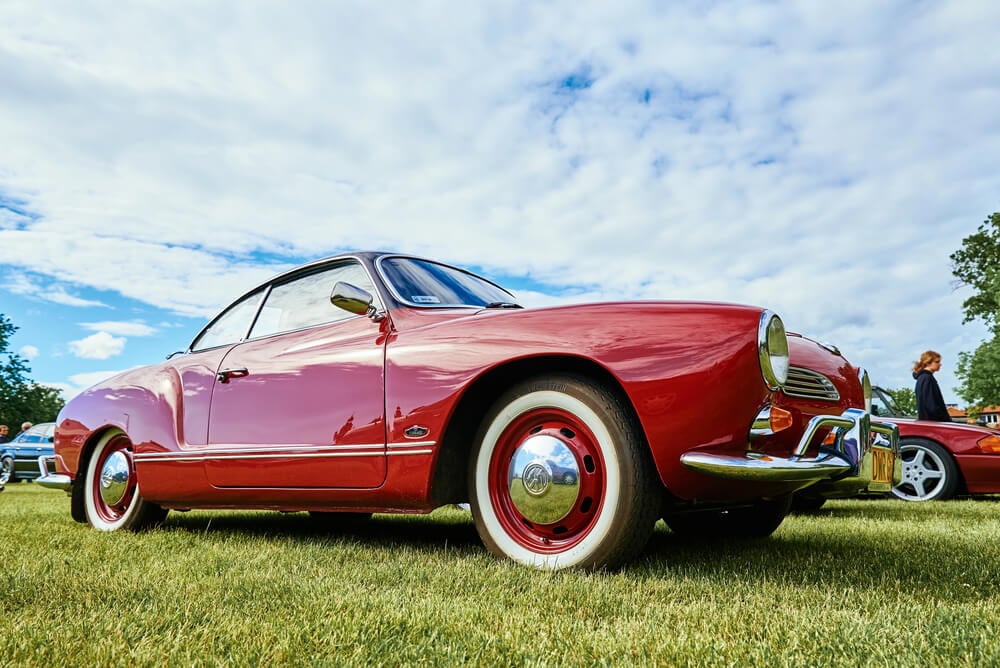
The Karmann Ghia paired Volkswagen Beetle mechanicals with a sleek body styled by the Italian design firm Ghia and built by the German coachbuilder Karmann. Sold from 1955 to 1974, it looked far more expensive than it was, thanks in part to hand-finished bodywork. Performance was modest, matching the Beetle’s small air-cooled engine. Rust has claimed many of them over the decades, especially in snowy states where roads were salted. A well-kept Karmann Ghia on the road now turns heads in a way few cars from the 1950s still can.
Chrome Kept Under Covers
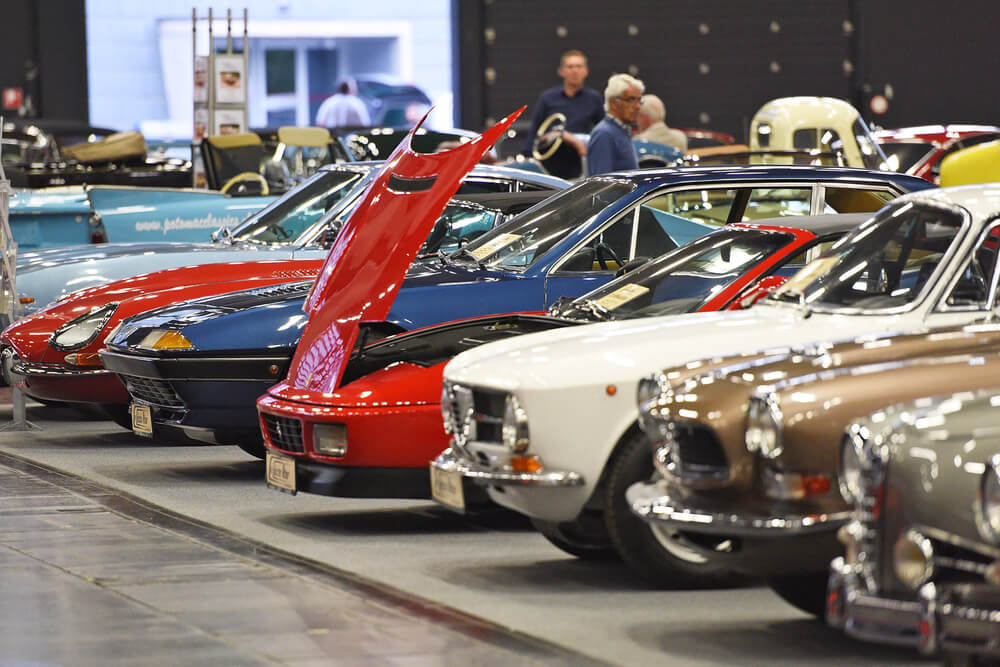
Rare cars tend to fall into two groups. Some were too ambitious to survive, built in tiny numbers by companies that were already failing. Others were so ordinary and so cheaply made that time simply ate them.
Both kinds now share the same fate, parked under covers and hauled to shows on trailers. That makes sense for a Tucker. It is stranger for a Pinto, but scarcity has a way of turning even a punchline into a prize.
More from Go2Tutors!

- The Romanov Crown Jewels and Their Tragic Fate
- 13 Historical Mysteries That Science Still Can’t Solve
- Famous Hoaxes That Fooled the World for Years
- 15 Child Stars with Tragic Adult Lives
- 16 Famous Jewelry Pieces in History
Like Go2Tutors’s content? Follow us on MSN.