Secret Bunkers Hidden Around the World
When people think about secret bunkers, images of cold war movies and spy thrillers often come to mind. But the reality is far more interesting than fiction.
These hidden spaces exist in mountains, under cities, and even beneath the ocean floor, built for reasons ranging from survival to secrecy. Some protect leaders during crises, while others store treasures or house command centers that could control entire nations.
Let’s explore some of the most fascinating hidden bunkers that actually exist on our planet.
Cheyenne Mountain Complex
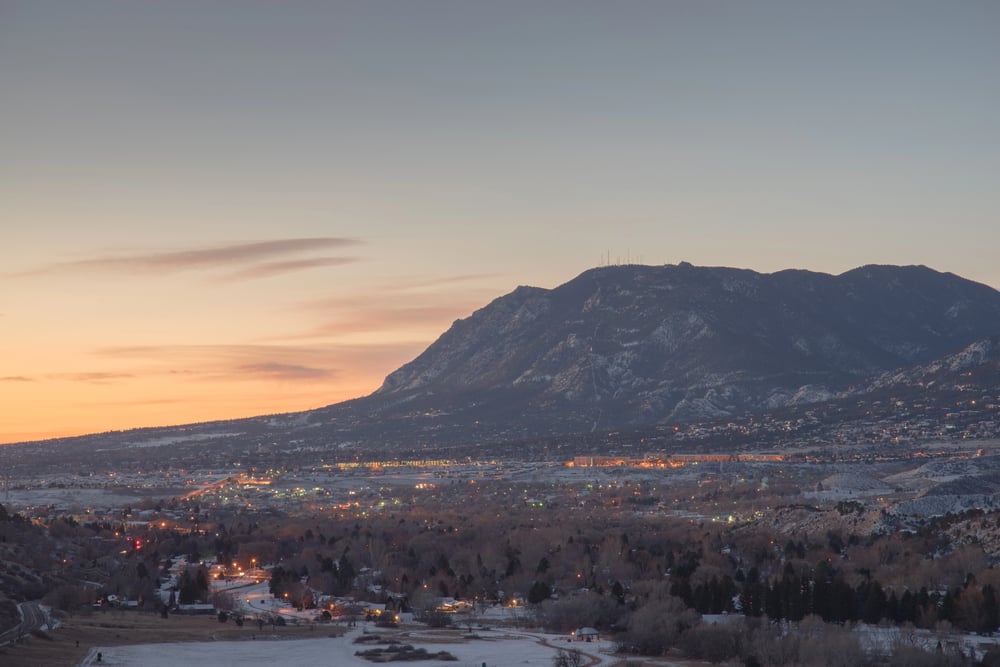
Deep inside a Colorado mountain sits one of America’s most secure military installations. The Cheyenne Mountain Complex burrows nearly 2,000 feet into solid granite and was designed to withstand a nuclear blast.
It once housed NORAD’s command center, where military personnel tracked every object in North American airspace. The facility sits on massive springs that absorb shock waves, and blast doors weighing 25 tons seal off the entrance.
Today, it operates on standby status but remains ready to activate within hours if needed.
Mount Weather Emergency Operations Center

Virginia’s Blue Ridge Mountains hide a facility that few Americans know exists. Mount Weather serves as the backup headquarters for the Federal Emergency Management Agency and would house Congress members during a national crisis.
The bunker contains everything needed to run the government, including private apartments, a hospital, and even a small lake for drinking water. Only a small portion of the facility is visible above ground, disguised as a simple communications station.
Svalbard Global Seed Vault

Norway’s remote arctic island hosts a bunker designed to survive the end of civilization itself. The Svalbard Global Seed Vault stores over one million seed samples from around the globe, protecting crop diversity against wars, natural disasters, and climate change.
Built 400 feet into a frozen mountain, the vault maintains a temperature of negative 18 degrees Celsius without any power needed. The permafrost acts as a natural freezer, ensuring seeds remain viable for thousands of years even if all systems fail.
Burlington Bunker
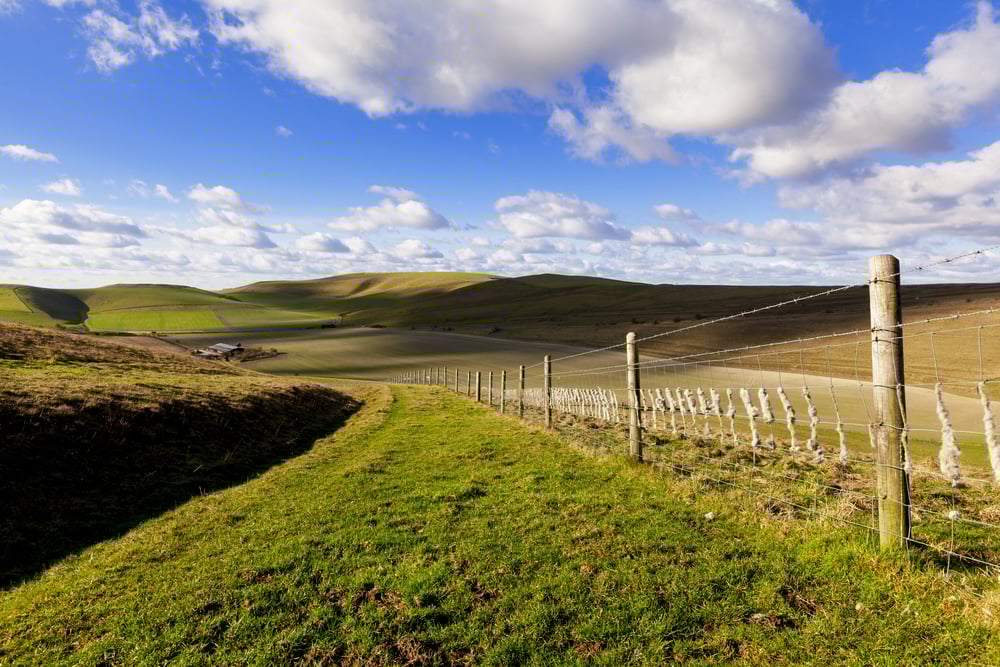
Beneath the picturesque Wiltshire countryside in England lies a massive city built underground. Burlington Bunker was constructed in the 1950s to house 4,000 government officials during a nuclear attack.
The facility includes 60 miles of roads, an underground lake, a radio station, and even a pub for off-duty personnel. Britain kept this bunker completely secret until 2004, when the government finally admitted it existed.
Parts of it still remain classified and off-limits to the public.
Greenbrier Bunker

For three decades, a luxury resort in West Virginia held an extraordinary secret beneath its grounds. The Greenbrier Bunker was built to house the entire U.S. Congress during a nuclear war, hidden behind a false wall in the resort’s exhibition hall.
Construction workers posed as hotel employees during the building process, and a fake television repair company maintained the facility for years. The bunker included dormitories, a decontamination chamber, and a chamber large enough to hold joint sessions of Congress.
A journalist exposed the facility in 1992, ending its usefulness.
Oyster-Adams Bunker

Washington D.C.’s most unusual bunker sits beneath a public school in an affluent neighborhood. The Oyster-Adams Bunker was designed as a relocation center for top government officials during the Cold War.
Parents sending their kids to class had no idea that beneath the playground sat communications equipment and supplies meant to help run the country after an attack. The facility was decommissioned in the 1990s and later converted into storage space, though some areas remain restricted.
Raven Rock Mountain Complex
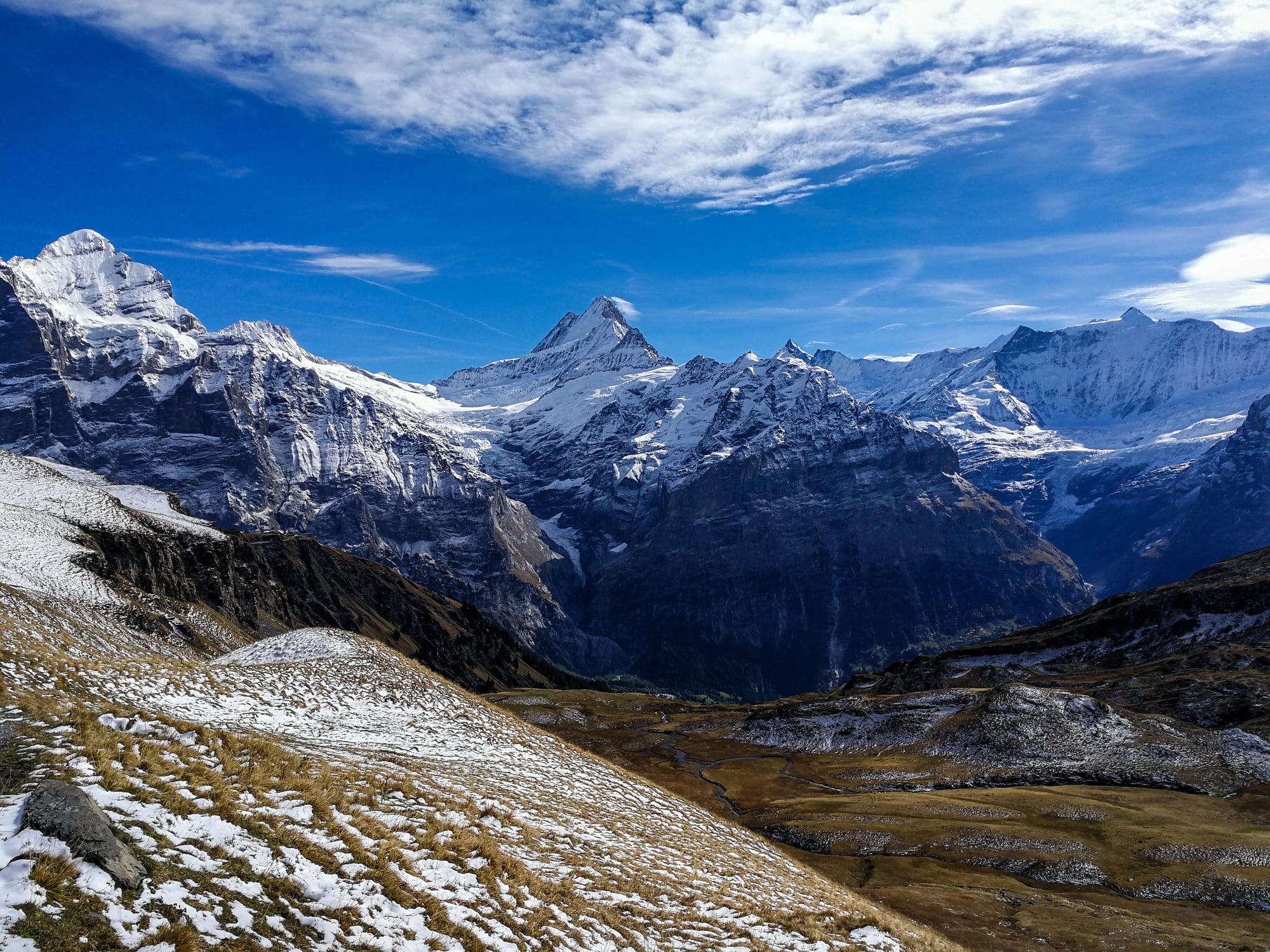
Pennsylvania’s mountains conceal another fortress designed to ensure government continuity. Raven Rock Mountain Complex serves as an alternate Pentagon, ready to take over military operations if the main building becomes unusable.
The facility tunnels through solid rock and includes power plants, water reservoirs, and enough supplies to sustain operations for months. Security measures are so strict that most military personnel only know about the bunker through rumors.
Sonnenberg Tunnel

Switzerland takes civil defense more seriously than perhaps any other nation. The Sonnenberg Tunnel in Lucerne doubles as the world’s largest nuclear fallout shelter, capable of protecting 20,000 people.
During peacetime, vehicles drive through it as a regular highway tunnel, but massive blast doors can seal it off within hours. The Swiss government requires fallout shelter space for every citizen, and thousands of smaller bunkers dot the country’s landscape, hidden in basements and mountainsides.
Command Bunker Kohnstein
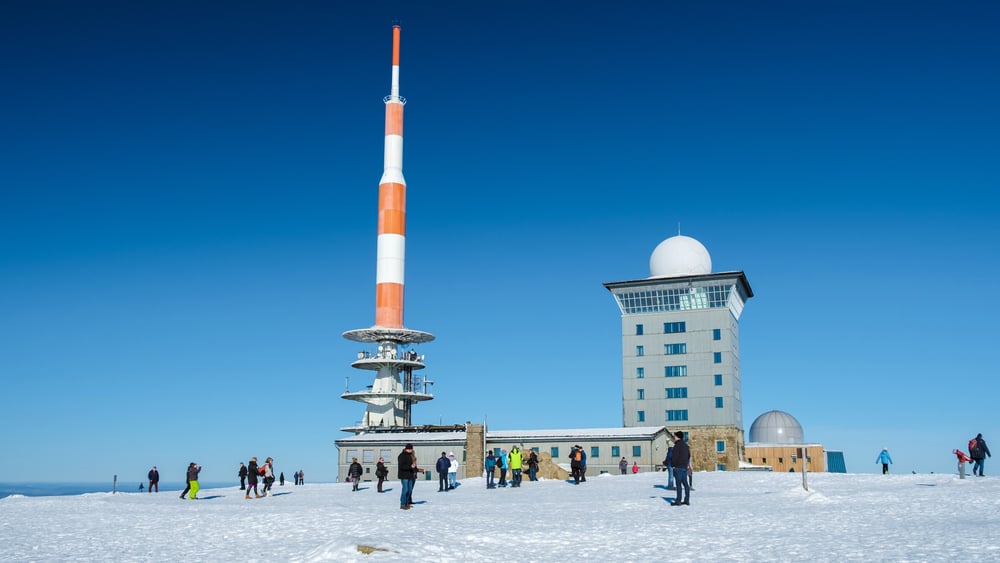
Germany’s Harz Mountains contain a haunting reminder of World War II. The Kohnstein bunker system stretches for miles underground and once housed Nazi Germany’s secret rocket production facilities.
Thousands of forced laborers died building these tunnels and manufacturing V-2 rockets in brutal conditions. After the war, both American and Soviet forces used parts of the complex, adding their own secret installations.
Today, portions of the site serve as a memorial to those who suffered there.
Project 131
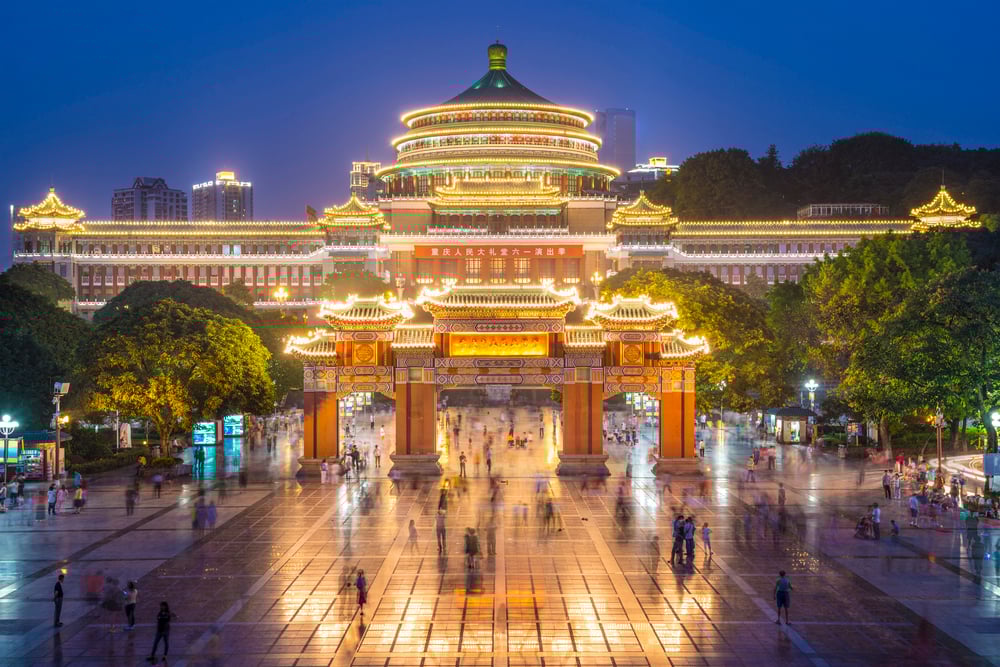
China has built extensive underground networks that few outsiders have ever seen. Project 131 in Chongqing represents one of the largest such complexes, sprawling beneath the city with enough space to shelter thousands of people.
The Chinese government constructed these facilities during tensions with the Soviet Union in the 1960s and 1970s. Some areas have been converted into storage or industrial space, but significant portions remain under military control and strictly off-limits.
Kelvedon Hatch Secret Nuclear Bunker
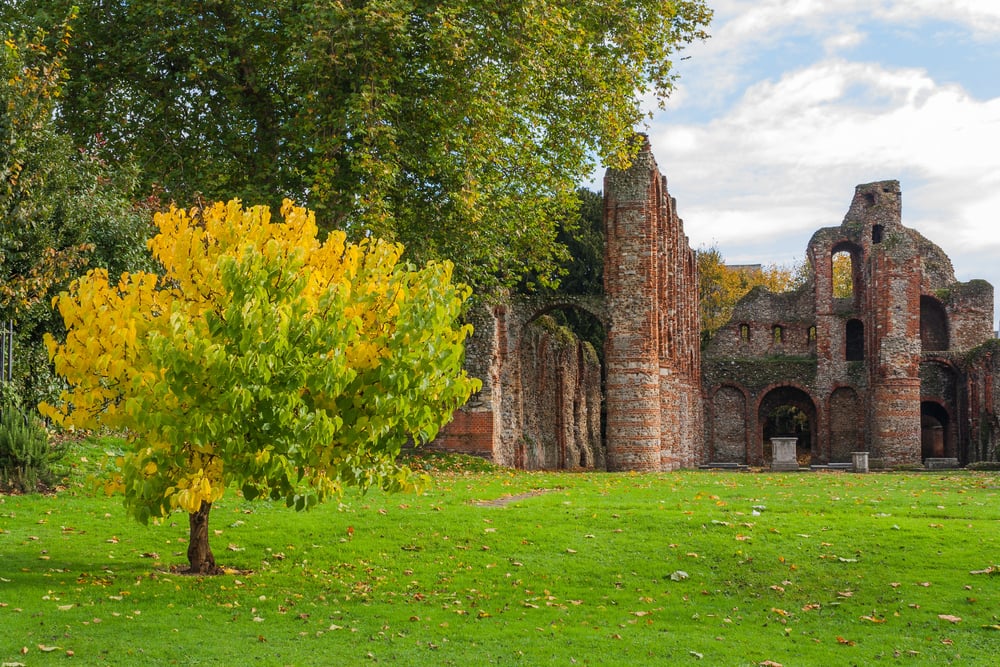
Essex, England hides a three-story underground facility behind an ordinary-looking bungalow. The Kelvedon Hatch bunker was built to protect regional government officials and serve as a communications hub during nuclear war.
Visitors who find the site today can descend 100 feet below ground and explore rooms filled with period equipment, maps, and supplies. The bunker operated in complete secrecy until 1992, when the government sold it to a private owner who opened it for tours.
The Facility at Kosvinsky Mountain

Russia’s Ural Mountains contain one of the most secretive bunkers in existence. Kosvinsky Mountain houses an alternate command post for Russia’s nuclear forces, built to ensure retaliation capability even if Moscow is destroyed.
Western intelligence agencies suspect the facility goes several hundred feet underground and includes sophisticated communications equipment. The Russian government has never confirmed the bunker’s full capabilities or exact purpose, maintaining strict security around the site.
Tito’s Bunker

Yugoslavia’s former leader Josip Broz Tito commissioned a massive personal bunker that took 26 years to complete. Located near the town of Konjic in Bosnia and Herzegovina, the facility burrows deep into a mountain and costs the equivalent of billions of dollars.
The bunker includes conference rooms decorated with elaborate artwork, a small apartment for Tito, and enough supplies to sustain hundreds of people. Tito never actually used it, and the facility now operates as a museum and art gallery.
Valentin Submarine Pens
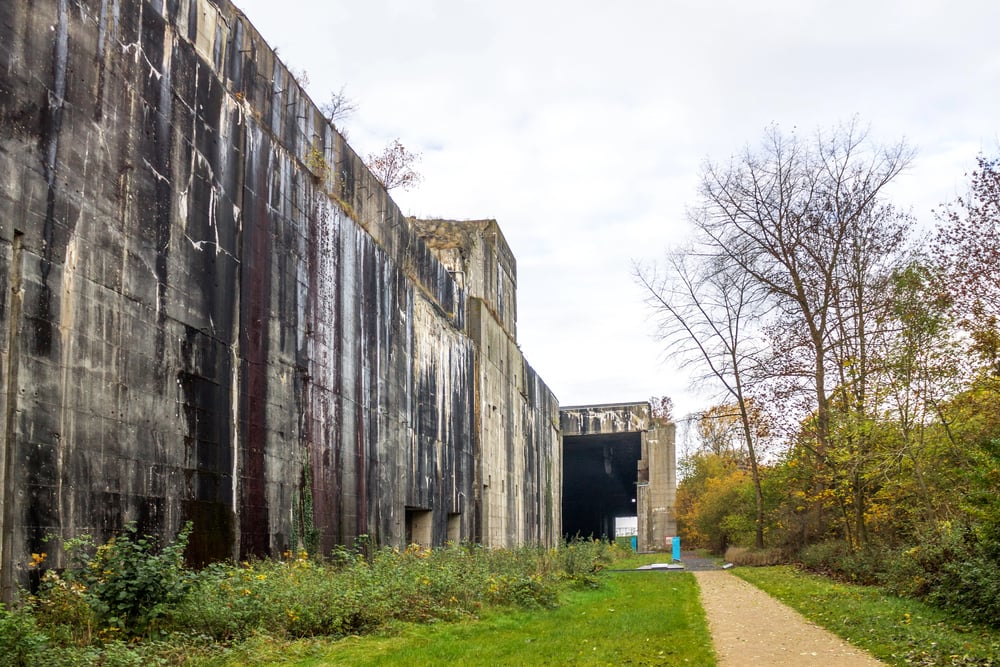
Germany’s wartime submarine facilities remain some of the most imposing structures ever built. The Valentin submarine pens near Bremen feature concrete roofs over 15 feet thick, designed to withstand Allied bombing raids.
The Nazis intended to construct and repair submarines in this massive bunker, but the war ended before completion. Today, the site stands as both a museum and a memorial to the forced laborers who built it under horrific conditions.
Iron Mountain
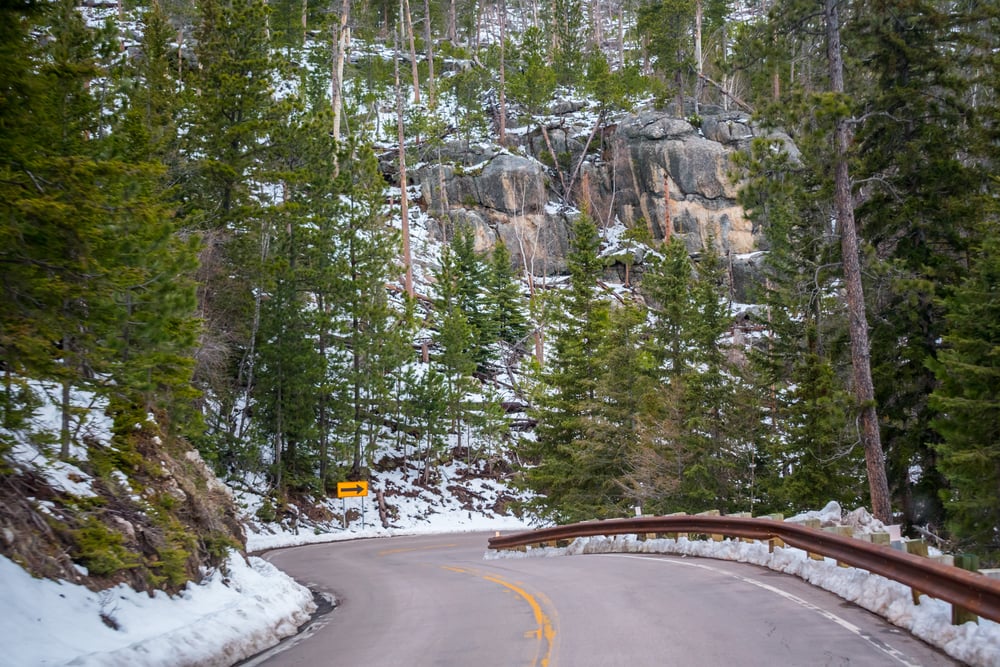
Pennsylvania is home to a bunker that stores some of America’s most valuable documents and data. Iron Mountain isn’t a government facility but a commercial operation that preserves everything from corporate records to priceless historical artifacts.
The company converted a former limestone mine into climate-controlled storage vaults that protect against fire, flood, and other disasters. Room 48 contains original recordings from music legends, while other chambers hold master copies of Hollywood films and irreplaceable photographs.
Granite Mountain Records Vault

Utah’s Little Cottonwood Canyon hides a strange kind of shelter. Built by the Church of Jesus Christ of Latter-day Saints, it safeguards old family records from everywhere.
This place tunnels 600 feet deep into hard rock, staying cool and dry all year. Inside, more than 3.5 billion record photos sit safe in rooms with steady air conditions – keeping ancestors’ stories alive down the line.
Wünsdorf Communications Bunker
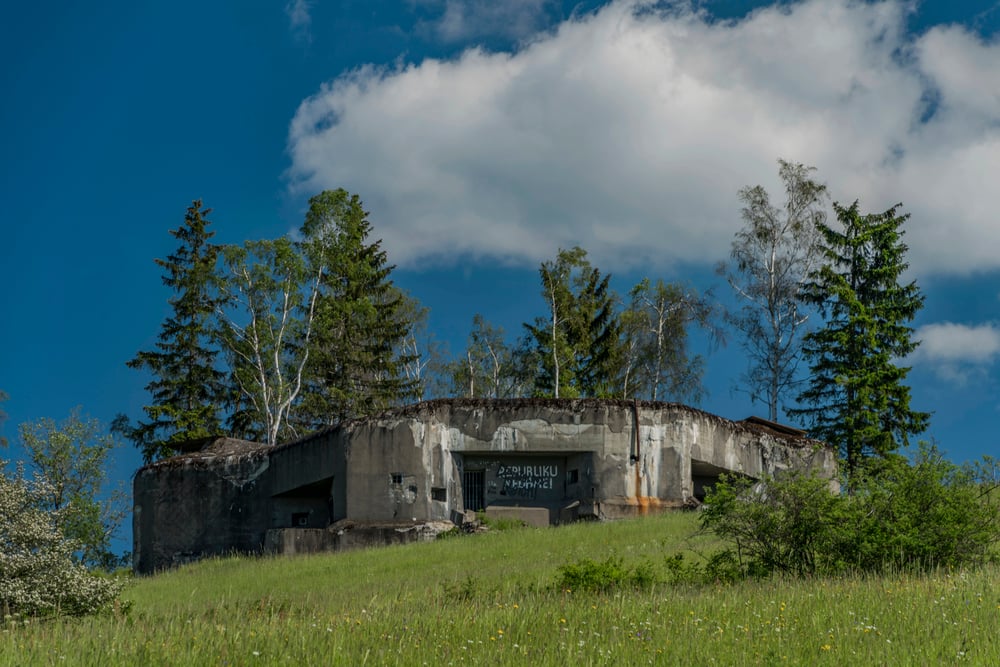
East Germany’s biggest army site stayed hidden during the Cold War. Wünsdorf was where Soviet forces ran their operations across Eastern Europe, while tunnels below held gear built to withstand nukes.
Locals called it ‘Little Moscow’ thanks to how many Soviets lived there. Once Germany reunited, officials found out just how deep the underground network went – hidden hallways linked far-off sections of the compound.
The Global Seed Vault at Millennium Seed Bank
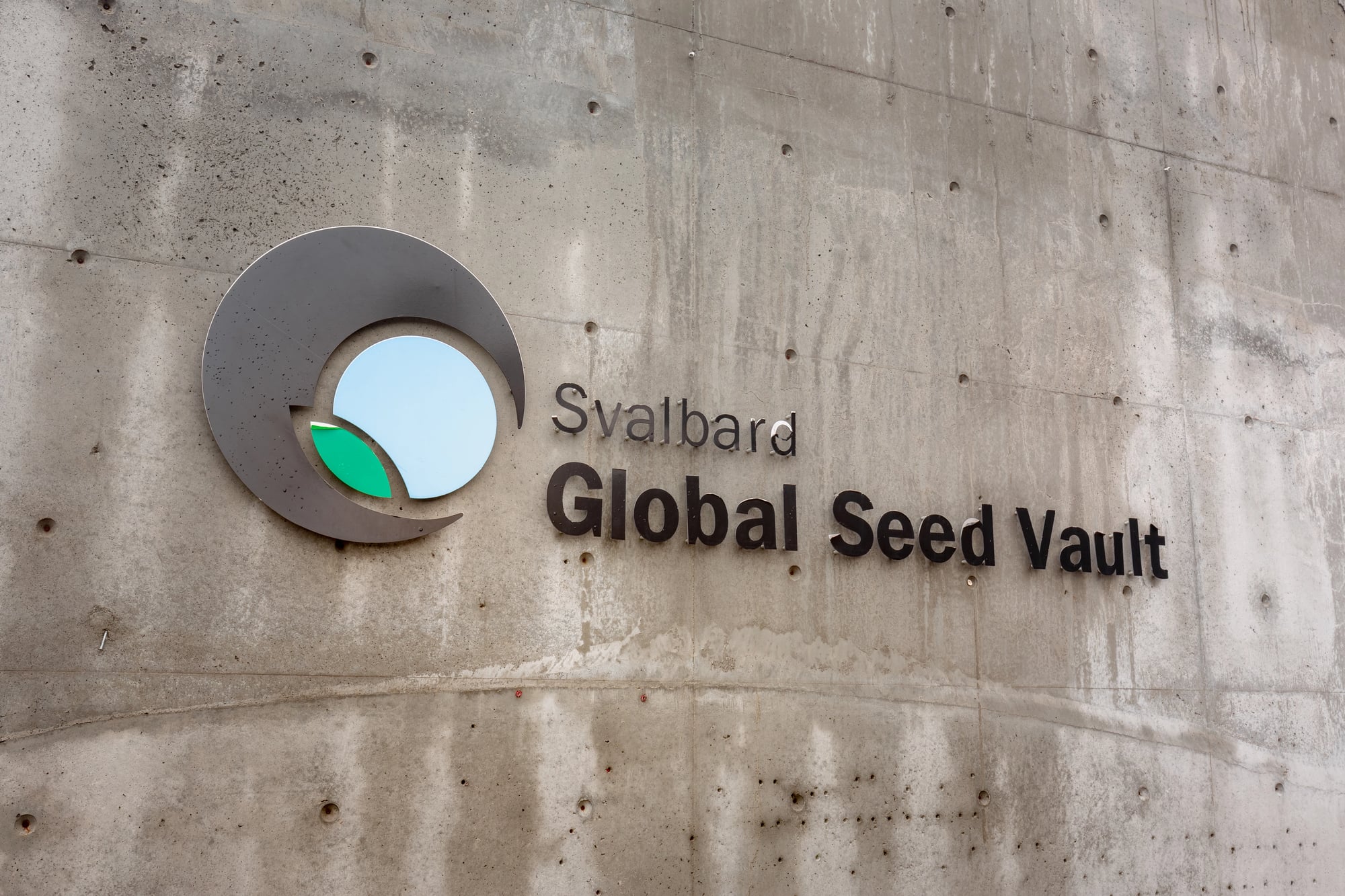
England’s seed storage site in West Sussex works alongside Norway’s well-known underground bunker. Though it isn’t dug quite as far down, its mission zeroes in on saving seeds from natural plant life instead of farm-grown ones.
Researchers there have gathered and locked away tons of seeds – covering close to 40,000 different types – to shield variety as ecosystems vanish across the planet. Teaming up with groups in more than 80 nations, they’ve built a spread-out system of safety spots for Earth’s plant legacy.
Where secrets sleep

These secret bases show how people try to save important things when everything goes wrong. While some keep seeds plus old documents safe, others are built to hide top officials or run armies from below ground.
With tech getting smarter and dangers changing, builders are making shelters deeper than ever before. Future hiding spots could be tucked somewhere we’ve totally overlooked – just sitting there quiet, ready for disasters we pray won’t happen.
More from Go2Tutors!

- The Romanov Crown Jewels and Their Tragic Fate
- 13 Historical Mysteries That Science Still Can’t Solve
- Famous Hoaxes That Fooled the World for Years
- 15 Child Stars with Tragic Adult Lives
- 16 Famous Jewelry Pieces in History
Like Go2Tutors’s content? Follow us on MSN.



