27 Kitchen Inventions That Changed Home Life
A century ago, putting dinner on the table could consume most of a day, from hauling ice and stoking a stove to scrubbing every pot by hand. The kitchen changed one invention at a time, and few of those changes were planned by grand designers.
Many came from tinkerers, frustrated cooks and salesmen who noticed a problem nobody else bothered to solve.
Josephine Cochrane’s Dishwasher
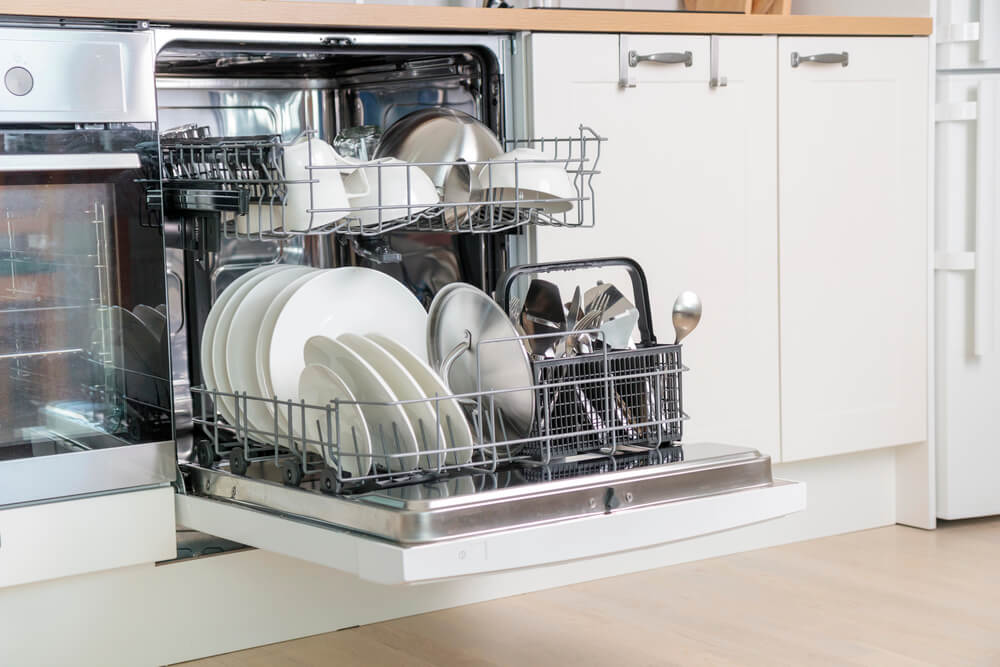
Josephine Cochrane, a well-off woman in Shelbyville, Illinois, was tired of servants chipping her heirloom china, so she designed a machine that held dishes in wire compartments while a wheel turned and hot soapy water sprayed from below. She patented it in 1886 and showed it at the 1893 World’s Columbian Exposition in Chicago, where hotels and restaurants placed the first big orders.
Home models took decades to catch on, partly because many houses lacked enough hot water. Her company eventually became part of the business that sold dishwashers under the KitchenAid name.
GE’s Monitor Top Refrigerator
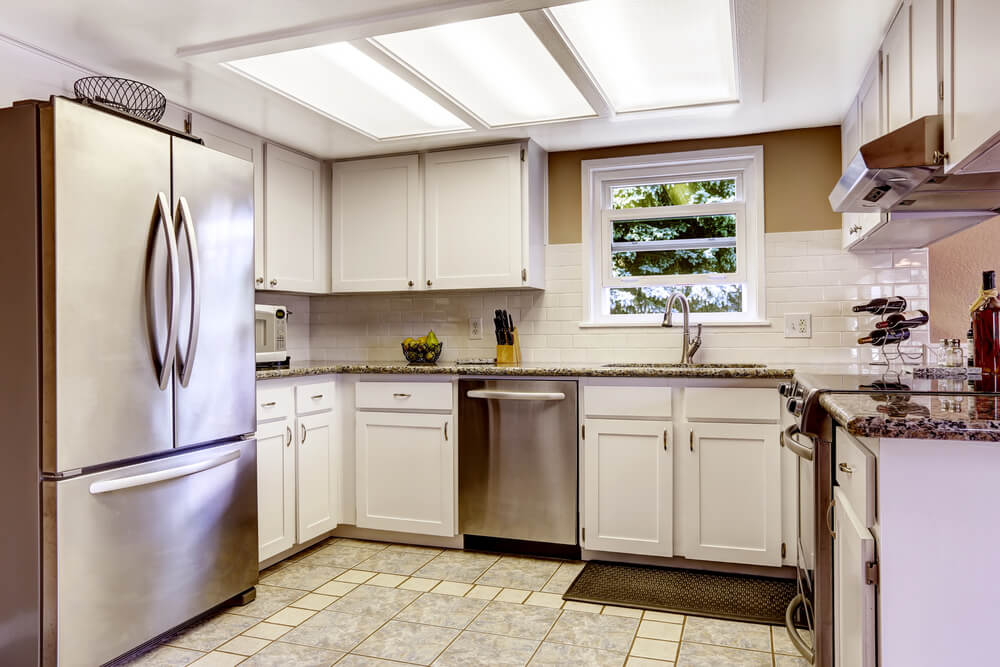
General Electric introduced the Monitor Top refrigerator in 1927, named for the round compressor on top that reminded people of the gun turret on the Civil War ironclad USS Monitor. It was one of the first electric refrigerators sold in large numbers, and it began ending the era of the icebox and the weekly ice delivery.
GE reportedly sold more than a million of them. Fresh milk, meat and leftovers could suddenly be kept for days, which changed shopping habits and made weekly grocery trips possible for families who had once shopped daily.
Charles Strite’s Pop-Up Toaster
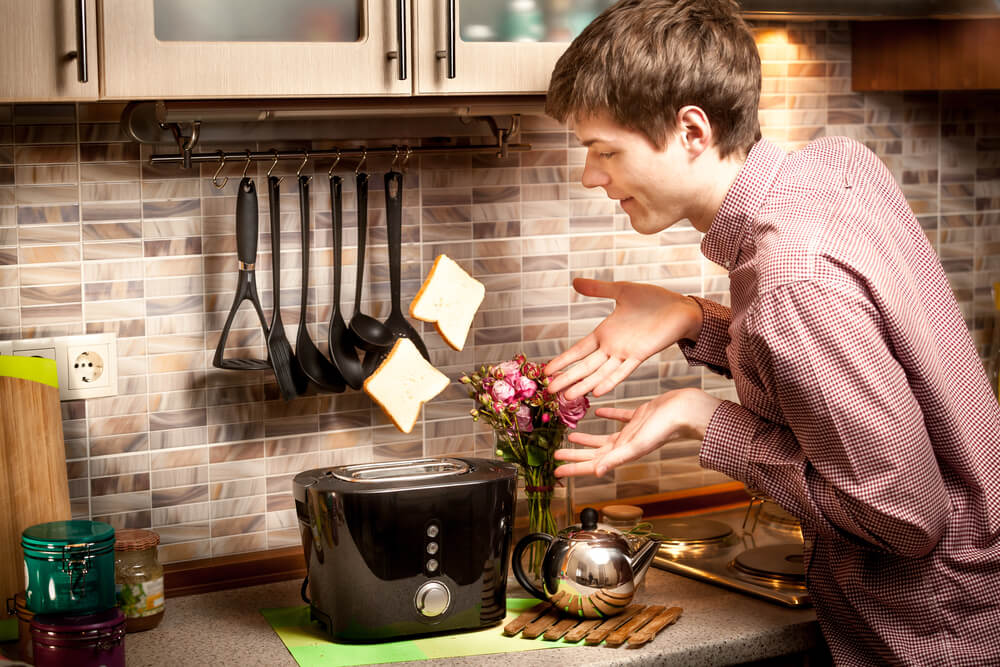
Charles Strite, a mechanic in Minnesota, grew annoyed by the burned toast served in his factory’s cafeteria, so he designed a toaster with a timer and springs that pushed the bread up when it was done. He patented it in 1921 and sold the first models to restaurants.
A home version under the Toastmaster name followed in 1926. Before the pop-up design, toasters had to be watched closely and each slice turned by hand, and burned breakfast was a daily risk in many households.
Strite’s springs and timer turned toast into something a distracted cook could make reliably.
Sliced Bread From Chillicothe
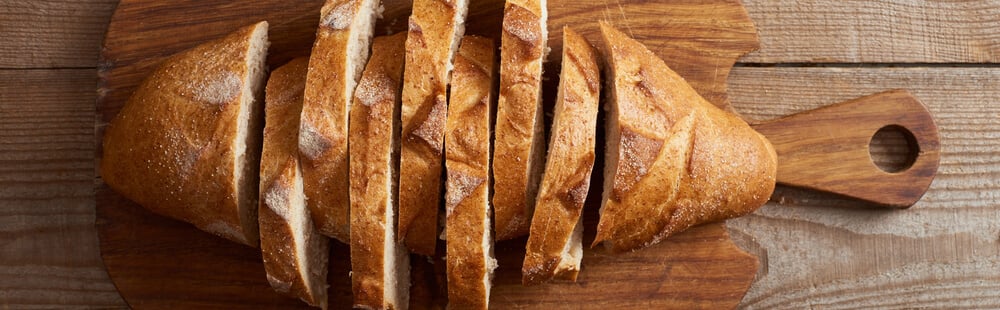
Otto Frederick Rohwedder, a jeweler from Iowa, spent years building a machine that could slice and wrap an entire loaf of bread. In July 1928, the Chillicothe Baking Company in Missouri became the first bakery to sell bread sliced by his machine, and it advertised the product heavily.
Within a few years, Wonder Bread and other national bakeries had adopted slicing, and sales of pop-up toasters rose along with it. In 1943, the federal government briefly banned sliced bread to save resources, and the public backlash ended the ban within weeks.
KitchenAid’s Stand Mixer
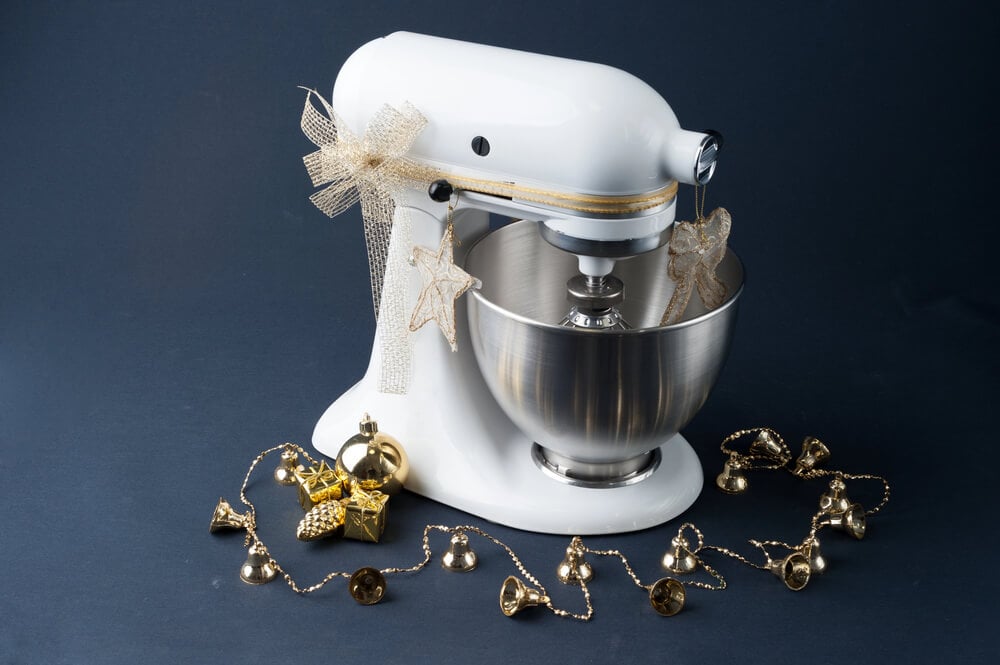
Hobart engineer Herbert Johnston watched a baker struggling to mix dough with a heavy spoon and designed an electric mixer for commercial bakeries, released in 1915. In 1919, Hobart introduced a smaller version for homes, the H-5.
The KitchenAid name reportedly came from the wife of an executive who called it the best kitchen aid she had ever had. The tilt-head design introduced in 1937 by industrial designer Egmont Arens has barely changed since, and the mixer remains a fixture of wedding registries, sold in dozens of colors.
Waring Blendor and the Polio Vaccine
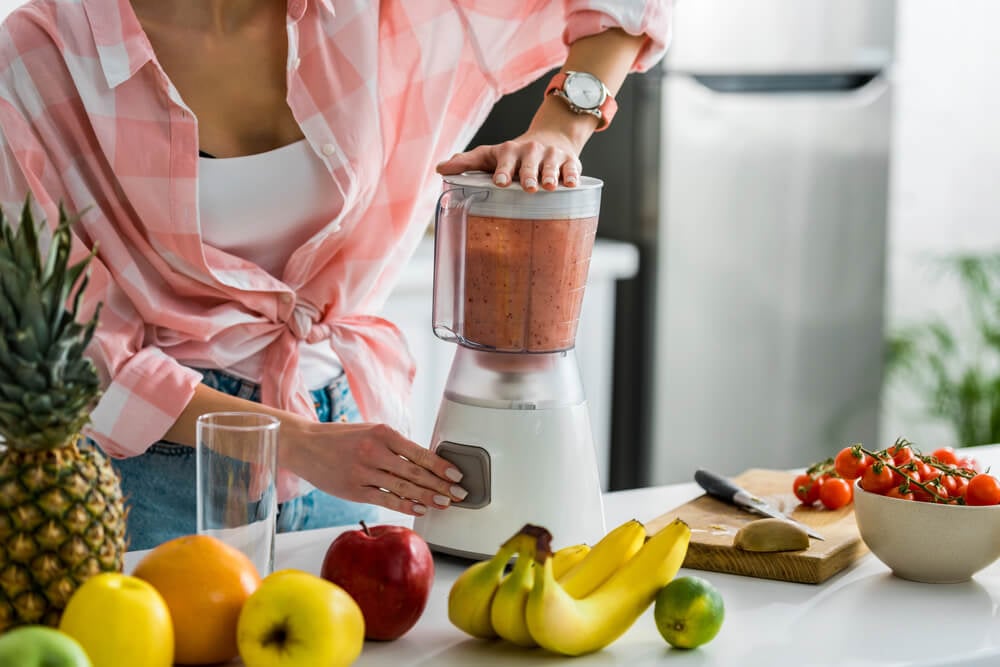
Stephen Poplawski patented an early blender in 1922 for making malted drinks at soda fountains, but bandleader Fred Waring made the device famous. He financed a redesigned machine and introduced the Waring Blendor in 1937, selling it to bars, hospitals and eventually households.
Jonas Salk reportedly used Waring blenders in his laboratory during polio vaccine research. In home kitchens, the blender made smoothies, soups and frozen drinks easy, and it became one of the most common small appliances in the country.
Waring’s name still appears on commercial blenders today.
Cuisinart Food Processor
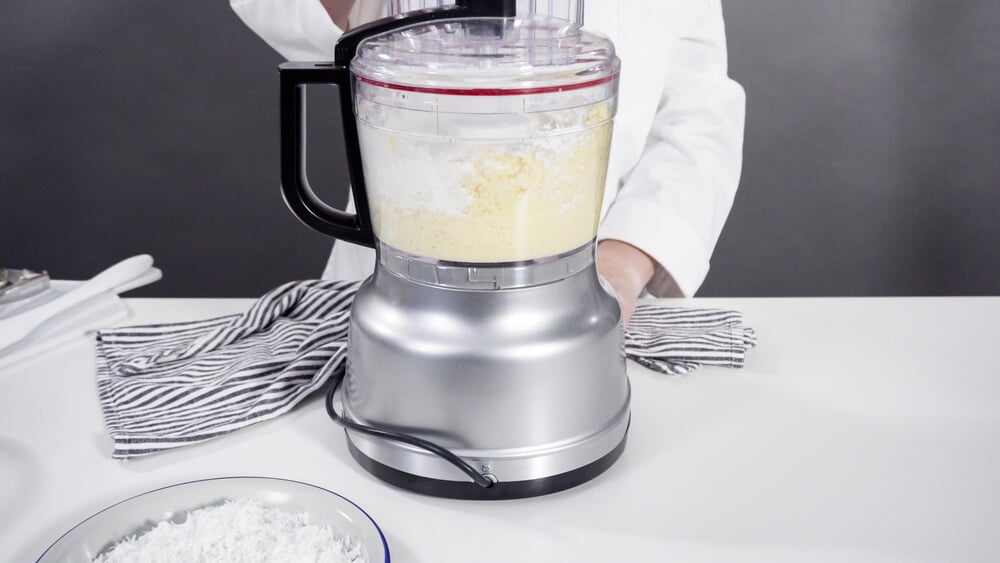
French catering salesman Pierre Verdun developed a commercial food processor called the Robot-Coupe in the 1960s, and a home version followed in France. American engineer Carl Sontheimer saw the machine at a Paris housewares show, modified it and launched the Cuisinart food processor in 1973.
Food writers including James Beard and Julia Child praised it, and sales took off. Chopping, slicing and pureeing that once took an hour could be done in minutes, and French cooking techniques suddenly looked manageable for ordinary home cooks in suburban kitchens.
Crock-Pot From a Bean Cooker
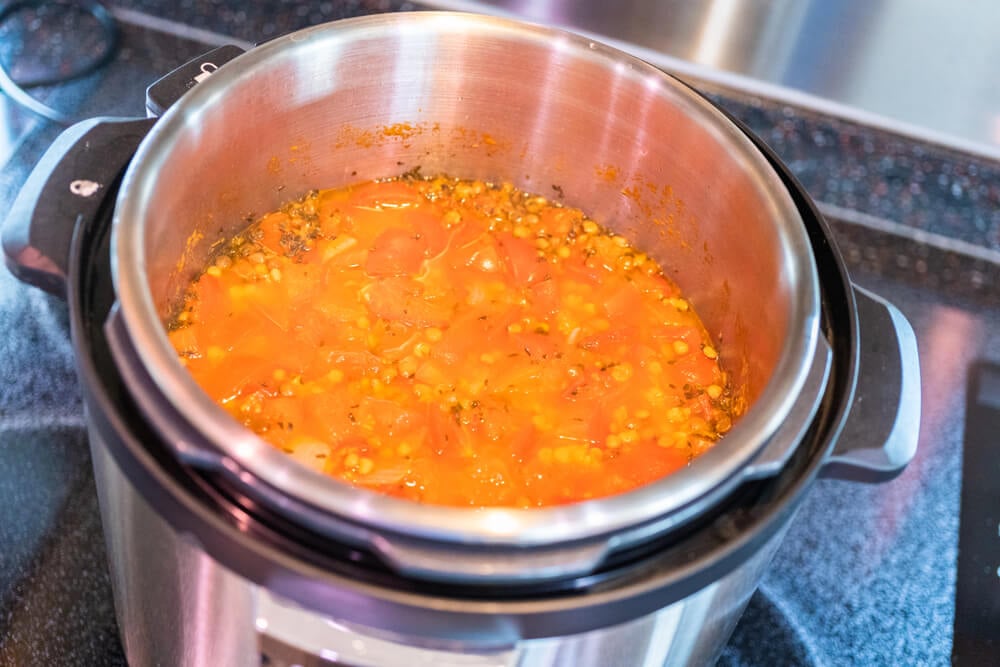
Irving Naxon patented a slow-cooking device in 1940, inspired by family stories of a Sabbath bean stew that simmered overnight in a town oven in Lithuania. He sold it as the Naxon Beanery.
In 1970, Rival Manufacturing bought the company and relaunched the product as the Crock-Pot in 1971, timed for a moment when more women were working outside the home. Families could load ingredients in the morning and come home to dinner, and the slow cooker became a symbol of busy household cooking and potluck dinners.
Pressure Cookers From Papin to Presto
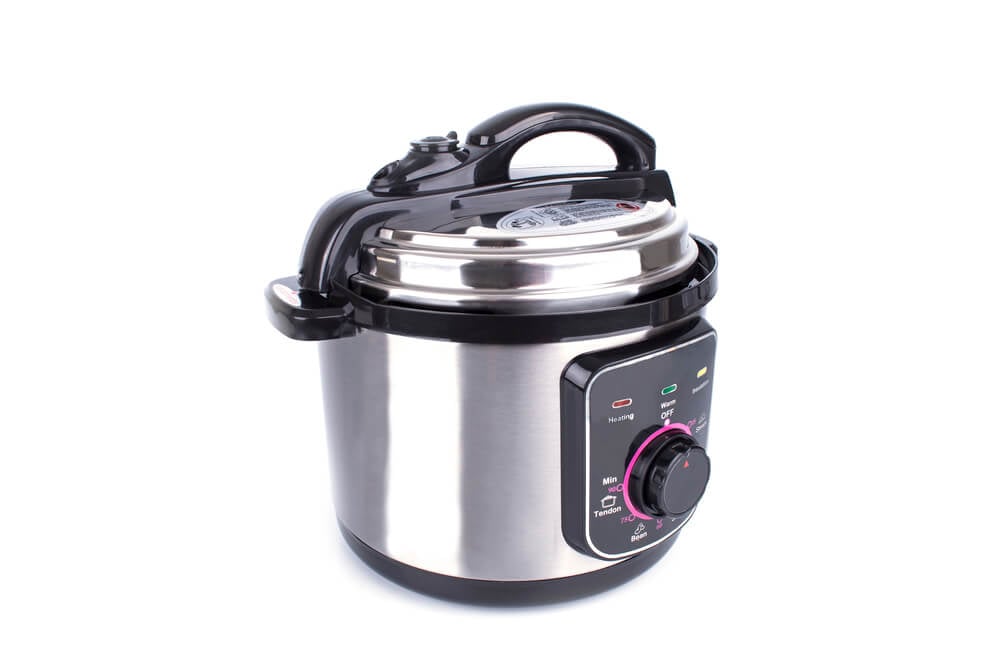
French physicist Denis Papin demonstrated a steam digester in 1679 that cooked bones until they softened, the ancestor of the modern pressure cooker. Home pressure saucepans arrived much later, and National Presto Industries introduced one in 1939 that made the idea practical for American kitchens.
Pressure cooking cut cooking times dramatically and saved fuel. Early models could be dangerous when lids were opened too soon, and safety improvements over the decades eventually made them common and trusted.
During World War II, pressure canners also became essential for families preserving produce from victory gardens.
Garbage Disposer From Racine
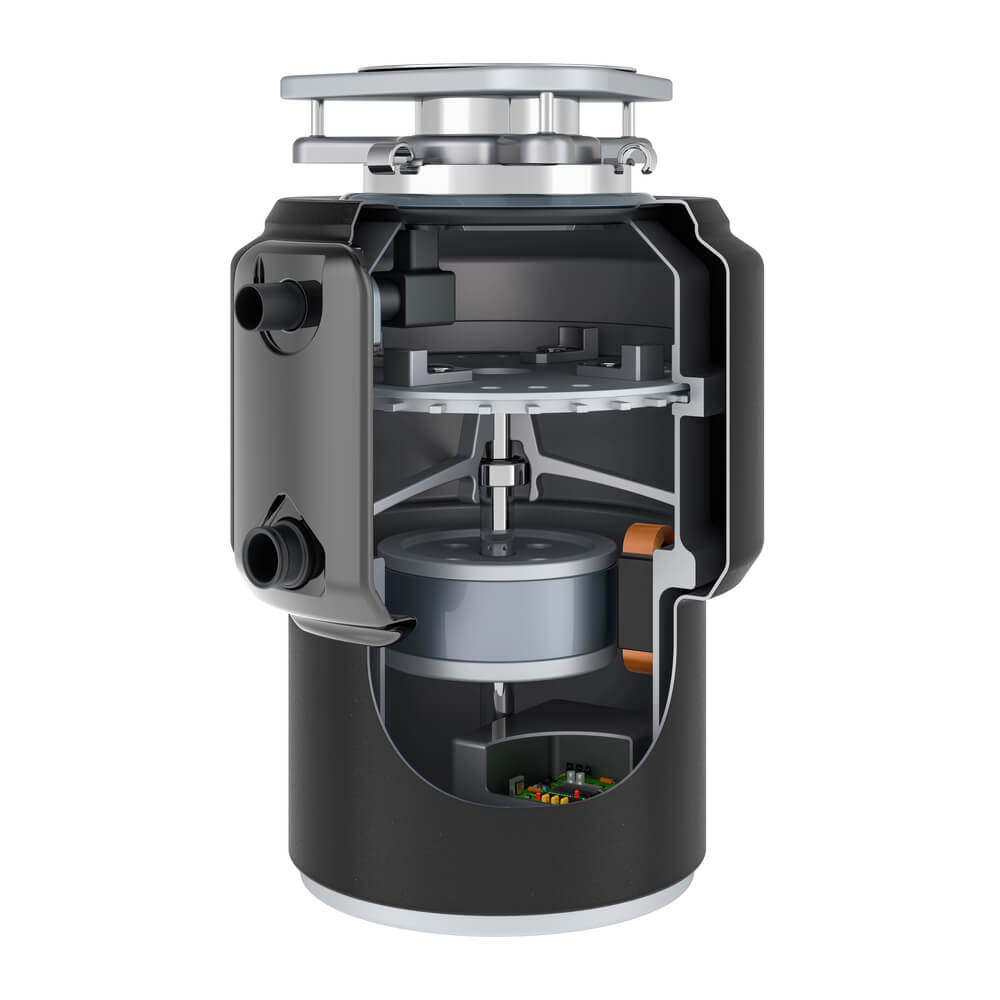
Architect John W. Hammes of Racine, Wisconsin, built a garbage disposer for his wife in 1927, grinding food scraps so they could be washed down the drain. He founded InSinkErator to sell it, and the device slowly spread through American kitchens after World War II.
Some cities resisted, fearing damage to sewer systems, and New York City did not lift its restrictions until 1997. Today the disposer is standard in many homes, quietly removing a messy chore that once filled trash cans with food waste.
Russell Hobbs Automatic Kettle
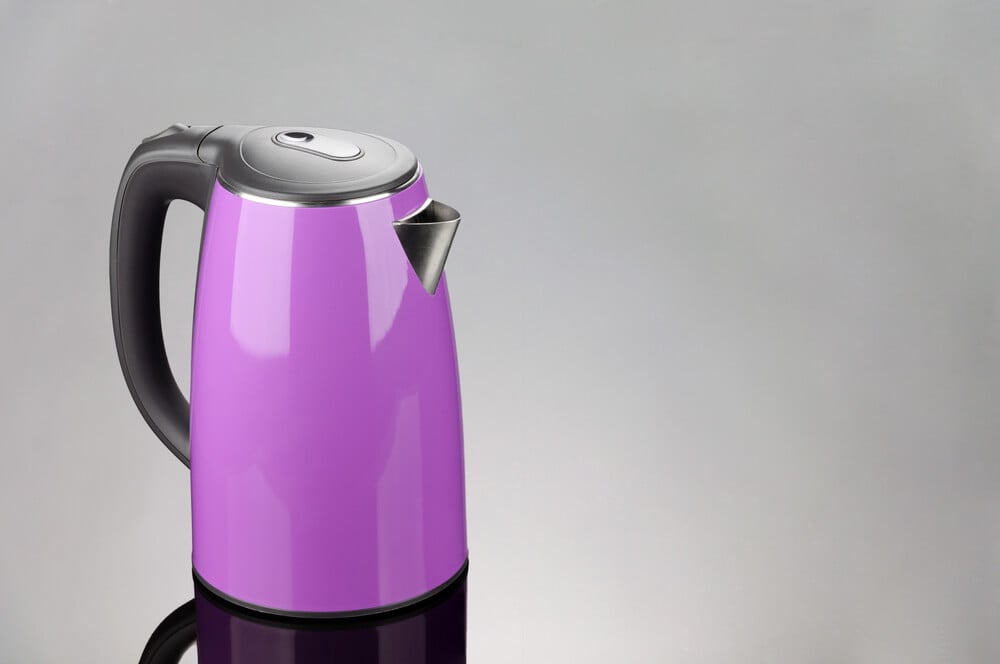
William Russell and Peter Hobbs, two British engineers, introduced the K1 kettle in 1955, often described as the first fully automatic electric kettle. It switched itself off once the water boiled, which meant a kettle could no longer boil dry or fill the kitchen with steam.
The feature became standard in electric kettles around the world. In Britain, the automatic kettle became so central to daily life that the national power grid still prepares for surges when popular television programs end and millions put the kettle on.
Melitta Bentz’s Paper Filter
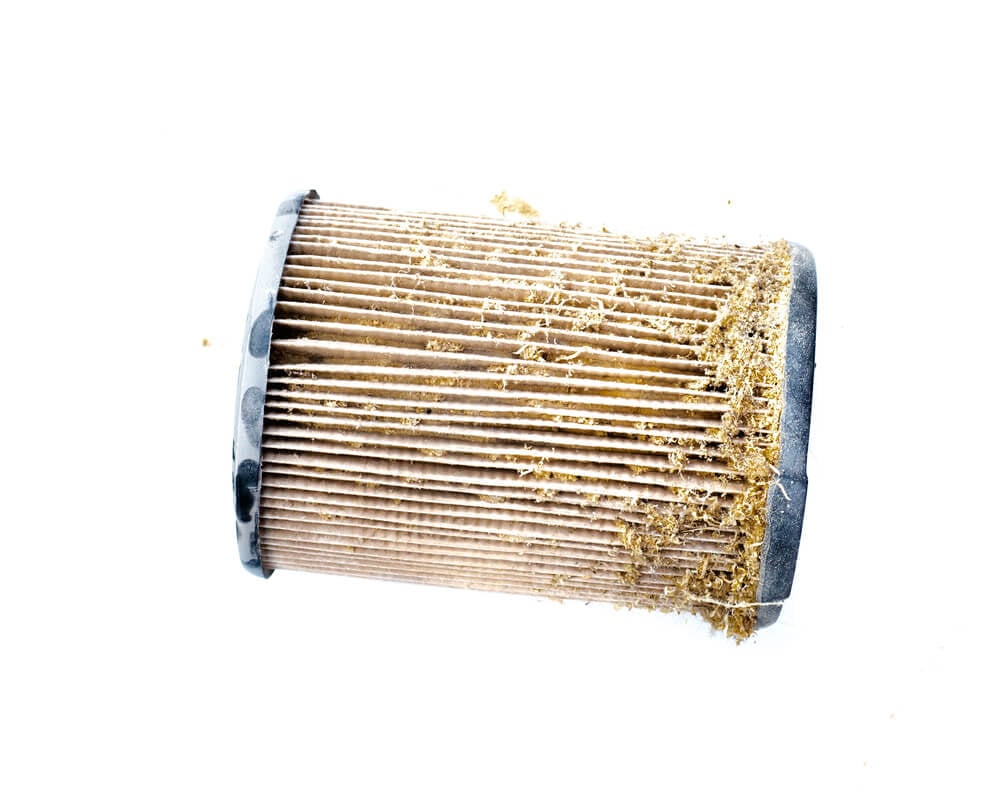
Melitta Bentz, a homemaker in Dresden, Germany, was frustrated by the bitter grounds left in coffee, so in 1908 she punched small openings in a brass pot and lined it with blotting paper from her son’s school notebook. She patented the filter system and founded a company that still carries her name.
Paper filters made clean, grit-free coffee easy to brew at home. The idea paved the way for the drip coffee makers that dominated American kitchens later in the century, and the cone-shaped filters sold today still follow her basic idea.
Mr. Coffee Machine
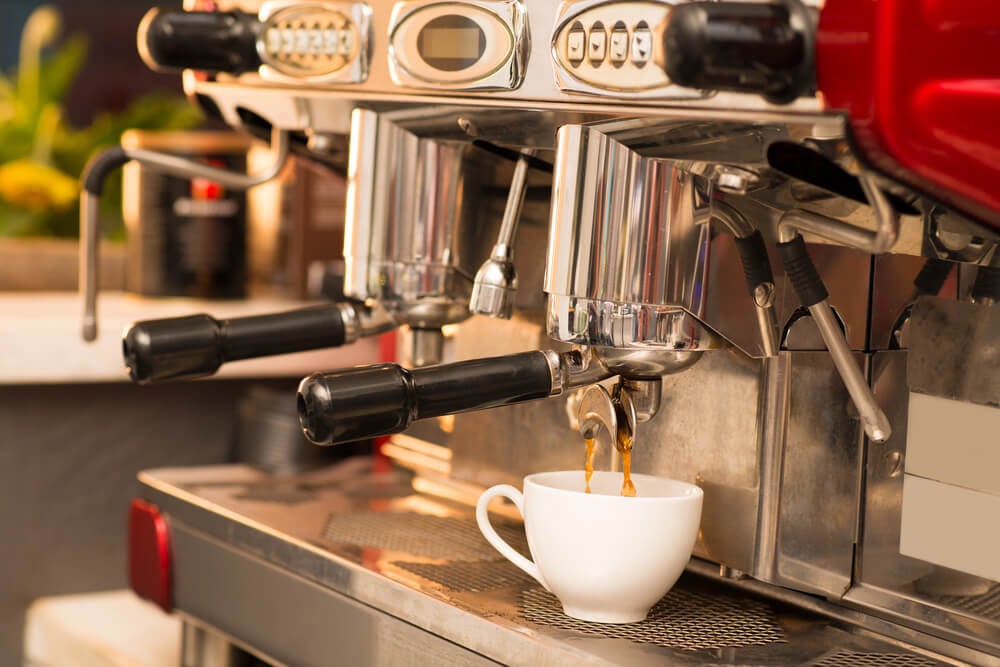
Vincent Marotta and Samuel Glazer of Cleveland launched the Mr. Coffee automatic drip coffee maker in 1972, after engineers worked out the right water temperature for brewing. The machine replaced the percolator in many homes, and its sales were helped by television ads featuring former New York Yankees star Joe DiMaggio.
Within a few years, Mr. Coffee was selling millions of units, and automatic drip brewing became the standard in American kitchens. The brand name became so common that it was used as a generic term for drip coffee makers.
Pyrex From a Battery Jar
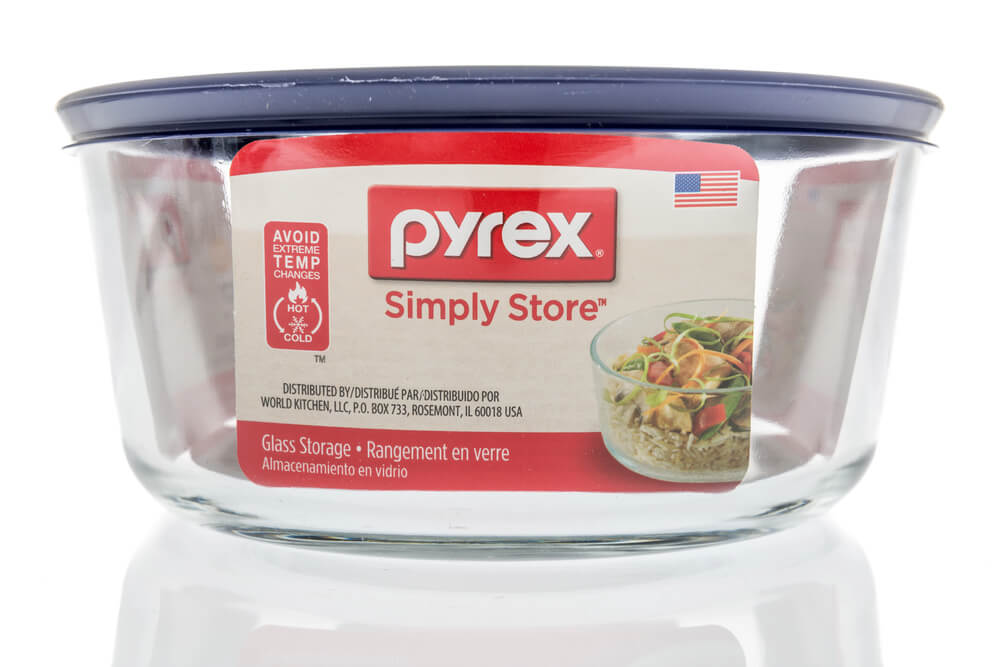
Corning Glass Works made heat-resistant glass for railroad lanterns and batteries, and in 1913 Bessie Littleton, wife of Corning physicist Jesse Littleton, baked a cake in the sawed-off bottom of a battery jar. The cake baked evenly, and the glass did not crack.
Corning launched Pyrex bakeware in 1915, and the clear dishes let cooks watch food as it baked. Pyrex became a staple of American kitchens, and vintage pieces are now collected for their colors and patterns.
The original glass was borosilicate, which handled sudden temperature changes far better than ordinary glass.
Paper Towels From Defective Tissue
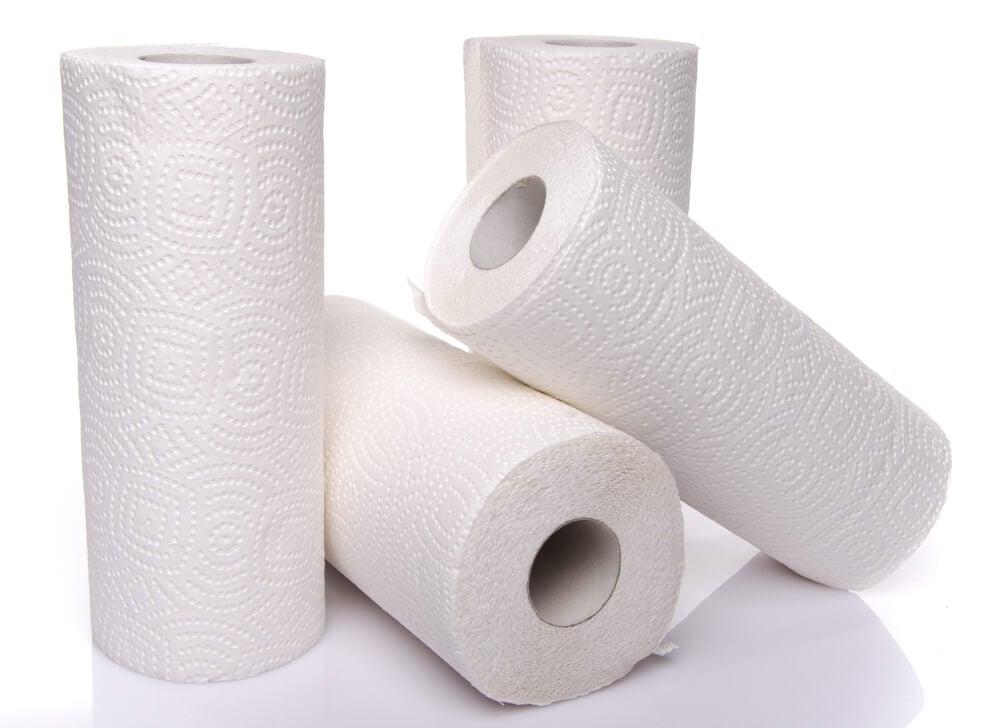
Scott Paper Company of Philadelphia began selling disposable paper towels in 1907, and company lore holds that the idea came after a shipment of toilet paper arrived too thick and wrinkled to use. Arthur Scott reportedly had the paper perforated into towel-sized sheets and marketed them to schools and public restrooms as a more sanitary option than shared cloth towels.
In 1931, the company introduced paper towel rolls for home kitchens. Within a few decades, a roll on the counter had replaced the stack of rags many households once kept for spills, grease and drying hands.
Ziploc Bags
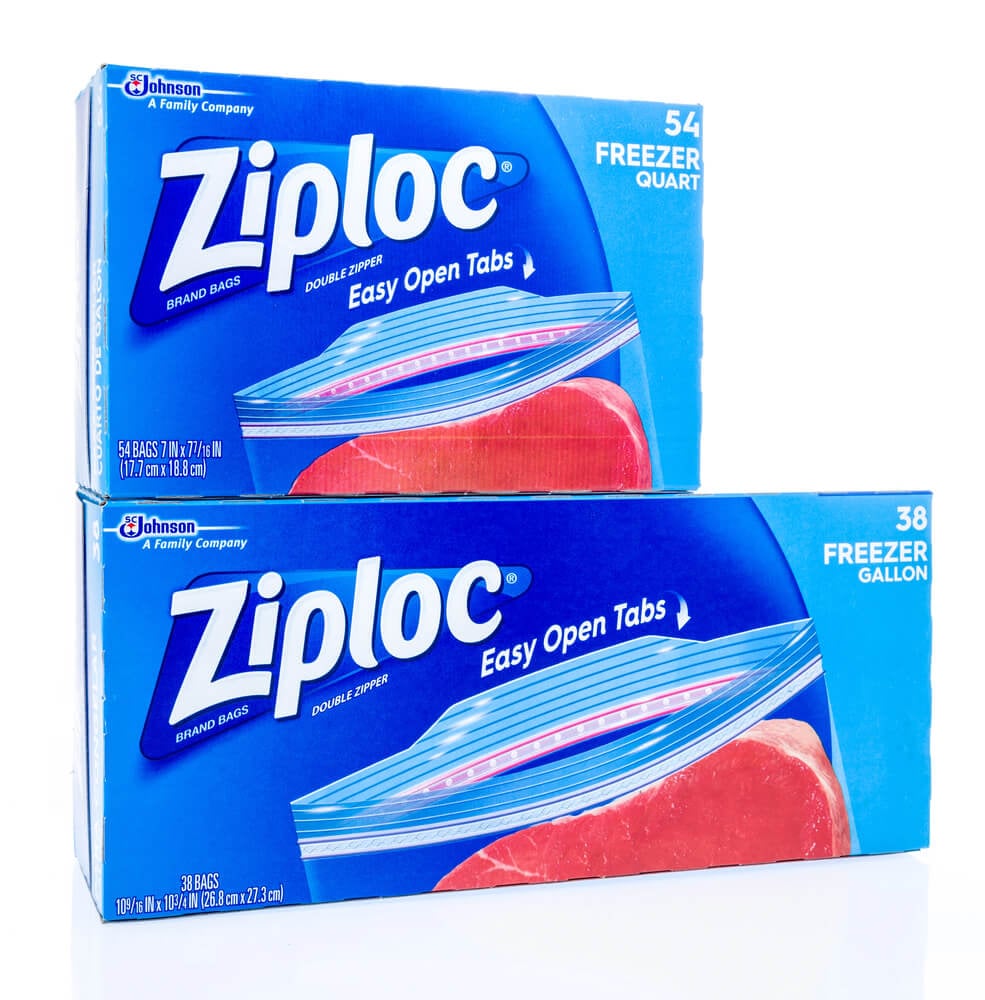
Dow Chemical introduced Ziploc bags in 1968, using a plastic zipper closure developed by the company Minigrip, which had built its business on interlocking plastic seals. The bags let cooks seal leftovers, marinate meat and freeze portions without wrapping and taping packages.
Dow later added a color-changing seal so users could see when the bag was closed properly. Resealable bags changed how families packed lunches and organized freezers, and the brand name became shorthand for any plastic bag that seals with a press of the fingers.
Reynolds Wrap Aluminum Foil
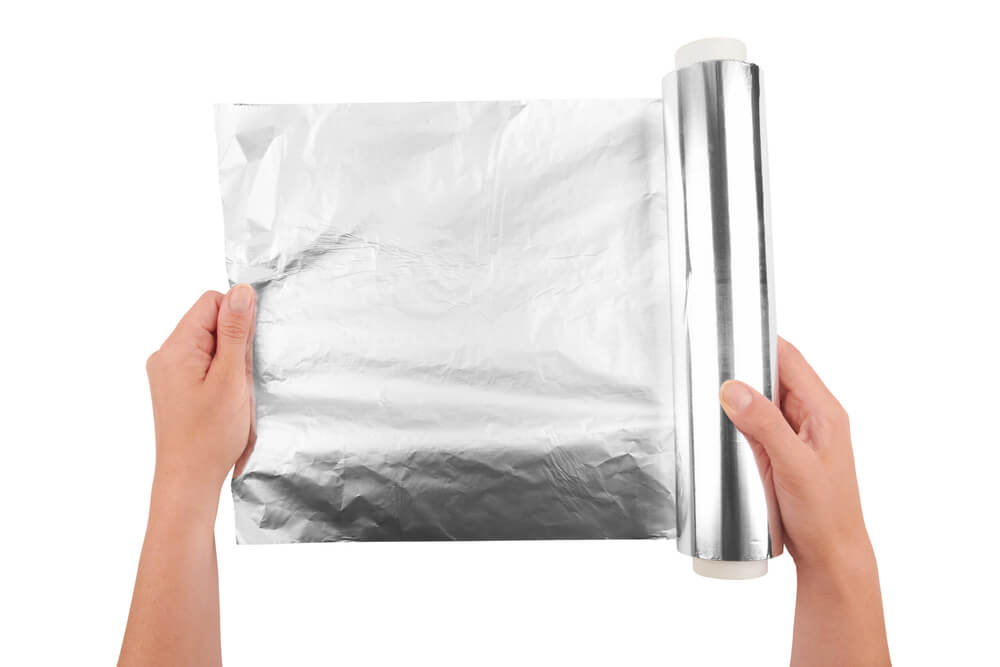
Before aluminum foil, kitchens used thin sheets of tin, which tore easily and left a metallic taste on food. Reynolds Metals, which had made foil packaging for candy and other products, introduced Reynolds Wrap aluminum foil for home kitchens in 1947.
The company had a surplus of aluminum after World War II and needed civilian markets. Foil quickly found uses in roasting, baking, lining pans and wrapping leftovers, and the roll in its long cardboard box became one of the most familiar items in any kitchen drawer.
Mason Jar From 1858
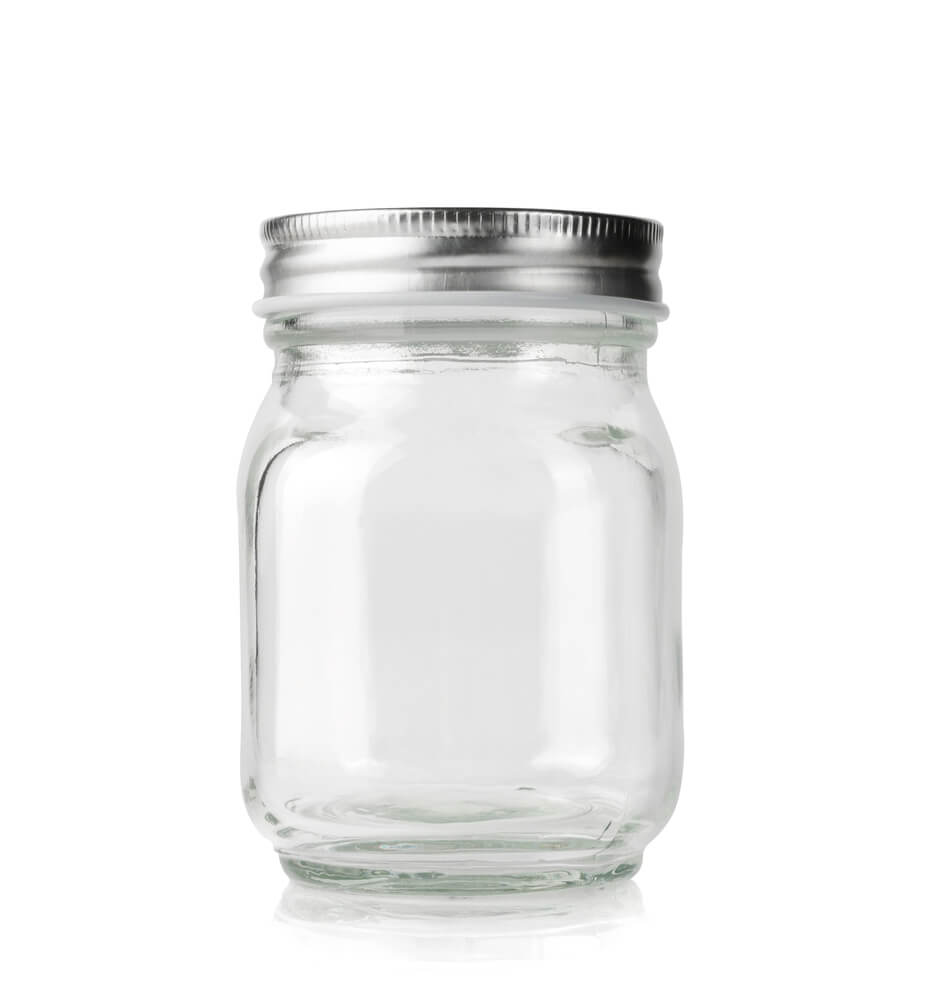
John Landis Mason, a tinsmith in Philadelphia, patented a glass jar with a threaded neck and a screw-on lid on November 30, 1858. Before then, home canners sealed jars with wax, which often failed and let food spoil.
Mason’s design made a tight seal far more reliable, and jars embossed with his patent date were produced for decades after the patent expired. Home canning became a seasonal ritual for American families preserving garden harvests, and the jars remain so familiar that the name Mason is still used for nearly any canning jar.
Clarence Birdseye’s Frozen Food
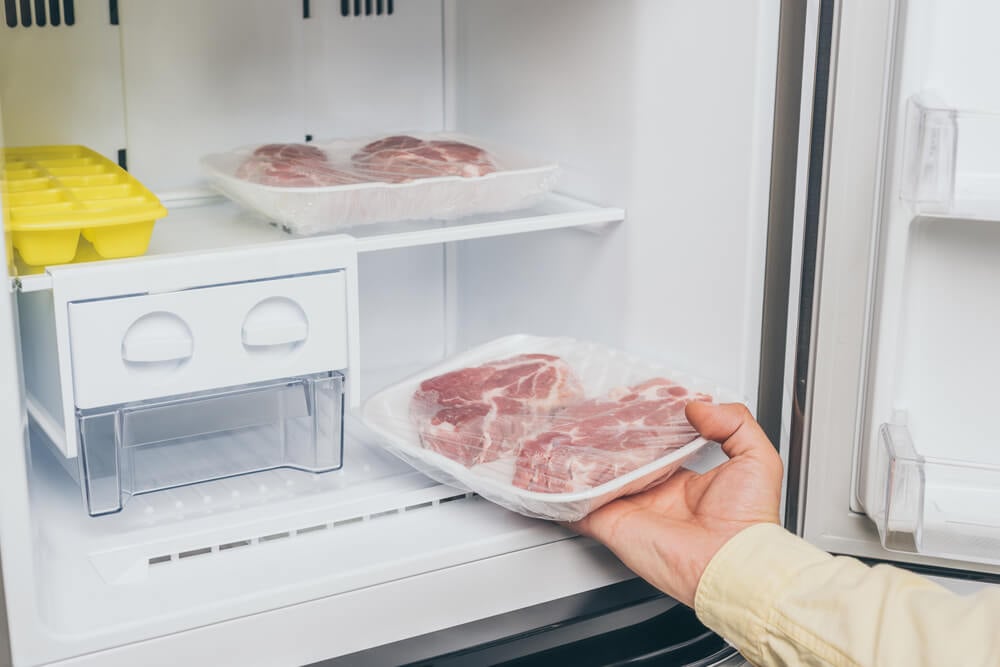
Clarence Birdseye was working as a naturalist in Labrador when he noticed that fish caught by Inuit fishermen froze almost instantly in the bitter cold and tasted fresh months later. He realized that rapid freezing created smaller ice crystals that did less damage to food.
Back in the United States, he developed quick-freezing machines, and in March 1930 frozen foods under the Birds Eye name went on sale in Springfield, Massachusetts. As home freezers spread after World War II, frozen vegetables, fish and fruit became ordinary weeknight ingredients.
Toshiba’s Automatic Rice Cooker
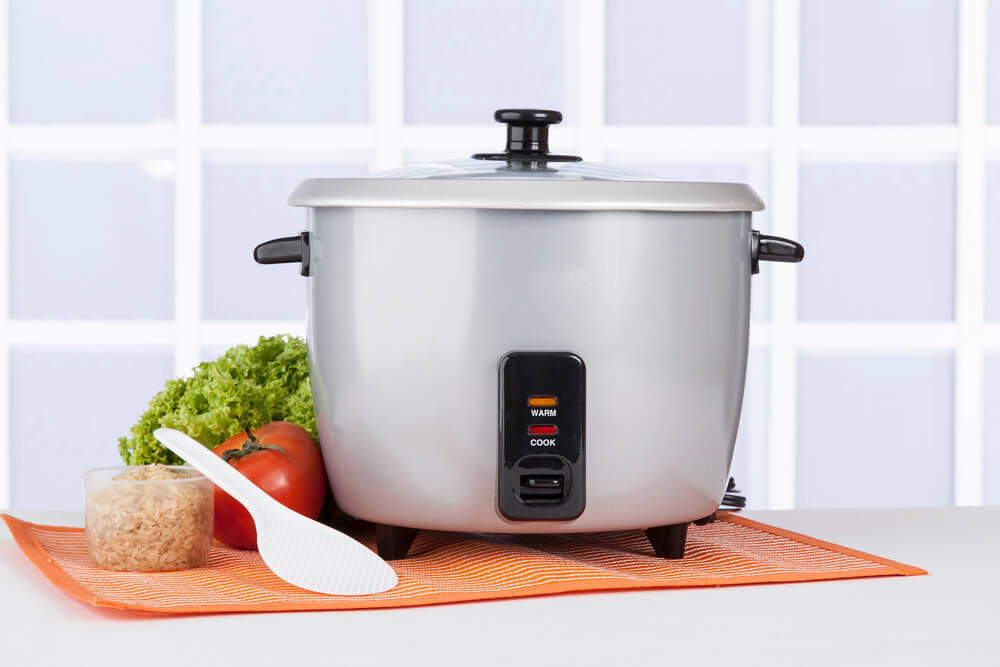
Toshiba introduced the automatic electric rice cooker in Japan in 1955, a design credited to Yoshitada Minami, with extensive testing reportedly done by his wife Fumiko. The cooker used a double-pot method and shut itself off at the right moment, sparing cooks from watching the pot.
It sold in huge numbers and freed many Japanese families from one of the most time-consuming daily kitchen tasks. Rice cookers spread across Asia and later into kitchens worldwide, and modern versions use sensors and fuzzy logic to adjust for different grains.
Fannie Farmer’s Level Measurements
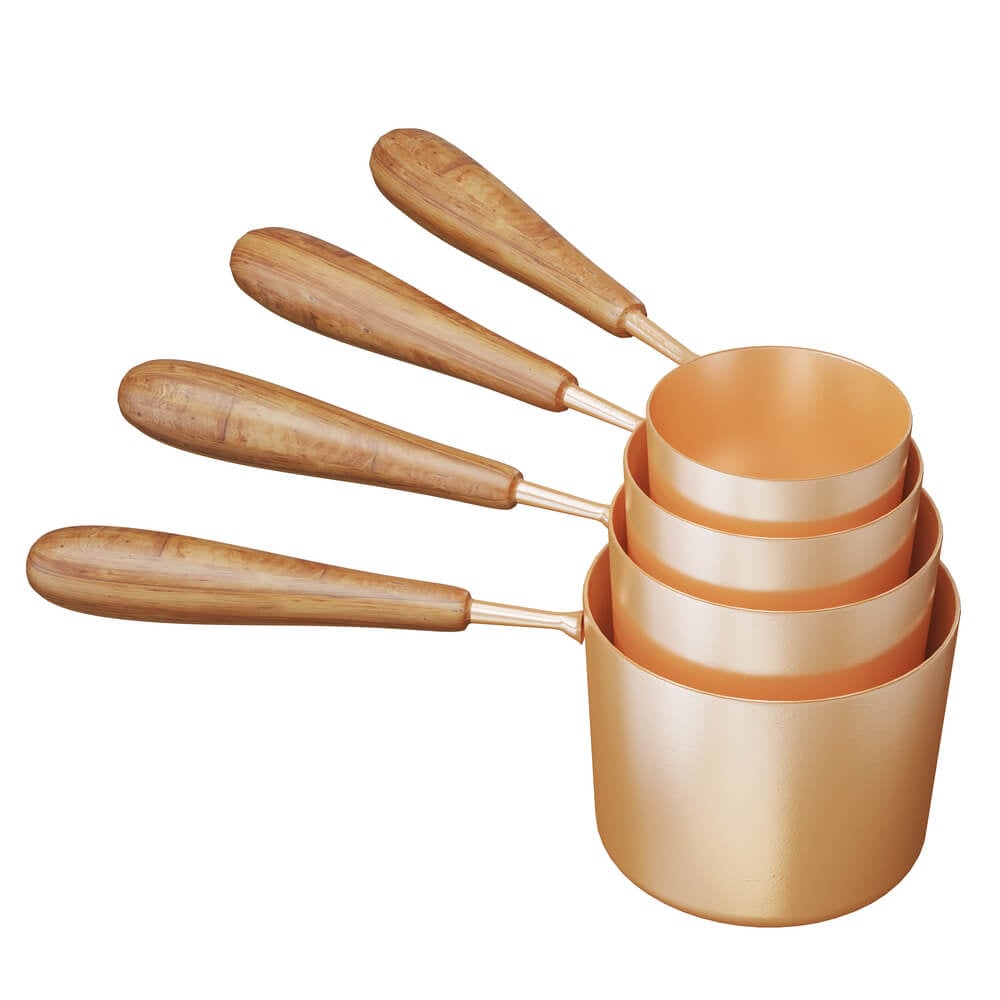
Before the late 1800s, recipes often called for a teacup of flour or butter the size of an egg, and results varied wildly from kitchen to kitchen. Fannie Farmer, principal of the Boston Cooking-School, published The Boston Cooking-School Cook Book in 1896 and insisted on standardized, level measurements using cups and spoons.
The idea seems obvious now, but it made recipes reliable enough to be shared widely. Her book became one of the best-selling cookbooks in American history, and measuring cups and spoons became standard kitchen equipment.
Instant Pot From Ottawa
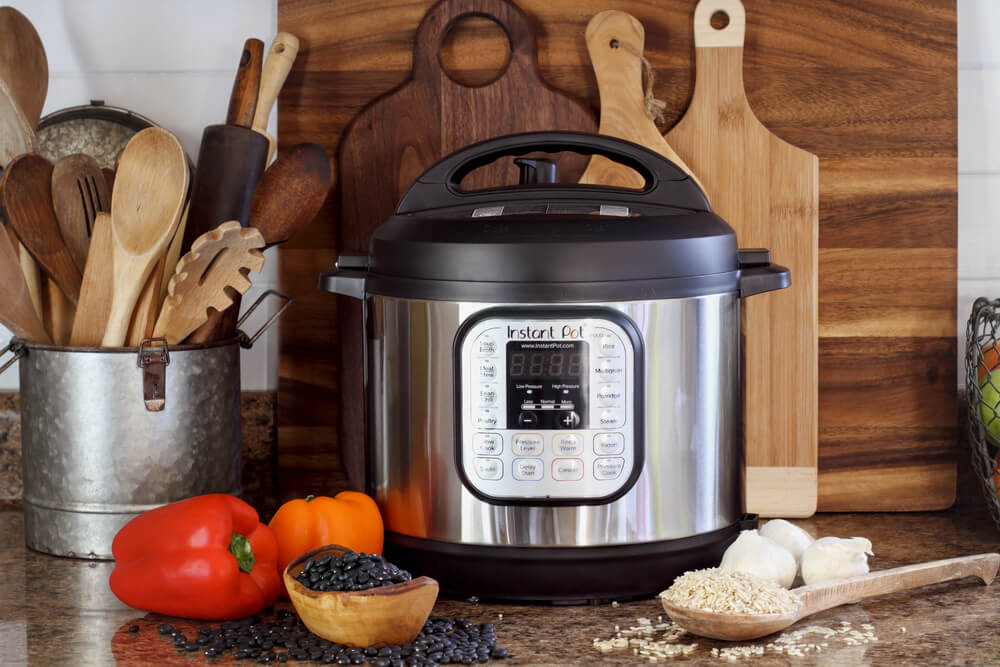
Robert Wang, a former telecommunications engineer, launched the Instant Pot in 2010 from Ottawa, Canada, combining a pressure cooker, slow cooker and rice cooker in one electric appliance with digital controls. Sales grew through online reviews and enthusiastic social media groups rather than traditional advertising.
The appliance became a major hit during Amazon Prime Day sales in the mid-2010s. Its built-in safety features eased old fears about pressure cooking, and the Instant Pot helped bring pressure-cooked dishes to a new generation of home cooks and busy families.
Philips Airfryer
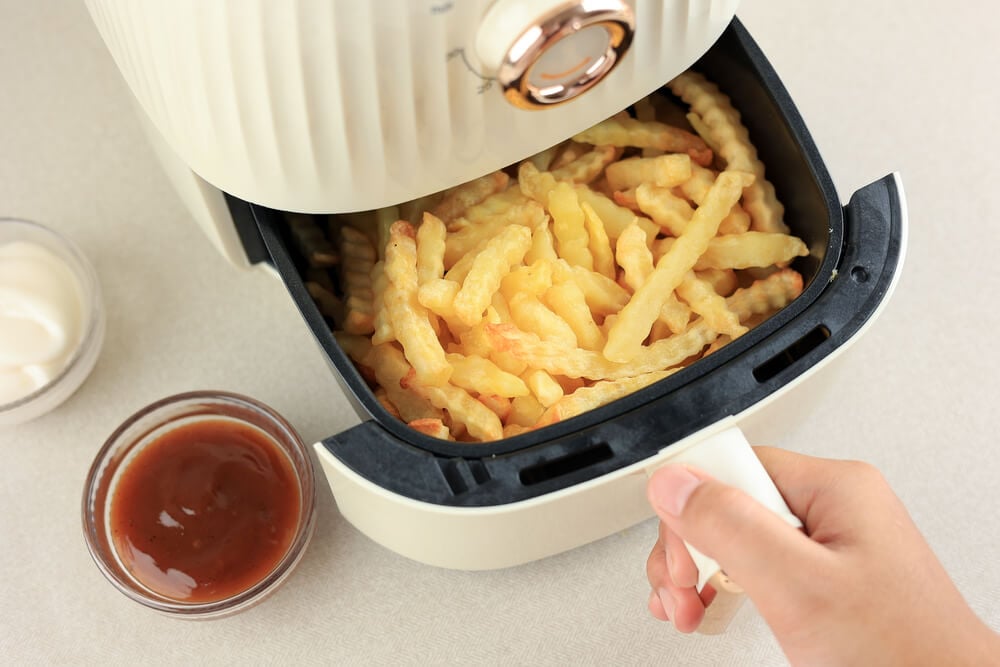
Dutch inventor Fred van der Weij developed a countertop appliance that circulates hot air rapidly around food to crisp it with little or no oil, and Philips introduced it as the Airfryer at the IFA consumer electronics show in Berlin in 2010. The machine promised fried texture without a pot of hot oil, an appealing idea for health-conscious cooks.
Other brands soon followed, and air fryers became one of the best-selling kitchen appliances of the following decade. Many households now use them more often than their ovens for small meals and reheating.
Induction Cooktops
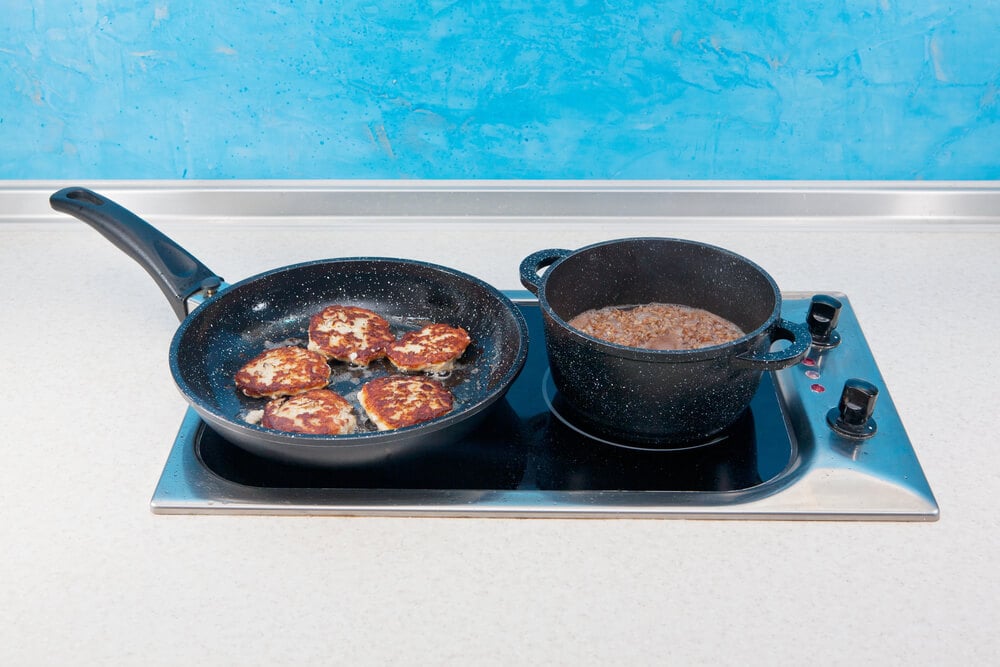
Induction cooking uses a magnetic field to heat a pan directly, leaving the cooktop surface itself relatively cool. The principle was demonstrated decades earlier, but Westinghouse sold one of the first home induction ranges in the early 1970s.
It was expensive and did not catch on in the United States at the time, though induction became popular in parts of Europe and Asia. Recent concerns about indoor air quality from gas stoves, along with rebates for electric appliances, have brought induction back into American kitchens with new momentum.
Dover Egg Beater
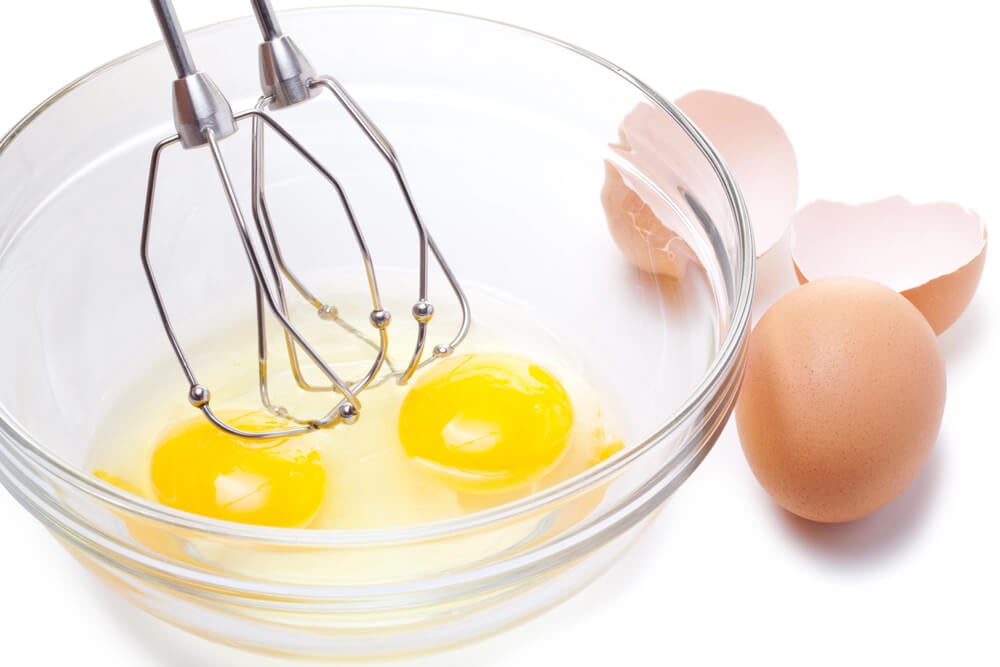
Before the rotary egg beater, cooks whipped eggs and cream with forks or bundles of twigs, which took a long time and tired the arm. Several inventors patented rotary beaters in the mid-1800s, and the Dover Stamping Company of Massachusetts produced one of the most popular designs from the 1870s.
Its two interlocking whisks turned with a hand crank, and the tool became so common that Dover became a generic name for egg beaters. The electric hand mixer later replaced it in most homes, but the hand-cranked version still turns up in drawers.
Microplane Zester
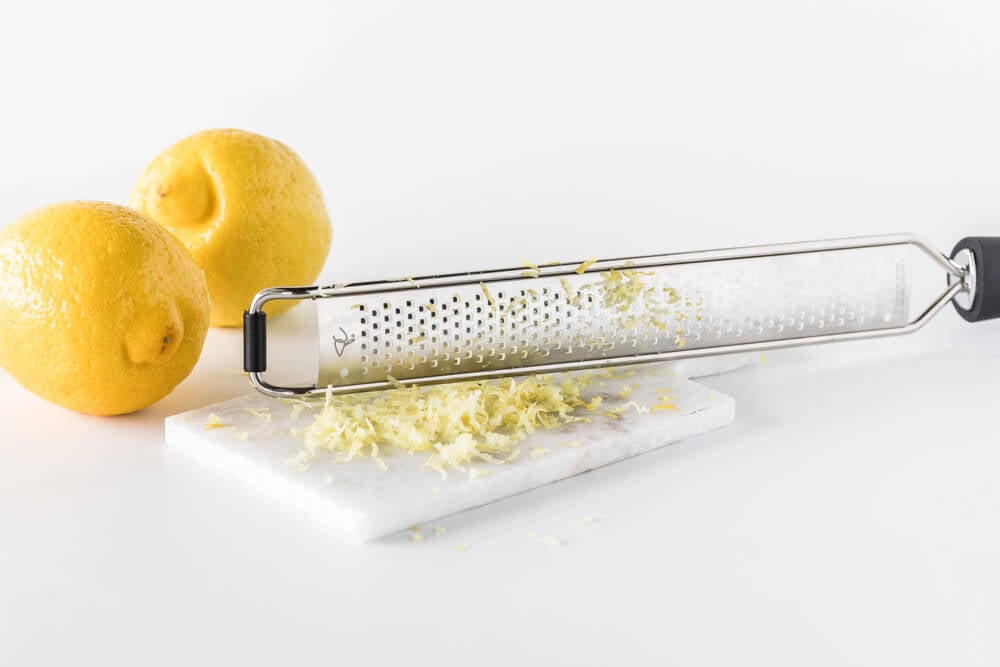
In 1994, a home cook in Ottawa, Canada, was frustrated with her grater while making an orange cake and borrowed a woodworking rasp from her husband’s tool store, Lee Valley Tools. The sharp, etched blade zested the orange finely and cleanly.
Lee Valley began promoting the rasp to cooks, and its manufacturer, Grace Manufacturing of Arkansas, created the Microplane kitchen line. The tool quickly became a favorite of professional chefs for zesting citrus, grating hard cheese and shaving chocolate, and it now hangs in kitchens everywhere.
Thermostat-Controlled Oven
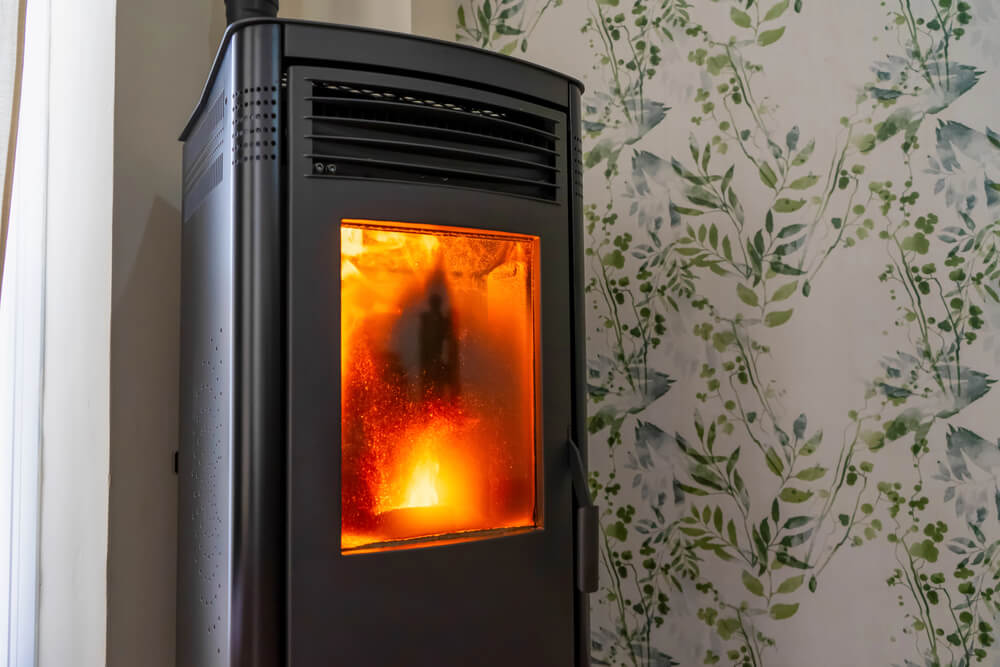
Early ovens had no reliable way to hold a set temperature, so cooks judged heat by holding a hand inside or watching how quickly a piece of paper browned. In 1915, the American Stove Company introduced the Lorain oven heat regulator, generally considered the first thermostat for home gas ovens.
Cooks could now set a temperature and trust it, and recipes began listing specific oven temperatures instead of vague instructions like a moderate oven. That small dial made baking far more predictable and paved the way for modern ranges.
Countertops Quietly Rewrote the Day
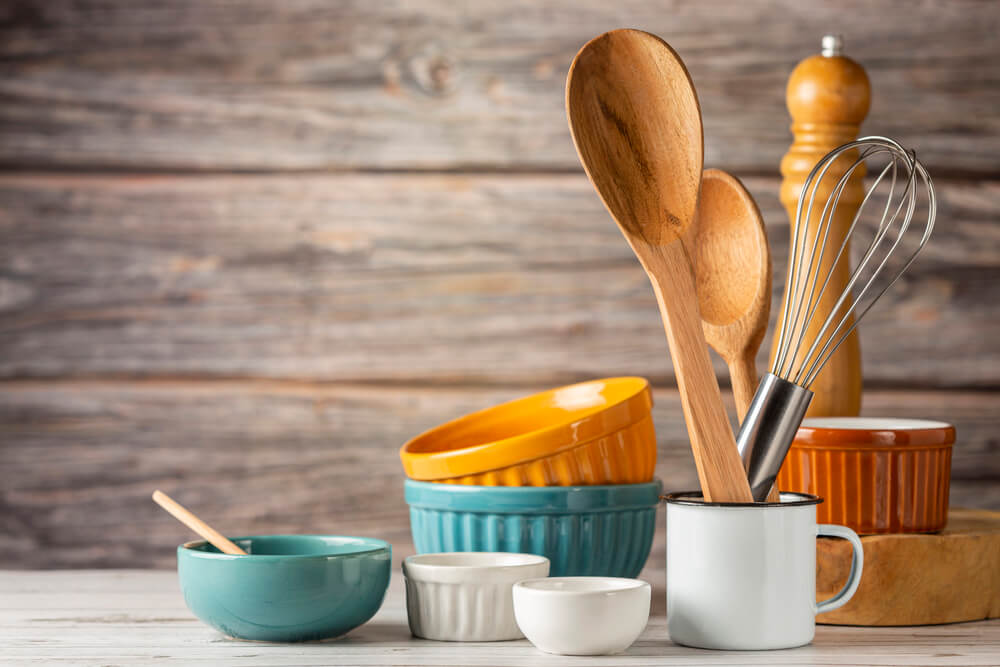
Most of these inventions solved small, specific problems, such as chipped china, burned toast or a bitter cup of coffee. Added together, they gave families back hours each week that once went to scrubbing, watching pots and hauling ice.
That time reshaped daily routines, work outside the home and even how families ate together. Kitchens tend to absorb new tools so completely that their origins disappear.
A paper filter or a measuring cup seems too ordinary to have an inventor. Behind each one is a person who decided an everyday frustration was worth fixing.
More from Go2Tutors!

- The Romanov Crown Jewels and Their Tragic Fate
- 13 Historical Mysteries That Science Still Can’t Solve
- Famous Hoaxes That Fooled the World for Years
- 15 Child Stars with Tragic Adult Lives
- 16 Famous Jewelry Pieces in History
Like Go2Tutors’s content? Follow us on MSN.