29 Vintage Baking Pans Now Worth Collecting
Old baking pans rarely look valuable. They come out of estate sales blackened, dented and stacked inside one another, usually priced by the box.
Yet some of them now draw serious attention from collectors, cast iron restorers and home bakers who prefer the way older metal holds heat.
Value depends on maker, rarity and condition, and prices shift from year to year. The figures below are rough 2026 secondhand estimates, not guarantees.
A rusty pan with a clear maker’s mark can still be worth more than a shiny one with no history at all.
Early Nordic Ware Bundt Pans
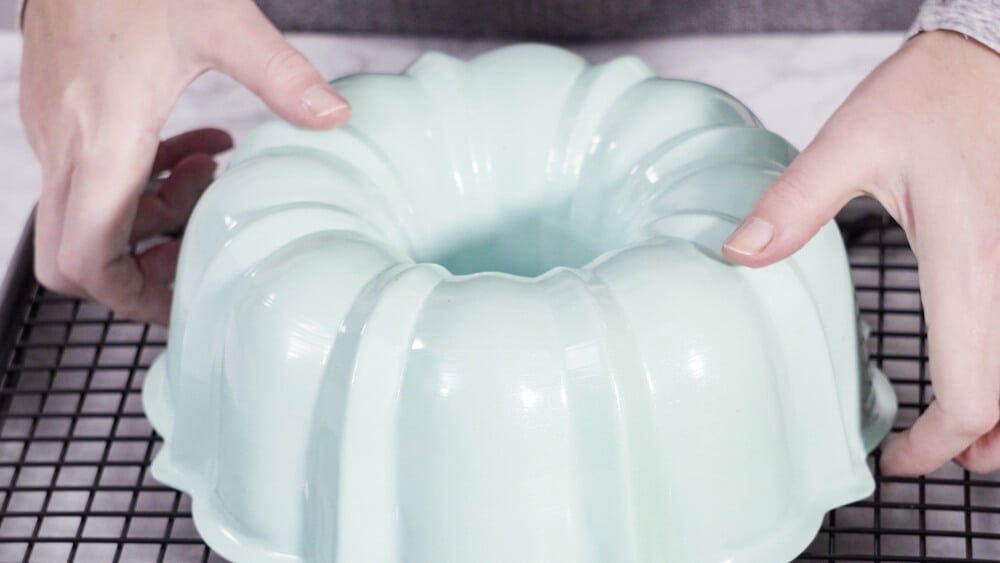
H. David Dalquist of Nordic Ware in Minneapolis designed the first Bundt pan around 1950 at the request of members of a local Hadassah chapter who wanted a lighter version of a heavy European cake mold. The pan sold slowly until the Tunnel of Fudge cake won a prize at the 1966 Pillsbury Bake-Off, after which demand surged.
Early cast aluminum pans with the original markings typically sell for about 25 to 75 dollars. Scratches in the nonstick coating, warping and heavy staining bring prices down quickly.
Griswold Lamb Cake Molds
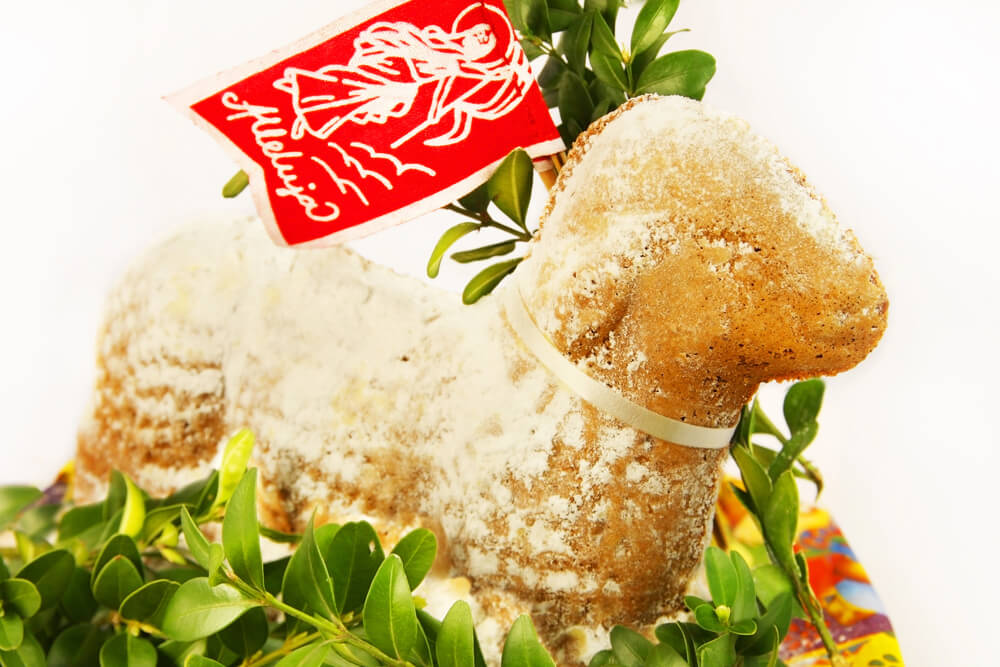
The Griswold Manufacturing Company of Erie, Pennsylvania, made a two-piece cast iron lamb mold for Easter cakes, and its original box urged buyers to bake a cake and please the kiddies. Collectors look for the No. 866 marking and correct paired halves.
Prices usually fall in the range of about 50 to 150 dollars, with original boxes adding a premium. Rust, mismatched halves and cracked tabs all lower the value.
Many families still bake with these molds every spring, which keeps them in steady demand.
Griswold Santa Cake Molds
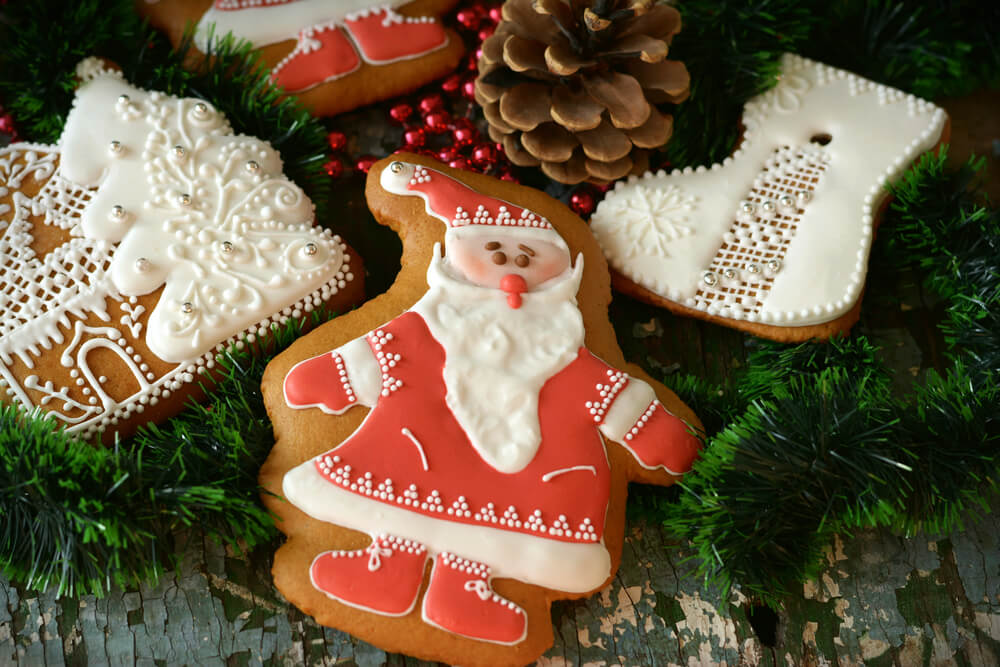
Griswold also cast a two-piece mold shaped like a standing Santa Claus, and it is far rarer than the lamb. Authentic examples have often sold for roughly 225 to 400 dollars, and some dealers report higher prices.
Reproductions are common, so buyers check details carefully. One telltale sign mentioned by collectors is that genuine molds show Santa’s tongue inside his open mouth.
Lettering style also differs between originals and copies. Pitting, cracks or a missing half can cut the value sharply, so buyers inspect both pieces closely.
Griswold Rabbit Molds
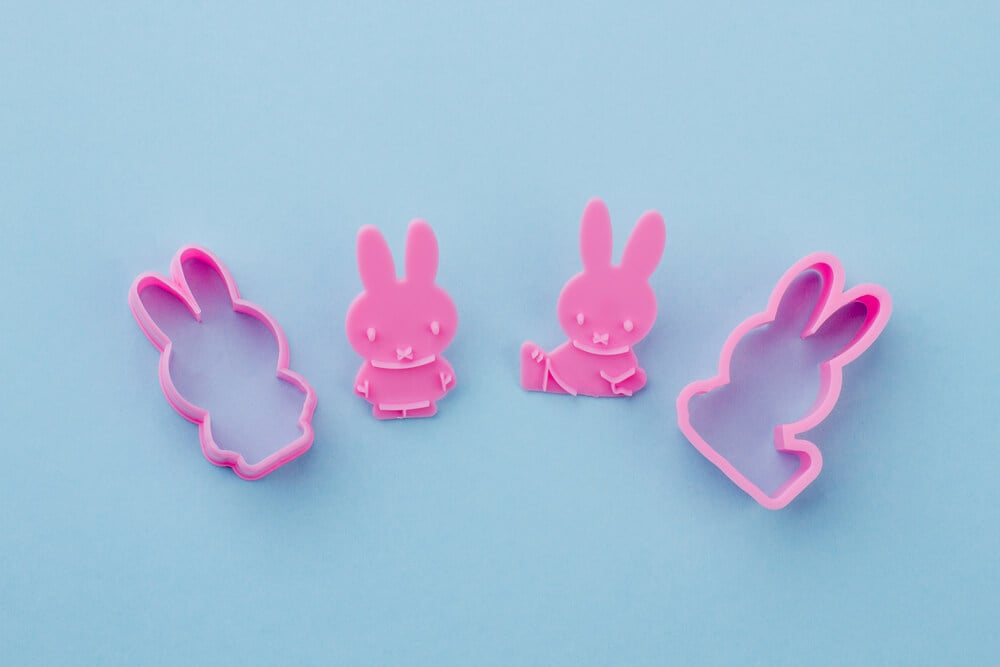
The Griswold rabbit mold, another two-piece cast iron design, was made for Easter cakes and is harder to find than the lamb. Antique appraisers have valued it at roughly 250 to 300 dollars in past columns, and good examples still bring strong prices.
The mold produces a sitting rabbit with upright ears, which made it a centerpiece for holiday tables. Collectors check that both halves are original and properly matched.
Heavy rust, chips at the ear tips or a missing handle lower prices considerably. Families who own one tend to keep it, so few appear at sales.
Wagner Krusty Korn Kobs Pans
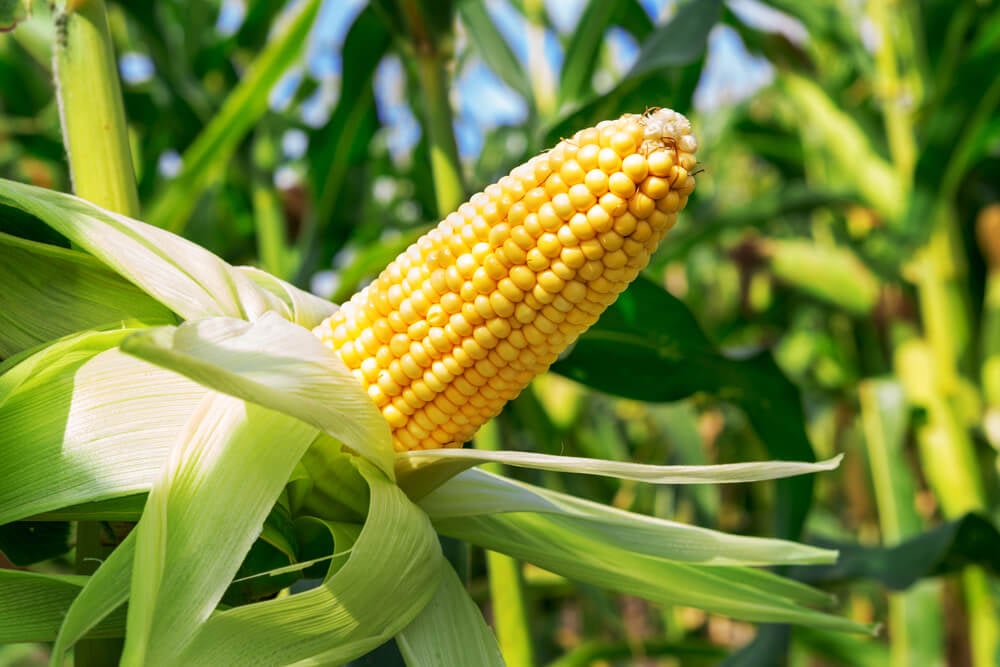
Wagner Manufacturing of Sidney, Ohio, patented its Krusty Korn Kobs corn stick pan around 1920. Each cavity is shaped like a small ear of corn, with kernels detailed in the iron.
The pans were sold in several sizes, including junior versions for smaller sticks. Typical prices run about 40 to 150 dollars depending on the size, marking and pattern variation.
Clean, crisp kernel detail matters a great deal to buyers. Pans that have been heavily pitted or ground down lose much of their appeal.
Griswold and Lodge made similar corn stick pans, but the Wagner name carries the history.
Turk’s Head Gem Pans in Cast Iron
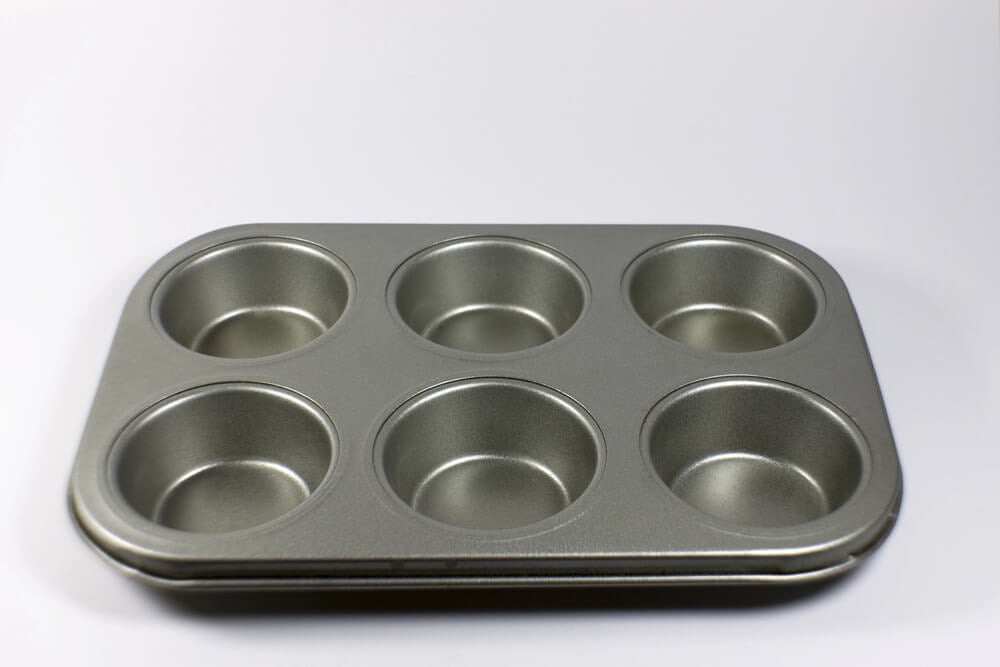
Cast iron gem pans with swirled cups shaped like a turban, known as Turk’s head pans, were made by several American foundries including Griswold and Lodge. They were used for muffins, small cakes and popovers.
Restored examples from well-known makers often sell for about 75 to 175 dollars. Collectors watch for pattern numbers and foundry marks.
Cracks in the cups, warped frames and heavy pitting are the main value killers, though light rust can usually be cleaned without affecting price. The swirled pattern gives each little cake a fluted top that looks far fancier than the effort required.
Aebleskiver Pans
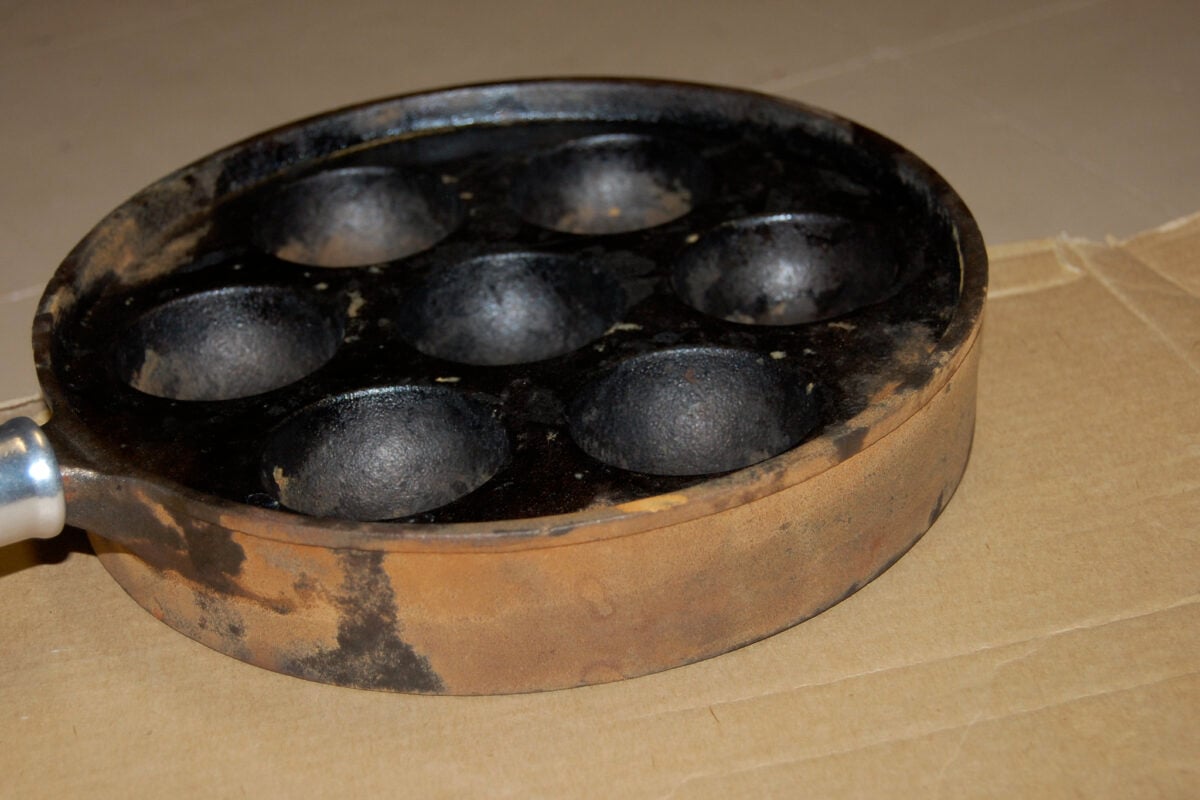
Danish aebleskiver are round pancake puffs cooked in a cast iron pan with deep, hemispherical wells. Scandinavian American families brought the tradition to the Midwest, and Griswold and other foundries made the pans, sometimes labeled as Danish cake pans.
Older marked pans often sell for about 40 to 120 dollars. Those with clear Griswold markings bring the most.
Missing handles, cracked wells and warped bases lower the value. Many buyers still use them every Christmas morning, which keeps demand steady.
The puffs are turned with a knitting needle or skewer, a technique grandmothers still teach at the stove.
Cast Iron Popover Pans
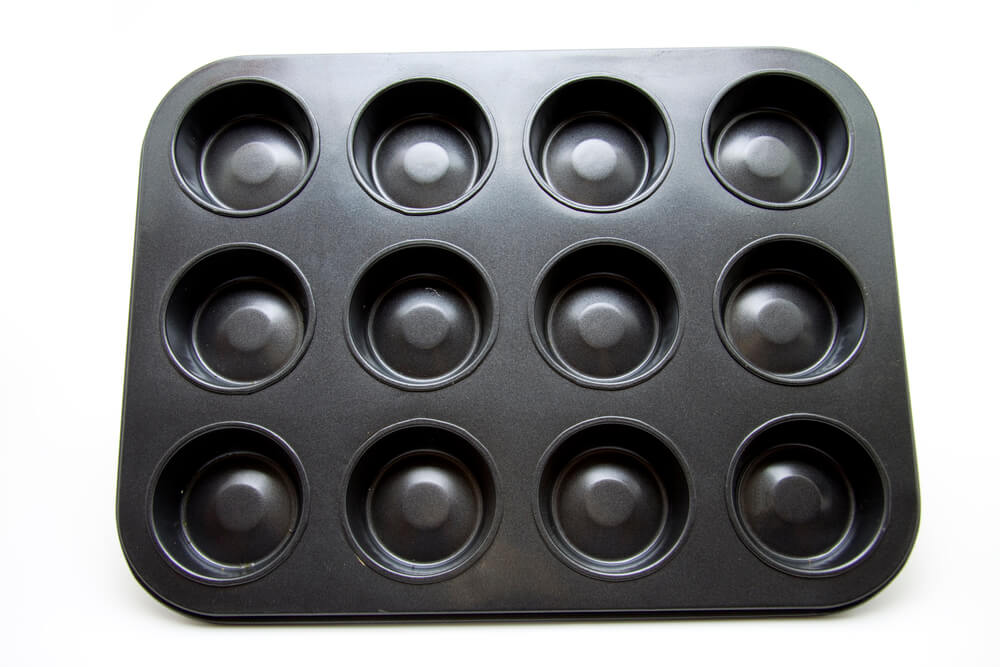
Before steel popover pans became common, deep cast iron cups heated in the oven helped popovers rise tall and crisp. Griswold, Wagner and smaller foundries made versions with six or eleven cups.
Clean, marked examples typically sell for about 50 to 150 dollars, with the rarest pattern variations going higher. The deep, straight-sided cups are what bakers want.
Cracks, heavy pitting or replaced handles reduce value, and buyers often ask for photos of the underside to confirm markings. Bakers preheat the empty pan before pouring in batter, which is the secret to a dramatic rise.
Frisbie Pie Company Tins
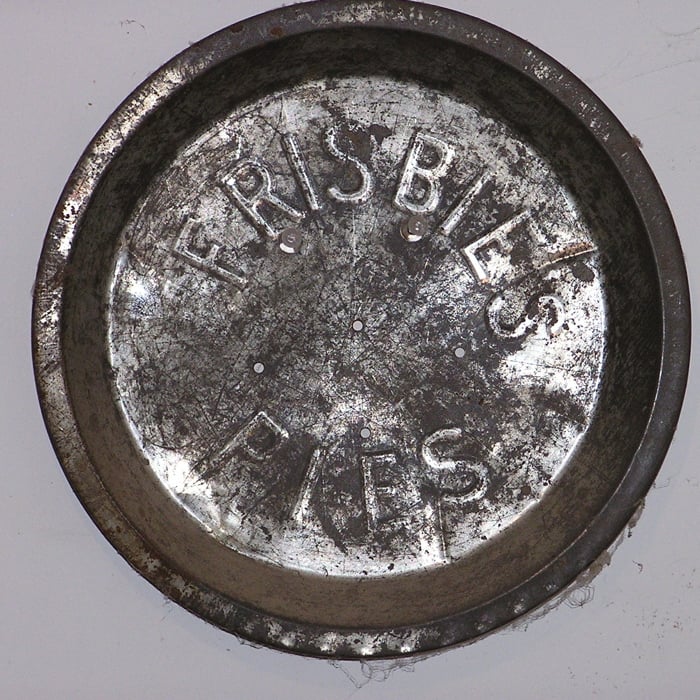
The Frisbie Pie Company of Bridgeport, Connecticut, sold pies in metal tins embossed with the company name. College students, including many at nearby Yale, reportedly tossed the empty tins for fun, and the Frisbee toy took its name from the company in the late 1950s.
The tins now draw interest from both kitchen and toy collectors. Prices commonly range from about 20 to 75 dollars, depending on the embossing style and age.
Dents, rust and worn lettering lower prices, but clearly marked tins still sell well.
Advertising Tube Pans
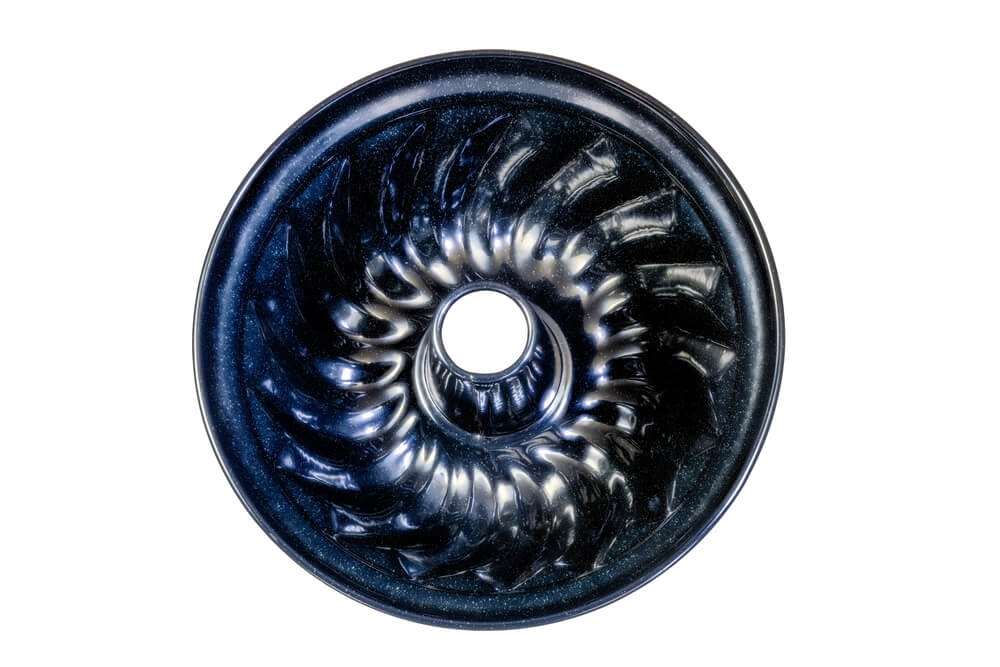
Flour and baking powder companies once offered tin cake pans embossed with their brand names, often as premiums or mail-in offers. Tube pans stamped with names such as Swans Down cake flour are among the examples collectors look for.
They tie kitchen history to advertising history, which broadens their appeal. Prices often range from about 15 to 50 dollars.
Legible embossing matters most, while rust, dents and loose seams bring values down. Complete pans with removable bottoms still in place are especially desirable.
The pans also reveal how flour brands once competed for loyalty in home kitchens.
Early Pyrex Pie Plates
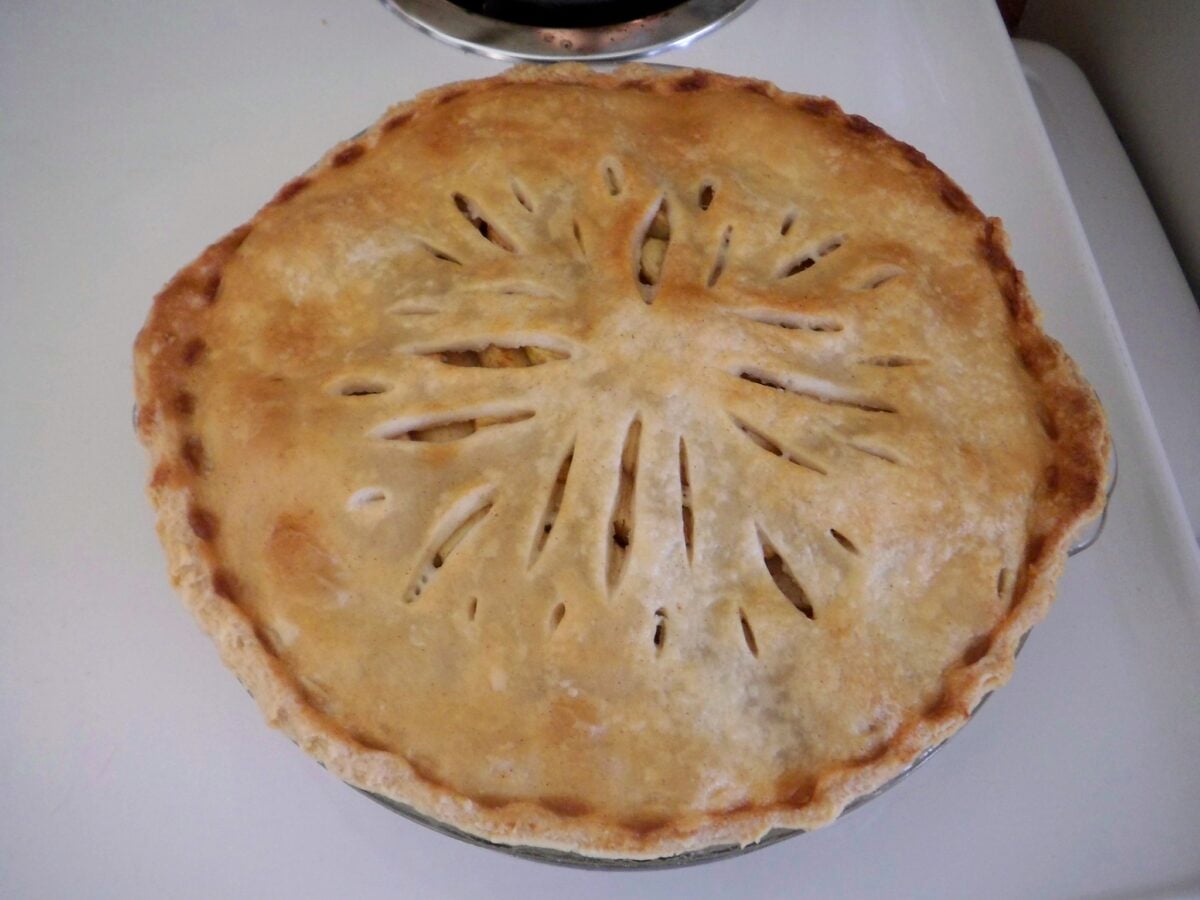
Corning Glass Works introduced Pyrex bakeware in 1915, after scientist Jesse Littleton’s wife Bessie famously baked a cake in a sawed-off glass battery jar. Early clear pie plates often carry the original Pyrex marking with patent dates.
These usually sell for about 15 to 40 dollars, though rare early forms bring more. Scratches, cloudiness and chips around the rim reduce value.
Collectors look for crisp markings and clear glass. Many are still used for holiday pies because they bake evenly and let cooks check the bottom crust.
Fire-King Jade-ite Loaf Pans
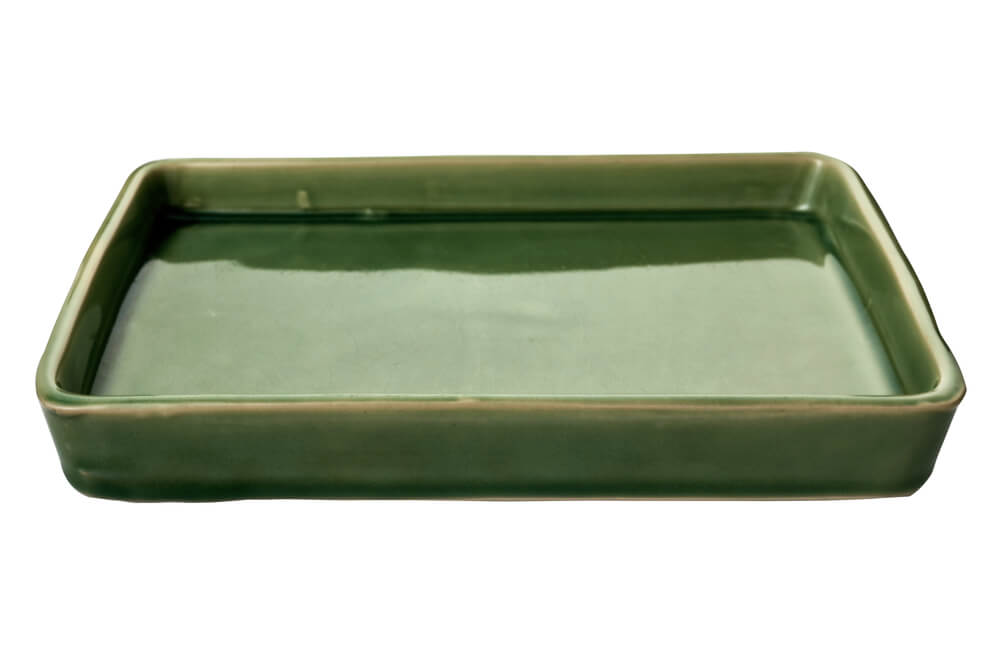
Anchor Hocking’s Fire-King line included jade-ite ovenware in a soft milky green, made from the 1940s into the 1970s. Loaf pans in jade-ite are less common than the brand’s mugs and bowls, and they draw solid interest.
Prices often fall between about 50 and 150 dollars. Collectors look for the Fire-King oven ware marking on the bottom.
Chips, utensil marks and cracks lower prices, and reproductions with different markings exist, so buyers compare color and markings carefully. Jade-ite surged in popularity in the early 2000s after lifestyle magazines and television hosts showcased their own collections.
Corning Ware Cornflower Petite Pans
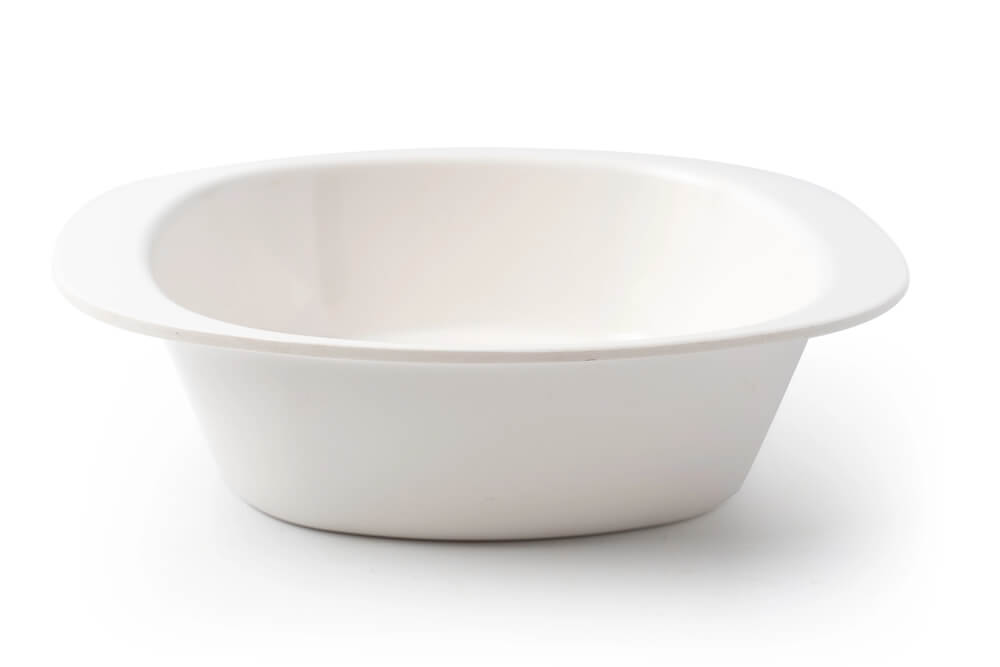
Corning Ware arrived in 1958, made from a glass-ceramic material that came out of research on missile nose cones. The blue Cornflower pattern became one of the most familiar designs in American kitchens.
Small petite pans, loaf dishes and baking dishes in this pattern sell for roughly 10 to 40 dollars each. Sets with original lids bring more.
Staining, crazing marks and missing lids lower value. The pieces can go from freezer to oven, which keeps them practical as well as collectible.
The small petite pans were often sold in sets with a plastic lid for storing leftovers.
Wilton Character Cake Pans
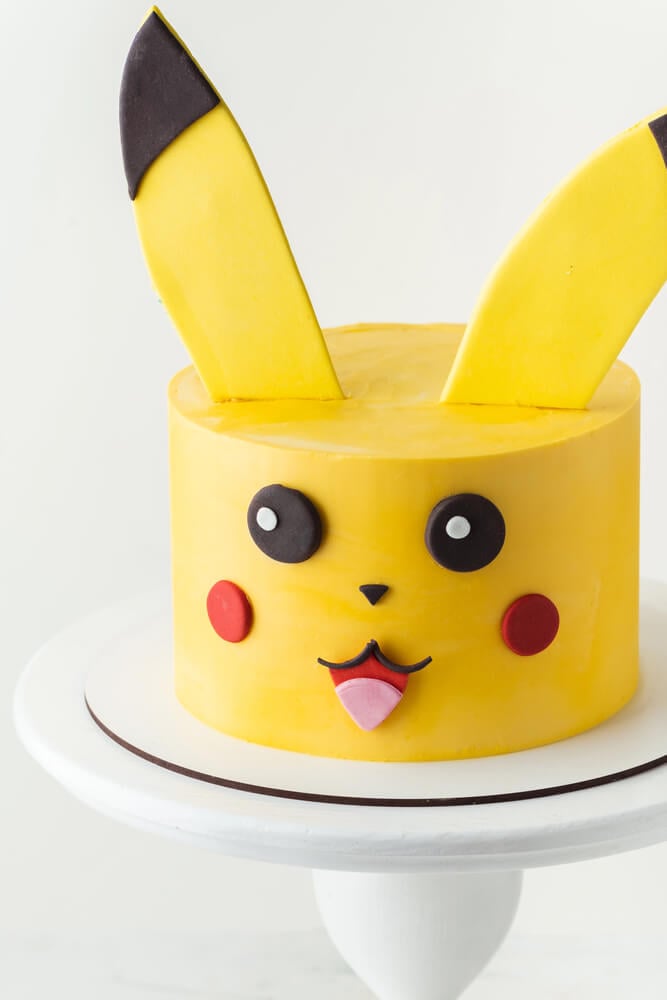
Wilton Enterprises of Illinois sold shaped aluminum cake pans for decades, including many licensed character designs popular in the 1970s and 1980s. Each pan usually came with a paper insert showing how to decorate the cake.
Popular characters and holiday shapes often sell for about 10 to 40 dollars. Pans with the original instruction sheet are worth noticeably more.
Dents and heavy scratching lower prices. These pans appeal to nostalgic parents who want to recreate their own birthday cakes for their children.
Thrift stores often price them at a few dollars, so patient hunters find bargains.
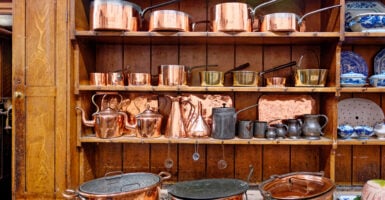
Tin-Lined Copper Molds
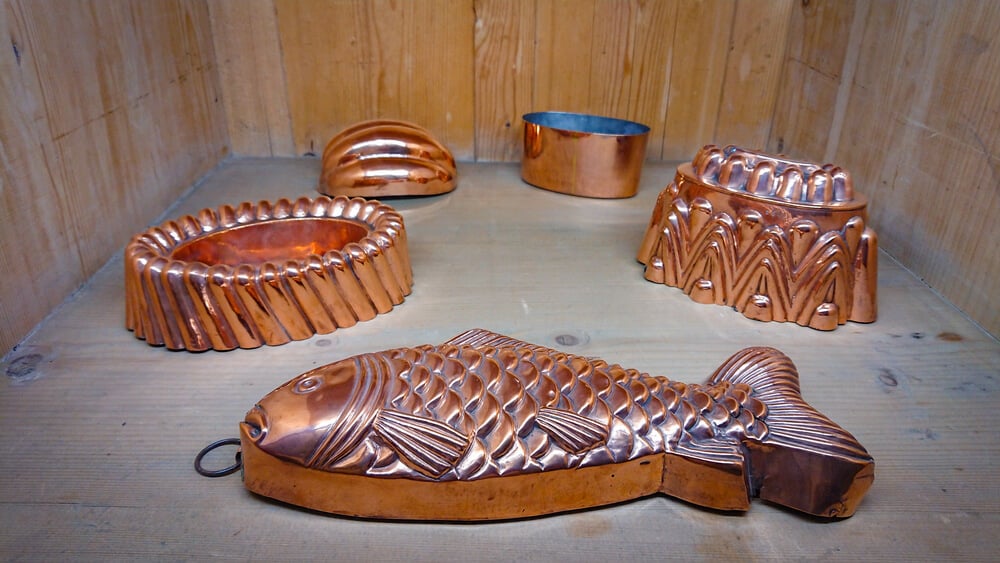
French and English copper molds lined with tin were used for cakes, puddings and aspics in grand kitchens. Their shapes include fluted rings, domes and detailed designs.
Older pieces with maker’s stamps can sell for about 75 to several hundred dollars, while smaller decorative molds go for less. Worn tin linings can be redone by specialists, but heavy dents and repairs reduce value.
Collectors prize crisp detail and a rich copper patina. Many are displayed on walls rather than used, though they still work well for baking.
Soufflenheim Kugelhopf Molds
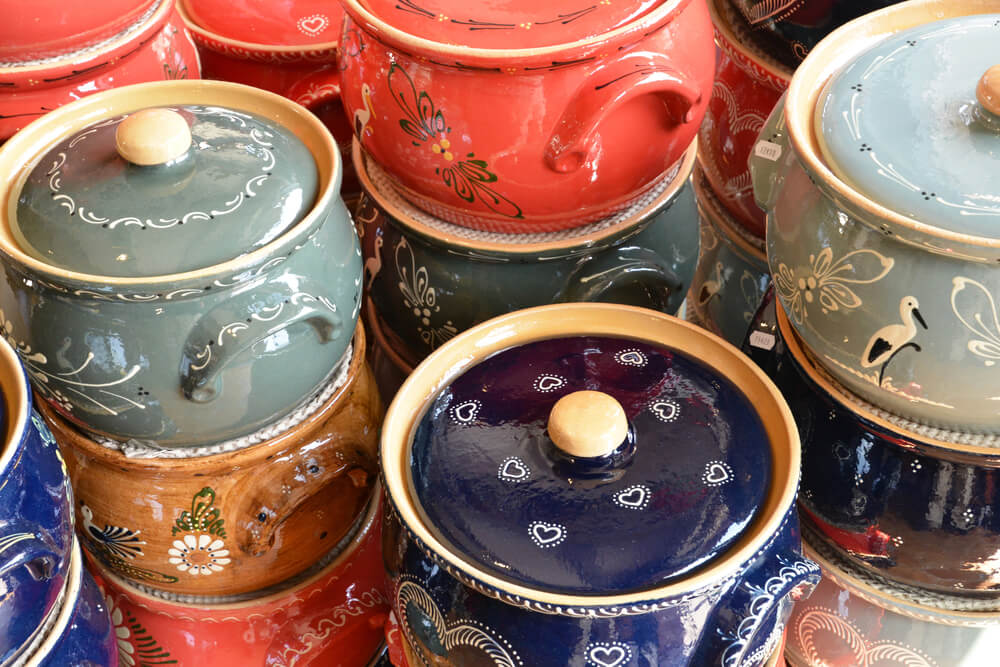
Soufflenheim, a town in Alsace, France, is known for its glazed earthenware, including kugelhopf molds with a central tube and swirled sides. The molds are often hand-painted with flowers and birds.
Older examples sell for about 40 to 120 dollars, while modern pieces still made in the town cost less. Chips, cracks and crazing in the glaze lower value.
The molds are used for kugelhopf, a yeasted cake with raisins and almonds. Many are bought as decorative pieces, but they still bake well.
Some families pass them down as wedding gifts, a custom tied to Alsatian tradition.
Tinned Steel Madeleine Pans
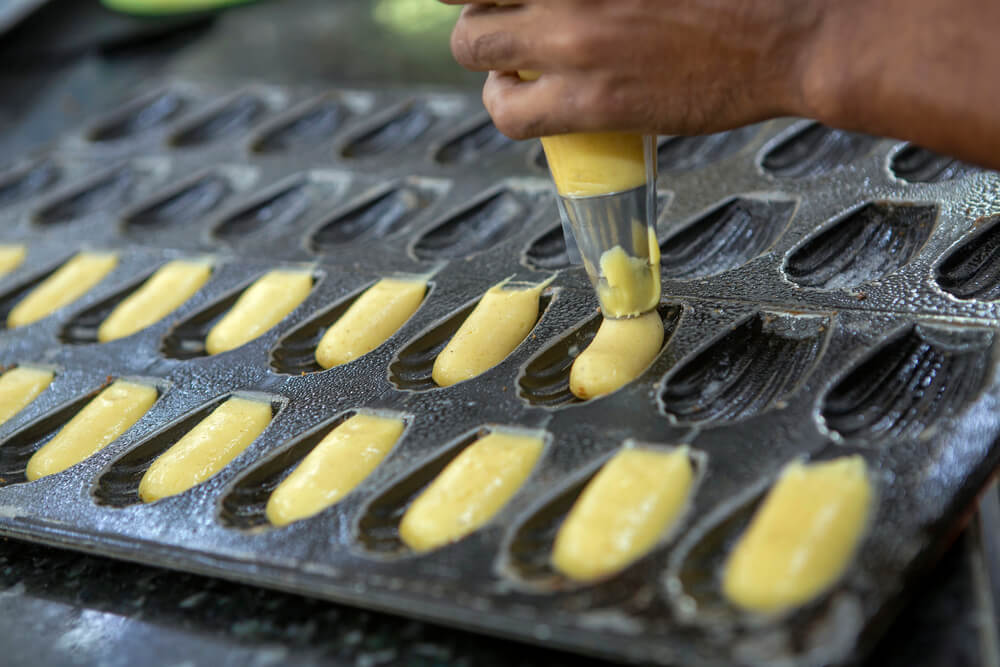
French madeleine pans with shell-shaped cavities were traditionally made of tinned steel. Older pans, especially those with French maker’s marks, attract bakers who say they produce better browning than modern nonstick versions.
Vintage examples often sell for about 20 to 60 dollars. Rust spots and worn tinning are common.
Light rust can be cleaned, but deep pitting lowers prices. The shell shape is closely associated with Marcel Proust, whose famous madeleine passage made the small cake a symbol of memory.
Heavier pans with deep, crisp shells are the ones bakers fight over.
Pullman Loaf Pans
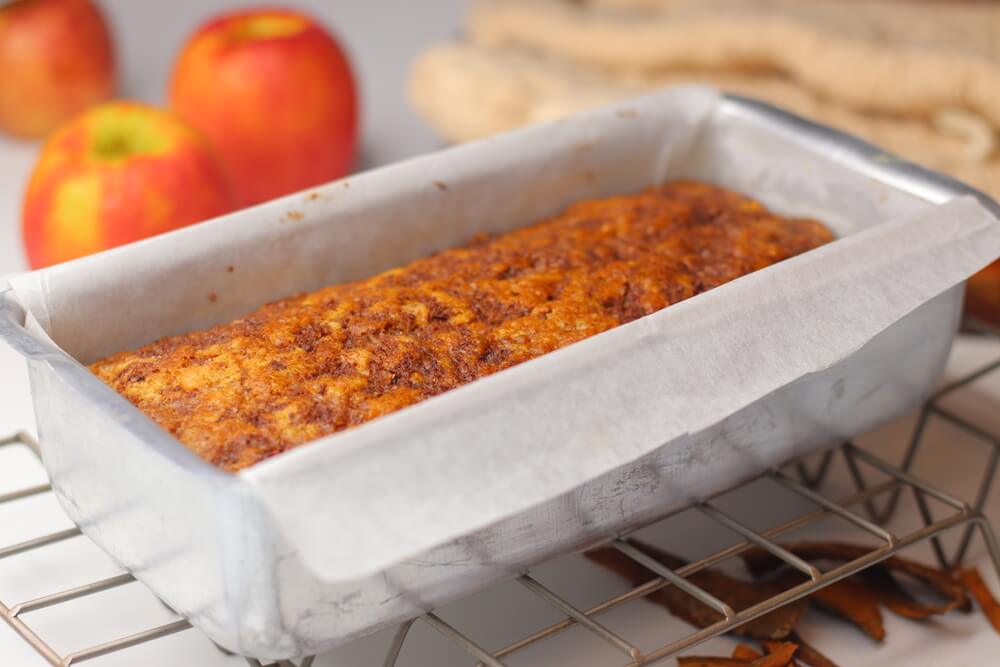
Pullman pans are long, straight-sided loaf pans with sliding lids that produce square slices of bread. The name comes from the railroad dining cars of the Pullman Company, where compact loaves fit neatly into small kitchens.
Older heavy-gauge pans with their original lids typically sell for about 30 to 80 dollars. Missing lids sharply reduce value.
Dents, warping and rust also hurt prices. Bakers like them for sandwich bread and pain de mie, and older versions often outperform thinner modern pans.
The lid keeps the dough from doming, which is why the slices come out perfectly square.
Footed Angel Food Pans
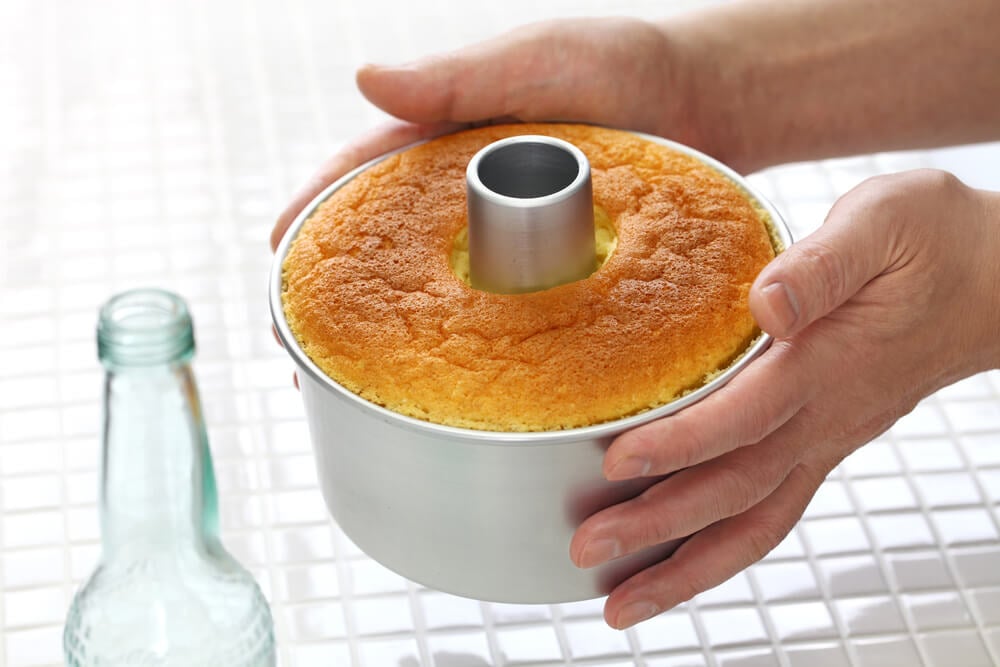
Angel food cakes need to cool upside down, so many vintage tube pans came with small metal feet on the rim that held them above the counter. Pans with removable bottoms, feet and clear maker’s marks are especially desirable.
Older tin and aluminum versions often sell for about 15 to 45 dollars. Bent feet, dents and rust reduce value.
Collectors and bakers both seek them out, since many modern pans lack feet. They pair naturally with the angel food recipes found in midcentury cookbooks.
A removable bottom makes it far easier to release the delicate cake.
Mary Ann Pans
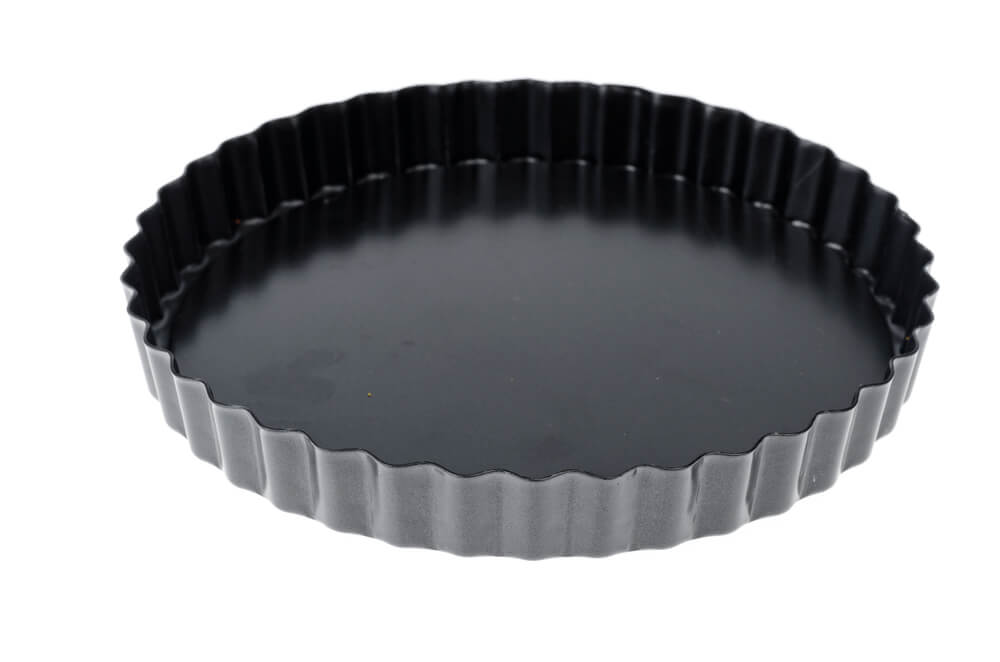
A Mary Ann pan has a raised center and a recessed outer rim, so when the cake is flipped, the center forms a shallow well for filling with fruit, custard or whipped cream. The design is common in German baking, where it is used for fruit flans.
Vintage versions in tin or aluminum sell for about 10 to 30 dollars. Dents and heavy scratches lower value.
The pans are still useful, and many bakers buy old ones simply because modern versions are hard to find in stores.
Graniteware Pie Plates and Baking Pans
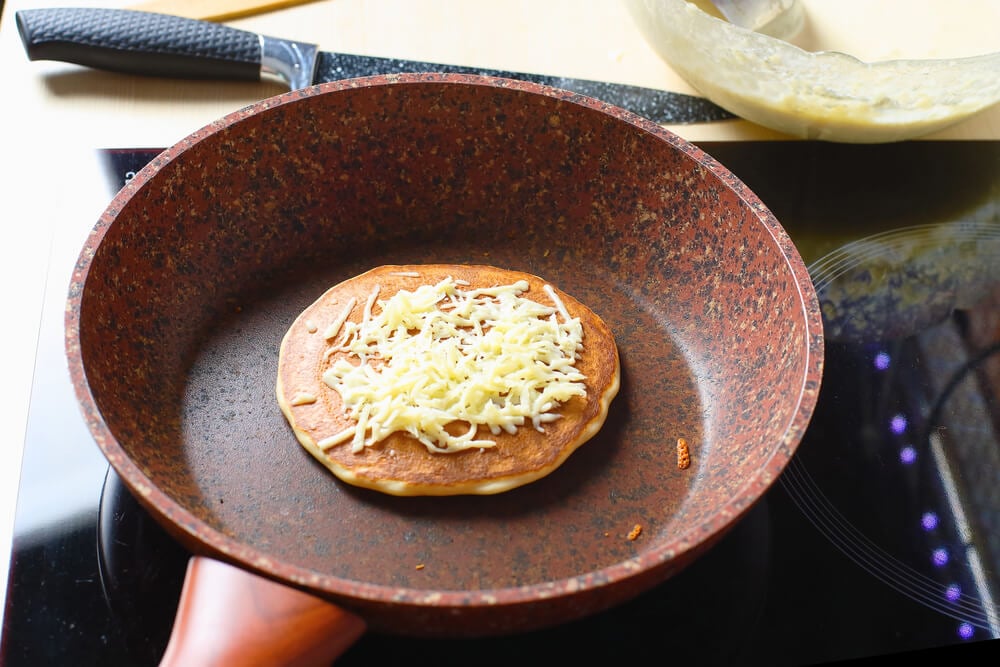
Enameled steel cookware with speckled or swirled finishes, often called graniteware or agateware, was common in American kitchens from the late 1800s into the mid-20th century. Pie plates, roasting pans and cake pans in blue, gray and green swirls are especially popular.
Prices range from about 15 to 80 dollars, with rare colors bringing more. Chips in the enamel, rust and crazing lower value.
Collectors like the bold color patterns, and many pieces are displayed rather than used. Early pieces with seams and riveted handles generally bring more than later stamped versions.
Dansk Kobenstyle Bakers
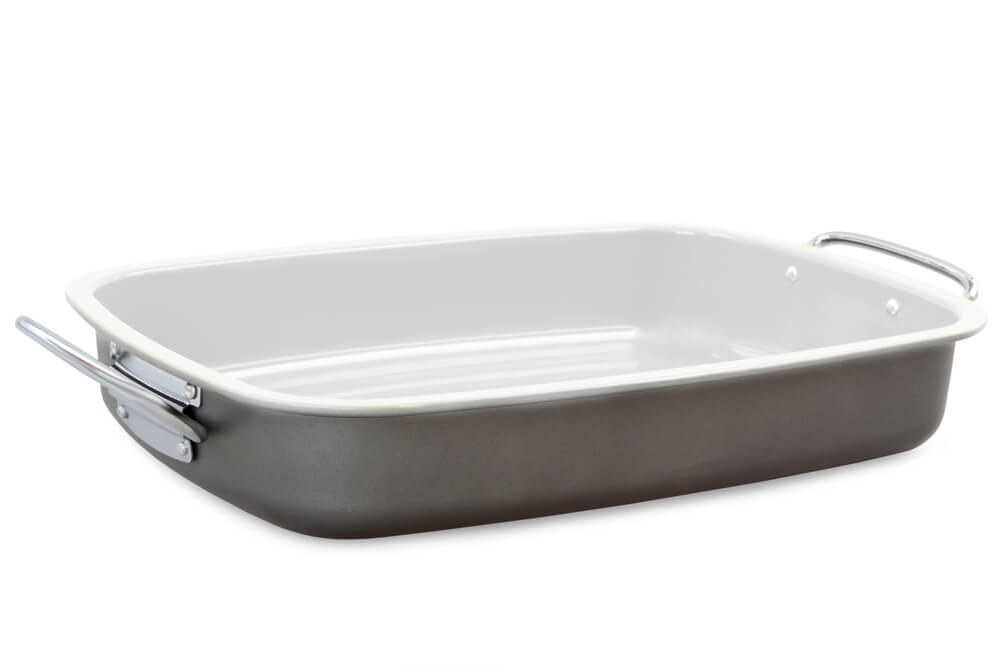
Designer Jens Quistgaard created the Kobenstyle line for Dansk in 1956, using enameled steel in bright colors with distinctive handles. Baking dishes and casseroles in red, blue and yellow are popular with midcentury modern collectors.
Prices often range from about 30 to 100 dollars, depending on size and color. Chips in the enamel, especially around the rims, reduce value.
Some pieces are still used in the kitchen, but many are displayed for their design. Original lids add to the price.
The line was revived in the 2010s, so buyers check markings to tell older pieces from newer production.
Fiesta Kitchen Kraft Pie Plates
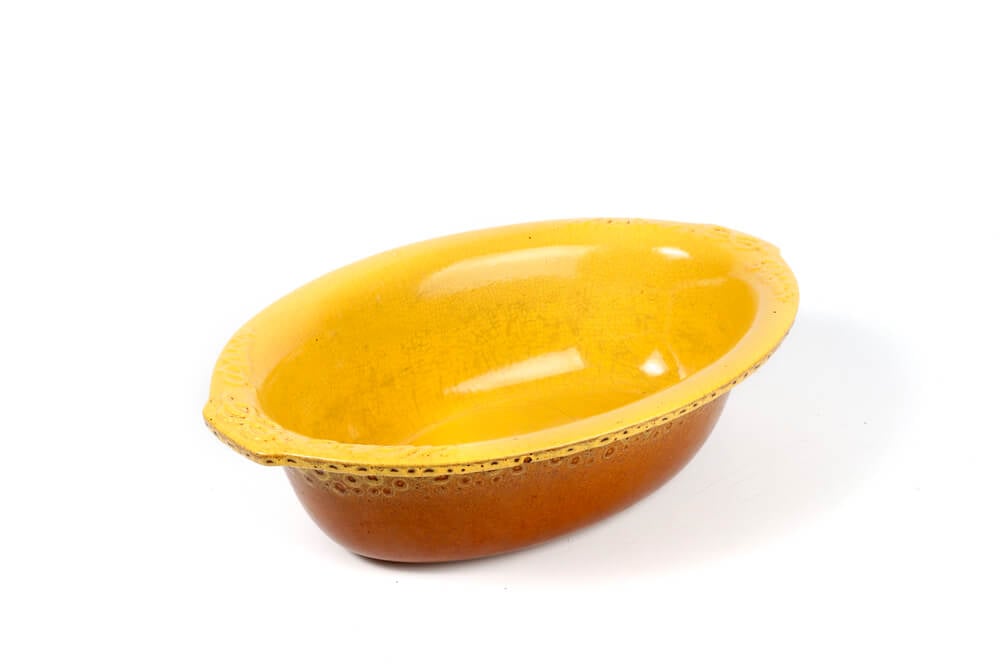
Homer Laughlin, maker of Fiesta dinnerware, introduced the Kitchen Kraft line of oven-safe pieces in 1939, including pie plates, cake plates and casseroles. The pieces came in the bright Fiesta colors of the era.
Pie plates often sell for about 40 to 100 dollars, depending on color and condition. Chips, crazing and utensil marks lower value.
The red glaze used on some prewar pieces contained uranium oxide, so collectors who use them for food often choose other colors. Kitchen Kraft pieces are marked differently from regular Fiesta, which helps buyers identify them quickly.
Yellowware Baking Dishes
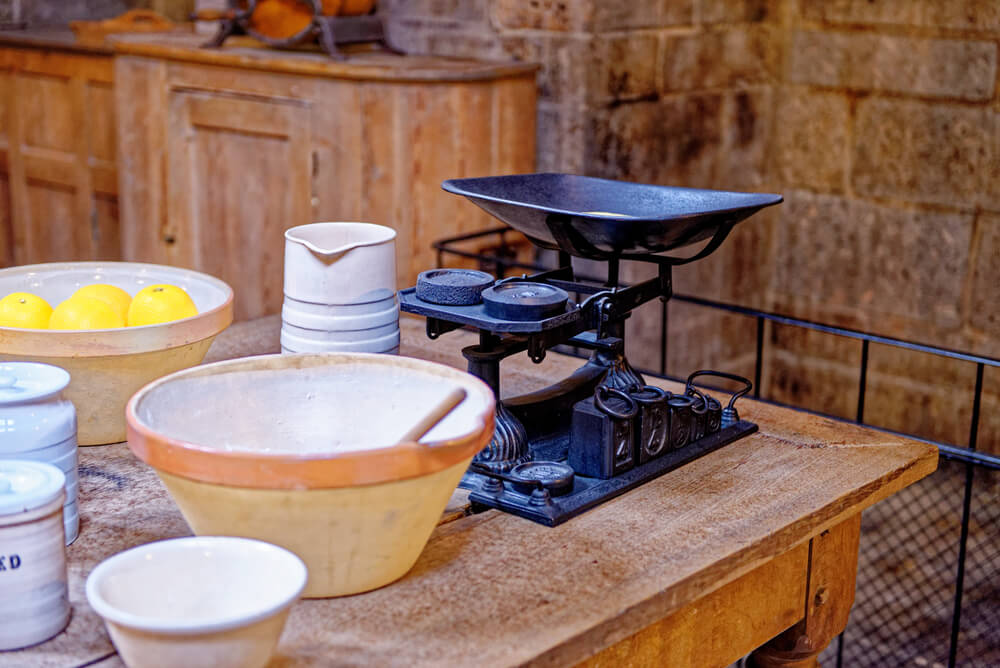
Yellowware, a buff-colored pottery with a clear glaze, was made in England and the United States from the 1800s into the 20th century. Baking dishes and pie plates in yellowware, sometimes with brown or blue bands, are popular with country decor collectors.
Prices typically run about 30 to 120 dollars for older pieces. Cracks, chips and staining lower value.
Pieces with mocha decoration or rare shapes bring more. Many collectors use them for display, though they were originally everyday kitchen tools.
American examples from Ohio and New Jersey potteries are especially sought after by collectors.
Pizzelle Irons
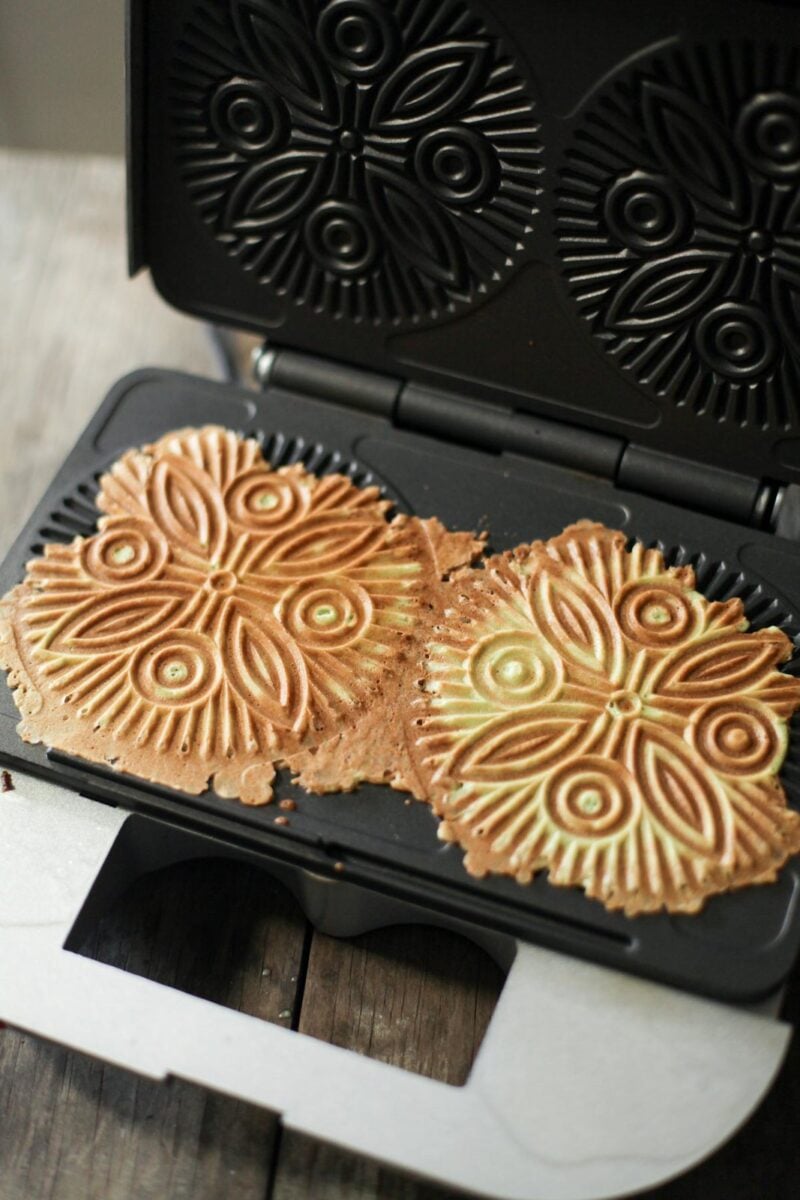
Before electric pizzelle makers, Italian American bakers used long-handled cast iron or aluminum irons held over a gas flame to make thin, patterned waffle cookies. Many irons were custom-made with family initials or dates cast into the plates.
Older irons often sell for about 40 to 150 dollars, with personalized irons bringing the most. Rust and loose hinges lower value.
Families who inherited them often keep using them every Christmas, which is a reason so few come onto the market. The patterns often include a family crest or the year of a wedding.
Rosette Irons
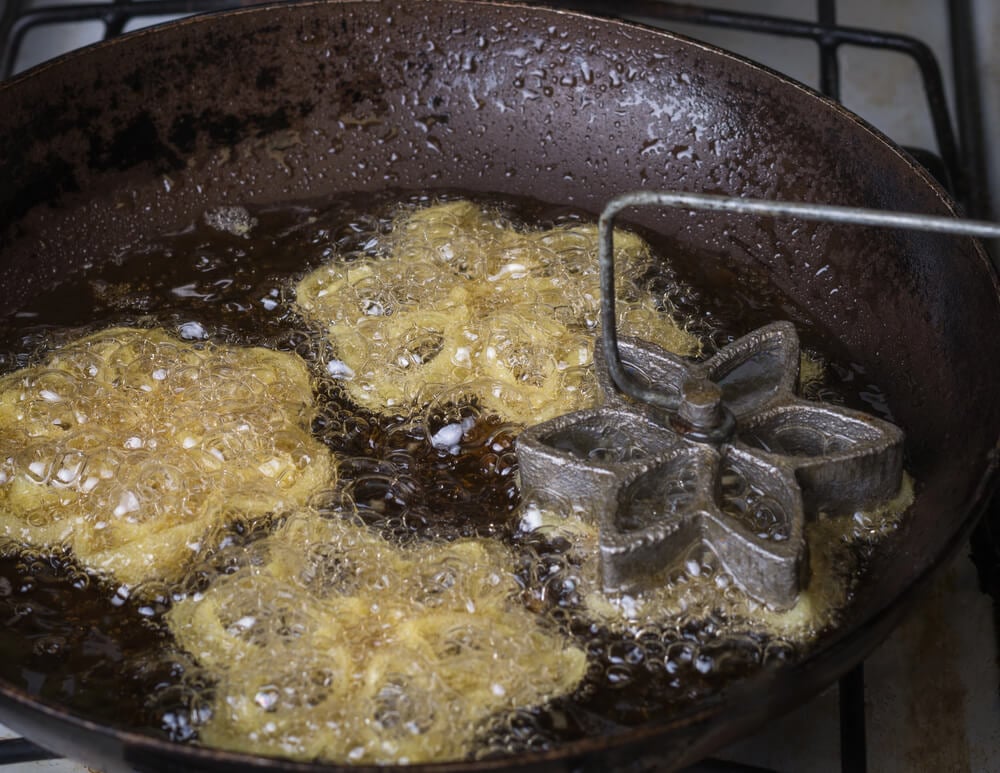
Rosette irons are decorative metal shapes on long handles, dipped in batter and then into hot oil to make crisp, lacy cookies dusted with powdered sugar. They are common in Scandinavian American households, especially in Minnesota and Wisconsin.
Vintage sets with multiple shapes in their original boxes sell for about 20 to 60 dollars. Missing pieces and rust reduce value.
Many sets were made by Nordic Ware and other Midwestern companies. Families often use them every Christmas, making them a cherished holiday tool.
The batter must be thin and the oil hot, or the cookie refuses to release from the iron.
Krumkake Irons
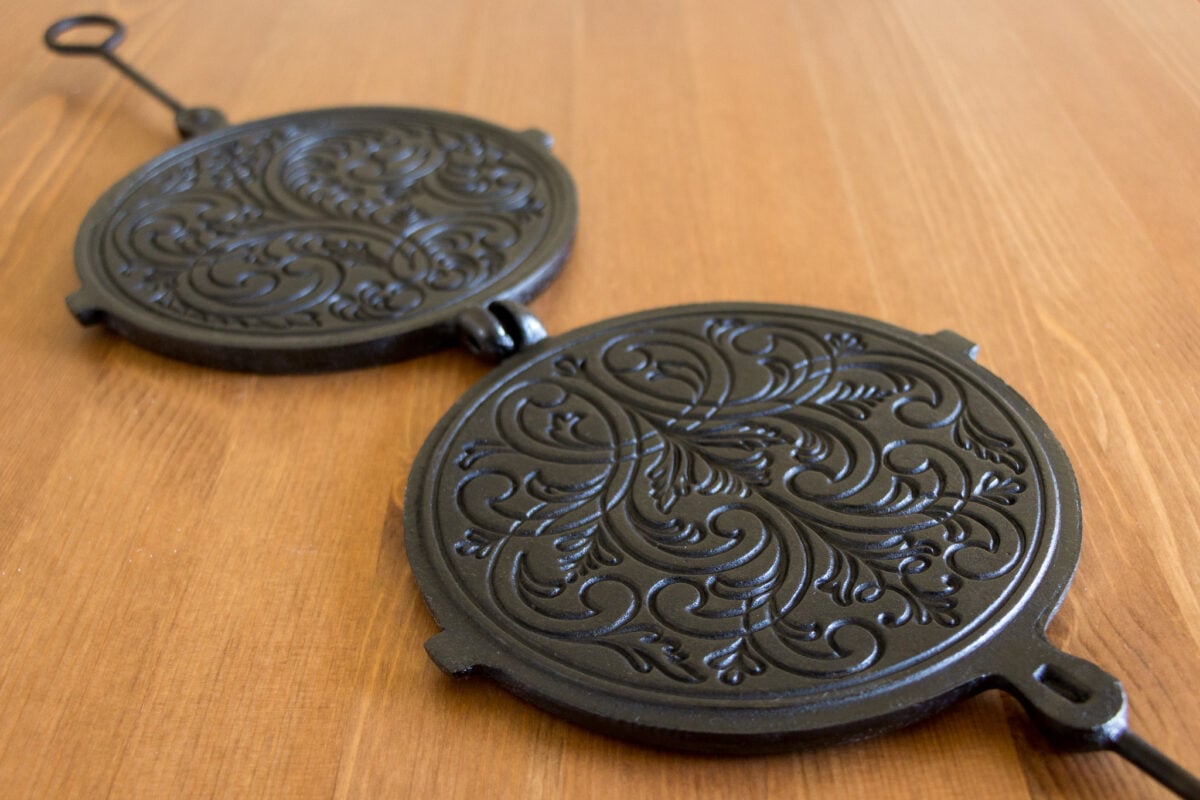
Krumkake are thin Norwegian cookies baked on a patterned iron and rolled into cones while still warm. Older stovetop irons in cast iron, often with detailed designs, are prized by Scandinavian American families.
Prices for vintage stovetop irons typically run about 40 to 120 dollars. Rust, loose hinges and worn patterns reduce value.
The wooden cone used to roll the cookies is sometimes included and adds to the appeal. Many families still use them at Christmas, keeping the tradition alive in Midwestern kitchens.
Electric versions are more common now, which makes the stovetop originals more desirable.
Sandbakkel Tins
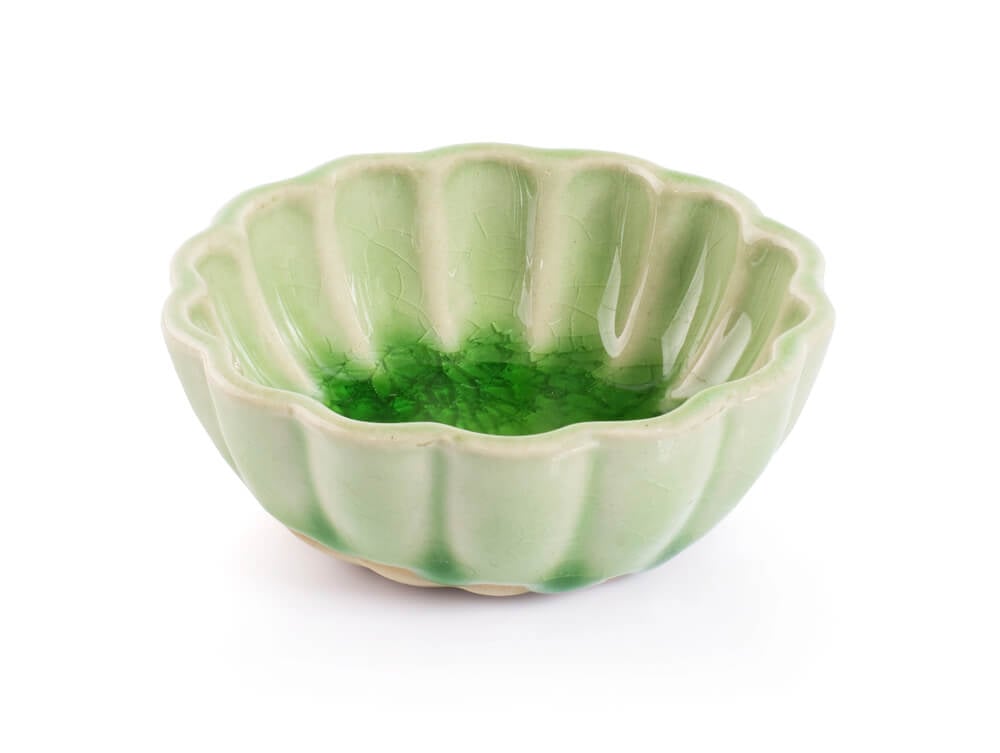
Sandbakkel are Norwegian butter cookies pressed into small, fluted tins and baked until golden. The tins come in sets of various shapes and sizes.
Vintage sets in their original boxes sell for about 15 to 40 dollars. Missing tins and rust lower value.
Many sets were sold in the Midwest, where Norwegian American communities kept the tradition. Bakers like the older tins because they are often thinner and produce crisper cookies.
They are small and easy to store, which makes them a popular collectible. Tins stamped with a Norwegian or Swedish maker’s name tend to sell first.
Cast Iron Cornbread Wedge Pans
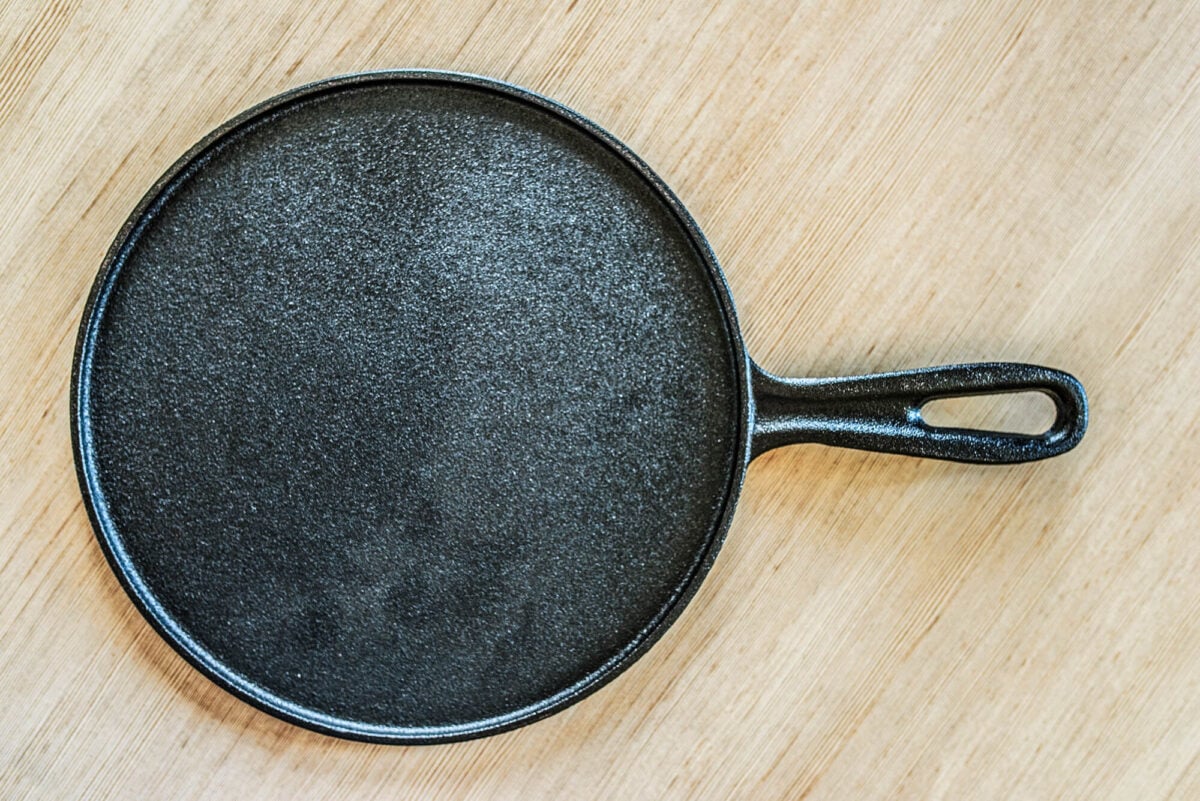
Cast iron skillets divided into pie-shaped wedges let cooks bake cornbread with a crispy crust on every piece. Lodge and other foundries made versions, and older marked pans attract collectors.
Prices often range from about 25 to 80 dollars. Cracks, warping and deep pitting lower value.
Many Southern families used these pans daily, so wear is common. Restored pans with clear markings bring the most.
The pans are still practical, making them a favorite among cooks who want both history and function. Each wedge holds a single serving, which ends arguments over who gets the crispy corner piece.
Batter, Rust and Second Lives
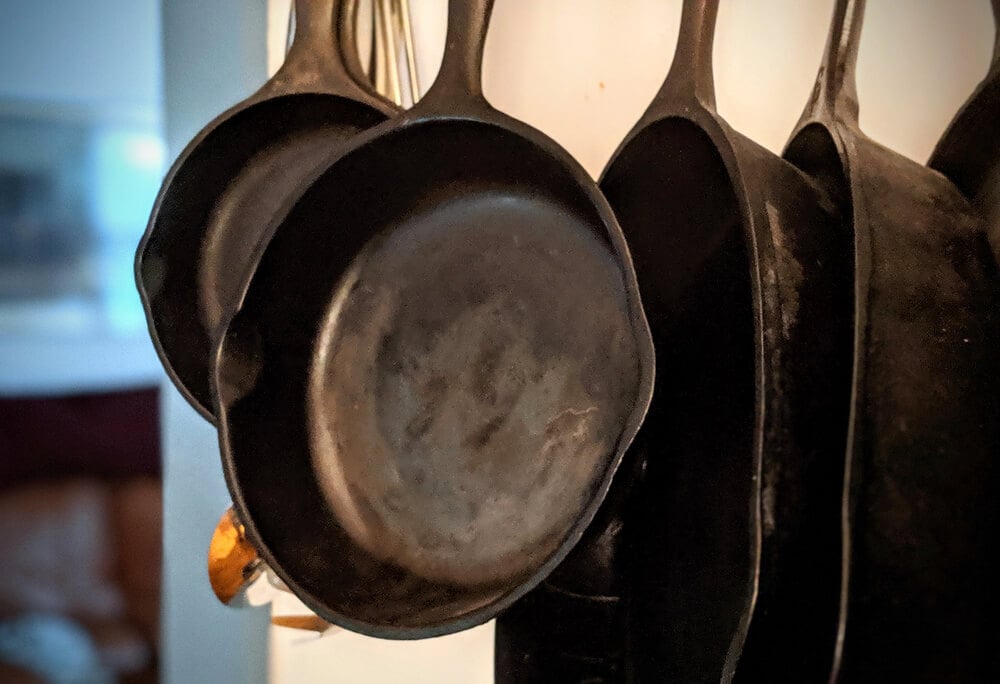
Most of these pans were never meant to be collectibles. They were working tools, bought for a holiday tradition or a family recipe and used until they wore out.
That history is part of their value. A well-used pan carries the marks of countless cakes and cookies.
Collectors and bakers often want the same thing, which is a pan that still works. Cast iron can be restored, tin can be cleaned and enamel can be displayed.
A pan pulled from a dusty estate sale box can easily return to the oven, ready for another generation of holiday baking.
More from Go2Tutors!

- The Romanov Crown Jewels and Their Tragic Fate
- 13 Historical Mysteries That Science Still Can’t Solve
- Famous Hoaxes That Fooled the World for Years
- 15 Child Stars with Tragic Adult Lives
- 16 Famous Jewelry Pieces in History
Like Go2Tutors’s content? Follow us on MSN.