28 Restaurant Menu Items Nobody Orders Anymore
Old restaurant menus read like messages from another planet. Tomato juice is listed as a first course, lobster arrives drowning in cream sauce and a waiter in a tuxedo sets a pan of steak on fire beside the table.
Those dishes were once the height of dining out. Tastes shifted toward lighter food, open kitchens and shorter menus, and many of the old standards quietly slid off the page.
A few survive in steakhouses and supper clubs that refuse to change, which is exactly why people seek them out.
Steak Diane Flamed Beside the Table
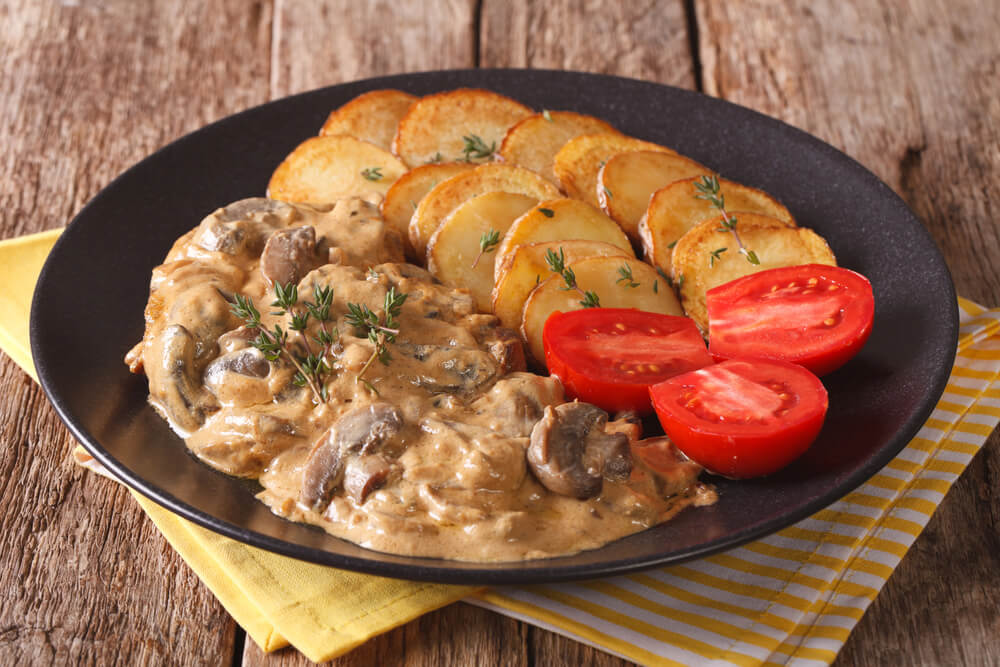
Thin medallions of beef seared in butter, then finished with shallots, mustard, Worcestershire sauce and a splash of cognac set alight, made Steak Diane the star of 1950s and 1960s dining rooms. The dish was named for Diana, the Roman goddess of the hunt, and New York restaurants of the era made it famous.
Its appeal was theater. A captain wheeled a cart to the table, lit the pan and plated the steak with a flourish.
Fire codes, smaller staffs and changing tastes pushed it off most menus, though a handful of old steakhouses still perform the ritual.
Lobster Thermidor
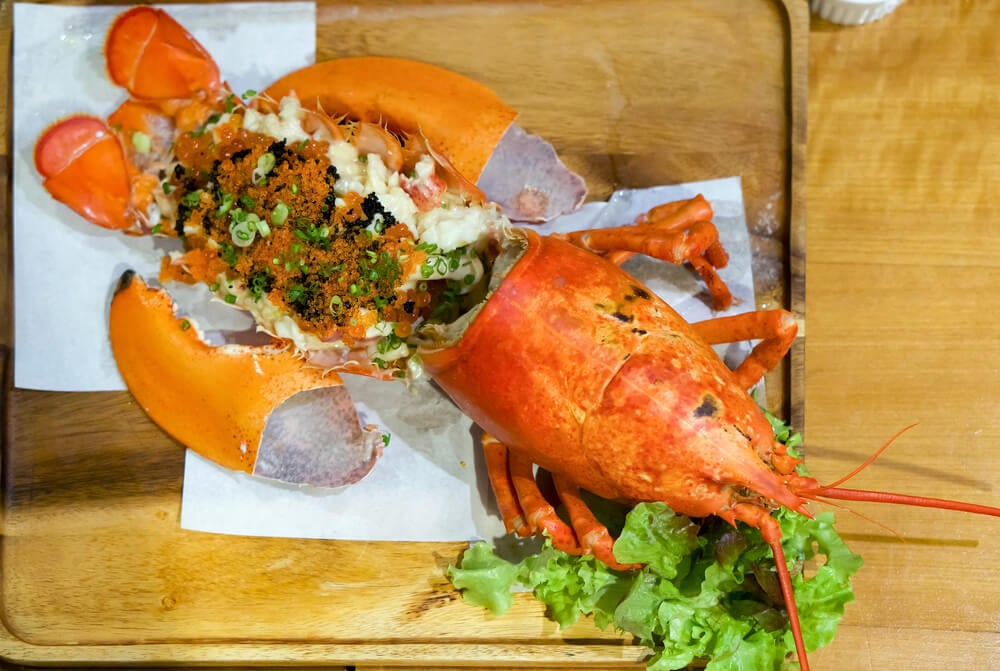
Lobster meat mixed with a rich sauce of cream, egg yolks, mustard and brandy, stuffed back into the shell, topped with cheese and browned under a broiler made Lobster Thermidor a symbol of luxury. The dish is generally traced to Paris in 1894, named after Thermidor, a play by Victorien Sardou that opened that year.
It became a fixture of American hotel dining rooms and ocean liner menus. The preparation took serious labor and buried the lobster’s natural sweetness.
Modern diners tend to prefer lobster plain with butter, so Thermidor now appears mostly on anniversary menus and in retro cookbooks.
Oysters Rockefeller at Antoine’s
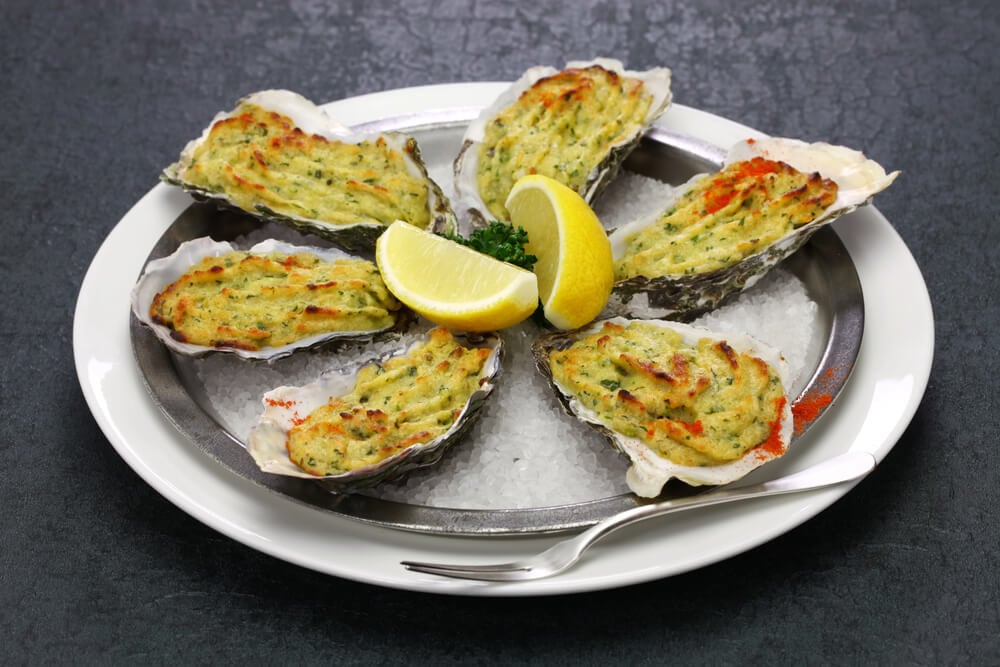
Antoine’s in New Orleans created Oysters Rockefeller in 1889, when Jules Alciatore, son of the restaurant’s founder, topped baked oysters with a rich green sauce. The name was said to reflect how rich the dish tasted, borrowing the name of the wealthiest family in America.
Antoine’s has never released its original recipe, and food writers have spent decades guessing at the ingredients. Many imitators used spinach, though the restaurant has long denied that spinach is part of its version.
Antoine’s still serves the dish, but it has become rare on menus elsewhere.
Chicken a la King
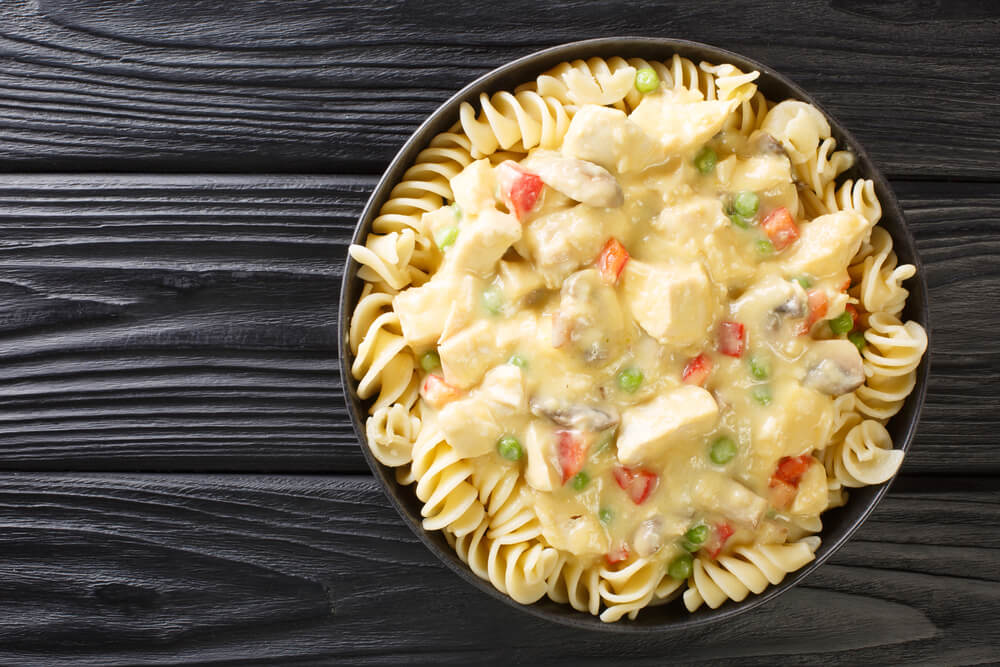
Diced chicken in a cream sauce with mushrooms and pimentos, ladled over toast points, rice or a puff pastry shell, was a staple of hotel banquets, ladies’ luncheons and department store tearooms. Several restaurants and hotels claimed to have invented it in the late 1800s, and no single story has ever won the argument.
The dish was easy to hold in large batches, which made it ideal for wedding receptions and club dinners. That same quality made it feel institutional.
By the 1980s, it had become more of a school cafeteria memory than a restaurant order.
Lobster Newburg From Delmonico’s
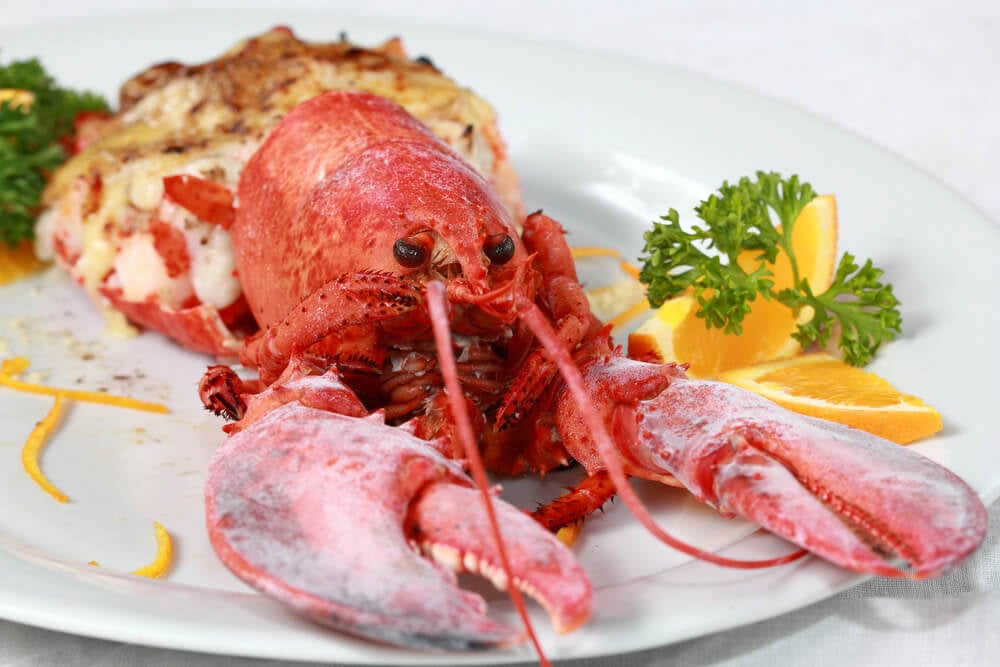
Lobster Newburg was born at Delmonico’s in New York in the 1870s, based on a recipe brought in by a sea captain named Ben Wenberg. The dish combined lobster with butter, cream, egg yolks and sherry or Madeira.
According to the popular story, the restaurant originally called it Lobster Wenberg, then rearranged the letters after a falling-out with the captain. The rich sauce made it a favorite for decades.
It was served in chafing dishes at buffets and in pastry shells at banquets. Today it survives mainly in old cookbooks and at the occasional seafood house.
Veal Oscar With Crab and Bearnaise
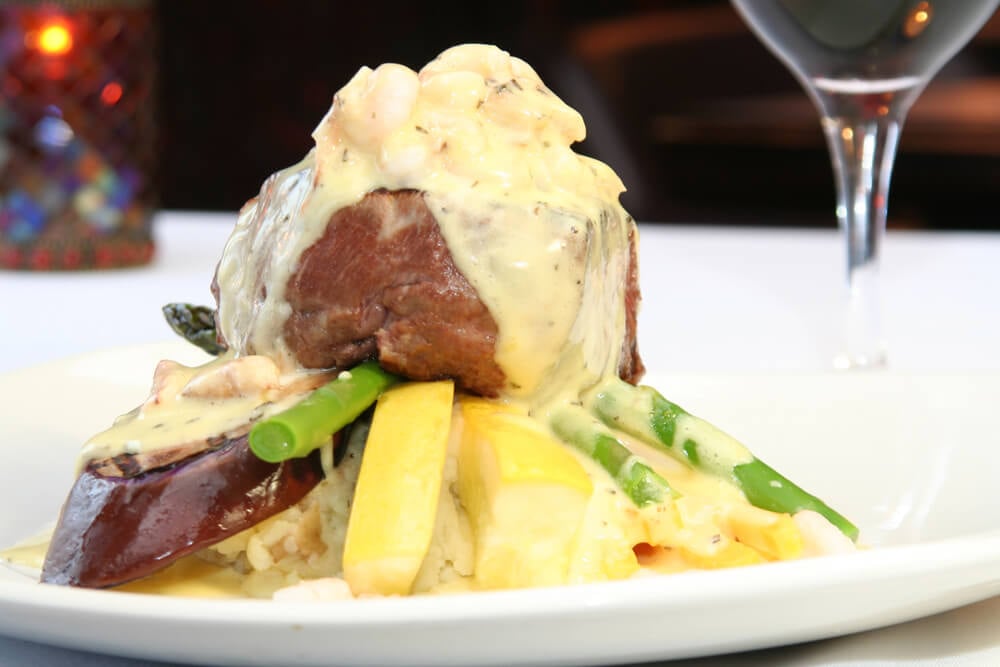
Veal cutlets topped with crabmeat, asparagus spears and bearnaise sauce made Veal Oscar a showpiece of continental restaurants in the 1960s and 1970s. The combination is linked to King Oscar II of Sweden, who reportedly favored those toppings.
Steakhouses later applied the same treatment to filet mignon, calling it steak Oscar. The dish was rich, expensive and labor intensive.
Concerns about how veal calves were raised led many diners to avoid veal altogether in later decades. The Oscar topping still appears now and then, but usually on beef or fish rather than veal.
Chicken Kiev and Its Hidden Butter
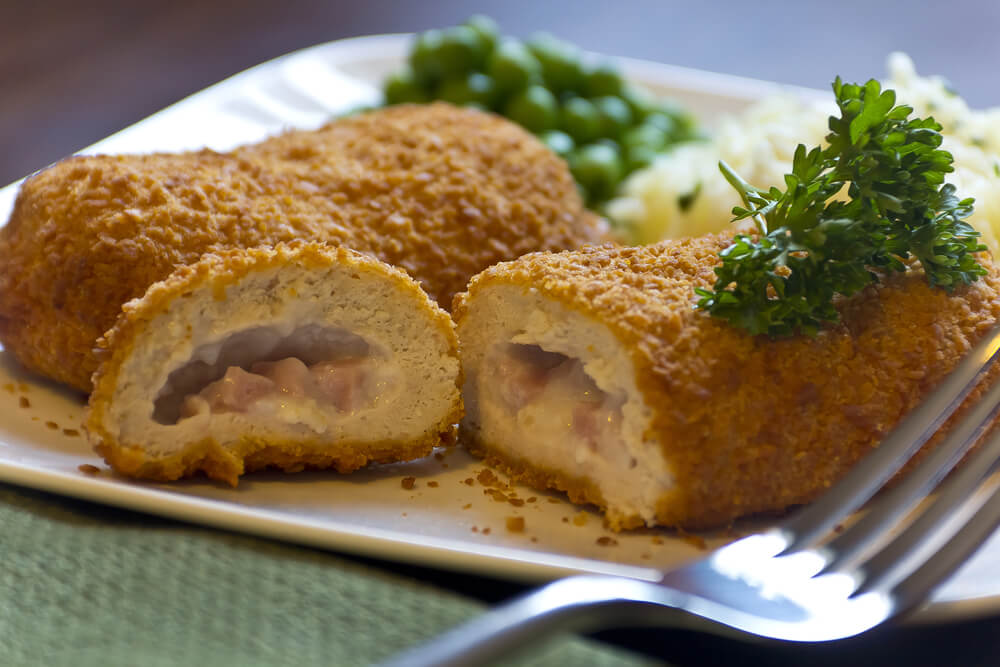
A boneless chicken breast pounded thin, rolled around a cold core of herb butter, breaded and fried made Chicken Kiev one of the most dramatic dishes of mid-century dining. Cutting into it released a stream of melted butter, sometimes with enough force to stain a shirt.
Its origins are debated, with claims tied to Russian, French and Ukrainian cooks. American restaurants embraced it in the 1950s and 1960s.
Frozen versions later appeared in grocery stores, which made the restaurant version feel less special. It still turns up in Eastern European restaurants, where it is often ordered proudly.
Duck a l’Orange
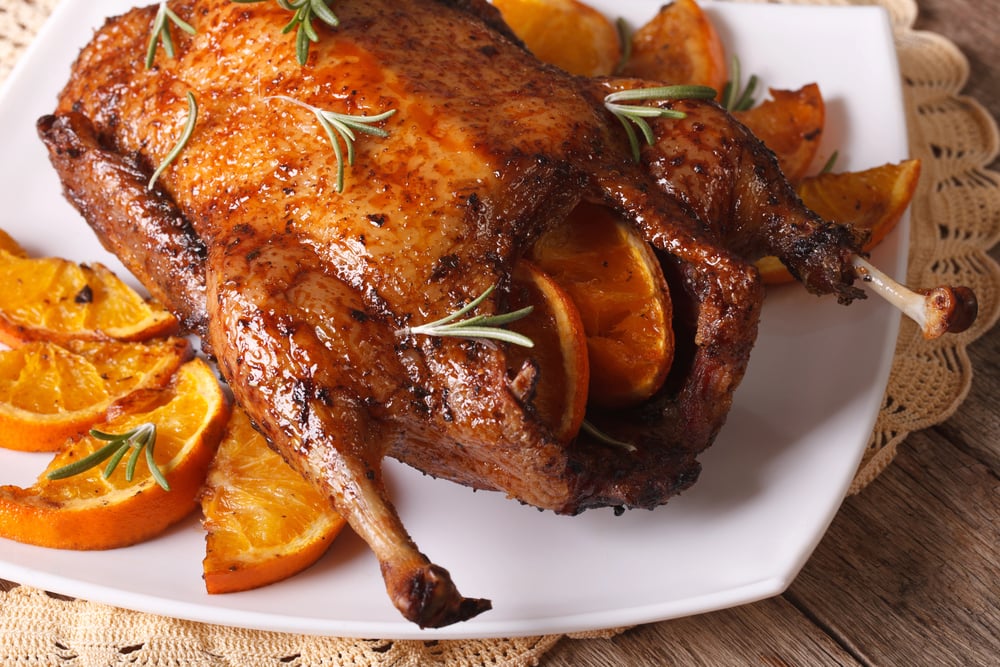
Roast duck with a glossy bitter orange sauce was the essential French restaurant dish of the 1960s. The sauce, often made with sugar, vinegar, stock and orange liqueur, balanced the richness of the duck.
Julia Child’s cookbooks and television shows encouraged home cooks to attempt it, and restaurants across the country added it to their menus. The dish eventually came to seem dated, partly because many versions relied on overly sweet sauces.
Modern chefs now serve duck breast seared rare with lighter fruit sauces, and the classic version has become a nostalgic rarity.
Chateaubriand for Two
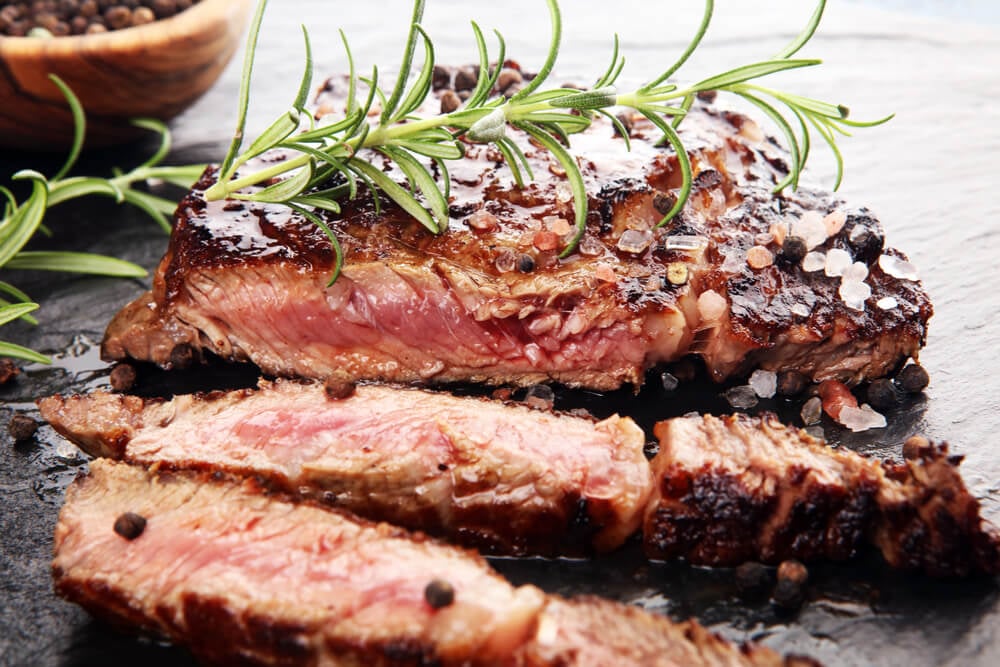
Thick center-cut beef tenderloin, roasted in one piece and carved at the table for two diners, was a special occasion order in steakhouses and hotel dining rooms. It usually came with bearnaise sauce and fancy potatoes, such as chateau potatoes trimmed into neat ovals.
The dish is named for the French writer and diplomat Francois-Rene de Chateaubriand, whose chef is often credited with it. Its price and size made it a favorite for anniversaries.
Diners now tend to order individual steaks, and few menus still list a cut meant to be shared.
Shrimp de Jonghe From Chicago
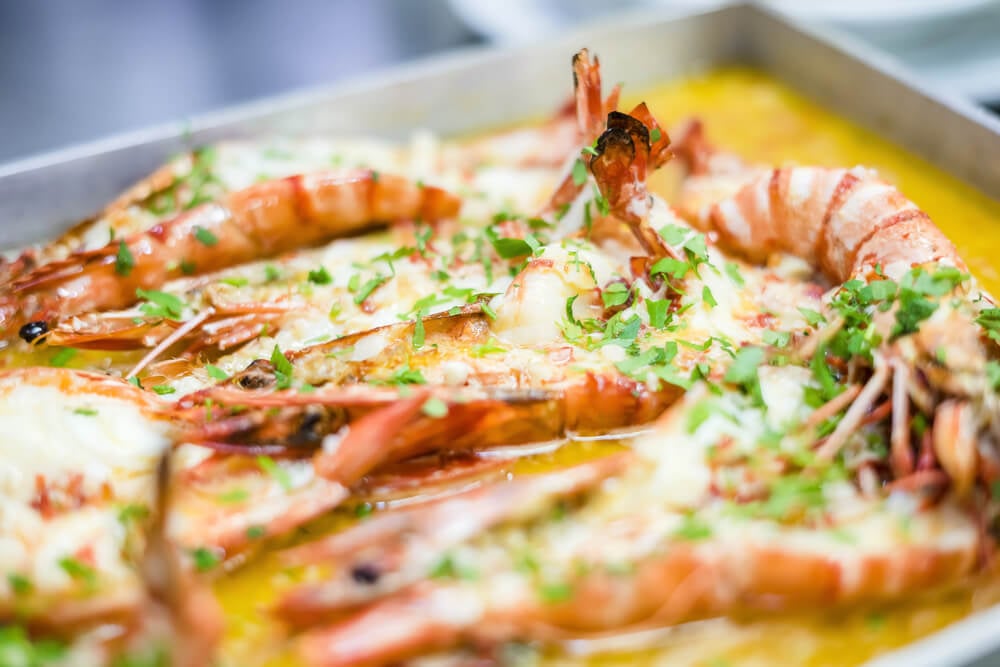
Shrimp de Jonghe is a Chicago dish of shrimp baked in a buttery mix of garlic, sherry and breadcrumbs. It is credited to the De Jonghe family, Belgian immigrants who ran a hotel and restaurant in Chicago around the beginning of the 20th century.
The dish spread through Chicago’s steakhouses, supper clubs and banquet halls for decades. It remains a local specialty, but it is rarely seen outside the city.
Even in Chicago, it appears mostly on the menus of old-school restaurants. Many locals have heard of it without ever ordering it.
Clams Casino
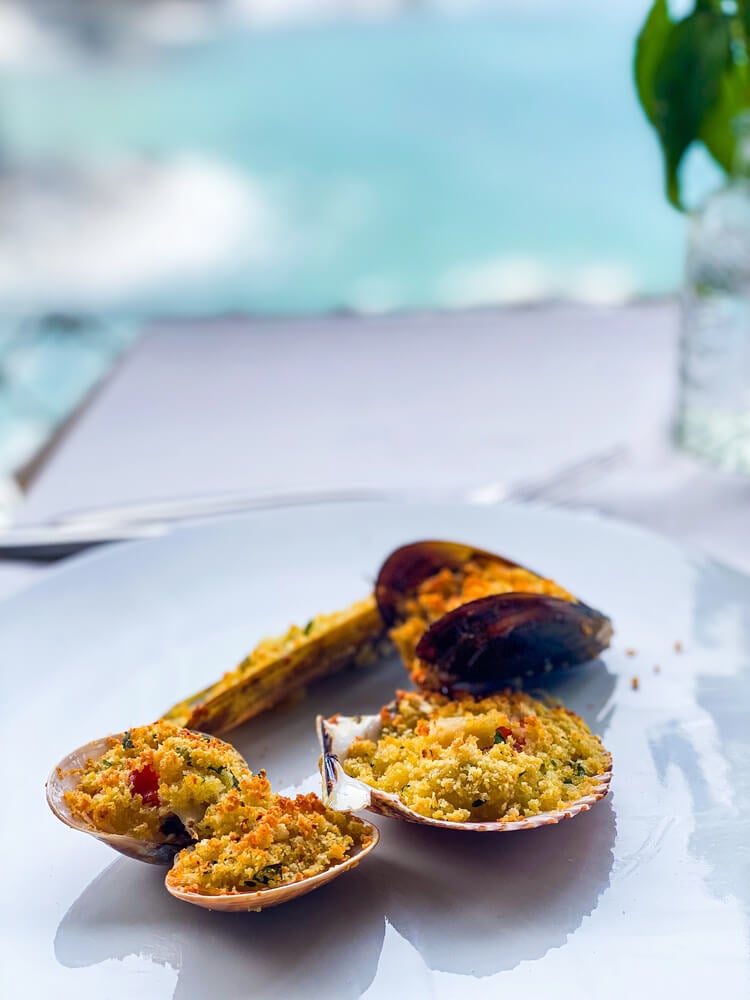
Clams on the half shell topped with butter, bell pepper, breadcrumbs and bacon, then broiled, made Clams Casino a classic appetizer in East Coast restaurants. The dish is usually credited to Julius Keller, maitre d’ at the Casino at Narragansett Pier in Rhode Island, around 1917.
It became a favorite at Italian American restaurants, steakhouses and catering halls. Its popularity faded as diners chose raw bars and lighter appetizers.
Clams Casino still appears at some Rhode Island and New Jersey restaurants. Elsewhere, it is more likely to be found in a frozen appetizer box than on a menu.
Crab Louis on the West Coast
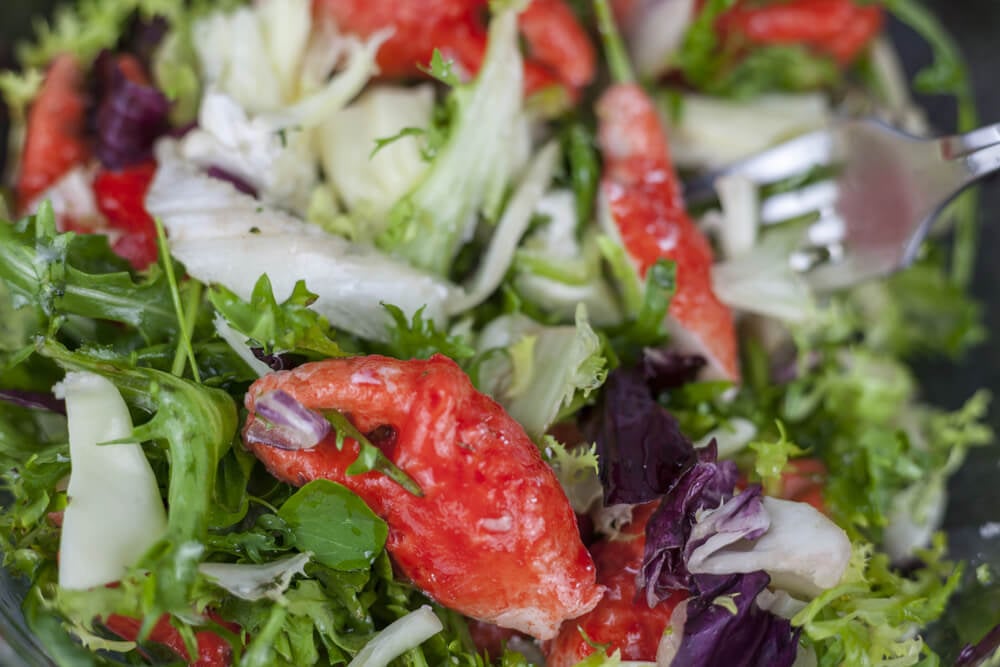
Crab Louis is a salad of crabmeat, lettuce, hard-cooked eggs and tomatoes topped with a creamy dressing similar to Thousand Island. It appeared on West Coast menus in the early 20th century, and San Francisco and Seattle both have claims to its origin.
The salad was a luxury lunch for decades, often served in hotel dining rooms. It faded as salads became lighter and more varied.
A few classic seafood restaurants on the West Coast still serve it. For many diners, the name now sounds like a person rather than a dish.
Original Waldorf Salad
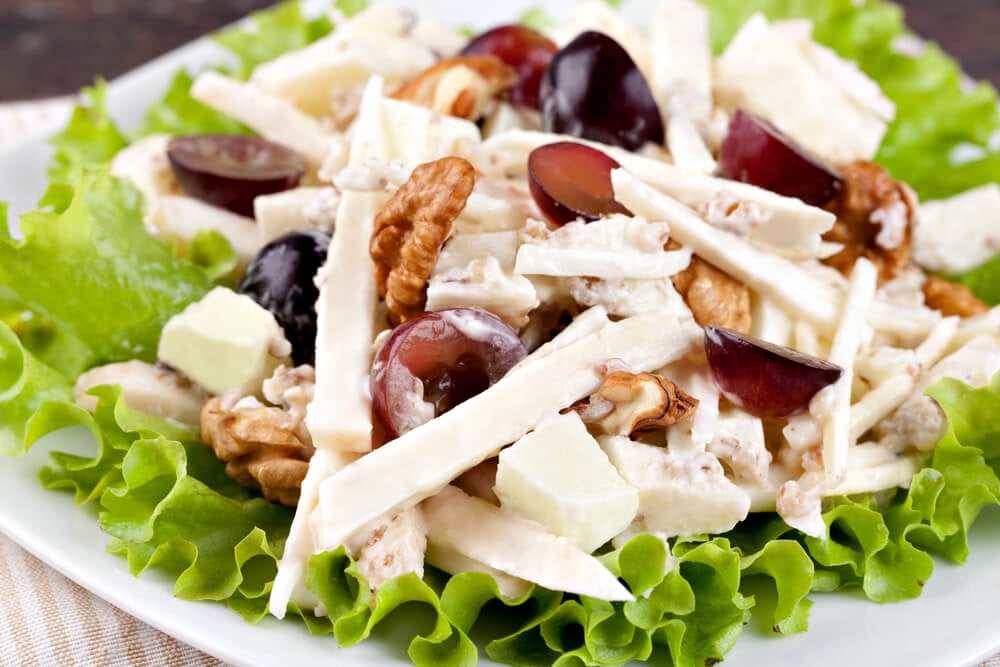
The Waldorf salad was created at the Waldorf Hotel in New York in the 1890s and is credited to Oscar Tschirky, the hotel’s famous maitre d’. The original combined only apples, celery and mayonnaise.
Walnuts were added later, and grapes and raisins appeared in many home versions. It became a standard at luncheons, banquets and holiday tables.
Restaurants have largely dropped it, since modern salads are lighter and more inventive. The salad survives mainly in home kitchens, especially at Thanksgiving, where older relatives still request it.
Vichyssoise in a Chilled Cup
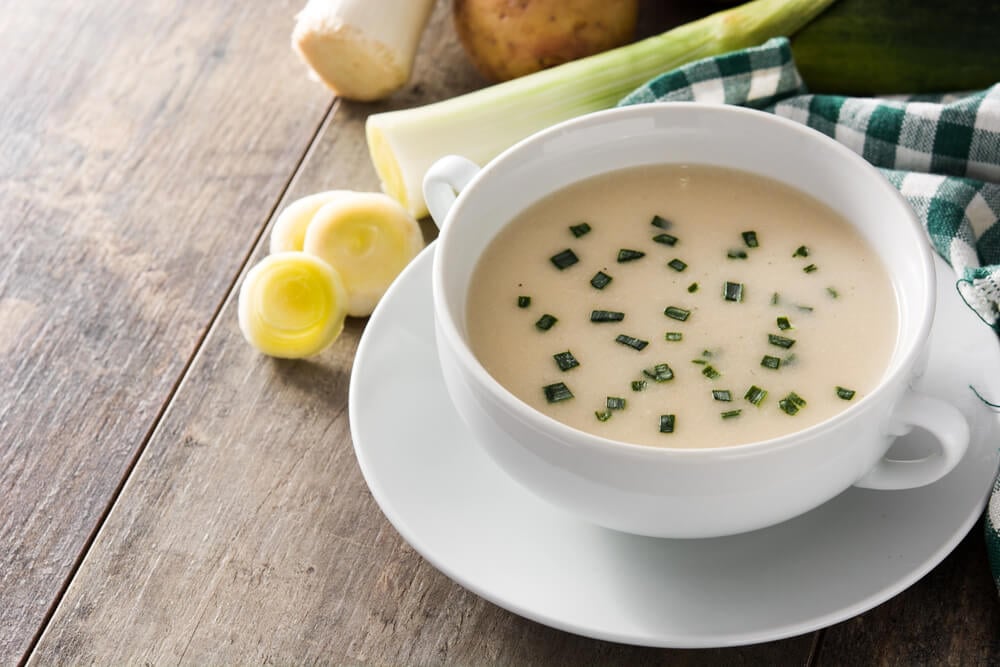
Cold potato and leek soup finished with cream and chives, called vichyssoise, was created by chef Louis Diat at the Ritz-Carlton in New York around 1917. Diat said he based it on the hot potato soup his mother made in France, which he cooled down with milk on summer days.
The soup became a fixture of fine dining menus for decades. Its elegance came from its simplicity.
Chilled soups have since fallen out of favor in many restaurants, and vichyssoise now feels like a relic. Many diners are surprised to learn it was invented in New York.
Jellied Consomme
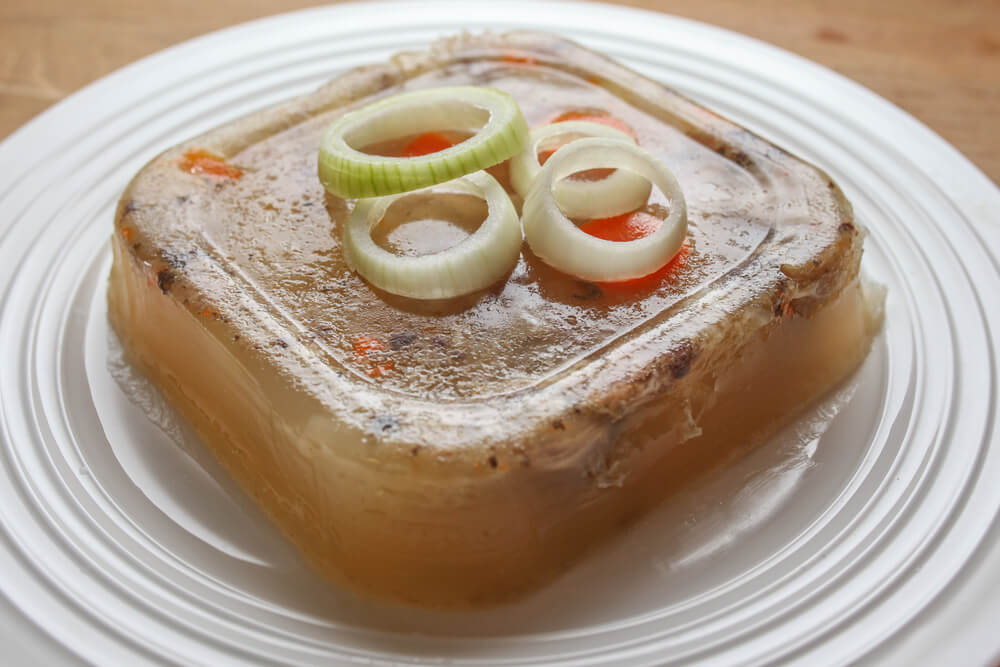
A cup of clear beef or chicken broth chilled until it set into a soft, wobbly jelly was once a popular summer first course. It was served in small cups, often with a lemon wedge or a dollop of sour cream.
Jellied consomme was considered refreshing and elegant in the days before air conditioning. Hotel restaurants and dining cars listed it alongside hot soups.
Modern diners tend to find the texture odd, and it has nearly disappeared. Canned versions once sold in grocery stores have also become hard to find.
Tomato Juice as an Appetizer
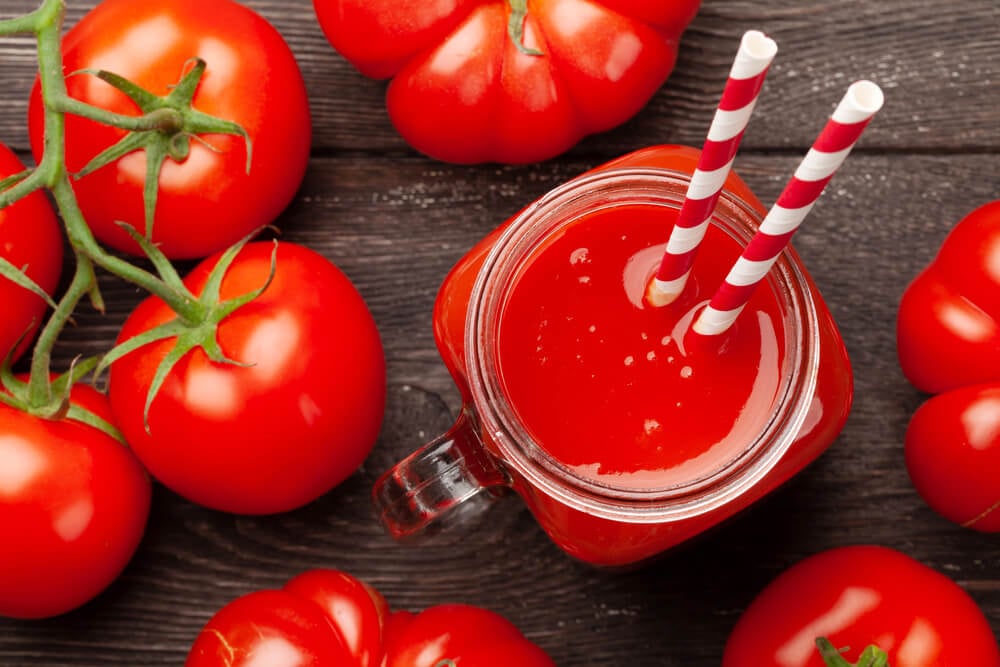
Mid-century menus often listed a glass of tomato juice as a first course, sometimes alongside fruit juice and priced like a cup of soup. It was served chilled, sometimes with a lemon wedge or a dash of Worcestershire.
Diners of the era considered it a healthy and appetizing way to open a meal. Many diners and family restaurants kept it on their menus into the 1970s.
Today, a glass of juice is seen as a beverage, not a course. Old menus listing it under appetizers now draw amused reactions from collectors.
Fruit Cup Appetizer
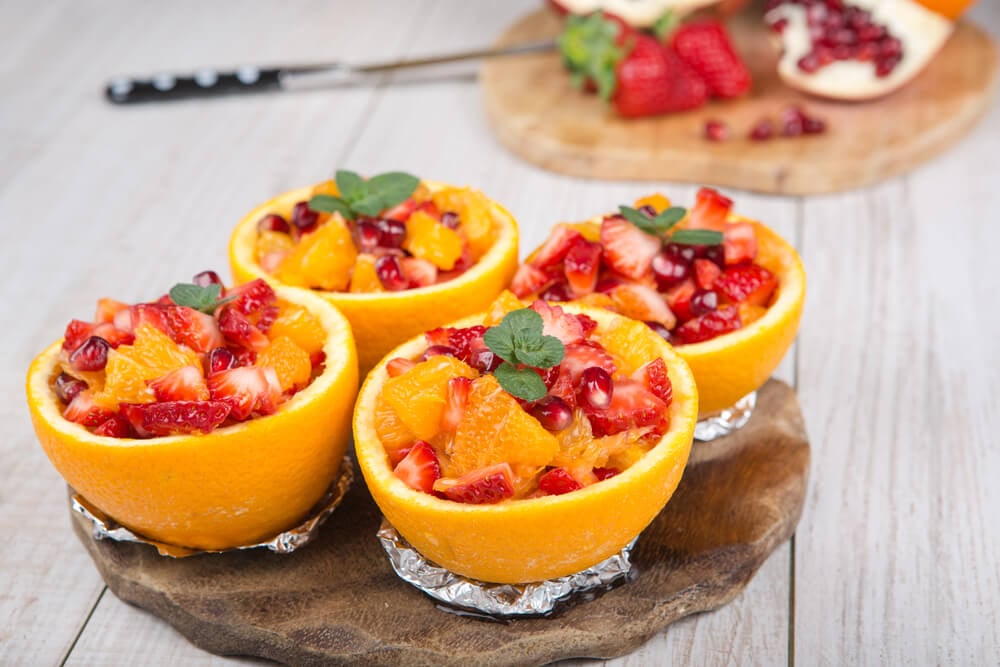
A small dish of canned fruit cocktail, sometimes topped with a maraschino cherry or a scoop of sherbet, was a common first course on mid-century menus. It appeared at banquets, wedding receptions and Sunday dinners at family restaurants.
The fruit cup was considered light and refreshing before a heavy main course. Fresh fruit and salad options eventually replaced it.
The sherbet-topped version is especially remembered by people who attended formal events in the 1950s and 1960s. Many now wonder why anyone thought dessert should come first.
Relish Trays on the Table
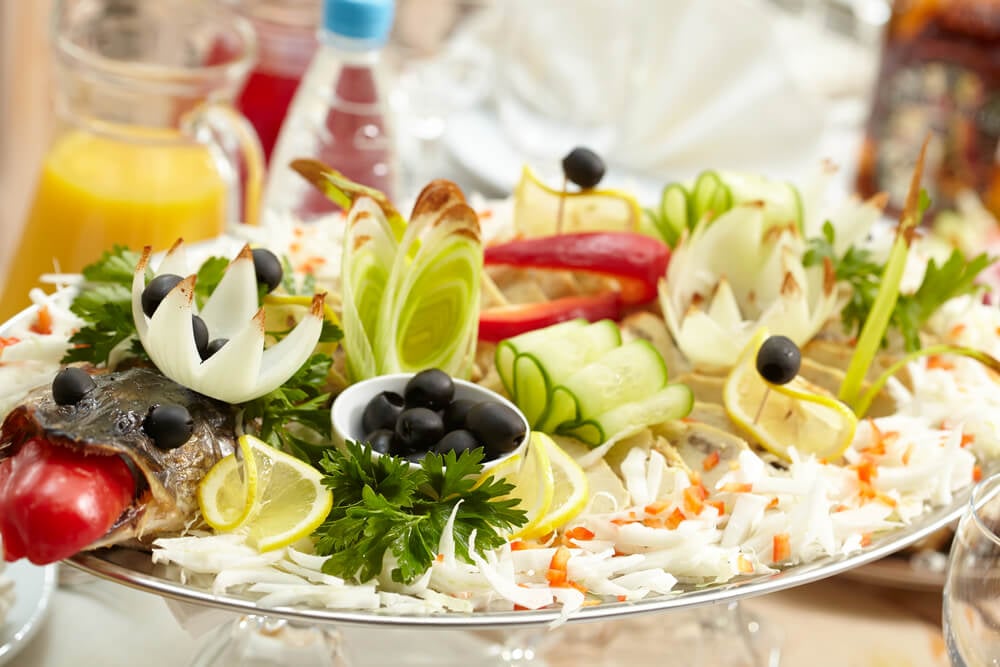
Restaurants once greeted diners with a relish tray holding celery sticks, carrot sticks, radishes, olives and pickles, often on crushed ice. It was usually free and arrived with bread and butter.
The tradition was especially strong in supper clubs and family restaurants. Rising food costs and changing tastes ended it in most places.
Wisconsin supper clubs are among the last holdouts, where relish trays remain part of the experience. For many diners, the tray signaled that a meal would be generous and unhurried.
Some still include a cheese spread and crackers alongside the vegetables.
Welsh Rarebit
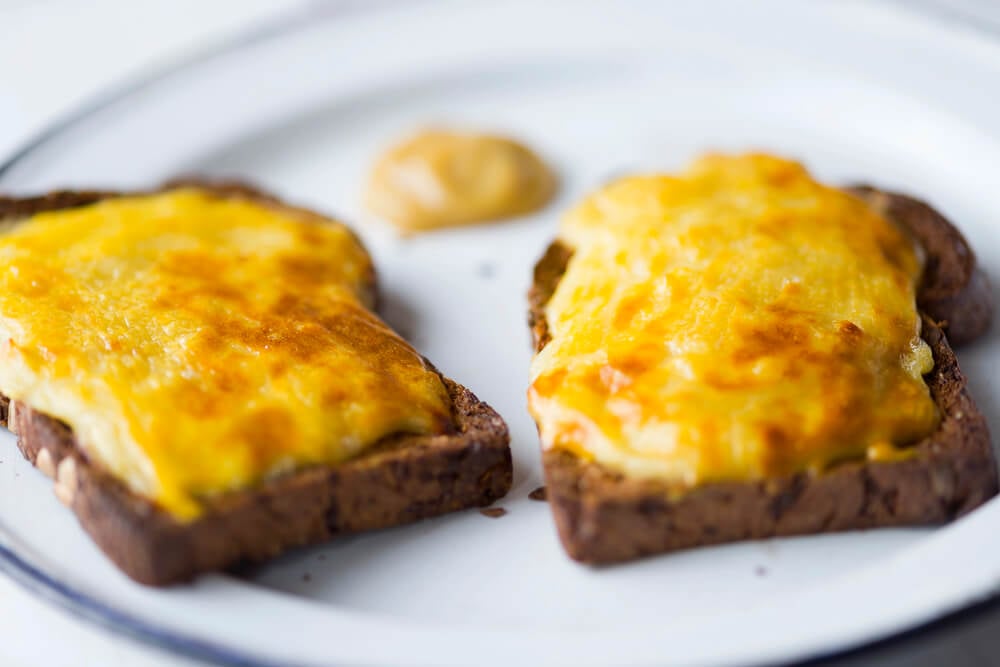
Welsh rarebit is a sauce of melted cheese with beer or ale, mustard and Worcestershire sauce, poured over toast. It was a popular late-night supper and lunch dish in American restaurants, hotel grills and department store tearooms.
Chafing dishes made it a favorite for after-theater gatherings at home. The name has long puzzled diners, since there is no rabbit involved.
It faded as grilled cheese sandwiches and other quick meals took over. Some British pubs and old-fashioned American restaurants still serve it, but it is now uncommon.
Liver and Onions
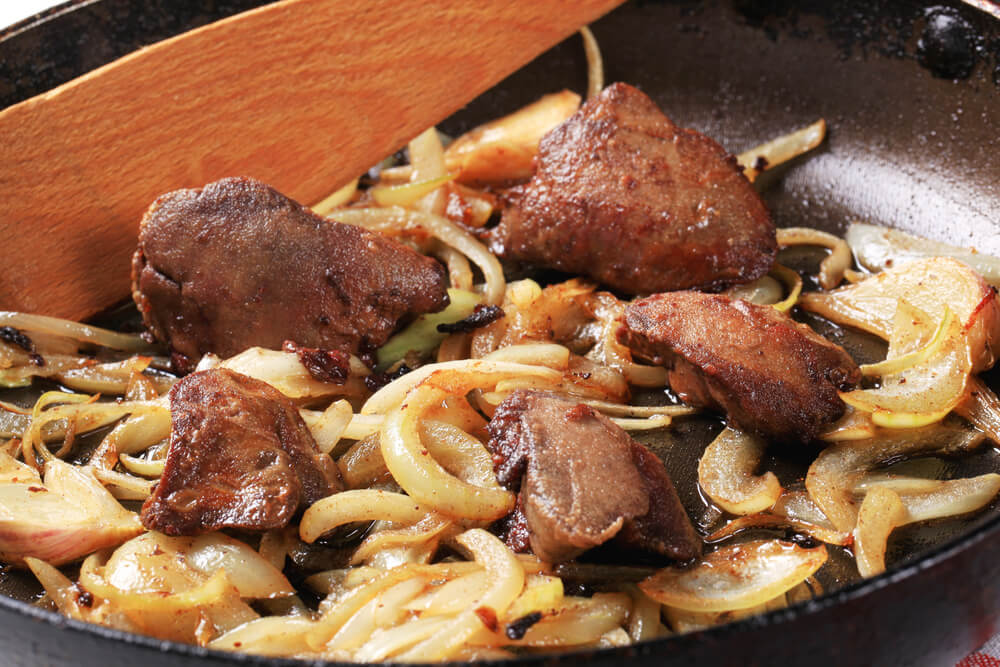
Pan-fried calf’s liver with caramelized onions and sometimes bacon was a staple of diners, cafeterias and family restaurants for decades. It was inexpensive, filling and rich in iron, which made it a common recommendation for good health.
Many older diners still order it when they find it. Younger diners tend to avoid organ meats, and the dish has disappeared from most menus.
Some diners still keep it as a weekly special for loyal regulars. For many people, it remains the dish they were forced to eat as children.
Chicken Divan
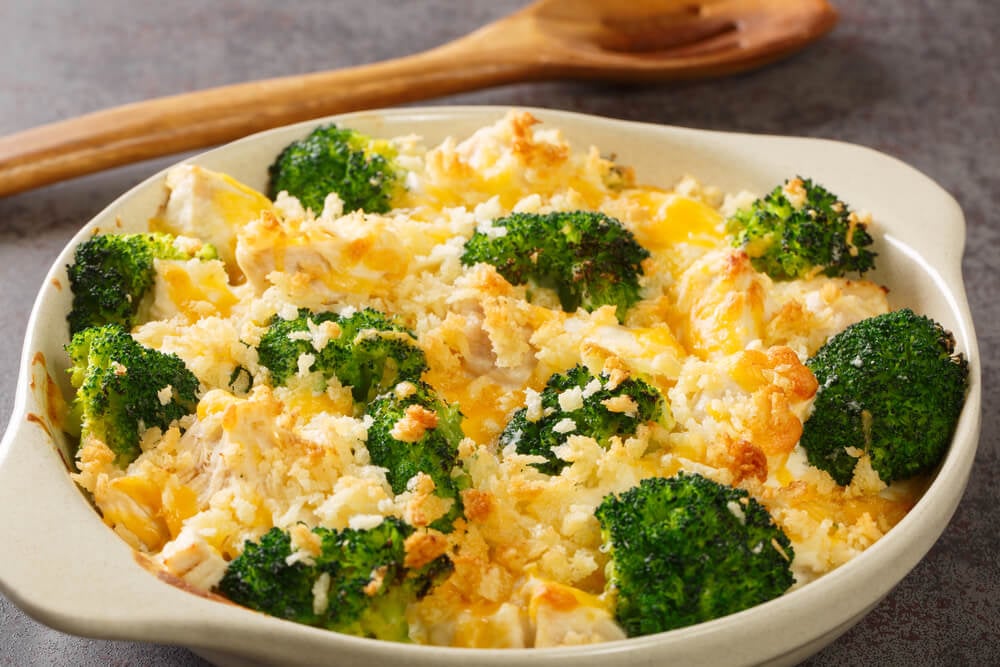
Chicken Divan layers broccoli and sliced chicken under a rich sauce of cream, cheese and sherry, then bakes it until bubbling. It was created at the Divan Parisien restaurant in New York in the mid-20th century and became popular in restaurants and home kitchens.
Later versions used canned soup, which turned it into a casserole staple. Restaurants dropped it as tastes moved away from heavy cream sauces.
It still appears in community cookbooks and church suppers. Its restaurant origins are mostly forgotten.
The restaurant’s name came from its setting in a Manhattan hotel, where it served a well-heeled lunch crowd. Few people who bake the casserole today have any idea of that history.
Turkey Tetrazzini
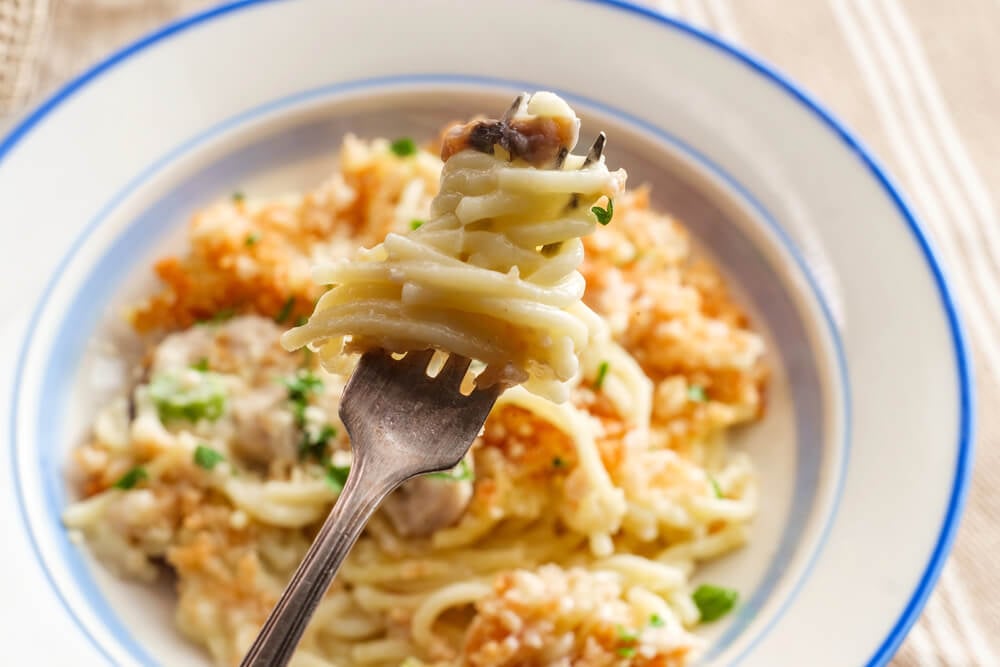
Turkey or chicken Tetrazzini combines poultry and spaghetti in a creamy sauce with mushrooms and Parmesan, baked until golden. It was named for the Italian opera singer Luisa Tetrazzini, who was famous in the early 20th century.
San Francisco and New York both claim the original. Restaurants once served it as a lunch special, and it became a common way to use holiday leftovers.
Its restaurant presence faded as diners chose lighter pasta dishes. It remains a favorite home dish after Thanksgiving, especially among older cooks.
Chop Suey
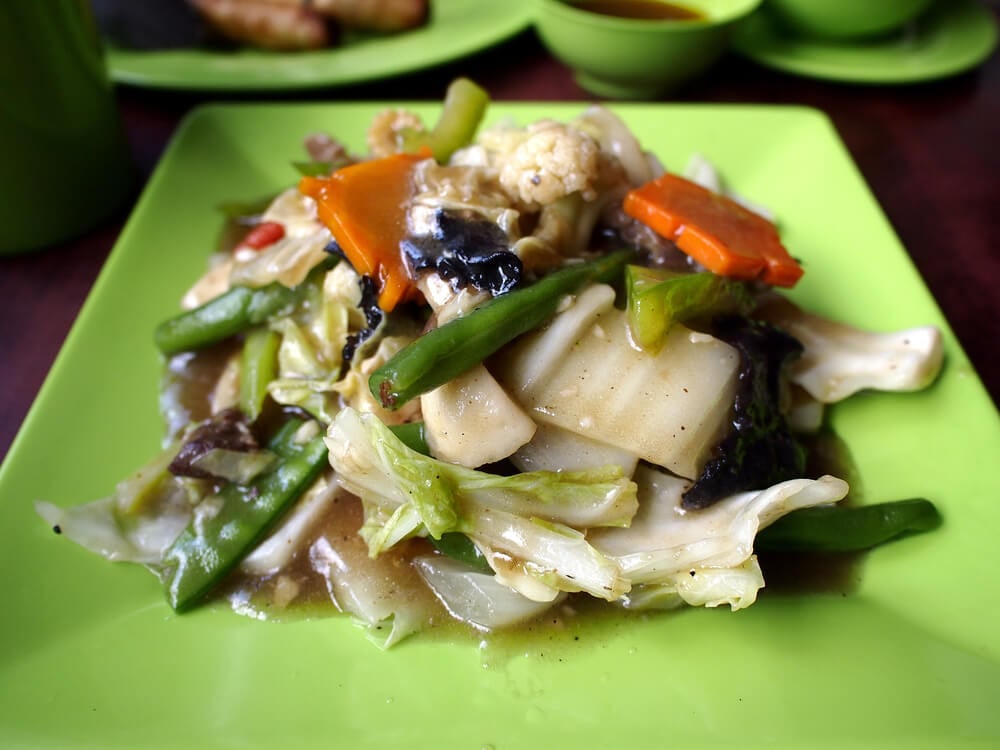
Chop suey, a stir-fry of meat and vegetables in a light sauce, was one of the first Chinese dishes to become popular in the United States. It was a sensation in the early 20th century, and chop suey restaurants opened across the country.
Popular stories about its invention, including one involving a Chinese diplomat’s 1896 visit to New York, are probably myths. It was an Americanized dish from the beginning.
Chinese American restaurants have since shifted toward regional dishes and newer favorites. Chop suey still appears on some menus, but few diners order it.
Pu Pu Platter With a Tabletop Flame
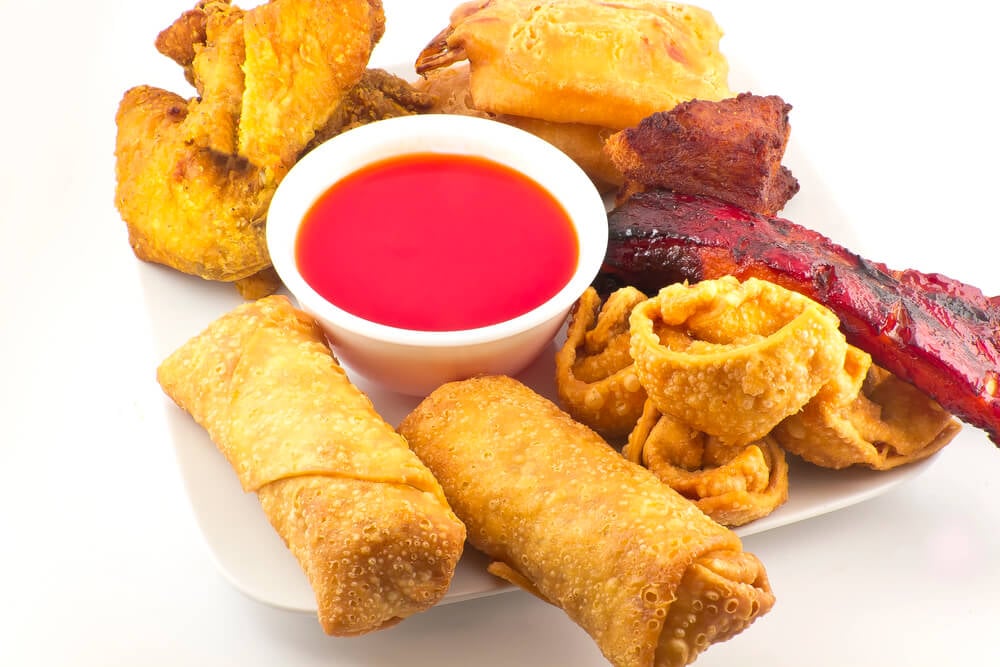
The pu pu platter, a lazy Susan of egg rolls, spareribs, fried shrimp, chicken wings and other appetizers around a small flaming grill, was a centerpiece of Polynesian-themed and Chinese American restaurants. Tiki bars of the mid-20th century helped make it popular.
Diners toasted bits of meat over the flame, which made the meal feel like an event. Many of those restaurants have closed, and the platter has become rare.
A few long-running tiki bars and old Chinese American restaurants still serve it, often to customers seeking nostalgia.
Flaming Saganaki
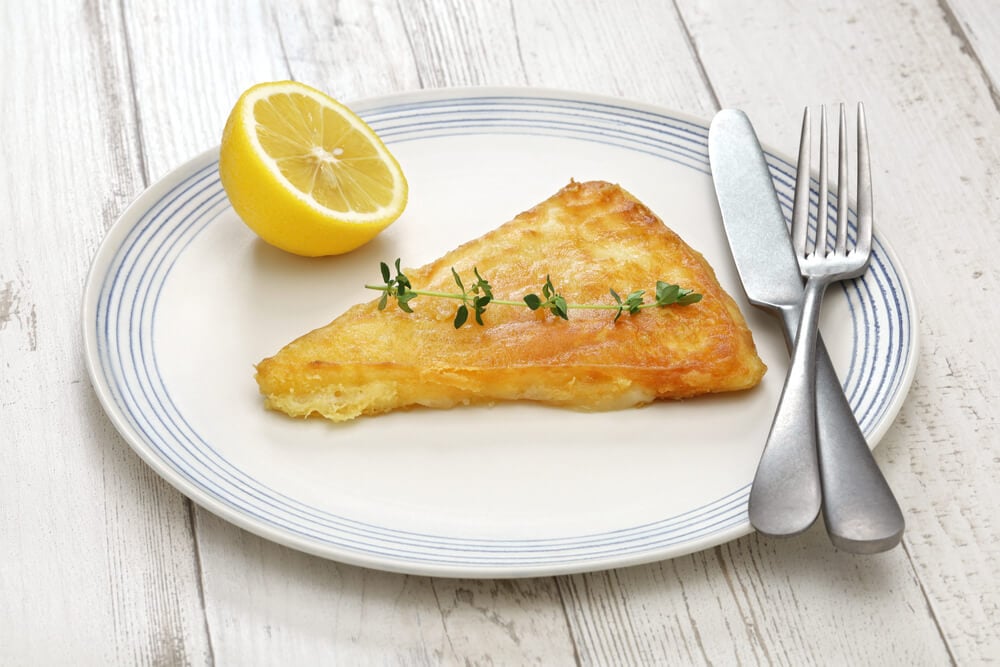
Saganaki, a slab of firm cheese fried in a small pan, was set on fire at the table with brandy and extinguished with a squeeze of lemon. The Parthenon restaurant in Chicago’s Greektown is credited with adding the flame and the shout of opa in 1968.
The trick spread to Greek restaurants across the country. Fire safety rules and changing tastes have made it less common.
The Parthenon closed in 2020, ending a long tradition. Some Greek restaurants still serve flaming saganaki, but many now plate it without the flames.
The Diet Plate
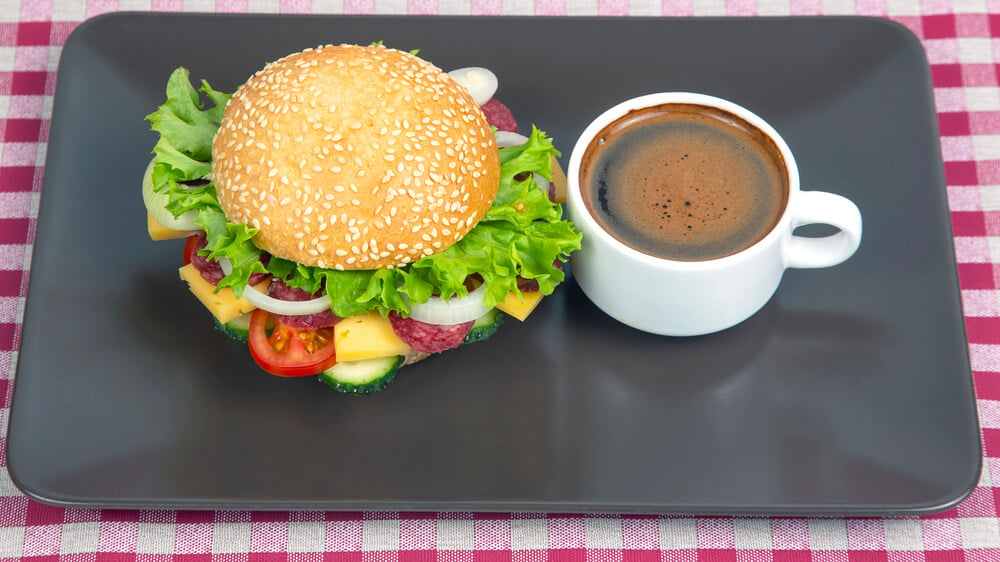
Mid-century diners and coffee shops offered a diet plate, usually a bunless hamburger patty with a scoop of cottage cheese, a canned peach half and sometimes a lettuce leaf. It was the standard low-calorie option before salads and grain bowls took over.
Women in particular were encouraged to order it. It reflected the era’s ideas about dieting, which focused on cutting bread and potatoes.
The diet plate has disappeared from most menus. Its combination of ingredients now seems strange, but it remains a symbol of 1950s and 1960s dieting.
Creamed Chipped Beef on Toast
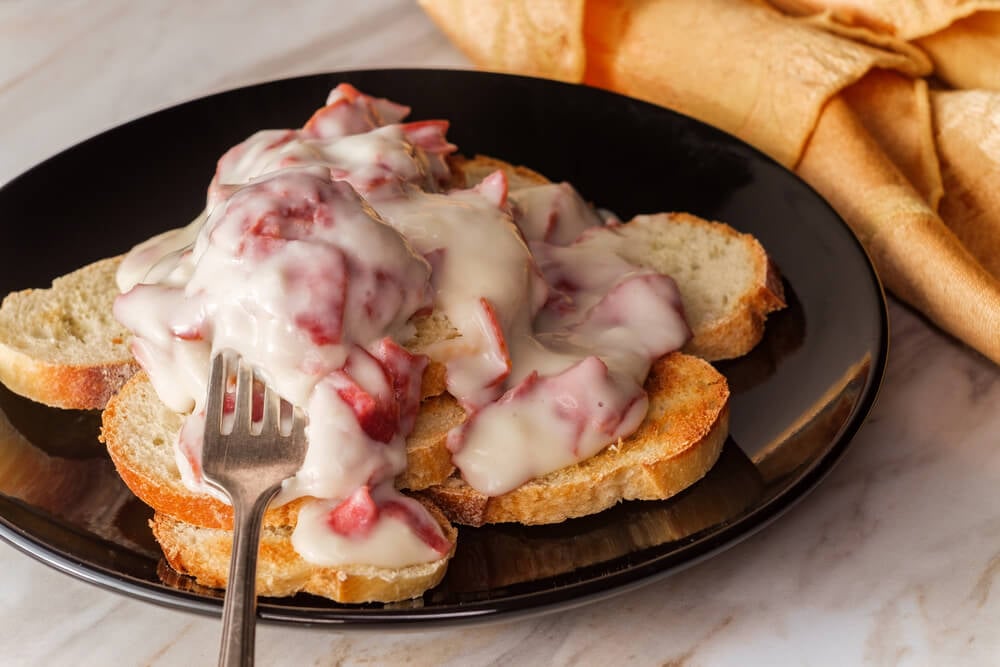
Thin slices of dried beef in a white gravy, spooned over toast, were a staple of military mess halls, diners and cafeterias. Veterans gave it a crude nickname that most people still remember.
The dish was cheap, quick and filling. Jars of dried beef sold in grocery stores made it a home staple as well.
Restaurants dropped it as breakfast menus changed. It still appears at some diners and military-themed restaurants.
Many veterans remember it with a mix of affection and disgust. Grocery brands sold the dried beef in small glass jars that families often reused as juice glasses.
Caesar Salad Mixed Tableside
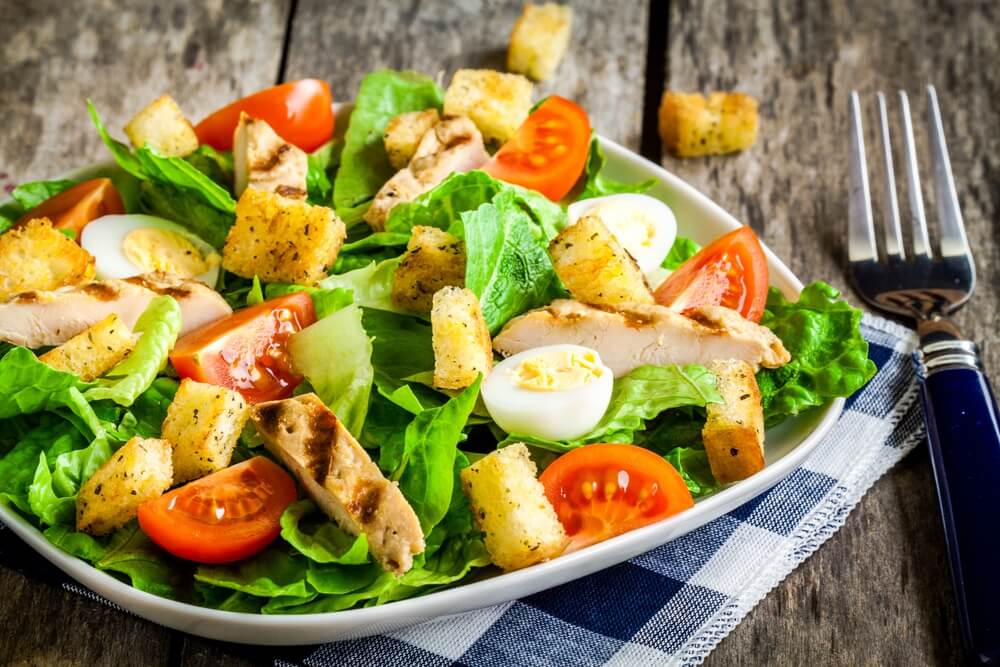
Caesar salad was invented by Caesar Cardini at his restaurant in Tijuana, Mexico, in 1924. In its classic form, waiters prepared it tableside, mixing raw egg, garlic, lemon, Worcestershire sauce and Parmesan with romaine leaves and croutons.
Anchovies were often added. The tableside preparation was a performance that diners loved.
Concerns about raw eggs and the cost of staff time ended the practice in most restaurants. The salad itself remains popular, but it now arrives premixed from the kitchen.
A few steakhouses keep the tableside version as a signature, and diners still watch the mixing closely. The original Tijuana restaurant claim remains a point of pride in that city.
Chafing Dishes and Changing Appetites
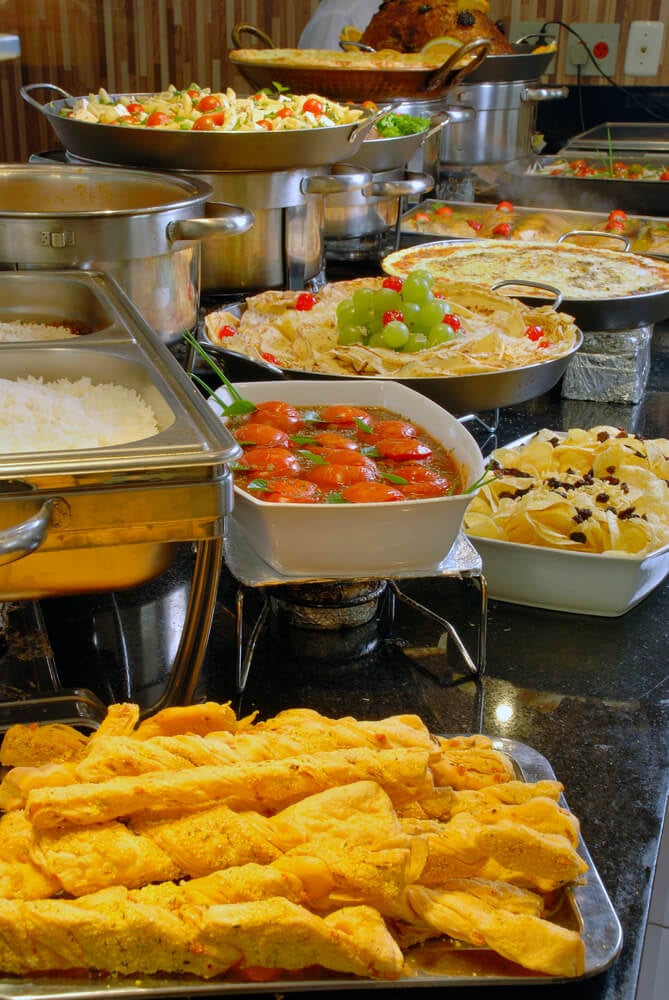
Most of these dishes disappeared because dining changed, not because they tasted bad. Diners wanted lighter food, faster service and more variety.
Rich cream sauces, tableside flames and elaborate preparations required time and staff that many restaurants could no longer afford.
Yet many of these dishes are making small comebacks. Retro supper clubs, old steakhouses and nostalgic chefs are bringing them back to menus.
Diners curious about history are ordering them again. The old menus may look strange, but they still have the power to make a meal feel like an occasion.
More from Go2Tutors!

- The Romanov Crown Jewels and Their Tragic Fate
- 13 Historical Mysteries That Science Still Can’t Solve
- Famous Hoaxes That Fooled the World for Years
- 15 Child Stars with Tragic Adult Lives
- 16 Famous Jewelry Pieces in History
Like Go2Tutors’s content? Follow us on MSN.